Select Games to Compare
Benchmark your exact mobile GPU wattage (TGP), battery throttling drops, and cooling pad requirements for these games.
Warhammer 40,000: Dawn of War IV vs The Alters
| close | close |
|---|---|
| shopping_cart Where to Buy | |
| info General Information | |
| Release Date | |
| Dec 3, 2026 | Jun 13, 2025 |
| Developer | |
| KING Art Games | 11 bit studios |
| Publisher | |
| Deep Silver | 11 bit studios |
| Genre(s) | |
| Real-Time Strategy (RTS), Tactical RTS, Sci-Fi, War | Sci-Fi Survival, Base Building, Adventure, Psychological Drama |
| Engine | |
| Unity | Unreal Engine |
| stars Ratings & Price | |
| Content Rating | |
| Mature | T (Teen) - ESRB Descriptors: Language, Use of Alco |
| Avg. User Rating | |
| 4.5 / 5.0 | 4.2 / 5.0 |
| Current Price (USD) | |
| $59.99 | $34.99 |
| tune Key Specs | |
| Quick Highlights | |
|
|
| sports_esports Gameplay & Mechanics | |
| Companions/Followers | |
|
|
| Key Collectibles | |
|
|
| Key Themes | |
|
|
| colorize Combat & Gear | |
| Weapons Overview | |
|
|
| Armor / Gear Sets | |
|
|
| Outfits/Customization | |
|
|
| trending_up Progression & Upgrades | |
| Skills & Progression | |
|
Dawn of War IV combines the macro-base building of DoW1 with the squad-level tactical depth and hero progression of DoW2. The strategic resource system relies on capturing and holding Requisition Points and Power Generators across the map. Faction mechanics are deeply distinct: Space Marines utilize orbital drop-pod reserves that can be slammed anywhere within line of sight, dynamic weapon squad loadouts (plasma guns, meltas, and heavy bolters), and Chapter Master doctrines. The Adeptus Mechanicus employ Canticles of the Omnissiah providing global battlefield buffs and servo-skull construction protocols. Necrons leverage Reanimation Protocols, living metal self-repair, and phase-shifting monolith tech, while Orks gather battlefield scrap from destroyed vehicles to dynamically upgrade infantry weaponry and construct custom battlewagons. |
Progression is tied to base expansion and research. Creating Alters with specific skills (e.g., Scientist, Technician, Miner) unlocks new capabilities. The Scientist Alter can work in the Research Lab to unlock new technologies, base modules, and crafting recipes. The Technician can repair the base more efficiently. Upgrades focus on improving the base's efficiency, resource production, and survivability against environmental threats. |
| public World & Exploration | |
| World & Level Design | |
|
The campaign and skirmish maps recreate the iconic territories of planet Kronus with modern scale and verticality. Key regions include Victory Bay (a fortified coastal industrial city lined with massive seawalls and heavy defensive artillery), Thur'Abis Catacombs (a subterranean labyrinth of luminescent green Necron necro-architecture and resurrection chambers), the Pavonis Spaceport (a sprawling orbital transit hub covered in shipping containers and landing gantries), the Ironworks of Mars Forge Complex (a towering Mechanicus industrial sector filled with molten conduits and cogitator towers), and the Deimos Peninsula (a rugged wasteland of basalt canyons, toxic tar pits, and fortified Ork shantytowns). |
The game is structured across several large, distinct maps that Jan must traverse in sequence. Each map represents a different biome of the alien planet, presenting unique environmental hazards, resources, and exploration challenges. The gameplay is not a seamless open world but a series of large, explorable zones that the mobile base travels between. |
| Playable Vehicles | |
|
|
| Notable Fauna/Mounts | |
|
N/A |
| book Story & Characters | |
| Main Characters | |
|
|
| Example Missions | |
|
|
| people Multiplayer | |
| Multiplayer Details | |
|
Features an extensive suite of competitive and cooperative multiplayer modes: 1v1, 2v2, 3v3, and 4v4 Annihilation (destroy all enemy production structures) and Victory Point Domination (hold control nodes to deplete enemy victory tickets). Cooperative options include full 2-player campaign co-op across all faction story arcs, and the acclaimed 3-player co-op survival mode 'The Last Stand,' where three commanders choose hero units (such as a Space Marine Captain, Necron Overlord, Tech-Priest Dominus, or Ork Warboss) to repel 20 escalating waves of enemies. |
The Alters does not feature any multiplayer or co-operative modes. |
| extension Editions & DLC | |
| Available Editions | |
|
The game is offered in two main editions: The Standard Edition ($59.99 USD, with a 10% pre-order discount at $53.99 USD) includes the full base game featuring all four launch factions, 70+ campaign missions, Skirmish, and multiplayer modes. The Commander Edition ($89.99 USD, $80.99 USD on pre-order) grants 3 days of early access starting November 30, 2026, the complete Year 1 Expansion Pass (including the Blood Ravens Story Prologue DLC and the upcoming 'Aftermath' expansion introducing a 5th playable faction), exclusive Dark Angels and Deathwing cosmetic skins for Space Marine units, an official digital orchestral soundtrack, and an interactive digital concept art book. |
The game was released with a Standard Edition and a Deluxe Edition. The Deluxe Edition includes the base game, a digital artbook, and the original soundtrack. A physical Signature Edition with collectibles like a 'Pierogi Press' was also available from specific retailers. |
| Post-Launch Content / DLC | |
|
Deep Silver and KING Art Games have unveiled a comprehensive Year 1 Content Roadmap. Major additions include the 'Blood Ravens: Sins of the Father' narrative prologue campaign, the 'Aftermath' major expansion bringing a 5th fully playable faction (with leaks pointing toward Tyranids or Chaos Space Marines), a dynamic turn-based planetary 'Crusade Mode' meta-campaign reminiscent of Dark Crusade, free monthly Skirmish and Last Stand maps, and full community modding support through Steam Workshop. |
The Deluxe Edition includes one planned paid DLC to be released post-launch. Details about the content of this DLC have not yet been announced by 11 bit studios. |
| help_outline FAQ | |
| Frequently Asked Questions | |
|
|
| build Technical Details | |
| Graphics & Visual Fidelity | |
|
Powered by an enhanced Unity rendering engine tailored for large-scale tactical simulations, Dawn of War IV showcases incredible visual fidelity: physically based rendering on ceramite armor, dynamic fluid blood spatter, realistic terrain deformation from artillery craters, dynamic smoke and fire propagation, and detailed squad-level sync-kills where Dreadnoughts crush Ork Nobz and Necron Flayed Ones violently dismember enemy infantry. |
Built on Unreal Engine, the game features a distinct visual style with a striking, alien planet filled with bizarre, physics-defying anomalies and beautiful yet menacing landscapes. The mobile base is highly detailed, with a modular, industrial aesthetic. |
| Audio & Soundtrack | |
|
The sound design captures the immense, apocalyptic scale of the 41st Millennium. The musical score, recorded by a live European orchestra and choir, combines deep gothic monastic chants, industrial brass horns, and thunderous war drums. Weapon sound effects resonate with authentic ferocity—from the booming bark of bolters and deafening crunch of chainswords to the eerie electronic buzz of Necron gauss beams and screeching Ork war-wagons. Full voice acting brings every unit to life with dramatic chapter battle barks, Mechanicus binary chants, and guttural Ork banter. |
The game features a full voice cast for Jan and all his Alters, with the same actor (Alex Jordan) delivering nuanced performances for each personality. The soundtrack is atmospheric and emotional, emphasizing the themes of isolation and introspection. The launch trailer notably featured the song 'We Might Be Dead by Tomorrow' by Soko. |
| User Interface (UI/UX) | |
|
The interface combines the functional clarity of classic PC RTS titles with modern 4K scalable vector HUD elements. It features a tactical minimap with clear sector influence overlays, an intuitive bottom-command console displaying squad status, weapon upgrade slots, dynamic ability hotkeys, and an orbital command panel for off-map doctrinal powers. Full grid-key control schemes and customizable keybindings ensure competitive accessibility for RTS veterans. |
The UI features a time bar at the top of the screen, indicating the safe daylight hours for exploration. Menus on the left side show the status and mood of each Alter and current tasks. A resource counter is displayed at the bottom. The interface is designed to provide critical survival and management information at a glance. |
| Accessibility Options | |
|
KING Art Games has implemented a robust accessibility framework: fully rebindable keyboard and mouse commands with multiple default RTS profiles (Classic DoW, Grid, Modern RTS), scalable UI text up to 200%, colorblind filter presets (Protanopia, Deuteranopia, Tritanopia) for distinct tactical team colors, adjustable gameplay speed sliders for single-player missions, customizable camera zoom and tilt limits, and comprehensive subtitle customization. |
Includes standard accessibility options such as customizable subtitles, difficulty settings (particularly for the economy and survival elements), and remappable controls on PC. |
| video_library Media Links | |
| Gameplay Video | |
| launchWatch | launchWatch |
| Walkthrough/Guide | |
| launchView | launchView |
| settings_applications System Requirements | |
| 1080p (Full HD) - Recommended (High Preset, 1080p (60-90 FPS Target)) CPU: High-frequency octa-core processor ensuring smooth frame pacing during dense 4v4 multi-army clashes and heavy artillery barrages. CPU (Laptop): High-efficiency 8-core mobile CPU sustaining locked 60 FPS across all campaign and multiplayer engagements. GPU: Mid-tier graphics cards providing locked 60+ FPS at 1080p with maximum troop counts, advanced ragdoll physics, and dynamic lighting. GPU (Laptop): Delivers flawless 1080p 60-90 FPS gameplay on high-refresh laptop displays. RAM: Optimal memory bandwidth preventing micro-stutter during chaotic orbital strikes and sudden drop-pod landings. Storage: Virtually eliminates load screens when transitioning between battlefield sectors and cinematic event cutscenes. | |
memoryCPU: Intel Core i7-8700K / AMD Ryzen 7 3700X developer_boardGPU: NVIDIA GeForce RTX 2060 Super (8GB) / AMD Radeon RX 5700 XT (8GB) laptop_macCPU (L): Intel Core i7-11800H / AMD Ryzen 7 5800H laptop_windowsGPU (L): NVIDIA GeForce RTX 3060 Mobile (95W+) / RTX 4060 Mobile (85W+) layersRAM: 16 GB saveStorage (Tier): 70 GB NVMe M.2 SSD | — |
| 1080p (Full HD) - Recommended (Targets 1080p, High settings, ~60 FPS) (High settings at 1080p resolution, aiming for a consistent 60 FPS.) CPU: The official recommended desktop CPUs for a smooth 1080p experience. CPU (Laptop): Mid-range to high-end laptop CPUs that should deliver a solid 60 FPS at 1080p. GPU: Official recommended GPUs for high settings at 1080p. The RTX 4060 is a strong alternative, especially with DLSS 3 Frame Generation support. GPU (Laptop): The RTX 4050 Laptop provides excellent 1080p performance with DLSS 3. The RTX 3060 Laptop is also a very capable option. A hypothetical RTX 5050 Laptop would be a great future choice for this tier. RAM: 16GB of RAM is recommended, and running it in dual-channel mode will improve performance. Storage: An SSD is strongly recommended for this tier to ensure fast loading and asset streaming. | |
| — | memoryCPU: Intel Core i7-8700K or AMD Ryzen 7 5800X developer_boardGPU: NVIDIA GeForce RTX 2070 (8GB) / RTX 4060 (8GB) or AMD Radeon RX 6600 XT (8GB) or Intel Arc A770 laptop_macCPU (L): Intel Core i7-10750H / AMD Ryzen 7 4800H or better. laptop_windowsGPU (L): NVIDIA GeForce RTX 3060 Laptop (6GB) / RTX 4050 Laptop (6GB). (Future-proof: RTX 5050 Laptop) layersRAM: 16 GB saveStorage (Tier): 50 GB SSD |
| 1080p (Full HD) - Minimum (Low/Medium Preset, 1080p (45-60 FPS Target with Upscaling)) CPU: Baseline quad-core/hexa-core desktop processor capable of handling core RTS game loops, basic unit pathfinding, and AI script triggers. CPU (Laptop): Entry-level mobile CPU capable of delivering stable 1080p gameplay during 1v1 and smaller skirmish encounters. GPU: Baseline 6GB+ VRAM GPU delivering playable 1080p frame rates on medium settings with temporal upscaling enabled. GPU (Laptop): Provides solid 1080p baseline rendering for entry-level gaming laptops. RAM: Essential physical memory capacity to hold unit textures, audio banks, and map geometries without system swapping. Storage: Solid-state drive required to prevent loading hangs and asset streaming delays during map launches. | |
memoryCPU: Intel Core i5-6600K / AMD Ryzen 5 1600 developer_boardGPU: NVIDIA GeForce GTX 1060 (6GB) / AMD Radeon RX 580 (8GB) laptop_macCPU (L): Intel Core i5-10300H / AMD Ryzen 5 4600H laptop_windowsGPU (L): NVIDIA GeForce GTX 1660 Ti Mobile (6GB) / RTX 3050 Mobile (6GB, 60W+) layersRAM: 16 GB saveStorage (Tier): 70 GB SATA SSD | — |
| 1080p (Full HD) - Minimum (Targets 1080p, Low/Medium settings, ~30-60 FPS) (Low to Medium settings at 1080p resolution.) CPU: These are the official minimum desktop CPUs required to play the game. CPU (Laptop): Estimated laptop CPUs that should provide a playable experience at lower settings. GPU: The official minimum desktop GPUs. A GPU with at least 6GB of VRAM is specified. GPU (Laptop): Estimated laptop GPUs for a minimum playable experience. The RTX 3050 offers DLSS support for better performance. RAM: 16GB of RAM is the official minimum requirement. Storage: An SSD is highly recommended for better loading times. | |
| — | memoryCPU: Intel Core i7-6700 or AMD Ryzen 5 1600 developer_boardGPU: NVIDIA GeForce GTX 1060 (6GB) or AMD Radeon RX 570 (8GB) or Intel Arc A570 laptop_macCPU (L): Intel Core i7-7700HQ / AMD Ryzen 5 3550H or equivalent. laptop_windowsGPU (L): NVIDIA GeForce RTX 3050 Laptop (4GB/6GB) or NVIDIA GeForce GTX 1650 Ti Mobile. layersRAM: 16 GB saveStorage (Tier): 50 GB HDD/SSD (SSD Recommended) |
| 1440p (QHD/2K) - Enthusiast (Ultra Preset, 1440p (90-120 FPS Target)) CPU: Large L3 cache processor completely eliminating CPU bottlenecks during simultaneous multi-faction base assaults. CPU (Laptop): High-frequency mobile processors capable of keeping 1440p frame pacing rock solid. GPU: Powers crisp 1440p native resolution at high refresh rates with maximum unit counts, destructible terrain, and full volumetric effects. GPU (Laptop): Maintains locked 90+ FPS on 1440p QHD laptop panels with DLSS Quality mode. RAM: Provides extensive headroom for high-resolution texture streaming and multi-tasking. Storage: Instantaneous level load times and zero texture pop-in during fast zoom transitions across vast battlefields. | |
memoryCPU: Intel Core i7-12700K / AMD Ryzen 7 5800X3D developer_boardGPU: NVIDIA GeForce RTX 4070 (12GB) / AMD Radeon RX 7800 XT (16GB) laptop_macCPU (L): Intel Core i7-13700HX / AMD Ryzen 7 7840HS laptop_windowsGPU (L): NVIDIA GeForce RTX 4070 Mobile (140W) / RTX 3080 Mobile (130W) layersRAM: 32 GB saveStorage (Tier): 70 GB PCIe Gen4 NVMe M.2 SSD | — |
| 1440p (QHD/2K) - High (Targets 1440p, High settings, ~60 FPS) (High settings at 1440p resolution with a target of 60 FPS.) CPU: A strong desktop CPU is recommended to maintain a smooth 60 FPS at 1440p. CPU (Laptop): High-performance laptop CPUs are recommended for a consistent 1440p experience. GPU: Desktop GPUs capable of delivering a solid 1440p/60FPS experience. The RTX 4060 Ti offers similar rasterization to the RTX 3070 with the benefit of DLSS 3. A future RTX 5060 would be ideal here. GPU (Laptop): Powerful laptop GPUs are needed for a smooth 1440p experience. The RTX 4060 Laptop is a great choice with DLSS 3. A future RTX 5060 Laptop would likely excel at this resolution. RAM: 16GB of RAM in dual-channel is recommended for smooth 1440p gaming. Storage: An NVMe SSD is recommended for the best loading times at 1440p. | |
| — | memoryCPU: Intel Core i7-8700K / AMD Ryzen 7 5800X or newer. developer_boardGPU: NVIDIA GeForce RTX 3070 (8GB) / RTX 4060 Ti (8GB) or AMD Radeon RX 6700 XT (12GB). (Future-proof: RTX 5060) laptop_macCPU (L): Intel Core i7-11800H / AMD Ryzen 7 5800H or newer. laptop_windowsGPU (L): NVIDIA GeForce RTX 3070 Laptop (8GB) / RTX 4060 Laptop (8GB). (Future-proof: RTX 5060 Laptop) layersRAM: 16 GB saveStorage (Tier): 50 GB NVMe SSD |
| 2160p (UHD/4K) - Ultra (Max Preset, 4K (60-120 FPS with DLSS/FSR Quality)) CPU: Class-leading gaming CPU delivering maximum instruction throughput for hundreds of active squads and vehicles on screen. CPU (Laptop): Desktop-replacement caliber mobile CPU driving external 4K monitors with pristine frame pacing. GPU: Flagship 4K graphics rendering colossal titans, detailed power armor engravings, and sweeping plasma fire in razor-sharp Ultra-HD. GPU (Laptop): Top-tier mobile GPU delivering flawless 4K 60-100 FPS performance on enthusiast laptops. RAM: High-bandwidth DDR5 memory ensuring instantaneous asset streaming and high-bitrate spatial audio execution. Storage: Peak transfer rates for near-instant boot and battle restarts. | |
memoryCPU: Intel Core i7-14700K / AMD Ryzen 7 7800X3D developer_boardGPU: NVIDIA GeForce RTX 4080 (16GB) / AMD Radeon RX 7900 XTX (24GB) laptop_macCPU (L): Intel Core i9-14900HX / AMD Ryzen 9 7945HX laptop_windowsGPU (L): NVIDIA GeForce RTX 4090 Mobile (175W) layersRAM: 32 GB saveStorage (Tier): 70 GB PCIe Gen4/Gen5 NVMe SSD | — |
| 2160p (UHD/4K) - Ultra (Targets 2160p/4K, High/Ultra settings, ~60 FPS) (High to Ultra settings at 2160p (4K) resolution, aiming for 60 FPS. Upscaling technology is highly recommended.) CPU: A high-end desktop CPU, as per official recommendations for Ultra settings, is needed to avoid bottlenecks when gaming at 4K. CPU (Laptop): Top-tier laptop CPUs are necessary to pair with a powerful GPU for 4K gaming. GPU: Official recommendations point to the RTX 4080 Super for 4K Ultra. An RTX 4070 Ti SUPER is also a strong 4K contender. Future cards like the RTX 5070 or RTX 5080 would provide a more comfortable 4K/60+ FPS experience. GPU (Laptop): High-end laptop GPUs from the 40-series can achieve playable 4K with DLSS 3. An RTX 4080 Laptop is recommended for a better experience. A future RTX 5070 Laptop should be a very capable 4K mobile solution. RAM: 32GB of RAM is officially recommended for the smoothest 4K Ultra experience. Storage: A fast NVMe SSD is required to minimize loading times and support asset streaming at 4K. | |
| — | memoryCPU: Intel Core i7-12700K / AMD Ryzen 9 5900X or newer. developer_boardGPU: NVIDIA GeForce RTX 4070 Ti SUPER (16GB) / RTX 4080 SUPER (16GB) or AMD Radeon RX 7900 XTX (24GB). (Future-proof: RTX 5070 / RTX 5080) laptop_macCPU (L): Intel Core i9-12900H / AMD Ryzen 9 6900HX or newer. laptop_windowsGPU (L): NVIDIA GeForce RTX 4070 Laptop (8GB, High TGP) / RTX 4080 Laptop (12GB). (Future-proof: RTX 5070 Laptop) layersRAM: 32 GB saveStorage (Tier): 50 GB NVMe SSD |
| save Overall Storage | |
Spec: 70 GB available space (Solid State Drive Strictly Required) Note: High-speed SSD storage is mandatory to eliminate in-game stutter when streaming high-resolution unit textures, audio voice barks, and procedural destructible terrain. Type: SSD | Spec: 50 GB available space (SSD Recommended) Note: An SSD is strongly recommended for faster loading times and a smoother overall experience. Ensure at least 50 GB of free space on your drive. Type: SSD |
| desktop_windows Operating System | |
| Spec: Windows 10 64-bit / Windows 11 64-bit Explanation: Requires a 64-bit Windows operating system supporting DirectX 12 multi-threaded command buffers and modern memory addressing. | Spec: Windows 10 (64-bit) or Windows 11 (64-bit) Explanation: A 64-bit version of Windows 10 is the minimum requirement. Windows 11 is also fully supported and recommended for newer hardware like the 40 and 50 series GPUs to take full advantage of features like DirectStorage. |
| gamepad DirectX Version | |
| Spec: DirectX 12 Explanation: Utilizes DirectX 12 for efficient multi-threaded CPU draw calls, dynamic terrain tessellation, and complex volumetric particle lighting. | Spec: DirectX 12 Explanation: The game requires a DirectX 12 compatible GPU. This is a common requirement for modern games, enabling features like ray tracing and mesh shaders. |
| info_outline Other Game Notes | |
|
|
| build Optimization Details | |
|
|
| laptop Laptop Considerations | |
|
|


info_outline Feature details based on available data. System requirements and performance estimates may vary.
laptop_chromebook Laptop Recommendations
Common Recommendations (Handles All Compared Games)

- memory Intel Core i7-12700H
- developer_board NVIDIA GeForce RTX 3070
- layers 32GB DDR4-3200MHz
- track_changes Target GPU: NVIDIA GeForce GTX 1660 Ti Mobile (6GB) / RTX 3050 Mobile (6GB, 60W+)

- memory Intel Core i9-13900H
- developer_board NVIDIA GeForce RTX 4060
- layers 16GB DDR5-5200MHz
- track_changes Target GPU: NVIDIA GeForce GTX 1660 Ti Mobile (6GB) / RTX 3050 Mobile (6GB, 60W+)

- memory Intel Core i9-14900HX
- developer_board NVIDIA GeForce RTX 4060
- layers 32GB DDR5-5600MHz
- track_changes Target GPU: NVIDIA GeForce GTX 1660 Ti Mobile (6GB) / RTX 3050 Mobile (6GB, 60W+)

- memory Intel Core i9-14900HX
- developer_board NVIDIA GeForce RTX 4070
- layers 32GB DDR5-5600MHz
- track_changes Target GPU: NVIDIA GeForce RTX 4070 Mobile (140W) / RTX 3080 Mobile (130W)

- memory AMD Ryzen 9 8940HX Processor
- developer_board NVIDIA GeForce RTX 5060 Laptop GPU
- layers 32GB DDR5-5200MHz
- track_changes Target GPU: NVIDIA GeForce RTX 4070 Mobile (140W) / RTX 3080 Mobile (130W)

- memory Intel Core i9-12950HX
- developer_board NVIDIA GeForce RTX 3080 Ti
- layers 32GB DDR5-4800MHz
- track_changes Target GPU: NVIDIA GeForce RTX 4070 Mobile (140W) / RTX 3080 Mobile (130W)
- memory Intel Core i7-12700H
- developer_board NVIDIA GeForce RTX 3070
- layers 32GB DDR4-3200MHz
- track_changes Target GPU: NVIDIA GeForce RTX 3070 Laptop (8GB) / RTX 4060 Laptop (8GB). (Future-proof: RTX 5060 Laptop)
- memory Intel Core i9-13900H
- developer_board NVIDIA GeForce RTX 4060
- layers 16GB DDR5-5200MHz
- track_changes Target GPU: NVIDIA GeForce RTX 3070 Laptop (8GB) / RTX 4060 Laptop (8GB). (Future-proof: RTX 5060 Laptop)
- memory Intel Core i9-14900HX
- developer_board NVIDIA GeForce RTX 4060
- layers 32GB DDR5-5600MHz
- track_changes Target GPU: NVIDIA GeForce RTX 3070 Laptop (8GB) / RTX 4060 Laptop (8GB). (Future-proof: RTX 5060 Laptop)

- memory Intel Core i9-14900HX
- developer_board NVIDIA GeForce RTX 4090
- layers 32GB DDR5-5600MHz
- track_changes Target GPU: NVIDIA GeForce RTX 4090 Mobile (175W)

- memory Intel Core Ultra 9 285H (Series 2) , 14 cores (6 Performance cores + 8 Efficient cores), 20 threads
- developer_board NVIDIA GeForce RTX 5050 Laptop GPU
- layers 32GB (2x16GB) DDR5 8400MHz SO-DIMM
- track_changes Target GPU: NVIDIA GeForce RTX 4090 Mobile (175W)

- memory Intel Core Ultra 9 285H
- developer_board NVIDIA GeForce RTX 5070
- layers 32GB (2x16GB) DDR5 4800MHz SO-DIMM
- track_changes Target GPU: NVIDIA GeForce RTX 4090 Mobile (175W)
- memory Intel Core i9-14900HX
- developer_board NVIDIA GeForce RTX 4070
- layers 32GB DDR5-5600MHz
- track_changes Target GPU: NVIDIA GeForce RTX 4070 Laptop (8GB, High TGP) / RTX 4080 Laptop (12GB). (Future-proof: RTX 5070 Laptop)
- memory AMD Ryzen 9 8940HX Processor
- developer_board NVIDIA GeForce RTX 5060 Laptop GPU
- layers 32GB DDR5-5200MHz
- track_changes Target GPU: NVIDIA GeForce RTX 4070 Laptop (8GB, High TGP) / RTX 4080 Laptop (12GB). (Future-proof: RTX 5070 Laptop)
- memory Intel Core i9-12950HX
- developer_board NVIDIA GeForce RTX 3080 Ti
- layers 32GB DDR5-4800MHz
- track_changes Target GPU: NVIDIA GeForce RTX 4070 Laptop (8GB, High TGP) / RTX 4080 Laptop (12GB). (Future-proof: RTX 5070 Laptop)
For Warhammer 40,000: Dawn of War IV Specifically
- memory Intel Core i7-12700H
- developer_board NVIDIA GeForce RTX 3070
- layers 32GB DDR4-3200MHz
- track_changes Target GPU: NVIDIA GeForce GTX 1060 (6GB) / AMD Radeon RX 580 (8GB)
- memory Intel Core i9-13900H
- developer_board NVIDIA GeForce RTX 4060
- layers 16GB DDR5-5200MHz
- track_changes Target GPU: NVIDIA GeForce GTX 1060 (6GB) / AMD Radeon RX 580 (8GB)
- memory Intel Core i9-14900HX
- developer_board NVIDIA GeForce RTX 4060
- layers 32GB DDR5-5600MHz
- track_changes Target GPU: NVIDIA GeForce GTX 1060 (6GB) / AMD Radeon RX 580 (8GB)

- memory Intel Core i9-12900H
- developer_board NVIDIA GeForce RTX 3070 Ti
- layers 16GB DDR5-4800MHz
- track_changes Target GPU: NVIDIA GeForce GTX 1060 (6GB) / AMD Radeon RX 580 (8GB)

- memory Intel Core i5-12450H
- developer_board NVIDIA GeForce RTX 3050
- layers 16GB DDR4-3200MHz
- track_changes Target GPU: NVIDIA GeForce GTX 1060 (6GB) / AMD Radeon RX 580 (8GB)

- memory Intel Core i5-12500H
- developer_board NVIDIA GeForce RTX 3050 Ti
- layers 16GB DDR4-3200MHz
- track_changes Target GPU: NVIDIA GeForce GTX 1060 (6GB) / AMD Radeon RX 580 (8GB)

- memory AMD Ryzen 7 7435HS
- developer_board NVIDIA GeForce RTX 3050
- layers 32GB DDR5-4800MHz
- track_changes Target GPU: NVIDIA GeForce GTX 1060 (6GB) / AMD Radeon RX 580 (8GB)

- memory AMD Ryzen 7 6800H
- developer_board NVIDIA GeForce RTX 3060
- layers 16GB DDR5-4800MHz
- track_changes Target GPU: NVIDIA GeForce GTX 1060 (6GB) / AMD Radeon RX 580 (8GB)

- memory AMD Ryzen 9 5900HS
- developer_board NVIDIA GeForce RTX 3080
- layers 16GB DDR4-3200MHz
- track_changes Target GPU: NVIDIA GeForce GTX 1060 (6GB) / AMD Radeon RX 580 (8GB)

- memory Intel Core i7-13620H
- developer_board NVIDIA GeForce RTX 4070
- layers 16GB DDR5-4800MHz
- track_changes Target GPU: NVIDIA GeForce GTX 1060 (6GB) / AMD Radeon RX 580 (8GB)

- memory Intel Core i7-14700HX
- developer_board NVIDIA GeForce RTX 4070
- layers 16GB DDR5-5600MHz
- track_changes Target GPU: NVIDIA GeForce RTX 2060 Super (8GB) / AMD Radeon RX 5700 XT (8GB)
- memory Intel Core i9-14900HX
- developer_board NVIDIA GeForce RTX 4070
- layers 32GB DDR5-5600MHz
- track_changes Target GPU: NVIDIA GeForce RTX 2060 Super (8GB) / AMD Radeon RX 5700 XT (8GB)
- memory Intel Core i9-14900HX
- developer_board NVIDIA GeForce RTX 4070
- layers 32GB DDR5-5600MHz
- track_changes Target GPU: NVIDIA GeForce RTX 4070 (12GB) / AMD Radeon RX 7800 XT (16GB)
- memory AMD Ryzen 9 8940HX Processor
- developer_board NVIDIA GeForce RTX 5060 Laptop GPU
- layers 32GB DDR5-5200MHz
- track_changes Target GPU: NVIDIA GeForce RTX 4070 (12GB) / AMD Radeon RX 7800 XT (16GB)
- memory Intel Core i9-12950HX
- developer_board NVIDIA GeForce RTX 3080 Ti
- layers 32GB DDR5-4800MHz
- track_changes Target GPU: NVIDIA GeForce RTX 4070 (12GB) / AMD Radeon RX 7800 XT (16GB)

- memory Intel Core i9-14900HX
- developer_board NVIDIA GeForce RTX 4080 Laptop GPU
- layers 64 GB DDR5-5600MHz
- track_changes Target GPU: NVIDIA GeForce RTX 4070 (12GB) / AMD Radeon RX 7800 XT (16GB)

- memory Intel Core Ultra 9 Processor 275HX (Series 2)
- developer_board NVIDIA GeForce RTX 5070 Laptop GPU
- layers 32GB DDR5-5600MHz
- track_changes Target GPU: NVIDIA GeForce RTX 4070 (12GB) / AMD Radeon RX 7800 XT (16GB)

- memory Intel Core i9-14900HX Processor
- developer_board NVIDIA GeForce RTX 5070 Laptop GPU
- layers 32GB DDR5-5600MHz
- track_changes Target GPU: NVIDIA GeForce RTX 4070 (12GB) / AMD Radeon RX 7800 XT (16GB)

- memory Intel Core i9-14900HX Processor
- developer_board NVIDIA GeForce RTX 5070 Laptop GPU
- layers 32GB DDR5-5600MHz
- track_changes Target GPU: NVIDIA GeForce RTX 4070 (12GB) / AMD Radeon RX 7800 XT (16GB)

- memory Intel Core Ultra 9 285H (Arrow Lake-H)
- developer_board NVIDIA GeForce RTX 5070 Laptop GPU
- layers 64GB LPDDR5x-8533MT/s (LPCAMM2)
- track_changes Target GPU: NVIDIA GeForce RTX 4070 (12GB) / AMD Radeon RX 7800 XT (16GB)

- memory Intel Core i9-14900HX
- developer_board NVIDIA GeForce RTX 4080
- layers 64GB DDR5-5600MHz
- track_changes Target GPU: NVIDIA GeForce RTX 4070 (12GB) / AMD Radeon RX 7800 XT (16GB)

- memory Intel Core i9-14900HX
- developer_board NVIDIA GeForce RTX 4080
- layers 32GB DDR5-5600MHz
- track_changes Target GPU: NVIDIA GeForce RTX 4070 (12GB) / AMD Radeon RX 7800 XT (16GB)
- memory Intel Core Ultra 9 285H (Series 2) , 14 cores (6 Performance cores + 8 Efficient cores), 20 threads
- developer_board NVIDIA GeForce RTX 5050 Laptop GPU
- layers 32GB (2x16GB) DDR5 8400MHz SO-DIMM
- track_changes Target GPU: NVIDIA GeForce RTX 4080 (16GB) / AMD Radeon RX 7900 XTX (24GB)
- memory Intel Core Ultra 9 285H
- developer_board NVIDIA GeForce RTX 5070
- layers 32GB (2x16GB) DDR5 4800MHz SO-DIMM
- track_changes Target GPU: NVIDIA GeForce RTX 4080 (16GB) / AMD Radeon RX 7900 XTX (24GB)

- memory Intel Core i9-14900HX Processor
- developer_board NVIDIA GeForce RTX 5070 Ti Laptop GPU
- layers 64GB DDR5-5600MHz (commonly listed as 4800MHz by some retailers, but 5600MHz is common for 14th Gen HX with DDR5)
- track_changes Target GPU: NVIDIA GeForce RTX 4080 (16GB) / AMD Radeon RX 7900 XTX (24GB)

- memory Intel Core Ultra 9 Processor 275HX
- developer_board NVIDIA GeForce RTX 5070 Ti Laptop GPU
- layers 64GB DDR5-6400MHz
- track_changes Target GPU: NVIDIA GeForce RTX 4080 (16GB) / AMD Radeon RX 7900 XTX (24GB)

- memory Intel Core Ultra 9 Processor 275HX (Series 2)
- developer_board NVIDIA GeForce RTX 5070 Ti Laptop GPU
- layers 32GB DDR5-5600MHz
- track_changes Target GPU: NVIDIA GeForce RTX 4080 (16GB) / AMD Radeon RX 7900 XTX (24GB)

- memory Intel Ultra 7 255HX
- developer_board NVIDIA GeForce RTX 5070 Ti
- layers 32GB DDR5 5600MHz
- track_changes Target GPU: NVIDIA GeForce RTX 4080 (16GB) / AMD Radeon RX 7900 XTX (24GB)
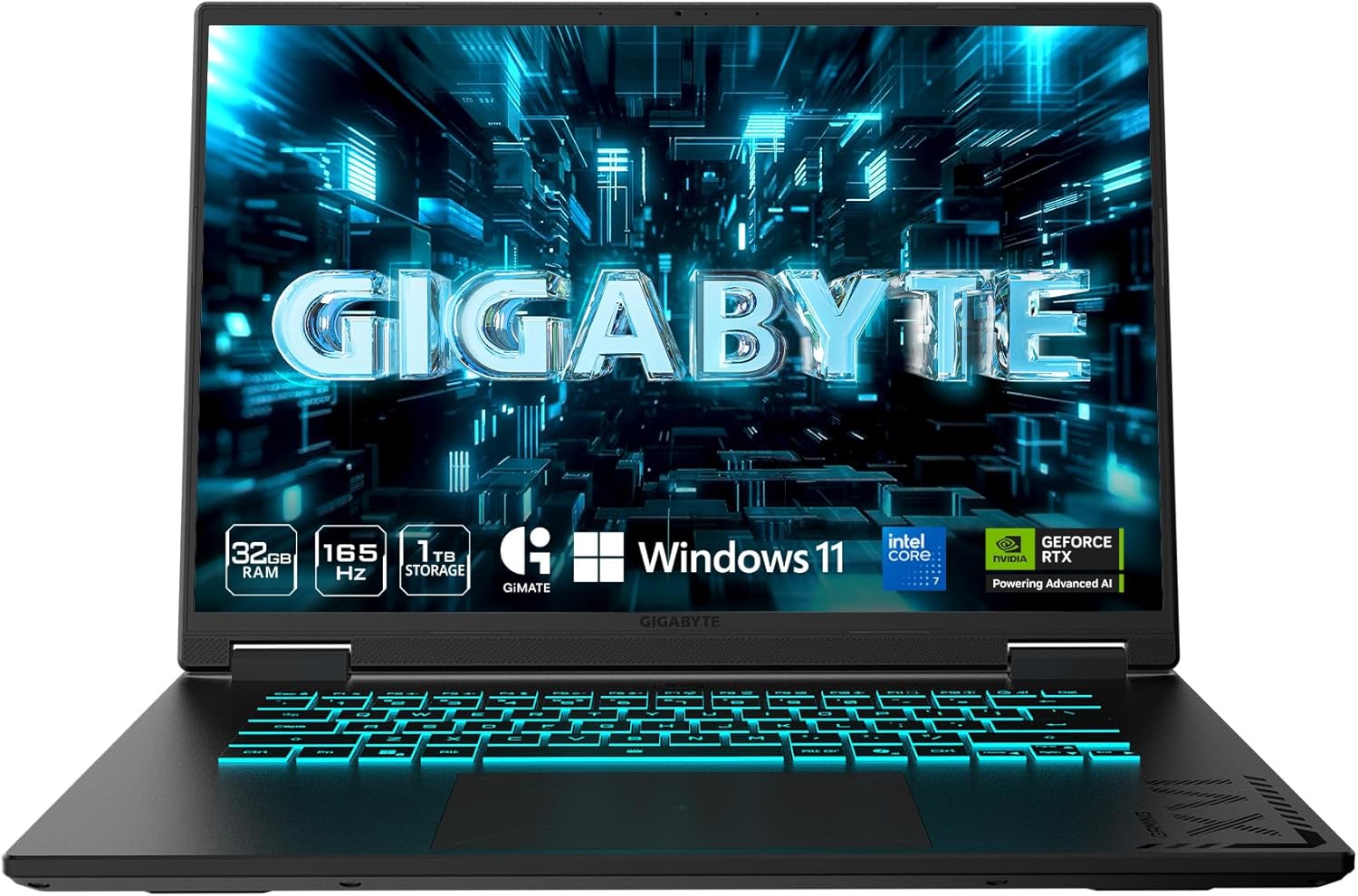
- memory Intel Core Ultra 7 240H
- developer_board NVIDIA GeForce RTX 5070 Ti Laptop GPU
- layers 32GB LPDDR5X 5600MHz
- track_changes Target GPU: NVIDIA GeForce RTX 4080 (16GB) / AMD Radeon RX 7900 XTX (24GB)

- memory Intel Core Ultra 9 275HX
- developer_board GeForce RTX 5070 Laptop Laptop GPU
- layers 64GB DDR5-6400MHz (Single-Channel)
- track_changes Target GPU: NVIDIA GeForce RTX 4080 (16GB) / AMD Radeon RX 7900 XTX (24GB)

- memory Intel Core Ultra 9 275HX
- developer_board NVIDIA GeForce RTX 5070 Ti
- layers 32GB
- track_changes Target GPU: NVIDIA GeForce RTX 4080 (16GB) / AMD Radeon RX 7900 XTX (24GB)

- memory Intel Core Ultra 9 275HX
- developer_board NVIDIA GeForce RTX 5070 Ti Laptop GPU
- layers 32 GB DDR5 6400MHz (2x16GB)
- track_changes Target GPU: NVIDIA GeForce RTX 4080 (16GB) / AMD Radeon RX 7900 XTX (24GB)
For The Alters Specifically
- memory Intel Core i7-12700H
- developer_board NVIDIA GeForce RTX 3070
- layers 32GB DDR4-3200MHz
- track_changes Target GPU: NVIDIA GeForce GTX 1060 (6GB) or AMD Radeon RX 570 (8GB) or Intel Arc A570
- memory Intel Core i9-13900H
- developer_board NVIDIA GeForce RTX 4060
- layers 16GB DDR5-5200MHz
- track_changes Target GPU: NVIDIA GeForce GTX 1060 (6GB) or AMD Radeon RX 570 (8GB) or Intel Arc A570
- memory Intel Core i9-14900HX
- developer_board NVIDIA GeForce RTX 4060
- layers 32GB DDR5-5600MHz
- track_changes Target GPU: NVIDIA GeForce GTX 1060 (6GB) or AMD Radeon RX 570 (8GB) or Intel Arc A570
- memory Intel Core i9-12900H
- developer_board NVIDIA GeForce RTX 3070 Ti
- layers 16GB DDR5-4800MHz
- track_changes Target GPU: NVIDIA GeForce GTX 1060 (6GB) or AMD Radeon RX 570 (8GB) or Intel Arc A570
- memory Intel Core i5-12450H
- developer_board NVIDIA GeForce RTX 3050
- layers 16GB DDR4-3200MHz
- track_changes Target GPU: NVIDIA GeForce GTX 1060 (6GB) or AMD Radeon RX 570 (8GB) or Intel Arc A570
- memory Intel Core i5-12500H
- developer_board NVIDIA GeForce RTX 3050 Ti
- layers 16GB DDR4-3200MHz
- track_changes Target GPU: NVIDIA GeForce GTX 1060 (6GB) or AMD Radeon RX 570 (8GB) or Intel Arc A570
- memory AMD Ryzen 7 7435HS
- developer_board NVIDIA GeForce RTX 3050
- layers 32GB DDR5-4800MHz
- track_changes Target GPU: NVIDIA GeForce GTX 1060 (6GB) or AMD Radeon RX 570 (8GB) or Intel Arc A570
- memory AMD Ryzen 7 6800H
- developer_board NVIDIA GeForce RTX 3060
- layers 16GB DDR5-4800MHz
- track_changes Target GPU: NVIDIA GeForce GTX 1060 (6GB) or AMD Radeon RX 570 (8GB) or Intel Arc A570
- memory AMD Ryzen 9 5900HS
- developer_board NVIDIA GeForce RTX 3080
- layers 16GB DDR4-3200MHz
- track_changes Target GPU: NVIDIA GeForce GTX 1060 (6GB) or AMD Radeon RX 570 (8GB) or Intel Arc A570
- memory Intel Core i7-13620H
- developer_board NVIDIA GeForce RTX 4070
- layers 16GB DDR5-4800MHz
- track_changes Target GPU: NVIDIA GeForce GTX 1060 (6GB) or AMD Radeon RX 570 (8GB) or Intel Arc A570
- memory Intel Core i7-14700HX
- developer_board NVIDIA GeForce RTX 4070
- layers 16GB DDR5-5600MHz
- track_changes Target GPU: NVIDIA GeForce RTX 2070 (8GB) / RTX 4060 (8GB) or AMD Radeon RX 6600 XT (8GB) or Intel Arc A770
- memory Intel Core i9-14900HX
- developer_board NVIDIA GeForce RTX 4070
- layers 32GB DDR5-5600MHz
- track_changes Target GPU: NVIDIA GeForce RTX 2070 (8GB) / RTX 4060 (8GB) or AMD Radeon RX 6600 XT (8GB) or Intel Arc A770
- memory Intel Core i7-12700H
- developer_board NVIDIA GeForce RTX 3070
- layers 32GB DDR4-3200MHz
- track_changes Target GPU: NVIDIA GeForce RTX 3070 (8GB) / RTX 4060 Ti (8GB) or AMD Radeon RX 6700 XT (12GB). (Future-proof: RTX 5060)
- memory Intel Core i9-13900H
- developer_board NVIDIA GeForce RTX 4060
- layers 16GB DDR5-5200MHz
- track_changes Target GPU: NVIDIA GeForce RTX 3070 (8GB) / RTX 4060 Ti (8GB) or AMD Radeon RX 6700 XT (12GB). (Future-proof: RTX 5060)
- memory Intel Core i9-14900HX
- developer_board NVIDIA GeForce RTX 4060
- layers 32GB DDR5-5600MHz
- track_changes Target GPU: NVIDIA GeForce RTX 3070 (8GB) / RTX 4060 Ti (8GB) or AMD Radeon RX 6700 XT (12GB). (Future-proof: RTX 5060)
- memory Intel Core i9-12900H
- developer_board NVIDIA GeForce RTX 3070 Ti
- layers 16GB DDR5-4800MHz
- track_changes Target GPU: NVIDIA GeForce RTX 3070 (8GB) / RTX 4060 Ti (8GB) or AMD Radeon RX 6700 XT (12GB). (Future-proof: RTX 5060)
- memory AMD Ryzen 7 7435HS
- developer_board NVIDIA GeForce RTX 3050
- layers 32GB DDR5-4800MHz
- track_changes Target GPU: NVIDIA GeForce RTX 3070 (8GB) / RTX 4060 Ti (8GB) or AMD Radeon RX 6700 XT (12GB). (Future-proof: RTX 5060)
- memory AMD Ryzen 7 6800H
- developer_board NVIDIA GeForce RTX 3060
- layers 16GB DDR5-4800MHz
- track_changes Target GPU: NVIDIA GeForce RTX 3070 (8GB) / RTX 4060 Ti (8GB) or AMD Radeon RX 6700 XT (12GB). (Future-proof: RTX 5060)
- memory AMD Ryzen 9 5900HS
- developer_board NVIDIA GeForce RTX 3080
- layers 16GB DDR4-3200MHz
- track_changes Target GPU: NVIDIA GeForce RTX 3070 (8GB) / RTX 4060 Ti (8GB) or AMD Radeon RX 6700 XT (12GB). (Future-proof: RTX 5060)
- memory Intel Core i7-13620H
- developer_board NVIDIA GeForce RTX 4070
- layers 16GB DDR5-4800MHz
- track_changes Target GPU: NVIDIA GeForce RTX 3070 (8GB) / RTX 4060 Ti (8GB) or AMD Radeon RX 6700 XT (12GB). (Future-proof: RTX 5060)
- memory Intel Core i7-14700HX
- developer_board NVIDIA GeForce RTX 4070
- layers 16GB DDR5-5600MHz
- track_changes Target GPU: NVIDIA GeForce RTX 3070 (8GB) / RTX 4060 Ti (8GB) or AMD Radeon RX 6700 XT (12GB). (Future-proof: RTX 5060)
- memory Intel Core i9-14900HX
- developer_board NVIDIA GeForce RTX 4070
- layers 32GB DDR5-5600MHz
- track_changes Target GPU: NVIDIA GeForce RTX 3070 (8GB) / RTX 4060 Ti (8GB) or AMD Radeon RX 6700 XT (12GB). (Future-proof: RTX 5060)
- memory Intel Core i9-14900HX
- developer_board NVIDIA GeForce RTX 4070
- layers 32GB DDR5-5600MHz
- track_changes Target GPU: NVIDIA GeForce RTX 4070 Ti SUPER (16GB) / RTX 4080 SUPER (16GB) or AMD Radeon RX 7900 XTX (24GB). (Future-proof: RTX 5070 / RTX 5080)
- memory AMD Ryzen 9 8940HX Processor
- developer_board NVIDIA GeForce RTX 5060 Laptop GPU
- layers 32GB DDR5-5200MHz
- track_changes Target GPU: NVIDIA GeForce RTX 4070 Ti SUPER (16GB) / RTX 4080 SUPER (16GB) or AMD Radeon RX 7900 XTX (24GB). (Future-proof: RTX 5070 / RTX 5080)
- memory Intel Core i9-12950HX
- developer_board NVIDIA GeForce RTX 3080 Ti
- layers 32GB DDR5-4800MHz
- track_changes Target GPU: NVIDIA GeForce RTX 4070 Ti SUPER (16GB) / RTX 4080 SUPER (16GB) or AMD Radeon RX 7900 XTX (24GB). (Future-proof: RTX 5070 / RTX 5080)
- memory Intel Core i9-14900HX
- developer_board NVIDIA GeForce RTX 4080 Laptop GPU
- layers 64 GB DDR5-5600MHz
- track_changes Target GPU: NVIDIA GeForce RTX 4070 Ti SUPER (16GB) / RTX 4080 SUPER (16GB) or AMD Radeon RX 7900 XTX (24GB). (Future-proof: RTX 5070 / RTX 5080)
- memory Intel Core Ultra 9 Processor 275HX (Series 2)
- developer_board NVIDIA GeForce RTX 5070 Laptop GPU
- layers 32GB DDR5-5600MHz
- track_changes Target GPU: NVIDIA GeForce RTX 4070 Ti SUPER (16GB) / RTX 4080 SUPER (16GB) or AMD Radeon RX 7900 XTX (24GB). (Future-proof: RTX 5070 / RTX 5080)
- memory Intel Core i9-14900HX Processor
- developer_board NVIDIA GeForce RTX 5070 Laptop GPU
- layers 32GB DDR5-5600MHz
- track_changes Target GPU: NVIDIA GeForce RTX 4070 Ti SUPER (16GB) / RTX 4080 SUPER (16GB) or AMD Radeon RX 7900 XTX (24GB). (Future-proof: RTX 5070 / RTX 5080)
- memory Intel Core i9-14900HX Processor
- developer_board NVIDIA GeForce RTX 5070 Laptop GPU
- layers 32GB DDR5-5600MHz
- track_changes Target GPU: NVIDIA GeForce RTX 4070 Ti SUPER (16GB) / RTX 4080 SUPER (16GB) or AMD Radeon RX 7900 XTX (24GB). (Future-proof: RTX 5070 / RTX 5080)
- memory Intel Core Ultra 9 285H (Arrow Lake-H)
- developer_board NVIDIA GeForce RTX 5070 Laptop GPU
- layers 64GB LPDDR5x-8533MT/s (LPCAMM2)
- track_changes Target GPU: NVIDIA GeForce RTX 4070 Ti SUPER (16GB) / RTX 4080 SUPER (16GB) or AMD Radeon RX 7900 XTX (24GB). (Future-proof: RTX 5070 / RTX 5080)
- memory Intel Core i9-14900HX
- developer_board NVIDIA GeForce RTX 4080
- layers 64GB DDR5-5600MHz
- track_changes Target GPU: NVIDIA GeForce RTX 4070 Ti SUPER (16GB) / RTX 4080 SUPER (16GB) or AMD Radeon RX 7900 XTX (24GB). (Future-proof: RTX 5070 / RTX 5080)
- memory Intel Core i9-14900HX
- developer_board NVIDIA GeForce RTX 4080
- layers 32GB DDR5-5600MHz
- track_changes Target GPU: NVIDIA GeForce RTX 4070 Ti SUPER (16GB) / RTX 4080 SUPER (16GB) or AMD Radeon RX 7900 XTX (24GB). (Future-proof: RTX 5070 / RTX 5080)
info_outline Laptop recommendations are estimates based on available component benchmarks and game requirements. Actual performance may vary depending on settings, drivers, cooling, power limits, etc. Prices and availability subject to change. As an Amazon Associate, we earn from qualifying purchases.