Select Games to Compare
Benchmark your exact mobile GPU wattage (TGP), battery throttling drops, and cooling pad requirements for these games.
Warcraft III Reforged: Forsaken Kingdom vs S.T.A.L.K.E.R. 2: Heart of Chornobyl
| close | close |
|---|---|
| shopping_cart Where to Buy | |
| info General Information | |
| Release Date | |
| Sep 12, 2026 | Sep 5, 2024 |
| Developer | |
| Blizzard Entertainment (with InsaneMonster and Tomoraider) | GSC Game World |
| Publisher | |
| Blizzard Entertainment | GSC Game World |
| Genre(s) | |
| Real-Time Strategy / Soft Open-World RPG | First-Person Shooter, Survival Horror, Open World, Post-Apocalyptic, RPG-lite |
| Engine | |
| Warcraft III Reforged Engine (Patch 3.0 Definitive Edition) | Unreal Engine 5 |
| stars Ratings & Price | |
| Content Rating | |
| T for Teen | Mature 17+ (Expected) |
| Avg. User Rating | |
| 4.5 / 5.0 | 0.0 / 5.0 |
| Current Price (USD) | |
| $29.99 | $59.99 |
| tune Key Specs | |
| Quick Highlights | |
|
|
| sports_esports Gameplay & Mechanics | |
| Companions/Followers | |
|
|
| Key Collectibles | |
|
|
| Key Themes | |
|
|
| colorize Combat & Gear | |
| Weapons Overview | |
|
|
| Armor / Gear Sets | |
|
|
| Outfits/Customization | |
|
|
| trending_up Progression & Upgrades | |
| Skills & Progression | |
|
The expansion introduces a fundamentally overhauled RPG progression system natively built into the Engine via Patch 3.0. Moving far beyond the archaic six-slot inventory, heroes now possess dedicated anatomical equipment slots for Helmet, Shoulders, Weapon, and Shield, alongside a persistent stash. This allows for deep optimization using new, complex mathematical statistics. Players can scale their heroes using 'Ability Amp' to multiply spell damage, 'Ability Vamp' for autonomous health sustain, 'Ability Speed' for faster cast animations, and 'Resolve' to resist heavy crowd control. This advanced stat architecture completely shifts the paradigm from simple Strength, Agility, and Intelligence, enabling highly specialized caster or bruiser builds, and directly altering how players approach prolonged dungeon crawls and intense boss encounters. |
N/A |
| public World & Exploration | |
| World & Level Design | |
|
Forsaken Kingdom completely abandons the strictly linear, traditional real-time strategy mission progression in favor of a soft open-world architecture inspired by the Rexxar campaign but executed on a massively expanded scale. Players are free to explore the surface ruins of the Lordaeron kingdom, including the hazardous Plaguelands, the Tirisfal Glades, and the heavily fortified Scarlet Monastery. Beneath the surface, the subterranean sewer networks and furnace systems serve as the foundational infrastructure for the sprawling Undercity. The game world is seamlessly interconnected, allowing players to establish logistical camps, engage with opportunistic Goblin traders like Glix Grindlock, and navigate dynamic environmental hazards across a geographically continuous map that transitions from the ruined Capital City all the way to the terrifying borders of Naxxramas. |
S.T.A.L.K.E.R. 2 will feature a seamless open world of approximately 64 sq km, one of the largest in gaming. It will encompass iconic locations from previous games (e.g., Pripyat, Chornobyl NPP, Red Forest, Cordon - TBD if all are present or reimagined) as well as new, unexplored territories within the Exclusion Zone. The world will be dynamic, with the A-Life 2.0 system simulating life for factions and mutants independently of the player. Expect diverse biomes from irradiated wastelands and dense forests to underground laboratories and abandoned urban areas. |
| Playable Vehicles | |
|
|
| Notable Fauna/Mounts | |
|
N/A |
| book Story & Characters | |
| Main Characters | |
|
|
| Example Missions | |
|
|
| people Multiplayer | |
| Multiplayer Details | |
|
The multiplayer ecosystem has been violently disrupted by the introduction of the first new neutral Tavern hero in 22 years: The Forsaken Paladin (Gideon the Just). Available to all factions, this Strength-based melee Undead hero possesses anti-undead abilities like 'Consecration' and 'Cleansing Fire', fundamentally shattering the established competitive meta. This irony—an undead hero wielding the Holy Light to destroy other undead—forces players to completely rethink drafting strategies and move away from pure burst-damage compositions. Furthermore, Patch 3.0 doubles the traditional unit selection limit from 12 to 24 units. This monumental change lowers the Actions Per Minute (APM) barrier for casual players managing massive late-game armies, while simultaneously opening up entirely new macro-level tactical possibilities for elite competitive esports athletes. |
A free multiplayer update is planned for release after the main game. Details are scarce, but it's expected to include PvP modes. Co-operative elements or a standalone mode like the once-planned S.T.A.L.K.E.R. Online (focused on raids) are speculative but possible. |
| extension Editions & DLC | |
| Available Editions | |
|
Blizzard has deployed a multi-tiered commercial strategy for this expansion to cater to various consumer segments. Existing owners of the Reforged client can purchase the standalone Forsaken Kingdom downloadable content package for a streamlined $29.99. For newcomers, a bundled edition containing the base Reforged client and the new expansion is available for $49.99. However, the most ambitious offering is the premium Warcraft Forever Collection, priced at $79.99. This comprehensive ecosystem entry point packages the real-time strategy expansion alongside the upcoming World of Warcraft: Forever Skyborne Epic Pack and 30 days of MMO subscription time, serving as the ultimate trans-media bridge for hardcore franchise enthusiasts looking to experience the complete interconnected narrative. |
Multiple editions have been announced: Standard, Deluxe (digital artbook, soundtrack, extra side quests, costumes/weapon skins), Ultimate (Deluxe content + Season Pass with future DLCs, more costumes/weapon skins), and physical Collector's Edition (Ultimate content + SteelBook, artbook, stalker figurine, letter, map, patches, keychain, etc.). |
| Post-Launch Content / DLC | |
|
The Forsaken Kingdom expansion itself acts as a massive premium DLC for the existing Reforged client, but its post-launch trajectory is entirely intertwined with the broader Warcraft universe. The expansion operates as a trans-media promotional vehicle and canonical prologue for 'World of Warcraft: Forever', a Classic+ MMORPG expansion launching in November 2026. The lore established in this RTS DLC directly justifies massive changes in the upcoming MMO, such as unlocking the Paladin class for the Forsaken race. Datamining of the 'Camelot' client suggests that continuous updates for Forsaken Kingdom will likely mirror and support the unfolding narrative events in the WoW: Forever timeline, ensuring long-term interconnectivity between the real-time strategy and MMO ecosystems. |
A Season Pass is confirmed for higher editions, indicating plans for multiple DLCs, likely including story expansions, new areas, weapons, and potentially game modes. A free multiplayer update is also planned after release. |
| help_outline FAQ | |
| Frequently Asked Questions | |
|
|
| build Technical Details | |
| Graphics & Visual Fidelity | |
|
Patch 3.0 introduces a tri-tier graphics system allowing players to dynamically toggle between Classic, Reforged, and the brand-new 'Definitive Edition' visual modes. The Definitive Edition meticulously remakes over 600 assets to capture the stylized charm and bold silhouettes of the 2003 original while utilizing modern rendering technology. The upgraded engine supports stunning Image-Based Lighting maps, dynamic day-night transitions, volumetric height fog, and unlimited shadow-casting omni-lights. However, graphical fidelity remains a double-edged sword; while macro-level isometric gameplay looks phenomenal, zoomed-in cinematic sequences occasionally expose flat texturing and visible pixelation on armor transitions. This reveals the inherent technical limitations of grafting highly modern rendering techniques onto an aging, 24-year-old skeletal animation framework. |
Developed on Unreal Engine 5, S.T.A.L.K.E.R. 2 aims for cutting-edge photorealistic visuals. It will leverage UE5 features like Nanite (virtualized micropolygon geometry for extreme detail) and Lumen (fully dynamic global illumination and reflections). Expect highly detailed environments, realistic weather systems, advanced lighting, and detailed character/mutant models. Motion capture and photogrammetry are being used extensively. |
| Audio & Soundtrack | |
|
While the iconic, booming orchestral score of the original Warcraft III remains the foundational bedrock of the audio experience, Forsaken Kingdom introduces new thematic compositions reflecting the tragic fall of Lordaeron and the grim rise of the Undercity. The sound design is deeply integrated into the gameplay loop; audio cues are crucial for identifying incoming enemy spellcasting in dense 24-unit skirmishes. The auditory feedback of the new Forsaken Paladin is particularly striking, juxtaposing the holy, resonant chimes of abilities like 'Consecration' and 'Sacred Aura' with the guttural, necrotic voicelines typical of the Forsaken faction. Additionally, the expanded cinematic sequences feature fully voiced dialogue from veteran voice actors, bringing intense emotional gravity to Garek Bandarion's tragic arc and Sylvanas's ruthless pragmatism. |
Expected to feature an atmospheric and melancholic soundtrack, possibly by MoozE (composer for previous S.T.A.L.K.E.R. games) or similar artists, blending ambient electronic, industrial, and folk elements. Immersive sound design is a hallmark, with distinct anomaly sounds, mutant roars, weapon effects, and the oppressive ambience of the Zone (wind, Geiger counter clicks, distant gunfire). |
| User Interface (UI/UX) | |
|
The User Interface has received a comprehensive overhaul to accommodate the new soft open-world RPG mechanics. The classic six-slot inventory has been replaced by a sophisticated, anatomical equipment screen displaying Helmet, Shoulders, Weapon, Shield, and a Stash for persistent storage, reminiscent of classic turn-based RPGs. Furthermore, the World Editor UI has experienced a renaissance. It now features native Lua integration, fully deprecating the archaic JASS language, and includes dedicated Cinematic and Lighting Editors. Community-developed toolchains like W3LuaEnv and Better Triggers have been officially sanctioned, allowing modders to utilize StarCraft II-inspired GUI frameworks and professional-grade VSCode extensions. This provides unprecedented, hardcoded control over environmental manipulation, unit behavior, and custom UI design directly within the engine. |
Expected to be immersive and diegetic where possible, fitting the S.T.A.L.K.E.R. aesthetic. HUD will likely display health, stamina, radiation levels, ammo, equipped detectors, and time. PDA will be crucial for map, inventory, quests, and information. Dynamic indicators for hunger, thirst, sleep, and bleeding are staples of the series. |
| Accessibility Options | |
|
The most significant accessibility feature introduced in this update is the systemic increase of the unit selection limit from 12 to 24. For over two decades, the 12-unit cap enforced an artificially high APM requirement that alienated casual players. By doubling this limit, grand-scale conflicts are dramatically easier to manage, opening the game up to a broader audience who struggle with intense micro-management. Visually, the Definitive Edition improves unit readability and bold silhouette identification, which inherently aids visual processing. However, the controversial always-online DRM mandate severely restricts accessibility for players in developing nations or areas with poor internet infrastructure, a situation exacerbated by a rigid, stealth-increased INR regional pricing structure that has erected significant economic barriers to entry. |
To Be Determined (TBD). Modern AAA games typically include a range of accessibility options, so it's likely S.T.A.L.K.E.R. 2 will offer features like customizable controls, subtitle options, UI scaling, and potentially gameplay modifiers, though specifics are unconfirmed. |
| video_library Media Links | |
| Gameplay Video | |
| launchWatch | launchWatch |
| Walkthrough/Guide | |
| launchView | N/A |
| settings_applications System Requirements | |
| 1080p (Full HD) - Recommended (1080p ~60 FPS, High Preset) (High Preset) CPU: Recommended desktop CPU for 1080p/60FPS High settings. CPU (Laptop): High-end laptop CPUs needed due to UE5 and A-Life 2.0. GPU: Recommended desktop GPU for 1080p/60FPS High. GPU (Laptop): Performance-focused laptop GPUs. 8GB+ VRAM crucial. RAM: 16GB RAM strongly recommended. Storage: NVMe SSD strongly recommended. | |
| — | memoryCPU: Intel Core i7-9700K or AMD Ryzen 7 3700X developer_boardGPU: NVIDIA GeForce RTX 2070 Super (8GB) / RTX 3060 Ti (8GB) or AMD Radeon RX 5700 XT (8GB) / RX 6700 XT (12GB) laptop_macCPU (L): Intel Core i7-10875H / AMD Ryzen 7 5800H or better (Estimated) laptop_windowsGPU (L): NVIDIA GeForce RTX 3070 Mobile (8GB, High TGP) / RTX 4060 Mobile (8GB, High TGP). **An RTX 3070 Ti Mobile or RTX 4070 Mobile would provide a more consistent experience.** layersRAM: 16 GB saveStorage (Tier): 150 GB SSD |
| 1080p (Full HD) - Minimum (1080p ~30 FPS, Low Preset) (Low Preset) CPU: Minimum desktop CPU for lower settings. CPU (Laptop): Estimated laptop CPU. A-Life 2.0 might push this higher. GPU: Minimum desktop GPU for lower settings. GPU (Laptop): Estimated laptop GPUs. 6GB VRAM crucial. RAM: 8GB absolute minimum, but 16GB stated as highly recommended even for minimum. Storage: SSD is mandatory. | |
| — | memoryCPU: Intel Core i5-7600K or AMD Ryzen 5 1600X developer_boardGPU: NVIDIA GeForce GTX 1060 (6GB) or AMD Radeon RX 580 (8GB) laptop_macCPU (L): Intel Core i7-8750H / AMD Ryzen 5 3600 (Laptop equivalent) or better (Estimated) laptop_windowsGPU (L): NVIDIA GeForce GTX 1660 Ti Mobile (6GB) / RTX 2060 Mobile (6GB). **An RTX 3050 Ti Mobile or RTX 4050 Mobile (High TGP) would be a more realistic minimum for a stable experience.** layersRAM: 8 GB saveStorage (Tier): 150 GB SSD |
| 1080p (Full HD) - Recommended (Definitive Edition High, 60 FPS) CPU: Provides the necessary IPC and thread count to manage the doubled 24-unit selection limit and real-time Lua script compilation. CPU (Laptop): High-performance mobile CPUs prevent bottlenecks during heavy area-of-effect spellcasting and massive combat encounters. GPU: Provides the required VRAM and shader performance for advanced Image-Based Lighting and volumetric height fog. GPU (Laptop): Dedicated mobile GPUs handle the 100% render scale effectively in Fullscreen Windowed mode. RAM: Provides adequate headroom for the expanded floating text caps, modern UI rendering, and heavy custom maps. Storage: An SSD significantly improves load times for custom assets, high-definition water decals, and cinematic transitions. | |
memoryCPU: Intel Core i5-6400 / AMD Ryzen 7 1700X developer_boardGPU: NVIDIA GeForce GTX 960 / AMD Radeon R9 280X laptop_macCPU (L): Intel Core i7-8750H / AMD Ryzen 5 4600H laptop_windowsGPU (L): NVIDIA GeForce GTX 1050 Ti / GTX 1650 (High TGP) layersRAM: 8 GB saveStorage (Tier): 30 GB SSD | — |
| 1080p (Full HD) - Minimum (Classic/Reforged Low, 30 FPS) CPU: Baseline multi-core performance needed to process the legacy RTS engine mechanics and 12-unit control limits. CPU (Laptop): Dual-core hyperthreaded mobile processors can handle the base logic but may struggle during the Stratholme siege mission. GPU: Legacy entry-level cards are sufficient for the 'Classic' graphical toggle. GPU (Laptop): Integrated graphics can run the classic renderer, but Definitive Edition is out of reach. RAM: Absolute minimum to load the operating system and the game instance simultaneously without heavy paging. Storage: Sufficient for basic asset loading, though load times between campaign acts will be prolonged. | |
memoryCPU: Intel Core i3-530 / AMD Phenom II X4 910 developer_boardGPU: NVIDIA GeForce GTS 450 / AMD Radeon HD 5750 laptop_macCPU (L): Intel Core i5-7200U / AMD Ryzen 3 3200U laptop_windowsGPU (L): NVIDIA GeForce MX150 / AMD Radeon Vega 8 layersRAM: 4 GB saveStorage (Tier): 30 GB HDD | — |
| 1440p (QHD/2K) - High Performance (Estimated 1440p ~60 FPS, High/Ultra Preset, Upscaling likely needed) (High/Ultra Preset, Upscaling (DLSS/FSR Quality/Balanced)) CPU: CPU for 1440p/60FPS High/Ultra. CPU (Laptop): Top-tier laptop CPU. GPU: Desktop GPU for 1440p/60FPS High/Ultra. Upscaling essential. GPU (Laptop): Flagship laptop GPUs. 12GB+ VRAM critical. RAM: 32GB RAM essential for smoother 1440p high settings. Storage: NVMe SSD required. | |
| — | memoryCPU: Intel Core i7-12700K or AMD Ryzen 7 5800X3D (Estimated) developer_boardGPU: NVIDIA GeForce RTX 3080 (10GB) / RTX 4070 Ti (12GB) or AMD Radeon RX 6800 XT (16GB) / RX 7900 XT (20GB) (Estimated) laptop_macCPU (L): Intel Core i9-12900H / AMD Ryzen 9 6900HS/HX or better (Estimated) laptop_windowsGPU (L): NVIDIA GeForce RTX 3080 Ti Mobile (16GB, Max TGP) / RTX 4080 Mobile (12GB, Max TGP). **An RTX 4090 Mobile would be better.** layersRAM: 16 GB saveStorage (Tier): 150 GB NVMe SSD |
| 1440p (QHD/2K) - Recommended (Definitive Edition Ultra, 60+ FPS) CPU: Ensures stable frame pacing during late-game macro-oriented army movements at higher resolutions. CPU (Laptop): Modern octacore processors eliminate any CPU-bound stuttering when zooming out in the 1440p display environment. GPU: Delivers the pixel push rate necessary for crisp 1440p output while maintaining complex lighting shadows. GPU (Laptop): Ample horsepower for 1440p rendering with FidelityFX CACAO activated for optimal ambient occlusion. RAM: Highly recommended to manage the increased VRAM offloading and maintain smooth alt-tabbing functionality. Storage: Eliminates texture pop-in during fast camera panning across the expansive Tirisfal Glades map. | |
memoryCPU: Intel Core i5-10400F / AMD Ryzen 5 3600 developer_boardGPU: NVIDIA GeForce GTX 1070 / AMD Radeon RX 5600 XT laptop_macCPU (L): Intel Core i7-11800H / AMD Ryzen 7 5800H laptop_windowsGPU (L): NVIDIA GeForce RTX 3060 Laptop (85W+) layersRAM: 16 GB saveStorage (Tier): 30 GB NVMe SSD | — |
| 2160p (UHD/4K) - Ultimate (Estimated 2160p/4K ~60 FPS, High/Ultra Preset, Aggressive Upscaling + Frame Gen Required) (High/Ultra Preset, Upscaling (DLSS/FSR Performance/Ultra Performance + Frame Generation)) CPU: Flagship CPU for attempting 4K/60FPS Ultimate. CPU (Laptop): Absolute flagship laptop CPUs. GPU: Flagship desktop GPU for 4K Ultimate, heavily reliant on DLSS/FSR with Frame Generation. GPU (Laptop): The absolute best laptop GPU, will be pushed to its limits. Aggressive upscaling mandatory. RAM: 32GB RAM highly recommended for 4K Ultimate. Storage: NVMe SSD required. | |
| — | memoryCPU: Intel Core i9-13900K or AMD Ryzen 9 7950X3D (Estimated) developer_boardGPU: NVIDIA GeForce RTX 4090 (24GB) or AMD Radeon RX 7900 XTX (24GB) (Estimated) laptop_macCPU (L): Intel Core i9-13980HX/14900HX / AMD Ryzen 9 7945HX3D (Estimated) laptop_windowsGPU (L): NVIDIA GeForce RTX 4090 Mobile (16GB, Max TGP). **This will be the target. A hypothetical next-gen flagship (e.g., RTX 5090 Mobile or AMD equivalent) would be needed for a more comfortable experience with less reliance on aggressive upscaling. (Highly Speculative)** layersRAM: 32 GB saveStorage (Tier): 150 GB NVMe SSD |
| 2160p (UHD/4K) - Enthusiast (Definitive Edition Ultra, 4K 60 FPS) CPU: Top-tier processing to handle maxed-out settings, maximum zoom-out distance, and flawless frame pacing. CPU (Laptop): Enthusiast mobile silicon required to prevent thermal throttling while feeding high-end mobile GPUs. GPU: Comfortably handles 4K rendering demands, ensuring the Definitive Edition's remade high-fidelity assets look spectacular without framerate dips. GPU (Laptop): Necessary for maintaining a locked 60 FPS in 4K resolution during intense particle-heavy spellcasting. RAM: Standard for 4K gaming, ensuring no memory bottlenecks occur when rendering over 600 newly minted high-poly assets. Storage: The fastest possible load times, essential for high-end systems and seamless cinematic-to-gameplay transitions. | |
memoryCPU: Intel Core i5-12600K / AMD Ryzen 5 5600X developer_boardGPU: NVIDIA GeForce RTX 3060 Ti / AMD Radeon RX 6700 XT laptop_macCPU (L): Intel Core i7-12700H / AMD Ryzen 9 6900HX laptop_windowsGPU (L): NVIDIA GeForce RTX 3070 Ti / RTX 4060 Laptop layersRAM: 16 GB saveStorage (Tier): 30 GB Gen4 NVMe SSD | — |
| save Overall Storage | |
Spec: 30 GB available space (HDD minimum, SSD strongly recommended). Note: While an HDD works for the base minimum spec, the soft open-world architecture necessitates an SSD to prevent stuttering when crossing region boundaries. Type: SSD | Spec: 150 GB available space (SSD Required). Note: An NVMe SSD is mandatory for the intended experience due to the seamless open world and UE5's asset streaming capabilities (Nanite). Type: SSD |
| desktop_windows Operating System | |
Spec: Windows 10 (64-bit) highly recommended, Windows 7/8 supported minimally. Explanation: Modern API features and advanced memory management required for the Definitive Edition's volumetric fog and lighting updates function best on Windows 10. | Spec: Windows 10, Windows 11 (64-bit) Explanation: 64-bit Windows 10 or Windows 11 is required. |
| gamepad DirectX Version | |
| Spec: DirectX 11 or DirectX 12 Explanation: Required for the newly introduced Image-Based Lighting maps, dynamic day-night transitions, and FidelityFX CACAO ambient occlusion. | Spec: DirectX 12 Ultimate (Expected for full feature set) Explanation: DirectX 12 is listed, Ultimate likely needed for features like advanced ray tracing (if implemented beyond Lumen) or mesh shaders. |
| info_outline Other Game Notes | |
|
|
| build Optimization Details | |
|
|
| laptop Laptop Considerations | |
|
|


info_outline Feature details based on available data. System requirements and performance estimates may vary.
laptop_chromebook Laptop Recommendations
Common Recommendations (Handles All Compared Games)

- memory Intel Core i7-12700H
- developer_board NVIDIA GeForce RTX 3070
- layers 32GB DDR4-3200MHz
- track_changes Target GPU: NVIDIA GeForce MX150 / AMD Radeon Vega 8

- memory Intel Core i9-13900H
- developer_board NVIDIA GeForce RTX 4060
- layers 16GB DDR5-5200MHz
- track_changes Target GPU: NVIDIA GeForce MX150 / AMD Radeon Vega 8

- memory Intel Core i9-14900HX
- developer_board NVIDIA GeForce RTX 4060
- layers 32GB DDR5-5600MHz
- track_changes Target GPU: NVIDIA GeForce MX150 / AMD Radeon Vega 8

- memory AMD Ryzen 7 7435HS
- developer_board NVIDIA GeForce RTX 3050
- layers 32GB DDR5-4800MHz
- track_changes Target GPU: NVIDIA GeForce GTX 1050 Ti / GTX 1650 (High TGP)

- memory AMD Ryzen 9 8940HX Processor
- developer_board NVIDIA GeForce RTX 5060 Laptop GPU
- layers 32GB DDR5-5200MHz
- track_changes Target GPU: NVIDIA GeForce GTX 1050 Ti / GTX 1650 (High TGP)

- memory AMD Ryzen 7 7445HS
- developer_board NVIDIA GeForce RTX 4050
- layers 16GB (2x8GB) DDR5 5600MHz SO-DIMM
- track_changes Target GPU: NVIDIA GeForce GTX 1050 Ti / GTX 1650 (High TGP)
- memory Intel Core i7-12700H
- developer_board NVIDIA GeForce RTX 3070
- layers 32GB DDR4-3200MHz
- track_changes Target GPU: NVIDIA GeForce RTX 3060 Laptop (85W+)
- memory Intel Core i9-13900H
- developer_board NVIDIA GeForce RTX 4060
- layers 16GB DDR5-5200MHz
- track_changes Target GPU: NVIDIA GeForce RTX 3060 Laptop (85W+)
- memory Intel Core i9-14900HX
- developer_board NVIDIA GeForce RTX 4060
- layers 32GB DDR5-5600MHz
- track_changes Target GPU: NVIDIA GeForce RTX 3060 Laptop (85W+)

- memory Intel Core i9-14900HX
- developer_board NVIDIA GeForce RTX 4070
- layers 32GB DDR5-5600MHz
- track_changes Target GPU: NVIDIA GeForce RTX 3080 Ti Mobile (16GB, Max TGP) / RTX 4080 Mobile (12GB, Max TGP). **An RTX 4090 Mobile would be better.**

- memory Intel Core i9-14900HX
- developer_board NVIDIA GeForce RTX 4070
- layers 16GB DDR5-5600MHz
- track_changes Target GPU: NVIDIA GeForce RTX 3080 Ti Mobile (16GB, Max TGP) / RTX 4080 Mobile (12GB, Max TGP). **An RTX 4090 Mobile would be better.**

- memory Intel Core Ultra 7 255H
- developer_board NVIDIA GeForce RTX 5060 Laptop GPU
- layers 16GB DDR5-5600MHz (Dual-Channel)
- track_changes Target GPU: NVIDIA GeForce RTX 3080 Ti Mobile (16GB, Max TGP) / RTX 4080 Mobile (12GB, Max TGP). **An RTX 4090 Mobile would be better.**

- memory Intel Core i9-12900H
- developer_board NVIDIA GeForce RTX 3070 Ti
- layers 16GB DDR5-4800MHz
- track_changes Target GPU: NVIDIA GeForce RTX 3070 Ti / RTX 4060 Laptop
- memory AMD Ryzen 7 7435HS
- developer_board NVIDIA GeForce RTX 3050
- layers 32GB DDR5-4800MHz
- track_changes Target GPU: NVIDIA GeForce RTX 3070 Ti / RTX 4060 Laptop
- memory Intel Core i9-14900HX
- developer_board NVIDIA GeForce RTX 4070
- layers 32GB DDR5-5600MHz
- track_changes Target GPU: NVIDIA GeForce RTX 3070 Ti / RTX 4060 Laptop

- memory Intel Core i9-14900HX
- developer_board NVIDIA GeForce RTX 4090
- layers 32GB DDR5-5600MHz
- track_changes Target GPU: NVIDIA GeForce RTX 4090 Mobile (16GB, Max TGP). **This will be the target. A hypothetical next-gen flagship (e.g., RTX 5090 Mobile or AMD equivalent) would be needed for a more comfortable experience with less reliance on aggressive upscaling. (Highly Speculative)**

- memory Intel Core Ultra 9 285H (Series 2) , 14 cores (6 Performance cores + 8 Efficient cores), 20 threads
- developer_board NVIDIA GeForce RTX 5050 Laptop GPU
- layers 32GB (2x16GB) DDR5 8400MHz SO-DIMM
- track_changes Target GPU: NVIDIA GeForce RTX 4090 Mobile (16GB, Max TGP). **This will be the target. A hypothetical next-gen flagship (e.g., RTX 5090 Mobile or AMD equivalent) would be needed for a more comfortable experience with less reliance on aggressive upscaling. (Highly Speculative)**

- memory Intel Core Ultra 9 285H
- developer_board NVIDIA GeForce RTX 5070
- layers 32GB (2x16GB) DDR5 4800MHz SO-DIMM
- track_changes Target GPU: NVIDIA GeForce RTX 4090 Mobile (16GB, Max TGP). **This will be the target. A hypothetical next-gen flagship (e.g., RTX 5090 Mobile or AMD equivalent) would be needed for a more comfortable experience with less reliance on aggressive upscaling. (Highly Speculative)**
For Warcraft III Reforged: Forsaken Kingdom Specifically
- memory Intel Core i7-12700H
- developer_board NVIDIA GeForce RTX 3070
- layers 32GB DDR4-3200MHz
- track_changes Target GPU: NVIDIA GeForce GTS 450 / AMD Radeon HD 5750
- memory Intel Core i9-13900H
- developer_board NVIDIA GeForce RTX 4060
- layers 16GB DDR5-5200MHz
- track_changes Target GPU: NVIDIA GeForce GTS 450 / AMD Radeon HD 5750
- memory Intel Core i9-14900HX
- developer_board NVIDIA GeForce RTX 4060
- layers 32GB DDR5-5600MHz
- track_changes Target GPU: NVIDIA GeForce GTS 450 / AMD Radeon HD 5750
- memory Intel Core i9-12900H
- developer_board NVIDIA GeForce RTX 3070 Ti
- layers 16GB DDR5-4800MHz
- track_changes Target GPU: NVIDIA GeForce GTS 450 / AMD Radeon HD 5750
- memory AMD Ryzen 7 7435HS
- developer_board NVIDIA GeForce RTX 3050
- layers 32GB DDR5-4800MHz
- track_changes Target GPU: NVIDIA GeForce GTS 450 / AMD Radeon HD 5750

- memory AMD Ryzen 7 6800H
- developer_board NVIDIA GeForce RTX 3060
- layers 16GB DDR5-4800MHz
- track_changes Target GPU: NVIDIA GeForce GTS 450 / AMD Radeon HD 5750
- memory Intel Core i9-14900HX
- developer_board NVIDIA GeForce RTX 4070
- layers 32GB DDR5-5600MHz
- track_changes Target GPU: NVIDIA GeForce GTS 450 / AMD Radeon HD 5750
- memory Intel Core i9-14900HX
- developer_board NVIDIA GeForce RTX 4070
- layers 16GB DDR5-5600MHz
- track_changes Target GPU: NVIDIA GeForce GTS 450 / AMD Radeon HD 5750
- memory Intel Core Ultra 7 255H
- developer_board NVIDIA GeForce RTX 5060 Laptop GPU
- layers 16GB DDR5-5600MHz (Dual-Channel)
- track_changes Target GPU: NVIDIA GeForce GTS 450 / AMD Radeon HD 5750
- memory AMD Ryzen 9 8940HX Processor
- developer_board NVIDIA GeForce RTX 5060 Laptop GPU
- layers 32GB DDR5-5200MHz
- track_changes Target GPU: NVIDIA GeForce GTS 450 / AMD Radeon HD 5750
- memory AMD Ryzen 7 7445HS
- developer_board NVIDIA GeForce RTX 4050
- layers 16GB (2x8GB) DDR5 5600MHz SO-DIMM
- track_changes Target GPU: NVIDIA GeForce GTX 960 / AMD Radeon R9 280X

- memory AMD Ryzen 7 7445HS
- developer_board NVIDIA GeForce RTX 4050
- layers 16GB DDR5 5600MHz SO-DIMM
- track_changes Target GPU: NVIDIA GeForce GTX 960 / AMD Radeon R9 280X

- memory Intel Core Ultra 9 285H (Arrow Lake-H)
- developer_board NVIDIA GeForce RTX 5070 Laptop GPU
- layers 64GB LPDDR5x-8533MT/s (LPCAMM2)
- track_changes Target GPU: NVIDIA GeForce GTX 960 / AMD Radeon R9 280X

- memory AMD Ryzen 9 7845HX
- developer_board NVIDIA GeForce RTX 4080
- layers Up to 64GB DDR5
- track_changes Target GPU: NVIDIA GeForce GTX 960 / AMD Radeon R9 280X
- memory Intel Core Ultra 9 285H (Series 2) , 14 cores (6 Performance cores + 8 Efficient cores), 20 threads
- developer_board NVIDIA GeForce RTX 5050 Laptop GPU
- layers 32GB (2x16GB) DDR5 8400MHz SO-DIMM
- track_changes Target GPU: NVIDIA GeForce GTX 960 / AMD Radeon R9 280X
- memory Intel Core Ultra 9 285H
- developer_board NVIDIA GeForce RTX 5070
- layers 32GB (2x16GB) DDR5 4800MHz SO-DIMM
- track_changes Target GPU: NVIDIA GeForce GTX 960 / AMD Radeon R9 280X

- memory Intel Core Ultra 9 275HX
- developer_board GeForce RTX 5070 Laptop Laptop GPU
- layers 64GB DDR5-6400MHz (Single-Channel)
- track_changes Target GPU: NVIDIA GeForce GTX 960 / AMD Radeon R9 280X

- memory Intel Core Ultra 9 275HX
- developer_board NVIDIA GeForce RTX 5070 Ti
- layers 32GB
- track_changes Target GPU: NVIDIA GeForce GTX 960 / AMD Radeon R9 280X
- memory Intel Core i7-12700H
- developer_board NVIDIA GeForce RTX 3070
- layers 32GB DDR4-3200MHz
- track_changes Target GPU: NVIDIA GeForce GTX 1070 / AMD Radeon RX 5600 XT
- memory Intel Core i9-13900H
- developer_board NVIDIA GeForce RTX 4060
- layers 16GB DDR5-5200MHz
- track_changes Target GPU: NVIDIA GeForce GTX 1070 / AMD Radeon RX 5600 XT
- memory Intel Core i9-14900HX
- developer_board NVIDIA GeForce RTX 4060
- layers 32GB DDR5-5600MHz
- track_changes Target GPU: NVIDIA GeForce GTX 1070 / AMD Radeon RX 5600 XT
- memory Intel Core i9-12900H
- developer_board NVIDIA GeForce RTX 3070 Ti
- layers 16GB DDR5-4800MHz
- track_changes Target GPU: NVIDIA GeForce GTX 1070 / AMD Radeon RX 5600 XT
- memory AMD Ryzen 7 7435HS
- developer_board NVIDIA GeForce RTX 3050
- layers 32GB DDR5-4800MHz
- track_changes Target GPU: NVIDIA GeForce GTX 1070 / AMD Radeon RX 5600 XT
- memory AMD Ryzen 7 6800H
- developer_board NVIDIA GeForce RTX 3060
- layers 16GB DDR5-4800MHz
- track_changes Target GPU: NVIDIA GeForce GTX 1070 / AMD Radeon RX 5600 XT

- memory AMD Ryzen 9 5900HS
- developer_board NVIDIA GeForce RTX 3080
- layers 16GB DDR4-3200MHz
- track_changes Target GPU: NVIDIA GeForce GTX 1070 / AMD Radeon RX 5600 XT

- memory Intel Core i7-13620H
- developer_board NVIDIA GeForce RTX 4070
- layers 16GB DDR5-4800MHz
- track_changes Target GPU: NVIDIA GeForce GTX 1070 / AMD Radeon RX 5600 XT

- memory Intel Core i7-14700HX
- developer_board NVIDIA GeForce RTX 4070
- layers 16GB DDR5-5600MHz
- track_changes Target GPU: NVIDIA GeForce GTX 1070 / AMD Radeon RX 5600 XT
- memory Intel Core i9-14900HX
- developer_board NVIDIA GeForce RTX 4070
- layers 32GB DDR5-5600MHz
- track_changes Target GPU: NVIDIA GeForce GTX 1070 / AMD Radeon RX 5600 XT
- memory Intel Core i9-12900H
- developer_board NVIDIA GeForce RTX 3070 Ti
- layers 16GB DDR5-4800MHz
- track_changes Target GPU: NVIDIA GeForce RTX 3060 Ti / AMD Radeon RX 6700 XT
- memory AMD Ryzen 7 7435HS
- developer_board NVIDIA GeForce RTX 3050
- layers 32GB DDR5-4800MHz
- track_changes Target GPU: NVIDIA GeForce RTX 3060 Ti / AMD Radeon RX 6700 XT
- memory Intel Core i9-14900HX
- developer_board NVIDIA GeForce RTX 4070
- layers 32GB DDR5-5600MHz
- track_changes Target GPU: NVIDIA GeForce RTX 3060 Ti / AMD Radeon RX 6700 XT
- memory Intel Core i9-14900HX
- developer_board NVIDIA GeForce RTX 4070
- layers 16GB DDR5-5600MHz
- track_changes Target GPU: NVIDIA GeForce RTX 3060 Ti / AMD Radeon RX 6700 XT
- memory Intel Core Ultra 7 255H
- developer_board NVIDIA GeForce RTX 5060 Laptop GPU
- layers 16GB DDR5-5600MHz (Dual-Channel)
- track_changes Target GPU: NVIDIA GeForce RTX 3060 Ti / AMD Radeon RX 6700 XT
- memory AMD Ryzen 9 8940HX Processor
- developer_board NVIDIA GeForce RTX 5060 Laptop GPU
- layers 32GB DDR5-5200MHz
- track_changes Target GPU: NVIDIA GeForce RTX 3060 Ti / AMD Radeon RX 6700 XT

- memory Intel Core i9-12950HX
- developer_board NVIDIA GeForce RTX 3080 Ti
- layers 32GB DDR5-4800MHz
- track_changes Target GPU: NVIDIA GeForce RTX 3060 Ti / AMD Radeon RX 6700 XT
- memory AMD Ryzen 7 7445HS
- developer_board NVIDIA GeForce RTX 4050
- layers 16GB (2x8GB) DDR5 5600MHz SO-DIMM
- track_changes Target GPU: NVIDIA GeForce RTX 3060 Ti / AMD Radeon RX 6700 XT
- memory AMD Ryzen 7 7445HS
- developer_board NVIDIA GeForce RTX 4050
- layers 16GB DDR5 5600MHz SO-DIMM
- track_changes Target GPU: NVIDIA GeForce RTX 3060 Ti / AMD Radeon RX 6700 XT

- memory Intel Core i9-14900HX
- developer_board NVIDIA GeForce RTX 4080 Laptop GPU
- layers 64 GB DDR5-5600MHz
- track_changes Target GPU: NVIDIA GeForce RTX 3060 Ti / AMD Radeon RX 6700 XT
For S.T.A.L.K.E.R. 2: Heart of Chornobyl Specifically
- memory AMD Ryzen 7 7435HS
- developer_board NVIDIA GeForce RTX 3050
- layers 32GB DDR5-4800MHz
- track_changes Target GPU: NVIDIA GeForce GTX 1060 (6GB) or AMD Radeon RX 580 (8GB)
- memory AMD Ryzen 9 8940HX Processor
- developer_board NVIDIA GeForce RTX 5060 Laptop GPU
- layers 32GB DDR5-5200MHz
- track_changes Target GPU: NVIDIA GeForce GTX 1060 (6GB) or AMD Radeon RX 580 (8GB)
- memory AMD Ryzen 7 7445HS
- developer_board NVIDIA GeForce RTX 4050
- layers 16GB (2x8GB) DDR5 5600MHz SO-DIMM
- track_changes Target GPU: NVIDIA GeForce GTX 1060 (6GB) or AMD Radeon RX 580 (8GB)
- memory AMD Ryzen 7 7445HS
- developer_board NVIDIA GeForce RTX 4050
- layers 16GB DDR5 5600MHz SO-DIMM
- track_changes Target GPU: NVIDIA GeForce GTX 1060 (6GB) or AMD Radeon RX 580 (8GB)
- memory Intel Core Ultra 9 285H (Arrow Lake-H)
- developer_board NVIDIA GeForce RTX 5070 Laptop GPU
- layers 64GB LPDDR5x-8533MT/s (LPCAMM2)
- track_changes Target GPU: NVIDIA GeForce GTX 1060 (6GB) or AMD Radeon RX 580 (8GB)
- memory AMD Ryzen 9 7845HX
- developer_board NVIDIA GeForce RTX 4080
- layers Up to 64GB DDR5
- track_changes Target GPU: NVIDIA GeForce GTX 1060 (6GB) or AMD Radeon RX 580 (8GB)
- memory Intel Core Ultra 9 285H (Series 2) , 14 cores (6 Performance cores + 8 Efficient cores), 20 threads
- developer_board NVIDIA GeForce RTX 5050 Laptop GPU
- layers 32GB (2x16GB) DDR5 8400MHz SO-DIMM
- track_changes Target GPU: NVIDIA GeForce GTX 1060 (6GB) or AMD Radeon RX 580 (8GB)
- memory Intel Core Ultra 9 285H
- developer_board NVIDIA GeForce RTX 5070
- layers 32GB (2x16GB) DDR5 4800MHz SO-DIMM
- track_changes Target GPU: NVIDIA GeForce GTX 1060 (6GB) or AMD Radeon RX 580 (8GB)
- memory Intel Core Ultra 9 275HX
- developer_board GeForce RTX 5070 Laptop Laptop GPU
- layers 64GB DDR5-6400MHz (Single-Channel)
- track_changes Target GPU: NVIDIA GeForce GTX 1060 (6GB) or AMD Radeon RX 580 (8GB)
- memory Intel Core Ultra 9 275HX
- developer_board NVIDIA GeForce RTX 5070 Ti
- layers 32GB
- track_changes Target GPU: NVIDIA GeForce GTX 1060 (6GB) or AMD Radeon RX 580 (8GB)
- memory Intel Core i7-12700H
- developer_board NVIDIA GeForce RTX 3070
- layers 32GB DDR4-3200MHz
- track_changes Target GPU: NVIDIA GeForce RTX 2070 Super (8GB) / RTX 3060 Ti (8GB) or AMD Radeon RX 5700 XT (8GB) / RX 6700 XT (12GB)
- memory Intel Core i9-13900H
- developer_board NVIDIA GeForce RTX 4060
- layers 16GB DDR5-5200MHz
- track_changes Target GPU: NVIDIA GeForce RTX 2070 Super (8GB) / RTX 3060 Ti (8GB) or AMD Radeon RX 5700 XT (8GB) / RX 6700 XT (12GB)
- memory Intel Core i9-14900HX
- developer_board NVIDIA GeForce RTX 4060
- layers 32GB DDR5-5600MHz
- track_changes Target GPU: NVIDIA GeForce RTX 2070 Super (8GB) / RTX 3060 Ti (8GB) or AMD Radeon RX 5700 XT (8GB) / RX 6700 XT (12GB)
- memory Intel Core i9-12900H
- developer_board NVIDIA GeForce RTX 3070 Ti
- layers 16GB DDR5-4800MHz
- track_changes Target GPU: NVIDIA GeForce RTX 2070 Super (8GB) / RTX 3060 Ti (8GB) or AMD Radeon RX 5700 XT (8GB) / RX 6700 XT (12GB)
- memory AMD Ryzen 7 6800H
- developer_board NVIDIA GeForce RTX 3060
- layers 16GB DDR5-4800MHz
- track_changes Target GPU: NVIDIA GeForce RTX 2070 Super (8GB) / RTX 3060 Ti (8GB) or AMD Radeon RX 5700 XT (8GB) / RX 6700 XT (12GB)
- memory AMD Ryzen 9 5900HS
- developer_board NVIDIA GeForce RTX 3080
- layers 16GB DDR4-3200MHz
- track_changes Target GPU: NVIDIA GeForce RTX 2070 Super (8GB) / RTX 3060 Ti (8GB) or AMD Radeon RX 5700 XT (8GB) / RX 6700 XT (12GB)
- memory Intel Core i7-13620H
- developer_board NVIDIA GeForce RTX 4070
- layers 16GB DDR5-4800MHz
- track_changes Target GPU: NVIDIA GeForce RTX 2070 Super (8GB) / RTX 3060 Ti (8GB) or AMD Radeon RX 5700 XT (8GB) / RX 6700 XT (12GB)
- memory Intel Core i7-14700HX
- developer_board NVIDIA GeForce RTX 4070
- layers 16GB DDR5-5600MHz
- track_changes Target GPU: NVIDIA GeForce RTX 2070 Super (8GB) / RTX 3060 Ti (8GB) or AMD Radeon RX 5700 XT (8GB) / RX 6700 XT (12GB)
- memory Intel Core i9-14900HX
- developer_board NVIDIA GeForce RTX 4070
- layers 32GB DDR5-5600MHz
- track_changes Target GPU: NVIDIA GeForce RTX 2070 Super (8GB) / RTX 3060 Ti (8GB) or AMD Radeon RX 5700 XT (8GB) / RX 6700 XT (12GB)
- memory Intel Core i9-14900HX
- developer_board NVIDIA GeForce RTX 4070
- layers 32GB DDR5-5600MHz
- track_changes Target GPU: NVIDIA GeForce RTX 3080 (10GB) / RTX 4070 Ti (12GB) or AMD Radeon RX 6800 XT (16GB) / RX 7900 XT (20GB) (Estimated)
- memory Intel Core i9-14900HX
- developer_board NVIDIA GeForce RTX 4070
- layers 16GB DDR5-5600MHz
- track_changes Target GPU: NVIDIA GeForce RTX 3080 (10GB) / RTX 4070 Ti (12GB) or AMD Radeon RX 6800 XT (16GB) / RX 7900 XT (20GB) (Estimated)
- memory Intel Core Ultra 7 255H
- developer_board NVIDIA GeForce RTX 5060 Laptop GPU
- layers 16GB DDR5-5600MHz (Dual-Channel)
- track_changes Target GPU: NVIDIA GeForce RTX 3080 (10GB) / RTX 4070 Ti (12GB) or AMD Radeon RX 6800 XT (16GB) / RX 7900 XT (20GB) (Estimated)
- memory AMD Ryzen 9 8940HX Processor
- developer_board NVIDIA GeForce RTX 5060 Laptop GPU
- layers 32GB DDR5-5200MHz
- track_changes Target GPU: NVIDIA GeForce RTX 3080 (10GB) / RTX 4070 Ti (12GB) or AMD Radeon RX 6800 XT (16GB) / RX 7900 XT (20GB) (Estimated)
- memory Intel Core i9-12950HX
- developer_board NVIDIA GeForce RTX 3080 Ti
- layers 32GB DDR5-4800MHz
- track_changes Target GPU: NVIDIA GeForce RTX 3080 (10GB) / RTX 4070 Ti (12GB) or AMD Radeon RX 6800 XT (16GB) / RX 7900 XT (20GB) (Estimated)
- memory AMD Ryzen 7 7445HS
- developer_board NVIDIA GeForce RTX 4050
- layers 16GB (2x8GB) DDR5 5600MHz SO-DIMM
- track_changes Target GPU: NVIDIA GeForce RTX 3080 (10GB) / RTX 4070 Ti (12GB) or AMD Radeon RX 6800 XT (16GB) / RX 7900 XT (20GB) (Estimated)
- memory AMD Ryzen 7 7445HS
- developer_board NVIDIA GeForce RTX 4050
- layers 16GB DDR5 5600MHz SO-DIMM
- track_changes Target GPU: NVIDIA GeForce RTX 3080 (10GB) / RTX 4070 Ti (12GB) or AMD Radeon RX 6800 XT (16GB) / RX 7900 XT (20GB) (Estimated)
- memory Intel Core i9-14900HX
- developer_board NVIDIA GeForce RTX 4080 Laptop GPU
- layers 64 GB DDR5-5600MHz
- track_changes Target GPU: NVIDIA GeForce RTX 3080 (10GB) / RTX 4070 Ti (12GB) or AMD Radeon RX 6800 XT (16GB) / RX 7900 XT (20GB) (Estimated)

- memory Intel Core Ultra 9 Processor 275HX (Series 2)
- developer_board NVIDIA GeForce RTX 5070 Laptop GPU
- layers 32GB DDR5-5600MHz
- track_changes Target GPU: NVIDIA GeForce RTX 3080 (10GB) / RTX 4070 Ti (12GB) or AMD Radeon RX 6800 XT (16GB) / RX 7900 XT (20GB) (Estimated)

- memory Intel Core i9-14900HX Processor
- developer_board NVIDIA GeForce RTX 5070 Laptop GPU
- layers 32GB DDR5-5600MHz
- track_changes Target GPU: NVIDIA GeForce RTX 3080 (10GB) / RTX 4070 Ti (12GB) or AMD Radeon RX 6800 XT (16GB) / RX 7900 XT (20GB) (Estimated)
- memory Intel Core Ultra 9 285H (Series 2) , 14 cores (6 Performance cores + 8 Efficient cores), 20 threads
- developer_board NVIDIA GeForce RTX 5050 Laptop GPU
- layers 32GB (2x16GB) DDR5 8400MHz SO-DIMM
- track_changes Target GPU: NVIDIA GeForce RTX 4090 (24GB) or AMD Radeon RX 7900 XTX (24GB) (Estimated)
- memory Intel Core Ultra 9 285H
- developer_board NVIDIA GeForce RTX 5070
- layers 32GB (2x16GB) DDR5 4800MHz SO-DIMM
- track_changes Target GPU: NVIDIA GeForce RTX 4090 (24GB) or AMD Radeon RX 7900 XTX (24GB) (Estimated)

- memory Intel Core i9-14900HX Processor
- developer_board NVIDIA GeForce RTX 5070 Ti Laptop GPU
- layers 64GB DDR5-5600MHz (commonly listed as 4800MHz by some retailers, but 5600MHz is common for 14th Gen HX with DDR5)
- track_changes Target GPU: NVIDIA GeForce RTX 4090 (24GB) or AMD Radeon RX 7900 XTX (24GB) (Estimated)

- memory Intel Core Ultra 9 Processor 275HX
- developer_board NVIDIA GeForce RTX 5070 Ti Laptop GPU
- layers 64GB DDR5-6400MHz
- track_changes Target GPU: NVIDIA GeForce RTX 4090 (24GB) or AMD Radeon RX 7900 XTX (24GB) (Estimated)

- memory Intel Core Ultra 9 Processor 275HX (Series 2)
- developer_board NVIDIA GeForce RTX 5070 Ti Laptop GPU
- layers 32GB DDR5-5600MHz
- track_changes Target GPU: NVIDIA GeForce RTX 4090 (24GB) or AMD Radeon RX 7900 XTX (24GB) (Estimated)

- memory Intel Ultra 7 255HX
- developer_board NVIDIA GeForce RTX 5070 Ti
- layers 32GB DDR5 5600MHz
- track_changes Target GPU: NVIDIA GeForce RTX 4090 (24GB) or AMD Radeon RX 7900 XTX (24GB) (Estimated)
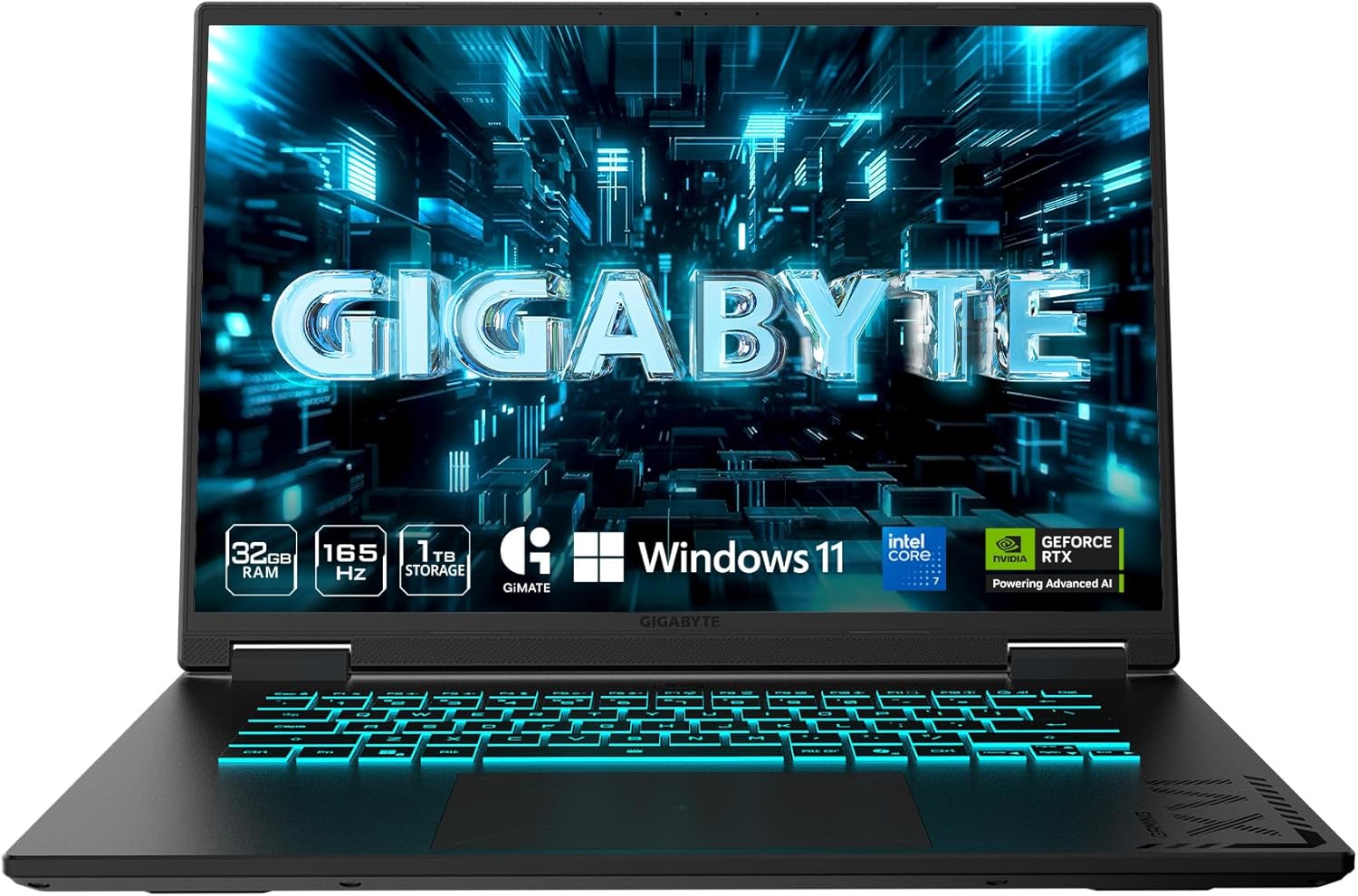
- memory Intel Core Ultra 7 240H
- developer_board NVIDIA GeForce RTX 5070 Ti Laptop GPU
- layers 32GB LPDDR5X 5600MHz
- track_changes Target GPU: NVIDIA GeForce RTX 4090 (24GB) or AMD Radeon RX 7900 XTX (24GB) (Estimated)
- memory Intel Core Ultra 9 275HX
- developer_board GeForce RTX 5070 Laptop Laptop GPU
- layers 64GB DDR5-6400MHz (Single-Channel)
- track_changes Target GPU: NVIDIA GeForce RTX 4090 (24GB) or AMD Radeon RX 7900 XTX (24GB) (Estimated)
- memory Intel Core Ultra 9 275HX
- developer_board NVIDIA GeForce RTX 5070 Ti
- layers 32GB
- track_changes Target GPU: NVIDIA GeForce RTX 4090 (24GB) or AMD Radeon RX 7900 XTX (24GB) (Estimated)

- memory Intel Core Ultra 9 275HX
- developer_board NVIDIA GeForce RTX 5070 Ti Laptop GPU
- layers 32 GB DDR5 6400MHz (2x16GB)
- track_changes Target GPU: NVIDIA GeForce RTX 4090 (24GB) or AMD Radeon RX 7900 XTX (24GB) (Estimated)
info_outline Laptop recommendations are estimates based on available component benchmarks and game requirements. Actual performance may vary depending on settings, drivers, cooling, power limits, etc. Prices and availability subject to change. As an Amazon Associate, we earn from qualifying purchases.