Select Games to Compare
Turok: Origins vs Red Dead Redemption 2
| close | close |
|---|---|
| shopping_cart Where to Buy | |
| info General Information | |
| Release Date | |
| Apr 15, 2027 | Oct 26, 2018 |
| Developer | |
| Saber Interactive (Madrid Studio) | Rockstar Studios (Rockstar San Diego, Rockstar North, Rockstar Toronto, Rockstar New England, Rockstar London, Rockstar Lincoln, Rockstar Leeds, Rockstar India) |
| Publisher | |
| Saber Interactive | Rockstar Games |
| Genre(s) | |
| Action-Adventure Shooter / Cooperative Action Game | Action-Adventure, Open World, Western, Third-Person Shooter, First-Person Shooter |
| Engine | |
| Unreal Engine 5 (with proprietary Swarm Engine) | RAGE (Rockstar Advanced Game Engine) |
| stars Ratings & Price | |
| Content Rating | |
| Mature 17+ | Mature 17+ |
| Avg. User Rating | |
| 4.7 / 5.0 | 4.8 / 5.0 |
| Current Price (USD) | |
| $69.99 | $59.99 |
| tune Key Specs | |
| Quick Highlights | |
|
|
| sports_esports Gameplay & Mechanics | |
| Companions/Followers | |
|
|
| Key Collectibles | |
|
|
| Key Themes | |
|
|
| colorize Combat & Gear | |
| Weapons Overview | |
|
|
| Armor / Gear Sets | |
|
|
| Outfits/Customization | |
|
|
| trending_up Progression & Upgrades | |
| Skills & Progression | |
|
Turok: Origins introduces a sophisticated class-based progression system built around 'Primal Forms' or 'Mantles'—the Cougar, Bison, and Raven—each tied to Native American spirit animals dictating loadouts and special abilities. The overarching meta-progression deviates entirely from standard XP paradigms in favor of 'DNA Powers' and 'EchoSyncs.' As players defeat feral wildlife, alien combatants, and massive bosses, they extract biomechanical and organic DNA. This DNA serves as the primary currency for evolving the player's biomorphic suit in real-time, triggering immediate visual and physical alterations reflecting the absorbed traits of fallen enemies. The refinement of high-tier boss DNA unlocks EchoSyncs, a robust suite of active and passive skills that augment the core Primal Form class abilities (such as the Cougar's devastating Sonic Scream). Coupled with a deep 9-slot weapon modification system that can fundamentally alter firearm physics, the game offers unparalleled build diversity. |
Arthur Morgan's core attributes (Health, Stamina, Dead Eye) level up through gameplay actions (e.g., running increases stamina, headshots increase Dead Eye). Gear upgrades (bandoliers, satchels, holsters) are crafted by Pearson at the gang camp using animal pelts and other materials, increasing carrying capacity. Weapons can be customized extensively (barrels, sights, stocks, wraps, engravings) and cleaned to maintain performance. Tonics and provisions provide temporary buffs. Horse bonding is crucial, unlocking new maneuvers and increasing horse stats. Camp upgrades provide benefits like better provisions and fast travel. |
| public World & Exploration | |
| World & Level Design | |
|
Historically confined to a single, Earth-bound pocket dimension, the concept of 'The Lost Lands' has been exponentially expanded in Turok: Origins into a massive, multi-planetary framework. Saber Interactive has crafted beautifully treacherous worlds spanning several distinct, highly detailed biomes. Players will navigate Ancient Temples featuring extreme verticality, labyrinthine level design, and timing-based platforming across rotating waterwheels suspended over abyssal drops. Dense Jungles offer traditional Turok environments built with heavy, dynamic foliage to facilitate terrifying raptor ambushes and guerilla-style engagements. Open Wasteland Canyons require the utilization of long-range sniper weaponry and strategic defensive positioning against Xenia patrols. Finally, Alien Landscapes and Swamps introduce unpredictable, extraterrestrial topography harboring mutated, bioluminescent flora and toxic environmental hazards. This immense topographical diversity ensures that traversal—heavily reliant on newly introduced grappling hooks—and combat remain consistently engaging and strategically demanding throughout the campaign. |
The game world is exceptionally large, detailed, and diverse. Regions include the snowy mountains of Ambarino, the heartland plains and forests of New Hanover, the swampy bayous and antebellum towns of Lemoyne, the developing plains and forests of West Elizabeth, and the arid deserts and canyons of New Austin (largely based on the map from the first Red Dead Redemption). Each region has unique ecosystems, wildlife, towns, and points of interest. |
| Playable Vehicles | |
|
|
| Notable Fauna/Mounts | |
|
|
| book Story & Characters | |
| Main Characters | |
|
|
| Example Missions | |
|
|
| people Multiplayer | |
| Multiplayer Details | |
|
Turok: Origins is fundamentally designed as a premier three-player cooperative experience, allowing teams to mix and match the Cougar, Bison, and Raven Primal Forms for maximum tactical synergy. A team could run a balanced composition or an overlapping 'flock' of three Ravens without breaking the dynamic difficulty algorithms powered by the Swarm Engine. However, Saber Interactive has deeply respected solo players by offering a fully offline, dedicated single-player campaign. Notably, the studio eschewed the use of AI-controlled companion bots. If a player engages solo, they are truly alone, elevating the survival-horror tension inherent in the franchise. To compensate, the game's algorithmic difficulty engine dynamically scales down encounter parameters, ensuring that a highly skilled solo player utilizing optimized EchoSyncs and deeply modded weaponry can survive the dense jungles and Xenia swarms without cooperative support, maintaining a perfectly balanced challenge. |
N/A |
| extension Editions & DLC | |
| Available Editions | |
|
Saber Interactive has positioned Turok: Origins as a flagship AAA release following their immense financial success and newfound independence. The game is scheduled for a Spring 2027 release after a strategic delay announced at Gamescom 2026. While official premium tiers are yet to be fully detailed, the baseline Standard Edition is projected to retail for $69.99 USD across all platforms, translating to approximately ₹3,325 to ₹4,500 INR in regional markets. Given the game's heavy emphasis on aesthetic customization via DNA Powers and biomorphic armor, it is highly probable that Saber will offer Deluxe or Collector's Editions featuring exclusive legacy weapon skins (paying homage to the 1997 classic), digital artbooks, and unique chronological Mantle designs. Physical retail editions are confirmed, with major distributors preparing multi-platform disc fulfillment for the PlayStation 5 and Xbox Series X, catering to both digital and physical media preservationists. |
Available in Standard Edition, Special Edition (included extra story mode content like a bank robbery mission, gang hideout, gameplay boosts, an outfit, and a thoroughbred horse), and Ultimate Edition (included Special Edition content plus bonus Red Dead Online content like outfits, rank bonuses, a black chestnut thoroughbred, and free access to additional weapons). A Collector's Box (no game included) was also sold with physical collectibles. |
| Post-Launch Content / DLC | |
|
Game Designer Carlos de Maria Castillo has officially confirmed that a robust post-launch downloadable content (DLC) roadmap is already locked in for Turok: Origins. Leveraging the immense live-service longevity and community goodwill generated by Saber Interactive's previous titles like World War Z and Space Marine 2, the studio intends to support the game extensively well beyond its Spring 2027 launch. While specific details remain under embargo, the game's class-based architecture and multi-planetary Lost Lands setting strongly indicate a high likelihood of new planetary biomes, additional Primal Form classes representing new spirit animals, and expanded exotic weaponry being introduced in free or premium seasonal updates. Furthermore, the endgame structure—which features a brutal difficulty tier unlocked upon campaign completion—will likely be expanded with new cybernetic boss variants and high-yield EchoSync rewards designed to continually test fully upgraded, max-level Mantle builds. |
The primary post-launch support has been for Red Dead Online, which has received numerous updates adding new roles (Bounty Hunter, Trader, Collector, Moonshiner, Naturalist), missions, cosmetic items, gameplay mechanics, and seasonal events. No single-player story DLC has been released for Red Dead Redemption 2. |
| help_outline FAQ | |
| Frequently Asked Questions | |
|
|
| build Technical Details | |
| Graphics & Visual Fidelity | |
|
Built natively on Unreal Engine 5, Turok: Origins is a visual powerhouse that pushes rendering technology to its limits. The game heavily utilizes UE5's Nanite virtualized geometry and Lumen global illumination to craft dense prehistoric jungles, ancient temples, and sprawling alien architecture with unprecedented fidelity. The visual highlight is the real-time biomorphic suit evolution, where extracting enemy DNA physically alters the player's armor mesh. Saber's proprietary Swarm Engine handles the rendering of hundreds of dynamic on-screen enemies, from swarming insects to heavily armored Xenia infantry. Performance varies by platform: the PS5 (with PS5 Pro enhancements) and Xbox Series X target 60 FPS at dynamic 4K with ray-traced shadows, while the Xbox Series S is capped at 30 FPS due to memory bandwidth constraints. The Nintendo Switch 2 version is highly optimized to run at a stable 30 FPS, showcasing scalable graphical fidelity across the entire hardware spectrum. |
Powered by an advanced version of the RAGE engine, RDR2 is renowned for its groundbreaking graphics and attention to detail. It features stunningly realistic environments, lifelike character and animal animations, advanced lighting (volumetric lighting, global illumination), dynamic weather systems (rain, snow, fog), and incredible texture quality. The level of environmental detail and interaction is exceptionally high. |
| Audio & Soundtrack | |
|
Auditory design in Turok: Origins plays a massive role in blending its indigenous spiritual themes with sci-fi horror. The soundscape is a rich mix of tribal acoustic instrumentation, heavy percussion, and oppressive, futuristic synth work. Saber Interactive utilized Native American cultural experts to ensure the audio cues tied to the Primal Forms—such as the Cougar's devastating 'Sonic Scream' area-of-effect attack—resonate with authentic spiritual weight. Spatial audio is heavily leveraged to create tension in the dense jungles, requiring players to listen for the distinct, coordinated clicks and rustling foliage of flanking raptor packs. Weapon audio is equally iconic, headlined by the returning, horrific mechanical drilling and wet explosive sounds of the fan-favorite Cerebral Bore, juxtaposed against the heavy, bass-driven impacts of Xenia plasma ordinance and the deafening roars of cybernetically enhanced Tyrannosaurus Rexes. |
Original score composed by Woody Jackson, with contributions from various artists. The music is dynamic, reacting to gameplay and location, featuring sweeping orchestral pieces, folk tunes, and atmospheric tracks that perfectly capture the Western setting and emotional tone. Features over 100 anachronistically appropriate licensed songs. Sound design is incredibly detailed, from weapon sounds and horse hooves to ambient wildlife and environmental effects. |
| User Interface (UI/UX) | |
|
The User Interface in Turok: Origins is designed to accommodate the highly innovative dual-perspective camera engine, which allows players to seamlessly toggle between first-person and third-person viewpoints at the press of a button. The HUD dynamically adjusts to these shifts; the third-person view emphasizes environmental awareness, traversal, and the real-time visual evolution of the player's biomorphic suit, while the first-person view tightens crosshair friction and recoil feedback for precision marksmanship. A critical UI element is the tactical environmental scanner, an essential utility tool that highlights structural weak points and critical hit zones on massive boss creatures and heavily armored Xenia forces. Furthermore, the UI elegantly handles the complex 9-slot weapon modification system and the real-time injection of extracted DNA Powers, ensuring that deep customization menus do not disrupt the relentless push-forward pacing of the core gameplay loop. |
Immersive UI with options for a dynamic HUD. Health/Stamina/Dead Eye cores are displayed, along with a radar/mini-map. Weapon wheel for selection. Interaction prompts are contextual. The game features a detailed journal kept by Arthur, cataloging his thoughts, sketches, and discoveries. First-person mode offers a different UI perspective. |
| Accessibility Options | |
|
While specific accessibility menus have yet to be fully detailed, Saber Interactive's design philosophies in Turok: Origins inherently promote an accessible experience. The dual-perspective camera system allows players prone to first-person motion sickness to seamlessly switch to a wider, third-person field of view. The inclusion of the tactical environmental scanner acts as a brilliant high-contrast visual aid, illuminating enemy weak points and critical hit zones against visually noisy, dense jungle backgrounds. For gameplay pacing, the Swarm Engine's dynamic difficulty scaling ensures that solo players are not overwhelmed by cooperative-scaled enemy counts, allowing for a tailored challenge. Furthermore, the class-based Primal Forms allow players with different motor skills to excel; players who struggle with the twitch-precision required for the Raven's sniper role can opt for the Bison class, focusing on close-quarters tanking, deploying expansive energy shields, and supporting the team. |
Includes options for customizable controls (including sensitivity and dead zones), subtitle customization (size, background, speaker names), aim assist levels, options to tap or hold for interactions, colorblind modes, audio balancing, and a cinematic camera mode. First-person mode can also be considered an accessibility option for some. |
| video_library Media Links | |
| Gameplay Video | |
| launchWatch | launchWatch |
| Walkthrough/Guide | |
| launchView | launchView |
| settings_applications System Requirements | |
| 1080p (Full HD) - Minimum (Low-Medium Settings, 1080p, 30-60 FPS) CPU: Baseline 6-core processor required to manage the Swarm Engine's enemy pathing and AI. CPU (Laptop): Mobile equivalent required to sustain base thread counts without overheating. GPU: Provides necessary rasterization performance for 1080p rendering without advanced ray tracing. GPU (Laptop): Required to maintain stable frame rates when paired with AI upscaling. RAM: Strict minimum to prevent page-file swapping during massive horde encounters. Storage: Required for basic asset streaming speed. | |
memoryCPU: Intel Core i5-8600K / AMD Ryzen 5 2600X developer_boardGPU: NVIDIA GeForce GTX 1080 / AMD Radeon RX 5700 / Intel Arc A580 laptop_macCPU (L): Intel Core i7-9750H / AMD Ryzen 7 4800H laptop_windowsGPU (L): NVIDIA RTX 3060 (100W+) / RTX 4050 (85W+) layersRAM: 16 GB saveStorage (Tier): 70 GB Standard SSD | — |
| 1080p (Full HD) - Recommended (1080p ~60 FPS, High Preset) (High Preset) CPU: Recommended desktop CPU for 1080p at 60 FPS. CPU (Laptop): Estimated mid-range to high-end laptop CPUs. GPU: Recommended desktop GPU for 1080p at 60 FPS on High. GPU (Laptop): Estimated performance-focused laptop GPUs. 6GB+ VRAM is crucial. RAM: 12GB minimum, 16GB strongly recommended for smoother performance. Storage: SSD strongly recommended. | |
| — | memoryCPU: Intel Core i7-4770K or AMD Ryzen 5 1500X developer_boardGPU: NVIDIA GeForce GTX 1060 (6GB) or AMD Radeon RX 480 (4GB) laptop_macCPU (L): Intel Core i7-7700HQ / AMD Ryzen 7 2700U or better. **Modern Intel Core i7 H-series / AMD Ryzen 7 H-series (e.g., i7-11800H, Ryzen 7 5800H) strongly recommended.** laptop_windowsGPU (L): NVIDIA GeForce GTX 1660 Ti Mobile (6GB) / RTX 2060 Mobile (6GB) / RTX 3060 Mobile (6GB, High TGP) or AMD Radeon RX 5600M/5700M. **An RTX 3060 Mobile (High TGP) or RTX 4060 Mobile is a good target for 1080p High 60FPS.** layersRAM: 12 GB saveStorage (Tier): 150 GB SSD |
| 1080p (Full HD) - Minimum (1080p ~30 FPS, Low/Medium Preset) (Low to Medium Preset) CPU: Minimum desktop CPU for 1080p at lower settings. CPU (Laptop): Estimated laptop CPU equivalent. Newer i5/Ryzen 5 H-series or better recommended. GPU: Minimum desktop GPU for 1080p at lower settings. GPU (Laptop): Estimated laptop GPUs. Game is very VRAM intensive. RAM: Minimum RAM requirement. Storage: HDD is absolute minimum, expect long load times. | |
| — | memoryCPU: Intel Core i5-2500K or AMD FX-6300 developer_boardGPU: NVIDIA GeForce GTX 770 (2GB) or AMD Radeon R9 280 (3GB) laptop_macCPU (L): Intel Core i7-4700HQ / AMD Ryzen 5 1600 (Laptop equivalent) or better laptop_windowsGPU (L): NVIDIA GeForce GTX 1050 Ti Mobile (4GB) / GTX 1650 Mobile (4GB) or AMD Radeon RX 560X Mobile. **An RTX 3050 Mobile or RTX 4050 Mobile would be a more comfortable entry point for 1080p Medium settings.** layersRAM: 8 GB saveStorage (Tier): 150 GB HDD |
| 1440p (QHD/2K) - Recommended (High Settings, 1440p, 60+ FPS) CPU: Robust multi-threading required for fluid combat pacing, physics calculations, and complex boss behaviors. CPU (Laptop): High-end mobile CPUs needed to match desktop performance in heavily populated arenas. GPU: Offers the computational power and VRAM necessary for high-fidelity Nanite rendering and Lumen lighting. GPU (Laptop): Full-wattage mid-to-high-end laptop GPUs necessary for stable 1440p output. RAM: Highly recommended to support background OS tasks alongside heavy Unreal Engine 5 asset caching. Storage: Faster bandwidth for instant loading during fast travel and respawns. | |
memoryCPU: Intel Core i7-10700K / AMD Ryzen 7 5800X developer_boardGPU: NVIDIA GeForce RTX 3070 / AMD Radeon RX 6800 / Intel Arc A770 laptop_macCPU (L): Intel Core i7-12700H / AMD Ryzen 9 6900HX laptop_windowsGPU (L): NVIDIA RTX 4070 Mobile (140W) / RX 6800M layersRAM: 32 GB saveStorage (Tier): 70 GB NVMe Gen 4 SSD | — |
| 1440p (QHD/2K) - High (1440p ~60 FPS, High/Ultra Preset with DLSS/Optimized Settings) (High/Ultra Preset (Optimized, DLSS Quality/Balanced potentially needed)) CPU: Desktop CPU for 1440p at 60 FPS. CPU (Laptop): Estimated high-end laptop CPUs. GPU: Desktop GPU for 1440p at 60 FPS. GPU (Laptop): Estimated high-performance laptop GPUs. 8GB+ VRAM essential, 10GB+ preferable. RAM: 16GB RAM required, 32GB recommended for smoother experience. Storage: NVMe SSD strongly recommended. | |
| — | memoryCPU: Intel Core i7-8700K or AMD Ryzen 7 3700X/5600X developer_boardGPU: NVIDIA GeForce RTX 2070 Super (8GB) / RTX 3070 (8GB) or AMD Radeon RX 5700 XT (8GB) / RX 6700 XT (12GB) laptop_macCPU (L): Intel Core i7-10875H / AMD Ryzen 7 5800H or better. **Modern Intel Core i7/i9 HX-series / AMD Ryzen 7/9 HS/HX-series recommended.** laptop_windowsGPU (L): NVIDIA GeForce RTX 3070 Mobile (8GB, High TGP) / RTX 4070 Mobile (8GB, High TGP) or AMD Radeon RX 6800M. **An RTX 3080 Mobile or RTX 4080 Mobile provides a more consistent 1440p High/Ultra experience.** layersRAM: 16 GB saveStorage (Tier): 150 GB NVMe SSD |
| 2160p (UHD/4K) - Ultra/Enthusiast (Epic Settings, 4K (2160p), 60+ FPS) CPU: Enthusiast processors required to feed max-fidelity data to the GPU without bottlenecking the Swarm Engine. CPU (Laptop): Flagship mobile silicon is strictly required for 4K gaming to overcome thermal density limits. GPU: Massive rasterization throughput needed for 4K global illumination and dense foliage rendering. GPU (Laptop): Only the absolute highest tier of mobile silicon can run UE5 Epic settings at 4K resolution. RAM: Maximum bandwidth required for seamless asset streaming and AI operations. Storage: Maximum read/write speeds for instantaneous world cell streaming. | |
memoryCPU: Intel Core i9-13900K / AMD Ryzen 9 7950X developer_boardGPU: NVIDIA GeForce RTX 4080 / AMD Radeon RX 7900 XTX laptop_macCPU (L): Intel Core i9-13980HX / AMD Ryzen 9 7945HX3D laptop_windowsGPU (L): NVIDIA RTX 4090 Mobile (175W) layersRAM: 32 GB saveStorage (Tier): 70 GB NVMe Gen 4 SSD | — |
| 2160p (UHD/4K) - Ultra (2160p/4K ~30-60 FPS, Medium/High Preset with DLSS Performance/Balanced) (Medium/High Preset, DLSS Performance/Balanced (Native 4K Ultra 60FPS is extremely demanding)) CPU: Desktop CPU recommendation for 4K. CPU (Laptop): Top-tier laptop CPUs required. GPU: Desktop GPU recommendation for a playable 4K experience, often requiring DLSS. GPU (Laptop): Flagship laptop GPUs essential. 12GB+ VRAM absolutely critical. RAM: 32GB RAM very strongly recommended for 4K. Storage: NVMe SSD required. | |
| — | memoryCPU: Intel Core i9-9900K or AMD Ryzen 7 5800X3D / Ryzen 9 5900X developer_boardGPU: NVIDIA GeForce RTX 3080 (10GB) / RTX 4070 Ti (12GB) or AMD Radeon RX 6800 XT (16GB) / RX 7900 XT (20GB) laptop_macCPU (L): Intel Core i9-11980HK / AMD Ryzen 9 5900HX or better. **Flagship Intel Core i9 HX / AMD Ryzen 9 HX series (e.g., 13980HX, 7945HX) required.** laptop_windowsGPU (L): NVIDIA GeForce RTX 3080 Ti Mobile (16GB, Max TGP) / RTX 4080 Mobile (12GB, Max TGP) / RTX 4090 Mobile (16GB, Max TGP). **Even the RTX 4090 Mobile will heavily rely on DLSS (Performance/Ultra Performance) for 4K High/Ultra at 60FPS. A hypothetical next-gen flagship (RTX 50-series) would aim for better native 4K capabilities.** layersRAM: 16 GB saveStorage (Tier): 150 GB NVMe SSD |
| save Overall Storage | |
| Spec: 70 GB SSD Note: A Solid State Drive is mandatory for the rapid streaming of high-fidelity environmental assets and seamless traversal without micro-stuttering. Type: SSD | Spec: 150 GB available space (SSD Strongly Recommended). Note: An NVMe SSD is highly recommended for the best experience due to the vast world and high-resolution assets. Type: SSD |
| desktop_windows Operating System | |
| Spec: Windows 10 / 11 (64-bit) Explanation: A 64-bit operating system is strictly required for memory allocation mapping within Unreal Engine 5. | Spec: Windows 7 (SP1), Windows 10 (Version 1803 or newer) Explanation: 64-bit Windows 7 or newer. Windows 10/11 64-bit recommended for best compatibility and performance. |
| gamepad DirectX Version | |
| Spec: DirectX 12 Explanation: Mandatory to support hardware-accelerated features, Nanite virtualized geometry, and Lumen global illumination. | Spec: DirectX 12 (Vulkan also supported and often preferred for performance on AMD GPUs) Explanation: DirectX 12 or Vulkan API. Players can often choose between them. |
| info_outline Other Game Notes | |
|
|
| build Optimization Details | |
|
|
| laptop Laptop Considerations | |
|
|


info_outline Feature details based on available data. System requirements and performance estimates may vary.
laptop_chromebook Laptop Recommendations
Common Recommendations (Handles All Compared Games)

- memory AMD Ryzen 7 7445HS
- developer_board NVIDIA GeForce RTX 4050
- layers 16GB (2x8GB) DDR5 5600MHz SO-DIMM
- track_changes Target GPU: NVIDIA RTX 3060 (100W+) / RTX 4050 (85W+)

- memory AMD Ryzen 7 7445HS
- developer_board NVIDIA GeForce RTX 4050
- layers 16GB DDR5 5600MHz SO-DIMM
- track_changes Target GPU: NVIDIA RTX 3060 (100W+) / RTX 4050 (85W+)

- memory AMD Ryzen 9 7845HX
- developer_board NVIDIA GeForce RTX 4080
- layers Up to 64GB DDR5
- track_changes Target GPU: NVIDIA RTX 3060 (100W+) / RTX 4050 (85W+)

- memory Intel Core i9-14900HX
- developer_board NVIDIA GeForce RTX 4060
- layers 32GB DDR5-5600MHz
- track_changes Target GPU: NVIDIA GeForce GTX 1050 Ti Mobile (4GB) / GTX 1650 Mobile (4GB) or AMD Radeon RX 560X Mobile. **An RTX 3050 Mobile or RTX 4050 Mobile would be a more comfortable entry point for 1080p Medium settings.**

- memory AMD Ryzen 7 7435HS
- developer_board NVIDIA GeForce RTX 3050
- layers 32GB DDR5-4800MHz
- track_changes Target GPU: NVIDIA GeForce GTX 1050 Ti Mobile (4GB) / GTX 1650 Mobile (4GB) or AMD Radeon RX 560X Mobile. **An RTX 3050 Mobile or RTX 4050 Mobile would be a more comfortable entry point for 1080p Medium settings.**

- memory Intel Core i9-14900HX
- developer_board NVIDIA GeForce RTX 4070
- layers 32GB DDR5-5600MHz
- track_changes Target GPU: NVIDIA GeForce GTX 1050 Ti Mobile (4GB) / GTX 1650 Mobile (4GB) or AMD Radeon RX 560X Mobile. **An RTX 3050 Mobile or RTX 4050 Mobile would be a more comfortable entry point for 1080p Medium settings.**

- memory Intel Core i7-12700H
- developer_board NVIDIA GeForce RTX 3070
- layers 32GB DDR4-3200MHz
- track_changes Target GPU: NVIDIA GeForce GTX 1660 Ti Mobile (6GB) / RTX 2060 Mobile (6GB) / RTX 3060 Mobile (6GB, High TGP) or AMD Radeon RX 5600M/5700M. **An RTX 3060 Mobile (High TGP) or RTX 4060 Mobile is a good target for 1080p High 60FPS.**

- memory Intel Core i9-13900H
- developer_board NVIDIA GeForce RTX 4060
- layers 16GB DDR5-5200MHz
- track_changes Target GPU: NVIDIA GeForce GTX 1660 Ti Mobile (6GB) / RTX 2060 Mobile (6GB) / RTX 3060 Mobile (6GB, High TGP) or AMD Radeon RX 5600M/5700M. **An RTX 3060 Mobile (High TGP) or RTX 4060 Mobile is a good target for 1080p High 60FPS.**
- memory Intel Core i9-14900HX
- developer_board NVIDIA GeForce RTX 4070
- layers 32GB DDR5-5600MHz
- track_changes Target GPU: NVIDIA RTX 4070 Mobile (140W) / RX 6800M

- memory AMD Ryzen 9 8940HX Processor
- developer_board NVIDIA GeForce RTX 5060 Laptop GPU
- layers 32GB DDR5-5200MHz
- track_changes Target GPU: NVIDIA RTX 4070 Mobile (140W) / RX 6800M

- memory Intel Core i9-12950HX
- developer_board NVIDIA GeForce RTX 3080 Ti
- layers 32GB DDR5-4800MHz
- track_changes Target GPU: NVIDIA RTX 4070 Mobile (140W) / RX 6800M
- memory Intel Core i7-12700H
- developer_board NVIDIA GeForce RTX 3070
- layers 32GB DDR4-3200MHz
- track_changes Target GPU: NVIDIA GeForce RTX 3070 Mobile (8GB, High TGP) / RTX 4070 Mobile (8GB, High TGP) or AMD Radeon RX 6800M. **An RTX 3080 Mobile or RTX 4080 Mobile provides a more consistent 1440p High/Ultra experience.**
- memory Intel Core i9-13900H
- developer_board NVIDIA GeForce RTX 4060
- layers 16GB DDR5-5200MHz
- track_changes Target GPU: NVIDIA GeForce RTX 3070 Mobile (8GB, High TGP) / RTX 4070 Mobile (8GB, High TGP) or AMD Radeon RX 6800M. **An RTX 3080 Mobile or RTX 4080 Mobile provides a more consistent 1440p High/Ultra experience.**
- memory Intel Core i9-14900HX
- developer_board NVIDIA GeForce RTX 4060
- layers 32GB DDR5-5600MHz
- track_changes Target GPU: NVIDIA GeForce RTX 3070 Mobile (8GB, High TGP) / RTX 4070 Mobile (8GB, High TGP) or AMD Radeon RX 6800M. **An RTX 3080 Mobile or RTX 4080 Mobile provides a more consistent 1440p High/Ultra experience.**

- memory Intel Core i9-14900HX
- developer_board NVIDIA GeForce RTX 4090
- layers 32GB DDR5-5600MHz
- track_changes Target GPU: NVIDIA RTX 4090 Mobile (175W)

- memory Intel Core Ultra 9 285H (Series 2) , 14 cores (6 Performance cores + 8 Efficient cores), 20 threads
- developer_board NVIDIA GeForce RTX 5050 Laptop GPU
- layers 32GB (2x16GB) DDR5 8400MHz SO-DIMM
- track_changes Target GPU: NVIDIA RTX 4090 Mobile (175W)

- memory Intel Core Ultra 9 285H
- developer_board NVIDIA GeForce RTX 5070
- layers 32GB (2x16GB) DDR5 4800MHz SO-DIMM
- track_changes Target GPU: NVIDIA RTX 4090 Mobile (175W)
- memory Intel Core i9-14900HX
- developer_board NVIDIA GeForce RTX 4070
- layers 32GB DDR5-5600MHz
- track_changes Target GPU: NVIDIA GeForce RTX 3080 Ti Mobile (16GB, Max TGP) / RTX 4080 Mobile (12GB, Max TGP) / RTX 4090 Mobile (16GB, Max TGP). **Even the RTX 4090 Mobile will heavily rely on DLSS (Performance/Ultra Performance) for 4K High/Ultra at 60FPS. A hypothetical next-gen flagship (RTX 50-series) would aim for better native 4K capabilities.**

- memory Intel Core i9-14900HX
- developer_board NVIDIA GeForce RTX 4070
- layers 16GB DDR5-5600MHz
- track_changes Target GPU: NVIDIA GeForce RTX 3080 Ti Mobile (16GB, Max TGP) / RTX 4080 Mobile (12GB, Max TGP) / RTX 4090 Mobile (16GB, Max TGP). **Even the RTX 4090 Mobile will heavily rely on DLSS (Performance/Ultra Performance) for 4K High/Ultra at 60FPS. A hypothetical next-gen flagship (RTX 50-series) would aim for better native 4K capabilities.**

- memory Intel Core Ultra 7 255H
- developer_board NVIDIA GeForce RTX 5060 Laptop GPU
- layers 16GB DDR5-5600MHz (Dual-Channel)
- track_changes Target GPU: NVIDIA GeForce RTX 3080 Ti Mobile (16GB, Max TGP) / RTX 4080 Mobile (12GB, Max TGP) / RTX 4090 Mobile (16GB, Max TGP). **Even the RTX 4090 Mobile will heavily rely on DLSS (Performance/Ultra Performance) for 4K High/Ultra at 60FPS. A hypothetical next-gen flagship (RTX 50-series) would aim for better native 4K capabilities.**
For Turok: Origins Specifically
- memory AMD Ryzen 7 7445HS
- developer_board NVIDIA GeForce RTX 4050
- layers 16GB (2x8GB) DDR5 5600MHz SO-DIMM
- track_changes Target GPU: NVIDIA GeForce GTX 1080 / AMD Radeon RX 5700 / Intel Arc A580
- memory AMD Ryzen 7 7445HS
- developer_board NVIDIA GeForce RTX 4050
- layers 16GB DDR5 5600MHz SO-DIMM
- track_changes Target GPU: NVIDIA GeForce GTX 1080 / AMD Radeon RX 5700 / Intel Arc A580
- memory AMD Ryzen 9 7845HX
- developer_board NVIDIA GeForce RTX 4080
- layers Up to 64GB DDR5
- track_changes Target GPU: NVIDIA GeForce GTX 1080 / AMD Radeon RX 5700 / Intel Arc A580
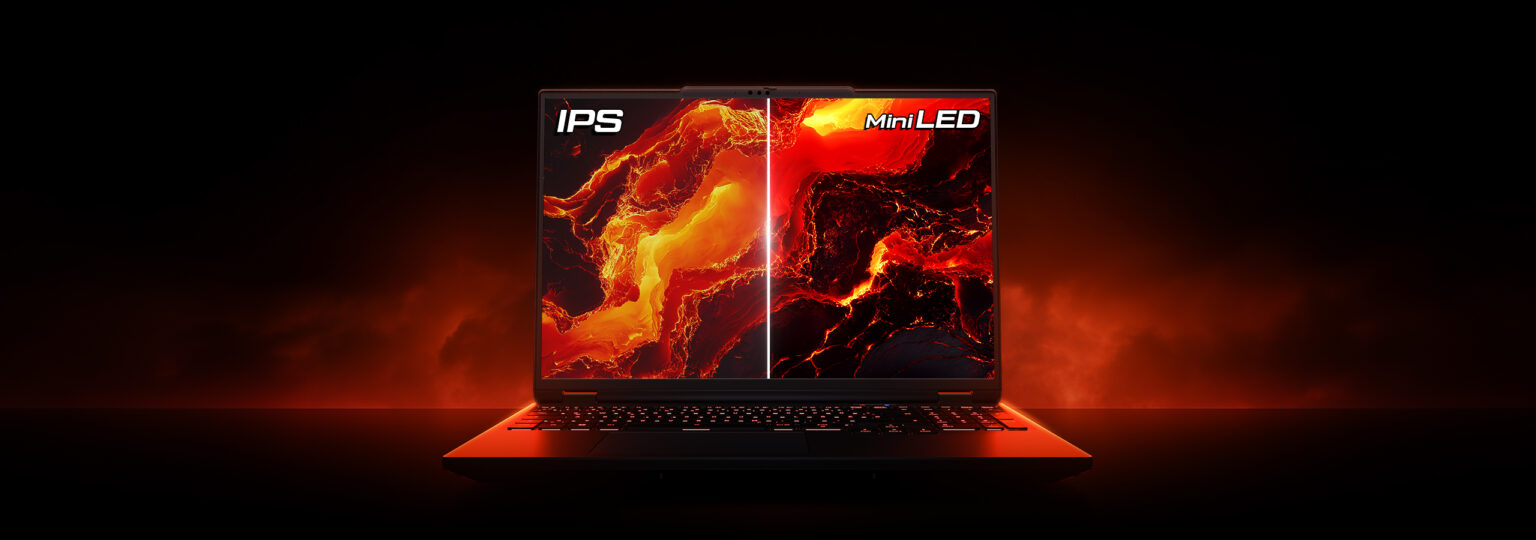
- memory AMD Ryzen 9 9955HX
- developer_board NVIDIA GeForce RTX 5070 Ti Laptop GPU
- layers 64GB DDR5-5600MHz (Dual-Channel)
- track_changes Target GPU: NVIDIA GeForce GTX 1080 / AMD Radeon RX 5700 / Intel Arc A580
- memory Intel Core i9-14900HX
- developer_board NVIDIA GeForce RTX 4070
- layers 32GB DDR5-5600MHz
- track_changes Target GPU: NVIDIA GeForce RTX 3070 / AMD Radeon RX 6800 / Intel Arc A770
- memory AMD Ryzen 9 8940HX Processor
- developer_board NVIDIA GeForce RTX 5060 Laptop GPU
- layers 32GB DDR5-5200MHz
- track_changes Target GPU: NVIDIA GeForce RTX 3070 / AMD Radeon RX 6800 / Intel Arc A770
- memory Intel Core i9-12950HX
- developer_board NVIDIA GeForce RTX 3080 Ti
- layers 32GB DDR5-4800MHz
- track_changes Target GPU: NVIDIA GeForce RTX 3070 / AMD Radeon RX 6800 / Intel Arc A770

- memory Intel Core i9-14900HX
- developer_board NVIDIA GeForce RTX 4080 Laptop GPU
- layers 64 GB DDR5-5600MHz
- track_changes Target GPU: NVIDIA GeForce RTX 3070 / AMD Radeon RX 6800 / Intel Arc A770

- memory Intel Core Ultra 9 Processor 275HX (Series 2)
- developer_board NVIDIA GeForce RTX 5070 Laptop GPU
- layers 32GB DDR5-5600MHz
- track_changes Target GPU: NVIDIA GeForce RTX 3070 / AMD Radeon RX 6800 / Intel Arc A770

- memory Intel Core i9-14900HX Processor
- developer_board NVIDIA GeForce RTX 5070 Laptop GPU
- layers 32GB DDR5-5600MHz
- track_changes Target GPU: NVIDIA GeForce RTX 3070 / AMD Radeon RX 6800 / Intel Arc A770

- memory Intel Core i9-14900HX Processor
- developer_board NVIDIA GeForce RTX 5070 Laptop GPU
- layers 32GB DDR5-5600MHz
- track_changes Target GPU: NVIDIA GeForce RTX 3070 / AMD Radeon RX 6800 / Intel Arc A770

- memory Intel Core Ultra 9 285H (Arrow Lake-H)
- developer_board NVIDIA GeForce RTX 5070 Laptop GPU
- layers 64GB LPDDR5x-8533MT/s (LPCAMM2)
- track_changes Target GPU: NVIDIA GeForce RTX 3070 / AMD Radeon RX 6800 / Intel Arc A770

- memory Intel Core i9-14900HX
- developer_board NVIDIA GeForce RTX 4080
- layers 64GB DDR5-5600MHz
- track_changes Target GPU: NVIDIA GeForce RTX 3070 / AMD Radeon RX 6800 / Intel Arc A770

- memory Intel Core i9-14900HX
- developer_board NVIDIA GeForce RTX 4080
- layers 32GB DDR5-5600MHz
- track_changes Target GPU: NVIDIA GeForce RTX 3070 / AMD Radeon RX 6800 / Intel Arc A770
- memory Intel Core Ultra 9 285H (Series 2) , 14 cores (6 Performance cores + 8 Efficient cores), 20 threads
- developer_board NVIDIA GeForce RTX 5050 Laptop GPU
- layers 32GB (2x16GB) DDR5 8400MHz SO-DIMM
- track_changes Target GPU: NVIDIA GeForce RTX 4080 / AMD Radeon RX 7900 XTX
- memory Intel Core Ultra 9 285H
- developer_board NVIDIA GeForce RTX 5070
- layers 32GB (2x16GB) DDR5 4800MHz SO-DIMM
- track_changes Target GPU: NVIDIA GeForce RTX 4080 / AMD Radeon RX 7900 XTX

- memory Intel Core i9-14900HX Processor
- developer_board NVIDIA GeForce RTX 5070 Ti Laptop GPU
- layers 64GB DDR5-5600MHz (commonly listed as 4800MHz by some retailers, but 5600MHz is common for 14th Gen HX with DDR5)
- track_changes Target GPU: NVIDIA GeForce RTX 4080 / AMD Radeon RX 7900 XTX

- memory Intel Core Ultra 9 Processor 275HX
- developer_board NVIDIA GeForce RTX 5070 Ti Laptop GPU
- layers 64GB DDR5-6400MHz
- track_changes Target GPU: NVIDIA GeForce RTX 4080 / AMD Radeon RX 7900 XTX

- memory Intel Core Ultra 9 Processor 275HX (Series 2)
- developer_board NVIDIA GeForce RTX 5070 Ti Laptop GPU
- layers 32GB DDR5-5600MHz
- track_changes Target GPU: NVIDIA GeForce RTX 4080 / AMD Radeon RX 7900 XTX

- memory Intel Ultra 7 255HX
- developer_board NVIDIA GeForce RTX 5070 Ti
- layers 32GB DDR5 5600MHz
- track_changes Target GPU: NVIDIA GeForce RTX 4080 / AMD Radeon RX 7900 XTX

- memory Intel Core Ultra 7 240H
- developer_board NVIDIA GeForce RTX 5070 Ti Laptop GPU
- layers 32GB LPDDR5X 5600MHz
- track_changes Target GPU: NVIDIA GeForce RTX 4080 / AMD Radeon RX 7900 XTX

- memory Intel Core Ultra 9 275HX
- developer_board GeForce RTX 5070 Laptop Laptop GPU
- layers 64GB DDR5-6400MHz (Single-Channel)
- track_changes Target GPU: NVIDIA GeForce RTX 4080 / AMD Radeon RX 7900 XTX

- memory Intel Core Ultra 9 275HX
- developer_board NVIDIA GeForce RTX 5070 Ti
- layers 32GB
- track_changes Target GPU: NVIDIA GeForce RTX 4080 / AMD Radeon RX 7900 XTX

- memory Intel Core Ultra 9 275HX
- developer_board NVIDIA GeForce RTX 5070 Ti Laptop GPU
- layers 32 GB DDR5 6400MHz (2x16GB)
- track_changes Target GPU: NVIDIA GeForce RTX 4080 / AMD Radeon RX 7900 XTX
For Red Dead Redemption 2 Specifically
- memory Intel Core i9-14900HX
- developer_board NVIDIA GeForce RTX 4060
- layers 32GB DDR5-5600MHz
- track_changes Target GPU: NVIDIA GeForce GTX 770 (2GB) or AMD Radeon R9 280 (3GB)
- memory AMD Ryzen 7 7435HS
- developer_board NVIDIA GeForce RTX 3050
- layers 32GB DDR5-4800MHz
- track_changes Target GPU: NVIDIA GeForce GTX 770 (2GB) or AMD Radeon R9 280 (3GB)
- memory Intel Core i9-14900HX
- developer_board NVIDIA GeForce RTX 4070
- layers 32GB DDR5-5600MHz
- track_changes Target GPU: NVIDIA GeForce GTX 770 (2GB) or AMD Radeon R9 280 (3GB)
- memory Intel Core i9-14900HX
- developer_board NVIDIA GeForce RTX 4070
- layers 16GB DDR5-5600MHz
- track_changes Target GPU: NVIDIA GeForce GTX 770 (2GB) or AMD Radeon R9 280 (3GB)
- memory Intel Core Ultra 7 255H
- developer_board NVIDIA GeForce RTX 5060 Laptop GPU
- layers 16GB DDR5-5600MHz (Dual-Channel)
- track_changes Target GPU: NVIDIA GeForce GTX 770 (2GB) or AMD Radeon R9 280 (3GB)
- memory AMD Ryzen 9 8940HX Processor
- developer_board NVIDIA GeForce RTX 5060 Laptop GPU
- layers 32GB DDR5-5200MHz
- track_changes Target GPU: NVIDIA GeForce GTX 770 (2GB) or AMD Radeon R9 280 (3GB)
- memory AMD Ryzen 7 7445HS
- developer_board NVIDIA GeForce RTX 4050
- layers 16GB (2x8GB) DDR5 5600MHz SO-DIMM
- track_changes Target GPU: NVIDIA GeForce GTX 770 (2GB) or AMD Radeon R9 280 (3GB)
- memory AMD Ryzen 7 7445HS
- developer_board NVIDIA GeForce RTX 4050
- layers 16GB DDR5 5600MHz SO-DIMM
- track_changes Target GPU: NVIDIA GeForce GTX 770 (2GB) or AMD Radeon R9 280 (3GB)
- memory Intel Core i9-14900HX
- developer_board NVIDIA GeForce RTX 4080 Laptop GPU
- layers 64 GB DDR5-5600MHz
- track_changes Target GPU: NVIDIA GeForce GTX 770 (2GB) or AMD Radeon R9 280 (3GB)
- memory Intel Core Ultra 9 Processor 275HX (Series 2)
- developer_board NVIDIA GeForce RTX 5070 Laptop GPU
- layers 32GB DDR5-5600MHz
- track_changes Target GPU: NVIDIA GeForce GTX 770 (2GB) or AMD Radeon R9 280 (3GB)
- memory Intel Core i7-12700H
- developer_board NVIDIA GeForce RTX 3070
- layers 32GB DDR4-3200MHz
- track_changes Target GPU: NVIDIA GeForce GTX 1060 (6GB) or AMD Radeon RX 480 (4GB)
- memory Intel Core i9-13900H
- developer_board NVIDIA GeForce RTX 4060
- layers 16GB DDR5-5200MHz
- track_changes Target GPU: NVIDIA GeForce GTX 1060 (6GB) or AMD Radeon RX 480 (4GB)

- memory Intel Core i9-12900H
- developer_board NVIDIA GeForce RTX 3070 Ti
- layers 16GB DDR5-4800MHz
- track_changes Target GPU: NVIDIA GeForce GTX 1060 (6GB) or AMD Radeon RX 480 (4GB)

- memory Intel Core i5-12450H
- developer_board NVIDIA GeForce RTX 3050
- layers 16GB DDR4-3200MHz
- track_changes Target GPU: NVIDIA GeForce GTX 1060 (6GB) or AMD Radeon RX 480 (4GB)

- memory Intel Core i5-12500H
- developer_board NVIDIA GeForce RTX 3050 Ti
- layers 16GB DDR4-3200MHz
- track_changes Target GPU: NVIDIA GeForce GTX 1060 (6GB) or AMD Radeon RX 480 (4GB)

- memory AMD Ryzen 7 6800H
- developer_board NVIDIA GeForce RTX 3060
- layers 16GB DDR5-4800MHz
- track_changes Target GPU: NVIDIA GeForce GTX 1060 (6GB) or AMD Radeon RX 480 (4GB)

- memory AMD Ryzen 9 5900HS
- developer_board NVIDIA GeForce RTX 3080
- layers 16GB DDR4-3200MHz
- track_changes Target GPU: NVIDIA GeForce GTX 1060 (6GB) or AMD Radeon RX 480 (4GB)

- memory Intel Core i7-13620H
- developer_board NVIDIA GeForce RTX 4070
- layers 16GB DDR5-4800MHz
- track_changes Target GPU: NVIDIA GeForce GTX 1060 (6GB) or AMD Radeon RX 480 (4GB)
- memory Intel Core i7-12700H
- developer_board NVIDIA GeForce RTX 3070
- layers 32GB DDR4-3200MHz
- track_changes Target GPU: NVIDIA GeForce RTX 2070 Super (8GB) / RTX 3070 (8GB) or AMD Radeon RX 5700 XT (8GB) / RX 6700 XT (12GB)
- memory Intel Core i9-13900H
- developer_board NVIDIA GeForce RTX 4060
- layers 16GB DDR5-5200MHz
- track_changes Target GPU: NVIDIA GeForce RTX 2070 Super (8GB) / RTX 3070 (8GB) or AMD Radeon RX 5700 XT (8GB) / RX 6700 XT (12GB)
- memory Intel Core i9-14900HX
- developer_board NVIDIA GeForce RTX 4060
- layers 32GB DDR5-5600MHz
- track_changes Target GPU: NVIDIA GeForce RTX 2070 Super (8GB) / RTX 3070 (8GB) or AMD Radeon RX 5700 XT (8GB) / RX 6700 XT (12GB)
- memory Intel Core i9-12900H
- developer_board NVIDIA GeForce RTX 3070 Ti
- layers 16GB DDR5-4800MHz
- track_changes Target GPU: NVIDIA GeForce RTX 2070 Super (8GB) / RTX 3070 (8GB) or AMD Radeon RX 5700 XT (8GB) / RX 6700 XT (12GB)
- memory AMD Ryzen 7 7435HS
- developer_board NVIDIA GeForce RTX 3050
- layers 32GB DDR5-4800MHz
- track_changes Target GPU: NVIDIA GeForce RTX 2070 Super (8GB) / RTX 3070 (8GB) or AMD Radeon RX 5700 XT (8GB) / RX 6700 XT (12GB)
- memory AMD Ryzen 7 6800H
- developer_board NVIDIA GeForce RTX 3060
- layers 16GB DDR5-4800MHz
- track_changes Target GPU: NVIDIA GeForce RTX 2070 Super (8GB) / RTX 3070 (8GB) or AMD Radeon RX 5700 XT (8GB) / RX 6700 XT (12GB)
- memory AMD Ryzen 9 5900HS
- developer_board NVIDIA GeForce RTX 3080
- layers 16GB DDR4-3200MHz
- track_changes Target GPU: NVIDIA GeForce RTX 2070 Super (8GB) / RTX 3070 (8GB) or AMD Radeon RX 5700 XT (8GB) / RX 6700 XT (12GB)
- memory Intel Core i7-13620H
- developer_board NVIDIA GeForce RTX 4070
- layers 16GB DDR5-4800MHz
- track_changes Target GPU: NVIDIA GeForce RTX 2070 Super (8GB) / RTX 3070 (8GB) or AMD Radeon RX 5700 XT (8GB) / RX 6700 XT (12GB)

- memory Intel Core i7-14700HX
- developer_board NVIDIA GeForce RTX 4070
- layers 16GB DDR5-5600MHz
- track_changes Target GPU: NVIDIA GeForce RTX 2070 Super (8GB) / RTX 3070 (8GB) or AMD Radeon RX 5700 XT (8GB) / RX 6700 XT (12GB)
- memory Intel Core i9-14900HX
- developer_board NVIDIA GeForce RTX 4070
- layers 32GB DDR5-5600MHz
- track_changes Target GPU: NVIDIA GeForce RTX 2070 Super (8GB) / RTX 3070 (8GB) or AMD Radeon RX 5700 XT (8GB) / RX 6700 XT (12GB)
- memory Intel Core i9-14900HX
- developer_board NVIDIA GeForce RTX 4070
- layers 32GB DDR5-5600MHz
- track_changes Target GPU: NVIDIA GeForce RTX 3080 (10GB) / RTX 4070 Ti (12GB) or AMD Radeon RX 6800 XT (16GB) / RX 7900 XT (20GB)
- memory Intel Core i9-14900HX
- developer_board NVIDIA GeForce RTX 4070
- layers 16GB DDR5-5600MHz
- track_changes Target GPU: NVIDIA GeForce RTX 3080 (10GB) / RTX 4070 Ti (12GB) or AMD Radeon RX 6800 XT (16GB) / RX 7900 XT (20GB)
- memory Intel Core Ultra 7 255H
- developer_board NVIDIA GeForce RTX 5060 Laptop GPU
- layers 16GB DDR5-5600MHz (Dual-Channel)
- track_changes Target GPU: NVIDIA GeForce RTX 3080 (10GB) / RTX 4070 Ti (12GB) or AMD Radeon RX 6800 XT (16GB) / RX 7900 XT (20GB)
- memory AMD Ryzen 9 8940HX Processor
- developer_board NVIDIA GeForce RTX 5060 Laptop GPU
- layers 32GB DDR5-5200MHz
- track_changes Target GPU: NVIDIA GeForce RTX 3080 (10GB) / RTX 4070 Ti (12GB) or AMD Radeon RX 6800 XT (16GB) / RX 7900 XT (20GB)
- memory Intel Core i9-12950HX
- developer_board NVIDIA GeForce RTX 3080 Ti
- layers 32GB DDR5-4800MHz
- track_changes Target GPU: NVIDIA GeForce RTX 3080 (10GB) / RTX 4070 Ti (12GB) or AMD Radeon RX 6800 XT (16GB) / RX 7900 XT (20GB)
- memory AMD Ryzen 7 7445HS
- developer_board NVIDIA GeForce RTX 4050
- layers 16GB (2x8GB) DDR5 5600MHz SO-DIMM
- track_changes Target GPU: NVIDIA GeForce RTX 3080 (10GB) / RTX 4070 Ti (12GB) or AMD Radeon RX 6800 XT (16GB) / RX 7900 XT (20GB)
- memory AMD Ryzen 7 7445HS
- developer_board NVIDIA GeForce RTX 4050
- layers 16GB DDR5 5600MHz SO-DIMM
- track_changes Target GPU: NVIDIA GeForce RTX 3080 (10GB) / RTX 4070 Ti (12GB) or AMD Radeon RX 6800 XT (16GB) / RX 7900 XT (20GB)
- memory Intel Core i9-14900HX
- developer_board NVIDIA GeForce RTX 4080 Laptop GPU
- layers 64 GB DDR5-5600MHz
- track_changes Target GPU: NVIDIA GeForce RTX 3080 (10GB) / RTX 4070 Ti (12GB) or AMD Radeon RX 6800 XT (16GB) / RX 7900 XT (20GB)
- memory Intel Core Ultra 9 Processor 275HX (Series 2)
- developer_board NVIDIA GeForce RTX 5070 Laptop GPU
- layers 32GB DDR5-5600MHz
- track_changes Target GPU: NVIDIA GeForce RTX 3080 (10GB) / RTX 4070 Ti (12GB) or AMD Radeon RX 6800 XT (16GB) / RX 7900 XT (20GB)
- memory Intel Core i9-14900HX Processor
- developer_board NVIDIA GeForce RTX 5070 Laptop GPU
- layers 32GB DDR5-5600MHz
- track_changes Target GPU: NVIDIA GeForce RTX 3080 (10GB) / RTX 4070 Ti (12GB) or AMD Radeon RX 6800 XT (16GB) / RX 7900 XT (20GB)
info_outline Laptop recommendations are estimates based on available component benchmarks and game requirements. Actual performance may vary depending on settings, drivers, cooling, power limits, etc. Prices and availability subject to change. As an Amazon Associate, we earn from qualifying purchases.