Select Games to Compare
Benchmark your exact mobile GPU wattage (TGP), battery throttling drops, and cooling pad requirements for these games.
The Occultist vs Rules of Engagement: The Grey State
| close | close |
|---|---|
| shopping_cart Where to Buy | |
| info General Information | |
| Release Date | |
| Apr 8, 2026 | Sep 17, 2026 |
| Developer | |
| DALOAR | Grey State Studio (Tencent Games) |
| Publisher | |
| Daedalic Entertainment | Tencent Games |
| Genre(s) | |
| First-Person Psychological Horror, Investigative Thriller | Action RPG, First-Person Shooter, Extraction, Horror, PvPvE |
| Engine | |
| Unreal Engine 5 | Unreal Engine 5 |
| stars Ratings & Price | |
| Content Rating | |
| M for Mature | M (Mature 17+) |
| Avg. User Rating | |
| 4.5 / 5.0 | 0.0 / 5.0 |
| Current Price (USD) | |
| $29.99 | Free |
| tune Key Specs | |
| Quick Highlights | |
|
|
| sports_esports Gameplay & Mechanics | |
| Companions/Followers | |
|
|
| Key Collectibles | |
|
|
| Key Themes | |
|
|
| colorize Combat & Gear | |
| Weapons Overview | |
|
|
| Armor / Gear Sets | |
|
|
| Outfits/Customization | |
|
|
| trending_up Progression & Upgrades | |
| Skills & Progression | |
|
Progression is tied to Alan's mystical pendulum and his paranormal talents[cite: 151, 154]. As players delve deeper into Godstone's secrets, they unlock new ways to interact with spirits and solve complex riddles[cite: 18, 151]. The game features multiple investigation outcomes based on player choices during these supernatural encounters. |
The game features a deep, permanent RPG progression system with no forced wipes. Players choose from four classes (Sledge, Pyro, Phantom, and one unrevealed) and customize them via an extensive, Path of Exile-inspired skill tree with over 100 talents. These talents are mechanics-based (e.g., faster looting, new weapon options like a shotgun for Sledge) rather than raw stat increases, ensuring a level playing field. Progression is persistent, but all players spawn into a match with a basic, blank-slate loadout. |
| public World & Exploration | |
| World & Level Design | |
|
The game focuses on a semi-open structure of Godstone Island[cite: 151, 154]. Key regions include the dilapidated town center, the foggy coastline, and various maddening interior locations used by the cult for experiments and rituals[cite: 154]. The map emphasizes verticality and interconnected paths revealed through occult investigation. |
The game features multiple, large-scale maps. Gameplay is session-based, with a limited time for each incursion. The environment is dynamic and reactive, with shifting weather, unstable geometry, and hazards. The world is populated by AI factions and hostile creatures, creating a dense PvPvE experience. |
| Playable Vehicles | |
|
|
| Notable Fauna/Mounts | |
|
N/A |
| book Story & Characters | |
| Main Characters | |
|
|
| Example Missions | |
|
|
| people Multiplayer | |
| Multiplayer Details | |
|
The Occultist is strictly a single-player psychological horror experience[cite: 151]. The focus is entirely on Alan's personal journey and the isolation of Godstone Island[cite: 151, 154, 252]. |
The game is a persistent online PvPvE extraction shooter. Players can queue for 'Expeditions' solo or in squads of up to four. The core loop is divided into two phases: a resource-gathering first phase and a high-conflict second phase where players can choose an early, safe extraction or fight for the final, high-value 'Vertex' prize at the main helicopter extraction. |
| extension Editions & DLC | |
| Available Editions | |
|
Standard Edition (€29.99/$29.99): Includes the base game, digital artbook, and original soundtrack[cite: 18]. Deluxe Edition (€39.99/$35.99): Includes a 200-page digital artbook, the complete soundtrack, and potentially additional cosmetic or early access benefits depending on the platform[cite: 18]. |
The game will be free-to-play. Monetization is confirmed to be cosmetic-only, with no pay-to-win elements. An in-game shop and battle passes will be available. |
| Post-Launch Content / DLC | |
|
The Digital Artbook and Original Soundtrack are considered digital DLC included in the Deluxe and Standard pre-order packages[cite: 18]. Future narrative expansions are rumored but not yet officially detailed by DALOAR or Daedalic[cite: 253]. |
N/A |
| help_outline FAQ | |
| Frequently Asked Questions | |
|
|
| build Technical Details | |
| Graphics & Visual Fidelity | |
|
Built in Unreal Engine 5, the game utilizes volumetric fog systems and dynamic lighting to recreate the haunting atmosphere of Godstone[cite: 151]. Period-accurate architecture and real-time environmental deformation contribute to the immersive 1950s horror aesthetic. |
N/A |
| Audio & Soundtrack | |
|
Sound design is a critical gameplay pillar, using atmosphere, distant sounds, and carefully timed silence to build fear instead of relying on gore[cite: 251]. Atmospheric sound propagation and a melancholic original soundtrack emphasize the isolation of the setting. |
N/A |
| User Interface (UI/UX) | |
|
The UI features diegetic elements where Alan's tools, such as the pendulum and journal, appear in-game to provide information[cite: 151]. The 'Spirit Manifestation' effects and occult ritual visualizations serve as visual cues for player progress and environmental state. |
N/A |
| Accessibility Options | |
|
Includes remappable controls and Steam Input support[cite: 1]. The developers emphasize player imagination and sustained tension, offering puzzles of varying difficulty to accommodate different playstyles[cite: 18, 251]. |
N/A |
| video_library Media Links | |
| Gameplay Video | |
| launchWatch | launchWatch |
| Walkthrough/Guide | |
| launchView | launchView |
| settings_applications System Requirements | |
| 1080p (Full HD) - Minimum (Low-Medium, 30 FPS) CPU: Baseline for handling the game's physics and AI systems[cite: 1]. CPU (Laptop): Entry-level mobile processors for steady performance[cite: 1]. GPU: Provides enough VRAM for standard texture quality[cite: 1]. GPU (Laptop): Ensures playable framerates with DLSS/FSR[cite: 1]. RAM: Necessary for managing complex island assets[cite: 1]. Storage: Standard installation[cite: 1]. | |
memoryCPU: Intel Core i5-11600K | AMD Ryzen 5 5600X developer_boardGPU: NVIDIA GeForce RTX 2070 (8GB) | AMD Radeon RX 5700 XT (8GB) laptop_macCPU (L): Intel Core i5-11400H | AMD Ryzen 5 5600H laptop_windowsGPU (L): NVIDIA RTX 3050 Ti (95W) | AMD RX 6600S layersRAM: 16 GB saveStorage (Tier): 50 GB SSD | memoryCPU: Intel Core i5-8400 developer_boardGPU: Nvidia Geforce RTX 1060 6GB laptop_macCPU (L): Intel Core i7-9750H / AMD Ryzen 5 3600H or better. laptop_windowsGPU (L): NVIDIA GeForce GTX 1660 Ti Mobile (6GB) or RTX 3050 Ti Laptop (4GB). layersRAM: 16 GB saveStorage (Tier): 60 GB SSD |
| 1440p (QHD/2K) - Recommended (High, 60 FPS) CPU: Strong single-core performance for AI and sound propagation[cite: 1]. CPU (Laptop): Top-tier mobile chips for stutter-free investigation[cite: 1]. GPU: Handles ray-tracing and high-resolution textures[cite: 1, 151]. GPU (Laptop): High TGP variants suggested for uncompromised fidelity[cite: 1]. RAM: Optimal for multitasking and high-fidelity rendering[cite: 1]. Storage: Faster loading for complex scenes[cite: 1]. | |
memoryCPU: Intel Core i7-12700K | AMD Ryzen 7 5800X developer_boardGPU: NVIDIA RTX 3080 | AMD RX 6800 XT laptop_macCPU (L): Intel Core i7-12700H | AMD Ryzen 9 6900HS laptop_windowsGPU (L): NVIDIA RTX 3080 Laptop GPU | AMD RX 6800M layersRAM: 32 GB saveStorage (Tier): 50 GB NVMe SSD | memoryCPU: Intel Core i7-12700 developer_boardGPU: Nvidia Geforce RTX 3060 Ti laptop_macCPU (L): Intel Core i7-12700H / AMD Ryzen 7 6800H or better. laptop_windowsGPU (L): NVIDIA GeForce RTX 3070 Laptop (8GB, High TGP) or RTX 4060 Laptop (8GB). layersRAM: 16 GB saveStorage (Tier): 60 GB SSD |
| 2160p (UHD/4K) - Ultra 4K (Max, 60 FPS) CPU: Maximum performance for the most detailed visuals[cite: 1]. CPU (Laptop): Desktop-replacement performance required[cite: 1]. GPU: Native 4K rendering with high-quality Lumen enabled[cite: 1]. GPU (Laptop): Flagship GPU needed for true 4K horror[cite: 1]. RAM: Standard for 4K asset buffering[cite: 1]. Storage: Ensures instant asset streaming[cite: 1]. | |
memoryCPU: Intel Core i9-13900K | AMD Ryzen 9 7950X developer_boardGPU: NVIDIA RTX 4080 | AMD RX 7900 XTX laptop_macCPU (L): Intel Core i9-13900HX laptop_windowsGPU (L): NVIDIA RTX 4090 Laptop GPU (175W) layersRAM: 32 GB saveStorage (Tier): 50 GB NVMe SSD | — |
| save Overall Storage | |
| Spec: 50 GB SSD Note: High-speed storage is required for seamless environmental transitions and real-time deformation[cite: 1]. Type: SSD | Spec: 60 GB available space (SSD Highly Recommended) Note: An SSD is highly recommended for faster loading times and to handle asset streaming in the detailed environments. Type: SSD |
| desktop_windows Operating System | |
| Spec: Windows 10/11 (64-bit) Explanation: Required for DirectX 12 Agility SDK and advanced engine features[cite: 1]. | Spec: Windows 10 64 bit Explanation: A modern 64-bit OS is a firm requirement. |
| gamepad DirectX Version | |
| Spec: Version 12 Explanation: Enables ray-traced reflections and global illumination[cite: 1, 151]. | Spec: Version 12 Explanation: DirectX 12 is required. |
| info_outline Other Game Notes | |
|
|
| build Optimization Details | |
| N/A |
| laptop Laptop Considerations | |
|
|


info_outline Feature details based on available data. System requirements and performance estimates may vary.
laptop_chromebook Laptop Recommendations
Common Recommendations (Handles All Compared Games)

- memory Intel Core i7-12700H
- developer_board NVIDIA GeForce RTX 3070
- layers 32GB DDR4-3200MHz
- track_changes Target GPU: NVIDIA RTX 3050 Ti (95W) | AMD RX 6600S / NVIDIA GeForce GTX 1660 Ti Mobile (6GB) or RTX 3050 Ti Laptop (4GB).

- memory Intel Core i9-13900H
- developer_board NVIDIA GeForce RTX 4060
- layers 16GB DDR5-5200MHz
- track_changes Target GPU: NVIDIA RTX 3050 Ti (95W) | AMD RX 6600S / NVIDIA GeForce GTX 1660 Ti Mobile (6GB) or RTX 3050 Ti Laptop (4GB).

- memory Intel Core i9-14900HX
- developer_board NVIDIA GeForce RTX 4060
- layers 32GB DDR5-5600MHz
- track_changes Target GPU: NVIDIA RTX 3050 Ti (95W) | AMD RX 6600S / NVIDIA GeForce GTX 1660 Ti Mobile (6GB) or RTX 3050 Ti Laptop (4GB).
- memory Intel Core i7-12700H
- developer_board NVIDIA GeForce RTX 3070
- layers 32GB DDR4-3200MHz
- track_changes Target GPU: NVIDIA RTX 3080 Laptop GPU | AMD RX 6800M / NVIDIA GeForce RTX 3070 Laptop (8GB, High TGP) or RTX 4060 Laptop (8GB).
- memory Intel Core i9-14900HX
- developer_board NVIDIA GeForce RTX 4060
- layers 32GB DDR5-5600MHz
- track_changes Target GPU: NVIDIA RTX 3080 Laptop GPU | AMD RX 6800M / NVIDIA GeForce RTX 3070 Laptop (8GB, High TGP) or RTX 4060 Laptop (8GB).

- memory AMD Ryzen 7 7435HS
- developer_board NVIDIA GeForce RTX 3050
- layers 32GB DDR5-4800MHz
- track_changes Target GPU: NVIDIA RTX 3080 Laptop GPU | AMD RX 6800M / NVIDIA GeForce RTX 3070 Laptop (8GB, High TGP) or RTX 4060 Laptop (8GB).

- memory Intel Core i9-14900HX
- developer_board NVIDIA GeForce RTX 4090
- layers 32GB DDR5-5600MHz
- track_changes Target GPU: NVIDIA RTX 4090 Laptop GPU (175W)

- memory Intel Core Ultra 9 285H (Series 2) , 14 cores (6 Performance cores + 8 Efficient cores), 20 threads
- developer_board NVIDIA GeForce RTX 5050 Laptop GPU
- layers 32GB (2x16GB) DDR5 8400MHz SO-DIMM
- track_changes Target GPU: NVIDIA RTX 4090 Laptop GPU (175W)

- memory Intel Core Ultra 9 285H
- developer_board NVIDIA GeForce RTX 5070
- layers 32GB (2x16GB) DDR5 4800MHz SO-DIMM
- track_changes Target GPU: NVIDIA RTX 4090 Laptop GPU (175W)
For The Occultist Specifically
- memory Intel Core i7-12700H
- developer_board NVIDIA GeForce RTX 3070
- layers 32GB DDR4-3200MHz
- track_changes Target GPU: NVIDIA GeForce RTX 2070 (8GB) | AMD Radeon RX 5700 XT (8GB)
- memory Intel Core i9-13900H
- developer_board NVIDIA GeForce RTX 4060
- layers 16GB DDR5-5200MHz
- track_changes Target GPU: NVIDIA GeForce RTX 2070 (8GB) | AMD Radeon RX 5700 XT (8GB)
- memory Intel Core i9-14900HX
- developer_board NVIDIA GeForce RTX 4060
- layers 32GB DDR5-5600MHz
- track_changes Target GPU: NVIDIA GeForce RTX 2070 (8GB) | AMD Radeon RX 5700 XT (8GB)

- memory Intel Core i9-12900H
- developer_board NVIDIA GeForce RTX 3070 Ti
- layers 16GB DDR5-4800MHz
- track_changes Target GPU: NVIDIA GeForce RTX 2070 (8GB) | AMD Radeon RX 5700 XT (8GB)
- memory AMD Ryzen 7 7435HS
- developer_board NVIDIA GeForce RTX 3050
- layers 32GB DDR5-4800MHz
- track_changes Target GPU: NVIDIA GeForce RTX 2070 (8GB) | AMD Radeon RX 5700 XT (8GB)

- memory AMD Ryzen 7 6800H
- developer_board NVIDIA GeForce RTX 3060
- layers 16GB DDR5-4800MHz
- track_changes Target GPU: NVIDIA GeForce RTX 2070 (8GB) | AMD Radeon RX 5700 XT (8GB)

- memory AMD Ryzen 9 5900HS
- developer_board NVIDIA GeForce RTX 3080
- layers 16GB DDR4-3200MHz
- track_changes Target GPU: NVIDIA GeForce RTX 2070 (8GB) | AMD Radeon RX 5700 XT (8GB)

- memory Intel Core i7-13620H
- developer_board NVIDIA GeForce RTX 4070
- layers 16GB DDR5-4800MHz
- track_changes Target GPU: NVIDIA GeForce RTX 2070 (8GB) | AMD Radeon RX 5700 XT (8GB)

- memory Intel Core i7-14700HX
- developer_board NVIDIA GeForce RTX 4070
- layers 16GB DDR5-5600MHz
- track_changes Target GPU: NVIDIA GeForce RTX 2070 (8GB) | AMD Radeon RX 5700 XT (8GB)

- memory Intel Core i9-14900HX
- developer_board NVIDIA GeForce RTX 4070
- layers 32GB DDR5-5600MHz
- track_changes Target GPU: NVIDIA GeForce RTX 2070 (8GB) | AMD Radeon RX 5700 XT (8GB)
- memory Intel Core i7-12700H
- developer_board NVIDIA GeForce RTX 3070
- layers 32GB DDR4-3200MHz
- track_changes Target GPU: NVIDIA RTX 3080 | AMD RX 6800 XT
- memory Intel Core i9-14900HX
- developer_board NVIDIA GeForce RTX 4060
- layers 32GB DDR5-5600MHz
- track_changes Target GPU: NVIDIA RTX 3080 | AMD RX 6800 XT
- memory AMD Ryzen 7 7435HS
- developer_board NVIDIA GeForce RTX 3050
- layers 32GB DDR5-4800MHz
- track_changes Target GPU: NVIDIA RTX 3080 | AMD RX 6800 XT
- memory Intel Core i9-14900HX
- developer_board NVIDIA GeForce RTX 4070
- layers 32GB DDR5-5600MHz
- track_changes Target GPU: NVIDIA RTX 3080 | AMD RX 6800 XT

- memory AMD Ryzen 9 8940HX Processor
- developer_board NVIDIA GeForce RTX 5060 Laptop GPU
- layers 32GB DDR5-5200MHz
- track_changes Target GPU: NVIDIA RTX 3080 | AMD RX 6800 XT

- memory Intel Core i9-12950HX
- developer_board NVIDIA GeForce RTX 3080 Ti
- layers 32GB DDR5-4800MHz
- track_changes Target GPU: NVIDIA RTX 3080 | AMD RX 6800 XT

- memory Intel Core i9-14900HX
- developer_board NVIDIA GeForce RTX 4080 Laptop GPU
- layers 64 GB DDR5-5600MHz
- track_changes Target GPU: NVIDIA RTX 3080 | AMD RX 6800 XT

- memory Intel Core Ultra 9 Processor 275HX (Series 2)
- developer_board NVIDIA GeForce RTX 5070 Laptop GPU
- layers 32GB DDR5-5600MHz
- track_changes Target GPU: NVIDIA RTX 3080 | AMD RX 6800 XT

- memory Intel Core i9-14900HX Processor
- developer_board NVIDIA GeForce RTX 5070 Laptop GPU
- layers 32GB DDR5-5600MHz
- track_changes Target GPU: NVIDIA RTX 3080 | AMD RX 6800 XT

- memory Intel Core i9-14900HX Processor
- developer_board NVIDIA GeForce RTX 5070 Laptop GPU
- layers 32GB DDR5-5600MHz
- track_changes Target GPU: NVIDIA RTX 3080 | AMD RX 6800 XT
- memory Intel Core Ultra 9 285H (Series 2) , 14 cores (6 Performance cores + 8 Efficient cores), 20 threads
- developer_board NVIDIA GeForce RTX 5050 Laptop GPU
- layers 32GB (2x16GB) DDR5 8400MHz SO-DIMM
- track_changes Target GPU: NVIDIA RTX 4080 | AMD RX 7900 XTX
- memory Intel Core Ultra 9 285H
- developer_board NVIDIA GeForce RTX 5070
- layers 32GB (2x16GB) DDR5 4800MHz SO-DIMM
- track_changes Target GPU: NVIDIA RTX 4080 | AMD RX 7900 XTX

- memory Intel Core i9-14900HX Processor
- developer_board NVIDIA GeForce RTX 5070 Ti Laptop GPU
- layers 64GB DDR5-5600MHz (commonly listed as 4800MHz by some retailers, but 5600MHz is common for 14th Gen HX with DDR5)
- track_changes Target GPU: NVIDIA RTX 4080 | AMD RX 7900 XTX

- memory Intel Core Ultra 9 Processor 275HX
- developer_board NVIDIA GeForce RTX 5070 Ti Laptop GPU
- layers 64GB DDR5-6400MHz
- track_changes Target GPU: NVIDIA RTX 4080 | AMD RX 7900 XTX

- memory Intel Core Ultra 9 Processor 275HX (Series 2)
- developer_board NVIDIA GeForce RTX 5070 Ti Laptop GPU
- layers 32GB DDR5-5600MHz
- track_changes Target GPU: NVIDIA RTX 4080 | AMD RX 7900 XTX

- memory Intel Ultra 7 255HX
- developer_board NVIDIA GeForce RTX 5070 Ti
- layers 32GB DDR5 5600MHz
- track_changes Target GPU: NVIDIA RTX 4080 | AMD RX 7900 XTX
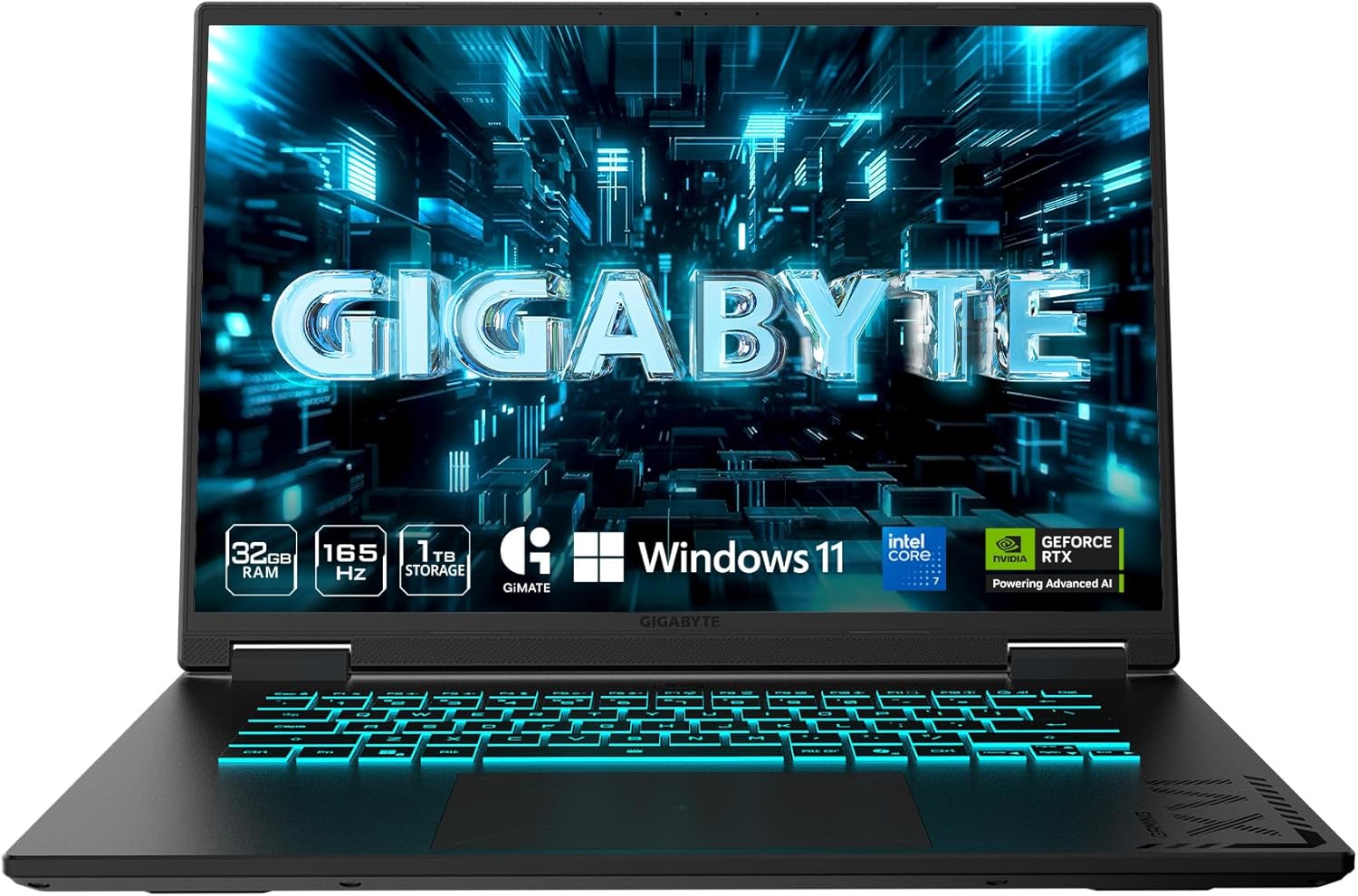
- memory Intel Core Ultra 7 240H
- developer_board NVIDIA GeForce RTX 5070 Ti Laptop GPU
- layers 32GB LPDDR5X 5600MHz
- track_changes Target GPU: NVIDIA RTX 4080 | AMD RX 7900 XTX

- memory Intel Core Ultra 9 275HX
- developer_board GeForce RTX 5070 Laptop Laptop GPU
- layers 64GB DDR5-6400MHz (Single-Channel)
- track_changes Target GPU: NVIDIA RTX 4080 | AMD RX 7900 XTX

- memory Intel Core Ultra 9 275HX
- developer_board NVIDIA GeForce RTX 5070 Ti
- layers 32GB
- track_changes Target GPU: NVIDIA RTX 4080 | AMD RX 7900 XTX

- memory Intel Core Ultra 9 275HX
- developer_board NVIDIA GeForce RTX 5070 Ti Laptop GPU
- layers 32 GB DDR5 6400MHz (2x16GB)
- track_changes Target GPU: NVIDIA RTX 4080 | AMD RX 7900 XTX
For Rules of Engagement: The Grey State Specifically
- memory AMD Ryzen 7 7435HS
- developer_board NVIDIA GeForce RTX 3050
- layers 32GB DDR5-4800MHz
- track_changes Target GPU: Nvidia Geforce RTX 1060 6GB
- memory AMD Ryzen 9 8940HX Processor
- developer_board NVIDIA GeForce RTX 5060 Laptop GPU
- layers 32GB DDR5-5200MHz
- track_changes Target GPU: Nvidia Geforce RTX 1060 6GB

- memory AMD Ryzen 7 7445HS
- developer_board NVIDIA GeForce RTX 4050
- layers 16GB (2x8GB) DDR5 5600MHz SO-DIMM
- track_changes Target GPU: Nvidia Geforce RTX 1060 6GB

- memory AMD Ryzen 7 7445HS
- developer_board NVIDIA GeForce RTX 4050
- layers 16GB DDR5 5600MHz SO-DIMM
- track_changes Target GPU: Nvidia Geforce RTX 1060 6GB

- memory AMD Ryzen 9 7845HX
- developer_board NVIDIA GeForce RTX 4080
- layers Up to 64GB DDR5
- track_changes Target GPU: Nvidia Geforce RTX 1060 6GB
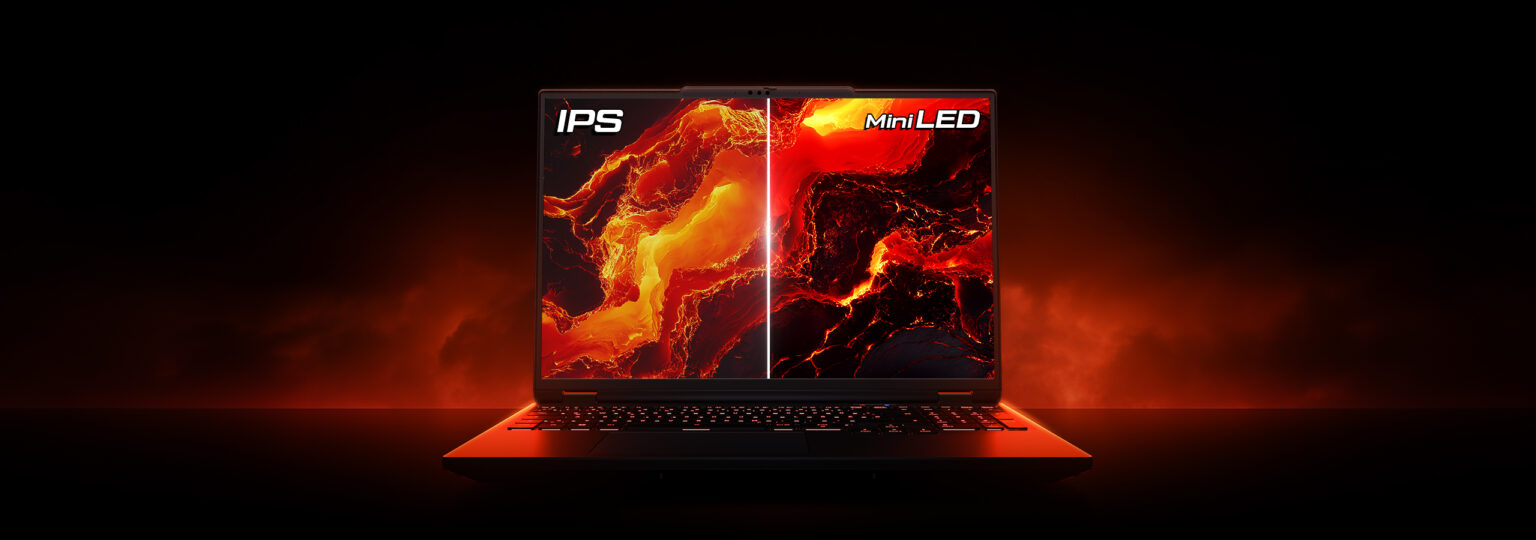
- memory AMD Ryzen 9 9955HX
- developer_board NVIDIA GeForce RTX 5070 Ti Laptop GPU
- layers 64GB DDR5-5600MHz (Dual-Channel)
- track_changes Target GPU: Nvidia Geforce RTX 1060 6GB
- memory Intel Core i7-12700H
- developer_board NVIDIA GeForce RTX 3070
- layers 32GB DDR4-3200MHz
- track_changes Target GPU: Nvidia Geforce RTX 3060 Ti
- memory Intel Core i9-13900H
- developer_board NVIDIA GeForce RTX 4060
- layers 16GB DDR5-5200MHz
- track_changes Target GPU: Nvidia Geforce RTX 3060 Ti
- memory Intel Core i9-14900HX
- developer_board NVIDIA GeForce RTX 4060
- layers 32GB DDR5-5600MHz
- track_changes Target GPU: Nvidia Geforce RTX 3060 Ti
- memory Intel Core i9-12900H
- developer_board NVIDIA GeForce RTX 3070 Ti
- layers 16GB DDR5-4800MHz
- track_changes Target GPU: Nvidia Geforce RTX 3060 Ti
- memory AMD Ryzen 7 7435HS
- developer_board NVIDIA GeForce RTX 3050
- layers 32GB DDR5-4800MHz
- track_changes Target GPU: Nvidia Geforce RTX 3060 Ti
- memory Intel Core i9-14900HX
- developer_board NVIDIA GeForce RTX 4070
- layers 32GB DDR5-5600MHz
- track_changes Target GPU: Nvidia Geforce RTX 3060 Ti

- memory Intel Core i9-14900HX
- developer_board NVIDIA GeForce RTX 4070
- layers 16GB DDR5-5600MHz
- track_changes Target GPU: Nvidia Geforce RTX 3060 Ti

- memory Intel Core Ultra 7 255H
- developer_board NVIDIA GeForce RTX 5060 Laptop GPU
- layers 16GB DDR5-5600MHz (Dual-Channel)
- track_changes Target GPU: Nvidia Geforce RTX 3060 Ti
- memory AMD Ryzen 9 8940HX Processor
- developer_board NVIDIA GeForce RTX 5060 Laptop GPU
- layers 32GB DDR5-5200MHz
- track_changes Target GPU: Nvidia Geforce RTX 3060 Ti
- memory Intel Core i9-12950HX
- developer_board NVIDIA GeForce RTX 3080 Ti
- layers 32GB DDR5-4800MHz
- track_changes Target GPU: Nvidia Geforce RTX 3060 Ti
info_outline Laptop recommendations are estimates based on available component benchmarks and game requirements. Actual performance may vary depending on settings, drivers, cooling, power limits, etc. Prices and availability subject to change. As an Amazon Associate, we earn from qualifying purchases.