Select Games to Compare
Benchmark your exact mobile GPU wattage (TGP), battery throttling drops, and cooling pad requirements for these games.
The Mound: Omen of Cthulhu vs Borderlands 2
| close | close |
|---|---|
| shopping_cart Where to Buy | |
| info General Information | |
| Release Date | |
| Jul 15, 2026 | Sep 18, 2012 |
| Developer | |
| ACE Team | Gearbox Software |
| Publisher | |
| Nacon | 2K Games |
| Genre(s) | |
| Co-op Horror Adventure | Action RPG, First-Person Shooter, Looter-Shooter, Co-op |
| Engine | |
| Unreal Engine 5 | Unreal Engine 3 |
| stars Ratings & Price | |
| Content Rating | |
| Mature | M (Mature 17+) |
| Avg. User Rating | |
| 4.5 / 5.0 | 4.8 / 5.0 |
| Current Price (USD) | |
| $39.99 | $19.99 |
| tune Key Specs | |
| Quick Highlights | |
|
|
| sports_esports Gameplay & Mechanics | |
| Companions/Followers | |
|
|
| Key Collectibles | |
|
|
| Key Themes | |
|
|
| colorize Combat & Gear | |
| Weapons Overview | |
|
|
| Armor / Gear Sets | |
|
|
| Outfits/Customization | |
|
|
| trending_up Progression & Upgrades | |
| Skills & Progression | |
|
In The Mound: Omen of Cthulhu, survival relies heavily on resource management and cooperative synergy rather than sprawling skill trees. Players start each expedition by receiving base equipment from the ship's Captain, which must be carefully split among the team. A key mechanic is the sanity system; as tension rises in the deep jungle, sanity begins to slip, affecting your atmospheric perception and physical senses. Managing this mental deterioration is crucial. You also must manage limited gunpowder, which acts as a powerful but dangerous resource. Upgrades likely involve better expedition gear, enhanced resistance to madness, and improved carrying capacity for the treasures you find. Success dictates that personal survival often outweighs combat, meaning your best skill is knowing when to run for your life to make it back to the Galleon. |
Each of the four (later six) playable Vault Hunters has three unique skill trees that cater to different playstyles. Players earn skill points by leveling up to unlock powerful new abilities, including a signature 'Action Skill'. After completing the main story, players unlock 'Badass Rank,' a persistent, account-wide progression system that allows for small, incremental stat boosts. |
| public World & Exploration | |
| World & Level Design | |
|
The game world offers a terrifying progression from the deceptive safety of your anchored Galleon to the heart of the cursed jungle. You begin your expeditions on the shore, moving inward through dense, wet, and claustrophobic Valdivian-inspired rainforests. The environment is designed to be highly unpredictable, acting as a living entity that existed long before the players arrived. There are distinct biomes, including the dense overgrowth of the surface jungle, hidden ancient ruins holding strange wonders, and a subterranean underworld dominated by the K'nyanian influence. The map's layout encourages strategic splitting up to cover ground for loot, but forces players back together as reality alters and monstrous threats emerge. This constant shift in the environment ensures that no two expeditions feel exactly the same, keeping players perpetually on edge. |
The game features a large, semi-open world divided into multiple distinct zones. Players explore diverse biomes on Pandora, including the arctic tundra of the Southern Shelf, the acidic Caustic Caverns, the urban metropolis of Opportunity, and the desolate dust bowl known as The Dust. Travel between major regions is done via a Fast Travel network. |
| Playable Vehicles | |
|
|
| Notable Fauna/Mounts | |
|
N/A |
| book Story & Characters | |
| Main Characters | |
|
|
| Example Missions | |
|
|
| people Multiplayer | |
| Multiplayer Details | |
|
The core of The Mound: Omen of Cthulhu is its purely cooperative multiplayer mode, supporting up to four players online. Unlike many modern games that feature competitive or PvP elements, this title focuses entirely on PvE survival and exploration. Teamwork is not just encouraged; it is absolutely mandatory. Players must strategically divide their starting equipment, manage limited resources like gunpowder, and decide when to split up to search for treasure versus sticking together for safety. The game dynamically adjusts its tension; making too much noise with firearms can wake the hostile jungle, punishing reckless groups. For those unable to form a full squad of human players, the developers have addressed community requests by ensuring that solo or partial squads can be supplemented by AI bots, keeping the cooperative spirit intact even when playing alone. |
The entire game, including all campaign and DLC content, is designed for seamless drop-in/drop-out four-player online co-op. The game's difficulty and loot drops scale based on the number of players in the session. |
| extension Editions & DLC | |
| Available Editions | |
|
The Mound: Omen of Cthulhu is poised to launch globally on July 15, 2026, across PlayStation 5, Xbox Series X/S, and PC platforms. Nacon is expected to release a Standard Edition containing the base game and cooperative modes. Given the game's focus on deep, immersive environments and a richly crafted Lovecraftian lore, a Deluxe or Explorer's Edition is highly probable, offering digital artbooks, a haunting original soundtrack, and exclusive in-game cosmetic gear for your Conquistador explorers. Pre-order bonuses typically include early access to specific weapon skins or starting resources like extra gunpowder stashes to give your initial expeditions a slight edge. Regardless of the edition, all players will have access to the complete cooperative campaign and the terrifying descent into the K'nyanian underworld right from day one. |
The game was originally released with Standard and Deluxe editions. The most common version today is the 'Game of the Year Edition' or 'The Handsome Collection' (which also includes Borderlands: The Pre-Sequel), both of which bundle the base game with its major Season Pass DLCs. |
| Post-Launch Content / DLC | |
|
ACE Team and Nacon have a strong track record of supporting their unique titles post-launch, and a cooperative game like this practically demands continuous updates. After the initial release on July 15, 2026, players can anticipate a roadmap filled with new horrors. Post-launch content will likely include entirely new regions of the Valdivian-inspired rainforest to explore, deeper and more twisted K'nyanian underground ruins, and fresh, terrifying Lovecraftian entities that will further test your sanity. Additionally, the developers might introduce new playable character archetypes, expanding the Conquistador roster with unique starting traits or specialized gear. Free updates could also bring highly requested quality-of-life features, new weather dynamic systems that alter the jungle's hostility, and seasonal events that introduce limited-time cosmic horror phenomena, ensuring the cooperative expeditions remain fresh and terrifying for years. |
Borderlands 2 is famous for its extensive post-launch support. This includes four major campaign DLCs (Captain Scarlett and Her Pirate's Booty, Mr. Torgue's Campaign of Carnage, Sir Hammerlock's Big Game Hunt, and the acclaimed Tiny Tina's Assault on Dragon Keep), two additional playable Vault Hunter classes (Gaige the Mechromancer and Krieg the Psycho), and numerous smaller content packs and headhunter missions. |
| help_outline FAQ | |
| Frequently Asked Questions | |
|
|
| build Technical Details | |
| Graphics & Visual Fidelity | |
|
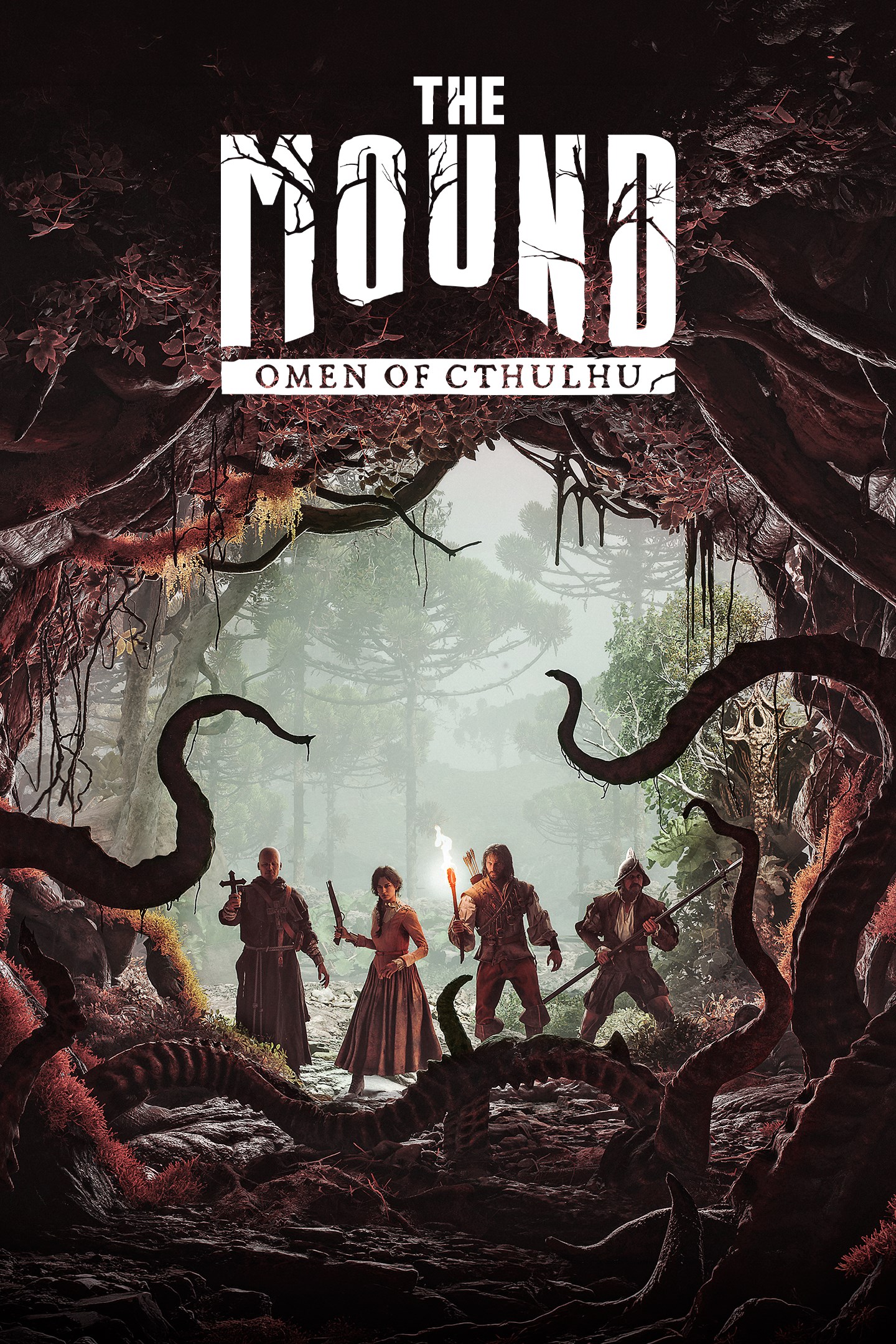
Leveraging modern rendering technologies, The Mound: Omen of Cthulhu presents a visually stunning and deeply unsettling world. The game beautifully captures the dense, wet, and ancient aesthetic of the South American Valdivian rainforest. High-fidelity textures bring the rotting wood, slick mud, and creeping vines to life, creating an intensely claustrophobic environment where danger could be lurking behind any tree. The lighting system is particularly crucial; players must rely on the warm, flickering glow of primitive torches and lanterns to push back the oppressive, volumetric darkness. As the Lovecraftian elements take hold, the visuals begin to distort, reflecting the K'nyanians' ability to biologically modify life and alter reality. The creature designs are a grotesque fusion of natural flora and cosmic horror, guaranteeing that the visual experience is both breathtakingly beautiful and fundamentally repulsive. |
Borderlands 2 solidified the series' iconic 'concept art' visual style, which uses cel-shading to create a vibrant, comic-book-like look. This unique art direction helps the game's graphics hold up well over time. An optional Ultra HD Texture Pack is available for PC players. |
| Audio & Soundtrack | |
|
Audio design plays a monumental role in cultivating the cosmic horror of The Mound: Omen of Cthulhu. The developers have masterfully recreated the oppressive soundscape of the Valdivian temperate rainforest. Every rustling leaf, snapping twig, and distant animal call is designed to keep players perpetually paranoid. Sound is also a crucial gameplay mechanic; the jungle is highly reactive to noise. The deafening blast of a musket not only shatters the eerie silence but serves as a beacon, waking unpredictable, monstrous threats. The musical score leans heavily into Lovecraftian dread, utilizing atonal strings, deep percussive thrums, and unsettling ambient drones that swell as your character's sanity begins to slip. This dynamic audio system ensures that the fear is as much auditory as it is visual, making the unseen horrors just as terrifying as the visible ones. |
The game features a memorable soundtrack that blends industrial, electronic, and western-style music. The voice acting is a major highlight, particularly the performance of Dameon Clarke as the charismatic and psychopathic villain, Handsome Jack. |
| User Interface (UI/UX) | |
|
The user interface in this Lovecraftian adventure is meticulously designed to immerse players in the dread of the Conquistador era while providing essential survival data. To maintain the claustrophobic and terrifying atmosphere, the HUD is kept minimal. Instead of intrusive minimaps or glowing objective markers, players must rely on environmental cues and their own spatial awareness to navigate the ever-changing jungle. Key UI elements include a subtle sanity meter that visualizes the mental toll the cursed jungle and K'nyanian horrors are taking on your character. An ammunition counter highlights the extreme scarcity of your gunpowder, emphasizing that every shot must count. Inventory management screens are designed to facilitate the rapid sharing of resources between cooperative partners, ensuring that crucial healing items or torches can be distributed seamlessly during moments of high panic. |
Features a classic FPS UI with a health and shield bar, a mini-map, an ammo count, and an experience bar. The inventory and skill tree menus are stylized with the game's signature grunge, cel-shaded aesthetic. |
| Accessibility Options | |
|
While survival horror games are traditionally punishing, modern development standards dictate a robust suite of accessibility options to ensure all players can enjoy the cosmic dread. ACE Team is expected to include comprehensive subtitle settings, allowing players to adjust font size, color, and background opacity for all dialogue and crucial environmental sound cues. Visual accessibility features will likely encompass various colorblind modes to help distinguish important loot, aggressive enemies, and cooperative teammates against the lush green and dark brown backdrops of the jungle. Motor accessibility can be supported through fully remappable controls on both keyboards and gamepads, as well as toggle options for actions that typically require holding a button, such as aiming heavy muskets or sprinting. These features ensure that the terrifying challenge comes from the gameplay, not the interface. |
N/A |
| video_library Media Links | |
| Gameplay Video | |
| launchWatch | launchWatch |
| Walkthrough/Guide | |
| launchView | launchView |
| settings_applications System Requirements | |
| 1080p (Full HD) - Recommended (High Settings, 60 FPS) CPU: Higher single-core speeds provide better frame pacing when multiple players are firing muskets simultaneously. CPU (Laptop): Solid 8-core mobile CPU for stable networking and physics. GPU: Sufficient rasterization muscle for 1080p 60fps with high volumetric settings. GPU (Laptop): Comfortably handles 1080p High with upscaling technologies. RAM: Ideal for smooth background asset streaming and hosting local co-op sessions. Storage: Fast loading times when returning to the Galleon after a failed expedition. | |
memoryCPU: Intel Core i7-9700K or AMD Ryzen 5 3600 developer_boardGPU: NVIDIA GeForce RTX 3060 or AMD Radeon RX 6600 XT laptop_macCPU (L): Intel Core i7-11800H laptop_windowsGPU (L): NVIDIA RTX 4050 Mobile (85W+) layersRAM: 16 GB saveStorage (Tier): 50 GB NVMe SSD | — |
| 1080p (Full HD) - Minimum (Targets 1080p, Low settings, ~30-60 FPS) (Low Preset, 1080p resolution. This tier aims for a basic playable framerate.) CPU: Official minimum desktop CPU requirement. This is a very low-end requirement by modern standards. CPU (Laptop): Any modern entry-level laptop CPU will easily meet this requirement. GPU: Official minimum desktop GPUs. These cards are extremely old, making the game highly accessible. GPU (Laptop): Any modern entry-level laptop GPU, including integrated graphics on recent CPUs, will easily meet this requirement. RAM: 2GB RAM is the official minimum requirement. Storage: An HDD is sufficient for the minimum spec. | |
| — | memoryCPU: 2.4 GHz Dual Core Processor developer_boardGPU: NVIDIA GeForce 8500 GT or ATI Radeon HD 2600 laptop_macCPU (L): Intel Core i3-7100U / AMD Ryzen 3 2200U or better. laptop_windowsGPU (L): NVIDIA GeForce MX250, RTX 3050 Laptop (4GB), RTX 4050 Laptop (6GB). (Future-proof: RTX 5050 Laptop) layersRAM: 2 GB saveStorage (Tier): 20 GB HDD |
| 1080p (Full HD) - Minimum (Low Settings, 30 FPS) CPU: Provides enough processing power to handle the basic cooperative networking and AI pathfinding. CPU (Laptop): Entry-level mobile processor capable of 30 FPS if thermal limits are respected. GPU: 6GB of VRAM is the minimum to load the dense texture pools of the Valdivian rainforest. GPU (Laptop): Will require DLSS set to 'Performance' to maintain smooth framerates in heavy combat. RAM: Absolute minimum to run the OS and game; expect minor stuttering. Storage: HDD not supported due to high streaming demands of the environment. | |
memoryCPU: Intel Core i5-8400 or AMD Ryzen 5 2600 developer_boardGPU: NVIDIA GeForce GTX 1060 6GB or AMD Radeon RX 580 laptop_macCPU (L): Intel Core i5-10300H laptop_windowsGPU (L): NVIDIA RTX 3050 Mobile (60W+) layersRAM: 8 GB saveStorage (Tier): 50 GB SSD | — |
| 1080p (Full HD) - Recommended (Targets 1080p, High settings, ~60+ FPS) (High Preset, 1080p resolution, aiming for a consistent 60 FPS or higher.) CPU: Official recommended desktop CPU for a solid 60 FPS experience. CPU (Laptop): A modest mobile CPU is more than enough to maintain a stable framerate. GPU: Official recommended desktop GPUs for a high-quality 1080p experience. GPU (Laptop): Entry-level gaming laptop GPUs will comfortably run the game at max settings and high framerates. RAM: 2GB RAM is the official recommended amount, though 8GB is advised for modern operating systems. Storage: An HDD is sufficient for this tier, but an SSD is recommended for faster loading. | |
| — | memoryCPU: 2.3 GHz Quad Core Processor developer_boardGPU: NVIDIA GeForce GTX 560 (1GB) or ATI Radeon HD 5850 (1GB) laptop_macCPU (L): Intel Core i5-8250U / AMD Ryzen 5 2500U or better. laptop_windowsGPU (L): NVIDIA GeForce GTX 1050 Mobile (2GB), RTX 3050 Laptop (4GB), RTX 4050 Laptop (6GB). (Future-proof: RTX 5050 Laptop) layersRAM: 2 GB saveStorage (Tier): 20 GB HDD |
| 1440p (QHD/2K) - Recommended (High Settings, 60 FPS) CPU: Modern architecture reduces bottlenecks, keeping GPU utilization high. CPU (Laptop): Excellent multi-core performance for managing co-op synchronization at higher resolutions. GPU: Needed to push 1440p resolution alongside the game's intensive atmospheric rendering. GPU (Laptop): Can sustain 1440p at 60 FPS using DLSS Quality. RAM: Standard requirement for modern gaming. Storage: Crucial for high-resolution asset streaming. | |
memoryCPU: Intel Core i5-12400F or AMD Ryzen 5 5600X developer_boardGPU: NVIDIA GeForce RTX 4070 or AMD Radeon RX 7700 XT laptop_macCPU (L): AMD Ryzen 7 6800H laptop_windowsGPU (L): NVIDIA RTX 4070 Mobile (115W+) layersRAM: 16 GB saveStorage (Tier): 50 GB NVMe SSD | — |
| 1440p (QHD/2K) - High (Targets 1440p, High settings, ~60+ FPS) (High Preset, 1440p resolution, aiming for a high and stable framerate.) CPU: A modern entry-level CPU is more than enough to prevent bottlenecks at 1440p. CPU (Laptop): Any modern gaming laptop CPU will handle 1440p with ease. GPU: Desktop GPUs capable of a strong 1440p/60FPS experience. A modern card like the RTX 3050 would be overkill. GPU (Laptop): An entry-level RTX laptop GPU is excellent for 1440p. A future RTX 5050 Laptop would offer an extremely smooth experience. RAM: 8GB RAM is sufficient, but 16GB is recommended for smooth 1440p gaming with modern operating systems. Storage: An SSD is recommended for the best loading times at 1440p. | |
| — | memoryCPU: Intel Core i3-10100 or AMD Ryzen 3 3100 developer_boardGPU: NVIDIA GeForce GTX 1060 (6GB) or AMD Radeon RX 580 (8GB). (Future-proof: RTX 3050) laptop_macCPU (L): Intel Core i5-10300H / AMD Ryzen 5 4600H or newer. laptop_windowsGPU (L): NVIDIA GeForce GTX 1660 Ti Mobile (6GB), RTX 3050 Ti Laptop (4GB), RTX 4050 Laptop (6GB). (Future-proof: RTX 5050 Laptop) layersRAM: 8 GB saveStorage (Tier): 20 GB SSD |
| 2160p (UHD/4K) - Ultra (Epic Settings, 60 FPS) CPU: Top-tier CPUs needed to eliminate any stuttering during massive reality-warping events. CPU (Laptop): Desktop-class mobile replacement processor. GPU: Mandatory for native 4K rendering with all post-processing horror effects maxed out. GPU (Laptop): The highest tier mobile GPU is required to sustain 4K Epic settings. RAM: Ensures no memory swapping occurs during massive particle and foliage rendering. Storage: Maximum bandwidth for instant texture loads in the jungle. | |
memoryCPU: Intel Core i7-13700K or AMD Ryzen 7 7800X3D developer_boardGPU: NVIDIA GeForce RTX 4080 or AMD Radeon RX 7900 XTX laptop_macCPU (L): Intel Core i9-13900HX laptop_windowsGPU (L): NVIDIA RTX 4090 Mobile (175W) layersRAM: 32 GB saveStorage (Tier): 50 GB Gen 4 NVMe SSD | — |
| 2160p (UHD/4K) - 4K Ultra Settings (Targets 2160p/4K, High settings, ~60+ FPS) (High Preset, 2160p (4K) resolution, aiming for 60 FPS or higher.) CPU: A solid mid-range CPU is recommended to support 4K gaming and minimize any potential stutters. CPU (Laptop): Mid-range laptop CPUs are more than sufficient to pair with capable GPUs for a smooth 4K experience. GPU: Mid-range GPUs are recommended for a stable 4K/60FPS experience. A future RTX 5060 would likely handle this with ease. GPU (Laptop): Mid-range and high-end laptop GPUs are recommended for a playable 4K experience. A future RTX 5060 Ti Laptop would be a prime target for high-refresh-rate 4K mobile gaming. RAM: 16GB RAM is sufficient for 4K in this title. Storage: A fast NVMe SSD is highly recommended for the best 4K gaming experience. | |
| — | memoryCPU: Intel Core i5-10400F or AMD Ryzen 5 3600 developer_boardGPU: NVIDIA GeForce RTX 3060 (12GB) or AMD Radeon RX 6600 XT (8GB). (Future-proof: RTX 4060 / RTX 5060) laptop_macCPU (L): Intel Core i7-10750H / AMD Ryzen 7 4800H or newer. laptop_windowsGPU (L): NVIDIA GeForce RTX 3060 Laptop (6GB), RTX 4060 Laptop (8GB), RTX 4070 Laptop (8GB). (Future-proof: RTX 5060 Ti Laptop) layersRAM: 16 GB saveStorage (Tier): 20 GB NVMe SSD |
| save Overall Storage | |
| Spec: 50 GB Available Space Note: An NVMe SSD is strongly recommended to eliminate streaming hitches when reality seamlessly shifts around the players. Type: Unknown | Spec: 20 GB available space Note: The game requires 20 GB of storage space. An SSD is recommended for faster loading times, but not required. Type: Unknown |
| desktop_windows Operating System | |
| Spec: Windows 10 / Windows 11 64-bit Explanation: Required for DirectX 12 compatibility and advanced memory management. | Spec: Windows XP SP3 / Vista / 7 / 8 / 10 / 11 Explanation: The game is compatible with a very wide range of Windows operating systems, starting from Windows XP SP3. A 64-bit OS is recommended. |
| gamepad DirectX Version | |
| Spec: DirectX 12 Explanation: Necessary for optimal performance, utilizing modern rendering features for the dense foliage and lighting. | Spec: DirectX 9.0c Explanation: The official requirement is DirectX 9.0c. The game runs on a modified version of Unreal Engine 3, which primarily utilizes this API. |
| info_outline Other Game Notes | |
|
|
| build Optimization Details | |
|
|
| laptop Laptop Considerations | |
|
|
info_outline Feature details based on available data. System requirements and performance estimates may vary.
laptop_chromebook Laptop Recommendations
Common Recommendations (Handles All Compared Games)

- memory Intel Core i5-11400H
- developer_board NVIDIA GeForce RTX 2050
- layers 8GB DDR4-3200MHz
- track_changes Target GPU: NVIDIA RTX 3050 Mobile (60W+)

- memory Intel Core i7-12700H
- developer_board NVIDIA GeForce RTX 3070
- layers 32GB DDR4-3200MHz
- track_changes Target GPU: NVIDIA RTX 3050 Mobile (60W+)

- memory Intel Core i9-13900H
- developer_board NVIDIA GeForce RTX 4060
- layers 16GB DDR5-5200MHz
- track_changes Target GPU: NVIDIA RTX 3050 Mobile (60W+)

- memory Intel Core i9-14900HX
- developer_board NVIDIA GeForce RTX 4060
- layers 32GB DDR5-5600MHz
- track_changes Target GPU: NVIDIA RTX 4050 Mobile (85W+)

- memory Intel Core i9-12900H
- developer_board NVIDIA GeForce RTX 3070 Ti
- layers 16GB DDR5-4800MHz
- track_changes Target GPU: NVIDIA GeForce GTX 1050 Mobile (2GB), RTX 3050 Laptop (4GB), RTX 4050 Laptop (6GB). (Future-proof: RTX 5050 Laptop)

- memory Intel Core i9-14900HX
- developer_board NVIDIA GeForce RTX 4070
- layers 32GB DDR5-5600MHz
- track_changes Target GPU: NVIDIA RTX 4070 Mobile (115W+)

- memory Intel Core i9-14900HX
- developer_board NVIDIA GeForce RTX 4070
- layers 16GB DDR5-5600MHz
- track_changes Target GPU: NVIDIA RTX 4070 Mobile (115W+)

- memory Intel Core Ultra 7 255H
- developer_board NVIDIA GeForce RTX 5060 Laptop GPU
- layers 16GB DDR5-5600MHz (Dual-Channel)
- track_changes Target GPU: NVIDIA RTX 4070 Mobile (115W+)
- memory Intel Core i5-11400H
- developer_board NVIDIA GeForce RTX 2050
- layers 8GB DDR4-3200MHz
- track_changes Target GPU: NVIDIA GeForce GTX 1660 Ti Mobile (6GB), RTX 3050 Ti Laptop (4GB), RTX 4050 Laptop (6GB). (Future-proof: RTX 5050 Laptop)
- memory Intel Core i7-12700H
- developer_board NVIDIA GeForce RTX 3070
- layers 32GB DDR4-3200MHz
- track_changes Target GPU: NVIDIA GeForce GTX 1660 Ti Mobile (6GB), RTX 3050 Ti Laptop (4GB), RTX 4050 Laptop (6GB). (Future-proof: RTX 5050 Laptop)
- memory Intel Core i9-13900H
- developer_board NVIDIA GeForce RTX 4060
- layers 16GB DDR5-5200MHz
- track_changes Target GPU: NVIDIA GeForce GTX 1660 Ti Mobile (6GB), RTX 3050 Ti Laptop (4GB), RTX 4050 Laptop (6GB). (Future-proof: RTX 5050 Laptop)

- memory Intel Core i9-14900HX
- developer_board NVIDIA GeForce RTX 4090
- layers 32GB DDR5-5600MHz
- track_changes Target GPU: NVIDIA RTX 4090 Mobile (175W)

- memory Intel Core Ultra 9 285H (Series 2) , 14 cores (6 Performance cores + 8 Efficient cores), 20 threads
- developer_board NVIDIA GeForce RTX 5050 Laptop GPU
- layers 32GB (2x16GB) DDR5 8400MHz SO-DIMM
- track_changes Target GPU: NVIDIA RTX 4090 Mobile (175W)

- memory Intel Core Ultra 9 285H
- developer_board NVIDIA GeForce RTX 5070
- layers 32GB (2x16GB) DDR5 4800MHz SO-DIMM
- track_changes Target GPU: NVIDIA RTX 4090 Mobile (175W)
- memory Intel Core i7-12700H
- developer_board NVIDIA GeForce RTX 3070
- layers 32GB DDR4-3200MHz
- track_changes Target GPU: NVIDIA GeForce RTX 3060 Laptop (6GB), RTX 4060 Laptop (8GB), RTX 4070 Laptop (8GB). (Future-proof: RTX 5060 Ti Laptop)
- memory Intel Core i9-13900H
- developer_board NVIDIA GeForce RTX 4060
- layers 16GB DDR5-5200MHz
- track_changes Target GPU: NVIDIA GeForce RTX 3060 Laptop (6GB), RTX 4060 Laptop (8GB), RTX 4070 Laptop (8GB). (Future-proof: RTX 5060 Ti Laptop)
- memory Intel Core i9-14900HX
- developer_board NVIDIA GeForce RTX 4060
- layers 32GB DDR5-5600MHz
- track_changes Target GPU: NVIDIA GeForce RTX 3060 Laptop (6GB), RTX 4060 Laptop (8GB), RTX 4070 Laptop (8GB). (Future-proof: RTX 5060 Ti Laptop)
For The Mound: Omen of Cthulhu Specifically
- memory Intel Core i5-11400H
- developer_board NVIDIA GeForce RTX 2050
- layers 8GB DDR4-3200MHz
- track_changes Target GPU: NVIDIA GeForce GTX 1060 6GB or AMD Radeon RX 580
- memory Intel Core i7-12700H
- developer_board NVIDIA GeForce RTX 3070
- layers 32GB DDR4-3200MHz
- track_changes Target GPU: NVIDIA GeForce GTX 1060 6GB or AMD Radeon RX 580
- memory Intel Core i9-13900H
- developer_board NVIDIA GeForce RTX 4060
- layers 16GB DDR5-5200MHz
- track_changes Target GPU: NVIDIA GeForce GTX 1060 6GB or AMD Radeon RX 580
- memory Intel Core i9-14900HX
- developer_board NVIDIA GeForce RTX 4060
- layers 32GB DDR5-5600MHz
- track_changes Target GPU: NVIDIA GeForce GTX 1060 6GB or AMD Radeon RX 580
- memory Intel Core i9-12900H
- developer_board NVIDIA GeForce RTX 3070 Ti
- layers 16GB DDR5-4800MHz
- track_changes Target GPU: NVIDIA GeForce GTX 1060 6GB or AMD Radeon RX 580

- memory Intel Core i5-12450H
- developer_board NVIDIA GeForce RTX 3050
- layers 16GB DDR4-3200MHz
- track_changes Target GPU: NVIDIA GeForce GTX 1060 6GB or AMD Radeon RX 580

- memory Intel Core i5-12500H
- developer_board NVIDIA GeForce RTX 3050 Ti
- layers 16GB DDR4-3200MHz
- track_changes Target GPU: NVIDIA GeForce GTX 1060 6GB or AMD Radeon RX 580

- memory AMD Ryzen 7 7435HS
- developer_board NVIDIA GeForce RTX 3050
- layers 32GB DDR5-4800MHz
- track_changes Target GPU: NVIDIA GeForce GTX 1060 6GB or AMD Radeon RX 580

- memory AMD Ryzen 7 6800H
- developer_board NVIDIA GeForce RTX 3060
- layers 16GB DDR5-4800MHz
- track_changes Target GPU: NVIDIA GeForce GTX 1060 6GB or AMD Radeon RX 580

- memory AMD Ryzen 9 5900HS
- developer_board NVIDIA GeForce RTX 3080
- layers 16GB DDR4-3200MHz
- track_changes Target GPU: NVIDIA GeForce GTX 1060 6GB or AMD Radeon RX 580

- memory Intel Core i7-13620H
- developer_board NVIDIA GeForce RTX 4070
- layers 16GB DDR5-4800MHz
- track_changes Target GPU: NVIDIA GeForce RTX 3060 or AMD Radeon RX 6600 XT

- memory Intel Core i7-14700HX
- developer_board NVIDIA GeForce RTX 4070
- layers 16GB DDR5-5600MHz
- track_changes Target GPU: NVIDIA GeForce RTX 3060 or AMD Radeon RX 6600 XT
- memory Intel Core i9-14900HX
- developer_board NVIDIA GeForce RTX 4070
- layers 32GB DDR5-5600MHz
- track_changes Target GPU: NVIDIA GeForce RTX 3060 or AMD Radeon RX 6600 XT
- memory Intel Core i9-14900HX
- developer_board NVIDIA GeForce RTX 4070
- layers 32GB DDR5-5600MHz
- track_changes Target GPU: NVIDIA GeForce RTX 4070 or AMD Radeon RX 7700 XT
- memory Intel Core i9-14900HX
- developer_board NVIDIA GeForce RTX 4070
- layers 16GB DDR5-5600MHz
- track_changes Target GPU: NVIDIA GeForce RTX 4070 or AMD Radeon RX 7700 XT
- memory Intel Core Ultra 7 255H
- developer_board NVIDIA GeForce RTX 5060 Laptop GPU
- layers 16GB DDR5-5600MHz (Dual-Channel)
- track_changes Target GPU: NVIDIA GeForce RTX 4070 or AMD Radeon RX 7700 XT

- memory AMD Ryzen 9 8940HX Processor
- developer_board NVIDIA GeForce RTX 5060 Laptop GPU
- layers 32GB DDR5-5200MHz
- track_changes Target GPU: NVIDIA GeForce RTX 4070 or AMD Radeon RX 7700 XT

- memory Intel Core i9-12950HX
- developer_board NVIDIA GeForce RTX 3080 Ti
- layers 32GB DDR5-4800MHz
- track_changes Target GPU: NVIDIA GeForce RTX 4070 or AMD Radeon RX 7700 XT

- memory AMD Ryzen 7 7445HS
- developer_board NVIDIA GeForce RTX 4050
- layers 16GB (2x8GB) DDR5 5600MHz SO-DIMM
- track_changes Target GPU: NVIDIA GeForce RTX 4070 or AMD Radeon RX 7700 XT

- memory AMD Ryzen 7 7445HS
- developer_board NVIDIA GeForce RTX 4050
- layers 16GB DDR5 5600MHz SO-DIMM
- track_changes Target GPU: NVIDIA GeForce RTX 4070 or AMD Radeon RX 7700 XT

- memory Intel Core i9-14900HX
- developer_board NVIDIA GeForce RTX 4080 Laptop GPU
- layers 64 GB DDR5-5600MHz
- track_changes Target GPU: NVIDIA GeForce RTX 4070 or AMD Radeon RX 7700 XT

- memory AMD Ryzen 7 6800HS
- developer_board NVIDIA GeForce RTX 5070 Laptop GPU
- layers 16GB (2x8GB) DDR4 4800MHz SO-DIMM
- track_changes Target GPU: NVIDIA GeForce RTX 4070 or AMD Radeon RX 7700 XT

- memory Intel Core Ultra 9 Processor 275HX (Series 2)
- developer_board NVIDIA GeForce RTX 5070 Laptop GPU
- layers 32GB DDR5-5600MHz
- track_changes Target GPU: NVIDIA GeForce RTX 4070 or AMD Radeon RX 7700 XT
- memory Intel Core Ultra 9 285H (Series 2) , 14 cores (6 Performance cores + 8 Efficient cores), 20 threads
- developer_board NVIDIA GeForce RTX 5050 Laptop GPU
- layers 32GB (2x16GB) DDR5 8400MHz SO-DIMM
- track_changes Target GPU: NVIDIA GeForce RTX 4080 or AMD Radeon RX 7900 XTX
- memory Intel Core Ultra 9 285H
- developer_board NVIDIA GeForce RTX 5070
- layers 32GB (2x16GB) DDR5 4800MHz SO-DIMM
- track_changes Target GPU: NVIDIA GeForce RTX 4080 or AMD Radeon RX 7900 XTX

- memory Intel Core i9-14900HX Processor
- developer_board NVIDIA GeForce RTX 5070 Ti Laptop GPU
- layers 64GB DDR5-5600MHz (commonly listed as 4800MHz by some retailers, but 5600MHz is common for 14th Gen HX with DDR5)
- track_changes Target GPU: NVIDIA GeForce RTX 4080 or AMD Radeon RX 7900 XTX

- memory Intel Core Ultra 9 Processor 275HX
- developer_board NVIDIA GeForce RTX 5070 Ti Laptop GPU
- layers 64GB DDR5-6400MHz
- track_changes Target GPU: NVIDIA GeForce RTX 4080 or AMD Radeon RX 7900 XTX

- memory Intel Core Ultra 9 Processor 275HX (Series 2)
- developer_board NVIDIA GeForce RTX 5070 Ti Laptop GPU
- layers 32GB DDR5-5600MHz
- track_changes Target GPU: NVIDIA GeForce RTX 4080 or AMD Radeon RX 7900 XTX

- memory Intel Ultra 7 255HX
- developer_board NVIDIA GeForce RTX 5070 Ti
- layers 32GB DDR5 5600MHz
- track_changes Target GPU: NVIDIA GeForce RTX 4080 or AMD Radeon RX 7900 XTX

- memory Intel Core Ultra 7 240H
- developer_board NVIDIA GeForce RTX 5070 Ti Laptop GPU
- layers 32GB LPDDR5X 5600MHz
- track_changes Target GPU: NVIDIA GeForce RTX 4080 or AMD Radeon RX 7900 XTX

- memory Intel Core Ultra 9 275HX
- developer_board GeForce RTX 5070 Laptop Laptop GPU
- layers 64GB DDR5-6400MHz (Single-Channel)
- track_changes Target GPU: NVIDIA GeForce RTX 4080 or AMD Radeon RX 7900 XTX

- memory Intel Core Ultra 9 275HX
- developer_board NVIDIA GeForce RTX 5070 Ti
- layers 32GB
- track_changes Target GPU: NVIDIA GeForce RTX 4080 or AMD Radeon RX 7900 XTX

- memory Intel Core Ultra 9 275HX
- developer_board NVIDIA GeForce RTX 5070 Ti Laptop GPU
- layers 32 GB DDR5 6400MHz (2x16GB)
- track_changes Target GPU: NVIDIA GeForce RTX 4080 or AMD Radeon RX 7900 XTX
For Borderlands 2 Specifically
- memory Intel Core i7-12700H
- developer_board NVIDIA GeForce RTX 3070
- layers 32GB DDR4-3200MHz
- track_changes Target GPU: NVIDIA GeForce 8500 GT or ATI Radeon HD 2600
- memory Intel Core i9-13900H
- developer_board NVIDIA GeForce RTX 4060
- layers 16GB DDR5-5200MHz
- track_changes Target GPU: NVIDIA GeForce 8500 GT or ATI Radeon HD 2600
- memory Intel Core i9-14900HX
- developer_board NVIDIA GeForce RTX 4060
- layers 32GB DDR5-5600MHz
- track_changes Target GPU: NVIDIA GeForce 8500 GT or ATI Radeon HD 2600
- memory Intel Core i9-12900H
- developer_board NVIDIA GeForce RTX 3070 Ti
- layers 16GB DDR5-4800MHz
- track_changes Target GPU: NVIDIA GeForce 8500 GT or ATI Radeon HD 2600
- memory AMD Ryzen 7 7435HS
- developer_board NVIDIA GeForce RTX 3050
- layers 32GB DDR5-4800MHz
- track_changes Target GPU: NVIDIA GeForce 8500 GT or ATI Radeon HD 2600
- memory AMD Ryzen 7 6800H
- developer_board NVIDIA GeForce RTX 3060
- layers 16GB DDR5-4800MHz
- track_changes Target GPU: NVIDIA GeForce 8500 GT or ATI Radeon HD 2600
- memory AMD Ryzen 9 5900HS
- developer_board NVIDIA GeForce RTX 3080
- layers 16GB DDR4-3200MHz
- track_changes Target GPU: NVIDIA GeForce 8500 GT or ATI Radeon HD 2600
- memory Intel Core i7-13620H
- developer_board NVIDIA GeForce RTX 4070
- layers 16GB DDR5-4800MHz
- track_changes Target GPU: NVIDIA GeForce 8500 GT or ATI Radeon HD 2600
- memory Intel Core i7-14700HX
- developer_board NVIDIA GeForce RTX 4070
- layers 16GB DDR5-5600MHz
- track_changes Target GPU: NVIDIA GeForce 8500 GT or ATI Radeon HD 2600
- memory Intel Core i9-14900HX
- developer_board NVIDIA GeForce RTX 4070
- layers 32GB DDR5-5600MHz
- track_changes Target GPU: NVIDIA GeForce 8500 GT or ATI Radeon HD 2600
- memory Intel Core i9-14900HX
- developer_board NVIDIA GeForce RTX 4070
- layers 16GB DDR5-5600MHz
- track_changes Target GPU: NVIDIA GeForce GTX 560 (1GB) or ATI Radeon HD 5850 (1GB)
- memory Intel Core Ultra 7 255H
- developer_board NVIDIA GeForce RTX 5060 Laptop GPU
- layers 16GB DDR5-5600MHz (Dual-Channel)
- track_changes Target GPU: NVIDIA GeForce GTX 560 (1GB) or ATI Radeon HD 5850 (1GB)
- memory AMD Ryzen 9 8940HX Processor
- developer_board NVIDIA GeForce RTX 5060 Laptop GPU
- layers 32GB DDR5-5200MHz
- track_changes Target GPU: NVIDIA GeForce GTX 560 (1GB) or ATI Radeon HD 5850 (1GB)
- memory Intel Core i9-12950HX
- developer_board NVIDIA GeForce RTX 3080 Ti
- layers 32GB DDR5-4800MHz
- track_changes Target GPU: NVIDIA GeForce GTX 560 (1GB) or ATI Radeon HD 5850 (1GB)
- memory AMD Ryzen 7 7445HS
- developer_board NVIDIA GeForce RTX 4050
- layers 16GB (2x8GB) DDR5 5600MHz SO-DIMM
- track_changes Target GPU: NVIDIA GeForce GTX 560 (1GB) or ATI Radeon HD 5850 (1GB)
- memory Intel Core i5-11400H
- developer_board NVIDIA GeForce RTX 2050
- layers 8GB DDR4-3200MHz
- track_changes Target GPU: NVIDIA GeForce GTX 1060 (6GB) or AMD Radeon RX 580 (8GB). (Future-proof: RTX 3050)
- memory Intel Core i7-12700H
- developer_board NVIDIA GeForce RTX 3070
- layers 32GB DDR4-3200MHz
- track_changes Target GPU: NVIDIA GeForce GTX 1060 (6GB) or AMD Radeon RX 580 (8GB). (Future-proof: RTX 3050)
- memory Intel Core i9-13900H
- developer_board NVIDIA GeForce RTX 4060
- layers 16GB DDR5-5200MHz
- track_changes Target GPU: NVIDIA GeForce GTX 1060 (6GB) or AMD Radeon RX 580 (8GB). (Future-proof: RTX 3050)
- memory Intel Core i9-14900HX
- developer_board NVIDIA GeForce RTX 4060
- layers 32GB DDR5-5600MHz
- track_changes Target GPU: NVIDIA GeForce GTX 1060 (6GB) or AMD Radeon RX 580 (8GB). (Future-proof: RTX 3050)
- memory Intel Core i9-12900H
- developer_board NVIDIA GeForce RTX 3070 Ti
- layers 16GB DDR5-4800MHz
- track_changes Target GPU: NVIDIA GeForce GTX 1060 (6GB) or AMD Radeon RX 580 (8GB). (Future-proof: RTX 3050)
- memory Intel Core i5-12450H
- developer_board NVIDIA GeForce RTX 3050
- layers 16GB DDR4-3200MHz
- track_changes Target GPU: NVIDIA GeForce GTX 1060 (6GB) or AMD Radeon RX 580 (8GB). (Future-proof: RTX 3050)
- memory Intel Core i5-12500H
- developer_board NVIDIA GeForce RTX 3050 Ti
- layers 16GB DDR4-3200MHz
- track_changes Target GPU: NVIDIA GeForce GTX 1060 (6GB) or AMD Radeon RX 580 (8GB). (Future-proof: RTX 3050)
- memory AMD Ryzen 7 7435HS
- developer_board NVIDIA GeForce RTX 3050
- layers 32GB DDR5-4800MHz
- track_changes Target GPU: NVIDIA GeForce GTX 1060 (6GB) or AMD Radeon RX 580 (8GB). (Future-proof: RTX 3050)
- memory AMD Ryzen 7 6800H
- developer_board NVIDIA GeForce RTX 3060
- layers 16GB DDR5-4800MHz
- track_changes Target GPU: NVIDIA GeForce GTX 1060 (6GB) or AMD Radeon RX 580 (8GB). (Future-proof: RTX 3050)
- memory AMD Ryzen 9 5900HS
- developer_board NVIDIA GeForce RTX 3080
- layers 16GB DDR4-3200MHz
- track_changes Target GPU: NVIDIA GeForce GTX 1060 (6GB) or AMD Radeon RX 580 (8GB). (Future-proof: RTX 3050)
- memory Intel Core i7-12700H
- developer_board NVIDIA GeForce RTX 3070
- layers 32GB DDR4-3200MHz
- track_changes Target GPU: NVIDIA GeForce RTX 3060 (12GB) or AMD Radeon RX 6600 XT (8GB). (Future-proof: RTX 4060 / RTX 5060)
- memory Intel Core i9-13900H
- developer_board NVIDIA GeForce RTX 4060
- layers 16GB DDR5-5200MHz
- track_changes Target GPU: NVIDIA GeForce RTX 3060 (12GB) or AMD Radeon RX 6600 XT (8GB). (Future-proof: RTX 4060 / RTX 5060)
- memory Intel Core i9-14900HX
- developer_board NVIDIA GeForce RTX 4060
- layers 32GB DDR5-5600MHz
- track_changes Target GPU: NVIDIA GeForce RTX 3060 (12GB) or AMD Radeon RX 6600 XT (8GB). (Future-proof: RTX 4060 / RTX 5060)
- memory Intel Core i9-12900H
- developer_board NVIDIA GeForce RTX 3070 Ti
- layers 16GB DDR5-4800MHz
- track_changes Target GPU: NVIDIA GeForce RTX 3060 (12GB) or AMD Radeon RX 6600 XT (8GB). (Future-proof: RTX 4060 / RTX 5060)
- memory AMD Ryzen 7 7435HS
- developer_board NVIDIA GeForce RTX 3050
- layers 32GB DDR5-4800MHz
- track_changes Target GPU: NVIDIA GeForce RTX 3060 (12GB) or AMD Radeon RX 6600 XT (8GB). (Future-proof: RTX 4060 / RTX 5060)
- memory AMD Ryzen 7 6800H
- developer_board NVIDIA GeForce RTX 3060
- layers 16GB DDR5-4800MHz
- track_changes Target GPU: NVIDIA GeForce RTX 3060 (12GB) or AMD Radeon RX 6600 XT (8GB). (Future-proof: RTX 4060 / RTX 5060)
- memory AMD Ryzen 9 5900HS
- developer_board NVIDIA GeForce RTX 3080
- layers 16GB DDR4-3200MHz
- track_changes Target GPU: NVIDIA GeForce RTX 3060 (12GB) or AMD Radeon RX 6600 XT (8GB). (Future-proof: RTX 4060 / RTX 5060)
- memory Intel Core i7-13620H
- developer_board NVIDIA GeForce RTX 4070
- layers 16GB DDR5-4800MHz
- track_changes Target GPU: NVIDIA GeForce RTX 3060 (12GB) or AMD Radeon RX 6600 XT (8GB). (Future-proof: RTX 4060 / RTX 5060)
- memory Intel Core i7-14700HX
- developer_board NVIDIA GeForce RTX 4070
- layers 16GB DDR5-5600MHz
- track_changes Target GPU: NVIDIA GeForce RTX 3060 (12GB) or AMD Radeon RX 6600 XT (8GB). (Future-proof: RTX 4060 / RTX 5060)
- memory Intel Core i9-14900HX
- developer_board NVIDIA GeForce RTX 4070
- layers 32GB DDR5-5600MHz
- track_changes Target GPU: NVIDIA GeForce RTX 3060 (12GB) or AMD Radeon RX 6600 XT (8GB). (Future-proof: RTX 4060 / RTX 5060)
info_outline Laptop recommendations are estimates based on available component benchmarks and game requirements. Actual performance may vary depending on settings, drivers, cooling, power limits, etc. Prices and availability subject to change. As an Amazon Associate, we earn from qualifying purchases.