Select Games to Compare
Benchmark your exact mobile GPU wattage (TGP), battery throttling drops, and cooling pad requirements for these games.
The Isle vs Mimic
| close | close |
|---|---|
| shopping_cart Where to Buy | |
| info General Information | |
| Release Date | |
| Dec 1, 2015 | Oct 27, 2026 |
| Developer | |
| Afterthought LLC | Ryan Laley Games |
| Publisher | |
| Afterthought LLC | Ryan Laley Games |
| Genre(s) | |
| Action, Adventure, Indie, Massively Multiplayer, Simulation, Survival Horror | Action, Adventure, Indie, Asymmetrical Multiplayer Social-Deduction Survival Horror |
| Engine | |
| Unreal Engine 5 | Unreal Engine |
| stars Ratings & Price | |
| Content Rating | |
| Teen (Anticipated) | Mature (Anticipated) |
| Avg. User Rating | |
| 3.7 / 5.0 | 0.0 / 5.0 |
| Current Price (USD) | |
| $19.99 | Free |
| tune Key Specs | |
| Quick Highlights | |
|
|
| sports_esports Gameplay & Mechanics | |
| Companions/Followers | |
|
|
| Key Collectibles | |
|
|
| Key Themes | |
|
|
| colorize Combat & Gear | |
| Weapons Overview | |
|
|
| Armor / Gear Sets | |
|
|
| Outfits/Customization | |
|
|
| trending_up Progression & Upgrades | |
| Skills & Progression | |
|
The Isle features a completely biological progression system. Players do not earn experience points; instead, they 'grow' in real-time. You spawn as a fragile juvenile and must survive for hours to reach the Adult stage. The Evrima branch introduced a complex 'Diet System': by consuming specific nutrient combinations (Lipids, Proteins, Carbohydrates) native to your species' diet, you receive massive buffs to growth speed, stamina regeneration, and healing. Failing to maintain a proper diet or suffering from starvation leads to debuffs and eventual death. |
Instead of traditional RPG skill trees, progression and capabilities are defined entirely by the secret roles randomly assigned at the start of a match. Crew members must master environmental interaction and deductive reasoning to repair the ship. The Mimic can shapeshift into other crew members and utilize hidden vents to assassinate isolated targets. Dead players transition into an 'Omen', an invisible ethereal form with a unique skill set allowing them to poltergeist objects, slam doors, and sabotage or assist the living, ensuring that death is a transition into a new playstyle rather than the end of the game. |
| public World & Exploration | |
| World & Level Design | |
|
The active Evrima map features over a dozen square kilometers of highly detailed, continuous terrain. Biomes include the dense 'Jungle', which offers camouflage for ambush predators; the 'Plains', offering wide visibility for grazing herbivores; the 'Swamps', where massive crocodilians lurk in the muddy waters; and various river networks connecting the map. Terrain elevation, distinct flora, and weather patterns dictate where specific species can effectively hunt or hide. |
The primary map is the Icarus spacecraft, a densely packed, multi-level industrial labyrinth composed of dimly lit hallways, cramped ventilation shafts, and critical infrastructure rooms (such as the reactor core and escape shuttle bays). While the physical square footage is relatively contained to foster tension and forced encounters, the map is highly interactive. Players can utilize vents to traverse secretly, while malfunctioning doors and failing lights alter the navigability of regions in real-time as the ship breaks down. |
| Playable Vehicles | |
|
|
| Notable Fauna/Mounts | |
|
|
| book Story & Characters | |
| Main Characters | |
|
|
| Example Missions | |
|
|
| people Multiplayer | |
| Multiplayer Details | |
|
The Isle is fundamentally a Massively Multiplayer Online (MMO) survival game. Servers host up to 100+ players simultaneously in a single, persistent ecosystem. The game relies heavily on emergent PvP (Player vs Player) interactions, as players group up into packs or herds for safety. Communication is handled via species-specific in-game vocalizations (roars, friendly chirps, distress calls) and an integrated chat system, fostering intense, unscripted territorial disputes and hunting strategies. |
The game operates exclusively as a multiplayer experience accommodating up to 10 players in matchmaking (and historically up to 8 in private lobbies). It heavily leans into Asymmetrical PvP and Social Deduction. Players are randomly assigned one of three factions (Crew, Corporate Agent, or Mimic) every round. The 'Guess Who' style deception is amplified by the ability to connect private lobbies, making it a definitive 'The Thing' style party game for friend groups, as well as a chaotic public matchmaking experience. |
| extension Editions & DLC | |
| Available Editions | |
|
The Isle is currently in Early Access on Steam. There is only a single standard edition available for purchase. Buying the game grants access to both the 'Legacy' branch (the original, older version of the game with more dinosaur species but outdated mechanics) and the 'Evrima' branch (the actively developed, highly advanced Unreal Engine 5 overhaul). |
Mimic is set to launch into Early Access on Steam on October 27, 2026. While specific premium editions have not yet been heavily detailed, the base game includes the full asymmetrical multiplayer suite, private custom lobbies for up to 8 players, and integrated Twitch chat features. The developer, Ryan Laley Games, plans to eventually bring the title to the Epic Games Store, PlayStation 5, and Xbox Series X/S. |
| Post-Launch Content / DLC | |
|
The game operates on a continuous, free update cycle as part of its Early Access roadmap. Rather than paid DLC, the developers periodically release massive updates to the Evrima branch. These updates introduce new playable dinosaur species (each with entirely unique mechanics, animations, and life cycles), new environmental hazards, AI creatures (like ambient fish and small mammals), and expansions to the island's map. |
The Early Access model indicates a robust post-launch roadmap. The developer intends to balance the asymmetrical gameplay through community feedback. While traditional paid DLC has not been outlined, the game features a highly customizable 'Affixes' system—modifiers like 'One Hit Kills', 'Invisible Mimics', and 'Permanent Fire'—that remix gameplay. Further map variations, new Android AI behaviors, and expanded Twitch chat integration are expected to be the primary focus of updates. |
| help_outline FAQ | |
| Frequently Asked Questions | |
|
|
| build Technical Details | |
| Graphics & Visual Fidelity | |
|
Powered by Unreal Engine 5, the Evrima branch is visually stunning. It features incredibly detailed, scientifically influenced (yet creatively stylized) dinosaur models with high-resolution scales, dynamic mud accumulation, and visceral scarring systems that show physical wounds during combat. The environment utilizes dense foliage, volumetric lighting piercing through the canopy, and a terrifyingly dark night cycle that forces players to rely on silhouettes and sound. |
Powered by Unreal Engine, the game embraces a dark, cinematic sci-fi aesthetic inspired by classic horror films like Alien and The Thing. The visuals prioritize heavy shadows, flickering emergency lighting, and volumetric fog to obscure sightlines and induce paranoia. The Mimic's transformations are depicted as gruesome, evolving biological horrors, standing in stark contrast to the cold, industrial metallic surfaces of the Icarus and the rigid, unfeeling design of the roaming maintenance droids. |
| Audio & Soundtrack | |
|
Sound design is the absolute core of The Isle's horror and survival mechanics. Players must constantly listen for the heavy footfalls, rustling bushes, or distant roars of approaching predators. The game uses a complex attenuation system where a massive T-Rex roar can be heard from kilometers away, bouncing off mountains, while a raptor's stalking footsteps are nearly silent. The music is sparse, generally only swelling during the terrifying pitch-black nights or when engaging in life-or-death combat. |
Audio design is arguably the most critical mechanic in Mimic. The game features proximity voice chat, meaning sounds carry realistically through the dark corridors of the Icarus; speaking too loudly can attract both the Mimic and the NPC Android. The ambient soundscape is characterized by eerie silence broken by the groaning hull of the failing spaceship, alarm sirens, and the terrifying mechanical footsteps of the hunting Android. Deception relies entirely on what you hear and who you believe. |
| User Interface (UI/UX) | |
|
The Evrima update stripped away clunky menus in favor of a highly immersive, minimalistic UI. Standard UI elements like health and stamina bars are hidden unless the player is actively resting, bleeding, or sniffing. The 'Scent System' is the most vital UI tool: holding a button visualizes scent trails in the environment, highlighting nearby food sources, fresh blood tracks, and water bodies with color-coded auras, allowing players to track prey or find safety without immersion-breaking waypoints. |
The UI is designed to be minimalistic to heighten immersion, keeping the screen clear of clutter so players focus on the dark environments. The most critical UI element is the Voting and Suspicion system, which allows players to cast a vote against a suspected Mimic; doing so commands the NPC killer Android to seek out that target. Additionally, proximity chat indicators provide spatial awareness of who is speaking in the dark, and an objective tracker outlines the necessary repairs for the escape shuttle. |
| Accessibility Options | |
|
Due to its hardcore survival nature, the game lacks traditional accessibility features like difficulty sliders or visual threat indicators. However, it does feature fully remappable controls, toggleable sprint/crouch options, and UI scaling. The reliance on purely auditory cues makes it difficult for hearing-impaired players, though the visual 'Scent System' provides some compensation for tracking. |
While comprehensive accessibility menus have not been fully detailed, the game's heavy reliance on audio cues and voice chat means that visual indicators for sound (like speaking icons) will be necessary. As an indie title built in Unreal Engine, standard features like subtitle support, adjustable FOV, mouse sensitivity sliders, and remappable keybinds are expected at the Early Access launch. |
| video_library Media Links | |
| Gameplay Video | |
| launchWatch | launchWatch |
| Walkthrough/Guide | |
| launchView | launchView |
| settings_applications System Requirements | |
| 1080p (Full HD) - Recommended (High Preset, 1080p (60 FPS Target)) CPU: Provides excellent single and multi-core performance to prevent CPU bottlenecks when processing 100-player servers. CPU (Laptop): Ensures smooth frame pacing during intense pack-hunting combat scenarios. GPU: Delivers the necessary rasterization power to render dense 3D foliage and high-resolution dinosaur models smoothly. GPU (Laptop): Perfect for a stable 1080p 60 FPS experience with high settings enabled. RAM: Prevents micro-stutters when the server loads massive adult dinosaur models into view. Storage: Fast texture streaming is crucial for survival awareness. | |
memoryCPU: Intel Core i7-9700K / AMD Ryzen 5 3600X developer_boardGPU: NVIDIA GeForce GTX 1070 / AMD Radeon RX 5700 XT laptop_macCPU (L): Intel Core i7-11800H / AMD Ryzen 7 5800H laptop_windowsGPU (L): NVIDIA GeForce RTX 3060 Mobile / RTX 4050 Mobile layersRAM: 16 GB saveStorage (Tier): 25 GB NVMe SSD | memoryCPU: Intel Core i5-8400 (2.80 GHz) / AMD Ryzen 5 3600X (3.80 GHz) developer_boardGPU: Nvidia GeForce RTX 2080 / AMD Radeon RX 5700 XT / Intel Arc A770 laptop_macCPU (L): Intel Core i7-10750H / AMD Ryzen 7 4800H laptop_windowsGPU (L): Nvidia GeForce RTX 3060 Mobile / RTX 4050 Mobile layersRAM: 8 GB saveStorage (Tier): 10 GB available space |
| 1080p (Full HD) - Minimum (Low Preset, 1080p (30-45 FPS)) CPU: Bare minimum quad-core processors needed to handle the server networking and basic game logic. CPU (Laptop): Entry-level mobile chips will struggle in highly populated areas but can manage basic survival gameplay. GPU: Provides just enough VRAM to render the island's textures on the lowest settings without crashing. GPU (Laptop): Capable of hitting 40-50 FPS on low/medium settings, though DLSS is heavily recommended for the 3050. RAM: The absolute minimum to launch the game; 16GB is strongly recommended by the developers to avoid page-filing. Storage: Essential to avoid freezing when entering new biomes. | |
memoryCPU: Intel Core i5-4460 / AMD FX-8320 developer_boardGPU: NVIDIA GeForce GTX 960 (4GB) / AMD Radeon R9 280 laptop_macCPU (L): Intel Core i5-9300H / AMD Ryzen 5 3550H laptop_windowsGPU (L): NVIDIA GeForce GTX 1650 Mobile / RTX 3050 Mobile layersRAM: 8 GB saveStorage (Tier): 25 GB SSD | memoryCPU: Intel Core i5-6600 (3.30 GHz) / AMD Ryzen 3 3100 (3.60 GHz) developer_boardGPU: Nvidia GeForce GTX 980 / AMD Radeon RX 470 / Intel Arc A750 laptop_macCPU (L): Intel Core i5-9300H / AMD Ryzen 5 3550H laptop_windowsGPU (L): Nvidia GeForce GTX 1650 Mobile / RTX 3050 Mobile layersRAM: 8 GB saveStorage (Tier): 10 GB available space |
| 1440p (QHD/2K) - Enthusiast (Epic Preset, 1440p (60+ FPS Target)) CPU: High-cache CPUs help significantly with the dense Unreal Engine 5 foliage rendering and physics updates. CPU (Laptop): Provides massive overhead to ensure background tasks don't interrupt gameplay. GPU: Handles the 1440p resolution cleanly, ensuring far-off predators remain clearly visible without blur. GPU (Laptop): Easily powers 1440p displays, making full use of DLSS 3 Frame Generation if enabled. RAM: Highly recommended for long sessions to prevent memory leak issues common in Early Access builds. Storage: Eliminates all loading hitches. | |
memoryCPU: Intel Core i5-12600K / AMD Ryzen 7 5800X3D developer_boardGPU: NVIDIA GeForce RTX 3070 Ti / AMD Radeon RX 6800 laptop_macCPU (L): Intel Core i7-13700H / AMD Ryzen 9 6900HX laptop_windowsGPU (L): NVIDIA GeForce RTX 4070 Mobile layersRAM: 32 GB saveStorage (Tier): 25 GB PCIe Gen4 SSD | memoryCPU: Intel Core i5-12600K / AMD Ryzen 5 5600X developer_boardGPU: Nvidia GeForce RTX 3070 / AMD Radeon RX 6700 XT laptop_macCPU (L): Intel Core i7-12700H / AMD Ryzen 7 6800H laptop_windowsGPU (L): Nvidia GeForce RTX 3070 Ti Mobile / RTX 4070 Mobile layersRAM: 16 GB saveStorage (Tier): 10 GB available space |
| 2160p (UHD/4K) - Ultra (Epic Preset, 4K (60 FPS with Upscaling)) CPU: Eliminates any possible logic bottleneck, allowing the GPU to fully render the 4K image. CPU (Laptop): Desktop-grade performance in a laptop. GPU: Provides the massive VRAM and compute cores necessary to render UE5 foliage and lighting at true 4K. GPU (Laptop): Flagship GPUs required for a flawless 4K survival experience on a mobile chassis. RAM: Maximum bandwidth for 4K asset streaming. Storage: Instantaneous level streaming. | |
memoryCPU: Intel Core i7-13700K / AMD Ryzen 7 7800X3D developer_boardGPU: NVIDIA GeForce RTX 4080 / AMD Radeon RX 7900 XTX laptop_macCPU (L): Intel Core i9-13900HX / AMD Ryzen 9 7945HX laptop_windowsGPU (L): NVIDIA GeForce RTX 4080 Mobile / RTX 4090 Mobile layersRAM: 32 GB saveStorage (Tier): 25 GB PCIe Gen4/Gen5 SSD | memoryCPU: Intel Core i7-13700K / AMD Ryzen 7 7800X3D developer_boardGPU: Nvidia GeForce RTX 4080 / AMD Radeon RX 7900 XT laptop_macCPU (L): Intel Core i9-13900HX / AMD Ryzen 9 7945HX laptop_windowsGPU (L): Nvidia GeForce RTX 4080 Mobile / RTX 4090 Mobile layersRAM: 16 GB saveStorage (Tier): 10 GB available space |
| save Overall Storage | |
Spec: 25 GB available space (SSD Required) Note: Installing on a mechanical HDD will result in massive stuttering, invisible predators, and unplayable asset streaming lag. An SSD is absolutely mandatory. Type: SSD | Spec: 10 GB available space (Solid State Drive Recommended) Note: While the footprint is small, an SSD is vital to ensure you load into the lobby in sync with other players, preventing early-game disadvantages. Type: SSD |
| desktop_windows Operating System | |
| Spec: Windows 10 / Windows 11 (64-bit) Explanation: Required to support modern memory allocation and DirectX 12, which the Evrima branch utilizes for better multithreading. | Spec: Windows 10 / 11 (64-bit) Explanation: Required to handle DirectX 11/12 APIs and modern multithreaded task scheduling utilized by the engine. |
| gamepad DirectX Version | |
| Spec: DirectX 12 Explanation: Recommended for the Unreal Engine 5 overhaul, providing superior draw calls for the dense jungle environments. | Spec: DirectX 11 / DirectX 12 Explanation: DirectX 11 is supported for broader hardware compatibility, while DirectX 12 is recommended for optimized draw calls and better GPU utilization. |
| info_outline Other Game Notes | |
|
|
| build Optimization Details | |
|
|
| laptop Laptop Considerations | |
|
|


info_outline Feature details based on available data. System requirements and performance estimates may vary.
laptop_chromebook Laptop Recommendations
Common Recommendations (Handles All Compared Games)

- memory Intel Core i7-12700H
- developer_board NVIDIA GeForce RTX 3070
- layers 32GB DDR4-3200MHz
- track_changes Target GPU: NVIDIA GeForce GTX 1650 Mobile / RTX 3050 Mobile / Nvidia GeForce GTX 1650 Mobile / RTX 3050 Mobile

- memory Intel Core i9-13900H
- developer_board NVIDIA GeForce RTX 4060
- layers 16GB DDR5-5200MHz
- track_changes Target GPU: NVIDIA GeForce GTX 1650 Mobile / RTX 3050 Mobile / Nvidia GeForce GTX 1650 Mobile / RTX 3050 Mobile

- memory Intel Core i9-14900HX
- developer_board NVIDIA GeForce RTX 4060
- layers 32GB DDR5-5600MHz
- track_changes Target GPU: NVIDIA GeForce GTX 1650 Mobile / RTX 3050 Mobile / Nvidia GeForce GTX 1650 Mobile / RTX 3050 Mobile

- memory Intel Core i9-14900HX
- developer_board NVIDIA GeForce RTX 4070
- layers 32GB DDR5-5600MHz
- track_changes Target GPU: NVIDIA GeForce RTX 4070 Mobile / Nvidia GeForce RTX 3070 Ti Mobile / RTX 4070 Mobile

- memory AMD Ryzen 9 8940HX Processor
- developer_board NVIDIA GeForce RTX 5060 Laptop GPU
- layers 32GB DDR5-5200MHz
- track_changes Target GPU: NVIDIA GeForce RTX 4070 Mobile / Nvidia GeForce RTX 3070 Ti Mobile / RTX 4070 Mobile

- memory Intel Core i9-12950HX
- developer_board NVIDIA GeForce RTX 3080 Ti
- layers 32GB DDR5-4800MHz
- track_changes Target GPU: NVIDIA GeForce RTX 4070 Mobile / Nvidia GeForce RTX 3070 Ti Mobile / RTX 4070 Mobile

- memory Intel Core i9-14900HX
- developer_board NVIDIA GeForce RTX 4080 Laptop GPU
- layers 64 GB DDR5-5600MHz
- track_changes Target GPU: NVIDIA GeForce RTX 4080 Mobile / RTX 4090 Mobile / Nvidia GeForce RTX 4080 Mobile / RTX 4090 Mobile

- memory Intel Core Ultra 9 Processor 275HX (Series 2)
- developer_board NVIDIA GeForce RTX 5070 Laptop GPU
- layers 32GB DDR5-5600MHz
- track_changes Target GPU: NVIDIA GeForce RTX 4080 Mobile / RTX 4090 Mobile / Nvidia GeForce RTX 4080 Mobile / RTX 4090 Mobile

- memory Intel Core i9-14900HX Processor
- developer_board NVIDIA GeForce RTX 5070 Laptop GPU
- layers 32GB DDR5-5600MHz
- track_changes Target GPU: NVIDIA GeForce RTX 4080 Mobile / RTX 4090 Mobile / Nvidia GeForce RTX 4080 Mobile / RTX 4090 Mobile
For The Isle Specifically
- memory Intel Core i7-12700H
- developer_board NVIDIA GeForce RTX 3070
- layers 32GB DDR4-3200MHz
- track_changes Target GPU: NVIDIA GeForce GTX 960 (4GB) / AMD Radeon R9 280
- memory Intel Core i9-13900H
- developer_board NVIDIA GeForce RTX 4060
- layers 16GB DDR5-5200MHz
- track_changes Target GPU: NVIDIA GeForce GTX 960 (4GB) / AMD Radeon R9 280
- memory Intel Core i9-14900HX
- developer_board NVIDIA GeForce RTX 4060
- layers 32GB DDR5-5600MHz
- track_changes Target GPU: NVIDIA GeForce GTX 960 (4GB) / AMD Radeon R9 280

- memory Intel Core i9-12900H
- developer_board NVIDIA GeForce RTX 3070 Ti
- layers 16GB DDR5-4800MHz
- track_changes Target GPU: NVIDIA GeForce GTX 960 (4GB) / AMD Radeon R9 280

- memory Intel Core i5-12450H
- developer_board NVIDIA GeForce RTX 3050
- layers 16GB DDR4-3200MHz
- track_changes Target GPU: NVIDIA GeForce GTX 960 (4GB) / AMD Radeon R9 280
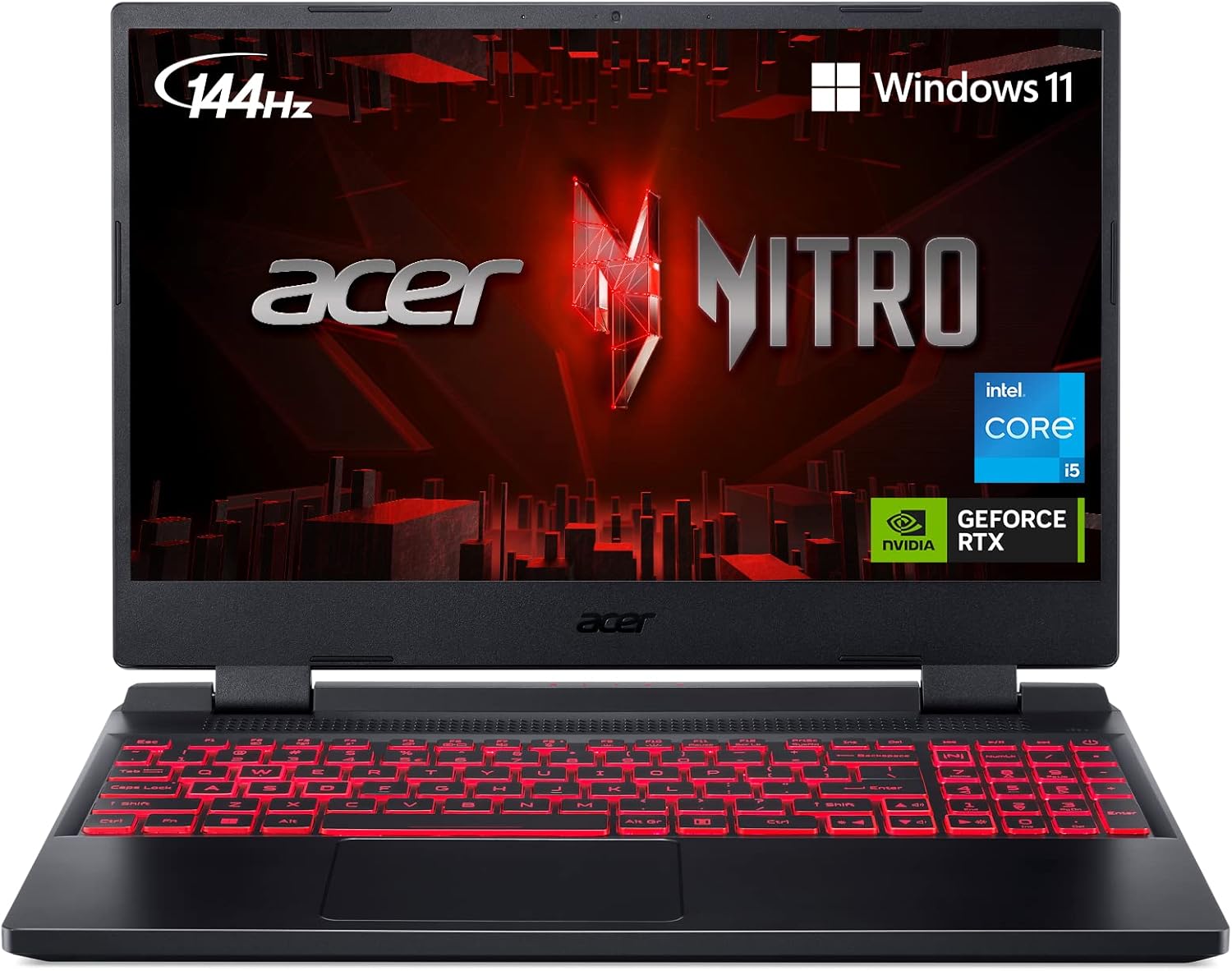
- memory Intel Core i5-12500H
- developer_board NVIDIA GeForce RTX 3050 Ti
- layers 16GB DDR4-3200MHz
- track_changes Target GPU: NVIDIA GeForce GTX 960 (4GB) / AMD Radeon R9 280

- memory AMD Ryzen 7 7435HS
- developer_board NVIDIA GeForce RTX 3050
- layers 32GB DDR5-4800MHz
- track_changes Target GPU: NVIDIA GeForce GTX 960 (4GB) / AMD Radeon R9 280

- memory AMD Ryzen 7 6800H
- developer_board NVIDIA GeForce RTX 3060
- layers 16GB DDR5-4800MHz
- track_changes Target GPU: NVIDIA GeForce GTX 960 (4GB) / AMD Radeon R9 280

- memory AMD Ryzen 9 5900HS
- developer_board NVIDIA GeForce RTX 3080
- layers 16GB DDR4-3200MHz
- track_changes Target GPU: NVIDIA GeForce GTX 960 (4GB) / AMD Radeon R9 280

- memory Intel Core i7-13620H
- developer_board NVIDIA GeForce RTX 4070
- layers 16GB DDR5-4800MHz
- track_changes Target GPU: NVIDIA GeForce GTX 960 (4GB) / AMD Radeon R9 280

- memory Intel Core i7-14700HX
- developer_board NVIDIA GeForce RTX 4070
- layers 16GB DDR5-5600MHz
- track_changes Target GPU: NVIDIA GeForce GTX 1070 / AMD Radeon RX 5700 XT
- memory Intel Core i9-14900HX
- developer_board NVIDIA GeForce RTX 4070
- layers 32GB DDR5-5600MHz
- track_changes Target GPU: NVIDIA GeForce GTX 1070 / AMD Radeon RX 5700 XT
- memory Intel Core i9-14900HX
- developer_board NVIDIA GeForce RTX 4070
- layers 32GB DDR5-5600MHz
- track_changes Target GPU: NVIDIA GeForce RTX 3070 Ti / AMD Radeon RX 6800
- memory AMD Ryzen 9 8940HX Processor
- developer_board NVIDIA GeForce RTX 5060 Laptop GPU
- layers 32GB DDR5-5200MHz
- track_changes Target GPU: NVIDIA GeForce RTX 3070 Ti / AMD Radeon RX 6800
- memory Intel Core i9-12950HX
- developer_board NVIDIA GeForce RTX 3080 Ti
- layers 32GB DDR5-4800MHz
- track_changes Target GPU: NVIDIA GeForce RTX 3070 Ti / AMD Radeon RX 6800
- memory Intel Core i9-14900HX
- developer_board NVIDIA GeForce RTX 4080 Laptop GPU
- layers 64 GB DDR5-5600MHz
- track_changes Target GPU: NVIDIA GeForce RTX 3070 Ti / AMD Radeon RX 6800
- memory Intel Core Ultra 9 Processor 275HX (Series 2)
- developer_board NVIDIA GeForce RTX 5070 Laptop GPU
- layers 32GB DDR5-5600MHz
- track_changes Target GPU: NVIDIA GeForce RTX 3070 Ti / AMD Radeon RX 6800
- memory Intel Core i9-14900HX Processor
- developer_board NVIDIA GeForce RTX 5070 Laptop GPU
- layers 32GB DDR5-5600MHz
- track_changes Target GPU: NVIDIA GeForce RTX 3070 Ti / AMD Radeon RX 6800

- memory Intel Core i9-14900HX Processor
- developer_board NVIDIA GeForce RTX 5070 Laptop GPU
- layers 32GB DDR5-5600MHz
- track_changes Target GPU: NVIDIA GeForce RTX 3070 Ti / AMD Radeon RX 6800

- memory Intel Core Ultra 9 285H (Arrow Lake-H)
- developer_board NVIDIA GeForce RTX 5070 Laptop GPU
- layers 64GB LPDDR5x-8533MT/s (LPCAMM2)
- track_changes Target GPU: NVIDIA GeForce RTX 3070 Ti / AMD Radeon RX 6800

- memory Intel Core i9-14900HX
- developer_board NVIDIA GeForce RTX 4080
- layers 64GB DDR5-5600MHz
- track_changes Target GPU: NVIDIA GeForce RTX 3070 Ti / AMD Radeon RX 6800

- memory Intel Core i9-14900HX
- developer_board NVIDIA GeForce RTX 4080
- layers 32GB DDR5-5600MHz
- track_changes Target GPU: NVIDIA GeForce RTX 3070 Ti / AMD Radeon RX 6800
- memory Intel Core i9-14900HX
- developer_board NVIDIA GeForce RTX 4080 Laptop GPU
- layers 64 GB DDR5-5600MHz
- track_changes Target GPU: NVIDIA GeForce RTX 4080 / AMD Radeon RX 7900 XTX
- memory Intel Core Ultra 9 Processor 275HX (Series 2)
- developer_board NVIDIA GeForce RTX 5070 Laptop GPU
- layers 32GB DDR5-5600MHz
- track_changes Target GPU: NVIDIA GeForce RTX 4080 / AMD Radeon RX 7900 XTX
- memory Intel Core i9-14900HX Processor
- developer_board NVIDIA GeForce RTX 5070 Laptop GPU
- layers 32GB DDR5-5600MHz
- track_changes Target GPU: NVIDIA GeForce RTX 4080 / AMD Radeon RX 7900 XTX
- memory Intel Core i9-14900HX Processor
- developer_board NVIDIA GeForce RTX 5070 Laptop GPU
- layers 32GB DDR5-5600MHz
- track_changes Target GPU: NVIDIA GeForce RTX 4080 / AMD Radeon RX 7900 XTX
- memory Intel Core Ultra 9 285H (Arrow Lake-H)
- developer_board NVIDIA GeForce RTX 5070 Laptop GPU
- layers 64GB LPDDR5x-8533MT/s (LPCAMM2)
- track_changes Target GPU: NVIDIA GeForce RTX 4080 / AMD Radeon RX 7900 XTX
- memory Intel Core i9-14900HX
- developer_board NVIDIA GeForce RTX 4080
- layers 64GB DDR5-5600MHz
- track_changes Target GPU: NVIDIA GeForce RTX 4080 / AMD Radeon RX 7900 XTX
- memory Intel Core i9-14900HX
- developer_board NVIDIA GeForce RTX 4080
- layers 32GB DDR5-5600MHz
- track_changes Target GPU: NVIDIA GeForce RTX 4080 / AMD Radeon RX 7900 XTX

- memory Intel Core i9-14900HX
- developer_board NVIDIA GeForce RTX 4080
- layers 32GB DDR5-5600MHz
- track_changes Target GPU: NVIDIA GeForce RTX 4080 / AMD Radeon RX 7900 XTX

- memory Intel Core i9-14900HX
- developer_board NVIDIA GeForce RTX 4080
- layers 32GB DDR5-5600MHz
- track_changes Target GPU: NVIDIA GeForce RTX 4080 / AMD Radeon RX 7900 XTX

- memory AMD Ryzen 9 7845HX
- developer_board NVIDIA GeForce RTX 4080
- layers Up to 64GB DDR5
- track_changes Target GPU: NVIDIA GeForce RTX 4080 / AMD Radeon RX 7900 XTX
For Mimic Specifically
- memory Intel Core i7-12700H
- developer_board NVIDIA GeForce RTX 3070
- layers 32GB DDR4-3200MHz
- track_changes Target GPU: Nvidia GeForce GTX 980 / AMD Radeon RX 470 / Intel Arc A750
- memory Intel Core i9-13900H
- developer_board NVIDIA GeForce RTX 4060
- layers 16GB DDR5-5200MHz
- track_changes Target GPU: Nvidia GeForce GTX 980 / AMD Radeon RX 470 / Intel Arc A750
- memory Intel Core i9-14900HX
- developer_board NVIDIA GeForce RTX 4060
- layers 32GB DDR5-5600MHz
- track_changes Target GPU: Nvidia GeForce GTX 980 / AMD Radeon RX 470 / Intel Arc A750
- memory Intel Core i9-12900H
- developer_board NVIDIA GeForce RTX 3070 Ti
- layers 16GB DDR5-4800MHz
- track_changes Target GPU: Nvidia GeForce GTX 980 / AMD Radeon RX 470 / Intel Arc A750
- memory Intel Core i5-12450H
- developer_board NVIDIA GeForce RTX 3050
- layers 16GB DDR4-3200MHz
- track_changes Target GPU: Nvidia GeForce GTX 980 / AMD Radeon RX 470 / Intel Arc A750
- memory Intel Core i5-12500H
- developer_board NVIDIA GeForce RTX 3050 Ti
- layers 16GB DDR4-3200MHz
- track_changes Target GPU: Nvidia GeForce GTX 980 / AMD Radeon RX 470 / Intel Arc A750
- memory AMD Ryzen 7 7435HS
- developer_board NVIDIA GeForce RTX 3050
- layers 32GB DDR5-4800MHz
- track_changes Target GPU: Nvidia GeForce GTX 980 / AMD Radeon RX 470 / Intel Arc A750
- memory AMD Ryzen 7 6800H
- developer_board NVIDIA GeForce RTX 3060
- layers 16GB DDR5-4800MHz
- track_changes Target GPU: Nvidia GeForce GTX 980 / AMD Radeon RX 470 / Intel Arc A750
- memory AMD Ryzen 9 5900HS
- developer_board NVIDIA GeForce RTX 3080
- layers 16GB DDR4-3200MHz
- track_changes Target GPU: Nvidia GeForce GTX 980 / AMD Radeon RX 470 / Intel Arc A750
- memory Intel Core i7-13620H
- developer_board NVIDIA GeForce RTX 4070
- layers 16GB DDR5-4800MHz
- track_changes Target GPU: Nvidia GeForce GTX 980 / AMD Radeon RX 470 / Intel Arc A750
- memory Intel Core i7-14700HX
- developer_board NVIDIA GeForce RTX 4070
- layers 16GB DDR5-5600MHz
- track_changes Target GPU: Nvidia GeForce RTX 2080 / AMD Radeon RX 5700 XT / Intel Arc A770
- memory Intel Core i9-14900HX
- developer_board NVIDIA GeForce RTX 4070
- layers 32GB DDR5-5600MHz
- track_changes Target GPU: Nvidia GeForce RTX 2080 / AMD Radeon RX 5700 XT / Intel Arc A770
- memory Intel Core i9-12900H
- developer_board NVIDIA GeForce RTX 3070 Ti
- layers 16GB DDR5-4800MHz
- track_changes Target GPU: Nvidia GeForce RTX 3070 / AMD Radeon RX 6700 XT
- memory AMD Ryzen 7 7435HS
- developer_board NVIDIA GeForce RTX 3050
- layers 32GB DDR5-4800MHz
- track_changes Target GPU: Nvidia GeForce RTX 3070 / AMD Radeon RX 6700 XT
- memory Intel Core i9-14900HX
- developer_board NVIDIA GeForce RTX 4070
- layers 32GB DDR5-5600MHz
- track_changes Target GPU: Nvidia GeForce RTX 3070 / AMD Radeon RX 6700 XT

- memory Intel Core i9-14900HX
- developer_board NVIDIA GeForce RTX 4070
- layers 16GB DDR5-5600MHz
- track_changes Target GPU: Nvidia GeForce RTX 3070 / AMD Radeon RX 6700 XT
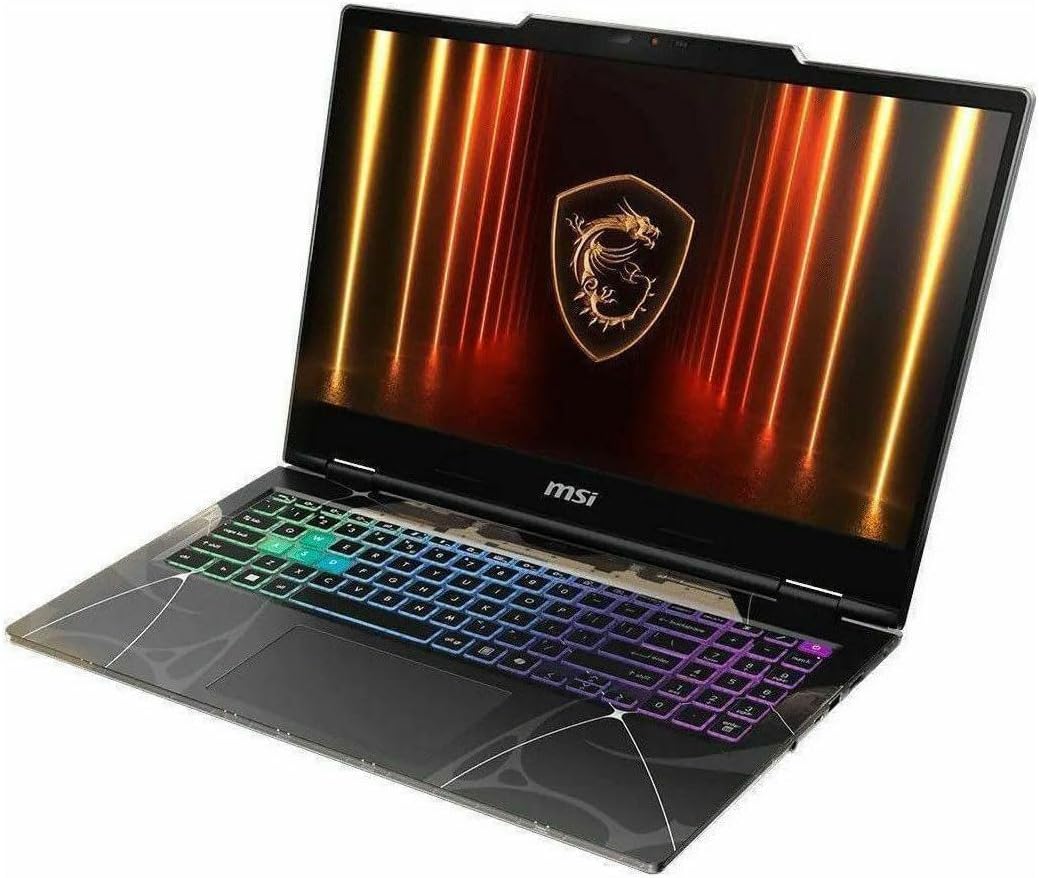
- memory Intel Core Ultra 7 255H
- developer_board NVIDIA GeForce RTX 5060 Laptop GPU
- layers 16GB DDR5-5600MHz (Dual-Channel)
- track_changes Target GPU: Nvidia GeForce RTX 3070 / AMD Radeon RX 6700 XT
- memory AMD Ryzen 9 8940HX Processor
- developer_board NVIDIA GeForce RTX 5060 Laptop GPU
- layers 32GB DDR5-5200MHz
- track_changes Target GPU: Nvidia GeForce RTX 3070 / AMD Radeon RX 6700 XT
- memory Intel Core i9-12950HX
- developer_board NVIDIA GeForce RTX 3080 Ti
- layers 32GB DDR5-4800MHz
- track_changes Target GPU: Nvidia GeForce RTX 3070 / AMD Radeon RX 6700 XT
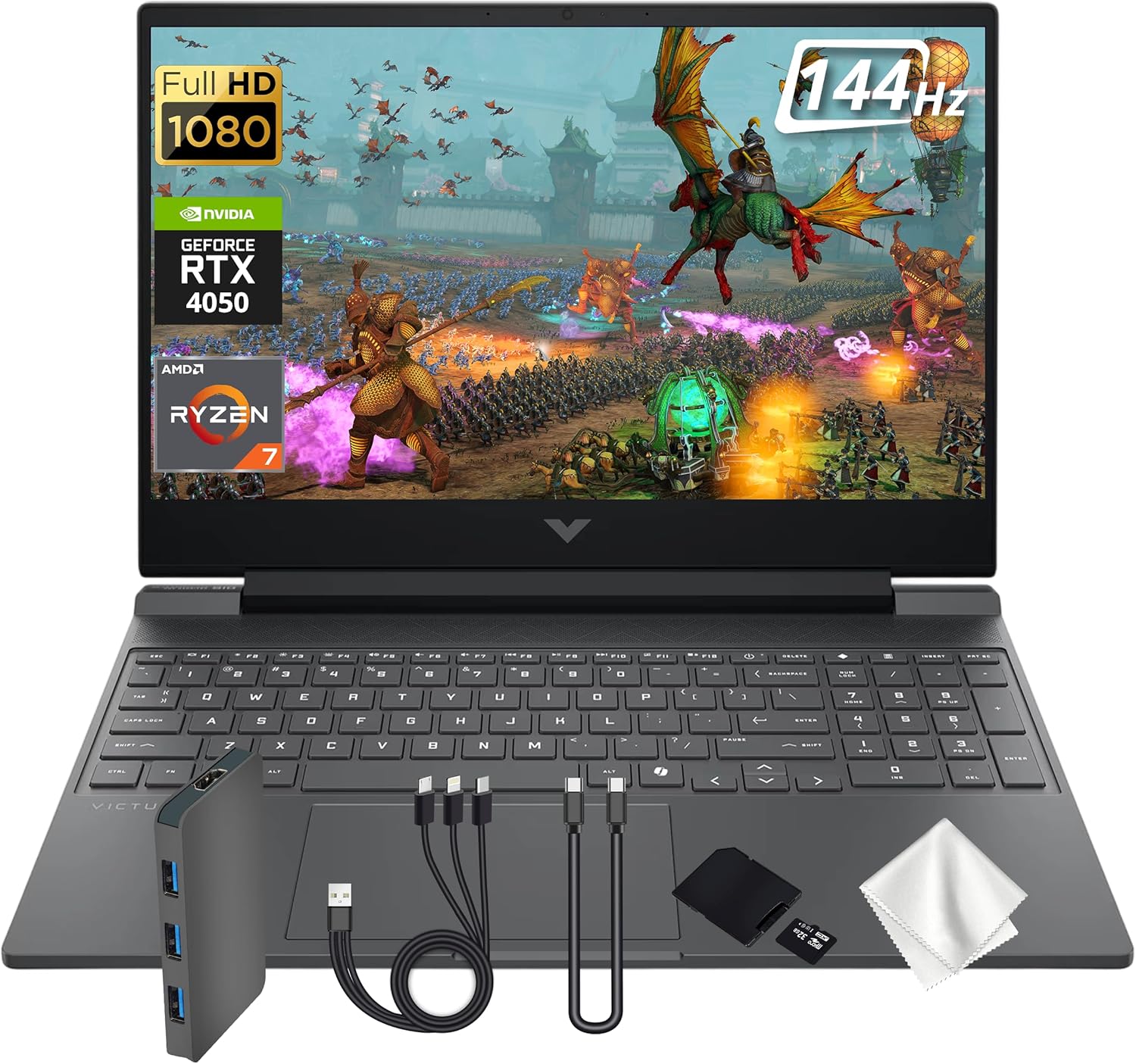
- memory AMD Ryzen 7 7445HS
- developer_board NVIDIA GeForce RTX 4050
- layers 16GB (2x8GB) DDR5 5600MHz SO-DIMM
- track_changes Target GPU: Nvidia GeForce RTX 3070 / AMD Radeon RX 6700 XT

- memory AMD Ryzen 7 7445HS
- developer_board NVIDIA GeForce RTX 4050
- layers 16GB DDR5 5600MHz SO-DIMM
- track_changes Target GPU: Nvidia GeForce RTX 3070 / AMD Radeon RX 6700 XT
- memory Intel Core i9-14900HX
- developer_board NVIDIA GeForce RTX 4080 Laptop GPU
- layers 64 GB DDR5-5600MHz
- track_changes Target GPU: Nvidia GeForce RTX 3070 / AMD Radeon RX 6700 XT
- memory Intel Core i9-14900HX
- developer_board NVIDIA GeForce RTX 4080 Laptop GPU
- layers 64 GB DDR5-5600MHz
- track_changes Target GPU: Nvidia GeForce RTX 4080 / AMD Radeon RX 7900 XT
- memory Intel Core Ultra 9 Processor 275HX (Series 2)
- developer_board NVIDIA GeForce RTX 5070 Laptop GPU
- layers 32GB DDR5-5600MHz
- track_changes Target GPU: Nvidia GeForce RTX 4080 / AMD Radeon RX 7900 XT
- memory Intel Core i9-14900HX Processor
- developer_board NVIDIA GeForce RTX 5070 Laptop GPU
- layers 32GB DDR5-5600MHz
- track_changes Target GPU: Nvidia GeForce RTX 4080 / AMD Radeon RX 7900 XT
- memory Intel Core i9-14900HX Processor
- developer_board NVIDIA GeForce RTX 5070 Laptop GPU
- layers 32GB DDR5-5600MHz
- track_changes Target GPU: Nvidia GeForce RTX 4080 / AMD Radeon RX 7900 XT

- memory Intel Core Ultra 9 Processor 285H
- developer_board NVIDIA GeForce RTX 5070 Laptop GPU
- layers 16GB DDR5-5600MHz
- track_changes Target GPU: Nvidia GeForce RTX 4080 / AMD Radeon RX 7900 XT
- memory Intel Core Ultra 9 285H (Arrow Lake-H)
- developer_board NVIDIA GeForce RTX 5070 Laptop GPU
- layers 64GB LPDDR5x-8533MT/s (LPCAMM2)
- track_changes Target GPU: Nvidia GeForce RTX 4080 / AMD Radeon RX 7900 XT

- memory AMD Ryzen 9 7945HX
- developer_board NVIDIA GeForce RTX 4080
- layers 32GB DDR5
- track_changes Target GPU: Nvidia GeForce RTX 4080 / AMD Radeon RX 7900 XT
- memory Intel Core i9-14900HX
- developer_board NVIDIA GeForce RTX 4080
- layers 64GB DDR5-5600MHz
- track_changes Target GPU: Nvidia GeForce RTX 4080 / AMD Radeon RX 7900 XT
- memory Intel Core i9-14900HX
- developer_board NVIDIA GeForce RTX 4080
- layers 32GB DDR5-5600MHz
- track_changes Target GPU: Nvidia GeForce RTX 4080 / AMD Radeon RX 7900 XT
- memory Intel Core i9-14900HX
- developer_board NVIDIA GeForce RTX 4080
- layers 32GB DDR5-5600MHz
- track_changes Target GPU: Nvidia GeForce RTX 4080 / AMD Radeon RX 7900 XT
info_outline Laptop recommendations are estimates based on available component benchmarks and game requirements. Actual performance may vary depending on settings, drivers, cooling, power limits, etc. Prices and availability subject to change. As an Amazon Associate, we earn from qualifying purchases.