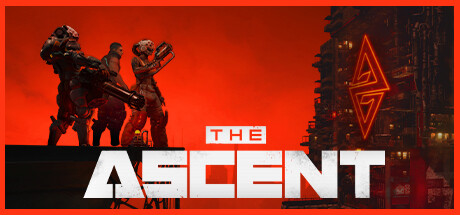
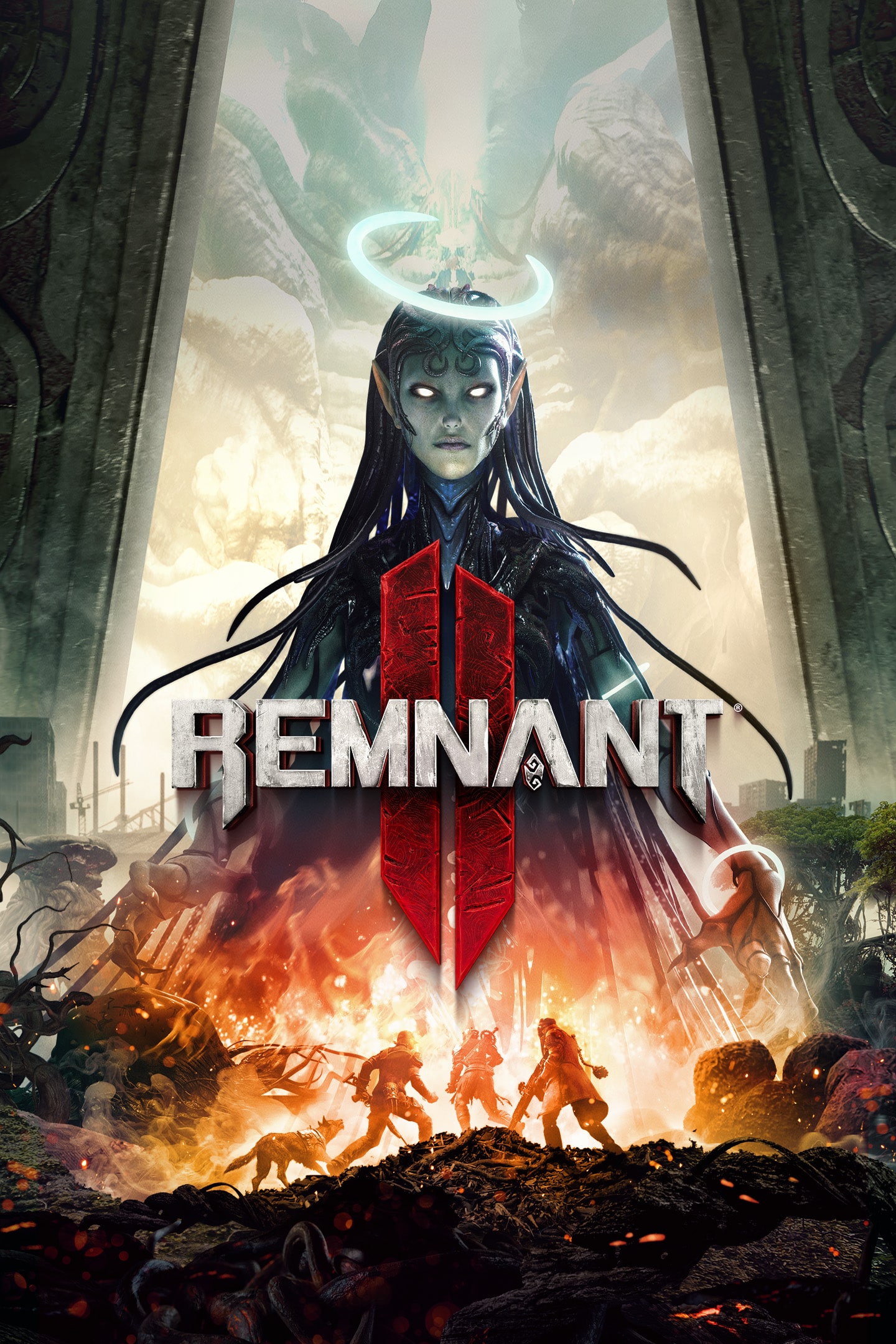
Select Games to Compare

search close
search close

Select up to 2 games to compare side-by-side.

💻
Mobile Hardware & Thermal Intelligence (2026)
Gaming on a Laptop? Check Real-World Compatibility

Benchmark your exact mobile GPU wattage (TGP), battery throttling drops, and cooling pad requirements for these games.

Test Laptop Specs → ⚖️ Compare Laptops

The Ascent vs REMNANT II

close close
info General Information
Release Date
Jul 29, 2021 Jul 25, 2023
Developer
Neon Giant Gunfire Games
Publisher
Curve Digital Arc Games (formerly Gearbox Publishing)
Genre(s)
Action RPG, Twin-Stick Shooter, Cyberpunk, Co-Op, Indie Action RPG, Third-Person Shooter, Soulslike, Co-op Looter Shooter
Engine
Unreal Engine 4 Unreal Engine 4
stars Ratings & Price
Content Rating
Mature M (Mature 17+) - ESRB Descriptors: Blood and Gore,
Avg. User Rating
4.1 / 5.0 4.1 / 5.0
Current Price (USD)
$29.99 $49.99
tune Key Specs
Quick Highlights
  • Platforms: PC (Steam, Windows), Xbox One, Xbox Series X/S, PS4, PS5
  • Release Date: July 29, 2021
  • Perspective: Third-Person
  • Multiplayer: Up to 3-Player Online Co-op (Crossplay supported)
  • Setting: Post-Apocalyptic Earth & Multiple Interdimensional Worlds
  • Platforms: PC (Windows - Steam, Epic Games Store), PlayStation 5, Xbox Series X/S
  • Unique Feature: Procedurally generated worlds and dungeons for high replayability, deep Archetype system with dual-classing, challenging Soulslike combat, extensive weapon crafting with mods and mutators, 3-player co-op.
sports_esports Gameplay & Mechanics
Companions/Followers
  • Co-Op Teammates: The game supports 4-player local couch co-op and online multiplayer, allowing friends to synergize their cyberware abilities to dominate the battlefield.
    Other Players
  • The Cyberdeck: Your constant companion. With a press of a button, it hacks nearby doors, ATMs for money, and turrets to turn them against your enemies.
    Digital Hacking Tool
  • Handler's Dog Companion: The Handler Archetype's Prime Perk grants them a loyal dog companion. The dog actively participates in combat by attacking enemies, drawing aggro, and can provide various team buffs (e.g., damage increase, damage reduction) based on the Handler's chosen skills. The dog can also revive the Handler or allies under certain conditions.
    Canine (Specific breed varies by Handler's choice/default)
  • Summoner's Minions (Root Creatures): The Summoner Archetype can conjure various Root minions to fight alongside them. These minions have different roles (melee, ranged, tank) and their effectiveness can be enhanced through the Summoner's skills and traits. Minions are temporary and often require sacrificing health to summon.
    Root Entities (Various types like Hollows, Flyers, Reavers)
  • Engineer's Turrets (Heavy Weapons): The Engineer Archetype can deploy heavy weapon platforms that act as automated turrets or can be carried and wielded by the Engineer or their allies. These provide significant firepower and area denial capabilities.
    Automated Turrets (Vulcan, Flamethrower, Impact Cannon)
  • Co-op Players (Other Travelers): In online co-op mode, up to two other players can join as their own Traveler characters, each with their unique Archetype builds, weapons, and skills. They act as active combat companions, capable of reviving each other, synergizing abilities, and tackling challenges together.
    Human (Player Characters with chosen Archetypes)
Key Collectibles
  • Cyberdeck Upgrades: Crucial modules hidden throughout the arcology. Finding them levels up your hacking device, granting access to high-tier loot chests and heavily encrypted doors.
  • Orphan Skill Points: Physical skill points hidden in the environment independent of leveling up, rewarding players who explore every corner of the map.
  • Datapads: Glowing lore terminals scattered across desks and corpses that provide deep background information on the alien species and mega-corporations of Veles.
  • Tomes of Knowledge: Consumable items found randomly throughout all worlds. When picked up, they are instantly consumed and grant The Traveler +1 Trait Point. If at the Trait Point cap, they grant Archetype XP and Scrap instead.
  • Rings: Equippable accessories (up to 4 can be worn) that provide a wide variety of passive bonuses, such as increased damage, survivability, resource generation, or unique gameplay effects. Found as loot, in chests, from bosses, or purchased.
  • Amulets: Equippable accessories (1 can be worn) that offer more significant passive bonuses or unique perks compared to rings, often defining a core aspect of a character's build. Found similarly to rings.
  • Relics (e.g., Dragon Heart): Primary healing items with a limited number of charges. Different Relics can be found or crafted, each offering unique healing effects or additional temporary buffs when used. Charges are replenished at World Stones (checkpoints).
  • Relic Fragments: Socketable items that can be slotted into Relics to provide minor passive stat boosts (e.g., increased health, damage reduction, skill cooldown). Come in different qualities and can be upgraded.
  • Traits: Passive character upgrades that provide permanent stat increases or bonuses (e.g., Vigor for health, Endurance for stamina, Spirit for mod power generation). Acquired by leveling up, defeating bosses, completing quests, or finding Tomes of Knowledge. Trait points are spent to increase their effectiveness up to a cap.
  • Weapon Mods & Mutators: Weapon Mods are crafted from boss materials and grant active abilities to weapons. Mutators are found as loot or from specific encounters and provide passive bonuses to weapons. Collecting these expands combat options.
  • Quest Items & Lore Items: Various items specific to main or side quests that progress storylines. Lore items like books, notes, and audio logs are found throughout the worlds, providing backstory and world-building details.
Key Themes
  • Cyberpunk
  • Dystopia
  • Megacorporations
  • Twin-Stick Shooter
  • Sci-Fi Action
  • Arcology
  • Rebellion
  • Post-Apocalyptic
  • Dimensional Travel
  • Cosmic Horror
  • Survival
  • Teamwork & Co-op
  • Procedural Generation
  • Soulslike Challenge
  • Eldritch Beings (The Root)
  • Ancient Mysteries
  • High Fantasy with Firearms
colorize Combat & Gear
Weapons Overview
  • The Dominator: Assault Rifle
    A rapid-fire ballistic weapon perfect for shredding crowds of unarmored gang members and low-level mutants in the slums.
  • EBR Enforcer: Energy Burst-Rifle
    A highly accurate energy weapon that melts through the heavily armored corporate security forces and robotic enemies encountered in the upper tiers.
  • Guillotine: Heavy Melee Sword
    Introduced in the Cyber Heist DLC, this massive, brutal blade completely shifts the dynamic of the game into a close-quarters hack-and-slash experience.
  • Long Guns (Rifles, Shotguns, Bows, etc.): Primary Ranged Weapon
    Main damage-dealing firearms. Includes a wide variety like assault rifles (e.g., Blackmaw AR-47, Chicago Typewriter), shotguns (e.g., AS-10 Bulldog), sniper rifles/bows (e.g., Huntmaster M1, Crescent Moon), and unique boss weapons (e.g., Nightfall, Alpha-Omega). Each can be upgraded and equipped with a Weapon Mod and a Mutator.
  • Handguns (Pistols, Revolvers, SMG-like sidearms): Secondary Ranged Weapon
    Sidearms used for backup or specific situations. Examples include revolvers (e.g., Western Classic), pistols (e.g., Rune Pistol), and special handguns like the Cube Gun or Meridian. Can also be upgraded and equipped with a Weapon Mod and a Mutator.
  • Melee Weapons (Swords, Axes, Hammers, Gauntlets, etc.): Close Quarters Combat Weapon
    Used for close-range combat, dealing damage and often staggering enemies. Includes a variety of types like swords (e.g., Blade of Gul), axes (e.g., Krell Axe), hammers (e.g., Atom Smasher), and special melee weapons crafted from boss materials (e.g., Assassin's Dagger). Can be upgraded and some can be equipped with Mutators.
  • Weapon Mods: Equippable Weapon Ability
    Attachable components that grant weapons unique active abilities, often with cooldowns or charges built up by dealing damage. Examples include Hot Shot (imbues bullets with fire), Healing Shot (heals allies), Space Crabs (summons explosive crabs), or boss-specific mods like Moonlight Barrage (Crescent Moon bow). Most weapons have one Mod slot.
  • Mutators: Passive Weapon Augment
    Passive augments that can be socketed into Long Guns, Handguns, and some Melee Weapons. They provide various passive bonuses like increased critical chance, lifesteal, faster reload speed, or unique conditional effects. Can be upgraded.
  • Corrupted Weapons: Special Weapon Variants
    Special alternate versions of existing weapons, often with unique visual effects and altered firing modes or properties. Obtained by exchanging Corrupted Shards and the original weapon with Dwell in Ward 13. Examples: Corrupted Aphelion, Corrupted Merciless.
Armor / Gear Sets
  • Habber Dash Jacket: Standard, low-tier street clothing providing minimal physical defense but high mobility, worn by common workers in the Warrens.
  • CorpSec Riot Gear: Heavy, bulky tactical armor looted from corporate security forces, providing massive physical and energy defense at the cost of evasion speed.
  • Cyber Warrior Armor: A premium cosmetic/tactical set offering a striking, neon-infused Samurai aesthetic, providing excellent balanced defense for endgame content.
  • Armor Sets (Head, Body, Legs, Gloves): Players can equip a full armor set consisting of four pieces: Head Armor, Body Armor, Leg Armor, and Gloves. Each piece contributes to the overall Armor value (damage reduction), Weight (affecting stamina regeneration and dodge roll speed - Light, Medium, Heavy, Ultra Heavy rolls), and elemental resistances (e.g., Fire, Shock, Blight, Corrode). Many sets also provide unique passive set bonuses when multiple pieces are equipped.
  • Leto Mark I & II Armor Sets: Known for being extremely heavy armor sets, providing very high damage reduction at the cost of a slow 'flop' dodge roll (Leto Mark I) or a slightly better heavy roll (Leto Mark II). Popular for tank builds.
  • Radiant Armor Set: An example of a set that might provide bonuses related to critical hits or sustained fire, often with a distinct visual appearance.
  • Void Armor Set: A heavy armor set that often provides a perk related to taking damage, such as a temporary damage buff after being hit.
  • Elder Armor Set: A set often associated with support or healing capabilities, potentially boosting Relic use or ally buffs.
  • Cultist Armor Set (Example from Remnant 1, archetype starting gear in R2 may vary): Typically associated with Mod Power generation or skill cooldown reduction. Starting Archetypes in Remnant II come with their own unique-looking armor sets.
  • Armor Skins / Cosmetic Transmog (Limited): While full transmog is not a primary feature, some armor sets are visually distinct, and certain pre-order/Deluxe edition bonuses provided unique armor appearances. The focus is primarily on stats and set bonuses rather than extensive cosmetic layering of armor pieces.
Outfits/Customization
  • Cybernetic Tattoos: Extensive character creation options allow players to cover their avatar in glowing neon circuitry and gang tattoos.
  • Transmog System: A heavily requested feature added post-launch, allowing players to equip high-stat, ugly armor but change its visual appearance to any cool outfit they have previously looted.
  • Animated Weapon Skins: Purchasable or unlocked weapon paints that feature moving digital patterns, making your firearms glow brightly in the dark industrial slums.
  • Archetype Starting Armor: Each starting Archetype (e.g., Challenger, Handler, Hunter, Gunslinger, Medic) comes with a visually distinct set of armor (Head, Body, Legs, Gloves) that reflects their theme and role. These are actual gear pieces with stats.
  • World-Dropped & Crafted Armor Sets: Numerous armor sets can be found as loot in the various worlds, crafted from materials, or purchased from merchants. Each set has a unique appearance and provides different defensive stats, elemental resistances, and often set bonuses that synergize with specific playstyles or Archetypes.
  • Deluxe & Ultimate Edition Armor Sets (Cosmetic/Early Unlocks): The Deluxe Edition included three armor sets: Elder Armor Set, Radiant Armor Set, and Void Armor Set. These provide unique aesthetics and starting gear options.
  • DLC Armor Sets: Each DLC ('The Awakened King,' 'The Forgotten Kingdom,' 'The Dark Horizon') introduces new armor sets with unique designs and perks thematic to the new content and worlds.
  • Helmet Visibility Toggle: Players usually have the option to toggle the visibility of their equipped helmet, allowing them to see their character's face while still receiving the stats from the head armor.
trending_up Progression & Upgrades
Skills & Progression

The Ascent features a deep ARPG progression system. Players level up to earn Skill Points, which are invested into attributes like Tactical Sense, Weapon Handling, Aiming, and Evasion. The game's defining feature is its 'Cyberware' system. Players can install active augmentations (such as launching a barrage of homing missiles or summoning an explosive spider mech) and passive modules (like increasing maximum health or adding dodge-roll evasion). Additionally, the 'Cyberdeck' acts as a hacking tool that players must continually upgrade to slice open high-level corporate doors, ATMs, and hostile automated turrets.

N/A
public World & Exploration
World & Level Design

Veles is designed vertically, separated into distinct 'Tiers' that represent the socio-economic status of its inhabitants. 'The Warrens' and 'Deepstink' are the lowest tiers, characterized by claustrophobic slums, raw sewage, and heavy industrial machinery. The mid-tiers feature bustling commercial hubs, neon-soaked nightclubs, and dense residential blocks. The absolute pinnacle, 'The Pinnacle', is where the corporate elite reside in clean, opulent, sunlit luxury. Exploring the map involves seamlessly riding massive elevators and traversing open urban battlegrounds filled with countless interactive NPCs, alien races, and destructible cover.

N/A
Playable Vehicles
  • The Inter-Tier Transit Train: Public Transport
    The immersive fast-travel network players use to move between the massive horizontal districts of the arcology.
  • The Arcology Elevator: Vertical Transport
    Massive, city-sized freight elevators required to travel between the socio-economic Tiers of Veles, bridging the gap between the slums and the corporate luxury zones.
  • None (Traversal by Foot & World Stones)
    REMNANT II primarily features on-foot exploration within its worlds and dungeons. Fast travel is facilitated by interacting with World Stones (checkpoints) to teleport to other discovered World Stones within the same world or to different worlds via The Labyrinth.
  • Glider Traversal System (The Dark Horizon DLC - N'Erud Only): Personal Traversal Gear
    The 'The Dark Horizon' DLC, set in N'Erud, introduces a new Glider Traversal System, allowing players to navigate specific areas of that world with enhanced mobility. This is specific to certain sections of the DLC content.
Notable Fauna/Mounts
  • Ferals: Mutated Humanoids
    Rabid, heavily mutated creatures that hunt in massive packs in the dark, industrial depths of 'Deepstink', requiring heavy crowd-control weapons to suppress.
  • Mechanical Spiders: Robotics
    Corporate defense drones that scurry across the ceilings and floors, harassing the player with energy blasts and self-destruct mechanisms.
N/A
book Story & Characters
Main Characters
  • The Indent: Player Avatar
    An enslaved corporate worker who must utilize extreme violence and cybernetic enhancements to survive the collapse of their mega-corporate owners.
  • Poone: Syndicate Boss
    The stressed, foul-mouthed leader of your home district who acts as your primary early-game quest giver, trying desperately to keep his turf from being overrun.
  • Kira: Corporate Handler
    A highly capable, mysterious operative who takes an interest in your lethal efficiency, guiding you through the complex espionage of the upper tiers.
  • The Traveler: Protagonist (Player Character)
    The customizable player character, a survivor in a post-apocalyptic world. They are thrust into a conflict spanning multiple dimensions to combat The Root and uncover ancient mysteries. Their abilities are defined by chosen Archetypes, weapons, and gear.
  • Clementine: Key NPC / Powerful Figure
    A returning character from the lore of Remnant: From the Ashes (implicated in the Dreamer Project). In REMNANT II, she is a powerful individual with unique abilities related to the World Stones and interdimensional travel. She plays a crucial role in guiding The Traveler and fighting The Root.
  • The Keeper of the Labyrinth (Andrew Ford - Implied/Theorized): Enigmatic Guide / Guardian
    A mysterious and ancient entity responsible for maintaining the Labyrinth, the unchanging hub world that connects to other dimensions. Provides guidance and exposition to The Traveler. Potentially connected to Founder Ford from the first game.
  • Commander Ford (Mentioned/Lore): Founder of Ward 13 / Explorer
    The founder of Ward 13 and a key figure from Remnant: From the Ashes who disappeared into the World Stone network. His legacy and research are often referenced.
  • Wallace: NPC / Mystic & Archetype Crafter
    An NPC in Ward 13 who helps The Traveler unlock their initial Archetype and can craft Engrams for unlocking new Archetypes using special materials.
  • McCabe: NPC / Weapon Mod & Boss Weapon Crafter
    A gruff but skilled weaponsmith in Ward 13. She crafts unique Weapon Mods and powerful Boss Weapons for The Traveler using materials obtained from defeated world bosses.
  • Reginald 'Reggie' Malone: NPC / Consumables Vendor
    An NPC in Ward 13 who sells various consumables like ammo boxes, healing items, and concoctions.
  • Mudtooth: NPC / Storyteller & Elixir Vendor
    An elderly character in Ward 13 who tells stories (granting XP boosts) and sells various concoctions (temporary buffs).
  • The Root: Primary Antagonistic Force / Hive Mind Entity
    The overarching enemy faction in the Remnant universe. A sentient, plant-like hive mind entity that corrupts and invades worlds, assimilating lifeforms and creating monstrous creatures. The ultimate goal is to stop its spread and defeat its core, Annihilation.
  • World Bosses (e.g., The Nightweaver, Sha'Hala, The Corruptor, Annihilation): Major Antagonists / Challenges
    Each world features unique and powerful bosses that The Traveler must defeat to progress or obtain valuable rewards. Annihilation serves as the final boss of the main campaign.
Example Missions
  • Mutual Dependencies: Early Campaign
    Fight through rival turf in the deep slums to restart the district's primary water supply, establishing your value to the local crime boss.
  • Data Miner: Corporate Espionage
    A massive mid-game raid on a high-tech corporate facility requiring heavy hacking, culminating in a brutal boss fight against a heavily armed mechanical spider.
  • Unhandled Exception: Story Finale
    The climactic final campaign mission requiring players to defend a central hacking terminal against endless waves of the most elite corporate security forces in the game.
  • Main Campaign (Stop The Root)
    A series of narrative quests spanning multiple procedurally generated worlds (Yaesha, Losomn, N'Erud) connected by The Labyrinth, culminating in a journey to Root Earth to confront and defeat Annihilation, the source of The Root's corruption. Involves finding Clementine and working with The Keeper.
  • World-Specific Storylines & Bosses
    Each major world (Yaesha, Losomn, N'Erud) has its own main questline, often involving unique NPCs, moral choices, and culminating in a world boss fight. The specific storyline and boss encountered can vary due to procedural generation (e.g., The Nightweaver or Faelin/Faerin in Losomn; The Corruptor or The Ravager in Yaesha; Sha'Hala or Tal'Ratha in N'Erud).
  • Side Dungeons & Events
    Exploring optional dungeons and encountering dynamic events within each world. These often reward unique loot, traits, weapon mods, mutators, rings, or amulets. Many side dungeons have their own mini-bosses or puzzles.
  • Archetype Unlocking Quests/Puzzles
    Many Archetypes beyond the starting choices are unlocked by finding specific items (Engrams) hidden in the worlds or obtained by completing secret objectives, puzzles, or interacting with specific NPCs under certain conditions.
  • Adventure Mode
    A separate game mode that allows players to re-roll individual worlds (Yaesha, Losomn, N'Erud) with new procedural generation, independent of their main campaign progress. Used for farming specific items, encountering different storylines/bosses, or leveling up.
  • DLC Campaigns (The Awakened King, The Forgotten Kingdom, The Dark Horizon)
    Each DLC adds a new self-contained storyline within one of the existing game worlds (Losomn, Yaesha, N'Erud respectively), introducing new areas, dungeons, bosses, enemies, items, and a new playable Archetype.
people Multiplayer
Multiplayer Details

The Ascent features both single-player and up to 4-player cooperative multiplayer. Uniquely for a modern game, it fully supports 'couch co-op' (local multiplayer on a shared screen) as well as online co-op. Playing with a squad fundamentally changes the combat dynamic, allowing players to synergize their cyberware—such as one player acting as a heavy tank with energy shields while others use sniper rifles and hacking abilities to control the battlefield. Enemy health and spawns scale dynamically based on the player count.

The core gameplay is designed for up to 3-player online co-operative PvE. Players can join friends or use matchmaking to tackle the campaign, explore worlds, and fight bosses together. The game's difficulty scales with the number of players. Loot is instanced per player.

extension Editions & DLC
Available Editions

The Ascent launched on PC, Xbox One, and Xbox Series X/S (including Day One on Xbox Game Pass) on July 29, 2021, and later expanded to PS4 and PS5. The base game is sold standalone, but Curve Games also released the 'Cyber Edition' bundle, which packages the base game with the 'Cyber Heist' story DLC and several cosmetic/weapon packs, including the 'Cyber Warrior Pack' and the 'CyberSec Pack'. These premium packs offer unique Samurai-inspired armor sets, animated weapon skins, and tactical grenades.

Released in several editions: Standard Edition (base game). Deluxe Edition (included three armor sets: Elder, Radiant, Void). Ultimate Edition (included Deluxe Edition content, Survival Pack with consumables, and early access to 'The Awakened King,' 'The Forgotten Kingdom,' and 'The Dark Horizon' DLCs, which form the DLC Bundle).

Post-Launch Content / DLC

Neon Giant provided excellent post-launch support. The major expansion, 'Cyber Heist' (released August 2022), takes place immediately after the main campaign. It introduces new overworld locations, new main and side missions, and highly requested melee weapons like the Rock Crusher and Guillotine. Additionally, several cosmetic DLCs ('CyberSec Pack', 'Cyber Warrior Pack') were added, alongside free game updates that introduced a highly requested Transmogrification system (allowing players to change their armor's appearance without losing stats) and a New Game+ mode.

REMNANT II has a DLC Bundle featuring three major expansions:

1. 'The Awakened King' (released November 2023): New storyline in Losomn focusing on the One True King, new Archetype (The Ritualist), new dungeons, bosses, items, and weapons.

2. 'The Forgotten Kingdom' (released April 2024): New storyline in Yaesha exploring a lost tribe and a vengeful stone spirit Lydusa, new Archetype (The Invoker), new dungeons, bosses, items, and weapons.

3. 'The Dark Horizon' (released September 2024): New storyline in N'Erud, new Archetype (The Warden), new dungeons, bosses, items, weapons, and a new Glider Traversal System for N'Erud.

help_outline FAQ
Frequently Asked Questions
  • Q: Does The Ascent support local couch co-op?
    A: Yes! It is one of the few modern ARPGs to fully support up to 4-player local shared-screen co-op, as well as online multiplayer.
  • Q: Is it a looter shooter like Destiny?
    A: No. While you do collect armor and weapons, it is a traditional ARPG. Weapons have fixed stats (which you can upgrade), meaning you aren't constantly grinding for randomized 'God Rolls'.
  • Q: Is there a New Game Plus mode?
    A: Yes. A post-launch update added NG+, allowing you to restart the campaign with all your high-level gear and cyberware against significantly tougher enemies.
  • Q: Do I have to play the DLC?
    A: The 'Cyber Heist' DLC is entirely optional but provides an extended endgame story, new locations, and highly requested melee weapons that change the combat dynamic.
  • Q: When was REMNANT II released?
    A: REMNANT II was released on July 25, 2023, for PC (Windows), PlayStation 5, and Xbox Series X/S.
  • Q: What kind of game is REMNANT II?
    A: REMNANT II is a third-person action RPG shooter with Soulslike elements, focusing on challenging combat, deep character customization through the Archetype system, and procedurally generated worlds. It can be played solo or in up to 3-player co-op.
  • Q: Is REMNANT II a direct sequel to Remnant: From the Ashes?
    A: Yes, it is a direct sequel set some years after the events of the first game and its DLCs, continuing the story of humanity's fight against The Root.
  • Q: What are Archetypes in REMNANT II?
    A: Archetypes are character classes that provide unique skills, perks, and traits. Players choose a starting Archetype and can later unlock and equip a secondary Archetype to create hybrid builds. Examples include Handler (dog companion), Challenger (tank/melee), Hunter (ranged DPS), Medic (healing), and many more unlockable ones.
  • Q: How does procedural generation work in REMNANT II?
    A: The game dynamically generates world layouts, dungeons, enemy placements, questlines, events, and even some boss encounters. This ensures that each playthrough and Adventure Mode roll offers a different experience, enhancing replayability.
  • Q: Does REMNANT II have multiplayer and crossplay?
    A: Yes, REMNANT II supports up to 3-player online co-op. Crossplay between PC, PlayStation 5, and Xbox Series X/S was added via a post-launch update (requires linking an Epic Games account for console players).
  • Q: What kind of DLC is available for REMNANT II?
    A: REMNANT II has a DLC bundle featuring three major expansions: 'The Awakened King,' 'The Forgotten Kingdom,' and 'The Dark Horizon.' Each DLC adds new storylines, worlds/areas, Archetypes, enemies, bosses, weapons, and items.
  • Q: Is REMNANT II a Soulslike game?
    A: Yes, it incorporates many Soulslike elements, including challenging combat, formidable boss battles that require learning attack patterns, a healing/checkpoint system (World Stones), and a penalty upon death (though typically less severe than some traditional Souls games).
build Technical Details
Graphics & Visual Fidelity

Despite being developed by an incredibly small indie team of 11 people at Neon Giant, The Ascent boasts 'AAA' visual fidelity. The game is played from a classic isometric perspective, but the camera seamlessly shifts and pans to showcase the breathtaking scale of the arcology. The environmental detail is staggering, with hundreds of physics objects, volumetric smoke, and neon signs reflecting in rain-slicked puddles. The implementation of Ray Traced reflections and shadows on PC is considered some of the best in the industry, making the grimy, futuristic city look hyper-realistic.

Developed using Unreal Engine 4 (despite some early UE5 speculation), REMNANT II features detailed environments with distinct visual themes for each world, impressive enemy and boss designs, and a dark, gritty art style consistent with its post-apocalyptic and cosmic horror themes.

Audio & Soundtrack

The auditory experience is a standout feature, headlined by a pulsating, heavy synthwave soundtrack composed by Paweł Błaszczak (known for his work on Dying Light and The Witcher). The music dynamically shifts from brooding, atmospheric synthesizer hums during exploration to aggressive, high-tempo club beats during massive firefights. The weapon sound design is incredibly punchy, and the diverse alien languages spoken by the ambient crowds make the arcology feel like a true melting pot.

Atmospheric sound design enhances the distinct feel of each world and the impact of combat. The musical score adapts to gameplay, building intensity during boss fights and creating an eerie ambience during exploration.

User Interface (UI/UX)

The UI embraces the cyberpunk aesthetic with sleek, red-and-cyan holographic menus. In combat, the HUD displays a health bar, energy meter (for augmentations), and a tactical charge meter. One of the best UI features is the 'Waypoint' system; pressing a button projects a glowing digital line on the ground guiding the player to their next objective, seamlessly integrating navigation into the world without cluttering the screen with permanent mini-maps.

Features a clear UI displaying health, stamina, mod power, skill cooldowns, ammo, and equipped items. Inventory management involves weapons, armor, mods, mutators, rings, amulets, and consumables. A minimap aids navigation through the procedurally generated environments.

Accessibility Options

The game offers standard accessibility settings including text scaling, subtitle backgrounds, and UI color adjustments. It also includes highly customizable aim-assist settings, which is incredibly helpful for players using gamepads in a fast-paced twin-stick shooter. Difficulty can be adjusted at any time, allowing players to scale back enemy damage if a particular boss fight proves too punishing.

Includes options such as subtitles (though initially not highly customizable, patches may have improved), separate volume controls for voice, SFX, and music, remappable keybindings, gamepad support with auto-snap to enemies, adjustable video effects, and sensitivity customization for aiming, mouse, and camera (including X/Y inversion). An option to auto-equip picked-up items is also available.

Gameplay Video
launchWatch launchWatch
Walkthrough/Guide
launchView launchView
settings_applications System Requirements
1080p (Full HD) - Recommended (High Preset, 1080p (60 FPS Target))
CPU: Official recommended processors, providing enough multi-threaded overhead to eliminate stuttering during massive explosive encounters.
CPU (Laptop): Ensures perfectly fluid frame pacing, critical for twin-stick shooter responsiveness.
GPU: Official recommended GPUs. The 8GB VRAM buffer is necessary to run the game with high-quality textures and dense volumetric lighting.
GPU (Laptop): Guarantees a locked 60 FPS at 1080p on high settings, with enough overhead for mild Ray Tracing.
RAM: The official recommendation to ensure seamless asset streaming when running through the open world.
Storage: NVMe SSD.
memoryCPU: Intel Core i7-6700K (4 * 4000) or equivalent / AMD Ryzen 5 2600 (6 * 3400) or equivalent
developer_boardGPU: Geforce GTX 1070 (8192 MB) / Radeon RX 5700 (8192 MB)
laptop_macCPU (L): Intel Core i7-9750H / AMD Ryzen 7 4800H
laptop_windowsGPU (L): NVIDIA GeForce RTX 3060 Mobile / RTX 4050 Mobile
layersRAM: 16 GB
saveStorage (Tier): 35 GB available space
—
1080p (Full HD) - Recommended (Targets 1080p, Medium/High settings, ~60 FPS with Upscaling Quality/Balanced) (Medium/High Preset, 1080p resolution with DLSS/FSR/XeSS Quality or Balanced.)
CPU: Official recommended desktop CPU for a better 1080p experience.
CPU (Laptop): Stronger laptop CPUs for more consistent 1080p/60fps.
GPU: Official recommended desktop GPU for 1080p. 6GB VRAM minimum, 8GB ideal.
GPU (Laptop): Capable laptop GPUs. High TGP and effective use of DLSS/FSR are very important. (A hypothetical future RTX 5050/5060 Laptop GPU).
RAM: 16GB RAM officially recommended.
Storage: NVMe SSD recommended for better overall experience.
—
memoryCPU: Intel Core i5-10600K or AMD Ryzen 5 3600
developer_boardGPU: NVIDIA GeForce RTX 2060 (6GB) or AMD Radeon RX 5700 (8GB)
laptop_macCPU (L): Intel Core i7-10750H / AMD Ryzen 7 4800H or newer high-performance 6-core or 8-core CPUs.
laptop_windowsGPU (L): NVIDIA GeForce RTX 2060 Mobile (6GB, High TGP), RTX 3060 Laptop GPU (6GB, High TGP), RTX 4050 Laptop GPU (6GB, High TGP), RTX 4060 Laptop GPU (8GB).
layersRAM: 16 GB
saveStorage (Tier): 80 GB NVMe SSD
1080p (Full HD) - Minimum (Targets 1080p, Low/Medium settings, ~30-60 FPS with Upscaling) (Low/Medium Preset, 1080p resolution with DLSS/FSR/XeSS Performance/Balanced.)
CPU: Official minimum desktop CPU. Game can be CPU intensive.
CPU (Laptop): Estimated laptop CPU. A modern 6-core CPU is advisable for a smoother experience.
GPU: Official minimum desktop GPU. 4GB VRAM is the absolute floor; 8GB (like RX 590) is better.
GPU (Laptop): Estimated laptop GPUs. Performance heavily depends on TGP and upscaling. (Hypothetical future entry-level RTX 50 series laptop GPUs would exceed this).
RAM: 16GB RAM is the official minimum.
Storage: SSD is highly recommended as per official notes.
—
memoryCPU: Intel Core i5-7600 or AMD Ryzen 5 2600
developer_boardGPU: NVIDIA GeForce GTX 1650 (4GB) or AMD Radeon RX 590 (8GB)
laptop_macCPU (L): Intel Core i7-8750H / AMD Ryzen 5 3600H equivalent or better.
laptop_windowsGPU (L): NVIDIA GeForce GTX 1650 Ti Mobile (4GB), RTX 3050 Laptop GPU (4GB/6GB, ensure good TGP). RTX 4050 Laptop GPU (6GB) would be a more comfortable modern minimum, relying on upscaling.
layersRAM: 16 GB
saveStorage (Tier): 80 GB SSD
1080p (Full HD) - Minimum (Low Preset, 1080p (30 FPS Target))
CPU: The official minimum processors required to handle the baseline game logic, AI crowds, and destructible physics.
CPU (Laptop): Older quad-core mobile CPUs will struggle slightly in crowded hubs but can run the game at minimum settings targeting 30-45 FPS.
GPU: The official minimum GPUs. Players will need to keep visual settings low to accommodate older hardware while rendering the busy cityscapes.
GPU (Laptop): Capable of providing a playable 1080p experience on low/medium settings without Ray Tracing.
RAM: Official minimum required system memory.
Storage: SSD drive strongly recommended.
memoryCPU: Intel Core i5-3470 (4 * 3200) or equivalent / AMD FX-8350 (4 * 4000) or equivalent
developer_boardGPU: GeForce GTX 660 (2048 MB) / Radeon R9 390X (8192 MB)
laptop_macCPU (L): Intel Core i5-8300H / AMD Ryzen 5 3550H
laptop_windowsGPU (L): NVIDIA GeForce GTX 1650 Mobile
layersRAM: 8 GB
saveStorage (Tier): 35 GB available space
—
1440p (QHD/2K) - High (Targets 1440p, High settings, ~60 FPS with DLSS/FSR Quality + potentially Frame Gen) (High Preset, 1440p resolution with DLSS/FSR Quality. Frame Generation (DLSS 3/FSR 3) highly recommended if available/supported by GPU.)
CPU: Powerful desktop CPU to handle 1440p and reduce CPU bottlenecks, especially if using Frame Generation.
CPU (Laptop): High-performance laptop CPUs essential for smooth 1440p, particularly with Frame Generation.
GPU: Strong GPUs for 1440p/60fps. DLSS/FSR Quality is essential. For consistent 60FPS+ with high settings, Frame Generation is a significant help.
GPU (Laptop): High-end laptop GPUs with max TGP. DLSS/FSR (Quality/Balanced) + Frame Generation are key. (A hypothetical future RTX 5060 Ti/5070 Laptop GPU).
RAM: 32GB RAM is strongly recommended for 1440p high settings to ensure smooth performance.
Storage: NVMe SSD mandatory for optimal performance.
—
memoryCPU: Intel Core i7-11700K / AMD Ryzen 7 5800X or newer (e.g., Intel Core i5-13600K / AMD Ryzen 5 7600X)
developer_boardGPU: NVIDIA GeForce RTX 3070 (8GB) / RTX 4060 Ti (8GB/16GB) / RTX 4070 (12GB) or AMD Radeon RX 6700 XT (12GB) / RX 6800 (16GB) / RX 7700 XT (12GB)
laptop_macCPU (L): Intel Core i7-12700H / AMD Ryzen 7 6800H or Intel Core i9-12900H / AMD Ryzen 9 6900HS and above.
laptop_windowsGPU (L): NVIDIA GeForce RTX 3070 Ti Laptop GPU (8GB), RTX 3080 Laptop GPU (8GB/16GB), RTX 4070 Laptop GPU (8GB, High TGP), RTX 4080 Laptop GPU (12GB).
layersRAM: 16 GB
saveStorage (Tier): 80 GB NVMe SSD
1440p (QHD/2K) - Enthusiast (Ultra Preset, 1440p (60+ FPS Target))
CPU: Modern mid-to-high end CPUs provide massive overhead, ensuring AI pathfinding doesn't halt the render thread.
CPU (Laptop): Easily powers the game's logic while driving higher resolution laptop displays.
GPU: Handles the increased pixel count cleanly, ensuring razor-sharp visuals on neon signs and metallic cybernetics.
GPU (Laptop): Provides the necessary compute overhead for 1440p rendering on portable panels.
RAM: Optimal configuration for modern systems.
Storage: NVMe SSD.
memoryCPU: Intel Core i5-10400 / AMD Ryzen 5 3600
developer_boardGPU: NVIDIA GeForce RTX 2070 Super / AMD Radeon RX 6700 XT
laptop_macCPU (L): Intel Core i7-11800H / AMD Ryzen 7 5800H
laptop_windowsGPU (L): NVIDIA GeForce RTX 3070 Mobile / RTX 4060 Mobile
layersRAM: 16 GB
saveStorage (Tier): 35 GB available space
—
2160p (UHD/4K) - Ultra (Targets 2160p/4K, Medium/High settings, ~60 FPS with DLSS/FSR Performance + Frame Gen) (Medium/High Preset, 2160p (4K) resolution using DLSS/FSR Performance + Frame Generation.)
CPU: Top-tier desktop CPU to support 4K gaming and minimize CPU bottlenecks, especially with Frame Generation.
CPU (Laptop): Absolute flagship laptop CPUs required.
GPU: Flagship desktop GPUs required for 4K. Heavily reliant on DLSS/FSR Performance and Frame Generation (for NVIDIA RTX 40 series / AMD FSR 3 compatible cards) to achieve ~60 FPS.
GPU (Laptop): The most powerful current (RTX 40 series) laptop GPUs. DLSS/FSR (Performance/Ultra Performance) with Frame Generation is essential. Hypothetical RTX 50 series laptop GPUs are speculative.
RAM: 32GB of high-speed RAM is strongly recommended for optimal 4K gaming.
Storage: A very fast NVMe SSD (PCIe Gen4 or better) is highly recommended for 4K textures and loading.
—
memoryCPU: Intel Core i9-12900K / AMD Ryzen 9 5900X or newer (e.g., Intel Core i7-13700K / AMD Ryzen 7 7800X3D)
developer_boardGPU: NVIDIA GeForce RTX 3080 (10GB/12GB) / RTX 4070 Ti (12GB) / RTX 4080 (16GB) or AMD Radeon RX 6800 XT (16GB) / RX 7900 XT (20GB) / RX 7900 XTX (24GB)
laptop_macCPU (L): Intel Core i9-13900HX / Core i9-14900HX or AMD Ryzen 9 7945HX / 7945HX3D.
laptop_windowsGPU (L): NVIDIA GeForce RTX 4080 Laptop GPU (12GB, Max TGP), RTX 4090 Laptop GPU (16GB, Max TGP). **(A hypothetical future flagship NVIDIA GeForce RTX 5080/5090 Laptop GPU would aim to improve this experience further.)**
layersRAM: 32 GB
saveStorage (Tier): 80 GB NVMe SSD (High-speed Gen4 or Gen5 recommended)
2160p (UHD/4K) - Ultra (Max Preset + Ray Tracing, 4K (60 FPS with DLSS/FSR))
CPU: Ensures absolutely no bottlenecks at the highest visual fidelity.
CPU (Laptop): Desktop-grade performance in a mobile chassis.
GPU: Powers the grueling 4K resolution, rendering the breathtaking ray-traced puddles and neon reflections flawlessly.
GPU (Laptop): Required to maintain a stable 4K frame rate on an external display.
RAM: Optimizes system stability and ensures zero background application interference.
Storage: Gen4 NVMe SSD.
memoryCPU: Intel Core i7-10700K / AMD Ryzen 7 5800X
developer_boardGPU: NVIDIA GeForce RTX 3080 / AMD Radeon RX 6800 XT
laptop_macCPU (L): Intel Core i9-12900H
laptop_windowsGPU (L): NVIDIA GeForce RTX 3080 Ti Mobile / RTX 4080 Mobile
layersRAM: 32 GB
saveStorage (Tier): 35 GB available space
—
save Overall Storage
Spec: 35 GB available space
Note: An SSD is highly recommended to eliminate loading hitches when taking the elevator or transit trains between the massive vertical tiers of Veles.
Type: Unknown
Spec: 80 GB available space (SSD Highly Recommended, NVMe for best experience)
Note: An SSD (preferably NVMe) with at least 80 GB of free space is strongly recommended for optimal performance, significantly faster loading times, and smoother asset streaming. Requirement may increase with DLCs/updates.
Type: NVMe
desktop_windows Operating System
Spec: Windows 10 x64
Explanation: A 64-bit operating system is strictly required by the engine to efficiently manage memory allocation across the massive, seamless cyberpunk metropolis.
Spec: Windows 10 (64-bit, latest update) or Windows 11 (64-bit, latest update)
Explanation: A 64-bit version of Windows 10 (latest updates) or Windows 11 (latest update) is required. Windows 11 is generally recommended for newer UE5 titles for features like DirectStorage and optimal CPU scheduling.
gamepad DirectX Version
Spec: Version 11 (Minimum) / Version 12 (Recommended)
Explanation: DirectX 11 provides baseline compatibility, but DirectX 12 is officially required to enable the game's advanced Ray Tracing features and DLSS support.
Spec: DirectX 12
Explanation: DirectX 12 is required. Remnant II is an Unreal Engine 5 title, which leverages DX12 features. Ray tracing is not a primary feature of the game; performance is demanding even without it.
info_outline Other Game Notes
  • System requirements are strictly verified against the official Steam store page. The Ascent utilizes Unreal Engine 4, featuring highly dense, destructible cyberpunk environments and impressive, hardware-intensive Ray Tracing capabilities for reflections and shadows.
  • Laptop Performance Note: The extreme environmental density and massive amount of particle effects from explosions and lasers will heavily tax mobile hardware. Maintaining high frame rates is crucial for a twin-stick shooter, so managing thermals to prevent GPU downclocking is vital.
  • Laptop Consideration: G P U T G P: A minimal TGP of 60W is required for 1080p rendering (e.g., GTX 1650/RTX 3050 Mobile). To maintain 60 FPS on High settings with Ray Tracing enabled, an 85W+ TGP (RTX 3060 Mobile or higher) is heavily recommended.
  • Laptop Consideration: Cooling Thermals: The densely populated arcology features hundreds of AI NPCs and complex physics calculations for destructible cover. A cooling pad is strongly recommended to prevent thermal throttling during massive 4-player co-op firefights.
  • Laptop Consideration: C P U Power Limits: Set Windows power delivery to 'Performance'. Restricting the CPU power can cause severe micro-stutters when transitioning seamlessly between the massive tiers of the arcology.
  • Laptop Consideration: M U X Switch Optimus: Highly recommended to reduce render latency during fast-paced twin-stick combat, ensuring aiming and dodging inputs are instantly registered.
  • Optimization Detail: Upscaling Tech: Supports NVIDIA DLSS and AMD FSR. Using upscaling is highly recommended to maintain 60+ FPS on mid-range hardware if playing with Ray Traced reflections turned on.
  • Optimization Detail: Key Settings Impact: Ray Tracing (Reflections and Shadows), Volumetric Fog, and Post-Processing severely impact GPU overhead. Lowering these can yield substantial framerate improvements.
  • Game Name: The Ascent
  • OFFICIAL AND EXTRAPOLATED SYSTEM REQUIREMENTS for REMNANT II (Released July 2023). This information is based on official PC specifications from Gunfire Games/Arc Games and includes extrapolated tiers for higher performance targets, adapted to the requested JSON structure for a May 2025 context. REMNANT II is a demanding Unreal Engine 5 title, and using upscaling technologies (DLSS, FSR, XeSS) is highly recommended for optimal performance across all tiers. Laptop GPU mentions for RTX 50 series are speculative.
  • Laptop Performance Note: Laptop models of listed desktop GPUs require comparable performance, which is heavily dependent on TGP (Total Graphics Power), VRAM, and robust cooling. REMNANT II is very demanding; high-performance laptop hardware with effective thermal management is crucial, especially for higher settings or resolutions.
  • Laptop Consideration: G P U T G P: Maximum TGP for the laptop GPU is critical for achieving playable framerates in REMNANT II.
  • Laptop Consideration: Cooling Thermals: Excellent and sustained cooling is essential to prevent severe thermal throttling, as the game can heavily stress both CPU and GPU.
  • Laptop Consideration: C P U Power Limits: High sustained CPU power limits are beneficial, as Unreal Engine 5 games can be CPU-intensive, particularly with complex world states and enemy encounters.
  • Laptop Consideration: M U X Switch Optimus: A MUX switch or NVIDIA Advanced Optimus is highly recommended for optimal performance and reduced latency.
  • Optimization Detail: Upscaling Tech: Supports NVIDIA DLSS (Super Resolution, Frame Generation - DLSS 3.7 as of April 2024), AMD FidelityFX Super Resolution (FSR 2.2 at launch, FSR 3.0 with Frame Generation supported as of April 2024), and Intel XeSS (1.1 at launch, 1.3 as of April 2024). The game was designed with upscaling in mind; using these technologies is essential for achieving target framerates, especially at resolutions above 1080p or with higher graphics settings.
  • Optimization Detail: Key Settings Impact: Overall Graphics Quality (Low, Medium, High, Ultra), Shadow Quality, Post Processing, Foliage Quality, View Distance, and Effects Quality significantly impact performance. Native resolution rendering is extremely demanding; upscaling is key.
  • Game Name: REMNANT II
build Optimization Details
  • Upscaling Tech: Supports NVIDIA DLSS and AMD FSR. Using upscaling is highly recommended to maintain 60+ FPS on mid-range hardware if playing with Ray Traced reflections turned on.
  • Key Settings Impact: Ray Tracing (Reflections and Shadows), Volumetric Fog, and Post-Processing severely impact GPU overhead. Lowering these can yield substantial framerate improvements.
  • Upscaling Tech: Supports NVIDIA DLSS (Super Resolution, Frame Generation - DLSS 3.7 as of April 2024), AMD FidelityFX Super Resolution (FSR 2.2 at launch, FSR 3.0 with Frame Generation supported as of April 2024), and Intel XeSS (1.1 at launch, 1.3 as of April 2024). The game was designed with upscaling in mind; using these technologies is essential for achieving target framerates, especially at resolutions above 1080p or with higher graphics settings.
  • Key Settings Impact: Overall Graphics Quality (Low, Medium, High, Ultra), Shadow Quality, Post Processing, Foliage Quality, View Distance, and Effects Quality significantly impact performance. Native resolution rendering is extremely demanding; upscaling is key.
laptop Laptop Considerations
  • G P U T G P: A minimal TGP of 60W is required for 1080p rendering (e.g., GTX 1650/RTX 3050 Mobile). To maintain 60 FPS on High settings with Ray Tracing enabled, an 85W+ TGP (RTX 3060 Mobile or higher) is heavily recommended.
  • Cooling Thermals: The densely populated arcology features hundreds of AI NPCs and complex physics calculations for destructible cover. A cooling pad is strongly recommended to prevent thermal throttling during massive 4-player co-op firefights.
  • C P U Power Limits: Set Windows power delivery to 'Performance'. Restricting the CPU power can cause severe micro-stutters when transitioning seamlessly between the massive tiers of the arcology.
  • M U X Switch Optimus: Highly recommended to reduce render latency during fast-paced twin-stick combat, ensuring aiming and dodging inputs are instantly registered.
  • G P U T G P: Maximum TGP for the laptop GPU is critical for achieving playable framerates in REMNANT II.
  • Cooling Thermals: Excellent and sustained cooling is essential to prevent severe thermal throttling, as the game can heavily stress both CPU and GPU.
  • C P U Power Limits: High sustained CPU power limits are beneficial, as Unreal Engine 5 games can be CPU-intensive, particularly with complex world states and enemy encounters.
  • M U X Switch Optimus: A MUX switch or NVIDIA Advanced Optimus is highly recommended for optimal performance and reduced latency.

info_outline Feature details based on available data. System requirements and performance estimates may vary.

laptop_chromebook Laptop Recommendations

Common Recommendations (Handles All Compared Games)

check_circle_outline Recommended based on listed requirements for Full HD (1080p).
MSI Pulse GL66 with RTX 3070 and i7 12th Gen
  • memory Intel Core i7-12700H
  • developer_board NVIDIA GeForce RTX 3070
  • layers 32GB DDR4-3200MHz
  • track_changes Target GPU: NVIDIA GeForce GTX 1650 Mobile

Acer Nitro V with RTX 4060 and i9 13th Gen
  • memory Intel Core i9-13900H
  • developer_board NVIDIA GeForce RTX 4060
  • layers 16GB DDR5-5200MHz
  • track_changes Target GPU: NVIDIA GeForce GTX 1650 Mobile
Lenovo Legion Pro 5i (i9-14900HX, RTX 4060)
  • memory Intel Core i9-14900HX
  • developer_board NVIDIA GeForce RTX 4060
  • layers 32GB DDR5-5600MHz
  • track_changes Target GPU: NVIDIA GeForce GTX 1650 Mobile
ASUS TUF A15 with RTX 3050 and Ryzen 7
  • memory AMD Ryzen 7 7435HS
  • developer_board NVIDIA GeForce RTX 3050
  • layers 32GB DDR5-4800MHz
  • track_changes Target GPU: NVIDIA GeForce RTX 3060 Mobile / RTX 4050 Mobile
HP Omen 16 (RTX 5060 & Ryzen 9 8940HX)
  • memory AMD Ryzen 9 8940HX Processor
  • developer_board NVIDIA GeForce RTX 5060 Laptop GPU
  • layers 32GB DDR5-5200MHz
  • track_changes Target GPU: NVIDIA GeForce RTX 3060 Mobile / RTX 4050 Mobile

HP Victus 15 (RTX 4050 & Ryzen 7)
  • memory AMD Ryzen 7 7445HS
  • developer_board NVIDIA GeForce RTX 4050
  • layers 16GB (2x8GB) DDR5 5600MHz SO-DIMM
  • track_changes Target GPU: NVIDIA GeForce RTX 3060 Mobile / RTX 4050 Mobile
check_circle_outline Recommended based on listed requirements for QHD (1440p).
MSI Pulse GL66 with RTX 3070 and i7 12th Gen
  • memory Intel Core i7-12700H
  • developer_board NVIDIA GeForce RTX 3070
  • layers 32GB DDR4-3200MHz
  • track_changes Target GPU: NVIDIA GeForce RTX 3070 Mobile / RTX 4060 Mobile
Acer Nitro V with RTX 4060 and i9 13th Gen
  • memory Intel Core i9-13900H
  • developer_board NVIDIA GeForce RTX 4060
  • layers 16GB DDR5-5200MHz
  • track_changes Target GPU: NVIDIA GeForce RTX 3070 Mobile / RTX 4060 Mobile
Lenovo Legion Pro 5i (i9-14900HX, RTX 4060)
  • memory Intel Core i9-14900HX
  • developer_board NVIDIA GeForce RTX 4060
  • layers 32GB DDR5-5600MHz
  • track_changes Target GPU: NVIDIA GeForce RTX 3070 Mobile / RTX 4060 Mobile
check_circle_outline Recommended based on listed requirements for UHD (4K).
HP OMEN 16 with RTX 4080 and intel i9 14th Gen
  • memory Intel Core i9-14900HX
  • developer_board NVIDIA GeForce RTX 4080 Laptop GPU
  • layers 64 GB DDR5-5600MHz
  • track_changes Target GPU: NVIDIA GeForce RTX 4080 Laptop GPU (12GB, Max TGP), RTX 4090 Laptop GPU (16GB, Max TGP). **(A hypothetical future flagship NVIDIA GeForce RTX 5080/5090 Laptop GPU would aim to improve this experience further.)**
GIGABYTE AORUS Elite 16 (RTX 5070 & Intel Core Ultra 9 275HX)
  • memory Intel Core Ultra 9 Processor 275HX (Series 2)
  • developer_board NVIDIA GeForce RTX 5070 Laptop GPU
  • layers 32GB DDR5-5600MHz
  • track_changes Target GPU: NVIDIA GeForce RTX 4080 Laptop GPU (12GB, Max TGP), RTX 4090 Laptop GPU (16GB, Max TGP). **(A hypothetical future flagship NVIDIA GeForce RTX 5080/5090 Laptop GPU would aim to improve this experience further.)**
MSI Katana 15 HX (RTX 5070 & Intel i7 14th Gen)
  • memory Intel Core i9-14900HX Processor
  • developer_board NVIDIA GeForce RTX 5070 Laptop GPU
  • layers 32GB DDR5-5600MHz
  • track_changes Target GPU: NVIDIA GeForce RTX 4080 Laptop GPU (12GB, Max TGP), RTX 4090 Laptop GPU (16GB, Max TGP). **(A hypothetical future flagship NVIDIA GeForce RTX 5080/5090 Laptop GPU would aim to improve this experience further.)**

For The Ascent Specifically

check_circle_outline Recommended based on listed requirements for Full HD (1080p).
MSI Pulse GL66 with RTX 3070 and i7 12th Gen
  • memory Intel Core i7-12700H
  • developer_board NVIDIA GeForce RTX 3070
  • layers 32GB DDR4-3200MHz
  • track_changes Target GPU: GeForce GTX 660 (2048 MB) / Radeon R9 390X (8192 MB)
Acer Nitro V with RTX 4060 and i9 13th Gen
  • memory Intel Core i9-13900H
  • developer_board NVIDIA GeForce RTX 4060
  • layers 16GB DDR5-5200MHz
  • track_changes Target GPU: GeForce GTX 660 (2048 MB) / Radeon R9 390X (8192 MB)
Lenovo Legion Pro 5i (i9-14900HX, RTX 4060)
  • memory Intel Core i9-14900HX
  • developer_board NVIDIA GeForce RTX 4060
  • layers 32GB DDR5-5600MHz
  • track_changes Target GPU: GeForce GTX 660 (2048 MB) / Radeon R9 390X (8192 MB)

Asus Rog Strix Scar 15 with RTX 3070 Ti and i9 12th Gen
  • memory Intel Core i9-12900H
  • developer_board NVIDIA GeForce RTX 3070 Ti
  • layers 16GB DDR5-4800MHz
  • track_changes Target GPU: GeForce GTX 660 (2048 MB) / Radeon R9 390X (8192 MB)
HP Victus 15 with RTX 3050 and i5 12th Gen
  • memory Intel Core i5-12450H
  • developer_board NVIDIA GeForce RTX 3050
  • layers 16GB DDR4-3200MHz
  • track_changes Target GPU: GeForce GTX 660 (2048 MB) / Radeon R9 390X (8192 MB)

Acer Nitro 5 with RTX 3050 Ti and i5 12th Gen
  • memory Intel Core i5-12500H
  • developer_board NVIDIA GeForce RTX 3050 Ti
  • layers 16GB DDR4-3200MHz
  • track_changes Target GPU: GeForce GTX 660 (2048 MB) / Radeon R9 390X (8192 MB)
ASUS TUF A15 with RTX 3050 and Ryzen 7
  • memory AMD Ryzen 7 7435HS
  • developer_board NVIDIA GeForce RTX 3050
  • layers 32GB DDR5-4800MHz
  • track_changes Target GPU: GeForce GTX 660 (2048 MB) / Radeon R9 390X (8192 MB)
ASUS ROG Strix G15 with RTX 3060 and Ryzen 7
  • memory AMD Ryzen 7 6800H
  • developer_board NVIDIA GeForce RTX 3060
  • layers 16GB DDR5-4800MHz
  • track_changes Target GPU: GeForce GTX 660 (2048 MB) / Radeon R9 390X (8192 MB)
ASUS ROG Zephyrus G15 Ultra with RTX 3080 and Ryzen 9
  • memory AMD Ryzen 9 5900HS
  • developer_board NVIDIA GeForce RTX 3080
  • layers 16GB DDR4-3200MHz
  • track_changes Target GPU: GeForce GTX 660 (2048 MB) / Radeon R9 390X (8192 MB)
MSI Katana 15 with RTX 4070
  • memory Intel Core i7-13620H
  • developer_board NVIDIA GeForce RTX 4070
  • layers 16GB DDR5-4800MHz
  • track_changes Target GPU: GeForce GTX 660 (2048 MB) / Radeon R9 390X (8192 MB)
HP Omen 16 (RTX 5060 & Ryzen 9 8940HX)
  • memory AMD Ryzen 9 8940HX Processor
  • developer_board NVIDIA GeForce RTX 5060 Laptop GPU
  • layers 32GB DDR5-5200MHz
  • track_changes Target GPU: Geforce GTX 1070 (8192 MB) / Radeon RX 5700 (8192 MB)
HP Victus 15 (RTX 4050 & Ryzen 7)
  • memory AMD Ryzen 7 7445HS
  • developer_board NVIDIA GeForce RTX 4050
  • layers 16GB (2x8GB) DDR5 5600MHz SO-DIMM
  • track_changes Target GPU: Geforce GTX 1070 (8192 MB) / Radeon RX 5700 (8192 MB)
ASUS TUF Gaming  A16 with RTX 4050
ASUS TUF Gaming A16 with RTX 4050
  • memory AMD Ryzen 7 7445HS
  • developer_board NVIDIA GeForce RTX 4050
  • layers 16GB DDR5 5600MHz SO-DIMM
  • track_changes Target GPU: Geforce GTX 1070 (8192 MB) / Radeon RX 5700 (8192 MB)
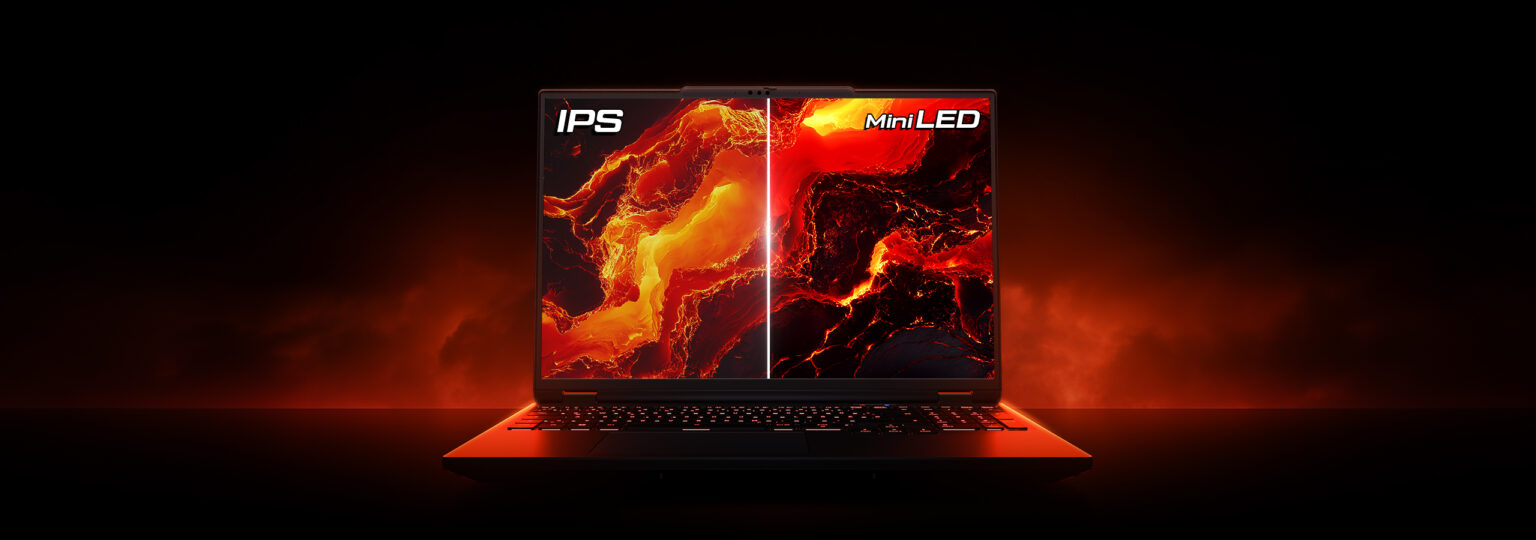
Dell Alienware M16 Gaming Laptop with RTX 4080
  • memory AMD Ryzen 9 7845HX
  • developer_board NVIDIA GeForce RTX 4080
  • layers Up to 64GB DDR5
  • track_changes Target GPU: Geforce GTX 1070 (8192 MB) / Radeon RX 5700 (8192 MB)
XMG Apex 16 Max (RTX 5070 Ti & Ryzen 9)
  • memory AMD Ryzen 9 9955HX
  • developer_board NVIDIA GeForce RTX 5070 Ti Laptop GPU
  • layers 64GB DDR5-5600MHz (Dual-Channel)
  • track_changes Target GPU: Geforce GTX 1070 (8192 MB) / Radeon RX 5700 (8192 MB)
check_circle_outline Recommended based on listed requirements for QHD (1440p).
MSI Pulse GL66 with RTX 3070 and i7 12th Gen
  • memory Intel Core i7-12700H
  • developer_board NVIDIA GeForce RTX 3070
  • layers 32GB DDR4-3200MHz
  • track_changes Target GPU: NVIDIA GeForce RTX 2070 Super / AMD Radeon RX 6700 XT
Acer Nitro V with RTX 4060 and i9 13th Gen
  • memory Intel Core i9-13900H
  • developer_board NVIDIA GeForce RTX 4060
  • layers 16GB DDR5-5200MHz
  • track_changes Target GPU: NVIDIA GeForce RTX 2070 Super / AMD Radeon RX 6700 XT
Lenovo Legion Pro 5i (i9-14900HX, RTX 4060)
  • memory Intel Core i9-14900HX
  • developer_board NVIDIA GeForce RTX 4060
  • layers 32GB DDR5-5600MHz
  • track_changes Target GPU: NVIDIA GeForce RTX 2070 Super / AMD Radeon RX 6700 XT
Asus Rog Strix Scar 15 with RTX 3070 Ti and i9 12th Gen
  • memory Intel Core i9-12900H
  • developer_board NVIDIA GeForce RTX 3070 Ti
  • layers 16GB DDR5-4800MHz
  • track_changes Target GPU: NVIDIA GeForce RTX 2070 Super / AMD Radeon RX 6700 XT
ASUS TUF A15 with RTX 3050 and Ryzen 7
  • memory AMD Ryzen 7 7435HS
  • developer_board NVIDIA GeForce RTX 3050
  • layers 32GB DDR5-4800MHz
  • track_changes Target GPU: NVIDIA GeForce RTX 2070 Super / AMD Radeon RX 6700 XT
ASUS ROG Strix G15 with RTX 3060 and Ryzen 7
  • memory AMD Ryzen 7 6800H
  • developer_board NVIDIA GeForce RTX 3060
  • layers 16GB DDR5-4800MHz
  • track_changes Target GPU: NVIDIA GeForce RTX 2070 Super / AMD Radeon RX 6700 XT
ASUS ROG Zephyrus G15 Ultra with RTX 3080 and Ryzen 9
  • memory AMD Ryzen 9 5900HS
  • developer_board NVIDIA GeForce RTX 3080
  • layers 16GB DDR4-3200MHz
  • track_changes Target GPU: NVIDIA GeForce RTX 2070 Super / AMD Radeon RX 6700 XT
MSI Katana 15 with RTX 4070
  • memory Intel Core i7-13620H
  • developer_board NVIDIA GeForce RTX 4070
  • layers 16GB DDR5-4800MHz
  • track_changes Target GPU: NVIDIA GeForce RTX 2070 Super / AMD Radeon RX 6700 XT
Alienware M18 with RTX 4070
  • memory Intel Core i7-14700HX
  • developer_board NVIDIA GeForce RTX 4070
  • layers 16GB DDR5-5600MHz
  • track_changes Target GPU: NVIDIA GeForce RTX 2070 Super / AMD Radeon RX 6700 XT
MSI Creator M16 HX with RTX 4070
  • memory Intel Core i9-14900HX
  • developer_board NVIDIA GeForce RTX 4070
  • layers 32GB DDR5-5600MHz
  • track_changes Target GPU: NVIDIA GeForce RTX 2070 Super / AMD Radeon RX 6700 XT

For REMNANT II Specifically

check_circle_outline Recommended based on listed requirements for Full HD (1080p).
ASUS TUF A15 with RTX 3050 and Ryzen 7
  • memory AMD Ryzen 7 7435HS
  • developer_board NVIDIA GeForce RTX 3050
  • layers 32GB DDR5-4800MHz
  • track_changes Target GPU: NVIDIA GeForce GTX 1650 (4GB) or AMD Radeon RX 590 (8GB)
HP Omen 16 (RTX 5060 & Ryzen 9 8940HX)
  • memory AMD Ryzen 9 8940HX Processor
  • developer_board NVIDIA GeForce RTX 5060 Laptop GPU
  • layers 32GB DDR5-5200MHz
  • track_changes Target GPU: NVIDIA GeForce GTX 1650 (4GB) or AMD Radeon RX 590 (8GB)
HP Victus 15 (RTX 4050 & Ryzen 7)
  • memory AMD Ryzen 7 7445HS
  • developer_board NVIDIA GeForce RTX 4050
  • layers 16GB (2x8GB) DDR5 5600MHz SO-DIMM
  • track_changes Target GPU: NVIDIA GeForce GTX 1650 (4GB) or AMD Radeon RX 590 (8GB)
ASUS TUF Gaming  A16 with RTX 4050
ASUS TUF Gaming A16 with RTX 4050
  • memory AMD Ryzen 7 7445HS
  • developer_board NVIDIA GeForce RTX 4050
  • layers 16GB DDR5 5600MHz SO-DIMM
  • track_changes Target GPU: NVIDIA GeForce GTX 1650 (4GB) or AMD Radeon RX 590 (8GB)
Lenovo Thinkpad T1G Gen 8 (RTX 5070 & Ultra 9)
  • memory Intel Core Ultra 9 285H (Arrow Lake-H)
  • developer_board NVIDIA GeForce RTX 5070 Laptop GPU
  • layers 64GB LPDDR5x-8533MT/s (LPCAMM2)
  • track_changes Target GPU: NVIDIA GeForce GTX 1650 (4GB) or AMD Radeon RX 590 (8GB)
Dell Alienware M16 Gaming Laptop with RTX 4080
  • memory AMD Ryzen 9 7845HX
  • developer_board NVIDIA GeForce RTX 4080
  • layers Up to 64GB DDR5
  • track_changes Target GPU: NVIDIA GeForce GTX 1650 (4GB) or AMD Radeon RX 590 (8GB)
LG Gram Pro 17 with RTX 5050
  • memory Intel Core Ultra 9 285H (Series 2) , 14 cores (6 Performance cores + 8 Efficient cores), 20 threads
  • developer_board NVIDIA GeForce RTX 5050 Laptop GPU
  • layers 32GB (2x16GB) DDR5 8400MHz SO-DIMM
  • track_changes Target GPU: NVIDIA GeForce GTX 1650 (4GB) or AMD Radeon RX 590 (8GB)
HP OMEN Ultra Slim 16 (RTX 5070 & Intel i9)
  • memory Intel Core Ultra 9 285H
  • developer_board NVIDIA GeForce RTX 5070
  • layers 32GB (2x16GB) DDR5 4800MHz SO-DIMM
  • track_changes Target GPU: NVIDIA GeForce GTX 1650 (4GB) or AMD Radeon RX 590 (8GB)
XMG Fusion 16 (RTX 5070 & Ultra 9)
  • memory Intel Core Ultra 9 275HX
  • developer_board GeForce RTX 5070 Laptop Laptop GPU
  • layers 64GB DDR5-6400MHz (Single-Channel)
  • track_changes Target GPU: NVIDIA GeForce GTX 1650 (4GB) or AMD Radeon RX 590 (8GB)
Lenovo Legion Pro 5i Gen 10 (RTX 5070 Ti & Intel Core Ultra 9 275HX)
  • memory Intel Core Ultra 9 275HX
  • developer_board NVIDIA GeForce RTX 5070 Ti
  • layers 32GB
  • track_changes Target GPU: NVIDIA GeForce GTX 1650 (4GB) or AMD Radeon RX 590 (8GB)
MSI Pulse GL66 with RTX 3070 and i7 12th Gen
  • memory Intel Core i7-12700H
  • developer_board NVIDIA GeForce RTX 3070
  • layers 32GB DDR4-3200MHz
  • track_changes Target GPU: NVIDIA GeForce RTX 2060 (6GB) or AMD Radeon RX 5700 (8GB)
Acer Nitro V with RTX 4060 and i9 13th Gen
  • memory Intel Core i9-13900H
  • developer_board NVIDIA GeForce RTX 4060
  • layers 16GB DDR5-5200MHz
  • track_changes Target GPU: NVIDIA GeForce RTX 2060 (6GB) or AMD Radeon RX 5700 (8GB)
Lenovo Legion Pro 5i (i9-14900HX, RTX 4060)
  • memory Intel Core i9-14900HX
  • developer_board NVIDIA GeForce RTX 4060
  • layers 32GB DDR5-5600MHz
  • track_changes Target GPU: NVIDIA GeForce RTX 2060 (6GB) or AMD Radeon RX 5700 (8GB)
Asus Rog Strix Scar 15 with RTX 3070 Ti and i9 12th Gen
  • memory Intel Core i9-12900H
  • developer_board NVIDIA GeForce RTX 3070 Ti
  • layers 16GB DDR5-4800MHz
  • track_changes Target GPU: NVIDIA GeForce RTX 2060 (6GB) or AMD Radeon RX 5700 (8GB)
ASUS ROG Strix G15 with RTX 3060 and Ryzen 7
  • memory AMD Ryzen 7 6800H
  • developer_board NVIDIA GeForce RTX 3060
  • layers 16GB DDR5-4800MHz
  • track_changes Target GPU: NVIDIA GeForce RTX 2060 (6GB) or AMD Radeon RX 5700 (8GB)
ASUS ROG Zephyrus G15 Ultra with RTX 3080 and Ryzen 9
  • memory AMD Ryzen 9 5900HS
  • developer_board NVIDIA GeForce RTX 3080
  • layers 16GB DDR4-3200MHz
  • track_changes Target GPU: NVIDIA GeForce RTX 2060 (6GB) or AMD Radeon RX 5700 (8GB)
MSI Katana 15 with RTX 4070
  • memory Intel Core i7-13620H
  • developer_board NVIDIA GeForce RTX 4070
  • layers 16GB DDR5-4800MHz
  • track_changes Target GPU: NVIDIA GeForce RTX 2060 (6GB) or AMD Radeon RX 5700 (8GB)
Alienware M18 with RTX 4070
  • memory Intel Core i7-14700HX
  • developer_board NVIDIA GeForce RTX 4070
  • layers 16GB DDR5-5600MHz
  • track_changes Target GPU: NVIDIA GeForce RTX 2060 (6GB) or AMD Radeon RX 5700 (8GB)
MSI Creator M16 HX with RTX 4070
  • memory Intel Core i9-14900HX
  • developer_board NVIDIA GeForce RTX 4070
  • layers 32GB DDR5-5600MHz
  • track_changes Target GPU: NVIDIA GeForce RTX 2060 (6GB) or AMD Radeon RX 5700 (8GB)
check_circle_outline Recommended based on listed requirements for UHD (4K).
HP OMEN 16 with RTX 4080 and intel i9 14th Gen
  • memory Intel Core i9-14900HX
  • developer_board NVIDIA GeForce RTX 4080 Laptop GPU
  • layers 64 GB DDR5-5600MHz
  • track_changes Target GPU: NVIDIA GeForce RTX 3080 (10GB/12GB) / RTX 4070 Ti (12GB) / RTX 4080 (16GB) or AMD Radeon RX 6800 XT (16GB) / RX 7900 XT (20GB) / RX 7900 XTX (24GB)
GIGABYTE AORUS Elite 16 (RTX 5070 & Intel Core Ultra 9 275HX)
  • memory Intel Core Ultra 9 Processor 275HX (Series 2)
  • developer_board NVIDIA GeForce RTX 5070 Laptop GPU
  • layers 32GB DDR5-5600MHz
  • track_changes Target GPU: NVIDIA GeForce RTX 3080 (10GB/12GB) / RTX 4070 Ti (12GB) / RTX 4080 (16GB) or AMD Radeon RX 6800 XT (16GB) / RX 7900 XT (20GB) / RX 7900 XTX (24GB)
MSI Katana 15 HX (RTX 5070 & Intel i7 14th Gen)
  • memory Intel Core i9-14900HX Processor
  • developer_board NVIDIA GeForce RTX 5070 Laptop GPU
  • layers 32GB DDR5-5600MHz
  • track_changes Target GPU: NVIDIA GeForce RTX 3080 (10GB/12GB) / RTX 4070 Ti (12GB) / RTX 4080 (16GB) or AMD Radeon RX 6800 XT (16GB) / RX 7900 XT (20GB) / RX 7900 XTX (24GB)
Dell Alienware 16X Aurora (RTX 5070 & Intel Core Ultra 9 275HX)
  • memory Intel Core i9-14900HX Processor
  • developer_board NVIDIA GeForce RTX 5070 Laptop GPU
  • layers 32GB DDR5-5600MHz
  • track_changes Target GPU: NVIDIA GeForce RTX 3080 (10GB/12GB) / RTX 4070 Ti (12GB) / RTX 4080 (16GB) or AMD Radeon RX 6800 XT (16GB) / RX 7900 XT (20GB) / RX 7900 XTX (24GB)
Lenovo Thinkpad T1G Gen 8 (RTX 5070 & Ultra 9)
  • memory Intel Core Ultra 9 285H (Arrow Lake-H)
  • developer_board NVIDIA GeForce RTX 5070 Laptop GPU
  • layers 64GB LPDDR5x-8533MT/s (LPCAMM2)
  • track_changes Target GPU: NVIDIA GeForce RTX 3080 (10GB/12GB) / RTX 4070 Ti (12GB) / RTX 4080 (16GB) or AMD Radeon RX 6800 XT (16GB) / RX 7900 XT (20GB) / RX 7900 XTX (24GB)
Acer Predator Helios Neo 18 2024 With Rtx 4080
  • memory Intel Core i9-14900HX
  • developer_board NVIDIA GeForce RTX 4080
  • layers 64GB DDR5-5600MHz
  • track_changes Target GPU: NVIDIA GeForce RTX 3080 (10GB/12GB) / RTX 4070 Ti (12GB) / RTX 4080 (16GB) or AMD Radeon RX 6800 XT (16GB) / RX 7900 XT (20GB) / RX 7900 XTX (24GB)
ASUS ROG Strix G18 with RTX 4080 and intel i9 14th Gen
  • memory Intel Core i9-14900HX
  • developer_board NVIDIA GeForce RTX 4080
  • layers 32GB DDR5-5600MHz
  • track_changes Target GPU: NVIDIA GeForce RTX 3080 (10GB/12GB) / RTX 4070 Ti (12GB) / RTX 4080 (16GB) or AMD Radeon RX 6800 XT (16GB) / RX 7900 XT (20GB) / RX 7900 XTX (24GB)
MSI Vector 17 HX with RTX 4080 in 2025
  • memory Intel Core i9-14900HX
  • developer_board NVIDIA GeForce RTX 4080
  • layers 32GB DDR5-5600MHz
  • track_changes Target GPU: NVIDIA GeForce RTX 3080 (10GB/12GB) / RTX 4070 Ti (12GB) / RTX 4080 (16GB) or AMD Radeon RX 6800 XT (16GB) / RX 7900 XT (20GB) / RX 7900 XTX (24GB)
ASUS ROG Strix Scar 18 Gaming Laptop with RTX 4080
  • memory Intel Core i9-14900HX
  • developer_board NVIDIA GeForce RTX 4080
  • layers 32GB DDR5-5600MHz
  • track_changes Target GPU: NVIDIA GeForce RTX 3080 (10GB/12GB) / RTX 4070 Ti (12GB) / RTX 4080 (16GB) or AMD Radeon RX 6800 XT (16GB) / RX 7900 XT (20GB) / RX 7900 XTX (24GB)
Dell Alienware M16 Gaming Laptop with RTX 4080
  • memory AMD Ryzen 9 7845HX
  • developer_board NVIDIA GeForce RTX 4080
  • layers Up to 64GB DDR5
  • track_changes Target GPU: NVIDIA GeForce RTX 3080 (10GB/12GB) / RTX 4070 Ti (12GB) / RTX 4080 (16GB) or AMD Radeon RX 6800 XT (16GB) / RX 7900 XT (20GB) / RX 7900 XTX (24GB)

info_outline Laptop recommendations are estimates based on available component benchmarks and game requirements. Actual performance may vary depending on settings, drivers, cooling, power limits, etc. Prices and availability subject to change. As an Amazon Associate, we earn from qualifying purchases.

Processing...