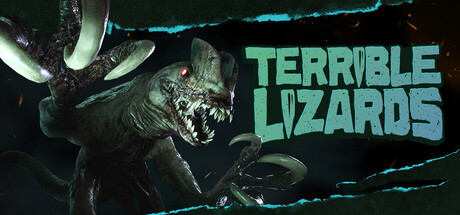
Select Games to Compare

search close
search close

Select up to 2 games to compare side-by-side.

💻
Mobile Hardware & Thermal Intelligence (2026)
Gaming on a Laptop? Check Real-World Compatibility

Benchmark your exact mobile GPU wattage (TGP), battery throttling drops, and cooling pad requirements for these games.

Test Laptop Specs → ⚖️ Compare Laptops

Terrible Lizards vs DEATHLOOP

close close
info General Information
Release Date
Oct 29, 2026 Sep 14, 2021
Developer
WDR Studios LLC Arkane Lyon
Publisher
Digital Pajamas, Behaviour Interactive Inc. Bethesda Softworks
Genre(s)
Action, Adventure, Indie, First-Person Horror, Parkour Platformer Action-Adventure, Immersive Sim, First-Person Shooter, Stealth, Time Loop
Engine
Unreal Engine 5 Void Engine (Modified id Tech)
stars Ratings & Price
Content Rating
Teen Mature 17+
Avg. User Rating
4.6 / 5.0 4.4 / 5.0
Current Price (USD)
$19.99 $59.99
tune Key Specs
Quick Highlights
  • Platforms: PC (Steam), Xbox Series X|S (Game Pass), PlayStation 5
  • Release Date: 2026-10-29
  • Perspective: First-Person
  • Multiplayer: Asymmetrical PvP (Colt vs. Julianna)
  • Setting: Blackreef Island (Subarctic, Alternate 1960s)
  • Platforms: PC (Windows), PlayStation 5, Xbox Series X|S (added later)
  • Unique Feature: Time Loop Assassination Puzzle, Playable Antagonist (Julianna), Supernatural Slabs & Trinkets System, Stylish 1960s Psychedelic Aesthetic, Immersive Sim Design.
sports_esports Gameplay & Mechanics
Companions/Followers
  • Payphone Voice (Audio Guide): Provides urgent guidance and directions through ringing telephone handsets scattered across the attraction zones.
    Human (Telephone Voice)
  • Battery-Powered Handheld Radio: Picks up static-filled emergency broadcasts, warning the player when aggressive predators are nearby.
    Electronic Device
  • None (Gameplay - Colt's Perspective): Colt Vahn operates as a lone assassin throughout his attempts to break the loop. He does not have any AI companions that follow him or assist in combat during his playthrough.
  • Julianna Blake (Via Radio Comms & Invasions): While primarily an antagonist, Julianna is a constant presence via radio, engaging in witty, taunting, and sometimes informative banter with Colt. When she invades (as AI or another player), she acts as a direct, intelligent adversary, but not a companion.
    Human (Visionary)
  • Themselves (Multiple Wenjies): Dr. Wenjie Evans has multiple versions of herself existing simultaneously in her lab due to time loop experiments. While these are all 'Wenjie' and act as enemies, they can sometimes interact with each other or be manipulated by Colt, creating a unique dynamic unlike traditional companions.
    Human (Visionary Clones)
Key Collectibles
  • Dalton's Dinos Audio Cassette Tapes: Found inside ticket booths, employee breakrooms, and executive offices; uncovers the sinister history of the park and staff disappearances.
  • Vintage 1990s Dinosaur Souvenir Plushies: Hidden on high rafters, behind gift shop display racks, and inside prize arcade cranes; unlocks bonus concept art in the gallery.
  • Redacted Genetic Lab Research Logs: Discovered in subterranean observation rooms and containment consoles; details the cloning experiments that spawned the mutant creatures.
  • Slabs & Slab Upgrades: Slabs (supernatural powers) are initially acquired by assassinating the Visionary who possesses them. Slab Upgrades are earned by defeating that Visionary again in subsequent loops, or by defeating an invading Julianna who is using that Slab. These upgrades enhance the functionality of each Slab (e.g., Shift can be upgraded to allow hovering or reaching further).
  • Trinkets (Character & Weapon): Found throughout Blackreef in containers, on Eternalists, or as rewards for completing small objectives or puzzles. Character Trinkets provide passive buffs to Colt (e.g., increased health, double jump, faster movement). Weapon Trinkets enhance firearms (e.g., faster reload, increased accuracy, silenced shots, elemental bullets).
  • Residuum: A shimmering energy resource collected from glowing objects, downed Visionaries, or by sacrificing unwanted Infused gear. Used at the end of each time period (Morning, Noon, Afternoon, Evening) to 'Infuse' weapons, Slabs, and Trinkets, allowing them to be carried over to the next loop. Essential for permanent progression.
  • Documents (Notes, Letters, Schematics, Audiologs): Readable or listenable lore items found throughout all districts. They provide crucial backstory on the AEON Program, the Visionaries, Colt's past, Julianna's motivations, the nature of the time loop, and clues for assassinating targets or solving puzzles. Key to unraveling Blackreef's mystery.
  • Weapon & Gear Tiers (Common, Rare, Epic - Indicated by color): Weapons and some Trinkets can be found in different rarity tiers, with higher tiers often having more perk slots or better base stats. Colt will typically seek out higher-tier versions of his preferred gear.
  • Leads & Discoveries (Visionary Leads, Arsenal Leads): Information gathered by Colt that is tracked in his menu. Visionary Leads provide clues about targets' schedules, weaknesses, and how to manipulate events to line them up for assassination. Arsenal Leads point towards unique weapons or powerful Slabs/Trinkets.
Key Themes
  • Dinosaur Horror
  • 1990s Route 66
  • First-Person Parkour
  • Retro Roadside Americana
  • Subterranean Facility
  • Genetic Experimentation
  • Survival Horror
  • Time Loop & Repetition
  • Breaking Cycles
  • Assassination & Espionage
  • Investigation & Puzzle Solving
  • Rivalry & Pursuit
  • Existentialism & Memory
  • 1960s Psychedelic Aesthetic
  • Free Will vs. Determinism
  • Secrets & Conspiracies
  • Supernatural Powers
colorize Combat & Gear
Weapons Overview
  • Parkour Momentum Dash & Slide: Evasion Traversal Maneuver
    The player's primary means of survival, allowing high-speed sprinting, crouch-sliding under obstacles, and vaulting over barriers to escape charging dinosaurs.
  • Heavy-Duty 1990s Incandescent Flashlight: Environmental Illumination Tool
    Rugged metal flashlight used to cut through subterranean darkness and temporarily disorient light-sensitive troglodytic raptors.
  • Scaffold Wall-Run Technique: Parkour Traversal Mechanic
    Momentum-driven technique to sprint horizontally along billboards, chain-link fences, and concrete walls across bottomless chasms.
  • Environmental Audio Distractions (Soda Cans & Rocks): Stealth Lure Item
    Scattered junk items thrown across rooms to produce sound, luring predatory dinosaurs away from locked exits.
  • Hydraulic Emergency Blast Door Switch: Environmental Trap Mechanism
    Wall-mounted industrial levers pulled during chases to drop heavy steel doors, trapping pursuing carnivores behind you.
  • Pistols (PT-6 'Spiker', Tribunal, .44 Karat Fourpounder - Unique): Handgun (Nailgun, Semi-Auto, Revolver)
    Includes a silent nailgun (Spiker), standard semi-auto pistols, and powerful revolvers. Customizable with Trinkets.
  • Submachine Guns (LIMP-10, MG-1 'Pepper Mill'): Automatic (Close to Medium Range)
    Rapid-firing weapons for close-quarters combat. The Pepper Mill is a heavier SMG/LMG hybrid. Customizable with Trinkets.
  • Shotguns (Strelak 50-50, Vopat Trencher): Close Quarters (High Damage)
    Pump-action and automatic shotguns for devastating close-range damage. Customizable with Trinkets.
  • Rifles (Rapier, Sepulchra Breteira - Unique Sniper): Semi-Auto / Bolt-Action (Medium to Long Range)
    Includes versatile semi-auto rifles and the powerful Sepulchra Breteira sniper rifle. Customizable with Trinkets.
  • Unique Weapons (Constancy Automatic, HALPS Prototype, Strelak Verso, Heritage Gun, etc.): Legendary/Special
    Special named weapons with unique properties, appearances, and often powerful pre-set perks or functionalities (e.g., Strelak Verso transforms between dual pistols and an SMG, HALPS Prototype is a laser cannon). Acquired through specific quests, puzzles, or by killing Visionaries.
  • Machete: Primary Melee
    Colt's default and always-equipped melee weapon. Used for stealth takedowns, breaking objects, and close-quarters combat. Can be infused for temporary buffs.
  • Grenades (Frag, Proximity): Throwable Explosive
    Standard fragmentation grenades and proximity-triggered mines for area denial and dealing with groups.
  • Hackamajig: Utility Tool (Hacking)
    Colt's device for hacking security systems, turrets, sensors, and distracting enemies. Can be upgraded via Trinkets.
  • Slab Powers (Shift, Aether, Karnesis, Nexus, Havoc, Fugue): Supernatural Abilities
    Powerful abilities acquired from Visionaries. Shift (teleport), Aether (invisibility), Karnesis (telekinesis), Nexus (links enemies), Havoc (damage/defense buff), Fugue (confuses enemies). Each has multiple upgrades.
Armor / Gear Sets
  • Vintage Denim Travel Jacket: Abrasion Resistance +15%, Sprint Mobility 100%; durable 1990s denim jacket that protects the player from scrape damage during wall-runs.
  • Athletic Cross-Trainer Sneakers: Grip Traction +30%, Landing Impact Dampening +20%; rubber-soled 1990s sneakers essential for sticking pipe landings and wall-runs.
  • Reinforced Work Gloves: Climbing Speed +25%, Splinter Protection 100%; heavy leather gloves found in maintenance sheds that facilitate rapid chain-link fence climbing.
  • No Traditional Armor System: Colt Vahn does not equip different pieces of armor with varying defensive stats. His survivability is primarily determined by his base health, which can be increased by specific Character Trinkets, and his skill in using Slabs (like Havoc for damage reduction or Aether for invisibility), stealth, and combat.
  • Character Trinkets (Defensive Perks): Colt can equip a limited number of Character Trinkets that provide passive buffs. Some of these offer defensive benefits, such as increased maximum health, faster health regeneration, damage resistance, or reduced damage from specific sources (e.g., falls, explosions). These function as his primary 'armor' system.
  • Slab Abilities (Defensive Uses): Certain Slabs, like Havoc (which absorbs damage and unleashes it), Aether (invisibility for evasion), or Shift (for quick escapes), provide significant defensive capabilities when used effectively.
  • Reprise Ability: Colt has a built-in 'Reprise' ability that allows him to die twice within a single district/time period before the loop fully resets for that district attempt. This acts as a form of extra lives or resilience.
Outfits/Customization
  • Classic 1992 Graphic Tee: Vintage cotton short-sleeve shirt featuring faded retro prints from early 90s road trips.
  • Distressed Blue Denim Jeans: Rugged, comfortable jeans cuffed at the ankles to prevent snags during slides and leaps.
  • Dalton's Dinos Souvenir Cap: Green-and-yellow baseball cap embroidered with the smiling mascot cartoon dinosaur logo.
  • Colt Vahn's Attire (Default & Unlockable Skins): Colt has a signature default outfit (leather jacket, turtleneck). Players can unlock additional cosmetic skins for Colt through game progression, special editions (e.g., 'Party Crasher' skin), or updates. These change his appearance but offer no gameplay advantages.
  • Julianna Blake's Attire (Default & Unlockable Skins): Julianna also has a default outfit and can unlock additional cosmetic skins for when she is player-controlled in the 'Protect the Loop' mode (e.g., 'Sharp Shooter' skin).
  • Weapon Skins (Limited): Some unique or Deluxe Edition weapons come with specific skins. A broader weapon skin customization system is not a primary feature, though Trinkets can sometimes alter weapon appearance slightly or add visual effects.
trending_up Progression & Upgrades
Skills & Progression

Terrible Lizards strips away combat in favor of pure, momentum-based parkour agility. Rather than numerical skill trees, player progression is tied to mastery of movement mechanics: Wall-Running (building speed across vertical billboards and concrete walls to cross bottomless pits), Momentum Slides (ducking under hydraulic doors and dinosaur tail sweeps while maintaining sprint velocity), Cat Leaps & Mantling (scrambling up rusty chain-link fences and shipping containers), Trampoline Bounces (using tarps and canvas awnings to launch high into rafters), and Balance Beams (speedily traversing narrow steel girders above prowling beasts).

N/A
public World & Exploration
World & Level Design

The game takes place across a continuous, multi-tiered environment spanning the surface tourist attraction and sprawling subterranean research caverns. Key zones include: The Route 66 Dino Midway (the sun-bleached outdoor park packed with gift shops, dinosaur statues, ticket booths, and billboard scaffoldings), The Paleontology Exhibition Pavilion (a dusty indoor museum with skeletal displays, rope barriers, and suspended pterosaur models), The Underground Dig Site (vast excavated limestone caverns lined with scaffolding, mine carts, and deep chasms), and The Sub-Level Genetic Laboratory (a sterile, blood-streaked 1990s bunker featuring containment pens, decontamination chambers, and toxic waste canals).

N/A
Playable Vehicles
  • The Broken-Down Sedan: 1980s Passenger Car
    The player's overheated station wagon parked stranded on the shoulder of Route 66, setting the entire survival nightmare into motion.
  • Subterranean Mine Hauler Cart: Industrial Rail Cart
    An abandoned electric rail cart used as dynamic parkour stepping stones across flooded cavern chasms.
  • No Player-Controlled Vehicles (General Traversal)
    Colt Vahn primarily traverses the districts of Blackreef on foot, utilizing his parkour-like agility and supernatural Slab abilities (like Shift for teleportation). There are no player-drivable cars, bikes, or other traditional vehicles for general exploration within the districts.
  • Tunnels / Access Points (Between Districts & Time Periods): Map Transition Mechanic
    Colt travels between the four main districts (Updaam, Karl's Bay, Fristad Rock, The Complex) and advances the time of day (Morning, Noon, Afternoon, Evening) by returning to his underground tunnels/bunker and selecting his next destination and time slot from a map interface. This transition involves a loading screen and is how the 'loop' progresses from one segment to the next.
  • Contextual Traversal Aids (e.g., Ramps for Sliding, Cranes, Rooftops): Environmental Elements
    Levels are designed with verticality and interconnectedness, featuring environmental elements like ramps for sliding, rooftops for parkour, cranes, or other structures that Colt can interact with or use to his advantage for traversal and stealthy approaches.
Notable Fauna/Mounts
  • Mutant Dilophosaurus: Genetically Modified Theropod
    Relentless apex pursuer featuring grotesque double skull crests, chasing players through exhibit halls with terrifying speed.
  • Subterranean Troglodytic Raptor: Blind Cave Dromaeosaur
    Pale, blind pack hunters patrolling subterranean catwalks that hunt purely by sound, vibration, and air currents.
  • The BrachioTitan: Colossal Mutant Sauropod
    A gargantuan, mutated dinosaur whose earth-shattering footsteps cause cave ceilings to collapse into platforming hazards.
  • Corrupted Animatronic Pterosaur: Mechanical Mascot Hybrid
    Swinging ceiling animatronics that malfunction and lunge from the shadows as hazardous obstacle hazards.
N/A
book Story & Characters
Main Characters
  • The College Student (Protagonist): Stranded Traveler / Player Character
    A resourceful college student stranded in 1992 on Route 66 who must rely on athletic parkour skills and quick wits to survive the nightmare.
  • The Mysterious Phone Caller: Enigmatic Guide
    A distressed voice on the attraction payphones who directs the player deeper into the complex, pleading for help to rescue a missing child.
  • Arthur Dalton: Founder of Dalton's Dinos (Audio Logs)
    The ambitious and reckless entrepreneur whose obsession with prehistoric resurrection transformed his tourist trap into a genetic slaughterhouse.
  • Colt Vahn ('The Captain'): Protagonist / Assassin
    The main playable character. An assassin trapped in a time loop on Blackreef with amnesia. He is determined to break the loop by assassinating the eight Visionaries. Known for his wisecracking personality and resourcefulness.
  • Julianna Blake ('Jules', 'Archives Lass'): Antagonist / Rival Assassin / Visionary
    Head of security for the AEON Program and a Visionary. She is also trapped in the loop and actively hunts Colt to protect it, engaging in witty and often taunting radio conversations. Can be controlled by another player or AI.
  • Aleksis 'The Wolf' Dorsey: Visionary / AEON Program Financier
    A hedonistic and narcissistic businessman who throws an extravagant wolf-themed party every night in Updaam. One of Colt's assassination targets.
  • Egor Serling: Visionary / AEON Program Scientist
    A paranoid and eccentric scientist obsessed with self-experimentation and achieving breakthroughs, often found in The Complex or Fristad Rock conducting research.
  • Dr. Wenjie Evans: Visionary / AEON Program Lead Scientist
    The brilliant but cold lead scientist behind the AEON Program and the time loop. Multiple versions of her exist simultaneously in her lab in The Complex due to her experiments.
  • Harriet Morse: Visionary / AEON Program 'Spiritual Leader'
    A cult-like figure who preaches to the Eternalists in Karl's Bay, leading them in bizarre rituals.
  • Frank Spicer: Visionary / AEON Program Musician & Radio Host
    A former rockstar who now runs Blackreef's radio station from his club in Fristad Rock. Known for his ego and elaborate security.
  • Charlie Montague: Visionary / AEON Program Game Designer
    A game designer who has turned his district (Updaam) into a series of elaborate live-action role-playing games, often using Eternalists as participants.
  • Fia Zborowska: Visionary / AEON Program Artist & Archivist
    An artist with a volatile temper, obsessed with a doomsday scenario. She has a secret bunker in Fristad Rock and a complicated relationship with Charlie Montague.
  • Eternalists (Generic NPCs): Inhabitants of Blackreef / Cultists
    The general populace of Blackreef, devoted to the AEON Program and the time loop. They act as common enemies, often engaging in hedonistic or bizarre activities until alerted to Colt's presence.
Example Missions
  • Stranded on Route 66: Prologue & Exploration
    Explore the crumbling entrance of Dalton's Dinos in search of a telephone after your car breaks down in the desert.
  • Escape the Underground Dig Site: High-Speed Parkour Chase
    Sprint, wall-run, and mantle across collapsing mine scaffolds to outrun the relentless mutant Dilophosaurus.
  • The Deep Facility: Finding the Child: Climactic Campaign Finale
    Navigate the lowest containment sectors, evade the colossal BrachioTitan, and uncover the secret behind the telephone voice.
  • Visionary Leads (Assassination Storylines)
    The core progression involves pursuing 'Visionary Leads' for each of the eight targets. These are multi-step investigations across different districts and times of day, where Colt uncovers clues about a Visionary's schedule, habits, weaknesses, relationships, and potential ways to manipulate events to make them vulnerable or gather them with other targets. Completing these leads allows Colt to set up the 'perfect loop' to eliminate all targets in one day.
  • Arsenal Leads (Weapon & Slab Acquisition)
    Specific leads that guide Colt towards acquiring powerful unique weapons, Slabs (supernatural powers from Visionaries), or significant Slab upgrades. These often involve solving puzzles, infiltrating specific locations at certain times, or defeating a Visionary for the first time.
  • Discoveries & Side Puzzles
    Numerous smaller optional tasks, environmental puzzles, hidden safes, or mini-stories found by exploring Blackreef. These can reward Colt with valuable Trinkets, weapons, Residuum, lore documents, or open up new pathways and opportunities within a district.
  • Breaking the Loop (The Final Day)
    Once Colt has gathered all necessary information and set up the required conditions by manipulating events in previous loops, he can attempt the 'final day' sequence. This involves executing a precise plan to assassinate all eight Visionaries across the four districts and time periods, culminating in a final confrontation or decision to break the time loop.
  • Protect the Loop (Playing as Julianna - Online PvP)
    When playing as Julianna, the objective is to invade another player's (Colt's) game session and hunt them down. Julianna wins by killing Colt enough times to force him to reset his current district attempt. She has her own progression, loadouts, and can use map knowledge and traps to her advantage.
people Multiplayer
Multiplayer Details

The game is designed exclusively as a single-player horror parkour experience. By focusing purely on solo play, WDR Studios crafted tightly paced horror encounters, intimate environmental storytelling, and intense, adrenaline-fueled chase sequences where player momentum and claustrophobia are paramount.

1. Protect the Loop (Online PvP): Players can choose to invade another player's game (who is playing as Colt) as Julianna Blake. Julianna's objective is to hunt down and kill Colt, protecting the time loop. She has her own progression, loadouts, and abilities. This mode can also be set to 'Friends Only' or 'Offline' (where Julianna is AI-controlled). 2. Single-Player Campaign (as Colt): The primary mode where players control Colt Vahn, attempting to assassinate the eight Visionaries and break the time loop, while also being hunted by an AI or player-controlled Julianna.

extension Editions & DLC
Available Editions

Terrible Lizards launches globally on October 29, 2026, for PC via Steam, Xbox Series X|S (Day One on Xbox Game Pass), and PlayStation 5, priced at an accessible indie launch price of $19.99 USD. A standalone playable PC demo featuring the opening Route 66 roadside entrance and initial dinosaur chase was released on Steam on September 24, 2026, receiving 'Very Positive' community acclaim. Pre-order bonuses on console and early Steam buyers include a digital soundtrack featuring original songs by JT Music.

Available in Standard Edition and Deluxe Edition. Deluxe Edition included unique weapons (Transtar Trencher, Eat The Rich Tribunal, .44 Karat Fourpounder), character skins ('Party Crasher' Colt, 'Sharp Shooter' Julianna), and original soundtrack selections. Pre-order bonuses often included additional cosmetic items or trinkets.

Post-Launch Content / DLC

WDR Studios and Behaviour Interactive plan to support the game post-launch with community-requested features. Planned updates include a dedicated 'Speedrun Mode' featuring in-game leaderboards, precision split-timers, and customizable ghost runners, an endless 'Survival Chase Gauntlet' where players must outrun escalating waves of mutant dinosaurs across procedural corridors, and expanded accessibility difficulty presets.

A major free update, 'GOLDENLOOP,' was released, adding a new powerful weapon (HALPS Prototype), a new ability (Fugue Slab - makes enemies confused), new enemy types (Paint-Bomber Eternalist), an extended ending, new Trinkets, and cross-play for PvP. No major paid story expansions have been released.

help_outline FAQ
Frequently Asked Questions
  • Q: What is Terrible Lizards?
    A: Terrible Lizards is a first-person horror parkour platformer developed by WDR Studios (JT Music) and published by Digital Pajamas and Behaviour Interactive.
  • Q: When is the release date for Terrible Lizards?
    A: Terrible Lizards launches on October 29, 2026, for PC via Steam, Xbox Series X|S (Day One on Xbox Game Pass), and PlayStation 5.
  • Q: Are there weapons or combat in Terrible Lizards?
    A: No, combat is not an option in Terrible Lizards. Players must rely exclusively on fluid parkour movement—running, jumping, wall-running, sliding, and climbing—to evade deadly predators.
  • Q: Where does Terrible Lizards take place?
    A: The game takes place in the summer of 1992 at 'Dalton's Dinos,' an abandoned Route 66 dinosaur roadside attraction in New Mexico and the secret facility hidden beneath it.
  • Q: Is there a playable demo available?
    A: Yes, a free playable PC demo is available on Steam, offering a thrilling first-look at the game's parkour mechanics and initial dinosaur chase sequences.
  • Q: What is the main objective in DEATHLOOP?
    A: The main objective is to break the time loop by assassinating all eight Visionaries on Blackreef island within a single day. This requires investigating their routines, finding ways to get them in the same place or eliminate them efficiently across four time periods (Morning, Noon, Afternoon, Evening) in four different districts.
  • Q: How does the time loop mechanic work?
    A: The day on Blackreef resets at the end of the Evening, or if Colt dies three times within a single district visit (his 'Reprise' ability allows two revivals). When the loop resets, non-Infused weapons, Slabs, and Trinkets are lost, and Visionaries/Eternalists respawn. However, Colt retains all learned information (Leads) and any gear he has 'Infused' with Residuum.
  • Q: What is Infusion and Residuum?
    A: Residuum is a resource Colt collects from glowing objects or by sacrificing gear. Between time periods (e.g., when returning to his bunker), Colt can spend Residuum to 'Infuse' weapons, Slabs, and Trinkets he wants to keep. Infused items will carry over to subsequent loops, allowing for permanent progression of his loadout.
  • Q: Can another player really hunt you as Julianna?
    A: Yes, DEATHLOOP features an optional online multiplayer mode called 'Protect the Loop.' If enabled, another player can invade your game as Julianna Blake, with the objective of killing Colt. You can also set this to 'Friends Only' or 'Offline' (where an AI Julianna will invade).
  • Q: Are Slabs like Dishonored's powers?
    A: Yes, Slabs are very similar to the supernatural powers found in Arkane's Dishonored series. They grant unique abilities like teleportation (Shift), invisibility (Aether), telekinesis (Karnesis), linking enemies (Nexus), and a combat buff (Havoc). They are acquired from Visionaries and can be upgraded.
  • Q: Is DEATHLOOP connected to the Dishonored universe?
    A: While not officially confirmed as a direct sequel or prequel, there are numerous fan theories and subtle hints within DEATHLOOP (and Dishonored: Death of the Outsider) that suggest a possible connection or shared multiverse between the two Arkane franchises. However, DEATHLOOP can be fully enjoyed as a standalone story.
build Technical Details
Graphics & Visual Fidelity

Powered by Unreal Engine 5, Terrible Lizards contrasts the sunny, nostalgic kitsch of retro 1990s Route 66 Americana with horrific, blood-soaked subterranean body-horror. Lifelike dinosaur models feature slimy, deformed mutant hides, exposed biological cybernetics, and twitching animatronic endoskeletons. Volumetric dust motes dance in flashlight beams, while dynamic neon signs flicker against crumbling brickwork.

Developed on Arkane's Void Engine, DEATHLOOP features a striking art style inspired by 1960s aesthetics, with bold colors, psychedelic patterns, and retro-futuristic designs. Blackreef's districts are visually distinct and detailed. The game uses stylized character models and environments, focusing on artistic direction over photorealism, though with high technical fidelity.

Audio & Soundtrack

Created by the musical minds behind JT Music (John Gelardi and Christian Ames), the audio landscape is one of the game's standout achievements. Dynamic synth-horror and industrial percussive scores surge in tempo whenever a predator spots the player, transitioning seamlessly from ambient desert wind to pounding, heart-stopping chase rhythms. Realistic prehistoric guttural roars, clattering claws on metal gratings, and chilling 1990s audio cassette tape logs enhance the terrifying atmosphere.

Original score composed by Tom Salta, with contributions from other artists like Sencit Music and Erich Talaba. Features a distinctive soundtrack blending 1960s spy thriller themes, psychedelic rock, jazz, and electronic elements, creating a unique and memorable audio identity. In-game licensed tracks also feature. Sound design is crucial for detecting enemies, environmental cues, and the distinct sounds of Slabs and special weapons.

User Interface (UI/UX)

The user interface is entirely diegetic and minimalistic to immerse the player in the 1992 survival scenario. There is no intrusive health bar or stamina meter; instead, player fatigue is communicated through heavy breathing audio, subtle peripheral vignetting, and heartbeat acoustics. Interactive parkour surfaces (such as wall-run planks and climbable pipes) are subtly highlighted through authentic environmental cues like yellow caution paint and scuffed wood.

Features a stylish, 1960s-inspired HUD displaying health, power (for Slabs), equipped weapons/Slabs, and objective markers. A leads system helps track clues and Visionary movements across districts and times of day. Menus for loadouts, Slabs, Trinkets, discoveries, and objectives are accessible. Colt's inner monologue and interactions with Julianna provide constant narrative and guidance.

Accessibility Options

WDR Studios included comprehensive accessibility options: full controller and keyboard/mouse remapping, customizable Field of View (FOV) slider (up to 110 degrees) to combat motion sickness, toggleable screen shake and head bob, high-contrast subtitles with directional speaker tags, customizable colorblind modes, and an optional 'Chase Assist' mode that widens timing windows for ledge mantling.

Offers a range of accessibility options, including customizable controls (PC), extensive subtitle and caption customization, options for aim assist strength, adjustable UI element size, colorblind modes, options to reduce head bob/motion blur, and various gameplay toggles for difficulty and HUD elements.

Gameplay Video
launchWatch launchWatch
Walkthrough/Guide
launchView launchView
settings_applications System Requirements
1080p (Full HD) - Recommended (High Preset, 1080p (60-90 FPS Target))
CPU: Official recommended high-IPC desktop processors delivering fluid 60+ FPS during rapid parkour sequences.
CPU (Laptop): 6-core mobile processor sustaining locked 60 FPS across all indoor and subterranean zones.
GPU: Official recommended graphics cards providing smooth 60-90 FPS at 1080p on High visual presets.
GPU (Laptop): Maintains locked 60-75 FPS on 1080p high-refresh laptop panels.
RAM: Official recommended system memory eliminating texture streaming hitches during high-speed chases.
Storage: Near-instantaneous checkpoint reloads and seamless transition between attraction zones.
memoryCPU: Intel Core i3-10100F / AMD Ryzen 3 3100
developer_boardGPU: NVIDIA GeForce RTX 2080 (8GB) / AMD Radeon RX 6800 XT (16GB)
laptop_macCPU (L): Intel Core i7-10750H / AMD Ryzen 5 4600H
laptop_windowsGPU (L): NVIDIA GeForce RTX 3060 Mobile (85W+) / RTX 4060 Mobile (80W+)
layersRAM: 12 GB
saveStorage (Tier): 25 GB NVMe M.2 SSD
—
1080p (Full HD) - Recommended (1080p ~60 FPS, High Preset) (High Preset)
CPU: Recommended desktop CPU for 1080p/60FPS High settings.
CPU (Laptop): Estimated mid-range to high-end laptop CPUs.
GPU: Recommended desktop GPU for 1080p/60FPS High.
GPU (Laptop): Estimated performance-focused laptop GPUs. 6-8GB VRAM crucial.
RAM: 16GB RAM strongly recommended.
Storage: SSD strongly recommended.
—
memoryCPU: Intel Core i7-9700K @ 3.60GHz or AMD Ryzen 7 2700X
developer_boardGPU: NVIDIA GeForce RTX 2060 (6GB) or AMD Radeon RX 5700 (8GB)
laptop_macCPU (L): Intel Core i7-10750H / AMD Ryzen 7 4800H equivalent or better
laptop_windowsGPU (L): NVIDIA GeForce RTX 2070 Mobile (8GB) / RTX 3060 Mobile (6GB, High TGP). **An RTX 3070 Mobile or RTX 4060 Mobile (High TGP) is a good target for 1080p High 60FPS.**
layersRAM: 16 GB
saveStorage (Tier): 30 GB SSD
1080p (Full HD) - Minimum (1080p ~30 FPS, Low Preset) (Low Preset)
CPU: Minimum desktop CPU for lower settings.
CPU (Laptop): Estimated laptop CPU equivalent. Modern i5/Ryzen 5 H-series recommended.
GPU: Minimum desktop GPU for lower settings.
GPU (Laptop): Estimated laptop GPUs. 6GB VRAM is a practical minimum due to texture detail.
RAM: Minimum RAM requirement.
Storage: HDD absolute minimum, SSD highly recommended.
—
memoryCPU: Intel Core i5-8400 @ 2.80GHz or AMD Ryzen 5 1600
developer_boardGPU: NVIDIA GeForce GTX 1060 (6GB) or AMD Radeon RX 580 (8GB)
laptop_macCPU (L): Intel Core i5-9300H / AMD Ryzen 5 3550H equivalent or better
laptop_windowsGPU (L): NVIDIA GeForce GTX 1060 Mobile (6GB) / GTX 1650 Ti Mobile (4GB). **An RTX 3050 Mobile would be a better starting point for a smoother experience.**
layersRAM: 12 GB
saveStorage (Tier): 30 GB HDD (SSD Strongly Recommended)
1080p (Full HD) - Minimum (Low/Medium Preset, 1080p (30-45 FPS Target))
CPU: Official baseline quad-core processors capable of running physics simulation loops and basic AI behavior.
CPU (Laptop): Entry-level quad-core mobile CPU delivering playable 30-40 FPS during early surface attraction chapters.
GPU: Official minimum dedicated graphics card providing stable 1080p rendering on low-to-medium graphical presets.
GPU (Laptop): Provides smooth 35-45 FPS at 1080p resolution.
RAM: Official minimum system memory required to run baseline game assets and collision meshes.
Storage: Sufficient capacity for base installation and save cache.
memoryCPU: Intel Core i5-6400 / AMD Ryzen 3 1200
developer_boardGPU: NVIDIA GeForce GTX 1050 (2GB) / AMD Radeon RX 560 (2GB)
laptop_macCPU (L): Intel Core i5-8300H / AMD Ryzen 5 3550H
laptop_windowsGPU (L): NVIDIA GeForce GTX 1050 Ti Mobile (4GB) / GTX 1650 Mobile (4GB, 50W+)
layersRAM: 6 GB
saveStorage (Tier): 25 GB available space (SATA SSD / HDD)
—
1440p (QHD/2K) - Enthusiast (Ultra Preset, 1440p (90-120 FPS Target))
CPU: High single-core IPC processor ensuring zero stutter during rapid momentum shifts and complex collision checks.
CPU (Laptop): High-performance mobile CPU delivering fluid 90+ FPS on QHD laptop panels.
GPU: Drives crisp 1440p rendering with maximum volumetric dust, deep shadow mapping, and pristine dinosaur textures.
GPU (Laptop): Maintains locked 85-110 FPS on native 1440p displays.
RAM: Optimal memory bandwidth preventing frame drops during high-speed parkour slides.
Storage: Ultra-fast read speeds guaranteeing instantaneous respawns after fatal encounters.
memoryCPU: Intel Core i5-12600K / AMD Ryzen 5 5600X
developer_boardGPU: NVIDIA GeForce RTX 3070 Ti (8GB) / AMD Radeon RX 6750 XT (12GB)
laptop_macCPU (L): Intel Core i7-12700H / AMD Ryzen 7 6800H
laptop_windowsGPU (L): NVIDIA GeForce RTX 3070 Ti Mobile (115W+) / RTX 4070 Mobile (105W)
layersRAM: 16 GB
saveStorage (Tier): 25 GB PCIe Gen4 NVMe M.2 SSD
—
2160p (UHD/4K) - Ultra (Max Ultra Preset, 4K (60-120 FPS with DLSS/FSR Quality))
CPU: Class-leading gaming CPU driving 4K high refresh rate monitors with zero frame pacing jitter.
CPU (Laptop): Desktop-replacement mobile processor delivering uncompromised 4K external display output.
GPU: Flagship 4K graphics rendering subterranean research vaults, slimy mutant dinosaur hides, and neon 1990s attraction signs in razor-sharp Ultra HD.
GPU (Laptop): Premier mobile flagship GPU delivering locked 4K 60-90 FPS with Frame Generation enabled.
RAM: Ultra-fast memory bandwidth eliminating all hardware bottlenecks.
Storage: Peak NVMe transfer speeds ensuring instant game launch and map loading.
memoryCPU: Intel Core i7-13700K / AMD Ryzen 7 7800X3D
developer_boardGPU: NVIDIA GeForce RTX 4080 (16GB) / AMD Radeon RX 7900 XTX (24GB)
laptop_macCPU (L): Intel Core i9-13900HX / AMD Ryzen 9 7945HX
laptop_windowsGPU (L): NVIDIA GeForce RTX 4090 Mobile (175W)
layersRAM: 32 GB
saveStorage (Tier): 25 GB PCIe Gen4/Gen5 NVMe SSD
—
2160p (UHD/4K) - Ultra (Estimated 2160p/4K ~60 FPS, Ultra Preset, Upscaling Needed) (Ultra Preset, Upscaling (FSR Performance/Balanced or equivalent))
CPU: CPU for 4K/60FPS Ultra.
CPU (Laptop): Top-tier laptop CPU.
GPU: Desktop GPU for 4K/60FPS Ultra. Upscaling essential.
GPU (Laptop): Flagship laptop GPUs. 12GB+ VRAM critical, upscaling vital.
RAM: 32GB RAM essential for smoother 4K Ultra.
Storage: NVMe SSD required.
—
memoryCPU: Intel Core i9-10900K or AMD Ryzen 9 3900X/5900X
developer_boardGPU: NVIDIA GeForce RTX 3080 (10GB) / RTX 4070 Ti (12GB) or AMD Radeon RX 6800 XT (16GB) / RX 7900 XT (20GB)
laptop_macCPU (L): Intel Core i7-11800H / AMD Ryzen 9 5900HS or better. **Modern i9/Ryzen 9 H/HX series.**
laptop_windowsGPU (L): NVIDIA GeForce RTX 3080 Ti Mobile (16GB, Max TGP) / RTX 4080 Mobile (12GB, Max TGP). **An RTX 4090 Mobile would be better. A hypothetical next-gen flagship (RTX 50-series) would provide a more comfortable native-like 4K experience. (Highly Speculative)**
layersRAM: 16 GB
saveStorage (Tier): 30 GB NVMe SSD
save Overall Storage
Spec: 25 GB available space (Solid State Drive Recommended)
Note: Installing on an SSD prevents asset streaming hitches when sprinting at maximum momentum between roadside surface areas and deep underground caverns.
Type: SSD
Spec: 30 GB available space (SSD Recommended).
Note: An SSD is highly recommended for faster loading times between districts and restarting loops.
Type: SSD
desktop_windows Operating System
Spec: Windows 10 / Windows 11 (64-bit)
Explanation: Requires a 64-bit Windows installation for modern multi-threaded task management and low-latency input handling.
Spec: Windows 10 version 1909 or higher (64-bit)
Explanation: 64-bit Windows 10 (specified version or newer) or Windows 11 is required.
gamepad DirectX Version
Spec: DirectX Version 11 (Minimum) / DirectX Version 12 (Recommended)
Explanation: Supports DirectX 11 for broad legacy hardware compatibility and DirectX 12 for modern low-overhead draw call pipelining.
Spec: DirectX 12
Explanation: DirectX 12 API is required.
info_outline Other Game Notes
  • Built in Unreal Engine 5 with responsive first-person momentum physics, high-velocity wall-running mechanics, and atmospheric volumetric lighting. Requires a 64-bit operating system. Designed for high refresh rates (60-120+ FPS) to ensure smooth input responsiveness and accurate parkour timing.
  • Laptop Performance Note: Fast camera rotation, high-speed environmental streaming during continuous wall-runs, and dynamic creature pursuit AI place sustained demands on mobile processors and discrete GPUs. Gaming laptops should maintain at least 60W to 85W TGP and run with high-performance cooling profiles to avoid frame drops during tense escape sequences.
  • Laptop Consideration: G P U T G P: Ensure mobile GeForce or Radeon GPUs sustain at least 60W-80W+ TGP to maintain a locked 60+ FPS during frantic, multi-obstacle dinosaur chases.
  • Laptop Consideration: Cooling Thermals: First-person momentum physics and real-time shadow casting generate sustained heat; elevate the laptop or use a cooling pad to maintain peak GPU boost clocks.
  • Laptop Consideration: C P U Power Limits: Set Windows power settings to High Performance to prevent micro-stuttering during sudden ledge grabs and momentum-based directional shifts.
  • Laptop Consideration: M U X Switch Optimus: Enable discrete GPU mode via internal MUX switch or NVIDIA Advanced Optimus to minimize display latency for frame-perfect jump and slide timings.
  • Optimization Detail: Upscaling Tech: Supports NVIDIA DLSS 2/3, AMD FSR 2/3, and dynamic resolution scaling.
  • Optimization Detail: Key Settings Impact: Volumetric Lighting, Motion Blur, Shadow Quality, and Screen Space Reflections have the greatest impact on maintaining 60+ FPS.
  • Game Name: Terrible Lizards
  • Official PC system requirements from Arkane Lyon/Bethesda. Performance can vary depending on specific hardware, settings, areas in-game (especially those with many NPCs or complex geometry), and background applications. An SSD is strongly recommended for optimal loading times within the loop structure.
  • Laptop Performance Note: Laptop models of listed desktop GPUs will require comparable performance, high TGP (Total Graphics Power), and good cooling. **DEATHLOOP can be demanding, particularly at higher settings or resolutions, due to its detailed environments and dynamic AI.**
  • Laptop Consideration: G P U T G P: Good TGP is important for consistent framerates.
  • Laptop Consideration: Cooling Thermals: Robust cooling is essential for sustained performance.
  • Laptop Consideration: C P U Power Limits: A decent CPU is needed for AI pathfinding and managing the dynamic loop events.
  • Laptop Consideration: R A M Speed Dual Channel: Fast dual-channel RAM benefits performance.
  • Laptop Consideration: M U X Switch Optimus: Using a MUX switch or NVIDIA Advanced Optimus is recommended.
  • Optimization Detail: Upscaling Tech: Supports AMD FSR 1.0 & 2.0. NVIDIA DLSS support is not native but might be achievable via mods or driver-level settings for some users.
  • Optimization Detail: Key Settings Impact: Texture Quality, Shadow Quality, Model Detail, Ambient Occlusion (HBAO+), View Distance, Anti-Aliasing, and Post-Processing effects heavily impact performance.
  • Game Name: DEATHLOOP
build Optimization Details
  • Upscaling Tech: Supports NVIDIA DLSS 2/3, AMD FSR 2/3, and dynamic resolution scaling.
  • Key Settings Impact: Volumetric Lighting, Motion Blur, Shadow Quality, and Screen Space Reflections have the greatest impact on maintaining 60+ FPS.
  • Upscaling Tech: Supports AMD FSR 1.0 & 2.0. NVIDIA DLSS support is not native but might be achievable via mods or driver-level settings for some users.
  • Key Settings Impact: Texture Quality, Shadow Quality, Model Detail, Ambient Occlusion (HBAO+), View Distance, Anti-Aliasing, and Post-Processing effects heavily impact performance.
laptop Laptop Considerations
  • G P U T G P: Ensure mobile GeForce or Radeon GPUs sustain at least 60W-80W+ TGP to maintain a locked 60+ FPS during frantic, multi-obstacle dinosaur chases.
  • Cooling Thermals: First-person momentum physics and real-time shadow casting generate sustained heat; elevate the laptop or use a cooling pad to maintain peak GPU boost clocks.
  • C P U Power Limits: Set Windows power settings to High Performance to prevent micro-stuttering during sudden ledge grabs and momentum-based directional shifts.
  • M U X Switch Optimus: Enable discrete GPU mode via internal MUX switch or NVIDIA Advanced Optimus to minimize display latency for frame-perfect jump and slide timings.
  • G P U T G P: Good TGP is important for consistent framerates.
  • Cooling Thermals: Robust cooling is essential for sustained performance.
  • C P U Power Limits: A decent CPU is needed for AI pathfinding and managing the dynamic loop events.
  • R A M Speed Dual Channel: Fast dual-channel RAM benefits performance.
  • M U X Switch Optimus: Using a MUX switch or NVIDIA Advanced Optimus is recommended.

info_outline Feature details based on available data. System requirements and performance estimates may vary.

laptop_chromebook Laptop Recommendations

Common Recommendations (Handles All Compared Games)

check_circle_outline Recommended based on listed requirements for Full HD (1080p).
MSI Pulse GL66 with RTX 3070 and i7 12th Gen
  • memory Intel Core i7-12700H
  • developer_board NVIDIA GeForce RTX 3070
  • layers 32GB DDR4-3200MHz
  • track_changes Target GPU: NVIDIA GeForce GTX 1050 Ti Mobile (4GB) / GTX 1650 Mobile (4GB, 50W+)

Acer Nitro V with RTX 4060 and i9 13th Gen
  • memory Intel Core i9-13900H
  • developer_board NVIDIA GeForce RTX 4060
  • layers 16GB DDR5-5200MHz
  • track_changes Target GPU: NVIDIA GeForce GTX 1050 Ti Mobile (4GB) / GTX 1650 Mobile (4GB, 50W+)
Lenovo Legion Pro 5i (i9-14900HX, RTX 4060)
  • memory Intel Core i9-14900HX
  • developer_board NVIDIA GeForce RTX 4060
  • layers 32GB DDR5-5600MHz
  • track_changes Target GPU: NVIDIA GeForce GTX 1050 Ti Mobile (4GB) / GTX 1650 Mobile (4GB, 50W+)
check_circle_outline Recommended based on listed requirements for QHD (1440p).
Asus Rog Strix Scar 15 with RTX 3070 Ti and i9 12th Gen
  • memory Intel Core i9-12900H
  • developer_board NVIDIA GeForce RTX 3070 Ti
  • layers 16GB DDR5-4800MHz
  • track_changes Target GPU: NVIDIA GeForce RTX 3070 Ti Mobile (115W+) / RTX 4070 Mobile (105W)
ASUS TUF A15 with RTX 3050 and Ryzen 7
  • memory AMD Ryzen 7 7435HS
  • developer_board NVIDIA GeForce RTX 3050
  • layers 32GB DDR5-4800MHz
  • track_changes Target GPU: NVIDIA GeForce RTX 3070 Ti Mobile (115W+) / RTX 4070 Mobile (105W)
MSI Creator M16 HX with RTX 4070
  • memory Intel Core i9-14900HX
  • developer_board NVIDIA GeForce RTX 4070
  • layers 32GB DDR5-5600MHz
  • track_changes Target GPU: NVIDIA GeForce RTX 3070 Ti Mobile (115W+) / RTX 4070 Mobile (105W)
check_circle_outline Recommended based on listed requirements for UHD (4K).
Lenovo Legion Pro 7 16IRX9H with RTX 4090
  • memory Intel Core i9-14900HX
  • developer_board NVIDIA GeForce RTX 4090
  • layers 32GB DDR5-5600MHz
  • track_changes Target GPU: NVIDIA GeForce RTX 4090 Mobile (175W)
LG Gram Pro 17 with RTX 5050
  • memory Intel Core Ultra 9 285H (Series 2) , 14 cores (6 Performance cores + 8 Efficient cores), 20 threads
  • developer_board NVIDIA GeForce RTX 5050 Laptop GPU
  • layers 32GB (2x16GB) DDR5 8400MHz SO-DIMM
  • track_changes Target GPU: NVIDIA GeForce RTX 4090 Mobile (175W)
HP OMEN Ultra Slim 16 (RTX 5070 & Intel i9)
  • memory Intel Core Ultra 9 285H
  • developer_board NVIDIA GeForce RTX 5070
  • layers 32GB (2x16GB) DDR5 4800MHz SO-DIMM
  • track_changes Target GPU: NVIDIA GeForce RTX 4090 Mobile (175W)
MSI Katana 15 with RTX 4070
  • memory Intel Core i7-13620H
  • developer_board NVIDIA GeForce RTX 4070
  • layers 16GB DDR5-4800MHz
  • track_changes Target GPU: NVIDIA GeForce RTX 3080 Ti Mobile (16GB, Max TGP) / RTX 4080 Mobile (12GB, Max TGP). **An RTX 4090 Mobile would be better. A hypothetical next-gen flagship (RTX 50-series) would provide a more comfortable native-like 4K experience. (Highly Speculative)**
Alienware M18 with RTX 4070
  • memory Intel Core i7-14700HX
  • developer_board NVIDIA GeForce RTX 4070
  • layers 16GB DDR5-5600MHz
  • track_changes Target GPU: NVIDIA GeForce RTX 3080 Ti Mobile (16GB, Max TGP) / RTX 4080 Mobile (12GB, Max TGP). **An RTX 4090 Mobile would be better. A hypothetical next-gen flagship (RTX 50-series) would provide a more comfortable native-like 4K experience. (Highly Speculative)**
MSI Creator M16 HX with RTX 4070
  • memory Intel Core i9-14900HX
  • developer_board NVIDIA GeForce RTX 4070
  • layers 32GB DDR5-5600MHz
  • track_changes Target GPU: NVIDIA GeForce RTX 3080 Ti Mobile (16GB, Max TGP) / RTX 4080 Mobile (12GB, Max TGP). **An RTX 4090 Mobile would be better. A hypothetical next-gen flagship (RTX 50-series) would provide a more comfortable native-like 4K experience. (Highly Speculative)**

For Terrible Lizards Specifically

check_circle_outline Recommended based on listed requirements for Full HD (1080p).
MSI Pulse GL66 with RTX 3070 and i7 12th Gen
  • memory Intel Core i7-12700H
  • developer_board NVIDIA GeForce RTX 3070
  • layers 32GB DDR4-3200MHz
  • track_changes Target GPU: NVIDIA GeForce GTX 1050 (2GB) / AMD Radeon RX 560 (2GB)
Acer Nitro V with RTX 4060 and i9 13th Gen
  • memory Intel Core i9-13900H
  • developer_board NVIDIA GeForce RTX 4060
  • layers 16GB DDR5-5200MHz
  • track_changes Target GPU: NVIDIA GeForce GTX 1050 (2GB) / AMD Radeon RX 560 (2GB)

Lenovo Legion Pro 5i (i9-14900HX, RTX 4060)
  • memory Intel Core i9-14900HX
  • developer_board NVIDIA GeForce RTX 4060
  • layers 32GB DDR5-5600MHz
  • track_changes Target GPU: NVIDIA GeForce GTX 1050 (2GB) / AMD Radeon RX 560 (2GB)
Asus Rog Strix Scar 15 with RTX 3070 Ti and i9 12th Gen
  • memory Intel Core i9-12900H
  • developer_board NVIDIA GeForce RTX 3070 Ti
  • layers 16GB DDR5-4800MHz
  • track_changes Target GPU: NVIDIA GeForce GTX 1050 (2GB) / AMD Radeon RX 560 (2GB)

HP Victus 15 with RTX 3050 and i5 12th Gen
  • memory Intel Core i5-12450H
  • developer_board NVIDIA GeForce RTX 3050
  • layers 16GB DDR4-3200MHz
  • track_changes Target GPU: NVIDIA GeForce GTX 1050 (2GB) / AMD Radeon RX 560 (2GB)
Acer Nitro 5 with RTX 3050 Ti and i5 12th Gen
  • memory Intel Core i5-12500H
  • developer_board NVIDIA GeForce RTX 3050 Ti
  • layers 16GB DDR4-3200MHz
  • track_changes Target GPU: NVIDIA GeForce GTX 1050 (2GB) / AMD Radeon RX 560 (2GB)
ASUS TUF A15 with RTX 3050 and Ryzen 7
  • memory AMD Ryzen 7 7435HS
  • developer_board NVIDIA GeForce RTX 3050
  • layers 32GB DDR5-4800MHz
  • track_changes Target GPU: NVIDIA GeForce GTX 1050 (2GB) / AMD Radeon RX 560 (2GB)
ASUS ROG Strix G15 with RTX 3060 and Ryzen 7
  • memory AMD Ryzen 7 6800H
  • developer_board NVIDIA GeForce RTX 3060
  • layers 16GB DDR5-4800MHz
  • track_changes Target GPU: NVIDIA GeForce GTX 1050 (2GB) / AMD Radeon RX 560 (2GB)
ASUS ROG Zephyrus G15 Ultra with RTX 3080 and Ryzen 9
  • memory AMD Ryzen 9 5900HS
  • developer_board NVIDIA GeForce RTX 3080
  • layers 16GB DDR4-3200MHz
  • track_changes Target GPU: NVIDIA GeForce GTX 1050 (2GB) / AMD Radeon RX 560 (2GB)
MSI Katana 15 with RTX 4070
  • memory Intel Core i7-13620H
  • developer_board NVIDIA GeForce RTX 4070
  • layers 16GB DDR5-4800MHz
  • track_changes Target GPU: NVIDIA GeForce GTX 1050 (2GB) / AMD Radeon RX 560 (2GB)
Alienware M18 with RTX 4070
  • memory Intel Core i7-14700HX
  • developer_board NVIDIA GeForce RTX 4070
  • layers 16GB DDR5-5600MHz
  • track_changes Target GPU: NVIDIA GeForce RTX 2080 (8GB) / AMD Radeon RX 6800 XT (16GB)
MSI Creator M16 HX with RTX 4070
  • memory Intel Core i9-14900HX
  • developer_board NVIDIA GeForce RTX 4070
  • layers 32GB DDR5-5600MHz
  • track_changes Target GPU: NVIDIA GeForce RTX 2080 (8GB) / AMD Radeon RX 6800 XT (16GB)
check_circle_outline Recommended based on listed requirements for QHD (1440p).
Asus Rog Strix Scar 15 with RTX 3070 Ti and i9 12th Gen
  • memory Intel Core i9-12900H
  • developer_board NVIDIA GeForce RTX 3070 Ti
  • layers 16GB DDR5-4800MHz
  • track_changes Target GPU: NVIDIA GeForce RTX 3070 Ti (8GB) / AMD Radeon RX 6750 XT (12GB)
ASUS TUF A15 with RTX 3050 and Ryzen 7
  • memory AMD Ryzen 7 7435HS
  • developer_board NVIDIA GeForce RTX 3050
  • layers 32GB DDR5-4800MHz
  • track_changes Target GPU: NVIDIA GeForce RTX 3070 Ti (8GB) / AMD Radeon RX 6750 XT (12GB)

MSI Creator M16 HX with RTX 4070
  • memory Intel Core i9-14900HX
  • developer_board NVIDIA GeForce RTX 4070
  • layers 32GB DDR5-5600MHz
  • track_changes Target GPU: NVIDIA GeForce RTX 3070 Ti (8GB) / AMD Radeon RX 6750 XT (12GB)
ASUS ROG Strix G16 with RTX 4070
  • memory Intel Core i9-14900HX
  • developer_board NVIDIA GeForce RTX 4070
  • layers 16GB DDR5-5600MHz
  • track_changes Target GPU: NVIDIA GeForce RTX 3070 Ti (8GB) / AMD Radeon RX 6750 XT (12GB)
MSI Cyborg 15 (RTX 5050 & Intel 7)
  • memory Intel Core Ultra 7 255H
  • developer_board NVIDIA GeForce RTX 5060 Laptop GPU
  • layers 16GB DDR5-5600MHz (Dual-Channel)
  • track_changes Target GPU: NVIDIA GeForce RTX 3070 Ti (8GB) / AMD Radeon RX 6750 XT (12GB)

HP Omen 16 (RTX 5060 & Ryzen 9 8940HX)
  • memory AMD Ryzen 9 8940HX Processor
  • developer_board NVIDIA GeForce RTX 5060 Laptop GPU
  • layers 32GB DDR5-5200MHz
  • track_changes Target GPU: NVIDIA GeForce RTX 3070 Ti (8GB) / AMD Radeon RX 6750 XT (12GB)
ASUS ROG Strix Scar 17 Se with RTX 3080 Ti  and i9
ASUS ROG Strix Scar 17 Se with RTX 3080 Ti and i9
  • memory Intel Core i9-12950HX
  • developer_board NVIDIA GeForce RTX 3080 Ti
  • layers 32GB DDR5-4800MHz
  • track_changes Target GPU: NVIDIA GeForce RTX 3070 Ti (8GB) / AMD Radeon RX 6750 XT (12GB)
HP Victus 15 (RTX 4050 & Ryzen 7)
  • memory AMD Ryzen 7 7445HS
  • developer_board NVIDIA GeForce RTX 4050
  • layers 16GB (2x8GB) DDR5 5600MHz SO-DIMM
  • track_changes Target GPU: NVIDIA GeForce RTX 3070 Ti (8GB) / AMD Radeon RX 6750 XT (12GB)
ASUS TUF Gaming  A16 with RTX 4050
ASUS TUF Gaming A16 with RTX 4050
  • memory AMD Ryzen 7 7445HS
  • developer_board NVIDIA GeForce RTX 4050
  • layers 16GB DDR5 5600MHz SO-DIMM
  • track_changes Target GPU: NVIDIA GeForce RTX 3070 Ti (8GB) / AMD Radeon RX 6750 XT (12GB)
HP OMEN 16 with RTX 4080 and intel i9 14th Gen
  • memory Intel Core i9-14900HX
  • developer_board NVIDIA GeForce RTX 4080 Laptop GPU
  • layers 64 GB DDR5-5600MHz
  • track_changes Target GPU: NVIDIA GeForce RTX 3070 Ti (8GB) / AMD Radeon RX 6750 XT (12GB)
check_circle_outline Recommended based on listed requirements for UHD (4K).
LG Gram Pro 17 with RTX 5050
  • memory Intel Core Ultra 9 285H (Series 2) , 14 cores (6 Performance cores + 8 Efficient cores), 20 threads
  • developer_board NVIDIA GeForce RTX 5050 Laptop GPU
  • layers 32GB (2x16GB) DDR5 8400MHz SO-DIMM
  • track_changes Target GPU: NVIDIA GeForce RTX 4080 (16GB) / AMD Radeon RX 7900 XTX (24GB)
HP OMEN Ultra Slim 16 (RTX 5070 & Intel i9)
  • memory Intel Core Ultra 9 285H
  • developer_board NVIDIA GeForce RTX 5070
  • layers 32GB (2x16GB) DDR5 4800MHz SO-DIMM
  • track_changes Target GPU: NVIDIA GeForce RTX 4080 (16GB) / AMD Radeon RX 7900 XTX (24GB)
Thunderobot Radiant 16 (RTX 5070 Ti & Intel i9 14th Gen)
  • memory Intel Core i9-14900HX Processor
  • developer_board NVIDIA GeForce RTX 5070 Ti Laptop GPU
  • layers 64GB DDR5-5600MHz (commonly listed as 4800MHz by some retailers, but 5600MHz is common for 14th Gen HX with DDR5)
  • track_changes Target GPU: NVIDIA GeForce RTX 4080 (16GB) / AMD Radeon RX 7900 XTX (24GB)
Lenovo Legion Pro 7i Gen 10 with RTX 5070 Ti
  • memory Intel Core Ultra 9 Processor 275HX
  • developer_board NVIDIA GeForce RTX 5070 Ti Laptop GPU
  • layers 64GB DDR5-6400MHz
  • track_changes Target GPU: NVIDIA GeForce RTX 4080 (16GB) / AMD Radeon RX 7900 XTX (24GB)
GIGABYTE AORUS Master 16 (RTX 5070 Ti & Intel Core Ultra 9 275HX)
  • memory Intel Core Ultra 9 Processor 275HX (Series 2)
  • developer_board NVIDIA GeForce RTX 5070 Ti Laptop GPU
  • layers 32GB DDR5-5600MHz
  • track_changes Target GPU: NVIDIA GeForce RTX 4080 (16GB) / AMD Radeon RX 7900 XTX (24GB)

MSI Vector 16 HX with RTX 5070 Ti
  • memory Intel Ultra 7 255HX
  • developer_board NVIDIA GeForce RTX 5070 Ti
  • layers 32GB DDR5 5600MHz
  • track_changes Target GPU: NVIDIA GeForce RTX 4080 (16GB) / AMD Radeon RX 7900 XTX (24GB)
GIGABYTE A16 Pro (RTX 5070 Ti & Intel Core Ultra 7)
  • memory Intel Core Ultra 7 240H
  • developer_board NVIDIA GeForce RTX 5070 Ti Laptop GPU
  • layers 32GB LPDDR5X 5600MHz
  • track_changes Target GPU: NVIDIA GeForce RTX 4080 (16GB) / AMD Radeon RX 7900 XTX (24GB)
XMG Fusion 16 (RTX 5070 & Ultra 9)
  • memory Intel Core Ultra 9 275HX
  • developer_board GeForce RTX 5070 Laptop Laptop GPU
  • layers 64GB DDR5-6400MHz (Single-Channel)
  • track_changes Target GPU: NVIDIA GeForce RTX 4080 (16GB) / AMD Radeon RX 7900 XTX (24GB)
Lenovo Legion Pro 5i Gen 10 (RTX 5070 Ti & Intel Core Ultra 9 275HX)
  • memory Intel Core Ultra 9 275HX
  • developer_board NVIDIA GeForce RTX 5070 Ti
  • layers 32GB
  • track_changes Target GPU: NVIDIA GeForce RTX 4080 (16GB) / AMD Radeon RX 7900 XTX (24GB)
Acer Predator Helios Neo 16S (RTX 5070 Ti & Intel Ultra 9 275HX)
  • memory Intel Core Ultra 9 275HX
  • developer_board NVIDIA GeForce RTX 5070 Ti Laptop GPU
  • layers 32 GB DDR5 6400MHz (2x16GB)
  • track_changes Target GPU: NVIDIA GeForce RTX 4080 (16GB) / AMD Radeon RX 7900 XTX (24GB)

For DEATHLOOP Specifically

check_circle_outline Recommended based on listed requirements for Full HD (1080p).
MSI Pulse GL66 with RTX 3070 and i7 12th Gen
  • memory Intel Core i7-12700H
  • developer_board NVIDIA GeForce RTX 3070
  • layers 32GB DDR4-3200MHz
  • track_changes Target GPU: NVIDIA GeForce GTX 1060 (6GB) or AMD Radeon RX 580 (8GB)
Acer Nitro V with RTX 4060 and i9 13th Gen
  • memory Intel Core i9-13900H
  • developer_board NVIDIA GeForce RTX 4060
  • layers 16GB DDR5-5200MHz
  • track_changes Target GPU: NVIDIA GeForce GTX 1060 (6GB) or AMD Radeon RX 580 (8GB)
Lenovo Legion Pro 5i (i9-14900HX, RTX 4060)
  • memory Intel Core i9-14900HX
  • developer_board NVIDIA GeForce RTX 4060
  • layers 32GB DDR5-5600MHz
  • track_changes Target GPU: NVIDIA GeForce GTX 1060 (6GB) or AMD Radeon RX 580 (8GB)
Asus Rog Strix Scar 15 with RTX 3070 Ti and i9 12th Gen
  • memory Intel Core i9-12900H
  • developer_board NVIDIA GeForce RTX 3070 Ti
  • layers 16GB DDR5-4800MHz
  • track_changes Target GPU: NVIDIA GeForce GTX 1060 (6GB) or AMD Radeon RX 580 (8GB)
HP Victus 15 with RTX 3050 and i5 12th Gen
  • memory Intel Core i5-12450H
  • developer_board NVIDIA GeForce RTX 3050
  • layers 16GB DDR4-3200MHz
  • track_changes Target GPU: NVIDIA GeForce GTX 1060 (6GB) or AMD Radeon RX 580 (8GB)
Acer Nitro 5 with RTX 3050 Ti and i5 12th Gen
  • memory Intel Core i5-12500H
  • developer_board NVIDIA GeForce RTX 3050 Ti
  • layers 16GB DDR4-3200MHz
  • track_changes Target GPU: NVIDIA GeForce GTX 1060 (6GB) or AMD Radeon RX 580 (8GB)
ASUS TUF A15 with RTX 3050 and Ryzen 7
  • memory AMD Ryzen 7 7435HS
  • developer_board NVIDIA GeForce RTX 3050
  • layers 32GB DDR5-4800MHz
  • track_changes Target GPU: NVIDIA GeForce GTX 1060 (6GB) or AMD Radeon RX 580 (8GB)
ASUS ROG Strix G15 with RTX 3060 and Ryzen 7
  • memory AMD Ryzen 7 6800H
  • developer_board NVIDIA GeForce RTX 3060
  • layers 16GB DDR5-4800MHz
  • track_changes Target GPU: NVIDIA GeForce GTX 1060 (6GB) or AMD Radeon RX 580 (8GB)
ASUS ROG Zephyrus G15 Ultra with RTX 3080 and Ryzen 9
  • memory AMD Ryzen 9 5900HS
  • developer_board NVIDIA GeForce RTX 3080
  • layers 16GB DDR4-3200MHz
  • track_changes Target GPU: NVIDIA GeForce GTX 1060 (6GB) or AMD Radeon RX 580 (8GB)
MSI Katana 15 with RTX 4070
  • memory Intel Core i7-13620H
  • developer_board NVIDIA GeForce RTX 4070
  • layers 16GB DDR5-4800MHz
  • track_changes Target GPU: NVIDIA GeForce GTX 1060 (6GB) or AMD Radeon RX 580 (8GB)
Alienware M18 with RTX 4070
  • memory Intel Core i7-14700HX
  • developer_board NVIDIA GeForce RTX 4070
  • layers 16GB DDR5-5600MHz
  • track_changes Target GPU: NVIDIA GeForce RTX 2060 (6GB) or AMD Radeon RX 5700 (8GB)
MSI Creator M16 HX with RTX 4070
  • memory Intel Core i9-14900HX
  • developer_board NVIDIA GeForce RTX 4070
  • layers 32GB DDR5-5600MHz
  • track_changes Target GPU: NVIDIA GeForce RTX 2060 (6GB) or AMD Radeon RX 5700 (8GB)
check_circle_outline Recommended based on listed requirements for UHD (4K).
MSI Katana 15 with RTX 4070
  • memory Intel Core i7-13620H
  • developer_board NVIDIA GeForce RTX 4070
  • layers 16GB DDR5-4800MHz
  • track_changes Target GPU: NVIDIA GeForce RTX 3080 (10GB) / RTX 4070 Ti (12GB) or AMD Radeon RX 6800 XT (16GB) / RX 7900 XT (20GB)
Alienware M18 with RTX 4070
  • memory Intel Core i7-14700HX
  • developer_board NVIDIA GeForce RTX 4070
  • layers 16GB DDR5-5600MHz
  • track_changes Target GPU: NVIDIA GeForce RTX 3080 (10GB) / RTX 4070 Ti (12GB) or AMD Radeon RX 6800 XT (16GB) / RX 7900 XT (20GB)
MSI Creator M16 HX with RTX 4070
  • memory Intel Core i9-14900HX
  • developer_board NVIDIA GeForce RTX 4070
  • layers 32GB DDR5-5600MHz
  • track_changes Target GPU: NVIDIA GeForce RTX 3080 (10GB) / RTX 4070 Ti (12GB) or AMD Radeon RX 6800 XT (16GB) / RX 7900 XT (20GB)
ASUS ROG Strix G16 with RTX 4070
  • memory Intel Core i9-14900HX
  • developer_board NVIDIA GeForce RTX 4070
  • layers 16GB DDR5-5600MHz
  • track_changes Target GPU: NVIDIA GeForce RTX 3080 (10GB) / RTX 4070 Ti (12GB) or AMD Radeon RX 6800 XT (16GB) / RX 7900 XT (20GB)
MSI Cyborg 15 (RTX 5050 & Intel 7)
  • memory Intel Core Ultra 7 255H
  • developer_board NVIDIA GeForce RTX 5060 Laptop GPU
  • layers 16GB DDR5-5600MHz (Dual-Channel)
  • track_changes Target GPU: NVIDIA GeForce RTX 3080 (10GB) / RTX 4070 Ti (12GB) or AMD Radeon RX 6800 XT (16GB) / RX 7900 XT (20GB)
HP Omen 16 (RTX 5060 & Ryzen 9 8940HX)
  • memory AMD Ryzen 9 8940HX Processor
  • developer_board NVIDIA GeForce RTX 5060 Laptop GPU
  • layers 32GB DDR5-5200MHz
  • track_changes Target GPU: NVIDIA GeForce RTX 3080 (10GB) / RTX 4070 Ti (12GB) or AMD Radeon RX 6800 XT (16GB) / RX 7900 XT (20GB)
ASUS ROG Strix Scar 17 Se with RTX 3080 Ti  and i9
ASUS ROG Strix Scar 17 Se with RTX 3080 Ti and i9
  • memory Intel Core i9-12950HX
  • developer_board NVIDIA GeForce RTX 3080 Ti
  • layers 32GB DDR5-4800MHz
  • track_changes Target GPU: NVIDIA GeForce RTX 3080 (10GB) / RTX 4070 Ti (12GB) or AMD Radeon RX 6800 XT (16GB) / RX 7900 XT (20GB)
HP Victus 15 (RTX 4050 & Ryzen 7)
  • memory AMD Ryzen 7 7445HS
  • developer_board NVIDIA GeForce RTX 4050
  • layers 16GB (2x8GB) DDR5 5600MHz SO-DIMM
  • track_changes Target GPU: NVIDIA GeForce RTX 3080 (10GB) / RTX 4070 Ti (12GB) or AMD Radeon RX 6800 XT (16GB) / RX 7900 XT (20GB)
ASUS TUF Gaming  A16 with RTX 4050
ASUS TUF Gaming A16 with RTX 4050
  • memory AMD Ryzen 7 7445HS
  • developer_board NVIDIA GeForce RTX 4050
  • layers 16GB DDR5 5600MHz SO-DIMM
  • track_changes Target GPU: NVIDIA GeForce RTX 3080 (10GB) / RTX 4070 Ti (12GB) or AMD Radeon RX 6800 XT (16GB) / RX 7900 XT (20GB)
HP OMEN 16 with RTX 4080 and intel i9 14th Gen
  • memory Intel Core i9-14900HX
  • developer_board NVIDIA GeForce RTX 4080 Laptop GPU
  • layers 64 GB DDR5-5600MHz
  • track_changes Target GPU: NVIDIA GeForce RTX 3080 (10GB) / RTX 4070 Ti (12GB) or AMD Radeon RX 6800 XT (16GB) / RX 7900 XT (20GB)

info_outline Laptop recommendations are estimates based on available component benchmarks and game requirements. Actual performance may vary depending on settings, drivers, cooling, power limits, etc. Prices and availability subject to change. As an Amazon Associate, we earn from qualifying purchases.

Processing...