Select Games to Compare
Benchmark your exact mobile GPU wattage (TGP), battery throttling drops, and cooling pad requirements for these games.
Stranded Deep 2 vs Of Peaks and Tides
| close | close |
|---|---|
| shopping_cart Where to Buy | |
| info General Information | |
| Release Date | |
| Jun 15, 2027 | Mar 19, 2026 |
| Developer | |
| North Beach Games Prague | CyancookGames |
| Publisher | |
| North Beach Games | CyancookGames |
| Genre(s) | |
| Survival Sandbox | Open World, Survival, Crafting, Action RPG, Adventure |
| Engine | |
| Proprietary Engine | Unreal Engine 5 |
| stars Ratings & Price | |
| Content Rating | |
| T | M (Mature 17+) |
| Avg. User Rating | |
| 4.5 / 5.0 | 0.0 / 5.0 |
| Current Price (USD) | |
| $29.99 | $59.99 |
| tune Key Specs | |
| Quick Highlights | |
|
|
| sports_esports Gameplay & Mechanics | |
| Companions/Followers | |
|
|
| Key Collectibles | |
|
|
| Key Themes | |
|
|
| colorize Combat & Gear | |
| Weapons Overview | |
|
|
| Armor / Gear Sets | |
|
|
| Outfits/Customization | |
|
|
| trending_up Progression & Upgrades | |
| Skills & Progression | |
|
Stranded Deep 2 reimagines survival crafting with a robust component-based matrix that replaces traditional, rigid crafting recipes. Players utilize three core engineering components—framing materials, fill materials, and binding materials—to construct their tools and bases. The physical properties of the exact materials chosen, such as using lightweight river reeds versus dense canyon hardwood for a spear shaft, directly influence the durability and efficiency of the crafted item. This system demands meticulous resource management and physical inventory spacing, as resources scale realistically (e.g., one tree yields exactly four logs). Progression is tied to technological ascent, moving from primitive stone tools and flimsy kayaks to massive, heavily defended mobile floating fortresses equipped with advanced modules. |
Progression revolves around survival, crafting, and building. Players forage for resources to craft everything from simple tools to 'roaring engines of war'. There is no traditional skill tree mentioned; instead, progression is tied to what the player builds and the creatures they tame. |
| public World & Exploration | |
| World & Level Design | |
|
The map completely abandons the static oceanic archipelago in favor of an infinitely generating river network utilizing voxel-based topography. The world is procedurally generated as the player travels downstream but is seamlessly interspersed with handcrafted modular chunks, ruins, and resource nodes to prevent environmental fatigue. Players can dynamically alter this map using advanced voxel terrain deformation tools to dig irrigation channels or redirect water currents. Because of the directional flow of the endless river, the landscape constantly pushes the player into new, escalating biomes, including deep river bends, shallow banks, arid prairies, and towering canyon networks, all without requiring massive storage space on the player's hard drive. |
The game features a vast, seamless open world with diverse biomes, including lush valleys and rugged peaks. Exploration is a key pillar, with traversal possible by land, sea, and air via tamed winged creatures. |
| Playable Vehicles | |
|
|
| Notable Fauna/Mounts | |
|
N/A |
| book Story & Characters | |
| Main Characters | |
|
|
| Example Missions | |
|
|
| people Multiplayer | |
| Multiplayer Details | |
|
Cooperative multiplayer is elevated to a 'first-class feature' in Stranded Deep 2. The entire game's ecosystem, resource economy, and pack-hunting AI are balanced to scale dynamically for multi-crew coordination. Players can team up to navigate treacherous river rapids, with one player managing a massive mobile base's rudder while another defends against aggressive hippopotamuses or repairs structural damage. The shared struggle of nomadic survival encourages distinct role-playing dynamics among crew members. Additionally, the Cartographer 2.0 suite enables players to design custom multiplayer challenges and scenarios, fostering a massive community-driven multiplayer ecosystem beyond the core survival campaign. |
The game can be played solo or with companions in online co-operative multiplayer. |
| extension Editions & DLC | |
| Available Editions | |
|
Currently slated for a Steam Early Access release in 2027, the title utilizes a tiered pricing strategy that rewards early adopters with a lower entry cost, which will incrementally increase as major content phases are deployed en route to the 1.0 retail launch. While definitive editions have not been formally announced, the modular roadmap promises extensive updates without the need for traditional fragmented DLC packs. Future content phases will introduce new environmental hazards (flash floods, sandstorms), complex late-game mechanical modules, and expanded cross-platform tools. A console rollout for PlayStation 5 and Xbox Series X|S is highly anticipated to follow the PC Early Access phase, potentially offering dedicated launch editions. |
Details on different game editions have not yet been announced. A playable demo will be available for the first time at Gamescom 2025. |
| Post-Launch Content / DLC | |
|
Moving away from traditional paid DLC expansions, the studio has committed to a live-service modular roadmap throughout the projected two to three-year Early Access period. The post-launch strategy is divided into four major phases. Phase 1 focuses on Environment Expansion, adding dynamic weather systems and new canyon networks. Phase 2 covers Ecosystem Integration, introducing additional apex predators to complicate the food chain. Phase 3 targets Technological Progression, delivering advanced crafting tiers and massive base defenses. Finally, Phase 4 expands Community & Cartography features, bolstering the map editor to empower the creator economy. This modular framework ensures updates won't corrupt legacy save files. |
Plans for post-launch content or DLC have not yet been announced by CyancookGames. |
| help_outline FAQ | |
| Frequently Asked Questions | |
|
|
| build Technical Details | |
| Graphics & Visual Fidelity | |
|
Rendered on a highly optimized, updated proprietary engine, Stranded Deep 2 achieves stylized realism—prioritizing clean shapes, vibrant colors, and expressive real-time lighting over aging hyper-photorealism. The visual showcase is the dynamic, fluid water physics of the endless river and the voxel-based terrain deformation. The game utilizes a hybrid rendering pipeline that seamlessly blends procedurally generated landscapes with heavily detailed, handcrafted modular chunks. Despite the breathtaking vistas, towering canyons, and detailed living ecosystem, the game requires an astonishingly lean 4 GB of SSD storage by relying on mathematical runtime generation, advanced shaders, and highly reusable procedural textures that heavily tax the GPU rather than the hard drive. |
N/A |
| Audio & Soundtrack | |
|
Audio design plays a critical, life-saving role in the desert ecosystem of Stranded Deep 2. The game's soundscape provides vital auditory cues that players must learn to interpret to survive. Distant growls, the rustling of canyon brush, or the splashing of an ambush predator in the murky shallows alert vigilant players to approaching pack-hunting animals before they are visually spotted. The roar of treacherous rapids serves as an environmental warning to steer fragile kayaks away from dangerous currents. While specific soundtrack details remain under wraps, the audio aims to enhance the atmosphere of isolation and discovery, seamlessly blending ambient wilderness sounds with tense, dynamic tracks during predator encounters. |
N/A |
| User Interface (UI/UX) | |
|
To streamline the survival experience and alleviate the notorious inventory fatigue of the genre, Stranded Deep 2 introduces a revolutionary abstraction of its crafting UX. The UI replaces rigid, spreadsheet-style item requirements with flexible material categories (framing, fill, binding), drastically reducing inventory micromanagement and allowing for creative resource substitution. The inventory interface heavily emphasizes physical realism, meaning large resources like logs consume significant physical space, forcing players to prioritize cargo on their mobile rafts. In-game mapping is handled through specialized Cartographer tools, offering immersive, diegetic UI elements to chart the procedurally generated river, mark dangerous predator territories, and track vital resource nodes. |
N/A |
| Accessibility Options | |
|
While the survival sandbox genre is inherently punishing, Stranded Deep 2's shift to a modular crafting system (Building 2.0) significantly reduces cognitive load and menu fatigue, acting as a major accessibility improvement for casual players. By allowing material substitution (e.g., using rocks instead of logs for framing), the game minimizes the frustrating grind of locating hyper-specific items. The directional flow of the river naturally guides players, reducing the navigational confusion common in 360-degree open-ocean games. Furthermore, the robust cooperative multiplayer allows more experienced players to support novices in a shared world, easing them into the complex ecosystem mechanics, resource management, and aggressive wildlife encounters. |
N/A |
| video_library Media Links | |
| Gameplay Video | |
| launchWatch | launchWatch |
| Walkthrough/Guide | |
| launchView | launchView |
| settings_applications System Requirements | |
| 720p (HD) - Minimum (Official - Target: 720p, 30 FPS, Low Preset) (Low Preset.) CPU: The official minimum CPU required to play the game. CPU (Laptop): A modern mid-range laptop CPU is needed for minimum playability. GPU: Official minimum desktop GPU, notable for its very high VRAM requirement. GPU (Laptop): A powerful laptop GPU is needed even for minimum settings due to the VRAM demand. RAM: A substantial 32GB RAM is the official minimum requirement. Storage: An HDD is supported, but an SSD is strongly recommended. | |
| — | memoryCPU: Intel Core i5-10400 or AMD Ryzen 5 3600 developer_boardGPU: NVIDIA GeForce RTX 3060 (12GB) or AMD Radeon RX 7600 XT (16GB) laptop_macCPU (L): Intel Core i7-10750H / AMD Ryzen 5 5600H or better. laptop_windowsGPU (L): NVIDIA GeForce RTX 3070 Laptop (8GB) or RTX 4060 Laptop (8GB). layersRAM: 32 GB saveStorage (Tier): 150 GB HDD (SSD Preferred) |
| 1080p (Full HD) - Recommended (Official - Target: 1080p, 60 FPS, Medium Preset) (Medium Preset, with Frame Generation enabled.) CPU: The official recommended desktop CPU for a smooth 1080p/60FPS experience. CPU (Laptop): A high-performance laptop CPU is recommended for this tier. GPU: Official recommended desktop GPU for 1080p Medium settings at 60 FPS. GPU (Laptop): A high-end laptop GPU is needed for a high-quality 1080p experience. RAM: 32GB RAM is officially recommended for optimal performance. Storage: An SSD is highly recommended for this tier. | |
| — | memoryCPU: Intel Core i7-10700K or AMD Ryzen 7 5700X3D developer_boardGPU: NVIDIA GeForce RTX 4070 (12GB) or AMD Radeon RX 6800 (16GB) laptop_macCPU (L): Intel Core i7-12700H / AMD Ryzen 7 6800H or better. laptop_windowsGPU (L): NVIDIA GeForce RTX 4070 Laptop (8GB, High TGP) or RTX 3080 Ti Laptop (16GB). layersRAM: 32 GB saveStorage (Tier): 150 GB SSD |
| 1080p (Full HD) - Minimum / Recommended (Medium to High Settings) CPU: Mandates robust multi-threading for calculating real-time water physics and predator AI routines. CPU (Laptop): Requires strong single and multi-core performance to handle runtime map generation. GPU: The 8 GB VRAM requirement is essential for caching dense geometry and procedural textures on the fly. GPU (Laptop): Needed to maintain 60 FPS while navigating visually dense canyon biomes. RAM: Standard for holding large procedural modular chunks in active memory. Storage: High-speed NVMe or SATA SSD is strictly required to prevent traversal stutter. | |
memoryCPU: Intel Core i5-11400 or AMD Ryzen 5 3600X developer_boardGPU: NVIDIA GeForce RTX 2060 SUPER (8 GB) or AMD Radeon RX 6600 (8 GB) laptop_macCPU (L): Intel Core i5-12500H or AMD Ryzen 5 5600H laptop_windowsGPU (L): NVIDIA GeForce RTX 3060 Laptop GPU (High TGP) layersRAM: 16 GB saveStorage (Tier): 4 GB SSD | — |
| 1440p (QHD/2K) - High (High to Ultra Settings) CPU: Ensures zero bottlenecks during intense physics interactions, like rapid terrain deformation. CPU (Laptop): Provides the necessary CPU headroom for handling complex base-building colliders. GPU: Provides the rasterization power needed to render expansive desert vistas at higher resolutions. GPU (Laptop): Delivers excellent 1440p performance with access to advanced frame generation. RAM: 32 GB is recommended for players engaging heavily with the Cartographer 2.0 map editor. Storage: Extremely fast read speeds are necessary for high-resolution procedural texture streaming. | |
memoryCPU: Intel Core i5-13600K or AMD Ryzen 7 5800X3D developer_boardGPU: NVIDIA GeForce RTX 3070 Ti or AMD Radeon RX 6700 XT laptop_macCPU (L): Intel Core i7-13700H or AMD Ryzen 7 7735HS laptop_windowsGPU (L): NVIDIA GeForce RTX 4070 Laptop GPU layersRAM: 16 GB saveStorage (Tier): 4 GB NVMe SSD | — |
| 2160p (UHD/4K) - Ultra (Maximum Settings) CPU: Flawlessly handles the massive simulation calculations of the living ecosystem across long draw distances. CPU (Laptop): Desktop-class mobile processors required to keep the GPU fully fed at 4K resolution. GPU: Required to maintain stable 60+ FPS while rendering complex water shaders and lighting at 4K. GPU (Laptop): The only mobile tier capable of raw 4K rendering without heavy reliance on aggressive upscaling. RAM: Guarantees absolute stability during long cooperative multiplayer sessions. Storage: Maximum bandwidth required to load massive handcrafted chunks instantly. | |
memoryCPU: Intel Core i7-14700K or AMD Ryzen 7 7800X3D developer_boardGPU: NVIDIA GeForce RTX 4080 or AMD Radeon RX 7900 XTX laptop_macCPU (L): Intel Core i9-13900HX or AMD Ryzen 9 7945HX laptop_windowsGPU (L): NVIDIA GeForce RTX 4090 Laptop GPU layersRAM: 32 GB saveStorage (Tier): 4 GB PCIe Gen4/Gen5 NVMe SSD | — |
| save Overall Storage | |
Spec: 4 GB Solid State Drive (SSD) Note: Strictly required. The incredibly small storage footprint relies entirely on high-speed streaming of procedural algorithms and modular assets at runtime. Type: SSD | Spec: 150 GB available space (SSD Preferred) Note: The game requires 150 GB of storage. An SSD is preferred for better performance, though an HDD is supported for minimum settings. Type: SSD |
| desktop_windows Operating System | |
| Spec: Windows 11 64-bit Explanation: Excludes legacy operating systems to ensure access to modern memory management and DirectX 12 Ultimate features. | Spec: Windows 10 / 11 (64-bit Required) Explanation: A modern 64-bit OS is a firm requirement. |
| gamepad DirectX Version | |
| Spec: DirectX 12 Explanation: Utilizes low-overhead APIs for optimal hardware utilization and complex shader processing. | Spec: Version 12 Explanation: DirectX 12 is required. |
| info_outline Other Game Notes | |
|
|
| build Optimization Details | |
| N/A |
| laptop Laptop Considerations | |
|
|


info_outline Feature details based on available data. System requirements and performance estimates may vary.
laptop_chromebook Laptop Recommendations
Common Recommendations (Handles All Compared Games)

- memory Intel Core i7-12700H
- developer_board NVIDIA GeForce RTX 3070
- layers 32GB DDR4-3200MHz
- track_changes Target GPU: NVIDIA GeForce RTX 3070 Laptop (8GB) or RTX 4060 Laptop (8GB).

- memory Intel Core i9-14900HX
- developer_board NVIDIA GeForce RTX 4060
- layers 32GB DDR5-5600MHz
- track_changes Target GPU: NVIDIA GeForce RTX 3070 Laptop (8GB) or RTX 4060 Laptop (8GB).

- memory AMD Ryzen 7 7435HS
- developer_board NVIDIA GeForce RTX 3050
- layers 32GB DDR5-4800MHz
- track_changes Target GPU: NVIDIA GeForce RTX 3070 Laptop (8GB) or RTX 4060 Laptop (8GB).
- memory Intel Core i7-12700H
- developer_board NVIDIA GeForce RTX 3070
- layers 32GB DDR4-3200MHz
- track_changes Target GPU: NVIDIA GeForce RTX 3060 Laptop GPU (High TGP)

- memory Intel Core i9-13900H
- developer_board NVIDIA GeForce RTX 4060
- layers 16GB DDR5-5200MHz
- track_changes Target GPU: NVIDIA GeForce RTX 3060 Laptop GPU (High TGP)
- memory Intel Core i9-14900HX
- developer_board NVIDIA GeForce RTX 4060
- layers 32GB DDR5-5600MHz
- track_changes Target GPU: NVIDIA GeForce RTX 3060 Laptop GPU (High TGP)

- memory Intel Core i9-14900HX
- developer_board NVIDIA GeForce RTX 4070
- layers 32GB DDR5-5600MHz
- track_changes Target GPU: NVIDIA GeForce RTX 4070 Laptop (8GB, High TGP) or RTX 3080 Ti Laptop (16GB).

- memory AMD Ryzen 9 8940HX Processor
- developer_board NVIDIA GeForce RTX 5060 Laptop GPU
- layers 32GB DDR5-5200MHz
- track_changes Target GPU: NVIDIA GeForce RTX 4070 Laptop (8GB, High TGP) or RTX 3080 Ti Laptop (16GB).

- memory Intel Core i9-12950HX
- developer_board NVIDIA GeForce RTX 3080 Ti
- layers 32GB DDR5-4800MHz
- track_changes Target GPU: NVIDIA GeForce RTX 4070 Laptop (8GB, High TGP) or RTX 3080 Ti Laptop (16GB).
- memory Intel Core i9-14900HX
- developer_board NVIDIA GeForce RTX 4070
- layers 32GB DDR5-5600MHz
- track_changes Target GPU: NVIDIA GeForce RTX 4070 Laptop GPU

- memory Intel Core i9-14900HX
- developer_board NVIDIA GeForce RTX 4070
- layers 16GB DDR5-5600MHz
- track_changes Target GPU: NVIDIA GeForce RTX 4070 Laptop GPU

- memory Intel Core Ultra 7 255H
- developer_board NVIDIA GeForce RTX 5060 Laptop GPU
- layers 16GB DDR5-5600MHz (Dual-Channel)
- track_changes Target GPU: NVIDIA GeForce RTX 4070 Laptop GPU

- memory Intel Core i9-14900HX
- developer_board NVIDIA GeForce RTX 4090
- layers 32GB DDR5-5600MHz
- track_changes Target GPU: NVIDIA GeForce RTX 4090 Laptop GPU

- memory Intel Core Ultra 9 285H (Series 2) , 14 cores (6 Performance cores + 8 Efficient cores), 20 threads
- developer_board NVIDIA GeForce RTX 5050 Laptop GPU
- layers 32GB (2x16GB) DDR5 8400MHz SO-DIMM
- track_changes Target GPU: NVIDIA GeForce RTX 4090 Laptop GPU

- memory Intel Core Ultra 9 285H
- developer_board NVIDIA GeForce RTX 5070
- layers 32GB (2x16GB) DDR5 4800MHz SO-DIMM
- track_changes Target GPU: NVIDIA GeForce RTX 4090 Laptop GPU
For Stranded Deep 2 Specifically
- memory Intel Core i7-12700H
- developer_board NVIDIA GeForce RTX 3070
- layers 32GB DDR4-3200MHz
- track_changes Target GPU: NVIDIA GeForce RTX 2060 SUPER (8 GB) or AMD Radeon RX 6600 (8 GB)
- memory Intel Core i9-13900H
- developer_board NVIDIA GeForce RTX 4060
- layers 16GB DDR5-5200MHz
- track_changes Target GPU: NVIDIA GeForce RTX 2060 SUPER (8 GB) or AMD Radeon RX 6600 (8 GB)
- memory Intel Core i9-14900HX
- developer_board NVIDIA GeForce RTX 4060
- layers 32GB DDR5-5600MHz
- track_changes Target GPU: NVIDIA GeForce RTX 2060 SUPER (8 GB) or AMD Radeon RX 6600 (8 GB)

- memory Intel Core i9-12900H
- developer_board NVIDIA GeForce RTX 3070 Ti
- layers 16GB DDR5-4800MHz
- track_changes Target GPU: NVIDIA GeForce RTX 2060 SUPER (8 GB) or AMD Radeon RX 6600 (8 GB)
- memory AMD Ryzen 7 7435HS
- developer_board NVIDIA GeForce RTX 3050
- layers 32GB DDR5-4800MHz
- track_changes Target GPU: NVIDIA GeForce RTX 2060 SUPER (8 GB) or AMD Radeon RX 6600 (8 GB)

- memory AMD Ryzen 7 6800H
- developer_board NVIDIA GeForce RTX 3060
- layers 16GB DDR5-4800MHz
- track_changes Target GPU: NVIDIA GeForce RTX 2060 SUPER (8 GB) or AMD Radeon RX 6600 (8 GB)

- memory AMD Ryzen 9 5900HS
- developer_board NVIDIA GeForce RTX 3080
- layers 16GB DDR4-3200MHz
- track_changes Target GPU: NVIDIA GeForce RTX 2060 SUPER (8 GB) or AMD Radeon RX 6600 (8 GB)

- memory Intel Core i7-13620H
- developer_board NVIDIA GeForce RTX 4070
- layers 16GB DDR5-4800MHz
- track_changes Target GPU: NVIDIA GeForce RTX 2060 SUPER (8 GB) or AMD Radeon RX 6600 (8 GB)

- memory Intel Core i7-14700HX
- developer_board NVIDIA GeForce RTX 4070
- layers 16GB DDR5-5600MHz
- track_changes Target GPU: NVIDIA GeForce RTX 2060 SUPER (8 GB) or AMD Radeon RX 6600 (8 GB)
- memory Intel Core i9-14900HX
- developer_board NVIDIA GeForce RTX 4070
- layers 32GB DDR5-5600MHz
- track_changes Target GPU: NVIDIA GeForce RTX 2060 SUPER (8 GB) or AMD Radeon RX 6600 (8 GB)
- memory Intel Core i9-14900HX
- developer_board NVIDIA GeForce RTX 4070
- layers 32GB DDR5-5600MHz
- track_changes Target GPU: NVIDIA GeForce RTX 3070 Ti or AMD Radeon RX 6700 XT
- memory Intel Core i9-14900HX
- developer_board NVIDIA GeForce RTX 4070
- layers 16GB DDR5-5600MHz
- track_changes Target GPU: NVIDIA GeForce RTX 3070 Ti or AMD Radeon RX 6700 XT
- memory Intel Core Ultra 7 255H
- developer_board NVIDIA GeForce RTX 5060 Laptop GPU
- layers 16GB DDR5-5600MHz (Dual-Channel)
- track_changes Target GPU: NVIDIA GeForce RTX 3070 Ti or AMD Radeon RX 6700 XT
- memory AMD Ryzen 9 8940HX Processor
- developer_board NVIDIA GeForce RTX 5060 Laptop GPU
- layers 32GB DDR5-5200MHz
- track_changes Target GPU: NVIDIA GeForce RTX 3070 Ti or AMD Radeon RX 6700 XT
- memory Intel Core i9-12950HX
- developer_board NVIDIA GeForce RTX 3080 Ti
- layers 32GB DDR5-4800MHz
- track_changes Target GPU: NVIDIA GeForce RTX 3070 Ti or AMD Radeon RX 6700 XT

- memory AMD Ryzen 7 7445HS
- developer_board NVIDIA GeForce RTX 4050
- layers 16GB (2x8GB) DDR5 5600MHz SO-DIMM
- track_changes Target GPU: NVIDIA GeForce RTX 3070 Ti or AMD Radeon RX 6700 XT

- memory AMD Ryzen 7 7445HS
- developer_board NVIDIA GeForce RTX 4050
- layers 16GB DDR5 5600MHz SO-DIMM
- track_changes Target GPU: NVIDIA GeForce RTX 3070 Ti or AMD Radeon RX 6700 XT

- memory Intel Core i9-14900HX
- developer_board NVIDIA GeForce RTX 4080 Laptop GPU
- layers 64 GB DDR5-5600MHz
- track_changes Target GPU: NVIDIA GeForce RTX 3070 Ti or AMD Radeon RX 6700 XT

- memory Intel Core Ultra 9 Processor 275HX (Series 2)
- developer_board NVIDIA GeForce RTX 5070 Laptop GPU
- layers 32GB DDR5-5600MHz
- track_changes Target GPU: NVIDIA GeForce RTX 3070 Ti or AMD Radeon RX 6700 XT

- memory Intel Core i9-14900HX Processor
- developer_board NVIDIA GeForce RTX 5070 Laptop GPU
- layers 32GB DDR5-5600MHz
- track_changes Target GPU: NVIDIA GeForce RTX 3070 Ti or AMD Radeon RX 6700 XT
- memory Intel Core Ultra 9 285H (Series 2) , 14 cores (6 Performance cores + 8 Efficient cores), 20 threads
- developer_board NVIDIA GeForce RTX 5050 Laptop GPU
- layers 32GB (2x16GB) DDR5 8400MHz SO-DIMM
- track_changes Target GPU: NVIDIA GeForce RTX 4080 or AMD Radeon RX 7900 XTX
- memory Intel Core Ultra 9 285H
- developer_board NVIDIA GeForce RTX 5070
- layers 32GB (2x16GB) DDR5 4800MHz SO-DIMM
- track_changes Target GPU: NVIDIA GeForce RTX 4080 or AMD Radeon RX 7900 XTX

- memory Intel Core i9-14900HX Processor
- developer_board NVIDIA GeForce RTX 5070 Ti Laptop GPU
- layers 64GB DDR5-5600MHz (commonly listed as 4800MHz by some retailers, but 5600MHz is common for 14th Gen HX with DDR5)
- track_changes Target GPU: NVIDIA GeForce RTX 4080 or AMD Radeon RX 7900 XTX

- memory Intel Core Ultra 9 Processor 275HX
- developer_board NVIDIA GeForce RTX 5070 Ti Laptop GPU
- layers 64GB DDR5-6400MHz
- track_changes Target GPU: NVIDIA GeForce RTX 4080 or AMD Radeon RX 7900 XTX

- memory Intel Core Ultra 9 Processor 275HX (Series 2)
- developer_board NVIDIA GeForce RTX 5070 Ti Laptop GPU
- layers 32GB DDR5-5600MHz
- track_changes Target GPU: NVIDIA GeForce RTX 4080 or AMD Radeon RX 7900 XTX

- memory Intel Ultra 7 255HX
- developer_board NVIDIA GeForce RTX 5070 Ti
- layers 32GB DDR5 5600MHz
- track_changes Target GPU: NVIDIA GeForce RTX 4080 or AMD Radeon RX 7900 XTX
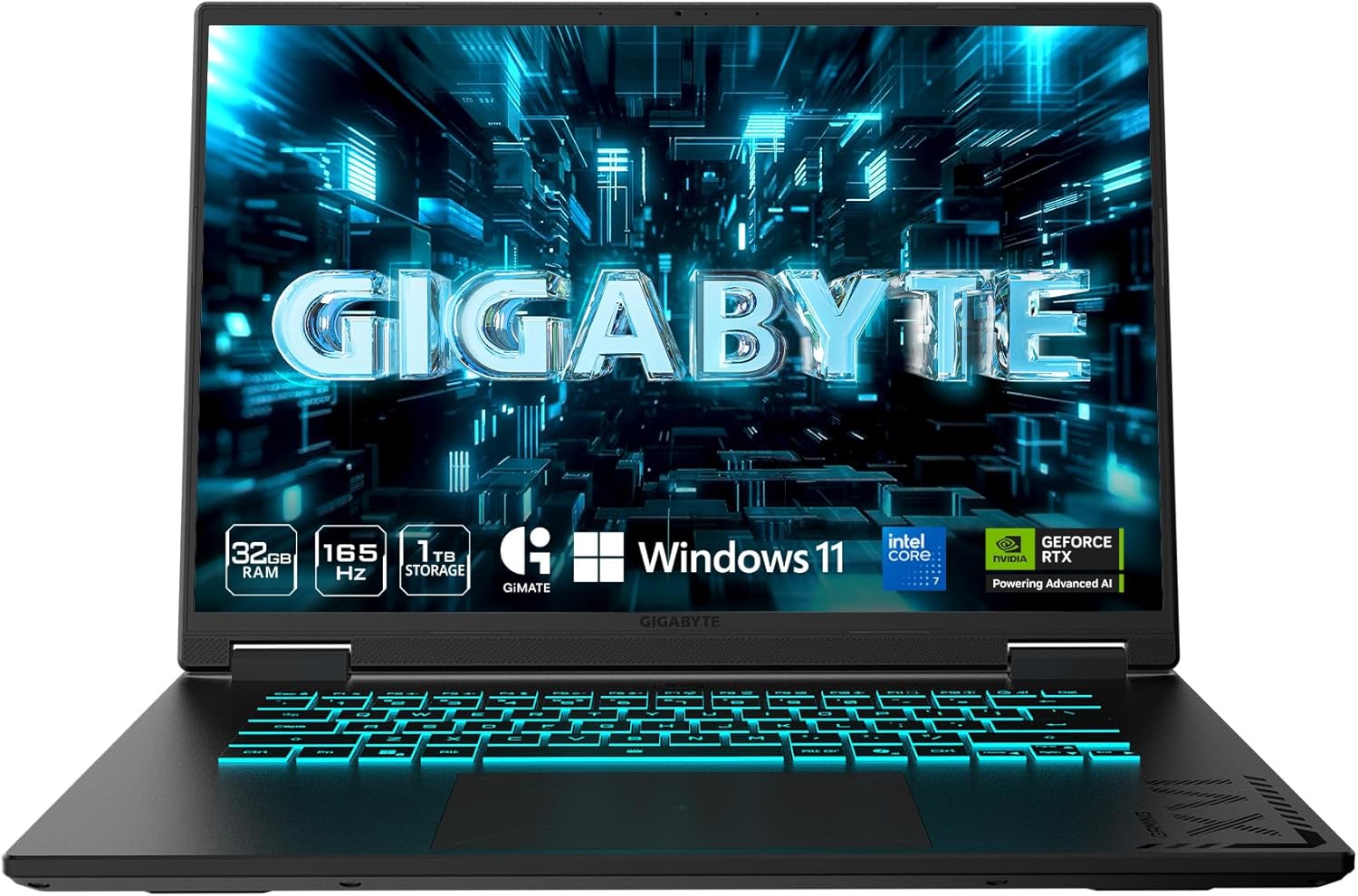
- memory Intel Core Ultra 7 240H
- developer_board NVIDIA GeForce RTX 5070 Ti Laptop GPU
- layers 32GB LPDDR5X 5600MHz
- track_changes Target GPU: NVIDIA GeForce RTX 4080 or AMD Radeon RX 7900 XTX

- memory Intel Core Ultra 9 275HX
- developer_board GeForce RTX 5070 Laptop Laptop GPU
- layers 64GB DDR5-6400MHz (Single-Channel)
- track_changes Target GPU: NVIDIA GeForce RTX 4080 or AMD Radeon RX 7900 XTX

- memory Intel Core Ultra 9 275HX
- developer_board NVIDIA GeForce RTX 5070 Ti
- layers 32GB
- track_changes Target GPU: NVIDIA GeForce RTX 4080 or AMD Radeon RX 7900 XTX

- memory Intel Core Ultra 9 275HX
- developer_board NVIDIA GeForce RTX 5070 Ti Laptop GPU
- layers 32 GB DDR5 6400MHz (2x16GB)
- track_changes Target GPU: NVIDIA GeForce RTX 4080 or AMD Radeon RX 7900 XTX
For Of Peaks and Tides Specifically
- memory Intel Core i7-12700H
- developer_board NVIDIA GeForce RTX 3070
- layers 32GB DDR4-3200MHz
- track_changes Target GPU: NVIDIA GeForce RTX 3060 (12GB) or AMD Radeon RX 7600 XT (16GB)
- memory Intel Core i9-14900HX
- developer_board NVIDIA GeForce RTX 4060
- layers 32GB DDR5-5600MHz
- track_changes Target GPU: NVIDIA GeForce RTX 3060 (12GB) or AMD Radeon RX 7600 XT (16GB)
- memory AMD Ryzen 7 7435HS
- developer_board NVIDIA GeForce RTX 3050
- layers 32GB DDR5-4800MHz
- track_changes Target GPU: NVIDIA GeForce RTX 3060 (12GB) or AMD Radeon RX 7600 XT (16GB)
- memory Intel Core i9-14900HX
- developer_board NVIDIA GeForce RTX 4070
- layers 32GB DDR5-5600MHz
- track_changes Target GPU: NVIDIA GeForce RTX 3060 (12GB) or AMD Radeon RX 7600 XT (16GB)
- memory AMD Ryzen 9 8940HX Processor
- developer_board NVIDIA GeForce RTX 5060 Laptop GPU
- layers 32GB DDR5-5200MHz
- track_changes Target GPU: NVIDIA GeForce RTX 3060 (12GB) or AMD Radeon RX 7600 XT (16GB)
- memory Intel Core i9-12950HX
- developer_board NVIDIA GeForce RTX 3080 Ti
- layers 32GB DDR5-4800MHz
- track_changes Target GPU: NVIDIA GeForce RTX 3060 (12GB) or AMD Radeon RX 7600 XT (16GB)
- memory Intel Core i9-14900HX
- developer_board NVIDIA GeForce RTX 4080 Laptop GPU
- layers 64 GB DDR5-5600MHz
- track_changes Target GPU: NVIDIA GeForce RTX 3060 (12GB) or AMD Radeon RX 7600 XT (16GB)

- memory Intel Core i7-13620H
- developer_board NVIDIA GeForce RTX 5070 Laptop GPU
- layers 64GB (2x32GB) DDR5 4800MHz SO-DIMM
- track_changes Target GPU: NVIDIA GeForce RTX 3060 (12GB) or AMD Radeon RX 7600 XT (16GB)
- memory Intel Core Ultra 9 Processor 275HX (Series 2)
- developer_board NVIDIA GeForce RTX 5070 Laptop GPU
- layers 32GB DDR5-5600MHz
- track_changes Target GPU: NVIDIA GeForce RTX 3060 (12GB) or AMD Radeon RX 7600 XT (16GB)
- memory Intel Core i9-14900HX Processor
- developer_board NVIDIA GeForce RTX 5070 Laptop GPU
- layers 32GB DDR5-5600MHz
- track_changes Target GPU: NVIDIA GeForce RTX 3060 (12GB) or AMD Radeon RX 7600 XT (16GB)
- memory Intel Core i9-14900HX
- developer_board NVIDIA GeForce RTX 4070
- layers 32GB DDR5-5600MHz
- track_changes Target GPU: NVIDIA GeForce RTX 4070 (12GB) or AMD Radeon RX 6800 (16GB)
- memory AMD Ryzen 9 8940HX Processor
- developer_board NVIDIA GeForce RTX 5060 Laptop GPU
- layers 32GB DDR5-5200MHz
- track_changes Target GPU: NVIDIA GeForce RTX 4070 (12GB) or AMD Radeon RX 6800 (16GB)
- memory Intel Core i9-12950HX
- developer_board NVIDIA GeForce RTX 3080 Ti
- layers 32GB DDR5-4800MHz
- track_changes Target GPU: NVIDIA GeForce RTX 4070 (12GB) or AMD Radeon RX 6800 (16GB)
- memory Intel Core i9-14900HX
- developer_board NVIDIA GeForce RTX 4080 Laptop GPU
- layers 64 GB DDR5-5600MHz
- track_changes Target GPU: NVIDIA GeForce RTX 4070 (12GB) or AMD Radeon RX 6800 (16GB)
- memory Intel Core Ultra 9 Processor 275HX (Series 2)
- developer_board NVIDIA GeForce RTX 5070 Laptop GPU
- layers 32GB DDR5-5600MHz
- track_changes Target GPU: NVIDIA GeForce RTX 4070 (12GB) or AMD Radeon RX 6800 (16GB)
- memory Intel Core i9-14900HX Processor
- developer_board NVIDIA GeForce RTX 5070 Laptop GPU
- layers 32GB DDR5-5600MHz
- track_changes Target GPU: NVIDIA GeForce RTX 4070 (12GB) or AMD Radeon RX 6800 (16GB)

- memory Intel Core i9-14900HX Processor
- developer_board NVIDIA GeForce RTX 5070 Laptop GPU
- layers 32GB DDR5-5600MHz
- track_changes Target GPU: NVIDIA GeForce RTX 4070 (12GB) or AMD Radeon RX 6800 (16GB)

- memory Intel Core Ultra 9 285H (Arrow Lake-H)
- developer_board NVIDIA GeForce RTX 5070 Laptop GPU
- layers 64GB LPDDR5x-8533MT/s (LPCAMM2)
- track_changes Target GPU: NVIDIA GeForce RTX 4070 (12GB) or AMD Radeon RX 6800 (16GB)

- memory AMD Ryzen 9 7945HX
- developer_board NVIDIA GeForce RTX 4080
- layers 32GB DDR5
- track_changes Target GPU: NVIDIA GeForce RTX 4070 (12GB) or AMD Radeon RX 6800 (16GB)

- memory Intel Core i9-14900HX
- developer_board NVIDIA GeForce RTX 4080
- layers 64GB DDR5-5600MHz
- track_changes Target GPU: NVIDIA GeForce RTX 4070 (12GB) or AMD Radeon RX 6800 (16GB)
info_outline Laptop recommendations are estimates based on available component benchmarks and game requirements. Actual performance may vary depending on settings, drivers, cooling, power limits, etc. Prices and availability subject to change. As an Amazon Associate, we earn from qualifying purchases.