Select Games to Compare

search close
search close

Select up to 2 games to compare side-by-side.

💻
Mobile Hardware & Thermal Intelligence (2026)
Gaming on a Laptop? Check Real-World Compatibility

Benchmark your exact mobile GPU wattage (TGP), battery throttling drops, and cooling pad requirements for these games.

Test Laptop Specs → ⚖️ Compare Laptops

STAR WARS: Galactic Racer vs Ghost of Tsushima

close close
info General Information
Release Date
Oct 6, 2026 Jul 17, 2020
Developer
Fuse Games Sucker Punch Productions, Nixxes Software (PC Port for Director's Cut)
Publisher
Secret Mode, Lucasfilm Games Sony Interactive Entertainment
Genre(s)
High-Stakes Combat Racing, Roguelite Action Adventure Action-Adventure, Open World, Stealth, Samurai, Third-Person
Engine
Unreal Engine 5 Proprietary (Sucker Punch Productions' in-house engine)
stars Ratings & Price
Content Rating
Teen Mature 17+
Avg. User Rating
4.5 / 5.0 4.7 / 5.0
Current Price (USD)
$59.99 $59.99
tune Key Specs
Quick Highlights
  • Maximum Speed: Over 750 km/h Repulsor Velocity
  • Multiplayer Capacity: Up to 12 Players Online / 2-Player Local Split-Screen
  • Storage Required: 50 GB SSD Space
  • Perspective: Third-Person
  • Multiplayer: Ghost of Tsushima: Legends (Cooperative Story, Survival, Rivals, Raid)
  • Setting: Tsushima Island, Japan, 1274 (Kamakura Period)
  • Platforms: PlayStation 4, PlayStation 5, PC (Windows)
  • Unique Feature: Samurai vs. Ghost Combat Styles, Standoff Mechanic, Guiding Wind Navigation, Stunning Kurosawa-inspired Visuals, Iki Island Expansion (Director's Cut).
sports_esports Gameplay & Mechanics
Companions/Followers
  • BD-6 Co-Pilot Droid: Scans track terrain in real-time, pinging optimal apex trajectories, hazard alerts, and incoming weapon lock-ons.
    Astromech / Exploration Droid
  • DUM-Series Pit Droid Crew: Performs high-speed pit repairs between heats, rapidly restoring vehicle structural integrity and cooling radiators.
    Labor Droid Unit
  • Your Horse (Nobu / Kage / Sora - Player Named): Jin's loyal steed and primary means of transport across Tsushima. Can be called with a whistle. Allows for mounted combat (slashing with katana, archery). Can be equipped with different saddles (cosmetic/minor stat changes). Its name and initial color are chosen by the player early in the game.
    Equus caballus (Japanese Breeds)
  • Guiding Wind: While not a character, the Guiding Wind is a unique navigational tool. Players can select a tracked objective or point of interest on the map, and then swipe the touchpad (or press a key) to summon a gust of wind that visually guides them in the correct direction, replacing a traditional mini-map for primary navigation.
    Natural Phenomenon / Spiritual Guidance
  • Golden Birds: These birds occasionally appear and fly towards nearby points of interest, such as collectibles, hot springs, shrines, or hidden locations, acting as organic guides for exploration.
    Bird (Oriole-like)
  • Foxes (Inari Messengers): Found at Fox Dens (Inari Shrines). Petting a fox will cause it to lead Jin to a hidden Inari Shrine that needs to be honored. They are guides to specific collectibles.
    Vulpes vulpes japonica (Japanese Red Fox)
  • Story-Specific AI Companions (Yuna, Ishikawa, Masako, Norio, Kenji, Taka): During their respective 'Tales of Tsushima' (character-specific questlines) and some main story missions, key allies like Yuna, Sensei Ishikawa, Lady Masako, and Norio will accompany Jin, providing combat support according to their skills (e.g., Yuna uses stealth and her knife, Ishikawa is an archer, Masako a skilled samurai). Their presence is scripted for those missions.
    Human
  • Legends Mode Teammates (Online Players or AI): In the Ghost of Tsushima: Legends co-op multiplayer mode, players team up with up to three other players (or AI companions if playing solo in some modes). Each class has unique abilities and ultimate attacks, requiring teamwork to overcome waves of Oni and complete objectives.
    Human (Player Characters - Samurai, Hunter, Ronin, Assassin)
Key Collectibles
  • Coaxium Hyper-Fuel Canisters: Located along high-risk track detours and precarious drop-offs; traded in the garage for experimental engine prototypes.
  • Classic Podracer Schematics: Buried in junk heaps across Outer Rim scrapyards; unlocks retro engine sound profiles and visual liveries.
  • Syndicate Bounty Tokens: Awarded for completing in-race takedown contracts on specific target rivals; unlocks black-market chassis cosmetics.
  • Records of Tsushima (Scrolls): Lore scrolls found throughout Tsushima, providing historical accounts, personal stories, and cultural details about the island and its people. Collecting them contributes to world understanding.
  • Mongol Artifacts: Items related to the Mongol invaders, such as helmets, banners, and documents. Found primarily in Mongol-controlled camps and territories. Collecting them provides insight into the enemy and rewards.
  • Singing Crickets: Crickets kept in small cages, found in graveyards and other serene locations. Collecting them unlocks new flute melodies for Jin to play, which can influence the weather.
  • Inari Shrines (Fox Dens): Small shrines dedicated to Inari, the fox deity. Players follow a fox from a Fox Den to a hidden shrine. Honoring these shrines (by bowing) grants Minor Charms and eventually increases the number of Charm slots Jin can use.
  • Hot Springs: Natural hot springs where Jin can bathe and reflect on his journey. Each unique hot spring visited permanently increases Jin's maximum health.
  • Bamboo Strikes: Sets of bamboo poles that Jin can practice cutting with his katana. Successfully completing the button-pressing mini-game increases Jin's maximum Resolve.
  • Shinto Shrines (Major Charms): Large, often dilapidated shrines located in high, hard-to-reach places, requiring platforming and sometimes grappling to access. Honoring the shrine at the top rewards Jin with a Major Charm (powerful passive buff).
  • Haiku Spots: Scenic locations where Jin can compose a haiku by selecting phrases that reflect his thoughts and the environment. Rewards a unique Headband.
  • Pillars of Honor: Locations marked by a pillar with embedded swords. Honoring these rewards Jin with a new Sword Kit (cosmetic customization for his katana and tanto).
  • Lighthouses: Several lighthouses along the coast. Re-igniting them provides a small amount of Legend increase and clears fog of war.
  • Vanity Gear (Masks, Headbands, Sword Kits): Cosmetic items found at Pillars of Honor, as Haiku rewards, or purchased from merchants. Allow for personalization of Jin's appearance.
  • Sashimono Banners: Collectible banners of fallen samurai clans, scattered throughout Tsushima. Collecting them for a specific NPC rewards saddle customization for Jin's horse.
Key Themes
  • Outer Rim Underground
  • High-Stakes Gambling
  • High-Speed Vehicular Combat
  • Syndicate Rivalries
  • Mechanical Engineering
  • Samurai Honor vs. Pragmatic Warfare (The Ghost)
  • Invasion & Resistance
  • Sacrifice & Loss
  • Japanese Culture & Feudalism
  • Revenge
  • The Cost of War
  • Nature & Beauty
  • Inner Conflict
  • Tradition vs. Adaptation
colorize Combat & Gear
Weapons Overview
  • Mag-Ram Kinetic Shunt: Electromagnetic Prow Weapon
    Channeling massive repulsor power into forward bumper magnets, this weapon discharges an explosive kinetic shockwave upon colliding with rival vehicles.
  • Seismic Mine Dispenser: Proximity Explosive Countermeasure
    Releases devastating acoustic charges that linger on the racing line, detonating in a flat planar blast that flips and shreds trailing craft.
  • Ion Pulse Emitter: Short-Range EMP Disrupter
    Fires a concentrated burst of ionized particles, overloading rival electronics to stall their boost engines and disable their steering for 2 seconds.
  • Tractor Harpoon Tether: Tow-Cable Harpoon
    Fires a magnetic cable into leading vehicles, allowing the pilot to slingshot around sharp hairpins or yank enemies into track hazards.
  • Scram-Jet Afterburner Vent: Thermal Countermeasure
    Vents unspent hyper-combustion fuel rearward, blinding trailing pilots in thick black smoke and overheating their engine radiators.
  • Katana (Sakai Steel / Sakai Storm): Primary Melee (Slashing/Piercing)
    Jin Sakai's ancestral katana, his primary weapon for samurai combat. Its effectiveness is enhanced by mastering different combat stances (Stone, Water, Wind, Moon) and upgrading its damage and appearance. Can be used for parries, dodges, and powerful charged attacks.
  • Tanto: Secondary Melee (Stealth/Critical)
    A short blade used for stealth assassinations (from behind, above, or through shoji doors) and for delivering critical strikes to staggered or downed enemies.
  • Half Bow: Ranged (Fast, Short-to-Mid Range)
    A smaller bow that allows for quicker aiming and firing, suitable for mid-range combat and rapid shots. Can use standard arrows and fire arrows.
  • Longbow: Ranged (Powerful, Long Range, Armor Piercing)
    A larger, more powerful bow for long-range precision shots. Can use heavy arrows (for armor penetration) and explosive arrows. Slower draw speed but higher damage.
  • Ghost Weapons (Kunai, Smoke Bombs, Sticky Bombs, Wind Chimes, Black Powder Bombs): Throwable Tactical Tools
    A set of tools used for stealth, crowd control, and dishonorable (Ghost) tactics. Kunai stagger enemies, Smoke Bombs provide cover for escapes or assassinations, Sticky Bombs adhere to enemies, Wind Chimes distract, and Black Powder Bombs deal area damage. Upgradable for increased capacity and effectiveness.
  • Blowgun (Iki Island Expansion): Ranged (Stealth, Status Effects)
    A silent weapon introduced in the Iki Island expansion, capable of firing darts that can poison enemies, make them berserk (attack anyone), or have other status effects.
  • Charms (Equippable): Passive Buffs
    While not weapons, Charms are equipped to provide various passive bonuses to Jin's combat abilities, defense, stealth, archery, or utility (e.g., increased health, more Resolve gain, chance to terrify enemies). Major and Minor charm slots are unlocked by honoring Inari Shrines.
Armor / Gear Sets
  • Durasteel Bumper Plating: Impact Resistance +40%, Craft Mass +15%; maximizes kinetic ramming force against rivals while reducing top-end acceleration.
  • Ablative Carbon-Fiber Cowling: Top Speed +8%, Aerodynamic Drag -12%, Impact Resistance -15%; grants blistering straight-line velocity at the cost of fragile durability.
  • Deflector Energy Shielding: Absorbs up to 2 direct weapon blasts or high-speed wall scrapes before collapsing and requiring recharge.
  • Reinforced Heat Baffles: Overheat Threshold +30%; allows prolonged engine overboost duration in hot biomes like Sullust.
  • Samurai Armor Sets (e.g., Samurai Clan Armor, Sakai Clan Armor, Gosaku's Armor, Kensei Armor): Various sets of traditional samurai armor, each consisting of a helmet, body armor, and sometimes gauntlets/greaves (cosmetically part of the body piece). Each set provides unique perks tailored to specific playstyles (e.g., increased health and melee damage, better defense, Resolve gains, stagger resistance). Armor can be upgraded by Armorers to improve its stats and unlock more potent versions of its perks. Dyeable at merchants.
  • Ghost Armor Set: A unique armor set acquired as Jin embraces the Ghost persona. Focuses on stealth, reducing enemy detection speed, increasing Terrify chance, and other Ghost-related perks. Visually distinct and upgradable.
  • Traveler's Attire: An outfit focused on exploration. Perks include clearing more fog of war on the map, vibrating the controller near collectibles (Artifacts), and allowing Jin to direct the Guiding Wind to specific collectible types. Upgradable.
  • Ronin Attire / Kensei Attire (Duel-focused): Outfits that often provide bonuses to melee damage, Resolve gains, or benefits during Standoffs and duels.
  • Various Other Outfits (e.g., Fundoshi - for comedic effect, Broken Armor - story related): A range of other outfits with varying or no statistical benefits, some are purely cosmetic or tied to specific story moments or challenges.
  • Masks (Various Samurai Menpo, Ghost Mask, Thief's Wrap, etc.): Cosmetic headwear items that can be equipped with any armor set. Do not typically provide stats but are key for visual customization and role-playing.
  • Headbands (Hachimaki): Cosmetic items that Jin can find or earn. Worn on the forehead, often with poetic inscriptions. Do not provide stats but add to character appearance.
Outfits/Customization
  • Outer Rim Flight Suit: Durable padded leather jumpsuit with pressurized oxygen seals, available in syndicate colorways.
  • Heads-Up Targeting Visor: Customizable tinted polarized helmet visor with integrated holographic telemetry displays.
  • Scrapper's Armored Gauntlets: Heavy-duty magnetic gloves providing enhanced grip on dual-stick repulsor throttles.
  • Samurai Armor Sets (Sakai Clan Armor, Gosaku's Armor, Samurai Clan Armor, Kensei Armor, Sarugami Armor - DLC, etc.): Jin can acquire numerous sets of traditional samurai armor. Each set consists of a helmet, mask, and body armor, offering unique perks tailored to samurai combat (e.g., increased melee damage, health, Resolve gains, stagger resistance). Armor can be upgraded by Armorers to improve stats and unlock more potent perks. Dyes can be purchased or found to change the color scheme of most armor sets.
  • Ghost Armor Set: A unique armor set reflecting Jin's adoption of stealth tactics. Perks include reducing enemy detection speed, increasing the chance to Terrify enemies after assassinations, and other Ghost-related benefits. Visually distinct and upgradable, with dye options.
  • Traveler's Attire / Ronin Attire / Other Outfits: Various other outfits that Jin can wear, offering different perks and aesthetics. Traveler's Attire is focused on exploration (clearing fog of war, finding collectibles). Ronin Attire often boosts melee damage or Resolve. Many outfits are rewards for completing quests or liberating territories.
  • Masks (Samurai Menpo, Ghost Mask, Thief's Wrap, Demonic Masks, etc.): A wide variety of cosmetic masks that Jin can wear with any armor set. Found as collectibles, purchased from merchants, or earned as quest rewards. They do not typically offer stat bonuses but are key for visual customization and role-playing.
  • Headbands (Hachimaki): Cosmetic headbands with various designs and inscriptions. Found as collectibles by following Guiding Wind to Pillars of Honor, or as quest rewards. Do not provide stats.
  • Sword Kits (Katana & Tanto Scabbards/Hilts): Cosmetic items that change the appearance of Jin's katana (Sakai Storm) and tanto scabbards (saya) and hilts (tsuka). Found at Pillars of Honor or purchased from merchants.
  • Saddle (for Horse): Jin can choose different saddles for his horse, which are primarily cosmetic but are acquired as story progression or rewards.
trending_up Progression & Upgrades
Skills & Progression

Progression is built around a comprehensive roguelite garage economy. Players accumulate Credits and Scrap from race placements, rival takedowns, and side bets to invest in modular upgrades across five mechanical systems: Repulsor Coils (handling, lateral drift stability, ceiling adhesion), Thruster Manifolds (top speed, acceleration curve, boost efficiency), Hull Plating (impact absorption, ramming mass, EMP deflection), Heat Sinks (cooling dissipation, overcharge threshold), and Combat Hardpoints (countermeasure deployment, seismic mines, disruptor bursts). Over a million distinct configuration permutations let players tailor their craft as light agile speeders or armored battering rams.

N/A
public World & Exploration
World & Level Design

Tracks span six distinct, hyper-detailed Star Wars planetary environments designed with dynamic branching paths, hazardous terrain, and verticality. Locales include the rusted industrial scrap shipyards of Corellia, the treacherous crimson salt-flats and crystalline ravines of Crait, the dense canopy and root tunnels of Kashyyyk, the cloud-city atmospheric exhaust pylons of Bespin, the volcanic magma tubes of Sullust, and the neon-lit casino city outskirts and canyon rifts of Canto Bight. Dynamic track events such as seismic sandstorms, falling Imperial wreckage, and native fauna stampedes force pilots to adjust their racing lines in real time.

Tsushima Island is a large, stunningly beautiful open world divided into three main regions that unlock progressively: Izuhara (southern region, lush forests, farmlands), Toyotama (central region, swamps, coastal areas, more developed towns), and Kamiagata (northern region, snowy mountains, desolate landscapes). Each region is filled with diverse biomes, Mongol-occupied territories, villages, shrines, hot springs, and points of interest. The world is designed to be explored on horseback or foot, with an emphasis on natural beauty and environmental storytelling. The Iki Island expansion (Director's Cut) adds a new, smaller island with its own distinct environment and storyline. The main island of Tsushima is estimated to be around 27-30 sq km, with Iki Island adding to this.

Playable Vehicles
  • Viper-X Heavy Landspeeder: Armored Landspeeder
    A customized dual-turbine terrestrial craft featuring reinforced durasteel plating and immense ramming kinetic force.
  • Apex Skim-Speeder: Ski-Speeder / Drifter
    A high-stability monowing craft utilizing a retractable stabilizer fin to carve precision high-speed drift arcs.
  • Ghost-Runner Swoop Bike: Light Repulsorbike
    A minimalist, stripped-down racing bike with exposed thrusters delivering unmatched acceleration at extreme personal risk.
  • N-1 Star-Skimmer (Deluxe Edition): Modified Starfighter Chassis
    A modified terrestrial repulsorcraft converted from a sleek Naboo N-1 starfighter airframe with chrome finish.
  • Your Horse (Nobu / Kage / Sora - Player Named): Primary Mount / Living Vehicle
    Jin's loyal steed, chosen by the player early in the game (name and one of three initial coat colors). Essential for traversing the vast island of Tsushima. Can be called with a whistle. Allows for mounted combat (slashing with katana, archery). Can be equipped with different saddles which are primarily cosmetic but sometimes tied to quest rewards.
  • Grappling Hook: Traversal Tool (Personal Gear)
    A tool Jin acquires that allows him to swing across gaps, latch onto specific anchor points to ascend or descend cliffs, and create new pathways in certain environments. Also used contextually in some combat takedowns.
  • Mongol War Machines (Catapults, Hwacha - Enemy Controlled): Siege Weaponry (Hostile)
    The Mongols utilize siege weapons like catapults and hwachas (multiple rocket arrow launchers) in their larger camps and during specific assaults. Jin typically needs to destroy or disable these rather than operate them.
  • Small Boats / Fishing Boats (Environmental): Minor Watercraft
    Small boats are sometimes found along coastlines or rivers. While Jin can swim, these boats are generally not player-controlled for extended travel but are part of the environmental dressing or very specific, short scripted sequences.
Notable Fauna/Mounts
  • Vulptex (Crystal Fox): Canine Mammal
    Native crystal-furred creatures that dash across subterranean shortcuts on Crait, signaling hidden cavern exits.
  • Bantha: Large Herbivore
    Massive lumbering beasts wandering desert canyon fringes that act as stationary collision hazards.
  • Tibanna Gas Whale (Beldon): Colossal Atmospheric Creature
    Gigantic fauna drifting through Bespin's clouds, creating majestic backdrop visuals and hazardous turbulent wind corridors.
  • Fathier: Space Equine
    Towering racing beasts seen galloping through pasture paddocks near the Canto Bight track perimeters.
N/A
book Story & Characters
Main Characters
  • Shade: Rookie Repulsor Pilot (Protagonist)
    A gifted scrap mechanic and fearless pilot determined to conquer the Galactic League and secure freedom from syndicate debt.
  • Varek: Pyke Syndicate Champion
    A brutal, cybernetically augmented alien racer known for using ruthless vehicular takedowns to eliminate competition.
  • Sulla: Chief Engineer & Mentor
    A veteran Sullustan mechanic whose technical genius keeps Shade's custom repulsorcraft competitive against elite factory teams.
  • Jaxen Voss: Galactic League Commissioner
    An influential Outer Rim fixer and underworld syndicate boss who arranges high-stakes purse races and clandestine contracts.
  • Zephyr: Daredevil Swoop Racer
    An agile thrill-seeker piloting hyper-fragile swoop bikes, known for mastering suicidal high-altitude shortcuts.
  • Jin Sakai (The Ghost): Protagonist / Samurai Lord
    The main playable character. Nephew of Lord Shimura and one of the last samurai on Tsushima after the initial Mongol invasion. Forced to abandon the samurai code of honor to adopt stealthy, unconventional 'Ghost' tactics to fight the invaders and save his people, leading to internal conflict and a clash with tradition.
  • Lord Shimura: Supporting Character / Antagonist Figure / Jito of Tsushima
    Jin's uncle and a respected samurai lord, the jito (steward) of Tsushima. He represents traditional samurai honor and Bushido. While initially an ally, his rigid adherence to the code clashes with Jin's Ghost methods, leading to a profound ideological and personal conflict.
  • Khotun Khan: Main Antagonist / Mongol General
    The cunning, ruthless, and intelligent leader of the Mongol invasion force. He studies Japanese culture and warfare to exploit Tsushima's weaknesses, serving as Jin's primary adversary.
  • Yuna: Ally / Thief & Survivor
    A skilled thief who rescues Jin after the initial battle. She is pragmatic and resourceful, advocating for more practical methods to fight the Mongols, and encourages Jin to embrace the Ghost persona. Her primary motivation is protecting her younger brother, Taka.
  • Taka: Ally / Blacksmith
    Yuna's younger brother, a talented blacksmith who becomes essential for upgrading Jin's gear. He is captured by the Mongols, and his rescue is a key objective.
  • Sensei Ishikawa: Ally / Legendary Archer
    A renowned but embittered master archer (kyūdō sensei). Jin seeks his help and becomes his student, learning advanced archery techniques while helping Ishikawa track down his former protégé, Tomoe.
  • Lady Masako Adachi: Ally / Samurai Matriarch
    The sole survivor of the Adachi clan after a brutal massacre. She is a skilled warrior seeking revenge for her family's murder, and Jin helps her track down the culprits.
  • Norio: Ally / Warrior Monk
    A gentle giant and warrior monk dedicated to protecting his fellow monks and the people of Tsushima. Jin helps him defend Cedar Temple and find his missing brother.
  • Kenji: Ally (Reluctant) / Sake Brewer & Merchant
    A cowardly but well-meaning sake brewer who often gets himself (and Jin) into trouble with his schemes and attempts to profit from the chaos of the invasion. Provides some comic relief.
  • Ryuzo: Antagonist / Childhood Friend / Leader of the Straw Hat Ronin
    Jin's childhood friend and a skilled swordsman. Leader of the Straw Hat Ronin, he initially allies with Jin but later makes desperate choices that put them on opposing sides.
  • Tomoe (Mentioned/Encountered through Ishikawa's quest): Antagonist Figure / Ishikawa's Former Student
    A highly skilled archer, Sensei Ishikawa's former prized student, who defected to the Mongols and taught them archery.
  • The Eagle (Iki Island DLC): Main Antagonist (DLC) / Mongol Shamaness
    The leader of a Mongol tribe on Iki Island, a powerful shamaness who uses psychological warfare and hallucinogenic poisons to torment her victims and maintain control. She has a personal connection to the Sakai clan's past actions on Iki.
Example Missions
  • The Corellia Scrapyard Derby: Circuit Championship Race
    Survive a chaotic 12-craft brawl through collapsing Star Destroyer hulks and place in the top three to secure syndicate funding.
  • Crait Salt-Flat Sunder: High-Stakes Syndicate Elimination
    Outrun a catastrophic seismic fissure across the red mineral plains while destroying Varek's armored vanguard.
  • The Cloud City Apex: Grand Prix Finals
    Navigate high-altitude wind shears and industrial atmospheric conduits in Bespin to win the Galactic League Championship Cup.
  • Main Story Quests (Jin's Journey - Act I, II, III)
    A series of narrative quests that follow Jin Sakai's efforts to repel the Mongol invasion, rescue his uncle Lord Shimura, and liberate Tsushima Island. This involves recruiting allies, confronting Mongol leaders, making difficult choices about his combat tactics (Samurai vs. Ghost), and ultimately facing Khotun Khan. The story is divided into three acts, each focusing on a different region of Tsushima.
  • Tales of Tsushima (Major Side Quests & Character Arcs)
    Multi-part optional questlines focusing on key supporting characters like Yuna, Sensei Ishikawa, Lady Masako, Norio, and Kenji. These 'Tales' delve into their personal stories, motivations, and conflicts, often rewarding Jin with new techniques, gear, or Charms. They contribute significantly to world-building and character development.
  • Mythic Tales
    Special side quests that involve investigating legends and folklore of Tsushima, often narrated by the musician Yamato. These quests usually involve tracking clues, solving puzzles, and culminate in Jin learning a powerful new combat technique (e.g., The Heavenly Strike, Dance of Wrath) or obtaining unique armor/weapons.
  • Liberating Mongol Territories (Farms, Villages, Forts)
    Clear out Mongol-occupied locations across Tsushima. This involves defeating all Mongol soldiers in the area and sometimes completing bonus objectives (e.g., rescuing hostages, not raising alarms). Liberating territories reduces Mongol presence, reveals more of the map, grants Legend increase, and often unlocks nearby quests or merchants.
  • Duels (Samurai vs. Mongol Leaders, Ronin)
    Cinematic one-on-one sword fights against skilled opponents. These occur during main quests, Mythic Tales, or when encountering specific enemies. Duels test Jin's mastery of parrying, dodging, and stance-based combat.
  • Shrine Climbs (Shinto Shrines)
    Navigate challenging platforming sections, often involving climbing cliffs, jumping across gaps, and using the grappling hook (once acquired), to reach remote Shinto Shrines. Honoring these shrines rewards a Major Charm.
  • Iki Island Story Quests (Director's Cut / Expansion)
    A new main questline set on Iki Island, where Jin confronts a new Mongol tribe led by the shamaness known as The Eagle. This story delves into the Sakai clan's troubled past on Iki and forces Jin to confront his own trauma.
  • Legends Mode Missions (Story, Survival, Rivals, Raid - Multiplayer)
    Cooperative multiplayer missions with unique objectives, enemies (Oni), and progression systems separate from the single-player campaign. Story missions follow a narrative, Survival involves fending off waves of enemies, Rivals is a 2v2 mode, and The Tale of Iyo is a challenging three-part raid.
people Multiplayer
Multiplayer Details

Features 12-player online competitive multiplayer across multiple game types: Standard Grand Prix (high-speed circuit racing), Eliminator (last-place pilot eliminated every lap), Syndicate Wars (team-based escort and tactical ramming matches), and High-Roller Bounty (players wager credits on rival pilot takedowns before green light). Also includes full offline single-player roguelite career mode and two-player split-screen on consoles.

N/A
extension Editions & DLC
Available Editions

Available in three tiers launching worldwide on October 6, 2026: Standard Edition ($59.99 USD) contains the complete base game and the 'Outer Rim Drifter' pre-order cosmetic pack. Deluxe Edition ($79.99 USD) includes the base game, three exclusive licensed bonus repulsorcraft (including a Naboo N-1 Starfighter modified racer and an Imperial TIE-vessel hybrid), exclusive arcade challenge modes, the Digital Artbook, and 48-hour early access. The physical Collector's Edition ($159.99 USD) includes a premium 1:18 scale die-cast replica of Shade's signature repulsorcraft with working LED thrusters, an embossed steelbook, syndicate challenge coins, and all digital deluxe content.

Available in Standard Edition, Digital Deluxe Edition (Hero of Tsushima Skin Set, Charm of Hachiman's Favor, digital artbook, director's commentary), Special Edition (SteelBook, Hero of Tsushima mask & sword kit, digital content), and Collector's Edition (Sakai Mask replica, cloth map, sashimono war banner, furoshiki wrapping cloth, SteelBook, artbook, all Digital Deluxe content). The Director's Cut (PS5, PC) includes the base game, the Iki Island expansion, and additional features like Japanese lip sync, haptic feedback, and improved load times.

Post-Launch Content / DLC

Fuse Games and Secret Mode have outlined a multi-season post-launch roadmap without pay-to-win microtransactions. Upcoming seasonal updates will introduce new planetary circuits (including Tatooine Podracing relics and Nar Shaddaa sky-tracks), seasonal syndicate sponsorship contracts, new vehicle chassis classes, and limited-time community bounty hunts.

The main post-launch content was the 'Iki Island' expansion, a substantial story DLC included in the Director's Cut, taking Jin to a new island with new enemies, story, and gear. A free multiplayer co-op mode, 'Legends,' was also added, featuring unique classes, missions, and a raid. Various cosmetic items and patches have also been released.

help_outline FAQ
Frequently Asked Questions
  • Q: What is STAR WARS: Galactic Racer™?
    A: STAR WARS: Galactic Racer™ is a runs-based, high-stakes arcade combat racing adventure developed by Fuse Games and published by Secret Mode in partnership with Lucasfilm Games, set in the underground racing circuit of the Outer Rim.
  • Q: When is the release date for STAR WARS: Galactic Racer™?
    A: The game is officially scheduled to release worldwide on October 6, 2026.
  • Q: What platforms will the game be playable on?
    A: It will launch on PlayStation 5, Xbox Series X/S, and PC via Steam and the Epic Games Store.
  • Q: Is this a remake of Star Wars Episode I: Racer?
    A: No. Galactic Racer is a brand-new, modern racing adventure set after the fall of the Empire, featuring new characters, modern repulsorcraft classes (landspeeders, ski speeders, and swoops), roguelite run mechanics, and aggressive combat racing.
  • Q: Does STAR WARS: Galactic Racer™ have multiplayer?
    A: Yes. It features full 12-player online cross-play across all platforms, competitive ranked seasons, syndicate clan tournaments, and 2-player local split-screen on console editions.
  • Q: Is Ghost of Tsushima historically accurate?
    A: Ghost of Tsushima is set during a real historical event (the Mongol invasion of Japan in 1274) and features historical elements, but it is a work of historical fiction. It takes creative liberties with characters, events, and geography for narrative and gameplay purposes. The developers were heavily inspired by classic samurai cinema.
  • Q: What is the difference between playing as a Samurai and as the Ghost?
    A: The game allows Jin to approach combat in two main ways. As a Samurai, he engages enemies head-on in honorable duels and open combat, relying on parries, dodges, and different sword stances. As the Ghost, he uses stealth, assassinations, trickery, and Ghost weapons (kunai, smoke bombs) to eliminate enemies dishonorably but effectively. The story explores Jin's internal conflict with these opposing methods.
  • Q: What is the Guiding Wind mechanic?
    A: The Guiding Wind is Ghost of Tsushima's primary navigation system. Instead of a persistent mini-map, players can swipe up on the PlayStation controller's touchpad (or press a designated key on PC) to summon a gust of wind that blows in the direction of their currently tracked objective or point of interest. This encourages players to observe the environment.
  • Q: What is Ghost of Tsushima: Legends?
    A: Legends is a free online cooperative multiplayer mode included with Ghost of Tsushima (and its Director's Cut). It features a separate storyline inspired by Japanese folklore and mythology, with players choosing from four unique classes (Samurai, Hunter, Ronin, Assassin) to tackle story missions, survival challenges, and a raid.
  • Q: What does the Director's Cut add to the game?
    A: The Ghost of Tsushima Director's Cut includes the full base game, the Iki Island expansion (a new story, map, enemies, and gear), Japanese lip sync options, haptic feedback and adaptive trigger support (PS5), 3D audio enhancements (PS5), and improved load times. On PC, it includes these features plus PC-specific graphical options and ultrawide support.
  • Q: What is Kurosawa Mode?
    A: Kurosawa Mode is a visual filter that can be enabled, rendering the game in black and white with increased film grain and altered audio, designed to emulate the style of classic black-and-white samurai films by director Akira Kurosawa.
build Technical Details
Graphics & Visual Fidelity

Leveraging Unreal Engine 5's Nanite and Lumen systems, the game delivers photorealistic sci-fi racing fidelity. Visual highlights include dynamic dust clouds kicked up by repulsor downdrafts, red-hot glowing turbine exhaust manifolds, real-time vehicle deformation with tearing metal panels, and ray-traced reflections on chrome chassis and rain-soaked tracks.

Powered by Sucker Punch's proprietary engine, Ghost of Tsushima is renowned for its breathtaking art direction and visual fidelity. It features stunningly beautiful landscapes with vibrant colors, dynamic weather (wind playing a key visual role), detailed particle effects (falling leaves, pollen), and realistic character models. The 'Kurosawa Mode' allows players to experience the game in black and white with film grain, mimicking classic samurai cinema.

Audio & Soundtrack

Features an authentic Star Wars soundscape combining the iconic sound design of Ben Burtt with aggressive modern industrial electronic rock and orchestral brass. Thrusters howl with deep resonant thrumming, repulsors whine when scraping tarmac, and collisions deliver thunderous metallic crunches. The dynamic score reacts dynamically to race position, surging into frantic orchestral crescendos when drafting in first place or surviving critical hull damage.

Original score composed by Ilan Eshkeri and Shigeru Umebayashi, featuring a blend of traditional Japanese instrumentation (shakuhachi, koto, taiko drums) with epic orchestral themes that evoke the atmosphere of classic samurai films. Sound design is meticulous, with realistic sword clashes, distinct animal sounds, and immersive environmental audio (wind, rustling leaves). Offers full Japanese voice acting with English subtitles for an authentic experience.

User Interface (UI/UX)

Utilizes a crisp, immersive in-cockpit and chase-camera diegetic HUD designed to emulate Star Wars aerospace instrumentation. Features Aurebesh-inspired velocity meters, turbine heat gauges, real-time hull integrity wireframes, drafting slipstream vectors, and syndicate sponsor bounty pop-ups. Fully customizable UI elements allow toggling speedometer units and disabling overlays for cinematic capture.

Features a highly minimalistic and immersive HUD. Health and Resolve are displayed subtly. No traditional mini-map; players use the Guiding Wind (swiping the touchpad or a key summons a gust of wind pointing towards the tracked objective) for navigation. Enemy awareness and stance indicators are contextual. The world map is stylized like a traditional Japanese painting. Focus Hearing highlights enemies through walls.

Accessibility Options

Includes extensive motor and visual accessibility options: one-touch auto-acceleration and steering assist, customizable collision bounce-back margins, full controller and keyboard remapping, colorblind visual filters for racing lines and hazard markers, screen shake and motion blur sliders, high-contrast UI modes, and scalable subtitles with speaker identification.

Offers a good range of accessibility options, including customizable controls (remapping), subtitle and caption customization, options to simplify QTEs and repeated button presses, aim assist, options for larger UI elements, high contrast mode for some UI, and various gameplay toggles for combat difficulty and HUD elements.

Gameplay Video
launchWatch launchWatch
Walkthrough/Guide
launchView launchView
settings_applications System Requirements
720p (HD) - Minimum (720p ~30 FPS, Very Low Preset) (Very Low Preset)
CPU: Minimum desktop CPU for lower settings.
CPU (Laptop): Estimated laptop CPU equivalent. Modern i3/Ryzen 3 U or H series better.
GPU: Minimum desktop GPU for lower settings.
GPU (Laptop): Estimated laptop GPUs. 4GB VRAM is absolute minimum.
RAM: Minimum RAM requirement.
Storage: HDD absolute minimum, SSD highly recommended.
memoryCPU: Intel Core i3-7100 or AMD Ryzen 3 1200
developer_boardGPU: NVIDIA GeForce GTX 960 (4GB) or AMD Radeon RX 5500 XT (4GB)
laptop_macCPU (L): Intel Core i5-7200U / AMD Ryzen 3 2200U equivalent or better (Quad-core preferable)
laptop_windowsGPU (L): NVIDIA GeForce MX350 (4GB) / GTX 1050 Mobile (4GB). **A GTX 1650 Mobile would be a more realistic minimum for a somewhat stable experience.**
layersRAM: 8 GB
saveStorage (Tier): 75 GB HDD (SSD Strongly Recommended)
1080p (Full HD) - Performance (1080p ~60 FPS / 1440p ~45FPS, High Preset, DLSS/FSR Quality potentially) (High Preset (DLSS/FSR Quality may be needed for 1440p/60))
CPU: CPU for 1080p/60FPS or 1440p/45FPS High.
CPU (Laptop): High-end laptop CPU.
GPU: Recommended desktop GPU for these targets.
GPU (Laptop): Performance laptop GPUs. 8GB VRAM ideal.
RAM: 16GB RAM recommended.
Storage: NVMe SSD strongly recommended.
memoryCPU: Intel Core i5-11400 or AMD Ryzen 5 5600
developer_boardGPU: NVIDIA GeForce RTX 3070 (8GB) or AMD Radeon RX 6800 (16GB)
laptop_macCPU (L): Intel Core i7-10750H / AMD Ryzen 7 4800H or better
laptop_windowsGPU (L): NVIDIA GeForce RTX 3070 Mobile (8GB, High TGP) / RTX 4060 Mobile (8GB, High TGP). **An RTX 3070 Ti Mobile or RTX 4070 Mobile (High TGP) will provide excellent performance.**
layersRAM: 16 GB
saveStorage (Tier): 75 GB NVMe SSD
1080p (Full HD) - Recommended (High Preset, 1080p (60+ FPS))
CPU: Eight-core desktop CPU capable of managing 12-racer grid AI trajectories and real-time scrap physics.
CPU (Laptop): High-performance mobile CPU delivering locked 60 FPS under intensive competitive conditions.
GPU: High shader throughput powers maximum particle sparks, volumetric thruster plumes, and reflections.
GPU (Laptop): Delivers flawless 1080p 60-90+ FPS gaming with quiet thermals and DLSS Quality upscaling.
RAM: Standard optimal system memory for modern AAA racing titles.
Storage: Ensures near-instant respawns and seamless sector transitions.
memoryCPU: Intel Core i7-10700 / AMD Ryzen 7 3700X
developer_boardGPU: NVIDIA GeForce RTX 3070 (8GB) / AMD Radeon RX 6700 XT (12GB)
laptop_macCPU (L): Intel Core i7-11800H / AMD Ryzen 7 5800H
laptop_windowsGPU (L): NVIDIA GeForce RTX 3070 Mobile (115W+) / RTX 4060 Mobile (105W+)
layersRAM: 16 GB
saveStorage (Tier): 50 GB NVMe SSD
1080p (Full HD) - Minimum (Low/Medium Preset, 1080p (30-60 FPS))
CPU: Hexa-core processor capable of handling vehicle collision calculations and baseline physics simulations.
CPU (Laptop): Entry-level gaming laptop processors capable of delivering stable 30-45+ FPS during baseline races.
GPU: Baseline 6GB VRAM provides adequate memory for 1080p medium textures and basic shader pipelines.
GPU (Laptop): Maintains playable 1080p frame rates with FSR or DLSS performance mode enabled.
RAM: Essential minimum capacity to handle rapid background asset caching and OS background tasks.
Storage: Solid-state drive required to prevent texture pop-in during high-speed repulsor travel.
memoryCPU: Intel Core i5-8400 / AMD Ryzen 5 2600
developer_boardGPU: NVIDIA GeForce RTX 2060 (6GB) / AMD Radeon RX 5600 XT (6GB) / Intel Arc A380
laptop_macCPU (L): Intel Core i5-10300H / AMD Ryzen 5 4600H
laptop_windowsGPU (L): NVIDIA GeForce RTX 3050 Mobile (6GB) / GTX 1660 Ti Mobile
layersRAM: 12 GB
saveStorage (Tier): 50 GB SATA SSD
1080p (Full HD) - Recommended (1080p ~30 FPS, Medium Preset) (Medium Preset)
CPU: Recommended desktop CPU for 1080p/30FPS Medium settings.
CPU (Laptop): Estimated mid-range laptop CPUs.
GPU: Recommended desktop GPU for 1080p/30FPS Medium.
GPU (Laptop): Estimated performance-focused laptop GPUs. 6GB VRAM recommended.
RAM: 16GB RAM strongly recommended.
Storage: SSD strongly recommended.
memoryCPU: Intel Core i5-8600 or AMD Ryzen 5 3600
developer_boardGPU: NVIDIA GeForce RTX 2060 (6GB) or AMD Radeon RX 5600 XT (6GB)
laptop_macCPU (L): Intel Core i5-9300H / AMD Ryzen 5 3550H equivalent or better
laptop_windowsGPU (L): NVIDIA GeForce GTX 1660 Ti Mobile (6GB) / RTX 2060 Mobile (6GB). **An RTX 3050 Ti Mobile or RTX 4050 Mobile (High TGP) is a good target for 1080p Medium/High.**
layersRAM: 16 GB
saveStorage (Tier): 75 GB SSD
1440p (QHD/2K) - Enthusiast (Ultra Preset, 1440p (90-120 FPS))
CPU: Strong single-core and multi-threaded IPC eliminates CPU limits at high refresh rates.
CPU (Laptop): Enthusiast mobile architecture driving native QHD 1440p laptop screens.
GPU: Generous high-speed VRAM buffer and tensor cores enable ultra-crisp 1440p visuals with DLSS/FSR.
GPU (Laptop): Powers native 1440p displays with high visual fidelity and low input lag.
RAM: Ample headroom for background recording, streaming, and uncompressed texture streaming.
Storage: Guarantees instantaneous asset decompression during track generation.
memoryCPU: Intel Core i5-13600K / AMD Ryzen 7 7700X
developer_boardGPU: NVIDIA GeForce RTX 4070 (12GB) / AMD Radeon RX 7800 XT (16GB)
laptop_macCPU (L): Intel Core i7-13700HX / AMD Ryzen 7 7745HX
laptop_windowsGPU (L): NVIDIA GeForce RTX 4070 Mobile (140W) / RTX 3080 Ti Mobile (150W)
layersRAM: 32 GB
saveStorage (Tier): 50 GB High-Speed NVMe M.2 SSD
1440p (QHD/2K) - Very High (1440p ~60 FPS or 2160p/4K ~30 FPS, Very High Preset, DLSS/FSR Quality/Balanced) (Very High Preset (DLSS/FSR Quality or Balanced recommended))
CPU: CPU for 1440p/60FPS or 4K/30FPS Very High.
CPU (Laptop): High-end laptop CPU.
GPU: Desktop GPU for these demanding targets.
GPU (Laptop): High-end laptop GPUs. 10GB+ VRAM critical.
RAM: 16GB RAM essential, 32GB beneficial for 4K.
Storage: NVMe SSD required.
memoryCPU: Intel Core i7-11700K or AMD Ryzen 7 5800X
developer_boardGPU: NVIDIA GeForce RTX 3080 (10GB) / RTX 4070 (12GB) or AMD Radeon RX 6900 XT (16GB) / RX 7800 XT (16GB)
laptop_macCPU (L): Intel Core i7-12700H / AMD Ryzen 7 6800H or better. **Modern i7/Ryzen 7 H/HX series.**
laptop_windowsGPU (L): NVIDIA GeForce RTX 3080 Mobile (10GB/16GB, Max TGP) / RTX 4070 Mobile (8GB, Max TGP). **An RTX 4080 Mobile would be better for consistent performance.**
layersRAM: 16 GB
saveStorage (Tier): 75 GB NVMe SSD
2160p (UHD/4K) - Ultra (Max Preset, 4K (60-120 FPS with Frame Generation))
CPU: Top-tier gaming processor ensuring unmatched frame pacing across crowded starting grids.
CPU (Laptop): Desktop-replacement class processor driving external 4K high-refresh displays.
GPU: Uncompromised 4K rendering muscle delivering breathtaking photorealistic planetscapes.
GPU (Laptop): Top-tier mobile flagship delivering native 4K ray-traced racing.
RAM: Prevents memory contention during 4K ultra texture asset allocation.
Storage: Blazing fast read throughput for zero hitching across complex courses.
memoryCPU: Intel Core i7-14700K / AMD Ryzen 7 7800X3D
developer_boardGPU: NVIDIA GeForce RTX 4080 (16GB) / AMD Radeon RX 7900 XTX (24GB)
laptop_macCPU (L): Intel Core i9-13980HX / AMD Ryzen 9 7945HX
laptop_windowsGPU (L): NVIDIA GeForce RTX 4090 Mobile (175W)
layersRAM: 32 GB
saveStorage (Tier): 50 GB PCIe Gen4 NVMe SSD
2160p (UHD/4K) - Ultimate (2160p/4K ~60 FPS, Very High/Ultimate Preset, DLSS/FSR Balanced/Performance) (Very High/Ultimate Preset, DLSS/FSR Balanced or Performance)
CPU: Flagship CPU for attempting 4K/60FPS Ultimate.
CPU (Laptop): Absolute top-tier laptop CPUs.
GPU: Flagship desktop GPU for 4K Ultimate, heavily reliant on DLSS/FSR.
GPU (Laptop): The absolute best laptop GPUs, will still need upscaling for smooth 4K Ultimate.
RAM: 32GB RAM highly recommended for 4K Ultimate.
Storage: NVMe SSD required.
memoryCPU: Intel Core i7-12700K or AMD Ryzen 9 5900X
developer_boardGPU: NVIDIA GeForce RTX 4080 (16GB) or AMD Radeon RX 7900 XTX (24GB)
laptop_macCPU (L): Intel Core i9-12900HX / AMD Ryzen 9 6900HX or better. **Modern flagship Intel/AMD HX series (e.g., 13980HX, 7945HX).**
laptop_windowsGPU (L): NVIDIA GeForce RTX 4090 Mobile (16GB, Max TGP). **Even this will likely require DLSS Performance for stable 4K Ultimate at ~60FPS. A hypothetical next-gen flagship (e.g., RTX 5090 Mobile or AMD equivalent) would be targeted for a more comfortable native experience. (Highly Speculative)**
layersRAM: 16 GB
saveStorage (Tier): 75 GB NVMe SSD
save Overall Storage
Spec: 50 GB available space (SSD required)
Note: Solid State Drive (SSD) is strictly required for high-velocity streaming of photorealistic planetary track geometry and debris physics.
Type: SSD
Spec: 75 GB available space (SSD Recommended).
Note: An NVMe SSD is highly recommended for the best experience, minimizing load times and improving asset streaming.
Type: SSD
desktop_windows Operating System
Spec: Windows 10 (64-bit) / Windows 11
Explanation: Requires a 64-bit operating system with modern DirectX 12 Agility SDK support.
Spec: Windows 10 64-bit (Version 1909 or newer)
Explanation: 64-bit Windows 10 (specified version or newer) or Windows 11 is required.
gamepad DirectX Version
Spec: DirectX 12
Explanation: DirectX 12 is mandatory for hardware-accelerated ray tracing, asynchronous compute, and modern shader models.
Spec: DirectX 12
Explanation: DirectX 12 API is required.
info_outline Other Game Notes
  • Built natively in Unreal Engine 5 leveraging Nanite virtualized geometry and Lumen dynamic global illumination. The PC version features unlocked frame rates, ultrawide (21:9 / 32:9) display support, full force-feedback racing wheel and controller support, and comprehensive shader pre-compilation on first launch.
  • Laptop Performance Note: High-speed asset streaming and volumetric atmospheric dust demand consistent GPU power. Laptops should maintain at least 80W TGP to prevent aggressive downclocking during dense multi-racer cluster collisions.
  • Laptop Consideration: G P U T G P: Target mobile GPUs with 85W-115W+ TGP for locked 1080p 60 FPS output on High settings.
  • Laptop Consideration: Cooling Thermals: High sustained CPU/GPU loads in multi-craft races; utilizing elevated cooling pads or aggressive fan curves prevents thermal throttling.
  • Laptop Consideration: C P U Power Limits: Set Windows Power Plan to Maximum Performance to avoid frame-time stuttering during rapid speed boost transitions.
  • Laptop Consideration: M U X Switch Optimus: Dedicated GPU (dGPU) mode via MUX switch is strongly recommended to eliminate iGPU bandwidth bottlenecks.
  • Optimization Detail: Upscaling Tech: Supports NVIDIA DLSS 3.7 (Super Resolution & Frame Generation), AMD FSR 3.1, and Intel XeSS 1.3.
  • Optimization Detail: Key Settings Impact: Volumetric Fog, Motion Blur Precision, and Screen-Space Reflections have the highest impact on rendering overhead.
  • Game Name: STAR WARS: Galactic Racer
  • Official PC system requirements for 'Ghost of Tsushima DIRECTOR'S CUT'. Performance can vary depending on specific hardware, settings, areas in-game (especially dense forests or large Mongol camps), and background applications. An SSD is strongly recommended for optimal performance.
  • Laptop Performance Note: Laptop models of listed desktop GPUs will require comparable performance, high TGP (Total Graphics Power), and excellent cooling. **Ghost of Tsushima on PC is a visually rich and potentially demanding title, particularly at higher settings and resolutions.**
  • Laptop Consideration: G P U T G P: Good TGP is important for consistent framerates.
  • Laptop Consideration: Cooling Thermals: Robust cooling is essential for sustained performance during intense combat and exploration.
  • Laptop Consideration: C P U Power Limits: A decent CPU is needed for the open world, AI, and physics.
  • Laptop Consideration: R A M Speed Dual Channel: Fast dual-channel RAM benefits performance.
  • Laptop Consideration: M U X Switch Optimus: Using a MUX switch or NVIDIA Advanced Optimus is recommended.
  • Optimization Detail: Upscaling Tech: Supports NVIDIA DLSS 3 (Super Resolution & Frame Generation), AMD FSR 3 (Super Resolution & Frame Generation), and Intel XeSS. Also supports NVIDIA Reflex and DLAA.
  • Optimization Detail: Key Settings Impact: Texture Quality, Level of Detail, Shadow Quality, Reflections, Volumetric Fog, Particle Effects, and Ambient Occlusion heavily impact performance. Using upscaling is recommended for higher resolutions/settings.
  • Game Name: Ghost of Tsushima
build Optimization Details
  • Upscaling Tech: Supports NVIDIA DLSS 3.7 (Super Resolution & Frame Generation), AMD FSR 3.1, and Intel XeSS 1.3.
  • Key Settings Impact: Volumetric Fog, Motion Blur Precision, and Screen-Space Reflections have the highest impact on rendering overhead.
  • Upscaling Tech: Supports NVIDIA DLSS 3 (Super Resolution & Frame Generation), AMD FSR 3 (Super Resolution & Frame Generation), and Intel XeSS. Also supports NVIDIA Reflex and DLAA.
  • Key Settings Impact: Texture Quality, Level of Detail, Shadow Quality, Reflections, Volumetric Fog, Particle Effects, and Ambient Occlusion heavily impact performance. Using upscaling is recommended for higher resolutions/settings.
laptop Laptop Considerations
  • G P U T G P: Target mobile GPUs with 85W-115W+ TGP for locked 1080p 60 FPS output on High settings.
  • Cooling Thermals: High sustained CPU/GPU loads in multi-craft races; utilizing elevated cooling pads or aggressive fan curves prevents thermal throttling.
  • C P U Power Limits: Set Windows Power Plan to Maximum Performance to avoid frame-time stuttering during rapid speed boost transitions.
  • M U X Switch Optimus: Dedicated GPU (dGPU) mode via MUX switch is strongly recommended to eliminate iGPU bandwidth bottlenecks.
  • G P U T G P: Good TGP is important for consistent framerates.
  • Cooling Thermals: Robust cooling is essential for sustained performance during intense combat and exploration.
  • C P U Power Limits: A decent CPU is needed for the open world, AI, and physics.
  • R A M Speed Dual Channel: Fast dual-channel RAM benefits performance.
  • M U X Switch Optimus: Using a MUX switch or NVIDIA Advanced Optimus is recommended.

info_outline Feature details based on available data. System requirements and performance estimates may vary.

laptop_chromebook Laptop Recommendations

Common Recommendations (Handles All Compared Games)

check_circle_outline Recommended based on listed requirements for HD (720p).
MSI Pulse GL66 with RTX 3070 and i7 12th Gen
  • memory Intel Core i7-12700H
  • developer_board NVIDIA GeForce RTX 3070
  • layers 32GB DDR4-3200MHz
  • track_changes Target GPU: NVIDIA GeForce MX350 (4GB) / GTX 1050 Mobile (4GB). **A GTX 1650 Mobile would be a more realistic minimum for a somewhat stable experience.**

Acer Nitro V with RTX 4060 and i9 13th Gen
  • memory Intel Core i9-13900H
  • developer_board NVIDIA GeForce RTX 4060
  • layers 16GB DDR5-5200MHz
  • track_changes Target GPU: NVIDIA GeForce MX350 (4GB) / GTX 1050 Mobile (4GB). **A GTX 1650 Mobile would be a more realistic minimum for a somewhat stable experience.**
Lenovo Legion Pro 5i (i9-14900HX, RTX 4060)
  • memory Intel Core i9-14900HX
  • developer_board NVIDIA GeForce RTX 4060
  • layers 32GB DDR5-5600MHz
  • track_changes Target GPU: NVIDIA GeForce MX350 (4GB) / GTX 1050 Mobile (4GB). **A GTX 1650 Mobile would be a more realistic minimum for a somewhat stable experience.**
check_circle_outline Recommended based on listed requirements for Full HD (1080p).
HP Victus 15 with RTX 3050 and i5 12th Gen
  • memory Intel Core i5-12450H
  • developer_board NVIDIA GeForce RTX 3050
  • layers 16GB DDR4-3200MHz
  • track_changes Target GPU: NVIDIA GeForce RTX 3050 Mobile (6GB) / GTX 1660 Ti Mobile
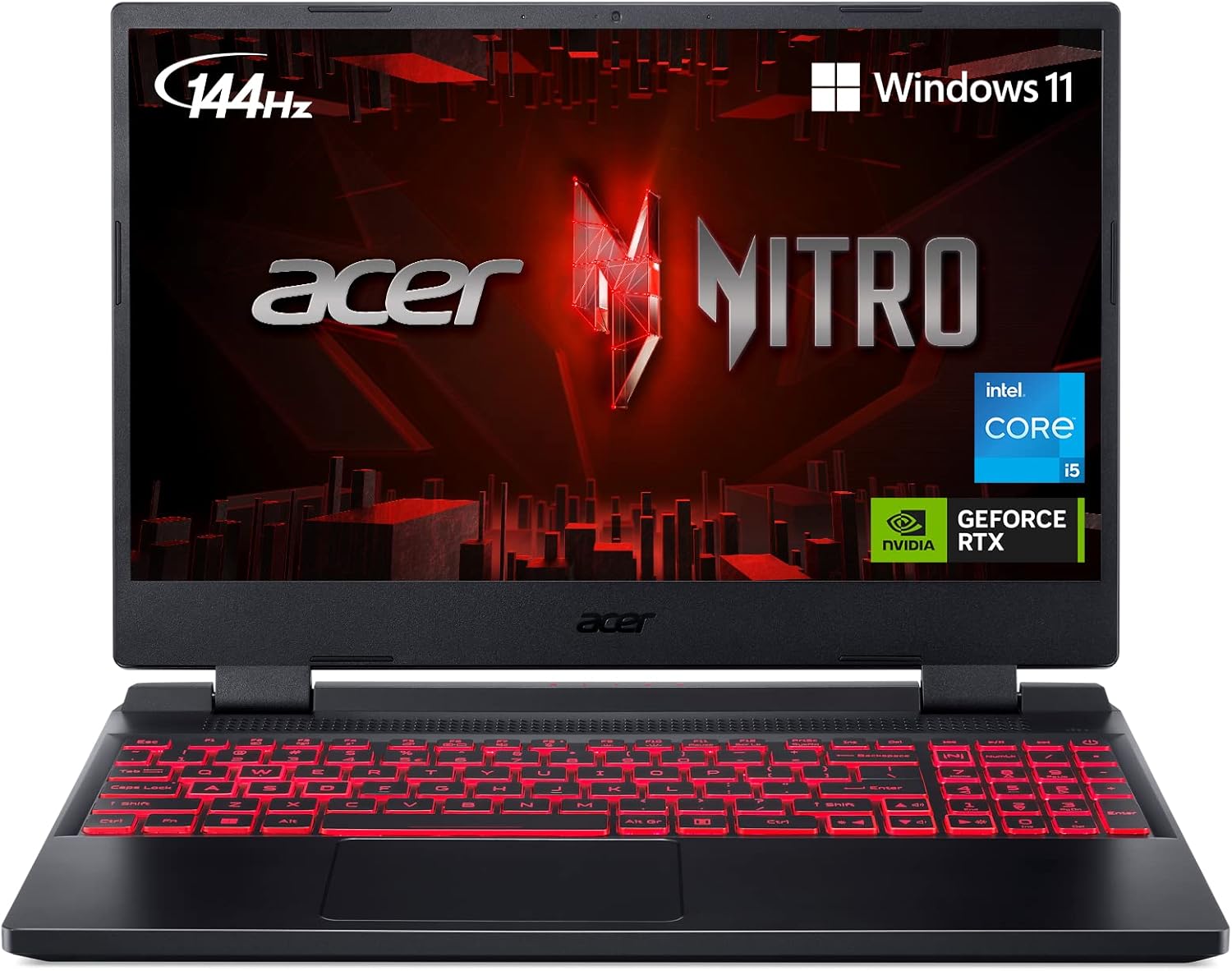
Acer Nitro 5 with RTX 3050 Ti and i5 12th Gen
  • memory Intel Core i5-12500H
  • developer_board NVIDIA GeForce RTX 3050 Ti
  • layers 16GB DDR4-3200MHz
  • track_changes Target GPU: NVIDIA GeForce RTX 3050 Mobile (6GB) / GTX 1660 Ti Mobile
ASUS TUF A15 with RTX 3050 and Ryzen 7
  • memory AMD Ryzen 7 7435HS
  • developer_board NVIDIA GeForce RTX 3050
  • layers 32GB DDR5-4800MHz
  • track_changes Target GPU: NVIDIA GeForce RTX 3050 Mobile (6GB) / GTX 1660 Ti Mobile
MSI Pulse GL66 with RTX 3070 and i7 12th Gen
  • memory Intel Core i7-12700H
  • developer_board NVIDIA GeForce RTX 3070
  • layers 32GB DDR4-3200MHz
  • track_changes Target GPU: NVIDIA GeForce RTX 3070 Mobile (115W+) / RTX 4060 Mobile (105W+)
Acer Nitro V with RTX 4060 and i9 13th Gen
  • memory Intel Core i9-13900H
  • developer_board NVIDIA GeForce RTX 4060
  • layers 16GB DDR5-5200MHz
  • track_changes Target GPU: NVIDIA GeForce RTX 3070 Mobile (115W+) / RTX 4060 Mobile (105W+)
Lenovo Legion Pro 5i (i9-14900HX, RTX 4060)
  • memory Intel Core i9-14900HX
  • developer_board NVIDIA GeForce RTX 4060
  • layers 32GB DDR5-5600MHz
  • track_changes Target GPU: NVIDIA GeForce RTX 3070 Mobile (115W+) / RTX 4060 Mobile (105W+)
check_circle_outline Recommended based on listed requirements for QHD (1440p).
MSI Creator M16 HX with RTX 4070
  • memory Intel Core i9-14900HX
  • developer_board NVIDIA GeForce RTX 4070
  • layers 32GB DDR5-5600MHz
  • track_changes Target GPU: NVIDIA GeForce RTX 4070 Mobile (140W) / RTX 3080 Ti Mobile (150W)
HP Omen 16 (RTX 5060 & Ryzen 9 8940HX)
  • memory AMD Ryzen 9 8940HX Processor
  • developer_board NVIDIA GeForce RTX 5060 Laptop GPU
  • layers 32GB DDR5-5200MHz
  • track_changes Target GPU: NVIDIA GeForce RTX 4070 Mobile (140W) / RTX 3080 Ti Mobile (150W)
ASUS ROG Strix Scar 17 Se with RTX 3080 Ti  and i9
ASUS ROG Strix Scar 17 Se with RTX 3080 Ti and i9
  • memory Intel Core i9-12950HX
  • developer_board NVIDIA GeForce RTX 3080 Ti
  • layers 32GB DDR5-4800MHz
  • track_changes Target GPU: NVIDIA GeForce RTX 4070 Mobile (140W) / RTX 3080 Ti Mobile (150W)
MSI Pulse GL66 with RTX 3070 and i7 12th Gen
  • memory Intel Core i7-12700H
  • developer_board NVIDIA GeForce RTX 3070
  • layers 32GB DDR4-3200MHz
  • track_changes Target GPU: NVIDIA GeForce RTX 3070 Mobile (8GB, High TGP) / RTX 4060 Mobile (8GB, High TGP). **An RTX 3070 Ti Mobile or RTX 4070 Mobile (High TGP) will provide excellent performance.**
Acer Nitro V with RTX 4060 and i9 13th Gen
  • memory Intel Core i9-13900H
  • developer_board NVIDIA GeForce RTX 4060
  • layers 16GB DDR5-5200MHz
  • track_changes Target GPU: NVIDIA GeForce RTX 3070 Mobile (8GB, High TGP) / RTX 4060 Mobile (8GB, High TGP). **An RTX 3070 Ti Mobile or RTX 4070 Mobile (High TGP) will provide excellent performance.**
Lenovo Legion Pro 5i (i9-14900HX, RTX 4060)
  • memory Intel Core i9-14900HX
  • developer_board NVIDIA GeForce RTX 4060
  • layers 32GB DDR5-5600MHz
  • track_changes Target GPU: NVIDIA GeForce RTX 3070 Mobile (8GB, High TGP) / RTX 4060 Mobile (8GB, High TGP). **An RTX 3070 Ti Mobile or RTX 4070 Mobile (High TGP) will provide excellent performance.**
check_circle_outline Recommended based on listed requirements for UHD (4K).
Lenovo Legion Pro 7 16IRX9H with RTX 4090
  • memory Intel Core i9-14900HX
  • developer_board NVIDIA GeForce RTX 4090
  • layers 32GB DDR5-5600MHz
  • track_changes Target GPU: NVIDIA GeForce RTX 4090 Mobile (175W)
LG Gram Pro 17 with RTX 5050
  • memory Intel Core Ultra 9 285H (Series 2) , 14 cores (6 Performance cores + 8 Efficient cores), 20 threads
  • developer_board NVIDIA GeForce RTX 5050 Laptop GPU
  • layers 32GB (2x16GB) DDR5 8400MHz SO-DIMM
  • track_changes Target GPU: NVIDIA GeForce RTX 4090 Mobile (175W)
HP OMEN Ultra Slim 16 (RTX 5070 & Intel i9)
  • memory Intel Core Ultra 9 285H
  • developer_board NVIDIA GeForce RTX 5070
  • layers 32GB (2x16GB) DDR5 4800MHz SO-DIMM
  • track_changes Target GPU: NVIDIA GeForce RTX 4090 Mobile (175W)
ASUS TUF A15 with RTX 3050 and Ryzen 7
  • memory AMD Ryzen 7 7435HS
  • developer_board NVIDIA GeForce RTX 3050
  • layers 32GB DDR5-4800MHz
  • track_changes Target GPU: NVIDIA GeForce RTX 3080 Mobile (10GB/16GB, Max TGP) / RTX 4070 Mobile (8GB, Max TGP). **An RTX 4080 Mobile would be better for consistent performance.**
MSI Creator M16 HX with RTX 4070
  • memory Intel Core i9-14900HX
  • developer_board NVIDIA GeForce RTX 4070
  • layers 32GB DDR5-5600MHz
  • track_changes Target GPU: NVIDIA GeForce RTX 3080 Mobile (10GB/16GB, Max TGP) / RTX 4070 Mobile (8GB, Max TGP). **An RTX 4080 Mobile would be better for consistent performance.**
ASUS ROG Strix G16 with RTX 4070
  • memory Intel Core i9-14900HX
  • developer_board NVIDIA GeForce RTX 4070
  • layers 16GB DDR5-5600MHz
  • track_changes Target GPU: NVIDIA GeForce RTX 3080 Mobile (10GB/16GB, Max TGP) / RTX 4070 Mobile (8GB, Max TGP). **An RTX 4080 Mobile would be better for consistent performance.**

For STAR WARS: Galactic Racer Specifically

check_circle_outline Recommended based on listed requirements for Full HD (1080p).
HP Victus 15 with RTX 3050 and i5 12th Gen
  • memory Intel Core i5-12450H
  • developer_board NVIDIA GeForce RTX 3050
  • layers 16GB DDR4-3200MHz
  • track_changes Target GPU: NVIDIA GeForce RTX 2060 (6GB) / AMD Radeon RX 5600 XT (6GB) / Intel Arc A380
Acer Nitro 5 with RTX 3050 Ti and i5 12th Gen
  • memory Intel Core i5-12500H
  • developer_board NVIDIA GeForce RTX 3050 Ti
  • layers 16GB DDR4-3200MHz
  • track_changes Target GPU: NVIDIA GeForce RTX 2060 (6GB) / AMD Radeon RX 5600 XT (6GB) / Intel Arc A380

ASUS TUF A15 with RTX 3050 and Ryzen 7
  • memory AMD Ryzen 7 7435HS
  • developer_board NVIDIA GeForce RTX 3050
  • layers 32GB DDR5-4800MHz
  • track_changes Target GPU: NVIDIA GeForce RTX 2060 (6GB) / AMD Radeon RX 5600 XT (6GB) / Intel Arc A380
ASUS ROG Strix G15 with RTX 3060 and Ryzen 7
  • memory AMD Ryzen 7 6800H
  • developer_board NVIDIA GeForce RTX 3060
  • layers 16GB DDR5-4800MHz
  • track_changes Target GPU: NVIDIA GeForce RTX 2060 (6GB) / AMD Radeon RX 5600 XT (6GB) / Intel Arc A380
ASUS ROG Zephyrus G15 Ultra with RTX 3080 and Ryzen 9
  • memory AMD Ryzen 9 5900HS
  • developer_board NVIDIA GeForce RTX 3080
  • layers 16GB DDR4-3200MHz
  • track_changes Target GPU: NVIDIA GeForce RTX 2060 (6GB) / AMD Radeon RX 5600 XT (6GB) / Intel Arc A380
MSI Katana 15 with RTX 4070
  • memory Intel Core i7-13620H
  • developer_board NVIDIA GeForce RTX 4070
  • layers 16GB DDR5-4800MHz
  • track_changes Target GPU: NVIDIA GeForce RTX 2060 (6GB) / AMD Radeon RX 5600 XT (6GB) / Intel Arc A380
Alienware M18 with RTX 4070
  • memory Intel Core i7-14700HX
  • developer_board NVIDIA GeForce RTX 4070
  • layers 16GB DDR5-5600MHz
  • track_changes Target GPU: NVIDIA GeForce RTX 2060 (6GB) / AMD Radeon RX 5600 XT (6GB) / Intel Arc A380
MSI Creator M16 HX with RTX 4070
  • memory Intel Core i9-14900HX
  • developer_board NVIDIA GeForce RTX 4070
  • layers 32GB DDR5-5600MHz
  • track_changes Target GPU: NVIDIA GeForce RTX 2060 (6GB) / AMD Radeon RX 5600 XT (6GB) / Intel Arc A380
ASUS ROG Strix G16 with RTX 4070
  • memory Intel Core i9-14900HX
  • developer_board NVIDIA GeForce RTX 4070
  • layers 16GB DDR5-5600MHz
  • track_changes Target GPU: NVIDIA GeForce RTX 2060 (6GB) / AMD Radeon RX 5600 XT (6GB) / Intel Arc A380
ASUS ROG Strix G16 (RTX 5060 & i7 14th Gen)
  • memory Intel Core i7 Processor 14650HX
  • developer_board NVIDIA GeForce RTX 5060 Laptop GPU
  • layers 16GB DDR5-5600MHz
  • track_changes Target GPU: NVIDIA GeForce RTX 2060 (6GB) / AMD Radeon RX 5600 XT (6GB) / Intel Arc A380
MSI Pulse GL66 with RTX 3070 and i7 12th Gen
  • memory Intel Core i7-12700H
  • developer_board NVIDIA GeForce RTX 3070
  • layers 32GB DDR4-3200MHz
  • track_changes Target GPU: NVIDIA GeForce RTX 3070 (8GB) / AMD Radeon RX 6700 XT (12GB)
Acer Nitro V with RTX 4060 and i9 13th Gen
  • memory Intel Core i9-13900H
  • developer_board NVIDIA GeForce RTX 4060
  • layers 16GB DDR5-5200MHz
  • track_changes Target GPU: NVIDIA GeForce RTX 3070 (8GB) / AMD Radeon RX 6700 XT (12GB)
Lenovo Legion Pro 5i (i9-14900HX, RTX 4060)
  • memory Intel Core i9-14900HX
  • developer_board NVIDIA GeForce RTX 4060
  • layers 32GB DDR5-5600MHz
  • track_changes Target GPU: NVIDIA GeForce RTX 3070 (8GB) / AMD Radeon RX 6700 XT (12GB)
Asus Rog Strix Scar 15 with RTX 3070 Ti and i9 12th Gen
  • memory Intel Core i9-12900H
  • developer_board NVIDIA GeForce RTX 3070 Ti
  • layers 16GB DDR5-4800MHz
  • track_changes Target GPU: NVIDIA GeForce RTX 3070 (8GB) / AMD Radeon RX 6700 XT (12GB)
check_circle_outline Recommended based on listed requirements for QHD (1440p).
MSI Creator M16 HX with RTX 4070
  • memory Intel Core i9-14900HX
  • developer_board NVIDIA GeForce RTX 4070
  • layers 32GB DDR5-5600MHz
  • track_changes Target GPU: NVIDIA GeForce RTX 4070 (12GB) / AMD Radeon RX 7800 XT (16GB)
HP Omen 16 (RTX 5060 & Ryzen 9 8940HX)
  • memory AMD Ryzen 9 8940HX Processor
  • developer_board NVIDIA GeForce RTX 5060 Laptop GPU
  • layers 32GB DDR5-5200MHz
  • track_changes Target GPU: NVIDIA GeForce RTX 4070 (12GB) / AMD Radeon RX 7800 XT (16GB)
ASUS ROG Strix Scar 17 Se with RTX 3080 Ti  and i9
ASUS ROG Strix Scar 17 Se with RTX 3080 Ti and i9
  • memory Intel Core i9-12950HX
  • developer_board NVIDIA GeForce RTX 3080 Ti
  • layers 32GB DDR5-4800MHz
  • track_changes Target GPU: NVIDIA GeForce RTX 4070 (12GB) / AMD Radeon RX 7800 XT (16GB)
HP OMEN 16 with RTX 4080 and intel i9 14th Gen
  • memory Intel Core i9-14900HX
  • developer_board NVIDIA GeForce RTX 4080 Laptop GPU
  • layers 64 GB DDR5-5600MHz
  • track_changes Target GPU: NVIDIA GeForce RTX 4070 (12GB) / AMD Radeon RX 7800 XT (16GB)
GIGABYTE AORUS Elite 16 (RTX 5070 & Intel Core Ultra 9 275HX)
  • memory Intel Core Ultra 9 Processor 275HX (Series 2)
  • developer_board NVIDIA GeForce RTX 5070 Laptop GPU
  • layers 32GB DDR5-5600MHz
  • track_changes Target GPU: NVIDIA GeForce RTX 4070 (12GB) / AMD Radeon RX 7800 XT (16GB)
MSI Katana 15 HX (RTX 5070 & Intel i7 14th Gen)
  • memory Intel Core i9-14900HX Processor
  • developer_board NVIDIA GeForce RTX 5070 Laptop GPU
  • layers 32GB DDR5-5600MHz
  • track_changes Target GPU: NVIDIA GeForce RTX 4070 (12GB) / AMD Radeon RX 7800 XT (16GB)
Dell Alienware 16X Aurora (RTX 5070 & Intel Core Ultra 9 275HX)
  • memory Intel Core i9-14900HX Processor
  • developer_board NVIDIA GeForce RTX 5070 Laptop GPU
  • layers 32GB DDR5-5600MHz
  • track_changes Target GPU: NVIDIA GeForce RTX 4070 (12GB) / AMD Radeon RX 7800 XT (16GB)
Lenovo Thinkpad T1G Gen 8 (RTX 5070 & Ultra 9)
  • memory Intel Core Ultra 9 285H (Arrow Lake-H)
  • developer_board NVIDIA GeForce RTX 5070 Laptop GPU
  • layers 64GB LPDDR5x-8533MT/s (LPCAMM2)
  • track_changes Target GPU: NVIDIA GeForce RTX 4070 (12GB) / AMD Radeon RX 7800 XT (16GB)
Acer Predator Helios Neo 18 2024 With Rtx 4080
  • memory Intel Core i9-14900HX
  • developer_board NVIDIA GeForce RTX 4080
  • layers 64GB DDR5-5600MHz
  • track_changes Target GPU: NVIDIA GeForce RTX 4070 (12GB) / AMD Radeon RX 7800 XT (16GB)
ASUS ROG Strix G18 with RTX 4080 and intel i9 14th Gen
  • memory Intel Core i9-14900HX
  • developer_board NVIDIA GeForce RTX 4080
  • layers 32GB DDR5-5600MHz
  • track_changes Target GPU: NVIDIA GeForce RTX 4070 (12GB) / AMD Radeon RX 7800 XT (16GB)
check_circle_outline Recommended based on listed requirements for UHD (4K).
LG Gram Pro 17 with RTX 5050
  • memory Intel Core Ultra 9 285H (Series 2) , 14 cores (6 Performance cores + 8 Efficient cores), 20 threads
  • developer_board NVIDIA GeForce RTX 5050 Laptop GPU
  • layers 32GB (2x16GB) DDR5 8400MHz SO-DIMM
  • track_changes Target GPU: NVIDIA GeForce RTX 4080 (16GB) / AMD Radeon RX 7900 XTX (24GB)
HP OMEN Ultra Slim 16 (RTX 5070 & Intel i9)
  • memory Intel Core Ultra 9 285H
  • developer_board NVIDIA GeForce RTX 5070
  • layers 32GB (2x16GB) DDR5 4800MHz SO-DIMM
  • track_changes Target GPU: NVIDIA GeForce RTX 4080 (16GB) / AMD Radeon RX 7900 XTX (24GB)
Thunderobot Radiant 16 (RTX 5070 Ti & Intel i9 14th Gen)
  • memory Intel Core i9-14900HX Processor
  • developer_board NVIDIA GeForce RTX 5070 Ti Laptop GPU
  • layers 64GB DDR5-5600MHz (commonly listed as 4800MHz by some retailers, but 5600MHz is common for 14th Gen HX with DDR5)
  • track_changes Target GPU: NVIDIA GeForce RTX 4080 (16GB) / AMD Radeon RX 7900 XTX (24GB)
Lenovo Legion Pro 7i Gen 10 with RTX 5070 Ti
  • memory Intel Core Ultra 9 Processor 275HX
  • developer_board NVIDIA GeForce RTX 5070 Ti Laptop GPU
  • layers 64GB DDR5-6400MHz
  • track_changes Target GPU: NVIDIA GeForce RTX 4080 (16GB) / AMD Radeon RX 7900 XTX (24GB)
GIGABYTE AORUS Master 16 (RTX 5070 Ti & Intel Core Ultra 9 275HX)
  • memory Intel Core Ultra 9 Processor 275HX (Series 2)
  • developer_board NVIDIA GeForce RTX 5070 Ti Laptop GPU
  • layers 32GB DDR5-5600MHz
  • track_changes Target GPU: NVIDIA GeForce RTX 4080 (16GB) / AMD Radeon RX 7900 XTX (24GB)

MSI Vector 16 HX with RTX 5070 Ti
  • memory Intel Ultra 7 255HX
  • developer_board NVIDIA GeForce RTX 5070 Ti
  • layers 32GB DDR5 5600MHz
  • track_changes Target GPU: NVIDIA GeForce RTX 4080 (16GB) / AMD Radeon RX 7900 XTX (24GB)
GIGABYTE A16 Pro (RTX 5070 Ti & Intel Core Ultra 7)
  • memory Intel Core Ultra 7 240H
  • developer_board NVIDIA GeForce RTX 5070 Ti Laptop GPU
  • layers 32GB LPDDR5X 5600MHz
  • track_changes Target GPU: NVIDIA GeForce RTX 4080 (16GB) / AMD Radeon RX 7900 XTX (24GB)
XMG Fusion 16 (RTX 5070 & Ultra 9)
  • memory Intel Core Ultra 9 275HX
  • developer_board GeForce RTX 5070 Laptop Laptop GPU
  • layers 64GB DDR5-6400MHz (Single-Channel)
  • track_changes Target GPU: NVIDIA GeForce RTX 4080 (16GB) / AMD Radeon RX 7900 XTX (24GB)
Lenovo Legion Pro 5i Gen 10 (RTX 5070 Ti & Intel Core Ultra 9 275HX)
  • memory Intel Core Ultra 9 275HX
  • developer_board NVIDIA GeForce RTX 5070 Ti
  • layers 32GB
  • track_changes Target GPU: NVIDIA GeForce RTX 4080 (16GB) / AMD Radeon RX 7900 XTX (24GB)
Acer Predator Helios Neo 16S (RTX 5070 Ti & Intel Ultra 9 275HX)
  • memory Intel Core Ultra 9 275HX
  • developer_board NVIDIA GeForce RTX 5070 Ti Laptop GPU
  • layers 32 GB DDR5 6400MHz (2x16GB)
  • track_changes Target GPU: NVIDIA GeForce RTX 4080 (16GB) / AMD Radeon RX 7900 XTX (24GB)

For Ghost of Tsushima Specifically

check_circle_outline Recommended based on listed requirements for HD (720p).
MSI Pulse GL66 with RTX 3070 and i7 12th Gen
  • memory Intel Core i7-12700H
  • developer_board NVIDIA GeForce RTX 3070
  • layers 32GB DDR4-3200MHz
  • track_changes Target GPU: NVIDIA GeForce GTX 960 (4GB) or AMD Radeon RX 5500 XT (4GB)

Acer Nitro V with RTX 4060 and i9 13th Gen
  • memory Intel Core i9-13900H
  • developer_board NVIDIA GeForce RTX 4060
  • layers 16GB DDR5-5200MHz
  • track_changes Target GPU: NVIDIA GeForce GTX 960 (4GB) or AMD Radeon RX 5500 XT (4GB)
Lenovo Legion Pro 5i (i9-14900HX, RTX 4060)
  • memory Intel Core i9-14900HX
  • developer_board NVIDIA GeForce RTX 4060
  • layers 32GB DDR5-5600MHz
  • track_changes Target GPU: NVIDIA GeForce GTX 960 (4GB) or AMD Radeon RX 5500 XT (4GB)
Asus Rog Strix Scar 15 with RTX 3070 Ti and i9 12th Gen
  • memory Intel Core i9-12900H
  • developer_board NVIDIA GeForce RTX 3070 Ti
  • layers 16GB DDR5-4800MHz
  • track_changes Target GPU: NVIDIA GeForce GTX 960 (4GB) or AMD Radeon RX 5500 XT (4GB)
ASUS TUF A15 with RTX 3050 and Ryzen 7
  • memory AMD Ryzen 7 7435HS
  • developer_board NVIDIA GeForce RTX 3050
  • layers 32GB DDR5-4800MHz
  • track_changes Target GPU: NVIDIA GeForce GTX 960 (4GB) or AMD Radeon RX 5500 XT (4GB)
ASUS ROG Strix G15 with RTX 3060 and Ryzen 7
  • memory AMD Ryzen 7 6800H
  • developer_board NVIDIA GeForce RTX 3060
  • layers 16GB DDR5-4800MHz
  • track_changes Target GPU: NVIDIA GeForce GTX 960 (4GB) or AMD Radeon RX 5500 XT (4GB)
MSI Creator M16 HX with RTX 4070
  • memory Intel Core i9-14900HX
  • developer_board NVIDIA GeForce RTX 4070
  • layers 32GB DDR5-5600MHz
  • track_changes Target GPU: NVIDIA GeForce GTX 960 (4GB) or AMD Radeon RX 5500 XT (4GB)
ASUS ROG Strix G16 with RTX 4070
  • memory Intel Core i9-14900HX
  • developer_board NVIDIA GeForce RTX 4070
  • layers 16GB DDR5-5600MHz
  • track_changes Target GPU: NVIDIA GeForce GTX 960 (4GB) or AMD Radeon RX 5500 XT (4GB)
MSI Cyborg 15 (RTX 5050 & Intel 7)
  • memory Intel Core Ultra 7 255H
  • developer_board NVIDIA GeForce RTX 5060 Laptop GPU
  • layers 16GB DDR5-5600MHz (Dual-Channel)
  • track_changes Target GPU: NVIDIA GeForce GTX 960 (4GB) or AMD Radeon RX 5500 XT (4GB)
HP Omen 16 (RTX 5060 & Ryzen 9 8940HX)
  • memory AMD Ryzen 9 8940HX Processor
  • developer_board NVIDIA GeForce RTX 5060 Laptop GPU
  • layers 32GB DDR5-5200MHz
  • track_changes Target GPU: NVIDIA GeForce GTX 960 (4GB) or AMD Radeon RX 5500 XT (4GB)
check_circle_outline Recommended based on listed requirements for Full HD (1080p).
MSI Pulse GL66 with RTX 3070 and i7 12th Gen
  • memory Intel Core i7-12700H
  • developer_board NVIDIA GeForce RTX 3070
  • layers 32GB DDR4-3200MHz
  • track_changes Target GPU: NVIDIA GeForce RTX 2060 (6GB) or AMD Radeon RX 5600 XT (6GB)
Acer Nitro V with RTX 4060 and i9 13th Gen
  • memory Intel Core i9-13900H
  • developer_board NVIDIA GeForce RTX 4060
  • layers 16GB DDR5-5200MHz
  • track_changes Target GPU: NVIDIA GeForce RTX 2060 (6GB) or AMD Radeon RX 5600 XT (6GB)
Lenovo Legion Pro 5i (i9-14900HX, RTX 4060)
  • memory Intel Core i9-14900HX
  • developer_board NVIDIA GeForce RTX 4060
  • layers 32GB DDR5-5600MHz
  • track_changes Target GPU: NVIDIA GeForce RTX 2060 (6GB) or AMD Radeon RX 5600 XT (6GB)
Asus Rog Strix Scar 15 with RTX 3070 Ti and i9 12th Gen
  • memory Intel Core i9-12900H
  • developer_board NVIDIA GeForce RTX 3070 Ti
  • layers 16GB DDR5-4800MHz
  • track_changes Target GPU: NVIDIA GeForce RTX 2060 (6GB) or AMD Radeon RX 5600 XT (6GB)
HP Victus 15 with RTX 3050 and i5 12th Gen
  • memory Intel Core i5-12450H
  • developer_board NVIDIA GeForce RTX 3050
  • layers 16GB DDR4-3200MHz
  • track_changes Target GPU: NVIDIA GeForce RTX 2060 (6GB) or AMD Radeon RX 5600 XT (6GB)
Acer Nitro 5 with RTX 3050 Ti and i5 12th Gen
  • memory Intel Core i5-12500H
  • developer_board NVIDIA GeForce RTX 3050 Ti
  • layers 16GB DDR4-3200MHz
  • track_changes Target GPU: NVIDIA GeForce RTX 2060 (6GB) or AMD Radeon RX 5600 XT (6GB)
ASUS TUF A15 with RTX 3050 and Ryzen 7
  • memory AMD Ryzen 7 7435HS
  • developer_board NVIDIA GeForce RTX 3050
  • layers 32GB DDR5-4800MHz
  • track_changes Target GPU: NVIDIA GeForce RTX 2060 (6GB) or AMD Radeon RX 5600 XT (6GB)
ASUS ROG Strix G15 with RTX 3060 and Ryzen 7
  • memory AMD Ryzen 7 6800H
  • developer_board NVIDIA GeForce RTX 3060
  • layers 16GB DDR5-4800MHz
  • track_changes Target GPU: NVIDIA GeForce RTX 2060 (6GB) or AMD Radeon RX 5600 XT (6GB)
ASUS ROG Zephyrus G15 Ultra with RTX 3080 and Ryzen 9
  • memory AMD Ryzen 9 5900HS
  • developer_board NVIDIA GeForce RTX 3080
  • layers 16GB DDR4-3200MHz
  • track_changes Target GPU: NVIDIA GeForce RTX 2060 (6GB) or AMD Radeon RX 5600 XT (6GB)
MSI Katana 15 with RTX 4070
  • memory Intel Core i7-13620H
  • developer_board NVIDIA GeForce RTX 4070
  • layers 16GB DDR5-4800MHz
  • track_changes Target GPU: NVIDIA GeForce RTX 2060 (6GB) or AMD Radeon RX 5600 XT (6GB)
check_circle_outline Recommended based on listed requirements for QHD (1440p).
MSI Pulse GL66 with RTX 3070 and i7 12th Gen
  • memory Intel Core i7-12700H
  • developer_board NVIDIA GeForce RTX 3070
  • layers 32GB DDR4-3200MHz
  • track_changes Target GPU: NVIDIA GeForce RTX 3070 (8GB) or AMD Radeon RX 6800 (16GB)
Acer Nitro V with RTX 4060 and i9 13th Gen
  • memory Intel Core i9-13900H
  • developer_board NVIDIA GeForce RTX 4060
  • layers 16GB DDR5-5200MHz
  • track_changes Target GPU: NVIDIA GeForce RTX 3070 (8GB) or AMD Radeon RX 6800 (16GB)
Lenovo Legion Pro 5i (i9-14900HX, RTX 4060)
  • memory Intel Core i9-14900HX
  • developer_board NVIDIA GeForce RTX 4060
  • layers 32GB DDR5-5600MHz
  • track_changes Target GPU: NVIDIA GeForce RTX 3070 (8GB) or AMD Radeon RX 6800 (16GB)
Asus Rog Strix Scar 15 with RTX 3070 Ti and i9 12th Gen
  • memory Intel Core i9-12900H
  • developer_board NVIDIA GeForce RTX 3070 Ti
  • layers 16GB DDR5-4800MHz
  • track_changes Target GPU: NVIDIA GeForce RTX 3070 (8GB) or AMD Radeon RX 6800 (16GB)
ASUS TUF A15 with RTX 3050 and Ryzen 7
  • memory AMD Ryzen 7 7435HS
  • developer_board NVIDIA GeForce RTX 3050
  • layers 32GB DDR5-4800MHz
  • track_changes Target GPU: NVIDIA GeForce RTX 3070 (8GB) or AMD Radeon RX 6800 (16GB)
ASUS ROG Strix G15 with RTX 3060 and Ryzen 7
  • memory AMD Ryzen 7 6800H
  • developer_board NVIDIA GeForce RTX 3060
  • layers 16GB DDR5-4800MHz
  • track_changes Target GPU: NVIDIA GeForce RTX 3070 (8GB) or AMD Radeon RX 6800 (16GB)
ASUS ROG Zephyrus G15 Ultra with RTX 3080 and Ryzen 9
  • memory AMD Ryzen 9 5900HS
  • developer_board NVIDIA GeForce RTX 3080
  • layers 16GB DDR4-3200MHz
  • track_changes Target GPU: NVIDIA GeForce RTX 3070 (8GB) or AMD Radeon RX 6800 (16GB)
MSI Katana 15 with RTX 4070
  • memory Intel Core i7-13620H
  • developer_board NVIDIA GeForce RTX 4070
  • layers 16GB DDR5-4800MHz
  • track_changes Target GPU: NVIDIA GeForce RTX 3070 (8GB) or AMD Radeon RX 6800 (16GB)
Alienware M18 with RTX 4070
  • memory Intel Core i7-14700HX
  • developer_board NVIDIA GeForce RTX 4070
  • layers 16GB DDR5-5600MHz
  • track_changes Target GPU: NVIDIA GeForce RTX 3070 (8GB) or AMD Radeon RX 6800 (16GB)
MSI Creator M16 HX with RTX 4070
  • memory Intel Core i9-14900HX
  • developer_board NVIDIA GeForce RTX 4070
  • layers 32GB DDR5-5600MHz
  • track_changes Target GPU: NVIDIA GeForce RTX 3070 (8GB) or AMD Radeon RX 6800 (16GB)
check_circle_outline Recommended based on listed requirements for UHD (4K).
ASUS TUF A15 with RTX 3050 and Ryzen 7
  • memory AMD Ryzen 7 7435HS
  • developer_board NVIDIA GeForce RTX 3050
  • layers 32GB DDR5-4800MHz
  • track_changes Target GPU: NVIDIA GeForce RTX 3080 (10GB) / RTX 4070 (12GB) or AMD Radeon RX 6900 XT (16GB) / RX 7800 XT (16GB)

MSI Creator M16 HX with RTX 4070
  • memory Intel Core i9-14900HX
  • developer_board NVIDIA GeForce RTX 4070
  • layers 32GB DDR5-5600MHz
  • track_changes Target GPU: NVIDIA GeForce RTX 3080 (10GB) / RTX 4070 (12GB) or AMD Radeon RX 6900 XT (16GB) / RX 7800 XT (16GB)
ASUS ROG Strix G16 with RTX 4070
  • memory Intel Core i9-14900HX
  • developer_board NVIDIA GeForce RTX 4070
  • layers 16GB DDR5-5600MHz
  • track_changes Target GPU: NVIDIA GeForce RTX 3080 (10GB) / RTX 4070 (12GB) or AMD Radeon RX 6900 XT (16GB) / RX 7800 XT (16GB)
MSI Cyborg 15 (RTX 5050 & Intel 7)
  • memory Intel Core Ultra 7 255H
  • developer_board NVIDIA GeForce RTX 5060 Laptop GPU
  • layers 16GB DDR5-5600MHz (Dual-Channel)
  • track_changes Target GPU: NVIDIA GeForce RTX 3080 (10GB) / RTX 4070 (12GB) or AMD Radeon RX 6900 XT (16GB) / RX 7800 XT (16GB)
HP Omen 16 (RTX 5060 & Ryzen 9 8940HX)
  • memory AMD Ryzen 9 8940HX Processor
  • developer_board NVIDIA GeForce RTX 5060 Laptop GPU
  • layers 32GB DDR5-5200MHz
  • track_changes Target GPU: NVIDIA GeForce RTX 3080 (10GB) / RTX 4070 (12GB) or AMD Radeon RX 6900 XT (16GB) / RX 7800 XT (16GB)
ASUS ROG Strix Scar 17 Se with RTX 3080 Ti  and i9
ASUS ROG Strix Scar 17 Se with RTX 3080 Ti and i9
  • memory Intel Core i9-12950HX
  • developer_board NVIDIA GeForce RTX 3080 Ti
  • layers 32GB DDR5-4800MHz
  • track_changes Target GPU: NVIDIA GeForce RTX 3080 (10GB) / RTX 4070 (12GB) or AMD Radeon RX 6900 XT (16GB) / RX 7800 XT (16GB)
HP Victus 15 (RTX 4050 & Ryzen 7)
  • memory AMD Ryzen 7 7445HS
  • developer_board NVIDIA GeForce RTX 4050
  • layers 16GB (2x8GB) DDR5 5600MHz SO-DIMM
  • track_changes Target GPU: NVIDIA GeForce RTX 3080 (10GB) / RTX 4070 (12GB) or AMD Radeon RX 6900 XT (16GB) / RX 7800 XT (16GB)
ASUS TUF Gaming  A16 with RTX 4050
ASUS TUF Gaming A16 with RTX 4050
  • memory AMD Ryzen 7 7445HS
  • developer_board NVIDIA GeForce RTX 4050
  • layers 16GB DDR5 5600MHz SO-DIMM
  • track_changes Target GPU: NVIDIA GeForce RTX 3080 (10GB) / RTX 4070 (12GB) or AMD Radeon RX 6900 XT (16GB) / RX 7800 XT (16GB)
HP OMEN 16 with RTX 4080 and intel i9 14th Gen
  • memory Intel Core i9-14900HX
  • developer_board NVIDIA GeForce RTX 4080 Laptop GPU
  • layers 64 GB DDR5-5600MHz
  • track_changes Target GPU: NVIDIA GeForce RTX 3080 (10GB) / RTX 4070 (12GB) or AMD Radeon RX 6900 XT (16GB) / RX 7800 XT (16GB)
GIGABYTE AORUS Elite 16 (RTX 5070 & Intel Core Ultra 9 275HX)
  • memory Intel Core Ultra 9 Processor 275HX (Series 2)
  • developer_board NVIDIA GeForce RTX 5070 Laptop GPU
  • layers 32GB DDR5-5600MHz
  • track_changes Target GPU: NVIDIA GeForce RTX 3080 (10GB) / RTX 4070 (12GB) or AMD Radeon RX 6900 XT (16GB) / RX 7800 XT (16GB)
LG Gram Pro 17 with RTX 5050
  • memory Intel Core Ultra 9 285H (Series 2) , 14 cores (6 Performance cores + 8 Efficient cores), 20 threads
  • developer_board NVIDIA GeForce RTX 5050 Laptop GPU
  • layers 32GB (2x16GB) DDR5 8400MHz SO-DIMM
  • track_changes Target GPU: NVIDIA GeForce RTX 4080 (16GB) or AMD Radeon RX 7900 XTX (24GB)
HP OMEN Ultra Slim 16 (RTX 5070 & Intel i9)
  • memory Intel Core Ultra 9 285H
  • developer_board NVIDIA GeForce RTX 5070
  • layers 32GB (2x16GB) DDR5 4800MHz SO-DIMM
  • track_changes Target GPU: NVIDIA GeForce RTX 4080 (16GB) or AMD Radeon RX 7900 XTX (24GB)
Thunderobot Radiant 16 (RTX 5070 Ti & Intel i9 14th Gen)
  • memory Intel Core i9-14900HX Processor
  • developer_board NVIDIA GeForce RTX 5070 Ti Laptop GPU
  • layers 64GB DDR5-5600MHz (commonly listed as 4800MHz by some retailers, but 5600MHz is common for 14th Gen HX with DDR5)
  • track_changes Target GPU: NVIDIA GeForce RTX 4080 (16GB) or AMD Radeon RX 7900 XTX (24GB)
Lenovo Legion Pro 7i Gen 10 with RTX 5070 Ti
  • memory Intel Core Ultra 9 Processor 275HX
  • developer_board NVIDIA GeForce RTX 5070 Ti Laptop GPU
  • layers 64GB DDR5-6400MHz
  • track_changes Target GPU: NVIDIA GeForce RTX 4080 (16GB) or AMD Radeon RX 7900 XTX (24GB)
GIGABYTE AORUS Master 16 (RTX 5070 Ti & Intel Core Ultra 9 275HX)
  • memory Intel Core Ultra 9 Processor 275HX (Series 2)
  • developer_board NVIDIA GeForce RTX 5070 Ti Laptop GPU
  • layers 32GB DDR5-5600MHz
  • track_changes Target GPU: NVIDIA GeForce RTX 4080 (16GB) or AMD Radeon RX 7900 XTX (24GB)
MSI Vector 16 HX with RTX 5070 Ti
  • memory Intel Ultra 7 255HX
  • developer_board NVIDIA GeForce RTX 5070 Ti
  • layers 32GB DDR5 5600MHz
  • track_changes Target GPU: NVIDIA GeForce RTX 4080 (16GB) or AMD Radeon RX 7900 XTX (24GB)
GIGABYTE A16 Pro (RTX 5070 Ti & Intel Core Ultra 7)
  • memory Intel Core Ultra 7 240H
  • developer_board NVIDIA GeForce RTX 5070 Ti Laptop GPU
  • layers 32GB LPDDR5X 5600MHz
  • track_changes Target GPU: NVIDIA GeForce RTX 4080 (16GB) or AMD Radeon RX 7900 XTX (24GB)
XMG Fusion 16 (RTX 5070 & Ultra 9)
  • memory Intel Core Ultra 9 275HX
  • developer_board GeForce RTX 5070 Laptop Laptop GPU
  • layers 64GB DDR5-6400MHz (Single-Channel)
  • track_changes Target GPU: NVIDIA GeForce RTX 4080 (16GB) or AMD Radeon RX 7900 XTX (24GB)
Lenovo Legion Pro 5i Gen 10 (RTX 5070 Ti & Intel Core Ultra 9 275HX)
  • memory Intel Core Ultra 9 275HX
  • developer_board NVIDIA GeForce RTX 5070 Ti
  • layers 32GB
  • track_changes Target GPU: NVIDIA GeForce RTX 4080 (16GB) or AMD Radeon RX 7900 XTX (24GB)
Acer Predator Helios Neo 16S (RTX 5070 Ti & Intel Ultra 9 275HX)
  • memory Intel Core Ultra 9 275HX
  • developer_board NVIDIA GeForce RTX 5070 Ti Laptop GPU
  • layers 32 GB DDR5 6400MHz (2x16GB)
  • track_changes Target GPU: NVIDIA GeForce RTX 4080 (16GB) or AMD Radeon RX 7900 XTX (24GB)

info_outline Laptop recommendations are estimates based on available component benchmarks and game requirements. Actual performance may vary depending on settings, drivers, cooling, power limits, etc. Prices and availability subject to change. As an Amazon Associate, we earn from qualifying purchases.

Processing...