Select Games to Compare

search close
search close

Select up to 2 games to compare side-by-side.

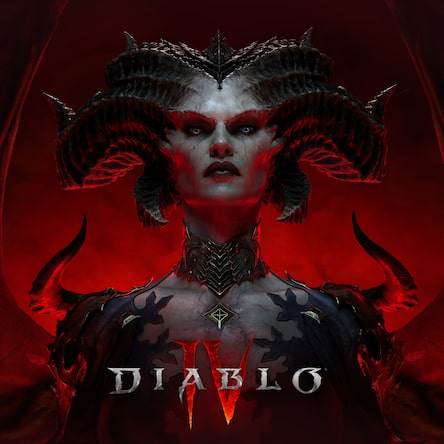
The Seven Deadly Sins: Origin vs Diablo IV

close close
info General Information
Release Date
Mar 16, 2026 Jun 6, 2023
Developer
Netmarble F&C Blizzard Entertainment (Team 3)
Publisher
Netmarble Blizzard Entertainment
Genre(s)
Open-World Action RPG Action RPG, Hack and Slash, Dungeon Crawler, Open World (elements), Dark Fantasy
Engine
Unreal Engine 5 Proprietary (Blizzard Engine, heavily updated)
stars Ratings & Price
Content Rating
Teen Mature 17+
Avg. User Rating
4.8 / 5.0 4.0 / 5.0
Current Price (USD)
Free $69.99
tune Key Specs
Quick Highlights
  • Multiplayer: Up to 5 Players Co-op
  • Anti-Cheat: Easy Anti-Cheat
  • Language Support: 13 Languages / 3 Audio Tracks
  • Platform Support: PC, PS5, iOS, Android
  • Total Sales Franchise: 55 Million+ Copies
  • Perspective: Isometric (Top-Downish Third-Person)
  • Multiplayer: Online Co-op (up to 4 players), Shared World, PvP Zones (Fields of Hatred)
  • Setting: Sanctuary (Fractured Peaks, Scosglen, Dry Steppes, Kehjistan, Hawezar)
  • Platforms: PC (Windows), PlayStation 4, PlayStation 5, Xbox One, Xbox Series X|S
  • Unique Feature: Shared Open World Sanctuary, Deep Class Customization & Paragon System, Legendary Aspect Crafting, Dark Gothic Atmosphere, Seasonal Content Model.
sports_esports Gameplay & Mechanics
Companions/Followers
  • Hawk: Scraps Detection (Finds hidden items)
    Pig
  • Oslow: Short-range Teleportation
    Black Hound
  • Necromancer Minions (Skeletons, Golem): The Necromancer class can summon and command various undead minions. Skeletal Warriors (Skirmishers, Defenders, Reapers), Skeletal Mages (Shadow, Cold, Bone), and a powerful Golem (Bone, Blood, Iron). These minions automatically attack enemies and can be customized and upgraded through the Book of the Dead and skill tree.
    Undead Construct
  • Druid Companions (Wolves, Ravens, Vine Creeper): The Druid class can summon animal companions. Wolves fight alongside the Druid. Ravens passively attack enemies and can apply Vulnerability. Vine Creepers poison enemies or provide active abilities. These companions are part of the Druid's skill set and can be enhanced.
    Animal / Plant Spirit
  • Sorcerer/Sorceress Conjurations (Hydra, Ice Blades, Lightning Spear - Temporary): While not persistent pets, Sorcerers can conjure temporary magical allies like Hydras that spit fire, Ice Blades that seek enemies, or Lightning Spears that zap foes. These are active spells with durations.
    Magical Construct
  • Online Co-op Party Members (Other Players): In online cooperative play, players can team up with up to three other players (forming a party of four). Teammates fight alongside each other, can revive downed allies, and synergize their class abilities to tackle challenging content like Dungeons, World Bosses, or Helltides. Trade is limited.
    Human (Player Characters - Various Classes)
  • Story-Specific NPC Allies (Temporary & Contextual): During certain main story quests or significant side quests, key NPC characters like Lorath Nahr or Donan will temporarily accompany the player character, providing combat support (though often less impactful than player companions) and crucial dialogue. Their presence is scripted for those mission segments.
    Human (e.g., Lorath Nahr, Donan, Neyrelle)
Key Collectibles
  • Memory Orb: Scattered across Britannia
  • Vanya Ale Recipe: Various Town Taverns
  • Legendary Items & Aspects: Dropped by enemies (especially Elites and Bosses), found in chests, obtained from gambling with Obols, or as rewards from events and quests. Legendary items have powerful unique Aspects that can be extracted at the Occultist and imprinted onto Rare or other Legendary items. Collecting and optimizing Aspects is key to build crafting.
  • Unique Items (Including Uber Uniques): Extremely rare and powerful items with fixed, often build-defining, unique properties that cannot be modified or extracted. Dropped from high-level content, specific bosses, or have very low drop rates. Uber Uniques are the rarest and most powerful items in the game.
  • Altars of Lilith: Hidden statues of Lilith scattered throughout all regions of Sanctuary. Interacting with each one for the first time grants a small, permanent stat boost (e.g., +Strength, +Dexterity, +Max Obols, +Paragon Point) to ALL characters on the player's account within that realm (Seasonal/Eternal). Also grants Renown.
  • Paragon Glyphs: Earned as drops, primarily from Nightmare Dungeons. These are socketed into Paragon Boards (unlocked after level 50) to provide powerful passive bonuses and stat increases within their radius. Glyphs can be leveled up by completing Nightmare Dungeons, increasing their power and radius.
  • Waypoints: Teleportation points found in towns, settlements, and key locations across Sanctuary. Activating them allows for fast travel between discovered waypoints.
  • Strongholds: Three per region. Heavily enemy-infested locations that, once conquered by defeating all enemies and a final boss/event, transform into friendly outposts, often unlocking new Waypoints, vendors, dungeons, or side quests.
  • Codex of Power (Aspects from Dungeons): Completing specific Dungeons for the first time unlocks a baseline version of a Legendary Aspect in the Codex of Power. These aspects always roll with their minimum values but can be imprinted onto gear an unlimited number of times (at a cost).
  • Side Quest Items & Lore Books/Notes: Various items required for completing side quests, or readable books, notes, and journals that provide lore about Sanctuary, its history, characters, and the ongoing conflict.
  • Mounts & Mount Armor (Cosmetic/Utility): Mounts are unlocked via a quest. Various cosmetic horse breeds and mount armor sets can be acquired as drops, from vendors, or through the in-game shop.
  • Titles & Emblems (Player Profile Customization): Unlocked by completing challenges, achievements, or progressing through the seasonal Battle Pass. Used to customize the player's visible profile.
Key Themes
  • Fantasy
  • Adventure
  • Multiverse
  • Shonen
  • Friendship
  • Dark Fantasy & Gothic Horror
  • Demonic Invasion & Eternal Conflict (High Heavens vs. Burning Hells)
  • The Return of Lilith
  • Corruption & Despair
  • Ancient Evils
  • Cults & Fanaticism
  • Loot & Character Progression
  • Shared World Experience
  • Sanctuary's Lore
colorize Combat & Gear
Weapons Overview
  • Lostvayne: Shortsword
    Meliodas's Sacred Treasure that allows for physical cloning.
  • Chastiefol: Spirit Spear
    A transformative weapon made from the Sacred Tree.
  • Tristan's Dual Sabers: Twin Swords
    Blades infused with Goddess and Demon clan energies.
  • One-Handed Weapons (Swords, Axes, Maces, Daggers, Wands, Scepters): Melee / Caster
    Various one-handed weapons. Swords, axes, maces, and daggers are typically for melee classes (Barbarian, Rogue, Druid, Necromancer). Wands and scepters are often used by casters (Sorcerer, Necromancer) and can roll with spell-related affixes. Can be dual-wielded by Rogues or paired with an off-hand item/shield.
  • Two-Handed Weapons (Swords, Axes, Maces, Polearms, Staves, Scythes): Melee / Caster (Heavy)
    Larger weapons dealing higher base damage. Two-handed swords, axes, maces, and polearms are for melee classes. Staves are for Sorcerers. Scythes are iconic for Necromancers. Typically prevent the use of an off-hand item.
  • Ranged Weapons (Bows, Crossbows): Physical Ranged
    Used primarily by the Rogue class, but other classes might have specific builds or uniques that utilize them. Fire arrows or bolts.
  • Off-Hand Items (Shields, Foci, Tomes): Defensive / Caster Utility
    Shields provide blocking and defensive stats. Foci and Tomes are held by casters and can provide significant offensive or utility stats, cooldown reduction, or resource generation for spells.
  • Class-Specific Weapon Types (e.g., Totems for Druid, Scythes for Necromancer): Thematic / Unique
    Some weapon types are strongly associated with or exclusively usable by certain classes, often synergizing with their core skills and themes.
  • Magical Affixes & Legendary Aspects: Weapon Enhancements
    All weapons (except Common) roll with magical affixes (e.g., +Strength, +Critical Strike Chance, +Damage to Vulnerable). Legendary weapons also have a powerful Legendary Aspect that significantly alters a skill or provides a unique effect. These aspects can be extracted and imprinted onto other items.
  • Gems (Socketable): Weapon Augmentation
    Weapons can have sockets where gems (Rubies, Sapphires, Emeralds, Diamonds, Amethysts, Skulls, Topazes) can be inserted to provide specific offensive or utility bonuses (e.g., damage over time, crowd control duration, basic skill damage, ultimate damage, critical strike damage to crowd controlled enemies).
Armor / Gear Sets
  • Holy Knight Plate: +20% Physical Defense, +10% Resistance
  • Fairy Silk Tunic: +15% Magic Attack, +30% Movement Speed
  • Helms: Head armor. Provides Armor value and various magical affixes (e.g., +Max Life, +Cooldown Reduction, +Ranks to specific Skills, Resistances). Can have sockets for Gems.
  • Chest Armor: Body armor. Provides the highest base Armor value of all pieces and significant magical affixes (e.g., +Damage Reduction, +Total Armor, +Ranks to Skills, Thorns). Can have sockets.
  • Gloves: Hand armor. Provides Armor and magical affixes often related to offensive stats (e.g., +Attack Speed, +Critical Strike Chance, +Lucky Hit Chance, +Ranks to Skills). Can have sockets.
  • Pants: Leg armor. Provides Armor and magical affixes often focused on defensive or utility stats (e.g., +Damage Reduction from Close Enemies, +Potion Capacity, +Movement Speed after Elite Kill). Can have sockets.
  • Boots: Foot armor. Provides Armor and magical affixes typically related to movement and utility (e.g., +Movement Speed, +Evade Charges, +Damage Reduction while Injured). Can have sockets.
  • Amulets: Necklace slot. Does not provide Armor but offers powerful magical affixes (e.g., +Ranks to Passive Skills, +Critical Strike Damage, +Resource Generation, Movement Speed, Cooldown Reduction). Can have sockets.
  • Rings (x2): Finger slots (two can be equipped). Do not provide Armor but offer significant magical affixes (e.g., +Critical Strike Chance, +Vulnerable Damage, +Resource Cost Reduction, +Lucky Hit Chance). Can have sockets.
  • Legendary Aspects: Found on Legendary items (Orange rarity). These provide powerful, often class-specific or build-defining effects that can be extracted at the Occultist and imprinted onto Rare or other Legendary items (replacing their existing aspect). Key to build customization.
  • Unique Items: Gold/Brown rarity items with fixed, powerful, and often build-altering unique properties that cannot be modified or extracted. Some are class-specific. Uber Uniques are extremely rare and powerful versions.
  • Gems (Socketable): Can be socketed into gear with open sockets to provide specific defensive bonuses (e.g., Rubies for +Max Life in Armor, Sapphires for +Damage Reduction while Fortified in Armor, Skulls for +Armor).
Outfits/Customization
  • Boar Hat Uniform: Color Dye, Accessory Slots
  • Liones Royal Cape: Emblem Customization
  • Armor Sets (Helms, Chest Armor, Gloves, Pants, Boots): Players equip five main pieces of armor that determine their defensive stats and often contribute significantly to their visual appearance. Armor sets often have a cohesive visual style (e.g., bone armor for Necromancers, heavy plate for Barbarians, leather for Rogues, robes for Sorcerers, nature-themed gear for Druids). Higher rarity items (Legendary, Unique) have distinct, often elaborate appearances.
  • Cosmetic Transmogrification (Wardrobe System): Diablo IV features a Wardrobe system that allows players to save the appearance of any armor piece they have collected. They can then transmogrify their currently equipped gear to look like any saved appearance, allowing for full fashion customization without sacrificing stats. This applies to all armor slots.
  • Weapon Appearances (Tied to Item & Transmog): The appearance of equipped weapons also changes based on the specific item. Like armor, weapon appearances can be saved and transmogrified onto other weapons of the same type.
  • Character Customization (Creation & In-Game Shop): At character creation, players can customize their character's face, hairstyle, hair color, skin tone, markings (tattoos, jewelry, makeup). Additional cosmetic items like character emotes, mount armor, town portal skins, and some armor appearances are available through the seasonal Battle Pass or purchasable from the in-game microtransaction shop (cosmetic only, no power advantages).
  • Mount Customization (Mount Armor, Trophies): Players can acquire various cosmetic armor sets for their horse mount, as well as trophies that hang from the saddle. These are unlocked through gameplay or purchased from the shop.
trending_up Progression & Upgrades
Skills & Progression

Progression is tied to character leveling and weapon proficiency. Each character has a unique skill tree that enhances their elemental affinities and 'Tag Skills.' Players can upgrade equipment through crafting using materials found in the world. A unique 'Synchro' system allows two characters to perform combined ultimate moves depending on their bond level and elemental compatibility.

N/A
public World & Exploration
World & Level Design

The game features a massive, seamless 3D open world encompassing iconic locations like the Kingdom of Liones, the Fairy King's Forest, and Camelot. The world is divided into diverse biomes including lush grasslands, volcanic peaks, and underwater caverns. Exploration is vertical, utilizing flying and swimming mechanics to ensure no part of the map is inaccessible to the player.

N/A
Playable Vehicles
  • Mama Hawk: Living Transport
    A massive pig that carries the Boar Hat tavern across the map.
  • Mount (Horse - Various Breeds & Cosmetics): Primary Land Traversal
    Players unlock a horse mount by completing a specific priority quest in Act IV. Mounts significantly speed up travel across the vast open world of Sanctuary. Various horse breeds (cosmetic) and mount armor/trophies (cosmetic) can be acquired through gameplay, challenges, or the in-game shop. Mounts have a short dash ability and can perform a dismount attack.
  • Waypoints (Fast Travel Network): Map Traversal Mechanic
    Numerous Waypoints are located in towns, settlements, and key points of interest throughout Sanctuary. Once a Waypoint is discovered and activated, players can instantly travel to it from any other activated Waypoint or from the world map, greatly reducing travel time.
  • Town Portals (Scroll of Town Portal - Limited): Utility / Return Travel
    While not a vehicle, players can use a Town Portal (either via an unlimited hotkey with a cooldown, or historically via consumable scrolls in past games) to quickly return to the nearest major town/hub from anywhere in the open world or dungeons. This is essential for selling loot, repairing gear, and accessing services.
  • Traversal on Foot (Walking, Running, Evade/Dash): Player Locomotion
    Standard on-foot movement for exploring dungeons, navigating combat, and detailed areas. Characters can walk, run (no separate sprint button, movement speed is base), and use an Evade/Dash ability (with charges and cooldown) for quick repositioning or dodging attacks. Some classes have additional movement skills (e.g., Sorcerer's Teleport, Rogue's Dash).
Notable Fauna/Mounts
  • Hawk: Pig
    Captain of Scraps Disposal / Comic Relief
  • Mama Hawk: Giant Pig
    Mobile Tavern Transport
N/A
book Story & Characters
Main Characters
  • Tristan: Protagonist
    The son of Meliodas and Elizabeth, possessing both demonic and angelic powers.
  • Tioreh: Support/Mage
    The daughter of King and Diane, she uses magic and flight to aid the team.
  • Meliodas: Warrior
    Leader of the Seven Deadly Sins and legendary Dragon's Sin of Wrath.
  • Player Character (Customizable Wanderer - Barbarian, Druid, Necromancer, Rogue, Sorcerer): Protagonist / Nephalem (Implied)
    A customizable character who becomes entangled in the events surrounding Lilith's return. Their journey involves confronting demonic forces, navigating faction politics, and potentially shaping the fate of Sanctuary. Each class offers a distinct playstyle and narrative flavor.
  • Lilith (Daughter of Hatred / Mother of Sanctuary): Main Antagonist / Creator Figure
    Daughter of Mephisto, Lord of Hatred, and co-creator of Sanctuary with the archangel Inarius. She is summoned back to Sanctuary and seeks to free humanity from the Eternal Conflict between Heaven and Hell, though her methods are extreme and manipulative. The primary driving force of the main story.
  • Inarius (Archangel): Antagonist Figure / Former Creator of Sanctuary
    A former archangel of the Angiris Council who, along with Lilith, created Sanctuary. He was exiled and imprisoned but returns with a fanatical desire to rejoin the High Heavens, viewing Lilith and her plans as an obstacle. Leads the Knights Penitent.
  • Lorath Nahr: Ally / Horadrim Scholar / Narrator
    One ofthe last surviving members of the Horadrim order. He is an elderly, wise scholar who guides the player character, providing historical context, lore, and assistance in understanding the threats facing Sanctuary. Acts as a key narrative voice.
  • Donan: Ally / Horadrim Scholar / Grieving Father
    A former Horadrim and friend of Lorath, now a reclusive figure living in Scosglen, grieving the loss of his son. He possesses crucial knowledge and resources that aid the player.
  • Neyrelle: Ally / Young Scholar
    A young, intelligent, and resourceful woman accompanying Lorath. She is skilled in research and seeks to understand the ancient evils threatening Sanctuary, though she is sometimes reckless.
  • Taissa: Ally / Druid of Scosglen (If player is Druid or interacts)
    A key figure within the Druid circles of Scosglen, involved in quests related to the region's spiritual imbalance and demonic corruption.
  • Prava: Antagonist Figure / Leader of the Cathedral of Light in Kyovashad
    The devout and stern leader of the Cathedral of Light in Kyovashad, representing the dominant faith in the Fractured Peaks. She is wary of Lilith's influence but also of outsiders like the player.
  • Elias (Pale Man): Antagonist / Follower of Lilith / Former Horadrim
    A former Horadrim scholar who becomes a key servant of Lilith, orchestrating events to aid her return and plans. A recurring antagonist.
  • Various other NPCs (Townsfolk, Faction Members, Quest Givers): Supporting Cast / World Flavor
    Sanctuary is populated by numerous other characters who provide quests, services, or contribute to the world's atmosphere and lore.
Example Missions
  • Restoring the Fracture: Main Story
    Close the temporal rift in Liones
  • The Fairy Forest's Plea: Side Quest
    Defeat the encroaching monsters in the forest
  • Main Campaign Questline (The Return of Lilith)
    A multi-act narrative following the player character's journey across Sanctuary to stop Lilith, Daughter of Hatred, and her plans. This involves investigating her influence, confronting her key followers (like Elias), allying with the Horadrim (Lorath Nahr, Donan), and ultimately facing Lilith herself. Features cinematic storytelling and major boss encounters.
  • Side Quests (Regional Stories & Character Vignettes)
    Numerous optional quests found throughout Sanctuary's five regions. These offer self-contained storylines, delve into local lore, explore the struggles of ordinary people, or provide more insight into the game's factions and history. Rewards typically include XP, gold, gear, and Renown.
  • Priority Quests (Class-Specific & Key Unlocks)
    Quests that unlock significant gameplay features or are specific to the player's chosen class. This includes quests to unlock mounts, class specializations (e.g., Barbarian's Arsenal System, Druid's Spirit Boons), or access to end-game systems like Nightmare Dungeons or the Occultist.
  • Dungeons (Standard & Nightmare Tiers)
    Explore and clear over 100 unique instanced dungeons scattered across Sanctuary. Each dungeon has specific objectives (e.g., slay all enemies, destroy structures, return Animus to a pedestal) and a final boss. Completing a dungeon for the first time often unlocks a Legendary Aspect in the Codex of Power. Nightmare Dungeons are empowered, higher-difficulty versions accessed via Nightmare Sigils, featuring challenging affixes and rewarding Paragon Glyph XP.
  • Strongholds
    Conquer three heavily enemy-infested locations in each of the five major regions. This involves defeating waves of enemies, a final boss or event, and then rekindling a Wanderer's Shrine. Liberating a Stronghold transforms it into a friendly outpost, often unlocking new Waypoints, vendors, dungeons, or side quests in the area. Also grants significant Renown.
  • World Bosses (Ashava the Pestilent, Avarice the Gold Cursed, Wandering Death, Death Given Life)
    Participate in timed, large-scale public encounters against massive bosses that spawn at specific locations in the open world. Requires multiple players to defeat within a time limit. Rewards include high-quality loot, Legendary items, and weekly bonus caches.
  • Legion Events (Gathering Legions)
    Timed public events where players must defend against waves of demons and defeat Overlords to earn rewards and Obols. Multiple players are typically needed for efficient completion.
  • Helltide Events
    Participate in region-wide demonic invasions that occur in World Tier 3 and above. Defeat empowered enemies to collect Aberrant Cinders, which are then used to open Tortured Gifts (special chests) scattered throughout the Helltide zone for a chance at targeted Legendary items, Forgotten Souls, and Fiend Roses.
  • Tree of Whispers (Grim Favors)
    An end-game system where players complete various bounties (Grim Favors) marked on the map (e.g., clear a specific dungeon, defeat enemies in an area, collect items from corpses). Earning 10 Grim Favors allows the player to return to the Tree of Whispers for a choice of reward caches containing gear and experience.
  • Seasonal Questlines & Activities
    Each new season introduces a unique storyline and associated gameplay mechanics or activities that players can engage with on their seasonal characters. Completing these progresses the seasonal journey and unlocks season-specific rewards and Battle Pass tiers.
people Multiplayer
Multiplayer Details

While the story is playable solo, the game features 'World Boss' raids for up to 5 players and 4-player cooperative dungeons called 'Fractures.' There is a dedicated social hub in Liones where players can trade, form guilds, and participate in mini-games like card battles and tavern management.

N/A
extension Editions & DLC
Available Editions

The game is Free-to-Play with a 'Grand Launch' bundle. Digital Deluxe Edition includes an exclusive skin for Tristan and Tioreh, a 30-day Adventurer's Pass, and 1,000 Origin Crystals. The Collector's Edition (Physical) features a 12-inch statue of Tristan and Meliodas, a hardcover artbook, and a steelbook case.

Available in Standard Edition, Digital Deluxe Edition (included early access to Open Beta, Light-Bearer Mount, Caparison of Faith Mount Armor, Inarius Wings & Murloc Pet in D3/WoW, Amalgam of Rage Mount in WoW, Umber Winged Darkness Cosmetic Set in DI, and Premium Seasonal Battle Pass Unlock), and Ultimate Edition (Deluxe content + Accelerated Seasonal Battle Pass Unlock with 20 Tier Skips and Wings of the Creator emote). Various pre-order bonuses were also offered.

Post-Launch Content / DLC

Netmarble has announced a seasonal 'World Expansion' roadmap. Every 3 months, a new region of Britannia will be unlocked along with new story chapters. Limited-time collaboration events with other popular anime franchises are planned for late 2026. Frequent 'Balance Patches' will address combat meta and multiplayer dungeon difficulty.

Diablo IV follows a seasonal live-service model. Each season (typically lasting around 3 months) introduces new gameplay mechanics, questlines, a seasonal journey with objectives, a battle pass (free and premium tracks with cosmetic rewards and season boosts), new legendary aspects, unique items, and balance changes. The first major paid expansion, 'Vessel of Hatred,' is announced for late 2024, featuring a new region, class, and story continuation.

help_outline FAQ
Frequently Asked Questions
  • Q: Is the game free to play?
    A: Yes, The Seven Deadly Sins: Origin is a free-to-play title with optional in-game purchases for cosmetics and progression boosts.
  • Q: Does it support cross-save?
    A: Yes, players can link their Netmarble account to play on the same character across PC, PS5, and mobile.
  • Q: Can I play the whole story solo?
    A: The main campaign is designed to be fully playable solo, though certain dungeons and world bosses are optimized for co-op.
  • Q: Who is the main character?
    A: The story focuses on Prince Tristan, though players can recruit and play as many classic characters from the series.
  • Q: Is an internet connection required?
    A: Yes, a persistent internet connection is required for character data syncing and multiplayer features.
  • Q: Is Diablo IV an always-online game?
    A: Yes, Diablo IV requires a persistent internet connection to play, even for solo content. This is due to its shared open world, seasonal structure, and online social features.
  • Q: How many playable classes are there in Diablo IV?
    A: At launch, Diablo IV features five playable classes: Barbarian, Druid, Necromancer, Rogue, and Sorcerer. A sixth class, the Spiritborn, will be introduced with the 'Vessel of Hatred' expansion.
  • Q: What is the Renown system?
    A: Renown is a progression system tied to exploring and completing activities within each of Sanctuary's five major regions. Earning Renown (by discovering areas, waypoints, strongholds, side quests, dungeons, Altars of Lilith) unlocks account-wide rewards for that realm (Seasonal/Eternal), such as extra skill points, potion charges, Paragon points, and Obol capacity.
  • Q: What are Helltides?
    A: Helltides are timed, region-wide events that occur in the end-game (World Tier 3 and above). During a Helltide, a specific region becomes more dangerous with stronger demons and environmental hazards. Players collect Aberrant Cinders from defeated enemies to open Tortured Gifts (special chests) that contain valuable loot, including crafting materials like Forgotten Souls and Fiend Roses, and have a higher chance for Legendary items.
  • Q: Are there PvP zones in Diablo IV?
    A: Yes, Diablo IV features designated PvPvE zones called Fields of Hatred. In these areas, players can attack each other. Defeating other players or monsters yields Seeds of Hatred, which must be purified at an Altar of Extraction to convert them into Red Dust. Red Dust is a currency used to purchase cosmetic rewards. Players carrying unpurified Seeds can be killed and looted by others.
  • Q: How does the seasonal content work?
    A: Diablo IV follows a seasonal model (typically lasting 3 months). Each season introduces new gameplay mechanics, a seasonal questline, new legendary aspects and unique items, a seasonal journey with objectives, and a Battle Pass with free and premium tracks offering cosmetic rewards and gameplay boosts (like Smoldering Ashes for XP/gold buffs). Players typically create a new seasonal character to participate, though some progress (like Altars of Lilith, map discovery) can carry over from the Eternal Realm.
  • Q: What is the end-game like in Diablo IV?
    A: The end-game primarily revolves around progressing through World Tiers (unlocking higher difficulties and better loot), farming Nightmare Dungeons to level up Paragon Glyphs, participating in Helltide events, defeating World Bosses, completing Whispers of the Dead bounties, engaging in PvP in the Fields of Hatred, and tackling seasonal content. The ultimate challenge is defeating Uber Lilith.
build Technical Details
Graphics & Visual Fidelity

Built on Unreal Engine 5, the game utilizes 'Cel-Shaded' rendering to mimic the aesthetic of high-budget anime while incorporating modern lighting techniques like Global Illumination and high-resolution textures. The world features a fully dynamic weather system and a day/night cycle that affects both NPC schedules and monster spawns.

Powered by a heavily updated Blizzard engine, Diablo IV showcases a dark, gritty, and highly detailed visual style, returning to the more gothic aesthetic of earlier Diablo games. Features realistic character models, gruesome enemy designs, detailed environments with dynamic weather and lighting, and impactful spell/ability effects. The game aims for a more grounded and visceral presentation of Sanctuary.

Audio & Soundtrack

The soundtrack features orchestral arrangements inspired by the original anime score, with dynamic music that shifts based on the day/night cycle and combat intensity. Full voice acting is provided in English, Japanese, and Korean, featuring the original cast members from the anime series to ensure authentic character portrayal.

Original score composed by Ted Reedy and Leo Kaliski, featuring dark, orchestral, and atmospheric themes that capture the grim and gothic tone of Sanctuary. Music is dynamic, building intensity during combat and creating a sense of dread or melancholy during exploration. Sound design emphasizes visceral combat impacts, distinct monster vocalizations, environmental ambience, and satisfying loot drop sounds.

User Interface (UI/UX)

The UI is designed for minimalism to enhance immersion in the open world. It features a dynamic 'Radial Menu' for quick character swapping and item use. The mobile interface is fully customizable, allowing players to resize and move virtual buttons, while the PC/Console versions offer a clean HUD with support for ultra-wide monitors.

Features a classic ARPG HUD displaying health and resource (e.g., Mana, Fury, Spirit) globes, an action bar for equipped skills, potion charges, and a mini-map. Inventory is grid-based. Skill tree, Paragon board, character sheet, map, and quest log are accessed via menus. Extensive tooltips explain skills, stats, and item properties.

Accessibility Options

Includes 15+ features such as full controller remapping, colorblind filters (Protanopia, Deuteranopia, Tritanopia), high-contrast UI mode, simplified Quick Time Events (QTEs), and a robust 'Ping System' for non-verbal communication in co-op. Text-to-speech and visual sound indicators are also available for players with hearing or visual impairments.

Offers a range of accessibility options, including extensive control remapping (PC), subtitle and text size customization, colorblind modes, options for screen shake reduction, persistent targeting options, skill toggle vs. hold options, button remapping for controllers, and audio cues for important gameplay elements like loot drops.

Gameplay Video
launchWatch launchWatch
Walkthrough/Guide
launchView launchView
settings_applications System Requirements
1080p (Full HD) - Recommended (High / 60 FPS)
CPU: Optimized for high-density NPC areas and physics.
CPU (Laptop): Provides necessary multi-core threading.
GPU: Enables stable frame rates with high-quality effects.
GPU (Laptop): High TGP ensures desktop-class performance.
RAM: Eliminates stuttering during rapid fast travel.
Storage: Ensures near-instant loading.
memoryCPU: Intel Core i7-9700 / AMD Ryzen 5 5500
developer_boardGPU: NVIDIA RTX 2070 8GB / RX 5700 XT
laptop_macCPU (L): Intel Core i7-11800H
laptop_windowsGPU (L): NVIDIA RTX 3060 Laptop (95W+)
layersRAM: 32 GB
saveStorage (Tier): 30 GB NVMe SSD
1080p (Full HD) - High (1080p ~60 FPS, High Preset) (High graphics settings)
CPU: CPU for 1080p/60FPS High.
CPU (Laptop): High-end laptop CPU.
GPU: Desktop GPU for 1080p/60FPS High.
GPU (Laptop): High-end laptop GPUs. 6-8GB VRAM crucial.
RAM: 16GB RAM essential.
Storage: NVMe SSD required for best performance.
memoryCPU: Intel Core i7-8700K or AMD Ryzen 7 2700X
developer_boardGPU: NVIDIA GeForce RTX 2060 or AMD Radeon RX 5700 XT
laptop_macCPU (L): Intel Core i7-10750H / AMD Ryzen 7 4800H or better. **Modern i7/Ryzen 7 H/HX series.**
laptop_windowsGPU (L): NVIDIA GeForce RTX 3060 Mobile (6GB, High TGP) / RTX 4060 Mobile (8GB, High TGP). **An RTX 3070 Mobile or RTX 4070 Mobile would provide excellent performance.**
layersRAM: 16 GB
saveStorage (Tier): 90 GB NVMe SSD
1080p (Full HD) - Medium (1080p native, ~60 FPS, Medium Preset) (Medium graphics settings)
CPU: Recommended desktop CPU for 1080p/60FPS Medium settings.
CPU (Laptop): Estimated mid-range laptop CPUs.
GPU: Recommended desktop GPU for 1080p/60FPS Medium.
GPU (Laptop): Estimated performance-focused laptop GPUs. 6GB+ VRAM recommended.
RAM: 16GB RAM strongly recommended.
Storage: SSD strongly recommended.
memoryCPU: Intel Core i5-4670K or AMD Ryzen 3 1300X
developer_boardGPU: NVIDIA GeForce GTX 970 or AMD Radeon RX 470
laptop_macCPU (L): Intel Core i7-8750H / AMD Ryzen 5 3600 (Laptop equivalent) or better
laptop_windowsGPU (L): NVIDIA GeForce GTX 1070 Mobile (8GB) / RTX 2060 Mobile (6GB). **An RTX 3050 Ti Mobile or RTX 4050 Mobile (High TGP) is a good target for 1080p Medium/High.**
layersRAM: 16 GB
saveStorage (Tier): 90 GB SSD
1080p (Full HD) - Minimum (Low-Medium / 30 FPS)
CPU: Standard quad-core processing for base logic.
CPU (Laptop): Equivalent mobile quad-core performance.
GPU: Minimum VRAM requirement for texture streaming.
GPU (Laptop): Will require Low texture settings due to VRAM limits.
RAM: Standard for modern open-world asset management.
Storage: Mandatory for asset decompression.
memoryCPU: Intel Core i5-2500K / AMD FX-8350
developer_boardGPU: NVIDIA GeForce GTX 1060 6GB
laptop_macCPU (L): Intel Core i5-10300H
laptop_windowsGPU (L): NVIDIA GTX 1650 Ti (4GB)
layersRAM: 16 GB
saveStorage (Tier): 30 GB SSD
1080p (Full HD) - Minimum (1080p native / 720p render resolution, ~30 FPS, Low Preset) (Low graphics settings)
CPU: Minimum desktop CPU for lower settings.
CPU (Laptop): Estimated laptop CPU equivalent.
GPU: Minimum desktop GPU for lower settings.
GPU (Laptop): Estimated laptop GPUs. Game is VRAM intensive for its detail.
RAM: 8GB absolute minimum, but 16GB is strongly stated as recommended by developers.
Storage: SSD is mandatory.
memoryCPU: Intel Core i5-2500K or AMD FX-8350
developer_boardGPU: NVIDIA GeForce GTX 660 or AMD Radeon R9 280
laptop_macCPU (L): Intel Core i5-7300HQ / AMD Ryzen 3 2200U equivalent or better. **A stronger quad-core H-series CPU is advisable.**
laptop_windowsGPU (L): NVIDIA GeForce MX350 / GTX 960M. **A GTX 1650 Mobile would be a more realistic minimum for a somewhat stable experience.**
layersRAM: 8 GB
saveStorage (Tier): 90 GB SSD
1440p (QHD/2K) - Ultra (Ultra / 60+ FPS)
CPU: Maximum IPC for high-refresh gaming.
CPU (Laptop): Best-in-class mobile performance.
GPU: Necessary for high-resolution texture buffers.
GPU (Laptop): Frame Gen helps maintain 60+ FPS at 1440p.
RAM: Recommended for multitasking and streaming.
Storage: Highest throughput for 1440p assets.
memoryCPU: Intel Core i7-12700K / Ryzen 7 5800X
developer_boardGPU: NVIDIA RTX 3080 10GB
laptop_macCPU (L): Intel Core i9-12900H
laptop_windowsGPU (L): NVIDIA RTX 4070 Laptop
layersRAM: 32 GB
saveStorage (Tier): 30 GB NVMe SSD
2160p (UHD/4K) - Extreme (Max / 60 FPS)
CPU: Top-tier processing to avoid GPU bottlenecks.
CPU (Laptop): Desktop-die silicon for mobile 4K.
GPU: Essential for 4K native or DLSS Quality rendering.
GPU (Laptop): The only mobile chip capable of sustained 4K Ultra.
RAM: Mandatory for 4K overhead.
Storage: Maximum bandwidth for high-res assets.
memoryCPU: Intel Core i9-13900K / Ryzen 9 7900X
developer_boardGPU: NVIDIA RTX 4080 / 4090
laptop_macCPU (L): Intel Core i9-13980HX
laptop_windowsGPU (L): NVIDIA RTX 4090 Laptop (175W)
layersRAM: 32 GB
saveStorage (Tier): 30 GB Gen4 NVMe SSD
2160p (UHD/4K) - Ultra (2160p/4K ~60 FPS, Ultra Preset, Upscaling likely needed) (Ultra graphics settings (Upscaling like DLSS/FSR Quality/Balanced may be needed))
CPU: Flagship CPU for attempting 4K/60FPS Ultra.
CPU (Laptop): Top-tier laptop CPUs for 4K.
GPU: Flagship desktop GPU for 4K Ultra, likely requiring upscaling.
GPU (Laptop): Flagship laptop GPUs. 12GB+ VRAM essential, upscaling highly probable.
RAM: 32GB RAM highly recommended for 4K Ultra.
Storage: NVMe SSD required.
memoryCPU: Intel Core i9-9900K or AMD Ryzen 7 3700X
developer_boardGPU: NVIDIA GeForce RTX 3080 or AMD Radeon RX 6800 XT
laptop_macCPU (L): Intel Core i7-11800H / AMD Ryzen 9 5900HS or better. **Modern flagship Intel/AMD HX series (e.g., 13900HX, 7945HX).**
laptop_windowsGPU (L): NVIDIA GeForce RTX 3080 Ti Mobile (16GB, Max TGP) / RTX 4080 Mobile (12GB, Max TGP). **An RTX 4090 Mobile would be better. A hypothetical next-gen flagship (RTX 50-series) would be targeted for more comfortable native 4K high framerates. (Highly Speculative)**
layersRAM: 32 GB
saveStorage (Tier): 90 GB NVMe SSD
save Overall Storage
Spec: 30 GB SSD
Note: SSD is mandatory for seamless world streaming and fast character swapping.
Type: SSD
Spec: 90 GB available space (SSD Required).
Note: An NVMe SSD is highly recommended for the best experience, drastically reducing load times and improving asset streaming in the large open world.
Type: SSD
desktop_windows Operating System
Spec: Windows 10/11 64-bit
Explanation: Required for DirectX 12 support and modern security protocols.
Spec: Windows 10 64-bit (Version 1909 or newer)
Explanation: 64-bit Windows 10 (specified version or newer) or Windows 11 is required.
gamepad DirectX Version
Spec: Version 12
Explanation: Essential for the game's advanced lighting and particle effects.
Spec: DirectX 12
Explanation: DirectX 12 API is required.
info_outline Other Game Notes
  • The game uses Easy Anti-Cheat (EAC) and requires a persistent internet connection for multiplayer features.
  • Laptop Performance Note: Laptop users should ensure they are using 'Turbo' or 'Performance' modes to maintain the high clock speeds required for UE5's lumen and nanite features.
  • Laptop Consideration: G P U T G P: Minimum 85W TGP recommended for 30-series laptops.
  • Laptop Consideration: Cooling Thermals: High thermal headroom is required; stand or cooling pad recommended.
  • Laptop Consideration: C P U Power Limits: PL1 limits may cause stuttering in dense forest areas.
  • Laptop Consideration: M U X Switch Optimus: Using a MUX switch to bypass Optimus provides a 10-15% FPS boost.
  • Optimization Detail: Upscaling Tech: Supports DLSS 3.5, FSR 3.0, and XeSS.
  • Optimization Detail: Key Settings Impact: Shadow Quality and View Distance have the highest impact on CPU/GPU load.
  • Game Name: The Seven Deadly Sins: Origin
  • Official PC system requirements from Blizzard Entertainment. Performance can vary significantly depending on specific hardware, settings, areas in-game (especially with many enemies, particle effects, or in busy towns), and background applications. An SSD is MANDATORY. Higher settings and resolutions require powerful hardware.
  • Laptop Performance Note: Laptop models of listed desktop GPUs will require comparable performance, high TGP (Total Graphics Power), and excellent cooling. **Diablo IV is a demanding title, particularly at higher settings or resolutions, due to its detailed environments, numerous enemies, and complex visual effects.**
  • Laptop Consideration: G P U T G P: Maximum TGP is crucial for performance.
  • Laptop Consideration: Cooling Thermals: Robust cooling is essential for sustained performance during intense dungeon crawls or world boss fights.
  • Laptop Consideration: C P U Power Limits: A strong CPU is needed for managing numerous enemies, AI, physics, and online interactions.
  • Laptop Consideration: R A M Speed Dual Channel: Fast dual-channel RAM benefits performance significantly.
  • Laptop Consideration: M U X Switch Optimus: Using a MUX switch or NVIDIA Advanced Optimus is recommended.
  • Optimization Detail: Upscaling Tech: Supports NVIDIA DLSS (Super Resolution & Frame Generation - DLSS 3), AMD FSR 2, and Intel XeSS.
  • Optimization Detail: Key Settings Impact: Texture Quality, Shadow Quality, Shader Quality, SSAO, Fog Quality, Clutter Quality, Water Simulation, Anti-Aliasing, and Particle Effects heavily impact performance. Using upscaling is highly recommended for higher resolutions/settings.
  • Game Name: Diablo IV
build Optimization Details
  • Upscaling Tech: Supports DLSS 3.5, FSR 3.0, and XeSS.
  • Key Settings Impact: Shadow Quality and View Distance have the highest impact on CPU/GPU load.
  • Upscaling Tech: Supports NVIDIA DLSS (Super Resolution & Frame Generation - DLSS 3), AMD FSR 2, and Intel XeSS.
  • Key Settings Impact: Texture Quality, Shadow Quality, Shader Quality, SSAO, Fog Quality, Clutter Quality, Water Simulation, Anti-Aliasing, and Particle Effects heavily impact performance. Using upscaling is highly recommended for higher resolutions/settings.
laptop Laptop Considerations
  • G P U T G P: Minimum 85W TGP recommended for 30-series laptops.
  • Cooling Thermals: High thermal headroom is required; stand or cooling pad recommended.
  • C P U Power Limits: PL1 limits may cause stuttering in dense forest areas.
  • M U X Switch Optimus: Using a MUX switch to bypass Optimus provides a 10-15% FPS boost.
  • G P U T G P: Maximum TGP is crucial for performance.
  • Cooling Thermals: Robust cooling is essential for sustained performance during intense dungeon crawls or world boss fights.
  • C P U Power Limits: A strong CPU is needed for managing numerous enemies, AI, physics, and online interactions.
  • R A M Speed Dual Channel: Fast dual-channel RAM benefits performance significantly.
  • M U X Switch Optimus: Using a MUX switch or NVIDIA Advanced Optimus is recommended.

info_outline Feature details based on available data. System requirements and performance estimates may vary.

laptop_chromebook Laptop Recommendations

Common Recommendations (Handles All Compared Games)

check_circle_outline Recommended based on listed requirements for Full HD (1080p).
MSI Pulse GL66 with RTX 3070 and i7 12th Gen
  • memory Intel Core i7-12700H
  • developer_board NVIDIA GeForce RTX 3070
  • layers 32GB DDR4-3200MHz
  • track_changes Target GPU: NVIDIA GTX 1650 Ti (4GB)

Acer Nitro V with RTX 4060 and i9 13th Gen
  • memory Intel Core i9-13900H
  • developer_board NVIDIA GeForce RTX 4060
  • layers 16GB DDR5-5200MHz
  • track_changes Target GPU: NVIDIA GTX 1650 Ti (4GB)
Lenovo Legion Pro 5i (i9-14900HX, RTX 4060)
  • memory Intel Core i9-14900HX
  • developer_board NVIDIA GeForce RTX 4060
  • layers 32GB DDR5-5600MHz
  • track_changes Target GPU: NVIDIA GTX 1650 Ti (4GB)
ASUS TUF A15 with RTX 3050 and Ryzen 7
  • memory AMD Ryzen 7 7435HS
  • developer_board NVIDIA GeForce RTX 3050
  • layers 32GB DDR5-4800MHz
  • track_changes Target GPU: NVIDIA RTX 3060 Laptop (95W+)
MSI Creator M16 HX with RTX 4070
  • memory Intel Core i9-14900HX
  • developer_board NVIDIA GeForce RTX 4070
  • layers 32GB DDR5-5600MHz
  • track_changes Target GPU: NVIDIA GeForce MX350 / GTX 960M. **A GTX 1650 Mobile would be a more realistic minimum for a somewhat stable experience.**
HP Omen 16 (RTX 5060 & Ryzen 9 8940HX)
  • memory AMD Ryzen 9 8940HX Processor
  • developer_board NVIDIA GeForce RTX 5060 Laptop GPU
  • layers 32GB DDR5-5200MHz
  • track_changes Target GPU: NVIDIA GeForce GTX 1070 Mobile (8GB) / RTX 2060 Mobile (6GB). **An RTX 3050 Ti Mobile or RTX 4050 Mobile (High TGP) is a good target for 1080p Medium/High.**

HP Victus 15 (RTX 4050 & Ryzen 7)
  • memory AMD Ryzen 7 7445HS
  • developer_board NVIDIA GeForce RTX 4050
  • layers 16GB (2x8GB) DDR5 5600MHz SO-DIMM
  • track_changes Target GPU: NVIDIA GeForce GTX 1070 Mobile (8GB) / RTX 2060 Mobile (6GB). **An RTX 3050 Ti Mobile or RTX 4050 Mobile (High TGP) is a good target for 1080p Medium/High.**
check_circle_outline Recommended based on listed requirements for QHD (1440p).
MSI Creator M16 HX with RTX 4070
  • memory Intel Core i9-14900HX
  • developer_board NVIDIA GeForce RTX 4070
  • layers 32GB DDR5-5600MHz
  • track_changes Target GPU: NVIDIA RTX 4070 Laptop
HP Omen 16 (RTX 5060 & Ryzen 9 8940HX)
  • memory AMD Ryzen 9 8940HX Processor
  • developer_board NVIDIA GeForce RTX 5060 Laptop GPU
  • layers 32GB DDR5-5200MHz
  • track_changes Target GPU: NVIDIA RTX 4070 Laptop
ASUS ROG Strix Scar 17 Se with RTX 3080 Ti  and i9
ASUS ROG Strix Scar 17 Se with RTX 3080 Ti and i9
  • memory Intel Core i9-12950HX
  • developer_board NVIDIA GeForce RTX 3080 Ti
  • layers 32GB DDR5-4800MHz
  • track_changes Target GPU: NVIDIA RTX 4070 Laptop
check_circle_outline Recommended based on listed requirements for UHD (4K).
Lenovo Legion Pro 7 16IRX9H with RTX 4090
  • memory Intel Core i9-14900HX
  • developer_board NVIDIA GeForce RTX 4090
  • layers 32GB DDR5-5600MHz
  • track_changes Target GPU: NVIDIA RTX 4090 Laptop (175W)
LG Gram Pro 17 with RTX 5050
  • memory Intel Core Ultra 9 285H (Series 2) , 14 cores (6 Performance cores + 8 Efficient cores), 20 threads
  • developer_board NVIDIA GeForce RTX 5050 Laptop GPU
  • layers 32GB (2x16GB) DDR5 8400MHz SO-DIMM
  • track_changes Target GPU: NVIDIA RTX 4090 Laptop (175W)
HP OMEN Ultra Slim 16 (RTX 5070 & Intel i9)
  • memory Intel Core Ultra 9 285H
  • developer_board NVIDIA GeForce RTX 5070
  • layers 32GB (2x16GB) DDR5 4800MHz SO-DIMM
  • track_changes Target GPU: NVIDIA RTX 4090 Laptop (175W)
MSI Creator M16 HX with RTX 4070
  • memory Intel Core i9-14900HX
  • developer_board NVIDIA GeForce RTX 4070
  • layers 32GB DDR5-5600MHz
  • track_changes Target GPU: NVIDIA GeForce RTX 3080 Ti Mobile (16GB, Max TGP) / RTX 4080 Mobile (12GB, Max TGP). **An RTX 4090 Mobile would be better. A hypothetical next-gen flagship (RTX 50-series) would be targeted for more comfortable native 4K high framerates. (Highly Speculative)**
HP Omen 16 (RTX 5060 & Ryzen 9 8940HX)
  • memory AMD Ryzen 9 8940HX Processor
  • developer_board NVIDIA GeForce RTX 5060 Laptop GPU
  • layers 32GB DDR5-5200MHz
  • track_changes Target GPU: NVIDIA GeForce RTX 3080 Ti Mobile (16GB, Max TGP) / RTX 4080 Mobile (12GB, Max TGP). **An RTX 4090 Mobile would be better. A hypothetical next-gen flagship (RTX 50-series) would be targeted for more comfortable native 4K high framerates. (Highly Speculative)**
ASUS ROG Strix Scar 17 Se with RTX 3080 Ti  and i9
ASUS ROG Strix Scar 17 Se with RTX 3080 Ti and i9
  • memory Intel Core i9-12950HX
  • developer_board NVIDIA GeForce RTX 3080 Ti
  • layers 32GB DDR5-4800MHz
  • track_changes Target GPU: NVIDIA GeForce RTX 3080 Ti Mobile (16GB, Max TGP) / RTX 4080 Mobile (12GB, Max TGP). **An RTX 4090 Mobile would be better. A hypothetical next-gen flagship (RTX 50-series) would be targeted for more comfortable native 4K high framerates. (Highly Speculative)**

For The Seven Deadly Sins: Origin Specifically

check_circle_outline Recommended based on listed requirements for Full HD (1080p).
MSI Pulse GL66 with RTX 3070 and i7 12th Gen
  • memory Intel Core i7-12700H
  • developer_board NVIDIA GeForce RTX 3070
  • layers 32GB DDR4-3200MHz
  • track_changes Target GPU: NVIDIA GeForce GTX 1060 6GB
Acer Nitro V with RTX 4060 and i9 13th Gen
  • memory Intel Core i9-13900H
  • developer_board NVIDIA GeForce RTX 4060
  • layers 16GB DDR5-5200MHz
  • track_changes Target GPU: NVIDIA GeForce GTX 1060 6GB
Lenovo Legion Pro 5i (i9-14900HX, RTX 4060)
  • memory Intel Core i9-14900HX
  • developer_board NVIDIA GeForce RTX 4060
  • layers 32GB DDR5-5600MHz
  • track_changes Target GPU: NVIDIA GeForce GTX 1060 6GB

Asus Rog Strix Scar 15 with RTX 3070 Ti and i9 12th Gen
  • memory Intel Core i9-12900H
  • developer_board NVIDIA GeForce RTX 3070 Ti
  • layers 16GB DDR5-4800MHz
  • track_changes Target GPU: NVIDIA GeForce GTX 1060 6GB
HP Victus 15 with RTX 3050 and i5 12th Gen
  • memory Intel Core i5-12450H
  • developer_board NVIDIA GeForce RTX 3050
  • layers 16GB DDR4-3200MHz
  • track_changes Target GPU: NVIDIA GeForce GTX 1060 6GB

Acer Nitro 5 with RTX 3050 Ti and i5 12th Gen
  • memory Intel Core i5-12500H
  • developer_board NVIDIA GeForce RTX 3050 Ti
  • layers 16GB DDR4-3200MHz
  • track_changes Target GPU: NVIDIA GeForce GTX 1060 6GB
ASUS TUF A15 with RTX 3050 and Ryzen 7
  • memory AMD Ryzen 7 7435HS
  • developer_board NVIDIA GeForce RTX 3050
  • layers 32GB DDR5-4800MHz
  • track_changes Target GPU: NVIDIA GeForce GTX 1060 6GB
ASUS ROG Strix G15 with RTX 3060 and Ryzen 7
  • memory AMD Ryzen 7 6800H
  • developer_board NVIDIA GeForce RTX 3060
  • layers 16GB DDR5-4800MHz
  • track_changes Target GPU: NVIDIA GeForce GTX 1060 6GB
ASUS ROG Zephyrus G15 Ultra with RTX 3080 and Ryzen 9
  • memory AMD Ryzen 9 5900HS
  • developer_board NVIDIA GeForce RTX 3080
  • layers 16GB DDR4-3200MHz
  • track_changes Target GPU: NVIDIA GeForce GTX 1060 6GB
MSI Katana 15 with RTX 4070
  • memory Intel Core i7-13620H
  • developer_board NVIDIA GeForce RTX 4070
  • layers 16GB DDR5-4800MHz
  • track_changes Target GPU: NVIDIA GeForce GTX 1060 6GB
MSI Creator M16 HX with RTX 4070
  • memory Intel Core i9-14900HX
  • developer_board NVIDIA GeForce RTX 4070
  • layers 32GB DDR5-5600MHz
  • track_changes Target GPU: NVIDIA RTX 2070 8GB / RX 5700 XT
HP Omen 16 (RTX 5060 & Ryzen 9 8940HX)
  • memory AMD Ryzen 9 8940HX Processor
  • developer_board NVIDIA GeForce RTX 5060 Laptop GPU
  • layers 32GB DDR5-5200MHz
  • track_changes Target GPU: NVIDIA RTX 2070 8GB / RX 5700 XT
ASUS ROG Strix Scar 17 Se with RTX 3080 Ti  and i9
ASUS ROG Strix Scar 17 Se with RTX 3080 Ti and i9
  • memory Intel Core i9-12950HX
  • developer_board NVIDIA GeForce RTX 3080 Ti
  • layers 32GB DDR5-4800MHz
  • track_changes Target GPU: NVIDIA RTX 2070 8GB / RX 5700 XT
HP OMEN 16 with RTX 4080 and intel i9 14th Gen
  • memory Intel Core i9-14900HX
  • developer_board NVIDIA GeForce RTX 4080 Laptop GPU
  • layers 64 GB DDR5-5600MHz
  • track_changes Target GPU: NVIDIA RTX 2070 8GB / RX 5700 XT
Thunderobot Storm 17 (RTX 5070 & i7 13th Gen)
  • memory Intel Core i7-13620H
  • developer_board NVIDIA GeForce RTX 5070 Laptop GPU
  • layers 64GB (2x32GB) DDR5 4800MHz SO-DIMM
  • track_changes Target GPU: NVIDIA RTX 2070 8GB / RX 5700 XT
GIGABYTE AORUS Elite 16 (RTX 5070 & Intel Core Ultra 9 275HX)
  • memory Intel Core Ultra 9 Processor 275HX (Series 2)
  • developer_board NVIDIA GeForce RTX 5070 Laptop GPU
  • layers 32GB DDR5-5600MHz
  • track_changes Target GPU: NVIDIA RTX 2070 8GB / RX 5700 XT
MSI Katana 15 HX (RTX 5070 & Intel i7 14th Gen)
  • memory Intel Core i9-14900HX Processor
  • developer_board NVIDIA GeForce RTX 5070 Laptop GPU
  • layers 32GB DDR5-5600MHz
  • track_changes Target GPU: NVIDIA RTX 2070 8GB / RX 5700 XT
check_circle_outline Recommended based on listed requirements for QHD (1440p).
MSI Creator M16 HX with RTX 4070
  • memory Intel Core i9-14900HX
  • developer_board NVIDIA GeForce RTX 4070
  • layers 32GB DDR5-5600MHz
  • track_changes Target GPU: NVIDIA RTX 3080 10GB
HP Omen 16 (RTX 5060 & Ryzen 9 8940HX)
  • memory AMD Ryzen 9 8940HX Processor
  • developer_board NVIDIA GeForce RTX 5060 Laptop GPU
  • layers 32GB DDR5-5200MHz
  • track_changes Target GPU: NVIDIA RTX 3080 10GB
ASUS ROG Strix Scar 17 Se with RTX 3080 Ti  and i9
ASUS ROG Strix Scar 17 Se with RTX 3080 Ti and i9
  • memory Intel Core i9-12950HX
  • developer_board NVIDIA GeForce RTX 3080 Ti
  • layers 32GB DDR5-4800MHz
  • track_changes Target GPU: NVIDIA RTX 3080 10GB
HP OMEN 16 with RTX 4080 and intel i9 14th Gen
  • memory Intel Core i9-14900HX
  • developer_board NVIDIA GeForce RTX 4080 Laptop GPU
  • layers 64 GB DDR5-5600MHz
  • track_changes Target GPU: NVIDIA RTX 3080 10GB
GIGABYTE AORUS Elite 16 (RTX 5070 & Intel Core Ultra 9 275HX)
  • memory Intel Core Ultra 9 Processor 275HX (Series 2)
  • developer_board NVIDIA GeForce RTX 5070 Laptop GPU
  • layers 32GB DDR5-5600MHz
  • track_changes Target GPU: NVIDIA RTX 3080 10GB
MSI Katana 15 HX (RTX 5070 & Intel i7 14th Gen)
  • memory Intel Core i9-14900HX Processor
  • developer_board NVIDIA GeForce RTX 5070 Laptop GPU
  • layers 32GB DDR5-5600MHz
  • track_changes Target GPU: NVIDIA RTX 3080 10GB
Dell Alienware 16X Aurora (RTX 5070 & Intel Core Ultra 9 275HX)
  • memory Intel Core i9-14900HX Processor
  • developer_board NVIDIA GeForce RTX 5070 Laptop GPU
  • layers 32GB DDR5-5600MHz
  • track_changes Target GPU: NVIDIA RTX 3080 10GB
Lenovo Thinkpad T1G Gen 8 (RTX 5070 & Ultra 9)
  • memory Intel Core Ultra 9 285H (Arrow Lake-H)
  • developer_board NVIDIA GeForce RTX 5070 Laptop GPU
  • layers 64GB LPDDR5x-8533MT/s (LPCAMM2)
  • track_changes Target GPU: NVIDIA RTX 3080 10GB
Acer Predator Helios Neo 18 2024 With Rtx 4080
  • memory Intel Core i9-14900HX
  • developer_board NVIDIA GeForce RTX 4080
  • layers 64GB DDR5-5600MHz
  • track_changes Target GPU: NVIDIA RTX 3080 10GB
ASUS ROG Strix G18 with RTX 4080 and intel i9 14th Gen
  • memory Intel Core i9-14900HX
  • developer_board NVIDIA GeForce RTX 4080
  • layers 32GB DDR5-5600MHz
  • track_changes Target GPU: NVIDIA RTX 3080 10GB
check_circle_outline Recommended based on listed requirements for UHD (4K).
LG Gram Pro 17 with RTX 5050
  • memory Intel Core Ultra 9 285H (Series 2) , 14 cores (6 Performance cores + 8 Efficient cores), 20 threads
  • developer_board NVIDIA GeForce RTX 5050 Laptop GPU
  • layers 32GB (2x16GB) DDR5 8400MHz SO-DIMM
  • track_changes Target GPU: NVIDIA RTX 4080 / 4090
HP OMEN Ultra Slim 16 (RTX 5070 & Intel i9)
  • memory Intel Core Ultra 9 285H
  • developer_board NVIDIA GeForce RTX 5070
  • layers 32GB (2x16GB) DDR5 4800MHz SO-DIMM
  • track_changes Target GPU: NVIDIA RTX 4080 / 4090
Thunderobot Radiant 16 (RTX 5070 Ti & Intel i9 14th Gen)
  • memory Intel Core i9-14900HX Processor
  • developer_board NVIDIA GeForce RTX 5070 Ti Laptop GPU
  • layers 64GB DDR5-5600MHz (commonly listed as 4800MHz by some retailers, but 5600MHz is common for 14th Gen HX with DDR5)
  • track_changes Target GPU: NVIDIA RTX 4080 / 4090
Lenovo Legion Pro 7i Gen 10 with RTX 5070 Ti
  • memory Intel Core Ultra 9 Processor 275HX
  • developer_board NVIDIA GeForce RTX 5070 Ti Laptop GPU
  • layers 64GB DDR5-6400MHz
  • track_changes Target GPU: NVIDIA RTX 4080 / 4090
GIGABYTE AORUS Master 16 (RTX 5070 Ti & Intel Core Ultra 9 275HX)
  • memory Intel Core Ultra 9 Processor 275HX (Series 2)
  • developer_board NVIDIA GeForce RTX 5070 Ti Laptop GPU
  • layers 32GB DDR5-5600MHz
  • track_changes Target GPU: NVIDIA RTX 4080 / 4090

MSI Vector 16 HX with RTX 5070 Ti
  • memory Intel Ultra 7 255HX
  • developer_board NVIDIA GeForce RTX 5070 Ti
  • layers 32GB DDR5 5600MHz
  • track_changes Target GPU: NVIDIA RTX 4080 / 4090
GIGABYTE A16 Pro (RTX 5070 Ti & Intel Core Ultra 7)
  • memory Intel Core Ultra 7 240H
  • developer_board NVIDIA GeForce RTX 5070 Ti Laptop GPU
  • layers 32GB LPDDR5X 5600MHz
  • track_changes Target GPU: NVIDIA RTX 4080 / 4090
XMG Fusion 16 (RTX 5070 & Ultra 9)
  • memory Intel Core Ultra 9 275HX
  • developer_board GeForce RTX 5070 Laptop Laptop GPU
  • layers 64GB DDR5-6400MHz (Single-Channel)
  • track_changes Target GPU: NVIDIA RTX 4080 / 4090
Lenovo Legion Pro 5i Gen 10 (RTX 5070 Ti & Intel Core Ultra 9 275HX)
  • memory Intel Core Ultra 9 275HX
  • developer_board NVIDIA GeForce RTX 5070 Ti
  • layers 32GB
  • track_changes Target GPU: NVIDIA RTX 4080 / 4090
Acer Predator Helios Neo 16S (RTX 5070 Ti & Intel Ultra 9 275HX)
  • memory Intel Core Ultra 9 275HX
  • developer_board NVIDIA GeForce RTX 5070 Ti Laptop GPU
  • layers 32 GB DDR5 6400MHz (2x16GB)
  • track_changes Target GPU: NVIDIA RTX 4080 / 4090

For Diablo IV Specifically

check_circle_outline Recommended based on listed requirements for Full HD (1080p).
Lenovo Legion Pro 5i (i9-14900HX, RTX 4060)
  • memory Intel Core i9-14900HX
  • developer_board NVIDIA GeForce RTX 4060
  • layers 32GB DDR5-5600MHz
  • track_changes Target GPU: NVIDIA GeForce GTX 660 or AMD Radeon R9 280
ASUS TUF A15 with RTX 3050 and Ryzen 7
  • memory AMD Ryzen 7 7435HS
  • developer_board NVIDIA GeForce RTX 3050
  • layers 32GB DDR5-4800MHz
  • track_changes Target GPU: NVIDIA GeForce GTX 660 or AMD Radeon R9 280

MSI Creator M16 HX with RTX 4070
  • memory Intel Core i9-14900HX
  • developer_board NVIDIA GeForce RTX 4070
  • layers 32GB DDR5-5600MHz
  • track_changes Target GPU: NVIDIA GeForce GTX 660 or AMD Radeon R9 280
ASUS ROG Strix G16 with RTX 4070
  • memory Intel Core i9-14900HX
  • developer_board NVIDIA GeForce RTX 4070
  • layers 16GB DDR5-5600MHz
  • track_changes Target GPU: NVIDIA GeForce GTX 660 or AMD Radeon R9 280
MSI Cyborg 15 (RTX 5050 & Intel 7)
  • memory Intel Core Ultra 7 255H
  • developer_board NVIDIA GeForce RTX 5060 Laptop GPU
  • layers 16GB DDR5-5600MHz (Dual-Channel)
  • track_changes Target GPU: NVIDIA GeForce GTX 660 or AMD Radeon R9 280
HP Omen 16 (RTX 5060 & Ryzen 9 8940HX)
  • memory AMD Ryzen 9 8940HX Processor
  • developer_board NVIDIA GeForce RTX 5060 Laptop GPU
  • layers 32GB DDR5-5200MHz
  • track_changes Target GPU: NVIDIA GeForce GTX 660 or AMD Radeon R9 280
HP Victus 15 (RTX 4050 & Ryzen 7)
  • memory AMD Ryzen 7 7445HS
  • developer_board NVIDIA GeForce RTX 4050
  • layers 16GB (2x8GB) DDR5 5600MHz SO-DIMM
  • track_changes Target GPU: NVIDIA GeForce GTX 660 or AMD Radeon R9 280
ASUS TUF Gaming  A16 with RTX 4050
ASUS TUF Gaming A16 with RTX 4050
  • memory AMD Ryzen 7 7445HS
  • developer_board NVIDIA GeForce RTX 4050
  • layers 16GB DDR5 5600MHz SO-DIMM
  • track_changes Target GPU: NVIDIA GeForce GTX 660 or AMD Radeon R9 280
HP OMEN 16 with RTX 4080 and intel i9 14th Gen
  • memory Intel Core i9-14900HX
  • developer_board NVIDIA GeForce RTX 4080 Laptop GPU
  • layers 64 GB DDR5-5600MHz
  • track_changes Target GPU: NVIDIA GeForce GTX 660 or AMD Radeon R9 280
GIGABYTE AORUS Elite 16 (RTX 5070 & Intel Core Ultra 9 275HX)
  • memory Intel Core Ultra 9 Processor 275HX (Series 2)
  • developer_board NVIDIA GeForce RTX 5070 Laptop GPU
  • layers 32GB DDR5-5600MHz
  • track_changes Target GPU: NVIDIA GeForce GTX 660 or AMD Radeon R9 280
Lenovo Thinkpad T1G Gen 8 (RTX 5070 & Ultra 9)
  • memory Intel Core Ultra 9 285H (Arrow Lake-H)
  • developer_board NVIDIA GeForce RTX 5070 Laptop GPU
  • layers 64GB LPDDR5x-8533MT/s (LPCAMM2)
  • track_changes Target GPU: NVIDIA GeForce GTX 970 or AMD Radeon RX 470
Dell Alienware M16 Gaming Laptop with RTX 4080
  • memory AMD Ryzen 9 7845HX
  • developer_board NVIDIA GeForce RTX 4080
  • layers Up to 64GB DDR5
  • track_changes Target GPU: NVIDIA GeForce GTX 970 or AMD Radeon RX 470
LG Gram Pro 17 with RTX 5050
  • memory Intel Core Ultra 9 285H (Series 2) , 14 cores (6 Performance cores + 8 Efficient cores), 20 threads
  • developer_board NVIDIA GeForce RTX 5050 Laptop GPU
  • layers 32GB (2x16GB) DDR5 8400MHz SO-DIMM
  • track_changes Target GPU: NVIDIA GeForce GTX 970 or AMD Radeon RX 470
HP OMEN Ultra Slim 16 (RTX 5070 & Intel i9)
  • memory Intel Core Ultra 9 285H
  • developer_board NVIDIA GeForce RTX 5070
  • layers 32GB (2x16GB) DDR5 4800MHz SO-DIMM
  • track_changes Target GPU: NVIDIA GeForce GTX 970 or AMD Radeon RX 470
XMG Fusion 16 (RTX 5070 & Ultra 9)
  • memory Intel Core Ultra 9 275HX
  • developer_board GeForce RTX 5070 Laptop Laptop GPU
  • layers 64GB DDR5-6400MHz (Single-Channel)
  • track_changes Target GPU: NVIDIA GeForce GTX 970 or AMD Radeon RX 470
Lenovo Legion Pro 5i Gen 10 (RTX 5070 Ti & Intel Core Ultra 9 275HX)
  • memory Intel Core Ultra 9 275HX
  • developer_board NVIDIA GeForce RTX 5070 Ti
  • layers 32GB
  • track_changes Target GPU: NVIDIA GeForce GTX 970 or AMD Radeon RX 470
MSI Pulse GL66 with RTX 3070 and i7 12th Gen
  • memory Intel Core i7-12700H
  • developer_board NVIDIA GeForce RTX 3070
  • layers 32GB DDR4-3200MHz
  • track_changes Target GPU: NVIDIA GeForce RTX 2060 or AMD Radeon RX 5700 XT
Acer Nitro V with RTX 4060 and i9 13th Gen
  • memory Intel Core i9-13900H
  • developer_board NVIDIA GeForce RTX 4060
  • layers 16GB DDR5-5200MHz
  • track_changes Target GPU: NVIDIA GeForce RTX 2060 or AMD Radeon RX 5700 XT
Asus Rog Strix Scar 15 with RTX 3070 Ti and i9 12th Gen
  • memory Intel Core i9-12900H
  • developer_board NVIDIA GeForce RTX 3070 Ti
  • layers 16GB DDR5-4800MHz
  • track_changes Target GPU: NVIDIA GeForce RTX 2060 or AMD Radeon RX 5700 XT
ASUS ROG Strix G15 with RTX 3060 and Ryzen 7
  • memory AMD Ryzen 7 6800H
  • developer_board NVIDIA GeForce RTX 3060
  • layers 16GB DDR5-4800MHz
  • track_changes Target GPU: NVIDIA GeForce RTX 2060 or AMD Radeon RX 5700 XT
ASUS ROG Zephyrus G15 Ultra with RTX 3080 and Ryzen 9
  • memory AMD Ryzen 9 5900HS
  • developer_board NVIDIA GeForce RTX 3080
  • layers 16GB DDR4-3200MHz
  • track_changes Target GPU: NVIDIA GeForce RTX 2060 or AMD Radeon RX 5700 XT
MSI Katana 15 with RTX 4070
  • memory Intel Core i7-13620H
  • developer_board NVIDIA GeForce RTX 4070
  • layers 16GB DDR5-4800MHz
  • track_changes Target GPU: NVIDIA GeForce RTX 2060 or AMD Radeon RX 5700 XT
Alienware M18 with RTX 4070
  • memory Intel Core i7-14700HX
  • developer_board NVIDIA GeForce RTX 4070
  • layers 16GB DDR5-5600MHz
  • track_changes Target GPU: NVIDIA GeForce RTX 2060 or AMD Radeon RX 5700 XT
check_circle_outline Recommended based on listed requirements for UHD (4K).
MSI Creator M16 HX with RTX 4070
  • memory Intel Core i9-14900HX
  • developer_board NVIDIA GeForce RTX 4070
  • layers 32GB DDR5-5600MHz
  • track_changes Target GPU: NVIDIA GeForce RTX 3080 or AMD Radeon RX 6800 XT
HP Omen 16 (RTX 5060 & Ryzen 9 8940HX)
  • memory AMD Ryzen 9 8940HX Processor
  • developer_board NVIDIA GeForce RTX 5060 Laptop GPU
  • layers 32GB DDR5-5200MHz
  • track_changes Target GPU: NVIDIA GeForce RTX 3080 or AMD Radeon RX 6800 XT
ASUS ROG Strix Scar 17 Se with RTX 3080 Ti  and i9
ASUS ROG Strix Scar 17 Se with RTX 3080 Ti and i9
  • memory Intel Core i9-12950HX
  • developer_board NVIDIA GeForce RTX 3080 Ti
  • layers 32GB DDR5-4800MHz
  • track_changes Target GPU: NVIDIA GeForce RTX 3080 or AMD Radeon RX 6800 XT
HP OMEN 16 with RTX 4080 and intel i9 14th Gen
  • memory Intel Core i9-14900HX
  • developer_board NVIDIA GeForce RTX 4080 Laptop GPU
  • layers 64 GB DDR5-5600MHz
  • track_changes Target GPU: NVIDIA GeForce RTX 3080 or AMD Radeon RX 6800 XT
Thunderobot Storm 17 (RTX 5070 & i7 13th Gen)
  • memory Intel Core i7-13620H
  • developer_board NVIDIA GeForce RTX 5070 Laptop GPU
  • layers 64GB (2x32GB) DDR5 4800MHz SO-DIMM
  • track_changes Target GPU: NVIDIA GeForce RTX 3080 or AMD Radeon RX 6800 XT
GIGABYTE AORUS Elite 16 (RTX 5070 & Intel Core Ultra 9 275HX)
  • memory Intel Core Ultra 9 Processor 275HX (Series 2)
  • developer_board NVIDIA GeForce RTX 5070 Laptop GPU
  • layers 32GB DDR5-5600MHz
  • track_changes Target GPU: NVIDIA GeForce RTX 3080 or AMD Radeon RX 6800 XT
MSI Katana 15 HX (RTX 5070 & Intel i7 14th Gen)
  • memory Intel Core i9-14900HX Processor
  • developer_board NVIDIA GeForce RTX 5070 Laptop GPU
  • layers 32GB DDR5-5600MHz
  • track_changes Target GPU: NVIDIA GeForce RTX 3080 or AMD Radeon RX 6800 XT
Dell Alienware 16X Aurora (RTX 5070 & Intel Core Ultra 9 275HX)
  • memory Intel Core i9-14900HX Processor
  • developer_board NVIDIA GeForce RTX 5070 Laptop GPU
  • layers 32GB DDR5-5600MHz
  • track_changes Target GPU: NVIDIA GeForce RTX 3080 or AMD Radeon RX 6800 XT
Lenovo Thinkpad T1G Gen 8 (RTX 5070 & Ultra 9)
  • memory Intel Core Ultra 9 285H (Arrow Lake-H)
  • developer_board NVIDIA GeForce RTX 5070 Laptop GPU
  • layers 64GB LPDDR5x-8533MT/s (LPCAMM2)
  • track_changes Target GPU: NVIDIA GeForce RTX 3080 or AMD Radeon RX 6800 XT
Acer Predator Helios Neo 18 2024 With Rtx 4080
  • memory Intel Core i9-14900HX
  • developer_board NVIDIA GeForce RTX 4080
  • layers 64GB DDR5-5600MHz
  • track_changes Target GPU: NVIDIA GeForce RTX 3080 or AMD Radeon RX 6800 XT

info_outline Laptop recommendations are estimates based on available component benchmarks and game requirements. Actual performance may vary depending on settings, drivers, cooling, power limits, etc. Prices and availability subject to change. As an Amazon Associate, we earn from qualifying purchases.

Processing...