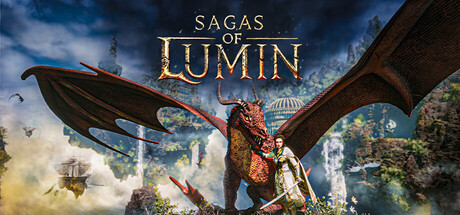
Select Games to Compare

search close
search close

Select up to 2 games to compare side-by-side.

💻
Mobile Hardware & Thermal Intelligence (2026)
Gaming on a Laptop? Check Real-World Compatibility

Benchmark your exact mobile GPU wattage (TGP), battery throttling drops, and cooling pad requirements for these games.

Test Laptop Specs → ⚖️ Compare Laptops

Sagas of Lumin vs Elden Ring

close close
info General Information
Release Date
Feb 4, 2027 Feb 25, 2022
Developer
Elos Games And Arts FromSoftware Inc.
Publisher
GameDev.ist Bandai Namco Entertainment (International), FromSoftware (Japan)
Genre(s)
Action RPG, Semi-Open World, Dragon Riding, Steampunk Fantasy, Third-Person Action Action RPG, Open World, Souls-like, Dark Fantasy
Engine
Unreal Engine 5 Proprietary (FromSoftware's in-house engine, evolved from Dark Souls/Bloodborne)
stars Ratings & Price
Content Rating
Mature Mature 17+
Avg. User Rating
4.7 / 5.0 4.8 / 5.0
Current Price (USD)
$29.99 $59.99
tune Key Specs
Quick Highlights
  • Game Engine: Unreal Engine 5
  • Platform: PC (Steam)
  • Release Date: February 4, 2027
  • Storage Footprint: 60 GB Available Space
  • Perspective: Third-Person
  • Multiplayer: Cooperative (Summon Phantoms), PvP (Invasions, Duels, Colosseum)
  • Setting: The Lands Between
  • Platforms: PC, PlayStation 4, PlayStation 5, Xbox One, Xbox Series X|S
  • Unique Feature: Vast Open World Design by FromSoftware, George R. R. Martin Worldbuilding, Challenging Combat, Deep Lore, Ashes of War System, Spirit Ash Summons, Mounted Combat (Torrent).
sports_esports Gameplay & Mechanics
Companions/Followers
  • Ignis Companion Dragon: Executes aerial dogfights, provides independent ground fire support, and catches the player mid-air during cliff leaps.
    Bonded Wyrm
  • Storm Falcon: Surveys territory from above, tagging enemy sniper outposts and uncovering hidden aerial thermal drafts.
    Trained Scout Bird
  • Spirit Ashes (Summonable AI): The Tarnished can collect and upgrade numerous Spirit Ashes to summon spectral allies in combat. These range from packs of wolves or demi-humans to powerful individual knights, sorcerers, archers, or unique creatures (e.g., Mimic Tear, Black Knife Tiche, Lhutel the Headless). They require FP to summon and can only be used near Rebirth Monuments (common in boss arenas and difficult areas). They act independently, drawing aggro, dealing damage, or providing support.
    Various (Spectral Humans, Beasts, Monsters, Demi-Humans)
  • Melina (Narrative/Level Up): While not a direct combat companion, Melina appears at Sites of Grace to allow the Tarnished to level up by converting Runes into strength. She also provides significant lore exposition and drives parts of the main narrative. She can be summoned for one specific late-game boss fight.
    Spectral Maiden (Nature Unknown)
  • Torrent (Spectral Steed): The Tarnished's loyal spectral steed, summoned with the Spectral Steed Whistle. Allows for fast traversal across the vast open world of the Lands Between. Torrent can double jump using Spiritsprings (whirlwinds), gallop quickly, and is essential for mounted combat against certain enemies and bosses. Cannot be used inside most dungeons or Legacy Dungeons.
    Spectral Horse
  • Cooperative Phantoms (Online Players): Using online multiplayer features, players can summon up to two other Tarnished (phantoms) into their world to assist with difficult areas or boss fights. Summoned players have reduced flask charges and are returned to their world upon defeating the area boss or if the host dies.
    Human (Other Tarnished Players)
  • NPC Questline Summons (Temporary AI): During specific NPC questlines or before certain boss fights related to those quests, the player can often summon that NPC as an AI-controlled ally to help in the fight. Their presence is temporary and tied to that specific encounter or quest step.
    Humanoid (Various NPCs like Blaidd, Alexander, Millicent, Nepheli Loux, etc.)
Key Collectibles
  • Dragon Scales of the Ancients: Hidden on towering mountaintops and secluded dragon roosts across the floating islands.
  • Sacred Drair Chronicles: Found inside ancient temple archives and abandoned stone monasteries.
  • Steampunk Clockwork Cogs: Scattered across wrecked airships, industrial depots, and bandit strongholds.
  • Great Runes: Obtained by defeating major Shardbearer Demigod bosses. Must be activated at a corresponding Divine Tower. Once activated, can be equipped at a Site of Grace and its powerful passive effect (e.g., increased stats, HP on kill) is enabled by consuming a Rune Arc.
  • Golden Seeds: Found at the base of illusory Minor Erdtrees glowing with golden light. Used at Sites of Grace to increase the maximum number of charges for the Flask of Crimson Tears (HP) and Flask of Cerulean Tears (FP).
  • Sacred Tears: Found in churches scattered throughout the Lands Between, usually before a statue of Queen Marika. Used at Sites of Grace to increase the potency (amount restored per charge) of the Flask of Crimson Tears and Flask of Cerulean Tears.
  • Talismans: Found in chests, dropped by enemies/bosses, sold by merchants, or received as quest rewards. Equippable accessories that provide a wide variety of passive buffs, such as increased stats, damage negation, enhanced weapon abilities, or improved resource regeneration. Many are hidden.
  • Ashes of War: Found in chests, dropped by Teardrop Scarabs, specific enemies/bosses, or sold by merchants. Items that can be applied to most standard weapons to grant them a new weapon skill and change their damage scaling affinity (e.g., Heavy, Keen, Quality, Magic, Fire, Sacred).
  • Spirit Ashes: Found in chests, dropped by enemies, or as quest rewards. Consumable items that allow the Tarnished to summon spectral allies (ranging from basic creatures to powerful knights or sorcerers) to aid in combat, particularly against bosses. Require FP to summon and can only be used near Rebirth Monuments. Upgraded with Grave/Ghost Gloveworts.
  • Cookbooks & Crafting Recipes: Found or purchased from merchants. Unlock new recipes for crafting consumable items like Arrows/Bolts, Greases (weapon buffs), Pots (throwable bombs), Cured Meats (status resistance buffs), and more, using materials gathered from the world.
  • Crystal Tears (for Flask of Wondrous Physick): Dropped by Erdtree Avatars or found at Minor Erdtrees. Two Crystal Tears can be mixed in the Flask of Wondrous Physick at a Site of Grace to create a custom, single-use potion with powerful temporary effects (e.g., massive stat boost, temporary invincibility, FP cost negation).
  • Stonesword Keys: Consumable keys found or purchased. Used to open Imp Statue Seals, which block off optional areas, dungeons, or rooms containing valuable loot, often requiring one or two keys per seal.
  • Memory Stones: Found in specific towers or as quest rewards. Permanently increase the number of memory slots available for attuning Sorceries and Incantations.
  • Paintings (Puzzles): Paintings found in various locations. Interacting with a painting shows an artist's depiction of a scene. The player must then find that exact location in the game world to find a 'ghost' of the artist, who drops a reward (often a unique item or Ash of War).
Key Themes
  • Dragon Riding
  • Steampunk
  • High Fantasy
  • Semi-Open World
  • Aerial Combat
  • Magic
  • Third-Person Action
  • Atmospheric
  • Dark Fantasy
  • Shattered World
  • Demigods & Power
  • The Tarnished & Exile
  • Grace & Guidance
  • Cycles of Death & Rebirth
  • Ambition & Corruption
  • Cosmic Horror (Subtle)
  • Hidden Lore & Environmental Storytelling
  • The Quest for Lordship
colorize Combat & Gear
Weapons Overview
  • Drair Crescent Glaive: Polearm / Vaulting Blade
    The ceremonial yet lethal primary polearm of the Drair order, optimized for wide cleaving sweeps on the ground and high-jump aerial mounting maneuvers.
  • Aethelgard Steam-Pistol: Steampunk Firearm
    A customized six-shot revolver powered by compressed steam cylinders that discharges armor-piercing kinetic lead at close-to-medium ranges.
  • Sunstone Greatsword: Two-Handed Blade
    A colossal blade embedded with incandescent sunstone crystals that ignite upon impact, delivering crushing fire damage against armored foes.
  • Pneumatic Harpoon Rifle: Heavy Ranged Rifle
    An industrial weapon that fires heavy barbed steel cables, capable of grounding evasive flying enemies or staggering towering mechanized sentries.
  • Stormcaller Wand: Magic Conduit
    A slender wooden focus infused with storm essence that unleashes chain lightning and concentrated wind gusts against grouped enemy infantry.
  • Straight Swords, Greatswords, Colossal Swords: Sword (Various Sizes)
    A wide variety of swords offering different attack speeds, ranges, and damage scaling. From nimble short swords to massive, two-handed colossal swords. Can be infused with Ashes of War.
  • Curved Swords, Curved Greatswords, Katanas: Slashing Blade (Often Dexterity Focused)
    Weapons emphasizing fast slashes, often causing bleed buildup (especially Katanas). Curved Greatswords offer a balance of speed and power.
  • Thrusting Swords, Heavy Thrusting Swords: Piercing Blade (Often Dexterity/Counter Focused)
    Weapons designed for piercing attacks, effective against armored foes or for counter-attacks. Heavy Thrusting Swords offer more reach and stagger.
  • Axes, Greataxes, Halberds: Chopping/Cleaving (Often Strength Focused)
    Weapons that deal significant physical damage, often with good stagger potential. Halberds offer reach and sweeping attacks.
  • Hammers, Great Hammers, Colossal Weapons (Blunt): Blunt/Strike Damage (Often Strength Focused)
    Weapons that deal strike damage, effective against heavily armored or crystalline enemies. Colossal weapons are slow but devastating.
  • Spears, Great Spears, Twinblades: Piercing/Slashing (Reach/Agility)
    Spears offer excellent reach for thrusting attacks. Great Spears are heavier versions. Twinblades are agile weapons that hit multiple times with spinning attacks.
  • Daggers, Claws, Fists: Light Melee (Fast/Status Effects)
    Fast-attacking weapons, often used for applying status effects like bleed or poison quickly, or for critical hits (daggers). Can be dual-wielded effectively.
  • Whips, Flails: Flexible Melee (Unique Properties)
    Whips offer range and can bypass shields. Flails deal strike damage and their charged attacks cannot be parried.
  • Bows, Greatbows, Crossbows, Ballistas: Ranged (Physical Projectile)
    Various ranged weapons using arrows or bolts. Bows scale with stats, crossbows typically do not but can be used with lower stat investment. Greatbows and Ballistas are heavy artillery.
  • Glintstone Staves: Magic Catalyst (Sorcery)
    Used to cast Glintstone Sorceries. Different staves scale with Intelligence and boost specific types of sorceries.
  • Sacred Seals: Magic Catalyst (Incantation)
    Used to cast Incantations. Different seals scale with Faith (and sometimes Strength/Arcane) and boost specific types of incantations.
  • Shields (Small, Medium, Greatshields): Defensive
    Used to block incoming attacks. Offer varying degrees of damage negation and guard boost (stamina reduction on block). Small shields are better for parrying, greatshields for absorbing heavy hits. Can be infused with Ashes of War for special abilities.
  • Torches: Utility/Light Melee
    Provide light in dark areas. Some have unique properties like repelling certain enemies or dealing minor fire damage.
Armor / Gear Sets
  • Drair Clan Vestments: Defense: +140; grants 25% increased dragon bonding synchronization and boosts elemental magic resistance.
  • Aethelgard Brass Exosuit: Defense: +280; heavy steampunk reinforced plating offering 40% ballistic damage reduction and improved firearm recoil control.
  • Armor Sets (Head, Chest, Gauntlets, Leggings): Players can equip four pieces of armor: Head, Chest, Gauntlets (Arms), and Leggings (Legs). Each piece provides defensive stats (Physical, Strike, Slash, Pierce, Magic, Fire, Lightning, Holy negation) and Poise (resistance to being staggered). Armor sets often have a cohesive visual style and can be mixed and matched. Some pieces or sets offer special passive effects (e.g., boosting a specific stat or spell type). Armor has weight, affecting equip load and roll speed.
  • Light, Medium, Heavy Armor Categories: Armor pieces generally fall into light, medium, or heavy categories, influencing their defensive values, poise, and weight. Heavier armor offers more protection but requires higher Endurance for equip load to maintain faster roll speeds (Light, Medium, Heavy roll).
  • Alter Garments Option: At Sites of Grace (with a specific item), some armor pieces can be 'Altered' to remove or change certain cosmetic elements (e.g., removing a cape), which might slightly alter weight and sometimes (rarely) stats.
Outfits/Customization
  • Apprentice Chirach Robes: Temple Ivory/Gold, Crimson Flame, Midnight Sky, and Verdant Moss.
  • Sky-Captain Flight Duster: Weathered brown leather, brass buckled clasps, high-collar windbreak lining, and clan shoulder insignia.
  • Armor Sets (Full): Hundreds of full armor sets, each consisting of a Helm, Chest Armor, Gauntlets, and Leg Armor. Sets provide a cohesive visual style (e.g., Knight Set, Sorcerer Set, Vagabond Set, various faction armors like Carian Knight, Godrick Soldier, Cleanrot Knight) and offer varying levels of protection, poise, and weight. Some sets have unique passive effects when multiple pieces are worn, though this is less common than individual piece perks.
  • Individual Armor Pieces (Mix & Match): Players can freely mix and match Helms, Chest Armor, Gauntlets, and Leg Armor from different sets to optimize stats (defense, poise, weight for desired roll speed) and achieve a unique fashion statement ('Fashion Souls').
  • Alter Garments Feature: At Sites of Grace, using a Sewing Needle and Tailoring Tools, players can alter certain chest armor pieces to change their appearance, typically by removing a cape or other cosmetic flourish. This can slightly reduce the armor's weight and sometimes marginally affect stats.
  • Talismans (Accessory Slots): While not 'clothing,' Talismans are equipped in dedicated slots and are crucial for character builds, providing significant passive bonuses. They have unique visual icons but do not change the character's outward appearance.
trending_up Progression & Upgrades
Skills & Progression

Progression is bifurcated between Drair human combat abilities and dragon mastery. Ground trees include Blade Mastery (combos, parries, posture breaks), Steampunk Firearms & Ballistics (revolvers, lever-action rifles), and Elemental Spellcraft (pyromancy, wind shearing, thunder blasts). Dragon skill trees include Aerial Aerobatics (barrel rolls, high-dive kinetic slams, hover maneuvers), Breath Weapons (flame streams, acid burst, concussive roars), and Autonomous AI Directives for ground assistance.

N/A
public World & Exploration
World & Level Design

The game features a sprawling semi-open world divided into distinct geographic and atmospheric zones: the Soaring Cloudlands of Zephyria, the Jagged Basalt Spires of the Drair Sanctuaries, the Smog-Choked Industrial Skylands of New Aethelgard, the Sunken Verdant Canopy, and the Floating Ruined Citadels of the First Drair. Each region offers verticality spanning from low-altitude canopy trenches to stratosphere-level storm belts.

Elden Ring features a massive open world, the Lands Between, composed of six major regions, each ruled by a Shardbearer demigod: Limgrave (temperate, introductory region), Liurnia of the Lakes (vast wetlands and magical academy), Caelid (scarlet rot-infested wasteland), Altus Plateau (golden, autumnal highlands leading to the capital), Mt. Gelmir (volcanic region home to Rykard), and Mountaintops of the Giants (snowy, desolate peaks). There are also extensive underground areas like Siofra River, Ainsel River, and Deeproot Depths, as well as Leyndell, Royal Capital. The world is seamlessly interconnected with numerous dungeons, caves, catacombs, castles, and points of interest. Map size is estimated to be very large, significantly exceeding previous FromSoftware titles (e.g., comparisons suggest around 70-80 sq km for the main overworld, with substantial underground areas adding to this).

Playable Vehicles
  • Aethelgard Steampunk Airship: Armored Dreadnought
    A massive steam-powered aerial warship equipped with heavy broadside cannons and flak turrets.
  • Sky-Haven Cargo Gondola: Transport Barge
    Suspended cable-car ferry utilized for moving freight and supplies between neighboring floating sky islands.
  • Torrent (Spectral Steed): Mount / Exploration Tool
    The Tarnished's loyal spectral steed, summoned with the Spectral Steed Whistle. Allows for fast traversal across the vast open world of the Lands Between. Torrent can double jump using Spiritsprings (whirlwinds), gallop quickly, and is essential for mounted combat against certain enemies and bosses. Cannot be used inside most dungeons or Legacy Dungeons.
  • Lifts & Elevators (Various): Mechanical Traversal
    Numerous mechanical lifts and elevators are found within Legacy Dungeons, caves, and other structures, providing vertical traversal and often leading to new areas or shortcuts.
  • Teleporters & Waygates: Magical Traversal
    Fixed teleporters or waygates are found in specific locations, allowing for instant travel between two linked points, sometimes across vast distances or to secret areas.
  • Spiritsprings: Environmental Traversal Aid
    Natural whirlwinds of air found in the open world. Riding Torrent into a Spiritspring allows for a massive vertical jump, enabling access to high cliffs and plateaus.
Notable Fauna/Mounts
  • Ignis Dragon: Draco Ignis
    The supreme winged aerial predator and loyal companion to the Drair, capable of breathing torrential fire and executing crushing dive attacks.
  • Skyhound: Canis Aetherius
    A winged quadruped hunting hound used by sky bandits to ambush travelers on floating cliffways.
  • Thunder Roc: Avis Tonitrus
    A massive territorial bird of prey that nests in high storm clouds and unleashes electric shockwaves when threatened.
N/A
book Story & Characters
Main Characters
  • The Drair Protagonist: Protagonist / Dragon Knight
    A determined apprentice Drair who undergoes the perilous trial of dragon bonding to defend the realm of Lumin.
  • Grand Master Kenneth: Mentor / High Leader
    The revered head of the Sacred Temple who guides new Drair recruits in the ancient mystical arts of dragon communion.
  • High Chancellor Valerius: Antagonist / Political Leader
    The ambitious statesman of New Aethelgard whose industrial sky fleets seek to subjugate the wild floating territories.
  • The Tarnished: Protagonist
    The player-customizable character. An individual of a group exiled from the Lands Between long ago, now summoned back by the call of lost Grace after The Shattering, to seek the Elden Ring and become the Elden Lord. Their specific origin class is chosen at character creation.
  • Melina: Ally / Spectral Maiden / Guide
    A mysterious spectral maiden who offers the Tarnished an accord: she will act as their Finger Maiden (allowing them to turn Runes into strength) in exchange for being taken to the foot of the Erdtree. She provides guidance, lore, and is central to the main storyline.
  • Ranni the Witch (Lunar Princess Ranni): Key NPC / Empyrean Demigod / Quest Giver
    An enigmatic demigod with four arms and a spectral face, who cast aside her Great Rune and her Empyrean flesh. She initiates one of the game's largest and most popular questlines, offering the Tarnished a chance to usher in a new age, the 'Age of Stars.'
  • Blaidd the Half-Wolf: Ally / Ranni's Shadow
    A loyal and powerful half-wolf warrior bound to serve Ranni. He assists the Tarnished during Ranni's questline and has his own distinct character arc.
  • War Counselor Iji: Ally / Ranni's Counselor / Blacksmith
    A giant, gentle troll blacksmith and Ranni's wise counselor. Provides advice and smithing services.
  • Preceptor Seluvis: NPC / Carian Sorcerer / Schemer
    A sorcerer in Ranni's service, but with his own manipulative and sinister agenda involving puppets. Offers sorceries and a morally questionable questline.
  • Iron Fist Alexander (Warrior Jar): Ally / Living Jar Warrior
    A large, sentient jar filled with the remains of warriors. He is a jovial and honorable character seeking glorious battle and travels the Lands Between. Assists the Tarnished in several boss fights.
  • Fia, the Deathbed Companion: Key NPC / Quest Giver
    A companion who offers to hold the Tarnished, granting a temporary HP buff (Baldachin's Blessing) at the cost of a slight max HP debuff. Her questline involves Those Who Live in Death and leads to an alternate ending.
  • D, Hunter of the Dead: NPC / Golden Order Fundamentalist
    A warrior dedicated to hunting Those Who Live in Death, associated with Gurranq and the Golden Order.
  • White Mask Varré: NPC / Follower of Mohg, Lord of Blood
    One of the first NPCs the Tarnished meets, guiding them towards Mohgwyn Palace and PvP activities.
  • Patches the Untethered: NPC / Recurring FromSoftware Character / Trickster Merchant
    The infamous trickster from previous FromSoftware games. Appears as a mini-boss and later a merchant, always up to no good but sometimes offering unique items.
  • Shardbearer Demigods (Godrick, Rennala, Radahn, Rykard, Morgott, Mohg, Malenia): Main Bosses / Antagonists
    The children and descendants of Queen Marika who claimed shards of the Elden Ring (Great Runes) after The Shattering, plunging the Lands Between into war. They are the primary bosses the Tarnished must defeat.
  • Queen Marika the Eternal / Radagon of the Golden Order: Central Lore Figure / Ruler of the Lands Between
    The vessel of the Elden Ring and eternal queen of the Lands Between. Her shattering of the Elden Ring initiated the game's conflict. Radagon is her other half/consort, a champion of the Golden Order.
Example Missions
  • The Chirach Trial: Prologue Initiation
    Pass the dangerous aerial rites of passage across the storm spires to forge your eternal bond with your dragon.
  • Siege of the Iron Leviathan: Aerial Raid Encounter
    Infiltrate and sabotage an armed industrial steampunk dreadnought before it bombards the floating sanctuary.
  • The Fall of the Sacred Temple: Campaign Climax
    Defend the ancient tomb of the First Drair against waves of mechanized invaders and rogue dragon riders.
  • Main Story Path (Becoming Elden Lord / Other Endings)
    The overarching goal is to gather Great Runes by defeating Shardbearer Demigods, gain access to the Erdtree, and ultimately mend or replace the Elden Ring to become the Elden Lord. The specific steps and requirements vary based on player choices and progression through key Legacy Dungeons and boss encounters (e.g., defeat Godrick, Rennala, Radahn, Morgott, Rykard, Mohg, Malenia - though not all are strictly mandatory for every ending). This path involves interactions with Melina and other key NPCs.
  • Legacy Dungeons (e.g., Stormveil Castle, Academy of Raya Lucaria, Volcano Manor, Leyndell Royal Capital, Crumbling Farum Azula, Elphael Brace of the Haligtree)
    Explore large, intricate, multi-layered dungeon environments filled with powerful enemies, traps, shortcuts, secrets, mini-bosses, and culminating in a major Shardbearer or story-critical boss fight. These are key progression points.
  • Major NPC Questlines (Ranni, Fia, Millicent, Alexander, Blaidd, Nepheli Loux, Dung Eater, Goldmask & Brother Corhyn, etc.)
    Optional but often extensive and rewarding storylines involving key characters. Completing these questlines can lead to unique items, spells, Spirit Ashes, alternate game endings (especially Ranni's and Fia's), and deeper understanding of the lore. These often require specific actions, finding items, or defeating certain enemies across multiple regions.
  • Minor Dungeons (Caves, Catacombs, Tunnels, Ruins)
    Smaller, optional dungeons found throughout the open world. Each typically contains a mini-boss at the end and rewards valuable items like Talismans, Spirit Ashes, Ashes of War, crafting materials, or upgrade materials.
  • World Bosses & Field Bosses (Tree Sentinels, Night's Cavalry, Erdtree Avatars, Dragons, Death Rite Birds, Tibia Mariners, etc.)
    Powerful, often optional, bosses found roaming the open world or guarding specific locations. Defeating them usually yields unique weapons, Ashes of War, Sorceries/Incantations, or significant amounts of Runes.
  • Clearing Evergaols
    Circular stone platforms that transport the Tarnished to an arena to fight a unique boss. Rewards often include powerful Ashes of War, weapons, or spells.
  • Activating Great Runes
    After defeating a Shardbearer Demigod and obtaining their Great Rune, the Tarnished must find and ascend the corresponding Divine Tower to restore its power, allowing it to be equipped at a Site of Grace (requires a Rune Arc to activate its effect).
  • Shadow of the Erdtree DLC Campaign (Expansion)
    A new major storyline set in the Land of Shadow, accessed by touching Miquella's withered arm in Mohgwyn Palace. Involves following in Miquella's footsteps, uncovering new lore, facing new demigods and enemies, and exploring a vast new map. (Details based on pre-release info)
people Multiplayer
Multiplayer Details

Single-Player Focused. Sagas of Lumin is crafted entirely around an immersive, story-driven single-player campaign that emphasizes the personal bond between the rider and their dragon companion without multiplayer distractions.

1. Cooperative Play: Players can summon up to two other players (phantoms) into their world to help with exploration, defeating enemies, and tackling bosses. Requires consumables like Furlcalling Finger Remedy. 2. Invasion (PvP): Players can invade other players' worlds as hostile Red Phantoms to engage in combat. 3. Duels: Players can summon others specifically for duels using red summon signs or participate in organized PvP in the Colosseums. 4. Hunter/Blue Sentinels: Players can be automatically summoned to help a host who has been invaded.

extension Editions & DLC
Available Editions

Standard Edition ($29.99 USD) includes the full base game on PC (Steam). Deluxe Edition ($39.99 USD) adds the digital original orchestral soundtrack, digital concept artbook detailing Drair clan heraldry and dragon biology, the exclusive 'Obsidian Wyrm' dragon skin, and the 'Grand Master Ceremonial Robes' cosmetic outfit.

Available in Standard Edition, Deluxe Edition (digital artbook & soundtrack), Collector's Edition (Statue of Malenia, SteelBook, artbook, digital soundtrack), and Premium Collector's Edition (Collector's Edition content + 1:1 Malenia helmet replica). The 'Shadow of the Erdtree' expansion is a major paid DLC.

Post-Launch Content / DLC

The developers have outlined a post-launch roadmap featuring free seasonal dragon customization packs, a high-difficulty 'Sky Colosseum' arena challenge mode with wave-based aerial dogfights, expanded crafting recipes for steampunk munitions, and a planned narrative expansion exploring the untamed Outermost Reaches.

A major expansion, 'Shadow of the Erdtree,' is set to release in June 2024, promising a new large area, new story, bosses, weapons, and spells. The game has also received free updates including a Colosseum PvP mode and various balance patches.

help_outline FAQ
Frequently Asked Questions
  • Q: What is Sagas of Lumin?
    A: Sagas of Lumin is a single-player, semi-open-world action RPG featuring full 360-degree dragon flight and seamless transitions to ground-based melee, firearm, and magic combat.
  • Q: What platforms will Sagas of Lumin release on?
    A: Sagas of Lumin is launching primarily on PC via Steam, with console releases planned.
  • Q: When is Sagas of Lumin scheduled to release?
    A: The game is scheduled for release on February 4, 2027.
  • Q: Can your dragon fight while you are on the ground?
    A: Yes, your dragon operates as an autonomous ally in the skies above while you fight on foot, providing fire support or diving on command.
  • Q: Does Sagas of Lumin feature firearms in addition to melee and magic?
    A: Yes, the game blends fantasy and steampunk elements, offering steampunk firearms alongside swords, axes, spears, and elemental spells.
  • Q: Is Elden Ring made by the same developers as Dark Souls?
    A: Yes, Elden Ring is developed by FromSoftware, the same studio renowned for the Dark Souls series, Bloodborne, and Sekiro: Shadows Die Twice. It shares many gameplay philosophies and mechanics with these titles.
  • Q: Is George R. R. Martin's involvement significant in Elden Ring?
    A: George R. R. Martin, author of 'A Song of Ice and Fire' (Game of Thrones), collaborated with Hidetaka Miyazaki to create the foundational lore, mythology, and history of the Lands Between and its characters. He primarily contributed to the worldbuilding that existed before The Shattering, while FromSoftware developed the main game narrative and events within that established history.
  • Q: Is Elden Ring an open-world game?
    A: Yes, Elden Ring features a vast, seamless open world called the Lands Between, which players can explore freely. This is a significant departure from the more interconnected but less 'open' level design of previous Souls games. It also includes large, intricate 'Legacy Dungeons' which are more akin to traditional Souls levels.
  • Q: How does multiplayer work in Elden Ring?
    A: Elden Ring features both cooperative and competitive (PvP) multiplayer. Players can summon others to help with bosses and exploration, be invaded by hostile players, or engage in duels. This is done through various in-game items and systems like summon signs and the Colosseums.
  • Q: What are Ashes of War?
    A: Ashes of War are equippable items that grant weapons new special skills (weapon arts) and can change their damage scaling properties (affinities like Heavy, Keen, Magic, etc.). They allow for extensive customization of weapon movesets and build crafting.
  • Q: What are Spirit Ashes?
    A: Spirit Ashes are consumable items that allow the player to summon spectral allies (ranging from animals to warriors) to aid them in combat. They require FP (Focus Points) to summon and can only be used in areas with a Rebirth Monument. They can be upgraded to become more powerful.
  • Q: Is Elden Ring very difficult?
    A: Elden Ring maintains FromSoftware's reputation for challenging gameplay, particularly its boss fights. However, the open-world structure, the ability to explore and level up elsewhere if stuck, and powerful tools like Spirit Ashes and Ashes of War provide players with more options to overcome challenges compared to some previous titles, making it potentially more accessible to a wider audience while still offering deep difficulty for veterans.
build Technical Details
Graphics & Visual Fidelity

Powered by Unreal Engine 5 with stunning stylized fantasy art direction. Utilizes dynamic volumetric cloudscapes, physically based dragon flight physics, realistic lighting across floating islands, and dramatic particle effects for dragon breath, magic spells, and steampunk steam plumes.

Powered by FromSoftware's proprietary engine, Elden Ring presents a breathtaking and artistically stunning open world. It features diverse landscapes from lush forests and crumbling castles to fetid swamps and celestial realms. Known for its grand scale, intricate environmental details, imaginative enemy and boss designs, and atmospheric lighting. Ray tracing (shadows and ambient occlusion) was added post-launch on PC and current-gen consoles, enhancing visual depth.

Audio & Soundtrack

Features a stirring orchestral musical score blending sweeping brass and soaring strings during high-altitude flights with rhythmic percussion and industrial brass during steampunk combat encounters, backed by visceral 3D spatial audio for roaring wind, flapping wings, and echoing gunfire.

Original score primarily composed by Yuka Kitamura, Tsukasa Saitoh, Shoi Miyazawa, Yoshimi Kudo, and Tai Tomisawa. Features epic orchestral themes for boss battles, melancholic ambient pieces for exploration, and ethereal choral music for significant locations. Sound design is crucial for combat cues (enemy attacks, parry windows) and creating atmosphere in the diverse biomes and dungeons.

User Interface (UI/UX)

Features a clean, minimalist fantasy HUD with diegetic flight indicators. In flight, pitch and altitude horizons dynamically adapt to screen borders, alongside dragon stamina and breath gauges. On foot, the interface transitions to classic ARPG health, stamina, and hotkey wheels, complemented by an interactive 3D map of the floating continents.

Features a minimalistic HUD displaying health (red), FP (blue), and stamina (green) bars. Equipped items (weapons, spells, consumables) are shown in quick slots. A compass at the top of the screen aids navigation. Menus for inventory, equipment, stats, map, and system settings are accessible. Status effects and buffs are shown with icons. Sites of Grace act as checkpoints and hubs for leveling/upgrading.

Accessibility Options

Offers a comprehensive accessibility suite including customizable flight controls (inverted flight axes, pitch assist, auto-leveling horizon), combat difficulty modifiers, target lock-on strength adjustments, full key and gamepad remapping, high-contrast subtitles, and colorblind visual filters.

Accessibility options are more limited compared to some modern AAA titles but include control remapping (extensive on PC), subtitle customization (size, background), options to disable camera auto-rotation, and some UI adjustments. The game's core difficulty remains a key design pillar, but Spirit Ashes and co-op can significantly aid players.

Gameplay Video
launchWatch launchWatch
Walkthrough/Guide
launchView launchView
settings_applications System Requirements
1080p (Full HD) - Recommended (High Preset, 1080p @ 60-120 FPS)
CPU: Six-core processor providing high single-core IPC to handle dense airship skirmishes without drops.
CPU (Laptop): Eight-core mobile CPU delivering consistent performance across airborne and infantry combat.
GPU: Upper mid-range GPU delivering detailed textures, advanced volumetric clouds, and high framerates.
GPU (Laptop): Handles high settings at 1080p with DLSS quality mode for fluid 60-100 FPS gameplay.
RAM: Dual-channel memory configuration eliminating traversal hitching during fast dives.
Storage: Solid-state drive provides instant asset streaming across expansive sky regions.
memoryCPU: AMD Ryzen 5 5500 / Intel Core i7-8700K
developer_boardGPU: NVIDIA GeForce RTX 2070 (8 GB) / AMD Radeon RX 5700 XT (8 GB) / Intel Arc A750 (8 GB)
laptop_macCPU (L): AMD Ryzen 7 5800H / Intel Core i7-11800H
laptop_windowsGPU (L): NVIDIA GeForce RTX 3060 Mobile (6 GB, 95W TGP)
layersRAM: 16 GB
saveStorage (Tier): 60 GB available space (NVMe SSD)
1080p (Full HD) - Recommended (1080p ~60 FPS, High Preset, No Ray Tracing) (High Preset, Ray Tracing OFF)
CPU: Recommended desktop CPU for 1080p/60FPS High.
CPU (Laptop): Estimated mid-range to high-end laptop CPUs.
GPU: Recommended desktop GPU for 1080p/60FPS High.
GPU (Laptop): Estimated performance-focused laptop GPUs. 6-8GB VRAM crucial.
RAM: 16GB RAM strongly recommended.
Storage: SSD strongly recommended, NVMe preferred.
memoryCPU: Intel Core i7-8700K or AMD Ryzen 5 3600X
developer_boardGPU: NVIDIA GeForce GTX 1070 (8GB) / RTX 2060 (6GB) or AMD Radeon RX Vega 56 (8GB) / RX 5700 (8GB)
laptop_macCPU (L): Intel Core i7-9750H / AMD Ryzen 7 4800H equivalent or better
laptop_windowsGPU (L): NVIDIA GeForce RTX 2070 Mobile (8GB) / RTX 3060 Mobile (6GB, High TGP). **An RTX 3070 Mobile or RTX 4060 Mobile (High TGP) is a good target for 1080p High 60FPS.**
layersRAM: 16 GB
saveStorage (Tier): 60 GB SSD
1080p (Full HD) - Minimum (Low/Medium Preset, 1080p @ 60 FPS)
CPU: Capable 6-core processor managing flight aerodynamics, flocking AI, and ground physics.
CPU (Laptop): Standard mobile quad/six-core CPU maintaining adequate clocks under aerial load.
GPU: Entry-level graphics card capable of 1080p rendering with modest graphical settings.
GPU (Laptop): Entry laptop GPU delivering steady 1080p 60 FPS on low settings with dynamic resolution.
RAM: Sufficient memory allocation to prevent system pagefile swapping during world exploration.
Storage: Standard storage requirement for baseline game files and high-resolution textures.
memoryCPU: AMD Ryzen 5 1600 / Intel Core i5-8400
developer_boardGPU: NVIDIA GeForce GTX 1060 (6 GB) / AMD Radeon RX 580 (8 GB)
laptop_macCPU (L): AMD Ryzen 5 4600H / Intel Core i5-10300H
laptop_windowsGPU (L): NVIDIA GeForce GTX 1650 Mobile (4 GB) / AMD Radeon RX 5500M
layersRAM: 12 GB
saveStorage (Tier): 60 GB available space (HDD/SSD)
1080p (Full HD) - Minimum (1080p ~30-45 FPS, Low/Medium Preset, No Ray Tracing) (Low to Medium Preset, Ray Tracing OFF)
CPU: Minimum desktop CPU for playable framerates.
CPU (Laptop): Estimated laptop CPU equivalent. Newer i5/Ryzen 5 H-series recommended for better consistency.
GPU: Minimum desktop GPU.
GPU (Laptop): Estimated laptop GPUs. 4GB VRAM is tight.
RAM: Minimum RAM requirement.
Storage: SSD is strongly recommended (often listed as required).
memoryCPU: Intel Core i5-8400 or AMD Ryzen 3 3300X
developer_boardGPU: NVIDIA GeForce GTX 1060 (3GB) or AMD Radeon RX 580 (4GB)
laptop_macCPU (L): Intel Core i5-9300H / AMD Ryzen 5 3550H equivalent or better
laptop_windowsGPU (L): NVIDIA GeForce GTX 1650 Mobile (4GB) or AMD Radeon RX 5500M. **An RTX 3050 Mobile or RTX 4050 Mobile would be a much better entry point for stable 1080p Medium.**
layersRAM: 12 GB
saveStorage (Tier): 60 GB SSD
1440p (QHD/2K) - Enthusiast (High/Ultra Preset, 1440p (QHD) @ 120+ FPS)
CPU: High single-core IPC processor maintaining seamless performance during massive air fleet sieges.
CPU (Laptop): Modern high-efficiency mobile processor ensuring zero CPU bottlenecks at 1440p.
GPU: High-end desktop GPU delivering native 1440p rendering with maximum view distance and particle effects.
GPU (Laptop): Delivers desktop-class 1440p performance with DLSS Frame Generation enabled.
RAM: High-bandwidth memory facilitating rapid asset streaming to the GPU buffer.
Storage: High-speed PCIe Gen 4 storage provides seamless transition between skies and ground ruins.
memoryCPU: AMD Ryzen 7 5700X / Intel Core i5-12600K
developer_boardGPU: NVIDIA GeForce RTX 3070 Ti (8 GB) / AMD Radeon RX 6800 (16 GB)
laptop_macCPU (L): AMD Ryzen 7 7840HS / Intel Core i7-13700H
laptop_windowsGPU (L): NVIDIA GeForce RTX 4070 Mobile (8 GB, 115W+ TGP)
layersRAM: 16 GB
saveStorage (Tier): 60 GB available space (NVMe PCIe 4.0 SSD)
1440p (QHD/2K) - High (1440p ~60 FPS, High/Max Preset, No Ray Tracing) (High/Max Preset (Optimized), Ray Tracing OFF)
CPU: CPU for 1440p/60FPS High/Max.
CPU (Laptop): High-end laptop CPU.
GPU: Desktop GPU for 1440p/60FPS High/Max.
GPU (Laptop): High-end laptop GPUs. 8GB+ VRAM critical.
RAM: 16GB RAM essential, 32GB beneficial.
Storage: NVMe SSD required.
memoryCPU: Intel Core i7-10700K or AMD Ryzen 7 5800X
developer_boardGPU: NVIDIA GeForce RTX 2080 Super (8GB) / RTX 3070 (8GB) or AMD Radeon RX 6700 XT (12GB) / RX 6800 (16GB)
laptop_macCPU (L): Intel Core i7-11800H / AMD Ryzen 7 5800H or better. **Modern i7/Ryzen 7 H/HX series.**
laptop_windowsGPU (L): NVIDIA GeForce RTX 3070 Ti Mobile (8GB, Max TGP) / RTX 4070 Mobile (8GB, Max TGP). **An RTX 3080 Mobile or RTX 4080 Mobile would provide a more consistent 1440p Max experience.**
layersRAM: 16 GB
saveStorage (Tier): 60 GB NVMe SSD
2160p (UHD/4K) - Ultra (Max Quality Preset, 4K (2160p) @ 60-120 FPS)
CPU: Top-tier gaming processor ensuring instantaneous draw calls and complex aerodynamics physics.
CPU (Laptop): Enthusiast desktop-replacement mobile processor offering supreme computational headroom.
GPU: Massive VRAM and rasterization throughput for native 4K UHD rendering without compromise.
GPU (Laptop): Drives native 4K resolution on external gaming displays with max ray-traced shadows and reflections.
RAM: Ample memory headroom for uncompressed 4K skybox textures and high-poly dragon assets.
Storage: Sub-second load times throughout world travel and aerial dungeon incursions.
memoryCPU: AMD Ryzen 7 7800X3D / Intel Core i7-13700K
developer_boardGPU: NVIDIA GeForce RTX 4080 (16 GB) / AMD Radeon RX 7900 XTX (24 GB)
laptop_macCPU (L): AMD Ryzen 9 7945HX / Intel Core i9-14900HX
laptop_windowsGPU (L): NVIDIA GeForce RTX 4090 Mobile (16 GB, 175W TGP)
layersRAM: 32 GB
saveStorage (Tier): 60 GB available space (NVMe PCIe 4.0 SSD)
2160p (UHD/4K) - Ultra (2160p/4K ~45-60 FPS, High/Max Preset, No Ray Tracing) (High/Max Preset (Optimized), Ray Tracing OFF)
CPU: Flagship CPU for attempting 4K/60FPS.
CPU (Laptop): Absolute top-tier laptop CPUs.
GPU: Flagship desktop GPU for 4K, may require some setting tweaks for stable 60FPS.
GPU (Laptop): Flagship laptop GPUs. 12GB+ VRAM essential.
RAM: 32GB RAM highly recommended for 4K.
Storage: NVMe SSD required.
memoryCPU: Intel Core i9-10900K or AMD Ryzen 9 5900X
developer_boardGPU: NVIDIA GeForce RTX 3080 (10GB) / RTX 4070 Ti (12GB) or AMD Radeon RX 6800 XT (16GB) / RX 7900 XT (20GB)
laptop_macCPU (L): Intel Core i9-11980HK / AMD Ryzen 9 5900HX or better. **Modern flagship Intel/AMD HX series (e.g., 13980HX, 7945HX).**
laptop_windowsGPU (L): NVIDIA GeForce RTX 3080 Ti Mobile (16GB, Max TGP) / RTX 4080 Mobile (12GB, Max TGP). **An RTX 4090 Mobile would be better for 4K. A hypothetical next-gen flagship (RTX 50-series) would be targeted for more comfortable native 4K high framerates.**
layersRAM: 16 GB
saveStorage (Tier): 60 GB NVMe SSD
save Overall Storage
Spec: 60 GB available space (SSD strongly recommended)
Note: SSD ensures zero stutter when dynamically transitioning between aerial flight and ground exploration.
Type: SSD
Spec: 60 GB available space (SSD Recommended). Size may increase with DLC like 'Shadow of the Erdtree'.
Note: An NVMe SSD is highly recommended for the best experience, minimizing load times and improving asset streaming in the large open world.
Type: SSD
desktop_windows Operating System
Spec: Windows 10 / Windows 11 (64-bit)
Explanation: Modern 64-bit Windows OS required for multi-threaded physics calculations and DirectX 12 runtime.
Spec: Windows 10 (64-bit)
Explanation: 64-bit Windows 10 or Windows 11 is required.
gamepad DirectX Version
Spec: DirectX Version 12 (DirectX 11 Minimum)
Explanation: DirectX 12 enables enhanced shader execution, volumetric cloud simulation, and dynamic lighting.
Spec: DirectX 12 (Feature Level 12_0)
Explanation: DirectX 12 API is required.
info_outline Other Game Notes
  • Requires a 64-bit processor and operating system. DirectX 11 minimum, DirectX 12 recommended. Solid-state drive (SSD) installation is strongly advised for smooth seamless transitions between high-speed dragon flight and ground combat.
  • Laptop Performance Note: Unreal Engine 5 flight streaming and dense volumetric cloud rendering require sufficient mobile GPU thermal dissipation; 70W+ TGP is recommended to maintain 60 FPS in aerial dogfights.
  • Laptop Consideration: G P U T G P: 50W minimum mobile TGP for 1080p 60 FPS; 90W+ TGP recommended for high-refresh 1440p displays.
  • Laptop Consideration: Cooling Thermals: Elevate laptop rear to optimize fan intake airflow, preventing CPU thermal throttling during multi-entity sky battles.
  • Laptop Consideration: C P U Power Limits: Sustained 35W CPU package power ensures stable frame pacing when streaming high-speed terrain geometry during vertical dives.
  • Laptop Consideration: M U X Switch Optimus: Bypass integrated graphics via discrete MUX switch for responsive aerial pitch, roll, and parry inputs.
  • Optimization Detail: Upscaling Tech: Supports NVIDIA DLSS 3.7, AMD FSR 3.1, and Intel XeSS temporal reconstruction.
  • Optimization Detail: Key Settings Impact: Volumetric Clouds, View Distance, and Foliage Density have the most pronounced performance impact.
  • Game Name: Sagas of Lumin
  • Official PC system requirements from FromSoftware/Bandai Namco. Performance can vary significantly depending on specific hardware, settings, areas in-game (especially with many effects or enemies), and background applications. An SSD is strongly recommended for optimal performance and to reduce stuttering/loading times.
  • Laptop Performance Note: Laptop models of listed desktop GPUs will require comparable performance, high TGP (Total Graphics Power), and excellent cooling. **Elden Ring, while scalable, can be demanding at higher settings and resolutions, particularly with its detailed environments and complex enemy encounters.**
  • Laptop Consideration: G P U T G P: Good TGP is important for consistent framerates.
  • Laptop Consideration: Cooling Thermals: Robust cooling is essential to prevent thermal throttling during intense boss fights or exploration.
  • Laptop Consideration: C P U Power Limits: Laptops with good sustained CPU power will benefit, especially in areas with complex geometry or many NPCs/enemies.
  • Laptop Consideration: R A M Speed Dual Channel: Fast dual-channel RAM can provide a noticeable performance uplift.
  • Laptop Consideration: M U X Switch Optimus: Using a MUX switch or NVIDIA Advanced Optimus is recommended for optimal framerates.
  • Optimization Detail: Upscaling Tech: The game does not natively support DLSS or FSR in its initial releases, but this can vary with patches or be achievable via mods on PC. Ray tracing was added in a post-launch patch for PC (shadows and ambient occlusion).
  • Optimization Detail: Key Settings Impact: Texture Quality, Shadow Quality, Antialiasing Quality, SSAO (Screen Space Ambient Occlusion), Grass Quality, Volumetric Quality, and Reflection Quality heavily impact performance. Ray Tracing features are very demanding.
  • Game Name: Elden Ring
build Optimization Details
  • Upscaling Tech: Supports NVIDIA DLSS 3.7, AMD FSR 3.1, and Intel XeSS temporal reconstruction.
  • Key Settings Impact: Volumetric Clouds, View Distance, and Foliage Density have the most pronounced performance impact.
  • Upscaling Tech: The game does not natively support DLSS or FSR in its initial releases, but this can vary with patches or be achievable via mods on PC. Ray tracing was added in a post-launch patch for PC (shadows and ambient occlusion).
  • Key Settings Impact: Texture Quality, Shadow Quality, Antialiasing Quality, SSAO (Screen Space Ambient Occlusion), Grass Quality, Volumetric Quality, and Reflection Quality heavily impact performance. Ray Tracing features are very demanding.
laptop Laptop Considerations
  • G P U T G P: 50W minimum mobile TGP for 1080p 60 FPS; 90W+ TGP recommended for high-refresh 1440p displays.
  • Cooling Thermals: Elevate laptop rear to optimize fan intake airflow, preventing CPU thermal throttling during multi-entity sky battles.
  • C P U Power Limits: Sustained 35W CPU package power ensures stable frame pacing when streaming high-speed terrain geometry during vertical dives.
  • M U X Switch Optimus: Bypass integrated graphics via discrete MUX switch for responsive aerial pitch, roll, and parry inputs.
  • G P U T G P: Good TGP is important for consistent framerates.
  • Cooling Thermals: Robust cooling is essential to prevent thermal throttling during intense boss fights or exploration.
  • C P U Power Limits: Laptops with good sustained CPU power will benefit, especially in areas with complex geometry or many NPCs/enemies.
  • R A M Speed Dual Channel: Fast dual-channel RAM can provide a noticeable performance uplift.
  • M U X Switch Optimus: Using a MUX switch or NVIDIA Advanced Optimus is recommended for optimal framerates.

info_outline Feature details based on available data. System requirements and performance estimates may vary.

laptop_chromebook Laptop Recommendations

Common Recommendations (Handles All Compared Games)

check_circle_outline Recommended based on listed requirements for Full HD (1080p).
MSI Pulse GL66 with RTX 3070 and i7 12th Gen
  • memory Intel Core i7-12700H
  • developer_board NVIDIA GeForce RTX 3070
  • layers 32GB DDR4-3200MHz
  • track_changes Target GPU: NVIDIA GeForce GTX 1650 Mobile (4 GB) / AMD Radeon RX 5500M

Acer Nitro V with RTX 4060 and i9 13th Gen
  • memory Intel Core i9-13900H
  • developer_board NVIDIA GeForce RTX 4060
  • layers 16GB DDR5-5200MHz
  • track_changes Target GPU: NVIDIA GeForce GTX 1650 Mobile (4 GB) / AMD Radeon RX 5500M
Lenovo Legion Pro 5i (i9-14900HX, RTX 4060)
  • memory Intel Core i9-14900HX
  • developer_board NVIDIA GeForce RTX 4060
  • layers 32GB DDR5-5600MHz
  • track_changes Target GPU: NVIDIA GeForce GTX 1650 Mobile (4 GB) / AMD Radeon RX 5500M
check_circle_outline Recommended based on listed requirements for QHD (1440p).
MSI Creator M16 HX with RTX 4070
  • memory Intel Core i9-14900HX
  • developer_board NVIDIA GeForce RTX 4070
  • layers 32GB DDR5-5600MHz
  • track_changes Target GPU: NVIDIA GeForce RTX 4070 Mobile (8 GB, 115W+ TGP)
ASUS ROG Strix G16 with RTX 4070
  • memory Intel Core i9-14900HX
  • developer_board NVIDIA GeForce RTX 4070
  • layers 16GB DDR5-5600MHz
  • track_changes Target GPU: NVIDIA GeForce RTX 4070 Mobile (8 GB, 115W+ TGP)

MSI Cyborg 15 (RTX 5050 & Intel 7)
  • memory Intel Core Ultra 7 255H
  • developer_board NVIDIA GeForce RTX 5060 Laptop GPU
  • layers 16GB DDR5-5600MHz (Dual-Channel)
  • track_changes Target GPU: NVIDIA GeForce RTX 4070 Mobile (8 GB, 115W+ TGP)
check_circle_outline Recommended based on listed requirements for UHD (4K).
Lenovo Legion Pro 7 16IRX9H with RTX 4090
  • memory Intel Core i9-14900HX
  • developer_board NVIDIA GeForce RTX 4090
  • layers 32GB DDR5-5600MHz
  • track_changes Target GPU: NVIDIA GeForce RTX 4090 Mobile (16 GB, 175W TGP)
LG Gram Pro 17 with RTX 5050
  • memory Intel Core Ultra 9 285H (Series 2) , 14 cores (6 Performance cores + 8 Efficient cores), 20 threads
  • developer_board NVIDIA GeForce RTX 5050 Laptop GPU
  • layers 32GB (2x16GB) DDR5 8400MHz SO-DIMM
  • track_changes Target GPU: NVIDIA GeForce RTX 4090 Mobile (16 GB, 175W TGP)
HP OMEN Ultra Slim 16 (RTX 5070 & Intel i9)
  • memory Intel Core Ultra 9 285H
  • developer_board NVIDIA GeForce RTX 5070
  • layers 32GB (2x16GB) DDR5 4800MHz SO-DIMM
  • track_changes Target GPU: NVIDIA GeForce RTX 4090 Mobile (16 GB, 175W TGP)

For Sagas of Lumin Specifically

check_circle_outline Recommended based on listed requirements for Full HD (1080p).
MSI Pulse GL66 with RTX 3070 and i7 12th Gen
  • memory Intel Core i7-12700H
  • developer_board NVIDIA GeForce RTX 3070
  • layers 32GB DDR4-3200MHz
  • track_changes Target GPU: NVIDIA GeForce GTX 1060 (6 GB) / AMD Radeon RX 580 (8 GB)
Acer Nitro V with RTX 4060 and i9 13th Gen
  • memory Intel Core i9-13900H
  • developer_board NVIDIA GeForce RTX 4060
  • layers 16GB DDR5-5200MHz
  • track_changes Target GPU: NVIDIA GeForce GTX 1060 (6 GB) / AMD Radeon RX 580 (8 GB)
Lenovo Legion Pro 5i (i9-14900HX, RTX 4060)
  • memory Intel Core i9-14900HX
  • developer_board NVIDIA GeForce RTX 4060
  • layers 32GB DDR5-5600MHz
  • track_changes Target GPU: NVIDIA GeForce GTX 1060 (6 GB) / AMD Radeon RX 580 (8 GB)
Asus Rog Strix Scar 15 with RTX 3070 Ti and i9 12th Gen
  • memory Intel Core i9-12900H
  • developer_board NVIDIA GeForce RTX 3070 Ti
  • layers 16GB DDR5-4800MHz
  • track_changes Target GPU: NVIDIA GeForce GTX 1060 (6 GB) / AMD Radeon RX 580 (8 GB)

ASUS TUF A15 with RTX 3050 and Ryzen 7
  • memory AMD Ryzen 7 7435HS
  • developer_board NVIDIA GeForce RTX 3050
  • layers 32GB DDR5-4800MHz
  • track_changes Target GPU: NVIDIA GeForce GTX 1060 (6 GB) / AMD Radeon RX 580 (8 GB)
ASUS ROG Strix G15 with RTX 3060 and Ryzen 7
  • memory AMD Ryzen 7 6800H
  • developer_board NVIDIA GeForce RTX 3060
  • layers 16GB DDR5-4800MHz
  • track_changes Target GPU: NVIDIA GeForce GTX 1060 (6 GB) / AMD Radeon RX 580 (8 GB)
ASUS ROG Zephyrus G15 Ultra with RTX 3080 and Ryzen 9
  • memory AMD Ryzen 9 5900HS
  • developer_board NVIDIA GeForce RTX 3080
  • layers 16GB DDR4-3200MHz
  • track_changes Target GPU: NVIDIA GeForce GTX 1060 (6 GB) / AMD Radeon RX 580 (8 GB)
MSI Katana 15 with RTX 4070
  • memory Intel Core i7-13620H
  • developer_board NVIDIA GeForce RTX 4070
  • layers 16GB DDR5-4800MHz
  • track_changes Target GPU: NVIDIA GeForce GTX 1060 (6 GB) / AMD Radeon RX 580 (8 GB)
Alienware M18 with RTX 4070
  • memory Intel Core i7-14700HX
  • developer_board NVIDIA GeForce RTX 4070
  • layers 16GB DDR5-5600MHz
  • track_changes Target GPU: NVIDIA GeForce GTX 1060 (6 GB) / AMD Radeon RX 580 (8 GB)
MSI Creator M16 HX with RTX 4070
  • memory Intel Core i9-14900HX
  • developer_board NVIDIA GeForce RTX 4070
  • layers 32GB DDR5-5600MHz
  • track_changes Target GPU: NVIDIA GeForce GTX 1060 (6 GB) / AMD Radeon RX 580 (8 GB)
check_circle_outline Recommended based on listed requirements for QHD (1440p).
MSI Creator M16 HX with RTX 4070
  • memory Intel Core i9-14900HX
  • developer_board NVIDIA GeForce RTX 4070
  • layers 32GB DDR5-5600MHz
  • track_changes Target GPU: NVIDIA GeForce RTX 3070 Ti (8 GB) / AMD Radeon RX 6800 (16 GB)
ASUS ROG Strix G16 with RTX 4070
  • memory Intel Core i9-14900HX
  • developer_board NVIDIA GeForce RTX 4070
  • layers 16GB DDR5-5600MHz
  • track_changes Target GPU: NVIDIA GeForce RTX 3070 Ti (8 GB) / AMD Radeon RX 6800 (16 GB)
MSI Cyborg 15 (RTX 5050 & Intel 7)
  • memory Intel Core Ultra 7 255H
  • developer_board NVIDIA GeForce RTX 5060 Laptop GPU
  • layers 16GB DDR5-5600MHz (Dual-Channel)
  • track_changes Target GPU: NVIDIA GeForce RTX 3070 Ti (8 GB) / AMD Radeon RX 6800 (16 GB)

HP Omen 16 (RTX 5060 & Ryzen 9 8940HX)
  • memory AMD Ryzen 9 8940HX Processor
  • developer_board NVIDIA GeForce RTX 5060 Laptop GPU
  • layers 32GB DDR5-5200MHz
  • track_changes Target GPU: NVIDIA GeForce RTX 3070 Ti (8 GB) / AMD Radeon RX 6800 (16 GB)
ASUS ROG Strix Scar 17 Se with RTX 3080 Ti  and i9
ASUS ROG Strix Scar 17 Se with RTX 3080 Ti and i9
  • memory Intel Core i9-12950HX
  • developer_board NVIDIA GeForce RTX 3080 Ti
  • layers 32GB DDR5-4800MHz
  • track_changes Target GPU: NVIDIA GeForce RTX 3070 Ti (8 GB) / AMD Radeon RX 6800 (16 GB)
HP Victus 15 (RTX 4050 & Ryzen 7)
  • memory AMD Ryzen 7 7445HS
  • developer_board NVIDIA GeForce RTX 4050
  • layers 16GB (2x8GB) DDR5 5600MHz SO-DIMM
  • track_changes Target GPU: NVIDIA GeForce RTX 3070 Ti (8 GB) / AMD Radeon RX 6800 (16 GB)
ASUS TUF Gaming  A16 with RTX 4050
ASUS TUF Gaming A16 with RTX 4050
  • memory AMD Ryzen 7 7445HS
  • developer_board NVIDIA GeForce RTX 4050
  • layers 16GB DDR5 5600MHz SO-DIMM
  • track_changes Target GPU: NVIDIA GeForce RTX 3070 Ti (8 GB) / AMD Radeon RX 6800 (16 GB)
HP OMEN 16 with RTX 4080 and intel i9 14th Gen
  • memory Intel Core i9-14900HX
  • developer_board NVIDIA GeForce RTX 4080 Laptop GPU
  • layers 64 GB DDR5-5600MHz
  • track_changes Target GPU: NVIDIA GeForce RTX 3070 Ti (8 GB) / AMD Radeon RX 6800 (16 GB)
GIGABYTE AORUS Elite 16 (RTX 5070 & Intel Core Ultra 9 275HX)
  • memory Intel Core Ultra 9 Processor 275HX (Series 2)
  • developer_board NVIDIA GeForce RTX 5070 Laptop GPU
  • layers 32GB DDR5-5600MHz
  • track_changes Target GPU: NVIDIA GeForce RTX 3070 Ti (8 GB) / AMD Radeon RX 6800 (16 GB)
MSI Katana 15 HX (RTX 5070 & Intel i7 14th Gen)
  • memory Intel Core i9-14900HX Processor
  • developer_board NVIDIA GeForce RTX 5070 Laptop GPU
  • layers 32GB DDR5-5600MHz
  • track_changes Target GPU: NVIDIA GeForce RTX 3070 Ti (8 GB) / AMD Radeon RX 6800 (16 GB)
check_circle_outline Recommended based on listed requirements for UHD (4K).
LG Gram Pro 17 with RTX 5050
  • memory Intel Core Ultra 9 285H (Series 2) , 14 cores (6 Performance cores + 8 Efficient cores), 20 threads
  • developer_board NVIDIA GeForce RTX 5050 Laptop GPU
  • layers 32GB (2x16GB) DDR5 8400MHz SO-DIMM
  • track_changes Target GPU: NVIDIA GeForce RTX 4080 (16 GB) / AMD Radeon RX 7900 XTX (24 GB)
HP OMEN Ultra Slim 16 (RTX 5070 & Intel i9)
  • memory Intel Core Ultra 9 285H
  • developer_board NVIDIA GeForce RTX 5070
  • layers 32GB (2x16GB) DDR5 4800MHz SO-DIMM
  • track_changes Target GPU: NVIDIA GeForce RTX 4080 (16 GB) / AMD Radeon RX 7900 XTX (24 GB)
Thunderobot Radiant 16 (RTX 5070 Ti & Intel i9 14th Gen)
  • memory Intel Core i9-14900HX Processor
  • developer_board NVIDIA GeForce RTX 5070 Ti Laptop GPU
  • layers 64GB DDR5-5600MHz (commonly listed as 4800MHz by some retailers, but 5600MHz is common for 14th Gen HX with DDR5)
  • track_changes Target GPU: NVIDIA GeForce RTX 4080 (16 GB) / AMD Radeon RX 7900 XTX (24 GB)
Lenovo Legion Pro 7i Gen 10 with RTX 5070 Ti
  • memory Intel Core Ultra 9 Processor 275HX
  • developer_board NVIDIA GeForce RTX 5070 Ti Laptop GPU
  • layers 64GB DDR5-6400MHz
  • track_changes Target GPU: NVIDIA GeForce RTX 4080 (16 GB) / AMD Radeon RX 7900 XTX (24 GB)
GIGABYTE AORUS Master 16 (RTX 5070 Ti & Intel Core Ultra 9 275HX)
  • memory Intel Core Ultra 9 Processor 275HX (Series 2)
  • developer_board NVIDIA GeForce RTX 5070 Ti Laptop GPU
  • layers 32GB DDR5-5600MHz
  • track_changes Target GPU: NVIDIA GeForce RTX 4080 (16 GB) / AMD Radeon RX 7900 XTX (24 GB)

MSI Vector 16 HX with RTX 5070 Ti
  • memory Intel Ultra 7 255HX
  • developer_board NVIDIA GeForce RTX 5070 Ti
  • layers 32GB DDR5 5600MHz
  • track_changes Target GPU: NVIDIA GeForce RTX 4080 (16 GB) / AMD Radeon RX 7900 XTX (24 GB)
GIGABYTE A16 Pro (RTX 5070 Ti & Intel Core Ultra 7)
  • memory Intel Core Ultra 7 240H
  • developer_board NVIDIA GeForce RTX 5070 Ti Laptop GPU
  • layers 32GB LPDDR5X 5600MHz
  • track_changes Target GPU: NVIDIA GeForce RTX 4080 (16 GB) / AMD Radeon RX 7900 XTX (24 GB)
XMG Fusion 16 (RTX 5070 & Ultra 9)
  • memory Intel Core Ultra 9 275HX
  • developer_board GeForce RTX 5070 Laptop Laptop GPU
  • layers 64GB DDR5-6400MHz (Single-Channel)
  • track_changes Target GPU: NVIDIA GeForce RTX 4080 (16 GB) / AMD Radeon RX 7900 XTX (24 GB)
Lenovo Legion Pro 5i Gen 10 (RTX 5070 Ti & Intel Core Ultra 9 275HX)
  • memory Intel Core Ultra 9 275HX
  • developer_board NVIDIA GeForce RTX 5070 Ti
  • layers 32GB
  • track_changes Target GPU: NVIDIA GeForce RTX 4080 (16 GB) / AMD Radeon RX 7900 XTX (24 GB)
Acer Predator Helios Neo 16S (RTX 5070 Ti & Intel Ultra 9 275HX)
  • memory Intel Core Ultra 9 275HX
  • developer_board NVIDIA GeForce RTX 5070 Ti Laptop GPU
  • layers 32 GB DDR5 6400MHz (2x16GB)
  • track_changes Target GPU: NVIDIA GeForce RTX 4080 (16 GB) / AMD Radeon RX 7900 XTX (24 GB)

info_outline Laptop recommendations are estimates based on available component benchmarks and game requirements. Actual performance may vary depending on settings, drivers, cooling, power limits, etc. Prices and availability subject to change. As an Amazon Associate, we earn from qualifying purchases.

Processing...