Select Games to Compare
Resident Evil Veronica vs Dying Light 2 Stay Human
| close | close |
|---|---|
| shopping_cart Where to Buy | |
| info General Information | |
| Release Date | |
| Mar 24, 2027 | Feb 4, 2022 |
| Developer | |
| Capcom | Techland |
| Publisher | |
| Capcom | Techland Publishing |
| Genre(s) | |
| Survival Horror | Action RPG, Open World, Survival Horror, Parkour, First-Person |
| Engine | |
| RE Engine | C-Engine (Techland's in-house engine) |
| stars Ratings & Price | |
| Content Rating | |
| M | Mature 17+ |
| Avg. User Rating | |
| 4.8 / 5.0 | 4.0 / 5.0 |
| Current Price (USD) | |
| $69.99 | $59.99 |
|
|
|
| tune Key Specs | |
| Quick Highlights | |
|
|
| sports_esports Gameplay & Mechanics | |
| Companions/Followers | |
|
|
| Key Collectibles | |
|
|
| Key Themes | |
|
|
| colorize Combat & Gear | |
| Weapons Overview | |
|
|
| Armor / Gear Sets | |
|
|
| Outfits/Customization | |
|
|
| trending_up Progression & Upgrades | |
| Skills & Progression | |
|
Progression in Resident Evil Veronica eschews modern RPG skill trees in favor of the classic, highly rewarding survival horror loop of equipment upgrading and resource management. Players grow stronger by meticulously exploring the environment to find hidden weapon parts, which can be attached to base firearms to improve their firepower, firing rate, and reload speed. For example, finding the custom parts for the M93R handgun turns it into a devastating burst-fire weapon. The game also features a robust crafting system, allowing players to combine different types of gunpowder to create specific ammunition tailored to the threats they face. Managing inventory space remains a critical skill; players must decide whether to carry extra healing items, ammunition, or key puzzle items. The remake introduces modernized dodging mechanics and a parry system with the combat knife, requiring players to master timing and situational awareness to conserve precious ammunition against overwhelming odds. |
Aiden has two main skill trees: Combat (unlocking new melee moves, weapon proficiency, and toughness) and Parkour (unlocking advanced traversal abilities like wall runs, slides, and improved jumps). Skill points are earned by performing combat actions and parkour maneuvers respectively. Inhibitors, found in GRE containers, are used to upgrade Health and Stamina, which also gate access to higher-tier skills. Crafting allows Aiden to create weapon mods, consumables (medkits, boosters), and throwable items using scavenged resources. Blueprints for crafting are found or earned. |
| public World & Exploration | |
| World & Level Design | |
|
The game features a meticulously crafted and interconnected world that is significantly expanded from the original 2000 release. The first half of the game takes place on Rockfort Island, which is divided into several distinct and terrifying zones. Players will explore the gloomy and oppressive Prison area, the utilitarian Military Training Facility, and the lavish yet decaying Ashford Palace, each filled with complex puzzles and deadly enemies. There is also an Airport region that serves as a high-stakes escape point. The second half of the game dramatically shifts the environment to the Antarctic Transport Terminal, a freezing, isolated Umbrella facility buried deep beneath the ice. The remake enhances these maps with fully interconnected level design, eliminating the fragmented loading screens of the past and allowing for a seamless, continuous flow of exploration. Players will need to backtrack with newly acquired items to unlock previously inaccessible areas, a hallmark of classic survival horror design. |
The City of Villedor is significantly larger than Harran from the first game, divided into two main districts: Old Villedor (a more classic European-style area with smaller buildings, easier for early parkour) and the Central Loop (a modern downtown area with skyscrapers, requiring advanced parkour tools like the grappling hook and paraglider). There are also surrounding areas, GRE Quarantines, and Dark Hollows. The map is dense with verticality, encouraging rooftop traversal. |
| Playable Vehicles | |
|
|
| Notable Fauna/Mounts | |
|
|
|
|
|
| book Story & Characters | |
| Main Characters | |
|
|
| Example Missions | |
|
|
| people Multiplayer | |
| Multiplayer Details | |
|
In keeping with the traditions of the classic mainline Resident Evil titles, Resident Evil Veronica strictly omits any form of multiplayer or co-op modes. The game is meticulously designed to isolate the player, forcing them to rely solely on their own wits, resource management, and combat skills to survive the horrors of the Umbrella Corporation. The inclusion of a co-op partner would fundamentally undermine the carefully crafted atmosphere of dread, tension, and vulnerability that defines the experience. While previous spin-offs in the franchise have experimented with cooperative and competitive multiplayer, the development team explicitly stated their commitment to a pure, unadulterated single-player narrative. Players looking for multiplayer action within the Resident Evil universe will have to rely on standalone titles, as Veronica remains a deeply personal and terrifying solo endeavor from beginning to end. |
Features a 4-player online cooperative mode, allowing players to experience the entire main story campaign and most side activities together. Players can join a host's game, and progression is largely tied to the host, though players retain their character progression and inventory. Co-op enhances combat and exploration with team tactics. |
| extension Editions & DLC | |
| Available Editions | |
|
Capcom is offering Resident Evil Veronica in three distinct editions to cater to both casual fans and hardcore collectors. The Standard Edition, priced at $69.99, includes the base game and a pre-order bonus featuring classic low-poly costumes for Claire and Chris. The Deluxe Edition, priced at $89.99, includes the base game along with an Extra DLC Pack. This pack features an expanded soundtrack swap allowing players to use the original 2000 score, special weapon charms, a digital artbook, and several exclusive outfits, including a 'Noir' costume set and an 'Ashford Guard' uniform. For the most dedicated fans, the Collector's Edition, priced at $249.99, includes everything from the Deluxe Edition packaged in a premium, themed 'Item Box'. It also features a highly detailed, 12-inch physical statue of Claire Redfield in dynamic combat poses, a physical replica of the iconic Gold Lugers, a hardcover artbook, and a steelbook case featuring exclusive artwork of Alexia Ashford. |
Available in Standard, Deluxe, and Ultimate Editions. Deluxe Edition included digital artbook, soundtrack, exclusive weapon charms, wallpapers, comic, and the first story DLC ('Bloody Ties'). Ultimate Edition included all Deluxe content, plus the second story DLC (yet to be released as of mid-2024), 2h Night XP Boost, crafting items, and two more outfit/weapon skin packs. A Collector's Edition with physical items was also available. |
| Post-Launch Content / DLC | |
|
Capcom has a robust post-launch roadmap planned for Resident Evil Veronica to keep players engaged long after the credits roll. A free update shortly after launch will introduce the fan-favorite 'The Mercenaries' mode, an arcade-style minigame where players must defeat as many enemies as possible within a time limit, playing as iconic characters like Chris, Claire, Steve, and even Albert Wesker. Additionally, datamines and rumors suggest a premium story expansion focusing on Albert Wesker's behind-the-scenes movements during the events of the game, shedding light on his revival and his organization's attack on Rockfort Island. Cosmetic DLC packs will also be available, offering alternate outfits spanning the entire history of the Resident Evil franchise, as well as weapon charms and retro filter packs that allow players to experience the game with a classic PlayStation 2 aesthetic. |
Techland has committed to 5+ years of post-launch support. The first story DLC, 'Bloody Ties' (arena combat themed), has been released. A second major story DLC is planned. Numerous free updates have added new content, features (like transmog, new parkour challenges, graphics options), seasonal events, and cosmetic packs (Chapter Agents, skin bundles). |
| help_outline FAQ | |
| Frequently Asked Questions | |
|
|
| build Technical Details | |
| Graphics & Visual Fidelity | |
|
Powered by the latest iteration of the RE Engine, Resident Evil Veronica is a visually stunning masterpiece that sets a new benchmark for survival horror. The developers have utilized extensive photogrammetry to create hyper-realistic environments, characters, and textures. The damp, dreary confines of Rockfort Island feel genuinely oppressive, with incredible attention to detail in the decaying architecture and mud-slicked environments. The lighting is heavily upgraded, utilizing ray tracing to create terrifying, dynamic shadows where bio-organic weapons lurk. The game also features a highly advanced, dynamic gore system. Enemy models react realistically to weapon impacts; shotgun blasts will tear away flesh and bone, while precise handgun shots can sever limbs, strategically altering how enemies attack you. The character models are incredibly lifelike, featuring detailed facial animations that convey the raw fear, exhaustion, and determination of the protagonists. |
Powered by Techland's C-Engine, the game showcases a detailed and dilapidated urban environment. It features advanced lighting, dense geometry, volumetric fog, and detailed character/infected models. Ray tracing options (Global Illumination, Shadows, Reflections, Ambient Occlusion) are available on PC and current-gen consoles, significantly enhancing visual fidelity but also being very demanding. |
| Audio & Soundtrack | |
|
The audio design in the Resident Evil Veronica remake is paramount to its terrifying atmosphere. The game utilizes advanced 3D spatial audio to immerse players in the horrors of Rockfort Island; you can hear the groans of the undead echoing through the prison cellblocks or the terrifyingly fast footsteps of a Hunter approaching from a blind corner. The musical score is a masterful re-orchestration of the original 2000 soundtrack, blending gothic, melancholy piano melodies with intense, pulse-pounding orchestral combat themes. The iconic 'Save Room' theme returns, providing a brief, soothing psychological respite from the relentless tension outside. Furthermore, the voice acting has been completely overhauled. While the original game was notorious for its campy dialogue and erratic voice performances (particularly from characters like Steve and Alfred), the remake features top-tier talent delivering grounded, emotionally resonant performances that elevate the game's dramatic narrative. |
Original score composed by Olivier Deriviere, featuring a dynamic system that adapts the music to gameplay intensity and player actions (e.g., during parkour sequences or intense combat). Sound design emphasizes visceral melee impacts, distinct infected vocalizations, and the atmospheric tension of night-time exploration. The Biomarker's ticking sound adds to the infection mechanic's urgency. |
| User Interface (UI/UX) | |
|
The User Interface in Resident Evil Veronica is a perfect blend of modern convenience and nostalgic design. The inventory screen utilizes the classic grid-based attache case system, requiring players to play 'inventory Tetris' to manage their weapons, ammunition, and healing items effectively. The health system retains the iconic Electrocardiogram (ECG) monitor, shifting from Green (Fine) to Yellow (Caution) to Red (Danger) to indicate Claire's physical state. The map UI has been vastly improved from the 2000 original, now featuring color-coded rooms to indicate whether an area has been fully searched (blue) or still contains hidden items (red). It also automatically marks locked doors, puzzle mechanisms, and the required keys needed to progress, eliminating the frustration of aimless wandering. Quick-select directional pads allow for rapid weapon switching in the heat of combat, keeping the pacing intense and fluid. |
First-person HUD displaying health, stamina, infection timer (biomarker), equipped weapon/tool, and objective markers. A compass aids navigation. Crafting and inventory menus are accessible. Skill trees are visually represented. The day-night cycle and infection status are prominent UI elements. |
| Accessibility Options | |
|
Capcom has made significant strides in ensuring Resident Evil Veronica is accessible to a wide audience without compromising the core survival horror experience. The game features a variety of difficulty modes, including an 'Assisted' mode that provides generous aim assist, auto-health regeneration up to a certain point, and more plentiful ammunition drops. For visually impaired players, the game includes high-contrast UI options, scalable subtitle sizes with speaker names and directional indicators, and multiple colorblind filters (Protanopia, Deuteranopia, Tritanopia). There are extensive control customization options, allowing players to fully remap button layouts and adjust camera sensitivity and deadzones. The game also offers an optional 'Reticle Persistent' mode to prevent motion sickness, and an auto-run toggle to reduce the physical strain of holding down analog sticks during long exploration sequences. |
Offers a range of accessibility options: customizable controls (key remapping on PC), subtitle customization (size, background, speaker names), colorblind modes, options to change QTEs from taps to holds, aim assist, adjustable FOV (PC), motion blur toggle, head bob toggle, and various audio/visual cues. |
| video_library Media Links | |
| Gameplay Video | |
| launchWatch | launchWatch |
| Walkthrough/Guide | |
| launchView | launchView |
| settings_applications System Requirements | |
| 1080p (Full HD) - Recommended RT (1080p ~60 FPS, High RT Preset) (Ray Tracing High Preset (likely with DLSS/FSR Quality/Performance)) CPU: CPU for 1080p/60FPS with RT. CPU (Laptop): High-end laptop CPUs. GPU: Recommended desktop GPU for 1080p/60FPS with High RT. GPU (Laptop): High-end RT capable laptop GPUs. 8GB+ VRAM crucial, upscaling vital. RAM: 16GB RAM required. Storage: NVMe SSD strongly recommended. | |
| — | memoryCPU: Intel Core i7-9700K or AMD Ryzen 7 3700X developer_boardGPU: NVIDIA GeForce RTX 3080 (10GB) laptop_macCPU (L): Intel Core i7-11800H / AMD Ryzen 7 5800H or better laptop_windowsGPU (L): NVIDIA GeForce RTX 3070 Ti Mobile (8GB, Max TGP) / RTX 4070 Mobile (8GB, Max TGP). **An RTX 3080 Mobile or RTX 4080 Mobile would provide a more stable high RT experience.** layersRAM: 16 GB saveStorage (Tier): 60 GB NVMe SSD |
| 1080p (Full HD) - Recommended (High preset, 1080p/60 FPS (Prioritize Graphics)) CPU: Recommended to ensure stable 60 FPS during chaotic boss fights with multiple particle effects. CPU (Laptop): High core count to manage complex enemy logic and audio processing. GPU: Ideal for 1080p 60 FPS gameplay, offering enough VRAM for high-quality textures. GPU (Laptop): Needs high TGP to sustain 60 FPS on high settings. RAM: The sweet spot for seamless asset streaming. Storage: Highly recommended to prevent texture pop-in. | |
memoryCPU: Intel Core i7-10700 / AMD Ryzen 5 5600X developer_boardGPU: NVIDIA GeForce RTX 3060 / AMD Radeon RX 6600 XT laptop_macCPU (L): Intel Core i7-11800H / AMD Ryzen 7 5800H laptop_windowsGPU (L): NVIDIA RTX 3060 Mobile (115W+) layersRAM: 16 GB saveStorage (Tier): 70 GB NVMe SSD | — |
| 1080p (Full HD) - Minimum RT (1080p ~30 FPS, Low RT Preset) (Ray Tracing Low Preset (likely with DLSS/FSR Quality/Balanced)) CPU: CPU for 1080p/30FPS with RT. CPU (Laptop): Mid-to-high range laptop CPU. GPU: Minimum desktop GPU for 1080p/30FPS with RT. GPU (Laptop): Entry-level RT capable laptop GPUs. Upscaling essential. RAM: 16GB RAM required. Storage: SSD required. | |
| — | memoryCPU: Intel Core i5-8600K or AMD Ryzen 5 3600X developer_boardGPU: NVIDIA GeForce RTX 2070 (8GB) laptop_macCPU (L): Intel Core i7-10750H / AMD Ryzen 7 4800H or better laptop_windowsGPU (L): NVIDIA GeForce RTX 3060 Mobile (6GB, High TGP) / RTX 4050 Mobile (6GB, High TGP). **An RTX 3070 Mobile or RTX 4060 Mobile would be significantly better for RT.** layersRAM: 16 GB saveStorage (Tier): 60 GB SSD |
| 1080p (Full HD) - Recommended (1080p ~60 FPS, High Preset, No Ray Tracing) (High Preset, Ray Tracing OFF) CPU: Recommended desktop CPU for 1080p/60FPS without RT. CPU (Laptop): Estimated mid-range to high-end laptop CPUs. GPU: Recommended desktop GPU for 1080p/60FPS High without RT. GPU (Laptop): Estimated performance-focused laptop GPUs. 6GB+ VRAM crucial. RAM: 16GB RAM strongly recommended. Storage: SSD strongly recommended. | |
| — | memoryCPU: Intel Core i5-8600K or AMD Ryzen 5 3600X developer_boardGPU: NVIDIA GeForce RTX 2060 (6GB) or AMD Radeon RX Vega 56 (8GB) laptop_macCPU (L): Intel Core i7-9750H / AMD Ryzen 7 4800H equivalent or better laptop_windowsGPU (L): NVIDIA GeForce RTX 2060 Mobile (6GB, High TGP) / RTX 3060 Mobile (6GB, High TGP) or AMD Radeon RX 6600M. **An RTX 3060 Mobile (High TGP) or RTX 4060 Mobile is a good target for 1080p High 60FPS.** layersRAM: 16 GB saveStorage (Tier): 60 GB SSD |
| 1080p (Full HD) - Minimum (Low preset, 1080p/30 FPS (Prioritize Performance)) CPU: Base requirement to handle the RE Engine's physics and basic AI routines without bottlenecking. CPU (Laptop): Minimum quad-core mobile processors to maintain 30 FPS. GPU: Minimum required VRAM to load base-level textures without severe stuttering. GPU (Laptop): Provides enough rasterization power for low settings at 1080p. RAM: Absolute minimum; may cause occasional stuttering when transitioning between zones. Storage: SATA SSD acceptable, but NVMe is preferred. | |
memoryCPU: Intel Core i5-8400 / AMD Ryzen 3 3300X developer_boardGPU: NVIDIA GeForce GTX 1060 (6GB) / AMD Radeon RX 580 laptop_macCPU (L): Intel Core i5-10300H / AMD Ryzen 5 4600H laptop_windowsGPU (L): NVIDIA GTX 1660 Ti Mobile layersRAM: 8 GB saveStorage (Tier): 70 GB SSD | — |
| 1080p (Full HD) - Minimum (1080p ~30 FPS, Low Preset, No Ray Tracing) (Low Preset, Ray Tracing OFF) CPU: Minimum desktop CPU for 1080p at lower settings without RT. CPU (Laptop): Estimated laptop CPU equivalent. Newer i5/Ryzen 5 H-series recommended. GPU: Minimum desktop GPU for 1080p at lower settings without RT. GPU (Laptop): Estimated laptop GPUs. 4GB VRAM is absolute minimum. RAM: Minimum RAM requirement. Storage: HDD is absolute minimum, expect long load times. | |
| — | memoryCPU: Intel Core i3-9100 or AMD Ryzen 3 2300X developer_boardGPU: NVIDIA GeForce GTX 1050 Ti (4GB) or AMD Radeon RX 560 (4GB) laptop_macCPU (L): Intel Core i5-9300H / AMD Ryzen 5 3550H equivalent or better laptop_windowsGPU (L): NVIDIA GeForce GTX 1650 Mobile (4GB) or AMD Radeon RX 5500M. **An RTX 3050 Mobile or RTX 4050 Mobile would be a much better entry point for stable 1080p Low/Medium.** layersRAM: 8 GB saveStorage (Tier): 60 GB HDD |
| 1440p (QHD/2K) - Recommended (Max preset, 1440p/60 FPS (Ray Tracing On)) CPU: Top-tier CPUs needed to feed data quickly for ray-tracing calculation. CPU (Laptop): Enthusiast-level processors required for high-end mobile performance. GPU: Provides the necessary power and DLSS/FSR capabilities to run ray tracing at 1440p smoothly. GPU (Laptop): Required to maintain high framerates with ray tracing enabled at this resolution. RAM: Recommended for caching ultra-high-resolution textures and managing system overhead. Storage: Maximizes data bandwidth for instantaneous loading. | |
memoryCPU: Intel Core i5-13600K / AMD Ryzen 7 7800X3D developer_boardGPU: NVIDIA GeForce RTX 4070 / AMD Radeon RX 7800 XT laptop_macCPU (L): Intel Core i9-13900HX / AMD Ryzen 9 7945HX laptop_windowsGPU (L): NVIDIA RTX 4080 Mobile layersRAM: 32 GB saveStorage (Tier): 70 GB Gen4 NVMe SSD | — |
| 1440p (QHD/2K) - High RT (1440p ~60 FPS, High RT Preset with DLSS/FSR Performance) (Ray Tracing High Preset, DLSS/FSR Performance) CPU: Desktop CPU for 1440p/60FPS with RT. CPU (Laptop): Top-tier laptop CPUs. GPU: Desktop GPU for 1440p/60FPS with High RT. GPU (Laptop): Flagship laptop GPUs needed. 12GB+ VRAM essential. RAM: 32GB RAM strongly recommended. Storage: NVMe SSD required. | |
| — | memoryCPU: Intel Core i7-11700K or AMD Ryzen 9 5900X developer_boardGPU: NVIDIA GeForce RTX 3080 Ti (12GB) / RTX 4070 Ti (12GB) laptop_macCPU (L): Intel Core i9-12900H / AMD Ryzen 9 6900HX or better laptop_windowsGPU (L): NVIDIA GeForce RTX 4080 Mobile (12GB, Max TGP). **An RTX 4090 Mobile would be better. Even then, fine-tuning settings and upscaling will be essential.** layersRAM: 16 GB saveStorage (Tier): 60 GB NVMe SSD |
| 2160p (UHD/4K) - Ultra (Max preset, 4K/60 FPS (Ray Tracing Maxed)) CPU: Ultimate performance to eliminate any possible CPU bottlenecks at extreme resolutions. CPU (Laptop): The pinnacle of mobile CPU performance required. GPU: The only GPUs capable of running the RE Engine at 4K with maxed-out ray tracing and maintaining 60 FPS natively. GPU (Laptop): Requires maximum TGP and thermal headroom. RAM: Essential for 4K asset management. Storage: Absolute necessity. | |
memoryCPU: Intel Core i9-14900K / AMD Ryzen 9 7950X3D developer_boardGPU: NVIDIA GeForce RTX 4090 / AMD Radeon RX 7900 XTX laptop_macCPU (L): Intel Core i9-14900HX laptop_windowsGPU (L): NVIDIA RTX 4090 Mobile (175W) layersRAM: 32 GB saveStorage (Tier): 70 GB Gen4 NVMe SSD | — |
| 2160p (UHD/4K) - Ultra RT (2160p/4K ~60 FPS, Medium/High RT Preset with DLSS/FSR Ultra Performance) (Ray Tracing Medium/High, DLSS/FSR Ultra Performance) CPU: Desktop CPU for 4K/60FPS with RT. CPU (Laptop): Flagship laptop CPUs absolute necessity. GPU: Top-tier desktop GPU for attempting 4K/60FPS with RT, heavily reliant on upscaling. GPU (Laptop): The absolute best laptop GPU available, and will still struggle without aggressive upscaling and optimized RT settings. RAM: 32GB RAM essential. Storage: NVMe SSD required. | |
| — | memoryCPU: Intel Core i9-12900K or AMD Ryzen 9 7900X developer_boardGPU: NVIDIA GeForce RTX 4090 (24GB) laptop_macCPU (L): Intel Core i9-13900HX / AMD Ryzen 9 7945HX or better laptop_windowsGPU (L): NVIDIA GeForce RTX 4090 Mobile (16GB, Max TGP). **Achieving stable 4K/60FPS with high ray tracing settings on a laptop is extremely challenging. A hypothetical next-gen flagship (e.g., RTX 5090 Mobile or AMD equivalent) would be required for a more comfortable experience at this level. (Highly Speculative)** layersRAM: 32 GB saveStorage (Tier): 60 GB NVMe SSD |
| save Overall Storage | |
| Spec: 70 GB NVMe SSD Note: A fast NVMe SSD is required to eliminate load screens when opening doors and to quickly stream high-resolution textures. Type: NVMe | Spec: 60 GB available space (SSD Recommended). Note: An NVMe SSD is recommended for the best experience due to asset streaming and fast loading. Type: SSD |
| desktop_windows Operating System | |
| Spec: Windows 10/11 64-bit Explanation: Required for DirectX 12 Ultimate API support, which the game utilizes exclusively. | Spec: Windows 7 (No longer officially supported post-launch updates), Windows 10, Windows 11 (64-bit versions only) Explanation: 64-bit Windows 10 or Windows 11 is recommended for ongoing support and best performance. |
| gamepad DirectX Version | |
| Spec: DirectX 12 Ultimate Explanation: Mandatory for advanced rendering features, including hardware-accelerated ray tracing and mesh shaders. | Spec: DirectX 11 (DirectX 12 recommended for ray tracing and potentially better performance on compatible hardware) Explanation: DX11 is minimum, DX12 offers advanced features. |
| info_outline Other Game Notes | |
|
|
| build Optimization Details | |
|
|
| laptop Laptop Considerations | |
|
|


info_outline Feature details based on available data. System requirements and performance estimates may vary.
laptop_chromebook Laptop Recommendations
Common Recommendations (Handles All Compared Games)

- memory Intel Core i5-11400H
- developer_board NVIDIA GeForce RTX 2050
- layers 8GB DDR4-3200MHz
- track_changes Target GPU: NVIDIA GTX 1660 Ti Mobile

- memory Intel Core i7-12700H
- developer_board NVIDIA GeForce RTX 3070
- layers 32GB DDR4-3200MHz
- track_changes Target GPU: NVIDIA GTX 1660 Ti Mobile

- memory Intel Core i9-13900H
- developer_board NVIDIA GeForce RTX 4060
- layers 16GB DDR5-5200MHz
- track_changes Target GPU: NVIDIA GTX 1660 Ti Mobile

- memory Intel Core i9-14900HX
- developer_board NVIDIA GeForce RTX 4060
- layers 32GB DDR5-5600MHz
- track_changes Target GPU: NVIDIA RTX 3060 Mobile (115W+)
For Resident Evil Veronica Specifically
- memory Intel Core i5-11400H
- developer_board NVIDIA GeForce RTX 2050
- layers 8GB DDR4-3200MHz
- track_changes Target GPU: NVIDIA GeForce GTX 1060 (6GB) / AMD Radeon RX 580
- memory Intel Core i7-12700H
- developer_board NVIDIA GeForce RTX 3070
- layers 32GB DDR4-3200MHz
- track_changes Target GPU: NVIDIA GeForce GTX 1060 (6GB) / AMD Radeon RX 580
- memory Intel Core i9-13900H
- developer_board NVIDIA GeForce RTX 4060
- layers 16GB DDR5-5200MHz
- track_changes Target GPU: NVIDIA GeForce GTX 1060 (6GB) / AMD Radeon RX 580
- memory Intel Core i9-14900HX
- developer_board NVIDIA GeForce RTX 4060
- layers 32GB DDR5-5600MHz
- track_changes Target GPU: NVIDIA GeForce GTX 1060 (6GB) / AMD Radeon RX 580

- memory Intel Core i9-12900H
- developer_board NVIDIA GeForce RTX 3070 Ti
- layers 16GB DDR5-4800MHz
- track_changes Target GPU: NVIDIA GeForce GTX 1060 (6GB) / AMD Radeon RX 580

- memory Intel Core i5-12450H
- developer_board NVIDIA GeForce RTX 3050
- layers 16GB DDR4-3200MHz
- track_changes Target GPU: NVIDIA GeForce GTX 1060 (6GB) / AMD Radeon RX 580
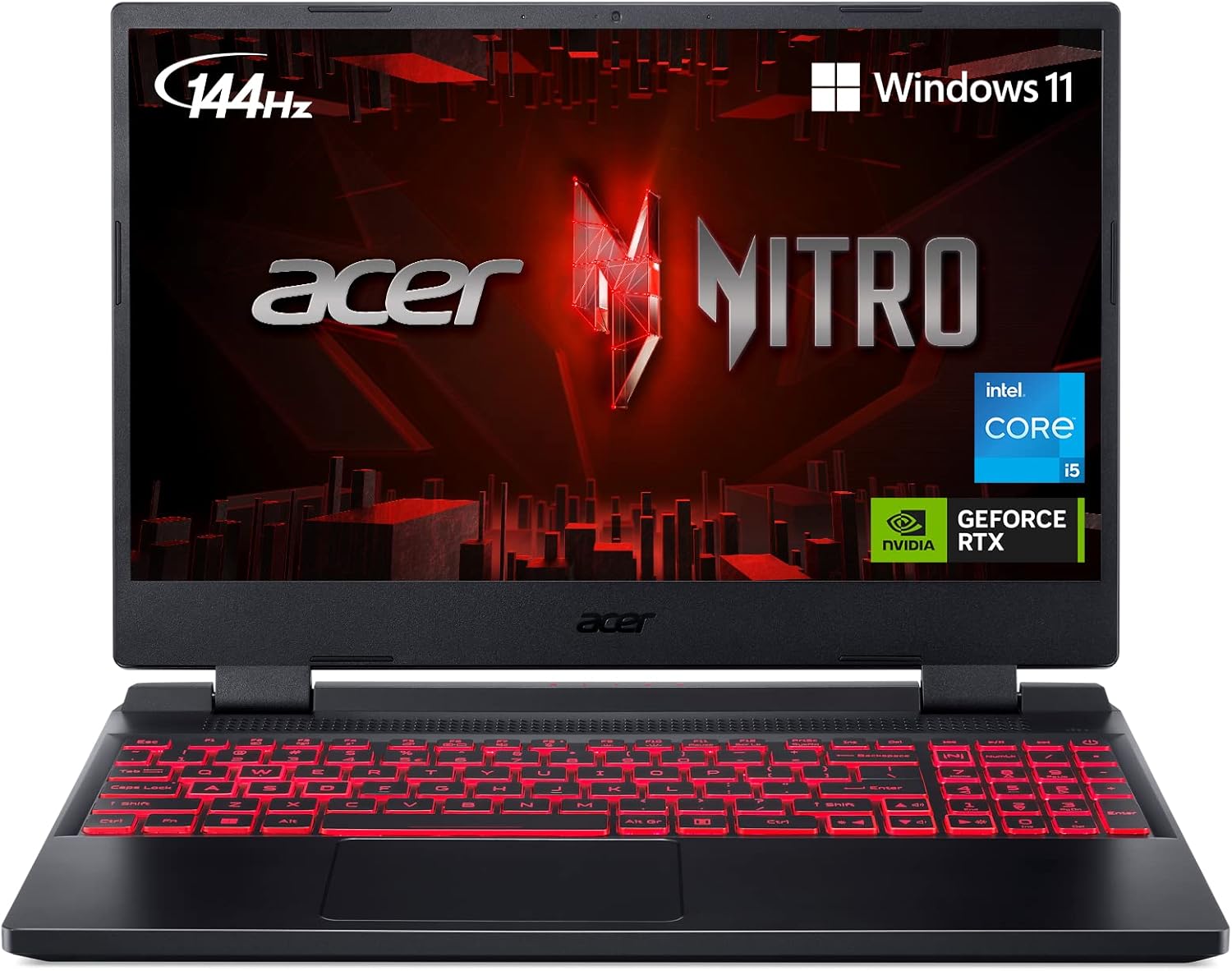
- memory Intel Core i5-12500H
- developer_board NVIDIA GeForce RTX 3050 Ti
- layers 16GB DDR4-3200MHz
- track_changes Target GPU: NVIDIA GeForce GTX 1060 (6GB) / AMD Radeon RX 580

- memory AMD Ryzen 7 7435HS
- developer_board NVIDIA GeForce RTX 3050
- layers 32GB DDR5-4800MHz
- track_changes Target GPU: NVIDIA GeForce GTX 1060 (6GB) / AMD Radeon RX 580

- memory AMD Ryzen 7 6800H
- developer_board NVIDIA GeForce RTX 3060
- layers 16GB DDR5-4800MHz
- track_changes Target GPU: NVIDIA GeForce GTX 1060 (6GB) / AMD Radeon RX 580

- memory AMD Ryzen 9 5900HS
- developer_board NVIDIA GeForce RTX 3080
- layers 16GB DDR4-3200MHz
- track_changes Target GPU: NVIDIA GeForce GTX 1060 (6GB) / AMD Radeon RX 580

- memory Intel Core i7-13620H
- developer_board NVIDIA GeForce RTX 4070
- layers 16GB DDR5-4800MHz
- track_changes Target GPU: NVIDIA GeForce RTX 3060 / AMD Radeon RX 6600 XT

- memory Intel Core i7-14700HX
- developer_board NVIDIA GeForce RTX 4070
- layers 16GB DDR5-5600MHz
- track_changes Target GPU: NVIDIA GeForce RTX 3060 / AMD Radeon RX 6600 XT

- memory Intel Core i9-14900HX
- developer_board NVIDIA GeForce RTX 4070
- layers 32GB DDR5-5600MHz
- track_changes Target GPU: NVIDIA GeForce RTX 3060 / AMD Radeon RX 6600 XT

- memory Intel Core i9-14900HX
- developer_board NVIDIA GeForce RTX 4080 Laptop GPU
- layers 64 GB DDR5-5600MHz
- track_changes Target GPU: NVIDIA GeForce RTX 4070 / AMD Radeon RX 7800 XT

- memory Intel Core Ultra 9 Processor 275HX (Series 2)
- developer_board NVIDIA GeForce RTX 5070 Laptop GPU
- layers 32GB DDR5-5600MHz
- track_changes Target GPU: NVIDIA GeForce RTX 4070 / AMD Radeon RX 7800 XT

- memory Intel Core i9-14900HX Processor
- developer_board NVIDIA GeForce RTX 5070 Laptop GPU
- layers 32GB DDR5-5600MHz
- track_changes Target GPU: NVIDIA GeForce RTX 4070 / AMD Radeon RX 7800 XT

- memory Intel Core i9-14900HX Processor
- developer_board NVIDIA GeForce RTX 5070 Laptop GPU
- layers 32GB DDR5-5600MHz
- track_changes Target GPU: NVIDIA GeForce RTX 4070 / AMD Radeon RX 7800 XT

- memory Intel Core Ultra 9 285H (Arrow Lake-H)
- developer_board NVIDIA GeForce RTX 5070 Laptop GPU
- layers 64GB LPDDR5x-8533MT/s (LPCAMM2)
- track_changes Target GPU: NVIDIA GeForce RTX 4070 / AMD Radeon RX 7800 XT

- memory Intel Core i9-14900HX
- developer_board NVIDIA GeForce RTX 4080
- layers 64GB DDR5-5600MHz
- track_changes Target GPU: NVIDIA GeForce RTX 4070 / AMD Radeon RX 7800 XT

- memory Intel Core i9-14900HX
- developer_board NVIDIA GeForce RTX 4080
- layers 32GB DDR5-5600MHz
- track_changes Target GPU: NVIDIA GeForce RTX 4070 / AMD Radeon RX 7800 XT

- memory Intel Core i9-14900HX
- developer_board NVIDIA GeForce RTX 4080
- layers 32GB DDR5-5600MHz
- track_changes Target GPU: NVIDIA GeForce RTX 4070 / AMD Radeon RX 7800 XT

- memory Intel Core i9-14900HX
- developer_board NVIDIA GeForce RTX 4080
- layers 32GB DDR5-5600MHz
- track_changes Target GPU: NVIDIA GeForce RTX 4070 / AMD Radeon RX 7800 XT

- memory AMD Ryzen 9 7845HX
- developer_board NVIDIA GeForce RTX 4080
- layers Up to 64GB DDR5
- track_changes Target GPU: NVIDIA GeForce RTX 4070 / AMD Radeon RX 7800 XT

- memory Intel Core Ultra 9 285H (Series 2) , 14 cores (6 Performance cores + 8 Efficient cores), 20 threads
- developer_board NVIDIA GeForce RTX 5050 Laptop GPU
- layers 32GB (2x16GB) DDR5 8400MHz SO-DIMM
- track_changes Target GPU: NVIDIA GeForce RTX 4090 / AMD Radeon RX 7900 XTX

- memory Intel Core Ultra 9 285H
- developer_board NVIDIA GeForce RTX 5070
- layers 32GB (2x16GB) DDR5 4800MHz SO-DIMM
- track_changes Target GPU: NVIDIA GeForce RTX 4090 / AMD Radeon RX 7900 XTX

- memory Intel Core i9-14900HX Processor
- developer_board NVIDIA GeForce RTX 5070 Ti Laptop GPU
- layers 64GB DDR5-5600MHz (commonly listed as 4800MHz by some retailers, but 5600MHz is common for 14th Gen HX with DDR5)
- track_changes Target GPU: NVIDIA GeForce RTX 4090 / AMD Radeon RX 7900 XTX

- memory Intel Core Ultra 9 Processor 275HX
- developer_board NVIDIA GeForce RTX 5070 Ti Laptop GPU
- layers 64GB DDR5-6400MHz
- track_changes Target GPU: NVIDIA GeForce RTX 4090 / AMD Radeon RX 7900 XTX

- memory Intel Core Ultra 9 Processor 275HX (Series 2)
- developer_board NVIDIA GeForce RTX 5070 Ti Laptop GPU
- layers 32GB DDR5-5600MHz
- track_changes Target GPU: NVIDIA GeForce RTX 4090 / AMD Radeon RX 7900 XTX

- memory Intel Ultra 7 255HX
- developer_board NVIDIA GeForce RTX 5070 Ti
- layers 32GB DDR5 5600MHz
- track_changes Target GPU: NVIDIA GeForce RTX 4090 / AMD Radeon RX 7900 XTX

- memory Intel Core Ultra 7 240H
- developer_board NVIDIA GeForce RTX 5070 Ti Laptop GPU
- layers 32GB LPDDR5X 5600MHz
- track_changes Target GPU: NVIDIA GeForce RTX 4090 / AMD Radeon RX 7900 XTX

- memory Intel Core Ultra 9 275HX
- developer_board GeForce RTX 5070 Laptop Laptop GPU
- layers 64GB DDR5-6400MHz (Single-Channel)
- track_changes Target GPU: NVIDIA GeForce RTX 4090 / AMD Radeon RX 7900 XTX

- memory Intel Core Ultra 9 275HX
- developer_board NVIDIA GeForce RTX 5070 Ti
- layers 32GB
- track_changes Target GPU: NVIDIA GeForce RTX 4090 / AMD Radeon RX 7900 XTX

- memory Intel Core Ultra 9 275HX
- developer_board NVIDIA GeForce RTX 5070 Ti Laptop GPU
- layers 32 GB DDR5 6400MHz (2x16GB)
- track_changes Target GPU: NVIDIA GeForce RTX 4090 / AMD Radeon RX 7900 XTX
info_outline Laptop recommendations are estimates based on available component benchmarks and game requirements. Actual performance may vary depending on settings, drivers, cooling, power limits, etc. Prices and availability subject to change. As an Amazon Associate, we earn from qualifying purchases.