Select Games to Compare

search close
search close

Select up to 2 games to compare side-by-side.

Project Spectrum vs Path of Exile 2

close close
info General Information
Release Date
Oct 21, 2025 Dec 6, 2024
Developer
Team Jade (TiMi Studio Group) Grinding Gear Games
Publisher
TiMi Studio Group Grinding Gear Games
Genre(s)
Tactical Shooter, First-Person Shooter, Horror, Extraction, PvPvE Action Role-Playing (Action RPG), Hack and Slash, Loot-based
Engine
Unreal Engine 5 Proprietary Next-Generation Engine
stars Ratings & Price
Content Rating
Rating Pending (Expected M - Mature 17+) Rating Pending (Expected M - Mature 17+)
Avg. User Rating
0.0 / 5.0 4.7 / 5.0
Current Price (USD)
$59.99 $29.99
tune Key Specs
Quick Highlights
  • Perspective: First-Person
  • Multiplayer: Squad-based PvPvE
  • Setting: Near-Future, Post-Apocalyptic
  • Platforms: PC and Consoles
  • Release Window: 2025
  • Unique Feature: A unique blend of tactical extraction shooter gameplay with a deep sanity and psychological horror mechanic, and asymmetric monster-vs-human PvP.
  • Perspective: Isometric (Top-Down)
  • Multiplayer: 6-Player Online Co-op, 2-Player Couch Co-op
  • Setting: Wraeclast (20 years after PoE1)
  • Platforms: PC, PlayStation 5, Xbox Series X|S
  • Early Access Release: 2024-12-06
  • Unique Feature: A complete overhaul of the original's core systems, featuring a new Skill Gem system, a dedicated dodge roll, and a dual-specialization passive tree.
sports_esports Gameplay & Mechanics
Companions/Followers
  • Squad Mates: The game is built around squad-based teamwork. A squad consists of several players who must coordinate their Operator abilities to survive and complete objectives against both monsters and other player-controlled squads.
    Human (Player)
  • Minions: Players can use skill gems to summon an army of minions. In PoE2, minions are more persistent and can be commanded more directly.
    Undead, Golems, Spectres
Key Collectibles
  • Ember Samples: A key objective item that must be successfully extracted for major rewards.
  • Dangerous Tech/Artifacts: Rare, high-value loot items that provide significant progression or unlock unique story elements.
  • Unique Items: Dropped by monsters throughout the game. Each of the 700 new equipment base types has its own unique item variant, leading to thousands of powerful and build-enabling items to find.
  • Gold: A new currency type that drops from monsters. Gold is used for various NPC vendor interactions and for respeccing passive skill points, providing an alternative to Orbs of Regret.
Key Themes
  • Supernatural Horror
  • Tactical Shooter
  • Extraction
  • PvPvE
  • Post-Apocalyptic
  • Psychological Horror
  • Sci-Fi
  • Dark Fantasy
  • Eldritch Horror
  • Deep Character Customization
  • Loot Hunting
  • Complex Economy
  • Action RPG
  • Survival
  • Post-Apocalyptic
colorize Combat & Gear
Weapons Overview
  • Firearms: Varies (Assault Rifles, Shotguns, Prototypes)
    A diverse arsenal of modifiable firearms. Ammunition is scarce, making resource management critical.
  • Melee Weapons: Axes, Crowbars, Makeshift Blades
    Last-resort weapons for desperate close-quarters encounters when ammunition runs out.
  • Improvised Tools: Traps and Gadgets
    Players can craft items on-the-fly, such as tripmines, motion sensors, and toxin grenades, to gain a tactical advantage.
  • New Weapon Types: Spears, Crossbows, Flails
    Path of Exile 2 introduces several new weapon archetypes alongside returning favorites, each with their own dedicated skills and passive tree nodes.
  • Returning Weapon Types: Swords, Axes, Maces, Bows, Wands, etc.
    All weapon types from the original game return, but with updated animations, sounds, and interactions within the new combat system.
Armor / Gear Sets
  • Operator Armor: Players can equip different armor sets, likely tied to their chosen class (e.g., heavy armor for Assault, lighter gear for Recon). Armor can be customized with mods and cosmetic items.
  • Equipment Base Types: The game features 700 new equipment base types. Armor continues to provide a foundation of defenses (Armour, Evasion, Energy Shield) and serves as the housing for sockets, though the linking mechanic has been moved to the gems themselves.
Outfits/Customization
  • Operator Cosmetics: Players can customize their Operators with a variety of cosmetic items, including different armor looks, helmets, and voice lines. These are likely unlocked through a seasonal Battle Pass and in-game store.
  • Cosmetic Microtransactions: Path of Exile 2 shares its cosmetic microtransaction system with the first game. Any armor sets, weapon effects, pets, and other cosmetics purchased in either game will be available to use in both.
trending_up Progression & Upgrades
Skills & Progression

Progression is persistent between extraction runs. Players choose from multiple Operator archetypes (Assault, Recon, Infiltrator, Medic, Technician), each with a deep upgrade tree. Loot and XP earned from successful extractions are used to unlock new gadgets, abilities, cosmetics, and rare weapons.

N/A
public World & Exploration
World & Level Design

The game features procedurally scrambled maps within the 'Ember Zones'. Key locations, objectives, and extraction points shift with every playthrough, ensuring high replayability. The environments are dynamic, with hazards like acid rain, gas clouds, and low gravity appearing unpredictably.

N/A
Playable Vehicles
  • None
    The game is focused on on-foot, squad-based tactical gameplay. There are no controllable player vehicles.
  • None
    The game is played on foot. Traversal speed is a highly sought-after stat on gear and skills. Players primarily use Waypoints for fast travel between zones.
book Story & Characters
Main Characters
  • Operator: Playable Human Character
    Players choose from a roster of Operator archetypes (Assault, Recon, Infiltrator, Medic, Technician), each with unique gadgets and upgrade trees.
  • Executioner: Playable Monster Character
    A player-controlled monster with unique powers, tasked with hunting down the human Operator squads.
  • Warrior (Str): Playable Class
    A new melee specialist who excels with maces and clubs.
  • Sorceress (Int): Playable Class
    A new spellcaster who can seamlessly blend different elements like fire, cold, and lightning.
  • Monk (Str/Dex): Playable Class
    A martial artist who uses a quarterstaff and his fists to deliver swift, mobile attacks.
  • Huntress (Dex): Playable Class
    A spear-wielding warrior who excels at hit-and-run tactics, throwing her spear and recalling it.
  • Mercenary (Dex/Int): Playable Class
    A crossbow specialist who brings shooter-style mechanics to the game, using different types of bolts for various effects.
  • Returning Archetypes: Playable Classes
    The six original classes (Marauder, Ranger, Witch, Duelist, Templar, Shadow) return with new models and animations, alongside six entirely new classes for a total of 12.
Example Missions
  • Extraction Runs
    The main gameplay mode where squads infiltrate an Ember Zone with a specific goal (e.g., retrieve an artifact, rescue a VIP). The primary objective is to complete the mission and successfully extract while surviving threats from other players and the environment.
  • The Main Campaign
    A brand new, six-act storyline that takes players across Wraeclast to stop a new wave of Corruption. The campaign is designed to be a more curated, single-player-like experience compared to the first game.
  • The Atlas of Worlds
    The shared endgame between both Path of Exile games. After completing the campaign, players unlock the Atlas and can run thousands of procedurally generated map areas to challenge pinnacle bosses and acquire the most powerful loot.
people Multiplayer
Multiplayer Details

The core gameplay is a session-based, asymmetric PvPvE extraction shooter where multiple squads of 3-4 players compete on the same map. A key feature is the ability for some players to take direct control of powerful monsters to hunt the human Operators.

The game supports online co-operative play for up to six players. A new feature for the sequel is full couch co-op support on all platforms, allowing two players to play together on a single screen.

extension Editions & DLC
Available Editions

Details on different game editions are yet to be announced. The game is expected to follow a seasonal model with a Battle Pass.

N/A
Post-Launch Content / DLC

The game is designed as a live service title. Each season is expected to bring new narrative arcs, playable Operators, monster types, and unique global events to expand the world and gameplay.

N/A
help_outline FAQ
Frequently Asked Questions
  • Q: What is Project Spectrum?
    A: Project Spectrum is an upcoming asymmetric PvPvE tactical horror shooter. Multiple squads of players enter a monster-infested, procedurally generated zone to complete objectives and extract, all while hunting each other.
  • Q: What does 'asymmetric' mean for this game?
    A: It means the teams are not equal. Not only do human squads fight each other (PvP) and AI monsters (PvE), but some players can also take on the role of powerful monster characters to hunt the human players.
  • Q: How does the Sanity system work?
    A: Witnessing horrors and spending time in the Ember Zone drains your Sanity. As it drops, you experience audio-visual hallucinations that can impact gameplay, and at critical levels, you can even temporarily lose control of your character.
  • Q: When will it be released?
    A: The game is expected to be released in 2025, but a specific date has not yet been announced.
  • Q: Is Path of Exile 2 an expansion?
    A: No. Originally announced as an expansion, it is now a completely separate, standalone game with its own campaign, classes, and game mechanics. It will exist alongside the original Path of Exile.
  • Q: Is Path of Exile 2 free to play?
    A: The game launched into a paid Early Access on December 6, 2024. The full 1.0 release of the game will be completely free-to-play, just like the original.
  • Q: Do my purchases from Path of Exile 1 carry over?
    A: Yes. All cosmetic microtransactions and convenience items (like stash tabs) purchased in either game are shared and can be used in both Path of Exile 1 and Path of Exile 2.
  • Q: Can I play with my friends from Path of Exile 1?
    A: No. Because Path of Exile 2 is a separate game with different characters and balance, you cannot party up with players who are playing Path of Exile 1. However, PoE2 has full cross-play between its own PC and console versions.
Gameplay Video
launchWatch launchWatch
Walkthrough/Guide
launchView launchView
settings_applications System Requirements
1080p (Full HD) - Minimum (Speculative - Target: 1080p, 60 FPS, Low/Medium Preset) (Low/Medium Preset, Upscaling (DLSS/FSR 'Performance') likely required.)
CPU: Hypothetical minimum CPU for a next-gen, CPU-heavy title.
CPU (Laptop): A modern performance-tier laptop CPU would be the minimum.
GPU: A GPU with a large VRAM buffer would be necessary even at minimum settings.
GPU (Laptop): A solid mid-range laptop GPU from the current generation.
RAM: 16GB would be the absolute minimum RAM requirement.
Storage: A fast NVMe SSD would be required.
memoryCPU: Intel Core i5-12600K or AMD Ryzen 5 7600
developer_boardGPU: NVIDIA GeForce RTX 3060 Ti (8GB) or AMD Radeon RX 6700 XT (12GB)
laptop_macCPU (L): Intel Core i7-12700H / AMD Ryzen 7 6800H or better.
laptop_windowsGPU (L): NVIDIA GeForce RTX 4060 Laptop (8GB, High TGP).
layersRAM: 16 GB
saveStorage (Tier): 100 GB NVMe SSD
1080p (Full HD) - Recommended (Official EA) (High Preset, 1080p resolution.)
CPU: The official recommended desktop CPU for a smooth experience.
CPU (Laptop): A strong mid-range laptop CPU is recommended for consistent performance.
GPU: Official recommended desktop GPU for 1080p gameplay.
GPU (Laptop): A mid-range gaming laptop GPU is needed for a high-quality 1080p experience.
RAM: 16GB RAM is officially recommended for optimal performance.
memoryCPU: Intel Core i5-10500 or AMD Ryzen 5 3700X
developer_boardGPU: NVIDIA GeForce RTX 2060 or AMD Radeon RX 5600 XT
laptop_macCPU (L): Intel Core i7-11800H / AMD Ryzen 7 5800H or better.
laptop_windowsGPU (L): NVIDIA GeForce RTX 3060 Laptop (6GB, High TGP).
layersRAM: 16 GB
saveStorage (Tier): 100 GB available space (SSD Required)
1080p (Full HD) - Minimum (Official EA) (Low Preset, 1080p resolution.)
CPU: The official minimum CPU to run the game in Early Access.
CPU (Laptop): Estimated laptop CPUs for minimum playability.
GPU: Official minimum desktop GPU.
GPU (Laptop): An entry-level dedicated gaming laptop GPU is needed for minimum settings.
RAM: 8GB RAM is the official minimum requirement.
memoryCPU: Intel Core i7-7700 or AMD Ryzen 5 2500X
developer_boardGPU: NVIDIA GeForce GTX 960 (4GB) or AMD Radeon RX 470
laptop_macCPU (L): Intel Core i7-9750H / AMD Ryzen 7 3750H or better.
laptop_windowsGPU (L): NVIDIA GeForce GTX 1650 Mobile (4GB) or equivalent.
layersRAM: 8 GB
saveStorage (Tier): 100 GB available space (SSD Required)
1440p (QHD/2K) - Recommended (Speculative - Target: 1440p, 60+ FPS, High Preset) (High Preset, Upscaling (DLSS/FSR 'Quality' or 'Balanced') recommended.)
CPU: A powerful modern CPU would be recommended for a stable high-framerate experience.
CPU (Laptop): A high-end enthusiast laptop CPU would be needed for this tier.
GPU: A high-end current-gen GPU would be the likely recommendation.
GPU (Laptop): A high-end laptop GPU would be necessary for a quality 1440p experience.
RAM: 32GB RAM is expected to be the recommendation for future AAA titles.
Storage: A fast NVMe SSD is recommended for this tier.
memoryCPU: Intel Core i7-13700K or AMD Ryzen 7 7800X3D
developer_boardGPU: NVIDIA GeForce RTX 4070 Ti (12GB) or AMD Radeon RX 7900 XT (20GB)
laptop_macCPU (L): Intel Core i9-13900HX / AMD Ryzen 9 7945HX or better.
laptop_windowsGPU (L): NVIDIA GeForce RTX 4080 Laptop (12GB, High TGP).
layersRAM: 32 GB
saveStorage (Tier): 100 GB NVMe SSD
save Overall Storage
Spec: 100 GB available space (NVMe SSD Required)
Note: A fast NVMe SSD would be mandatory to handle the increased asset quality and the streaming of procedurally generated maps.
Type: NVMe
Spec: 100 GB available space (SSD Required)
Note: An SSD is a mandatory requirement for the game to handle asset streaming and loading efficiently.
Type: SSD
desktop_windows Operating System
Spec: Windows 11 64-bit
Explanation: A modern 64-bit OS would be a firm requirement.
Spec: Windows 10/11 64-bit
Explanation: A modern 64-bit operating system is required.
gamepad DirectX Version
Spec: DirectX 12 Ultimate
Explanation: DirectX 12 Ultimate would be required for next-gen features.
N/A
info_outline Other Game Notes
  • SPECULATIVE PC SYSTEM REQUIREMENTS. As official specs were not provided, these are hypothetical projections for a next-generation title built on Unreal Engine 5.
  • Laptop Performance Note: A title like this would demand a high-performance gaming laptop for the best experience. Actual performance would vary significantly based on the final game's optimization and the laptop's specific hardware configuration.
  • Laptop Consideration: G P U T G P: Maximum TGP for the laptop's GPU would be essential to handle the advanced graphical features, heavy particle effects, and dynamic environments.
  • Laptop Consideration: Cooling Thermals: The game's visually rich and often chaotic encounters will require a laptop with a cutting-edge cooling solution to prevent thermal throttling.
  • Laptop Consideration: C P U Power Limits: A powerful multi-core mobile CPU will be critical for handling the complex AI of both monsters and human enemies, as well as the procedural map generation.
  • Laptop Consideration: M U X Switch Optimus: A MUX switch or NVIDIA Advanced Optimus would be a critical feature for reducing latency and ensuring the best possible performance and responsiveness in a competitive shooter.
  • Game Name: Project Spectrum
  • OFFICIAL EARLY ACCESS PC SYSTEM REQUIREMENTS from the game's Steam page. These specifications may change as development continues towards the full 1.0 release.
  • Laptop Performance Note: Laptop performance will vary based on the specific model's cooling and power delivery (TGP). Path of Exile 2's new engine and complex combat encounters can be demanding.
  • Laptop Consideration: G P U T G P Impact: Total Graphics Power (TGP) is critical for laptop GPU performance. A higher TGP allows the GPU to perform closer to its desktop equivalent.
  • Laptop Consideration: Advanced Cooling Thermals: The game's intense combat can be graphically demanding. A robust cooling system is essential to prevent thermal throttling and maintain consistent performance.
  • Laptop Consideration: C P U Performance Sustain: A strong mobile CPU with high single-core performance is important, as the game's core logic can be CPU-bound, especially with complex builds and numerous calculations.
  • Laptop Consideration: R A M Configuration Speed: 16GB in a dual-channel configuration is the recommended minimum. The game can utilize more, and faster RAM can improve performance.
  • Laptop Consideration: Display Panel G P U Pairing: Match the GPU's capability to the laptop's display. The game's fast-paced combat benefits from a responsive, high-refresh-rate panel.
  • Laptop Consideration: M U X Switch N V I D I A Advanced Optimus: A MUX switch or Advanced Optimus is beneficial for reducing latency, which is crucial for the timing of the new dodge roll mechanic.
  • Laptop Consideration: Driver Updates O S Optimization: Keeping GPU drivers updated is crucial for performance and stability, especially for new content patches.
  • Game Name: Path of Exile 2
laptop Laptop Considerations
  • G P U T G P: Maximum TGP for the laptop's GPU would be essential to handle the advanced graphical features, heavy particle effects, and dynamic environments.
  • Cooling Thermals: The game's visually rich and often chaotic encounters will require a laptop with a cutting-edge cooling solution to prevent thermal throttling.
  • C P U Power Limits: A powerful multi-core mobile CPU will be critical for handling the complex AI of both monsters and human enemies, as well as the procedural map generation.
  • M U X Switch Optimus: A MUX switch or NVIDIA Advanced Optimus would be a critical feature for reducing latency and ensuring the best possible performance and responsiveness in a competitive shooter.
  • G P U T G P Impact: Total Graphics Power (TGP) is critical for laptop GPU performance. A higher TGP allows the GPU to perform closer to its desktop equivalent.
  • Advanced Cooling Thermals: The game's intense combat can be graphically demanding. A robust cooling system is essential to prevent thermal throttling and maintain consistent performance.
  • C P U Performance Sustain: A strong mobile CPU with high single-core performance is important, as the game's core logic can be CPU-bound, especially with complex builds and numerous calculations.
  • R A M Configuration Speed: 16GB in a dual-channel configuration is the recommended minimum. The game can utilize more, and faster RAM can improve performance.
  • Display Panel G P U Pairing: Match the GPU's capability to the laptop's display. The game's fast-paced combat benefits from a responsive, high-refresh-rate panel.
  • M U X Switch N V I D I A Advanced Optimus: A MUX switch or Advanced Optimus is beneficial for reducing latency, which is crucial for the timing of the new dodge roll mechanic.
  • Driver Updates O S Optimization: Keeping GPU drivers updated is crucial for performance and stability, especially for new content patches.

info_outline Feature details based on available data. System requirements and performance estimates may vary.

laptop_chromebook Laptop Recommendations

Common Recommendations (Handles All Compared Games)

check_circle_outline Recommended based on listed requirements for Full HD (1080p).
MSI Pulse GL66 with RTX 3070 and i7 12th Gen
  • memory Intel Core i7-12700H
  • developer_board NVIDIA GeForce RTX 3070
  • layers 32GB DDR4-3200MHz
  • track_changes Target GPU: NVIDIA GeForce RTX 4060 Laptop (8GB, High TGP).

Acer Nitro V with RTX 4060 and i9 13th Gen
  • memory Intel Core i9-13900H
  • developer_board NVIDIA GeForce RTX 4060
  • layers 16GB DDR5-5200MHz
  • track_changes Target GPU: NVIDIA GeForce RTX 4060 Laptop (8GB, High TGP).
Lenovo Legion Pro 5i (i9-14900HX, RTX 4060)
  • memory Intel Core i9-14900HX
  • developer_board NVIDIA GeForce RTX 4060
  • layers 32GB DDR5-5600MHz
  • track_changes Target GPU: NVIDIA GeForce RTX 4060 Laptop (8GB, High TGP).
ASUS TUF A15 with RTX 3050 and Ryzen 7
  • memory AMD Ryzen 7 7435HS
  • developer_board NVIDIA GeForce RTX 3050
  • layers 32GB DDR5-4800MHz
  • track_changes Target GPU: NVIDIA GeForce GTX 1650 Mobile (4GB) or equivalent.
HP Omen 16 (RTX 5060 & Ryzen 9 8940HX)
  • memory AMD Ryzen 9 8940HX Processor
  • developer_board NVIDIA GeForce RTX 5060 Laptop GPU
  • layers 32GB DDR5-5200MHz
  • track_changes Target GPU: NVIDIA GeForce GTX 1650 Mobile (4GB) or equivalent.

HP Victus 15 (RTX 4050 & Ryzen 7)
  • memory AMD Ryzen 7 7445HS
  • developer_board NVIDIA GeForce RTX 4050
  • layers 16GB (2x8GB) DDR5 5600MHz SO-DIMM
  • track_changes Target GPU: NVIDIA GeForce GTX 1650 Mobile (4GB) or equivalent.
check_circle_outline Recommended based on listed requirements for QHD (1440p).
HP OMEN 16 with RTX 4080 and intel i9 14th Gen
  • memory Intel Core i9-14900HX
  • developer_board NVIDIA GeForce RTX 4080 Laptop GPU
  • layers 64 GB DDR5-5600MHz
  • track_changes Target GPU: NVIDIA GeForce RTX 4080 Laptop (12GB, High TGP).
GIGABYTE AORUS Elite 16 (RTX 5070 & Intel Core Ultra 9 275HX)
  • memory Intel Core Ultra 9 Processor 275HX (Series 2)
  • developer_board NVIDIA GeForce RTX 5070 Laptop GPU
  • layers 32GB DDR5-5600MHz
  • track_changes Target GPU: NVIDIA GeForce RTX 4080 Laptop (12GB, High TGP).
MSI Katana 15 HX (RTX 5070 & Intel i7 14th Gen)
  • memory Intel Core i9-14900HX Processor
  • developer_board NVIDIA GeForce RTX 5070 Laptop GPU
  • layers 32GB DDR5-5600MHz
  • track_changes Target GPU: NVIDIA GeForce RTX 4080 Laptop (12GB, High TGP).

For Project Spectrum Specifically

check_circle_outline Recommended based on listed requirements for Full HD (1080p).
MSI Pulse GL66 with RTX 3070 and i7 12th Gen
  • memory Intel Core i7-12700H
  • developer_board NVIDIA GeForce RTX 3070
  • layers 32GB DDR4-3200MHz
  • track_changes Target GPU: NVIDIA GeForce RTX 3060 Ti (8GB) or AMD Radeon RX 6700 XT (12GB)
Acer Nitro V with RTX 4060 and i9 13th Gen
  • memory Intel Core i9-13900H
  • developer_board NVIDIA GeForce RTX 4060
  • layers 16GB DDR5-5200MHz
  • track_changes Target GPU: NVIDIA GeForce RTX 3060 Ti (8GB) or AMD Radeon RX 6700 XT (12GB)
Lenovo Legion Pro 5i (i9-14900HX, RTX 4060)
  • memory Intel Core i9-14900HX
  • developer_board NVIDIA GeForce RTX 4060
  • layers 32GB DDR5-5600MHz
  • track_changes Target GPU: NVIDIA GeForce RTX 3060 Ti (8GB) or AMD Radeon RX 6700 XT (12GB)
Asus Rog Strix Scar 15 with RTX 3070 Ti and i9 12th Gen
  • memory Intel Core i9-12900H
  • developer_board NVIDIA GeForce RTX 3070 Ti
  • layers 16GB DDR5-4800MHz
  • track_changes Target GPU: NVIDIA GeForce RTX 3060 Ti (8GB) or AMD Radeon RX 6700 XT (12GB)

ASUS TUF A15 with RTX 3050 and Ryzen 7
  • memory AMD Ryzen 7 7435HS
  • developer_board NVIDIA GeForce RTX 3050
  • layers 32GB DDR5-4800MHz
  • track_changes Target GPU: NVIDIA GeForce RTX 3060 Ti (8GB) or AMD Radeon RX 6700 XT (12GB)
MSI Creator M16 HX with RTX 4070
  • memory Intel Core i9-14900HX
  • developer_board NVIDIA GeForce RTX 4070
  • layers 32GB DDR5-5600MHz
  • track_changes Target GPU: NVIDIA GeForce RTX 3060 Ti (8GB) or AMD Radeon RX 6700 XT (12GB)
ASUS ROG Strix G16 with RTX 4070
  • memory Intel Core i9-14900HX
  • developer_board NVIDIA GeForce RTX 4070
  • layers 16GB DDR5-5600MHz
  • track_changes Target GPU: NVIDIA GeForce RTX 3060 Ti (8GB) or AMD Radeon RX 6700 XT (12GB)
MSI Cyborg 15 (RTX 5050 & Intel 7)
  • memory Intel Core Ultra 7 255H
  • developer_board NVIDIA GeForce RTX 5060 Laptop GPU
  • layers 16GB DDR5-5600MHz (Dual-Channel)
  • track_changes Target GPU: NVIDIA GeForce RTX 3060 Ti (8GB) or AMD Radeon RX 6700 XT (12GB)
HP Omen 16 (RTX 5060 & Ryzen 9 8940HX)
  • memory AMD Ryzen 9 8940HX Processor
  • developer_board NVIDIA GeForce RTX 5060 Laptop GPU
  • layers 32GB DDR5-5200MHz
  • track_changes Target GPU: NVIDIA GeForce RTX 3060 Ti (8GB) or AMD Radeon RX 6700 XT (12GB)
ASUS ROG Strix Scar 17 Se with RTX 3080 Ti  and i9
ASUS ROG Strix Scar 17 Se with RTX 3080 Ti and i9
  • memory Intel Core i9-12950HX
  • developer_board NVIDIA GeForce RTX 3080 Ti
  • layers 32GB DDR5-4800MHz
  • track_changes Target GPU: NVIDIA GeForce RTX 3060 Ti (8GB) or AMD Radeon RX 6700 XT (12GB)
check_circle_outline Recommended based on listed requirements for QHD (1440p).
HP OMEN 16 with RTX 4080 and intel i9 14th Gen
  • memory Intel Core i9-14900HX
  • developer_board NVIDIA GeForce RTX 4080 Laptop GPU
  • layers 64 GB DDR5-5600MHz
  • track_changes Target GPU: NVIDIA GeForce RTX 4070 Ti (12GB) or AMD Radeon RX 7900 XT (20GB)
GIGABYTE AORUS Elite 16 (RTX 5070 & Intel Core Ultra 9 275HX)
  • memory Intel Core Ultra 9 Processor 275HX (Series 2)
  • developer_board NVIDIA GeForce RTX 5070 Laptop GPU
  • layers 32GB DDR5-5600MHz
  • track_changes Target GPU: NVIDIA GeForce RTX 4070 Ti (12GB) or AMD Radeon RX 7900 XT (20GB)
MSI Katana 15 HX (RTX 5070 & Intel i7 14th Gen)
  • memory Intel Core i9-14900HX Processor
  • developer_board NVIDIA GeForce RTX 5070 Laptop GPU
  • layers 32GB DDR5-5600MHz
  • track_changes Target GPU: NVIDIA GeForce RTX 4070 Ti (12GB) or AMD Radeon RX 7900 XT (20GB)
Dell Alienware 16X Aurora (RTX 5070 & Intel Core Ultra 9 275HX)
  • memory Intel Core i9-14900HX Processor
  • developer_board NVIDIA GeForce RTX 5070 Laptop GPU
  • layers 32GB DDR5-5600MHz
  • track_changes Target GPU: NVIDIA GeForce RTX 4070 Ti (12GB) or AMD Radeon RX 7900 XT (20GB)
Lenovo Thinkpad T1G Gen 8 (RTX 5070 & Ultra 9)
  • memory Intel Core Ultra 9 285H (Arrow Lake-H)
  • developer_board NVIDIA GeForce RTX 5070 Laptop GPU
  • layers 64GB LPDDR5x-8533MT/s (LPCAMM2)
  • track_changes Target GPU: NVIDIA GeForce RTX 4070 Ti (12GB) or AMD Radeon RX 7900 XT (20GB)
Acer Predator Helios Neo 18 2024 With Rtx 4080
  • memory Intel Core i9-14900HX
  • developer_board NVIDIA GeForce RTX 4080
  • layers 64GB DDR5-5600MHz
  • track_changes Target GPU: NVIDIA GeForce RTX 4070 Ti (12GB) or AMD Radeon RX 7900 XT (20GB)
ASUS ROG Strix G18 with RTX 4080 and intel i9 14th Gen
  • memory Intel Core i9-14900HX
  • developer_board NVIDIA GeForce RTX 4080
  • layers 32GB DDR5-5600MHz
  • track_changes Target GPU: NVIDIA GeForce RTX 4070 Ti (12GB) or AMD Radeon RX 7900 XT (20GB)
MSI Vector 17 HX with RTX 4080 in 2025
  • memory Intel Core i9-14900HX
  • developer_board NVIDIA GeForce RTX 4080
  • layers 32GB DDR5-5600MHz
  • track_changes Target GPU: NVIDIA GeForce RTX 4070 Ti (12GB) or AMD Radeon RX 7900 XT (20GB)
ASUS ROG Strix Scar 18 Gaming Laptop with RTX 4080
  • memory Intel Core i9-14900HX
  • developer_board NVIDIA GeForce RTX 4080
  • layers 32GB DDR5-5600MHz
  • track_changes Target GPU: NVIDIA GeForce RTX 4070 Ti (12GB) or AMD Radeon RX 7900 XT (20GB)
Dell Alienware M16 Gaming Laptop with RTX 4080
  • memory AMD Ryzen 9 7845HX
  • developer_board NVIDIA GeForce RTX 4080
  • layers Up to 64GB DDR5
  • track_changes Target GPU: NVIDIA GeForce RTX 4070 Ti (12GB) or AMD Radeon RX 7900 XT (20GB)

For Path of Exile 2 Specifically

check_circle_outline Recommended based on listed requirements for Full HD (1080p).
ASUS TUF A15 with RTX 3050 and Ryzen 7
  • memory AMD Ryzen 7 7435HS
  • developer_board NVIDIA GeForce RTX 3050
  • layers 32GB DDR5-4800MHz
  • track_changes Target GPU: NVIDIA GeForce GTX 960 (4GB) or AMD Radeon RX 470
HP Omen 16 (RTX 5060 & Ryzen 9 8940HX)
  • memory AMD Ryzen 9 8940HX Processor
  • developer_board NVIDIA GeForce RTX 5060 Laptop GPU
  • layers 32GB DDR5-5200MHz
  • track_changes Target GPU: NVIDIA GeForce GTX 960 (4GB) or AMD Radeon RX 470
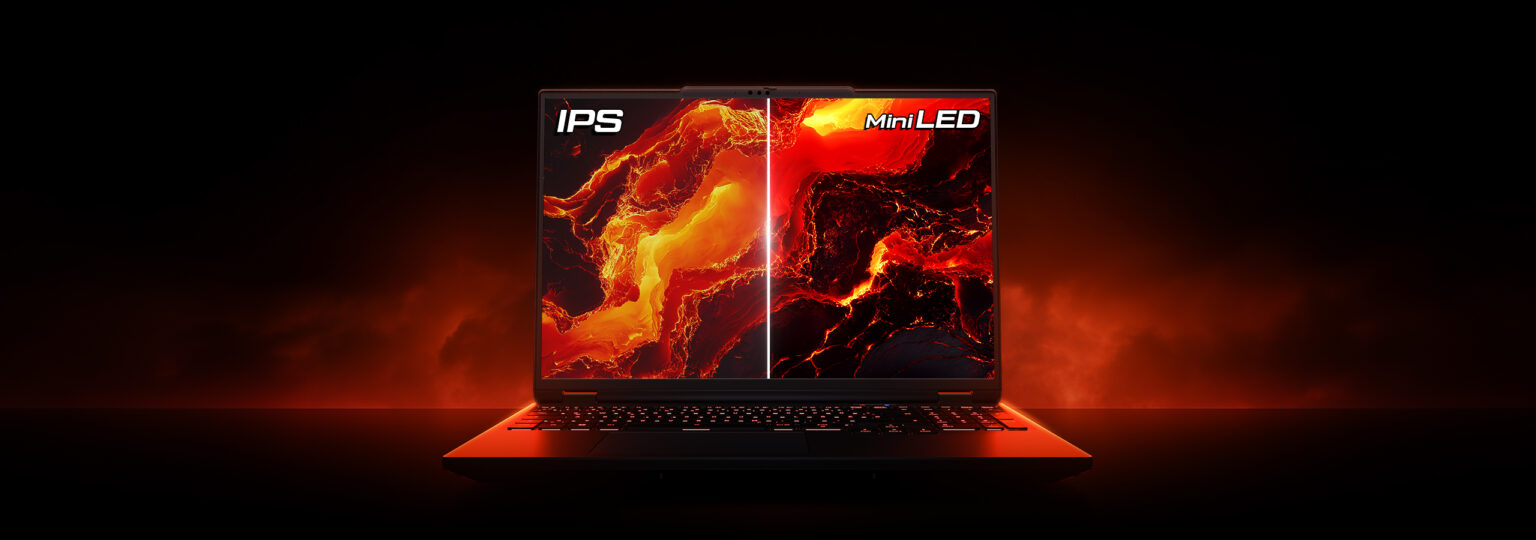
HP Victus 15 (RTX 4050 & Ryzen 7)
  • memory AMD Ryzen 7 7445HS
  • developer_board NVIDIA GeForce RTX 4050
  • layers 16GB (2x8GB) DDR5 5600MHz SO-DIMM
  • track_changes Target GPU: NVIDIA GeForce GTX 960 (4GB) or AMD Radeon RX 470
ASUS TUF Gaming  A16 with RTX 4050
ASUS TUF Gaming A16 with RTX 4050
  • memory AMD Ryzen 7 7445HS
  • developer_board NVIDIA GeForce RTX 4050
  • layers 16GB DDR5 5600MHz SO-DIMM
  • track_changes Target GPU: NVIDIA GeForce GTX 960 (4GB) or AMD Radeon RX 470
Dell Alienware M16 Gaming Laptop with RTX 4080
  • memory AMD Ryzen 9 7845HX
  • developer_board NVIDIA GeForce RTX 4080
  • layers Up to 64GB DDR5
  • track_changes Target GPU: NVIDIA GeForce GTX 960 (4GB) or AMD Radeon RX 470
XMG Apex 16 Max (RTX 5070 Ti & Ryzen 9)
  • memory AMD Ryzen 9 9955HX
  • developer_board NVIDIA GeForce RTX 5070 Ti Laptop GPU
  • layers 64GB DDR5-5600MHz (Dual-Channel)
  • track_changes Target GPU: NVIDIA GeForce GTX 960 (4GB) or AMD Radeon RX 470
MSI Pulse GL66 with RTX 3070 and i7 12th Gen
  • memory Intel Core i7-12700H
  • developer_board NVIDIA GeForce RTX 3070
  • layers 32GB DDR4-3200MHz
  • track_changes Target GPU: NVIDIA GeForce RTX 2060 or AMD Radeon RX 5600 XT
Acer Nitro V with RTX 4060 and i9 13th Gen
  • memory Intel Core i9-13900H
  • developer_board NVIDIA GeForce RTX 4060
  • layers 16GB DDR5-5200MHz
  • track_changes Target GPU: NVIDIA GeForce RTX 2060 or AMD Radeon RX 5600 XT

Lenovo Legion Pro 5i (i9-14900HX, RTX 4060)
  • memory Intel Core i9-14900HX
  • developer_board NVIDIA GeForce RTX 4060
  • layers 32GB DDR5-5600MHz
  • track_changes Target GPU: NVIDIA GeForce RTX 2060 or AMD Radeon RX 5600 XT
Asus Rog Strix Scar 15 with RTX 3070 Ti and i9 12th Gen
  • memory Intel Core i9-12900H
  • developer_board NVIDIA GeForce RTX 3070 Ti
  • layers 16GB DDR5-4800MHz
  • track_changes Target GPU: NVIDIA GeForce RTX 2060 or AMD Radeon RX 5600 XT
ASUS ROG Strix G15 with RTX 3060 and Ryzen 7
  • memory AMD Ryzen 7 6800H
  • developer_board NVIDIA GeForce RTX 3060
  • layers 16GB DDR5-4800MHz
  • track_changes Target GPU: NVIDIA GeForce RTX 2060 or AMD Radeon RX 5600 XT
ASUS ROG Zephyrus G15 Ultra with RTX 3080 and Ryzen 9
  • memory AMD Ryzen 9 5900HS
  • developer_board NVIDIA GeForce RTX 3080
  • layers 16GB DDR4-3200MHz
  • track_changes Target GPU: NVIDIA GeForce RTX 2060 or AMD Radeon RX 5600 XT
MSI Katana 15 with RTX 4070
  • memory Intel Core i7-13620H
  • developer_board NVIDIA GeForce RTX 4070
  • layers 16GB DDR5-4800MHz
  • track_changes Target GPU: NVIDIA GeForce RTX 2060 or AMD Radeon RX 5600 XT
Alienware M18 with RTX 4070
  • memory Intel Core i7-14700HX
  • developer_board NVIDIA GeForce RTX 4070
  • layers 16GB DDR5-5600MHz
  • track_changes Target GPU: NVIDIA GeForce RTX 2060 or AMD Radeon RX 5600 XT
MSI Creator M16 HX with RTX 4070
  • memory Intel Core i9-14900HX
  • developer_board NVIDIA GeForce RTX 4070
  • layers 32GB DDR5-5600MHz
  • track_changes Target GPU: NVIDIA GeForce RTX 2060 or AMD Radeon RX 5600 XT

info_outline Laptop recommendations are estimates based on available component benchmarks and game requirements. Actual performance may vary depending on settings, drivers, cooling, power limits, etc. Prices and availability subject to change. As an Amazon Associate, we earn from qualifying purchases.

Processing...