Select Games to Compare
Benchmark your exact mobile GPU wattage (TGP), battery throttling drops, and cooling pad requirements for these games.
Onimusha: Way of the Sword vs Phantom Blade Zero
| close | close |
|---|---|
| shopping_cart Where to Buy | |
| info General Information | |
| Release Date | |
| Sep 4, 2026 | Oct 22, 2026 |
| Developer | |
| Capcom | S-GAME |
| Publisher | |
| Capcom | S-GAME |
| Genre(s) | |
| Action-Adventure / Hack and Slash | Action RPG, Third-Person, Hack and Slash, Wuxia |
| Engine | |
| RE Engine | Unreal Engine 5 |
| stars Ratings & Price | |
| Content Rating | |
| Mature (M) / PEGI 18 | M (Mature 17+) |
| Avg. User Rating | |
| 4.5 / 5.0 | 0.0 / 5.0 |
| Current Price (USD) | |
| $69.99 | $69.99 |
| tune Key Specs | |
| Quick Highlights | |
|
|
| sports_esports Gameplay & Mechanics | |
| Companions/Followers | |
|
|
| Key Collectibles | |
|
|
| Key Themes | |
|
|
| colorize Combat & Gear | |
| Weapons Overview | |
|
|
| Armor / Gear Sets | |
|
|
| Outfits/Customization | |
|
|
| trending_up Progression & Upgrades | |
| Skills & Progression | |
|
Progression is heavily tied to the Oni Gauntlet, which consumes the souls of defeated enemies to fuel Musashi's abilities. The game utilizes a tri-color soul economy: Yellow Souls provide immediate health restoration; Red Souls act as the primary RPG currency to purchase nodes on the skill tree (such as extending the parry timing window) and upgrade weaponry; and Blue Souls charge the mana pool required to summon magical 'Oni Armaments'. The core katana combat relies on the defensive trinity: Dodging builds a 'Reflex Combo' gauge; Parrying heavily drains enemy stamina for crowd control; and Deflecting strips massive stamina and reflects projectiles. Perfect execution of these defenses allows Musashi to trigger an 'Issen', a devastating critical counter-attack that instantly executes standard Genma. |
The game features an 'anti-grind' progression philosophy with no traditional XP or leveling. Instead, players permanently upgrade their character's stats by finding specific hidden items in the world: Amber Stones increase the 'Sha-Chi' gauge, Black Stones increase health and break damage, and Ghostly Flowers increase maximum health. Enemies do not respawn at checkpoints. |
| public World & Exploration | |
| World & Level Design | |
|
The architectural layout of Way of the Sword Abandons the rigidly linear progression of older titles in favor of a semi-open hub world centered around Edo-period Kyoto. The city is rendered as a sprawling, corrupted capital blanketed by volumetric 'Malice' clouds. The development team consulted with historical temple officials to ensure architectural authenticity, incorporating iconic locations like the historic Kiyomizu-dera temple and the Yasui Konpiragu Shrine. Players utilize safe zones within the city as bases of operation to interact with vendors. As the narrative progresses, Musashi must venture into Genma-infested districts, destroying Malice plants and sealing Rifts to dynamically cleanse the city and unlock new areas of the map for exploration. |
The game features a semi-open world structure, composed of multiple large, interconnected maps filled with handcrafted activities. The level design encourages exploration of side paths and hidden areas, reminiscent of titles like Nioh 2 and Dark Souls. |
| Playable Vehicles | |
|
|
| Notable Fauna/Mounts | |
|
N/A |
| book Story & Characters | |
| Main Characters | |
|
|
| Example Missions | |
|
|
| people Multiplayer | |
| Multiplayer Details | |
|
There are absolutely no multiplayer modes in Onimusha: Way of the Sword. Directed by Satoru Nihei, the project was engineered entirely as a highly focused, character-driven single-player narrative. The combat system, which relies on split-second parrying, deflecting, and the precise execution of the 'Issen' counter-attack, is heavily balanced around individual player skill and predictable AI enemy patterns. Introducing cooperative or competitive multiplayer mechanics would fundamentally disrupt the carefully tuned rhythm of the 'One Katana' philosophy and the game's intricate defensive trinity. |
The main story campaign is a single-player experience. However, the game will include multiplayer for certain endgame content, such as co-op dungeons and boss rushes. |
| extension Editions & DLC | |
| Available Editions | |
|
Capcom deployed a tiered monetization strategy across global and regional markets. The Standard Edition retails for $69.99, containing the base game. The Digital Deluxe Edition ($79.99) expands the offering with cosmetic and gameplay boosters, including a kit of three Charms, four Sword Appearances, and alternate outfits like the 'Red Armor'. The Premium Deluxe Edition ($89.99) includes all prior content plus a digital soundtrack and artbook. In regions like India, console physical editions (PS5/Xbox) trend between ₹5,299 and ₹5,999, with specialized physical variants commanding premiums. However, the PC market in India sees significant grey market activity, where Steam keys for the standard edition can be acquired for as low as ₹3,271, highlighting massive regional price volatility. |
Details on different game editions are yet to be announced. The game is confirmed to be a single-purchase premium title. |
| Post-Launch Content / DLC | |
|
While no concrete Downloadable Content (DLC) has been datamined or officially announced as of the September 4, 2026 launch, the tiered release structure—featuring a Digital Deluxe and Premium Deluxe Edition packed with cosmetic charms and sword appearances—indicates a framework ready for post-launch monetization. Prominent industry leakers, observing Capcom's historical propensity for robust post-launch support (as seen with Monster Hunter and Resident Evil), strongly suggest that a post-launch roadmap featuring structural updates, additional Oni Armaments, or a narrative expansion campaign is highly probable, contingent upon the title meeting its aggressive Q4 sales targets. |
The game will feature a New Game Plus mode and multiple story endings. Endgame content will include various multiplayer dungeons, boss rushes, and rogue-like abysses. |
| help_outline FAQ | |
| Frequently Asked Questions | |
|
|
| build Technical Details | |
| Graphics & Visual Fidelity | |
|
Powered by Capcom's proprietary RE Engine, the visual fidelity is staggering. The standout graphical feature is the 'free-cut system', which procedurally slices enemy character models dynamically along the exact trajectory of the player's blade during an execution, avoiding repetitive pre-baked animations. The environmental rendering blankets Edo-period Kyoto in volumetric 'Malice' clouds with advanced lighting and particle effects. On PS5 and Xbox Series X, the game offers a 'Quality Mode' for 4K visuals (30-40 FPS) and a highly recommended 'Performance Mode' providing a stable 60 FPS utilizing internal upscaling. The PC version features Denuvo DRM, which introduces measurable CPU overhead that can occasionally cause micro-stutters during heavy combat sequences. |
N/A |
| Audio & Soundtrack | |
|
Capcom spared no expense in casting elite voice actors to carry the game's emotional resonance, featuring veterans like Yoshimasa Hosoya (Japanese) and Kenichiro Thomson (English) as Musashi, alongside heavyweights like Nobuhiko Okamoto and Kenta Miyake. The auditory landscape relies on a bespoke, highly atmospheric original soundtrack featuring traditional Japanese instrumentation layered with intense, orchestral combat arrangements, carrying forward the legacy of composers like Taro Iwashiro from earlier entries. (Rumors of Mick Gordon's involvement were proven false). Sound design is also mechanically critical; recognizing specific audio cues is vital for executing the 'Deflect' maneuver and triggering the cinematic 'Blade Barrage' clashes. |
N/A |
| User Interface (UI/UX) | |
|
The game's UI balances atmospheric immersion with necessary RPG feedback. During combat, players must monitor Musashi's health bar, the 'Reflex Dodge' gauge, and the crucial 'Blaze Gauge', which, when filled through sustained parries, engulfs the katana in blue flame for increased damage and soul generation. The most prominent UI element is the enemy's stamina gauge (analogous to a posture meter), which the player must strategically deplete to execute a 'Kuzushi Issen' (Break Issen). Furthermore, the UI incorporates an interactive element during soul absorption: holding a dedicated button triggers a visual 'soul tug-of-war', requiring players to manage the intake of Yellow, Red, and Blue souls while actively avoiding enemy interruption. |
N/A |
| Accessibility Options | |
|
Unlike many modern 'Soulslikes' that enforce punishing difficulty across all systems, Onimusha: Way of the Sword deliberately removes stamina management for basic movement and attacking, allowing all players to experience the speed of a master swordsman. The 'Red Soul' economy allows players struggling with the strict parry timings to actively farm currency and purchase 'Issen Window Extension' nodes on the skill tree, effectively making the defensive mechanics more forgiving. Furthermore, players can equip specific 'Charms' that apply passive buffs to Musashi's statistics, and the ability to spam 'Celestials' (magical blades) to bleed healing Yellow Souls provides a clutch mechanic to survive grueling, multi-phase boss encounters. |
N/A |
| video_library Media Links | |
| Gameplay Video | |
| launchWatch | launchWatch |
| Walkthrough/Guide | |
| launchView | launchView |
| settings_applications System Requirements | |
| 1080p (Full HD) - Recommended (High Preset, 60 FPS (Upscaled)) CPU: Provides optimal thread counts for managing complex crowd density and calculating the free-cut system physics. CPU (Laptop): Ideal for maintaining a locked 60 FPS necessary for precise parrying. GPU: Allows for high-resolution textures and smooth performance utilizing DLSS or FSR upscaling. GPU (Laptop): Ensure maximum TGP is available via control center software. RAM: Sufficient overhead for memory-intensive RE Engine features. Storage: Required for instantaneous loading when returning to safe zones. | |
memoryCPU: Intel Core i5-10400 / AMD Ryzen 5 3600 developer_boardGPU: GeForce RTX 2060 Super (8GB) / Radeon RX 6600 (8GB) laptop_macCPU (L): Intel Core i7-11800H / AMD Ryzen 7 5800H laptop_windowsGPU (L): Nvidia RTX 3060 (115W+) / Radeon RX 7600S layersRAM: 16 GB saveStorage (Tier): 50 GB NVMe SSD | — |
| 1080p (Full HD) - Minimum (Low Preset, 30 FPS (Upscaled)) CPU: The baseline required to manage the game's physics and Denuvo DRM overhead. CPU (Laptop): Sufficient for a locked 30 FPS; ensure shader compilation is fully completed at the main menu. GPU: The absolute minimum to process RE Engine's volumetric lighting. GPU (Laptop): Use FSR/DLSS on Balanced or Performance to maintain playable framerates. RAM: Mandatory minimum to accommodate heavy asset streaming in open-hub environments. Storage: SSD is mandatory to prevent traversal stutter. | |
memoryCPU: Intel Core i5-8400 / AMD Ryzen 3 3100 developer_boardGPU: GeForce GTX 1660 (6GB) / Radeon RX 5500 XT (8GB) laptop_macCPU (L): Intel Core i5-9300H / AMD Ryzen 5 4600H laptop_windowsGPU (L): Nvidia RTX 3050 Ti (4GB) / Radeon RX 6500M layersRAM: 16 GB saveStorage (Tier): 50 GB SSD | — |
| 1080p (Full HD) - Minimum (Speculative - Target: 1080p, 60 FPS, Low/Medium Preset) (Low/Medium Preset, Upscaling (DLSS/FSR 'Performance') likely required.) CPU: Hypothetical minimum CPU for a next-gen, CPU-heavy title. CPU (Laptop): A modern performance-tier laptop CPU would be the minimum. GPU: A GPU with a large VRAM buffer would be necessary even at minimum settings. GPU (Laptop): A solid mid-range to high-end laptop GPU from the last few generations. RAM: 16GB would be the absolute minimum RAM requirement. Storage: A fast NVMe SSD would be required. | |
| — | memoryCPU: Intel Core i5-12600K or AMD Ryzen 5 7600 developer_boardGPU: NVIDIA GeForce RTX 3070 (8GB) or AMD Radeon RX 6700 XT (12GB) laptop_macCPU (L): Intel Core i7-12700H / AMD Ryzen 7 6800H or better. laptop_windowsGPU (L): NVIDIA GeForce RTX 3070 Laptop (8GB), RTX 4060 Laptop (8GB). layersRAM: 16 GB saveStorage (Tier): 120 GB NVMe SSD |
| 1440p (QHD/2K) - Recommended (Speculative - Target: 1440p, 60+ FPS, High Preset) (High Preset, Upscaling (DLSS/FSR 'Quality') recommended.) CPU: A powerful modern CPU would be recommended for a stable high-framerate experience. CPU (Laptop): A high-end enthusiast laptop CPU would be needed for this tier. GPU: A high-end current-gen GPU would be the likely recommendation. GPU (Laptop): A high-end laptop GPU would be necessary for a quality 1440p experience. RAM: 32GB RAM is expected to be the recommendation for future AAA titles. Storage: A fast NVMe SSD is recommended for this tier. | |
| — | memoryCPU: Intel Core i7-13700K or AMD Ryzen 7 7800X3D developer_boardGPU: NVIDIA GeForce RTX 4070 Ti (12GB) or AMD Radeon RX 7900 XT (20GB) laptop_macCPU (L): Intel Core i9-13900HX / AMD Ryzen 9 7945HX or better. laptop_windowsGPU (L): NVIDIA GeForce RTX 4080 Laptop (12GB, High TGP). layersRAM: 32 GB saveStorage (Tier): 120 GB NVMe SSD |
| 1440p (QHD/2K) - High (High/Ultra Preset, 60 FPS) CPU: Excellent single-core performance ensures the GPU is fully fed at 1440p resolutions. CPU (Laptop): Desktop-class laptop CPUs provide the necessary processing power. GPU: Highly recommended to comfortably load high-fidelity meshes without pop-in at 1440p. GPU (Laptop): Necessary hardware tier to overcome laptop thermal limitations at this resolution. RAM: 16GB remains sufficient if background processes are minimized. Storage: Maximizes asset streaming speeds. | |
memoryCPU: Intel Core i5-10400 / AMD Ryzen 5 3600 developer_boardGPU: GeForce RTX 4060 Ti (16GB) / Radeon RX 6750 XT laptop_macCPU (L): Intel Core i7-12700H / AMD Ryzen 7 6800H laptop_windowsGPU (L): Nvidia RTX 4070 (140W+) / Radeon RX 7700S layersRAM: 16 GB saveStorage (Tier): 50 GB PCIe Gen 4 NVMe SSD | — |
| 2160p (UHD/4K) - Ultra (Ultra Preset, 60 FPS Native) CPU: High-end gaming processors required to guarantee absolute frame stability under maximum graphical loads. CPU (Laptop): Only the absolute highest end mobile processors will avoid bottlenecks at 4K. GPU: High VRAM required for uncompromised 4K texture buffers and particle rendering. GPU (Laptop): The mobile GPUs capable of driving this game at native 4K with acceptable framerates. RAM: 32GB is recommended for future-proofing, but 16GB is the stated requirement. Storage: Critical to prevent engine stalls while loading massive high-res environmental blocks. | |
memoryCPU: Intel Core i5-12400 / AMD Ryzen 7 5700 developer_boardGPU: GeForce RTX 4070 Ti / Radeon RX 7900 XT laptop_macCPU (L): Intel Core i9-13900HX / AMD Ryzen 9 7845HX laptop_windowsGPU (L): Nvidia RTX 4080 (150W+) or 4090 layersRAM: 16 GB saveStorage (Tier): 50 GB PCIe Gen 4 NVMe SSD | — |
| save Overall Storage | |
| Spec: 50 GB SSD Note: Solid State Drive is absolutely mandatory. Installing on an HDD will result in severe texture pop-in and stuttering when traversing the Kyoto hub. Type: SSD | Spec: 120 GB available space (NVMe SSD Required) Note: A fast NVMe SSD would be mandatory to handle the increased asset quality and the streaming of large, detailed maps. Type: NVMe |
| desktop_windows Operating System | |
| Spec: Windows 11 (64-bit) Explanation: Mandatory for optimal performance, with experts recommending enabling Windows 11 Game Mode to prioritize CPU cycles for combat animations. | Spec: Windows 10 / 11 64-bit Explanation: A modern 64-bit OS would be a firm requirement. |
| gamepad DirectX Version | |
| Spec: DirectX 12 Explanation: Required to execute advanced volumetric 'Malice' cloud rendering and particle effects via the RE Engine. | Spec: DirectX 12 Ultimate Explanation: DirectX 12 Ultimate would be required for next-gen features like Ray Tracing. |
| info_outline Other Game Notes | |
|
|
| build Optimization Details | |
| N/A |
| laptop Laptop Considerations | |
|
|

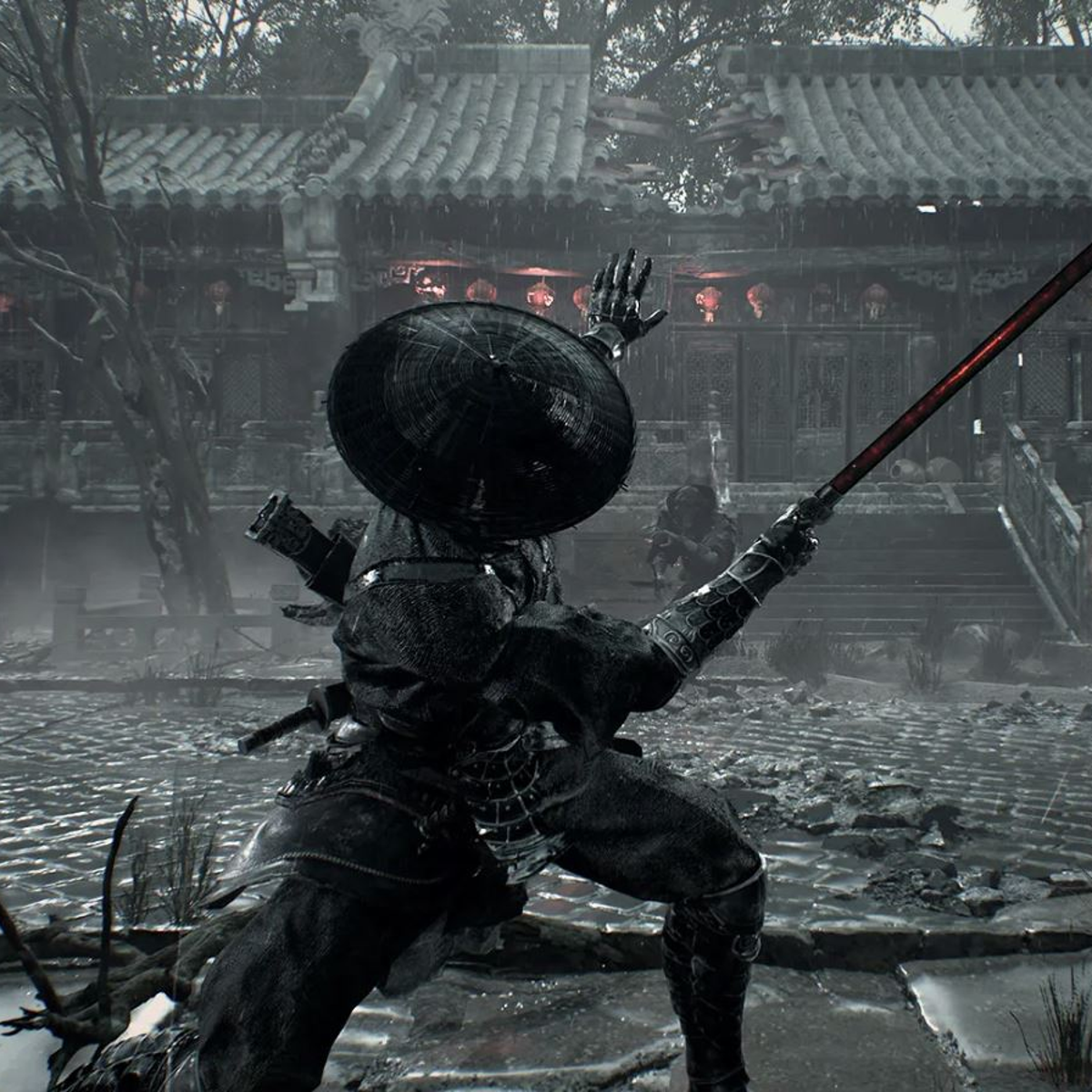
info_outline Feature details based on available data. System requirements and performance estimates may vary.
laptop_chromebook Laptop Recommendations
Common Recommendations (Handles All Compared Games)

- memory Intel Core i5-12450H
- developer_board NVIDIA GeForce RTX 3050
- layers 16GB DDR4-3200MHz
- track_changes Target GPU: Nvidia RTX 3050 Ti (4GB) / Radeon RX 6500M

- memory Intel Core i5-12500H
- developer_board NVIDIA GeForce RTX 3050 Ti
- layers 16GB DDR4-3200MHz
- track_changes Target GPU: Nvidia RTX 3050 Ti (4GB) / Radeon RX 6500M

- memory AMD Ryzen 7 7435HS
- developer_board NVIDIA GeForce RTX 3050
- layers 32GB DDR5-4800MHz
- track_changes Target GPU: Nvidia RTX 3050 Ti (4GB) / Radeon RX 6500M

- memory AMD Ryzen 7 7445HS
- developer_board NVIDIA GeForce RTX 4050
- layers 16GB (2x8GB) DDR5 5600MHz SO-DIMM
- track_changes Target GPU: Nvidia RTX 3060 (115W+) / Radeon RX 7600S

- memory AMD Ryzen 7 7445HS
- developer_board NVIDIA GeForce RTX 4050
- layers 16GB DDR5 5600MHz SO-DIMM
- track_changes Target GPU: Nvidia RTX 3060 (115W+) / Radeon RX 7600S

- memory Intel Core i9-14900HX
- developer_board NVIDIA GeForce RTX 4080 Laptop GPU
- layers 64 GB DDR5-5600MHz
- track_changes Target GPU: Nvidia RTX 3060 (115W+) / Radeon RX 7600S

- memory Intel Core i7-12700H
- developer_board NVIDIA GeForce RTX 3070
- layers 32GB DDR4-3200MHz
- track_changes Target GPU: NVIDIA GeForce RTX 3070 Laptop (8GB), RTX 4060 Laptop (8GB).

- memory Intel Core i9-13900H
- developer_board NVIDIA GeForce RTX 4060
- layers 16GB DDR5-5200MHz
- track_changes Target GPU: NVIDIA GeForce RTX 3070 Laptop (8GB), RTX 4060 Laptop (8GB).

- memory Intel Core i9-14900HX
- developer_board NVIDIA GeForce RTX 4060
- layers 32GB DDR5-5600MHz
- track_changes Target GPU: NVIDIA GeForce RTX 3070 Laptop (8GB), RTX 4060 Laptop (8GB).

- memory Intel Core i9-14900HX
- developer_board NVIDIA GeForce RTX 4070
- layers 32GB DDR5-5600MHz
- track_changes Target GPU: Nvidia RTX 4070 (140W+) / Radeon RX 7700S

- memory Intel Core i9-14900HX
- developer_board NVIDIA GeForce RTX 4070
- layers 16GB DDR5-5600MHz
- track_changes Target GPU: Nvidia RTX 4070 (140W+) / Radeon RX 7700S

- memory Intel Core Ultra 7 255H
- developer_board NVIDIA GeForce RTX 5060 Laptop GPU
- layers 16GB DDR5-5600MHz (Dual-Channel)
- track_changes Target GPU: Nvidia RTX 4070 (140W+) / Radeon RX 7700S
- memory Intel Core i9-14900HX
- developer_board NVIDIA GeForce RTX 4080 Laptop GPU
- layers 64 GB DDR5-5600MHz
- track_changes Target GPU: NVIDIA GeForce RTX 4080 Laptop (12GB, High TGP).

- memory Intel Core Ultra 9 Processor 275HX (Series 2)
- developer_board NVIDIA GeForce RTX 5070 Laptop GPU
- layers 32GB DDR5-5600MHz
- track_changes Target GPU: NVIDIA GeForce RTX 4080 Laptop (12GB, High TGP).

- memory Intel Core i9-14900HX Processor
- developer_board NVIDIA GeForce RTX 5070 Laptop GPU
- layers 32GB DDR5-5600MHz
- track_changes Target GPU: NVIDIA GeForce RTX 4080 Laptop (12GB, High TGP).

- memory AMD Ryzen 9 7945HX
- developer_board NVIDIA GeForce RTX 4080
- layers 32GB DDR5
- track_changes Target GPU: Nvidia RTX 4080 (150W+) or 4090

- memory Intel Core i9-14900HX
- developer_board NVIDIA GeForce RTX 4080
- layers 64GB DDR5-5600MHz
- track_changes Target GPU: Nvidia RTX 4080 (150W+) or 4090

- memory Intel Core i9-14900HX
- developer_board NVIDIA GeForce RTX 4080
- layers 32GB DDR5-5600MHz
- track_changes Target GPU: Nvidia RTX 4080 (150W+) or 4090
For Onimusha: Way of the Sword Specifically
- memory Intel Core i5-12450H
- developer_board NVIDIA GeForce RTX 3050
- layers 16GB DDR4-3200MHz
- track_changes Target GPU: GeForce GTX 1660 (6GB) / Radeon RX 5500 XT (8GB)
- memory Intel Core i5-12500H
- developer_board NVIDIA GeForce RTX 3050 Ti
- layers 16GB DDR4-3200MHz
- track_changes Target GPU: GeForce GTX 1660 (6GB) / Radeon RX 5500 XT (8GB)
- memory AMD Ryzen 7 7435HS
- developer_board NVIDIA GeForce RTX 3050
- layers 32GB DDR5-4800MHz
- track_changes Target GPU: GeForce GTX 1660 (6GB) / Radeon RX 5500 XT (8GB)

- memory AMD Ryzen 7 6800H
- developer_board NVIDIA GeForce RTX 3060
- layers 16GB DDR5-4800MHz
- track_changes Target GPU: GeForce GTX 1660 (6GB) / Radeon RX 5500 XT (8GB)

- memory AMD Ryzen 9 5900HS
- developer_board NVIDIA GeForce RTX 3080
- layers 16GB DDR4-3200MHz
- track_changes Target GPU: GeForce GTX 1660 (6GB) / Radeon RX 5500 XT (8GB)

- memory Intel Core i7-13620H
- developer_board NVIDIA GeForce RTX 4070
- layers 16GB DDR5-4800MHz
- track_changes Target GPU: GeForce GTX 1660 (6GB) / Radeon RX 5500 XT (8GB)

- memory Intel Core i7-14700HX
- developer_board NVIDIA GeForce RTX 4070
- layers 16GB DDR5-5600MHz
- track_changes Target GPU: GeForce GTX 1660 (6GB) / Radeon RX 5500 XT (8GB)
- memory Intel Core i9-14900HX
- developer_board NVIDIA GeForce RTX 4070
- layers 32GB DDR5-5600MHz
- track_changes Target GPU: GeForce GTX 1660 (6GB) / Radeon RX 5500 XT (8GB)
- memory Intel Core i9-14900HX
- developer_board NVIDIA GeForce RTX 4070
- layers 16GB DDR5-5600MHz
- track_changes Target GPU: GeForce GTX 1660 (6GB) / Radeon RX 5500 XT (8GB)
- memory Intel Core Ultra 7 255H
- developer_board NVIDIA GeForce RTX 5060 Laptop GPU
- layers 16GB DDR5-5600MHz (Dual-Channel)
- track_changes Target GPU: GeForce GTX 1660 (6GB) / Radeon RX 5500 XT (8GB)
- memory AMD Ryzen 7 7445HS
- developer_board NVIDIA GeForce RTX 4050
- layers 16GB (2x8GB) DDR5 5600MHz SO-DIMM
- track_changes Target GPU: GeForce RTX 2060 Super (8GB) / Radeon RX 6600 (8GB)
- memory AMD Ryzen 7 7445HS
- developer_board NVIDIA GeForce RTX 4050
- layers 16GB DDR5 5600MHz SO-DIMM
- track_changes Target GPU: GeForce RTX 2060 Super (8GB) / Radeon RX 6600 (8GB)
- memory Intel Core i9-14900HX
- developer_board NVIDIA GeForce RTX 4080 Laptop GPU
- layers 64 GB DDR5-5600MHz
- track_changes Target GPU: GeForce RTX 2060 Super (8GB) / Radeon RX 6600 (8GB)

- memory Intel Core i7-13620H
- developer_board NVIDIA GeForce RTX 5070 Laptop GPU
- layers 64GB (2x32GB) DDR5 4800MHz SO-DIMM
- track_changes Target GPU: GeForce RTX 2060 Super (8GB) / Radeon RX 6600 (8GB)

- memory AMD Ryzen 7 6800HS
- developer_board NVIDIA GeForce RTX 5070 Laptop GPU
- layers 16GB (2x8GB) DDR4 4800MHz SO-DIMM
- track_changes Target GPU: GeForce RTX 2060 Super (8GB) / Radeon RX 6600 (8GB)
- memory Intel Core Ultra 9 Processor 275HX (Series 2)
- developer_board NVIDIA GeForce RTX 5070 Laptop GPU
- layers 32GB DDR5-5600MHz
- track_changes Target GPU: GeForce RTX 2060 Super (8GB) / Radeon RX 6600 (8GB)
- memory Intel Core i9-14900HX Processor
- developer_board NVIDIA GeForce RTX 5070 Laptop GPU
- layers 32GB DDR5-5600MHz
- track_changes Target GPU: GeForce RTX 2060 Super (8GB) / Radeon RX 6600 (8GB)

- memory Intel Core i9-14900HX Processor
- developer_board NVIDIA GeForce RTX 5070 Laptop GPU
- layers 32GB DDR5-5600MHz
- track_changes Target GPU: GeForce RTX 2060 Super (8GB) / Radeon RX 6600 (8GB)

- memory Intel Core Ultra 9 Processor 285H
- developer_board NVIDIA GeForce RTX 5070 Laptop GPU
- layers 16GB DDR5-5600MHz
- track_changes Target GPU: GeForce RTX 2060 Super (8GB) / Radeon RX 6600 (8GB)

- memory Intel Core Ultra 9 285H (Arrow Lake-H)
- developer_board NVIDIA GeForce RTX 5070 Laptop GPU
- layers 64GB LPDDR5x-8533MT/s (LPCAMM2)
- track_changes Target GPU: GeForce RTX 2060 Super (8GB) / Radeon RX 6600 (8GB)
- memory Intel Core i9-14900HX
- developer_board NVIDIA GeForce RTX 4070
- layers 32GB DDR5-5600MHz
- track_changes Target GPU: GeForce RTX 4060 Ti (16GB) / Radeon RX 6750 XT
- memory Intel Core i9-14900HX
- developer_board NVIDIA GeForce RTX 4070
- layers 16GB DDR5-5600MHz
- track_changes Target GPU: GeForce RTX 4060 Ti (16GB) / Radeon RX 6750 XT
- memory Intel Core Ultra 7 255H
- developer_board NVIDIA GeForce RTX 5060 Laptop GPU
- layers 16GB DDR5-5600MHz (Dual-Channel)
- track_changes Target GPU: GeForce RTX 4060 Ti (16GB) / Radeon RX 6750 XT

- memory AMD Ryzen 9 8940HX Processor
- developer_board NVIDIA GeForce RTX 5060 Laptop GPU
- layers 32GB DDR5-5200MHz
- track_changes Target GPU: GeForce RTX 4060 Ti (16GB) / Radeon RX 6750 XT

- memory Intel Core i9-12950HX
- developer_board NVIDIA GeForce RTX 3080 Ti
- layers 32GB DDR5-4800MHz
- track_changes Target GPU: GeForce RTX 4060 Ti (16GB) / Radeon RX 6750 XT
- memory AMD Ryzen 7 7445HS
- developer_board NVIDIA GeForce RTX 4050
- layers 16GB (2x8GB) DDR5 5600MHz SO-DIMM
- track_changes Target GPU: GeForce RTX 4060 Ti (16GB) / Radeon RX 6750 XT
- memory AMD Ryzen 7 7445HS
- developer_board NVIDIA GeForce RTX 4050
- layers 16GB DDR5 5600MHz SO-DIMM
- track_changes Target GPU: GeForce RTX 4060 Ti (16GB) / Radeon RX 6750 XT
- memory Intel Core i9-14900HX
- developer_board NVIDIA GeForce RTX 4080 Laptop GPU
- layers 64 GB DDR5-5600MHz
- track_changes Target GPU: GeForce RTX 4060 Ti (16GB) / Radeon RX 6750 XT
- memory Intel Core Ultra 9 Processor 275HX (Series 2)
- developer_board NVIDIA GeForce RTX 5070 Laptop GPU
- layers 32GB DDR5-5600MHz
- track_changes Target GPU: GeForce RTX 4060 Ti (16GB) / Radeon RX 6750 XT
- memory Intel Core i9-14900HX Processor
- developer_board NVIDIA GeForce RTX 5070 Laptop GPU
- layers 32GB DDR5-5600MHz
- track_changes Target GPU: GeForce RTX 4060 Ti (16GB) / Radeon RX 6750 XT
- memory Intel Core i9-14900HX
- developer_board NVIDIA GeForce RTX 4080
- layers 64GB DDR5-5600MHz
- track_changes Target GPU: GeForce RTX 4070 Ti / Radeon RX 7900 XT
- memory Intel Core i9-14900HX
- developer_board NVIDIA GeForce RTX 4080
- layers 32GB DDR5-5600MHz
- track_changes Target GPU: GeForce RTX 4070 Ti / Radeon RX 7900 XT

- memory Intel Core i9-14900HX
- developer_board NVIDIA GeForce RTX 4080
- layers 32GB DDR5-5600MHz
- track_changes Target GPU: GeForce RTX 4070 Ti / Radeon RX 7900 XT

- memory Intel Core i9-14900HX
- developer_board NVIDIA GeForce RTX 4080
- layers 32GB DDR5-5600MHz
- track_changes Target GPU: GeForce RTX 4070 Ti / Radeon RX 7900 XT

- memory AMD Ryzen 9 7845HX
- developer_board NVIDIA GeForce RTX 4080
- layers Up to 64GB DDR5
- track_changes Target GPU: GeForce RTX 4070 Ti / Radeon RX 7900 XT

- memory Intel Core Ultra 9 285H (Series 2) , 14 cores (6 Performance cores + 8 Efficient cores), 20 threads
- developer_board NVIDIA GeForce RTX 5050 Laptop GPU
- layers 32GB (2x16GB) DDR5 8400MHz SO-DIMM
- track_changes Target GPU: GeForce RTX 4070 Ti / Radeon RX 7900 XT

- memory Intel Core Ultra 9 285H
- developer_board NVIDIA GeForce RTX 5070
- layers 32GB (2x16GB) DDR5 4800MHz SO-DIMM
- track_changes Target GPU: GeForce RTX 4070 Ti / Radeon RX 7900 XT

- memory Intel Core i9-14900HX Processor
- developer_board NVIDIA GeForce RTX 5070 Ti Laptop GPU
- layers 64GB DDR5-5600MHz (commonly listed as 4800MHz by some retailers, but 5600MHz is common for 14th Gen HX with DDR5)
- track_changes Target GPU: GeForce RTX 4070 Ti / Radeon RX 7900 XT

- memory Intel Core Ultra 9 Processor 275HX
- developer_board NVIDIA GeForce RTX 5070 Ti Laptop GPU
- layers 64GB DDR5-6400MHz
- track_changes Target GPU: GeForce RTX 4070 Ti / Radeon RX 7900 XT

- memory Intel Core Ultra 9 Processor 275HX (Series 2)
- developer_board NVIDIA GeForce RTX 5070 Ti Laptop GPU
- layers 32GB DDR5-5600MHz
- track_changes Target GPU: GeForce RTX 4070 Ti / Radeon RX 7900 XT
For Phantom Blade Zero Specifically
- memory Intel Core i7-12700H
- developer_board NVIDIA GeForce RTX 3070
- layers 32GB DDR4-3200MHz
- track_changes Target GPU: NVIDIA GeForce RTX 3070 (8GB) or AMD Radeon RX 6700 XT (12GB)
- memory Intel Core i9-13900H
- developer_board NVIDIA GeForce RTX 4060
- layers 16GB DDR5-5200MHz
- track_changes Target GPU: NVIDIA GeForce RTX 3070 (8GB) or AMD Radeon RX 6700 XT (12GB)
- memory Intel Core i9-14900HX
- developer_board NVIDIA GeForce RTX 4060
- layers 32GB DDR5-5600MHz
- track_changes Target GPU: NVIDIA GeForce RTX 3070 (8GB) or AMD Radeon RX 6700 XT (12GB)

- memory Intel Core i9-12900H
- developer_board NVIDIA GeForce RTX 3070 Ti
- layers 16GB DDR5-4800MHz
- track_changes Target GPU: NVIDIA GeForce RTX 3070 (8GB) or AMD Radeon RX 6700 XT (12GB)
- memory AMD Ryzen 7 7435HS
- developer_board NVIDIA GeForce RTX 3050
- layers 32GB DDR5-4800MHz
- track_changes Target GPU: NVIDIA GeForce RTX 3070 (8GB) or AMD Radeon RX 6700 XT (12GB)
- memory Intel Core i9-14900HX
- developer_board NVIDIA GeForce RTX 4070
- layers 32GB DDR5-5600MHz
- track_changes Target GPU: NVIDIA GeForce RTX 3070 (8GB) or AMD Radeon RX 6700 XT (12GB)
- memory Intel Core i9-14900HX
- developer_board NVIDIA GeForce RTX 4070
- layers 16GB DDR5-5600MHz
- track_changes Target GPU: NVIDIA GeForce RTX 3070 (8GB) or AMD Radeon RX 6700 XT (12GB)
- memory Intel Core Ultra 7 255H
- developer_board NVIDIA GeForce RTX 5060 Laptop GPU
- layers 16GB DDR5-5600MHz (Dual-Channel)
- track_changes Target GPU: NVIDIA GeForce RTX 3070 (8GB) or AMD Radeon RX 6700 XT (12GB)
- memory AMD Ryzen 9 8940HX Processor
- developer_board NVIDIA GeForce RTX 5060 Laptop GPU
- layers 32GB DDR5-5200MHz
- track_changes Target GPU: NVIDIA GeForce RTX 3070 (8GB) or AMD Radeon RX 6700 XT (12GB)
- memory Intel Core i9-12950HX
- developer_board NVIDIA GeForce RTX 3080 Ti
- layers 32GB DDR5-4800MHz
- track_changes Target GPU: NVIDIA GeForce RTX 3070 (8GB) or AMD Radeon RX 6700 XT (12GB)
- memory Intel Core i9-14900HX
- developer_board NVIDIA GeForce RTX 4080 Laptop GPU
- layers 64 GB DDR5-5600MHz
- track_changes Target GPU: NVIDIA GeForce RTX 4070 Ti (12GB) or AMD Radeon RX 7900 XT (20GB)
- memory Intel Core Ultra 9 Processor 275HX (Series 2)
- developer_board NVIDIA GeForce RTX 5070 Laptop GPU
- layers 32GB DDR5-5600MHz
- track_changes Target GPU: NVIDIA GeForce RTX 4070 Ti (12GB) or AMD Radeon RX 7900 XT (20GB)
- memory Intel Core i9-14900HX Processor
- developer_board NVIDIA GeForce RTX 5070 Laptop GPU
- layers 32GB DDR5-5600MHz
- track_changes Target GPU: NVIDIA GeForce RTX 4070 Ti (12GB) or AMD Radeon RX 7900 XT (20GB)
- memory Intel Core i9-14900HX Processor
- developer_board NVIDIA GeForce RTX 5070 Laptop GPU
- layers 32GB DDR5-5600MHz
- track_changes Target GPU: NVIDIA GeForce RTX 4070 Ti (12GB) or AMD Radeon RX 7900 XT (20GB)
- memory Intel Core Ultra 9 285H (Arrow Lake-H)
- developer_board NVIDIA GeForce RTX 5070 Laptop GPU
- layers 64GB LPDDR5x-8533MT/s (LPCAMM2)
- track_changes Target GPU: NVIDIA GeForce RTX 4070 Ti (12GB) or AMD Radeon RX 7900 XT (20GB)
- memory Intel Core i9-14900HX
- developer_board NVIDIA GeForce RTX 4080
- layers 64GB DDR5-5600MHz
- track_changes Target GPU: NVIDIA GeForce RTX 4070 Ti (12GB) or AMD Radeon RX 7900 XT (20GB)
- memory Intel Core i9-14900HX
- developer_board NVIDIA GeForce RTX 4080
- layers 32GB DDR5-5600MHz
- track_changes Target GPU: NVIDIA GeForce RTX 4070 Ti (12GB) or AMD Radeon RX 7900 XT (20GB)
- memory Intel Core i9-14900HX
- developer_board NVIDIA GeForce RTX 4080
- layers 32GB DDR5-5600MHz
- track_changes Target GPU: NVIDIA GeForce RTX 4070 Ti (12GB) or AMD Radeon RX 7900 XT (20GB)
- memory Intel Core i9-14900HX
- developer_board NVIDIA GeForce RTX 4080
- layers 32GB DDR5-5600MHz
- track_changes Target GPU: NVIDIA GeForce RTX 4070 Ti (12GB) or AMD Radeon RX 7900 XT (20GB)
- memory AMD Ryzen 9 7845HX
- developer_board NVIDIA GeForce RTX 4080
- layers Up to 64GB DDR5
- track_changes Target GPU: NVIDIA GeForce RTX 4070 Ti (12GB) or AMD Radeon RX 7900 XT (20GB)
info_outline Laptop recommendations are estimates based on available component benchmarks and game requirements. Actual performance may vary depending on settings, drivers, cooling, power limits, etc. Prices and availability subject to change. As an Amazon Associate, we earn from qualifying purchases.