Select Games to Compare
Benchmark your exact mobile GPU wattage (TGP), battery throttling drops, and cooling pad requirements for these games.
No Mans Sky: Cosmos vs Subnautica 2
| close | close |
|---|---|
| shopping_cart Where to Buy | |
| info General Information | |
| Release Date | |
| Aug 9, 2016 | May 14, 2026 |
| Developer | |
| Hello Games | Unknown Worlds Entertainment |
| Publisher | |
| Hello Games | Krafton |
| Genre(s) | |
| Action-adventure survival | Survival, Action-Adventure, Open World |
| Engine | |
| Proprietary Procedural Engine | Unreal Engine 5 |
| stars Ratings & Price | |
| Content Rating | |
| Teen | Teen |
| Avg. User Rating | |
| 4.8 / 5.0 | 4.6 / 5.0 |
| Current Price (USD) | |
| $59.99 | $29.99 |
| tune Key Specs | |
| Quick Highlights | |
|
|
| sports_esports Gameplay & Mechanics | |
| Companions/Followers | |
|
|
| Key Collectibles | |
|
|
| Key Themes | |
|
|
| colorize Combat & Gear | |
| Weapons Overview | |
|
|
| Armor / Gear Sets | |
|
|
| Outfits/Customization | |
|
|
| trending_up Progression & Upgrades | |
| Skills & Progression | |
|
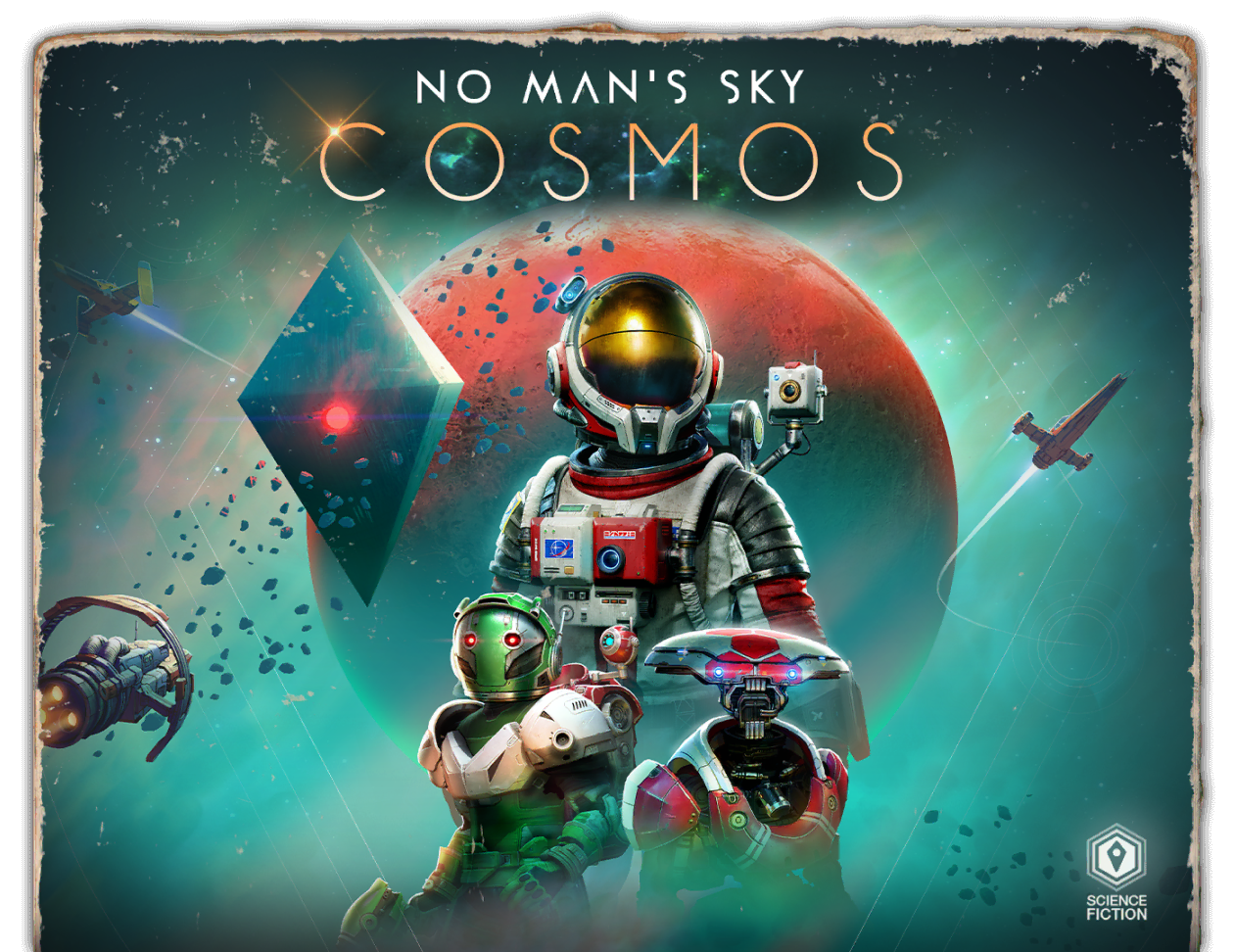
Player progression in No Man's Sky relies on deeply integrated technological upgrades rather than traditional skill trees. The Traveller's exosuit, starship, and multi-tool require extensive modular enhancements fueled by refined resources and Nanites. The Cosmos update expanded utility systems with the introduction of a physics-based gravity gun and an associated starship tractor beam, specifically designed for industrial salvage operations in zero-gravity. Players must carefully balance upgrade modules to maximize hazard protection, jetpack stamina, and combat efficiency. Additionally, the new Corvette class ships introduce an entirely new layer of progression, requiring players to painstakingly unlock and build modular components—ranging from Titan-class reactors to Medusa-class thrusters—to customize fleet capabilities for deep-space exploration and combat. |
Progression in Subnautica 2 is driven by a deep, rewarding crafting and upgrade system rather than traditional character leveling. You begin with a basic fabricator and a survival knife, scrounging for titanium and organic materials to craft essential life-support gear. As you scan fragments of destroyed Alterra technology scattered across the ocean floor, you unlock blueprints for advanced equipment. Key upgrades include high-capacity O2 tanks, thermal-resistant diving suits, and reinforced depth modules for your vehicles. The base-building aspect has been massively expanded; players can now construct intricate underwater habitats complete with functional dive elevators, multi-tier moonpools, and automated resource gatherers. Co-op integration means that upgrades can be shared or specialized, allowing one player to focus on base engineering while another upgrades their combat and exploration tools. Mastery of the tech tree is the only way to conquer the abyssal depths. |
| public World & Exploration | |
| World & Level Design | |
|
With a procedurally generated map containing over 18 quintillion full-scale planets, No Man's Sky features the largest playable area in video game history. However, the true innovation of the 2026 Cosmos update lies in how the previously empty interstellar void is utilized. The Galaxy Map has been overhauled with a heavily reworked, three-dimensional Star System Map, allowing for granular intra-system cartography. Warping into a sector triggers a localized scan, pinpointing Space Hulks, Bio-Wrecks, and asteroid fields. Furthermore, the star at the center of every solar system is now a fully rendered, physical entity that players can actually reach. Dense asteroid belts now support free-floating orbital bases, turning regions of dead space into highly lucrative, exploitable territories. |
Subnautica 2 introduces a map significantly larger and denser than its predecessors, fully leveraging the power of Unreal Engine 5. The underwater topography is designed with extreme verticality in mind, featuring sprawling shallow coral reefs that serve as safe havens, giving way to plunging, lightless trenches where the true horrors lie. Biomes are incredibly diverse, featuring dense kelp-like forests, volcanic thermal vents, and bioluminescent crystalline caves that provide essential resources. The transition between these zones is seamless, requiring players to constantly upgrade their pressure suits and submersibles to survive the crushing depths. New environmental hazards, such as shifting underwater currents, toxic brine pools, and sudden temperature drops, make map traversal a puzzle in itself. The map also includes intricate cavern systems and alien facilities hidden deep beneath the sea floor, encouraging meticulous exploration while instilling a constant sense of claustrophobia and thalassophobia. |
| Playable Vehicles | |
|
|
| Notable Fauna/Mounts | |
|
|
| book Story & Characters | |
| Main Characters | |
|
|
| Example Missions | |
|
|
| people Multiplayer | |
| Multiplayer Details | |
|
Multiplayer has evolved from an asynchronous afterthought to the core pillar of the endgame experience. The Cosmos update enables the foundation of Galactic Alliances, where players who purchase Space Stations can invite tens of thousands of members to establish territorial sovereignty over entire sectors of the galaxy. Players collaborate asynchronously by manipulating the simulated galactic economy, crashing local markets for profit, or building massive trade hubs. Synchronous multiplayer is showcased aboard the multi-crew Corvette class ships, where squads of up to 32 players can man turrets, refine goods, or skydive from orbit together. Furthermore, the Xeno Arena update facilitates intense PVP holo-arena tournaments where players test genetically modified fauna against rivals. |
Subnautica 2 completely revolutionizes the franchise by introducing fully integrated, but entirely optional, 4-player cooperative multiplayer. Built from the ground up for multiplayer functionality, the game utilizes a drop-in/drop-out system where friends can join your hosted world at any time. There are no multiplayer-exclusive features; the entire narrative campaign and all base-building mechanics are accessible whether you are solo or grouped. Co-op gameplay allows for synergistic survival: players can operate multi-station submersibles together, coordinate complex resource-gathering expeditions, and utilize new mechanics like the expanded dive elevators. The developers have brilliantly blended first-person and third-person animations, ensuring that watching your friends swim, build, and panic feels natural and immersive. However, for purists who prefer the crushing isolation of the original game, the solo experience remains perfectly intact and highly recommended. |
| extension Editions & DLC | |
| Available Editions | |
|
Over the course of its extraordinary ten-year lifespan, No Man's Sky has eschewed traditional paid downloadable content or fractured editions in favor of a unified, constantly updating single package. The baseline game automatically updates to the massive version 7.0 Cosmos iteration for free across all platforms. During the 2025-2026 cycle, players experienced time-limited archival game modes through Expeditions like Adrift, Titan, Breach, and The Cursed. The current monumental release is accompanied by Expedition 013301, 'Our Journey Continues', serving as a playable museum that rolls back mechanical features to emulate the past 40 major patches. Completion of this anniversary expedition rewards veteran players with iconic, nostalgic items such as the Golden Rasamama S36 and the Vintage Interceptor. |
Subnautica 2 launches initially into Early Access on May 14, 2026, across PC (Steam and Epic Games Store) and Xbox Series X/S. The Early Access edition is priced very competitively at $29.99, providing players with the core survival experience, initial biomes, and fully functional 4-player co-op from day one. Unknown Worlds Entertainment has been explicitly clear regarding their monetization strategy: despite confusing reports from publisher Krafton, the game is absolutely not a 'Games-as-a-Service' title. There are zero battle passes, no seasonal subscriptions, and no microtransaction stores for crucial gameplay elements. Instead, the developers are adopting the same highly praised model used in previous games: a flat entry fee followed by years of continuous, massive free updates that expand the story, add new leviathans, and refine mechanics based heavily on community feedback during the Early Access phase. |
| Post-Launch Content / DLC | |
|
The game’s post-launch support is a legendary industry case study, consisting of over forty massive, entirely free updates. Between 2025 and 2026 alone, Hello Games shipped several foundational patches. 'Relics' introduced procedural paleontology and skeletal companions. 'Voyagers' added the massive, multi-crew, custom-built Corvette class ships. 'Xeno Arena' implemented a deep, genetic creature-battling mechanic via holo-arenas. 'The Swarm' brought colossal, orchestrated fleet battles against the Hive of Glass superweapon. Finally, the 10th-anniversary 'Cosmos' update completely restructured deep space, adding space station sovereignty, galactic alliances, zero-g EVA salvage, and physical solar bodies. This relentless cadence ensures that every facet of the simulation—from macro-economics to biological pet breeding—remains endlessly deep and engaging. |
The Early Access period for Subnautica 2, projected to last between two to three years, acts as a continuous stream of post-launch content. Unknown Worlds has laid out a comprehensive roadmap detailing major biome additions, vehicle introductions, and narrative expansions. The very first major post-launch update will introduce 'The Collector,' a massive, terrifying squid leviathan, and open up its abyssal lair for players brave enough to explore it. Future updates will progressively unlock the mysteries of the rogue CICADA AI and introduce new tiers of base-building components. The developer has firmly rejected the 'live service' moniker; all of these massive content drops will be entirely free for anyone who owns the base game. Paid DLC expansions, similar to 'Below Zero,' will only be considered years after the 1.0 release is fully polished and delivered. |
| help_outline FAQ | |
| Frequently Asked Questions | |
|
|
| build Technical Details | |
| Graphics & Visual Fidelity | |
|
The proprietary procedural engine has been aggressively optimized to serve as a premier benchmark title for late-2026 hardware. On the PlayStation 5 Pro, the game implements PSSR to deliver razor-sharp 4K output at a flawless 60 frames per second, and is one of the few flagship titles to support a native 8K resolution mode (capped at 30fps). It features ultra-quality reflections, superior ambient occlusion, and vastly improved volumetric particle lighting. PC VR ecosystems benefit immensely from eye-tracked foveated rendering, reclaiming massive GPU overhead. On portable systems, the Nintendo Switch 2 utilizes NVIDIA DLSS upscaling to maintain handheld visual fidelity previously thought impossible, slashing warp load times and dramatically enhancing geometric draw distances. |
Subnautica 2 abandons the Unity engine of its predecessors in favor of a full leap to Unreal Engine 5, resulting in a staggering generational jump in graphical fidelity. The implementation of UE5's Lumen global illumination completely transforms underwater lighting; sunlight realistically diffuses and scatters through the water column, creating authentic depth and darkness in the abyssal zones. Bioluminescent flora and fauna cast dynamic, terrifying shadows across the ocean floor. The Nanite geometry system allows for incredibly dense coral reefs and intricate alien ruins without suffering from texture pop-in. Fluid dynamics have been entirely rewritten, meaning water displacement, bubble physics, and vehicle wakes look remarkably realistic. The volumetric fog effectively simulates the terrifying murkiness of the deep ocean, ensuring that you never truly know what is lurking just beyond your field of vision. |
| Audio & Soundtrack | |
|
The auditory landscape of No Man's Sky is largely driven by a critically acclaimed, procedurally generated soundtrack composed by 65daysofstatic, which algorithmically adapts to the player's immediate environment and level of danger. In 2026, the audio engine was upgraded to fully leverage Tempest 3D AudioTech, providing highly accurate spatial sound positioning vital for dogfighting in dense asteroid fields. The Cosmos update further expanded the soundscape through Expedition 013301, 'Our Journey Continues', integrating in-game audio logs featuring actual developer commentary and behind-the-scenes trivia from Hello Games. The immersive haptic feedback mapped through dual-sense controllers complements the thunderous roar of the Arcadia Heavy Booster engines and the eerie, isolated silence of spacewalking near a derelict bio-wreck. |
Audio is the most critical element of terror and immersion in Subnautica 2. The soundscape is meticulously crafted to exploit the human fear of the unseen deep. Ambient audio shifts dynamically based on depth and biome; the comforting sounds of shallow water splashing give way to oppressive, low-frequency hums and the groaning of metal under immense pressure as you descend. The roar of a distant leviathan is directionally mapped using advanced spatial audio, creating a sense of dread long before the creature appears on screen. The soundtrack seamlessly blends atmospheric synth-wave with tense, pulsating orchestral scores that react to player actions, such as entering a new biome or triggering an aggressive predator. The voice acting for the rogue CICADA AI adds a chilling, psychological layer to the isolation, making the auditory experience an absolute masterpiece. |
| User Interface (UI/UX) | |
|
The User Interface of No Man's Sky has been iteratively streamlined over a decade to handle immensely complex data sets without overwhelming the player. The most significant recent enhancement is the localized 3D Star System Map. Replacing the ambiguity of the older Galaxy Map, this new navigational interface charts fixed points of interest, planetary orbits, anomalous signals, and local trading outposts. Inventory management remains vital, utilizing a grid-based system divided between the exosuit, multi-tool, starship, and freighter. The UI effectively conveys macro-economic indicators at Galactic Trade Terminals, allowing savvy players to calculate supply and demand elasticity for market crashing loops. A dedicated Twitch Drops interface also seamlessly tracks and distributes accumulated cosmetic rewards. |
The User Interface in Subnautica 2 remains highly diegetic, utilizing the player's PDA (Personal Digital Assistant) as the central hub for inventory management, blueprints, and lore databanks. The HUD is designed to be as minimalist as possible, ensuring the breathtaking underwater vistas of Unreal Engine 5 are never obscured. Health, oxygen, hunger, and thirst meters sit discreetly in the corner, with dynamic visual and audio warnings triggering as levels deplete. The quick-slot system has been refined to allow for faster, more intuitive tool swapping, which is crucial during sudden leviathan attacks. Base building menus have received a massive overhaul, featuring a holographic projection system that allows players to visualize and snap together complex habitat modules before committing resources. Accessibility options also allow for extensive UI scaling and colorblind modes to accommodate all players. |
| Accessibility Options | |
|
Hello Games has prioritized an inclusive design philosophy, allowing users to deeply customize their gameplay experience. The game features highly granular difficulty settings, enabling players to independently toggle survival hazard rates, combat lethality, fuel consumption, and resource acquisition. A popular 'Relaxed Mode' bypasses the grinding loops, catering directly to explorers and base builders who wish to focus on architectural creativity without threat of starvation. Visually, the UI elements are scalable, with dedicated colorblind modes and customizable subtitle backgrounds. Motion sickness mitigations are highly robust, offering customizable field-of-view sliders, the option to lock horizons during flight, and specialized comfort vignetting applied directly to all supported Virtual Reality platforms. |
Unknown Worlds has made significant strides in ensuring Subnautica 2 is accessible to a wide audience without compromising its survival mechanics. The game features highly customizable difficulty settings; players can toggle hunger and thirst requirements independently of oxygen constraints, or utilize a full Creative Mode to focus purely on base building without fear of death. Subtitles are robust, offering speaker identification, size scaling, and background opacity adjustments. For players with thalassophobia, there are options to adjust the water's clarity and reduce the intensity of sudden predator jump-scares, though the developers note this fundamentally alters the intended experience. Comprehensive colorblind filters adjust the UI and important resource nodes to ensure visibility, and full control remapping is available on both keyboards and controllers to accommodate various physical mobility needs. |
| video_library Media Links | |
| Gameplay Video | |
| launchWatch | launchWatch |
| Walkthrough/Guide | |
| launchView | launchView |
| settings_applications System Requirements | |
| 1080p (Full HD) - Recommended (High Settings, 60 FPS) CPU: Higher single-core speed provides better frame pacing. CPU (Laptop): Solid 8-core mobile CPU for stable physics. GPU: Sufficient for 1080p 60fps with moderate volumetric settings. GPU (Laptop): Comfortably handles 1080p high with DLSS Quality. RAM: Ideal for smooth texture streaming and base building. Storage: Fast loading and seamless biome transitions. | |
| — | memoryCPU: Intel Core i7-8700K or AMD Ryzen 5 3600 developer_boardGPU: NVIDIA GeForce RTX 2060 or AMD Radeon RX 5600 XT laptop_macCPU (L): Intel Core i7-11800H laptop_windowsGPU (L): NVIDIA RTX 3060 Mobile (85W+) layersRAM: 16 GB saveStorage (Tier): 50 GB NVMe SSD |
| 1080p (Full HD) - Minimum (Low-Medium Settings, 30-60 FPS) CPU: Required to handle baseline planetary generation math. CPU (Laptop): Mobile quad-cores are sufficient for low-stress sectors. GPU: Entry-level hardware for rendering standard planetary surfaces without advanced volumetric lighting. GPU (Laptop): Allows basic 1080p rendering with upscaling enabled. RAM: Minimum allocation to prevent catastrophic memory leaks during interstellar warping. Storage: Solid-state drive highly recommended over HDD for seamless loading. | |
memoryCPU: Intel Core i3 or AMD Ryzen 3 equivalent developer_boardGPU: Nvidia GTX 1060 (3GB) / AMD RX 470 (4GB) laptop_macCPU (L): Intel Core i5-10300H or Ryzen 5 4600H laptop_windowsGPU (L): GTX 1650 Mobile layersRAM: 8 GB saveStorage (Tier): 15 GB SSD | memoryCPU: Intel Core i5-8400 or AMD Ryzen 5 2600 developer_boardGPU: NVIDIA GeForce GTX 1660 or AMD Radeon RX 5500 XT laptop_macCPU (L): Intel Core i5-10300H laptop_windowsGPU (L): NVIDIA RTX 3050 Mobile (60W+) layersRAM: 8 GB saveStorage (Tier): 50 GB SSD |
| 1440p (QHD/2K) - Recommended (High Settings, 60 FPS) CPU: Six cores are optimal for smoothing out frame pacing during ground vehicle traversal. CPU (Laptop): Provides necessary thermal and thread headroom for stable 1440p. GPU: Handles the dense geometric complexity of the new massive Space Hulks and orbital bases. GPU (Laptop): Needs a minimum of 8GB VRAM for high-resolution textures and base rendering. RAM: Standard for running heavy multiplayer instances and massive player-built Corvette ships. Storage: Ensures near-instant teleportation across galactic quadrants. | |
memoryCPU: Intel Core i5-12400F / AMD Ryzen 5 5600X developer_boardGPU: NVIDIA RTX 3060 Ti / AMD RX 6700 XT laptop_macCPU (L): Intel Core i7-12700H / Ryzen 7 5800H laptop_windowsGPU (L): RTX 3070 Ti Mobile (High TGP) layersRAM: 16 GB saveStorage (Tier): 15 GB NVMe SSD | memoryCPU: Intel Core i5-12400F or AMD Ryzen 5 5600X developer_boardGPU: NVIDIA GeForce RTX 3070 or AMD Radeon RX 6700 XT laptop_macCPU (L): AMD Ryzen 7 6800H laptop_windowsGPU (L): NVIDIA RTX 3070 Ti Mobile (115W+) layersRAM: 16 GB saveStorage (Tier): 50 GB NVMe SSD |
| 2160p (UHD/4K) - Ultra / VR Tier (Ultra Settings, 60+ FPS or PC VR foveated rendering) CPU: The massive L3 cache on X3D chips dramatically improves 1% lows when rendering dense flora and massive fleet battles. CPU (Laptop): Desktop-class mobile CPUs required for 4K VR rendering. GPU: Provides extreme horsepower for native 4K or high-refresh PC VR with eye-tracked foveated rendering. GPU (Laptop): The absolute pinnacle of mobile GPUs is necessary for maxed-out 4K with complex lighting algorithms. RAM: Eliminates all hitching during extreme scenarios like The Swarm large-scale fleet engagements. Storage: Maximizes data streaming bandwidth for the engine's deferred node unloading system. | |
memoryCPU: Intel Core i7-13700K / AMD Ryzen 7 7800X3D developer_boardGPU: NVIDIA RTX 4080 / AMD RX 7900 XTX laptop_macCPU (L): Intel Core i9-13980HX / Ryzen 9 7945HX laptop_windowsGPU (L): RTX 4090 Mobile layersRAM: 32 GB saveStorage (Tier): 15 GB PCIe 4.0 NVMe SSD | — |
| 2160p (UHD/4K) - Ultra (Epic Settings, 60 FPS) CPU: Top-tier CPUs needed to eliminate any stuttering. CPU (Laptop): Desktop-class mobile replacement processor. GPU: Mandatory for 4K rendering with Lumen enabled. GPU (Laptop): The only mobile GPU capable of native 4K Ultra in UE5. RAM: Ensures no memory swapping occurs during massive base loads. Storage: Maximum bandwidth for instant texture loads. | |
| — | memoryCPU: Intel Core i7-13700K or AMD Ryzen 7 7800X3D developer_boardGPU: NVIDIA GeForce RTX 4080 or AMD Radeon RX 7900 XTX laptop_macCPU (L): Intel Core i9-13900HX laptop_windowsGPU (L): NVIDIA RTX 4090 Mobile (175W) layersRAM: 32 GB saveStorage (Tier): 50 GB Gen 4 NVMe SSD |
| save Overall Storage | |
| Spec: 15 GB SSD Note: While the install size is incredibly small due to procedural generation, an NVMe SSD is strictly necessary to prevent pop-in during fast travel. Type: SSD | Spec: 50 GB Available Space Note: An NVMe SSD is strongly recommended to eliminate texture streaming hitches when loading new biomes. Type: Unknown |
| desktop_windows Operating System | |
| Spec: Windows 10/11 (64-bit) or macOS Monterey 12.3 Explanation: Requires modern OS architectures to handle massive asynchronous procedural generation and multithreading. | Spec: Windows 10/11 64-bit Explanation: Required to handle modern DirectX 12 Ultimate APIs and memory allocation for UE5. |
| gamepad DirectX Version | |
| Spec: Vulkan / DirectX 12 Explanation: Heavily reliant on low-level APIs to minimize CPU overhead when rendering thousands of procedural assets. | Spec: DirectX 12 Explanation: Essential for Unreal Engine 5 features like Lumen and Nanite. |
| info_outline Other Game Notes | |
|
|
| build Optimization Details | |
|
|
| laptop Laptop Considerations | |
|
|
info_outline Feature details based on available data. System requirements and performance estimates may vary.
laptop_chromebook Laptop Recommendations
Common Recommendations (Handles All Compared Games)

- memory Intel Core i5-11400H
- developer_board NVIDIA GeForce RTX 2050
- layers 8GB DDR4-3200MHz
- track_changes Target GPU: GTX 1650 Mobile / NVIDIA RTX 3050 Mobile (60W+)

- memory Intel Core i7-12700H
- developer_board NVIDIA GeForce RTX 3070
- layers 32GB DDR4-3200MHz
- track_changes Target GPU: GTX 1650 Mobile / NVIDIA RTX 3050 Mobile (60W+)

- memory Intel Core i9-13900H
- developer_board NVIDIA GeForce RTX 4060
- layers 16GB DDR5-5200MHz
- track_changes Target GPU: GTX 1650 Mobile / NVIDIA RTX 3050 Mobile (60W+)

- memory Intel Core i9-14900HX
- developer_board NVIDIA GeForce RTX 4060
- layers 32GB DDR5-5600MHz
- track_changes Target GPU: NVIDIA RTX 3060 Mobile (85W+)

- memory Intel Core i9-12900H
- developer_board NVIDIA GeForce RTX 3070 Ti
- layers 16GB DDR5-4800MHz
- track_changes Target GPU: RTX 3070 Ti Mobile (High TGP) / NVIDIA RTX 3070 Ti Mobile (115W+)

- memory AMD Ryzen 7 7435HS
- developer_board NVIDIA GeForce RTX 3050
- layers 32GB DDR5-4800MHz
- track_changes Target GPU: RTX 3070 Ti Mobile (High TGP) / NVIDIA RTX 3070 Ti Mobile (115W+)

- memory Intel Core i9-14900HX
- developer_board NVIDIA GeForce RTX 4070
- layers 32GB DDR5-5600MHz
- track_changes Target GPU: RTX 3070 Ti Mobile (High TGP) / NVIDIA RTX 3070 Ti Mobile (115W+)

- memory Intel Core i9-14900HX
- developer_board NVIDIA GeForce RTX 4090
- layers 32GB DDR5-5600MHz
- track_changes Target GPU: RTX 4090 Mobile

- memory Intel Core Ultra 9 285H (Series 2) , 14 cores (6 Performance cores + 8 Efficient cores), 20 threads
- developer_board NVIDIA GeForce RTX 5050 Laptop GPU
- layers 32GB (2x16GB) DDR5 8400MHz SO-DIMM
- track_changes Target GPU: RTX 4090 Mobile

- memory Intel Core Ultra 9 285H
- developer_board NVIDIA GeForce RTX 5070
- layers 32GB (2x16GB) DDR5 4800MHz SO-DIMM
- track_changes Target GPU: RTX 4090 Mobile
For No Mans Sky: Cosmos Specifically
- memory Intel Core i5-11400H
- developer_board NVIDIA GeForce RTX 2050
- layers 8GB DDR4-3200MHz
- track_changes Target GPU: Nvidia GTX 1060 (3GB) / AMD RX 470 (4GB)
- memory Intel Core i7-12700H
- developer_board NVIDIA GeForce RTX 3070
- layers 32GB DDR4-3200MHz
- track_changes Target GPU: Nvidia GTX 1060 (3GB) / AMD RX 470 (4GB)
- memory Intel Core i9-13900H
- developer_board NVIDIA GeForce RTX 4060
- layers 16GB DDR5-5200MHz
- track_changes Target GPU: Nvidia GTX 1060 (3GB) / AMD RX 470 (4GB)
- memory Intel Core i9-14900HX
- developer_board NVIDIA GeForce RTX 4060
- layers 32GB DDR5-5600MHz
- track_changes Target GPU: Nvidia GTX 1060 (3GB) / AMD RX 470 (4GB)
- memory Intel Core i9-12900H
- developer_board NVIDIA GeForce RTX 3070 Ti
- layers 16GB DDR5-4800MHz
- track_changes Target GPU: Nvidia GTX 1060 (3GB) / AMD RX 470 (4GB)

- memory Intel Core i5-12450H
- developer_board NVIDIA GeForce RTX 3050
- layers 16GB DDR4-3200MHz
- track_changes Target GPU: Nvidia GTX 1060 (3GB) / AMD RX 470 (4GB)

- memory Intel Core i5-12500H
- developer_board NVIDIA GeForce RTX 3050 Ti
- layers 16GB DDR4-3200MHz
- track_changes Target GPU: Nvidia GTX 1060 (3GB) / AMD RX 470 (4GB)
- memory AMD Ryzen 7 7435HS
- developer_board NVIDIA GeForce RTX 3050
- layers 32GB DDR5-4800MHz
- track_changes Target GPU: Nvidia GTX 1060 (3GB) / AMD RX 470 (4GB)

- memory AMD Ryzen 7 6800H
- developer_board NVIDIA GeForce RTX 3060
- layers 16GB DDR5-4800MHz
- track_changes Target GPU: Nvidia GTX 1060 (3GB) / AMD RX 470 (4GB)

- memory AMD Ryzen 9 5900HS
- developer_board NVIDIA GeForce RTX 3080
- layers 16GB DDR4-3200MHz
- track_changes Target GPU: Nvidia GTX 1060 (3GB) / AMD RX 470 (4GB)
- memory Intel Core i9-12900H
- developer_board NVIDIA GeForce RTX 3070 Ti
- layers 16GB DDR5-4800MHz
- track_changes Target GPU: NVIDIA RTX 3060 Ti / AMD RX 6700 XT
- memory AMD Ryzen 7 7435HS
- developer_board NVIDIA GeForce RTX 3050
- layers 32GB DDR5-4800MHz
- track_changes Target GPU: NVIDIA RTX 3060 Ti / AMD RX 6700 XT
- memory Intel Core i9-14900HX
- developer_board NVIDIA GeForce RTX 4070
- layers 32GB DDR5-5600MHz
- track_changes Target GPU: NVIDIA RTX 3060 Ti / AMD RX 6700 XT

- memory Intel Core i9-14900HX
- developer_board NVIDIA GeForce RTX 4070
- layers 16GB DDR5-5600MHz
- track_changes Target GPU: NVIDIA RTX 3060 Ti / AMD RX 6700 XT

- memory Intel Core Ultra 7 255H
- developer_board NVIDIA GeForce RTX 5060 Laptop GPU
- layers 16GB DDR5-5600MHz (Dual-Channel)
- track_changes Target GPU: NVIDIA RTX 3060 Ti / AMD RX 6700 XT

- memory AMD Ryzen 9 8940HX Processor
- developer_board NVIDIA GeForce RTX 5060 Laptop GPU
- layers 32GB DDR5-5200MHz
- track_changes Target GPU: NVIDIA RTX 3060 Ti / AMD RX 6700 XT

- memory Intel Core i9-12950HX
- developer_board NVIDIA GeForce RTX 3080 Ti
- layers 32GB DDR5-4800MHz
- track_changes Target GPU: NVIDIA RTX 3060 Ti / AMD RX 6700 XT

- memory AMD Ryzen 7 7445HS
- developer_board NVIDIA GeForce RTX 4050
- layers 16GB (2x8GB) DDR5 5600MHz SO-DIMM
- track_changes Target GPU: NVIDIA RTX 3060 Ti / AMD RX 6700 XT

- memory AMD Ryzen 7 7445HS
- developer_board NVIDIA GeForce RTX 4050
- layers 16GB DDR5 5600MHz SO-DIMM
- track_changes Target GPU: NVIDIA RTX 3060 Ti / AMD RX 6700 XT

- memory Intel Core i9-14900HX
- developer_board NVIDIA GeForce RTX 4080 Laptop GPU
- layers 64 GB DDR5-5600MHz
- track_changes Target GPU: NVIDIA RTX 3060 Ti / AMD RX 6700 XT
- memory Intel Core Ultra 9 285H (Series 2) , 14 cores (6 Performance cores + 8 Efficient cores), 20 threads
- developer_board NVIDIA GeForce RTX 5050 Laptop GPU
- layers 32GB (2x16GB) DDR5 8400MHz SO-DIMM
- track_changes Target GPU: NVIDIA RTX 4080 / AMD RX 7900 XTX
- memory Intel Core Ultra 9 285H
- developer_board NVIDIA GeForce RTX 5070
- layers 32GB (2x16GB) DDR5 4800MHz SO-DIMM
- track_changes Target GPU: NVIDIA RTX 4080 / AMD RX 7900 XTX

- memory Intel Core i9-14900HX Processor
- developer_board NVIDIA GeForce RTX 5070 Ti Laptop GPU
- layers 64GB DDR5-5600MHz (commonly listed as 4800MHz by some retailers, but 5600MHz is common for 14th Gen HX with DDR5)
- track_changes Target GPU: NVIDIA RTX 4080 / AMD RX 7900 XTX

- memory Intel Core Ultra 9 Processor 275HX
- developer_board NVIDIA GeForce RTX 5070 Ti Laptop GPU
- layers 64GB DDR5-6400MHz
- track_changes Target GPU: NVIDIA RTX 4080 / AMD RX 7900 XTX

- memory Intel Core Ultra 9 Processor 275HX (Series 2)
- developer_board NVIDIA GeForce RTX 5070 Ti Laptop GPU
- layers 32GB DDR5-5600MHz
- track_changes Target GPU: NVIDIA RTX 4080 / AMD RX 7900 XTX

- memory Intel Ultra 7 255HX
- developer_board NVIDIA GeForce RTX 5070 Ti
- layers 32GB DDR5 5600MHz
- track_changes Target GPU: NVIDIA RTX 4080 / AMD RX 7900 XTX
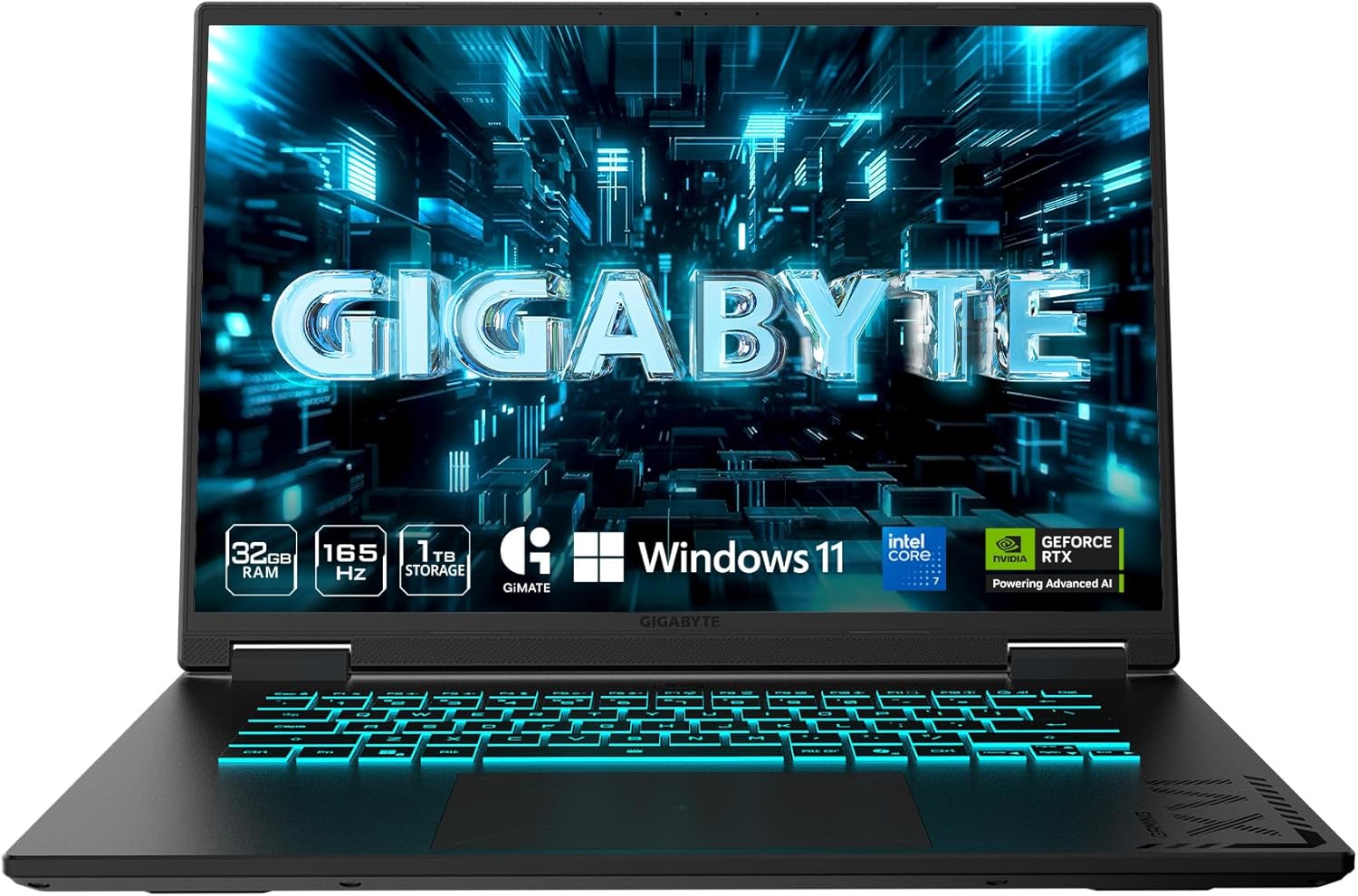
- memory Intel Core Ultra 7 240H
- developer_board NVIDIA GeForce RTX 5070 Ti Laptop GPU
- layers 32GB LPDDR5X 5600MHz
- track_changes Target GPU: NVIDIA RTX 4080 / AMD RX 7900 XTX

- memory Intel Core Ultra 9 275HX
- developer_board GeForce RTX 5070 Laptop Laptop GPU
- layers 64GB DDR5-6400MHz (Single-Channel)
- track_changes Target GPU: NVIDIA RTX 4080 / AMD RX 7900 XTX

- memory Intel Core Ultra 9 275HX
- developer_board NVIDIA GeForce RTX 5070 Ti
- layers 32GB
- track_changes Target GPU: NVIDIA RTX 4080 / AMD RX 7900 XTX

- memory Intel Core Ultra 9 275HX
- developer_board NVIDIA GeForce RTX 5070 Ti Laptop GPU
- layers 32 GB DDR5 6400MHz (2x16GB)
- track_changes Target GPU: NVIDIA RTX 4080 / AMD RX 7900 XTX
For Subnautica 2 Specifically
- memory Intel Core i5-11400H
- developer_board NVIDIA GeForce RTX 2050
- layers 8GB DDR4-3200MHz
- track_changes Target GPU: NVIDIA GeForce GTX 1660 or AMD Radeon RX 5500 XT
- memory Intel Core i7-12700H
- developer_board NVIDIA GeForce RTX 3070
- layers 32GB DDR4-3200MHz
- track_changes Target GPU: NVIDIA GeForce GTX 1660 or AMD Radeon RX 5500 XT
- memory Intel Core i9-13900H
- developer_board NVIDIA GeForce RTX 4060
- layers 16GB DDR5-5200MHz
- track_changes Target GPU: NVIDIA GeForce GTX 1660 or AMD Radeon RX 5500 XT
- memory Intel Core i9-14900HX
- developer_board NVIDIA GeForce RTX 4060
- layers 32GB DDR5-5600MHz
- track_changes Target GPU: NVIDIA GeForce GTX 1660 or AMD Radeon RX 5500 XT
- memory Intel Core i9-12900H
- developer_board NVIDIA GeForce RTX 3070 Ti
- layers 16GB DDR5-4800MHz
- track_changes Target GPU: NVIDIA GeForce GTX 1660 or AMD Radeon RX 5500 XT
- memory Intel Core i5-12450H
- developer_board NVIDIA GeForce RTX 3050
- layers 16GB DDR4-3200MHz
- track_changes Target GPU: NVIDIA GeForce GTX 1660 or AMD Radeon RX 5500 XT
- memory Intel Core i5-12500H
- developer_board NVIDIA GeForce RTX 3050 Ti
- layers 16GB DDR4-3200MHz
- track_changes Target GPU: NVIDIA GeForce GTX 1660 or AMD Radeon RX 5500 XT
- memory AMD Ryzen 7 7435HS
- developer_board NVIDIA GeForce RTX 3050
- layers 32GB DDR5-4800MHz
- track_changes Target GPU: NVIDIA GeForce GTX 1660 or AMD Radeon RX 5500 XT
- memory AMD Ryzen 7 6800H
- developer_board NVIDIA GeForce RTX 3060
- layers 16GB DDR5-4800MHz
- track_changes Target GPU: NVIDIA GeForce GTX 1660 or AMD Radeon RX 5500 XT
- memory AMD Ryzen 9 5900HS
- developer_board NVIDIA GeForce RTX 3080
- layers 16GB DDR4-3200MHz
- track_changes Target GPU: NVIDIA GeForce GTX 1660 or AMD Radeon RX 5500 XT

- memory Intel Core i7-13620H
- developer_board NVIDIA GeForce RTX 4070
- layers 16GB DDR5-4800MHz
- track_changes Target GPU: NVIDIA GeForce RTX 2060 or AMD Radeon RX 5600 XT

- memory Intel Core i7-14700HX
- developer_board NVIDIA GeForce RTX 4070
- layers 16GB DDR5-5600MHz
- track_changes Target GPU: NVIDIA GeForce RTX 2060 or AMD Radeon RX 5600 XT
- memory Intel Core i9-14900HX
- developer_board NVIDIA GeForce RTX 4070
- layers 32GB DDR5-5600MHz
- track_changes Target GPU: NVIDIA GeForce RTX 2060 or AMD Radeon RX 5600 XT
- memory Intel Core i9-12900H
- developer_board NVIDIA GeForce RTX 3070 Ti
- layers 16GB DDR5-4800MHz
- track_changes Target GPU: NVIDIA GeForce RTX 3070 or AMD Radeon RX 6700 XT
- memory AMD Ryzen 7 7435HS
- developer_board NVIDIA GeForce RTX 3050
- layers 32GB DDR5-4800MHz
- track_changes Target GPU: NVIDIA GeForce RTX 3070 or AMD Radeon RX 6700 XT
- memory AMD Ryzen 7 6800H
- developer_board NVIDIA GeForce RTX 3060
- layers 16GB DDR5-4800MHz
- track_changes Target GPU: NVIDIA GeForce RTX 3070 or AMD Radeon RX 6700 XT
- memory Intel Core i9-14900HX
- developer_board NVIDIA GeForce RTX 4070
- layers 32GB DDR5-5600MHz
- track_changes Target GPU: NVIDIA GeForce RTX 3070 or AMD Radeon RX 6700 XT
- memory Intel Core i9-14900HX
- developer_board NVIDIA GeForce RTX 4070
- layers 16GB DDR5-5600MHz
- track_changes Target GPU: NVIDIA GeForce RTX 3070 or AMD Radeon RX 6700 XT
- memory Intel Core Ultra 7 255H
- developer_board NVIDIA GeForce RTX 5060 Laptop GPU
- layers 16GB DDR5-5600MHz (Dual-Channel)
- track_changes Target GPU: NVIDIA GeForce RTX 3070 or AMD Radeon RX 6700 XT
- memory AMD Ryzen 9 8940HX Processor
- developer_board NVIDIA GeForce RTX 5060 Laptop GPU
- layers 32GB DDR5-5200MHz
- track_changes Target GPU: NVIDIA GeForce RTX 3070 or AMD Radeon RX 6700 XT
- memory Intel Core i9-12950HX
- developer_board NVIDIA GeForce RTX 3080 Ti
- layers 32GB DDR5-4800MHz
- track_changes Target GPU: NVIDIA GeForce RTX 3070 or AMD Radeon RX 6700 XT
- memory AMD Ryzen 7 7445HS
- developer_board NVIDIA GeForce RTX 4050
- layers 16GB (2x8GB) DDR5 5600MHz SO-DIMM
- track_changes Target GPU: NVIDIA GeForce RTX 3070 or AMD Radeon RX 6700 XT
- memory AMD Ryzen 7 7445HS
- developer_board NVIDIA GeForce RTX 4050
- layers 16GB DDR5 5600MHz SO-DIMM
- track_changes Target GPU: NVIDIA GeForce RTX 3070 or AMD Radeon RX 6700 XT
- memory Intel Core Ultra 9 285H (Series 2) , 14 cores (6 Performance cores + 8 Efficient cores), 20 threads
- developer_board NVIDIA GeForce RTX 5050 Laptop GPU
- layers 32GB (2x16GB) DDR5 8400MHz SO-DIMM
- track_changes Target GPU: NVIDIA GeForce RTX 4080 or AMD Radeon RX 7900 XTX
- memory Intel Core Ultra 9 285H
- developer_board NVIDIA GeForce RTX 5070
- layers 32GB (2x16GB) DDR5 4800MHz SO-DIMM
- track_changes Target GPU: NVIDIA GeForce RTX 4080 or AMD Radeon RX 7900 XTX
- memory Intel Core i9-14900HX Processor
- developer_board NVIDIA GeForce RTX 5070 Ti Laptop GPU
- layers 64GB DDR5-5600MHz (commonly listed as 4800MHz by some retailers, but 5600MHz is common for 14th Gen HX with DDR5)
- track_changes Target GPU: NVIDIA GeForce RTX 4080 or AMD Radeon RX 7900 XTX
- memory Intel Core Ultra 9 Processor 275HX
- developer_board NVIDIA GeForce RTX 5070 Ti Laptop GPU
- layers 64GB DDR5-6400MHz
- track_changes Target GPU: NVIDIA GeForce RTX 4080 or AMD Radeon RX 7900 XTX
- memory Intel Core Ultra 9 Processor 275HX (Series 2)
- developer_board NVIDIA GeForce RTX 5070 Ti Laptop GPU
- layers 32GB DDR5-5600MHz
- track_changes Target GPU: NVIDIA GeForce RTX 4080 or AMD Radeon RX 7900 XTX
- memory Intel Ultra 7 255HX
- developer_board NVIDIA GeForce RTX 5070 Ti
- layers 32GB DDR5 5600MHz
- track_changes Target GPU: NVIDIA GeForce RTX 4080 or AMD Radeon RX 7900 XTX
- memory Intel Core Ultra 7 240H
- developer_board NVIDIA GeForce RTX 5070 Ti Laptop GPU
- layers 32GB LPDDR5X 5600MHz
- track_changes Target GPU: NVIDIA GeForce RTX 4080 or AMD Radeon RX 7900 XTX
- memory Intel Core Ultra 9 275HX
- developer_board GeForce RTX 5070 Laptop Laptop GPU
- layers 64GB DDR5-6400MHz (Single-Channel)
- track_changes Target GPU: NVIDIA GeForce RTX 4080 or AMD Radeon RX 7900 XTX
- memory Intel Core Ultra 9 275HX
- developer_board NVIDIA GeForce RTX 5070 Ti
- layers 32GB
- track_changes Target GPU: NVIDIA GeForce RTX 4080 or AMD Radeon RX 7900 XTX
- memory Intel Core Ultra 9 275HX
- developer_board NVIDIA GeForce RTX 5070 Ti Laptop GPU
- layers 32 GB DDR5 6400MHz (2x16GB)
- track_changes Target GPU: NVIDIA GeForce RTX 4080 or AMD Radeon RX 7900 XTX
info_outline Laptop recommendations are estimates based on available component benchmarks and game requirements. Actual performance may vary depending on settings, drivers, cooling, power limits, etc. Prices and availability subject to change. As an Amazon Associate, we earn from qualifying purchases.