Select Games to Compare

search close
search close

Select up to 2 games to compare side-by-side.

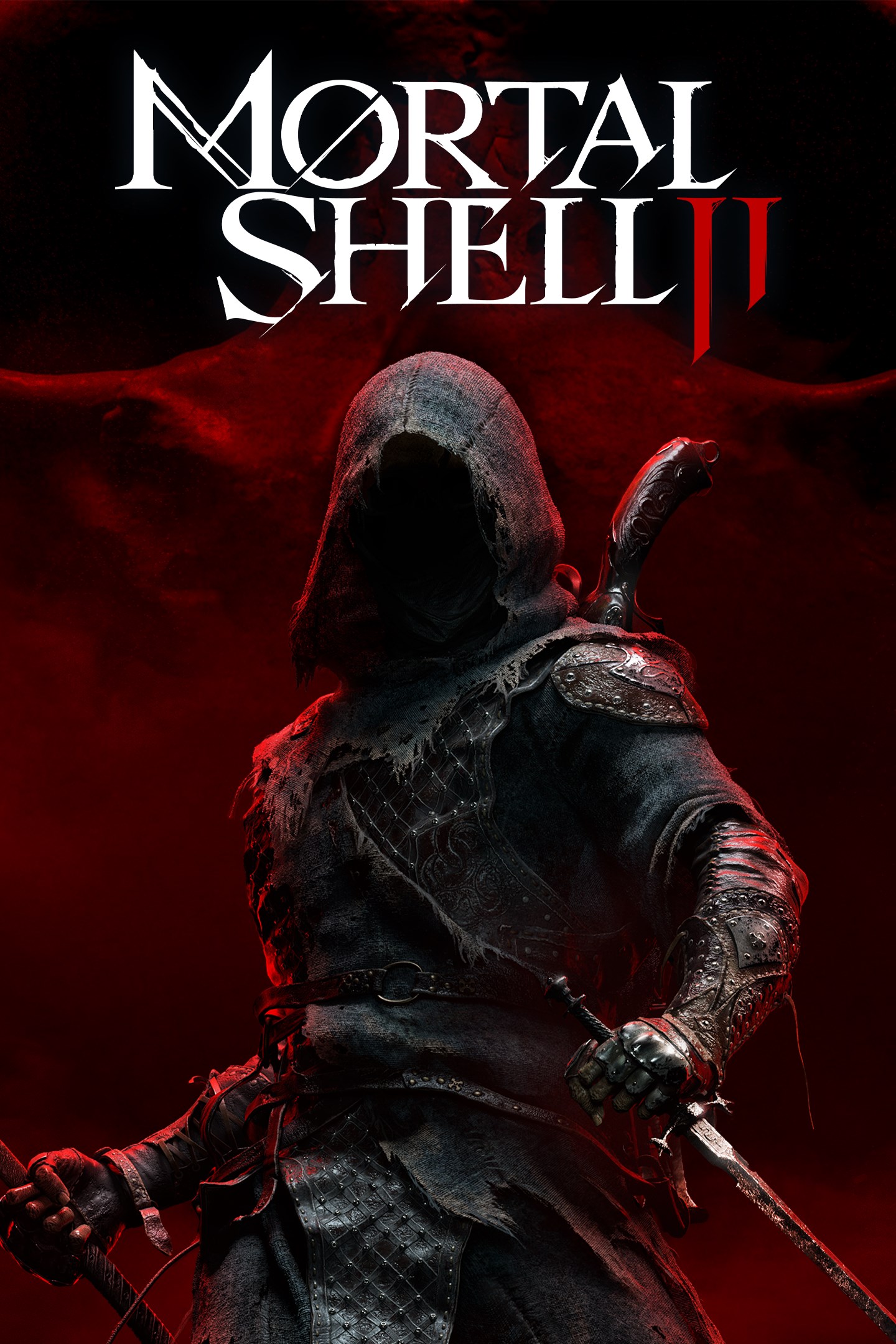
Mortal Shell II vs Black Myth: Wukong

close close
info General Information
Release Date
Dec 31, 2026 Aug 20, 2024
Developer
Cold Symmetry Game Science
Publisher
Playstack Game Science (Digital), PM Studios (Physical Distribution - select regions/editions)
Genre(s)
Action RPG, Soulslike Action RPG, Soulslike
Engine
Unreal Engine 5 Unreal Engine 5
stars Ratings & Price
Content Rating
Mature T (Teen 13+) - ESRB Descriptors: Blood and gore, L
Avg. User Rating
4.8 / 5.0 4.0 / 5.0
Current Price (USD)
$49.99 $59.99
tune Key Specs
Quick Highlights
  • Combat System: Stamina-Free / Posture-Based
  • Primary Platform Focus: PC, PS5, Xbox Series X/S
  • Storage Type: SSD Required
  • Total Dungeons: 60+
  • Perspective: Third-Person
  • Multiplayer: Single-player Only
  • Setting: Ancient China, Journey to the West Mythology
  • Platforms: PlayStation 5, Windows (PC - Steam, Epic Games Store), Xbox Series X/S (TBA), GeForce Now
  • Initial Release (PS5, PC): 2024-08-20
  • Unique Feature: Based on 'Journey to the West', stunning UE5 visuals, deep combat with staff stances, spells, and transformations, challenging Soulslike boss battles.
sports_esports Gameplay & Mechanics
Companions/Followers
  • Spirit Harbinger: Mirrors physical attacks and aids in combat flow.
    Spectral Entity
  • None (Primarily Solo): The game focuses on the Destined One's solo journey. While you might interact with NPCs or summon temporary allies through spells (like 'A Pluck of Many'), there are no persistent, controllable companions in the traditional RPG sense.
Key Collectibles
  • Tarstones: Scattered across dungeons and chests
  • Serpent Stone: Found in chests, used for Poison infusion
  • Ova: Reward for defeating major bosses
  • Meditation Spots: Specific locations in the game world where the Destined One can meditate to gain skill points, used for unlocking or upgrading abilities in the skill trees.
  • Curios: Equippable accessory items found throughout the world or as rewards. They provide passive buffs, resistances, or unique gameplay effects. Example: Wind Chimes (Deluxe Edition).
  • Gourd Upgrades / Ingredients: Items related to customizing and enhancing the healing gourd, allowing players to choose different types of concoctions for health recovery or other temporary buffs. Ingredients for crafting these are likely found via exploration and defeating enemies.
  • Celestial Medicines / Attribute Enhancers: Rare consumables or items that permanently increase the Destined One's core attributes like health, mana (for spells), or stamina (Focus Points for staff techniques).
  • Relics: Key story items or powerful artifacts collected after major boss fights or chapter completions, potentially granting significant passive bonuses or unlocking new progression paths. The main quest involves collecting relics tied to Sun Wukong.
  • Lore Items / Story Fragments: Objects, scrolls, or environmental details that provide deeper insights into the game's narrative, the mythology of the world, and the backstories of characters and enemies.
Key Themes
  • Dark Fantasy
  • Cosmic Horror
  • Redemption
  • Metamorphosis
  • Chinese Mythology
  • Journey to the West
  • Martial Arts
  • Transformation
  • Buddhism
  • Taoism
  • Moral Ambiguity
  • Nature & Mysticism
  • Fate vs. Free Will
  • Illusion vs. Reality
  • Folklore
colorize Combat & Gear
Weapons Overview
  • Gatling Gun: Firearm
    High-capacity ranged weapon for sustained pressure.
  • Flaming Greatsword: Melee
    Heavy blade that ignites enemies upon impact.
  • Hand Cannon: Firearm
    Powerful sidearm capable of severing limbs.
  • Scythe: Melee
    Agile weapon with a wide reach for crowd control.
  • Machine-gun Crossbow: Firearm
    Rapid-fire projectile weapon for mobile encounters.
  • The Staff (As-You-Will Cudgel / Ruyi Jingu Bang inspired): Primary Melee (Versatile Staff)
    The main weapon of the Destined One, a magical staff that can extend, shrink, and is used in conjunction with various combat stances (Smash, Pillar, Thrust). Its mastery is central to combat, allowing for a wide range of attacks, parries, and special moves.
  • Bronzecloud Staff: Weapon (Staff Variant)
    An exclusive staff weapon included in the Digital Deluxe Edition. Likely offers a unique appearance and potentially different starting stats or properties.
  • Transformed Abilities (as weapons): Situational Melee/Ranged/Special
    When transformed into various creatures or powerful beings, the Destined One gains access to their unique attacks and abilities, which serve as temporary 'weapons' or combat styles (e.g., a large demon's claws, a fire-breathing creature's breath).
Armor / Gear Sets
  • Eredrim's Plate: High Health / High Posture / Low Agility
  • Tiel's Acolyte Garb: Low Health / High Agility / Poison Resistance
  • Proxima's Horned Helm: Lightning Damage Bonus / Grappling Hook Utility
  • Folk Opera Armor Set: A cosmetic armor set included in the Digital Deluxe Edition, consisting of the Folk Opera Mask, Folk Opera Almsgiving Armor, Folk Opera Leather Bracers, and Folk Opera Buskins. Provides a distinct visual style.
  • Various Equipment Pieces: Players can equip different pieces of gear that likely influence stats such as defense, resistances, or provide passive bonuses. The game features distinct slots for equipment like masks, armor, bracers, and buskins.
Outfits/Customization
  • Obsidian Skin: Exclusive Pre-order digital cosmetic for the Harbinger.
  • Skeletal Skin: Exclusive Pre-order digital cosmetic for the Harbinger.
  • Folk Opera Outfit: A full cosmetic outfit included in the Digital Deluxe Edition, comprising a Mask, Almsgiving Armor, Leather Bracers, and Buskins. Offers a unique traditional opera-inspired aesthetic.
  • Default Attire (The Destined One): The primary appearance of the player character. It's likely that other armor pieces or outfits can be found or crafted in the game, affecting both appearance and stats, though extensive cosmetic customization beyond distinct sets isn't confirmed as a major feature.
trending_up Progression & Upgrades
Skills & Progression

The core progression revolves around possessing Shells—the remains of fallen warriors—and unlocking their unique memory-based abilities. A major paradigm shift is the removal of the stamina bar, allowing for unrestricted combat flow. Players now focus on 'Resolve' to trigger powerful weapon abilities and 'Posture' management to break enemy defenses. Upgrades extend to both the Harbinger’s innate traits and the Shells' individual skill trees. Additionally, a deep weapon customization system allows players to slot 'Tarstones' (similar to Grease/Infusions) to add elemental effects like poison or fire to their gear.

N/A
public World & Exploration
World & Level Design

Mortal Shell II features an interconnected open world that is described as 'expansive yet deliberately compact.' This design philosophy prioritizes density over distance, ensuring that winding footpaths lead directly to meaningful encounters or upgrades rather than empty space. Key regions include the central Marrow Keep hub, the haunting Citadels of Bone, the treacherous Forbidden Forests, and the desolate Icy Graves. The map serves as a gateway to over 60 distinct dungeons, offering a level of verticality and secret-finding reminiscent of classic Metroidvanias.

Black Myth: Wukong is not an open-world game but features large, distinct levels divided into chapters, each with its own environmental theme (e.g., forests, deserts, snowy mountains). While levels offer branching paths and exploration, the overall progression is more linear, comparable in structure to games like Sekiro. The game does not provide a traditional player map, encouraging environmental observation. Fast travel is available via 'Keeper's Shrines' (checkpoints).

Playable Vehicles
  • Broken-down Cart: Static Prop
    The location where players first encounter the NPC Vlas.
  • None (Traversal by Foot/Abilities)
    Traversal in Black Myth: Wukong is primarily on foot, supplemented by the Destined One's acrobatic abilities, dodges, and potentially spells like 'Cloud Step'. There are no player-controlled vehicles in the traditional sense.
Notable Fauna/Mounts
  • The Sheep: Ovis aries
    Combat Transformation / Hidden Ability
  • Wormfish: Eldritch Hybrid
    Familiar Enemy
  • Death Bird: Avian
    Mysterious NPC Guide
N/A
book Story & Characters
Main Characters
  • The Harbinger: Protagonist
    A prophesied being capable of possessing fallen warriors.
  • The Undermether: Patron
    A divine figure seeking to reclaim her stolen unborn children.
  • Solnir Stillblade: Boss
    A formidable warrior guarding the first Beacon.
  • Vlas: Merchant
    A recurring merchant found injured in the open world.
  • The Destined One: Protagonist / Monkey Warrior
    The main playable character, a skilled monkey warrior on a quest to uncover the truth behind the legend of Sun Wukong and the events of 'Journey to the West'. Wields a magical staff and can master various spells and transformations.
  • Sun Wukong (The Monkey King / Great Sage Equal to Heaven): Central Lore Figure / Legendary Hero
    The iconic protagonist of 'Journey to the West'. In Black Myth: Wukong, his legend is central to the plot, and the Destined One's journey is deeply intertwined with Wukong's past and fate.
  • Erlang Shen (Yang Jian): Antagonist / Major Boss / Celestial General
    A powerful deity from Chinese mythology, known for his third eye and formidable combat prowess. Appears as a major antagonist and challenging boss fight in the game.
  • Bull Demon King (Niu Mowang): Antagonist / Major Boss / Demon Lord
    A powerful demon lord from 'Journey to the West', an old acquaintance turned adversary of Sun Wukong. Features as a significant boss with his own domain and storyline.
  • Red Boy (Hong Hai'er): Antagonist / Major Boss / Fire-wielding Demon
    The son of the Bull Demon King and Princess Iron Fan, known for his mastery of Samadhi Fire. Appears as a challenging boss with a storyline connected to his parents.
  • Various Yaoguai (Demons & Monsters): Enemies / Bosses
    A diverse bestiary of demons, monsters, and spirits (Yaoguai) drawn from Chinese folklore and 'Journey to the West', each with unique designs, abilities, and backstories. They serve as common enemies and challenging boss encounters.
  • Zhu Bajie (Pigsy - Mentioned/Implied): Supporting Character (from lore)
    One of Sun Wukong's companions in 'Journey to the West'. While his direct prominent role in the game's plot for the 'Destined One' is less clear than Wukong's, he is a key figure from the source material.
Example Missions
  • Reclaim the Ova: Main Quest
    Defeat the guardians and return the unborn to the Undermether.
  • The Missing Cat: Side Quest
    Help the merchant Vlas find his lost feline companion.
  • Cleanse the Beacons: World Objective
    Locate and activate the four major Beacons to unlock fast travel to Marrow Keep.
  • The Destined One's Journey (Main Campaign)
    A chapter-based main storyline where the player, as the Destined One, ventures through various mythical locations to uncover the truth behind Sun Wukong's legend and collect powerful relics. This involves navigating challenging environments, solving light puzzles, and defeating numerous enemies and powerful bosses inspired by 'Journey to the West'.
  • Yaoguai Hunts / Boss Battles
    Confronting and defeating a wide array of Yaoguai (demons/monsters), including over 70-80 distinct boss encounters. Each boss typically has multiple phases and unique attack patterns, requiring strategic use of stances, spells, and transformations. Defeating them often yields new abilities (Spirit Skills) or key items.
  • Exploration and Secret Finding
    Traversing large, detailed levels to discover hidden paths, optional boss fights, collectibles (like Meditation Spots, Curios, Gourds), lore entries, and upgrade materials. The game encourages thorough exploration of its distinct environments.
  • Mastering Abilities and Transformations
    Acquiring and upgrading a variety of spells, staff stances, and transformation abilities. Certain encounters or environmental challenges may require specific abilities or transformations to overcome, encouraging experimentation and mastery of the available toolkit.
people Multiplayer
Multiplayer Details

The title remains a dedicated single-player Dark Fantasy Action RPG. There are no current plans for competitive PvP or cooperative modes, as the design focuses on the individual's mastery of the shell-swapping and parry mechanics within the open-world environment.

Black Myth: Wukong is a single-player action RPG. There are no official multiplayer modes in the base game. A third-party multiplayer mod (WukongMP) has been developed by the community, offering unofficial PvP and planned co-op.

extension Editions & DLC
Available Editions

Three primary tiers are available. The Standard Edition ($49.99) includes the base game. The Revered Edition ($69.99) is a physical collector's package featuring a bespoke collector’s box, a SteelBook case, an art book, and fine art prints. Pre-order bonuses for all editions include exclusive digital Harbinger skins: the Obsidian and Skeletal variants. A PC-exclusive Open Beta is scheduled for Summer 2026 for those who register via the official website or are enrolled in the developer newsletter.

Available editions include: Digital Standard Edition ($59.99 USD), Digital Deluxe Edition ($69.99 USD - includes base game, Bronzecloud Staff weapon, Folk Opera Mask, Folk Opera Almsgiving Armor, Folk Opera Leather Bracers, Folk Opera Buskins, Wind Chimes curio, and selected digital soundtrack). Physical Deluxe Edition (PC, $169 USD) and Collector's Edition (PC, $399 USD - includes a 40cm Wukong figurine) have also been available, though primarily for PC and potentially with regional limitations. Pre-order bonus was the Trailblazer's Scarlet Gourd.

Post-Launch Content / DLC

While no specific DLC has been detailed yet, the 'standalone' branding of the sequel suggests a complete initial experience. However, based on the previous game's 'Virtuous Cycle' DLC, fans expect post-launch support featuring new Shells, roguelike modes, or expanded weapon rosters. The presence of 'Shell' slots in the UI hints at potential future expansions.

An expansion for Black Myth: Wukong is reportedly in development. The game has received post-launch patches for performance improvements, bug fixes, and new features like DLSS 4.0 support and additional language options (e.g., Thai).

help_outline FAQ
Frequently Asked Questions
  • Q: Does Mortal Shell II have stamina management?
    A: No, the stamina system has been completely removed in favor of unrestricted, adrenaline-charged combat.
  • Q: Can I play Mortal Shell II on PlayStation 4 or Xbox One?
    A: No, the game is exclusive to current-gen hardware (PS5, Xbox Series X/S, and PC) to utilize Unreal Engine 5 features.
  • Q: What is the release date?
    A: The game is currently slated for a worldwide release in 2026.
  • Q: Is there a beta I can join?
    A: Yes, an Open PC Beta is planned for Summer 2026 on Steam. Sign-ups are available on the official website.
  • Q: Are firearms a major part of the game?
    A: Yes, Mortal Shell II introduces a variety of medieval firearms, including hand cannons, shotguns, and gatling guns, which are integrated into the melee combat loop.
  • Q: What is Black Myth: Wukong?
    A: Black Myth: Wukong is an action RPG based on the classic Chinese novel 'Journey to the West'. Players control the 'Destined One,' a monkey warrior, and embark on a quest to uncover hidden truths, battling formidable foes using staff combat, spells, and transformations.
  • Q: When was Black Myth: Wukong released?
    A: Black Myth: Wukong was released on August 20, 2024, for PlayStation 5 and Windows (PC). The Xbox Series X/S version is planned for a later date.
  • Q: What platforms is Black Myth: Wukong available on?
    A: Currently, it's available on PlayStation 5 and PC (via Steam and Epic Games Store). An Xbox Series X/S version is expected later. It's also playable via GeForce Now.
  • Q: What is the gameplay like in Black Myth: Wukong?
    A: It's a challenging Soulslike action RPG with a focus on third-person melee combat using a staff. Gameplay involves mastering different stances, utilizing a variety of spells, and transforming into powerful creatures or defeated enemies. It requires precise timing for attacks, dodges, and parries ('Rock Solid' spell).
  • Q: Is Black Myth: Wukong an open-world game?
    A: No, it is not a fully open-world game. It features large, distinct levels organized into chapters. While these levels offer exploration and branching paths, the overall structure is more linear. There is no traditional in-game map provided to the player.
  • Q: Is Black Myth: Wukong single-player or multiplayer?
    A: Black Myth: Wukong is a single-player only experience for the base game. There are no official multiplayer modes.
  • Q: What is the story based on?
    A: The story is deeply rooted in the 16th-century Chinese novel 'Journey to the West,' one of the Four Great Classical Novels of Chinese literature. It draws heavily from its characters, mythology, and themes.
build Technical Details
Graphics & Visual Fidelity

Powered by Unreal Engine 5, the game utilizes Nanite for high-fidelity geometry and Lumen for real-time global illumination. Visual highlights include improved volumetric lighting, a striking red-leaf arena, and a significantly improved draw distance. The camera perspective is tighter and more 'over-the-shoulder,' focusing on the impact of finishers and parries.

Developed using Unreal Engine 5, Black Myth: Wukong is acclaimed for its stunning visual fidelity, highly detailed character models (especially fur rendering), breathtaking environments inspired by Chinese landscapes and art, realistic particle effects, and advanced lighting. It supports modern graphical technologies like NVIDIA DLSS and ray tracing (though ray tracing might be more optimized in post-launch patches).

Audio & Soundtrack

The soundtrack maintains the series' heavy-metal and dark atmospheric roots. Combat encounters are punctuated by visceral sound effects—bone-crunching impacts and high-velocity firearm reports. The ambient audio design emphasizes the 'haunting and eerie' nature of the world, with unique soundscapes for each of the four main environmental regions.

The game features a rich soundtrack that blends traditional Chinese instrumentation with epic orchestral scores to create an atmospheric and immersive audio experience complementing the mythology and intense combat. Voice acting is available in Chinese (Mandarin) and English.

User Interface (UI/UX)

The HUD has been streamlined to maximize immersion during open-world battles. It features clear tabs for Shells, Weapons, and Sidearms. Inventory management allows for four quick-access slots for consumables like Moonshine. Critical UI elements include counters for Tar (souls) and Glimpses in the top-right, and a 'Golden Flash' visual indicator for successful parries.

Features a clean and immersive UI typical of Soulslike action RPGs, focusing on combat information such as health, stamina (Focus), mana, equipped spells/abilities, and enemy status. Contextual prompts appear for interactions and special moves. No persistent mini-map is provided.

Accessibility Options

The removal of stamina serves as a soft accessibility feature, lowering the mechanical barrier of entry for resource management while retaining difficulty through timing. The game includes customizable controls, subtitle scaling, and visual cues for the parry system (Golden Flash) to assist players with different needs.

Specific accessibility options include customizable controls and support for various upscaling technologies (DLSS, FSR, XeSS) which can help players with performance. Further details on comprehensive accessibility features (e.g., advanced subtitle options, colorblind modes, gameplay modifiers) would require in-game review.

Gameplay Video
launchWatch launchWatch
Walkthrough/Guide
launchView launchView
settings_applications System Requirements
1080p (Full HD) - Minimum (Low-Medium)
CPU: 8 cores recommended for background asset decompression.
CPU (Laptop): High-clock mobile chips needed for parity.
GPU: 8GB VRAM is the hard floor for texture streaming.
GPU (Laptop): Ensures stable framerates in boss arenas.
RAM: Standard for modern UE5 titles.
Storage: Mandatory SSD requirement.
memoryCPU: Intel Core i7-10700K / AMD Ryzen 5 3600
developer_boardGPU: NVIDIA GeForce RTX 2060 SUPER 8GB / AMD Radeon RX 6600 8GB
laptop_macCPU (L): Intel Core i7-11800H / Ryzen 7 5800H
laptop_windowsGPU (L): RTX 3060 Laptop (95W+)
layersRAM: 16 GB
saveStorage (Tier): 30 GB SSD
1080p (Full HD) - Recommended (Target: 1080p, High settings, ~60 FPS, potentially with upscaling) (High Preset, Upscaling (DLSS/FSR/XeSS on 'Quality' or 'Balanced') likely beneficial for stable 60 FPS.)
CPU: Recommended desktop CPU for a balanced experience.
CPU (Laptop): Provides a solid CPU foundation for 1080p High settings and can handle higher framerates without significant bottlenecking. Good thermal performance is key.
GPU: Recommended desktop GPU for 1080p High.
GPU (Laptop): Targets a consistent ~60 FPS at 1080p High settings. **Higher TGP variants are critical for the RTX 3060 Laptop to achieve this.** 8GB VRAM (as on RTX 4060 Laptop or RX 6600M/6700M) is strongly preferred for this tier to handle higher texture settings and future demands. Upscaling (DLSS/FSR/XeSS on 'Quality' or 'Balanced') is highly recommended to maintain smooth framerates and visual fidelity.
RAM: 16GB RAM recommended, ensure it's in a fast dual-channel configuration.
Storage: An SSD is essential at this tier. An NVMe SSD will offer the best loading times and asset streaming.
memoryCPU: Intel Core i7-9700 or AMD Ryzen 5 5500
developer_boardGPU: NVIDIA GeForce RTX 2060 (6GB) or AMD Radeon RX 5700 XT (8GB) or INTEL Arc A750 (8GB)
laptop_macCPU (L): Intel Core i7-10870H / AMD Ryzen 7 4800H or newer performance mobile CPUs (e.g., Intel Core i7-11800H / AMD Ryzen 7 5800H/5900HS).
laptop_windowsGPU (L): NVIDIA GeForce RTX 3060 Laptop (6GB, crucial to have 90-115W+ TGP), NVIDIA GeForce RTX 4060 Laptop (8GB, most TGP variants perform well); OR AMD Radeon RX 6600M (8GB), AMD Radeon RX 6700M (10GB), AMD Radeon RX 7600S/7700S. For 1440p at Medium settings, these GPUs with aggressive upscaling are a starting point.
layersRAM: 16 GB
saveStorage (Tier): 130 GB SSD (NVMe Recommended)
1080p (Full HD) - Minimum (Target: 1080p, Low settings, ~30-60 FPS with upscaling) (Low Preset, Upscaling (DLSS/FSR/XeSS on 'Performance' or 'Balanced') strongly recommended.)
CPU: Minimum desktop CPU for baseline playability.
CPU (Laptop): Ensures the CPU isn't a major bottleneck for the minimum-tier GPU at 1080p. Focus on sustained clock speeds and adequate cooling for the laptop chassis.
GPU: Minimum desktop GPU for 1080p Low.
GPU (Laptop): Targets ~30-60 FPS at 1080p Low settings. **Upscaling (DLSS/FSR/XeSS on 'Performance' or 'Balanced') will be essential for a smoother and more consistent experience.** 6GB VRAM is highly recommended as 4GB VRAM cards (like some GTX 1650 Mobile variants or lower-end RX 6500M) will face significant limitations with textures, stability, and may not provide an acceptable experience. Performance heavily depends on the specific laptop's TGP and cooling effectiveness.
RAM: Minimum RAM requirement, dual channel configuration is critical for performance.
Storage: HDD is technically possible at minimum, but an SSD is very strongly recommended for significantly better loading times and overall game fluidity.
memoryCPU: Intel Core i5-8400 or AMD Ryzen 5 1600
developer_boardGPU: NVIDIA GeForce GTX 1060 (6GB) or AMD Radeon RX 580 (8GB)
laptop_macCPU (L): Intel Core i5-10300H / AMD Ryzen 5 4600H or newer mid-range mobile CPUs (e.g., Intel Core i5-11400H / AMD Ryzen 5 5600H).
laptop_windowsGPU (L): NVIDIA GeForce GTX 1660 Ti Mobile (6GB), NVIDIA GeForce RTX 3050 Laptop (6GB, ideally 75W+ TGP); OR AMD Radeon RX 5600M (6GB), AMD Radeon RX 6600S (Slim, check TGP). An RTX 2060 Laptop (6GB, higher TGP variants) or RTX 4050 Laptop (6GB, ~75W+ TGP) would offer a more comfortable entry point.
layersRAM: 16 GB
saveStorage (Tier): 130 GB HDD (SSD Strongly Recommended)
1440p (QHD/2K) - Recommended (High/Ultra)
CPU: High IPC required for complex enemy AI in open areas.
CPU (Laptop): Top-tier mobile performance.
GPU: Enables Lumen global illumination.
GPU (Laptop): Frame generation helps maintain 60fps at high resolutions.
RAM: Provides headroom for 4K texture streaming.
Storage: PCIe Gen 4 recommended.
memoryCPU: Intel Core i9-12900K / AMD Ryzen 7 7700X
developer_boardGPU: NVIDIA RTX 3080 / AMD RX 6800 XT
laptop_macCPU (L): Intel Core i9-13900H / Ryzen 9 7945HX
laptop_windowsGPU (L): RTX 4080 Laptop
layersRAM: 32 GB
saveStorage (Tier): 30 GB NVMe SSD
2160p (UHD/4K) - Ultra/Epic (Epic with Ray Tracing)
CPU: 3D V-Cache significantly improves 1% lows.
CPU (Laptop): Desktop-class mobile CPU.
GPU: Required for native 4K with full Lumen effects.
GPU (Laptop): The only mobile solution for 4K Epic settings.
RAM: Dual-channel high-speed memory recommended.
Storage: DirectStorage utilized for faster loading.
memoryCPU: Intel Core i9-14900K / AMD Ryzen 9 7950X3D
developer_boardGPU: NVIDIA RTX 4090 / AMD RX 7900 XTX
laptop_macCPU (L): Intel Core i9-14980HX
laptop_windowsGPU (L): RTX 4090 Laptop (175W)
layersRAM: 32 GB
saveStorage (Tier): 30 GB NVMe SSD
save Overall Storage
Spec: 30 GB SSD Space
Note: Mechanical HDDs will cause severe stuttering during open-world traversal.
Type: SSD
Spec: 130 GB available space (SSD Recommended, NVMe SSD for Ultra/Optimal Experience)
Note: An SSD is highly recommended for good loading times, reduced texture pop-in, and smoother overall gameplay. For Ultra settings or the best possible experience, an NVMe SSD is preferable due to higher bandwidth.
Type: NVMe
desktop_windows Operating System
Spec: Windows 10/11 64-bit
Explanation: DirectX 12 Agility SDK support is mandatory for engine features.
Spec: Windows 10 64-bit or newer (Latest Update)
Explanation: 64-bit Windows 10 or Windows 11 with the latest service packs and updates is required.
gamepad DirectX Version
Spec: Version 12
Explanation: Required for Nanite and Lumen lighting pipelines.
N/A
info_outline Other Game Notes
  • Mortal Shell II utilizes Unreal Engine 5 and requires an SSD for its seamless interconnected world streaming.
  • Laptop Performance Note: Mobile GPUs should target high TGP variants to maintain stable framerates in dense volumetric lighting areas.
  • Laptop Consideration: G P U T G P: Minimum 85W-100W for stable 1080p performance.
  • Laptop Consideration: Cooling Thermals: Dual-fan setup with liquid metal recommended for extended sessions.
  • Laptop Consideration: C P U Power Limits: PL1 of 45W required to avoid stuttering during asset streaming.
  • Laptop Consideration: M U X Switch Optimus: MUX Switch strongly recommended to bypass integrated graphics bottleneck.
  • Optimization Detail: Upscaling Tech: DLSS 3.5, FSR 3.1, and XeSS support included.
  • Optimization Detail: Key Settings Impact: Volumetric Fog and Shadows have the highest performance cost.
  • Game Name: Mortal Shell II
  • Official PC system requirements for 'Black Myth: Wukong'. Performance can vary depending on specific hardware, driver versions, and in-game settings. An SSD is strongly recommended for optimal performance. DLSS/FSR/XeSS are supported and recommended for higher settings or resolutions.
  • Laptop Performance Note: Black Myth: Wukong is a graphically demanding title. Achieving a smooth and visually appealing experience on a laptop requires a powerful, modern gaming laptop. Laptop GPUs, even those sharing a model name with desktop counterparts (e.g., 'RTX 4070'), typically operate at lower power levels (TGP - Total Graphics Power) and are subject to chassis thermal constraints, resulting in different performance. The details below provide estimated laptop component tiers, but **actual performance can vary significantly based on the specific laptop model's TGP, cooling solution, CPU, RAM, and even software configuration (e.g., performance modes, drivers).** It is crucial to research reviews of specific laptop models if you are targeting optimal performance in this game.
  • Laptop Consideration: G P U T G P Impact: The Total Graphics Power (TGP) allocated to a laptop GPU is a primary determinant of its performance. For example, an RTX 3060 Laptop GPU can range from 60W to 115W+, with higher wattages delivering substantially more power. Always aim for laptops specifying higher TGP values for their GPUs if Black Myth: Wukong is a priority. Check manufacturer specifications and reviews.
  • Laptop Consideration: Advanced Cooling Thermals: Sustained high performance generates significant heat. Laptops with advanced cooling systems (e.g., vapor chambers, multiple heat pipes, high-airflow fans, liquid metal anointment) are better equipped to prevent thermal throttling, which can severely reduce framerates during long gaming sessions. Ensure good airflow around the laptop and consider a cooling pad.
  • Laptop Consideration: C P U Performance Sustain: While the GPU is often the main bottleneck, a capable CPU (e.g., Intel Core H/HX series, AMD Ryzen HS/HX series from recent generations) that can maintain its boost clocks without significant power or thermal throttling is essential to feed the GPU frames efficiently, especially in a game with complex AI and potentially CPU-intensive physics or world streaming.
  • Laptop Consideration: R A M Configuration Speed: Beyond capacity (16GB minimum, 32GB recommended for higher settings), ensure the RAM is running in a dual-channel configuration. RAM speed (e.g., DDR4-3200MHz vs DDR5-4800MHz+ or higher) can also provide noticeable performance benefits in CPU-bound scenarios or for overall system responsiveness and reduced stuttering.
  • Laptop Consideration: Display Panel G P U Pairing: Consider the laptop's display resolution (1080p, 1440p, 4K) and refresh rate (e.g., 120Hz, 144Hz, 165Hz+). A high-refresh-rate panel is desirable for smoother motion, but the GPU must be powerful enough to drive frames at that rate at your desired settings. A GPU suitable for 1080p might struggle significantly at 1440p native resolution on a laptop without aggressive upscaling.
  • Laptop Consideration: M U X Switch N V I D I A Advanced Optimus: Laptops equipped with a MUX switch or supporting NVIDIA Advanced Optimus allow the dedicated GPU to connect directly to the internal display, bypassing the integrated graphics. This can provide a significant performance uplift (typically 5-15%, sometimes more in certain titles) by reducing latency and ensuring the dGPU's full potential is utilized.
  • Laptop Consideration: Driver Updates O S Optimization: Always use the latest official GPU drivers from NVIDIA, AMD, or Intel for optimal performance, bug fixes, and game-specific profiles. Ensure Windows is updated and configured for gaming performance (e.g., Game Mode enabled, appropriate power plans selected, background applications minimized).
  • Optimization Detail: Upscaling Tech: Supports NVIDIA DLSS, AMD FSR, and Intel XeSS. Utilizing these upscaling technologies is highly recommended across all tiers, especially on laptops, to achieve target framerates while maintaining good visual quality, particularly at resolutions above 1080p or when enabling demanding features like Ray Tracing.
  • Optimization Detail: Key Settings Impact: Resolution, Texture Quality, Shadow Quality, Effects Quality, Anti-Aliasing, Ray Tracing settings (if applicable), and Foliage/View Distance significantly impact performance. Fine-tuning these settings in conjunction with upscaling is key to a good experience.
  • Game Name: Black Myth: Wukong
build Optimization Details
  • Upscaling Tech: DLSS 3.5, FSR 3.1, and XeSS support included.
  • Key Settings Impact: Volumetric Fog and Shadows have the highest performance cost.
  • Upscaling Tech: Supports NVIDIA DLSS, AMD FSR, and Intel XeSS. Utilizing these upscaling technologies is highly recommended across all tiers, especially on laptops, to achieve target framerates while maintaining good visual quality, particularly at resolutions above 1080p or when enabling demanding features like Ray Tracing.
  • Key Settings Impact: Resolution, Texture Quality, Shadow Quality, Effects Quality, Anti-Aliasing, Ray Tracing settings (if applicable), and Foliage/View Distance significantly impact performance. Fine-tuning these settings in conjunction with upscaling is key to a good experience.
laptop Laptop Considerations
  • G P U T G P: Minimum 85W-100W for stable 1080p performance.
  • Cooling Thermals: Dual-fan setup with liquid metal recommended for extended sessions.
  • C P U Power Limits: PL1 of 45W required to avoid stuttering during asset streaming.
  • M U X Switch Optimus: MUX Switch strongly recommended to bypass integrated graphics bottleneck.
  • G P U T G P Impact: The Total Graphics Power (TGP) allocated to a laptop GPU is a primary determinant of its performance. For example, an RTX 3060 Laptop GPU can range from 60W to 115W+, with higher wattages delivering substantially more power. Always aim for laptops specifying higher TGP values for their GPUs if Black Myth: Wukong is a priority. Check manufacturer specifications and reviews.
  • Advanced Cooling Thermals: Sustained high performance generates significant heat. Laptops with advanced cooling systems (e.g., vapor chambers, multiple heat pipes, high-airflow fans, liquid metal anointment) are better equipped to prevent thermal throttling, which can severely reduce framerates during long gaming sessions. Ensure good airflow around the laptop and consider a cooling pad.
  • C P U Performance Sustain: While the GPU is often the main bottleneck, a capable CPU (e.g., Intel Core H/HX series, AMD Ryzen HS/HX series from recent generations) that can maintain its boost clocks without significant power or thermal throttling is essential to feed the GPU frames efficiently, especially in a game with complex AI and potentially CPU-intensive physics or world streaming.
  • R A M Configuration Speed: Beyond capacity (16GB minimum, 32GB recommended for higher settings), ensure the RAM is running in a dual-channel configuration. RAM speed (e.g., DDR4-3200MHz vs DDR5-4800MHz+ or higher) can also provide noticeable performance benefits in CPU-bound scenarios or for overall system responsiveness and reduced stuttering.
  • Display Panel G P U Pairing: Consider the laptop's display resolution (1080p, 1440p, 4K) and refresh rate (e.g., 120Hz, 144Hz, 165Hz+). A high-refresh-rate panel is desirable for smoother motion, but the GPU must be powerful enough to drive frames at that rate at your desired settings. A GPU suitable for 1080p might struggle significantly at 1440p native resolution on a laptop without aggressive upscaling.
  • M U X Switch N V I D I A Advanced Optimus: Laptops equipped with a MUX switch or supporting NVIDIA Advanced Optimus allow the dedicated GPU to connect directly to the internal display, bypassing the integrated graphics. This can provide a significant performance uplift (typically 5-15%, sometimes more in certain titles) by reducing latency and ensuring the dGPU's full potential is utilized.
  • Driver Updates O S Optimization: Always use the latest official GPU drivers from NVIDIA, AMD, or Intel for optimal performance, bug fixes, and game-specific profiles. Ensure Windows is updated and configured for gaming performance (e.g., Game Mode enabled, appropriate power plans selected, background applications minimized).

info_outline Feature details based on available data. System requirements and performance estimates may vary.

laptop_chromebook Laptop Recommendations

Common Recommendations (Handles All Compared Games)

check_circle_outline Recommended based on listed requirements for Full HD (1080p).
MSI Pulse GL66 with RTX 3070 and i7 12th Gen
  • memory Intel Core i7-12700H
  • developer_board NVIDIA GeForce RTX 3070
  • layers 32GB DDR4-3200MHz
  • track_changes Target GPU: RTX 3060 Laptop (95W+)
Acer Nitro V with RTX 4060 and i9 13th Gen
  • memory Intel Core i9-13900H
  • developer_board NVIDIA GeForce RTX 4060
  • layers 16GB DDR5-5200MHz
  • track_changes Target GPU: RTX 3060 Laptop (95W+)
Lenovo Legion Pro 5i (i9-14900HX, RTX 4060)
  • memory Intel Core i9-14900HX
  • developer_board NVIDIA GeForce RTX 4060
  • layers 32GB DDR5-5600MHz
  • track_changes Target GPU: RTX 3060 Laptop (95W+)
check_circle_outline Recommended based on listed requirements for QHD (1440p).
HP OMEN 16 with RTX 4080 and intel i9 14th Gen
  • memory Intel Core i9-14900HX
  • developer_board NVIDIA GeForce RTX 4080 Laptop GPU
  • layers 64 GB DDR5-5600MHz
  • track_changes Target GPU: RTX 4080 Laptop
GIGABYTE AORUS Elite 16 (RTX 5070 & Intel Core Ultra 9 275HX)
  • memory Intel Core Ultra 9 Processor 275HX (Series 2)
  • developer_board NVIDIA GeForce RTX 5070 Laptop GPU
  • layers 32GB DDR5-5600MHz
  • track_changes Target GPU: RTX 4080 Laptop
MSI Katana 15 HX (RTX 5070 & Intel i7 14th Gen)
  • memory Intel Core i9-14900HX Processor
  • developer_board NVIDIA GeForce RTX 5070 Laptop GPU
  • layers 32GB DDR5-5600MHz
  • track_changes Target GPU: RTX 4080 Laptop

For Mortal Shell II Specifically

check_circle_outline Recommended based on listed requirements for Full HD (1080p).
MSI Pulse GL66 with RTX 3070 and i7 12th Gen
  • memory Intel Core i7-12700H
  • developer_board NVIDIA GeForce RTX 3070
  • layers 32GB DDR4-3200MHz
  • track_changes Target GPU: NVIDIA GeForce RTX 2060 SUPER 8GB / AMD Radeon RX 6600 8GB
Acer Nitro V with RTX 4060 and i9 13th Gen
  • memory Intel Core i9-13900H
  • developer_board NVIDIA GeForce RTX 4060
  • layers 16GB DDR5-5200MHz
  • track_changes Target GPU: NVIDIA GeForce RTX 2060 SUPER 8GB / AMD Radeon RX 6600 8GB
Lenovo Legion Pro 5i (i9-14900HX, RTX 4060)
  • memory Intel Core i9-14900HX
  • developer_board NVIDIA GeForce RTX 4060
  • layers 32GB DDR5-5600MHz
  • track_changes Target GPU: NVIDIA GeForce RTX 2060 SUPER 8GB / AMD Radeon RX 6600 8GB
Asus Rog Strix Scar 15 with RTX 3070 Ti and i9 12th Gen
  • memory Intel Core i9-12900H
  • developer_board NVIDIA GeForce RTX 3070 Ti
  • layers 16GB DDR5-4800MHz
  • track_changes Target GPU: NVIDIA GeForce RTX 2060 SUPER 8GB / AMD Radeon RX 6600 8GB
ASUS TUF A15 with RTX 3050 and Ryzen 7
  • memory AMD Ryzen 7 7435HS
  • developer_board NVIDIA GeForce RTX 3050
  • layers 32GB DDR5-4800MHz
  • track_changes Target GPU: NVIDIA GeForce RTX 2060 SUPER 8GB / AMD Radeon RX 6600 8GB
ASUS ROG Strix G15 with RTX 3060 and Ryzen 7
  • memory AMD Ryzen 7 6800H
  • developer_board NVIDIA GeForce RTX 3060
  • layers 16GB DDR5-4800MHz
  • track_changes Target GPU: NVIDIA GeForce RTX 2060 SUPER 8GB / AMD Radeon RX 6600 8GB
ASUS ROG Zephyrus G15 Ultra with RTX 3080 and Ryzen 9
  • memory AMD Ryzen 9 5900HS
  • developer_board NVIDIA GeForce RTX 3080
  • layers 16GB DDR4-3200MHz
  • track_changes Target GPU: NVIDIA GeForce RTX 2060 SUPER 8GB / AMD Radeon RX 6600 8GB
MSI Katana 15 with RTX 4070
  • memory Intel Core i7-13620H
  • developer_board NVIDIA GeForce RTX 4070
  • layers 16GB DDR5-4800MHz
  • track_changes Target GPU: NVIDIA GeForce RTX 2060 SUPER 8GB / AMD Radeon RX 6600 8GB
Alienware M18 with RTX 4070
  • memory Intel Core i7-14700HX
  • developer_board NVIDIA GeForce RTX 4070
  • layers 16GB DDR5-5600MHz
  • track_changes Target GPU: NVIDIA GeForce RTX 2060 SUPER 8GB / AMD Radeon RX 6600 8GB
MSI Creator M16 HX with RTX 4070
  • memory Intel Core i9-14900HX
  • developer_board NVIDIA GeForce RTX 4070
  • layers 32GB DDR5-5600MHz
  • track_changes Target GPU: NVIDIA GeForce RTX 2060 SUPER 8GB / AMD Radeon RX 6600 8GB
check_circle_outline Recommended based on listed requirements for QHD (1440p).
HP OMEN 16 with RTX 4080 and intel i9 14th Gen
  • memory Intel Core i9-14900HX
  • developer_board NVIDIA GeForce RTX 4080 Laptop GPU
  • layers 64 GB DDR5-5600MHz
  • track_changes Target GPU: NVIDIA RTX 3080 / AMD RX 6800 XT
GIGABYTE AORUS Elite 16 (RTX 5070 & Intel Core Ultra 9 275HX)
  • memory Intel Core Ultra 9 Processor 275HX (Series 2)
  • developer_board NVIDIA GeForce RTX 5070 Laptop GPU
  • layers 32GB DDR5-5600MHz
  • track_changes Target GPU: NVIDIA RTX 3080 / AMD RX 6800 XT
MSI Katana 15 HX (RTX 5070 & Intel i7 14th Gen)
  • memory Intel Core i9-14900HX Processor
  • developer_board NVIDIA GeForce RTX 5070 Laptop GPU
  • layers 32GB DDR5-5600MHz
  • track_changes Target GPU: NVIDIA RTX 3080 / AMD RX 6800 XT
Dell Alienware 16X Aurora (RTX 5070 & Intel Core Ultra 9 275HX)
  • memory Intel Core i9-14900HX Processor
  • developer_board NVIDIA GeForce RTX 5070 Laptop GPU
  • layers 32GB DDR5-5600MHz
  • track_changes Target GPU: NVIDIA RTX 3080 / AMD RX 6800 XT
Lenovo Thinkpad T1G Gen 8 (RTX 5070 & Ultra 9)
  • memory Intel Core Ultra 9 285H (Arrow Lake-H)
  • developer_board NVIDIA GeForce RTX 5070 Laptop GPU
  • layers 64GB LPDDR5x-8533MT/s (LPCAMM2)
  • track_changes Target GPU: NVIDIA RTX 3080 / AMD RX 6800 XT
Acer Predator Helios Neo 18 2024 With Rtx 4080
  • memory Intel Core i9-14900HX
  • developer_board NVIDIA GeForce RTX 4080
  • layers 64GB DDR5-5600MHz
  • track_changes Target GPU: NVIDIA RTX 3080 / AMD RX 6800 XT
ASUS ROG Strix G18 with RTX 4080 and intel i9 14th Gen
  • memory Intel Core i9-14900HX
  • developer_board NVIDIA GeForce RTX 4080
  • layers 32GB DDR5-5600MHz
  • track_changes Target GPU: NVIDIA RTX 3080 / AMD RX 6800 XT
MSI Vector 17 HX with RTX 4080 in 2025
  • memory Intel Core i9-14900HX
  • developer_board NVIDIA GeForce RTX 4080
  • layers 32GB DDR5-5600MHz
  • track_changes Target GPU: NVIDIA RTX 3080 / AMD RX 6800 XT
ASUS ROG Strix Scar 18 Gaming Laptop with RTX 4080
  • memory Intel Core i9-14900HX
  • developer_board NVIDIA GeForce RTX 4080
  • layers 32GB DDR5-5600MHz
  • track_changes Target GPU: NVIDIA RTX 3080 / AMD RX 6800 XT
Dell Alienware M16 Gaming Laptop with RTX 4080
  • memory AMD Ryzen 9 7845HX
  • developer_board NVIDIA GeForce RTX 4080
  • layers Up to 64GB DDR5
  • track_changes Target GPU: NVIDIA RTX 3080 / AMD RX 6800 XT

For Black Myth: Wukong Specifically

check_circle_outline Recommended based on listed requirements for Full HD (1080p).
MSI Pulse GL66 with RTX 3070 and i7 12th Gen
  • memory Intel Core i7-12700H
  • developer_board NVIDIA GeForce RTX 3070
  • layers 32GB DDR4-3200MHz
  • track_changes Target GPU: NVIDIA GeForce GTX 1060 (6GB) or AMD Radeon RX 580 (8GB)
Acer Nitro V with RTX 4060 and i9 13th Gen
  • memory Intel Core i9-13900H
  • developer_board NVIDIA GeForce RTX 4060
  • layers 16GB DDR5-5200MHz
  • track_changes Target GPU: NVIDIA GeForce GTX 1060 (6GB) or AMD Radeon RX 580 (8GB)

Lenovo Legion Pro 5i (i9-14900HX, RTX 4060)
  • memory Intel Core i9-14900HX
  • developer_board NVIDIA GeForce RTX 4060
  • layers 32GB DDR5-5600MHz
  • track_changes Target GPU: NVIDIA GeForce GTX 1060 (6GB) or AMD Radeon RX 580 (8GB)
Asus Rog Strix Scar 15 with RTX 3070 Ti and i9 12th Gen
  • memory Intel Core i9-12900H
  • developer_board NVIDIA GeForce RTX 3070 Ti
  • layers 16GB DDR5-4800MHz
  • track_changes Target GPU: NVIDIA GeForce GTX 1060 (6GB) or AMD Radeon RX 580 (8GB)
HP Victus 15 with RTX 3050 and i5 12th Gen
  • memory Intel Core i5-12450H
  • developer_board NVIDIA GeForce RTX 3050
  • layers 16GB DDR4-3200MHz
  • track_changes Target GPU: NVIDIA GeForce GTX 1060 (6GB) or AMD Radeon RX 580 (8GB)
Acer Nitro 5 with RTX 3050 Ti and i5 12th Gen
  • memory Intel Core i5-12500H
  • developer_board NVIDIA GeForce RTX 3050 Ti
  • layers 16GB DDR4-3200MHz
  • track_changes Target GPU: NVIDIA GeForce GTX 1060 (6GB) or AMD Radeon RX 580 (8GB)
ASUS TUF A15 with RTX 3050 and Ryzen 7
  • memory AMD Ryzen 7 7435HS
  • developer_board NVIDIA GeForce RTX 3050
  • layers 32GB DDR5-4800MHz
  • track_changes Target GPU: NVIDIA GeForce GTX 1060 (6GB) or AMD Radeon RX 580 (8GB)
ASUS ROG Strix G15 with RTX 3060 and Ryzen 7
  • memory AMD Ryzen 7 6800H
  • developer_board NVIDIA GeForce RTX 3060
  • layers 16GB DDR5-4800MHz
  • track_changes Target GPU: NVIDIA GeForce GTX 1060 (6GB) or AMD Radeon RX 580 (8GB)
ASUS ROG Zephyrus G15 Ultra with RTX 3080 and Ryzen 9
  • memory AMD Ryzen 9 5900HS
  • developer_board NVIDIA GeForce RTX 3080
  • layers 16GB DDR4-3200MHz
  • track_changes Target GPU: NVIDIA GeForce GTX 1060 (6GB) or AMD Radeon RX 580 (8GB)
MSI Katana 15 with RTX 4070
  • memory Intel Core i7-13620H
  • developer_board NVIDIA GeForce RTX 4070
  • layers 16GB DDR5-4800MHz
  • track_changes Target GPU: NVIDIA GeForce GTX 1060 (6GB) or AMD Radeon RX 580 (8GB)
Alienware M18 with RTX 4070
  • memory Intel Core i7-14700HX
  • developer_board NVIDIA GeForce RTX 4070
  • layers 16GB DDR5-5600MHz
  • track_changes Target GPU: NVIDIA GeForce RTX 2060 (6GB) or AMD Radeon RX 5700 XT (8GB) or INTEL Arc A750 (8GB)
MSI Creator M16 HX with RTX 4070
  • memory Intel Core i9-14900HX
  • developer_board NVIDIA GeForce RTX 4070
  • layers 32GB DDR5-5600MHz
  • track_changes Target GPU: NVIDIA GeForce RTX 2060 (6GB) or AMD Radeon RX 5700 XT (8GB) or INTEL Arc A750 (8GB)

info_outline Laptop recommendations are estimates based on available component benchmarks and game requirements. Actual performance may vary depending on settings, drivers, cooling, power limits, etc. Prices and availability subject to change. As an Amazon Associate, we earn from qualifying purchases.

Processing...