Select Games to Compare
Benchmark your exact mobile GPU wattage (TGP), battery throttling drops, and cooling pad requirements for these games.
Lords of the Fallen 2 vs Dying Light 2 Stay Human
| close | close |
|---|---|
| shopping_cart Where to Buy | |
| info General Information | |
| Release Date | |
| Aug 15, 2026 | Feb 4, 2022 |
| Developer | |
| Hexworks | Techland |
| Publisher | |
| CI Games | Techland Publishing |
| Genre(s) | |
| Dark Fantasy Action-RPG | Action RPG, Open World, Survival Horror, Parkour, First-Person |
| Engine | |
| Unreal Engine 5 | C-Engine (Techland's in-house engine) |
| stars Ratings & Price | |
| Content Rating | |
| Mature | Mature 17+ |
| Avg. User Rating | |
| 4.5 / 5.0 | 4.0 / 5.0 |
| Current Price (USD) | |
| $69.99 | $59.99 |
| tune Key Specs | |
| Quick Highlights | |
|
|
| sports_esports Gameplay & Mechanics | |
| Companions/Followers | |
|
|
| Key Collectibles | |
|
|
| Key Themes | |
|
|
| colorize Combat & Gear | |
| Weapons Overview | |
|
|
| Armor / Gear Sets | |
|
|
| Outfits/Customization | |
|
|
| trending_up Progression & Upgrades | |
| Skills & Progression | |
|
Character progression remains deeply rooted in traditional soulslike mechanics, rewarding players with experience points (Vigor) that must be spent at checkpoints before being lost upon death. The game features a robust classless leveling system, allowing you to heavily customize your build by investing points into strength, agility, endurance, and magical affinities. The magic system is divided into three distinct schools: Radiant (holy miracles and healing), Rhogar (destructive pyromancy), and Umbral (wither damage and explosive cosmic horror). Players can seamlessly blend melee combat with spellcasting, using upgraded catalysts to unleash devastating combos. Weapon upgrading requires scavenging rare ores scattered throughout the realms, and the newly refined rune system allows for deep customization of armaments, ensuring that every player can forge a playstyle perfectly suited to their preferences. |
Aiden has two main skill trees: Combat (unlocking new melee moves, weapon proficiency, and toughness) and Parkour (unlocking advanced traversal abilities like wall runs, slides, and improved jumps). Skill points are earned by performing combat actions and parkour maneuvers respectively. Inhibitors, found in GRE containers, are used to upgrade Health and Stamina, which also gate access to higher-tier skills. Crafting allows Aiden to create weapon mods, consumables (medkits, boosters), and throwable items using scavenged resources. Blueprints for crafting are found or earned. |
| public World & Exploration | |
| World & Level Design | |
|
Lords of the Fallen II expands significantly upon the interconnected level design that defined its predecessor, offering a massive, seamless open world without load screens. The map is effectively doubled in size due to the implementation of "Umbral 2.0," the ever-present parallel dimension that players can peer into or physically enter at any time. Moving between Axiom and Umbral is completely fluid, requiring players to constantly shift realities to solve complex environmental puzzles, bypass collapsed bridges, and uncover hidden pathways. The diverse regions range from towering, gothic cathedrals and plague-ridden swamps to burning cities and subterranean crypts. Every area loops back on itself through cleverly placed shortcuts, encouraging meticulous exploration while hiding terrifying elite enemies and invaluable upgrade materials in the darkest corners of the dual-world map. |
The City of Villedor is significantly larger than Harran from the first game, divided into two main districts: Old Villedor (a more classic European-style area with smaller buildings, easier for early parkour) and the Central Loop (a modern downtown area with skyscrapers, requiring advanced parkour tools like the grappling hook and paraglider). There are also surrounding areas, GRE Quarantines, and Dark Hollows. The map is dense with verticality, encouraging rooftop traversal. |
| Playable Vehicles | |
|
|
| Notable Fauna/Mounts | |
|
|
| book Story & Characters | |
| Main Characters | |
|
|
| Example Missions | |
|
|
| people Multiplayer | |
| Multiplayer Details | |
|
The cooperative multiplayer in Lords of the Fallen II is arguably the most advanced system in the entire soulslike genre. Building upon the highly praised "Version 2.0" update of its predecessor, the sequel features fully seamless, shared-progression co-op. You no longer have to disconnect and reconnect after defeating a boss; a friend can join your session from the very first checkpoint and stay with you for the entire campaign. World progression, quest advancements, and unlocked fast-travel points are completely shared between the host and the guest player, meaning no one feels like they are wasting their time. Furthermore, the game retains its thrilling, optional player-versus-player (PvP) invasion mechanics, where hostile players can breach your realm to hunt you down, leading to incredibly tense, high-stakes combat encounters. |
Features a 4-player online cooperative mode, allowing players to experience the entire main story campaign and most side activities together. Players can join a host's game, and progression is largely tied to the host, though players retain their character progression and inventory. Co-op enhances combat and exploration with team tactics. |
| extension Editions & DLC | |
| Available Editions | |
|
CI Games and physical distribution partner PLAION are offering several distinct editions of Lords of the Fallen II to cater to different tiers of the fanbase. The Standard Edition includes the base game and is available across all digital storefronts, including Steam, having officially dropped its prior Epic Games Store exclusivity. The Deluxe Edition provides players with a digital artbook, a haunting original soundtrack composed by industry veterans, and exclusive starting armor sets that offer a slight aesthetic edge during the grueling opening hours. For the ultimate collector, a premium physical Collector's Edition features a highly detailed, 10-inch polyresin statue of the new Dark Crusader, a steelbook case, a cloth map of the game world, and all digital bonuses included in the Deluxe tier. |
Available in Standard, Deluxe, and Ultimate Editions. Deluxe Edition included digital artbook, soundtrack, exclusive weapon charms, wallpapers, comic, and the first story DLC ('Bloody Ties'). Ultimate Edition included all Deluxe content, plus the second story DLC (yet to be released as of mid-2024), 2h Night XP Boost, crafting items, and two more outfit/weapon skin packs. A Collector's Edition with physical items was also available. |
| Post-Launch Content / DLC | |
|
CI Games has outlined an extensive and highly ambitious post-launch roadmap for Lords of the Fallen II, demonstrating a strong commitment to supporting the title well beyond its August 2026 release window. While the base game is a complete, massive experience, the developers plan to introduce free seasonal events, holiday-themed armor tincts, and challenging new boss rush modes. Based on the "Free Friend's Pass" initiative from the first game, ongoing quality-of-life patches will continuously refine the co-op experience and weapon balancing based directly on community feedback. Furthermore, the studio has teased a massive, premium expansion slated for early 2027 that will introduce an entirely new, previously unexplored continent within the Axiom realm, complete with fresh magic schools and terrifying Umbral variants. |
Techland has committed to 5+ years of post-launch support. The first story DLC, 'Bloody Ties' (arena combat themed), has been released. A second major story DLC is planned. Numerous free updates have added new content, features (like transmog, new parkour challenges, graphics options), seasonal events, and cosmetic packs (Chapter Agents, skin bundles). |
| help_outline FAQ | |
| Frequently Asked Questions | |
|
|
| build Technical Details | |
| Graphics & Visual Fidelity | |
|
Running on the absolute bleeding edge of Unreal Engine 5 technology, Lords of the Fallen II is a staggering visual achievement. The implementation of Lumen global illumination casts haunting, realistic shadows across the decaying cathedrals and blood-soaked swamps of Axiom. However, it is the "Umbral 2.0" realm where the graphics truly shine. Transitioning into the world of the dead strips away the vibrant colors, replacing them with a terrifying, HR Giger-inspired landscape of pale bone, writhing tentacles, and glowing, ethereal blue light. The Nanite geometry system allows for unprecedented levels of environmental detail without pop-in, ensuring that every crumbling statue and rotting corpse is rendered with horrifying clarity. Fluid combat animations and grotesque enemy designs further cement the game's unparalleled dark fantasy aesthetic. |
Powered by Techland's C-Engine, the game showcases a detailed and dilapidated urban environment. It features advanced lighting, dense geometry, volumetric fog, and detailed character/infected models. Ray tracing options (Global Illumination, Shadows, Reflections, Ambient Occlusion) are available on PC and current-gen consoles, significantly enhancing visual fidelity but also being very demanding. |
| Audio & Soundtrack | |
|
The audio landscape of Lords of the Fallen II is an absolute masterclass in atmospheric horror and epic dark fantasy. The developers at Hexworks have created a deeply unsettling soundscape where the transition from Axiom to Umbral is marked by the chilling, echoing whispers of the dead and the sickening crunch of biomechanical environments shifting around you. The original orchestral score is bombastic and terrifying, utilizing heavy choral chants and pounding percussion to elevate the tension during massive boss encounters. Weapon impacts sound incredibly visceral, with swords clashing against heavy armor producing satisfying, metallic rings. Taking inspiration from the iconic use of Danzig's "Mother" in the previous game's marketing, the soundtrack perfectly captures the brutal, uncompromising nature of the Dark Crusader's journey. |
Original score composed by Olivier Deriviere, featuring a dynamic system that adapts the music to gameplay intensity and player actions (e.g., during parkour sequences or intense combat). Sound design emphasizes visceral melee impacts, distinct infected vocalizations, and the atmospheric tension of night-time exploration. The Biomarker's ticking sound adds to the infection mechanic's urgency. |
| User Interface (UI/UX) | |
|
The User Interface in Lords of the Fallen II has been meticulously redesigned to be as unobtrusive as possible, preserving the dark, immersive atmosphere of Axiom and Umbral. The HUD relies on minimalist health, stamina, and magic meters that dynamically fade away when not in combat. A critical improvement based on player feedback from the 2023 game is the heavily streamlined inventory and spell-selection menus. Players can now utilize a customizable radial quick-menu to instantly swap between the three schools of magic or consume vital healing items without taking their thumbs off the movement sticks. The fast-travel and vestige resting screens have also been optimized, providing clear, concise information regarding multiplayer passwords, matchmaking status, and current character scaling statistics. |
First-person HUD displaying health, stamina, infection timer (biomarker), equipped weapon/tool, and objective markers. A compass aids navigation. Crafting and inventory menus are accessible. Skill trees are visually represented. The day-night cycle and infection status are prominent UI elements. |
| Accessibility Options | |
|
Recognizing the notoriously punishing nature of the soulslike genre, Hexworks has implemented a suite of accessibility features designed to help a wider audience experience the narrative without compromising the core challenge. The most significant accessibility tool is the seamless, shared-progression co-op system, which allows struggling players to permanently enlist a friend's help for the entire campaign. Additionally, the game features extensive control remapping options, toggleable auto-sprint, and customizable subtitle sizes with speaker indicators and background opacity settings. For visually impaired players, the developers have included robust colorblind filters that specifically highlight incoming unblockable attacks and critical environmental puzzle elements in the chaotic Umbral realm, ensuring that the visual density of the game does not hinder readability during intense combat. |
Offers a range of accessibility options: customizable controls (key remapping on PC), subtitle customization (size, background, speaker names), colorblind modes, options to change QTEs from taps to holds, aim assist, adjustable FOV (PC), motion blur toggle, head bob toggle, and various audio/visual cues. |
| video_library Media Links | |
| Gameplay Video | |
| launchWatch | launchWatch |
| Walkthrough/Guide | |
| launchView | launchView |
| settings_applications System Requirements | |
| 1080p (Full HD) - Recommended RT (1080p ~60 FPS, High RT Preset) (Ray Tracing High Preset (likely with DLSS/FSR Quality/Performance)) CPU: CPU for 1080p/60FPS with RT. CPU (Laptop): High-end laptop CPUs. GPU: Recommended desktop GPU for 1080p/60FPS with High RT. GPU (Laptop): High-end RT capable laptop GPUs. 8GB+ VRAM crucial, upscaling vital. RAM: 16GB RAM required. Storage: NVMe SSD strongly recommended. | |
| — | memoryCPU: Intel Core i7-9700K or AMD Ryzen 7 3700X developer_boardGPU: NVIDIA GeForce RTX 3080 (10GB) laptop_macCPU (L): Intel Core i7-11800H / AMD Ryzen 7 5800H or better laptop_windowsGPU (L): NVIDIA GeForce RTX 3070 Ti Mobile (8GB, Max TGP) / RTX 4070 Mobile (8GB, Max TGP). **An RTX 3080 Mobile or RTX 4080 Mobile would provide a more stable high RT experience.** layersRAM: 16 GB saveStorage (Tier): 60 GB NVMe SSD |
| 1080p (Full HD) - Recommended (High Preset, 60 FPS) CPU: High single-core IPC guarantees smooth frame pacing and responsive parrying windows. CPU (Laptop): Excellent multi-core performance handles the co-op networking and physics simultaneously. GPU: Provides the rasterization horsepower needed for 1080p 60fps with high volumetric fog settings. GPU (Laptop): Easily holds 60 FPS using DLSS Quality mode. RAM: Standard requirement for zero-hitch gameplay. Storage: Crucial for the instant loading of high-resolution textures. | |
memoryCPU: Intel Core i7-10700K or AMD Ryzen 7 5800X developer_boardGPU: NVIDIA GeForce RTX 3070 or AMD Radeon RX 6700 XT laptop_macCPU (L): AMD Ryzen 7 6800H laptop_windowsGPU (L): NVIDIA RTX 4060 Mobile (100W+) layersRAM: 16 GB saveStorage (Tier): 80 GB NVMe SSD | — |
| 1080p (Full HD) - Minimum RT (1080p ~30 FPS, Low RT Preset) (Ray Tracing Low Preset (likely with DLSS/FSR Quality/Balanced)) CPU: CPU for 1080p/30FPS with RT. CPU (Laptop): Mid-to-high range laptop CPU. GPU: Minimum desktop GPU for 1080p/30FPS with RT. GPU (Laptop): Entry-level RT capable laptop GPUs. Upscaling essential. RAM: 16GB RAM required. Storage: SSD required. | |
| — | memoryCPU: Intel Core i5-8600K or AMD Ryzen 5 3600X developer_boardGPU: NVIDIA GeForce RTX 2070 (8GB) laptop_macCPU (L): Intel Core i7-10750H / AMD Ryzen 7 4800H or better laptop_windowsGPU (L): NVIDIA GeForce RTX 3060 Mobile (6GB, High TGP) / RTX 4050 Mobile (6GB, High TGP). **An RTX 3070 Mobile or RTX 4060 Mobile would be significantly better for RT.** layersRAM: 16 GB saveStorage (Tier): 60 GB SSD |
| 1080p (Full HD) - Recommended (1080p ~60 FPS, High Preset, No Ray Tracing) (High Preset, Ray Tracing OFF) CPU: Recommended desktop CPU for 1080p/60FPS without RT. CPU (Laptop): Estimated mid-range to high-end laptop CPUs. GPU: Recommended desktop GPU for 1080p/60FPS High without RT. GPU (Laptop): Estimated performance-focused laptop GPUs. 6GB+ VRAM crucial. RAM: 16GB RAM strongly recommended. Storage: SSD strongly recommended. | |
| — | memoryCPU: Intel Core i5-8600K or AMD Ryzen 5 3600X developer_boardGPU: NVIDIA GeForce RTX 2060 (6GB) or AMD Radeon RX Vega 56 (8GB) laptop_macCPU (L): Intel Core i7-9750H / AMD Ryzen 7 4800H equivalent or better laptop_windowsGPU (L): NVIDIA GeForce RTX 2060 Mobile (6GB, High TGP) / RTX 3060 Mobile (6GB, High TGP) or AMD Radeon RX 6600M. **An RTX 3060 Mobile (High TGP) or RTX 4060 Mobile is a good target for 1080p High 60FPS.** layersRAM: 16 GB saveStorage (Tier): 60 GB SSD |
| 1080p (Full HD) - Minimum (Low Preset, 30 FPS) CPU: A standard 6-core processor is required to manage the background loading of the secondary dimension. CPU (Laptop): Adequate for 30 FPS provided the laptop does not thermally throttle during prolonged sessions. GPU: 6GB of VRAM is the absolute minimum to handle the basic texture pools without crashing. GPU (Laptop): Requires DLSS set to Performance mode to maintain stability during crowded enemy encounters. RAM: Required to keep the operating system stable while caching assets for both Axiom and Umbral. Storage: Fast storage is non-negotiable for the reality-shifting mechanics. | |
memoryCPU: Intel Core i5-8400 or AMD Ryzen 5 2600 developer_boardGPU: NVIDIA GeForce GTX 1660 Ti or AMD Radeon RX 5600 XT laptop_macCPU (L): Intel Core i5-10300H laptop_windowsGPU (L): NVIDIA RTX 3050 Mobile (75W) layersRAM: 16 GB saveStorage (Tier): 80 GB NVMe SSD | — |
| 1080p (Full HD) - Minimum (1080p ~30 FPS, Low Preset, No Ray Tracing) (Low Preset, Ray Tracing OFF) CPU: Minimum desktop CPU for 1080p at lower settings without RT. CPU (Laptop): Estimated laptop CPU equivalent. Newer i5/Ryzen 5 H-series recommended. GPU: Minimum desktop GPU for 1080p at lower settings without RT. GPU (Laptop): Estimated laptop GPUs. 4GB VRAM is absolute minimum. RAM: Minimum RAM requirement. Storage: HDD is absolute minimum, expect long load times. | |
| — | memoryCPU: Intel Core i3-9100 or AMD Ryzen 3 2300X developer_boardGPU: NVIDIA GeForce GTX 1050 Ti (4GB) or AMD Radeon RX 560 (4GB) laptop_macCPU (L): Intel Core i5-9300H / AMD Ryzen 5 3550H equivalent or better laptop_windowsGPU (L): NVIDIA GeForce GTX 1650 Mobile (4GB) or AMD Radeon RX 5500M. **An RTX 3050 Mobile or RTX 4050 Mobile would be a much better entry point for stable 1080p Low/Medium.** layersRAM: 8 GB saveStorage (Tier): 60 GB HDD |
| 1440p (QHD/2K) - High RT (1440p ~60 FPS, High RT Preset with DLSS/FSR Performance) (Ray Tracing High Preset, DLSS/FSR Performance) CPU: Desktop CPU for 1440p/60FPS with RT. CPU (Laptop): Top-tier laptop CPUs. GPU: Desktop GPU for 1440p/60FPS with High RT. GPU (Laptop): Flagship laptop GPUs needed. 12GB+ VRAM essential. RAM: 32GB RAM strongly recommended. Storage: NVMe SSD required. | |
| — | memoryCPU: Intel Core i7-11700K or AMD Ryzen 9 5900X developer_boardGPU: NVIDIA GeForce RTX 3080 Ti (12GB) / RTX 4070 Ti (12GB) laptop_macCPU (L): Intel Core i9-12900H / AMD Ryzen 9 6900HX or better laptop_windowsGPU (L): NVIDIA GeForce RTX 4080 Mobile (12GB, Max TGP). **An RTX 4090 Mobile would be better. Even then, fine-tuning settings and upscaling will be essential.** layersRAM: 16 GB saveStorage (Tier): 60 GB NVMe SSD |
| 1440p (QHD/2K) - Recommended (Epic Preset, 60 FPS) CPU: Modern architectures reduce CPU bottlenecks at higher resolutions. CPU (Laptop): Desktop-class processing prevents frame drops during massive spellcasting effects. GPU: Required to push 1440p natively while rendering the demanding UE5 lighting systems. GPU (Laptop): Powers 1440p displays flawlessly with high graphical fidelity. RAM: Provides a massive buffer for seamless dimension shifting. Storage: Maximizes streaming bandwidth. | |
memoryCPU: Intel Core i5-13600K or AMD Ryzen 7 7700X developer_boardGPU: NVIDIA GeForce RTX 4070 Ti or AMD Radeon RX 7800 XT laptop_macCPU (L): Intel Core i7-13700HX laptop_windowsGPU (L): NVIDIA RTX 4080 Mobile (150W) layersRAM: 32 GB saveStorage (Tier): 80 GB Gen 4 NVMe SSD | — |
| 2160p (UHD/4K) - Ultra (Cinematic Preset, 60 FPS (RT Enabled)) CPU: The highest-end CPUs are needed to completely eliminate micro-stutters. CPU (Laptop): Necessary to drive the enormous data requirements of 4K rendering. GPU: Mandatory hardware for running native 4K with fully enabled hardware ray tracing. GPU (Laptop): The only mobile chip capable of sustaining 4K Cinematic settings in modern UE5 titles. RAM: Essential for caching massive 4K assets for two simultaneous game worlds. Storage: Prevents any texture pop-in during rapid camera movements. | |
memoryCPU: Intel Core i7-14700K or AMD Ryzen 7 7800X3D developer_boardGPU: NVIDIA GeForce RTX 4080 Super or AMD Radeon RX 7900 XTX laptop_macCPU (L): Intel Core i9-14900HX laptop_windowsGPU (L): NVIDIA RTX 4090 Mobile (175W) layersRAM: 32 GB saveStorage (Tier): 80 GB Gen 4 NVMe SSD | — |
| 2160p (UHD/4K) - Ultra RT (2160p/4K ~60 FPS, Medium/High RT Preset with DLSS/FSR Ultra Performance) (Ray Tracing Medium/High, DLSS/FSR Ultra Performance) CPU: Desktop CPU for 4K/60FPS with RT. CPU (Laptop): Flagship laptop CPUs absolute necessity. GPU: Top-tier desktop GPU for attempting 4K/60FPS with RT, heavily reliant on upscaling. GPU (Laptop): The absolute best laptop GPU available, and will still struggle without aggressive upscaling and optimized RT settings. RAM: 32GB RAM essential. Storage: NVMe SSD required. | |
| — | memoryCPU: Intel Core i9-12900K or AMD Ryzen 9 7900X developer_boardGPU: NVIDIA GeForce RTX 4090 (24GB) laptop_macCPU (L): Intel Core i9-13900HX / AMD Ryzen 9 7945HX or better laptop_windowsGPU (L): NVIDIA GeForce RTX 4090 Mobile (16GB, Max TGP). **Achieving stable 4K/60FPS with high ray tracing settings on a laptop is extremely challenging. A hypothetical next-gen flagship (e.g., RTX 5090 Mobile or AMD equivalent) would be required for a more comfortable experience at this level. (Highly Speculative)** layersRAM: 32 GB saveStorage (Tier): 60 GB NVMe SSD |
| save Overall Storage | |
| Spec: 80 GB NVMe SSD Note: A high-speed Gen 4 NVMe SSD is strictly required. HDDs are not supported as the game seamlessly loads the Umbral realm on top of the physical world. Type: NVMe | Spec: 60 GB available space (SSD Recommended). Note: An NVMe SSD is recommended for the best experience due to asset streaming and fast loading. Type: SSD |
| desktop_windows Operating System | |
| Spec: Windows 10 / Windows 11 (64-bit) Explanation: Required to handle the advanced DirectX 12 Ultimate APIs necessary for hardware-accelerated ray tracing. | Spec: Windows 7 (No longer officially supported post-launch updates), Windows 10, Windows 11 (64-bit versions only) Explanation: 64-bit Windows 10 or Windows 11 is recommended for ongoing support and best performance. |
| gamepad DirectX Version | |
| Spec: DirectX 12 Ultimate Explanation: Mandatory for Lumen lighting and efficient texture streaming across the dual-world design. | Spec: DirectX 11 (DirectX 12 recommended for ray tracing and potentially better performance on compatible hardware) Explanation: DX11 is minimum, DX12 offers advanced features. |
| info_outline Other Game Notes | |
|
|
| build Optimization Details | |
|
|
| laptop Laptop Considerations | |
|
|


info_outline Feature details based on available data. System requirements and performance estimates may vary.
laptop_chromebook Laptop Recommendations
Common Recommendations (Handles All Compared Games)

- memory Intel Core i7-12700H
- developer_board NVIDIA GeForce RTX 3070
- layers 32GB DDR4-3200MHz
- track_changes Target GPU: NVIDIA RTX 3050 Mobile (75W)

- memory Intel Core i9-13900H
- developer_board NVIDIA GeForce RTX 4060
- layers 16GB DDR5-5200MHz
- track_changes Target GPU: NVIDIA RTX 3050 Mobile (75W)

- memory Intel Core i9-14900HX
- developer_board NVIDIA GeForce RTX 4060
- layers 32GB DDR5-5600MHz
- track_changes Target GPU: NVIDIA RTX 3050 Mobile (75W)

- memory Intel Core i9-14900HX
- developer_board NVIDIA GeForce RTX 4080 Laptop GPU
- layers 64 GB DDR5-5600MHz
- track_changes Target GPU: NVIDIA RTX 4080 Mobile (150W)

- memory Intel Core Ultra 9 Processor 275HX (Series 2)
- developer_board NVIDIA GeForce RTX 5070 Laptop GPU
- layers 32GB DDR5-5600MHz
- track_changes Target GPU: NVIDIA RTX 4080 Mobile (150W)

- memory Intel Core i9-14900HX Processor
- developer_board NVIDIA GeForce RTX 5070 Laptop GPU
- layers 32GB DDR5-5600MHz
- track_changes Target GPU: NVIDIA RTX 4080 Mobile (150W)
For Lords of the Fallen 2 Specifically
- memory Intel Core i7-12700H
- developer_board NVIDIA GeForce RTX 3070
- layers 32GB DDR4-3200MHz
- track_changes Target GPU: NVIDIA GeForce GTX 1660 Ti or AMD Radeon RX 5600 XT
- memory Intel Core i9-13900H
- developer_board NVIDIA GeForce RTX 4060
- layers 16GB DDR5-5200MHz
- track_changes Target GPU: NVIDIA GeForce GTX 1660 Ti or AMD Radeon RX 5600 XT
- memory Intel Core i9-14900HX
- developer_board NVIDIA GeForce RTX 4060
- layers 32GB DDR5-5600MHz
- track_changes Target GPU: NVIDIA GeForce GTX 1660 Ti or AMD Radeon RX 5600 XT

- memory Intel Core i9-12900H
- developer_board NVIDIA GeForce RTX 3070 Ti
- layers 16GB DDR5-4800MHz
- track_changes Target GPU: NVIDIA GeForce GTX 1660 Ti or AMD Radeon RX 5600 XT

- memory Intel Core i5-12450H
- developer_board NVIDIA GeForce RTX 3050
- layers 16GB DDR4-3200MHz
- track_changes Target GPU: NVIDIA GeForce GTX 1660 Ti or AMD Radeon RX 5600 XT
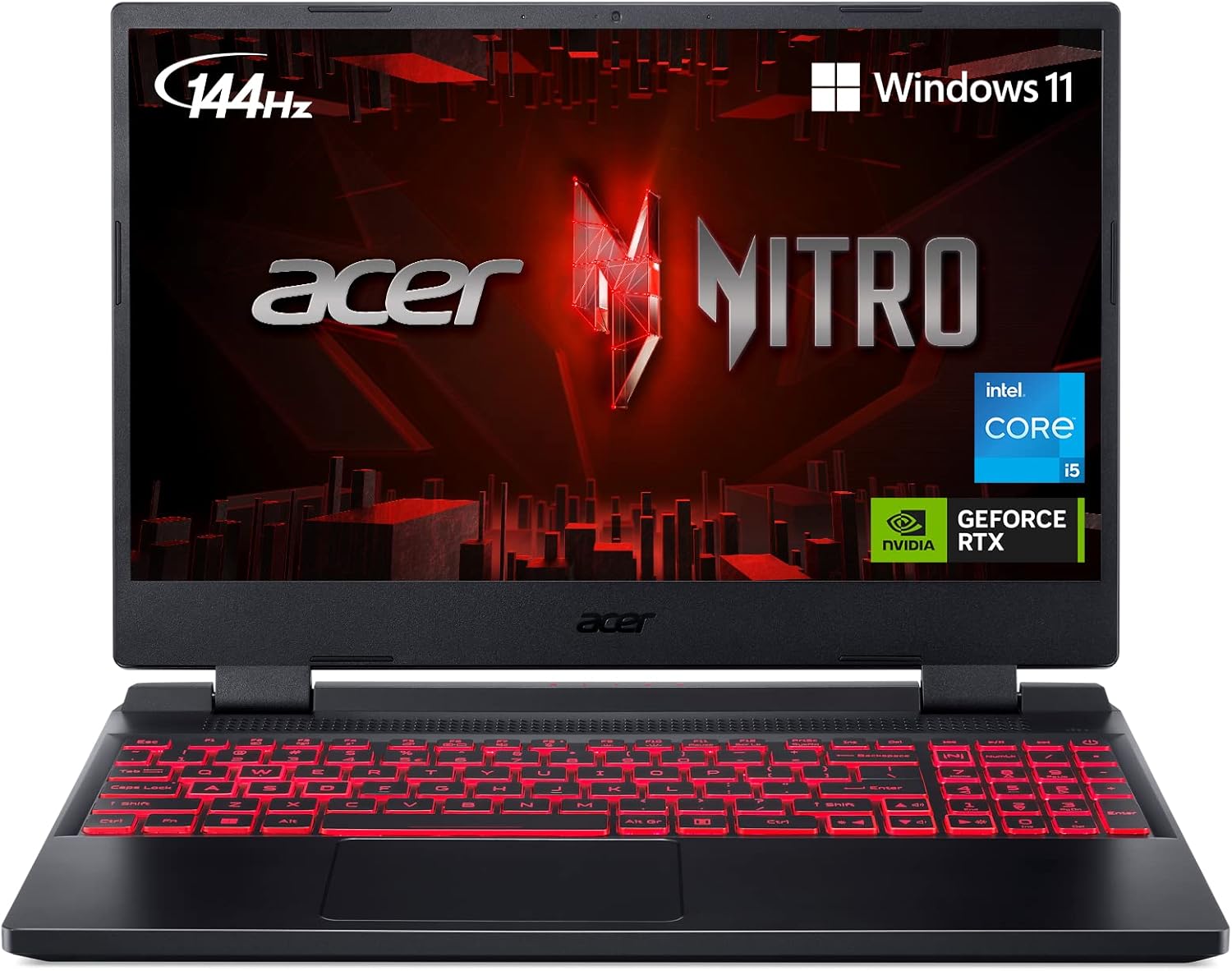
- memory Intel Core i5-12500H
- developer_board NVIDIA GeForce RTX 3050 Ti
- layers 16GB DDR4-3200MHz
- track_changes Target GPU: NVIDIA GeForce GTX 1660 Ti or AMD Radeon RX 5600 XT

- memory AMD Ryzen 7 7435HS
- developer_board NVIDIA GeForce RTX 3050
- layers 32GB DDR5-4800MHz
- track_changes Target GPU: NVIDIA GeForce GTX 1660 Ti or AMD Radeon RX 5600 XT

- memory AMD Ryzen 7 6800H
- developer_board NVIDIA GeForce RTX 3060
- layers 16GB DDR5-4800MHz
- track_changes Target GPU: NVIDIA GeForce GTX 1660 Ti or AMD Radeon RX 5600 XT

- memory AMD Ryzen 9 5900HS
- developer_board NVIDIA GeForce RTX 3080
- layers 16GB DDR4-3200MHz
- track_changes Target GPU: NVIDIA GeForce GTX 1660 Ti or AMD Radeon RX 5600 XT

- memory Intel Core i7-13620H
- developer_board NVIDIA GeForce RTX 4070
- layers 16GB DDR5-4800MHz
- track_changes Target GPU: NVIDIA GeForce GTX 1660 Ti or AMD Radeon RX 5600 XT

- memory Intel Core i9-14900HX
- developer_board NVIDIA GeForce RTX 4070
- layers 32GB DDR5-5600MHz
- track_changes Target GPU: NVIDIA GeForce RTX 3070 or AMD Radeon RX 6700 XT

- memory Intel Core i9-14900HX
- developer_board NVIDIA GeForce RTX 4070
- layers 16GB DDR5-5600MHz
- track_changes Target GPU: NVIDIA GeForce RTX 3070 or AMD Radeon RX 6700 XT

- memory Intel Core Ultra 7 255H
- developer_board NVIDIA GeForce RTX 5060 Laptop GPU
- layers 16GB DDR5-5600MHz (Dual-Channel)
- track_changes Target GPU: NVIDIA GeForce RTX 3070 or AMD Radeon RX 6700 XT

- memory AMD Ryzen 9 8940HX Processor
- developer_board NVIDIA GeForce RTX 5060 Laptop GPU
- layers 32GB DDR5-5200MHz
- track_changes Target GPU: NVIDIA GeForce RTX 3070 or AMD Radeon RX 6700 XT
- memory Intel Core i9-14900HX
- developer_board NVIDIA GeForce RTX 4080 Laptop GPU
- layers 64 GB DDR5-5600MHz
- track_changes Target GPU: NVIDIA GeForce RTX 4070 Ti or AMD Radeon RX 7800 XT
- memory Intel Core Ultra 9 Processor 275HX (Series 2)
- developer_board NVIDIA GeForce RTX 5070 Laptop GPU
- layers 32GB DDR5-5600MHz
- track_changes Target GPU: NVIDIA GeForce RTX 4070 Ti or AMD Radeon RX 7800 XT
- memory Intel Core i9-14900HX Processor
- developer_board NVIDIA GeForce RTX 5070 Laptop GPU
- layers 32GB DDR5-5600MHz
- track_changes Target GPU: NVIDIA GeForce RTX 4070 Ti or AMD Radeon RX 7800 XT

- memory Intel Core i9-14900HX Processor
- developer_board NVIDIA GeForce RTX 5070 Laptop GPU
- layers 32GB DDR5-5600MHz
- track_changes Target GPU: NVIDIA GeForce RTX 4070 Ti or AMD Radeon RX 7800 XT

- memory Intel Core Ultra 9 285H (Arrow Lake-H)
- developer_board NVIDIA GeForce RTX 5070 Laptop GPU
- layers 64GB LPDDR5x-8533MT/s (LPCAMM2)
- track_changes Target GPU: NVIDIA GeForce RTX 4070 Ti or AMD Radeon RX 7800 XT

- memory Intel Core i9-14900HX
- developer_board NVIDIA GeForce RTX 4080
- layers 64GB DDR5-5600MHz
- track_changes Target GPU: NVIDIA GeForce RTX 4070 Ti or AMD Radeon RX 7800 XT

- memory Intel Core i9-14900HX
- developer_board NVIDIA GeForce RTX 4080
- layers 32GB DDR5-5600MHz
- track_changes Target GPU: NVIDIA GeForce RTX 4070 Ti or AMD Radeon RX 7800 XT

- memory Intel Core i9-14900HX
- developer_board NVIDIA GeForce RTX 4080
- layers 32GB DDR5-5600MHz
- track_changes Target GPU: NVIDIA GeForce RTX 4070 Ti or AMD Radeon RX 7800 XT

- memory Intel Core i9-14900HX
- developer_board NVIDIA GeForce RTX 4080
- layers 32GB DDR5-5600MHz
- track_changes Target GPU: NVIDIA GeForce RTX 4070 Ti or AMD Radeon RX 7800 XT

- memory AMD Ryzen 9 7845HX
- developer_board NVIDIA GeForce RTX 4080
- layers Up to 64GB DDR5
- track_changes Target GPU: NVIDIA GeForce RTX 4070 Ti or AMD Radeon RX 7800 XT

- memory Intel Core Ultra 9 285H (Series 2) , 14 cores (6 Performance cores + 8 Efficient cores), 20 threads
- developer_board NVIDIA GeForce RTX 5050 Laptop GPU
- layers 32GB (2x16GB) DDR5 8400MHz SO-DIMM
- track_changes Target GPU: NVIDIA GeForce RTX 4080 Super or AMD Radeon RX 7900 XTX

- memory Intel Core Ultra 9 285H
- developer_board NVIDIA GeForce RTX 5070
- layers 32GB (2x16GB) DDR5 4800MHz SO-DIMM
- track_changes Target GPU: NVIDIA GeForce RTX 4080 Super or AMD Radeon RX 7900 XTX

- memory Intel Core i9-14900HX Processor
- developer_board NVIDIA GeForce RTX 5070 Ti Laptop GPU
- layers 64GB DDR5-5600MHz (commonly listed as 4800MHz by some retailers, but 5600MHz is common for 14th Gen HX with DDR5)
- track_changes Target GPU: NVIDIA GeForce RTX 4080 Super or AMD Radeon RX 7900 XTX

- memory Intel Core Ultra 9 Processor 275HX
- developer_board NVIDIA GeForce RTX 5070 Ti Laptop GPU
- layers 64GB DDR5-6400MHz
- track_changes Target GPU: NVIDIA GeForce RTX 4080 Super or AMD Radeon RX 7900 XTX

- memory Intel Core Ultra 9 Processor 275HX (Series 2)
- developer_board NVIDIA GeForce RTX 5070 Ti Laptop GPU
- layers 32GB DDR5-5600MHz
- track_changes Target GPU: NVIDIA GeForce RTX 4080 Super or AMD Radeon RX 7900 XTX

- memory Intel Ultra 7 255HX
- developer_board NVIDIA GeForce RTX 5070 Ti
- layers 32GB DDR5 5600MHz
- track_changes Target GPU: NVIDIA GeForce RTX 4080 Super or AMD Radeon RX 7900 XTX
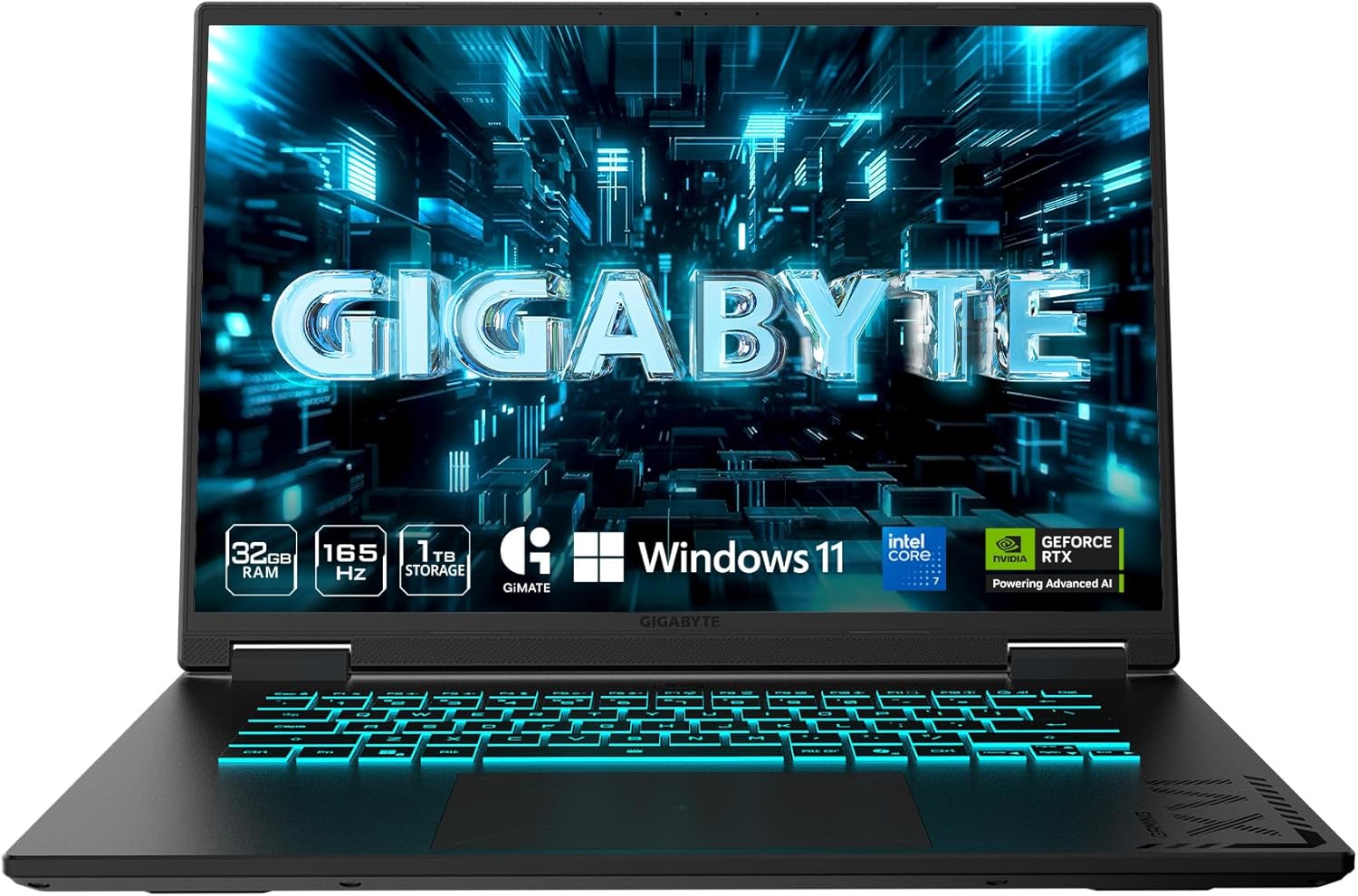
- memory Intel Core Ultra 7 240H
- developer_board NVIDIA GeForce RTX 5070 Ti Laptop GPU
- layers 32GB LPDDR5X 5600MHz
- track_changes Target GPU: NVIDIA GeForce RTX 4080 Super or AMD Radeon RX 7900 XTX

- memory Intel Core Ultra 9 275HX
- developer_board GeForce RTX 5070 Laptop Laptop GPU
- layers 64GB DDR5-6400MHz (Single-Channel)
- track_changes Target GPU: NVIDIA GeForce RTX 4080 Super or AMD Radeon RX 7900 XTX

- memory Intel Core Ultra 9 275HX
- developer_board NVIDIA GeForce RTX 5070 Ti
- layers 32GB
- track_changes Target GPU: NVIDIA GeForce RTX 4080 Super or AMD Radeon RX 7900 XTX

- memory Intel Core Ultra 9 275HX
- developer_board NVIDIA GeForce RTX 5070 Ti Laptop GPU
- layers 32 GB DDR5 6400MHz (2x16GB)
- track_changes Target GPU: NVIDIA GeForce RTX 4080 Super or AMD Radeon RX 7900 XTX
info_outline Laptop recommendations are estimates based on available component benchmarks and game requirements. Actual performance may vary depending on settings, drivers, cooling, power limits, etc. Prices and availability subject to change. As an Amazon Associate, we earn from qualifying purchases.