Select Games to Compare
Benchmark your exact mobile GPU wattage (TGP), battery throttling drops, and cooling pad requirements for these games.
Halloween: The Game vs Guns of Eschaton
| close | close |
|---|---|
| shopping_cart Where to Buy | |
| info General Information | |
| Release Date | |
| Sep 8, 2026 | Oct 27, 2026 |
| Developer | |
| IllFonic | Eschatology Entertainment |
| Publisher | |
| IllFonic, Gun Interactive | 4Divinity |
| Genre(s) | |
| Asymmetrical PvPvE Horror | First-Person Shooter / Soulslike |
| Engine | |
| Unreal Engine 5 | Unreal Engine 5 |
| stars Ratings & Price | |
| Content Rating | |
| Mature 17+ / R18+ | Mature 17+ |
| Avg. User Rating | |
| 4.5 / 5.0 | 4.5 / 5.0 |
| Current Price (USD) | |
| $39.99 | $59.99 |
| tune Key Specs | |
| Quick Highlights | |
|
|
| sports_esports Gameplay & Mechanics | |
| Companions/Followers | |
|
|
| Key Collectibles | |
|
|
| Key Themes | |
|
|
| colorize Combat & Gear | |
| Weapons Overview | |
|
|
| Armor / Gear Sets | |
|
|
| Outfits/Customization | |
|
|
| trending_up Progression & Upgrades | |
| Skills & Progression | |
|
Progression fundamentally breaks away from traditional static skill trees by implementing a highly dynamic card-based deck-building economy. As players complete matches and single-player challenges, they earn in-game currency expended to randomly 'roll' for perk cards, which are then assembled into customized 15-card loadouts. The integration of Random Number Generation (RNG) in perk acquisition ensures that players cannot immediately copy optimized 'meta' builds from the internet; they must adapt their survival strategies to the unique cards they pull. These cards feature five distinct upgrade tiers, functioning as a massive, continuous currency sink for dedicated veteran players. In stark contrast, Michael Myers operates on a completely sequestered, unique leveling track. Accruing killer XP unlocks terrifying alternate weapon variants, uniquely brutal environmental execution animations, and legacy cinematic masks. Furthermore, completing chapters in the single-player campaign directly feeds into this economy, unlocking exclusive multiplayer cosmetics and calling cards, highly incentivizing players to master both the asymmetrical and narrative components of the game. |
The role-playing systems in Guns of Eschaton are incredibly deep, accommodating five distinct character archetypes that range from traditional monster-hunters to esoteric magic users. At the core of the progression system is the Cherokee Codex, a hand-drawn journal that dictates specific anatomical 'Sequence Shooting' requirements for each enemy type. As players progress, they unlock active and passive abilities by discovering and learning from legendary, fallen gunslingers scattered across the environment. Beyond standard skill trees, players engage deeply with the 'Sacramental Paths', an occult magic system divided into religious prayers and dark curses, allowing for hybrid spell-shooter builds. The upgrade economy is heavily tied to an encumbrance system, where the weight of armor and firearms directly throttles combat mobility and stamina regeneration, demanding careful build optimization. |
| public World & Exploration | |
| World & Level Design | |
|
Matches unfold across expansive, meticulously recreated geographical sectors of Haddonfield, Illinois, turning suburban Americana into a massive tactical playground. The developers have designed specific, recognizable zones based heavily on the cinematic lore. Confirmed maps encompass Haddonfield Heights, which features both the dilapidated Myers house and the Strode residence, Haddonfield Town Center showcasing sprawling commercial infrastructure and alleys, and the Orange Grove Estates where the Wallace and Doyle properties are located. The cartography is highly complex, featuring immense verticality and distinct zoning. Players navigate first-story living rooms, transition to two-story bedrooms, and traverse flat commercial rooftops. Crucially, these maps are not sterile, empty arenas; they are heavily populated by oblivious, autonomous AI-controlled townsfolk going about 1978 suburban routines. You will see babysitters chatting on corded landline phones, recluses watching flickering horror broadcasts on heavy tube televisions, and employees locking up commercial shops. This living map architecture forces players to consider collateral damage, sound propagation through walls, and the utilization of civilian AI as both a resource and a deadly liability. |
Eschatology Entertainment has crafted a sprawling, interconnected world that subverts traditional linear shooter level design. The game's map traces a desperate eastward trajectory across a dying American continent. The environments vary wildly from dust-choked, ruined pioneer settlements to entirely impossible, gravity-defying geometries like massive floating rock formations suspended in a fractured sky. Because the game completely omits a traditional jump function, traversal requires meticulous stamina management, using horizontal dashes to navigate environmental hazards and massive gaps. This design choice forces the player to engage intimately with the topography, treating the very landscape as an active, hostile antagonist. Exploring these detailed, interconnected regions yields crucial hidden lore, dormant campfires for progression saving, and encounters with twisted factions that have claimed various territories across the wasteland. |
| Playable Vehicles | |
|
|
| Notable Fauna/Mounts | |
|
|
| book Story & Characters | |
| Main Characters | |
|
|
| Example Missions | |
|
|
| people Multiplayer | |
| Multiplayer Details | |
|
The core multiplayer experience entirely subverts the traditional asymmetrical paradigm by introducing a groundbreaking Player-versus-Player-versus-Environment (PvPvE) framework. Instead of a sterile 1v4 arena, the map is populated with AI townsfolk. The match victory is governed by the innovative 'Census' condition: if the aggregate number of fatalities (combining both player and NPC casualties) surpasses the number of living entities at the end of a match, the killer wins. This violently disrupts the 'survive-at-all-costs' mentality, forcing civilian players to actively protect NPCs through QTE warnings or risk mathematical penalties. Furthermore, the game utilizes a 'Killer Token' matchmaking economy. To play as Michael Myers, players must first queue as civilians to earn tokens, eliminating infinite killer queues and lobby dodging. Finally, eliminated players engage in a respawn economy, playing spectating minigames for a percentage chance to return to the match as a heavily armed Haddonfield police officer or Dr. Samuel Loomis. |
The multiplayer ecosystem operates on a dual axis of deep cooperation and sudden, violent hostility. The core campaign can be experienced entirely in a seamless, two to three-player cooperative mode featuring highly sought-after shared progression. This transforms the punishing, isolating Soulslike gameplay loop into a high-tension, squad-based tactical shooter where players can synergize complementary character archetypes and Sacramental spells. Conversely, the game features a brutal Player-Versus-Player (PvP) invasion system. Hostile players can breach another session, dynamically turning into an elite threat. Unlike traditional melee Soulslike invasions, these encounters become terrifying, long-range sniper duels and tactical manhunts across the ruined settlements, with invaders utilizing NPC mobs as cover and deploying specialized ammunition to crack the host's defensive talismans. Solo players can disable this feature entirely. |
| extension Editions & DLC | |
| Available Editions | |
|
The software is strategically distributed across three distinct commercial tiers to capture various consumer demographics and retro horror enthusiasts. The Standard Edition, priced at $39.99, offers the base game and essential pre-order cosmetic bonuses, releasing digitally on September 8th and physically on October 6th. The Digital Deluxe Edition, available for $59.99, grants highly coveted 4-Day Early Access beginning September 4th, along with exclusive Hero Cosmetics designed for the civilian roster. For hardcore collectors and franchise purists, the physical Collector’s Edition is priced at $149.99. Releasing October 6th, it includes the base software, an exclusive physical figure of The Shape, premium lenticular art, high-quality cinematic posters, and a suite of premium in-game cosmetics. The pre-order exclusive skins, such as 'Phantom Michael' and 'Inmate Michael', operate as primary conversion mechanics, leveraging deep community FOMO by mirroring the legendary rarity of exclusive skins from previous IllFonic and Gun Interactive IP adaptations. |
While official storefront listings are still solidifying ahead of the late 2026 launch, the massive capital backing from GCL Global Holdings and ADATA Technology strongly indicates a multi-tiered release strategy. A Standard Edition will include the base game, but given the heavy lore and unique art direction, a Deluxe Edition is practically guaranteed, likely featuring a digital artbook celebrating Viktor Antonov’s final works, the official atmospheric soundtrack, and exclusive early-game talismans. Furthermore, ADATA's heavy involvement and XPG gaming brand sponsorship during Gamescom 2026 suggests the potential for exclusive hardware bundle tie-ins or branded in-game cosmetic weapon skins for the PC market. A Collector’s Edition is also highly anticipated, potentially including physical replicas of the diegetic Cherokee Codex or detailed statuettes of the horrifying Biblical Angel enemies. |
| Post-Launch Content / DLC | |
|
The post-launch live-service trajectory of Halloween: The Game is currently a subject of intense community speculation and datamining efforts. Officially, IllFonic's Chief Creative Officer has stated the game is strictly designed as a 1970s period piece, faithfully adhering to the aesthetic of the 1978 original film. However, massive community demand and datamined hints point toward the inevitable integration of modern franchise assets. Players are aggressively requesting DLC that incorporates the brutal, weathered aesthetic of the 2018 Halloween timeline, featuring a hyper-aggressive, older Michael Myers, as well as the inclusion of beloved legacy characters like Jamie Lloyd. Industry analysts suggest that rigid adherence to only the 1978 aesthetic may ultimately constrain the game's monetization avenues, and incorporating broader cinematic sequels will be vital to keeping the live-service content pipeline fresh, engaging, and commercially viable over multiple years. |
Although a formal Season Pass roadmap has not been definitively announced by 4Divinity, the highly modular nature of the game’s core mechanics heavily implies a robust post-launch lifecycle. The diegetic Cherokee Codex system provides the perfect framework for seamless DLC integration; developers can easily patch in new notebook pages to introduce entirely new bestiaries and required anatomical shooting sequences. Geographically, the core campaign focuses on a journey from the West Coast toward the East. Future expansion packs will likely continue this pilgrimage, opening up devastated, apocalyptic visions of the 19th-century Eastern Seaboard, such as a grim-dark interpretation of Victorian Boston or industrial New York. Additionally, with seven factions present in the base game, expansions could easily introduce an eighth or ninth faction, injecting new weapons, spells, and narrative conflict into the frontier. |
| help_outline FAQ | |
| Frequently Asked Questions | |
|
|
| build Technical Details | |
| Graphics & Visual Fidelity | |
|
Leveraging the immense computational power of Unreal Engine 5, Halloween: The Game achieves unprecedented levels of visual fidelity within the asymmetrical horror genre. The engine facilitates cinema-quality lighting pipelines, allowing for hyper-realistic rendering of Haddonfield’s iconic 1970s suburban architecture. The visual presentation is heavily influenced by dynamic weather systems, encompassing heavy rain and shifting wind, which actively alter in-game visibility and atmospheric dread. The developers utilized the engine's capabilities to execute astonishing shot-for-shot recreations of the original film's cinematography during the single-player campaign. Because of these incredibly demanding environmental simulations, the title heavily relies on temporal upscaling technologies on PC to maintain playable frame rates on legacy hardware, rendering internally at 720p on mid-range rigs while natively targeting a dynamic 4K resolution at 60 FPS on PlayStation 5 and Xbox Series X/S. |
Built entirely on Epic Games' Unreal Engine 5, Guns of Eschaton is a visual powerhouse that leverages the engine's most advanced proprietary systems. The world utilizes Nanite virtualized micro-polygon geometry, allowing the developers to render the decaying grandeur of the 19th-century ruins and the grotesque anatomy of the Promethean enemies without compromising performance or introducing texture pop-in. The Lumen global illumination system casts oppressive, dynamic shadows that react flawlessly to the muzzle flashes of the supernatural arsenal. Most importantly, the game stands as a digital monument to the late Viktor Antonov. His signature brutalist linework, mutated by occult horror and dust-choked color palettes, defines every frame. The visual identity successfully forces a horrific collision between the romanticized imagery of the Wild West and the grim inevitability of a supernatural Industrial Revolution. |
| Audio & Soundtrack | |
|
Audio engineering serves as a foundational pillar of the game's tension and mechanical design. While legendary director and composer John Carpenter is intimately involved, current marketing collateral relies exclusively on studio recordings of his original 1978 four-track score. The community has expressed cautious concern that looping identical tracks throughout prolonged live-service gameplay could induce severe audio fatigue, though the appetite for a dynamic, synth-heavy score is immense. Mechanically, sound is a weapon. The Shape utilizes a 'Detection Pulse'—a radial acoustic ping that highlights the structural presence of survivors based on the noise they generate. Consequently, weather systems like driving rain mask footsteps, while the game's 'Blackout' EMP ability shatters electronic infrastructure, completely altering the acoustic propagation of the environment and forcing players to rely on localized spatial audio cues to survive the darkness. |
The audio engineering in Guns of Eschaton transcends mere atmospheric world-building; it is a critical, life-or-death gameplay mechanic. The entire defensive framework of the 'Spectral Parry' system relies almost entirely on auditory cues. Enemy firearms emit a distinct, sharp mechanical 'chambering' sound a fraction of a second before discharging. Mastering the rhythm of these metallic clicks is the only way to successfully trigger bullet deflections and survive multi-target encounters. Beyond combat, the soundscape emphasizes the oppressive desolation of 'The Burning'. The soundtrack features haunting, discordant Western motifs layered with industrial, metallic grinding—a direct auditory reflection of V.I.T.R.I.O.L. Co.'s obsession with alchemical machinery. Players are heavily advised to play with high-quality headphones, taking full advantage of the game's discrete surround sound balancing to pinpoint threats. |
| User Interface (UI/UX) | |
|
The civilian Heads-Up Display (HUD) is a dense, highly specialized telemetry suite designed to facilitate uncoordinated teamwork and rapid situational awareness without relying on voice communication. The lower-left quadrant tracks critical vitality and cardiovascular stamina limits during intense chase sequences. The upper-left houses a dynamic Objective Tracker that updates tasks involving specific NPC residents and multi-step extraction parameters. The upper-right quadrant features a Tactical Radar that displays acoustic signatures, visual proximity warnings, and shifting police patrol indicators. The lower-right holds an Inventory Matrix detailing held resources like gas cans or bolt cutters. Notably, the UI features a toggled cartographic map overlay that globally highlights whichever civilian is currently carrying a primary objective item. This brilliant design choice transforms that specific player into a high-value escort target, allowing the team to dynamically organize defensive perimeters organically. |
The user interface (UI) in Guns of Eschaton is a masterclass in diegetic design, meticulously crafted to keep the player immersed in the grim reality of the apocalyptic frontier. The game entirely removes immersion-breaking Quick Time Events (QTEs). Instead, the most vital piece of the UI is a physical object: the Cherokee Codex. Players must literally raise this hand-drawn journal into their field of view during real-time combat to verify the correct Sequence Shooting targets. Ammunition tracking is similarly organic; the revolver's cylinder acts as a visual timeline, forcing the player to physically track which bespoke bullet is queued next based on the cylinder's rotation. Health and stamina meters remain minimalist, ensuring that the player's attention is solely focused on enemy telemetry and the environmental hazards crafted by the art team. |
| Accessibility Options | |
|
IllFonic has integrated a variety of mechanical and visual accessibility features to accommodate a broad spectrum of players within this high-stress environment. The civilian HUD incorporates explicit visual proximity warnings on the Tactical Radar, allowing deaf or hard-of-hearing players to perceive the acoustic pings and terror radius generated by Michael Myers. The game's reliance on Quick Time Event (QTE) minigames for interacting with AI townsfolk and repairing escape vehicles implies adjustable input methodologies to prevent repetitive strain. Furthermore, the inclusion of the 'Killer Token' system creates a balanced psychological on-ramp, ensuring newer players are not overwhelmed by constant killer focus. The intense visual distortion effects caused by in-game consumables (such as the cannabis buff mechanics) may feature toggles to prevent motion sickness, and the community is actively petitioning for robust colorblind modes to easily distinguish critical objective markers in the dark UE5 environments. |
Despite its intentionally grueling Soulslike difficulty and steep learning curve, Eschatology Entertainment has implemented several baseline accessibility features to accommodate a wider audience. Recognizing that the game relies heavily on the 'Spectral Parry', which demands intense reflex precision, the complete removal of rapid-button-mashing Quick Time Events (QTEs) greatly relieves motor fatigue. The crucial auditory 'chambering' cues for enemy attacks can be isolated and emphasized through granular, custom volume controls and discrete stereo balancing, heavily benefiting players who struggle with visual clutter during chaotic firefights. Furthermore, the decision to allow players to entirely disable the PvP invasion mechanics ensures that gamers who suffer from extreme anxiety regarding adversarial multiplayer can experience the sweeping narrative and challenging boss fights in a strictly controlled, solo environment without unwanted disruption. |
| video_library Media Links | |
| Gameplay Video | |
| launchWatch | launchWatch |
| Walkthrough/Guide | |
| launchView | launchView |
| settings_applications System Requirements | |
| 1080p (Full HD) - Recommended (High Preset, 60 FPS) CPU: Ensures smooth frame pacing during intense multi-enemy engagements and PvP invasions. CPU (Laptop): Modern eight-core mobile CPUs easily handle the engine's background logic. GPU: Provides enough rasterization overhead to utilize high-quality Lumen global illumination. GPU (Laptop): Guarantees a flawless 60 FPS experience with DLSS Quality mode enabled. RAM: Dual-channel memory configurations dramatically improve frame consistency. Storage: Faster read speeds benefit the dimensional shift mechanics and co-op summoning. | |
| — | memoryCPU: Intel Core i7-9700K / AMD Ryzen 7 3700X developer_boardGPU: NVIDIA GeForce RTX 3070 (8GB) / AMD Radeon RX 6700 XT (12GB) laptop_macCPU (L): Intel Core i7-11800H / AMD Ryzen 7 5800H laptop_windowsGPU (L): NVIDIA RTX 3080 Mobile / RTX 4070 Mobile layersRAM: 16 GB saveStorage (Tier): 45 GB NVMe SSD |
| 1080p (Full HD) - Minimum (Low (30 FPS via Upscaling from 720p)) CPU: Baseline required to calculate AI behaviors and fundamental physics. CPU (Laptop): Requires strong cooling to prevent bottlenecking the upscaled GPU output. GPU: Supports the baseline texture load but relies aggressively on upscaling to achieve 30 frames per second. GPU (Laptop): Requires lowest settings to maintain playability during intense visual effects like the Blackout EMP. RAM: Standard requirement to manage UE5 memory footprint alongside Windows background tasks. Storage: SATA SSD is the absolute minimum to prevent catastrophic stuttering when The Shape phase-shifts. | |
memoryCPU: Intel LGA 1200+ / AMD AM4+ developer_boardGPU: NVIDIA GTX 1660 / AMD RX 590 / Intel Arc A770 laptop_macCPU (L): Intel Core i5-10300H / AMD Ryzen 5 4600H laptop_windowsGPU (L): NVIDIA GTX 1660 Ti Mobile (80W) layersRAM: 16 GB saveStorage (Tier): 45 GB SSD | memoryCPU: Intel Core i5-8600K / AMD Ryzen 5 2600X developer_boardGPU: NVIDIA GeForce GTX 1070 (8GB) / AMD Radeon RX Vega 56 laptop_macCPU (L): Intel Core i7-9750H / AMD Ryzen 7 4800H laptop_windowsGPU (L): NVIDIA RTX 3060 Mobile (115W) layersRAM: 16 GB saveStorage (Tier): 45 GB SSD |
| 1440p (QHD/2K) - High (High/Epic Preset, 60 FPS) CPU: A high IPC processor is required to feed complex draw calls to the GPU at higher resolutions. CPU (Laptop): Enthusiast-tier mobile processors prevent bottlenecking top-end mobile GPUs. GPU: Exceptional capability for high-resolution texture rendering and complex volumetric effects. GPU (Laptop): Top-tier TGP is required to push native 1440p without extreme upscaling. RAM: Provides immense overhead, allowing the game to cache massive amounts of world geometry. Storage: Maximizes asset streaming speeds, virtually eliminating loading screens. | |
| — | memoryCPU: Intel Core i5-13600K / AMD Ryzen 5 7600X developer_boardGPU: NVIDIA GeForce RTX 4070 / AMD Radeon RX 7800 XT laptop_macCPU (L): Intel Core i9-12900H / AMD Ryzen 9 6900HX laptop_windowsGPU (L): NVIDIA RTX 4080 Mobile (175W) layersRAM: 32 GB saveStorage (Tier): 45 GB PCIe Gen4 NVMe SSD |
| 1440p (QHD/2K) - Recommended (High (60 FPS via DLSS/FSR Quality)) CPU: Easily manages the AI townsfolk census logic and dynamic weather overhead. CPU (Laptop): Excellent balance of multi-core capability for smooth asset streaming in expansive map zones. GPU: Provides enough VRAM (8GB-12GB) to handle high-resolution textures without swapping to system RAM. GPU (Laptop): Ensures fluid 60 FPS in 1440p when utilizing DLSS or Frame Generation. RAM: Provides optimal headroom for seamless transition between single-player and multiplayer matchmaking systems. Storage: High-speed NVMe removes all hitching during rapid map sector loading. | |
memoryCPU: Intel Core i5-12600K / AMD Ryzen 5 7600X developer_boardGPU: NVIDIA RTX 3060 Ti / AMD RX 6700 XT laptop_macCPU (L): Intel Core i7-12700H / AMD Ryzen 7 6800H laptop_windowsGPU (L): NVIDIA RTX 3070 Mobile (130W) / RTX 4060 Mobile layersRAM: 32 GB saveStorage (Tier): 45 GB NVMe SSD | — |
| 2160p (UHD/4K) - Ultra (Epic (Native 4K @ 30 FPS / 60 FPS Upscaled)) CPU: The fastest consumer processors ensure the GPU is fed data instantly, maximizing 1% low frame rates. CPU (Laptop): Desktop-class laptop CPUs required to drive native 4K rendering in UE5. GPU: Massive rasterization performance needed for Unreal Engine 5's Lumen lighting system at native 4K. GPU (Laptop): Top-tier mobile GPUs are mandatory for a visually uncompromised 4K experience on portable workstations. RAM: Essential for 4K texture caching and maintaining complex lighting states in memory. Storage: Requires maximum bandwidth for instant loading of the expansive Orange Grove Estates map. | |
memoryCPU: Intel LGA 1700+ / AMD AM5+ (e.g., Core i7-13700K / Ryzen 7 7800X3D) developer_boardGPU: NVIDIA RTX 3080 or RTX 4070 Ti / AMD RX 7900 XT laptop_macCPU (L): Intel Core i9-13900HX / AMD Ryzen 9 7945HX laptop_windowsGPU (L): NVIDIA RTX 4080 Mobile (175W) / RTX 4090 Mobile layersRAM: 32 GB saveStorage (Tier): 45 GB High-Speed Gen4 NVMe SSD | memoryCPU: Intel Core i7-14700K / AMD Ryzen 7 7800X3D developer_boardGPU: NVIDIA GeForce RTX 4080 / AMD Radeon RX 7900 XTX laptop_macCPU (L): Intel Core i9-13980HX / AMD Ryzen 9 7945HX3D laptop_windowsGPU (L): NVIDIA RTX 4090 Mobile (175W) layersRAM: 32 GB saveStorage (Tier): 45 GB PCIe Gen4 NVMe SSD |
| save Overall Storage | |
Spec: 45 GB NVMe SSD Note: Heavy, continuous asset streaming is mechanically necessitated by the killer's rapid traversal abilities (Shape Jump), which force the engine to instantly load disparate geometric sectors. Hard drives are not supported. Type: NVMe | Spec: 45 GB NVMe SSD Note: Solid State Drives are strictly enforced at the engine level to facilitate immediate loading of complex environments and seamless cooperative multiplayer instances. Type: NVMe |
| desktop_windows Operating System | |
| Spec: Windows 10/11 64-bit Explanation: Required for DirectX 12 Ultimate feature sets and Unreal Engine 5 compatibility. | Spec: Windows 10 64-bit Explanation: Required to handle Unreal Engine 5's massive memory address spaces. |
| gamepad DirectX Version | |
| Spec: Version 12 Explanation: Necessary for advanced rendering features like Nanite and Lumen lighting pipelines. | Spec: DirectX 12 Explanation: Mandatory for hardware-accelerated rendering and advanced visual features. |
| info_outline Other Game Notes | |
|
|
| build Optimization Details | |
|
|
| laptop Laptop Considerations | |
|
|


info_outline Feature details based on available data. System requirements and performance estimates may vary.
laptop_chromebook Laptop Recommendations
Common Recommendations (Handles All Compared Games)

- memory Intel Core i7-12700H
- developer_board NVIDIA GeForce RTX 3070
- layers 32GB DDR4-3200MHz
- track_changes Target GPU: NVIDIA GTX 1660 Ti Mobile (80W) / NVIDIA RTX 3060 Mobile (115W)

- memory Intel Core i9-13900H
- developer_board NVIDIA GeForce RTX 4060
- layers 16GB DDR5-5200MHz
- track_changes Target GPU: NVIDIA GTX 1660 Ti Mobile (80W) / NVIDIA RTX 3060 Mobile (115W)

- memory Intel Core i9-14900HX
- developer_board NVIDIA GeForce RTX 4060
- layers 32GB DDR5-5600MHz
- track_changes Target GPU: NVIDIA GTX 1660 Ti Mobile (80W) / NVIDIA RTX 3060 Mobile (115W)

- memory AMD Ryzen 9 5900HS
- developer_board NVIDIA GeForce RTX 3080
- layers 16GB DDR4-3200MHz
- track_changes Target GPU: NVIDIA RTX 3080 Mobile / RTX 4070 Mobile

- memory Intel Core i7-13620H
- developer_board NVIDIA GeForce RTX 4070
- layers 16GB DDR5-4800MHz
- track_changes Target GPU: NVIDIA RTX 3080 Mobile / RTX 4070 Mobile

- memory Intel Core i7-14700HX
- developer_board NVIDIA GeForce RTX 4070
- layers 16GB DDR5-5600MHz
- track_changes Target GPU: NVIDIA RTX 3080 Mobile / RTX 4070 Mobile
- memory Intel Core i7-12700H
- developer_board NVIDIA GeForce RTX 3070
- layers 32GB DDR4-3200MHz
- track_changes Target GPU: NVIDIA RTX 3070 Mobile (130W) / RTX 4060 Mobile
- memory Intel Core i9-14900HX
- developer_board NVIDIA GeForce RTX 4060
- layers 32GB DDR5-5600MHz
- track_changes Target GPU: NVIDIA RTX 3070 Mobile (130W) / RTX 4060 Mobile

- memory AMD Ryzen 7 7435HS
- developer_board NVIDIA GeForce RTX 3050
- layers 32GB DDR5-4800MHz
- track_changes Target GPU: NVIDIA RTX 3070 Mobile (130W) / RTX 4060 Mobile

- memory Intel Core i9-14900HX
- developer_board NVIDIA GeForce RTX 4080 Laptop GPU
- layers 64 GB DDR5-5600MHz
- track_changes Target GPU: NVIDIA RTX 4080 Mobile (175W)

- memory Intel Core Ultra 9 Processor 275HX (Series 2)
- developer_board NVIDIA GeForce RTX 5070 Laptop GPU
- layers 32GB DDR5-5600MHz
- track_changes Target GPU: NVIDIA RTX 4080 Mobile (175W)

- memory Intel Core i9-14900HX Processor
- developer_board NVIDIA GeForce RTX 5070 Laptop GPU
- layers 32GB DDR5-5600MHz
- track_changes Target GPU: NVIDIA RTX 4080 Mobile (175W)
- memory Intel Core i9-14900HX
- developer_board NVIDIA GeForce RTX 4080 Laptop GPU
- layers 64 GB DDR5-5600MHz
- track_changes Target GPU: NVIDIA RTX 4080 Mobile (175W) / RTX 4090 Mobile / NVIDIA RTX 4090 Mobile (175W)
- memory Intel Core Ultra 9 Processor 275HX (Series 2)
- developer_board NVIDIA GeForce RTX 5070 Laptop GPU
- layers 32GB DDR5-5600MHz
- track_changes Target GPU: NVIDIA RTX 4080 Mobile (175W) / RTX 4090 Mobile / NVIDIA RTX 4090 Mobile (175W)
- memory Intel Core i9-14900HX Processor
- developer_board NVIDIA GeForce RTX 5070 Laptop GPU
- layers 32GB DDR5-5600MHz
- track_changes Target GPU: NVIDIA RTX 4080 Mobile (175W) / RTX 4090 Mobile / NVIDIA RTX 4090 Mobile (175W)
For Halloween: The Game Specifically
- memory Intel Core i7-12700H
- developer_board NVIDIA GeForce RTX 3070
- layers 32GB DDR4-3200MHz
- track_changes Target GPU: NVIDIA GTX 1660 / AMD RX 590 / Intel Arc A770
- memory Intel Core i9-13900H
- developer_board NVIDIA GeForce RTX 4060
- layers 16GB DDR5-5200MHz
- track_changes Target GPU: NVIDIA GTX 1660 / AMD RX 590 / Intel Arc A770
- memory Intel Core i9-14900HX
- developer_board NVIDIA GeForce RTX 4060
- layers 32GB DDR5-5600MHz
- track_changes Target GPU: NVIDIA GTX 1660 / AMD RX 590 / Intel Arc A770

- memory Intel Core i9-12900H
- developer_board NVIDIA GeForce RTX 3070 Ti
- layers 16GB DDR5-4800MHz
- track_changes Target GPU: NVIDIA GTX 1660 / AMD RX 590 / Intel Arc A770

- memory Intel Core i5-12450H
- developer_board NVIDIA GeForce RTX 3050
- layers 16GB DDR4-3200MHz
- track_changes Target GPU: NVIDIA GTX 1660 / AMD RX 590 / Intel Arc A770

- memory Intel Core i5-12500H
- developer_board NVIDIA GeForce RTX 3050 Ti
- layers 16GB DDR4-3200MHz
- track_changes Target GPU: NVIDIA GTX 1660 / AMD RX 590 / Intel Arc A770
- memory AMD Ryzen 7 7435HS
- developer_board NVIDIA GeForce RTX 3050
- layers 32GB DDR5-4800MHz
- track_changes Target GPU: NVIDIA GTX 1660 / AMD RX 590 / Intel Arc A770

- memory AMD Ryzen 7 6800H
- developer_board NVIDIA GeForce RTX 3060
- layers 16GB DDR5-4800MHz
- track_changes Target GPU: NVIDIA GTX 1660 / AMD RX 590 / Intel Arc A770
- memory AMD Ryzen 9 5900HS
- developer_board NVIDIA GeForce RTX 3080
- layers 16GB DDR4-3200MHz
- track_changes Target GPU: NVIDIA GTX 1660 / AMD RX 590 / Intel Arc A770
- memory Intel Core i7-13620H
- developer_board NVIDIA GeForce RTX 4070
- layers 16GB DDR5-4800MHz
- track_changes Target GPU: NVIDIA GTX 1660 / AMD RX 590 / Intel Arc A770
- memory Intel Core i7-12700H
- developer_board NVIDIA GeForce RTX 3070
- layers 32GB DDR4-3200MHz
- track_changes Target GPU: NVIDIA RTX 3060 Ti / AMD RX 6700 XT
- memory Intel Core i9-14900HX
- developer_board NVIDIA GeForce RTX 4060
- layers 32GB DDR5-5600MHz
- track_changes Target GPU: NVIDIA RTX 3060 Ti / AMD RX 6700 XT
- memory AMD Ryzen 7 7435HS
- developer_board NVIDIA GeForce RTX 3050
- layers 32GB DDR5-4800MHz
- track_changes Target GPU: NVIDIA RTX 3060 Ti / AMD RX 6700 XT

- memory Intel Core i9-14900HX
- developer_board NVIDIA GeForce RTX 4070
- layers 32GB DDR5-5600MHz
- track_changes Target GPU: NVIDIA RTX 3060 Ti / AMD RX 6700 XT

- memory AMD Ryzen 9 8940HX Processor
- developer_board NVIDIA GeForce RTX 5060 Laptop GPU
- layers 32GB DDR5-5200MHz
- track_changes Target GPU: NVIDIA RTX 3060 Ti / AMD RX 6700 XT

- memory Intel Core i9-12950HX
- developer_board NVIDIA GeForce RTX 3080 Ti
- layers 32GB DDR5-4800MHz
- track_changes Target GPU: NVIDIA RTX 3060 Ti / AMD RX 6700 XT
- memory Intel Core i9-14900HX
- developer_board NVIDIA GeForce RTX 4080 Laptop GPU
- layers 64 GB DDR5-5600MHz
- track_changes Target GPU: NVIDIA RTX 3060 Ti / AMD RX 6700 XT
- memory Intel Core Ultra 9 Processor 275HX (Series 2)
- developer_board NVIDIA GeForce RTX 5070 Laptop GPU
- layers 32GB DDR5-5600MHz
- track_changes Target GPU: NVIDIA RTX 3060 Ti / AMD RX 6700 XT
- memory Intel Core i9-14900HX Processor
- developer_board NVIDIA GeForce RTX 5070 Laptop GPU
- layers 32GB DDR5-5600MHz
- track_changes Target GPU: NVIDIA RTX 3060 Ti / AMD RX 6700 XT

- memory Intel Core i9-14900HX Processor
- developer_board NVIDIA GeForce RTX 5070 Laptop GPU
- layers 32GB DDR5-5600MHz
- track_changes Target GPU: NVIDIA RTX 3060 Ti / AMD RX 6700 XT
- memory Intel Core i9-14900HX
- developer_board NVIDIA GeForce RTX 4080 Laptop GPU
- layers 64 GB DDR5-5600MHz
- track_changes Target GPU: NVIDIA RTX 3080 or RTX 4070 Ti / AMD RX 7900 XT
- memory Intel Core Ultra 9 Processor 275HX (Series 2)
- developer_board NVIDIA GeForce RTX 5070 Laptop GPU
- layers 32GB DDR5-5600MHz
- track_changes Target GPU: NVIDIA RTX 3080 or RTX 4070 Ti / AMD RX 7900 XT
- memory Intel Core i9-14900HX Processor
- developer_board NVIDIA GeForce RTX 5070 Laptop GPU
- layers 32GB DDR5-5600MHz
- track_changes Target GPU: NVIDIA RTX 3080 or RTX 4070 Ti / AMD RX 7900 XT
- memory Intel Core i9-14900HX Processor
- developer_board NVIDIA GeForce RTX 5070 Laptop GPU
- layers 32GB DDR5-5600MHz
- track_changes Target GPU: NVIDIA RTX 3080 or RTX 4070 Ti / AMD RX 7900 XT

- memory Intel Core Ultra 9 285H (Arrow Lake-H)
- developer_board NVIDIA GeForce RTX 5070 Laptop GPU
- layers 64GB LPDDR5x-8533MT/s (LPCAMM2)
- track_changes Target GPU: NVIDIA RTX 3080 or RTX 4070 Ti / AMD RX 7900 XT

- memory Intel Core i9-14900HX
- developer_board NVIDIA GeForce RTX 4080
- layers 64GB DDR5-5600MHz
- track_changes Target GPU: NVIDIA RTX 3080 or RTX 4070 Ti / AMD RX 7900 XT

- memory Intel Core i9-14900HX
- developer_board NVIDIA GeForce RTX 4080
- layers 32GB DDR5-5600MHz
- track_changes Target GPU: NVIDIA RTX 3080 or RTX 4070 Ti / AMD RX 7900 XT

- memory Intel Core i9-14900HX
- developer_board NVIDIA GeForce RTX 4080
- layers 32GB DDR5-5600MHz
- track_changes Target GPU: NVIDIA RTX 3080 or RTX 4070 Ti / AMD RX 7900 XT

- memory Intel Core i9-14900HX
- developer_board NVIDIA GeForce RTX 4080
- layers 32GB DDR5-5600MHz
- track_changes Target GPU: NVIDIA RTX 3080 or RTX 4070 Ti / AMD RX 7900 XT

- memory AMD Ryzen 9 7845HX
- developer_board NVIDIA GeForce RTX 4080
- layers Up to 64GB DDR5
- track_changes Target GPU: NVIDIA RTX 3080 or RTX 4070 Ti / AMD RX 7900 XT
For Guns of Eschaton Specifically
- memory AMD Ryzen 7 7435HS
- developer_board NVIDIA GeForce RTX 3050
- layers 32GB DDR5-4800MHz
- track_changes Target GPU: NVIDIA GeForce GTX 1070 (8GB) / AMD Radeon RX Vega 56
- memory AMD Ryzen 9 8940HX Processor
- developer_board NVIDIA GeForce RTX 5060 Laptop GPU
- layers 32GB DDR5-5200MHz
- track_changes Target GPU: NVIDIA GeForce GTX 1070 (8GB) / AMD Radeon RX Vega 56

- memory AMD Ryzen 7 7445HS
- developer_board NVIDIA GeForce RTX 4050
- layers 16GB (2x8GB) DDR5 5600MHz SO-DIMM
- track_changes Target GPU: NVIDIA GeForce GTX 1070 (8GB) / AMD Radeon RX Vega 56

- memory AMD Ryzen 7 7445HS
- developer_board NVIDIA GeForce RTX 4050
- layers 16GB DDR5 5600MHz SO-DIMM
- track_changes Target GPU: NVIDIA GeForce GTX 1070 (8GB) / AMD Radeon RX Vega 56
- memory AMD Ryzen 9 7845HX
- developer_board NVIDIA GeForce RTX 4080
- layers Up to 64GB DDR5
- track_changes Target GPU: NVIDIA GeForce GTX 1070 (8GB) / AMD Radeon RX Vega 56
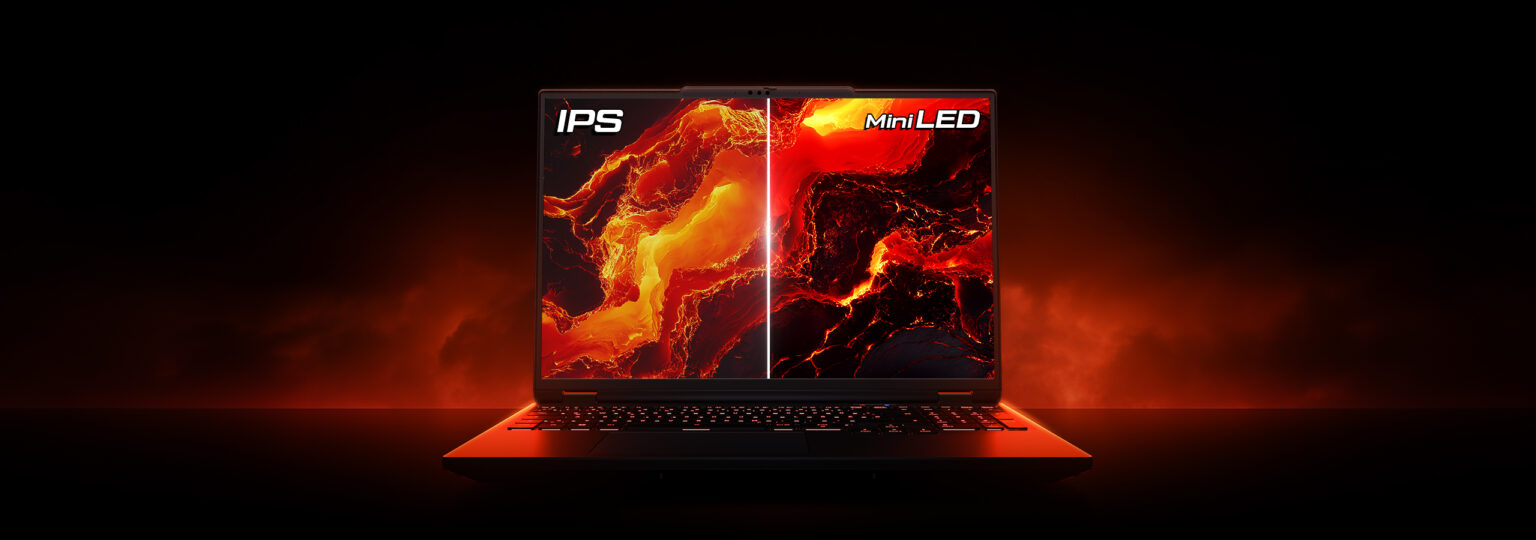
- memory AMD Ryzen 9 9955HX
- developer_board NVIDIA GeForce RTX 5070 Ti Laptop GPU
- layers 64GB DDR5-5600MHz (Dual-Channel)
- track_changes Target GPU: NVIDIA GeForce GTX 1070 (8GB) / AMD Radeon RX Vega 56
- memory AMD Ryzen 9 5900HS
- developer_board NVIDIA GeForce RTX 3080
- layers 16GB DDR4-3200MHz
- track_changes Target GPU: NVIDIA GeForce RTX 3070 (8GB) / AMD Radeon RX 6700 XT (12GB)
- memory Intel Core i7-13620H
- developer_board NVIDIA GeForce RTX 4070
- layers 16GB DDR5-4800MHz
- track_changes Target GPU: NVIDIA GeForce RTX 3070 (8GB) / AMD Radeon RX 6700 XT (12GB)
- memory Intel Core i7-14700HX
- developer_board NVIDIA GeForce RTX 4070
- layers 16GB DDR5-5600MHz
- track_changes Target GPU: NVIDIA GeForce RTX 3070 (8GB) / AMD Radeon RX 6700 XT (12GB)
- memory Intel Core i9-14900HX
- developer_board NVIDIA GeForce RTX 4070
- layers 32GB DDR5-5600MHz
- track_changes Target GPU: NVIDIA GeForce RTX 3070 (8GB) / AMD Radeon RX 6700 XT (12GB)

- memory Intel Core i9-14900HX
- developer_board NVIDIA GeForce RTX 4070
- layers 16GB DDR5-5600MHz
- track_changes Target GPU: NVIDIA GeForce RTX 3070 (8GB) / AMD Radeon RX 6700 XT (12GB)

- memory Intel Core Ultra 7 255H
- developer_board NVIDIA GeForce RTX 5060 Laptop GPU
- layers 16GB DDR5-5600MHz (Dual-Channel)
- track_changes Target GPU: NVIDIA GeForce RTX 3070 (8GB) / AMD Radeon RX 6700 XT (12GB)
- memory Intel Core i9-12950HX
- developer_board NVIDIA GeForce RTX 3080 Ti
- layers 32GB DDR5-4800MHz
- track_changes Target GPU: NVIDIA GeForce RTX 3070 (8GB) / AMD Radeon RX 6700 XT (12GB)
- memory Intel Core i9-14900HX
- developer_board NVIDIA GeForce RTX 4080 Laptop GPU
- layers 64 GB DDR5-5600MHz
- track_changes Target GPU: NVIDIA GeForce RTX 4070 / AMD Radeon RX 7800 XT
- memory Intel Core Ultra 9 Processor 275HX (Series 2)
- developer_board NVIDIA GeForce RTX 5070 Laptop GPU
- layers 32GB DDR5-5600MHz
- track_changes Target GPU: NVIDIA GeForce RTX 4070 / AMD Radeon RX 7800 XT
- memory Intel Core i9-14900HX Processor
- developer_board NVIDIA GeForce RTX 5070 Laptop GPU
- layers 32GB DDR5-5600MHz
- track_changes Target GPU: NVIDIA GeForce RTX 4070 / AMD Radeon RX 7800 XT
- memory Intel Core i9-14900HX Processor
- developer_board NVIDIA GeForce RTX 5070 Laptop GPU
- layers 32GB DDR5-5600MHz
- track_changes Target GPU: NVIDIA GeForce RTX 4070 / AMD Radeon RX 7800 XT
- memory Intel Core Ultra 9 285H (Arrow Lake-H)
- developer_board NVIDIA GeForce RTX 5070 Laptop GPU
- layers 64GB LPDDR5x-8533MT/s (LPCAMM2)
- track_changes Target GPU: NVIDIA GeForce RTX 4070 / AMD Radeon RX 7800 XT
- memory Intel Core i9-14900HX
- developer_board NVIDIA GeForce RTX 4080
- layers 64GB DDR5-5600MHz
- track_changes Target GPU: NVIDIA GeForce RTX 4070 / AMD Radeon RX 7800 XT
- memory Intel Core i9-14900HX
- developer_board NVIDIA GeForce RTX 4080
- layers 32GB DDR5-5600MHz
- track_changes Target GPU: NVIDIA GeForce RTX 4070 / AMD Radeon RX 7800 XT
- memory Intel Core i9-14900HX
- developer_board NVIDIA GeForce RTX 4080
- layers 32GB DDR5-5600MHz
- track_changes Target GPU: NVIDIA GeForce RTX 4070 / AMD Radeon RX 7800 XT
- memory Intel Core i9-14900HX
- developer_board NVIDIA GeForce RTX 4080
- layers 32GB DDR5-5600MHz
- track_changes Target GPU: NVIDIA GeForce RTX 4070 / AMD Radeon RX 7800 XT
- memory AMD Ryzen 9 7845HX
- developer_board NVIDIA GeForce RTX 4080
- layers Up to 64GB DDR5
- track_changes Target GPU: NVIDIA GeForce RTX 4070 / AMD Radeon RX 7800 XT

- memory Intel Core Ultra 9 285H (Series 2) , 14 cores (6 Performance cores + 8 Efficient cores), 20 threads
- developer_board NVIDIA GeForce RTX 5050 Laptop GPU
- layers 32GB (2x16GB) DDR5 8400MHz SO-DIMM
- track_changes Target GPU: NVIDIA GeForce RTX 4080 / AMD Radeon RX 7900 XTX

- memory Intel Core Ultra 9 285H
- developer_board NVIDIA GeForce RTX 5070
- layers 32GB (2x16GB) DDR5 4800MHz SO-DIMM
- track_changes Target GPU: NVIDIA GeForce RTX 4080 / AMD Radeon RX 7900 XTX

- memory Intel Core i9-14900HX Processor
- developer_board NVIDIA GeForce RTX 5070 Ti Laptop GPU
- layers 64GB DDR5-5600MHz (commonly listed as 4800MHz by some retailers, but 5600MHz is common for 14th Gen HX with DDR5)
- track_changes Target GPU: NVIDIA GeForce RTX 4080 / AMD Radeon RX 7900 XTX

- memory Intel Core Ultra 9 Processor 275HX
- developer_board NVIDIA GeForce RTX 5070 Ti Laptop GPU
- layers 64GB DDR5-6400MHz
- track_changes Target GPU: NVIDIA GeForce RTX 4080 / AMD Radeon RX 7900 XTX

- memory Intel Core Ultra 9 Processor 275HX (Series 2)
- developer_board NVIDIA GeForce RTX 5070 Ti Laptop GPU
- layers 32GB DDR5-5600MHz
- track_changes Target GPU: NVIDIA GeForce RTX 4080 / AMD Radeon RX 7900 XTX

- memory Intel Ultra 7 255HX
- developer_board NVIDIA GeForce RTX 5070 Ti
- layers 32GB DDR5 5600MHz
- track_changes Target GPU: NVIDIA GeForce RTX 4080 / AMD Radeon RX 7900 XTX
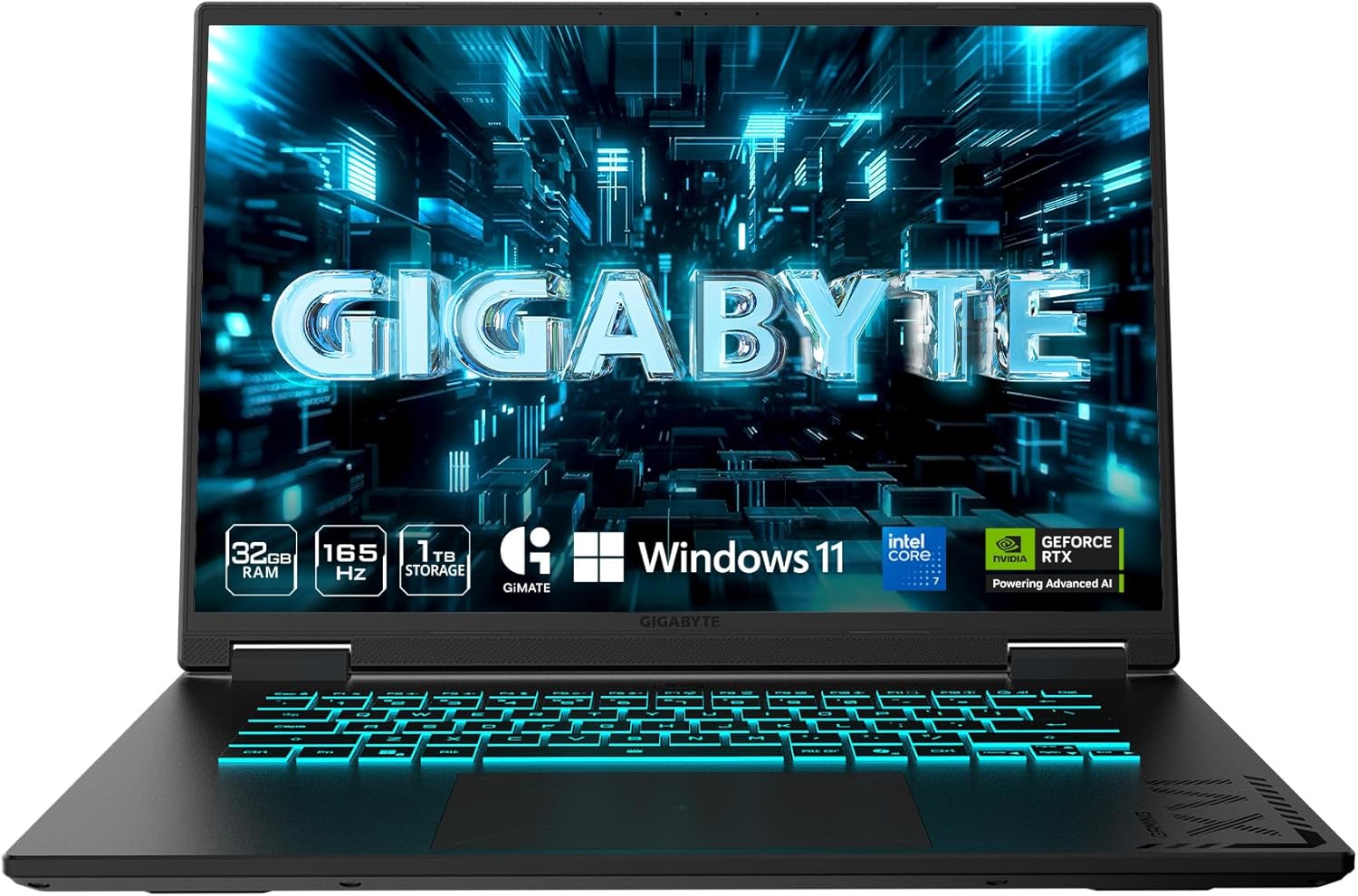
- memory Intel Core Ultra 7 240H
- developer_board NVIDIA GeForce RTX 5070 Ti Laptop GPU
- layers 32GB LPDDR5X 5600MHz
- track_changes Target GPU: NVIDIA GeForce RTX 4080 / AMD Radeon RX 7900 XTX

- memory Intel Core Ultra 9 275HX
- developer_board GeForce RTX 5070 Laptop Laptop GPU
- layers 64GB DDR5-6400MHz (Single-Channel)
- track_changes Target GPU: NVIDIA GeForce RTX 4080 / AMD Radeon RX 7900 XTX

- memory Intel Core Ultra 9 275HX
- developer_board NVIDIA GeForce RTX 5070 Ti
- layers 32GB
- track_changes Target GPU: NVIDIA GeForce RTX 4080 / AMD Radeon RX 7900 XTX

- memory Intel Core Ultra 9 275HX
- developer_board NVIDIA GeForce RTX 5070 Ti Laptop GPU
- layers 32 GB DDR5 6400MHz (2x16GB)
- track_changes Target GPU: NVIDIA GeForce RTX 4080 / AMD Radeon RX 7900 XTX
info_outline Laptop recommendations are estimates based on available component benchmarks and game requirements. Actual performance may vary depending on settings, drivers, cooling, power limits, etc. Prices and availability subject to change. As an Amazon Associate, we earn from qualifying purchases.