Select Games to Compare
Benchmark your exact mobile GPU wattage (TGP), battery throttling drops, and cooling pad requirements for these games.
God of War: Sons of Sparta vs Dinoblade
| close | close |
|---|---|
| shopping_cart Where to Buy | |
| info General Information | |
| Release Date | |
| Feb 12, 2026 | Jul 23, 2026 |
| Developer | |
| Santa Monica Studio & Mega Cat Studios | Jean Nguyen / Team Spino LLC |
| Publisher | |
| Sony Interactive Entertainment | Team Spino LLC |
| Genre(s) | |
| 2D Action-Platformer / Metroidvania | Action RPG / Soulslike |
| Engine | |
| Proprietary Mega Cat Engine (Enhanced for PS5) | Custom High-Fidelity 3D Engine |
| stars Ratings & Price | |
| Content Rating | |
| M (Mature 17+) | T for Teen |
| Avg. User Rating | |
| 4.2 / 5.0 | 4.5 / 5.0 |
| Current Price (USD) | |
| $29.99 | $19.99 |
| tune Key Specs | |
| Quick Highlights | |
|
|
| sports_esports Gameplay & Mechanics | |
| Companions/Followers | |
|
|
| Key Collectibles | |
|
|
| Key Themes | |
|
|
| colorize Combat & Gear | |
| Weapons Overview | |
|
|
| Armor / Gear Sets | |
|
|
| Outfits/Customization | |
|
|
| trending_up Progression & Upgrades | |
| Skills & Progression | |
|
Players use Blood Orbs to purchase skills from a 'Martial Mastery' tree. Upgrades include spear techniques (Leaping Strike, Phalanx Shield), and 'Gifts of Olympus' which act as magical abilities. Gear can be modified with attachments like the 'Arrow of Virtue' to add elemental or stat bonuses. |
Progression in Dinoblade is heavily tied to both traditional stat leveling and a specialized, visually spectacular Soul Arts skill tree. Players use collected SP (Soul Points) from defeating enemies to increase core combat attributes at Save Stones: Health, Stamina, Resonance (the game's equivalent to mana or skill fuel), and overall Damage. Additionally, the Soul Arts tree features unlockable active abilities that can completely change the pace of combat, such as the devastating 'Meteor Dash' or the area-of-effect 'Meteor Zone'. Resonance powers these anime-inspired abilities and temporary combat buffs. Weapons also play a massive role in a player's upgrade path, as different greatswords provide unique heavy combos and specialized attacks when their specific conditions are met during a fight. |
| public World & Exploration | |
| World & Level Design | |
|
As a Metroidvania, the map is an interconnected hive of Laconia, featuring sub-regions like the Training Grounds, the Foggy Wilds, Mount Taygetos, and the Hidden Pits of Agon. While side-scrolling, the depth of background layers and hidden 'Abyss' zones provide a sense of massive scale. |
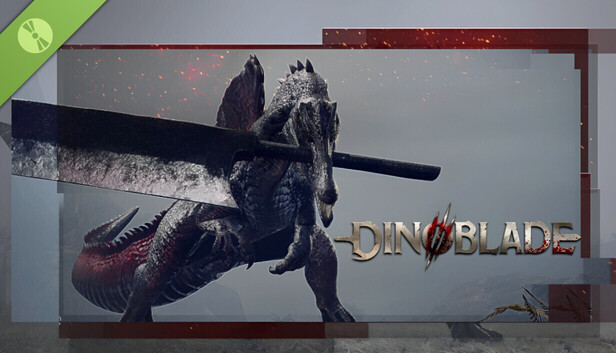
The world of Dinoblade is structured as a series of sprawling, interconnected linear levels rather than a traditional, sprawling open world map. Each region acts as its own distinct biome, filled with hidden side paths, areas for gathering resources, and environmental storytelling. The known regions include the arid and dangerous Dry Canyons, the misty and overgrown jungles, the perilous Red Ashy Swamp, and the vast expanses of the Great Lake. Each zone culminates in a highly challenging Alpha Boss encounter that blocks progression to the next area. While the main path is relatively straightforward to follow, thorough exploration of the environment highly rewards players with extra skill points (SP), vital upgrade crystals for health items, and hidden legendary weapons. |
| Notable Fauna/Mounts | |
|
|
| book Story & Characters | |
| Main Characters | |
|
|
| Example Missions | |
|
|
| people Multiplayer | |
| Multiplayer Details | |
|
Supports 1-2 players via Local Couch Co-Op. Player 2 takes control of Deimos, featuring unique agile combat moves that complement Kratos' strength-focused style. |
Dinoblade is designed from the ground up as a strictly single-player, heavily narrative and combat-driven Soulslike experience. There are absolutely no cooperative multiplayer modes, phantom invasions, or competitive PvP arenas included in the game. The solo developer chose to focus entirely on creating tightly balanced, highly polished 1-on-1 melee combat mechanics and elaborate, multi-phase boss encounters that simply do not account for the variables of multiple players. The intense isolation of the single-player journey is a core part of the game's harsh atmospheric tone, ensuring that the difficulty curve remains notoriously punishing but always fair for a lone Spinosaurus battling against overwhelming apocalyptic odds. |
| extension Editions & DLC | |
| Available Editions | |
|
Standard Edition ($29.99): Full game. Digital Deluxe Edition ($39.99): Includes Digital Artbook, Soundtrack by Bear McCreary, In-game items (Arrow of Virtue, Unstable Gemstone, Blood Orbs), and exclusive PSN Avatars. |
Currently, Dinoblade is exclusively available in a single Standard Edition on the Steam digital storefront, priced at a very accessible entry point of around $20. As a passion project crafted primarily by a solo developer, there are no complicated tiered pre-orders, premium deluxe editions, or in-game microtransactions at launch. The developer, Jean Nguyen, has emphasized a straightforward, highly player-friendly release strategy that focuses purely on delivering a complete game. While there is no official roadmap for special editions at this time, the community has highly requested a digital artbook and an original soundtrack release, which could potentially be bundled as a Deluxe Upgrade in the future if the game sustains its massive launch momentum. |
| Post-Launch Content / DLC | |
|
A 'Challenge of the Gods' mode is unlocked post-completion, featuring wave-based combat playable solo or in co-op. Rumors suggest a 'Bloody Palace' style infinite mode is coming in mid-2026. |
Following its highly successful and viral launch, Dinoblade's immediate post-launch support is focused primarily on technical stabilization, PC optimization, and resolving minor gameplay bugs. The developer has already introduced a highly requested 'Boss Rush Mode' in the release build, allowing hardcore players to re-challenge the game's toughest encounters back-to-back for ultimate bragging rights. Looking further ahead, the developer has openly discussed the exciting potential for future expansions or premium DLC that could introduce completely new playable dinosaur species. These potential additions would feature distinctly different weapons and entirely unique combat styles compared to the Spinosaurus, though these ideas currently remain in the early conceptual planning stages. |
| help_outline FAQ | |
| Frequently Asked Questions | |
|
|
| build Technical Details | |
| Graphics & Visual Fidelity | |
|
Hand-drawn pixel animation by Mega Cat Studios. The style is described as 'Hi-Bit,' featuring modern lighting, weather effects (fog/rain), and visceral death animations for enemies. |
Visually, Dinoblade punches incredibly far above its weight class for an indie title. Developed solely by a veteran animator with extensive experience on major AAA games like Ghost of Tsushima, the game boasts incredibly fluid, realistic, and dynamic combat animations. The Spinosaurus protagonist moves with a highly believable sense of weight and physical momentum, completely selling the absurd premise of holding a giant metal sword in its jaws. The game's environments are richly detailed, ranging from the sun-baked, cracked rocks of the Dry Canyons to the dense, volumetric fog of the misty jungles. Dynamic lighting, motion blur, and intense particle effects shine brightest during combat, especially when utilizing flashy, anime-inspired abilities. |
| Audio & Soundtrack | |
|
The score is composed by Bear McCreary, utilizing a mix of heavy Spartan percussion and orchestral themes. TC Carson returns as the Narrator/Adult Kratos, providing a bridge between the classic and modern eras. |
The audio presentation in Dinoblade works to create a harsh, primitive, yet intensely cinematic atmosphere. While the early sound design has been noted by some reviewers as occasionally inconsistent—with some abilities lacking a heavy sense of auditory impact—the overall musical score delivers sweeping, epic orchestral tracks during the major boss battles that elevate the tension perfectly. Character dialogue is handled through a unique, eerie telepathic presentation with subtitles rather than traditional voice acting, fitting the bizarre concept of highly evolved, soul-bound dinosaurs. The deafening clash of giant metal blades, the terrifying roars of the alpha predators, and the heavy atmospheric ambiance are central to the game's sensory identity. |
| User Interface (UI/UX) | |
|
Uses a 'Hi-Bit' retro HUD inspired by the PS2-era health/magic bars. Menus are stylized like ancient pottery art, keeping with the series' thematic roots. |
The user interface in Dinoblade is purposely designed to be minimal and unobtrusive, keeping the player's primary focus firmly on the high-fidelity combat animations and crucial enemy environmental cues. The HUD features standard Action RPG elements: a highly visible health bar, a stamina gauge that is absolutely critical for managing dodges and blocks, and a Resonance meter used to execute powerful Soul Arts. A quick-select menu on the d-pad or keyboard allows for the rapid consumption of health stones and on-the-fly weapon swapping. During boss fights, a prominent stagger/resolve bar appears directly under the boss's massive health pool, heavily encouraging players to execute perfect parries to open the enemy up for massive critical finishers. |
| Accessibility Options | |
|
Includes 'Cinematic Skip,' rebindable controls, adjustable particle intensity, and 'Combat Assist' modes for players who prefer narrative over challenge. |
As a hardcore, skill-based Soulslike, Dinoblade’s accessibility options are somewhat limited, leaning heavily into the genre's notoriously steep and punishing difficulty curve. However, the game does offer fully remappable controls for both keyboard/mouse setups and standard gamepads, ensuring players can find a comfortable layout. There are options to adjust the UI scale and increase subtitle size to aid readability during the game's telepathic dialogue sequences. Standard visual sliders for brightness, contrast, and field of view are available, and players can tweak camera sensitivity and lock-on behavior. There are currently no explicit difficulty sliders or invincibility modes, as mastering the parry and dodge timings is essential to the core design. |
| video_library Media Links | |
| Gameplay Video | |
| launchWatch | launchWatch |
| Walkthrough/Guide | |
| launchView | launchView |
| settings_applications System Requirements | |
| 1080p (Full HD) - Recommended (High Settings, 60 FPS) CPU: Provides enough processing headroom for complex enemy AI and smooth 60 FPS combat. CPU (Laptop): Strong multi-core performance to prevent frame drops during intense boss encounters. GPU: Offers excellent 1080p performance, handling high-resolution textures and particle effects easily. GPU (Laptop): Easily matches the desktop recommendation, ensuring smooth and fluid combat animations. RAM: Ensures no memory bottlenecks, allowing for seamless background asset loading. Storage: An SSD is recommended to significantly reduce loading times and asset pop-in. | |
| — | memoryCPU: Intel Core i7-9700K / AMD Ryzen 5 3600 developer_boardGPU: NVIDIA GeForce GTX 1660 Super / AMD Radeon RX 5600 XT laptop_macCPU (L): Intel Core i7-10750H / AMD Ryzen 7 4800H laptop_windowsGPU (L): NVIDIA GeForce RTX 3060 Mobile (High TGP) layersRAM: 16 GB saveStorage (Tier): 13 GB SSD |
| 1080p (Full HD) - Recommended (60 FPS) (High) CPU: Ensures stable physics during complex platforming. CPU (Laptop): Standard modern mobile performance. GPU: Provides overhead for high-resolution pixel shaders. GPU (Laptop): Target 60 FPS with DLSS Quality. RAM: Sufficient for background asset streaming. Storage: NVMe SSD preferred for zero-load transitions. | |
memoryCPU: Intel i5-11600K / Ryzen 5 5600 developer_boardGPU: Nvidia RTX 2060 / RX 6600 laptop_macCPU (L): Intel i5-12500H / Ryzen 5 6600H laptop_windowsGPU (L): RTX 3050 Ti Mobile (75W) layersRAM: 16 GB saveStorage (Tier): 35 GB SSD | — |
| 1080p (Full HD) - Minimum (Low-Medium Settings, 30 FPS) CPU: Adequate for maintaining basic game logic and physics computations. CPU (Laptop): Entry-level gaming laptop CPUs can handle the baseline requirements. GPU: The absolute minimum graphical power needed to render the game without severe artifacting. GPU (Laptop): Capable of running the game at 1080p if settings are dialed down to Low. RAM: The minimum memory required, though 8GB is strongly advised for a smoother experience. Storage: Standard HDD can work, but SSD is heavily preferred. | |
| — | memoryCPU: Intel Core i5-7500 / AMD Ryzen 5 1600 developer_boardGPU: NVIDIA GeForce GTX 1050 (4GB) / AMD Radeon RX 560 laptop_macCPU (L): Intel Core i5-9300H / AMD Ryzen 5 3550H laptop_windowsGPU (L): NVIDIA GeForce GTX 1650 Mobile layersRAM: 4 GB saveStorage (Tier): 13 GB |
| 1440p (QHD/2K) - Ultra (60 FPS) (Maximum) CPU: Optimal for the game's high-bit animation layering. CPU (Laptop): High-end mobile performance. GPU: Raw power for 1440p pixel-perfect rendering. GPU (Laptop): Effortless performance with frame generation. RAM: Standard gaming memory. Storage: Required for high-bit texture streaming. | |
memoryCPU: Intel i7-12700K / Ryzen 7 5800X developer_boardGPU: Nvidia RTX 3070 / RX 6800 laptop_macCPU (L): Intel i7-13700H / Ryzen 7 7840HS laptop_windowsGPU (L): RTX 4060 Mobile (105W) layersRAM: 16 GB saveStorage (Tier): 35 GB SSD | — |
| 2160p (UHD/4K) - Epic (60 FPS / 4K) (Maximum) CPU: Enthusiast tier for ultimate stability. CPU (Laptop): Only flagship laptops can maintain 4K native without DLSS. GPU: Handles maximum particle density at 4K resolution. GPU (Laptop): Mobile peak for 4K 60+ FPS. RAM: Overkill, but ensures no hitches during Boss encounters. Storage: Maximum bandwidth for 4K assets. | |
memoryCPU: Intel i9-13900K / Ryzen 9 7950X developer_boardGPU: Nvidia RTX 4080 / RX 7900 XT laptop_macCPU (L): RTX 4080 Mobile laptop_windowsGPU (L): RTX 4090 Mobile layersRAM: 32 GB saveStorage (Tier): 35 GB Gen4 SSD | — |
| save Overall Storage | |
| Spec: 35 GB SSD Note: Fast storage is recommended for seamless Metroidvania room transitions. Type: SSD | Spec: 13 GB available space Note: An SSD is highly recommended for fast asset streaming and reducing load times after player deaths. Type: Unknown |
| desktop_windows Operating System | |
| Spec: Windows 10 64-bit Explanation: Standard OS for modern PlayStation PC releases. | Spec: Windows 10 / 11 (64-bit) Explanation: A modern 64-bit Windows operating system is required to handle the game's memory management and engine APIs. |
| gamepad DirectX Version | |
| Spec: Version 12 Explanation: Required for advanced lighting and DualSense haptic API integration. | Spec: DirectX 12 Explanation: Required for advanced lighting, rendering features, and modern hardware optimization. |
| info_outline Other Game Notes | |
|
|
| build Optimization Details | |
|
|
| laptop Laptop Considerations | |
|
|

info_outline Feature details based on available data. System requirements and performance estimates may vary.
laptop_chromebook Laptop Recommendations
Common Recommendations (Handles All Compared Games)

- memory Intel Core i7-12700H
- developer_board NVIDIA GeForce RTX 3070
- layers 32GB DDR4-3200MHz
- track_changes Target GPU: RTX 3050 Ti Mobile (75W)

- memory Intel Core i9-13900H
- developer_board NVIDIA GeForce RTX 4060
- layers 16GB DDR5-5200MHz
- track_changes Target GPU: RTX 3050 Ti Mobile (75W)

- memory Intel Core i9-14900HX
- developer_board NVIDIA GeForce RTX 4060
- layers 32GB DDR5-5600MHz
- track_changes Target GPU: RTX 3050 Ti Mobile (75W)
- memory Intel Core i7-12700H
- developer_board NVIDIA GeForce RTX 3070
- layers 32GB DDR4-3200MHz
- track_changes Target GPU: RTX 4060 Mobile (105W)
- memory Intel Core i9-13900H
- developer_board NVIDIA GeForce RTX 4060
- layers 16GB DDR5-5200MHz
- track_changes Target GPU: RTX 4060 Mobile (105W)
- memory Intel Core i9-14900HX
- developer_board NVIDIA GeForce RTX 4060
- layers 32GB DDR5-5600MHz
- track_changes Target GPU: RTX 4060 Mobile (105W)

- memory Intel Core i9-14900HX
- developer_board NVIDIA GeForce RTX 4090
- layers 32GB DDR5-5600MHz
- track_changes Target GPU: RTX 4090 Mobile

- memory AMD Ryzen 7 5800X
- developer_board NVIDIA GeForce RTX 5050
- layers 32GB (2x16GB) DDR5 4800MHz SO-DIMM
- track_changes Target GPU: RTX 4090 Mobile

- memory Intel Core Ultra 9 285H (Series 2) , 14 cores (6 Performance cores + 8 Efficient cores), 20 threads
- developer_board NVIDIA GeForce RTX 5050 Laptop GPU
- layers 32GB (2x16GB) DDR5 8400MHz SO-DIMM
- track_changes Target GPU: RTX 4090 Mobile
For God of War: Sons of Sparta Specifically
- memory Intel Core i7-12700H
- developer_board NVIDIA GeForce RTX 3070
- layers 32GB DDR4-3200MHz
- track_changes Target GPU: Nvidia RTX 2060 / RX 6600
- memory Intel Core i9-13900H
- developer_board NVIDIA GeForce RTX 4060
- layers 16GB DDR5-5200MHz
- track_changes Target GPU: Nvidia RTX 2060 / RX 6600
- memory Intel Core i9-14900HX
- developer_board NVIDIA GeForce RTX 4060
- layers 32GB DDR5-5600MHz
- track_changes Target GPU: Nvidia RTX 2060 / RX 6600

- memory Intel Core i9-12900H
- developer_board NVIDIA GeForce RTX 3070 Ti
- layers 16GB DDR5-4800MHz
- track_changes Target GPU: Nvidia RTX 2060 / RX 6600

- memory Intel Core i5-12500H
- developer_board NVIDIA GeForce RTX 3050 Ti
- layers 16GB DDR4-3200MHz
- track_changes Target GPU: Nvidia RTX 2060 / RX 6600

- memory AMD Ryzen 7 7435HS
- developer_board NVIDIA GeForce RTX 3050
- layers 32GB DDR5-4800MHz
- track_changes Target GPU: Nvidia RTX 2060 / RX 6600

- memory AMD Ryzen 7 6800H
- developer_board NVIDIA GeForce RTX 3060
- layers 16GB DDR5-4800MHz
- track_changes Target GPU: Nvidia RTX 2060 / RX 6600

- memory AMD Ryzen 9 5900HS
- developer_board NVIDIA GeForce RTX 3080
- layers 16GB DDR4-3200MHz
- track_changes Target GPU: Nvidia RTX 2060 / RX 6600

- memory Intel Core i7-13620H
- developer_board NVIDIA GeForce RTX 4070
- layers 16GB DDR5-4800MHz
- track_changes Target GPU: Nvidia RTX 2060 / RX 6600

- memory Intel Core i7-14700HX
- developer_board NVIDIA GeForce RTX 4070
- layers 16GB DDR5-5600MHz
- track_changes Target GPU: Nvidia RTX 2060 / RX 6600
- memory Intel Core i7-12700H
- developer_board NVIDIA GeForce RTX 3070
- layers 32GB DDR4-3200MHz
- track_changes Target GPU: Nvidia RTX 3070 / RX 6800
- memory Intel Core i9-13900H
- developer_board NVIDIA GeForce RTX 4060
- layers 16GB DDR5-5200MHz
- track_changes Target GPU: Nvidia RTX 3070 / RX 6800
- memory Intel Core i9-14900HX
- developer_board NVIDIA GeForce RTX 4060
- layers 32GB DDR5-5600MHz
- track_changes Target GPU: Nvidia RTX 3070 / RX 6800
- memory Intel Core i9-12900H
- developer_board NVIDIA GeForce RTX 3070 Ti
- layers 16GB DDR5-4800MHz
- track_changes Target GPU: Nvidia RTX 3070 / RX 6800
- memory AMD Ryzen 7 7435HS
- developer_board NVIDIA GeForce RTX 3050
- layers 32GB DDR5-4800MHz
- track_changes Target GPU: Nvidia RTX 3070 / RX 6800
- memory AMD Ryzen 7 6800H
- developer_board NVIDIA GeForce RTX 3060
- layers 16GB DDR5-4800MHz
- track_changes Target GPU: Nvidia RTX 3070 / RX 6800
- memory Intel Core i7-14700HX
- developer_board NVIDIA GeForce RTX 4070
- layers 16GB DDR5-5600MHz
- track_changes Target GPU: Nvidia RTX 3070 / RX 6800

- memory Intel Core i9-14900HX
- developer_board NVIDIA GeForce RTX 4070
- layers 32GB DDR5-5600MHz
- track_changes Target GPU: Nvidia RTX 3070 / RX 6800

- memory Intel Core i9-14900HX
- developer_board NVIDIA GeForce RTX 4070
- layers 16GB DDR5-5600MHz
- track_changes Target GPU: Nvidia RTX 3070 / RX 6800

- memory Intel Core Ultra 7 255H
- developer_board NVIDIA GeForce RTX 5060 Laptop GPU
- layers 16GB DDR5-5600MHz (Dual-Channel)
- track_changes Target GPU: Nvidia RTX 3070 / RX 6800
- memory Intel Core i9-14900HX
- developer_board NVIDIA GeForce RTX 4090
- layers 32GB DDR5-5600MHz
- track_changes Target GPU: Nvidia RTX 4080 / RX 7900 XT
- memory AMD Ryzen 7 5800X
- developer_board NVIDIA GeForce RTX 5050
- layers 32GB (2x16GB) DDR5 4800MHz SO-DIMM
- track_changes Target GPU: Nvidia RTX 4080 / RX 7900 XT
- memory Intel Core Ultra 9 285H (Series 2) , 14 cores (6 Performance cores + 8 Efficient cores), 20 threads
- developer_board NVIDIA GeForce RTX 5050 Laptop GPU
- layers 32GB (2x16GB) DDR5 8400MHz SO-DIMM
- track_changes Target GPU: Nvidia RTX 4080 / RX 7900 XT
- memory AMD Ryzen AI 7 3500
- developer_board NVIDIA GeForce RTX 5070
- layers 64GB (2x32GB) DDR5 5600MHz SO-DIMM
- track_changes Target GPU: Nvidia RTX 4080 / RX 7900 XT

- memory AMD Ryzen AI 9 3650
- developer_board NVIDIA GeForce RTX 5070
- layers 32GB (2x16GB) LPDDR5X 8000MHz
- track_changes Target GPU: Nvidia RTX 4080 / RX 7900 XT

- memory Intel Core Ultra 9 285H
- developer_board NVIDIA GeForce RTX 5070
- layers 32GB (2x16GB) DDR5 4800MHz SO-DIMM
- track_changes Target GPU: Nvidia RTX 4080 / RX 7900 XT

- memory AMD Ryzen AI 9 365
- developer_board NVIDIA GeForce RTX 5070 Ti Laptop GPU
- layers 32GB DDR5
- track_changes Target GPU: Nvidia RTX 4080 / RX 7900 XT

- memory Intel Core i9-14900HX Processor
- developer_board NVIDIA GeForce RTX 5070 Ti Laptop GPU
- layers 64GB DDR5-5600MHz (commonly listed as 4800MHz by some retailers, but 5600MHz is common for 14th Gen HX with DDR5)
- track_changes Target GPU: Nvidia RTX 4080 / RX 7900 XT

- memory Intel Core Ultra 9 Processor 275HX
- developer_board NVIDIA GeForce RTX 5070 Ti Laptop GPU
- layers 64GB DDR5-6400MHz
- track_changes Target GPU: Nvidia RTX 4080 / RX 7900 XT

- memory Intel Core Ultra 9 Processor 275HX (Series 2)
- developer_board NVIDIA GeForce RTX 5070 Ti Laptop GPU
- layers 32GB DDR5-5600MHz
- track_changes Target GPU: Nvidia RTX 4080 / RX 7900 XT
For Dinoblade Specifically
- memory Intel Core i7-12700H
- developer_board NVIDIA GeForce RTX 3070
- layers 32GB DDR4-3200MHz
- track_changes Target GPU: NVIDIA GeForce GTX 1050 (4GB) / AMD Radeon RX 560
- memory Intel Core i9-13900H
- developer_board NVIDIA GeForce RTX 4060
- layers 16GB DDR5-5200MHz
- track_changes Target GPU: NVIDIA GeForce GTX 1050 (4GB) / AMD Radeon RX 560
- memory Intel Core i9-14900HX
- developer_board NVIDIA GeForce RTX 4060
- layers 32GB DDR5-5600MHz
- track_changes Target GPU: NVIDIA GeForce GTX 1050 (4GB) / AMD Radeon RX 560
- memory Intel Core i9-12900H
- developer_board NVIDIA GeForce RTX 3070 Ti
- layers 16GB DDR5-4800MHz
- track_changes Target GPU: NVIDIA GeForce GTX 1050 (4GB) / AMD Radeon RX 560

- memory Intel Core i5-12450H
- developer_board NVIDIA GeForce RTX 3050
- layers 16GB DDR4-3200MHz
- track_changes Target GPU: NVIDIA GeForce GTX 1050 (4GB) / AMD Radeon RX 560
- memory Intel Core i5-12500H
- developer_board NVIDIA GeForce RTX 3050 Ti
- layers 16GB DDR4-3200MHz
- track_changes Target GPU: NVIDIA GeForce GTX 1050 (4GB) / AMD Radeon RX 560
- memory AMD Ryzen 7 7435HS
- developer_board NVIDIA GeForce RTX 3050
- layers 32GB DDR5-4800MHz
- track_changes Target GPU: NVIDIA GeForce GTX 1050 (4GB) / AMD Radeon RX 560
- memory AMD Ryzen 7 6800H
- developer_board NVIDIA GeForce RTX 3060
- layers 16GB DDR5-4800MHz
- track_changes Target GPU: NVIDIA GeForce GTX 1050 (4GB) / AMD Radeon RX 560
- memory AMD Ryzen 9 5900HS
- developer_board NVIDIA GeForce RTX 3080
- layers 16GB DDR4-3200MHz
- track_changes Target GPU: NVIDIA GeForce GTX 1050 (4GB) / AMD Radeon RX 560
- memory Intel Core i7-13620H
- developer_board NVIDIA GeForce RTX 4070
- layers 16GB DDR5-4800MHz
- track_changes Target GPU: NVIDIA GeForce GTX 1050 (4GB) / AMD Radeon RX 560
- memory Intel Core i7-14700HX
- developer_board NVIDIA GeForce RTX 4070
- layers 16GB DDR5-5600MHz
- track_changes Target GPU: NVIDIA GeForce GTX 1660 Super / AMD Radeon RX 5600 XT
- memory Intel Core i9-14900HX
- developer_board NVIDIA GeForce RTX 4070
- layers 32GB DDR5-5600MHz
- track_changes Target GPU: NVIDIA GeForce GTX 1660 Super / AMD Radeon RX 5600 XT
info_outline Laptop recommendations are estimates based on available component benchmarks and game requirements. Actual performance may vary depending on settings, drivers, cooling, power limits, etc. Prices and availability subject to change. As an Amazon Associate, we earn from qualifying purchases.