Select Games to Compare
Benchmark your exact mobile GPU wattage (TGP), battery throttling drops, and cooling pad requirements for these games.
Ghostrunner vs Path of Exile
| close | close |
|---|---|
| shopping_cart Where to Buy | |
| info General Information | |
| Release Date | |
| Oct 27, 2020 | Oct 23, 2013 |
| Developer | |
| One More Level, 3D Realms, Slipgate Ironworks | Grinding Gear Games |
| Publisher | |
| 505 Games | Grinding Gear Games |
| Genre(s) | |
| Action, Cyberpunk, First-Person, Fast-Paced, Hack and Slash, Platformer | Action Role-Playing (Action RPG), Hack and Slash, Loot-based |
| Engine | |
| Unreal Engine 4 | Proprietary Engine (DirectX 11/12/Vulkan) |
| stars Ratings & Price | |
| Content Rating | |
| Mature 17+ | M (Mature 17+) |
| Avg. User Rating | |
| 4.6 / 5.0 | 4.5 / 5.0 |
| Current Price (USD) | |
| $29.99 | Free |
| tune Key Specs | |
| Quick Highlights | |
|
|
| sports_esports Gameplay & Mechanics | |
| Companions/Followers | |
|
|
| Key Collectibles | |
|
|
| Key Themes | |
|
|
| colorize Combat & Gear | |
| Weapons Overview | |
|
|
| Armor / Gear Sets | |
|
|
| Outfits/Customization | |
|
|
| trending_up Progression & Upgrades | |
| Skills & Progression | |
|
Jack's progression revolves around parkour mobility, sword deflection, and four devastating special abilities unlocked in the Cybervoid: (1) Blink (instantly teleport-dashing forward to slice through multiple targets in a line), (2) Tempest (a telekinetic blast of compressed air that knocks back enemies, deflects incoming projectiles, and shatters shields), (3) Surge (a high-speed energy crescent fired across the room to eliminate distant snipers), and (4) Overlord (a neural hack that forces an enemy to temporarily turn and attack their comrades before detonating). Upgrade progression uses the 'Upgrade Calibrator'—a clever Tetris-style neural grid where players slot polyomino-shaped boost modules to enhance dash cooldowns, bullet-reflection angles, radar tracking, and stamina regeneration. |
N/A |
| public World & Exploration | |
| World & Level Design | |
|
The campaign is structured as a vertical ascent across 17 linear, adrenaline-fueled missions set inside Dharma Tower and its virtual cyberspace network. Key regions include: The Base / Industrial Infrastructure (cavernous sewer pipes, rusted catwalks, hazardous toxic cooling vents, and massive rotating ventilation fans), The Residential Sector / Dharma City (dazzling neon-lit commercial corridors, elevated monorails, rooftop billboards, and cyberpunk alleys), The Cybervoid (a surreal digital abstraction realm used for puzzle-solving, neural calibration, and unlocking special abilities), and The Core & Summit (sterile corporate laboratory spires, gravity-defying server rooms, and Mara's opulent penthouse sanctuary). |
N/A |
| Playable Vehicles | |
|
|
| Notable Fauna/Mounts | |
|
N/A |
| book Story & Characters | |
| Main Characters | |
|
|
| Example Missions | |
|
|
| people Multiplayer | |
| Multiplayer Details | |
|
Ghostrunner is an exclusively single-player experience designed for pure reflex-driven speedrunning and high-intensity combat puzzle-solving. Competitive engagement takes the form of global and friends leaderboards tracking level completion times, kill counts, and death counts for every stage and Challenge mode run. |
N/A |
| extension Editions & DLC | |
| Available Editions | |
|
Ghostrunner is available across PC (Steam, Epic Games Store, GOG), PlayStation 4, PlayStation 5, Xbox One, Xbox Series X|S, Nintendo Switch, and Amazon Luna at a base price of $29.99 USD. The 'Ghostrunner: Complete Edition' ($39.99 USD) bundles the full base game with the substantial narrative expansion 'Project_Hel,' the digital soundtrack, a digital art book, and all cosmetic sword and glove DLC packs (Winter Pack, Metal OX Pack, Neon Pack, and Halloween Pack). |
N/A |
| Post-Launch Content / DLC | |
|
One More Level and 505 Games supported the title with robust free updates and premium expansions: Free additions included 'Kill Run Mode' (a frantic speedrun challenge where every kill adds precious seconds to a ticking timer), 'Wave Mode' (a 20-wave survival arena featuring randomized upgrade perks), 'Photo Mode,' and 'Assist Mode' (offering extra life shields, slower game speeds, and shorter dash cooldowns). The major DLC 'Project_Hel' added a full prequel campaign where players control Hel, a combat-focused android with a dedicated rage meter and distinct jumping mechanics. |
N/A |
| help_outline FAQ | |
| Frequently Asked Questions | |
|
|
| build Technical Details | |
| Graphics & Visual Fidelity | |
|
Powered by Unreal Engine 4 with full DirectX Raytracing (DXR) support, Ghostrunner is a visual tour-de-force of cyberpunk aesthetic design. Neon signage in Japanese, English, and Chinese casts vibrant puddles of magenta, turquoise, and amber light across rain-slicked industrial grates and towering metal silos. Jack's smooth first-person parkour animations are accentuated by dynamic motion blur, crisp particle sparks during blade clashes, and surreal, shifting geometric voxel structures within the Cybervoid. |
N/A |
| Audio & Soundtrack | |
|
The original soundtrack, composed entirely by acclaimed electronic artist Daniel Deluxe, is an electrifying, pulse-pounding masterpiece of darksynth and cyberpunk synthwave. The driving synth basslines and aggressive four-on-the-floor kick drums synchronize seamlessly with Jack's frantic movement, building to euphoric crescendos during boss encounters. Sound effects are razor-sharp: metallic blade unsheathing, satisfying wet flesh cuts, visceral bullet deflection pings, and the roaring hiss of the Gapjammer grappling cable. |
N/A |
| User Interface (UI/UX) | |
|
The game utilizes a sleek, diegetic cyberpunk HUD integrated into Jack's visor. It features an ultra-clean reticle with subtle stamina and ability cooldown arcs, a dynamic hit-marker that flashes upon lethal strikes, and minimal on-screen clutter to maintain unobstructed peripheral vision during 100 mph wall-runs. In-game menus and the Tetris-style Upgrade Calibrator display crisp synthwave vector graphics with glowing neon wireframes. |
N/A |
| Accessibility Options | |
|
One More Level introduced comprehensive accessibility and difficulty tailoring options via 'Assist Mode': players can toggle on an extra life shield (surviving one hit before dying), shorten dash and ability cooldowns, and slow down game speed from 100% down to 50% to make parkour and parry timing more manageable. Full controller and keyboard/mouse remapping, field-of-view (FOV) sliders up to 120 degrees, and colorblind filters are fully supported. |
N/A |
| video_library Media Links | |
| Gameplay Video | |
| launchWatch | launchWatch |
| Walkthrough/Guide | |
| launchView | launchView |
| settings_applications System Requirements | |
| 1080p (Full HD) - Recommended (Targets 1080p, High settings, ~60 FPS) (High Preset, 1080p resolution, aiming for 60 FPS in typical gameplay, though drops are expected in intense endgame content.) CPU: Official recommended desktop CPU. Strong single-core performance is key. CPU (Laptop): A strong mobile CPU is needed to handle the game's processing demands and maintain a stable framerate. GPU: Official recommended desktop GPUs. While these can run the game, a more powerful modern card is suggested for a smoother experience. GPU (Laptop): Good laptop GPUs for a solid 1080p experience. The RTX 3050 offers access to driver-level features that may be beneficial. RAM: 16GB RAM is officially recommended and is highly advised for smoother gameplay, especially when multitasking. Storage: An SSD is officially recommended for this tier to ensure fast loading and reduce stutter. | |
| — | memoryCPU: 3.2 GHz Quad Core developer_boardGPU: NVIDIA GeForce GTX 1050 Ti or AMD Radeon RX 560 laptop_macCPU (L): Intel Core i7-9750H / AMD Ryzen 7 4800H or better. laptop_windowsGPU (L): NVIDIA GeForce GTX 1650 Laptop (4GB) / RTX 3050 Laptop (4GB). layersRAM: 16 GB saveStorage (Tier): 40 GB SSD |
| 1080p (Full HD) - Recommended (High Preset, 1080p (60-120 FPS Target)) CPU: Official recommended high-IPC desktop processors delivering fluid 60-120 FPS without frame drops. CPU (Laptop): Modern 6-core mobile processor sustaining locked 60+ FPS across all neon industrial levels. GPU: Official recommended graphics cards delivering smooth 60-120 FPS at 1080p on High visual presets. GPU (Laptop): Maintains locked 75-100 FPS on 1080p high-refresh laptop displays. RAM: Ensures completely stutter-free performance during fast-paced acrobatics. Storage: Instantaneous respawns with zero perceptible loading screens. | |
memoryCPU: Intel Core i7-6700K / AMD Ryzen 5 1500X developer_boardGPU: NVIDIA GeForce GTX 970 (4GB) / AMD Radeon RX 5700 (8GB) laptop_macCPU (L): Intel Core i7-9750H / AMD Ryzen 5 4600H laptop_windowsGPU (L): NVIDIA GeForce GTX 1660 Ti Mobile (6GB) / RTX 3060 Mobile (80W+) layersRAM: 8 GB saveStorage (Tier): 22 GB NVMe / SATA SSD | — |
| 1080p (Full HD) - Minimum (Targets 1080p, Low settings, ~30-60 FPS) (Low Preset, 1080p resolution. Framerate can be highly variable.) CPU: Official minimum desktop CPU requirement. A modern quad-core processor is the baseline. CPU (Laptop): Estimated entry-level laptop CPUs for minimum playability. GPU: Official minimum desktop GPU from the developer. These are very old cards, and a more modern entry-level card is highly advisable. GPU (Laptop): Estimated laptop GPUs for minimum settings. Expect dynamic resolution to be active frequently. RAM: 8GB RAM is the official minimum requirement. Storage: An HDD is technically sufficient for the minimum spec, but an SSD is strongly recommended. | |
| — | memoryCPU: 2.6 GHz Quad Core developer_boardGPU: NVIDIA GeForce GTX 650 Ti or AMD Radeon HD 7850 laptop_macCPU (L): Intel Core i5-8300H / AMD Ryzen 5 2500U or better. laptop_windowsGPU (L): NVIDIA GeForce MX350 / GTX 1050 Mobile (2GB). layersRAM: 8 GB saveStorage (Tier): 40 GB HDD |
| 1080p (Full HD) - Minimum (Low Preset, 1080p (45-60 FPS Target with Upscaling / 720p 60 FPS Native)) CPU: Official baseline quad-core desktop processors capable of sustaining the player movement and enemy hitscan routines. CPU (Laptop): Baseline quad-core mobile CPU delivering playable 45-60 FPS on low settings. GPU: Official minimum dedicated graphics card capable of maintaining 60 FPS on low settings. GPU (Laptop): Provides smooth 50-60 FPS at 1080p on medium-low settings. RAM: Official minimum system memory required to run baseline game textures and collision meshes. Storage: Adequate drive capacity for base installation files and local player save data. | |
memoryCPU: Intel Core i5-2500K / AMD Phenom II X4 965 developer_boardGPU: NVIDIA GeForce GTX 1050 (2GB) / AMD Radeon RX 550 (4GB) laptop_macCPU (L): Intel Core i5-7300HQ / AMD Ryzen 5 2500U laptop_windowsGPU (L): NVIDIA GeForce GTX 1050 Mobile (4GB) / GTX 1650 Mobile (4GB, 50W+) layersRAM: 8 GB saveStorage (Tier): 22 GB available space (SATA SSD / HDD) | — |
| 1440p (QHD/2K) - High (Targets 1440p, High settings, ~60 FPS) (High Preset, 1440p resolution, aiming for 60 FPS.) CPU: A powerful modern CPU with high single-thread performance is crucial to avoid bottlenecks at 1440p. CPU (Laptop): High-performance laptop CPUs are essential for a consistent 1440p experience in a CPU-bound game like PoE. GPU: Desktop GPUs capable of a strong 1440p/60FPS experience. A modern card like the RTX 4060 Ti would provide a more consistent framerate. GPU (Laptop): A high-TGP RTX 4060 or RTX 3070 Laptop is the ideal target for 1440p. A future RTX 5060 Laptop would offer an even smoother experience. RAM: 16GB RAM is the minimum for smooth 1440p gaming; 32GB can help reduce stutters in extremely demanding situations. Storage: A fast NVMe SSD is recommended for the best loading times and performance at 1440p. | |
| — | memoryCPU: Intel Core i5-12600K or AMD Ryzen 5 5600X developer_boardGPU: NVIDIA GeForce RTX 3060 Ti (8GB) or AMD Radeon RX 6700 XT (12GB). (Future-proof: RTX 4060 Ti) laptop_macCPU (L): Intel Core i7-12700H / AMD Ryzen 7 6800H or newer. laptop_windowsGPU (L): NVIDIA GeForce RTX 3070 Laptop (8GB) / RTX 4060 Laptop (8GB). (Future-proof: RTX 5060 Laptop) layersRAM: 16 GB saveStorage (Tier): 40 GB NVMe SSD |
| 1440p (QHD/2K) - Enthusiast (Ultra Preset with Ray Tracing On, 1440p (90-144 FPS Target with DLSS)) CPU: High single-core IPC processor driving high-refresh rate displays with zero frame jitter. CPU (Laptop): High-performance mobile CPU delivering fluid 90+ FPS on QHD laptop panels. GPU: Powers crisp 1440p rendering with maximum ray-traced reflections on wet metallic surfaces. GPU (Laptop): Maintains locked 85-110 FPS on native 1440p mobile displays with DLSS enabled. RAM: Ample system memory preventing background caching micro-stutter. Storage: Ultra-fast read speeds guaranteeing instantaneous restart cycles. | |
memoryCPU: Intel Core i5-11600K / AMD Ryzen 5 5600X developer_boardGPU: NVIDIA GeForce RTX 3070 (8GB) / AMD Radeon RX 6750 XT (12GB) laptop_macCPU (L): Intel Core i7-11800H / AMD Ryzen 7 5800H laptop_windowsGPU (L): NVIDIA GeForce RTX 3070 Mobile (115W+) / RTX 4070 Mobile (105W) layersRAM: 16 GB saveStorage (Tier): 22 GB PCIe Gen4 NVMe M.2 SSD | — |
| 2160p (UHD/4K) - Ultra (Max Ultra Preset with Full DXR Ray Tracing, 4K (90-120+ FPS with DLSS Quality)) CPU: Top-tier gaming processor driving native 4K high refresh rate gaming monitors with zero bottlenecks. CPU (Laptop): Desktop replacement mobile processor delivering desktop-grade processing to external 4K monitors. GPU: Flagship 4K graphics rendering neon holographic billboards, detailed cybernetics, and rain-soaked reflections in immaculate Ultra HD. GPU (Laptop): Flagship mobile GPU delivering locked 4K 90-120 FPS with DLSS Frame Generation enabled. RAM: Maximum memory bandwidth eliminating all hardware bottlenecks. Storage: Peak NVMe transfer speeds ensuring instantaneous game launch and arena loads. | |
memoryCPU: Intel Core i7-13700K / AMD Ryzen 7 7800X3D developer_boardGPU: NVIDIA GeForce RTX 4080 (16GB) / AMD Radeon RX 7900 XTX (24GB) laptop_macCPU (L): Intel Core i9-13900HX / AMD Ryzen 9 7945HX laptop_windowsGPU (L): NVIDIA GeForce RTX 4090 Mobile (175W) layersRAM: 32 GB saveStorage (Tier): 22 GB PCIe Gen4/Gen5 NVMe SSD | — |
| 2160p (UHD/4K) - 4K Ultra Settings (Targets 2160p/4K, High settings, ~60 FPS) (High Preset, 2160p (4K) resolution, aiming for 60 FPS.) CPU: A top-tier desktop CPU with the best possible single-core speed is recommended to minimize CPU bottlenecks at 4K. CPU (Laptop): The highest-end laptop CPUs are needed to pair with flagship GPUs for the most stable 4K experience possible. GPU: High-end 40-series desktop GPUs are needed for a chance at a stable 4K/60FPS experience, though performance will still vary wildly depending on in-game action. A future RTX 5080 would be a much better target. GPU (Laptop): Flagship laptop GPUs are required for a playable 4K experience, but users should still expect frame drops in the most demanding endgame scenarios. RAM: 32GB of fast RAM is highly recommended to provide sufficient headroom and minimize stuttering at 4K. Storage: A fast NVMe SSD is essential for the best possible experience at 4K. | |
| — | memoryCPU: Intel Core i7-13700K or AMD Ryzen 7 7800X3D developer_boardGPU: NVIDIA GeForce RTX 4070 Ti (12GB) or AMD Radeon RX 7900 XT (20GB). (Future-proof: RTX 5080) laptop_macCPU (L): Intel Core i9-13900HX / AMD Ryzen 9 7945HX or newer. laptop_windowsGPU (L): NVIDIA GeForce RTX 4080 Laptop (12GB) / RTX 4090 Laptop (16GB). layersRAM: 32 GB saveStorage (Tier): 40 GB NVMe SSD |
| save Overall Storage | |
| Spec: 22 GB available space (Solid State Drive Recommended) Note: An SSD is strongly recommended to guarantee instantaneous respawn times after death. Type: SSD | Spec: 40 GB available space (SSD Strongly Recommended) Note: While the game will run on an HDD, an SSD is strongly recommended by the developers to significantly reduce loading times, which are frequent, and to prevent in-game stuttering caused by slow asset loading. Type: SSD |
| desktop_windows Operating System | |
| Spec: Windows 7, 8.1, 10, 11 (64-bit only) Explanation: Requires a 64-bit operating system to support multi-threaded engine task scheduling and DirectX 11/12 APIs. | Spec: Windows 10 / Windows 11 (64-bit Required) Explanation: A 64-bit version of Windows 10 is the current standard requirement. Windows 11 is fully supported. |
| gamepad DirectX Version | |
| Spec: DirectX Version 11 (DirectX 12 required for Ray Tracing) Explanation: Runs in DirectX 11 for broad hardware support and DirectX 12 for hardware-accelerated DirectX Raytracing (DXR). | Spec: DirectX 11 / DirectX 12 / Vulkan Explanation: The game officially supports DirectX 11 as the default renderer. Beta versions of DirectX 12 and Vulkan are also available in the graphics options, which can offer better performance on some hardware configurations, though stability may vary. |
| info_outline Other Game Notes | |
|
|
| build Optimization Details | |
|
|
| laptop Laptop Considerations | |
|
|


info_outline Feature details based on available data. System requirements and performance estimates may vary.
laptop_chromebook Laptop Recommendations
Common Recommendations (Handles All Compared Games)

- memory Intel Core i9-14900HX
- developer_board NVIDIA GeForce RTX 4060
- layers 32GB DDR5-5600MHz
- track_changes Target GPU: NVIDIA GeForce GTX 1050 Mobile (4GB) / GTX 1650 Mobile (4GB, 50W+)

- memory AMD Ryzen 7 7435HS
- developer_board NVIDIA GeForce RTX 3050
- layers 32GB DDR5-4800MHz
- track_changes Target GPU: NVIDIA GeForce GTX 1050 Mobile (4GB) / GTX 1650 Mobile (4GB, 50W+)

- memory Intel Core i9-14900HX
- developer_board NVIDIA GeForce RTX 4070
- layers 32GB DDR5-5600MHz
- track_changes Target GPU: NVIDIA GeForce GTX 1050 Mobile (4GB) / GTX 1650 Mobile (4GB, 50W+)

- memory AMD Ryzen 9 8940HX Processor
- developer_board NVIDIA GeForce RTX 5060 Laptop GPU
- layers 32GB DDR5-5200MHz
- track_changes Target GPU: NVIDIA GeForce GTX 1660 Ti Mobile (6GB) / RTX 3060 Mobile (80W+)

- memory AMD Ryzen 7 7445HS
- developer_board NVIDIA GeForce RTX 4050
- layers 16GB (2x8GB) DDR5 5600MHz SO-DIMM
- track_changes Target GPU: NVIDIA GeForce GTX 1660 Ti Mobile (6GB) / RTX 3060 Mobile (80W+)

- memory Intel Core i7-12700H
- developer_board NVIDIA GeForce RTX 3070
- layers 32GB DDR4-3200MHz
- track_changes Target GPU: NVIDIA GeForce MX350 / GTX 1050 Mobile (2GB).

- memory Intel Core i9-13900H
- developer_board NVIDIA GeForce RTX 4060
- layers 16GB DDR5-5200MHz
- track_changes Target GPU: NVIDIA GeForce MX350 / GTX 1050 Mobile (2GB).
- memory Intel Core i7-12700H
- developer_board NVIDIA GeForce RTX 3070
- layers 32GB DDR4-3200MHz
- track_changes Target GPU: NVIDIA GeForce RTX 3070 Laptop (8GB) / RTX 4060 Laptop (8GB). (Future-proof: RTX 5060 Laptop)
- memory Intel Core i9-13900H
- developer_board NVIDIA GeForce RTX 4060
- layers 16GB DDR5-5200MHz
- track_changes Target GPU: NVIDIA GeForce RTX 3070 Laptop (8GB) / RTX 4060 Laptop (8GB). (Future-proof: RTX 5060 Laptop)
- memory Intel Core i9-14900HX
- developer_board NVIDIA GeForce RTX 4060
- layers 32GB DDR5-5600MHz
- track_changes Target GPU: NVIDIA GeForce RTX 3070 Laptop (8GB) / RTX 4060 Laptop (8GB). (Future-proof: RTX 5060 Laptop)

- memory Intel Core i9-14900HX
- developer_board NVIDIA GeForce RTX 4080 Laptop GPU
- layers 64 GB DDR5-5600MHz
- track_changes Target GPU: NVIDIA GeForce RTX 4080 Laptop (12GB) / RTX 4090 Laptop (16GB).

- memory Intel Core Ultra 9 Processor 275HX (Series 2)
- developer_board NVIDIA GeForce RTX 5070 Laptop GPU
- layers 32GB DDR5-5600MHz
- track_changes Target GPU: NVIDIA GeForce RTX 4080 Laptop (12GB) / RTX 4090 Laptop (16GB).

- memory Intel Core i9-14900HX Processor
- developer_board NVIDIA GeForce RTX 5070 Laptop GPU
- layers 32GB DDR5-5600MHz
- track_changes Target GPU: NVIDIA GeForce RTX 4080 Laptop (12GB) / RTX 4090 Laptop (16GB).
For Ghostrunner Specifically
- memory Intel Core i9-14900HX
- developer_board NVIDIA GeForce RTX 4060
- layers 32GB DDR5-5600MHz
- track_changes Target GPU: NVIDIA GeForce GTX 1050 (2GB) / AMD Radeon RX 550 (4GB)
- memory AMD Ryzen 7 7435HS
- developer_board NVIDIA GeForce RTX 3050
- layers 32GB DDR5-4800MHz
- track_changes Target GPU: NVIDIA GeForce GTX 1050 (2GB) / AMD Radeon RX 550 (4GB)
- memory Intel Core i9-14900HX
- developer_board NVIDIA GeForce RTX 4070
- layers 32GB DDR5-5600MHz
- track_changes Target GPU: NVIDIA GeForce GTX 1050 (2GB) / AMD Radeon RX 550 (4GB)

- memory Intel Core i9-14900HX
- developer_board NVIDIA GeForce RTX 4070
- layers 16GB DDR5-5600MHz
- track_changes Target GPU: NVIDIA GeForce GTX 1050 (2GB) / AMD Radeon RX 550 (4GB)

- memory Intel Core Ultra 7 255H
- developer_board NVIDIA GeForce RTX 5060 Laptop GPU
- layers 16GB DDR5-5600MHz (Dual-Channel)
- track_changes Target GPU: NVIDIA GeForce GTX 1050 (2GB) / AMD Radeon RX 550 (4GB)
- memory AMD Ryzen 9 8940HX Processor
- developer_board NVIDIA GeForce RTX 5060 Laptop GPU
- layers 32GB DDR5-5200MHz
- track_changes Target GPU: NVIDIA GeForce GTX 1050 (2GB) / AMD Radeon RX 550 (4GB)
- memory AMD Ryzen 7 7445HS
- developer_board NVIDIA GeForce RTX 4050
- layers 16GB (2x8GB) DDR5 5600MHz SO-DIMM
- track_changes Target GPU: NVIDIA GeForce GTX 1050 (2GB) / AMD Radeon RX 550 (4GB)

- memory AMD Ryzen 7 7445HS
- developer_board NVIDIA GeForce RTX 4050
- layers 16GB DDR5 5600MHz SO-DIMM
- track_changes Target GPU: NVIDIA GeForce GTX 1050 (2GB) / AMD Radeon RX 550 (4GB)
- memory Intel Core i9-14900HX
- developer_board NVIDIA GeForce RTX 4080 Laptop GPU
- layers 64 GB DDR5-5600MHz
- track_changes Target GPU: NVIDIA GeForce GTX 1050 (2GB) / AMD Radeon RX 550 (4GB)
- memory Intel Core Ultra 9 Processor 275HX (Series 2)
- developer_board NVIDIA GeForce RTX 5070 Laptop GPU
- layers 32GB DDR5-5600MHz
- track_changes Target GPU: NVIDIA GeForce GTX 1050 (2GB) / AMD Radeon RX 550 (4GB)

- memory AMD Ryzen 9 7845HX
- developer_board NVIDIA GeForce RTX 4080
- layers Up to 64GB DDR5
- track_changes Target GPU: NVIDIA GeForce GTX 970 (4GB) / AMD Radeon RX 5700 (8GB)
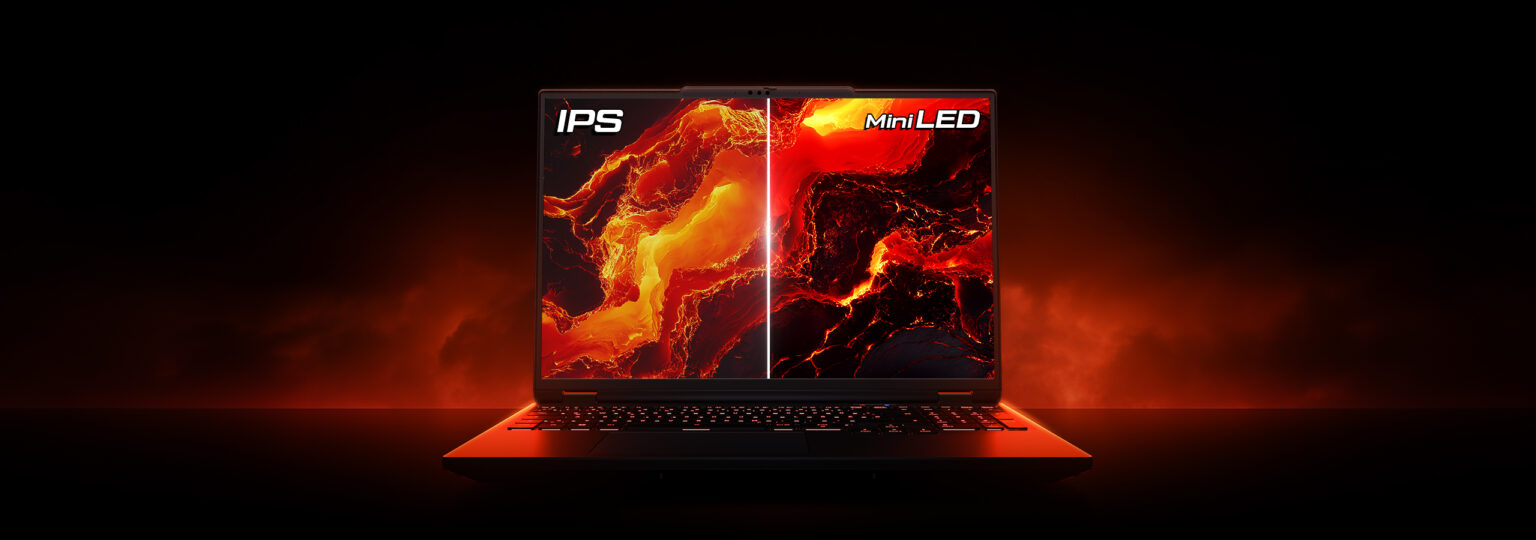
- memory AMD Ryzen 9 9955HX
- developer_board NVIDIA GeForce RTX 5070 Ti Laptop GPU
- layers 64GB DDR5-5600MHz (Dual-Channel)
- track_changes Target GPU: NVIDIA GeForce GTX 970 (4GB) / AMD Radeon RX 5700 (8GB)
For Path of Exile Specifically
- memory Intel Core i7-12700H
- developer_board NVIDIA GeForce RTX 3070
- layers 32GB DDR4-3200MHz
- track_changes Target GPU: NVIDIA GeForce GTX 650 Ti or AMD Radeon HD 7850
- memory Intel Core i9-13900H
- developer_board NVIDIA GeForce RTX 4060
- layers 16GB DDR5-5200MHz
- track_changes Target GPU: NVIDIA GeForce GTX 650 Ti or AMD Radeon HD 7850
- memory Intel Core i9-14900HX
- developer_board NVIDIA GeForce RTX 4060
- layers 32GB DDR5-5600MHz
- track_changes Target GPU: NVIDIA GeForce GTX 650 Ti or AMD Radeon HD 7850

- memory Intel Core i9-12900H
- developer_board NVIDIA GeForce RTX 3070 Ti
- layers 16GB DDR5-4800MHz
- track_changes Target GPU: NVIDIA GeForce GTX 650 Ti or AMD Radeon HD 7850

- memory Intel Core i5-12450H
- developer_board NVIDIA GeForce RTX 3050
- layers 16GB DDR4-3200MHz
- track_changes Target GPU: NVIDIA GeForce GTX 650 Ti or AMD Radeon HD 7850

- memory Intel Core i5-12500H
- developer_board NVIDIA GeForce RTX 3050 Ti
- layers 16GB DDR4-3200MHz
- track_changes Target GPU: NVIDIA GeForce GTX 650 Ti or AMD Radeon HD 7850
- memory AMD Ryzen 7 7435HS
- developer_board NVIDIA GeForce RTX 3050
- layers 32GB DDR5-4800MHz
- track_changes Target GPU: NVIDIA GeForce GTX 650 Ti or AMD Radeon HD 7850

- memory AMD Ryzen 7 6800H
- developer_board NVIDIA GeForce RTX 3060
- layers 16GB DDR5-4800MHz
- track_changes Target GPU: NVIDIA GeForce GTX 650 Ti or AMD Radeon HD 7850

- memory AMD Ryzen 9 5900HS
- developer_board NVIDIA GeForce RTX 3080
- layers 16GB DDR4-3200MHz
- track_changes Target GPU: NVIDIA GeForce GTX 650 Ti or AMD Radeon HD 7850

- memory Intel Core i7-13620H
- developer_board NVIDIA GeForce RTX 4070
- layers 16GB DDR5-4800MHz
- track_changes Target GPU: NVIDIA GeForce GTX 650 Ti or AMD Radeon HD 7850
- memory AMD Ryzen 9 8940HX Processor
- developer_board NVIDIA GeForce RTX 5060 Laptop GPU
- layers 32GB DDR5-5200MHz
- track_changes Target GPU: NVIDIA GeForce GTX 1050 Ti or AMD Radeon RX 560
- memory AMD Ryzen 7 7445HS
- developer_board NVIDIA GeForce RTX 4050
- layers 16GB (2x8GB) DDR5 5600MHz SO-DIMM
- track_changes Target GPU: NVIDIA GeForce GTX 1050 Ti or AMD Radeon RX 560
- memory AMD Ryzen 7 7445HS
- developer_board NVIDIA GeForce RTX 4050
- layers 16GB DDR5 5600MHz SO-DIMM
- track_changes Target GPU: NVIDIA GeForce GTX 1050 Ti or AMD Radeon RX 560
- memory AMD Ryzen 9 7845HX
- developer_board NVIDIA GeForce RTX 4080
- layers Up to 64GB DDR5
- track_changes Target GPU: NVIDIA GeForce GTX 1050 Ti or AMD Radeon RX 560
- memory AMD Ryzen 9 9955HX
- developer_board NVIDIA GeForce RTX 5070 Ti Laptop GPU
- layers 64GB DDR5-5600MHz (Dual-Channel)
- track_changes Target GPU: NVIDIA GeForce GTX 1050 Ti or AMD Radeon RX 560
- memory Intel Core i7-12700H
- developer_board NVIDIA GeForce RTX 3070
- layers 32GB DDR4-3200MHz
- track_changes Target GPU: NVIDIA GeForce RTX 3060 Ti (8GB) or AMD Radeon RX 6700 XT (12GB). (Future-proof: RTX 4060 Ti)
- memory Intel Core i9-13900H
- developer_board NVIDIA GeForce RTX 4060
- layers 16GB DDR5-5200MHz
- track_changes Target GPU: NVIDIA GeForce RTX 3060 Ti (8GB) or AMD Radeon RX 6700 XT (12GB). (Future-proof: RTX 4060 Ti)
- memory Intel Core i9-14900HX
- developer_board NVIDIA GeForce RTX 4060
- layers 32GB DDR5-5600MHz
- track_changes Target GPU: NVIDIA GeForce RTX 3060 Ti (8GB) or AMD Radeon RX 6700 XT (12GB). (Future-proof: RTX 4060 Ti)
- memory Intel Core i9-12900H
- developer_board NVIDIA GeForce RTX 3070 Ti
- layers 16GB DDR5-4800MHz
- track_changes Target GPU: NVIDIA GeForce RTX 3060 Ti (8GB) or AMD Radeon RX 6700 XT (12GB). (Future-proof: RTX 4060 Ti)
- memory AMD Ryzen 7 7435HS
- developer_board NVIDIA GeForce RTX 3050
- layers 32GB DDR5-4800MHz
- track_changes Target GPU: NVIDIA GeForce RTX 3060 Ti (8GB) or AMD Radeon RX 6700 XT (12GB). (Future-proof: RTX 4060 Ti)
- memory Intel Core i9-14900HX
- developer_board NVIDIA GeForce RTX 4070
- layers 32GB DDR5-5600MHz
- track_changes Target GPU: NVIDIA GeForce RTX 3060 Ti (8GB) or AMD Radeon RX 6700 XT (12GB). (Future-proof: RTX 4060 Ti)
- memory Intel Core i9-14900HX
- developer_board NVIDIA GeForce RTX 4070
- layers 16GB DDR5-5600MHz
- track_changes Target GPU: NVIDIA GeForce RTX 3060 Ti (8GB) or AMD Radeon RX 6700 XT (12GB). (Future-proof: RTX 4060 Ti)
- memory Intel Core Ultra 7 255H
- developer_board NVIDIA GeForce RTX 5060 Laptop GPU
- layers 16GB DDR5-5600MHz (Dual-Channel)
- track_changes Target GPU: NVIDIA GeForce RTX 3060 Ti (8GB) or AMD Radeon RX 6700 XT (12GB). (Future-proof: RTX 4060 Ti)
- memory AMD Ryzen 9 8940HX Processor
- developer_board NVIDIA GeForce RTX 5060 Laptop GPU
- layers 32GB DDR5-5200MHz
- track_changes Target GPU: NVIDIA GeForce RTX 3060 Ti (8GB) or AMD Radeon RX 6700 XT (12GB). (Future-proof: RTX 4060 Ti)

- memory Intel Core i9-12950HX
- developer_board NVIDIA GeForce RTX 3080 Ti
- layers 32GB DDR5-4800MHz
- track_changes Target GPU: NVIDIA GeForce RTX 3060 Ti (8GB) or AMD Radeon RX 6700 XT (12GB). (Future-proof: RTX 4060 Ti)
- memory Intel Core i9-14900HX
- developer_board NVIDIA GeForce RTX 4080 Laptop GPU
- layers 64 GB DDR5-5600MHz
- track_changes Target GPU: NVIDIA GeForce RTX 4070 Ti (12GB) or AMD Radeon RX 7900 XT (20GB). (Future-proof: RTX 5080)
- memory Intel Core Ultra 9 Processor 275HX (Series 2)
- developer_board NVIDIA GeForce RTX 5070 Laptop GPU
- layers 32GB DDR5-5600MHz
- track_changes Target GPU: NVIDIA GeForce RTX 4070 Ti (12GB) or AMD Radeon RX 7900 XT (20GB). (Future-proof: RTX 5080)
- memory Intel Core i9-14900HX Processor
- developer_board NVIDIA GeForce RTX 5070 Laptop GPU
- layers 32GB DDR5-5600MHz
- track_changes Target GPU: NVIDIA GeForce RTX 4070 Ti (12GB) or AMD Radeon RX 7900 XT (20GB). (Future-proof: RTX 5080)

- memory Intel Core i9-14900HX Processor
- developer_board NVIDIA GeForce RTX 5070 Laptop GPU
- layers 32GB DDR5-5600MHz
- track_changes Target GPU: NVIDIA GeForce RTX 4070 Ti (12GB) or AMD Radeon RX 7900 XT (20GB). (Future-proof: RTX 5080)

- memory Intel Core Ultra 9 285H (Arrow Lake-H)
- developer_board NVIDIA GeForce RTX 5070 Laptop GPU
- layers 64GB LPDDR5x-8533MT/s (LPCAMM2)
- track_changes Target GPU: NVIDIA GeForce RTX 4070 Ti (12GB) or AMD Radeon RX 7900 XT (20GB). (Future-proof: RTX 5080)

- memory Intel Core i9-14900HX
- developer_board NVIDIA GeForce RTX 4080
- layers 64GB DDR5-5600MHz
- track_changes Target GPU: NVIDIA GeForce RTX 4070 Ti (12GB) or AMD Radeon RX 7900 XT (20GB). (Future-proof: RTX 5080)

- memory Intel Core i9-14900HX
- developer_board NVIDIA GeForce RTX 4080
- layers 32GB DDR5-5600MHz
- track_changes Target GPU: NVIDIA GeForce RTX 4070 Ti (12GB) or AMD Radeon RX 7900 XT (20GB). (Future-proof: RTX 5080)

- memory Intel Core i9-14900HX
- developer_board NVIDIA GeForce RTX 4080
- layers 32GB DDR5-5600MHz
- track_changes Target GPU: NVIDIA GeForce RTX 4070 Ti (12GB) or AMD Radeon RX 7900 XT (20GB). (Future-proof: RTX 5080)

- memory Intel Core i9-14900HX
- developer_board NVIDIA GeForce RTX 4080
- layers 32GB DDR5-5600MHz
- track_changes Target GPU: NVIDIA GeForce RTX 4070 Ti (12GB) or AMD Radeon RX 7900 XT (20GB). (Future-proof: RTX 5080)
- memory AMD Ryzen 9 7845HX
- developer_board NVIDIA GeForce RTX 4080
- layers Up to 64GB DDR5
- track_changes Target GPU: NVIDIA GeForce RTX 4070 Ti (12GB) or AMD Radeon RX 7900 XT (20GB). (Future-proof: RTX 5080)
info_outline Laptop recommendations are estimates based on available component benchmarks and game requirements. Actual performance may vary depending on settings, drivers, cooling, power limits, etc. Prices and availability subject to change. As an Amazon Associate, we earn from qualifying purchases.