Select Games to Compare
Gears of War: E-Day vs Cronos: The New Dawn
| close | close |
|---|---|
| shopping_cart Where to Buy | |
| info General Information | |
| Release Date | |
| Oct 6, 2026 | Sep 5, 2025 |
| Developer | |
| The Coalition (Co-development with People Can Fly) | Bloober Team |
| Publisher | |
| Microsoft / Xbox Game Studios | Bloober Team, Skybound Games, Bandai Namco Europe |
| Genre(s) | |
| Third-Person Shooter / Horror-Survival | Survival Horror, Third-Person Shooter, Action-Adventure |
| Engine | |
| Unreal Engine 5.8 | Unreal Engine 5 |
| stars Ratings & Price | |
| Content Rating | |
| Mature 17+ | M (Mature 17+) |
| Avg. User Rating | |
| 4.5 / 5.0 | 4.8 / 5.0 |
| Current Price (USD) | |
| $69.99 | $59.99 |
| tune Key Specs | |
| Quick Highlights | |
|
|
| sports_esports Gameplay & Mechanics | |
| Companions/Followers | |
|
|
| Key Collectibles | |
|
|
| Key Themes | |
|
|
| colorize Combat & Gear | |
| Weapons Overview | |
|
|
| Armor / Gear Sets | |
|
|
| Outfits/Customization | |
|
|
| trending_up Progression & Upgrades | |
| Skills & Progression | |
|
Progression and upgrades in Gears of War: E-Day have been meticulously overhauled across both the campaign and the newly introduced 12-player Horde Siege mode. In Horde Siege, players select from four deeply integrated classes: Assault, Breacher, Marksman, and Medic. Each class progresses independently up to level 10, unlocking specialized armor modifications and powerful 'Tactical Gear' operating on cooldowns, such as the Medic's Stim Vaporizer or the Marksman's Pulse Drone. In the core campaign and PvE modes, a new RPG-lite weapon modification system is introduced. Players actively scavenge for Weapon Part Stockpiles scattered throughout the environments, allowing them to equip up to four distinct modifications per firearm. These mods can drastically alter weapon behavior, such as adding Incendiary Ammo to the Prototype Lancer, attaching Forged Barrels to the Breechshot for boss damage, or employing Auto Pouch upgrades to the Gnasher for passive background reloading. |
Progression is based on resource scarcity and crafting. Players use scavenged 'Energy' to upgrade the Traveler's health, suit, and weapons at workstations. A key element is the psychological impact of collecting 'Essences,' which haunts the Traveler's suit and can lead to a descent into madness, but also provides gameplay perks. |
| public World & Exploration | |
| World & Level Design | |
|
Rather than utilizing the expansive, sprawling open-world segments seen in Gears 5, Gears of War: E-Day completely re-engineers its map design to focus on densely detailed, intimately linear environments that heighten the claustrophobic horror of the Locust invasion. The entire campaign unfolds across Kalona, an industrial epicenter severely scarred by decades of Imulsion processing. Specific regions include Kalona's City Hall—hastily converted into a desperate triage and command center—and deeply atmospheric downtown districts featuring dynamic 'multi-path' routing for optional side objectives. In the multiplayer space, the game features six bespoke 4v4 competitive maps, including the vertically demanding 'Outpost', the claustrophobic 'Precinct' set in a ruined police station, the 'Battleship' across a derelict war vessel, and the 'Market' seaside bazaar. Horde Siege introduces three massive, interconnected maps, such as the vintage-inspired 'Golden Quarter', explicitly designed to support 12-player extraction-style objectives and dynamic enemy pathing. |
The game is not a traditional open world. It features meticulously crafted levels that intricately weave between future wastelands and the historically-based Nowa Huta district of 1980s Poland. The design uses a puzzle-like, non-linear structure with narrative branches and a time-loop mechanic. |
| Playable Vehicles | |
|
|
| Notable Fauna/Mounts | |
|
N/A |
| book Story & Characters | |
| Main Characters | |
|
|
| Example Missions | |
|
|
| people Multiplayer | |
| Multiplayer Details | |
|
The multiplayer suite in Gears of War: E-Day offers a massive dichotomy between cooperative scale and intimate competitive arenas. PvE is revolutionized through 'Horde Siege', a groundbreaking 12-player mode that divides the lobby into three independent four-player squads. Blending classic wave defense with modern extraction shooter mechanics, these squads operate across massive maps to complete dynamic 'Secure' and 'Calibrate' missions while competing for high-tier loot drops and uniting to defeat colossal world bosses. Conversely, the competitive Versus PvP suite abandons large-scale warfare, returning strictly to a hyper-competitive, tactical 4v4 format. Utilizing symmetrical loadouts and map-control-driven power weapon spawns, the game features distinct social and ranked playlists. Core modes include traditional Team Deathmatch, Conquest, Demolition, and the newly introduced Crucible, spread across six intricately designed launch maps built to test the new omnidirectional sprinting and vaulting traversal mechanics. |
The game is a strictly single-player experience and does not have any multiplayer or co-operative modes. |
| extension Editions & DLC | |
| Available Editions | |
|
Microsoft has established a multi-tiered retail strategy for Gears of War: E-Day, designed to capture varying levels of consumer engagement. The Standard Edition retails for $69.99 in the US, with regional pricing adjustments lowering the cost by up to 36% in emerging markets like China and India, while applying a premium in the UK, Israel, and EU. Pre-ordering unlocks exclusive 'Exfil' cosmetics. For franchise veterans, a $99.99 Premium Edition is available, which provides a highly coveted five-day advanced access period, allowing players to experience the campaign and multiplayer early. This premium tier also includes the Emergence Customization Pack, Bravo Squad Signature Weapon Pack, and 1,000 'Iron' (the premium in-game currency), alongside a guarantee of four subsequent Seasonal Customization Packs. A limited physical Collector's Edition caters to media preservationists. Notably, the game abandons the time-gated Battle Pass system in favor of organic unlock progression. |
The game is available in a Standard Edition ($59.99) and a Deluxe Edition ($69.99). The Deluxe Edition includes 48-hour early access, a starter pack of in-game resources and ammo, unique armor skins, a digital artbook, and the original soundtrack. |
| Post-Launch Content / DLC | |
|
In a bold departure from contemporary live-service industry standards, The Coalition has completely omitted a traditional, time-gated Battle Pass system from Gears of War: E-Day. Instead, the developers have pivoted back to a classic progression economy where player levels, medals, character skins, and weapon cosmetics are unlocked organically purely through gameplay achievements and milestones. However, Microsoft's monetization strategy continues through the inclusion of 'Iron', a premium in-game currency utilized in a dedicated microtransaction storefront for highly specific, direct-purchase cosmetics. Crucially, the post-launch roadmap guarantees that all core gameplay additions—including new competitive Versus maps, expansive Horde Siege maps, and new modes—will be delivered entirely for free to prevent fracturing the multiplayer community. Premium Edition owners are also guaranteed access to four massive Seasonal Customization Packs over the game's initial post-launch lifecycle. |
N/A |
| help_outline FAQ | |
| Frequently Asked Questions | |
|
|
| build Technical Details | |
| Graphics & Visual Fidelity | |
|
Gears of War: E-Day establishes an absolute benchmark for real-time rendering by fully unleashing Unreal Engine 5.8. Discarding all legacy assets, The Coalition utilized Nanite virtualized geometry to render Kalona with unprecedented polygon density, showcasing advanced skin shaders, subsurface scattering, and intricate physical modeling. The title is the premier showcase for NVIDIA's RTX Mega Geometry, utilizing nested Cluster-Level Acceleration Structures (CLAS) to allow hyper-accurate ray-traced reflections and shadows directly against full-fidelity Nanite meshes. Furthermore, the integration of UE5.7's MegaLights allows for hundreds of dynamic, shadow-casting light sources in a single scene without performance collapse, illuminating the game's robust procedural destruction physics where bullets tear through cover and flesh in real-time. Despite these marvels, console players have heavily criticized the forced implementation of post-processing effects like chromatic aberration and film grain, demanding a toggle to preserve the pristine UE5 aesthetic. |
N/A |
| Audio & Soundtrack | |
|
Auditory authenticity is paramount to the harrowing prequel experience of Gears of War: E-Day. The soundscape heavily emphasizes the terrifying unknown of the initial Locust invasion, replacing the familiar orchestral swells of previous games with oppressive, tension-building survival-horror sound design. The roars of subterranean monsters echoing through the ruined streets of Kalona are mixed with advanced spatial audio, heightening player paranoia. Crucially, iconic voice actors John DiMaggio and Carlos Ferro return to reprise their roles as Marcus Fenix and Dominic Santiago, anchoring the narrative with raw, emotionally resonant performances that capture the characters' youthful vulnerability and Pendulum Wars trauma. The acoustic environment is further enhanced by volumetric smoke and destruction physics, ensuring that crumbling architecture, searing Imulsion fires, and the heavy, metallic clatter of the new simulated projectile ballistics sound visceral and dynamically responsive to the surrounding geometry. |
N/A |
| User Interface (UI/UX) | |
|
The User Interface of Gears of War: E-Day blends classic franchise aesthetics with modernized, customizable quality-of-life enhancements. A standout feature is the highly modular Active Reload HUD element. Recognizing player preferences, the developers allow users to reposition the classic reload timing bar to various screen locations, such as the traditional top-right corner or closer to the screen center for immediate peripheral visibility. The UI also reflects the deeply controversial shift in weapon ballistics; hip-firing utilizes a standard dynamic crosshair based on barrel trajectory, while aiming down sights (ADS) shifts the point of origin directly to the center of the camera screen. In Horde Siege, the UI expands to accommodate complex class systems, providing clear telemetry for 12 players across three squads, ping systems for supply drops, and cooldown trackers for unique Tactical Gear like the Pulse Drone or Adrenaline Injector. |
N/A |
| Accessibility Options | |
|
While Gears of War: E-Day is fundamentally a brutal, skill-intensive third-person shooter, it incorporates several crucial accessibility adjustments and control modifications. The complete overhaul of the franchise's movement system—shifting from the magnetic, screen-shaking 'roadie run' to an omnidirectional sprint tied to the left thumbstick (L3)—drastically improves spatial awareness and camera control for players who struggled with the claustrophobic angles of legacy titles. The introduction of the dedicated slide and mantle buttons separates actions that were previously clustered onto a single, often overwhelming multifunction button. However, the game's complex hybrid aiming system, which switches from barrel-shooting during hip-fire to center-screen aiming during ADS, has been a point of massive accessibility and consistency feedback, with the community advocating for streamlined aiming options. Console users are also aggressively campaigning for accessible toggles to disable intense chromatic aberration and film grain to prevent visual fatigue and motion sickness. |
N/A |
| video_library Media Links | |
| Gameplay Video | |
| launchWatch | launchWatch |
| Walkthrough/Guide | |
| launchView | launchView |
| settings_applications System Requirements | |
| 1080p (Full HD) - Recommended (High Preset, 1080p resolution.) CPU: The official recommended desktop CPU for a smooth experience. CPU (Laptop): A strong modern laptop CPU is recommended for consistent performance. GPU: Official recommended desktop GPU for 1080p gameplay. GPU (Laptop): A high-end laptop GPU is needed for a high-quality 1080p experience. RAM: 16GB RAM is officially recommended for optimal performance. Storage: An SSD is required for this tier. | |
| — | memoryCPU: Intel Core i7-10700K or AMD Ryzen 5 3600X developer_boardGPU: NVIDIA GeForce RTX 3080 or AMD Radeon RX 6800-XT laptop_macCPU (L): Intel Core i7-11800H / AMD Ryzen 7 5800H or better. laptop_windowsGPU (L): NVIDIA GeForce RTX 3080 Laptop (8GB, High TGP) or RTX 4070 Laptop (8GB). layersRAM: 16 GB saveStorage (Tier): 50 GB SSD |
| 1080p (Full HD) - Minimum (Ultra Settings (with Heavy AI Upscaling)) CPU: Handles basic procedural destruction but struggles with heavy multi-path enemy AI logic. CPU (Laptop): Needs high clock speeds to avoid pipeline stalling during intensive subterranean combat. GPU: Bare minimum for hardware ray tracing. Capable of ~74-85 FPS on 12GB variants during the beta. GPU (Laptop): Required to maintain stable 60+ FPS when paired with aggressive AI upscaling. RAM: Minimum official requirement, though memory constraints were highly prevalent in the beta. Storage: Mandatory for seamless texture streaming. | |
memoryCPU: AMD Ryzen 5 2600X / Intel Core i5-10400 developer_boardGPU: NVIDIA RTX 2060 / AMD RX 6600 / Intel A580 laptop_macCPU (L): Intel Core i7-10750H / AMD Ryzen 7 4800H laptop_windowsGPU (L): NVIDIA RTX 3060 (130W) / RTX 4050 (100W+) layersRAM: 12 GB saveStorage (Tier): 130 GB SSD | memoryCPU: Intel Core i5-8400F or AMD Ryzen 5 3600 developer_boardGPU: NVIDIA GeForce GTX 1080 or AMD Radeon RX 5700-XT laptop_macCPU (L): Intel Core i7-9750H / AMD Ryzen 5 4600H or better. laptop_windowsGPU (L): NVIDIA GeForce RTX 2070 Mobile (8GB) or RTX 3060 Laptop (6GB). layersRAM: 16 GB saveStorage (Tier): 50 GB HDD (SSD Recommended) |
| 1440p (QHD/2K) - Recommended (Ultra Settings) CPU: Ensures stable performance during the highly complex 12-player Horde Siege PvE modes. CPU (Laptop): Provides necessary processing overhead for UE5.8 MegaLights unified direct illumination. GPU: The officially recommended RTX 5060 can push nearly 100 FPS under these conditions with upscaling. GPU (Laptop): Essential for stable 1440p rendering with full Hardware Lumen enabled. RAM: Officially recommended to accommodate heavy environmental destruction caching. Storage: Required to prevent streaming bottlenecks across the massive Horde Siege maps. | |
memoryCPU: AMD Ryzen 5 5600 / Intel Core i5-11600K developer_boardGPU: NVIDIA RTX 3060 Ti / RTX 5060 / AMD RX 6700 XT laptop_macCPU (L): Intel Core i7-12700H / AMD Ryzen 7 6800H laptop_windowsGPU (L): NVIDIA RTX 4070 Laptop GPU (140W) layersRAM: 16 GB saveStorage (Tier): 130 GB SSD | — |
| 2160p (UHD/4K) - Enthusiast (4K Ludicrous) (4K Ludicrous Preset with DLSS 4.5 Quality Mode) CPU: Maximizes Bounding Volume Hierarchy (BVH) reconstruction speeds required for RTX Mega Geometry. CPU (Laptop): Top-tier mobile processor to prevent CPU-bound bottlenecks under extreme geometry loads. GPU: The highest end GPU tested; pushes 45 FPS with DLSS at Ludicrous settings. GPU (Laptop): Absolute necessity for uncompromised 4K Ray Tracing gameplay in E-Day. RAM: Required to prevent memory capping caused by intense volumetric lighting and Nanite scaling. Storage: Crucial for instantaneous asset loading of billions of polygons. | |
memoryCPU: Intel Core i9-14900K / AMD Ryzen 9 7950X3D developer_boardGPU: NVIDIA RTX 5090 laptop_macCPU (L): Intel Core i9-13980HX laptop_windowsGPU (L): NVIDIA RTX 4090 / 5090 Mobile (175W) layersRAM: 32 GB saveStorage (Tier): 130 GB NVMe Gen 4 SSD | — |
| save Overall Storage | |
| Spec: 130 GB SSD Note: Strict minimum requirement. Advanced Shader Delivery is used to eliminate compilation delays, and procedural destruction assets require massive read bandwidth. Type: SSD | Spec: 50 GB available space (SSD Recommended) Note: An SSD is strongly recommended for faster loading times and to reduce asset pop-in while traversing the world. Type: SSD |
| desktop_windows Operating System | |
| Spec: Windows 11 (64-bit) Explanation: Recommended for optimal DirectX 12 Ultimate scheduling and advanced real-time rendering techniques. | Spec: Windows 10 / 11 64-bit Explanation: A modern 64-bit operating system is required. |
| gamepad DirectX Version | |
| Spec: DirectX 12 Ultimate Explanation: Hardware-accelerated ray tracing is strictly enforced. Older GPU architectures without RT cores are entirely incompatible. | Spec: Version 12 Explanation: DirectX 12 API is required. |
| info_outline Other Game Notes | |
|
|
| build Optimization Details | |
| N/A |
| laptop Laptop Considerations | |
|
|


info_outline Feature details based on available data. System requirements and performance estimates may vary.
laptop_chromebook Laptop Recommendations
Common Recommendations (Handles All Compared Games)

- memory AMD Ryzen 7 7445HS
- developer_board NVIDIA GeForce RTX 4050
- layers 16GB (2x8GB) DDR5 5600MHz SO-DIMM
- track_changes Target GPU: NVIDIA RTX 3060 (130W) / RTX 4050 (100W+) / NVIDIA GeForce RTX 2070 Mobile (8GB) or RTX 3060 Laptop (6GB).

- memory AMD Ryzen 7 7445HS
- developer_board NVIDIA GeForce RTX 4050
- layers 16GB DDR5 5600MHz SO-DIMM
- track_changes Target GPU: NVIDIA RTX 3060 (130W) / RTX 4050 (100W+) / NVIDIA GeForce RTX 2070 Mobile (8GB) or RTX 3060 Laptop (6GB).

- memory Intel Core i9-14900HX
- developer_board NVIDIA GeForce RTX 4080 Laptop GPU
- layers 64 GB DDR5-5600MHz
- track_changes Target GPU: NVIDIA RTX 3060 (130W) / RTX 4050 (100W+) / NVIDIA GeForce RTX 2070 Mobile (8GB) or RTX 3060 Laptop (6GB).

- memory AMD Ryzen 7 7435HS
- developer_board NVIDIA GeForce RTX 3050
- layers 32GB DDR5-4800MHz
- track_changes Target GPU: NVIDIA GeForce RTX 3080 Laptop (8GB, High TGP) or RTX 4070 Laptop (8GB).

- memory AMD Ryzen 7 6800H
- developer_board NVIDIA GeForce RTX 3060
- layers 16GB DDR5-4800MHz
- track_changes Target GPU: NVIDIA GeForce RTX 3080 Laptop (8GB, High TGP) or RTX 4070 Laptop (8GB).

- memory AMD Ryzen 9 5900HS
- developer_board NVIDIA GeForce RTX 3080
- layers 16GB DDR4-3200MHz
- track_changes Target GPU: NVIDIA GeForce RTX 3080 Laptop (8GB, High TGP) or RTX 4070 Laptop (8GB).

- memory Intel Core i9-14900HX
- developer_board NVIDIA GeForce RTX 4070
- layers 32GB DDR5-5600MHz
- track_changes Target GPU: NVIDIA RTX 4070 Laptop GPU (140W)

- memory Intel Core i9-14900HX
- developer_board NVIDIA GeForce RTX 4070
- layers 16GB DDR5-5600MHz
- track_changes Target GPU: NVIDIA RTX 4070 Laptop GPU (140W)

- memory Intel Core Ultra 7 255H
- developer_board NVIDIA GeForce RTX 5060 Laptop GPU
- layers 16GB DDR5-5600MHz (Dual-Channel)
- track_changes Target GPU: NVIDIA RTX 4070 Laptop GPU (140W)

- memory Intel Core i9-14900HX
- developer_board NVIDIA GeForce RTX 4090
- layers 32GB DDR5-5600MHz
- track_changes Target GPU: NVIDIA RTX 4090 / 5090 Mobile (175W)

- memory Intel Core Ultra 9 285H (Series 2) , 14 cores (6 Performance cores + 8 Efficient cores), 20 threads
- developer_board NVIDIA GeForce RTX 5050 Laptop GPU
- layers 32GB (2x16GB) DDR5 8400MHz SO-DIMM
- track_changes Target GPU: NVIDIA RTX 4090 / 5090 Mobile (175W)

- memory Intel Core Ultra 9 285H
- developer_board NVIDIA GeForce RTX 5070
- layers 32GB (2x16GB) DDR5 4800MHz SO-DIMM
- track_changes Target GPU: NVIDIA RTX 4090 / 5090 Mobile (175W)
For Gears of War: E-Day Specifically
- memory AMD Ryzen 7 7445HS
- developer_board NVIDIA GeForce RTX 4050
- layers 16GB (2x8GB) DDR5 5600MHz SO-DIMM
- track_changes Target GPU: NVIDIA RTX 2060 / AMD RX 6600 / Intel A580
- memory AMD Ryzen 7 7445HS
- developer_board NVIDIA GeForce RTX 4050
- layers 16GB DDR5 5600MHz SO-DIMM
- track_changes Target GPU: NVIDIA RTX 2060 / AMD RX 6600 / Intel A580
- memory Intel Core i9-14900HX
- developer_board NVIDIA GeForce RTX 4080 Laptop GPU
- layers 64 GB DDR5-5600MHz
- track_changes Target GPU: NVIDIA RTX 2060 / AMD RX 6600 / Intel A580

- memory Intel Core i7-13620H
- developer_board NVIDIA GeForce RTX 5070 Laptop GPU
- layers 64GB (2x32GB) DDR5 4800MHz SO-DIMM
- track_changes Target GPU: NVIDIA RTX 2060 / AMD RX 6600 / Intel A580

- memory AMD Ryzen 7 6800HS
- developer_board NVIDIA GeForce RTX 5070 Laptop GPU
- layers 16GB (2x8GB) DDR4 4800MHz SO-DIMM
- track_changes Target GPU: NVIDIA RTX 2060 / AMD RX 6600 / Intel A580

- memory Intel Core Ultra 9 Processor 275HX (Series 2)
- developer_board NVIDIA GeForce RTX 5070 Laptop GPU
- layers 32GB DDR5-5600MHz
- track_changes Target GPU: NVIDIA RTX 2060 / AMD RX 6600 / Intel A580

- memory Intel Core i9-14900HX Processor
- developer_board NVIDIA GeForce RTX 5070 Laptop GPU
- layers 32GB DDR5-5600MHz
- track_changes Target GPU: NVIDIA RTX 2060 / AMD RX 6600 / Intel A580

- memory Intel Core i9-14900HX Processor
- developer_board NVIDIA GeForce RTX 5070 Laptop GPU
- layers 32GB DDR5-5600MHz
- track_changes Target GPU: NVIDIA RTX 2060 / AMD RX 6600 / Intel A580

- memory Intel Core Ultra 9 Processor 285H
- developer_board NVIDIA GeForce RTX 5070 Laptop GPU
- layers 16GB DDR5-5600MHz
- track_changes Target GPU: NVIDIA RTX 2060 / AMD RX 6600 / Intel A580

- memory Intel Core Ultra 9 285H (Arrow Lake-H)
- developer_board NVIDIA GeForce RTX 5070 Laptop GPU
- layers 64GB LPDDR5x-8533MT/s (LPCAMM2)
- track_changes Target GPU: NVIDIA RTX 2060 / AMD RX 6600 / Intel A580
- memory Intel Core i9-14900HX
- developer_board NVIDIA GeForce RTX 4070
- layers 32GB DDR5-5600MHz
- track_changes Target GPU: NVIDIA RTX 3060 Ti / RTX 5060 / AMD RX 6700 XT
- memory Intel Core i9-14900HX
- developer_board NVIDIA GeForce RTX 4070
- layers 16GB DDR5-5600MHz
- track_changes Target GPU: NVIDIA RTX 3060 Ti / RTX 5060 / AMD RX 6700 XT
- memory Intel Core Ultra 7 255H
- developer_board NVIDIA GeForce RTX 5060 Laptop GPU
- layers 16GB DDR5-5600MHz (Dual-Channel)
- track_changes Target GPU: NVIDIA RTX 3060 Ti / RTX 5060 / AMD RX 6700 XT

- memory AMD Ryzen 9 8940HX Processor
- developer_board NVIDIA GeForce RTX 5060 Laptop GPU
- layers 32GB DDR5-5200MHz
- track_changes Target GPU: NVIDIA RTX 3060 Ti / RTX 5060 / AMD RX 6700 XT

- memory Intel Core i9-12950HX
- developer_board NVIDIA GeForce RTX 3080 Ti
- layers 32GB DDR5-4800MHz
- track_changes Target GPU: NVIDIA RTX 3060 Ti / RTX 5060 / AMD RX 6700 XT
- memory AMD Ryzen 7 7445HS
- developer_board NVIDIA GeForce RTX 4050
- layers 16GB (2x8GB) DDR5 5600MHz SO-DIMM
- track_changes Target GPU: NVIDIA RTX 3060 Ti / RTX 5060 / AMD RX 6700 XT
- memory AMD Ryzen 7 7445HS
- developer_board NVIDIA GeForce RTX 4050
- layers 16GB DDR5 5600MHz SO-DIMM
- track_changes Target GPU: NVIDIA RTX 3060 Ti / RTX 5060 / AMD RX 6700 XT
- memory Intel Core i9-14900HX
- developer_board NVIDIA GeForce RTX 4080 Laptop GPU
- layers 64 GB DDR5-5600MHz
- track_changes Target GPU: NVIDIA RTX 3060 Ti / RTX 5060 / AMD RX 6700 XT
- memory Intel Core Ultra 9 Processor 275HX (Series 2)
- developer_board NVIDIA GeForce RTX 5070 Laptop GPU
- layers 32GB DDR5-5600MHz
- track_changes Target GPU: NVIDIA RTX 3060 Ti / RTX 5060 / AMD RX 6700 XT
- memory Intel Core i9-14900HX Processor
- developer_board NVIDIA GeForce RTX 5070 Laptop GPU
- layers 32GB DDR5-5600MHz
- track_changes Target GPU: NVIDIA RTX 3060 Ti / RTX 5060 / AMD RX 6700 XT
- memory Intel Core Ultra 9 285H (Series 2) , 14 cores (6 Performance cores + 8 Efficient cores), 20 threads
- developer_board NVIDIA GeForce RTX 5050 Laptop GPU
- layers 32GB (2x16GB) DDR5 8400MHz SO-DIMM
- track_changes Target GPU: NVIDIA RTX 5090
- memory Intel Core Ultra 9 285H
- developer_board NVIDIA GeForce RTX 5070
- layers 32GB (2x16GB) DDR5 4800MHz SO-DIMM
- track_changes Target GPU: NVIDIA RTX 5090

- memory Intel Core i9-14900HX Processor
- developer_board NVIDIA GeForce RTX 5070 Ti Laptop GPU
- layers 64GB DDR5-5600MHz (commonly listed as 4800MHz by some retailers, but 5600MHz is common for 14th Gen HX with DDR5)
- track_changes Target GPU: NVIDIA RTX 5090

- memory Intel Core Ultra 9 Processor 275HX
- developer_board NVIDIA GeForce RTX 5070 Ti Laptop GPU
- layers 64GB DDR5-6400MHz
- track_changes Target GPU: NVIDIA RTX 5090

- memory Intel Core Ultra 9 Processor 275HX (Series 2)
- developer_board NVIDIA GeForce RTX 5070 Ti Laptop GPU
- layers 32GB DDR5-5600MHz
- track_changes Target GPU: NVIDIA RTX 5090

- memory Intel Ultra 7 255HX
- developer_board NVIDIA GeForce RTX 5070 Ti
- layers 32GB DDR5 5600MHz
- track_changes Target GPU: NVIDIA RTX 5090
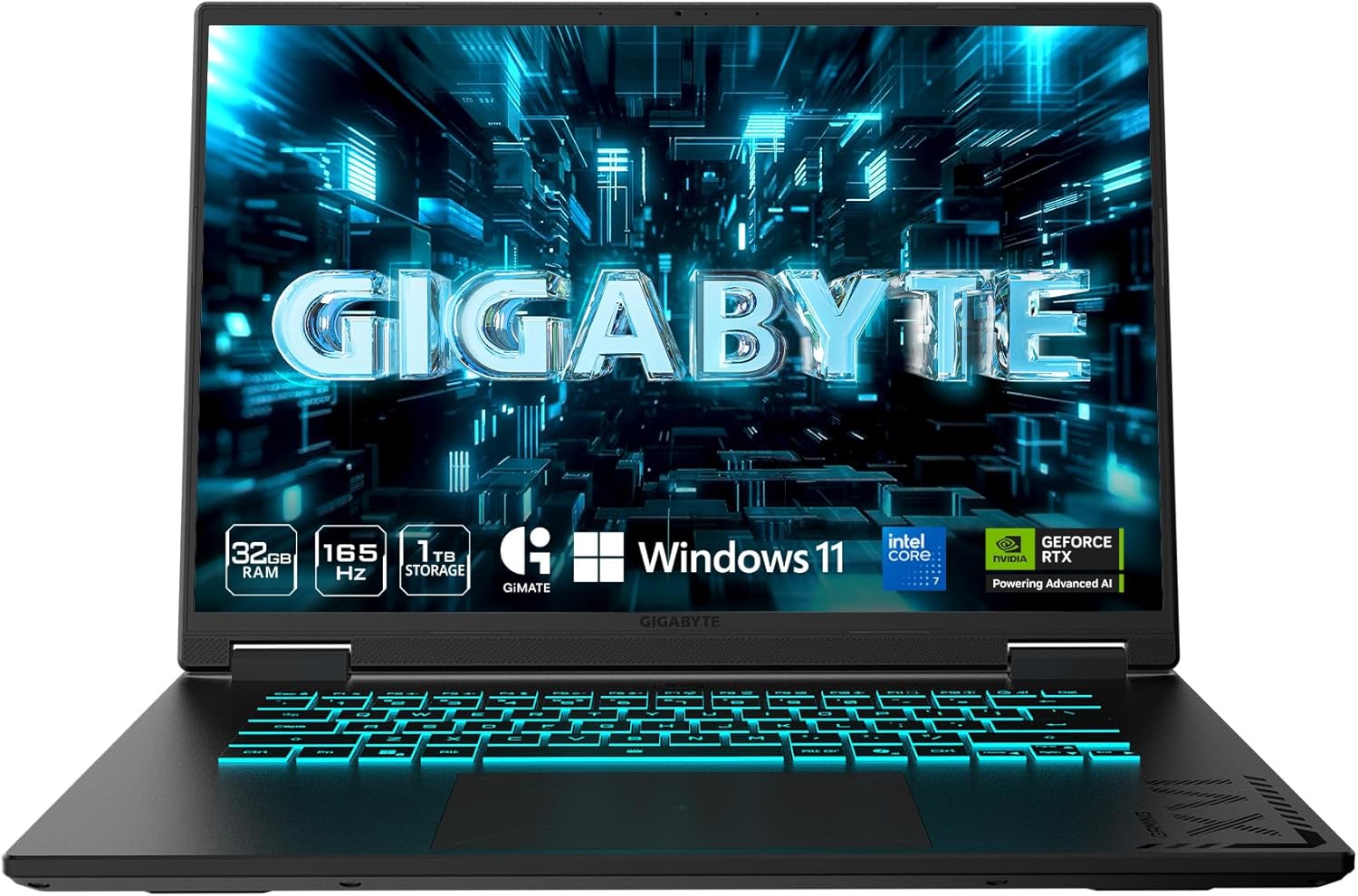
- memory Intel Core Ultra 7 240H
- developer_board NVIDIA GeForce RTX 5070 Ti Laptop GPU
- layers 32GB LPDDR5X 5600MHz
- track_changes Target GPU: NVIDIA RTX 5090

- memory Intel Core Ultra 9 275HX
- developer_board GeForce RTX 5070 Laptop Laptop GPU
- layers 64GB DDR5-6400MHz (Single-Channel)
- track_changes Target GPU: NVIDIA RTX 5090

- memory Intel Core Ultra 9 275HX
- developer_board NVIDIA GeForce RTX 5070 Ti
- layers 32GB
- track_changes Target GPU: NVIDIA RTX 5090

- memory Intel Core Ultra 9 275HX
- developer_board NVIDIA GeForce RTX 5070 Ti Laptop GPU
- layers 32 GB DDR5 6400MHz (2x16GB)
- track_changes Target GPU: NVIDIA RTX 5090
For Cronos: The New Dawn Specifically
- memory AMD Ryzen 7 7435HS
- developer_board NVIDIA GeForce RTX 3050
- layers 32GB DDR5-4800MHz
- track_changes Target GPU: NVIDIA GeForce GTX 1080 or AMD Radeon RX 5700-XT
- memory AMD Ryzen 9 8940HX Processor
- developer_board NVIDIA GeForce RTX 5060 Laptop GPU
- layers 32GB DDR5-5200MHz
- track_changes Target GPU: NVIDIA GeForce GTX 1080 or AMD Radeon RX 5700-XT
- memory AMD Ryzen 7 7445HS
- developer_board NVIDIA GeForce RTX 4050
- layers 16GB (2x8GB) DDR5 5600MHz SO-DIMM
- track_changes Target GPU: NVIDIA GeForce GTX 1080 or AMD Radeon RX 5700-XT
- memory AMD Ryzen 7 7445HS
- developer_board NVIDIA GeForce RTX 4050
- layers 16GB DDR5 5600MHz SO-DIMM
- track_changes Target GPU: NVIDIA GeForce GTX 1080 or AMD Radeon RX 5700-XT

- memory AMD Ryzen 9 7845HX
- developer_board NVIDIA GeForce RTX 4080
- layers Up to 64GB DDR5
- track_changes Target GPU: NVIDIA GeForce GTX 1080 or AMD Radeon RX 5700-XT
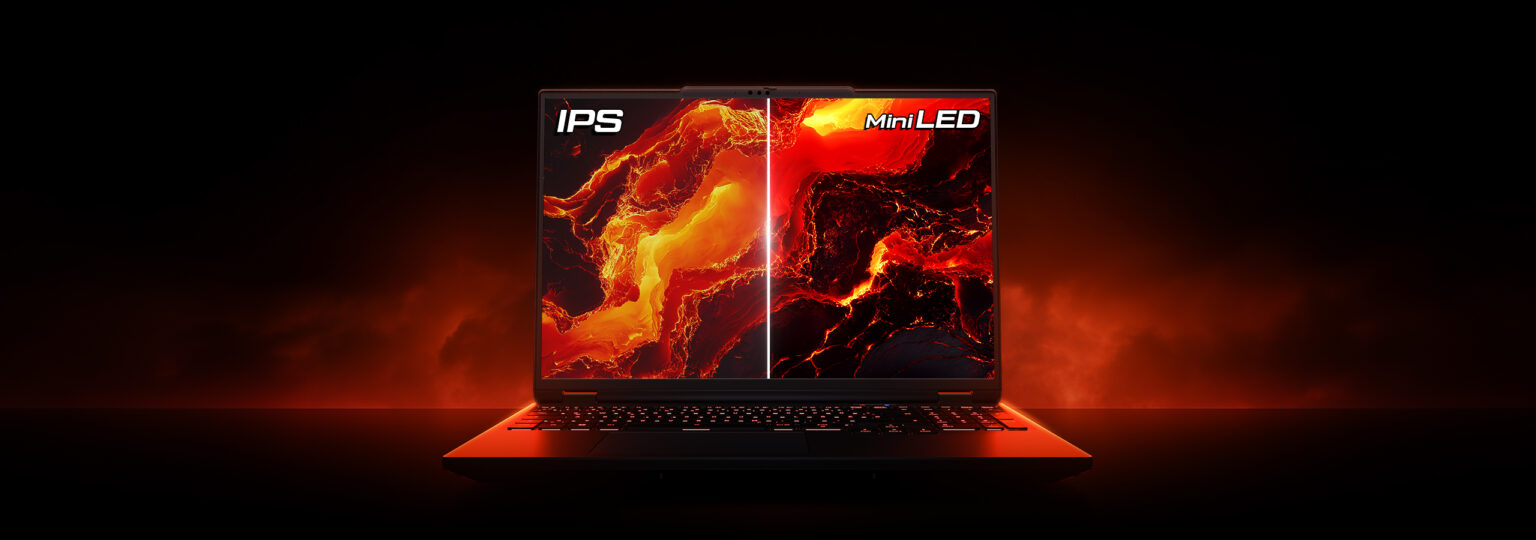
- memory AMD Ryzen 9 9955HX
- developer_board NVIDIA GeForce RTX 5070 Ti Laptop GPU
- layers 64GB DDR5-5600MHz (Dual-Channel)
- track_changes Target GPU: NVIDIA GeForce GTX 1080 or AMD Radeon RX 5700-XT
- memory AMD Ryzen 7 6800H
- developer_board NVIDIA GeForce RTX 3060
- layers 16GB DDR5-4800MHz
- track_changes Target GPU: NVIDIA GeForce RTX 3080 or AMD Radeon RX 6800-XT
- memory AMD Ryzen 9 5900HS
- developer_board NVIDIA GeForce RTX 3080
- layers 16GB DDR4-3200MHz
- track_changes Target GPU: NVIDIA GeForce RTX 3080 or AMD Radeon RX 6800-XT

- memory Intel Core i7-13620H
- developer_board NVIDIA GeForce RTX 4070
- layers 16GB DDR5-4800MHz
- track_changes Target GPU: NVIDIA GeForce RTX 3080 or AMD Radeon RX 6800-XT

- memory Intel Core i7-14700HX
- developer_board NVIDIA GeForce RTX 4070
- layers 16GB DDR5-5600MHz
- track_changes Target GPU: NVIDIA GeForce RTX 3080 or AMD Radeon RX 6800-XT
- memory Intel Core i9-14900HX
- developer_board NVIDIA GeForce RTX 4070
- layers 32GB DDR5-5600MHz
- track_changes Target GPU: NVIDIA GeForce RTX 3080 or AMD Radeon RX 6800-XT
- memory Intel Core i9-14900HX
- developer_board NVIDIA GeForce RTX 4070
- layers 16GB DDR5-5600MHz
- track_changes Target GPU: NVIDIA GeForce RTX 3080 or AMD Radeon RX 6800-XT
- memory Intel Core Ultra 7 255H
- developer_board NVIDIA GeForce RTX 5060 Laptop GPU
- layers 16GB DDR5-5600MHz (Dual-Channel)
- track_changes Target GPU: NVIDIA GeForce RTX 3080 or AMD Radeon RX 6800-XT
- memory Intel Core i9-12950HX
- developer_board NVIDIA GeForce RTX 3080 Ti
- layers 32GB DDR5-4800MHz
- track_changes Target GPU: NVIDIA GeForce RTX 3080 or AMD Radeon RX 6800-XT
info_outline Laptop recommendations are estimates based on available component benchmarks and game requirements. Actual performance may vary depending on settings, drivers, cooling, power limits, etc. Prices and availability subject to change. As an Amazon Associate, we earn from qualifying purchases.