Select Games to Compare
Benchmark your exact mobile GPU wattage (TGP), battery throttling drops, and cooling pad requirements for these games.
Gallipoli vs Halo Infinite
| close | close |
|---|---|
| shopping_cart Where to Buy | |
| info General Information | |
| Release Date | |
| Aug 20, 2026 | Dec 8, 2021 |
| Developer | |
| BlackMill Games | 343 Industries, SkyBox Labs (Multiplayer), Sperasoft (Campaign Co-op/Forge - assistance), Certain Affinity (Multiplayer/Forge - assistance) |
| Publisher | |
| BlackMill Games | Xbox Game Studios |
| Genre(s) | |
| Tactical First-Person Shooter | First-Person Shooter, Open World (elements), Sci-Fi |
| Engine | |
| Unity | Slipspace Engine |
| stars Ratings & Price | |
| Content Rating | |
| Mature (M) | Teen |
| Avg. User Rating | |
| 4.2 / 5.0 | 4.2 / 5.0 |
| Current Price (USD) | |
| $29.99 | $59.99 |
| tune Key Specs | |
| Quick Highlights | |
|
|
| sports_esports Gameplay & Mechanics | |
| Companions/Followers | |
|
|
| Key Collectibles | |
|
|
| Key Themes | |
|
|
| colorize Combat & Gear | |
| Weapons Overview | |
|
|
| Armor / Gear Sets | |
|
|
| Outfits/Customization | |
|
|
| trending_up Progression & Upgrades | |
| Skills & Progression | |
|
The game features a highly robust 20-level progression system for each of its 10 historically grounded classes. Players do not operate as lone wolves but within five-player squads. Progressing a class unlocks specific perks, equipment, and two distinct 'Kits' (subclasses) that allow for deep role specialization. Upon reaching level 20, players can engage in a Prestige system featuring Bronze, Silver, and Gold tiers. Crucially, weapons feature independent progression tracks; leveling up a specific rifle unlocks handling perks like increased reload speeds or reduced stamina drain. Sighted variants are tracked separately from iron-sight variants, ensuring that players who dedicate time to mastering the distinct handling quirks of each early 20th-century firearm are tangibly rewarded through mechanical battlefield advantages. |
N/A |
| public World & Exploration | |
| World & Level Design | |
|
At launch, Gallipoli features five meticulously researched maps based on real-world locations that strictly dictate the combat flow. 'Anzac Cove' is a grueling vertical assault up Plugge's Plateau, offering defenders massive geographical advantages. 'V Beach / Cape Helles' features a cinematic amphibious assault where attackers deploy from the infamous grounded SS River Clyde. 'Ctesiphon' is a multi-stage desert map marked by ancient ruins and ending in wetlands perfect for snipers. 'Kut Al Amara' provides dense urban and riverine warfare, descending into brutal room-to-room clearing that forces tight infantry combat. Finally, the 'Sinai and Palestine Campaign' map is a vast, arid desert environment recreating historical crossings where sparse cover necessitates the use of lingering dust clouds from explosives to conceal troop movements. Each region is uniquely designed to challenge players' tactical adaptability. |
N/A |
| Playable Vehicles | |
|
|
| Notable Fauna/Mounts | |
|
N/A |
| book Story & Characters | |
| Main Characters | |
|
|
| Example Missions | |
|
|
| people Multiplayer | |
| Multiplayer Details | |
|
The defining structural change in Gallipoli is the introduction of 'Expedition Mode,' a 50-player (25v25) mode that completely replaces the rigid, linear frontline mechanics of previous titles. Expedition Mode is built around a progressive sector-capture system, driven by a dynamic 'Momentum' mechanic. Attackers must secure objectives rapidly to maintain their offensive drive; stalling drains momentum, forcing defenders to act as a friction force rather than purely seeking kills. This tempo-driven design encourages attackers to pursue secondary tactical opportunities—such as destroying embedded mortars or neutralizing forward spawn points—to regain lost momentum. The battles organically fluctuate between periods of careful, methodical positioning and sudden, chaotic close-quarters trench sweeps, elevating the psychological pacing and strategic depth of the multiplayer experience. |
Halo Infinite's free-to-play multiplayer offers a wide range of modes: Arena (4v4 competitive modes like Slayer, Capture the Flag, Oddball, King of the Hill on smaller maps), Big Team Battle (12v12 objective-based modes like Slayer, CTF, Total Control, Stockpile on larger maps with vehicles), Ranked Arena, Bot Bootcamp (vs AI), Custom Games, and limited-time event playlists. Forge mode allows for extensive user-created maps and game modes. |
| extension Editions & DLC | |
| Available Editions | |
|
BlackMill Games utilizes a highly consumer-friendly monetization model. The base game is priced at a competitive $29.99, which includes all gameplay-affecting items, maps, and weapons. Players can opt for the British Empire or Ottoman Empire Editions ($39.99 and $44.99 respectively), which bundle the base game with faction-specific cosmetic DLCs. The post-launch revenue is driven entirely by historically authentic cosmetic bundles. Players can purchase standalone passes like the First Expedition Bundle ($19.99), which includes the Sunburnt, Conscript, Light Horse, and Ordered to Die packs, or the upcoming Second Expedition Bundle ($24.99). These packs focus on modular customization slots, allowing players to mix and match historically accurate uniforms, headgear, and accessories, reflecting the reality of unreliable supply lines in the Middle Eastern theater. |
The Halo Infinite Campaign was sold as a standalone purchase or included with Xbox Game Pass. The Multiplayer component is free-to-play. A Collector's Edition was available with physical items like a SteelBook case, art prints, plasma pistol bottle opener, and in-game bonuses. Various cosmetic bundles are sold in the multiplayer store. |
| Post-Launch Content / DLC | |
|
BlackMill Games has committed to an aggressive, multi-year roadmap spanning several thematic 'Expeditions.' The first major free content update, Ali Al Muntar, arrives on October 1, 2026, introducing mobile armor (tanks) to the series for the first time. This map features claustrophobic combat in dense cactus farmlands during the Second Battle of Gaza. Additionally, this update delivers four new free weapons, proximity voice chat, and dynamic time-of-day/weather presets. Future roadmap entries tease expansions covering the Battle of Chunuk-Bair, the New Zealand involvement, the Caucasus front against Russia, and the eventual inclusion of French forces. Paid post-launch content consists exclusively of cosmetic subfaction packs, ensuring that the community is never fractured by paywalls for gameplay-critical maps or weaponry. |
The multiplayer component has received ongoing support through seasonal content updates, including new maps, modes, weapons, armor customization, battle passes, and limited-time events. Campaign co-op (up to 4 players online) and Forge mode (map editor) were added in major post-launch updates. No major paid story expansions for the campaign have been released as of mid-2024, but 343i has mentioned future 'story drops'. |
| help_outline FAQ | |
| Frequently Asked Questions | |
|
|
| build Technical Details | |
| Graphics & Visual Fidelity | |
|
Operating on the Unity engine, Gallipoli delivers a visually punishing and authentic depiction of the Middle Eastern front. The graphical fidelity heavily emphasizes environmental physics and dynamic lighting. Artillery and mortar strikes generate voluminous, lingering clouds of dust and sand that not only look spectacular but physically alter the battlefield by providing temporary visual concealment. The game accurately renders the harsh, blinding light of the Sinai desert and the claustrophobic shadows of Kut Al Amara's urban ruins. Character models feature highly detailed, modular uniforms that reflect the scavenged, sun-bleached reality of the theater. To ensure players can experience this fidelity at high frame rates, the developers integrated NVIDIA DLSS 4, AMD FSR 3/4, and Intel XeSS 3 upscaling technologies. |
Developed on the new Slipspace Engine, Halo Infinite showcases detailed environments on Zeta Halo, from lush forests and Forerunner structures to Banished fortifications. It features dynamic lighting, weather effects, and detailed character/weapon models. While the initial campaign visuals received mixed reactions, subsequent updates and the multiplayer's art style have been generally well-received. Ray tracing for sun shadows was added to PC and Xbox Series X post-launch. |
| Audio & Soundtrack | |
|
Audio design is a critical gameplay pillar in Gallipoli, functioning as both an immersive tool and a vital survival mechanism. The game features a harrowing, dynamic soundscape where the crack of supersonic bullets and the concussive blasts of incoming artillery actively inform player positioning. Suppression is deeply tied to audio; close calls muffle the environment, replicating auditory exclusion under extreme panic. The weaponry has been meticulously recorded to reflect authentic historical acoustics, allowing veteran players to identify the distinct mechanical cycle of an enemy Mauser 1903 versus a friendly SMLE Mk.III. The musical score is solemn and period-appropriate, utilizing regional instrumentation to reflect the Middle Eastern theater, evoking the tragic scale of the conflict rather than glorifying the combat. |
Original score composed by Gareth Coker, Curtis Schweitzer, and Joel Corelitz, featuring a blend of classic Halo orchestral themes with new, more atmospheric and emotional pieces that reflect the open-world setting and narrative tone. Sound design includes iconic Halo weapon sounds, distinct alien vocalizations (Banished taunts, Grunt screams), vehicle effects, and immersive environmental audio. The classic Halo 'monk chant' theme is prominently featured. |
| User Interface (UI/UX) | |
|
The User Interface in Gallipoli is designed to be highly immersive and unobtrusive, catering to the hardcore simulation nature of the game while retaining necessary accessibility. The HUD is heavily minimalist, removing arcade-style hit markers and health bars in favor of subtle visual and audio cues. Suppression is communicated through severe screen shake, weapon sway, and blurred peripheral vision rather than UI overlays. The squad command wheel allows Officers to intuitively call in artillery strikes or issue orders without breaking combat flow. Furthermore, the UI includes robust accessibility options, allowing players to adjust text size, customize volume controls, and balance stereo/surround sound. It strictly avoids clutter, ensuring the player's focus remains entirely on the physical environment and the lethal sightlines of the battlefield. |
Classic Halo first-person HUD displaying shields, health (when shields are down), ammo count, grenade count, equipped weapon, and radar (motion tracker). Objective markers and threat indicators are present. Menus for multiplayer customization, campaign map (Tac-Map), upgrades, and database (lore) are accessible. The Tac-Map in campaign is crucial for navigating Zeta Halo. |
| Accessibility Options | |
|
Despite its status as a hardcore military simulation, BlackMill Games has made significant strides in accessibility. Gallipoli features a comprehensive suite of options designed to assist players without compromising the game's lethal mechanics. These include highly adjustable text sizing for menus and subtitles, custom volume controls to dampen the game's intensely loud artillery without losing tactical audio cues, and precise stereo and surround sound balancing. A highly requested 'keyboard-only' option ensures the title remains playable for those with mobility impairments by removing the reliance on quick-time events during melee or specialized interactions. The development team is also actively engaging with the community to refine Field of View (FOV) sliders and colorblind filters, ensuring the game is as inclusive as possible. |
Offers a range of accessibility options, including full controller and keyboard/mouse remapping, extensive subtitle and caption customization (size, background, speaker names), colorblind modes, options for aim assist strength, options to change hold actions to toggles, UI narration, text-to-speech and speech-to-text for chat, and various visual/audio adjustments. |
| video_library Media Links | |
| Gameplay Video | |
| launchWatch | launchWatch |
| Walkthrough/Guide | |
| launchView | launchView |
| settings_applications System Requirements | |
| 1080p (Full HD) - Recommended (High Settings, 60 FPS) CPU: High single-core performance ensures stable frame pacing during intense combat and artillery strikes. CPU (Laptop): Robust 8-core mobile CPUs to prevent bottlenecking. GPU: Allows for high fidelity textures, complex dust physics, and stable frame rates. GPU (Laptop): Requires a high TGP mobile GPU to match desktop 2070 performance. RAM: Optimal memory footprint for standard gameplay. Storage: Ensures near-instant load times. | |
memoryCPU: Intel Core i5-11600K / AMD Ryzen 5 5600X developer_boardGPU: NVIDIA GeForce RTX 2070 / RX 6600 XT (8GB VRAM) laptop_macCPU (L): Intel Core i7-11800H / AMD Ryzen 7 5800H laptop_windowsGPU (L): NVIDIA RTX 3060 Mobile (115W+) layersRAM: 16 GB saveStorage (Tier): 30 GB NVMe SSD | — |
| 1080p (Full HD) - Recommended (Targets 1080p, High settings, ~60 FPS) (High Preset, 1080p resolution, Ray Tracing Low/Medium (if enabled)) CPU: Official recommended desktop CPU for a good 1080p/High experience. CPU (Laptop): Estimated mid-to-high range laptop CPUs for solid 1080p performance. GPU: Official recommended desktop GPU for 1080p High settings. 8GB VRAM is important. GPU (Laptop): Performance-focused laptop GPUs. Ensure high TGP for RTX 30/40 series. RTX 50 series mention is speculative. RAM: 16GB RAM is recommended for a smoother experience at high settings. Storage: SSD is strongly recommended for this tier. | |
| — | memoryCPU: AMD Ryzen 7 3700X or Intel Core i7-9700K developer_boardGPU: AMD Radeon RX 5700 XT (8GB) or NVIDIA GeForce RTX 2070 (8GB) laptop_macCPU (L): AMD Ryzen 7 4800H / Intel Core i7-10750H equivalent or better. laptop_windowsGPU (L): NVIDIA GeForce RTX 3060 Laptop GPU (6GB, High TGP), RTX 3070 Laptop GPU (8GB), RTX 4050 Laptop GPU (6GB, High TGP), RTX 4060 Laptop GPU (8GB). (A hypothetical future RTX 5050/5060 Laptop GPU would comfortably handle this). layersRAM: 16 GB saveStorage (Tier): 50 GB SSD |
| 1080p (Full HD) - Minimum (Targets 1080p, Low/Medium settings) (Low/Medium Preset, 1080p resolution, Ray Tracing OFF (or low if supported by GPU)) CPU: Official minimum desktop CPU for Halo Infinite. CPU (Laptop): Estimated laptop CPU equivalent for minimum playability. Modern 4-core/8-thread or 6-core CPUs are preferable. GPU: Official minimum desktop GPU. 4GB VRAM is essential. GPU (Laptop): Estimated laptop GPUs. Ensure TGP allows performance comparable to desktop counterparts. RTX 50 series mention is speculative. RAM: 8GB RAM is the minimum. Dual-channel configuration improves performance. Storage: HDD is absolute minimum; expect long load times. SSD is highly recommended. | |
| — | memoryCPU: AMD Ryzen 5 1600 or Intel Core i5-4440 developer_boardGPU: AMD Radeon RX 570 (4GB) or NVIDIA GeForce GTX 1050 Ti (4GB) laptop_macCPU (L): AMD Ryzen 5 2500U / Intel Core i5-8250U (for very low settings) or Ryzen 5 3550H / Intel Core i5-9300H for a more stable experience. laptop_windowsGPU (L): NVIDIA GeForce GTX 1650 Mobile (4GB), RTX 3050 Laptop GPU (4GB/6GB, ensure adequate TGP), RTX 4050 Laptop GPU (6GB). (A hypothetical future entry-level RTX 50 series laptop GPU would also significantly exceed this). layersRAM: 8 GB saveStorage (Tier): 50 GB HDD (SSD Recommended) |
| 1080p (Full HD) - Minimum (Low-Medium Settings, 60 FPS) CPU: Baseline 4-core/6-core processors to handle 50-player networking and ballistics. CPU (Laptop): Equivalent mobile processors that can maintain base physics calculations. GPU: Entry-level GPUs capable of rendering large maps at low to medium details. GPU (Laptop): Provides comparable performance to desktop minimums for 1080p output. RAM: Strict minimum required to prevent page-filing during massive 50-player matches. Storage: Prevents asset streaming stutter. | |
memoryCPU: Intel Core i5-7400 / AMD Ryzen 5 1600 developer_boardGPU: NVIDIA GTX 1660 Super / RX 5600 XT (6GB VRAM) laptop_macCPU (L): Intel Core i5-10300H / AMD Ryzen 5 4600H laptop_windowsGPU (L): NVIDIA GTX 1660 Ti Mobile layersRAM: 16 GB saveStorage (Tier): 30 GB SSD | — |
| 1440p (QHD/2K) - High (Targets 1440p, High/Ultra settings, ~60 FPS) (High/Ultra Preset, 1440p resolution, Ray Tracing Medium/High (if enabled)) CPU: Strong desktop CPU for 1440p gaming, ensuring smooth framerates. CPU (Laptop): High-performance laptop CPUs needed to avoid bottlenecks at 1440p. GPU: Desktop GPU capable of delivering a solid 1440p experience at high settings. 8GB+ VRAM essential, 12GB+ ideal. GPU (Laptop): Upper mid-range to high-end laptop GPUs. Max TGP versions are crucial. RTX 50 series mention is speculative. RAM: 16GB is generally fine, but 32GB is recommended for very high settings, ray tracing, and multitasking. Storage: NVMe SSD recommended for best loading and streaming performance at 1440p. | |
| — | memoryCPU: AMD Ryzen 7 5800X or Intel Core i7-11700K / Core i5-12600K developer_boardGPU: AMD Radeon RX 6800 (16GB) or NVIDIA GeForce RTX 3070 Ti (8GB) / RTX 4070 (12GB) laptop_macCPU (L): AMD Ryzen 9 5900HX / Intel Core i7-12700H equivalent or better. laptop_windowsGPU (L): NVIDIA GeForce RTX 3070 Ti Laptop GPU (8GB), RTX 3080 Laptop GPU (8GB/16GB), RTX 4070 Laptop GPU (8GB), RTX 4080 Laptop GPU (12GB). (A hypothetical future RTX 5060 Ti/5070 Laptop GPU would target this performance). layersRAM: 16 GB saveStorage (Tier): 50 GB NVMe SSD |
| 1440p (QHD/2K) - Recommended (High Settings, 60+ FPS (with Upscaling)) CPU: Advanced processing power required to manage increased draw calls at higher resolutions. CPU (Laptop): Top-tier mobile processors for sustained frame delivery. GPU: Necessary VRAM and rasterization power for 1440p; highly recommended to use DLSS/FSR. GPU (Laptop): Provides the required pixel pushing power for 1440p displays. RAM: Recommended for power users to ensure absolute stability and overhead for background tasks. Storage: Fast storage is non-negotiable at this tier. | |
memoryCPU: Intel Core i5-12600K / AMD Ryzen 7 5800X3D developer_boardGPU: NVIDIA GeForce RTX 3070 / AMD Radeon RX 6700 XT laptop_macCPU (L): Intel Core i7-12700H / AMD Ryzen 9 6900HX laptop_windowsGPU (L): NVIDIA RTX 3070 Ti Mobile / RTX 4060 Mobile layersRAM: 32 GB saveStorage (Tier): 30 GB NVMe SSD | — |
| 2160p (UHD/4K) - Ultra (Ultra Settings, 60 FPS (DLSS/FSR Quality Required)) CPU: The highest tier of processing to ensure zero bottlenecks at 4K. CPU (Laptop): Enthusiast-class laptop processors. GPU: Uncompromised 4K performance, allowing all graphical bells and whistles while maintaining high frames. GPU (Laptop): The only mobile GPUs capable of sustaining 4K resolution in complex unity environments. RAM: Essential for 4K texture caching and multitasking. Storage: Maximizes asset streaming efficiency. | |
memoryCPU: Intel Core i7-13700K / AMD Ryzen 7 7800X3D developer_boardGPU: NVIDIA GeForce RTX 4080 / AMD Radeon RX 7900 XTX laptop_macCPU (L): Intel Core i9-13900HX / AMD Ryzen 9 7945HX laptop_windowsGPU (L): NVIDIA RTX 4080 Mobile / RTX 4090 Mobile layersRAM: 32 GB saveStorage (Tier): 30 GB Gen 4 NVMe SSD | — |
| 2160p (UHD/4K) - Ultra (Targets 2160p/4K, High/Ultra settings, ~60 FPS with potential upscaling) (High/Ultra Preset, 2160p (4K) resolution (Upscaling like FSR may be needed for 60FPS), Ray Tracing Medium/High) CPU: High-end desktop CPU to support 4K gaming and minimize bottlenecks. CPU (Laptop): Flagship laptop CPUs required for attempting 4K on a laptop. GPU: Top-tier desktop GPUs. 12GB+ VRAM is critical, 16GB+ ideal for 4K Ultra. Significant GPU power needed, especially with ray tracing. GPU (Laptop): The most powerful current (RTX 40 series) laptop GPUs are needed; even then, 4K Ultra at 60FPS might require compromises or upscaling. Hypothetical RTX 50 series laptop GPUs are speculative for future improvements. RAM: 32GB RAM is strongly recommended for a smooth 4K gaming experience, especially with high texture settings and ray tracing. Storage: A fast NVMe SSD (PCIe Gen4 or better) is highly recommended to handle the demands of 4K textures and fast loading. | |
| — | memoryCPU: AMD Ryzen 9 5900X / Ryzen 7 7700X or Intel Core i9-12900K / Core i7-13700K developer_boardGPU: AMD Radeon RX 6900 XT (16GB) / RX 7900 XT (20GB) or NVIDIA GeForce RTX 3080 Ti (12GB) / RTX 4080 (16GB) / RTX 4090 (24GB) laptop_macCPU (L): AMD Ryzen 9 6900HX / Ryzen 9 7940HS or Intel Core i9-12900HX / Core i9-13900HX laptop_windowsGPU (L): NVIDIA GeForce RTX 4080 Laptop GPU (12GB), RTX 4090 Laptop GPU (16GB, Max TGP). **(A hypothetical future flagship NVIDIA GeForce RTX 5080/5090 Laptop GPU would be targeted for a more comfortable 4K experience on laptops.)** layersRAM: 16 GB saveStorage (Tier): 50 GB NVMe SSD (High-speed Gen4 recommended) |
| save Overall Storage | |
Spec: 30 GB available space (SSD highly recommended) Note: An SSD is virtually mandatory to handle the game's heavy texture streaming for modular uniforms and vast environments without stuttering. Type: SSD | Spec: 50 GB available space (SSD Highly Recommended, NVMe for best experience) Note: An SSD is strongly recommended for all tiers for faster loading times and smoother texture streaming. An NVMe SSD is ideal for the best performance. Required space may increase with updates. Type: NVMe |
| desktop_windows Operating System | |
| Spec: Windows 10/11 64-Bit Explanation: Required to support the game's memory addressing and DirectX 11 API efficiently. | Spec: Windows 10 (October 2018 Update or newer) or Windows 11 (64-bit versions only) Explanation: A 64-bit version of Windows 10 (RS5/1809 or later) or Windows 11 is required. |
| gamepad DirectX Version | |
| Spec: Version 11 Explanation: The Unity engine utilizes DX11 for advanced rendering, particle effects, and lighting. | Spec: DirectX 12 Ultimate Explanation: DirectX 12 is required. DX12 Ultimate support is beneficial for features like ray tracing (e.g., for sun shadows, ambient occlusion) and Variable Rate Shading (VRS). |
| info_outline Other Game Notes | |
|
|
| build Optimization Details | |
|
|
| laptop Laptop Considerations | |
|
|


info_outline Feature details based on available data. System requirements and performance estimates may vary.
laptop_chromebook Laptop Recommendations
Common Recommendations (Handles All Compared Games)

- memory Intel Core i7-12700H
- developer_board NVIDIA GeForce RTX 3070
- layers 32GB DDR4-3200MHz
- track_changes Target GPU: NVIDIA GTX 1660 Ti Mobile

- memory Intel Core i9-13900H
- developer_board NVIDIA GeForce RTX 4060
- layers 16GB DDR5-5200MHz
- track_changes Target GPU: NVIDIA GTX 1660 Ti Mobile

- memory Intel Core i9-14900HX
- developer_board NVIDIA GeForce RTX 4060
- layers 32GB DDR5-5600MHz
- track_changes Target GPU: NVIDIA GTX 1660 Ti Mobile

- memory AMD Ryzen 7 7435HS
- developer_board NVIDIA GeForce RTX 3050
- layers 32GB DDR5-4800MHz
- track_changes Target GPU: NVIDIA RTX 3070 Ti Mobile / RTX 4060 Mobile

- memory Intel Core i9-14900HX
- developer_board NVIDIA GeForce RTX 4070
- layers 32GB DDR5-5600MHz
- track_changes Target GPU: NVIDIA RTX 3070 Ti Mobile / RTX 4060 Mobile

- memory AMD Ryzen 9 8940HX Processor
- developer_board NVIDIA GeForce RTX 5060 Laptop GPU
- layers 32GB DDR5-5200MHz
- track_changes Target GPU: NVIDIA RTX 3070 Ti Mobile / RTX 4060 Mobile

- memory Intel Core i9-14900HX
- developer_board NVIDIA GeForce RTX 4080 Laptop GPU
- layers 64 GB DDR5-5600MHz
- track_changes Target GPU: NVIDIA RTX 4080 Mobile / RTX 4090 Mobile

- memory Intel Core Ultra 9 Processor 275HX (Series 2)
- developer_board NVIDIA GeForce RTX 5070 Laptop GPU
- layers 32GB DDR5-5600MHz
- track_changes Target GPU: NVIDIA RTX 4080 Mobile / RTX 4090 Mobile

- memory Intel Core i9-14900HX Processor
- developer_board NVIDIA GeForce RTX 5070 Laptop GPU
- layers 32GB DDR5-5600MHz
- track_changes Target GPU: NVIDIA RTX 4080 Mobile / RTX 4090 Mobile
For Gallipoli Specifically
- memory Intel Core i7-12700H
- developer_board NVIDIA GeForce RTX 3070
- layers 32GB DDR4-3200MHz
- track_changes Target GPU: NVIDIA GTX 1660 Super / RX 5600 XT (6GB VRAM)
- memory Intel Core i9-13900H
- developer_board NVIDIA GeForce RTX 4060
- layers 16GB DDR5-5200MHz
- track_changes Target GPU: NVIDIA GTX 1660 Super / RX 5600 XT (6GB VRAM)
- memory Intel Core i9-14900HX
- developer_board NVIDIA GeForce RTX 4060
- layers 32GB DDR5-5600MHz
- track_changes Target GPU: NVIDIA GTX 1660 Super / RX 5600 XT (6GB VRAM)

- memory Intel Core i9-12900H
- developer_board NVIDIA GeForce RTX 3070 Ti
- layers 16GB DDR5-4800MHz
- track_changes Target GPU: NVIDIA GTX 1660 Super / RX 5600 XT (6GB VRAM)

- memory Intel Core i5-12450H
- developer_board NVIDIA GeForce RTX 3050
- layers 16GB DDR4-3200MHz
- track_changes Target GPU: NVIDIA GTX 1660 Super / RX 5600 XT (6GB VRAM)
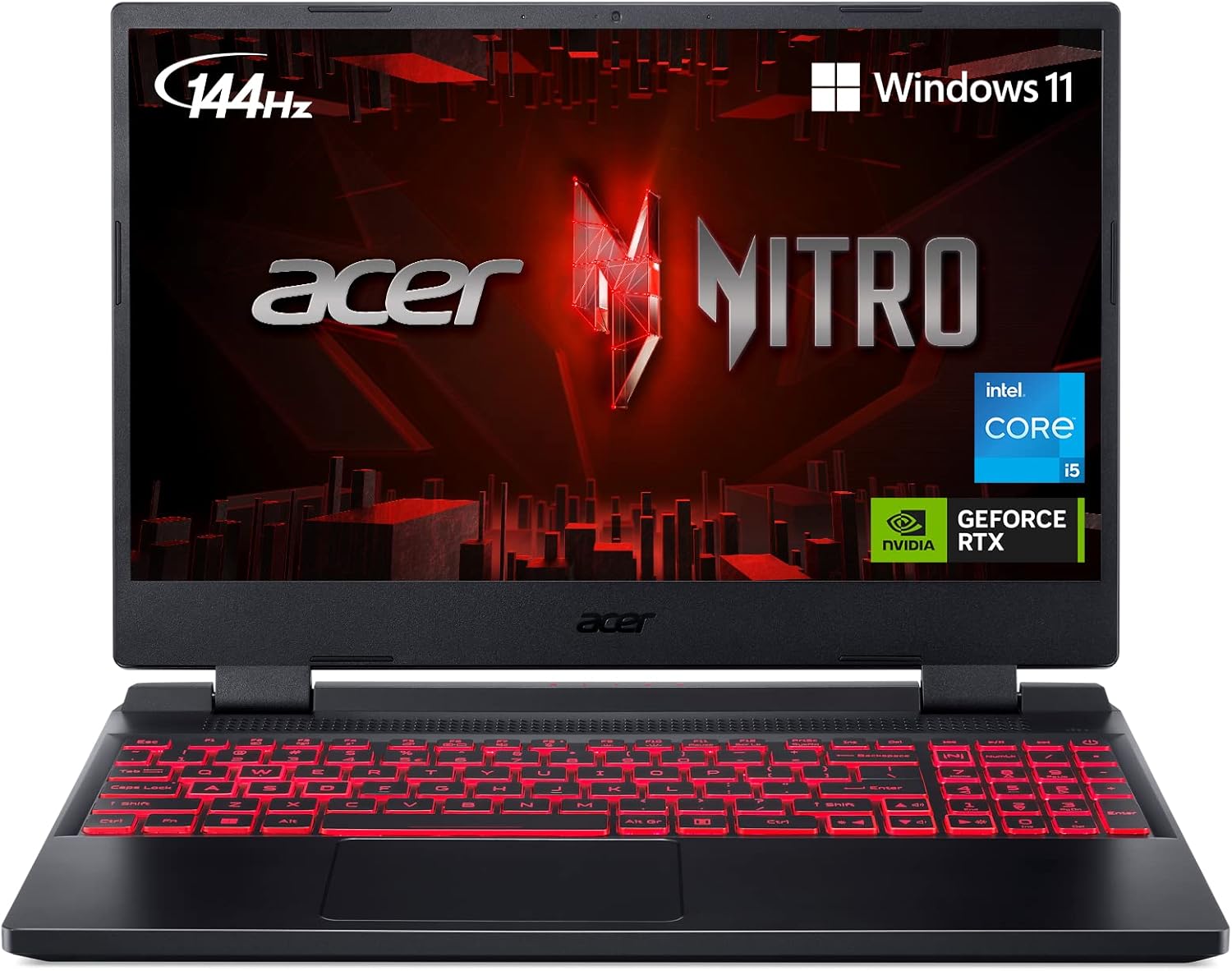
- memory Intel Core i5-12500H
- developer_board NVIDIA GeForce RTX 3050 Ti
- layers 16GB DDR4-3200MHz
- track_changes Target GPU: NVIDIA GTX 1660 Super / RX 5600 XT (6GB VRAM)
- memory AMD Ryzen 7 7435HS
- developer_board NVIDIA GeForce RTX 3050
- layers 32GB DDR5-4800MHz
- track_changes Target GPU: NVIDIA GTX 1660 Super / RX 5600 XT (6GB VRAM)

- memory AMD Ryzen 7 6800H
- developer_board NVIDIA GeForce RTX 3060
- layers 16GB DDR5-4800MHz
- track_changes Target GPU: NVIDIA GTX 1660 Super / RX 5600 XT (6GB VRAM)

- memory AMD Ryzen 9 5900HS
- developer_board NVIDIA GeForce RTX 3080
- layers 16GB DDR4-3200MHz
- track_changes Target GPU: NVIDIA GTX 1660 Super / RX 5600 XT (6GB VRAM)

- memory Intel Core i7-13620H
- developer_board NVIDIA GeForce RTX 4070
- layers 16GB DDR5-4800MHz
- track_changes Target GPU: NVIDIA GTX 1660 Super / RX 5600 XT (6GB VRAM)

- memory Intel Core i7-14700HX
- developer_board NVIDIA GeForce RTX 4070
- layers 16GB DDR5-5600MHz
- track_changes Target GPU: NVIDIA GeForce RTX 2070 / RX 6600 XT (8GB VRAM)
- memory Intel Core i9-14900HX
- developer_board NVIDIA GeForce RTX 4070
- layers 32GB DDR5-5600MHz
- track_changes Target GPU: NVIDIA GeForce RTX 2070 / RX 6600 XT (8GB VRAM)
- memory AMD Ryzen 7 7435HS
- developer_board NVIDIA GeForce RTX 3050
- layers 32GB DDR5-4800MHz
- track_changes Target GPU: NVIDIA GeForce RTX 3070 / AMD Radeon RX 6700 XT
- memory Intel Core i9-14900HX
- developer_board NVIDIA GeForce RTX 4070
- layers 32GB DDR5-5600MHz
- track_changes Target GPU: NVIDIA GeForce RTX 3070 / AMD Radeon RX 6700 XT
- memory AMD Ryzen 9 8940HX Processor
- developer_board NVIDIA GeForce RTX 5060 Laptop GPU
- layers 32GB DDR5-5200MHz
- track_changes Target GPU: NVIDIA GeForce RTX 3070 / AMD Radeon RX 6700 XT

- memory Intel Core i9-12950HX
- developer_board NVIDIA GeForce RTX 3080 Ti
- layers 32GB DDR5-4800MHz
- track_changes Target GPU: NVIDIA GeForce RTX 3070 / AMD Radeon RX 6700 XT
- memory Intel Core i9-14900HX
- developer_board NVIDIA GeForce RTX 4080 Laptop GPU
- layers 64 GB DDR5-5600MHz
- track_changes Target GPU: NVIDIA GeForce RTX 3070 / AMD Radeon RX 6700 XT
- memory Intel Core Ultra 9 Processor 275HX (Series 2)
- developer_board NVIDIA GeForce RTX 5070 Laptop GPU
- layers 32GB DDR5-5600MHz
- track_changes Target GPU: NVIDIA GeForce RTX 3070 / AMD Radeon RX 6700 XT
- memory Intel Core i9-14900HX Processor
- developer_board NVIDIA GeForce RTX 5070 Laptop GPU
- layers 32GB DDR5-5600MHz
- track_changes Target GPU: NVIDIA GeForce RTX 3070 / AMD Radeon RX 6700 XT

- memory Intel Core i9-14900HX Processor
- developer_board NVIDIA GeForce RTX 5070 Laptop GPU
- layers 32GB DDR5-5600MHz
- track_changes Target GPU: NVIDIA GeForce RTX 3070 / AMD Radeon RX 6700 XT

- memory Intel Core Ultra 9 285H (Arrow Lake-H)
- developer_board NVIDIA GeForce RTX 5070 Laptop GPU
- layers 64GB LPDDR5x-8533MT/s (LPCAMM2)
- track_changes Target GPU: NVIDIA GeForce RTX 3070 / AMD Radeon RX 6700 XT

- memory Intel Core i9-14900HX
- developer_board NVIDIA GeForce RTX 4080
- layers 64GB DDR5-5600MHz
- track_changes Target GPU: NVIDIA GeForce RTX 3070 / AMD Radeon RX 6700 XT
- memory Intel Core i9-14900HX
- developer_board NVIDIA GeForce RTX 4080 Laptop GPU
- layers 64 GB DDR5-5600MHz
- track_changes Target GPU: NVIDIA GeForce RTX 4080 / AMD Radeon RX 7900 XTX
- memory Intel Core Ultra 9 Processor 275HX (Series 2)
- developer_board NVIDIA GeForce RTX 5070 Laptop GPU
- layers 32GB DDR5-5600MHz
- track_changes Target GPU: NVIDIA GeForce RTX 4080 / AMD Radeon RX 7900 XTX
- memory Intel Core i9-14900HX Processor
- developer_board NVIDIA GeForce RTX 5070 Laptop GPU
- layers 32GB DDR5-5600MHz
- track_changes Target GPU: NVIDIA GeForce RTX 4080 / AMD Radeon RX 7900 XTX
- memory Intel Core i9-14900HX Processor
- developer_board NVIDIA GeForce RTX 5070 Laptop GPU
- layers 32GB DDR5-5600MHz
- track_changes Target GPU: NVIDIA GeForce RTX 4080 / AMD Radeon RX 7900 XTX
- memory Intel Core Ultra 9 285H (Arrow Lake-H)
- developer_board NVIDIA GeForce RTX 5070 Laptop GPU
- layers 64GB LPDDR5x-8533MT/s (LPCAMM2)
- track_changes Target GPU: NVIDIA GeForce RTX 4080 / AMD Radeon RX 7900 XTX
- memory Intel Core i9-14900HX
- developer_board NVIDIA GeForce RTX 4080
- layers 64GB DDR5-5600MHz
- track_changes Target GPU: NVIDIA GeForce RTX 4080 / AMD Radeon RX 7900 XTX

- memory Intel Core i9-14900HX
- developer_board NVIDIA GeForce RTX 4080
- layers 32GB DDR5-5600MHz
- track_changes Target GPU: NVIDIA GeForce RTX 4080 / AMD Radeon RX 7900 XTX

- memory Intel Core i9-14900HX
- developer_board NVIDIA GeForce RTX 4080
- layers 32GB DDR5-5600MHz
- track_changes Target GPU: NVIDIA GeForce RTX 4080 / AMD Radeon RX 7900 XTX

- memory Intel Core i9-14900HX
- developer_board NVIDIA GeForce RTX 4080
- layers 32GB DDR5-5600MHz
- track_changes Target GPU: NVIDIA GeForce RTX 4080 / AMD Radeon RX 7900 XTX

- memory AMD Ryzen 9 7845HX
- developer_board NVIDIA GeForce RTX 4080
- layers Up to 64GB DDR5
- track_changes Target GPU: NVIDIA GeForce RTX 4080 / AMD Radeon RX 7900 XTX
info_outline Laptop recommendations are estimates based on available component benchmarks and game requirements. Actual performance may vary depending on settings, drivers, cooling, power limits, etc. Prices and availability subject to change. As an Amazon Associate, we earn from qualifying purchases.