Select Games to Compare
Benchmark your exact mobile GPU wattage (TGP), battery throttling drops, and cooling pad requirements for these games.
Fable vs Gothic 1 Remake
| close | close |
|---|---|
| shopping_cart Where to Buy | |
| info General Information | |
| Release Date | |
| Feb 23, 2027 | Jun 5, 2026 |
| Developer | |
| Playground Games / Eidos-Montréal | Alkimia Interactive |
| Publisher | |
| Xbox Game Studios | THQ Nordic |
| Genre(s) | |
| Action Role-Playing Game (Action-RPG) | Action Role-Playing Game (RPG) |
| Engine | |
| ForzaTech (Modified FUEL) | Unreal Engine 5.4 |
| stars Ratings & Price | |
| Content Rating | |
| Mature 17+ | M |
| Avg. User Rating | |
| 4.8 / 5.0 | 3.8 / 5.0 |
| Current Price (USD) | |
| $69.99 | $49.99 |
| tune Key Specs | |
| Quick Highlights | |
|
|
| sports_esports Gameplay & Mechanics | |
| Companions/Followers | |
|
|
| Key Collectibles | |
|
|
| Key Themes | |
|
|
| colorize Combat & Gear | |
| Weapons Overview | |
|
|
| Armor / Gear Sets | |
|
|
| Outfits/Customization | |
|
|
| trending_up Progression & Upgrades | |
| Skills & Progression | |
|
The reboot revolutionizes Fable's traditional combat trifecta of Strength, Skill, and Will through a modernized paradigm dubbed 'style-weaving.' This system completely removes rigid class structures and menu-heavy loadouts, enabling the player to transition between melee strikes, ranged projectiles, and magical incantations without a single frame of delay. Combat fluidity encourages deep experimentation; players can use manipulative magic like Lift to suspend an enemy, exploit them with a crossbow, and finish with a heavy hammer strike. The Magic Matrix includes offensive spells like Fireball and Lightning, alongside humorous Transmutation magic (Befowl) that turns foes into chickens. Upgrades organically unlock as players explore, ensuring that their capacity for style-weaving expands alongside the escalating threat of enemies like Balverines, Wraiths, and Lantern Keepers. |
Progression in Gothic 1 Remake is strictly tied to a classic Learning Point (LP) system. Whenever you level up, you gain LP, but you cannot simply assign these points in a menu. Instead, you must seek out specific NPC trainers scattered across the colony and pay them in Ore Nuggets to teach you. This immersive system applies to everything from core attributes like Strength and Dexterity to specific combat proficiencies like One-Handed Swords, Two-Handed Swords, Bows, and Crossbows. Upgrading a weapon skill actually changes your character's combat animations, transforming them from a clumsy novice into a fluid master. Beyond combat, players can invest LP into essential survival and utility skills such as lockpicking, animal trophy hunting (skinning, removing claws), acrobatics, sneaking, and alchemy. Magic is treated as a separate, highly specialized discipline tied to the different camps, requiring deep investment in Mana and circles of magic taught by the Fire or Water Mages. |
| public World & Exploration | |
| World & Level Design | |
|
Playground Games has engineered a truly seamless version of Albion, entirely devoid of loading screens once the player departs the starting hamlet of Briar Hill. The geographical topography is vast and varied, blending rural warmth with perilous wilds. Key locations include Bowerstone, the bustling capital featuring the Butterfield Market and a sprawling Slums district; Bloodstone, a returning legacy location famous for lawlessness and coastal piracy; and Fairfax Castle, showcasing the preservation of royal history. Newly introduced regions like Silverbrook and Underwall feature dense, perilous environments and complex cave networks. The game's dynamic difficulty and progression algorithms are built around absolute geographic freedom, allowing players to completely ignore the main quest in favor of exploring and purchasing real estate across the massive map. |
The Valley of Mines is a densely packed, meticulously hand-crafted open world that completely eschews modern open-world tropes. There is strictly no minimap and no glowing quest markers to guide your way; navigation requires paying attention to landmarks, reading road signs, and listening carefully to NPC directions. The map is divided into several highly distinct regions, each controlled by different factions and populated by scaling threats. The Old Camp is a heavily fortified settlement operating under a strict hierarchy and trading directly with the outside world. The New Camp is a haven for rogues, mercenaries, and Water Mages seeking to blow up the barrier. The Swamp Camp is a foggy, drug-fueled sanctuary for cultists worshipping the Sleeper. Beyond these safe zones lie treacherous forests, the treacherous Orc lands, the Free Mine, and the Old Mine. Exploration is highly rewarding but incredibly dangerous, as entering a high-level area unprepared means certain death. |
| Playable Vehicles | |
|
|
| Notable Fauna/Mounts | |
|
|
| book Story & Characters | |
| Main Characters | |
|
|
| Example Missions | |
|
|
| people Multiplayer | |
| Multiplayer Details | |
|
While the provided documentation heavily emphasizes the vast, highly responsive single-player experience and the intricacies of the Living Population AI, Fable’s historical roots in cooperative gameplay remain an active point of community speculation. The current architectural focus centers on the solitary Hero's journey, the subjective reputation matrix, and the deep economic simulations of purchasing and managing real estate. Unlike the canceled cooperative spinoff Fable Legends, this 2027 reboot dedicates its immense computing overhead to rendering over 1,000 individually simulated NPCs and powering the complex AI behavior trees necessary for the style-weaving combat system. If multiplayer or co-op elements are included, they are likely to be asynchronous features or drop-in/drop-out mechanics that do not compromise the seamlessness of the single-player fairytale narrative. |
In keeping with the unwavering vision of the original 2001 release, the Gothic 1 Remake features absolutely no multiplayer modes whatsoever. There is no cooperative campaign, no player-versus-player arena combat, and no persistent online world elements. The game is purely a single-player, story-driven Action RPG. Alkimia Interactive made the deliberate choice to focus all of their development resources on crafting a rich, highly reactive, and deeply immersive solo experience rather than diluting the game's mechanics to accommodate multiple players. The feeling of isolation and absolute vulnerability is a core pillar of the Gothic experience; adding a co-op partner would fundamentally break the survival tension and the careful balancing of the game's deadly ecosystem. While some fans in the modding community may eventually attempt to create multiplayer frameworks—as they did for previous titles in the franchise—the official release remains a strictly solitary adventure through the treacherous Valley of Mines. |
| extension Editions & DLC | |
| Available Editions | |
|
Microsoft and Playground Games have deployed an aggressive, multi-tiered monetization and lifecycle strategy for the Fable reboot. The Standard Edition, priced at $69.99, includes the full base game and serves as a flagship Day One release on the Xbox Game Pass Ultimate subscription service. For players seeking an expanded experience, the Premium Edition is available for $99.99; this tier grants up to 5 days of early access (beginning February 18, 2027), a Premium Content Pack, a Digital Artbook, a Digital Soundtrack, and immediate access to the major post-launch story DLC, Fable: Order of the Hero. Finally, a physical Collector’s Edition is planned, which includes all Premium digital content, premium physical media formats, and a highly sought-after Custom Heroes Guild Seal Pin. |
THQ Nordic and Alkimia Interactive have released the Gothic 1 Remake in a few distinct editions tailored to both newcomers and hardcore fans of the original cult classic. The Standard Edition is available digitally and physically for €49.99 on PC and €59.99 on consoles (PlayStation 5 and Xbox Series X/S). Interestingly, console pre-orders of the Standard Edition include a free bundled copy of 'Gothic Classic,' the original 2001 game, allowing players to experience the roots of the franchise. For dedicated collectors, a lavish Collector's Edition is available for €199.99. This premium package includes a physical copy of the game, an exclusive, high-quality Wolf figurine that perfectly captures the gritty wildlife of the colony, a detailed hardback artbook showcasing the Unreal Engine 5 concept art and redesigns, an official digital and physical soundtrack, and various other physical extras. All players, regardless of the edition purchased, were given access to the game simultaneously globally, with no early access periods. |
| Post-Launch Content / DLC | |
|
To sustain player engagement well beyond the launch window, the developers have outlined a robust post-launch roadmap anchored by a major story expansion titled 'Fable: Order of the Hero.' Included in the Premium and Collector's Editions, this DLC flips traditional heroic tropes by introducing a brand-new, perilous region inhabited by a dark, ancient cult. As the player demonstrates combat prowess in this region, they earn the admiration of the cultists and are ultimately installed as their new 'celebrity overseer.' The expansion's mechanics allow players to dictate the cult's rituals, shaping its ideological direction toward noble pursuits, manipulative dictates, or purely absurd, weird rituals. Players are tasked with solving a grim mystery surrounding the previous heroic leader's fate, perfectly blending Fable's signature dark humor with profound moral consequences. |
Currently, Alkimia Interactive and THQ Nordic have focused entirely on delivering a complete, highly polished single-player experience with the base release of the Gothic 1 Remake. At launch, there are no official announcements regarding post-launch DLC expansions, season passes, or microtransactions. The developers have emphasized preserving the integrity of the original 2001 release, meaning the complete story is included in the initial purchase. However, the community is highly active, and there is significant anticipation regarding potential mod support, given the long history of modding in the Gothic community. Furthermore, given the massive success and critical interest in restorative game design, fans are already clamoring for a potential 'Gothic 2 Remake' rather than DLC for the first game. The development team is currently prioritizing performance patches, optimization updates (especially for the struggling PS5 and Xbox Series X/S ports), and bug fixes to stabilize the Unreal Engine 5 performance before considering any additional content. |
| help_outline FAQ | |
| Frequently Asked Questions | |
|
|
| build Technical Details | |
| Graphics & Visual Fidelity | |
|
Visually, Fable is a breathtaking showcase of current-generation hardware capabilities, powered by the heavily modified FUEL engine (ForzaTech). The art direction strictly adheres to a 'fairytale' aesthetic—intimate, colorful, and whimsical—avoiding the muddy, muted palettes of traditional high fantasy. The game utilizes advanced rendering techniques, particularly on the PS5 Pro, where PlayStation Spectral Super Resolution (PSSR) upscales a 1440p base to a stunning 4K image at 60 FPS. Raytraced Ambient Occlusion (RTAO) and superior dynamic reflections add immense depth to dense forests and urban hubs like Bowerstone. While the controversial decision was made to remove dynamic body morphing (like weight gain or moral alignment changes) to preserve high-fidelity cinematic animations, the character creator offers incredibly robust, bespoke facial presets and detailed clothing textures. |
Built from the ground up on Unreal Engine 5.4, the Gothic 1 Remake leverages cutting-edge rendering technology, including Nanite virtualized geometry and Lumen global illumination, to completely revitalize the 2001 classic. The graphical leap is monumental, replacing the blocky, low-polygon original with a breathtakingly detailed dark fantasy world. The dense forests feel genuinely oppressive, with highly detailed foliage, dynamic weather systems, and advanced lighting that makes torch-lit cave exploration incredibly atmospheric. The game also features a brand-new face-morphing pipeline and motion-captured animations that breathe life into the colony's inhabitants. However, this immense visual fidelity comes at a steep performance cost. The game demands modern, high-end PC hardware to maintain smooth framerates, particularly struggling on older CPUs due to asset streaming bottlenecks. Console versions on the PS5 and Xbox Series X/S have also faced criticism for severe performance drops, visual instability, and micro-stuttering during traversal, prompting recommendations for players to utilize performance-enhancing upscalers like DLSS and FSR. |
| Audio & Soundtrack | |
|
The audio design of the Fable reboot is integral to capturing the franchise's signature whimsical yet dark fairytale tone. A standout feature is the confessional-style 'talking head' cinematic interviews, infused with distinct British wit, which bridge seamless transitions between cutscenes and gameplay. This documentary-style framing is elevated by superb voice acting, notably featuring comedian Matt King as Humphry, the sardonic retired hero and cynical mentor. Environmentally, the soundscapes are highly reactive; on the PlayStation 5, this audio is physically mapped to the DualSense controller via stereo haptics, translating the sound of crunching snow, splashing bogs, and cobblestone footsteps directly into the player's hands. Combat audio is equally punchy, delivering satisfying auditory feedback when executing complex style-weaving combos. |
The auditory experience in the Gothic 1 Remake has received just as much attention as the visual overhaul. The game features a fully re-recorded and expanded official soundtrack that faithfully captures the moody, oppressive, and atmospheric tones of the original 2001 compositions. From the peaceful, acoustic strumming of the Old Camp to the eerie, tension-filled ambient tracks of the Orc lands, the music perfectly complements the dark fantasy setting. PC buyers even receive the official digital soundtrack bundled with their purchase. Beyond the music, the sound design is critical for gameplay; the terrifying screeches of a shadowbeast or the warning squawks of a juvenile scavenger serve as essential audio cues for survival. Furthermore, the dialogue has been completely re-recorded with a massive cast of voice actors, fixing the translation inconsistencies of the original release while retaining the rough, crude, and iconic prison slang that gave the colony its unique flavor. |
| User Interface (UI/UX) | |
|
The user interface of the Fable reboot has been meticulously redesigned to support modern sensibilities, abandoning the clunky menu navigation that plagued previous entries. With the introduction of the style-weaving combat system, the HUD is minimalist, prioritizing frictionless real-time transitions between melee, ranged, and magic attacks without pausing the action. The most significant UI shift involves the moral alignment system; because objective binary morality and physical body morphing (e.g., sprouting horns or halos) have been removed, the UI now features a nuanced, subjective reputation tracker. This system dynamically visualizes how the player's actions are uniquely perceived by individual factions and NPCs, alongside streamlined overlays for managing the game's robust real estate and landlord economic simulations. |
The user interface in the Gothic 1 Remake is heavily designed around the concept of maximum immersion and minimal handholding. Unlike modern RPGs cluttered with compasses, glowing objective markers, and on-screen prompts, this remake strips the UI down to its bare essentials. Most notably, there is absolutely no minimap. Players must rely on actual in-game physical maps that must be purchased or found, and even then, they do not show your real-time location with a magical GPS marker. Quest tracking is handled through an in-game journal where the Nameless Hero notes down directions and clues based on actual conversations. You must listen to NPCs when they say 'head left at the burned ruin.' Health and mana bars are kept unintrusive. This deliberate design friction forces players to engage directly with the environment, memorize landmarks, and immerse themselves completely in the dangerous reality of the penal colony. |
| Accessibility Options | |
|
Playground Games has engineered the Fable reboot to be highly accessible, ensuring that players of all skill levels and gameplay preferences can enjoy the fairytale experience. Recognizing that a substantial portion of the Fable fanbase prefers the life-simulation, real-estate, and social elements over intense action, the developers have included extensive difficulty scaling options. Players can lower the combat intensity for a narrative-focused, relaxed experience, or scale it up to demand rigorous mastery of the style-weaving mechanics, causing enemy guards to utilize highly aggressive tactical behaviors. Additionally, the complete geographic freedom allows players to progress at their own pace, ignoring high-stress main questlines entirely if they prefer to settle in a village, purchase a home, and engage with the Living Population. |
The Gothic 1 Remake takes a deliberately old-school approach to game design, meaning traditional modern accessibility features are somewhat limited in favor of preserving the game's brutal, unforgiving nature. The game does not offer an 'easy mode' or dynamic difficulty scaling; if you wander into an area with high-level Shadowbeasts, you will be instantly killed, teaching you to avoid that area until you are stronger. However, the remake does introduce some quality-of-life modernizations compared to the 2001 original. It includes an optional set of tutorials accessible via an in-game Glossary menu to help newcomers grasp the complex, timing-based combat mechanics and trading systems. The script has been retranslated to fix inconsistencies, and subtitles are fully supported for dialogue. While it lacks extensive visual or motor accessibility toggles, the combat has been heavily reworked to be more intuitive on modern gamepads compared to the notoriously clunky keyboard-only controls of the classic release. |
| video_library Media Links | |
| Gameplay Video | |
| launchWatch | launchWatch |
| Walkthrough/Guide | |
| launchView | launchView |
| settings_applications System Requirements | |
| 1080p (Full HD) - Recommended (High Preset, 60 FPS (DLSS/FSR Quality)) CPU: 8 physical cores or modern P/E core architectures smooth out 1% lows significantly when multiple AI schedules overlap in settlements. CPU (Laptop): The high core counts help maintain background NPC routines, though sustained wattage must remain high to avoid clock-stretching. GPU: 8GB-12GB of VRAM handles High textures comfortably, with enough raw compute to push Lumen at 1080p internal resolutions. GPU (Laptop): The RTX 4060's access to DLSS 3 Frame Gen acts as a massive crutch for the mobile CPU, artificially boosting smoothness in heavily bottlenecked towns. RAM: Provides enough streaming headroom for High-quality Nanite meshes. Storage: Faster throughput ensures instantaneous LOD swapping. | |
| — | memoryCPU: AMD Ryzen 7 5700X / Intel Core i5-13400 developer_boardGPU: NVIDIA GeForce RTX 3060 Ti / AMD Radeon RX 6700 XT laptop_macCPU (L): AMD Ryzen 7 6800H / Intel Core i7-12700H laptop_windowsGPU (L): NVIDIA GeForce RTX 4060 Mobile (100W+) / RTX 3070 Mobile layersRAM: 16 GB saveStorage (Tier): PCIe Gen 4 NVMe SSD |
| 1080p (Full HD) - Minimum (Low-Medium (Upscaled 30 FPS)) CPU: Absolute baseline required to handle the complex AI behavior trees of enemies and villagers. CPU (Laptop): Will bottleneck in dense urban areas like Bowerstone; expect framerate dips during heavy NPC interactions. GPU: Capable of rendering base textures with heavy reliance on upscaling to maintain playability. GPU (Laptop): Must utilize DLSS/FSR Performance modes to manage VRAM limitations during magical area-of-effect spells. RAM: Minimum allocation required to prevent the OS from utilizing pagefile swapping during rapid traversal. Storage: SATA SSD is the minimum, but NVMe is strongly preferred. | |
memoryCPU: AMD Ryzen 5 2600 / Intel i7-6850K developer_boardGPU: AMD RX 6600 / Nvidia RTX 2060 / RTX 5050 / Intel A580 laptop_macCPU (L): Intel Core i5-10300H / AMD Ryzen 5 4600H laptop_windowsGPU (L): Nvidia RTX 3050 Mobile (75W) / RTX 4050 Mobile layersRAM: 12 GB saveStorage (Tier): 135 GB SSD | memoryCPU: AMD Ryzen 5 3600 / Intel Core i5-10400F developer_boardGPU: NVIDIA GeForce RTX 2060 / AMD Radeon RX 5700 laptop_macCPU (L): AMD Ryzen 5 5600H / Intel Core i5-11400H laptop_windowsGPU (L): NVIDIA GeForce RTX 3050 Ti Mobile (85W) / RTX 4050 Mobile layersRAM: 16 GB saveStorage (Tier): NVMe SSD |
| 1440p (QHD/2K) - Recommended (High (Upscaled 60 FPS)) CPU: Provides the single-core speed necessary to process combat fluidly and calculate reputation matrix shifts instantly. CPU (Laptop): Excellent balance for laptop rendering; manages AI and geometry streaming without severe thermal throttling. GPU: Ideal for 1440p upscaling, offering sufficient VRAM to handle high-resolution texture packs and dynamic reflections. GPU (Laptop): Provides stable 60 FPS when utilizing DLSS Quality mode, even during chaotic Balverine encounters. RAM: Provides optimal headroom for seamless transition between interior real-estate management and outdoor exploration. Storage: Gen3 NVMe ensures zero loading screens across the entire map of Albion. | |
memoryCPU: AMD Ryzen 5 5600 / Intel i5-11600KF developer_boardGPU: AMD RX 6700 XT / Nvidia RTX 3060 Ti laptop_macCPU (L): AMD Ryzen 7 5800H / Intel Core i7-11800H laptop_windowsGPU (L): Nvidia RTX 3070 Mobile (130W) / RTX 4060 Mobile layersRAM: 16 GB saveStorage (Tier): 135 GB NVMe SSD | memoryCPU: AMD Ryzen 5 7600X / Intel Core i5-13600K developer_boardGPU: NVIDIA GeForce RTX 4070 / AMD Radeon RX 7800 XT laptop_macCPU (L): AMD Ryzen 9 7945HX / Intel Core i7-13700HX laptop_windowsGPU (L): NVIDIA GeForce RTX 4080 Mobile / RTX 3080 Ti Mobile layersRAM: 32 GB saveStorage (Tier): PCIe Gen 4 NVMe SSD (High Endurance) |
| 2160p (UHD/4K) - Ultra (Ultra (Native or Quality Upscaled 60 FPS, RTAO Enabled)) CPU: Enthusiast tier processors guarantee maximum 1% low frame pacing, ensuring buttery smooth style-weaving combat. CPU (Laptop): Desktop-replacement CPUs required to push maximum draw distances and AI routines concurrently. GPU: Necessary to brute-force native 4K resolutions or push maximum Raytraced Ambient Occlusion settings. GPU (Laptop): The only mobile GPUs capable of delivering a true, uncompromised 4K experience with advanced lighting. RAM: Highly recommended for 4K texture caching and maintaining the massive seamless world state in memory. Storage: Required for instantaneous asset streaming when galloping on horseback across varied biomes. | |
memoryCPU: AMD Ryzen 7 7800X3D / Intel Core i7-13700K developer_boardGPU: AMD RX 7900 XTX / Nvidia RTX 4080 laptop_macCPU (L): Intel Core i9-13900HX / AMD Ryzen 9 7945HX laptop_windowsGPU (L): Nvidia RTX 4080 Mobile (175W) / RTX 4090 Mobile layersRAM: 32 GB saveStorage (Tier): 135 GB Gen4 NVMe SSD | memoryCPU: AMD Ryzen 7 7800X3D / Intel Core i7-14700K developer_boardGPU: NVIDIA GeForce RTX 4080 Super / AMD Radeon RX 7900 XTX laptop_macCPU (L): Intel Core i9-13980HX / AMD Ryzen 9 7945HX3D laptop_windowsGPU (L): NVIDIA GeForce RTX 4090 Mobile (175W) layersRAM: 32 GB saveStorage (Tier): PCIe Gen 4 NVMe SSD (7000MB/s+) |
| save Overall Storage | |
| Spec: 135 GB SSD Note: Solid State Drive is strictly required; Hard Disk Drives (HDD) are not supported due to the engine's rapid environmental streaming demands. Type: SSD | Spec: 60GB+ NVMe SSD (PCIe Gen 3.0 x4 minimum) Note: Critical for Nanite virtualized geometry streaming. Installing on an HDD or slow SATA SSD will result in severe texture pop-in, broken geometry, and heavy traversal stutter. Type: NVMe |
| desktop_windows Operating System | |
| Spec: Windows 10 22H2 (64-bit) Explanation: Required for proper DirectX 12 Ultimate API support and optimal memory management. | Spec: Windows 10/11 64-bit (Version 22H2 or newer) Explanation: Required for DirectX 12 Agility SDK compatibility and proper memory management within Unreal Engine 5. |
| gamepad DirectX Version | |
| Spec: Version 12 Explanation: Necessary for advanced features like Raytraced Ambient Occlusion (RTAO) and efficient multi-threading. | Spec: DirectX 12 Ultimate (Feature Level 12_2) Explanation: Mandatory for hardware-accelerated ray tracing (Lumen) and mesh shader support necessary for efficient Nanite geometry rendering. |
| info_outline Other Game Notes | |
|
|
| build Optimization Details | |
|
|
| laptop Laptop Considerations | |
|
|


info_outline Feature details based on available data. System requirements and performance estimates may vary.
laptop_chromebook Laptop Recommendations
Common Recommendations (Handles All Compared Games)

- memory Intel Core i7-12700H
- developer_board NVIDIA GeForce RTX 3070
- layers 32GB DDR4-3200MHz
- track_changes Target GPU: Nvidia RTX 3050 Mobile (75W) / RTX 4050 Mobile / NVIDIA GeForce RTX 3050 Ti Mobile (85W) / RTX 4050 Mobile

- memory Intel Core i9-13900H
- developer_board NVIDIA GeForce RTX 4060
- layers 16GB DDR5-5200MHz
- track_changes Target GPU: Nvidia RTX 3050 Mobile (75W) / RTX 4050 Mobile / NVIDIA GeForce RTX 3050 Ti Mobile (85W) / RTX 4050 Mobile

- memory Intel Core i9-14900HX
- developer_board NVIDIA GeForce RTX 4060
- layers 32GB DDR5-5600MHz
- track_changes Target GPU: Nvidia RTX 3050 Mobile (75W) / RTX 4050 Mobile / NVIDIA GeForce RTX 3050 Ti Mobile (85W) / RTX 4050 Mobile
- memory Intel Core i7-12700H
- developer_board NVIDIA GeForce RTX 3070
- layers 32GB DDR4-3200MHz
- track_changes Target GPU: Nvidia RTX 3070 Mobile (130W) / RTX 4060 Mobile / NVIDIA GeForce RTX 4080 Mobile / RTX 3080 Ti Mobile
- memory Intel Core i9-14900HX
- developer_board NVIDIA GeForce RTX 4060
- layers 32GB DDR5-5600MHz
- track_changes Target GPU: Nvidia RTX 3070 Mobile (130W) / RTX 4060 Mobile / NVIDIA GeForce RTX 4080 Mobile / RTX 3080 Ti Mobile

- memory AMD Ryzen 7 7435HS
- developer_board NVIDIA GeForce RTX 3050
- layers 32GB DDR5-4800MHz
- track_changes Target GPU: Nvidia RTX 3070 Mobile (130W) / RTX 4060 Mobile / NVIDIA GeForce RTX 4080 Mobile / RTX 3080 Ti Mobile
For Fable Specifically
- memory Intel Core i7-12700H
- developer_board NVIDIA GeForce RTX 3070
- layers 32GB DDR4-3200MHz
- track_changes Target GPU: AMD RX 6600 / Nvidia RTX 2060 / RTX 5050 / Intel A580
- memory Intel Core i9-13900H
- developer_board NVIDIA GeForce RTX 4060
- layers 16GB DDR5-5200MHz
- track_changes Target GPU: AMD RX 6600 / Nvidia RTX 2060 / RTX 5050 / Intel A580
- memory Intel Core i9-14900HX
- developer_board NVIDIA GeForce RTX 4060
- layers 32GB DDR5-5600MHz
- track_changes Target GPU: AMD RX 6600 / Nvidia RTX 2060 / RTX 5050 / Intel A580

- memory Intel Core i9-12900H
- developer_board NVIDIA GeForce RTX 3070 Ti
- layers 16GB DDR5-4800MHz
- track_changes Target GPU: AMD RX 6600 / Nvidia RTX 2060 / RTX 5050 / Intel A580

- memory Intel Core i5-12450H
- developer_board NVIDIA GeForce RTX 3050
- layers 16GB DDR4-3200MHz
- track_changes Target GPU: AMD RX 6600 / Nvidia RTX 2060 / RTX 5050 / Intel A580
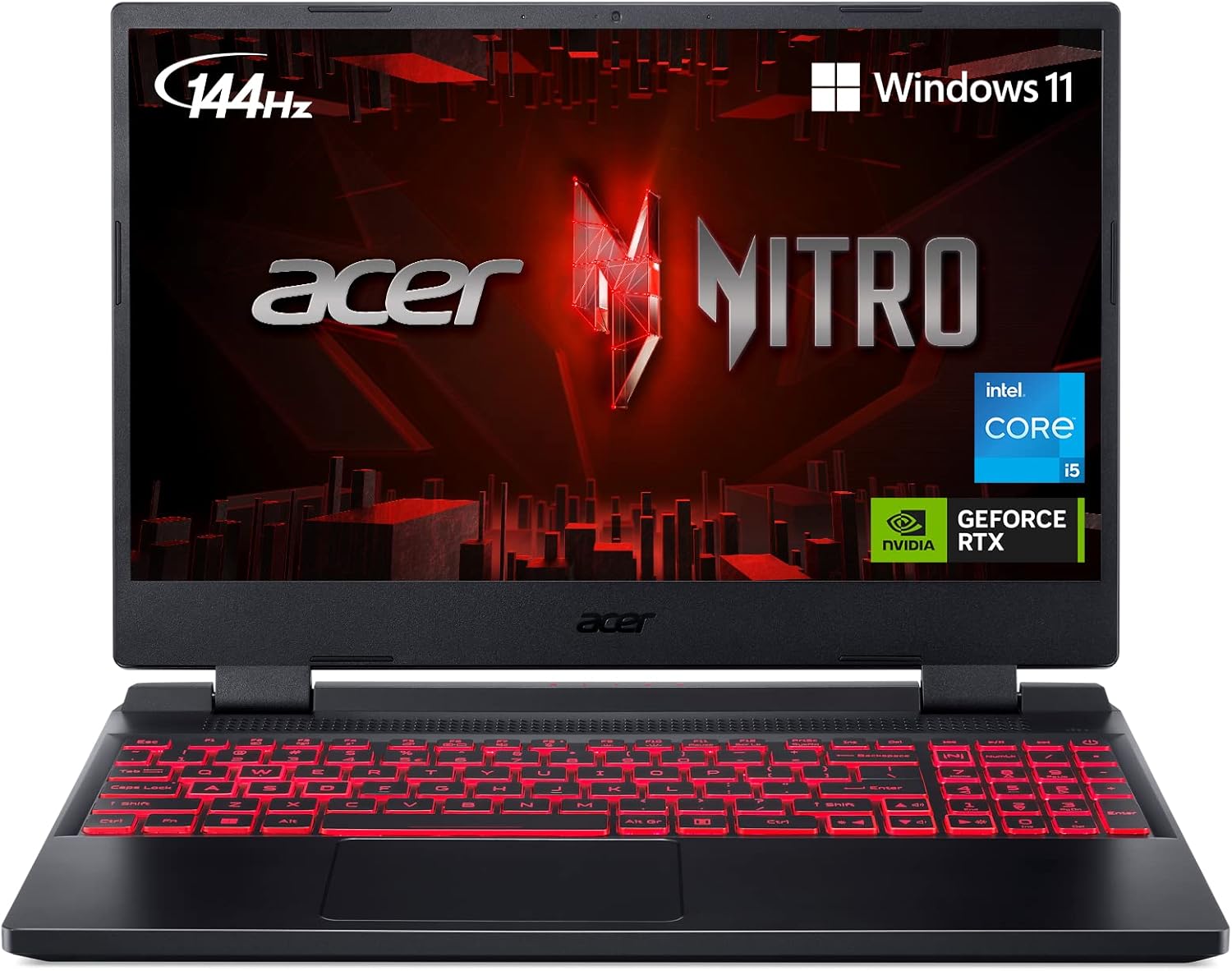
- memory Intel Core i5-12500H
- developer_board NVIDIA GeForce RTX 3050 Ti
- layers 16GB DDR4-3200MHz
- track_changes Target GPU: AMD RX 6600 / Nvidia RTX 2060 / RTX 5050 / Intel A580
- memory AMD Ryzen 7 7435HS
- developer_board NVIDIA GeForce RTX 3050
- layers 32GB DDR5-4800MHz
- track_changes Target GPU: AMD RX 6600 / Nvidia RTX 2060 / RTX 5050 / Intel A580

- memory AMD Ryzen 7 6800H
- developer_board NVIDIA GeForce RTX 3060
- layers 16GB DDR5-4800MHz
- track_changes Target GPU: AMD RX 6600 / Nvidia RTX 2060 / RTX 5050 / Intel A580

- memory AMD Ryzen 9 5900HS
- developer_board NVIDIA GeForce RTX 3080
- layers 16GB DDR4-3200MHz
- track_changes Target GPU: AMD RX 6600 / Nvidia RTX 2060 / RTX 5050 / Intel A580

- memory Intel Core i7-13620H
- developer_board NVIDIA GeForce RTX 4070
- layers 16GB DDR5-4800MHz
- track_changes Target GPU: AMD RX 6600 / Nvidia RTX 2060 / RTX 5050 / Intel A580
- memory Intel Core i7-12700H
- developer_board NVIDIA GeForce RTX 3070
- layers 32GB DDR4-3200MHz
- track_changes Target GPU: AMD RX 6700 XT / Nvidia RTX 3060 Ti
- memory Intel Core i9-13900H
- developer_board NVIDIA GeForce RTX 4060
- layers 16GB DDR5-5200MHz
- track_changes Target GPU: AMD RX 6700 XT / Nvidia RTX 3060 Ti
- memory Intel Core i9-14900HX
- developer_board NVIDIA GeForce RTX 4060
- layers 32GB DDR5-5600MHz
- track_changes Target GPU: AMD RX 6700 XT / Nvidia RTX 3060 Ti
- memory Intel Core i9-12900H
- developer_board NVIDIA GeForce RTX 3070 Ti
- layers 16GB DDR5-4800MHz
- track_changes Target GPU: AMD RX 6700 XT / Nvidia RTX 3060 Ti
- memory AMD Ryzen 7 7435HS
- developer_board NVIDIA GeForce RTX 3050
- layers 32GB DDR5-4800MHz
- track_changes Target GPU: AMD RX 6700 XT / Nvidia RTX 3060 Ti
- memory AMD Ryzen 7 6800H
- developer_board NVIDIA GeForce RTX 3060
- layers 16GB DDR5-4800MHz
- track_changes Target GPU: AMD RX 6700 XT / Nvidia RTX 3060 Ti
- memory AMD Ryzen 9 5900HS
- developer_board NVIDIA GeForce RTX 3080
- layers 16GB DDR4-3200MHz
- track_changes Target GPU: AMD RX 6700 XT / Nvidia RTX 3060 Ti
- memory Intel Core i7-13620H
- developer_board NVIDIA GeForce RTX 4070
- layers 16GB DDR5-4800MHz
- track_changes Target GPU: AMD RX 6700 XT / Nvidia RTX 3060 Ti

- memory Intel Core i7-14700HX
- developer_board NVIDIA GeForce RTX 4070
- layers 16GB DDR5-5600MHz
- track_changes Target GPU: AMD RX 6700 XT / Nvidia RTX 3060 Ti

- memory Intel Core i9-14900HX
- developer_board NVIDIA GeForce RTX 4070
- layers 32GB DDR5-5600MHz
- track_changes Target GPU: AMD RX 6700 XT / Nvidia RTX 3060 Ti

- memory Intel Core i9-14900HX
- developer_board NVIDIA GeForce RTX 4080 Laptop GPU
- layers 64 GB DDR5-5600MHz
- track_changes Target GPU: AMD RX 7900 XTX / Nvidia RTX 4080

- memory Intel Core Ultra 9 Processor 275HX (Series 2)
- developer_board NVIDIA GeForce RTX 5070 Laptop GPU
- layers 32GB DDR5-5600MHz
- track_changes Target GPU: AMD RX 7900 XTX / Nvidia RTX 4080

- memory Intel Core i9-14900HX Processor
- developer_board NVIDIA GeForce RTX 5070 Laptop GPU
- layers 32GB DDR5-5600MHz
- track_changes Target GPU: AMD RX 7900 XTX / Nvidia RTX 4080

- memory Intel Core i9-14900HX Processor
- developer_board NVIDIA GeForce RTX 5070 Laptop GPU
- layers 32GB DDR5-5600MHz
- track_changes Target GPU: AMD RX 7900 XTX / Nvidia RTX 4080

- memory Intel Core Ultra 9 285H (Arrow Lake-H)
- developer_board NVIDIA GeForce RTX 5070 Laptop GPU
- layers 64GB LPDDR5x-8533MT/s (LPCAMM2)
- track_changes Target GPU: AMD RX 7900 XTX / Nvidia RTX 4080

- memory Intel Core i9-14900HX
- developer_board NVIDIA GeForce RTX 4080
- layers 64GB DDR5-5600MHz
- track_changes Target GPU: AMD RX 7900 XTX / Nvidia RTX 4080

- memory Intel Core i9-14900HX
- developer_board NVIDIA GeForce RTX 4080
- layers 32GB DDR5-5600MHz
- track_changes Target GPU: AMD RX 7900 XTX / Nvidia RTX 4080

- memory Intel Core i9-14900HX
- developer_board NVIDIA GeForce RTX 4080
- layers 32GB DDR5-5600MHz
- track_changes Target GPU: AMD RX 7900 XTX / Nvidia RTX 4080

- memory Intel Core i9-14900HX
- developer_board NVIDIA GeForce RTX 4080
- layers 32GB DDR5-5600MHz
- track_changes Target GPU: AMD RX 7900 XTX / Nvidia RTX 4080

- memory AMD Ryzen 9 7845HX
- developer_board NVIDIA GeForce RTX 4080
- layers Up to 64GB DDR5
- track_changes Target GPU: AMD RX 7900 XTX / Nvidia RTX 4080
For Gothic 1 Remake Specifically
- memory Intel Core i7-12700H
- developer_board NVIDIA GeForce RTX 3070
- layers 32GB DDR4-3200MHz
- track_changes Target GPU: NVIDIA GeForce RTX 2060 / AMD Radeon RX 5700
- memory Intel Core i9-13900H
- developer_board NVIDIA GeForce RTX 4060
- layers 16GB DDR5-5200MHz
- track_changes Target GPU: NVIDIA GeForce RTX 2060 / AMD Radeon RX 5700
- memory Intel Core i9-14900HX
- developer_board NVIDIA GeForce RTX 4060
- layers 32GB DDR5-5600MHz
- track_changes Target GPU: NVIDIA GeForce RTX 2060 / AMD Radeon RX 5700
- memory Intel Core i9-12900H
- developer_board NVIDIA GeForce RTX 3070 Ti
- layers 16GB DDR5-4800MHz
- track_changes Target GPU: NVIDIA GeForce RTX 2060 / AMD Radeon RX 5700
- memory AMD Ryzen 7 7435HS
- developer_board NVIDIA GeForce RTX 3050
- layers 32GB DDR5-4800MHz
- track_changes Target GPU: NVIDIA GeForce RTX 2060 / AMD Radeon RX 5700
- memory AMD Ryzen 7 6800H
- developer_board NVIDIA GeForce RTX 3060
- layers 16GB DDR5-4800MHz
- track_changes Target GPU: NVIDIA GeForce RTX 2060 / AMD Radeon RX 5700
- memory AMD Ryzen 9 5900HS
- developer_board NVIDIA GeForce RTX 3080
- layers 16GB DDR4-3200MHz
- track_changes Target GPU: NVIDIA GeForce RTX 2060 / AMD Radeon RX 5700
- memory Intel Core i7-13620H
- developer_board NVIDIA GeForce RTX 4070
- layers 16GB DDR5-4800MHz
- track_changes Target GPU: NVIDIA GeForce RTX 2060 / AMD Radeon RX 5700
- memory Intel Core i7-14700HX
- developer_board NVIDIA GeForce RTX 4070
- layers 16GB DDR5-5600MHz
- track_changes Target GPU: NVIDIA GeForce RTX 2060 / AMD Radeon RX 5700
- memory Intel Core i9-14900HX
- developer_board NVIDIA GeForce RTX 4070
- layers 32GB DDR5-5600MHz
- track_changes Target GPU: NVIDIA GeForce RTX 2060 / AMD Radeon RX 5700

- memory Intel Core i9-14900HX
- developer_board NVIDIA GeForce RTX 4070
- layers 16GB DDR5-5600MHz
- track_changes Target GPU: NVIDIA GeForce RTX 3060 Ti / AMD Radeon RX 6700 XT

- memory Intel Core Ultra 7 255H
- developer_board NVIDIA GeForce RTX 5060 Laptop GPU
- layers 16GB DDR5-5600MHz (Dual-Channel)
- track_changes Target GPU: NVIDIA GeForce RTX 3060 Ti / AMD Radeon RX 6700 XT

- memory AMD Ryzen 9 8940HX Processor
- developer_board NVIDIA GeForce RTX 5060 Laptop GPU
- layers 32GB DDR5-5200MHz
- track_changes Target GPU: NVIDIA GeForce RTX 3060 Ti / AMD Radeon RX 6700 XT
- memory Intel Core i9-14900HX
- developer_board NVIDIA GeForce RTX 4080 Laptop GPU
- layers 64 GB DDR5-5600MHz
- track_changes Target GPU: NVIDIA GeForce RTX 4070 / AMD Radeon RX 7800 XT
- memory Intel Core Ultra 9 Processor 275HX (Series 2)
- developer_board NVIDIA GeForce RTX 5070 Laptop GPU
- layers 32GB DDR5-5600MHz
- track_changes Target GPU: NVIDIA GeForce RTX 4070 / AMD Radeon RX 7800 XT
- memory Intel Core i9-14900HX Processor
- developer_board NVIDIA GeForce RTX 5070 Laptop GPU
- layers 32GB DDR5-5600MHz
- track_changes Target GPU: NVIDIA GeForce RTX 4070 / AMD Radeon RX 7800 XT
- memory Intel Core i9-14900HX Processor
- developer_board NVIDIA GeForce RTX 5070 Laptop GPU
- layers 32GB DDR5-5600MHz
- track_changes Target GPU: NVIDIA GeForce RTX 4070 / AMD Radeon RX 7800 XT
- memory Intel Core Ultra 9 285H (Arrow Lake-H)
- developer_board NVIDIA GeForce RTX 5070 Laptop GPU
- layers 64GB LPDDR5x-8533MT/s (LPCAMM2)
- track_changes Target GPU: NVIDIA GeForce RTX 4070 / AMD Radeon RX 7800 XT
- memory Intel Core i9-14900HX
- developer_board NVIDIA GeForce RTX 4080
- layers 64GB DDR5-5600MHz
- track_changes Target GPU: NVIDIA GeForce RTX 4070 / AMD Radeon RX 7800 XT
- memory Intel Core i9-14900HX
- developer_board NVIDIA GeForce RTX 4080
- layers 32GB DDR5-5600MHz
- track_changes Target GPU: NVIDIA GeForce RTX 4070 / AMD Radeon RX 7800 XT
- memory Intel Core i9-14900HX
- developer_board NVIDIA GeForce RTX 4080
- layers 32GB DDR5-5600MHz
- track_changes Target GPU: NVIDIA GeForce RTX 4070 / AMD Radeon RX 7800 XT
- memory Intel Core i9-14900HX
- developer_board NVIDIA GeForce RTX 4080
- layers 32GB DDR5-5600MHz
- track_changes Target GPU: NVIDIA GeForce RTX 4070 / AMD Radeon RX 7800 XT
- memory AMD Ryzen 9 7845HX
- developer_board NVIDIA GeForce RTX 4080
- layers Up to 64GB DDR5
- track_changes Target GPU: NVIDIA GeForce RTX 4070 / AMD Radeon RX 7800 XT

- memory Intel Core Ultra 9 285H (Series 2) , 14 cores (6 Performance cores + 8 Efficient cores), 20 threads
- developer_board NVIDIA GeForce RTX 5050 Laptop GPU
- layers 32GB (2x16GB) DDR5 8400MHz SO-DIMM
- track_changes Target GPU: NVIDIA GeForce RTX 4080 Super / AMD Radeon RX 7900 XTX

- memory Intel Core Ultra 9 285H
- developer_board NVIDIA GeForce RTX 5070
- layers 32GB (2x16GB) DDR5 4800MHz SO-DIMM
- track_changes Target GPU: NVIDIA GeForce RTX 4080 Super / AMD Radeon RX 7900 XTX

- memory Intel Core i9-14900HX Processor
- developer_board NVIDIA GeForce RTX 5070 Ti Laptop GPU
- layers 64GB DDR5-5600MHz (commonly listed as 4800MHz by some retailers, but 5600MHz is common for 14th Gen HX with DDR5)
- track_changes Target GPU: NVIDIA GeForce RTX 4080 Super / AMD Radeon RX 7900 XTX

- memory Intel Core Ultra 9 Processor 275HX
- developer_board NVIDIA GeForce RTX 5070 Ti Laptop GPU
- layers 64GB DDR5-6400MHz
- track_changes Target GPU: NVIDIA GeForce RTX 4080 Super / AMD Radeon RX 7900 XTX

- memory Intel Core Ultra 9 Processor 275HX (Series 2)
- developer_board NVIDIA GeForce RTX 5070 Ti Laptop GPU
- layers 32GB DDR5-5600MHz
- track_changes Target GPU: NVIDIA GeForce RTX 4080 Super / AMD Radeon RX 7900 XTX

- memory Intel Ultra 7 255HX
- developer_board NVIDIA GeForce RTX 5070 Ti
- layers 32GB DDR5 5600MHz
- track_changes Target GPU: NVIDIA GeForce RTX 4080 Super / AMD Radeon RX 7900 XTX

- memory Intel Core Ultra 7 240H
- developer_board NVIDIA GeForce RTX 5070 Ti Laptop GPU
- layers 32GB LPDDR5X 5600MHz
- track_changes Target GPU: NVIDIA GeForce RTX 4080 Super / AMD Radeon RX 7900 XTX

- memory Intel Core Ultra 9 275HX
- developer_board GeForce RTX 5070 Laptop Laptop GPU
- layers 64GB DDR5-6400MHz (Single-Channel)
- track_changes Target GPU: NVIDIA GeForce RTX 4080 Super / AMD Radeon RX 7900 XTX

- memory Intel Core Ultra 9 275HX
- developer_board NVIDIA GeForce RTX 5070 Ti
- layers 32GB
- track_changes Target GPU: NVIDIA GeForce RTX 4080 Super / AMD Radeon RX 7900 XTX

- memory Intel Core Ultra 9 275HX
- developer_board NVIDIA GeForce RTX 5070 Ti Laptop GPU
- layers 32 GB DDR5 6400MHz (2x16GB)
- track_changes Target GPU: NVIDIA GeForce RTX 4080 Super / AMD Radeon RX 7900 XTX
info_outline Laptop recommendations are estimates based on available component benchmarks and game requirements. Actual performance may vary depending on settings, drivers, cooling, power limits, etc. Prices and availability subject to change. As an Amazon Associate, we earn from qualifying purchases.