Select Games to Compare
Benchmark your exact mobile GPU wattage (TGP), battery throttling drops, and cooling pad requirements for these games.
Exodus vs The First Berserker: Khazan
| close | close |
|---|---|
| shopping_cart Where to Buy | |
| info General Information | |
| Release Date | |
| Apr 7, 2027 | Mar 27, 2025 |
| Developer | |
| Archetype Entertainment | Neople |
| Publisher | |
| Wizards of the Coast (Hasbro) | NEXON |
| Genre(s) | |
| AAA Science Fiction Action-Adventure Role-Playing Game | Action Role-Playing (Action RPG), Soulslike, Hack and slash |
| Engine | |
| Unreal Engine 5 | Unreal Engine 4 |
| stars Ratings & Price | |
| Content Rating | |
| Mature 17+ | M (Mature 17+) |
| Avg. User Rating | |
| 4.8 / 5.0 | 4.1 / 5.0 |
| Current Price (USD) | |
| $69.99 | $59.99 |
| tune Key Specs | |
| Quick Highlights | |
|
|
| sports_esports Gameplay & Mechanics | |
| Companions/Followers | |
|
|
| Key Collectibles | |
|
|
| Key Themes | |
|
|
| colorize Combat & Gear | |
| Weapons Overview | |
|
|
| Armor / Gear Sets | |
|
|
| Outfits/Customization | |
|
|
| trending_up Progression & Upgrades | |
| Skills & Progression | |
|
Character progression and skill development in Exodus are driven by a combination of scavenged technology and the protagonist's unique genetic lineage. A central element of the player's arsenal is Orion's Gauntlet, an advanced interface tool that fuses alien technology directly into the Traveler's combat capabilities. This gauntlet grants access to devastating offensive and environmental manipulation skills, such as 'The Lance,' which hurls heavy livestone javelins, and 'Shape & Eruption,' which allows players to dynamically alter battlefield topography to create cover or unleash area-of-effect elemental strikes. Additionally, players must manage a nuanced morality alignment system featuring 'Paladin' and 'Immortal' philosophies. Aligning with the Paladin path unlocks advanced diplomatic persuasion abilities, while the Immortal path grants severe intimidation tactics to force compliance. The game actively rewards both dedicated adherence to a single philosophy and maintaining a hybrid, morally gray approach, ensuring that narrative choices directly influence the available skill sets and role-playing opportunities throughout the campaign. |
Progression is a core RPG element. Players earn Lacrima (experience points) to level up Khazan's base stats. A deep skill tree system allows for extensive customization of abilities for each weapon type. New moves and passive bonuses can be unlocked. Equipment (weapons and armor) is dropped by enemies with rarity levels and random stats, allowing for various character builds. Weapons can be upgraded and imbued with different properties by the blacksmith in the hub area. |
| public World & Exploration | |
| World & Level Design | |
|
The geographic scope of Exodus is staggeringly vast, spanning the densely packed Omega Centauri cluster, a region of space located approximately 16,000 light-years from Earth that contains roughly ten million stars. Rather than a single seamless open world, the game features massive, distinct planetary biomes and orbital structures accessed via interstellar travel. Key locations include the sanctuary moon of Lidon situated in the Malakbel system, which is built upon the ruins of an extinct alien civilization. Players will also explore awe-inspiring and terrifying mega-structures, such as the Khonsu orbital defense platform, guarding local systems with dormant Celestial automated defense pods known as 'Ghosts.' Furthermore, the narrative will take players to the territories of various Celestial Dominions, including the heavily fortified capital systems of the Crown Celestials like Kelowan, and the terrifying, nomadic 50-kilometer-long organic citadel ships utilized by the Mara Yama to harvest fear and emotions across the dark expanse of the void. |
The game is not an open world but is structured around mission-based, linear levels with intricate designs, shortcuts, and hidden paths that encourage exploration. Players will travel to various locations across the Pell Los Empire, including ruined villages, crumbling castles, and poison swamps. Between missions, players return to a central hub area known as 'The Crevice'. |
| Playable Vehicles | |
|
|
| Notable Fauna/Mounts | |
|
N/A |
| book Story & Characters | |
| Main Characters | |
|
|
| Example Missions | |
|
|
| people Multiplayer | |
| Multiplayer Details | |
|
Exodus has been explicitly designed and marketed from its inception as a strictly single-player, narrative-driven action role-playing game. Archetype Entertainment, founded by industry veterans known for their work on legendary single-player RPGs, has deliberately avoided the inclusion of any cooperative or competitive multiplayer modes, live-service mechanics, or 'always-online' requirements. The developers have focused their extensive budget entirely on crafting a deep, branching storyline driven by the profound consequences of the Time Dilation system, which would be fundamentally broken or heavily diluted in a synchronized multiplayer environment. Instead of relying on human co-op partners, the game emphasizes deep squad synergy and interpersonal relationships with a diverse cast of sophisticated AI companions. Players must command a roster of highly capable squadmates—including Awakened animals, baseline humans, and transhuman Celestials—utilizing their unique tactical abilities, such as deploying ink smokescreens or siphoning enemy shields, to overcome the overwhelming odds presented by the hostile Celestial Dominions in challenging, single-player tactical combat encounters. |
The First Berserker: Khazan does not feature any multiplayer or co-operative modes. It includes an asynchronous online feature where players can summon a 'Spirit of Advocacy,' an AI-controlled phantom of another player, to assist in boss battles. |
| extension Editions & DLC | |
| Available Editions | |
|
Hasbro and its subsidiary Wizards of the Coast have committed an estimated development budget of $100 million to $250 million for Exodus, positioning it as a flagship AAA release. While official premium editions remain fully under wraps ahead of the April 2027 launch, the baseline standard edition will be available across PlayStation 5, Xbox Series X/S, and PC platforms. The title is confirmed to be part of the Xbox Play Anywhere initiative, ensuring that digital purchasers within the Microsoft ecosystem receive a single entitlement granting access to both the console and Windows PC versions, complete with seamless cross-progression and shared achievements. To drive early engagement, Archetype Entertainment introduced a gamified Wishlist Milestone system on digital storefronts. As community wishlists surpassed 500,000, players universally unlocked in-game rewards such as the 'Celestial Star Map' apartment decoration and the official score track 'Elegy for a Forgotten World,' heavily hinting that deluxe editions will likely include comprehensive digital artbooks, extended soundtracks, and exclusive cosmetic options. |
The game was released with a Standard Edition ($59.99) and a Digital Deluxe Edition ($69.99). The Deluxe Edition includes the main game, a 'Hero's Weapon Set' and 'Hero's Armor Set' for cosmetic customization, a digital artbook, and 72-hour early access to the game before its global launch. |
| Post-Launch Content / DLC | |
|
While Archetype Entertainment's immediate priority is delivering a polished, feature-complete base game by April 2027, the transmedia foundation laid by Hasbro strongly suggests a comprehensive roadmap for future content. Currently, the rich lore of the Omega Centauri cluster is being expanded through a prequel novel duology by acclaimed science fiction author Peter F. Hamilton, as well as an official tabletop role-playing game titled the Exodus Traveler's Handbook. Because Hasbro's corporate strategy has shifted toward supporting 'fewer, bigger, better brands,' it is highly probable that Exodus will receive substantial post-launch support in the form of premium narrative expansions rather than exploitative microtransactions. The game's defining Time Dilation mechanic and sprawling galaxy inherently lend themselves to massive story DLCs, allowing players to embark on new expeditions to uncharted Celestial Dominions, encounter new Awakened fauna companions, and experience further generational shifts on their homeworld of Lidon. A television adaptation featured in Amazon Prime's Secret Level anthology further cements the franchise's long-term multimedia expansion plans. |
A 'Khazan (F)' DLC was released on June 26, 2025, allowing players to play as a female variant of Khazan. Further DLCs or expansions have not been announced but are possible given the rich lore of the Dungeon & Fighter universe. |
| help_outline FAQ | |
| Frequently Asked Questions | |
|
|
| build Technical Details | |
| Graphics & Visual Fidelity | |
|
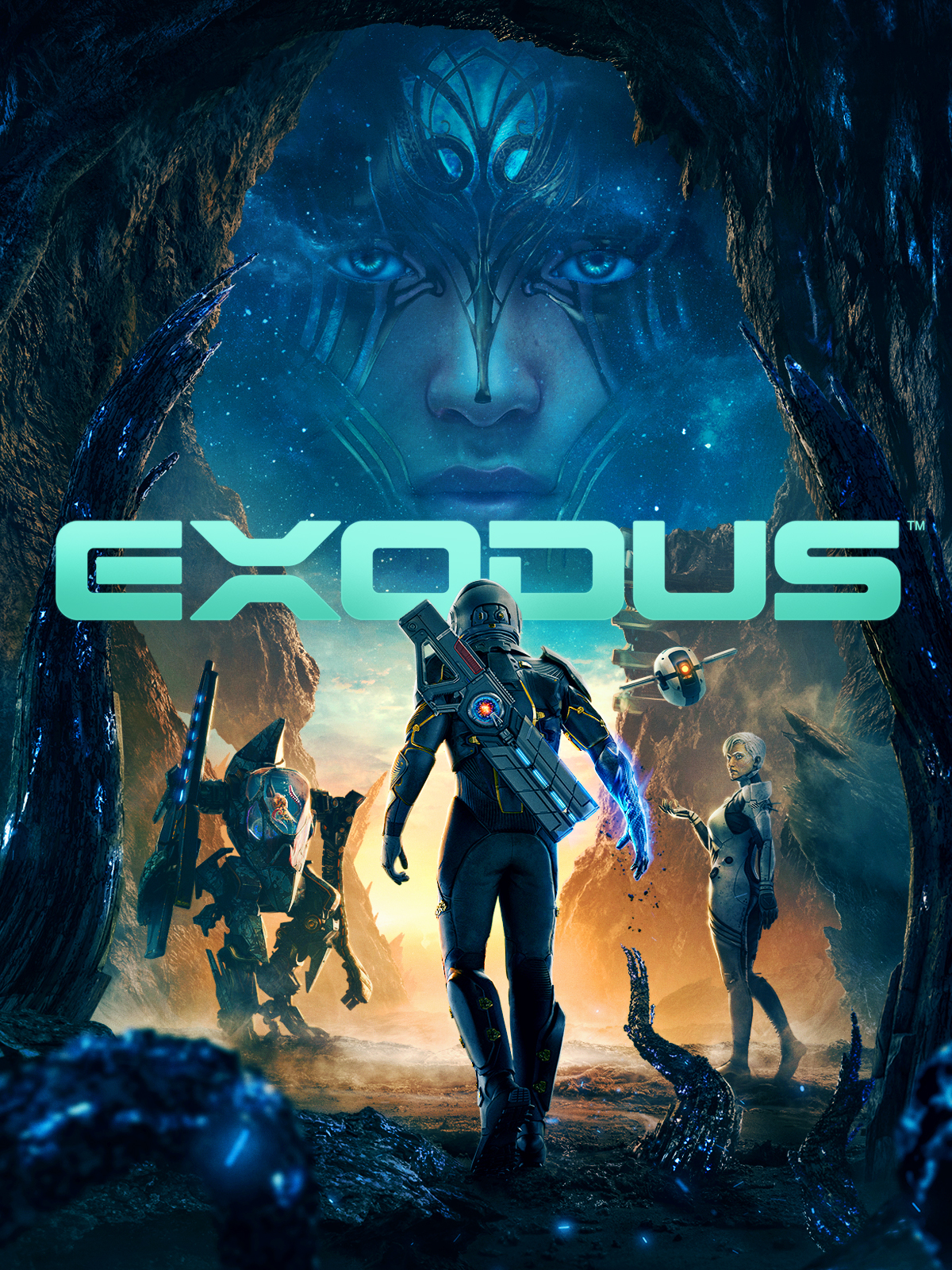
Powered by Epic Games' cutting-edge Unreal Engine 5, Exodus represents a massive leap forward in graphical fidelity for the cinematic RPG genre. The development team at Archetype Entertainment is fully leveraging the engine's advanced micro-polygon geometry and dynamic global illumination to render a visually stunning, deeply hostile universe. The visual direction masterfully contrasts the decaying, utilitarian technology of the baseline human survivors on Lidon with the god-like, hyper-advanced architectures of the Celestial Dominions. The graphics engine truly shines in its depiction of the Mara Yama, utilizing advanced rendering techniques to showcase their terrifying bodymorphing processes, where pudgy flesh dynamically transforms into horrifying warrior forms complete with horns and enhanced musculature. Furthermore, the game relies heavily on hardware-accelerated ray tracing and deep learning super sampling (DLSS) technologies on PC to maintain fluid framerates during chaotic combat sequences involving intricate particle effects from Orion's Gauntlet abilities, environmental destruction, and the sheer scale of ancient alien mega-structures floating in the void of space. |
The game utilizes a distinct, high-quality 3D cel-shaded art style that gives its characters an 'anime' appearance, while the environments remain grounded in a dark, gritty medieval fantasy aesthetic. This creates a unique visual blend that stands out in the Soulslike genre. |
| Audio & Soundtrack | |
|
The auditory experience of Exodus is being meticulously crafted to match the immense scale and emotional weight of its hard science fiction setting. The game features full support for Dolby Atmos spatial audio, providing a highly immersive soundscape crucial for navigating claustrophobic Celestial orbital stations and detecting the terrifying, shifting biological mass of the Mara Yama horrors. The musical score is headlined by tracks such as 'Elegy for a Forgotten World,' which aims to evoke the melancholic isolation of deep space travel and the tragic reality of outliving one's own generation due to time dilation. The voice acting cast is exceptionally high-profile, anchored by Academy Award-winning actor Matthew McConaughey in his video game debut as the enigmatic mentor figure, C.C. Orlev. To ensure global accessibility and deep market penetration, the game will launch with extensive localized audio and subtitle support spanning multiple languages, including English, French, Italian, German, Spanish, Brazilian Portuguese, Japanese, Korean, and Simplified Chinese. |
The game features a dark, orchestral score that emphasizes the grim, war-torn atmosphere of the world. Sound design is focused on combat, with impactful weapon sounds, enemy cries, and distinct audio cues for parry and dodge windows. |
| User Interface (UI/UX) | |
|
The User Interface (UI) in Exodus is designed to seamlessly integrate complex tactical combat data and deep role-playing mechanics without breaking cinematic immersion. During combat, the HUD provides clear, real-time indicators for the modular states of the player's primary weapon, The Recycler, allowing for instant transitions between Repeater, Shredder, and Piercer modes. It also tracks the cooldowns and resources required for Orion's Gauntlet abilities. Outside of combat, the UI heavily emphasizes the game's unique narrative systems. The dialogue interface clearly telegraphs responses aligned with the 'Paladin' (diplomatic, empathetic) and 'Immortal' (ruthless, ambitious) philosophies, enabling players to carefully shape their character's moral trajectory. Furthermore, the character creation UI features highly detailed, pre-rendered facial presets for the protagonist, Jun Aslan. This limitation of granular facial sculpting is a deliberate UI and technical choice designed to ensure that the procedural generation of Jun's descendants over massive temporal leaps avoids the uncanny valley effect, maintaining strict visual fidelity across the game's generational Time Dilation mechanics. |
The UI is typical for the Soulslike genre, featuring health, stamina, and magic/spirit bars. A quick-select menu allows for easy access to consumable items. Weapon stances and equipped abilities are also clearly displayed. The overall design is clean to minimize obstruction during intense combat. |
| Accessibility Options | |
|
While Archetype Entertainment has not yet released an exhaustive breakdown of their specific accessibility options, the AAA nature of Exodus and Hasbro's massive investment dictate a comprehensive suite of modern, inclusive features. The game's robust localization strategy—featuring subtitles and user interfaces in nine major languages—serves as a foundational pillar for global accessibility. Players can expect standard industry features such as scalable subtitle sizes, customizable UI color palettes for various forms of color blindness, and adjustable audio mixing to prioritize dialogue clarity over overwhelming science fiction sound effects. Additionally, because the game blends deep narrative role-playing with intense third-person shooter mechanics, it is highly likely to include comprehensive difficulty toggles. These options will presumably allow players to fine-tune enemy aggression, aim assist magnetism, and the complexity of the companion command system, ensuring that players who are primarily invested in the generational storyline and Time Dilation consequences are not permanently stonewalled by overly punishing combat encounters. |
The game includes a range of difficulty options. While there is no dedicated 'story mode,' players can choose a difficulty that affects enemy scaling. The game also supports remappable controls, customizable subtitles, and upscaling technologies like DLSS and FSR to aid performance. |
| video_library Media Links | |
| Gameplay Video | |
| launchWatch | launchWatch |
| Walkthrough/Guide | |
| launchView | launchView |
| settings_applications System Requirements | |
| 1080p (Full HD) - Minimum (Low-Medium Settings, 1080p, 30-60 FPS) CPU: Baseline 6-core processors required to handle squad AI logic and basic environmental physics. CPU (Laptop): Mobile equivalent needed to sustain core counts without severe thermal drops. GPU: Provides necessary rasterization performance for 1080p rendering with upscaling technologies. GPU (Laptop): Entry-level modern laptop GPUs required to manage basic UE5 features. RAM: Standard baseline required to prevent page-file swapping during exploration. Storage: Solid-state speeds required for level transitions. | |
memoryCPU: Intel Core i5-10400 / AMD Ryzen 5 3600 developer_boardGPU: NVIDIA GeForce RTX 3060 / AMD Radeon RX 6600 (8GB VRAM) laptop_macCPU (L): Intel Core i7-10750H / AMD Ryzen 7 4800H laptop_windowsGPU (L): NVIDIA RTX 3050 Ti (85W+) / RTX 4050 (75W+) layersRAM: 16 GB saveStorage (Tier): 120 GB SSD | — |
| 1080p (Full HD) - Recommended (Targets 1080p, High settings, ~60 FPS) (High Preset, 1080p resolution, targeting 60 FPS as per official spec notes.) CPU: Official recommended desktop CPU for a good 1080p/60FPS experience. CPU (Laptop): Estimated mid-range laptop CPUs for solid 1080p/60FPS performance. GPU: Official recommended desktop GPU for 1080p High settings. The inclusion of the RTX 2070 suggests strong performance on mid-range modern cards. GPU (Laptop): Good laptop GPUs for 1080p High at 60 FPS. The RTX 4050 Laptop with DLSS 3 would provide an excellent experience. RAM: 16GB RAM is officially recommended. Dual-channel configuration is advised for better performance. Storage: An SSD is officially required for the recommended experience. | |
| — | memoryCPU: Intel Core i7-6700K or AMD Ryzen 5 3600 developer_boardGPU: NVIDIA GeForce RTX 2070 or AMD Radeon RX 5700 XT or Intel Arc A750 laptop_macCPU (L): Intel Core i7-8750H / AMD Ryzen 5 4600H or better. laptop_windowsGPU (L): NVIDIA GeForce RTX 2060 Mobile (6GB), RTX 3050 Ti Laptop (4GB, High TGP), RTX 4050 Laptop (6GB). layersRAM: 16 GB saveStorage (Tier): 70 GB SSD |
| 1080p (Full HD) - Minimum (Targets 1080p, Low settings, ~30 FPS) (Low Preset, 1080p resolution, targeting 30 FPS as per official spec notes.) CPU: Official minimum desktop CPU for The First Berserker: Khazan. CPU (Laptop): Estimated entry-level laptop CPUs for minimum playability. GPU: Official minimum desktop GPU. These cards from the mid-2010s set a relatively low bar for entry. GPU (Laptop): Estimated laptop GPUs for minimum settings. Performance will vary with TGP. RAM: 12GB RAM is the official minimum requirement. Storage: An SSD is officially required for minimum playability. | |
| — | memoryCPU: Intel Core i3-6300 or AMD Ryzen 3 1200 developer_boardGPU: NVIDIA GeForce GTX 970 or AMD Radeon RX 580 or Intel Arc A580 laptop_macCPU (L): Intel Core i5-7300HQ / AMD Ryzen 3 3200U or better. laptop_windowsGPU (L): NVIDIA GeForce GTX 1050 Ti Mobile (4GB), GTX 1650 Mobile (4GB). layersRAM: 12 GB saveStorage (Tier): 70 GB SSD |
| 1440p (QHD/2K) - Recommended (High Settings, 1440p, 60 FPS) CPU: High single-core performance and large cache recommended for fluid combat pacing and complex AI companion routines. CPU (Laptop): High-end mobile CPUs needed to match desktop throughput in heavily populated alien structures. GPU: Offers the raw performance and VRAM needed for high-fidelity textures, ray tracing, and complex lighting. GPU (Laptop): Full-wattage mid-to-high-end laptop GPUs necessary for stable 1440p output. RAM: Recommended for smooth performance during extended exploration and combat sessions. Storage: Faster bandwidth for instant loading during cinematic generational time jumps. | |
memoryCPU: Intel Core i7-12700K / AMD Ryzen 7 5800X3D developer_boardGPU: NVIDIA GeForce RTX 4070 / AMD Radeon RX 7800 XT laptop_macCPU (L): Intel Core i7-13700H / AMD Ryzen 9 6900HX laptop_windowsGPU (L): NVIDIA RTX 4070 Mobile (140W) layersRAM: 32 GB saveStorage (Tier): 120 GB NVMe Gen 4 SSD | — |
| 1440p (QHD/2K) - High (Targets 1440p, High settings, ~60 FPS) (High Preset, 1440p resolution, aiming for 60 FPS.) CPU: A modern mid-range desktop CPU is advised for a smooth and consistent 60 FPS at 1440p. CPU (Laptop): High-performance laptop CPUs are beneficial for maintaining stable framerates at 1440p. GPU: A desktop GPU in this class should provide a solid 1440p/60FPS experience. The RTX 4060 with DLSS 3 is a particularly strong choice. GPU (Laptop): Strong laptop GPUs for 1440p/60 FPS. A high-TGP RTX 4060 Laptop is ideal. A hypothetical future RTX 5050 Ti Laptop would likely handle this tier with ease. RAM: 16GB RAM is recommended for smooth 1440p gaming. Storage: An NVMe SSD is recommended for the best loading times at 1440p. | |
| — | memoryCPU: Intel Core i5-12400F / AMD Ryzen 5 5600X or newer developer_boardGPU: NVIDIA GeForce RTX 3060 Ti (8GB) / RTX 4060 (8GB) or AMD Radeon RX 6700 XT (12GB) laptop_macCPU (L): Intel Core i7-11800H / AMD Ryzen 7 5800H or newer. laptop_windowsGPU (L): NVIDIA GeForce RTX 3060 Laptop (6GB, High TGP), RTX 4060 Laptop (8GB). (Future-proof: RTX 5050 Ti Laptop) layersRAM: 16 GB saveStorage (Tier): 70 GB NVMe SSD |
| 2160p (UHD/4K) - Ultra (Epic Settings, 4K (2160p), 60 FPS (Upscaled)) CPU: Top-tier processors required to ensure zero CPU bottlenecks during the most chaotic, particle-heavy combat sequences. CPU (Laptop): Flagship mobile silicon is strictly required for 4K gaming in UE5. GPU: Massive computational throughput required to render Epic UE5 settings with full Ray Tracing at 4K resolution. GPU (Laptop): The absolute highest tier of mobile graphics is required for 4K gameplay. RAM: Maximum bandwidth required for seamless asset streaming. Storage: Maximum read/write speeds. | |
memoryCPU: Intel Core i9-13900K / AMD Ryzen 9 7950X developer_boardGPU: NVIDIA GeForce RTX 4080 / AMD Radeon RX 7900 XTX laptop_macCPU (L): Intel Core i9-13980HX / AMD Ryzen 9 7945HX3D laptop_windowsGPU (L): NVIDIA RTX 4090 Mobile (175W) layersRAM: 32 GB saveStorage (Tier): 120 GB NVMe Gen 4 SSD | — |
| 2160p (UHD/4K) - 4K High Settings (Targets 2160p/4K, High settings, ~60 FPS) (High Preset, 2160p (4K) resolution, aiming for 60 FPS, likely requiring upscaling technology.) CPU: A powerful desktop CPU to support 4K gaming without bottlenecks, ensuring the GPU can perform to its full potential. CPU (Laptop): High-end laptop CPUs to pair with capable GPUs for 4K. GPU: Desktop GPUs capable of running the game at 4K/60FPS, especially when using DLSS or FSR in Quality/Balanced mode. A future RTX 5070 would provide an exceptional native 4K experience. GPU (Laptop): High-end laptop GPUs are required for 4K. Performance will be heavily reliant on DLSS. A future RTX 5060 Laptop should make 4K gaming more accessible on notebooks. RAM: 16GB RAM is generally sufficient, but 32GB offers more headroom for 4K textures and system processes. Storage: A fast NVMe SSD is highly recommended for the best 4K gaming experience, minimizing any potential texture streaming issues. | |
| — | memoryCPU: Intel Core i7-12700K / AMD Ryzen 7 7700X or newer developer_boardGPU: NVIDIA GeForce RTX 4070 (12GB) / RTX 3080 (10GB) or AMD Radeon RX 7800 XT (16GB). (Future-proof: RTX 5060 Ti / RTX 5070) laptop_macCPU (L): Intel Core i7-13650HX / AMD Ryzen 7 7840HS or newer. laptop_windowsGPU (L): NVIDIA GeForce RTX 4070 Laptop (8GB, High TGP) or RTX 3080 Ti Laptop (16GB). (Future-proof: RTX 5060 Laptop) layersRAM: 16 GB saveStorage (Tier): 70 GB NVMe SSD |
| save Overall Storage | |
| Spec: 120 GB NVMe SSD Note: A high-speed NVMe solid-state drive is crucial for seamless asset streaming across massive planetary biomes and rapid load times. Type: NVMe | Spec: 70 GB available space (SSD Required) Note: An SSD is listed as a requirement in the official specifications for both minimum and recommended tiers. This ensures fast loading of textures and levels, which is critical for a seamless experience. Type: SSD |
| desktop_windows Operating System | |
| Spec: Windows 10/11 (64-bit) Explanation: Mandatory for DirectX 12 Ultimate support and advanced memory management required by modern AAA engines. | Spec: Windows 10 (64-bit) for Minimum, Windows 11 (64-bit) for Recommended and above Explanation: A 64-bit version of Windows 10 is required. Windows 11 is recommended for optimal performance with the latest hardware and to take advantage of features like DirectStorage. |
| gamepad DirectX Version | |
| Spec: DirectX 12 Ultimate Explanation: Strictly required to fully support Unreal Engine 5 features such as hardware-accelerated Ray Tracing, Nanite, and Lumen. | Spec: DirectX 12 Explanation: The official recommended spec lists DirectX 12. The game is built on Unreal Engine, which leverages DX12 for advanced features. Some reports suggest a DX11 option may be available, which could offer better stability on older systems. |
| info_outline Other Game Notes | |
|
|
| build Optimization Details | |
|
|
| laptop Laptop Considerations | |
|
|

info_outline Feature details based on available data. System requirements and performance estimates may vary.
laptop_chromebook Laptop Recommendations
Common Recommendations (Handles All Compared Games)

- memory AMD Ryzen 7 7445HS
- developer_board NVIDIA GeForce RTX 4050
- layers 16GB (2x8GB) DDR5 5600MHz SO-DIMM
- track_changes Target GPU: NVIDIA RTX 3050 Ti (85W+) / RTX 4050 (75W+)

- memory AMD Ryzen 7 7445HS
- developer_board NVIDIA GeForce RTX 4050
- layers 16GB DDR5 5600MHz SO-DIMM
- track_changes Target GPU: NVIDIA RTX 3050 Ti (85W+) / RTX 4050 (75W+)

- memory Intel Core i9-14900HX
- developer_board NVIDIA GeForce RTX 4080 Laptop GPU
- layers 64 GB DDR5-5600MHz
- track_changes Target GPU: NVIDIA RTX 3050 Ti (85W+) / RTX 4050 (75W+)

- memory Intel Core i9-14900HX
- developer_board NVIDIA GeForce RTX 4060
- layers 32GB DDR5-5600MHz
- track_changes Target GPU: NVIDIA GeForce GTX 1050 Ti Mobile (4GB), GTX 1650 Mobile (4GB).

- memory AMD Ryzen 7 7435HS
- developer_board NVIDIA GeForce RTX 3050
- layers 32GB DDR5-4800MHz
- track_changes Target GPU: NVIDIA GeForce GTX 1050 Ti Mobile (4GB), GTX 1650 Mobile (4GB).

- memory Intel Core i9-14900HX
- developer_board NVIDIA GeForce RTX 4070
- layers 32GB DDR5-5600MHz
- track_changes Target GPU: NVIDIA GeForce GTX 1050 Ti Mobile (4GB), GTX 1650 Mobile (4GB).

- memory AMD Ryzen 9 8940HX Processor
- developer_board NVIDIA GeForce RTX 5060 Laptop GPU
- layers 32GB DDR5-5200MHz
- track_changes Target GPU: NVIDIA GeForce RTX 2060 Mobile (6GB), RTX 3050 Ti Laptop (4GB, High TGP), RTX 4050 Laptop (6GB).
- memory Intel Core i9-14900HX
- developer_board NVIDIA GeForce RTX 4070
- layers 32GB DDR5-5600MHz
- track_changes Target GPU: NVIDIA RTX 4070 Mobile (140W)
- memory AMD Ryzen 9 8940HX Processor
- developer_board NVIDIA GeForce RTX 5060 Laptop GPU
- layers 32GB DDR5-5200MHz
- track_changes Target GPU: NVIDIA RTX 4070 Mobile (140W)

- memory Intel Core i9-12950HX
- developer_board NVIDIA GeForce RTX 3080 Ti
- layers 32GB DDR5-4800MHz
- track_changes Target GPU: NVIDIA RTX 4070 Mobile (140W)

- memory Intel Core i7-12700H
- developer_board NVIDIA GeForce RTX 3070
- layers 32GB DDR4-3200MHz
- track_changes Target GPU: NVIDIA GeForce RTX 3060 Laptop (6GB, High TGP), RTX 4060 Laptop (8GB). (Future-proof: RTX 5050 Ti Laptop)

- memory Intel Core i9-13900H
- developer_board NVIDIA GeForce RTX 4060
- layers 16GB DDR5-5200MHz
- track_changes Target GPU: NVIDIA GeForce RTX 3060 Laptop (6GB, High TGP), RTX 4060 Laptop (8GB). (Future-proof: RTX 5050 Ti Laptop)
- memory Intel Core i9-14900HX
- developer_board NVIDIA GeForce RTX 4060
- layers 32GB DDR5-5600MHz
- track_changes Target GPU: NVIDIA GeForce RTX 3060 Laptop (6GB, High TGP), RTX 4060 Laptop (8GB). (Future-proof: RTX 5050 Ti Laptop)

- memory Intel Core i9-14900HX
- developer_board NVIDIA GeForce RTX 4090
- layers 32GB DDR5-5600MHz
- track_changes Target GPU: NVIDIA RTX 4090 Mobile (175W)

- memory Intel Core Ultra 9 285H (Series 2) , 14 cores (6 Performance cores + 8 Efficient cores), 20 threads
- developer_board NVIDIA GeForce RTX 5050 Laptop GPU
- layers 32GB (2x16GB) DDR5 8400MHz SO-DIMM
- track_changes Target GPU: NVIDIA RTX 4090 Mobile (175W)

- memory Intel Core Ultra 9 285H
- developer_board NVIDIA GeForce RTX 5070
- layers 32GB (2x16GB) DDR5 4800MHz SO-DIMM
- track_changes Target GPU: NVIDIA RTX 4090 Mobile (175W)

- memory Intel Core i7-14700HX
- developer_board NVIDIA GeForce RTX 4070
- layers 16GB DDR5-5600MHz
- track_changes Target GPU: NVIDIA GeForce RTX 4070 Laptop (8GB, High TGP) or RTX 3080 Ti Laptop (16GB). (Future-proof: RTX 5060 Laptop)
- memory Intel Core i9-14900HX
- developer_board NVIDIA GeForce RTX 4070
- layers 32GB DDR5-5600MHz
- track_changes Target GPU: NVIDIA GeForce RTX 4070 Laptop (8GB, High TGP) or RTX 3080 Ti Laptop (16GB). (Future-proof: RTX 5060 Laptop)

- memory Intel Core i9-14900HX
- developer_board NVIDIA GeForce RTX 4070
- layers 16GB DDR5-5600MHz
- track_changes Target GPU: NVIDIA GeForce RTX 4070 Laptop (8GB, High TGP) or RTX 3080 Ti Laptop (16GB). (Future-proof: RTX 5060 Laptop)
For Exodus Specifically
- memory AMD Ryzen 7 7445HS
- developer_board NVIDIA GeForce RTX 4050
- layers 16GB (2x8GB) DDR5 5600MHz SO-DIMM
- track_changes Target GPU: NVIDIA GeForce RTX 3060 / AMD Radeon RX 6600 (8GB VRAM)
- memory AMD Ryzen 7 7445HS
- developer_board NVIDIA GeForce RTX 4050
- layers 16GB DDR5 5600MHz SO-DIMM
- track_changes Target GPU: NVIDIA GeForce RTX 3060 / AMD Radeon RX 6600 (8GB VRAM)
- memory Intel Core i9-14900HX
- developer_board NVIDIA GeForce RTX 4080 Laptop GPU
- layers 64 GB DDR5-5600MHz
- track_changes Target GPU: NVIDIA GeForce RTX 3060 / AMD Radeon RX 6600 (8GB VRAM)

- memory Intel Core i7-13620H
- developer_board NVIDIA GeForce RTX 5070 Laptop GPU
- layers 64GB (2x32GB) DDR5 4800MHz SO-DIMM
- track_changes Target GPU: NVIDIA GeForce RTX 3060 / AMD Radeon RX 6600 (8GB VRAM)

- memory AMD Ryzen 7 6800HS
- developer_board NVIDIA GeForce RTX 5070 Laptop GPU
- layers 16GB (2x8GB) DDR4 4800MHz SO-DIMM
- track_changes Target GPU: NVIDIA GeForce RTX 3060 / AMD Radeon RX 6600 (8GB VRAM)

- memory Intel Core Ultra 9 Processor 275HX (Series 2)
- developer_board NVIDIA GeForce RTX 5070 Laptop GPU
- layers 32GB DDR5-5600MHz
- track_changes Target GPU: NVIDIA GeForce RTX 3060 / AMD Radeon RX 6600 (8GB VRAM)

- memory Intel Core i9-14900HX Processor
- developer_board NVIDIA GeForce RTX 5070 Laptop GPU
- layers 32GB DDR5-5600MHz
- track_changes Target GPU: NVIDIA GeForce RTX 3060 / AMD Radeon RX 6600 (8GB VRAM)

- memory Intel Core i9-14900HX Processor
- developer_board NVIDIA GeForce RTX 5070 Laptop GPU
- layers 32GB DDR5-5600MHz
- track_changes Target GPU: NVIDIA GeForce RTX 3060 / AMD Radeon RX 6600 (8GB VRAM)

- memory Intel Core Ultra 9 Processor 285H
- developer_board NVIDIA GeForce RTX 5070 Laptop GPU
- layers 16GB DDR5-5600MHz
- track_changes Target GPU: NVIDIA GeForce RTX 3060 / AMD Radeon RX 6600 (8GB VRAM)

- memory Intel Core Ultra 9 285H (Arrow Lake-H)
- developer_board NVIDIA GeForce RTX 5070 Laptop GPU
- layers 64GB LPDDR5x-8533MT/s (LPCAMM2)
- track_changes Target GPU: NVIDIA GeForce RTX 3060 / AMD Radeon RX 6600 (8GB VRAM)
- memory Intel Core i9-14900HX
- developer_board NVIDIA GeForce RTX 4070
- layers 32GB DDR5-5600MHz
- track_changes Target GPU: NVIDIA GeForce RTX 4070 / AMD Radeon RX 7800 XT
- memory AMD Ryzen 9 8940HX Processor
- developer_board NVIDIA GeForce RTX 5060 Laptop GPU
- layers 32GB DDR5-5200MHz
- track_changes Target GPU: NVIDIA GeForce RTX 4070 / AMD Radeon RX 7800 XT
- memory Intel Core i9-12950HX
- developer_board NVIDIA GeForce RTX 3080 Ti
- layers 32GB DDR5-4800MHz
- track_changes Target GPU: NVIDIA GeForce RTX 4070 / AMD Radeon RX 7800 XT
- memory Intel Core i9-14900HX
- developer_board NVIDIA GeForce RTX 4080 Laptop GPU
- layers 64 GB DDR5-5600MHz
- track_changes Target GPU: NVIDIA GeForce RTX 4070 / AMD Radeon RX 7800 XT
- memory Intel Core Ultra 9 Processor 275HX (Series 2)
- developer_board NVIDIA GeForce RTX 5070 Laptop GPU
- layers 32GB DDR5-5600MHz
- track_changes Target GPU: NVIDIA GeForce RTX 4070 / AMD Radeon RX 7800 XT
- memory Intel Core i9-14900HX Processor
- developer_board NVIDIA GeForce RTX 5070 Laptop GPU
- layers 32GB DDR5-5600MHz
- track_changes Target GPU: NVIDIA GeForce RTX 4070 / AMD Radeon RX 7800 XT
- memory Intel Core i9-14900HX Processor
- developer_board NVIDIA GeForce RTX 5070 Laptop GPU
- layers 32GB DDR5-5600MHz
- track_changes Target GPU: NVIDIA GeForce RTX 4070 / AMD Radeon RX 7800 XT
- memory Intel Core Ultra 9 285H (Arrow Lake-H)
- developer_board NVIDIA GeForce RTX 5070 Laptop GPU
- layers 64GB LPDDR5x-8533MT/s (LPCAMM2)
- track_changes Target GPU: NVIDIA GeForce RTX 4070 / AMD Radeon RX 7800 XT

- memory Intel Core i9-14900HX
- developer_board NVIDIA GeForce RTX 4080
- layers 64GB DDR5-5600MHz
- track_changes Target GPU: NVIDIA GeForce RTX 4070 / AMD Radeon RX 7800 XT

- memory Intel Core i9-14900HX
- developer_board NVIDIA GeForce RTX 4080
- layers 32GB DDR5-5600MHz
- track_changes Target GPU: NVIDIA GeForce RTX 4070 / AMD Radeon RX 7800 XT
- memory Intel Core Ultra 9 285H (Series 2) , 14 cores (6 Performance cores + 8 Efficient cores), 20 threads
- developer_board NVIDIA GeForce RTX 5050 Laptop GPU
- layers 32GB (2x16GB) DDR5 8400MHz SO-DIMM
- track_changes Target GPU: NVIDIA GeForce RTX 4080 / AMD Radeon RX 7900 XTX
- memory Intel Core Ultra 9 285H
- developer_board NVIDIA GeForce RTX 5070
- layers 32GB (2x16GB) DDR5 4800MHz SO-DIMM
- track_changes Target GPU: NVIDIA GeForce RTX 4080 / AMD Radeon RX 7900 XTX

- memory Intel Core i9-14900HX Processor
- developer_board NVIDIA GeForce RTX 5070 Ti Laptop GPU
- layers 64GB DDR5-5600MHz (commonly listed as 4800MHz by some retailers, but 5600MHz is common for 14th Gen HX with DDR5)
- track_changes Target GPU: NVIDIA GeForce RTX 4080 / AMD Radeon RX 7900 XTX

- memory Intel Core Ultra 9 Processor 275HX
- developer_board NVIDIA GeForce RTX 5070 Ti Laptop GPU
- layers 64GB DDR5-6400MHz
- track_changes Target GPU: NVIDIA GeForce RTX 4080 / AMD Radeon RX 7900 XTX

- memory Intel Core Ultra 9 Processor 275HX (Series 2)
- developer_board NVIDIA GeForce RTX 5070 Ti Laptop GPU
- layers 32GB DDR5-5600MHz
- track_changes Target GPU: NVIDIA GeForce RTX 4080 / AMD Radeon RX 7900 XTX

- memory Intel Ultra 7 255HX
- developer_board NVIDIA GeForce RTX 5070 Ti
- layers 32GB DDR5 5600MHz
- track_changes Target GPU: NVIDIA GeForce RTX 4080 / AMD Radeon RX 7900 XTX

- memory Intel Core Ultra 7 240H
- developer_board NVIDIA GeForce RTX 5070 Ti Laptop GPU
- layers 32GB LPDDR5X 5600MHz
- track_changes Target GPU: NVIDIA GeForce RTX 4080 / AMD Radeon RX 7900 XTX

- memory Intel Core Ultra 9 275HX
- developer_board GeForce RTX 5070 Laptop Laptop GPU
- layers 64GB DDR5-6400MHz (Single-Channel)
- track_changes Target GPU: NVIDIA GeForce RTX 4080 / AMD Radeon RX 7900 XTX

- memory Intel Core Ultra 9 275HX
- developer_board NVIDIA GeForce RTX 5070 Ti
- layers 32GB
- track_changes Target GPU: NVIDIA GeForce RTX 4080 / AMD Radeon RX 7900 XTX

- memory Intel Core Ultra 9 275HX
- developer_board NVIDIA GeForce RTX 5070 Ti Laptop GPU
- layers 32 GB DDR5 6400MHz (2x16GB)
- track_changes Target GPU: NVIDIA GeForce RTX 4080 / AMD Radeon RX 7900 XTX
For The First Berserker: Khazan Specifically
- memory Intel Core i9-14900HX
- developer_board NVIDIA GeForce RTX 4060
- layers 32GB DDR5-5600MHz
- track_changes Target GPU: NVIDIA GeForce GTX 970 or AMD Radeon RX 580 or Intel Arc A580
- memory AMD Ryzen 7 7435HS
- developer_board NVIDIA GeForce RTX 3050
- layers 32GB DDR5-4800MHz
- track_changes Target GPU: NVIDIA GeForce GTX 970 or AMD Radeon RX 580 or Intel Arc A580
- memory Intel Core i9-14900HX
- developer_board NVIDIA GeForce RTX 4070
- layers 32GB DDR5-5600MHz
- track_changes Target GPU: NVIDIA GeForce GTX 970 or AMD Radeon RX 580 or Intel Arc A580
- memory Intel Core i9-14900HX
- developer_board NVIDIA GeForce RTX 4070
- layers 16GB DDR5-5600MHz
- track_changes Target GPU: NVIDIA GeForce GTX 970 or AMD Radeon RX 580 or Intel Arc A580

- memory Intel Core Ultra 7 255H
- developer_board NVIDIA GeForce RTX 5060 Laptop GPU
- layers 16GB DDR5-5600MHz (Dual-Channel)
- track_changes Target GPU: NVIDIA GeForce GTX 970 or AMD Radeon RX 580 or Intel Arc A580
- memory AMD Ryzen 9 8940HX Processor
- developer_board NVIDIA GeForce RTX 5060 Laptop GPU
- layers 32GB DDR5-5200MHz
- track_changes Target GPU: NVIDIA GeForce GTX 970 or AMD Radeon RX 580 or Intel Arc A580
- memory AMD Ryzen 7 7445HS
- developer_board NVIDIA GeForce RTX 4050
- layers 16GB (2x8GB) DDR5 5600MHz SO-DIMM
- track_changes Target GPU: NVIDIA GeForce GTX 970 or AMD Radeon RX 580 or Intel Arc A580
- memory AMD Ryzen 7 7445HS
- developer_board NVIDIA GeForce RTX 4050
- layers 16GB DDR5 5600MHz SO-DIMM
- track_changes Target GPU: NVIDIA GeForce GTX 970 or AMD Radeon RX 580 or Intel Arc A580
- memory Intel Core i9-14900HX
- developer_board NVIDIA GeForce RTX 4080 Laptop GPU
- layers 64 GB DDR5-5600MHz
- track_changes Target GPU: NVIDIA GeForce GTX 970 or AMD Radeon RX 580 or Intel Arc A580
- memory Intel Core Ultra 9 Processor 275HX (Series 2)
- developer_board NVIDIA GeForce RTX 5070 Laptop GPU
- layers 32GB DDR5-5600MHz
- track_changes Target GPU: NVIDIA GeForce GTX 970 or AMD Radeon RX 580 or Intel Arc A580
- memory Intel Core Ultra 9 285H (Arrow Lake-H)
- developer_board NVIDIA GeForce RTX 5070 Laptop GPU
- layers 64GB LPDDR5x-8533MT/s (LPCAMM2)
- track_changes Target GPU: NVIDIA GeForce RTX 2070 or AMD Radeon RX 5700 XT or Intel Arc A750

- memory AMD Ryzen 9 7845HX
- developer_board NVIDIA GeForce RTX 4080
- layers Up to 64GB DDR5
- track_changes Target GPU: NVIDIA GeForce RTX 2070 or AMD Radeon RX 5700 XT or Intel Arc A750
- memory Intel Core Ultra 9 285H (Series 2) , 14 cores (6 Performance cores + 8 Efficient cores), 20 threads
- developer_board NVIDIA GeForce RTX 5050 Laptop GPU
- layers 32GB (2x16GB) DDR5 8400MHz SO-DIMM
- track_changes Target GPU: NVIDIA GeForce RTX 2070 or AMD Radeon RX 5700 XT or Intel Arc A750
- memory Intel Core Ultra 9 285H
- developer_board NVIDIA GeForce RTX 5070
- layers 32GB (2x16GB) DDR5 4800MHz SO-DIMM
- track_changes Target GPU: NVIDIA GeForce RTX 2070 or AMD Radeon RX 5700 XT or Intel Arc A750
- memory Intel Core Ultra 9 275HX
- developer_board GeForce RTX 5070 Laptop Laptop GPU
- layers 64GB DDR5-6400MHz (Single-Channel)
- track_changes Target GPU: NVIDIA GeForce RTX 2070 or AMD Radeon RX 5700 XT or Intel Arc A750
- memory Intel Core Ultra 9 275HX
- developer_board NVIDIA GeForce RTX 5070 Ti
- layers 32GB
- track_changes Target GPU: NVIDIA GeForce RTX 2070 or AMD Radeon RX 5700 XT or Intel Arc A750
- memory Intel Core i7-12700H
- developer_board NVIDIA GeForce RTX 3070
- layers 32GB DDR4-3200MHz
- track_changes Target GPU: NVIDIA GeForce RTX 3060 Ti (8GB) / RTX 4060 (8GB) or AMD Radeon RX 6700 XT (12GB)
- memory Intel Core i9-13900H
- developer_board NVIDIA GeForce RTX 4060
- layers 16GB DDR5-5200MHz
- track_changes Target GPU: NVIDIA GeForce RTX 3060 Ti (8GB) / RTX 4060 (8GB) or AMD Radeon RX 6700 XT (12GB)
- memory Intel Core i9-14900HX
- developer_board NVIDIA GeForce RTX 4060
- layers 32GB DDR5-5600MHz
- track_changes Target GPU: NVIDIA GeForce RTX 3060 Ti (8GB) / RTX 4060 (8GB) or AMD Radeon RX 6700 XT (12GB)

- memory Intel Core i9-12900H
- developer_board NVIDIA GeForce RTX 3070 Ti
- layers 16GB DDR5-4800MHz
- track_changes Target GPU: NVIDIA GeForce RTX 3060 Ti (8GB) / RTX 4060 (8GB) or AMD Radeon RX 6700 XT (12GB)
- memory AMD Ryzen 7 7435HS
- developer_board NVIDIA GeForce RTX 3050
- layers 32GB DDR5-4800MHz
- track_changes Target GPU: NVIDIA GeForce RTX 3060 Ti (8GB) / RTX 4060 (8GB) or AMD Radeon RX 6700 XT (12GB)

- memory AMD Ryzen 7 6800H
- developer_board NVIDIA GeForce RTX 3060
- layers 16GB DDR5-4800MHz
- track_changes Target GPU: NVIDIA GeForce RTX 3060 Ti (8GB) / RTX 4060 (8GB) or AMD Radeon RX 6700 XT (12GB)

- memory AMD Ryzen 9 5900HS
- developer_board NVIDIA GeForce RTX 3080
- layers 16GB DDR4-3200MHz
- track_changes Target GPU: NVIDIA GeForce RTX 3060 Ti (8GB) / RTX 4060 (8GB) or AMD Radeon RX 6700 XT (12GB)

- memory Intel Core i7-13620H
- developer_board NVIDIA GeForce RTX 4070
- layers 16GB DDR5-4800MHz
- track_changes Target GPU: NVIDIA GeForce RTX 3060 Ti (8GB) / RTX 4060 (8GB) or AMD Radeon RX 6700 XT (12GB)
- memory Intel Core i7-14700HX
- developer_board NVIDIA GeForce RTX 4070
- layers 16GB DDR5-5600MHz
- track_changes Target GPU: NVIDIA GeForce RTX 3060 Ti (8GB) / RTX 4060 (8GB) or AMD Radeon RX 6700 XT (12GB)
- memory Intel Core i9-14900HX
- developer_board NVIDIA GeForce RTX 4070
- layers 32GB DDR5-5600MHz
- track_changes Target GPU: NVIDIA GeForce RTX 3060 Ti (8GB) / RTX 4060 (8GB) or AMD Radeon RX 6700 XT (12GB)
- memory Intel Core i7-14700HX
- developer_board NVIDIA GeForce RTX 4070
- layers 16GB DDR5-5600MHz
- track_changes Target GPU: NVIDIA GeForce RTX 4070 (12GB) / RTX 3080 (10GB) or AMD Radeon RX 7800 XT (16GB). (Future-proof: RTX 5060 Ti / RTX 5070)
- memory Intel Core i9-14900HX
- developer_board NVIDIA GeForce RTX 4070
- layers 32GB DDR5-5600MHz
- track_changes Target GPU: NVIDIA GeForce RTX 4070 (12GB) / RTX 3080 (10GB) or AMD Radeon RX 7800 XT (16GB). (Future-proof: RTX 5060 Ti / RTX 5070)
- memory Intel Core i9-14900HX
- developer_board NVIDIA GeForce RTX 4070
- layers 16GB DDR5-5600MHz
- track_changes Target GPU: NVIDIA GeForce RTX 4070 (12GB) / RTX 3080 (10GB) or AMD Radeon RX 7800 XT (16GB). (Future-proof: RTX 5060 Ti / RTX 5070)
- memory Intel Core Ultra 7 255H
- developer_board NVIDIA GeForce RTX 5060 Laptop GPU
- layers 16GB DDR5-5600MHz (Dual-Channel)
- track_changes Target GPU: NVIDIA GeForce RTX 4070 (12GB) / RTX 3080 (10GB) or AMD Radeon RX 7800 XT (16GB). (Future-proof: RTX 5060 Ti / RTX 5070)
- memory AMD Ryzen 9 8940HX Processor
- developer_board NVIDIA GeForce RTX 5060 Laptop GPU
- layers 32GB DDR5-5200MHz
- track_changes Target GPU: NVIDIA GeForce RTX 4070 (12GB) / RTX 3080 (10GB) or AMD Radeon RX 7800 XT (16GB). (Future-proof: RTX 5060 Ti / RTX 5070)
- memory Intel Core i9-12950HX
- developer_board NVIDIA GeForce RTX 3080 Ti
- layers 32GB DDR5-4800MHz
- track_changes Target GPU: NVIDIA GeForce RTX 4070 (12GB) / RTX 3080 (10GB) or AMD Radeon RX 7800 XT (16GB). (Future-proof: RTX 5060 Ti / RTX 5070)
- memory AMD Ryzen 7 7445HS
- developer_board NVIDIA GeForce RTX 4050
- layers 16GB (2x8GB) DDR5 5600MHz SO-DIMM
- track_changes Target GPU: NVIDIA GeForce RTX 4070 (12GB) / RTX 3080 (10GB) or AMD Radeon RX 7800 XT (16GB). (Future-proof: RTX 5060 Ti / RTX 5070)
- memory AMD Ryzen 7 7445HS
- developer_board NVIDIA GeForce RTX 4050
- layers 16GB DDR5 5600MHz SO-DIMM
- track_changes Target GPU: NVIDIA GeForce RTX 4070 (12GB) / RTX 3080 (10GB) or AMD Radeon RX 7800 XT (16GB). (Future-proof: RTX 5060 Ti / RTX 5070)
- memory Intel Core i9-14900HX
- developer_board NVIDIA GeForce RTX 4080 Laptop GPU
- layers 64 GB DDR5-5600MHz
- track_changes Target GPU: NVIDIA GeForce RTX 4070 (12GB) / RTX 3080 (10GB) or AMD Radeon RX 7800 XT (16GB). (Future-proof: RTX 5060 Ti / RTX 5070)
- memory AMD Ryzen 7 6800HS
- developer_board NVIDIA GeForce RTX 5070 Laptop GPU
- layers 16GB (2x8GB) DDR4 4800MHz SO-DIMM
- track_changes Target GPU: NVIDIA GeForce RTX 4070 (12GB) / RTX 3080 (10GB) or AMD Radeon RX 7800 XT (16GB). (Future-proof: RTX 5060 Ti / RTX 5070)
info_outline Laptop recommendations are estimates based on available component benchmarks and game requirements. Actual performance may vary depending on settings, drivers, cooling, power limits, etc. Prices and availability subject to change. As an Amazon Associate, we earn from qualifying purchases.