Select Games to Compare
Benchmark your exact mobile GPU wattage (TGP), battery throttling drops, and cooling pad requirements for these games.
Exodus vs Control Resonant
| close | close |
|---|---|
| shopping_cart Where to Buy | |
| info General Information | |
| Release Date | |
| Apr 7, 2027 | Sep 24, 2026 |
| Developer | |
| Archetype Entertainment | Remedy Entertainment |
| Publisher | |
| Wizards of the Coast (Hasbro) | Remedy Entertainment |
| Genre(s) | |
| AAA Science Fiction Action-Adventure Role-Playing Game | Action Role-Playing Game (ARPG) |
| Engine | |
| Unreal Engine 5 | Northlight Engine |
| stars Ratings & Price | |
| Content Rating | |
| Mature 17+ | M for Mature (Estimated) |
| Avg. User Rating | |
| 4.8 / 5.0 | 4.8 / 5.0 |
| Current Price (USD) | |
| $69.99 | $59.99 |
| tune Key Specs | |
| Quick Highlights | |
|
|
| sports_esports Gameplay & Mechanics | |
| Companions/Followers | |
|
|
| Key Collectibles | |
|
|
| Key Themes | |
|
|
| colorize Combat & Gear | |
| Weapons Overview | |
|
|
| Armor / Gear Sets | |
|
|
| Outfits/Customization | |
|
|
| trending_up Progression & Upgrades | |
| Skills & Progression | |
|
Character progression and skill development in Exodus are driven by a combination of scavenged technology and the protagonist's unique genetic lineage. A central element of the player's arsenal is Orion's Gauntlet, an advanced interface tool that fuses alien technology directly into the Traveler's combat capabilities. This gauntlet grants access to devastating offensive and environmental manipulation skills, such as 'The Lance,' which hurls heavy livestone javelins, and 'Shape & Eruption,' which allows players to dynamically alter battlefield topography to create cover or unleash area-of-effect elemental strikes. Additionally, players must manage a nuanced morality alignment system featuring 'Paladin' and 'Immortal' philosophies. Aligning with the Paladin path unlocks advanced diplomatic persuasion abilities, while the Immortal path grants severe intimidation tactics to force compliance. The game actively rewards both dedicated adherence to a single philosophy and maintaining a hybrid, morally gray approach, ensuring that narrative choices directly influence the available skill sets and role-playing opportunities throughout the campaign. |
Control Resonant embraces its Action RPG classification with an exceptionally deep, branching progression system. Players navigate complex talent trees that dictate both Dylan's raw physical prowess and his paranatural attunement. Players can hotswap between two sets of three active abilities mid-combat, weaving together telekinetic crowd control like the Rock Shield with offensive elemental powers like the Ranged Pyrokinetic Attack. Progression is strictly gated by acquiring specific resources hidden throughout the zonal map, encouraging thorough exploration. Furthermore, build mechanics are heavily modified by equipped 'Artifacts,' which can mathematically overhaul the combat engine. This system allows players to hyper-specialize their playstyle, whether optimizing for relentless mid-air juggling, high-risk elemental burn damage, or raw stagger capabilities to repeatedly break enemy hyper-armor. |
| public World & Exploration | |
| World & Level Design | |
|
The geographic scope of Exodus is staggeringly vast, spanning the densely packed Omega Centauri cluster, a region of space located approximately 16,000 light-years from Earth that contains roughly ten million stars. Rather than a single seamless open world, the game features massive, distinct planetary biomes and orbital structures accessed via interstellar travel. Key locations include the sanctuary moon of Lidon situated in the Malakbel system, which is built upon the ruins of an extinct alien civilization. Players will also explore awe-inspiring and terrifying mega-structures, such as the Khonsu orbital defense platform, guarding local systems with dormant Celestial automated defense pods known as 'Ghosts.' Furthermore, the narrative will take players to the territories of various Celestial Dominions, including the heavily fortified capital systems of the Crown Celestials like Kelowan, and the terrifying, nomadic 50-kilometer-long organic citadel ships utilized by the Mara Yama to harvest fear and emotions across the dark expanse of the void. |
The environmental design utilizes a 'zonal open-world' architecture rather than a traditional seamless map. Manhattan is segmented into massive, distinct districts like the Extraction Zone and the West Incursion Zone. These sprawling sandbox environments offer extreme verticality, demanding players master Dylan's enhanced movement suite—comprising sustained glides, horizontal air dashes, and charged high jumps—to leap between shattered skyscrapers and delve into ruined subway networks. Crucially, specific localized zones feature 'Gravity Anomalies' where the fundamental laws of physics are distorted, enabling players to seamlessly traverse walls and ceilings. These vast open zones harbor hidden encounters and crucial upgrade resources, acting as dynamic, respawning hubs that eventually funnel players into highly curated, linear 'dungeon' sequences for critical story beats, ensuring a tight narrative pace alongside rewarding exploration. |
| Playable Vehicles | |
|
|
| Notable Fauna/Mounts | |
|
|
| book Story & Characters | |
| Main Characters | |
|
|
| Example Missions | |
|
|
| people Multiplayer | |
| Multiplayer Details | |
|
Exodus has been explicitly designed and marketed from its inception as a strictly single-player, narrative-driven action role-playing game. Archetype Entertainment, founded by industry veterans known for their work on legendary single-player RPGs, has deliberately avoided the inclusion of any cooperative or competitive multiplayer modes, live-service mechanics, or 'always-online' requirements. The developers have focused their extensive budget entirely on crafting a deep, branching storyline driven by the profound consequences of the Time Dilation system, which would be fundamentally broken or heavily diluted in a synchronized multiplayer environment. Instead of relying on human co-op partners, the game emphasizes deep squad synergy and interpersonal relationships with a diverse cast of sophisticated AI companions. Players must command a roster of highly capable squadmates—including Awakened animals, baseline humans, and transhuman Celestials—utilizing their unique tactical abilities, such as deploying ink smokescreens or siphoning enemy shields, to overcome the overwhelming odds presented by the hostile Celestial Dominions in challenging, single-player tactical combat encounters. |
Control Resonant is definitively engineered as a meticulously crafted, single-player Action RPG experience. The studio has explicitly avoided integrating live-service multiplayer mechanics, cooperative campaigns, or competitive player-versus-player (PvP) modes into this core mainline entry. The development budget and engine optimizations have been entirely concentrated on pushing the boundaries of single-player graphical fidelity, complex enemy AI routines, and sophisticated physics-based combat arenas. However, Remedy is currently developing a separate, dedicated co-op spin-off within the Control universe (internally known as Project Condor), which caters specifically to the multiplayer demographic seeking squad-based parautilitarian containment operations. |
| extension Editions & DLC | |
| Available Editions | |
|
Hasbro and its subsidiary Wizards of the Coast have committed an estimated development budget of $100 million to $250 million for Exodus, positioning it as a flagship AAA release. While official premium editions remain fully under wraps ahead of the April 2027 launch, the baseline standard edition will be available across PlayStation 5, Xbox Series X/S, and PC platforms. The title is confirmed to be part of the Xbox Play Anywhere initiative, ensuring that digital purchasers within the Microsoft ecosystem receive a single entitlement granting access to both the console and Windows PC versions, complete with seamless cross-progression and shared achievements. To drive early engagement, Archetype Entertainment introduced a gamified Wishlist Milestone system on digital storefronts. As community wishlists surpassed 500,000, players universally unlocked in-game rewards such as the 'Celestial Star Map' apartment decoration and the official score track 'Elegy for a Forgotten World,' heavily hinting that deluxe editions will likely include comprehensive digital artbooks, extended soundtracks, and exclusive cosmetic options. |
Remedy has implemented a highly tiered, somewhat controversial global distribution model. The Standard Edition launches digitally at a highly competitive $59.99, serving as a powerful consumer acquisition tool in a crowded September launch window. The $69.99 Digital Deluxe Edition acts as the premium digital tier, offering a 48-hour early access window on PS5, the nostalgically themed AWE Mission Outfit, essential starter resources, and the crucial post-launch Expansion Pass. Controversially, physical media has been delayed globally to October 15, 2026. This physical release includes a premium $69.99 Steelbook Edition containing fine art prints and key art posters but completely omits the digital Expansion Pass. In distinct regional markets like India, localized pricing structures heavily subsidize digital PSN purchases while massive import duties drastically inflate the cost of physical Steelbook editions, aggressively pushing consumers toward a digital ecosystem. |
| Post-Launch Content / DLC | |
|
While Archetype Entertainment's immediate priority is delivering a polished, feature-complete base game by April 2027, the transmedia foundation laid by Hasbro strongly suggests a comprehensive roadmap for future content. Currently, the rich lore of the Omega Centauri cluster is being expanded through a prequel novel duology by acclaimed science fiction author Peter F. Hamilton, as well as an official tabletop role-playing game titled the Exodus Traveler's Handbook. Because Hasbro's corporate strategy has shifted toward supporting 'fewer, bigger, better brands,' it is highly probable that Exodus will receive substantial post-launch support in the form of premium narrative expansions rather than exploitative microtransactions. The game's defining Time Dilation mechanic and sprawling galaxy inherently lend themselves to massive story DLCs, allowing players to embark on new expeditions to uncharted Celestial Dominions, encounter new Awakened fauna companions, and experience further generational shifts on their homeworld of Lidon. A television adaptation featured in Amazon Prime's Secret Level anthology further cements the franchise's long-term multimedia expansion plans. |
Remedy Entertainment has structured an extensive post-launch roadmap tied intrinsically to the Remedy Connected Universe. Access to this roadmap is secured via the Expansion Pass, bundled with the Digital Deluxe Edition. While specific narrative details remain tightly guarded, Remedy's historical DLC methodology indicates at least two major story expansions. These expansions are expected to bridge critical narrative gaps between Control Resonant and future Alan Wake installments. Early datamining and community speculation point toward expansions that might delve deeper into the fate of Jesse Faden, or introduce entirely new zones within the ruined cityscape of Manhattan that feature escalating parautilitarian threats, bespoke enemy types, and unique artifact weapon forms. |
| help_outline FAQ | |
| Frequently Asked Questions | |
|
|
| build Technical Details | |
| Graphics & Visual Fidelity | |
|
Powered by Epic Games' cutting-edge Unreal Engine 5, Exodus represents a massive leap forward in graphical fidelity for the cinematic RPG genre. The development team at Archetype Entertainment is fully leveraging the engine's advanced micro-polygon geometry and dynamic global illumination to render a visually stunning, deeply hostile universe. The visual direction masterfully contrasts the decaying, utilitarian technology of the baseline human survivors on Lidon with the god-like, hyper-advanced architectures of the Celestial Dominions. The graphics engine truly shines in its depiction of the Mara Yama, utilizing advanced rendering techniques to showcase their terrifying bodymorphing processes, where pudgy flesh dynamically transforms into horrifying warrior forms complete with horns and enhanced musculature. Furthermore, the game relies heavily on hardware-accelerated ray tracing and deep learning super sampling (DLSS) technologies on PC to maintain fluid framerates during chaotic combat sequences involving intricate particle effects from Orion's Gauntlet abilities, environmental destruction, and the sheer scale of ancient alien mega-structures floating in the void of space. |
Visually, Control Resonant establishes a breathtaking new ceiling for the current hardware generation. Running on the latest Northlight Engine, the game employs full, hardware-accelerated path tracing on enthusiast PC setups, generating immaculately realistic lighting bounces and complex shadow diffusions amidst the chaotic urban geometry. It heavily utilizes NVIDIA DLSS 4.5, integrating dynamic multi-frame generation and Ray Reconstruction to maintain extreme frame rates without compromising pristine reflections or sharp distortion effects. On the console front, the game serves as a premier showcase for the PlayStation 5 Pro. By utilizing the AI-driven PlayStation Spectral Super Resolution (PSSR), the engine bypasses traditional rendering bottlenecks, achieving a locked 60 FPS while running full hardware ray tracing—a visual milestone unreachable on base console hardware. |
| Audio & Soundtrack | |
|
The auditory experience of Exodus is being meticulously crafted to match the immense scale and emotional weight of its hard science fiction setting. The game features full support for Dolby Atmos spatial audio, providing a highly immersive soundscape crucial for navigating claustrophobic Celestial orbital stations and detecting the terrifying, shifting biological mass of the Mara Yama horrors. The musical score is headlined by tracks such as 'Elegy for a Forgotten World,' which aims to evoke the melancholic isolation of deep space travel and the tragic reality of outliving one's own generation due to time dilation. The voice acting cast is exceptionally high-profile, anchored by Academy Award-winning actor Matthew McConaughey in his video game debut as the enigmatic mentor figure, C.C. Orlev. To ensure global accessibility and deep market penetration, the game will launch with extensive localized audio and subtitle support spanning multiple languages, including English, French, Italian, German, Spanish, Brazilian Portuguese, Japanese, Korean, and Simplified Chinese. |
The audio architecture of Control Resonant is a triumph of surreal sound design and atmospheric tension. Moving away from sterile office echoes, the soundscape now captures the terrifying, distorted ambiance of a dying metropolis colliding with the astral plane. The signature auditory weirdness returns with a heavier emphasis on dynamic combat audio that sharply escalates with the player's combo meter. The musical centerpiece of the early previews is 'Manalan mailla' (In the Lands of the Underworld), an original track performed by Finnish singer Vilma Jää. Utilizing haunting traditional acoustic instruments and drawing heavily on Finnish mythology, the music flawlessly underscores Dylan's descent into a terrifying, reality-bending urban underworld. |
| User Interface (UI/UX) | |
|
The User Interface (UI) in Exodus is designed to seamlessly integrate complex tactical combat data and deep role-playing mechanics without breaking cinematic immersion. During combat, the HUD provides clear, real-time indicators for the modular states of the player's primary weapon, The Recycler, allowing for instant transitions between Repeater, Shredder, and Piercer modes. It also tracks the cooldowns and resources required for Orion's Gauntlet abilities. Outside of combat, the UI heavily emphasizes the game's unique narrative systems. The dialogue interface clearly telegraphs responses aligned with the 'Paladin' (diplomatic, empathetic) and 'Immortal' (ruthless, ambitious) philosophies, enabling players to carefully shape their character's moral trajectory. Furthermore, the character creation UI features highly detailed, pre-rendered facial presets for the protagonist, Jun Aslan. This limitation of granular facial sculpting is a deliberate UI and technical choice designed to ensure that the procedural generation of Jun's descendants over massive temporal leaps avoids the uncanny valley effect, maintaining strict visual fidelity across the game's generational Time Dilation mechanics. |
The User Interface in Control Resonant undergoes a significant evolution to accommodate its new Action RPG status while retaining the stark, minimalist brutalist aesthetic of the Bureau. The HUD is heavily dynamic, fading out during traversal and aggressively snapping into view during combat to highlight combo meters, ability cooldown timers, and the current shapeshift state of the Aberrant weapon. Elite enemies are distinctly identified via high-contrast red circular indicators on the minimap, demanding tactical triage amidst endless swarms of lesser foes. Furthermore, recognizing the explosion of the handheld PC market, Remedy specifically optimized text scaling, menu navigation, and overall UI density to ensure pristine legibility on smaller screens like the Steam Deck and ROG Ally. |
| Accessibility Options | |
|
While Archetype Entertainment has not yet released an exhaustive breakdown of their specific accessibility options, the AAA nature of Exodus and Hasbro's massive investment dictate a comprehensive suite of modern, inclusive features. The game's robust localization strategy—featuring subtitles and user interfaces in nine major languages—serves as a foundational pillar for global accessibility. Players can expect standard industry features such as scalable subtitle sizes, customizable UI color palettes for various forms of color blindness, and adjustable audio mixing to prioritize dialogue clarity over overwhelming science fiction sound effects. Additionally, because the game blends deep narrative role-playing with intense third-person shooter mechanics, it is highly likely to include comprehensive difficulty toggles. These options will presumably allow players to fine-tune enemy aggression, aim assist magnetism, and the complexity of the companion command system, ensuring that players who are primarily invested in the generational storyline and Time Dilation consequences are not permanently stonewalled by overly punishing combat encounters. |
Building upon the gold standard established in its 2019 predecessor, Control Resonant offers an expansive suite of accessibility features designed to welcome all players. The renowned 'Assist Mode' makes a robust return, allowing users to deeply customize their Action RPG experience. Players can individually tweak enemy damage output, modify the parry/dodge timing windows, activate an auto-aim lock for chaotic airborne combat, or even enable absolute invincibility to strictly enjoy the narrative journey. Visual accessibility includes comprehensive colorblind filters, highly scalable subtitle sizes with distinct speaker backgrounds, and motion blur toggles to mitigate motion sickness during the extreme gravity-shifting sequences and high-speed traversal mechanics. |
| video_library Media Links | |
| Gameplay Video | |
| launchWatch | launchWatch |
| Walkthrough/Guide | |
| launchView | launchView |
| settings_applications System Requirements | |
| 1080p (Full HD) - Minimum (Low-Medium Settings, 1080p, 30-60 FPS) CPU: Baseline 6-core processors required to handle squad AI logic and basic environmental physics. CPU (Laptop): Mobile equivalent needed to sustain core counts without severe thermal drops. GPU: Provides necessary rasterization performance for 1080p rendering with upscaling technologies. GPU (Laptop): Entry-level modern laptop GPUs required to manage basic UE5 features. RAM: Standard baseline required to prevent page-file swapping during exploration. Storage: Solid-state speeds required for level transitions. | |
memoryCPU: Intel Core i5-10400 / AMD Ryzen 5 3600 developer_boardGPU: NVIDIA GeForce RTX 3060 / AMD Radeon RX 6600 (8GB VRAM) laptop_macCPU (L): Intel Core i7-10750H / AMD Ryzen 7 4800H laptop_windowsGPU (L): NVIDIA RTX 3050 Ti (85W+) / RTX 4050 (75W+) layersRAM: 16 GB saveStorage (Tier): 120 GB SSD | — |
| 1080p (Full HD) - Minimum (30 FPS, Low Settings) (Low Preset, Path Tracing Off, DLSS/FSR Balanced) CPU: Six physical cores are the bare minimum to handle background AI routines and structural physics. CPU (Laptop): Older laptop CPUs will bottleneck in crowded urban zones; maintaining a 30 FPS cap is advised for consistency. GPU: Entry-level hardware for rasterization only. 6GB VRAM dictates strict low texture limits. GPU (Laptop): DLSS is required to keep frame rates above 30 FPS. High TGP variants can push Medium settings. RAM: Single-channel RAM will introduce catastrophic stuttering due to memory bandwidth starvation. Storage: A standard SATA SSD will suffice for 1080p, though asset pop-in may occur during high-speed gliding. | |
| — | memoryCPU: Intel Core i5-8500 / AMD Ryzen 5 2600 developer_boardGPU: NVIDIA GeForce GTX 1070 / AMD Radeon RX 5600 XT (6GB) laptop_macCPU (L): Intel Core i7-9750H / AMD Ryzen 5 4600H laptop_windowsGPU (L): NVIDIA GeForce RTX 3050 Ti Mobile (95W) / RTX 4050 Mobile layersRAM: 16 GB saveStorage (Tier): 100 GB SSD |
| 1440p (QHD/2K) - Recommended (60 FPS, High Settings) (High Preset, Ray Traced Reflections On, DLSS Quality) CPU: Eight modern threads ensure flawless physics updates when destroying dense environmental geometry. CPU (Laptop): High-end mobile HX processors ensure enough thermal overhead for steady 1% low frame rates. GPU: 8GB VRAM is the sweet spot for 1440p High textures. RTX architecture handles basic ray-traced reflections effortlessly. GPU (Laptop): A flagship 175W RTX 3080 Ti configuration in premium chassis like the ASUS ROG Strix series effortlessly manages 1440p when paired with Advanced Optimus and DLSS. RAM: Faster memory timings significantly smooth out traversal hitches between large city blocks. Storage: Ensures near-instant loading times during fast travel and immediate texture streaming. | |
| — | memoryCPU: AMD Ryzen 7 3700X / Intel Core i5-12400F developer_boardGPU: NVIDIA GeForce RTX 3070 / AMD Radeon RX 6700 XT (8GB) laptop_macCPU (L): Intel Core i9-12950HX / AMD Ryzen 9 6900HX laptop_windowsGPU (L): NVIDIA GeForce RTX 3080 Ti Mobile (175W) / RTX 4070 Mobile (140W) layersRAM: 16 GB saveStorage (Tier): 100 GB NVMe Gen3 |
| 1440p (QHD/2K) - Recommended (High Settings, 1440p, 60 FPS) CPU: High single-core performance and large cache recommended for fluid combat pacing and complex AI companion routines. CPU (Laptop): High-end mobile CPUs needed to match desktop throughput in heavily populated alien structures. GPU: Offers the raw performance and VRAM needed for high-fidelity textures, ray tracing, and complex lighting. GPU (Laptop): Full-wattage mid-to-high-end laptop GPUs necessary for stable 1440p output. RAM: Recommended for smooth performance during extended exploration and combat sessions. Storage: Faster bandwidth for instant loading during cinematic generational time jumps. | |
memoryCPU: Intel Core i7-12700K / AMD Ryzen 7 5800X3D developer_boardGPU: NVIDIA GeForce RTX 4070 / AMD Radeon RX 7800 XT laptop_macCPU (L): Intel Core i7-13700H / AMD Ryzen 9 6900HX laptop_windowsGPU (L): NVIDIA RTX 4070 Mobile (140W) layersRAM: 32 GB saveStorage (Tier): 120 GB NVMe Gen 4 SSD | — |
| 2160p (UHD/4K) - Enthusiast (60+ FPS, Max Settings + Path Tracing) (Ultra Preset, Full Path Tracing On, DLSS 4.5 Auto) CPU: Massive L3 cache on X3D chips or extreme clock speeds dictate maximum physics pipeline throughput. CPU (Laptop): Top-tier desktop replacements are necessary to avoid CPU bottlenecking at extreme graphical fidelity. GPU: Full path tracing with complex particle distortions requires absolute pinnacle hardware and DLSS Frame Generation. GPU (Laptop): Only the highest-end mobile silicon can handle native path tracing at 4K internal rendering. RAM: Massive memory pools ensure extreme background asset caching for zero-interruption gameplay loops. Storage: Required to feed extremely high-resolution 4K textures into the massive VRAM buffer instantaneously. | |
| — | memoryCPU: Intel Core i9-14900K / AMD Ryzen 7 7800X3D developer_boardGPU: NVIDIA GeForce RTX 5090 / RTX 4090 laptop_macCPU (L): Intel Core i9-14900HX laptop_windowsGPU (L): NVIDIA GeForce RTX 4090 Mobile (175W) layersRAM: 32 GB saveStorage (Tier): 100 GB NVMe Gen4/Gen5 |
| 2160p (UHD/4K) - Ultra (Epic Settings, 4K (2160p), 60 FPS (Upscaled)) CPU: Top-tier processors required to ensure zero CPU bottlenecks during the most chaotic, particle-heavy combat sequences. CPU (Laptop): Flagship mobile silicon is strictly required for 4K gaming in UE5. GPU: Massive computational throughput required to render Epic UE5 settings with full Ray Tracing at 4K resolution. GPU (Laptop): The absolute highest tier of mobile graphics is required for 4K gameplay. RAM: Maximum bandwidth required for seamless asset streaming. Storage: Maximum read/write speeds. | |
memoryCPU: Intel Core i9-13900K / AMD Ryzen 9 7950X developer_boardGPU: NVIDIA GeForce RTX 4080 / AMD Radeon RX 7900 XTX laptop_macCPU (L): Intel Core i9-13980HX / AMD Ryzen 9 7945HX3D laptop_windowsGPU (L): NVIDIA RTX 4090 Mobile (175W) layersRAM: 32 GB saveStorage (Tier): 120 GB NVMe Gen 4 SSD | — |
| save Overall Storage | |
| Spec: 120 GB NVMe SSD Note: A high-speed NVMe solid-state drive is crucial for seamless asset streaming across massive planetary biomes and rapid load times. Type: NVMe | Spec: 100 GB NVMe Gen4 SSD Note: Mechanical HDDs are unsupported. DirectStorage API utilization demands NVMe architecture to rapidly stream high-fidelity assets during extreme traversal movements and gravity shifts. Type: NVMe |
| desktop_windows Operating System | |
| Spec: Windows 10/11 (64-bit) Explanation: Mandatory for DirectX 12 Ultimate support and advanced memory management required by modern AAA engines. | Spec: Windows 10 / 11 (64-bit) Explanation: Requires modern OS scheduling for multi-threaded draw calls. Windows 11 24H2 is recommended for optimal Intel Thread Director and hardware scheduling utilization. |
| gamepad DirectX Version | |
| Spec: DirectX 12 Ultimate Explanation: Strictly required to fully support Unreal Engine 5 features such as hardware-accelerated Ray Tracing, Nanite, and Lumen. | Spec: DirectX 12 Ultimate (Feature Level 12_2) Explanation: Mandatory for Mesh Shaders, Sampler Feedback, and hardware-accelerated DXR ray tracing pipelines used by the Northlight Engine. |
| info_outline Other Game Notes | |
|
|
| build Optimization Details | |
|
|
| laptop Laptop Considerations | |
|
|


info_outline Feature details based on available data. System requirements and performance estimates may vary.
laptop_chromebook Laptop Recommendations
Common Recommendations (Handles All Compared Games)

- memory AMD Ryzen 7 7445HS
- developer_board NVIDIA GeForce RTX 4050
- layers 16GB (2x8GB) DDR5 5600MHz SO-DIMM
- track_changes Target GPU: NVIDIA RTX 3050 Ti (85W+) / RTX 4050 (75W+)

- memory AMD Ryzen 7 7445HS
- developer_board NVIDIA GeForce RTX 4050
- layers 16GB DDR5 5600MHz SO-DIMM
- track_changes Target GPU: NVIDIA RTX 3050 Ti (85W+) / RTX 4050 (75W+)

- memory Intel Core i9-14900HX
- developer_board NVIDIA GeForce RTX 4080 Laptop GPU
- layers 64 GB DDR5-5600MHz
- track_changes Target GPU: NVIDIA RTX 3050 Ti (85W+) / RTX 4050 (75W+)

- memory AMD Ryzen 7 7435HS
- developer_board NVIDIA GeForce RTX 3050
- layers 32GB DDR5-4800MHz
- track_changes Target GPU: NVIDIA GeForce RTX 3050 Ti Mobile (95W) / RTX 4050 Mobile

- memory AMD Ryzen 9 8940HX Processor
- developer_board NVIDIA GeForce RTX 5060 Laptop GPU
- layers 32GB DDR5-5200MHz
- track_changes Target GPU: NVIDIA GeForce RTX 3050 Ti Mobile (95W) / RTX 4050 Mobile

- memory Intel Core i9-14900HX
- developer_board NVIDIA GeForce RTX 4070
- layers 32GB DDR5-5600MHz
- track_changes Target GPU: NVIDIA RTX 4070 Mobile (140W)
- memory AMD Ryzen 9 8940HX Processor
- developer_board NVIDIA GeForce RTX 5060 Laptop GPU
- layers 32GB DDR5-5200MHz
- track_changes Target GPU: NVIDIA RTX 4070 Mobile (140W)

- memory Intel Core i9-12950HX
- developer_board NVIDIA GeForce RTX 3080 Ti
- layers 32GB DDR5-4800MHz
- track_changes Target GPU: NVIDIA RTX 4070 Mobile (140W)

- memory Intel Core i9-14900HX
- developer_board NVIDIA GeForce RTX 4070
- layers 16GB DDR5-5600MHz
- track_changes Target GPU: NVIDIA GeForce RTX 3080 Ti Mobile (175W) / RTX 4070 Mobile (140W)

- memory Intel Core Ultra 7 255H
- developer_board NVIDIA GeForce RTX 5060 Laptop GPU
- layers 16GB DDR5-5600MHz (Dual-Channel)
- track_changes Target GPU: NVIDIA GeForce RTX 3080 Ti Mobile (175W) / RTX 4070 Mobile (140W)

- memory Intel Core i9-14900HX
- developer_board NVIDIA GeForce RTX 4090
- layers 32GB DDR5-5600MHz
- track_changes Target GPU: NVIDIA RTX 4090 Mobile (175W)

- memory Intel Core Ultra 9 285H (Series 2) , 14 cores (6 Performance cores + 8 Efficient cores), 20 threads
- developer_board NVIDIA GeForce RTX 5050 Laptop GPU
- layers 32GB (2x16GB) DDR5 8400MHz SO-DIMM
- track_changes Target GPU: NVIDIA RTX 4090 Mobile (175W)

- memory Intel Core Ultra 9 285H
- developer_board NVIDIA GeForce RTX 5070
- layers 32GB (2x16GB) DDR5 4800MHz SO-DIMM
- track_changes Target GPU: NVIDIA RTX 4090 Mobile (175W)
For Exodus Specifically
- memory AMD Ryzen 7 7445HS
- developer_board NVIDIA GeForce RTX 4050
- layers 16GB (2x8GB) DDR5 5600MHz SO-DIMM
- track_changes Target GPU: NVIDIA GeForce RTX 3060 / AMD Radeon RX 6600 (8GB VRAM)
- memory AMD Ryzen 7 7445HS
- developer_board NVIDIA GeForce RTX 4050
- layers 16GB DDR5 5600MHz SO-DIMM
- track_changes Target GPU: NVIDIA GeForce RTX 3060 / AMD Radeon RX 6600 (8GB VRAM)
- memory Intel Core i9-14900HX
- developer_board NVIDIA GeForce RTX 4080 Laptop GPU
- layers 64 GB DDR5-5600MHz
- track_changes Target GPU: NVIDIA GeForce RTX 3060 / AMD Radeon RX 6600 (8GB VRAM)

- memory Intel Core i7-13620H
- developer_board NVIDIA GeForce RTX 5070 Laptop GPU
- layers 64GB (2x32GB) DDR5 4800MHz SO-DIMM
- track_changes Target GPU: NVIDIA GeForce RTX 3060 / AMD Radeon RX 6600 (8GB VRAM)

- memory AMD Ryzen 7 6800HS
- developer_board NVIDIA GeForce RTX 5070 Laptop GPU
- layers 16GB (2x8GB) DDR4 4800MHz SO-DIMM
- track_changes Target GPU: NVIDIA GeForce RTX 3060 / AMD Radeon RX 6600 (8GB VRAM)

- memory Intel Core Ultra 9 Processor 275HX (Series 2)
- developer_board NVIDIA GeForce RTX 5070 Laptop GPU
- layers 32GB DDR5-5600MHz
- track_changes Target GPU: NVIDIA GeForce RTX 3060 / AMD Radeon RX 6600 (8GB VRAM)

- memory Intel Core i9-14900HX Processor
- developer_board NVIDIA GeForce RTX 5070 Laptop GPU
- layers 32GB DDR5-5600MHz
- track_changes Target GPU: NVIDIA GeForce RTX 3060 / AMD Radeon RX 6600 (8GB VRAM)

- memory Intel Core i9-14900HX Processor
- developer_board NVIDIA GeForce RTX 5070 Laptop GPU
- layers 32GB DDR5-5600MHz
- track_changes Target GPU: NVIDIA GeForce RTX 3060 / AMD Radeon RX 6600 (8GB VRAM)

- memory Intel Core Ultra 9 Processor 285H
- developer_board NVIDIA GeForce RTX 5070 Laptop GPU
- layers 16GB DDR5-5600MHz
- track_changes Target GPU: NVIDIA GeForce RTX 3060 / AMD Radeon RX 6600 (8GB VRAM)

- memory Intel Core Ultra 9 285H (Arrow Lake-H)
- developer_board NVIDIA GeForce RTX 5070 Laptop GPU
- layers 64GB LPDDR5x-8533MT/s (LPCAMM2)
- track_changes Target GPU: NVIDIA GeForce RTX 3060 / AMD Radeon RX 6600 (8GB VRAM)
- memory Intel Core i9-14900HX
- developer_board NVIDIA GeForce RTX 4070
- layers 32GB DDR5-5600MHz
- track_changes Target GPU: NVIDIA GeForce RTX 4070 / AMD Radeon RX 7800 XT
- memory AMD Ryzen 9 8940HX Processor
- developer_board NVIDIA GeForce RTX 5060 Laptop GPU
- layers 32GB DDR5-5200MHz
- track_changes Target GPU: NVIDIA GeForce RTX 4070 / AMD Radeon RX 7800 XT
- memory Intel Core i9-12950HX
- developer_board NVIDIA GeForce RTX 3080 Ti
- layers 32GB DDR5-4800MHz
- track_changes Target GPU: NVIDIA GeForce RTX 4070 / AMD Radeon RX 7800 XT
- memory Intel Core i9-14900HX
- developer_board NVIDIA GeForce RTX 4080 Laptop GPU
- layers 64 GB DDR5-5600MHz
- track_changes Target GPU: NVIDIA GeForce RTX 4070 / AMD Radeon RX 7800 XT
- memory Intel Core Ultra 9 Processor 275HX (Series 2)
- developer_board NVIDIA GeForce RTX 5070 Laptop GPU
- layers 32GB DDR5-5600MHz
- track_changes Target GPU: NVIDIA GeForce RTX 4070 / AMD Radeon RX 7800 XT
- memory Intel Core i9-14900HX Processor
- developer_board NVIDIA GeForce RTX 5070 Laptop GPU
- layers 32GB DDR5-5600MHz
- track_changes Target GPU: NVIDIA GeForce RTX 4070 / AMD Radeon RX 7800 XT
- memory Intel Core i9-14900HX Processor
- developer_board NVIDIA GeForce RTX 5070 Laptop GPU
- layers 32GB DDR5-5600MHz
- track_changes Target GPU: NVIDIA GeForce RTX 4070 / AMD Radeon RX 7800 XT
- memory Intel Core Ultra 9 285H (Arrow Lake-H)
- developer_board NVIDIA GeForce RTX 5070 Laptop GPU
- layers 64GB LPDDR5x-8533MT/s (LPCAMM2)
- track_changes Target GPU: NVIDIA GeForce RTX 4070 / AMD Radeon RX 7800 XT

- memory Intel Core i9-14900HX
- developer_board NVIDIA GeForce RTX 4080
- layers 64GB DDR5-5600MHz
- track_changes Target GPU: NVIDIA GeForce RTX 4070 / AMD Radeon RX 7800 XT

- memory Intel Core i9-14900HX
- developer_board NVIDIA GeForce RTX 4080
- layers 32GB DDR5-5600MHz
- track_changes Target GPU: NVIDIA GeForce RTX 4070 / AMD Radeon RX 7800 XT
- memory Intel Core Ultra 9 285H (Series 2) , 14 cores (6 Performance cores + 8 Efficient cores), 20 threads
- developer_board NVIDIA GeForce RTX 5050 Laptop GPU
- layers 32GB (2x16GB) DDR5 8400MHz SO-DIMM
- track_changes Target GPU: NVIDIA GeForce RTX 4080 / AMD Radeon RX 7900 XTX
- memory Intel Core Ultra 9 285H
- developer_board NVIDIA GeForce RTX 5070
- layers 32GB (2x16GB) DDR5 4800MHz SO-DIMM
- track_changes Target GPU: NVIDIA GeForce RTX 4080 / AMD Radeon RX 7900 XTX

- memory Intel Core i9-14900HX Processor
- developer_board NVIDIA GeForce RTX 5070 Ti Laptop GPU
- layers 64GB DDR5-5600MHz (commonly listed as 4800MHz by some retailers, but 5600MHz is common for 14th Gen HX with DDR5)
- track_changes Target GPU: NVIDIA GeForce RTX 4080 / AMD Radeon RX 7900 XTX

- memory Intel Core Ultra 9 Processor 275HX
- developer_board NVIDIA GeForce RTX 5070 Ti Laptop GPU
- layers 64GB DDR5-6400MHz
- track_changes Target GPU: NVIDIA GeForce RTX 4080 / AMD Radeon RX 7900 XTX

- memory Intel Core Ultra 9 Processor 275HX (Series 2)
- developer_board NVIDIA GeForce RTX 5070 Ti Laptop GPU
- layers 32GB DDR5-5600MHz
- track_changes Target GPU: NVIDIA GeForce RTX 4080 / AMD Radeon RX 7900 XTX

- memory Intel Ultra 7 255HX
- developer_board NVIDIA GeForce RTX 5070 Ti
- layers 32GB DDR5 5600MHz
- track_changes Target GPU: NVIDIA GeForce RTX 4080 / AMD Radeon RX 7900 XTX
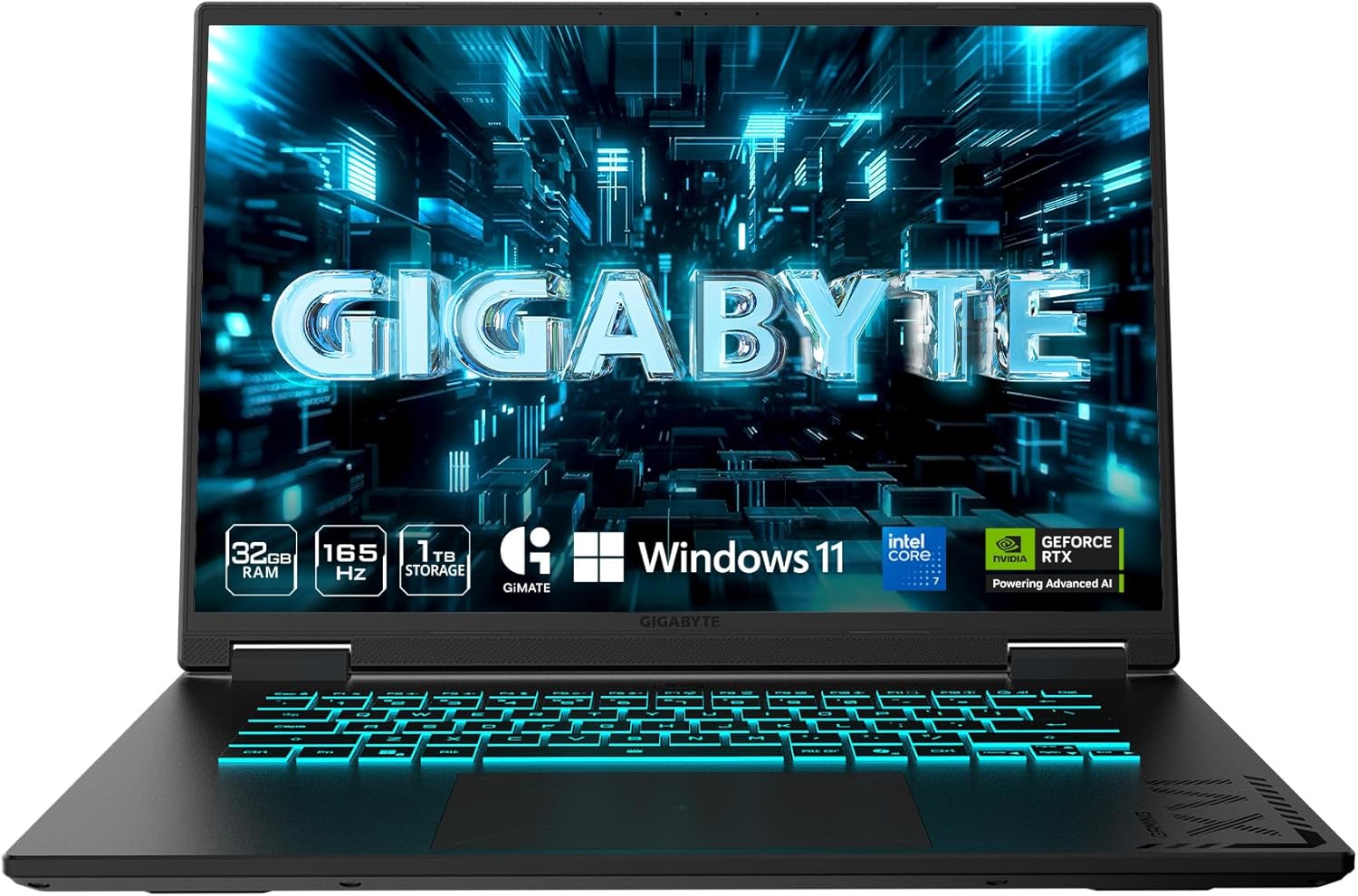
- memory Intel Core Ultra 7 240H
- developer_board NVIDIA GeForce RTX 5070 Ti Laptop GPU
- layers 32GB LPDDR5X 5600MHz
- track_changes Target GPU: NVIDIA GeForce RTX 4080 / AMD Radeon RX 7900 XTX

- memory Intel Core Ultra 9 275HX
- developer_board GeForce RTX 5070 Laptop Laptop GPU
- layers 64GB DDR5-6400MHz (Single-Channel)
- track_changes Target GPU: NVIDIA GeForce RTX 4080 / AMD Radeon RX 7900 XTX

- memory Intel Core Ultra 9 275HX
- developer_board NVIDIA GeForce RTX 5070 Ti
- layers 32GB
- track_changes Target GPU: NVIDIA GeForce RTX 4080 / AMD Radeon RX 7900 XTX

- memory Intel Core Ultra 9 275HX
- developer_board NVIDIA GeForce RTX 5070 Ti Laptop GPU
- layers 32 GB DDR5 6400MHz (2x16GB)
- track_changes Target GPU: NVIDIA GeForce RTX 4080 / AMD Radeon RX 7900 XTX
For Control Resonant Specifically
- memory AMD Ryzen 7 7435HS
- developer_board NVIDIA GeForce RTX 3050
- layers 32GB DDR5-4800MHz
- track_changes Target GPU: NVIDIA GeForce GTX 1070 / AMD Radeon RX 5600 XT (6GB)
- memory AMD Ryzen 9 8940HX Processor
- developer_board NVIDIA GeForce RTX 5060 Laptop GPU
- layers 32GB DDR5-5200MHz
- track_changes Target GPU: NVIDIA GeForce GTX 1070 / AMD Radeon RX 5600 XT (6GB)
- memory AMD Ryzen 7 7445HS
- developer_board NVIDIA GeForce RTX 4050
- layers 16GB (2x8GB) DDR5 5600MHz SO-DIMM
- track_changes Target GPU: NVIDIA GeForce GTX 1070 / AMD Radeon RX 5600 XT (6GB)
- memory AMD Ryzen 7 7445HS
- developer_board NVIDIA GeForce RTX 4050
- layers 16GB DDR5 5600MHz SO-DIMM
- track_changes Target GPU: NVIDIA GeForce GTX 1070 / AMD Radeon RX 5600 XT (6GB)

- memory AMD Ryzen 9 7845HX
- developer_board NVIDIA GeForce RTX 4080
- layers Up to 64GB DDR5
- track_changes Target GPU: NVIDIA GeForce GTX 1070 / AMD Radeon RX 5600 XT (6GB)
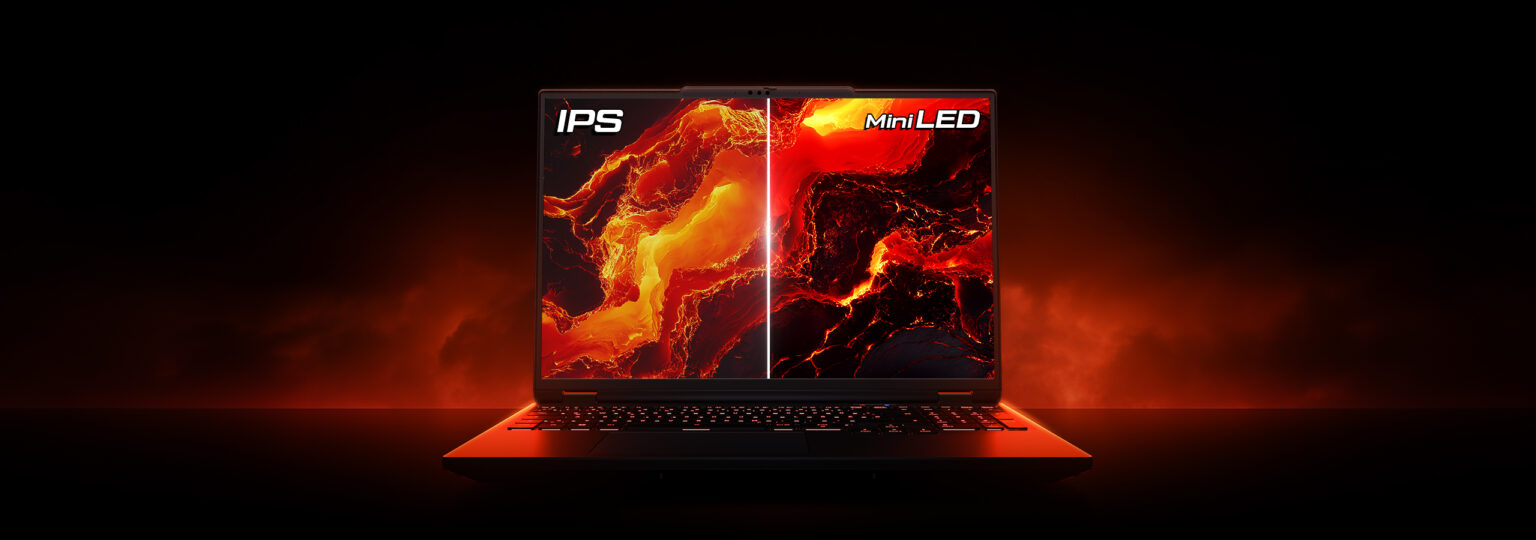
- memory AMD Ryzen 9 9955HX
- developer_board NVIDIA GeForce RTX 5070 Ti Laptop GPU
- layers 64GB DDR5-5600MHz (Dual-Channel)
- track_changes Target GPU: NVIDIA GeForce GTX 1070 / AMD Radeon RX 5600 XT (6GB)
- memory Intel Core i9-14900HX
- developer_board NVIDIA GeForce RTX 4070
- layers 32GB DDR5-5600MHz
- track_changes Target GPU: NVIDIA GeForce RTX 3070 / AMD Radeon RX 6700 XT (8GB)
- memory Intel Core i9-14900HX
- developer_board NVIDIA GeForce RTX 4070
- layers 16GB DDR5-5600MHz
- track_changes Target GPU: NVIDIA GeForce RTX 3070 / AMD Radeon RX 6700 XT (8GB)
- memory Intel Core Ultra 7 255H
- developer_board NVIDIA GeForce RTX 5060 Laptop GPU
- layers 16GB DDR5-5600MHz (Dual-Channel)
- track_changes Target GPU: NVIDIA GeForce RTX 3070 / AMD Radeon RX 6700 XT (8GB)
- memory AMD Ryzen 9 8940HX Processor
- developer_board NVIDIA GeForce RTX 5060 Laptop GPU
- layers 32GB DDR5-5200MHz
- track_changes Target GPU: NVIDIA GeForce RTX 3070 / AMD Radeon RX 6700 XT (8GB)
- memory Intel Core i9-12950HX
- developer_board NVIDIA GeForce RTX 3080 Ti
- layers 32GB DDR5-4800MHz
- track_changes Target GPU: NVIDIA GeForce RTX 3070 / AMD Radeon RX 6700 XT (8GB)
- memory AMD Ryzen 7 7445HS
- developer_board NVIDIA GeForce RTX 4050
- layers 16GB (2x8GB) DDR5 5600MHz SO-DIMM
- track_changes Target GPU: NVIDIA GeForce RTX 3070 / AMD Radeon RX 6700 XT (8GB)
- memory AMD Ryzen 7 7445HS
- developer_board NVIDIA GeForce RTX 4050
- layers 16GB DDR5 5600MHz SO-DIMM
- track_changes Target GPU: NVIDIA GeForce RTX 3070 / AMD Radeon RX 6700 XT (8GB)
- memory Intel Core i9-14900HX
- developer_board NVIDIA GeForce RTX 4080 Laptop GPU
- layers 64 GB DDR5-5600MHz
- track_changes Target GPU: NVIDIA GeForce RTX 3070 / AMD Radeon RX 6700 XT (8GB)
- memory Intel Core Ultra 9 Processor 275HX (Series 2)
- developer_board NVIDIA GeForce RTX 5070 Laptop GPU
- layers 32GB DDR5-5600MHz
- track_changes Target GPU: NVIDIA GeForce RTX 3070 / AMD Radeon RX 6700 XT (8GB)
- memory Intel Core i9-14900HX Processor
- developer_board NVIDIA GeForce RTX 5070 Laptop GPU
- layers 32GB DDR5-5600MHz
- track_changes Target GPU: NVIDIA GeForce RTX 3070 / AMD Radeon RX 6700 XT (8GB)
- memory Intel Core Ultra 9 285H (Series 2) , 14 cores (6 Performance cores + 8 Efficient cores), 20 threads
- developer_board NVIDIA GeForce RTX 5050 Laptop GPU
- layers 32GB (2x16GB) DDR5 8400MHz SO-DIMM
- track_changes Target GPU: NVIDIA GeForce RTX 5090 / RTX 4090
- memory Intel Core Ultra 9 285H
- developer_board NVIDIA GeForce RTX 5070
- layers 32GB (2x16GB) DDR5 4800MHz SO-DIMM
- track_changes Target GPU: NVIDIA GeForce RTX 5090 / RTX 4090
- memory Intel Core i9-14900HX Processor
- developer_board NVIDIA GeForce RTX 5070 Ti Laptop GPU
- layers 64GB DDR5-5600MHz (commonly listed as 4800MHz by some retailers, but 5600MHz is common for 14th Gen HX with DDR5)
- track_changes Target GPU: NVIDIA GeForce RTX 5090 / RTX 4090
- memory Intel Core Ultra 9 Processor 275HX
- developer_board NVIDIA GeForce RTX 5070 Ti Laptop GPU
- layers 64GB DDR5-6400MHz
- track_changes Target GPU: NVIDIA GeForce RTX 5090 / RTX 4090
- memory Intel Core Ultra 9 Processor 275HX (Series 2)
- developer_board NVIDIA GeForce RTX 5070 Ti Laptop GPU
- layers 32GB DDR5-5600MHz
- track_changes Target GPU: NVIDIA GeForce RTX 5090 / RTX 4090
- memory Intel Ultra 7 255HX
- developer_board NVIDIA GeForce RTX 5070 Ti
- layers 32GB DDR5 5600MHz
- track_changes Target GPU: NVIDIA GeForce RTX 5090 / RTX 4090
- memory Intel Core Ultra 7 240H
- developer_board NVIDIA GeForce RTX 5070 Ti Laptop GPU
- layers 32GB LPDDR5X 5600MHz
- track_changes Target GPU: NVIDIA GeForce RTX 5090 / RTX 4090
- memory Intel Core Ultra 9 275HX
- developer_board GeForce RTX 5070 Laptop Laptop GPU
- layers 64GB DDR5-6400MHz (Single-Channel)
- track_changes Target GPU: NVIDIA GeForce RTX 5090 / RTX 4090
- memory Intel Core Ultra 9 275HX
- developer_board NVIDIA GeForce RTX 5070 Ti
- layers 32GB
- track_changes Target GPU: NVIDIA GeForce RTX 5090 / RTX 4090
- memory Intel Core Ultra 9 275HX
- developer_board NVIDIA GeForce RTX 5070 Ti Laptop GPU
- layers 32 GB DDR5 6400MHz (2x16GB)
- track_changes Target GPU: NVIDIA GeForce RTX 5090 / RTX 4090
info_outline Laptop recommendations are estimates based on available component benchmarks and game requirements. Actual performance may vary depending on settings, drivers, cooling, power limits, etc. Prices and availability subject to change. As an Amazon Associate, we earn from qualifying purchases.