Select Games to Compare

search close
search close

Select up to 2 games to compare side-by-side.

💻
Mobile Hardware & Thermal Intelligence (2026)
Gaming on a Laptop? Check Real-World Compatibility

Benchmark your exact mobile GPU wattage (TGP), battery throttling drops, and cooling pad requirements for these games.

Test Laptop Specs → ⚖️ Compare Laptops

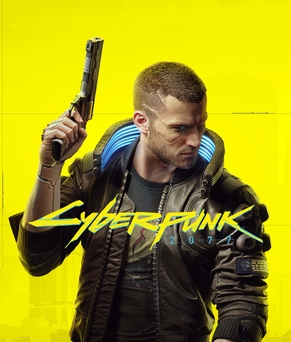
Elden Ring: Nightreign vs Cyberpunk 2077

close close
info General Information
Release Date
May 30, 2025 Dec 10, 2020
Developer
FromSoftware CD Projekt Red
Publisher
Bandai Namco Entertainment CD Projekt
Genre(s)
Cooperative Survival Roguelike Action-RPG Action RPG, Open World, Sci-Fi, Cyberpunk, First-Person
Engine
Proprietary Engine REDengine 4
stars Ratings & Price
Content Rating
Mature 17+ Mature 17+
Avg. User Rating
4.8 / 5.0 4.2 / 5.0
Current Price (USD)
$69.99 $59.99
tune Key Specs
Quick Highlights
  • Endgame Content: Everdark Sovereigns Mode
  • Playable Classes: 10 Unique Nightfarers (8 Base + 2 DLC)
  • Procedural Map System: Limveld (Shrinking Zone & Shifting Earth)
  • Perspective: First-Person (Third-Person while driving and in photo mode/some cutscenes)
  • Multiplayer: None (Single-Player Only)
  • Setting: Night City, Free State of Northern California, Year 2077
  • Platforms: PC, PlayStation 4, PlayStation 5, Xbox One, Xbox Series X|S, Google Stadia (discontinued)
  • Unique Feature: Deep Character Customization & Lifepaths, Extensive Cyberware System, Branching Narrative with Meaningful Choices, Johnny Silverhand (Keanu Reeves), Dense Vertical City Design, Braindance Investigations.
sports_esports Gameplay & Mechanics
Companions/Followers
  • Spectral Minions: Automatically raised by the Revenant to fight autonomously and draw enemy aggro.
    Undead / Spirit
  • Johnny Silverhand (Digital Ghost): Resides in V's head due to the Relic biochip. Provides constant commentary, opinions, and guidance (often unsolicited). During specific story moments or side jobs ('Chippin' In'), V can allow Johnny to temporarily take control of their body, leading to unique interactions and gameplay segments where Johnny's combat style is emphasized.
    Digital Construct / Human (Formerly)
  • Jackie Welles (Temporary): V's initial mercenary partner. Fights alongside V in early game missions, providing combat support with his dual pistols and aggressive style. His presence is limited to the prologue and first act.
    Human
  • Story-Specific AI Companions (Panam, Judy, River, Takemura, etc.): During their respective questlines, key characters like Panam Palmer, Judy Alvarez, River Ward, Goro Takemura, and others will accompany V on missions, providing combat support, unique dialogue, and specialized skills (e.g., Panam's driving and sniper skills, Judy's tech/braindance expertise). They are AI-controlled and their presence is scripted for those missions.
    Human
  • Summoned Drones/Turrets (Tech Perks & Cyberware): Through certain tech perks or cyberware, V might be able to deploy small combat drones or turrets that act as temporary AI companions, attacking nearby enemies.
    Robotic
  • Pets (Cat 'Nibbles', Iguana): V can adopt a cat (Nibbles) and hatch an iguana in their apartment. They are non-combat companions, primarily adding a touch of domesticity and life to V's living space.
    Felis catus / Iguanidae
Key Collectibles
  • Relics / Depths Relics: Found in Shifting Earth chests and drops; upgraded at the Small Jar Bazaar.
  • Remembrance Fragments: Obtained by completing specific character missions on the Limveld map to unlock distinct endings.
  • Iconic Weapons: Unique named weapons with special abilities, stats, and often unique visual designs. Obtained from specific enemies, as quest rewards, or found in hidden locations. Can be upgraded.
  • Tarot Card Graffiti (Mystical Murals): 20 (base game) + 2 (Phantom Liberty) large, glowing tarot card murals painted on walls throughout Night City and Dogtown. Finding them is part of the 'Fool on the Hill' side job and they are narrated by Misty, tying into themes of fate and V's journey.
  • Cyberpsycho Sightings (Mini-Bosses): 17 individuals who have succumbed to cyberpsychosis. Regina Jones tasks V with neutralizing them (lethally or non-lethally) for study. Each encounter is a unique mini-boss fight.
  • NCPD Scanner Hustles (Reported Crimes): Numerous dynamic events marked on the map, including Assaults in Progress, Reported Crimes, and Organized Crime Activities. Completing them by neutralizing criminals and looting evidence provides XP, street cred, and money.
  • Shards (Lore & Skill Shards): Data shards containing text logs, audio recordings, or even software that grants a free Perk Point or levels up a skill. Found extensively throughout Night City, providing lore and character progression.
  • Johnny Silverhand's Belongings (Car, Gun, Clothing Items): Various iconic items that belonged to Johnny Silverhand can be found or acquired by V, allowing them to partially adopt his look and use his signature gear. Part of the 'Chippin' In' side job line.
  • Vehicles (Purchasable & Stealable): While not 'collectibles' in the traditional sense, acquiring a garage full of diverse vehicles (cars, motorcycles) by purchasing them from Fixers or finding/stealing unique ones is a major side activity for many players.
Key Themes
  • Survival
  • Primordial Night
  • Alternate Timeline
  • Dark Fantasy
  • Cooperative Strategy
  • Cyberpunk
  • Transhumanism
  • Corporate Power & Dystopia
  • Megacities
  • Identity & Self
  • Immortality
  • Rebellion
  • Artificial Intelligence
  • Inequality
  • The Price of Fame
  • Loss & Memory
  • Cybernetics
colorize Combat & Gear
Weapons Overview
  • Abyssal Moonlight Greatsword: Greatsword
    A corrupted blade channeling the absolute dark of the abyss, wielded by Heolstor.
  • Reduvia: Dagger
    An Arcane-scaling dagger perfect for the Executor, inflicting rapid hemorrhage status effects.
  • Sword of Night and Flame: Straight Sword
    A hybrid weapon requiring high Intelligence and Faith, utilizing powerful elemental weapon arts.
  • Power Weapons: Conventional Firearms (Ricochet)
    Standard firearms (pistols, SMGs, rifles, shotguns, LMGs) that fire conventional bullets. Bullets can ricochet off surfaces, allowing for trick shots. Most common weapon type, highly customizable with scopes, muzzles, and mods.
  • Tech Weapons: Electromagnetic Firearms (Charge & Penetrate)
    Advanced firearms that can be charged up to fire powerful projectiles capable of penetrating cover and hitting enemies behind walls. Often have a distinct visual and sound design. Require Technical Ability attribute for full potential.
  • Smart Weapons: Guided Projectile Firearms (Homing)
    Futuristic firearms that fire self-guided projectiles that can track and home in on tagged enemies, even around cover. Require a Smart Link cyberware implant in V's hands to use effectively. Often tied to Intelligence attribute.
  • Melee Weapons (Blades & Blunt): Close Quarters Combat (Various)
    Includes katanas, knives, machetes, baseball bats, crowbars, hammers, and unique iconic melee weapons. Combat style varies from fast slashes to heavy stunning blows. Can be modded.
  • Cyberware Weapons (Arm Implants): Cybernetic Melee/Ranged
    Powerful weapons integrated directly into V's cybernetic arms: Mantis Blades (extendable arm blades for lethal melee), Gorilla Arms (enhance strength for blunt melee and ripping open doors/turrets), Monowire (a charged fiber optic whip for slicing enemies), Projectile Launch System (fires various explosive or non-lethal projectiles).
  • Throwables (Grenades): Explosive/Utility
    Various types of grenades including Fragmentation, EMP, Incendiary, Recon (tags enemies), and Biohazard. Used for area denial, crowd control, or specific tactical advantages.
  • Iconic Weapons: Unique Named Variants
    Special, named versions of existing weapons (Power, Tech, Smart, Melee) with unique appearances, enhanced stats, and often special properties or effects. Found as quest rewards, looted from specific enemies, or crafted from specs. Highly sought after.
Armor / Gear Sets
  • Guardian's Greatshield / Plating: Provides maximum guard boost and enables the Steel Guard passive.
  • White Valkyrie Armor: Worn by the Harmonia Balancers; provides high resistance to physical and magic damage, but weak to Sleep.
  • Outer Clothing (Jackets, Coats, Vests): Provides Armor rating, which contributes to damage reduction. Can have mod slots for adding passive bonuses (e.g., increased critical chance, resistance to specific damage types, reduced recoil). Style varies greatly.
  • Inner Clothing (Shirts, Tops, Bodysuits): Provides Armor rating and potentially mod slots. Contributes to overall look and protection.
  • Headwear (Hats, Helmets, Glasses, Masks, Kerchiefs): Provides Armor rating and often mod slots. Glasses/visors can sometimes offer minor UI enhancements or zoom capabilities through mods. Masks used for anonymity or aesthetic.
  • Facewear (Masks, Cybernetic Faceplates): Provides Armor and sometimes unique perks or mod slots. Cybernetic faceplates are more integrated.
  • Legwear (Pants, Skirts, Shorts): Provides Armor rating and can have mod slots.
  • Footwear (Boots, Shoes, Sneakers): Provides Armor rating and sometimes mod slots for perks like quieter movement or reduced fall damage.
  • Special Outfits / Full Body Sets: Complete outfits (e.g., corpo suit, netrunner suit, nomad gear) that provide an overall Armor rating and sometimes set bonuses or unique appearances. Some are iconic or tied to specific factions/quests.
  • Subdermal Armor (Cyberware): A type of cyberware implant that directly increases V's base Armor rating. Multiple tiers available for increasing damage resistance.
Outfits/Customization
  • Priestess Blindfold and Cape: Transforms into the Duchess's evasive gear upon unlocking the magic pocketwatch.
  • Outerwear (Jackets, Coats, Vests): Extensive selection of jackets (biker, bomber, trench coats, armored vests, etc.) in various styles (corpo, nomad, streetkid, netrunner) and materials. Offers Armor and mod slots.
  • Innerwear (Shirts, T-Shirts, Tank Tops, Bodysuits): Wide variety of shirts and tops, from casual to formal, often reflecting different subcultures of Night City. Provides Armor and mod slots.
  • Headwear (Hats, Caps, Helmets, Bandanas, Headbands, Visors): Large assortment of headgear. Helmets offer more protection. Visors and some cybernetic headwear can have unique properties or mod slots.
  • Facewear (Glasses, Goggles, Masks, Cybernetic Optics): Includes sunglasses, protective goggles, gas masks, decorative masks, and cybernetic eye/face implants. Can offer Armor and mod slots.
  • Legwear (Pants, Trousers, Skirts, Shorts, Leggings): Diverse options for lower body clothing, including jeans, cargo pants, corporate slacks, tactical pants, and more. Provides Armor and mod slots.
  • Footwear (Boots, Sneakers, High Heels, Sandals): Variety of shoes to match different styles, from heavy combat boots to stylish sneakers or formal shoes. Offers Armor and sometimes mod slots for perks like quieter movement.
  • Special Outfits / Full Body Sets (Netrunner Suit, Corpo Suit, Nomad Gear, Hazmat Suit, etc.): Complete, pre-designed outfits that often provide a cohesive look and good Armor. Some are tied to specific factions, professions, or quests. Can have multiple mod slots.
  • Wardrobe & Transmog System (Post 1.6 Update): Players can save created outfits in their apartment wardrobe and use a transmogrification system to apply the appearance of any owned clothing item to their equipped gear, allowing for optimal stats with desired aesthetics.
trending_up Progression & Upgrades
Skills & Progression

Nightreign completely overhauls the traditional 'Soulsborne' leveling system, replacing the blank-slate protagonist with ten bespoke 'Nightfarers.' Each class possesses fixed attributes and a triad of unique abilities: a Passive Ability, a short-cooldown Character Skill, and a potent, combat-charged Ultimate Art. Progression is divided into two distinct economies: run-based power and permanent account progression. Run-based power involves gathering Tiers 1-5 Smithing Stones to upgrade armaments from Common to Legendary rarities across 33 different weapon classes. Permanent account progression utilizes the 'Relic' and 'Vessel' systems. Players extract 'Marks' from their Expeditions to permanently upgrade Relics—which provide passive buffs and elemental affinities—up to a +3 value at the Small Jar Bazaar in the Roundtable Hold. The addition of Depths Relics in the late-2026 update further expanded this system, unlocking three specialized slots to maximize synergistic builds for the game’s hyper-lethal Everdark Sovereigns mode.

N/A
public World & Exploration
World & Level Design

Unlike the vast, meticulously handcrafted and static open world of the original Lands Between, Nightreign introduces a procedural, ever-shifting cartographic system called 'Limveld.' Limveld is a deeply corrupted, temporally distorted manifestation of Limgrave. The map's size dynamically fluctuates due to a survival-genre 'shrinking zone' mechanic, where the lethal Primordial Night continuously encroaches on the edges, funneling players toward randomized Points of Interest like Forges, Blacksmith villages, and toxic Swamps. Furthermore, the map experiences catastrophic 'Shifting Earth' events—massive, bespoke dungeons such as the Great Hollow that violently erupt or phase into existence mid-run. These localized regions drastically alter the topography, creating high-risk, high-reward zones filled with localized environmental hazards, unique elemental curses (Fire, Magic, Lightning, Holy), and top-tier loot. This procedural framework guarantees that no two Expeditions are geographically identical, forcing players to prioritize navigation and risk-management under strict time constraints.

Night City is a vast and incredibly dense urban open world, divided into six main districts: Watson (run-down, industrial, diverse), Westbrook (upscale, Japantown, corporate plazas), City Center (corporate heart, skyscrapers), Heywood (residential, diverse socio-economic areas, Valentinos turf), Santo Domingo (industrial, working-class, 6th Street turf), and Pacifica (once a resort district, now impoverished and dangerous, Voodoo Boys turf). The surrounding Badlands (desert outskirts) are also explorable. The city is known for its verticality and intricate layout.

Playable Vehicles
  • N/A: None
    Mounts like Torrent are absent due to the instance-based procedural survival map design.
  • Cars (Economy, Executive, Sport, Hypercar, Heavy Duty, Utility): Land Vehicle (Wheeled)
    A vast selection of cars across numerous fictional manufacturers and classes, reflecting Night City's diverse automotive landscape. Vehicles can be purchased, stolen, or awarded. Extensive visual customization is limited, but performance varies. Some vehicles feature mounted weapons (added post-2.0/Phantom Liberty).
  • Motorcycles (Street, Sport, Chopper): Land Vehicle (Two-Wheeled)
    Various motorcycles for fast and agile urban traversal, including iconic bikes like Jackie's Arch or the Kusanagi Yaiba. Offer a different driving experience and allow V to use one-handed weapons while riding.
  • Trucks & Vans (Industrial, Commercial): Land Vehicle (Wheeled - Heavy)
    Larger vehicles like pickup trucks, vans, semi-trucks, and industrial vehicles. Slower but more durable. Some can be used for specific missions or carrying large items.
  • Armored Vehicles & Weaponized Vehicles (Post 2.0 / Phantom Liberty): Land Vehicle (Combat Focused)
    Certain vehicles, especially those added or enhanced with later updates and the Phantom Liberty expansion, come equipped with mounted machine guns, rocket launchers, or other offensive capabilities, enabling vehicle combat.
  • AVs (Aerodynes - NPC/Mission Specific): Aerial Vehicle (Flying Car - Primarily NPC)
    Flying vehicles (AVs) are a common sight in Night City's skies, used by corporations, law enforcement, and the wealthy. While V cannot freely pilot them in the base game, they feature prominently in cutscenes and specific mission sequences. Some limited player control might occur in scripted events.
  • Public Transit (NCART Metro - Fast Travel): Mass Transit System
    The Night City Area Rapid Transit (NCART) system features metro stations across the city. Initially just fast travel points, later updates allowed players to actually ride the metro trains and look out at the city.
Notable Fauna/Mounts
  • Sentient Pest: Colossal Moth / Mole-Cricket
    One half of the dual-entity Nightlord Gnoster, spreading poison and tracking magic.
  • Tricephalos: Three-Headed Canine
    The Beast of Night (Gladius), a massive boss utilizing intense Fire damage.
  • Cats (Domestic): Felis catus
    Ambient Domesticated/Stray Wildlife. V can adopt a cat named Nibbles.
  • Dogs (Domestic / Stray): Canis familiaris
    Ambient Domesticated/Stray Wildlife. Less common than cats in interactive roles.
  • Pigeons & Other Birds: Aves (Various)
    Ambient Urban Wildlife, contribute to city atmosphere.
  • Rats & Cockroaches: Rodentia / Blattodea
    Ambient Urban Wildlife, found in run-down areas, adding to grim atmosphere.
  • Iguana (Pet): Iguanidae
    V can acquire an Iguana egg and hatch it as a pet for their apartment.
  • Fish (Aquarium): Pisces (Various Ornamental)
    Decorative, can be found in some environments or as part of V's apartment customization.
book Story & Characters
Main Characters
  • Wylder: Playable Nightfarer
    A balanced, greatsword-wielding vanguard with a tragic connection to The Priestess.
  • Heolstor: The Primordial Nightlord
    An artificial Lord of Night crafted by the Nox, wielding the Rune of Night.
  • Ironeye: Playable Nightfarer
    A strategic archer who increases team loot drops and applies massive vulnerabilities.
  • V (Valerie/Vincent): Protagonist (Mercenary)
    The player-customizable protagonist. V's background (Lifepath: Nomad, Streetkid, Corpo) influences early story and dialogue options. After a heist gone wrong, V's consciousness is intertwined with Johnny Silverhand's due to the Relic biochip, leading to a desperate search for a cure.
  • Johnny Silverhand: Deuteragonist / Digital Ghost / Rockerboy Legend
    A charismatic and rebellious iconic rockerboy and anarchist who died decades before 2077. His digital ghost is imprinted on the Relic biochip and becomes a constant presence in V's mind, offering cynical commentary, guidance, and sometimes taking control. Portrayed and voiced by Keanu Reeves.
  • Jackie Welles: Ally / V's Best Friend & Merc Partner
    V's initial partner in crime and close friend. A loyal and ambitious mercenary dreaming of hitting the major leagues in Night City. His fate is a significant early plot point.
  • Judy Alvarez: Ally / Braindance Technician / Potential Romantic Interest
    A skilled braindance technician and member of the Moxes gang. She becomes a key ally to V, helping with investigations and dealing with personal struggles. A potential romantic interest for female V.
  • Panam Palmer: Ally / Nomad (Aldecaldos) / Potential Romantic Interest
    A fiercely independent former member of the Aldecaldos nomad clan. She enlists V's help for various operations in the Badlands and becomes a crucial ally. A potential romantic interest for male V.
  • River Ward: Ally / NCPD Detective / Potential Romantic Interest
    An NCPD detective who seeks V's help in solving a personal case. He is principled but often disillusioned with the system. A potential romantic interest for female V.
  • Kerry Eurodyne: Ally / Rockerboy / Potential Romantic Interest
    Johnny Silverhand's former bandmate from Samurai. Now an older, established musician struggling with his legacy and new challenges. A potential romantic interest for male V.
  • Viktor Vektor: Ally / Ripperdoc
    A skilled and trustworthy Ripperdoc who serves as V's primary cyberware installer and medical contact. A fatherly figure to V.
  • Misty Olszewski: Ally / Esoteric Shop Owner
    Owner of Misty's Esoterica, Jackie's girlfriend, and a friend to V. She provides spiritual guidance and tarot readings.
  • Goro Takemura: Ally / Former Arasaka Bodyguard
    The loyal former bodyguard of Saburo Arasaka. After Saburo's death, he seeks V's help to uncover the truth and bring justice, becoming an unlikely ally.
  • Adam Smasher: Antagonist / Arasaka Cyborg Enforcer
    A monstrous, almost fully cybernetic Arasaka enforcer. A legendary and terrifying figure in Night City, responsible for Johnny Silverhand's death. Serves as a major recurring threat.
  • Yorinobu Arasaka: Antagonist / Heir to Arasaka Corporation
    Saburo Arasaka's rebellious son and the current head of the Arasaka Corporation after his father's demise. His actions are central to the main conflict.
  • Fixers (Dexter DeShawn, Rogue Amendiares, Wakako Okada, Mr. Hands, etc.): Quest Givers / Information Brokers
    Influential figures in Night City's underworld who provide V with gigs (jobs), contracts, and information. Each fixer controls a specific territory or type of operation.
Example Missions
  • Defeating the Daily Minor Boss: Core Survival Loop
    Kill the minor boss at the end of each in-game day to temporarily halt the encroaching darkness.
  • Surviving a Shifting Earth Event: Optional High-Risk Event
    Navigate a violently spawned dungeon to gather high-tier Smithing Stones and Legendary Relics before time expires.
  • Main Jobs (Primary Story Campaign)
    A series of core narrative missions that drive V's central quest to find a cure for the Relic biochip and deal with Johnny Silverhand's engram. These involve high-stakes heists, corporate espionage, confrontations with major antagonists, and exploring the deepest secrets of Night City and the Arasaka Corporation.
  • Side Jobs (Character Arcs & Major Side Stories)
    Extensive, multi-part optional questlines that delve deeper into the stories of key supporting characters like Panam Palmer, Judy Alvarez, River Ward, Kerry Eurodyne, and Johnny Silverhand himself. These often involve significant choices and can lead to romances or impact V's relationships and potential endings.
  • Gigs (Fixer Contracts)
    Smaller, contract-based jobs provided by Night City's Fixers. These are categorized into types like Mercenary Work (e.g., neutralize target, sabotage), SOS: Merc Needed (rescue missions), Thievery (steal an item), Agent Saboteur, Gun for Hire, and Search and Recover. They offer money, street cred, and experience.
  • NCPD Scanner Hustles (Assault in Progress, Reported Crime, Organized Crime Activity)
    Dynamic events marked on the map indicating ongoing criminal activity. V can intervene to neutralize criminals and often find lootable evidence or containers. Contributes to clearing out district crime.
  • Cyberpsycho Sightings
    Regina Jones tasks V with locating and neutralizing (preferably non-lethally) 17 individuals who have succumbed to cyberpsychosis. Each encounter is a unique mini-boss fight requiring different tactics.
  • Vehicle Contracts (Post 2.0 Update)
    Missions from El Capitan involving stealing specific vehicles within a time limit, often involving combat or evading pursuit.
  • Braindance Investigations
    Specific missions where V uses a Braindance device to analyze recorded memories, scrubbing through visual, audio, and thermal layers to find clues and solve mysteries. A key investigative tool.
  • Phantom Liberty Main Jobs & Gigs (Expansion)
    A new main storyline and set of gigs within the Dogtown district, involving espionage, political intrigue, and working with NUSA agent Solomon Reed and netrunner Songbird to save the NUSA President.
people Multiplayer
Multiplayer Details

Elden Ring: Nightreign fundamentally subverts the traditional FromSoftware multiplayer model by excising invasions and competitive PvP entirely, focusing exclusively on a highly integrated three-player cooperative survival mode. The core 'Expedition' loop challenges a squad of up to three 'Nightfarers' to survive a grueling three-day temporal cycle within the procedurally generated, constantly shrinking map of Limveld. This mode operates on deep class synergy and micro-management of resources. Players must coordinate class abilities—such as the Guardian’s protective domes, the Duchess’s group invisibility, and the Ironeye’s long-range revives—to survive aggressive field bosses and the catastrophic Shifting Earth map deformations. The game also features the 'Everdark Sovereigns' mode, an ultra-hardcore, zero-margin-for-error endgame variant where the team is pitted against the primary Nightlords in their most lethal, mechanically complex phases immediately upon encounter. In both modes, seamless voice communication and strategic alignment of elemental damage types are mandatory for squad survival.

A standalone multiplayer game set in the Cyberpunk universe was once in development but was later canceled. Cyberpunk 2077 itself is a single-player experience with no multiplayer modes.

extension Editions & DLC
Available Editions

Elden Ring: Nightreign launched across multiple console generations and PC ecosystems with a highly stratified retail offering tailored for both newcomers and hardcore collectors. The Standard Edition provides the base game and cooperative functionality. The Deluxe Edition caters to fans of the franchise's rich lore and aesthetics, including the base game alongside a comprehensive digital artbook and a meticulously curated mini-soundtrack featuring atmospheric arrangements from the game’s procedural zones. The crown jewel of the launch was the highly sought-after Collector's Edition, which was strictly limited to the PlayStation ecosystem. This premium physical bundle featured a breathtaking 25cm high-quality resin statue of the Wylder class executing a dynamic pose, a massive hardcover artbook containing developer insights into the shift toward procedural design, an exclusive steelbook case, and all digital Deluxe content. In August 2026, the Elden Ring: Tarnished Edition was released, serving as a definitive bundle that ported the fully patched game and The Forsaken Hollows expansion to the Nintendo Switch 2.

Available in Standard Edition. A Collector's Edition was released with numerous physical items (V statue, artbook, SteelBook, world compendium, postcards, map, etc.). The game later received a major 2.0 update and the 'Phantom Liberty' expansion, which can be purchased separately or as part of a bundle. An 'Ultimate Edition' bundling the base game and Phantom Liberty was also released.

Post-Launch Content / DLC

FromSoftware's commitment to supporting Nightreign post-launch fundamentally transformed the endgame ecosystem. The title received continuous updates throughout 2025, culminating in the critically acclaimed expansion, 'The Forsaken Hollows,' released on December 4, 2025. This massive injection of content introduced the Great Hollow Shifting Earth event, two brand-new playable Nightfarers (The Scholar and The Undertaker), and an expanded roster of brutal Nightlord bosses, including Weapon-Bequeathed Harmonia and Traitorous Straghess. Furthermore, it integrated beloved legacy bosses like Artorias and the Divine Beast Dancing Lion into the procedural map pool. In June 2025, the developers deployed the 'Everdark Sovereigns' initiative, a hyper-lethal difficulty tier where bosses spawn immediately in aggressive subsequent phases with entirely new mechanical behaviors. Most recently, the August 2026 'Deep of Night' update accompanying the Tarnished Edition introduced Depths Relics, allowing players to utilize three additional relic slots to create game-breaking synergies required to survive the game's ultimate procedural challenges.

The game received numerous patches and significant free updates (like the 2.0 update which overhauled perks, cyberware, AI, and police systems). One major paid story expansion, 'Phantom Liberty,' was released, adding a new district (Dogtown), storyline, characters, weapons, and abilities. CD Projekt Red has stated Phantom Liberty is the only planned major expansion.

help_outline FAQ
Frequently Asked Questions
  • Q: Is Elden Ring: Nightreign a sequel to the base game?
    A: No, it is a standalone cooperative survival roguelike set within an alternate timeline following the Shattering.
  • Q: How many players can play cooperatively?
    A: The game features highly integrated three-player cooperative matchmaking.
  • Q: Does the game have character creation?
    A: No, Nightreign abandons the blank slate model for a roster of ten pre-defined Nightfarer classes with unique skills.
  • Q: What is a Shifting Earth event?
    A: It is a catastrophic, randomized event where a massive bespoke dungeon erupts from the procedural map, offering high-tier loot but extreme hazards.
  • Q: Does the game support DLSS or FSR natively?
    A: No, Nightreign does not natively support mainstream AI upscaling technologies out of the box, relying on raw rasterization.
  • Q: What are Lifepaths in Cyberpunk 2077, and how do they affect the game?
    A: At the start of the game, players choose one of three Lifepaths for V: Nomad, Streetkid, or Corpo. This choice determines V's starting prologue mission, some unique dialogue options throughout the game that reflect their background, and occasionally offers unique ways to approach or resolve certain quests.
  • Q: Is Cyberpunk 2077 fixed now after its troubled launch?
    A: Cyberpunk 2077 received numerous significant patches and updates (notably Patch 1.5, 1.6, and the major 2.0 Update) that addressed many of the bugs, performance issues, and missing features present at launch. The game is now considered to be in a much-improved state, especially on PC and current-gen consoles, though performance can still be demanding.
  • Q: Can I customize my character's appearance after starting the game?
    A: Yes, after Patch 1.5, players can change V's appearance (hair, makeup, piercings, some cyberware visuals) at mirrors in their apartments or at Ripperdocs. Initial body type and voice cannot be changed post-character creation.
  • Q: What is Braindance (BD)?
    A: Braindance is an in-universe technology that allows users to experience recorded memories and emotions of another person. V uses BDs for investigative purposes, analyzing recordings in an editing mode to find clues by scanning visual, audio, and thermal layers.
  • Q: Does Cyberpunk 2077 have multiple endings?
    A: Yes, Cyberpunk 2077 features multiple significantly different endings for the main story, influenced by choices made throughout the game, particularly in the final act and V's relationships with key characters. The Phantom Liberty expansion also has its own set of branching endings that can impact the base game's conclusion.
  • Q: What is Phantom Liberty?
    A: Phantom Liberty is the only major paid expansion for Cyberpunk 2077. It's a spy-thriller story that introduces a new district (Dogtown), new characters (including Solomon Reed played by Idris Elba and Songbird), new quests, weapons, cyberware, and abilities. It integrates into the main game but also offers a new potential ending path.
build Technical Details
Graphics & Visual Fidelity

Built upon the proprietary engine that powered Elden Ring and Shadow of the Erdtree, Nightreign utilizes its visual fidelity to emphasize the horrific corruption of the Primordial Night. The procedural map of Limveld is draped in a perpetual, oppressive twilight, violently contrasted by the brilliant, high-contrast visual effects of the Nightfarers' abilities—such as the Executor's blood-red slashes, the Recluse's glowing elemental residues, and the Guardian's blinding Holy incantations. The game features heavily detailed character models for all ten classes and horrific, imaginative designs for the Nightlords, ranging from the multi-headed Gladius to the ethereal, geometric Maris. While the game does support basic ray tracing on high-end hardware, its most impressive visual achievement is the seamless rendering of the 'Shifting Earth' events. Massive dungeons and towering geographical structures violently erupt from the ground in real-time, requiring immense graphical processing to calculate localized lighting changes, environmental destruction, and dense particle effects without relying on native AI upscaling technologies.

Powered by REDengine 4, Cyberpunk 2077 showcases a visually stunning and incredibly dense Night City, renowned for its neon-drenched streets, towering skyscrapers, detailed interiors, and diverse character designs. It features advanced global illumination, reflections, and particle effects. Ray tracing (including Path Tracing in 'Overdrive Mode' on high-end PCs) significantly enhances visual fidelity with realistic lighting, shadows, and reflections, but is extremely demanding.

Audio & Soundtrack

The auditory experience of Nightreign is a masterclass in atmospheric tension, perfectly matching the apocalyptic tone of the Primordial Night. The sound design is deeply interwoven with gameplay mechanics; the encroaching darkness emits a low, oppressive hum that gradually increases in pitch and volume, serving as an audio cue that the playable zone is shrinking. The musical score, crafted by FromSoftware's veteran composers, shifts dynamically based on the procedural nature of the map. Exploring safe zones like the Small Jar Bazaar is accompanied by melancholic, subdued strings, while encountering a catastrophic Shifting Earth event triggers a sudden, violent crescendo of brass and choral chants. Each of the ten Nightlords possesses a distinct, multi-phased orchestral theme that evolves dramatically as the boss transitions through their mechanical phases. The mini-soundtrack included in the Deluxe Edition highlights these atmospheric arrangements, capturing the desperate, adrenaline-fueled struggle of the Nightfarers against the cosmic darkness.

Original score composed by Marcin Przybyłowicz, P. T. Adamczyk, and Paul Leonard-Morgan, featuring a blend of electronic, industrial, synthwave, and rock elements reflecting Night City's atmosphere. Features an extensive list of licensed tracks from various artists (real and fictional in-universe bands like Samurai, fronted by Johnny Silverhand) across multiple in-game radio stations covering diverse genres. Sound design emphasizes futuristic tech, distinct weapon sounds, and the cacophony of a bustling, dangerous city.

User Interface (UI/UX)

The User Interface in Nightreign is heavily streamlined to accommodate the frantic, timer-based nature of its survival roguelike mechanics. Unlike the expansive, slower-paced menus of the base game, Nightreign prioritizes immediate readability of squad health, cooldown timers, and the encroaching Primordial Night tracker. The HUD features distinct, stylized icons for the three unique Nightfarer abilities (Passive, Skill, Ultimate Art), tracking the combat-charge state of the Ultimate Art to allow for quick team coordination. Inventory management is relegated to a simplified grid optimized for quick crafting and weapon upgrading during brief respites at localized Forges. A vital UI addition is the Journal menu, accessed primarily in the Roundtable Hold, which allows players to actively track and toggle their character-specific 'Remembrance' quests. This specific toggle is crucial, as the multiplayer networking code relies on the UI state of the host's Journal to determine which narrative progression flags are loaded into the procedural Limveld map during an Expedition.

Features a diegetic first-person HUD integrated into V's optical implants, displaying health, ammo, mini-map, objectives, and contextual hacking prompts. The inventory, character (skills, cyberware), journal, and map are accessed through a menu system. Braindances offer a unique investigative UI. Extensive use of in-world UIs on screens and advertisements.

Accessibility Options

Nightreign incorporates a variety of systemic and design-oriented features that enhance accessibility without compromising the punishing difficulty inherent to the developer's pedigree. The hero-shooter class system itself acts as a profound accessibility tool; players who struggle with parrying or dodging can select the Guardian for immense passive defense, or the Revenant, whose necromancy automatically summons AI allies to manage crowd control. The cooperative structure ensures that less experienced players can be anchored by veterans, with mechanics like the Ironeye's cross-map revive significantly reducing the friction of permanent death during an Expedition. Visually, the UI allows for colorblind adjustments, highly readable cooldown trackers, and distinct audio-visual cues that telegraph devastating boss attacks. The implementation of the Relic system allows players to heavily stack passive defensive buffs and health regeneration over time, providing an organic, grindable pathway to overcome mechanical skill checks that would otherwise halt progression entirely.

Offers a robust suite of accessibility options, including extensive subtitle customization (size, background, speaker names), control remapping (full on PC), aim assist options, options to reduce camera motion and screen effects, colorblind modes, UI scaling, options for hold vs. toggle for actions, and various gameplay difficulty modifiers.

Gameplay Video
launchWatch launchWatch
Walkthrough/Guide
launchView launchView
settings_applications System Requirements
1080p (Full HD) - Minimum (Low-Medium Preset, 30-60 FPS)
CPU: Minimum processing power required for the shrinking-map mechanic and procedural algorithms.
CPU (Laptop): Mobile CPUs require robust cooling to handle the continuous procedural load.
GPU: Entry-level desktop graphics to run the game at minimum visual fidelity.
GPU (Laptop): Adequate VRAM and power to maintain smooth gameplay at 1080p.
RAM: Minimum memory to hold procedural maps and cooperative player state data.
Storage: Base game size before expansions.
memoryCPU: Intel Core i5-10600 / AMD Ryzen 5 5500
developer_boardGPU: NVIDIA GTX 1060 (3GB) / AMD RX 580 (4GB)
laptop_macCPU (L): Intel Core i7-10750H / AMD Ryzen 7 4800H
laptop_windowsGPU (L): NVIDIA RTX 3050 Ti (85W+)
layersRAM: 12 GB
saveStorage (Tier): 60 GB Available Space
1080p (Full HD) - RT High (1080p ~60 FPS, RT Ultra Preset, DLSS/FSR Quality/Balanced) (Ray Tracing Ultra Preset, DLSS/FSR Quality or Balanced)
CPU: CPU for 1080p/60FPS with Ultra RT.
CPU (Laptop): Top-tier laptop CPUs.
GPU: Desktop GPU for 1080p/60FPS with Ultra RT.
GPU (Laptop): Flagship RT capable laptop GPUs. 12GB+ VRAM crucial, DLSS vital.
RAM: 20GB RAM minimum, 32GB recommended for Ultra RT.
Storage: NVMe SSD strongly recommended.
memoryCPU: Intel Core i9-12900 or AMD Ryzen 9 7900X
developer_boardGPU: NVIDIA GeForce RTX 3080 Ti (12GB) / RTX 4070 Ti (12GB)
laptop_macCPU (L): Intel Core i9-12900HX / AMD Ryzen 9 6900HX or better
laptop_windowsGPU (L): NVIDIA GeForce RTX 3080 Ti Mobile (16GB, Max TGP) / RTX 4080 Mobile (12GB, Max TGP).
layersRAM: 20 GB
saveStorage (Tier): 70 GB NVMe SSD
1080p (Full HD) - Recommended (1080p ~60 FPS, High Preset, No Ray Tracing) (High Preset, Ray Tracing OFF)
CPU: Recommended desktop CPU for 1080p/60FPS High (CPU is very important).
CPU (Laptop): High-end laptop CPUs due to CPU intensity.
GPU: Recommended desktop GPU for 1080p/60FPS High.
GPU (Laptop): Performance-focused laptop GPUs. 8GB VRAM crucial.
RAM: 16GB RAM strongly recommended.
Storage: NVMe SSD strongly recommended.
memoryCPU: Intel Core i7-12700 or AMD Ryzen 7 7800X3D
developer_boardGPU: NVIDIA GeForce RTX 2060 Super (8GB) / RTX 3070 (8GB) or AMD Radeon RX 6700 XT (12GB) or Intel Arc A770
laptop_macCPU (L): Intel Core i7-12700H / AMD Ryzen 7 6800H or better. **Modern Intel Core i7/i9 HX-series / AMD Ryzen 7/9 HS/HX-series with high clock speeds are ideal.**
laptop_windowsGPU (L): NVIDIA GeForce RTX 3070 Mobile (8GB, High TGP) / RTX 4060 Mobile (8GB, High TGP). **An RTX 3070 Ti Mobile or RTX 4070 Mobile would offer a more consistent 60 FPS+ at 1080p High.**
layersRAM: 16 GB
saveStorage (Tier): 70 GB NVMe SSD
1080p (Full HD) - RT Minimum (1080p ~30 FPS, RT Low Preset, DLSS/FSR Balanced) (Ray Tracing Low Preset, DLSS/FSR Balanced)
CPU: CPU for 1080p/30FPS with basic RT.
CPU (Laptop): High-end laptop CPU.
GPU: Minimum desktop GPU for 1080p/30FPS with basic RT (AMD needs higher tier for RT).
GPU (Laptop): RT capable laptop GPUs. DLSS/FSR essential.
RAM: 16GB RAM required.
Storage: NVMe SSD required.
memoryCPU: Intel Core i7-9700 or AMD Ryzen 5 5600
developer_boardGPU: NVIDIA GeForce RTX 2060 (6GB) / RTX 3060 (8GB) or AMD Radeon RX 6800 XT (16GB)
laptop_macCPU (L): Intel Core i7-10870H / AMD Ryzen 7 5800H or better
laptop_windowsGPU (L): NVIDIA GeForce RTX 3060 Mobile (6GB, High TGP) / RTX 4060 Mobile (8GB, High TGP). **An RTX 3070 Mobile or RTX 4070 Mobile would be significantly better for RT.**
layersRAM: 16 GB
saveStorage (Tier): 70 GB NVMe SSD
1080p (Full HD) - Minimum (1080p ~30 FPS, Low Preset, No Ray Tracing) (Low Preset, Ray Tracing OFF)
CPU: Minimum desktop CPU for 1080p at lower settings.
CPU (Laptop): Estimated laptop CPU equivalent. Newer i5/Ryzen 5 H-series with good single-core performance recommended.
GPU: Minimum desktop GPU for 1080p at lower settings.
GPU (Laptop): Estimated laptop GPUs. 6GB VRAM highly recommended.
RAM: Minimum RAM requirement (post 2.0 update increased this).
Storage: SSD is mandatory.
memoryCPU: Intel Core i7-6700 or AMD Ryzen 5 1600
developer_boardGPU: NVIDIA GeForce GTX 1060 (6GB) or AMD Radeon RX 580 (8GB) or Intel Arc A380
laptop_macCPU (L): Intel Core i7-8750H / AMD Ryzen 5 3600 (Laptop equivalent) or better
laptop_windowsGPU (L): NVIDIA GeForce GTX 1660 Ti Mobile (6GB) / RTX 2060 Mobile (6GB) / RTX 3050 Ti Mobile (4GB, High TGP). **An RTX 3060 Mobile or RTX 4050 Mobile (High TGP) would be a much better entry point for stable 1080p Low/Medium.**
layersRAM: 12 GB
saveStorage (Tier): 70 GB SSD
1440p (QHD/2K) - RT Ultra (1440p ~60 FPS, RT Ultra Preset, DLSS/FSR Balanced/Performance) (Ray Tracing Ultra Preset, DLSS/FSR Balanced or Performance)
CPU: Desktop CPU for 1440p/60FPS with Ultra RT.
CPU (Laptop): Flagship laptop CPUs.
GPU: Desktop GPU for 1440p/60FPS with Ultra RT.
GPU (Laptop): Flagship laptop GPUs needed. 12GB+ VRAM essential, DLSS critical.
RAM: 32GB RAM strongly recommended.
Storage: NVMe SSD required.
memoryCPU: Intel Core i9-12900 or AMD Ryzen 9 7900X
developer_boardGPU: NVIDIA GeForce RTX 3080 Ti (12GB) / RTX 4080 (16GB)
laptop_macCPU (L): Intel Core i9-13900HX / AMD Ryzen 9 7945HX or better
laptop_windowsGPU (L): NVIDIA GeForce RTX 4080 Mobile (12GB, Max TGP) / RTX 4090 Mobile (16GB, Max TGP).
layersRAM: 20 GB
saveStorage (Tier): 70 GB NVMe SSD
1440p (QHD/2K) - Recommended (High Preset, 60 FPS, Ray Tracing OFF)
CPU: Ideal core count to handle networking code alongside map generation without stutter.
CPU (Laptop): High-end laptop CPUs are required for consistent framerates at this resolution.
GPU: Disabling ray tracing is advised on these mid-range cards to maintain a locked 60fps at 1440p.
GPU (Laptop): High TGP required to ensure 1440p resolution scaling doesn't crash frame times.
RAM: Optimal for smooth loading of the Shifting Earth events.
Storage: Includes base game plus the Forsaken Hollows expansion.
memoryCPU: Intel Core i5-11600 / AMD Ryzen 5 5600
developer_boardGPU: NVIDIA RTX 4070 / AMD RX 7800 XT
laptop_macCPU (L): Intel Core i7-12700H / AMD Ryzen 9 6900HX
laptop_windowsGPU (L): NVIDIA RTX 4070 Mobile (140W)
layersRAM: 16 GB
saveStorage (Tier): 150 GB (Gen 3/4 NVMe SSD)
2160p (UHD/4K) - Enthusiast (Ultra Preset, 60+ FPS, Ray Tracing ON)
CPU: Bleeding-edge CPUs guarantee zero bottlenecking during extreme multiplayer boss encounters.
CPU (Laptop): Desktop replacement class CPUs needed for absolute peak performance.
GPU: Required to brute-force 4K resolution and Ray Tracing since the game lacks native DLSS/FSR upscaling.
GPU (Laptop): Maximal mobile power limit to handle native 4K rendering without upscalers.
RAM: Future-proof memory standard to handle ultra-resolution textures and rapid loading.
Storage: Ultra-fast SSD is non-negotiable for seamless high-res texture streaming.
memoryCPU: Intel Core i7-14700K / AMD Ryzen 9 9900X3D
developer_boardGPU: NVIDIA RTX 4090 / 5070 Ti / AMD RX 9070 XT
laptop_macCPU (L): Intel Core i9-14900HX / AMD Ryzen 9 7945HX3D
laptop_windowsGPU (L): NVIDIA RTX 5080/4090 Mobile (175W)
layersRAM: 32 GB
saveStorage (Tier): 150 GB (Gen 4/5 NVMe SSD)
2160p (UHD/4K) - RT Overdrive (Path Tracing) (Targeting ~60 FPS, DLSS Performance/Ultra Performance with Frame Generation) (Ray Tracing: Overdrive Preset, DLSS Performance/Ultra Performance + Frame Generation (DLSS 3.5))
CPU: Flagship desktop CPU for attempting RT Overdrive.
CPU (Laptop): Absolute flagship laptop CPUs essential.
GPU: The most powerful desktop GPU, heavily reliant on DLSS 3.5 for playable Overdrive mode.
GPU (Laptop): The absolute best laptop GPU, and it will be pushed to its limits. Path Tracing is exceptionally demanding.
RAM: 32GB RAM essential for RT Overdrive.
Storage: NVMe SSD required.
memoryCPU: Intel Core i9-13900K or AMD Ryzen 9 7950X3D
developer_boardGPU: NVIDIA GeForce RTX 4090 (24GB)
laptop_macCPU (L): Intel Core i9-13980HX/14900HX / AMD Ryzen 9 7945HX3D (if available). **The most powerful laptop CPUs available.**
laptop_windowsGPU (L): NVIDIA GeForce RTX 4090 Mobile (16GB, Max TGP). **Even this will struggle significantly with RT Overdrive at 4K and will need aggressive DLSS settings including Frame Generation. A hypothetical next-gen flagship (e.g., RTX 5090 Mobile or AMD equivalent with strong RT) would be needed for a truly comfortable experience. (Highly Speculative)**
layersRAM: 24 GB
saveStorage (Tier): 70 GB NVMe SSD
save Overall Storage
Spec: 60 - 150 GB PCIe Gen 4/5 NVMe SSD
Note: NVMe SSD is critical to mitigate hitching and traversal stutter during dynamic Shifting Earth events.
Type: NVMe
Spec: 70 GB available space (SSD Required). Phantom Liberty DLC adds approx. 33GB.
Note: An NVMe SSD is strongly recommended for the best experience due to asset streaming, fast loading, and to mitigate texture pop-in.
Type: SSD
desktop_windows Operating System
Spec: Windows 10 / 11 (64-bit)
Explanation: Required for DirectX 12 API and modern memory allocation.
Spec: 64-bit Windows 10
Explanation: 64-bit Windows 10 or Windows 11 is required.
gamepad DirectX Version
Spec: Version 12
Explanation: Mandatory for engine rendering; basic ray tracing is supported but heavy on performance.
Spec: DirectX 12
Explanation: DirectX 12 API is required.
info_outline Other Game Notes
  • Heightened CPU dependencies due to its procedural generation algorithms and complex multiplayer networking infrastructure.
  • Laptop Performance Note: Laptops require excellent thermal management as continuous procedural generation and high CPU usage will cause aggressive thermal throttling.
  • Laptop Consideration: G P U T G P: Ensure minimum 115W TGP for mobile GPUs to maintain stable frame pacing during Shifting Earth events.
  • Laptop Consideration: Cooling Thermals: Procedural map generation causes heavy CPU spikes; cooling pads are highly recommended.
  • Laptop Consideration: C P U Power Limits: Avoid battery-saver modes; strict CPU bottlenecking will heavily degrade cooperative multiplayer sync.
  • Laptop Consideration: M U X Switch Optimus: A dedicated MUX switch is crucial to reduce latency in a game where parry and dodge timings are in the milliseconds.
  • Optimization Detail: Upscaling Tech: None natively (No out-of-the-box DLSS/FSR). Relies on raw rasterization or third-party mods.
  • Optimization Detail: Key Settings Impact: Disabling Ray Tracing is strongly advised for mid-range hardware to maintain 60 FPS.
  • Game Name: Elden Ring: Nightreign
  • Official system requirements from CD Projekt Red (updated post-2.0 patch and Phantom Liberty). Performance can vary significantly depending on specific hardware, settings, areas in-game (especially dense city centers), and background applications. An SSD is MANDATORY. The game is very demanding, especially with Path Tracing (Overdrive Mode).
  • Laptop Performance Note: Laptop models of listed desktop GPUs may work if their performance is comparable, but TGP (Total Graphics Power) and cooling are extremely critical. **Cyberpunk 2077 is one of the most graphically and CPU intensive games, particularly with advanced ray tracing. High-end, modern laptop hardware is essential for an enjoyable experience at higher settings.**
  • Laptop Consideration: G P U T G P: Maximum TGP is crucial for performance.
  • Laptop Consideration: Cooling Thermals: Excellent cooling is essential to prevent severe thermal throttling, especially during prolonged sessions.
  • Laptop Consideration: C P U Power Limits: Laptops with sustained high CPU power limits and good single-core performance will perform better.
  • Laptop Consideration: R A M Speed Dual Channel: Fast dual-channel RAM (DDR5 preferred) significantly benefits performance, especially with high CPU load.
  • Laptop Consideration: M U X Switch Optimus: Using a MUX switch or NVIDIA Advanced Optimus is highly recommended for optimal framerates.
  • Optimization Detail: Upscaling Tech: Supports NVIDIA DLSS (including Super Resolution, Ray Reconstruction, and Frame Generation - DLSS 3/3.5), AMD FSR 2.1, and Intel XeSS 1.1.
  • Optimization Detail: Key Settings Impact: Ray Tracing (Reflections, Sun Shadows, Local Shadows, Global Illumination, Path Tracing/Overdrive Mode), Screen Space Reflections Quality, Volumetric Fog Resolution, Crowd Density, Texture Quality, and Level of Detail (LOD) heavily impact performance. Using upscaling is highly recommended for higher settings/resolutions, especially with any form of ray tracing.
  • Game Name: Cyberpunk 2077
build Optimization Details
  • Upscaling Tech: None natively (No out-of-the-box DLSS/FSR). Relies on raw rasterization or third-party mods.
  • Key Settings Impact: Disabling Ray Tracing is strongly advised for mid-range hardware to maintain 60 FPS.
  • Upscaling Tech: Supports NVIDIA DLSS (including Super Resolution, Ray Reconstruction, and Frame Generation - DLSS 3/3.5), AMD FSR 2.1, and Intel XeSS 1.1.
  • Key Settings Impact: Ray Tracing (Reflections, Sun Shadows, Local Shadows, Global Illumination, Path Tracing/Overdrive Mode), Screen Space Reflections Quality, Volumetric Fog Resolution, Crowd Density, Texture Quality, and Level of Detail (LOD) heavily impact performance. Using upscaling is highly recommended for higher settings/resolutions, especially with any form of ray tracing.
laptop Laptop Considerations
  • G P U T G P: Ensure minimum 115W TGP for mobile GPUs to maintain stable frame pacing during Shifting Earth events.
  • Cooling Thermals: Procedural map generation causes heavy CPU spikes; cooling pads are highly recommended.
  • C P U Power Limits: Avoid battery-saver modes; strict CPU bottlenecking will heavily degrade cooperative multiplayer sync.
  • M U X Switch Optimus: A dedicated MUX switch is crucial to reduce latency in a game where parry and dodge timings are in the milliseconds.
  • G P U T G P: Maximum TGP is crucial for performance.
  • Cooling Thermals: Excellent cooling is essential to prevent severe thermal throttling, especially during prolonged sessions.
  • C P U Power Limits: Laptops with sustained high CPU power limits and good single-core performance will perform better.
  • R A M Speed Dual Channel: Fast dual-channel RAM (DDR5 preferred) significantly benefits performance, especially with high CPU load.
  • M U X Switch Optimus: Using a MUX switch or NVIDIA Advanced Optimus is highly recommended for optimal framerates.

info_outline Feature details based on available data. System requirements and performance estimates may vary.

laptop_chromebook Laptop Recommendations

Common Recommendations (Handles All Compared Games)

check_circle_outline Recommended based on listed requirements for Full HD (1080p).
HP Victus 15 (RTX 4050 & Ryzen 7)
  • memory AMD Ryzen 7 7445HS
  • developer_board NVIDIA GeForce RTX 4050
  • layers 16GB (2x8GB) DDR5 5600MHz SO-DIMM
  • track_changes Target GPU: NVIDIA RTX 3050 Ti (85W+)
ASUS TUF Gaming  A16 with RTX 4050
ASUS TUF Gaming A16 with RTX 4050
  • memory AMD Ryzen 7 7445HS
  • developer_board NVIDIA GeForce RTX 4050
  • layers 16GB DDR5 5600MHz SO-DIMM
  • track_changes Target GPU: NVIDIA RTX 3050 Ti (85W+)
HP OMEN 16 with RTX 4080 and intel i9 14th Gen
  • memory Intel Core i9-14900HX
  • developer_board NVIDIA GeForce RTX 4080 Laptop GPU
  • layers 64 GB DDR5-5600MHz
  • track_changes Target GPU: NVIDIA RTX 3050 Ti (85W+)

For Elden Ring: Nightreign Specifically

check_circle_outline Recommended based on listed requirements for Full HD (1080p).
HP Victus 15 (RTX 4050 & Ryzen 7)
  • memory AMD Ryzen 7 7445HS
  • developer_board NVIDIA GeForce RTX 4050
  • layers 16GB (2x8GB) DDR5 5600MHz SO-DIMM
  • track_changes Target GPU: NVIDIA GTX 1060 (3GB) / AMD RX 580 (4GB)
ASUS TUF Gaming  A16 with RTX 4050
ASUS TUF Gaming A16 with RTX 4050
  • memory AMD Ryzen 7 7445HS
  • developer_board NVIDIA GeForce RTX 4050
  • layers 16GB DDR5 5600MHz SO-DIMM
  • track_changes Target GPU: NVIDIA GTX 1060 (3GB) / AMD RX 580 (4GB)
HP OMEN 16 with RTX 4080 and intel i9 14th Gen
  • memory Intel Core i9-14900HX
  • developer_board NVIDIA GeForce RTX 4080 Laptop GPU
  • layers 64 GB DDR5-5600MHz
  • track_changes Target GPU: NVIDIA GTX 1060 (3GB) / AMD RX 580 (4GB)
Thunderobot Storm 17 (RTX 5070 & i7 13th Gen)
  • memory Intel Core i7-13620H
  • developer_board NVIDIA GeForce RTX 5070 Laptop GPU
  • layers 64GB (2x32GB) DDR5 4800MHz SO-DIMM
  • track_changes Target GPU: NVIDIA GTX 1060 (3GB) / AMD RX 580 (4GB)
ASUS TUF A18 (RTX 5070 & Ryzen 7 260)
  • memory AMD Ryzen 7 6800HS
  • developer_board NVIDIA GeForce RTX 5070 Laptop GPU
  • layers 16GB (2x8GB) DDR4 4800MHz SO-DIMM
  • track_changes Target GPU: NVIDIA GTX 1060 (3GB) / AMD RX 580 (4GB)
GIGABYTE AORUS Elite 16 (RTX 5070 & Intel Core Ultra 9 275HX)
  • memory Intel Core Ultra 9 Processor 275HX (Series 2)
  • developer_board NVIDIA GeForce RTX 5070 Laptop GPU
  • layers 32GB DDR5-5600MHz
  • track_changes Target GPU: NVIDIA GTX 1060 (3GB) / AMD RX 580 (4GB)
MSI Katana 15 HX (RTX 5070 & Intel i7 14th Gen)
  • memory Intel Core i9-14900HX Processor
  • developer_board NVIDIA GeForce RTX 5070 Laptop GPU
  • layers 32GB DDR5-5600MHz
  • track_changes Target GPU: NVIDIA GTX 1060 (3GB) / AMD RX 580 (4GB)
Dell Alienware 16X Aurora (RTX 5070 & Intel Core Ultra 9 275HX)
  • memory Intel Core i9-14900HX Processor
  • developer_board NVIDIA GeForce RTX 5070 Laptop GPU
  • layers 32GB DDR5-5600MHz
  • track_changes Target GPU: NVIDIA GTX 1060 (3GB) / AMD RX 580 (4GB)
HP Omen 16 (RTX 5070 & Intel Core Ultra 9 285HX)
  • memory Intel Core Ultra 9 Processor 285H
  • developer_board NVIDIA GeForce RTX 5070 Laptop GPU
  • layers 16GB DDR5-5600MHz
  • track_changes Target GPU: NVIDIA GTX 1060 (3GB) / AMD RX 580 (4GB)
Lenovo Thinkpad T1G Gen 8 (RTX 5070 & Ultra 9)
  • memory Intel Core Ultra 9 285H (Arrow Lake-H)
  • developer_board NVIDIA GeForce RTX 5070 Laptop GPU
  • layers 64GB LPDDR5x-8533MT/s (LPCAMM2)
  • track_changes Target GPU: NVIDIA GTX 1060 (3GB) / AMD RX 580 (4GB)

info_outline Laptop recommendations are estimates based on available component benchmarks and game requirements. Actual performance may vary depending on settings, drivers, cooling, power limits, etc. Prices and availability subject to change. As an Amazon Associate, we earn from qualifying purchases.

Processing...