Select Games to Compare
Benchmark your exact mobile GPU wattage (TGP), battery throttling drops, and cooling pad requirements for these games.
Beast of Reincarnation vs Hogwarts Legacy
| close | close |
|---|---|
| shopping_cart Where to Buy | |
| info General Information | |
| Release Date | |
| Aug 4, 2026 | Feb 10, 2023 |
| Developer | |
| Game Freak | Avalanche Software |
| Publisher | |
| Fictions | Warner Bros. Games (under Portkey Games label) |
| Genre(s) | |
| Action RPG / Souls-lite | Action RPG, Open World, Fantasy, Third-Person |
| Engine | |
| Unreal Engine 5 | Unreal Engine 4 |
| stars Ratings & Price | |
| Content Rating | |
| T | Teen |
| Avg. User Rating | |
| 4.2 / 5.0 | 4.3 / 5.0 |
| Current Price (USD) | |
| $69.99 | $59.99 |
| tune Key Specs | |
| Quick Highlights | |
|
|
| sports_esports Gameplay & Mechanics | |
| Companions/Followers | |
|
|
| Key Collectibles | |
|
|
| Key Themes | |
|
|
| colorize Combat & Gear | |
| Weapons Overview | |
|
|
| Armor / Gear Sets | |
|
|
| Outfits/Customization | |
|
|
| trending_up Progression & Upgrades | |
| Skills & Progression | |
|
The progression system in Beast of Reincarnation is deeply intertwined with its dual-protagonist combat, utilizing a shared pool of Skill Points (SP) that players must carefully allocate between Emma and her companion, Koo. Emma's skill tree focuses on her katana mastery and Entanglement Gauge, featuring powerful strikes like Shakuyaku, which deals massive stagger damage, and the devastating aerial Helm Splitter. Koo's branch dictates his Bloom Arts and utility, utilizing FP generated through Emma's perfect parries. Essential early unlocks for Koo include Taunt, which draws aggro away from Emma during intense encounters, and Status Effect Amp to rapidly debilitate bosses. Additionally, players can equip Skill Ambers and Spirit Stones into specialized armor slots to boost five main attributes: HP, Attack, Defense, Skill Power, and Critical Rate. The game thankfully includes a respec feature, allowing players to adapt their builds for specific boss weaknesses without feeling permanently locked into early-game decisions. |
N/A |
| public World & Exploration | |
| World & Level Design | |
|
The world design of Beast of Reincarnation offers a sprawling, semi-open world experience that seamlessly blends reclaimed nature with the decaying remnants of futuristic Japanese infrastructure. Players will explore incredibly diverse biomes ranging from the overgrown starting clearings to the treacherous Ancient Civilization Zone (Chapter 2 Creeping Tendrils) and the hauntingly beautiful Pilgrim's Rest (Chapter 4 Stems). The map is densely packed with verticality, expertly utilizing Emma's unique hair-based traversal mechanics to swing from environmental nodes and uncover hidden campsites and loot. Instead of an empty sandbox, the regions are meticulously crafted to funnel players toward epic boss arenas, with vital resting spots tactically placed just out of sight. Exploring every nook and cranny is highly rewarded with rare Skill Ambers and Spirit Stones, making thorough exploration of the Kanto region's ruins absolutely essential for maximizing your combat potential against the relentless Malefact threat. |
Hogwarts Legacy features a large open world encompassing Hogwarts castle itself (with its many iconic locations like the Great Hall, common rooms, classrooms, secret passages), Hogsmeade village, and the expansive surrounding Scottish Highlands. Key explorable regions in the Highlands include the Forbidden Forest, various hamlets (like Upper Hogsfield, Feldcroft, Irondale), vast lochs, coastal areas, and numerous ancient ruins, caves, and Merlin Trials. While not a 1:1 scale, the world is substantial and filled with detail. Travel between distinct major areas (like Hogwarts and Hogsmeade interiors vs. the open Highlands) often involves short loading transitions. The map size is estimated to be significant, offering many hours of exploration (e.g., comparisons place it around 7-10 sq km for the main Highlands overworld, plus the dense interiors of Hogwarts and Hogsmeade). |
| Playable Vehicles | |
|
|
| Notable Fauna/Mounts | |
|
N/A |
| book Story & Characters | |
| Main Characters | |
|
|
| Example Missions | |
|
|
| people Multiplayer | |
| Multiplayer Details | |
|
Beast of Reincarnation eschews traditional multiplayer modes in favor of a tightly balanced, single-player action RPG experience. Game Freak intentionally designed the combat system around the seamless, synergistic relationship between the player-controlled Emma and her AI companion, Koo. Introducing a second human player would disrupt the delicate balance of the Down Gauge mechanics, perfect parry windows, and tactical time-slowing Bloom Arts. Instead of co-op or PvP, the game's challenge lies entirely on the individual player's ability to master the rhythm of enemy attacks and manage the shared Skill Points effectively. The solo nature of the game enhances the feeling of isolation and the powerful bond between the two main characters traversing a desolate world. While fans of cooperative Soulslikes might be disappointed, this singular focus allows the developers to meticulously craft encounter designs and boss phases that are perfectly tuned for the unique, hybrid action-command combat system. |
Hogwarts Legacy is a purely single-player experience. There are no multiplayer modes. |
| extension Editions & DLC | |
| Available Editions | |
|
Game Editions for Beast of Reincarnation cater to a variety of players, offering both accessible entry points and premium packages for hardcore fans. The Standard Edition includes the base game and offers the full, uncompromised narrative and combat experience for players on PC, PlayStation 5, and Xbox Series X|S. For collectors, the Deluxe Edition provides exclusive digital artbooks, a sweeping orchestral soundtrack composed of haunting melodies, and early unlocks for specialized Spirit Stones that give a slight edge in early combat scenarios. Additionally, there is a physical Collector's Edition featuring a highly detailed statue of Emma and Koo executing a synchronized Bloom Art, a steelbook case, and a physical map of the post-apocalyptic Kanto region. Notably, the game is also available on Xbox Game Pass on day one, ensuring a massive influx of players ready to test their parry skills and explore Game Freak's ambitious new world. |
Available in Standard Edition, Deluxe Edition (Dark Arts Pack with cosmetic set, Threstral mount, Dark Arts battle arena, 72 hours early access for digital), and Collector's Edition (Deluxe content + life-size floating ancient magic wand with book base, SteelBook case, Kelpie robe cosmetic). |
| Post-Launch Content / DLC | |
|
The post-launch roadmap for Beast of Reincarnation focuses heavily on expanding the lore and introducing punishing new challenges for veteran players. While the base game offers a complete and satisfying narrative arc, Game Freak has hinted at upcoming premium DLC expansions that will unlock previously inaccessible regions beyond the Kanto borders. These expansions are expected to introduce entirely new breeds of Malefacts, complex boss encounters that test the limits of the parry system, and fresh Skill Ambers to diversify Koo's Bloom Arts. Furthermore, free title updates will periodically roll out, bringing highly requested quality-of-life improvements, additional Spirit Stone variations, and potentially new cosmetic outfits for Emma and Koo. The community is especially eager for a rumored 'Boss Rush' mode, allowing players to seamlessly challenge the game's most iconic adversaries back-to-back, fully utilizing their end-game builds and maxed-out Entanglement Gauges for ultimate bragging rights and leaderboard dominance. |
No major story expansions have been released or announced as of mid-2024. Post-launch support has primarily consisted of patches, quality-of-life updates (like Arachnophobia mode), and making previously platform-exclusive content available to all players. Some cosmetic DLC items were available via pre-orders or deluxe editions. |
| help_outline FAQ | |
| Frequently Asked Questions | |
|
|
| build Technical Details | |
| Graphics & Visual Fidelity | |
|
Visually, Beast of Reincarnation is a stunning achievement, leveraging Unreal Engine 5 to deliver a breathtaking, Princess Mononoke-inspired post-apocalyptic world. The artistic direction masterfully contrasts the grotesque, mutated designs of the blight-infected Malefacts with the vibrant, overgrown beauty of a nature-reclaimed Japan. Character models are highly detailed, with Emma's fluid katana animations and dynamic, prehensile hair mechanics looking incredibly smooth during high-speed combat. Koo, the giant white wolf, moves with predatory grace, his Bloom Arts lighting up the screen with dazzling particle effects. The game scales beautifully across modern hardware, pushing native 4K resolutions and high framerates on top-tier PCs while remaining highly optimized for mid-range systems and current-generation consoles. Environmental lighting is particularly impressive, casting long, eerie shadows in the ancient golem ruins and illuminating the lush, sun-dappled clearings where players face off against colossal bosses in beautifully rendered, cinematic showdowns. |
Developed on Unreal Engine 4, Hogwarts Legacy boasts highly detailed and atmospheric environments, particularly the intricate recreation of Hogwarts castle and Hogsmeade. It features impressive lighting, particle effects for spells, detailed character models, and diverse landscapes in the Scottish Highlands. Ray tracing options (Reflections, Shadows, Ambient Occlusion) are available on PC and current-gen consoles, enhancing visual fidelity. |
| Audio & Soundtrack | |
|
The audio landscape of Beast of Reincarnation is a vital component of its immersive, post-apocalyptic atmosphere. The soundtrack features a hauntingly beautiful blend of traditional Japanese instruments and sweeping orchestral arrangements, perfectly capturing the sorrow of a fallen civilization and the fierce hope represented by Emma and Koo. During exploration, the music is somber and minimal, allowing the ambient sounds of nature reclaiming the concrete ruins and the distant, terrifying roars of Malefacts to take center stage. Once combat initiates, especially during monumental boss fights, the score erupts into adrenaline-pumping, fast-paced tracks that match the intensity of the Sekiro-lite swordplay. The sound design of the combat itself is incredibly satisfying; the sharp, metallic clang of a perfect parry serves as both a crucial audio cue and a rewarding dopamine hit, while the visceral impact of Koo's Bloom Arts grounds the fantastical abilities in heavy, destructive reality. |
Original score composed primarily by Peter Murray, J Scott Rakozy, and Chuck E. Myers, featuring enchanting orchestral themes that evoke the magical atmosphere of the wizarding world and Hogwarts, with distinct motifs for different locations and story beats. Sound design includes intricate magical spell effects, ambient sounds of Hogwarts and its surroundings, and creature vocalizations. |
| User Interface (UI/UX) | |
|
The User Interface in Beast of Reincarnation is a masterclass in clean, functional design, specifically tailored to handle its complex, hybrid combat mechanics without cluttering the screen. Central to the HUD are the twin gauges floating above enemies: the traditional red Health Bar and the crucial Down Gauge, which fills as players land hits and perfect parries. For Emma, her Entanglement Gauge is elegantly displayed, tracking the energy needed for her heavy katana techniques. Koo's FP meter is prominently featured, ensuring players always know when they can trigger tactical Bloom Arts. When a Bloom Art is initiated, the UI smoothly transitions into a tactical pause, slowing down time and presenting command choices with clear, distinct icons. The menus for the shared Skill Tree and Spirit Stone inventory are highly intuitive, allowing for rapid build adjustments at campsites, ensuring players spend less time in menus and more time exploring. |
Features a clean HUD displaying health, Ancient Magic meter, equipped spells (spell diamonds), and a mini-map. Menus for gear, inventory, talents, map, quests, collections, and owl post are accessible. The Field Guide is a central codex tracking progress, collectibles, and lore. Spell casting uses a customizable diamond system for quick access. |
| Accessibility Options | |
|
Game Freak has made significant strides in ensuring Beast of Reincarnation is accessible to a wide audience, despite its challenging Soulslike combat roots. The most notable feature is the inclusion of a highly forgiving Story Mode, which dramatically widens the parry windows and completely removes harsh death penalties, allowing players to enjoy the narrative and exploration without immense frustration. The game’s tactical Bloom Arts system inherently adds a layer of accessibility by functioning as a slow-motion pause, giving players vital time to process the battlefield and choose their next move without relying solely on twitch reflexes. Additionally, players have access to extensive subtitle customization, including font size, color, opacity, and background boxes. The controls are fully remappable, and the UI can be adjusted for colorblindness. These thoughtful inclusions mean that both hardcore action veterans and casual RPG fans can experience Emma and Koo's journey on their own terms. |
Offers a range of accessibility options, including customizable controls (PC), extensive subtitle and text customization, colorblind modes, options for aim assist/lock-on, options to change QTEs to holds, Arachnophobia mode (changes spider appearances), audio visualizer for important sound cues, and various gameplay settings for difficulty and visual comfort. |
| video_library Media Links | |
| Gameplay Video | |
| launchWatch | launchWatch |
| Walkthrough/Guide | |
| launchView | launchView |
| settings_applications System Requirements | |
| 720p (HD) - Minimum (720p ~30 FPS, Low Preset, Upscaling Performance) (Low Preset, Upscaling Performance Mode) CPU: Minimum desktop CPU for lower settings. CPU (Laptop): Estimated laptop CPU equivalent. Newer i5/Ryzen 5 H-series recommended. GPU: Minimum desktop GPU for lower settings. GPU (Laptop): Estimated laptop GPUs. 4GB VRAM is absolute minimum. RAM: Minimum RAM requirement (game is RAM intensive). Storage: SSD is officially required; HDD only for bare minimum target. | |
| — | memoryCPU: Intel Core i5-6600 (3.3GHz) or AMD Ryzen 5 1400 (3.2GHz) developer_boardGPU: NVIDIA GeForce GTX 960 (4GB) or AMD Radeon RX 470 (4GB) laptop_macCPU (L): Intel Core i5-8300H / AMD Ryzen 5 2500U equivalent or better laptop_windowsGPU (L): NVIDIA GeForce GTX 1050 Mobile (4GB) / GTX 1650 Mobile (4GB). **An RTX 3050 Mobile would be a significant step up.** layersRAM: 16 GB saveStorage (Tier): 85 GB HDD (SSD Required by spec, but HDD listed for absolute minimum) |
| 1080p (Full HD) - Recommended (High Settings, 60 FPS) CPU: Provides a smooth, stutter-free experience necessary for consistent perfect parrying. CPU (Laptop): Excellent multi-core performance for consistent frame delivery. GPU: Delivers a locked 60 FPS with most visual flourishes enabled. GPU (Laptop): Handles the 1080p High profile flawlessly with DLSS enabled. RAM: Allows for optimal texture caching and seamless region loading. Storage: Fast NVMe SSD recommended for the best experience. | |
memoryCPU: Intel Core i7-10700K or AMD Ryzen 5 5600X developer_boardGPU: NVIDIA GeForce RTX 3060 or AMD Radeon RX 6600 XT laptop_macCPU (L): Intel Core i7-11800H or Ryzen 7 5800H laptop_windowsGPU (L): NVIDIA RTX 4060 Laptop (115W) layersRAM: 16 GB saveStorage (Tier): 70 GB SSD | — |
| 1080p (Full HD) - Recommended (1080p ~60 FPS, High Preset, Upscaling Quality/Balanced possibly) (High Preset (Upscaling may be needed for consistent 60 FPS)) CPU: Recommended desktop CPU for 1080p/60FPS High settings. CPU (Laptop): Estimated mid-range to high-end laptop CPUs. GPU: Recommended desktop GPU for 1080p/60FPS High. GPU (Laptop): Estimated performance-focused laptop GPUs. 6-8GB VRAM crucial. RAM: 16GB RAM strongly recommended. Storage: SSD strongly recommended, NVMe preferred. | |
| — | memoryCPU: Intel Core i7-8700 (3.2GHz) or AMD Ryzen 5 3600 (3.6 GHz) developer_boardGPU: NVIDIA GeForce GTX 1080 Ti (11GB) / RTX 2070 (8GB) or AMD Radeon RX 5700 XT (8GB) / RX 6700 XT (12GB) laptop_macCPU (L): Intel Core i7-9750H / AMD Ryzen 7 4800H equivalent or better laptop_windowsGPU (L): NVIDIA GeForce RTX 2070 Mobile (8GB) / RTX 3060 Mobile (6GB, High TGP). **An RTX 3070 Mobile or RTX 4060 Mobile (High TGP) is a good target for 1080p High 60FPS.** layersRAM: 16 GB saveStorage (Tier): 85 GB SSD |
| 1080p (Full HD) - Minimum (Low-Medium Settings, 30 FPS) CPU: Adequate for maintaining basic game logic and AI companion pathing. CPU (Laptop): Sufficient for 30 FPS, though expect minor dips during heavy particle effect sequences. GPU: Capable of running the game at baseline resolutions without advanced visual features. GPU (Laptop): Provides enough VRAM and power to clear 30 FPS smoothly. RAM: The bare minimum to load essential textures and keep the game running without crashing. Storage: Solid state storage required to prevent micro-stutters during combat. | |
memoryCPU: Intel Core i5-8400 or AMD Ryzen 5 2600 developer_boardGPU: NVIDIA GeForce GTX 1060 6GB or AMD Radeon RX 580 laptop_macCPU (L): Intel Core i5-10300H laptop_windowsGPU (L): NVIDIA RTX 3050 Laptop (75W) layersRAM: 8 GB saveStorage (Tier): 70 GB SSD | — |
| 1440p (QHD/2K) - Recommended (High Settings, 60 FPS) CPU: Ensures no CPU bottlenecking when pushing higher resolutions. CPU (Laptop): Powers through the heavy game logic required at this fidelity. GPU: Provides the raw horsepower needed for 1440p without sacrificing frame pacing. GPU (Laptop): Pushes 1440p comfortably when utilizing upscaling technologies. RAM: Standard requirement for high-end gaming. Storage: Ensures zero texture pop-in during high-speed traversal. | |
memoryCPU: Intel Core i5-12600K or AMD Ryzen 7 5800X3D developer_boardGPU: NVIDIA GeForce RTX 3070 Ti or AMD Radeon RX 6800 laptop_macCPU (L): Intel Core i7-12700H or AMD Ryzen 9 6900HX laptop_windowsGPU (L): NVIDIA RTX 3080 Laptop (130W) or RTX 4070 Laptop layersRAM: 16 GB saveStorage (Tier): 70 GB Gen4 NVMe SSD | — |
| 1440p (QHD/2K) - Ultra (1440p ~60 FPS, Ultra Preset, No Ray Tracing, Upscaling Quality/Balanced) (Ultra Preset, Ray Tracing OFF, Upscaling Quality or Balanced) CPU: CPU for 1440p/60FPS Ultra. CPU (Laptop): High-end laptop CPU. GPU: Desktop GPU for 1440p/60FPS Ultra. GPU (Laptop): High-end laptop GPUs. 8GB+ VRAM critical, 10GB+ ideal. RAM: 16GB RAM essential, 32GB beneficial for smoother experience. Storage: NVMe SSD required. | |
| — | memoryCPU: Intel Core i7-10700K (3.8GHz) or AMD Ryzen 7 5800X (3.8GHz) developer_boardGPU: NVIDIA GeForce RTX 2080 Ti (11GB) / RTX 3080 (10GB) or AMD Radeon RX 6800 XT (16GB) laptop_macCPU (L): Intel Core i7-11800H / AMD Ryzen 7 5800H or better. **Modern i7/Ryzen 7 H/HX series.** laptop_windowsGPU (L): NVIDIA GeForce RTX 3070 Ti Mobile (8GB, Max TGP) / RTX 4070 Mobile (8GB, Max TGP). **An RTX 3080 Mobile or RTX 4080 Mobile would provide a more consistent 1440p Ultra experience.** layersRAM: 16 GB saveStorage (Tier): 85 GB NVMe SSD |
| 2160p (UHD/4K) - Ultra (Max Settings, 60+ FPS) CPU: Top-tier CPUs to guarantee maximum frame delivery alongside heavy GPU loads. CPU (Laptop): Desktop-replacement level CPU required for untethered 4K performance. GPU: Capable of running native 4K max settings at 90-110FPS for an incredibly fluid visual showcase. GPU (Laptop): The only mobile silicon capable of driving this game at 4K Ultra. RAM: Provides massive overhead for 4K textures and background processes. Storage: Maximum bandwidth required for instantaneous asset streaming. | |
memoryCPU: Intel Core i9-13900K or AMD Ryzen 7 7800X3D developer_boardGPU: NVIDIA GeForce RTX 4080 or RTX 5090 laptop_macCPU (L): Intel Core i9-13980HX laptop_windowsGPU (L): NVIDIA RTX 4090 Laptop (175W) layersRAM: 32 GB saveStorage (Tier): 70 GB Gen4 NVMe SSD | — |
| 2160p (UHD/4K) - Ultra RT (2160p/4K ~60 FPS, Ultra Preset, RT On, Upscaling Performance/Ultra Performance + Frame Gen) (Ultra Preset, Ray Tracing ON (All options), Upscaling Performance/Ultra Performance + Frame Generation) CPU: Flagship CPU for attempting 4K/60FPS Ultra RT. CPU (Laptop): Absolute top-tier laptop CPUs. GPU: Flagship desktop GPU for 4K Ultra RT, heavily reliant on DLSS/FSR with Frame Generation. GPU (Laptop): The absolute best laptop GPU, will be pushed to its limits with 4K Ultra RT. Upscaling + Frame Gen mandatory. RAM: 32GB RAM highly recommended for 4K Ultra RT. Storage: NVMe SSD required. | |
| — | memoryCPU: Intel Core i9-12900K or AMD Ryzen 9 5900X/7900X developer_boardGPU: NVIDIA GeForce RTX 4080 (16GB) or AMD Radeon RX 7900 XTX (24GB) laptop_macCPU (L): Intel Core i9-12900HX / AMD Ryzen 9 6900HX or better. **Modern flagship Intel/AMD HX series (e.g., 13980HX, 7945HX3D).** laptop_windowsGPU (L): NVIDIA GeForce RTX 4090 Mobile (16GB, Max TGP). **Even this will require aggressive DLSS/FSR settings including Frame Generation for playable 4K Ultra RT. A hypothetical next-gen flagship (e.g., RTX 5090 Mobile or AMD equivalent) would be targeted for a more robust experience. (Highly Speculative)** layersRAM: 32 GB saveStorage (Tier): 85 GB NVMe SSD |
| save Overall Storage | |
| Spec: 70 GB SSD Note: An SSD is strictly required to ensure seamless loading of large regions and instant transitions into the Bloom Art tactical menus. Type: SSD | Spec: 85 GB available space (SSD Required). Note: An NVMe SSD is highly recommended for the best experience, minimizing load times and improving texture streaming in the detailed world. Type: SSD |
| desktop_windows Operating System | |
| Spec: Windows 10/11 64-bit Explanation: Required to handle the modern memory management and DirectX 12 features utilized by the engine. | Spec: Windows 10 64-bit (Version 21H1 or newer) Explanation: 64-bit Windows 10 (specified version or newer) or Windows 11 is required. |
| gamepad DirectX Version | |
| Spec: DirectX 12 Explanation: Mandatory for advanced rendering features, volumetric lighting, and particle effects. | Spec: DirectX 12 Explanation: DirectX 12 API is required. |
| info_outline Other Game Notes | |
|
|
| build Optimization Details | |
|
|
| laptop Laptop Considerations | |
|
|


info_outline Feature details based on available data. System requirements and performance estimates may vary.
laptop_chromebook Laptop Recommendations
Common Recommendations (Handles All Compared Games)

- memory Intel Core i7-12700H
- developer_board NVIDIA GeForce RTX 3070
- layers 32GB DDR4-3200MHz
- track_changes Target GPU: NVIDIA GeForce GTX 1050 Mobile (4GB) / GTX 1650 Mobile (4GB). **An RTX 3050 Mobile would be a significant step up.**

- memory Intel Core i9-13900H
- developer_board NVIDIA GeForce RTX 4060
- layers 16GB DDR5-5200MHz
- track_changes Target GPU: NVIDIA GeForce GTX 1050 Mobile (4GB) / GTX 1650 Mobile (4GB). **An RTX 3050 Mobile would be a significant step up.**

- memory Intel Core i9-14900HX
- developer_board NVIDIA GeForce RTX 4060
- layers 32GB DDR5-5600MHz
- track_changes Target GPU: NVIDIA GeForce GTX 1050 Mobile (4GB) / GTX 1650 Mobile (4GB). **An RTX 3050 Mobile would be a significant step up.**

- memory Intel Core i5-11400H
- developer_board NVIDIA GeForce RTX 2050
- layers 8GB DDR4-3200MHz
- track_changes Target GPU: NVIDIA RTX 3050 Laptop (75W)
- memory Intel Core i7-12700H
- developer_board NVIDIA GeForce RTX 3070
- layers 32GB DDR4-3200MHz
- track_changes Target GPU: NVIDIA RTX 3050 Laptop (75W)
- memory Intel Core i9-13900H
- developer_board NVIDIA GeForce RTX 4060
- layers 16GB DDR5-5200MHz
- track_changes Target GPU: NVIDIA RTX 3050 Laptop (75W)
- memory Intel Core i9-14900HX
- developer_board NVIDIA GeForce RTX 4060
- layers 32GB DDR5-5600MHz
- track_changes Target GPU: NVIDIA RTX 4060 Laptop (115W)

- memory AMD Ryzen 7 7435HS
- developer_board NVIDIA GeForce RTX 3050
- layers 32GB DDR5-4800MHz
- track_changes Target GPU: NVIDIA GeForce RTX 2070 Mobile (8GB) / RTX 3060 Mobile (6GB, High TGP). **An RTX 3070 Mobile or RTX 4060 Mobile (High TGP) is a good target for 1080p High 60FPS.**

- memory AMD Ryzen 9 8940HX Processor
- developer_board NVIDIA GeForce RTX 5060 Laptop GPU
- layers 32GB DDR5-5200MHz
- track_changes Target GPU: NVIDIA GeForce RTX 2070 Mobile (8GB) / RTX 3060 Mobile (6GB, High TGP). **An RTX 3070 Mobile or RTX 4060 Mobile (High TGP) is a good target for 1080p High 60FPS.**

- memory AMD Ryzen 7 7445HS
- developer_board NVIDIA GeForce RTX 4050
- layers 16GB (2x8GB) DDR5 5600MHz SO-DIMM
- track_changes Target GPU: NVIDIA GeForce RTX 2070 Mobile (8GB) / RTX 3060 Mobile (6GB, High TGP). **An RTX 3070 Mobile or RTX 4060 Mobile (High TGP) is a good target for 1080p High 60FPS.**

- memory Intel Core i9-14900HX
- developer_board NVIDIA GeForce RTX 4070
- layers 32GB DDR5-5600MHz
- track_changes Target GPU: NVIDIA RTX 3080 Laptop (130W) or RTX 4070 Laptop

- memory Intel Core i9-14900HX
- developer_board NVIDIA GeForce RTX 4070
- layers 16GB DDR5-5600MHz
- track_changes Target GPU: NVIDIA RTX 3080 Laptop (130W) or RTX 4070 Laptop

- memory Intel Core Ultra 7 255H
- developer_board NVIDIA GeForce RTX 5060 Laptop GPU
- layers 16GB DDR5-5600MHz (Dual-Channel)
- track_changes Target GPU: NVIDIA RTX 3080 Laptop (130W) or RTX 4070 Laptop

- memory Intel Core i9-14900HX
- developer_board NVIDIA GeForce RTX 4090
- layers 32GB DDR5-5600MHz
- track_changes Target GPU: NVIDIA RTX 4090 Laptop (175W)

- memory Intel Core Ultra 9 285H (Series 2) , 14 cores (6 Performance cores + 8 Efficient cores), 20 threads
- developer_board NVIDIA GeForce RTX 5050 Laptop GPU
- layers 32GB (2x16GB) DDR5 8400MHz SO-DIMM
- track_changes Target GPU: NVIDIA RTX 4090 Laptop (175W)

- memory Intel Core Ultra 9 285H
- developer_board NVIDIA GeForce RTX 5070
- layers 32GB (2x16GB) DDR5 4800MHz SO-DIMM
- track_changes Target GPU: NVIDIA RTX 4090 Laptop (175W)
For Beast of Reincarnation Specifically
- memory Intel Core i5-11400H
- developer_board NVIDIA GeForce RTX 2050
- layers 8GB DDR4-3200MHz
- track_changes Target GPU: NVIDIA GeForce GTX 1060 6GB or AMD Radeon RX 580
- memory Intel Core i7-12700H
- developer_board NVIDIA GeForce RTX 3070
- layers 32GB DDR4-3200MHz
- track_changes Target GPU: NVIDIA GeForce GTX 1060 6GB or AMD Radeon RX 580
- memory Intel Core i9-13900H
- developer_board NVIDIA GeForce RTX 4060
- layers 16GB DDR5-5200MHz
- track_changes Target GPU: NVIDIA GeForce GTX 1060 6GB or AMD Radeon RX 580
- memory Intel Core i9-14900HX
- developer_board NVIDIA GeForce RTX 4060
- layers 32GB DDR5-5600MHz
- track_changes Target GPU: NVIDIA GeForce GTX 1060 6GB or AMD Radeon RX 580

- memory Intel Core i9-12900H
- developer_board NVIDIA GeForce RTX 3070 Ti
- layers 16GB DDR5-4800MHz
- track_changes Target GPU: NVIDIA GeForce GTX 1060 6GB or AMD Radeon RX 580

- memory Intel Core i5-12450H
- developer_board NVIDIA GeForce RTX 3050
- layers 16GB DDR4-3200MHz
- track_changes Target GPU: NVIDIA GeForce GTX 1060 6GB or AMD Radeon RX 580
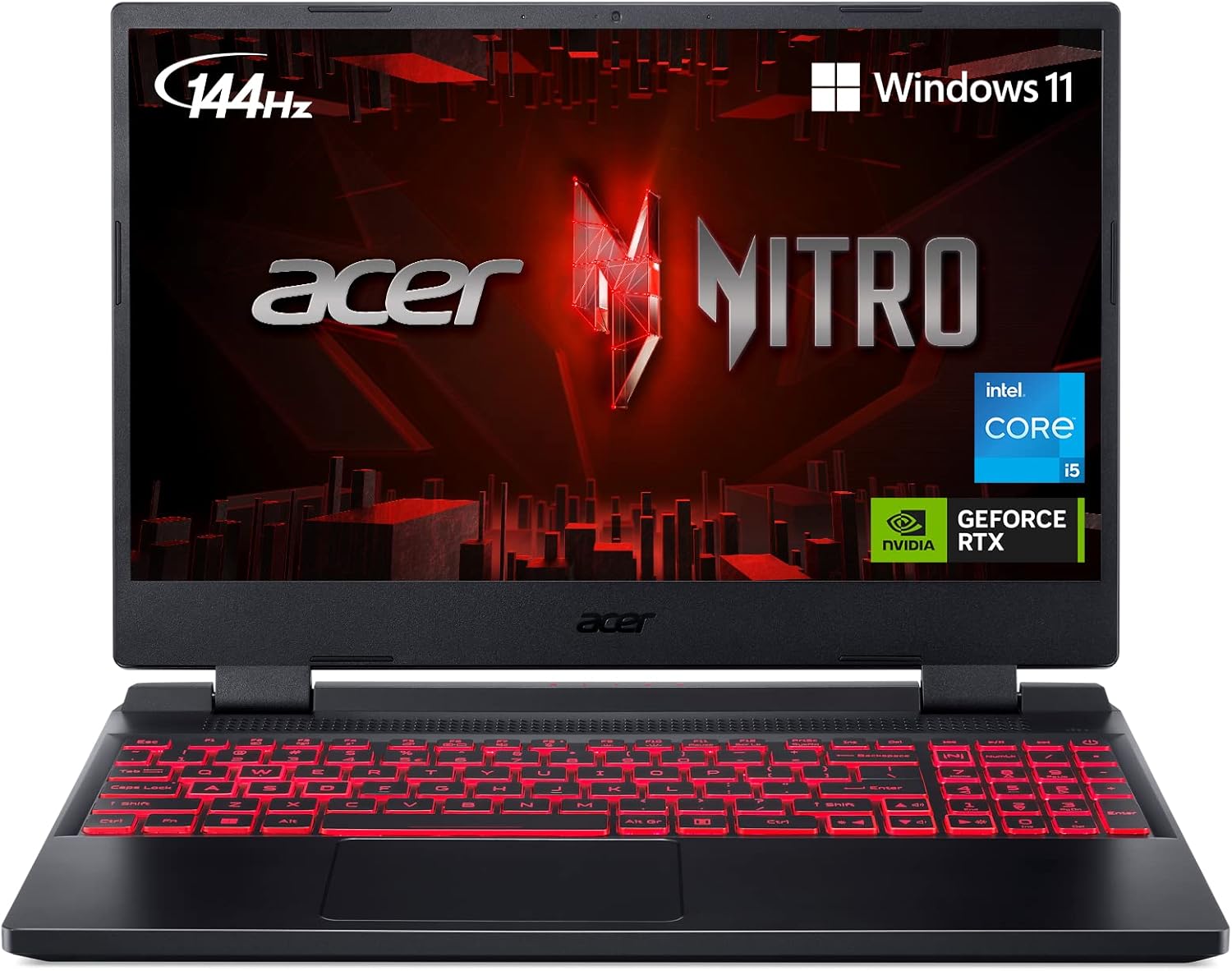
- memory Intel Core i5-12500H
- developer_board NVIDIA GeForce RTX 3050 Ti
- layers 16GB DDR4-3200MHz
- track_changes Target GPU: NVIDIA GeForce GTX 1060 6GB or AMD Radeon RX 580
- memory AMD Ryzen 7 7435HS
- developer_board NVIDIA GeForce RTX 3050
- layers 32GB DDR5-4800MHz
- track_changes Target GPU: NVIDIA GeForce GTX 1060 6GB or AMD Radeon RX 580

- memory AMD Ryzen 7 6800H
- developer_board NVIDIA GeForce RTX 3060
- layers 16GB DDR5-4800MHz
- track_changes Target GPU: NVIDIA GeForce GTX 1060 6GB or AMD Radeon RX 580

- memory AMD Ryzen 9 5900HS
- developer_board NVIDIA GeForce RTX 3080
- layers 16GB DDR4-3200MHz
- track_changes Target GPU: NVIDIA GeForce GTX 1060 6GB or AMD Radeon RX 580

- memory Intel Core i7-13620H
- developer_board NVIDIA GeForce RTX 4070
- layers 16GB DDR5-4800MHz
- track_changes Target GPU: NVIDIA GeForce RTX 3060 or AMD Radeon RX 6600 XT

- memory Intel Core i7-14700HX
- developer_board NVIDIA GeForce RTX 4070
- layers 16GB DDR5-5600MHz
- track_changes Target GPU: NVIDIA GeForce RTX 3060 or AMD Radeon RX 6600 XT
- memory Intel Core i9-14900HX
- developer_board NVIDIA GeForce RTX 4070
- layers 32GB DDR5-5600MHz
- track_changes Target GPU: NVIDIA GeForce RTX 3060 or AMD Radeon RX 6600 XT
- memory Intel Core i9-14900HX
- developer_board NVIDIA GeForce RTX 4070
- layers 32GB DDR5-5600MHz
- track_changes Target GPU: NVIDIA GeForce RTX 3070 Ti or AMD Radeon RX 6800
- memory Intel Core i9-14900HX
- developer_board NVIDIA GeForce RTX 4070
- layers 16GB DDR5-5600MHz
- track_changes Target GPU: NVIDIA GeForce RTX 3070 Ti or AMD Radeon RX 6800
- memory Intel Core Ultra 7 255H
- developer_board NVIDIA GeForce RTX 5060 Laptop GPU
- layers 16GB DDR5-5600MHz (Dual-Channel)
- track_changes Target GPU: NVIDIA GeForce RTX 3070 Ti or AMD Radeon RX 6800
- memory AMD Ryzen 9 8940HX Processor
- developer_board NVIDIA GeForce RTX 5060 Laptop GPU
- layers 32GB DDR5-5200MHz
- track_changes Target GPU: NVIDIA GeForce RTX 3070 Ti or AMD Radeon RX 6800

- memory Intel Core i9-12950HX
- developer_board NVIDIA GeForce RTX 3080 Ti
- layers 32GB DDR5-4800MHz
- track_changes Target GPU: NVIDIA GeForce RTX 3070 Ti or AMD Radeon RX 6800
- memory AMD Ryzen 7 7445HS
- developer_board NVIDIA GeForce RTX 4050
- layers 16GB (2x8GB) DDR5 5600MHz SO-DIMM
- track_changes Target GPU: NVIDIA GeForce RTX 3070 Ti or AMD Radeon RX 6800

- memory AMD Ryzen 7 7445HS
- developer_board NVIDIA GeForce RTX 4050
- layers 16GB DDR5 5600MHz SO-DIMM
- track_changes Target GPU: NVIDIA GeForce RTX 3070 Ti or AMD Radeon RX 6800

- memory Intel Core i9-14900HX
- developer_board NVIDIA GeForce RTX 4080 Laptop GPU
- layers 64 GB DDR5-5600MHz
- track_changes Target GPU: NVIDIA GeForce RTX 3070 Ti or AMD Radeon RX 6800

- memory Intel Core Ultra 9 Processor 275HX (Series 2)
- developer_board NVIDIA GeForce RTX 5070 Laptop GPU
- layers 32GB DDR5-5600MHz
- track_changes Target GPU: NVIDIA GeForce RTX 3070 Ti or AMD Radeon RX 6800

- memory Intel Core i9-14900HX Processor
- developer_board NVIDIA GeForce RTX 5070 Laptop GPU
- layers 32GB DDR5-5600MHz
- track_changes Target GPU: NVIDIA GeForce RTX 3070 Ti or AMD Radeon RX 6800
- memory Intel Core Ultra 9 285H (Series 2) , 14 cores (6 Performance cores + 8 Efficient cores), 20 threads
- developer_board NVIDIA GeForce RTX 5050 Laptop GPU
- layers 32GB (2x16GB) DDR5 8400MHz SO-DIMM
- track_changes Target GPU: NVIDIA GeForce RTX 4080 or RTX 5090
- memory Intel Core Ultra 9 285H
- developer_board NVIDIA GeForce RTX 5070
- layers 32GB (2x16GB) DDR5 4800MHz SO-DIMM
- track_changes Target GPU: NVIDIA GeForce RTX 4080 or RTX 5090

- memory Intel Core i9-14900HX Processor
- developer_board NVIDIA GeForce RTX 5070 Ti Laptop GPU
- layers 64GB DDR5-5600MHz (commonly listed as 4800MHz by some retailers, but 5600MHz is common for 14th Gen HX with DDR5)
- track_changes Target GPU: NVIDIA GeForce RTX 4080 or RTX 5090

- memory Intel Core Ultra 9 Processor 275HX
- developer_board NVIDIA GeForce RTX 5070 Ti Laptop GPU
- layers 64GB DDR5-6400MHz
- track_changes Target GPU: NVIDIA GeForce RTX 4080 or RTX 5090

- memory Intel Core Ultra 9 Processor 275HX (Series 2)
- developer_board NVIDIA GeForce RTX 5070 Ti Laptop GPU
- layers 32GB DDR5-5600MHz
- track_changes Target GPU: NVIDIA GeForce RTX 4080 or RTX 5090

- memory Intel Ultra 7 255HX
- developer_board NVIDIA GeForce RTX 5070 Ti
- layers 32GB DDR5 5600MHz
- track_changes Target GPU: NVIDIA GeForce RTX 4080 or RTX 5090
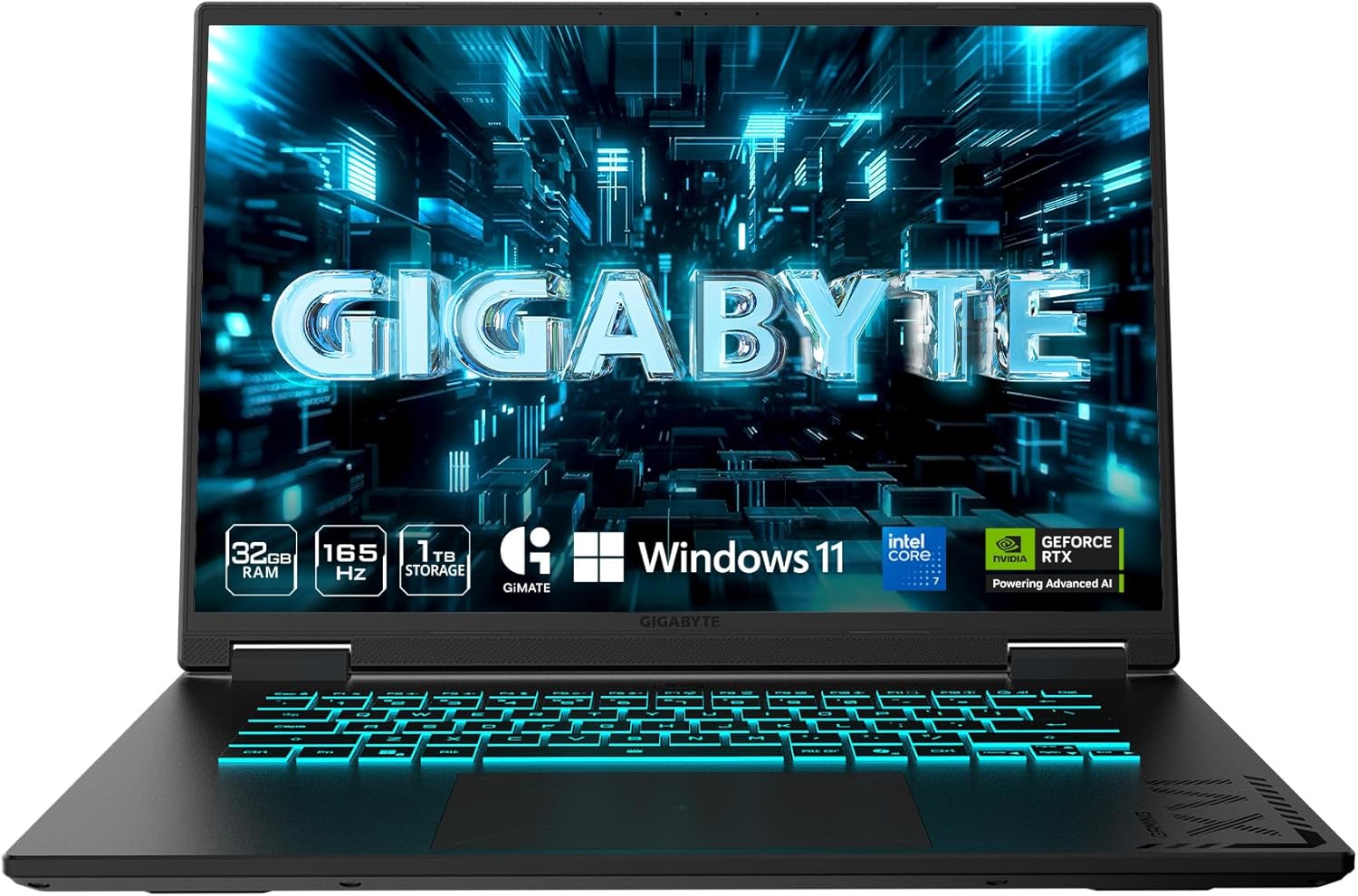
- memory Intel Core Ultra 7 240H
- developer_board NVIDIA GeForce RTX 5070 Ti Laptop GPU
- layers 32GB LPDDR5X 5600MHz
- track_changes Target GPU: NVIDIA GeForce RTX 4080 or RTX 5090

- memory Intel Core Ultra 9 275HX
- developer_board GeForce RTX 5070 Laptop Laptop GPU
- layers 64GB DDR5-6400MHz (Single-Channel)
- track_changes Target GPU: NVIDIA GeForce RTX 4080 or RTX 5090

- memory Intel Core Ultra 9 275HX
- developer_board NVIDIA GeForce RTX 5070 Ti
- layers 32GB
- track_changes Target GPU: NVIDIA GeForce RTX 4080 or RTX 5090

- memory Intel Core Ultra 9 275HX
- developer_board NVIDIA GeForce RTX 5070 Ti Laptop GPU
- layers 32 GB DDR5 6400MHz (2x16GB)
- track_changes Target GPU: NVIDIA GeForce RTX 4080 or RTX 5090
For Hogwarts Legacy Specifically
- memory Intel Core i7-12700H
- developer_board NVIDIA GeForce RTX 3070
- layers 32GB DDR4-3200MHz
- track_changes Target GPU: NVIDIA GeForce GTX 960 (4GB) or AMD Radeon RX 470 (4GB)
- memory Intel Core i9-13900H
- developer_board NVIDIA GeForce RTX 4060
- layers 16GB DDR5-5200MHz
- track_changes Target GPU: NVIDIA GeForce GTX 960 (4GB) or AMD Radeon RX 470 (4GB)
- memory Intel Core i9-14900HX
- developer_board NVIDIA GeForce RTX 4060
- layers 32GB DDR5-5600MHz
- track_changes Target GPU: NVIDIA GeForce GTX 960 (4GB) or AMD Radeon RX 470 (4GB)
- memory Intel Core i9-12900H
- developer_board NVIDIA GeForce RTX 3070 Ti
- layers 16GB DDR5-4800MHz
- track_changes Target GPU: NVIDIA GeForce GTX 960 (4GB) or AMD Radeon RX 470 (4GB)
- memory Intel Core i5-12450H
- developer_board NVIDIA GeForce RTX 3050
- layers 16GB DDR4-3200MHz
- track_changes Target GPU: NVIDIA GeForce GTX 960 (4GB) or AMD Radeon RX 470 (4GB)
- memory Intel Core i5-12500H
- developer_board NVIDIA GeForce RTX 3050 Ti
- layers 16GB DDR4-3200MHz
- track_changes Target GPU: NVIDIA GeForce GTX 960 (4GB) or AMD Radeon RX 470 (4GB)
- memory AMD Ryzen 7 7435HS
- developer_board NVIDIA GeForce RTX 3050
- layers 32GB DDR5-4800MHz
- track_changes Target GPU: NVIDIA GeForce GTX 960 (4GB) or AMD Radeon RX 470 (4GB)
- memory AMD Ryzen 7 6800H
- developer_board NVIDIA GeForce RTX 3060
- layers 16GB DDR5-4800MHz
- track_changes Target GPU: NVIDIA GeForce GTX 960 (4GB) or AMD Radeon RX 470 (4GB)
- memory AMD Ryzen 9 5900HS
- developer_board NVIDIA GeForce RTX 3080
- layers 16GB DDR4-3200MHz
- track_changes Target GPU: NVIDIA GeForce GTX 960 (4GB) or AMD Radeon RX 470 (4GB)
- memory Intel Core i7-13620H
- developer_board NVIDIA GeForce RTX 4070
- layers 16GB DDR5-4800MHz
- track_changes Target GPU: NVIDIA GeForce GTX 960 (4GB) or AMD Radeon RX 470 (4GB)
- memory AMD Ryzen 7 7435HS
- developer_board NVIDIA GeForce RTX 3050
- layers 32GB DDR5-4800MHz
- track_changes Target GPU: NVIDIA GeForce GTX 1080 Ti (11GB) / RTX 2070 (8GB) or AMD Radeon RX 5700 XT (8GB) / RX 6700 XT (12GB)
- memory AMD Ryzen 9 8940HX Processor
- developer_board NVIDIA GeForce RTX 5060 Laptop GPU
- layers 32GB DDR5-5200MHz
- track_changes Target GPU: NVIDIA GeForce GTX 1080 Ti (11GB) / RTX 2070 (8GB) or AMD Radeon RX 5700 XT (8GB) / RX 6700 XT (12GB)
- memory AMD Ryzen 7 7445HS
- developer_board NVIDIA GeForce RTX 4050
- layers 16GB (2x8GB) DDR5 5600MHz SO-DIMM
- track_changes Target GPU: NVIDIA GeForce GTX 1080 Ti (11GB) / RTX 2070 (8GB) or AMD Radeon RX 5700 XT (8GB) / RX 6700 XT (12GB)
- memory AMD Ryzen 7 7445HS
- developer_board NVIDIA GeForce RTX 4050
- layers 16GB DDR5 5600MHz SO-DIMM
- track_changes Target GPU: NVIDIA GeForce GTX 1080 Ti (11GB) / RTX 2070 (8GB) or AMD Radeon RX 5700 XT (8GB) / RX 6700 XT (12GB)

- memory AMD Ryzen 9 7845HX
- developer_board NVIDIA GeForce RTX 4080
- layers Up to 64GB DDR5
- track_changes Target GPU: NVIDIA GeForce GTX 1080 Ti (11GB) / RTX 2070 (8GB) or AMD Radeon RX 5700 XT (8GB) / RX 6700 XT (12GB)
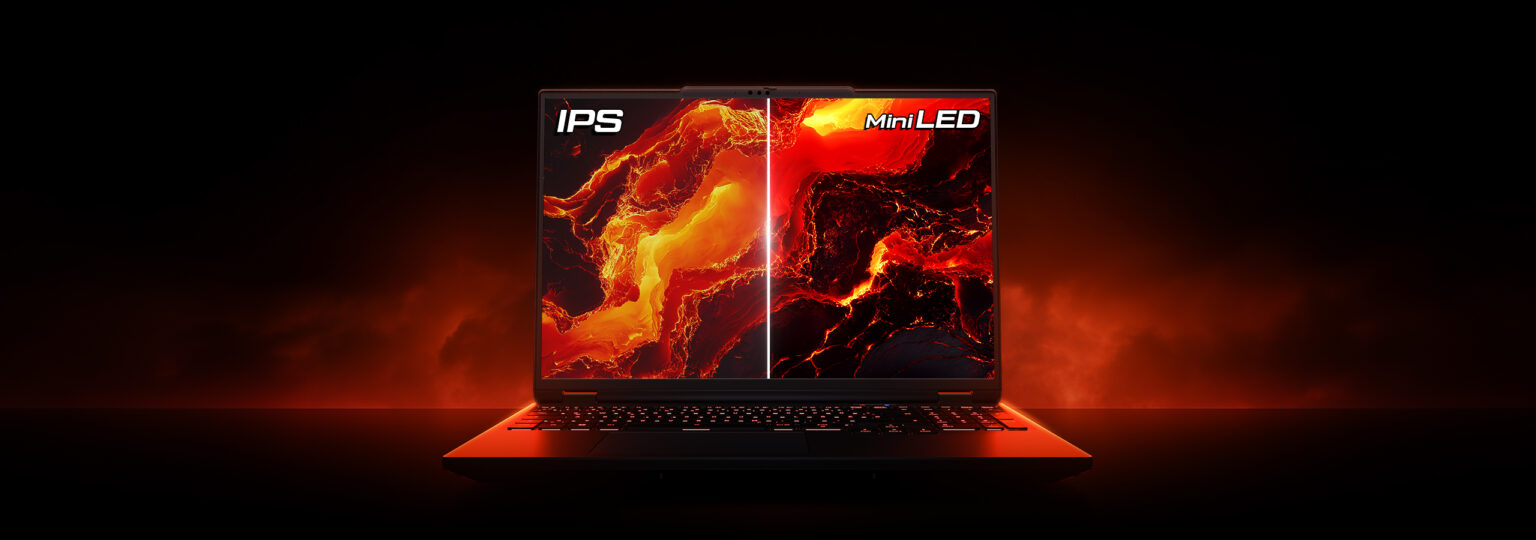
- memory AMD Ryzen 9 9955HX
- developer_board NVIDIA GeForce RTX 5070 Ti Laptop GPU
- layers 64GB DDR5-5600MHz (Dual-Channel)
- track_changes Target GPU: NVIDIA GeForce GTX 1080 Ti (11GB) / RTX 2070 (8GB) or AMD Radeon RX 5700 XT (8GB) / RX 6700 XT (12GB)
info_outline Laptop recommendations are estimates based on available component benchmarks and game requirements. Actual performance may vary depending on settings, drivers, cooling, power limits, etc. Prices and availability subject to change. As an Amazon Associate, we earn from qualifying purchases.