Select Games to Compare
Benchmark your exact mobile GPU wattage (TGP), battery throttling drops, and cooling pad requirements for these games.
Alkimya: House of Wisdom vs Dying Light 2 Stay Human
| close | close |
|---|---|
| shopping_cart Where to Buy | |
| info General Information | |
| Release Date | |
| Mar 15, 2028 | Feb 4, 2022 |
| Developer | |
| Iksyr | Techland |
| Publisher | |
| Iksyr | Techland Publishing |
| Genre(s) | |
| First-Person Survival Horror | Action RPG, Open World, Survival Horror, Parkour, First-Person |
| Engine | |
| Unreal Engine 5 | C-Engine (Techland's in-house engine) |
| stars Ratings & Price | |
| Content Rating | |
| Mature (M) | Mature 17+ |
| Avg. User Rating | |
| 4.5 / 5.0 | 4.0 / 5.0 |
| Current Price (USD) | |
| $49.99 | $59.99 |
| tune Key Specs | |
| Quick Highlights | |
|
|
| sports_esports Gameplay & Mechanics | |
| Companions/Followers | |
|
|
| Key Collectibles | |
|
|
| Key Themes | |
|
|
| colorize Combat & Gear | |
| Weapons Overview | |
|
|
| Armor / Gear Sets | |
|
|
| Outfits/Customization | |
|
|
| trending_up Progression & Upgrades | |
| Skills & Progression | |
|
In a radical subversion of traditional survival horror tropes, Alkimya completely removes conventional firearms from the player's arsenal. Instead, all combat, traversal, and survival skills are predicated on a deeply historical alchemical crafting economy heavily inspired by real-world chemist Jabir ibn Hayyan. Players must locate specialized Alchemy Tables scattered throughout the besieged library to synthesize scavenged raw materials into volatile chemical compounds. The progression system revolves around mastering the alembic still and synthesizing increasingly potent flasks. These include Combustion flasks (similar to naphtha) for area denial and burning biological targets, Sensory Deprivation flasks to blind fast-moving cosmic entities, and Corrosive flasks utilizing mineral acids to dissolve environmental barriers and heavily armored Mongol troops. Late-game upgrades bridge the gap between Golden Age engineering and the supernatural, allowing Yusuf to craft 'strange arms' powered by cosmic materials, requiring meticulous risk-reward calculations for every single encounter. |
Aiden has two main skill trees: Combat (unlocking new melee moves, weapon proficiency, and toughness) and Parkour (unlocking advanced traversal abilities like wall runs, slides, and improved jumps). Skill points are earned by performing combat actions and parkour maneuvers respectively. Inhibitors, found in GRE containers, are used to upgrade Health and Stamina, which also gate access to higher-tier skills. Crafting allows Aiden to create weapon mods, consumables (medkits, boosters), and throwable items using scavenged resources. Blueprints for crafting are found or earned. |
| public World & Exploration | |
| World & Level Design | |
|
The map architecture in Alkimya entirely eschews traditional, disjointed linear levels in favor of a massive, single, interconnected macro-structure. The House of Wisdom functions as a deeply vertical, claustrophobic labyrinth that requires intense spatial memorization. Because the game features unkillable stalker entities that actively hunt the player, understanding the layout of the environment is the primary tool for survival. Players will frequently encounter locked routes, dead ends, and environmental hazards that require solving intricate 'Golden Age puzzles.' Unlocking these mechanisms opens vital shortcuts, drastically reducing the distance between safe zones. By strictly requiring a Solid State Drive (SSD), the developers utilize Unreal Engine 5 to stream these complex, multi-tiered library levels without any immersion-breaking loading screens, ensuring that the psychological tension of the descent into the cosmic abyss remains completely unbroken from the surface to the deepest vaults. |
The City of Villedor is significantly larger than Harran from the first game, divided into two main districts: Old Villedor (a more classic European-style area with smaller buildings, easier for early parkour) and the Central Loop (a modern downtown area with skyscrapers, requiring advanced parkour tools like the grappling hook and paraglider). There are also surrounding areas, GRE Quarantines, and Dark Hollows. The map is dense with verticality, encouraging rooftop traversal. |
| Playable Vehicles | |
|
|
| Notable Fauna/Mounts | |
|
|
| book Story & Characters | |
| Main Characters | |
|
|
| Example Missions | |
|
|
| people Multiplayer | |
| Multiplayer Details | |
|
Staying true to the isolated, claustrophobic roots of the classic survival horror genre, Alkimya: House of Wisdom completely eschews all forms of multiplayer functionality. The development team at Iksyr, comprising veterans from studios like Bungie and Raven Software, has purposefully concentrated their specialized institutional knowledge exclusively into crafting a meticulously paced, hyper-focused single-player campaign. There are absolutely no cooperative campaign modes, competitive player-versus-player (PvP) deathmatches, or asynchronous multiplayer invasion mechanics integrated into the engine. The narrative fundamentally demands that the protagonist, Yusuf, experiences the terrifying descent into the burning House of Wisdom alone, relying solely on his alchemical mastery and wits. Introducing secondary player characters or cooperative assistance would inherently shatter the game’s carefully constructed psychological tension, resource scarcity, and feelings of overwhelming isolation when confronted by unkillable cosmic stalkers. The game remains a pure, unadulterated solo theater of survival and historical tragedy. |
Features a 4-player online cooperative mode, allowing players to experience the entire main story campaign and most side activities together. Players can join a host's game, and progression is largely tied to the host, though players retain their character progression and inventory. Co-op enhances combat and exploration with team tactics. |
| extension Editions & DLC | |
| Available Editions | |
|
Iksyr operates as an independent developer and publisher, shielding the project from AAA homogenization. While no official game editions have been formally announced as of the 2026 Gamescom reveal, standard industry practices for AA indie titles of this magnitude suggest a bifurcated release structure. A Standard Edition will likely encompass the base game for both PC and PlayStation 5 at a competitive price point. Given the rich historical tapestry of the Islamic Golden Age and the striking Unreal Engine 5 visual design, a Deluxe or Collector's Edition is highly probable. This hypothetical premium edition would ideally feature a digital or physical art book showcasing the architectural designs of the House of Wisdom and the Lovecraftian entity concepts. Additionally, an original soundtrack compilation featuring the binaural audio and traditional Middle Eastern instrumentation would serve as a high-value inclusion for dedicated survival horror enthusiasts and collectors alike. |
Available in Standard, Deluxe, and Ultimate Editions. Deluxe Edition included digital artbook, soundtrack, exclusive weapon charms, wallpapers, comic, and the first story DLC ('Bloody Ties'). Ultimate Edition included all Deluxe content, plus the second story DLC (yet to be released as of mid-2024), 2h Night XP Boost, crafting items, and two more outfit/weapon skin packs. A Collector's Edition with physical items was also available. |
| Post-Launch Content / DLC | |
|
As of the September 2026 intelligence report and the initial gamescom premiere, the independent development studio Iksyr has not announced any official roadmaps for post-launch Downloadable Content (DLC), season passes, or live-service microtransactions. This deliberate absence of a publicized monetization tail is highly characteristic of mid-sized, self-published indie studios focusing on narrative-heavy, single-player survival horror games. The team's immediate, overarching operational priority is guaranteeing the absolute stability, performance optimization, and mechanical polish of the core base game for its targeted early 2028 release window. Successfully optimizing Unreal Engine 5's Lumen and Nanite systems to hit 60 FPS performance targets on PlayStation 5 and standardizing PC hardware floors demands the entirety of their 40-person workforce's attention. Any potential expansions, such as prequel chapters detailing the scholars' initial discovery of the cosmic entities beneath Baghdad, would only be conceptualized following the commercial and critical reception of the foundational release. |
Techland has committed to 5+ years of post-launch support. The first story DLC, 'Bloody Ties' (arena combat themed), has been released. A second major story DLC is planned. Numerous free updates have added new content, features (like transmog, new parkour challenges, graphics options), seasonal events, and cosmetic packs (Chapter Agents, skin bundles). |
| help_outline FAQ | |
| Frequently Asked Questions | |
|
|
| build Technical Details | |
| Graphics & Visual Fidelity | |
|
Developed exclusively on Unreal Engine 5, Alkimya: House of Wisdom represents a bleeding-edge visual benchmark for independent survival horror. The 40-person team at Iksyr leverages UE5’s Nanite virtualized geometry to render the staggering architectural complexity of the Islamic Golden Age with zero polygon budget constraints, bringing millions of burning manuscripts and intricate mosaics to life. The visual centerpiece, however, is the implementation of Lumen—UE5’s fully dynamic global illumination and real-time reflection system. In a game devoid of firearms where stealth is paramount, Lumen ensures that every shadow behaves with absolute physical predictability. Light bouncing dynamically off a Mongol soldier's torch or a spreading fire creates terrifying, high-contrast silhouettes. To achieve this unprecedented visual fidelity, the developers have entirely deprecated traditional rasterized fallback lighting, mandating hardware-accelerated ray tracing on PC and heavily relying on Temporal Super Resolution (TSR) to maintain viable framerates on the PlayStation 5 console. |
Powered by Techland's C-Engine, the game showcases a detailed and dilapidated urban environment. It features advanced lighting, dense geometry, volumetric fog, and detailed character/infected models. Ray tracing options (Global Illumination, Shadows, Reflections, Ambient Occlusion) are available on PC and current-gen consoles, significantly enhancing visual fidelity but also being very demanding. |
| Audio & Soundtrack | |
|
Audio design in Alkimya transcends mere background ambiance to become a critical survival mechanism. Operating within a stealth-heavy framework against unkillable entities, players must utilize the game's advanced binaural audio and highly granular stereo/surround sound mixing to track enemy proximity and movement patterns. The auditory landscape meticulously contrasts the roaring, destructive fires of the Mongol siege in the upper library with the oppressive, echoing silence and unsettling cosmic frequencies found in the subterranean vaults. Furthermore, the studio's commitment to profound cultural authenticity is showcased through its full vocal localization. The game features comprehensive voice acting with Arabic elevated to a primary language track alongside English, utilizing native Arabic voice artists to deliver historically and linguistically nuanced performances. This sonic authenticity, coupled with a haunting soundtrack that blends traditional 13th-century Middle Eastern instrumentation with droning, Lovecraftian synthetic soundscapes, creates an auditory experience that is both culturally grounded and terrifyingly alien. |
Original score composed by Olivier Deriviere, featuring a dynamic system that adapts the music to gameplay intensity and player actions (e.g., during parkour sequences or intense combat). Sound design emphasizes visceral melee impacts, distinct infected vocalizations, and the atmospheric tension of night-time exploration. The Biomarker's ticking sound adds to the infection mechanic's urgency. |
| User Interface (UI/UX) | |
|
The User Interface (UI) philosophy in Alkimya: House of Wisdom is heavily predicated on maximizing player immersion and sustaining unbroken psychological tension. The developers have opted for an incredibly minimalist heads-up display (HUD), intentionally stripping away arcade-style elements like floating health bars, persistent mini-maps, or glowing objective markers. Instead, vital information is organically integrated into the game world; Yusuf's physical condition is communicated through labored breathing, screen aberrations, and physical animations, while navigation relies on spatial memorization and environmental landmarks within the interconnected library. The alchemical crafting interface is designed to be highly tactile, pausing or slowing the action just enough to allow strategic resource management without breaking the atmospheric dread. Crucially, the UI completely abandons Quick Time Events (QTEs). The 'Playable without Quick Time Events' accessibility parameter ensures that combat and evasion rely on organic tactical execution rather than arbitrary button-mashing prompts plastered across the screen. |
First-person HUD displaying health, stamina, infection timer (biomarker), equipped weapon/tool, and objective markers. A compass aids navigation. Crafting and inventory menus are accessible. Skill trees are visually represented. The day-night cycle and infection status are prominent UI elements. |
| Accessibility Options | |
|
Iksyr has proactively integrated robust quality-of-life and accessibility parameters to ensure Alkimya accommodates a diverse player base without compromising its oppressive atmosphere. The most prominent feature highlighted on the official Steam repository is the game’s 'Playable without Quick Time Events' guarantee. This progressive design choice allows players to experience the horror 'at Your Own Pace,' ensuring that failures stem from strategic miscalculations rather than a lack of twitch-reflex speed. The options menu provides highly granular audio controls, allowing users to independently adjust sound effects, dialogue, and environmental cues for optimal stereo or surround sound mixing, which is vital for the visually impaired or those sensitive to auditory overload. Additionally, the game includes adjustable difficulty parameters to scale resource scarcity and enemy AI aggression, alongside comprehensive camera comfort settings such as Field of View (FOV) sliders and motion blur toggles to drastically mitigate simulation sickness during first-person evasion sequences. |
Offers a range of accessibility options: customizable controls (key remapping on PC), subtitle customization (size, background, speaker names), colorblind modes, options to change QTEs from taps to holds, aim assist, adjustable FOV (PC), motion blur toggle, head bob toggle, and various audio/visual cues. |
| video_library Media Links | |
| Gameplay Video | |
| launchWatch | launchWatch |
| Walkthrough/Guide | |
| launchView | launchView |
| settings_applications System Requirements | |
| 1080p (Full HD) - Recommended RT (1080p ~60 FPS, High RT Preset) (Ray Tracing High Preset (likely with DLSS/FSR Quality/Performance)) CPU: CPU for 1080p/60FPS with RT. CPU (Laptop): High-end laptop CPUs. GPU: Recommended desktop GPU for 1080p/60FPS with High RT. GPU (Laptop): High-end RT capable laptop GPUs. 8GB+ VRAM crucial, upscaling vital. RAM: 16GB RAM required. Storage: NVMe SSD strongly recommended. | |
| — | memoryCPU: Intel Core i7-9700K or AMD Ryzen 7 3700X developer_boardGPU: NVIDIA GeForce RTX 3080 (10GB) laptop_macCPU (L): Intel Core i7-11800H / AMD Ryzen 7 5800H or better laptop_windowsGPU (L): NVIDIA GeForce RTX 3070 Ti Mobile (8GB, Max TGP) / RTX 4070 Mobile (8GB, Max TGP). **An RTX 3080 Mobile or RTX 4080 Mobile would provide a more stable high RT experience.** layersRAM: 16 GB saveStorage (Tier): 60 GB NVMe SSD |
| 1080p (Full HD) - Recommended (High Settings, 60 FPS, DLSS/FSR Quality) CPU: Eight-core architectures ensure perfectly smooth frame pacing and rapid geometry loading via Nanite. CPU (Laptop): Required to maintain stable 1% low framerates during CPU-heavy dynamic fire rendering and enemy pursuit. GPU: Provides necessary VRAM bandwidth and compute cores for high-quality Lumen lighting at 60 FPS. GPU (Laptop): Full-power mobile 4060 offers the DLSS 3 frame generation capabilities needed for smooth high-settings gameplay. RAM: Dual-channel configuration is strictly recommended for memory bandwidth efficiency. Storage: PCIe Gen 3 or higher NVMe ensures zero texture pop-in during fast evasion. | |
memoryCPU: AMD Ryzen 7 3700X / Intel Core i7-10700K developer_boardGPU: NVIDIA GeForce RTX 3060 Ti / AMD Radeon RX 6700 XT laptop_macCPU (L): AMD Ryzen 7 5800H / Intel Core i7-11800H laptop_windowsGPU (L): NVIDIA GeForce RTX 4060 Mobile (140W) layersRAM: 16 GB saveStorage (Tier): 80 GB NVMe SSD | — |
| 1080p (Full HD) - Minimum RT (1080p ~30 FPS, Low RT Preset) (Ray Tracing Low Preset (likely with DLSS/FSR Quality/Balanced)) CPU: CPU for 1080p/30FPS with RT. CPU (Laptop): Mid-to-high range laptop CPU. GPU: Minimum desktop GPU for 1080p/30FPS with RT. GPU (Laptop): Entry-level RT capable laptop GPUs. Upscaling essential. RAM: 16GB RAM required. Storage: SSD required. | |
| — | memoryCPU: Intel Core i5-8600K or AMD Ryzen 5 3600X developer_boardGPU: NVIDIA GeForce RTX 2070 (8GB) laptop_macCPU (L): Intel Core i7-10750H / AMD Ryzen 7 4800H or better laptop_windowsGPU (L): NVIDIA GeForce RTX 3060 Mobile (6GB, High TGP) / RTX 4050 Mobile (6GB, High TGP). **An RTX 3070 Mobile or RTX 4060 Mobile would be significantly better for RT.** layersRAM: 16 GB saveStorage (Tier): 60 GB SSD |
| 1080p (Full HD) - Minimum (Low-Medium Settings, 30 FPS, TSR Balanced) CPU: Six-core baseline required for essential background processes and enemy AI pathing calculations. CPU (Laptop): Mobile equivalents provide just enough sustained multi-core performance to prevent severe asset streaming stutter. GPU: Absolute baseline for hardware ray tracing. Will require aggressive upscaling to maintain 30 FPS. GPU (Laptop): High TGP variants required to match desktop RTX 2060 output for minimum playable lighting calculations. RAM: Mandatory floor to handle UE5 engine overhead and operating system background tasks. Storage: SATA SSD is the absolute minimum, though NVMe is heavily preferred to prevent traversal stutter. | |
memoryCPU: AMD Ryzen 5 3600 / Intel Core i5-10400 developer_boardGPU: NVIDIA GeForce RTX 2060 (6 GB) / AMD Radeon RX 6600 laptop_macCPU (L): AMD Ryzen 5 5600H / Intel Core i5-11400H laptop_windowsGPU (L): NVIDIA GeForce RTX 3050 Ti (95W) / RTX 3060 Mobile layersRAM: 16 GB saveStorage (Tier): 80 GB SSD | — |
| 1080p (Full HD) - Recommended (1080p ~60 FPS, High Preset, No Ray Tracing) (High Preset, Ray Tracing OFF) CPU: Recommended desktop CPU for 1080p/60FPS without RT. CPU (Laptop): Estimated mid-range to high-end laptop CPUs. GPU: Recommended desktop GPU for 1080p/60FPS High without RT. GPU (Laptop): Estimated performance-focused laptop GPUs. 6GB+ VRAM crucial. RAM: 16GB RAM strongly recommended. Storage: SSD strongly recommended. | |
| — | memoryCPU: Intel Core i5-8600K or AMD Ryzen 5 3600X developer_boardGPU: NVIDIA GeForce RTX 2060 (6GB) or AMD Radeon RX Vega 56 (8GB) laptop_macCPU (L): Intel Core i7-9750H / AMD Ryzen 7 4800H equivalent or better laptop_windowsGPU (L): NVIDIA GeForce RTX 2060 Mobile (6GB, High TGP) / RTX 3060 Mobile (6GB, High TGP) or AMD Radeon RX 6600M. **An RTX 3060 Mobile (High TGP) or RTX 4060 Mobile is a good target for 1080p High 60FPS.** layersRAM: 16 GB saveStorage (Tier): 60 GB SSD |
| 1080p (Full HD) - Minimum (1080p ~30 FPS, Low Preset, No Ray Tracing) (Low Preset, Ray Tracing OFF) CPU: Minimum desktop CPU for 1080p at lower settings without RT. CPU (Laptop): Estimated laptop CPU equivalent. Newer i5/Ryzen 5 H-series recommended. GPU: Minimum desktop GPU for 1080p at lower settings without RT. GPU (Laptop): Estimated laptop GPUs. 4GB VRAM is absolute minimum. RAM: Minimum RAM requirement. Storage: HDD is absolute minimum, expect long load times. | |
| — | memoryCPU: Intel Core i3-9100 or AMD Ryzen 3 2300X developer_boardGPU: NVIDIA GeForce GTX 1050 Ti (4GB) or AMD Radeon RX 560 (4GB) laptop_macCPU (L): Intel Core i5-9300H / AMD Ryzen 5 3550H equivalent or better laptop_windowsGPU (L): NVIDIA GeForce GTX 1650 Mobile (4GB) or AMD Radeon RX 5500M. **An RTX 3050 Mobile or RTX 4050 Mobile would be a much better entry point for stable 1080p Low/Medium.** layersRAM: 8 GB saveStorage (Tier): 60 GB HDD |
| 1440p (QHD/2K) - High RT (1440p ~60 FPS, High RT Preset with DLSS/FSR Performance) (Ray Tracing High Preset, DLSS/FSR Performance) CPU: Desktop CPU for 1440p/60FPS with RT. CPU (Laptop): Top-tier laptop CPUs. GPU: Desktop GPU for 1440p/60FPS with High RT. GPU (Laptop): Flagship laptop GPUs needed. 12GB+ VRAM essential. RAM: 32GB RAM strongly recommended. Storage: NVMe SSD required. | |
| — | memoryCPU: Intel Core i7-11700K or AMD Ryzen 9 5900X developer_boardGPU: NVIDIA GeForce RTX 3080 Ti (12GB) / RTX 4070 Ti (12GB) laptop_macCPU (L): Intel Core i9-12900H / AMD Ryzen 9 6900HX or better laptop_windowsGPU (L): NVIDIA GeForce RTX 4080 Mobile (12GB, Max TGP). **An RTX 4090 Mobile would be better. Even then, fine-tuning settings and upscaling will be essential.** layersRAM: 16 GB saveStorage (Tier): 60 GB NVMe SSD |
| 1440p (QHD/2K) - Recommended (1440p) (High/Epic Settings, 60 FPS, DLSS/FSR Quality) CPU: High single-core clock speeds are required to drive the GPU fast enough for 1440p rendering targets. CPU (Laptop): Enthusiast-class mobile CPUs prevent bottlenecks in complex geometric environments. GPU: Abundant ray-tracing cores and VRAM bandwidth to manage 1440p Lumen calculations flawlessly. GPU (Laptop): Required to brute-force the UE5 rendering pipeline at 1440p on a portable form factor. RAM: Extra memory overhead ensures smooth performance at higher resolution texture streaming. Storage: PCIe Gen 4 speeds take full advantage of high-resolution asset streaming. | |
memoryCPU: AMD Ryzen 5 7600X / Intel Core i5-13600K developer_boardGPU: NVIDIA GeForce RTX 4070 / AMD Radeon RX 7800 XT laptop_macCPU (L): AMD Ryzen 7 7745HX / Intel Core i7-13700HX laptop_windowsGPU (L): NVIDIA GeForce RTX 4080 Mobile (175W) layersRAM: 32 GB saveStorage (Tier): 80 GB NVMe SSD (Gen 4) | — |
| 2160p (UHD/4K) - Ultra (4K) (Epic Settings, 60 FPS, DLSS/FSR Performance) CPU: Top-tier CPUs with massive cache (X3D) eliminate any potential engine-side processing bottlenecks. CPU (Laptop): Desktop-replacement class processors needed for the ultimate mobile fidelity experience. GPU: Flagship GPUs required to push 4K pixels with fully dynamic real-time global illumination. GPU (Laptop): The only mobile GPU class capable of sustaining 4K UE5 workloads with ray tracing. RAM: Mandatory for 4K texture caching and preventing out-of-memory crashes. Storage: Required to feed massive 4K asset sizes directly to the GPU without latency. | |
memoryCPU: AMD Ryzen 7 7800X3D / Intel Core i7-14700K developer_boardGPU: NVIDIA GeForce RTX 4080 / AMD Radeon RX 7900 XTX laptop_macCPU (L): AMD Ryzen 9 7945HX / Intel Core i9-14900HX laptop_windowsGPU (L): NVIDIA GeForce RTX 4090 Mobile (175W) layersRAM: 32 GB saveStorage (Tier): 80 GB NVMe SSD (Gen 4) | — |
| 2160p (UHD/4K) - Ultra RT (2160p/4K ~60 FPS, Medium/High RT Preset with DLSS/FSR Ultra Performance) (Ray Tracing Medium/High, DLSS/FSR Ultra Performance) CPU: Desktop CPU for 4K/60FPS with RT. CPU (Laptop): Flagship laptop CPUs absolute necessity. GPU: Top-tier desktop GPU for attempting 4K/60FPS with RT, heavily reliant on upscaling. GPU (Laptop): The absolute best laptop GPU available, and will still struggle without aggressive upscaling and optimized RT settings. RAM: 32GB RAM essential. Storage: NVMe SSD required. | |
| — | memoryCPU: Intel Core i9-12900K or AMD Ryzen 9 7900X developer_boardGPU: NVIDIA GeForce RTX 4090 (24GB) laptop_macCPU (L): Intel Core i9-13900HX / AMD Ryzen 9 7945HX or better laptop_windowsGPU (L): NVIDIA GeForce RTX 4090 Mobile (16GB, Max TGP). **Achieving stable 4K/60FPS with high ray tracing settings on a laptop is extremely challenging. A hypothetical next-gen flagship (e.g., RTX 5090 Mobile or AMD equivalent) would be required for a more comfortable experience at this level. (Highly Speculative)** layersRAM: 32 GB saveStorage (Tier): 60 GB NVMe SSD |
| save Overall Storage | |
Spec: 80 GB NVMe SSD Note: Traditional HDDs are completely unsupported. High-speed SSD required for continuous spatial asset streaming to eliminate loading screens in the interconnected map. Type: NVMe | Spec: 60 GB available space (SSD Recommended). Note: An NVMe SSD is recommended for the best experience due to asset streaming and fast loading. Type: SSD |
| desktop_windows Operating System | |
| Spec: Windows 11 (64-bit) Explanation: Requires modern Windows kernel optimizations for DirectStorage API support and advanced memory management utilized by Unreal Engine 5. | Spec: Windows 7 (No longer officially supported post-launch updates), Windows 10, Windows 11 (64-bit versions only) Explanation: 64-bit Windows 10 or Windows 11 is recommended for ongoing support and best performance. |
| gamepad DirectX Version | |
| Spec: DirectX 12 Ultimate Explanation: Strictly required for hardware-accelerated ray tracing (DXR) essential for Lumen's dynamic lighting and shadowing systems. | Spec: DirectX 11 (DirectX 12 recommended for ray tracing and potentially better performance on compatible hardware) Explanation: DX11 is minimum, DX12 offers advanced features. |
| info_outline Other Game Notes | |
|
|
| build Optimization Details | |
|
|
| laptop Laptop Considerations | |
|
|


info_outline Feature details based on available data. System requirements and performance estimates may vary.
laptop_chromebook Laptop Recommendations
Common Recommendations (Handles All Compared Games)

- memory Intel Core i9-13900H
- developer_board NVIDIA GeForce RTX 4060
- layers 16GB DDR5-5200MHz
- track_changes Target GPU: NVIDIA GeForce RTX 3050 Ti (95W) / RTX 3060 Mobile

- memory Intel Core i9-14900HX
- developer_board NVIDIA GeForce RTX 4060
- layers 32GB DDR5-5600MHz
- track_changes Target GPU: NVIDIA GeForce RTX 3050 Ti (95W) / RTX 3060 Mobile

- memory Intel Core i9-12900H
- developer_board NVIDIA GeForce RTX 3070 Ti
- layers 16GB DDR5-4800MHz
- track_changes Target GPU: NVIDIA GeForce RTX 3050 Ti (95W) / RTX 3060 Mobile

- memory Intel Core i7-12700H
- developer_board NVIDIA GeForce RTX 3070
- layers 32GB DDR4-3200MHz
- track_changes Target GPU: NVIDIA GeForce RTX 4060 Mobile (140W)

- memory AMD Ryzen 9 7845HX
- developer_board NVIDIA GeForce RTX 4080
- layers Up to 64GB DDR5
- track_changes Target GPU: NVIDIA GeForce RTX 4080 Mobile (175W)
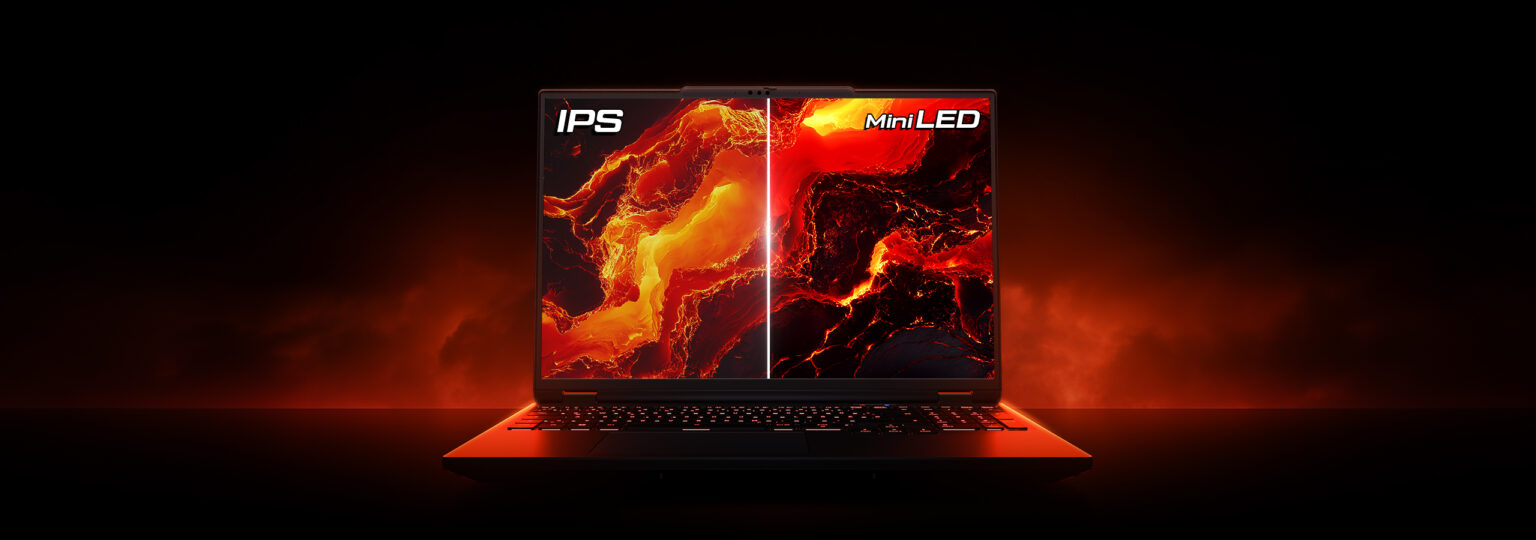
- memory AMD Ryzen 9 9955HX
- developer_board NVIDIA GeForce RTX 5070 Ti Laptop GPU
- layers 64GB DDR5-5600MHz (Dual-Channel)
- track_changes Target GPU: NVIDIA GeForce RTX 4080 Mobile (175W)

- memory Intel Core i9-14900HX
- developer_board NVIDIA GeForce RTX 4090
- layers 32GB DDR5-5600MHz
- track_changes Target GPU: NVIDIA GeForce RTX 4090 Mobile (175W)

- memory Intel Core Ultra 9 285H (Series 2) , 14 cores (6 Performance cores + 8 Efficient cores), 20 threads
- developer_board NVIDIA GeForce RTX 5050 Laptop GPU
- layers 32GB (2x16GB) DDR5 8400MHz SO-DIMM
- track_changes Target GPU: NVIDIA GeForce RTX 4090 Mobile (175W)

- memory Intel Core Ultra 9 285H
- developer_board NVIDIA GeForce RTX 5070
- layers 32GB (2x16GB) DDR5 4800MHz SO-DIMM
- track_changes Target GPU: NVIDIA GeForce RTX 4090 Mobile (175W)
For Alkimya: House of Wisdom Specifically
- memory Intel Core i9-13900H
- developer_board NVIDIA GeForce RTX 4060
- layers 16GB DDR5-5200MHz
- track_changes Target GPU: NVIDIA GeForce RTX 2060 (6 GB) / AMD Radeon RX 6600
- memory Intel Core i9-14900HX
- developer_board NVIDIA GeForce RTX 4060
- layers 32GB DDR5-5600MHz
- track_changes Target GPU: NVIDIA GeForce RTX 2060 (6 GB) / AMD Radeon RX 6600
- memory Intel Core i9-12900H
- developer_board NVIDIA GeForce RTX 3070 Ti
- layers 16GB DDR5-4800MHz
- track_changes Target GPU: NVIDIA GeForce RTX 2060 (6 GB) / AMD Radeon RX 6600

- memory AMD Ryzen 7 7435HS
- developer_board NVIDIA GeForce RTX 3050
- layers 32GB DDR5-4800MHz
- track_changes Target GPU: NVIDIA GeForce RTX 2060 (6 GB) / AMD Radeon RX 6600

- memory AMD Ryzen 7 6800H
- developer_board NVIDIA GeForce RTX 3060
- layers 16GB DDR5-4800MHz
- track_changes Target GPU: NVIDIA GeForce RTX 2060 (6 GB) / AMD Radeon RX 6600

- memory AMD Ryzen 9 5900HS
- developer_board NVIDIA GeForce RTX 3080
- layers 16GB DDR4-3200MHz
- track_changes Target GPU: NVIDIA GeForce RTX 2060 (6 GB) / AMD Radeon RX 6600

- memory Intel Core i7-13620H
- developer_board NVIDIA GeForce RTX 4070
- layers 16GB DDR5-4800MHz
- track_changes Target GPU: NVIDIA GeForce RTX 2060 (6 GB) / AMD Radeon RX 6600

- memory Intel Core i7-14700HX
- developer_board NVIDIA GeForce RTX 4070
- layers 16GB DDR5-5600MHz
- track_changes Target GPU: NVIDIA GeForce RTX 2060 (6 GB) / AMD Radeon RX 6600

- memory Intel Core i9-14900HX
- developer_board NVIDIA GeForce RTX 4070
- layers 32GB DDR5-5600MHz
- track_changes Target GPU: NVIDIA GeForce RTX 2060 (6 GB) / AMD Radeon RX 6600

- memory Intel Core i9-14900HX
- developer_board NVIDIA GeForce RTX 4070
- layers 16GB DDR5-5600MHz
- track_changes Target GPU: NVIDIA GeForce RTX 2060 (6 GB) / AMD Radeon RX 6600
- memory Intel Core i7-12700H
- developer_board NVIDIA GeForce RTX 3070
- layers 32GB DDR4-3200MHz
- track_changes Target GPU: NVIDIA GeForce RTX 3060 Ti / AMD Radeon RX 6700 XT
- memory AMD Ryzen 9 7845HX
- developer_board NVIDIA GeForce RTX 4080
- layers Up to 64GB DDR5
- track_changes Target GPU: NVIDIA GeForce RTX 4070 / AMD Radeon RX 7800 XT
- memory AMD Ryzen 9 9955HX
- developer_board NVIDIA GeForce RTX 5070 Ti Laptop GPU
- layers 64GB DDR5-5600MHz (Dual-Channel)
- track_changes Target GPU: NVIDIA GeForce RTX 4070 / AMD Radeon RX 7800 XT
- memory Intel Core Ultra 9 285H (Series 2) , 14 cores (6 Performance cores + 8 Efficient cores), 20 threads
- developer_board NVIDIA GeForce RTX 5050 Laptop GPU
- layers 32GB (2x16GB) DDR5 8400MHz SO-DIMM
- track_changes Target GPU: NVIDIA GeForce RTX 4080 / AMD Radeon RX 7900 XTX
- memory Intel Core Ultra 9 285H
- developer_board NVIDIA GeForce RTX 5070
- layers 32GB (2x16GB) DDR5 4800MHz SO-DIMM
- track_changes Target GPU: NVIDIA GeForce RTX 4080 / AMD Radeon RX 7900 XTX

- memory Intel Core i9-14900HX Processor
- developer_board NVIDIA GeForce RTX 5070 Ti Laptop GPU
- layers 64GB DDR5-5600MHz (commonly listed as 4800MHz by some retailers, but 5600MHz is common for 14th Gen HX with DDR5)
- track_changes Target GPU: NVIDIA GeForce RTX 4080 / AMD Radeon RX 7900 XTX

- memory Intel Core Ultra 9 Processor 275HX
- developer_board NVIDIA GeForce RTX 5070 Ti Laptop GPU
- layers 64GB DDR5-6400MHz
- track_changes Target GPU: NVIDIA GeForce RTX 4080 / AMD Radeon RX 7900 XTX

- memory Intel Core Ultra 9 Processor 275HX (Series 2)
- developer_board NVIDIA GeForce RTX 5070 Ti Laptop GPU
- layers 32GB DDR5-5600MHz
- track_changes Target GPU: NVIDIA GeForce RTX 4080 / AMD Radeon RX 7900 XTX

- memory Intel Ultra 7 255HX
- developer_board NVIDIA GeForce RTX 5070 Ti
- layers 32GB DDR5 5600MHz
- track_changes Target GPU: NVIDIA GeForce RTX 4080 / AMD Radeon RX 7900 XTX

- memory Intel Core Ultra 7 240H
- developer_board NVIDIA GeForce RTX 5070 Ti Laptop GPU
- layers 32GB LPDDR5X 5600MHz
- track_changes Target GPU: NVIDIA GeForce RTX 4080 / AMD Radeon RX 7900 XTX

- memory Intel Core Ultra 9 275HX
- developer_board GeForce RTX 5070 Laptop Laptop GPU
- layers 64GB DDR5-6400MHz (Single-Channel)
- track_changes Target GPU: NVIDIA GeForce RTX 4080 / AMD Radeon RX 7900 XTX

- memory Intel Core Ultra 9 275HX
- developer_board NVIDIA GeForce RTX 5070 Ti
- layers 32GB
- track_changes Target GPU: NVIDIA GeForce RTX 4080 / AMD Radeon RX 7900 XTX

- memory Intel Core Ultra 9 275HX
- developer_board NVIDIA GeForce RTX 5070 Ti Laptop GPU
- layers 32 GB DDR5 6400MHz (2x16GB)
- track_changes Target GPU: NVIDIA GeForce RTX 4080 / AMD Radeon RX 7900 XTX
info_outline Laptop recommendations are estimates based on available component benchmarks and game requirements. Actual performance may vary depending on settings, drivers, cooling, power limits, etc. Prices and availability subject to change. As an Amazon Associate, we earn from qualifying purchases.