Select Games to Compare
Benchmark your exact mobile GPU wattage (TGP), battery throttling drops, and cooling pad requirements for these games.
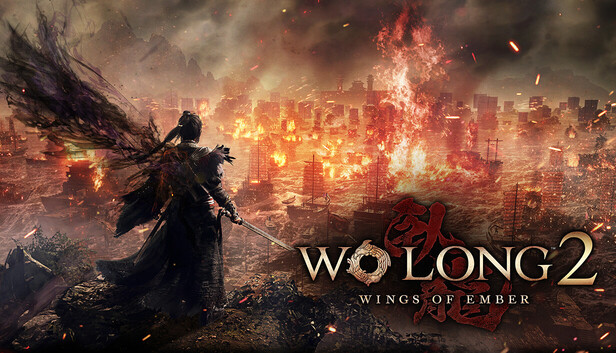
Wo Long 2: Wings of Ember vs Path of Exile 2: The Third Edict
| close | close |
|---|---|
| shopping_cart Where to Buy | |
| info General Information | |
| Release Date | |
| Mar 4, 2027 | Dec 6, 2024 |
| Developer | |
| Team Ninja | Grinding Gear Games |
| Publisher | |
| Koei Tecmo | Grinding Gear Games |
| Genre(s) | |
| Action-Role-Playing | Action Role-Playing (Action RPG), Hack and Slash, Loot-based |
| Engine | |
| Katana Engine | Proprietary Next-Generation Engine |
| stars Ratings & Price | |
| Content Rating | |
| Mature | M (Mature 17+) |
| Avg. User Rating | |
| 4.5 / 5.0 | 4.7 / 5.0 |
| Current Price (USD) | |
| $69.99 | $29.99 |
| tune Key Specs | |
| Quick Highlights | |
|
|
| sports_esports Gameplay & Mechanics | |
| Companions/Followers | |
|
|
| Key Collectibles | |
|
|
| Key Themes | |
|
|
| colorize Combat & Gear | |
| Weapons Overview | |
|
|
| Armor / Gear Sets | |
|
|
| Outfits/Customization | |
|
|
| trending_up Progression & Upgrades | |
| Skills & Progression | |
|
The combat loop has been rigorously overhauled, shifting from a binary deflection mechanic to a multi-tiered tactical system centered around the Spirit Gauge and newly introduced "Insight Skills." The bidirectional Spirit Gauge rewards aggressive parrying and standard attacks while taxing evasions, spells, and heavy Martial Arts. To prevent the stagnation seen in the first game, Insight Skills now require specific, Spirit-consuming defensive maneuvers to counter unblockable red-glinting attacks. Insight Deflect acts as a heavy stance redirect, Insight Jump vaults the player over sweeps to establish aerial superiority, and Insight Aerial slams airborne threats to the ground. Furthermore, progression remains deeply anchored in the Taoist Five Phases—Wood, Fire, Earth, Metal, and Water—allowing players to unlock diverse Wizardry Spells that rely on strict elemental hierarchies. Equipment customization has also evolved, allowing users to freely map discovered Martial Arts to their preferred weaponry via an expanded Skill Tree. |
Path of Exile 2 introduces a completely new skill system. Support Gems are now socketed directly into Skill Gems, allowing any skill to be a fully supported 'six-link'. Players can also specialize their passive tree for two different weapon sets and swap between them instantly. A dedicated dodge roll with no cooldown has been added for all characters. |
| public World & Exploration | |
| World & Level Design | |
|
Transitioning away from the compartmentalized and strictly linear stage structures of the previous title, Wings of Ember introduces sprawling "dynamic open fields." This systemic overhaul completely redefines how users navigate the environment, manage spatial awareness, and approach enemy encounters. The game's geography painstakingly recreates the immense scale of ancient Chinese battlefields, particularly highlighting historical focal points like Changban and the Red Cliffs. These regions function as continuous, interconnected topographical zones rather than isolated levels. This vastness necessitates the Morale system to act as a zone-based level scaler, punishing players who wander into high-danger territories unprepared. To conquer these regions, players must flank defensive perimeters, plant Battle Flags to suppress ambient Morale, and utilize advanced vertical traversal mechanics—such as sustained wall-running and pole-vaulting—to explore subterranean valleys or infiltrate massive fortresses carved directly into towering cliff faces. |
The game features a brand-new six-act campaign that will take players across new and familiar regions of Wraeclast. Act 4 is expected to be set in the Karui archipelago, with community speculation pointing to Act 5 in Oriath and Act 6 in 'the Beyond'. The endgame features a revamped version of the Atlas of Worlds. |
| Playable Vehicles | |
|
|
| Notable Fauna/Mounts | |
|
N/A |
| book Story & Characters | |
| Main Characters | |
|
|
| Example Missions | |
|
|
| people Multiplayer | |
| Multiplayer Details | |
|
Acknowledging the vital role of social dynamics within the soulslike genre, Team Ninja has deeply integrated robust multiplayer architectures directly into the core campaign. The game natively supports synchronous online cooperative play, allowing up to three human users to form a squad and seamlessly navigate the sprawling open fields together. To facilitate tactical coordination without forcing users into voice communication channels, the interface features a comprehensive "Ping Communication" protocol, letting players mark points of interest, highlight ambushes, or direct concentrated fire. For asynchronous engagement, the Tiger Seal currency allows players to summon AI-controlled historical NPCs to assist in combat. Defeated enemy generals can even be recruited and stationed at captured bases to dynamically intervene during regional skirmishes. The contentious PvP invasion mechanic returns, allowing hostile players to infiltrate sessions, though a dedicated system toggle allows users to easily disable this feature to maintain a strictly PvE environment. |
The game supports online co-operative play for up to six players. A new feature for the sequel is full couch co-op support on all platforms, allowing two players to play together on a single screen. |
| extension Editions & DLC | |
| Available Editions | |
|
Koei Tecmo has engineered a tiered monetization strategy, segmenting the product portfolio into Standard and Digital Deluxe configurations. The Standard Edition, priced at $69.99 for North American markets, grants access to the base game software and relies on pre-order windows to provide early adoption incentives. The Digital Deluxe Edition functions as a premium, high-margin package that includes the base software alongside the official Season Pass, a Digital Artbook, a Digital Mini Soundtrack, the cosmetic Shitieshou Hat, and the highly coveted Creator God Armor Set. Early adopters who pre-order any digital edition before launch receive the "Creator Goddess Garb" (Nuwa's War Garment Set). Additionally, a secondary Early Purchase Bonus window extending through March 17, 2027, rewards users with the "Harvest God Armor." Players completing the Alpha Demo can also secure the exclusive Fledgling Phoenix Helmet for their retail release account. |
The game launched with a paid Early Access program. Upon its full 1.0 release (expected in 2026 or later), the game will be completely free-to-play, sharing its ethical microtransaction store with the original Path of Exile. |
| Post-Launch Content / DLC | |
|
To guarantee a prolonged lifecycle and sustained player retention throughout the fiscal year, Koei Tecmo has outlined a rigid, two-part post-launch expansion roadmap detailed within the official Season Pass. The first major downloadable content expansion is officially scheduled for deployment on August 31, 2027. This expansion is designed to introduce entirely novel narrative arcs extending the Romance of the Three Kingdoms storyline, alongside new enemy classifications, terrifying demonic boss encounters, and high-tier equipment sets featuring exclusive endgame Graces. The second premium expansion will follow closely on October 31, 2027, further escalating the endgame difficulty ceiling and introducing new weapon archetypes to dramatically alter the established combat meta. These substantial content drops are strategically timed to maintain continuous media coverage and community engagement, ensuring that the endgame itemization loop and cooperative multiplayer populations remain active and healthy well into the latter half of the calendar year. |
The game is in active development during its Early Access phase, with major content updates like 'The Third Edict' adding new campaign acts, features, and balance changes. After its full launch, it will follow the original game's model of releasing a new challenge league and content expansion every three to four months. |
| help_outline FAQ | |
| Frequently Asked Questions | |
|
|
| build Technical Details | |
| Graphics & Visual Fidelity | |
|
Powered by Koei Tecmo’s proprietary Katana Engine, the software targets cutting-edge visual fidelity, rendering expansive, interconnected topographies filled with grotesque demonic entities and sprawling ancient Chinese architecture. On modern PC hardware and flagship consoles like the PlayStation 5 and Xbox Series X, players can choose between a Resolution Mode pushing dynamic 4K at 30 FPS, or a Performance Mode targeting a strict 60 FPS at slightly lower dynamic resolutions. The game proudly carries the "PS5 Pro Enhanced" certification, utilizing PlayStation Spectral Super Resolution (PSSR) AI upscaling algorithms to deliver unprecedented 4K image quality concurrently with rock-solid 60 FPS performance. The dark fantasy aesthetic drips with atmosphere, featuring intricate armor designs, fluid aerial combat animations, and horrifying monster designs. However, players must be wary of widespread shader compilation stutter reported on early PC builds, and expected visual downgrades on the less powerful Nintendo Switch 2 portable architecture. |
N/A |
| Audio & Soundtrack | |
|
The auditory soundscape of Wings of Ember is engineered to provide both atmospheric immersion and critical mechanical feedback. The soundtrack, composed using traditional historical Chinese instruments blended with heavy, dark fantasy orchestral arrangements, dynamically shifts from the quiet, tense exploration of ancient ruins to bombastic, adrenaline-fueled battle anthems during boss encounters. Purchasers of the Digital Deluxe Edition are rewarded with a Digital Mini Soundtrack to appreciate these compositions outside the game. Mechanically, sound design is essential for survival; executing perfect deflections and Insight Skills produces a highly satisfying, metallic clash that confirms successful resource management. Unblockable attacks are telegraphed not just visually, but with distinct, sharp audio cues that prompt immediate reflexes. The environmental audio further enriches the open fields, with the distant roars of Kuafu Minions and the rustling of Shuyao arboreal spirits warning players of impending demonic ambushes before they ever break line of sight. |
N/A |
| User Interface (UI/UX) | |
|
The User Interface has been meticulously designed to convey massive amounts of real-time combat data without cluttering the screen or distracting from the high-speed action. At the center of the HUD lies the bidirectional Spirit Gauge, a vital momentum tracker that clearly delineates positive and negative resource thresholds, flashing violently when the player nears "Spirit Disruption." Enemy UI elements are equally critical; adversaries display distinct Morale numbers directly above their health bars, providing immediate visual feedback regarding the risk-to-reward ratio of engaging them in the open field. When enemies initiate unblockable attacks, unmistakable red-glinting visual cues appear, giving the player millisecond precision to decide whether to execute an Insight Deflect, Jump, or Aerial counter. The newly implemented Ping Communication system overlays directly onto the 3D environment, placing brightly colored tactical markers on targets, environmental hazards, and loot drops to ensure seamless coordination during chaotic three-player cooperative sessions. |
N/A |
| Accessibility Options | |
|
To actively mitigate the notorious friction inherent in the hardcore soulslike genre and welcome a broader audience, the development team has integrated a comprehensive, industry-leading accessibility suite. Players are granted total agency over their control schemes, featuring complete button remapping capabilities, granular adjustable analog stick sensitivity, and complete camera axis inversion options. Crucially for players with specific motor-skill requirements, the software allows users to entirely disable the DualSense’s motion controls, haptic feedback, and adaptive triggers. Visually, the game includes a robust set of visual comfort toggles specifically designed to disable aggressive camera movements, dramatic screen-shake effects, and motion blur that are known to trigger motion sickness during fast-paced aerial combat. Furthermore, the UI provides highly scalable subtitle options with distinct speaker backgrounds, and fully independent audio sliders for dialogue, music, and sound effects, ensuring that all players can comfortably engage with the sprawling historical narrative. |
N/A |
| video_library Media Links | |
| Gameplay Video | |
| launchWatch | launchWatch |
| Walkthrough/Guide | |
| launchView | launchView |
| settings_applications System Requirements | |
| 1080p (Full HD) - Recommended (Standard / 1080p Native / 60 FPS) CPU: Provides the multi-threading overhead necessary for stable 60 FPS target. CPU (Laptop): Maintains solid frame pacing without thermal throttling bottlenecking the logic engine. GPU: Adequate VRAM buffer for Standard textures and smooth visual effect rendering. GPU (Laptop): High TGP variants can comfortably lock 60 FPS at 1080p natively. RAM: Prevents memory leaks and ensures smooth background asset streaming. Storage: Rapid load times upon respawning at Battle Flags. | |
memoryCPU: Intel Core i7-8700 / AMD Ryzen 5 3600XT developer_boardGPU: NVIDIA GeForce RTX 2060 (6GB) / AMD Radeon RX 5700 XT (8GB) laptop_macCPU (L): Intel Core i7-11800H / AMD Ryzen 7 5800H laptop_windowsGPU (L): NVIDIA RTX 3060 Mobile (115W+) layersRAM: 16 GB saveStorage (Tier): 60 GB NVMe SSD | — |
| 1080p (Full HD) - Recommended (Official EA) (High Preset, 1080p resolution.) CPU: The official recommended desktop CPU for a smooth experience. CPU (Laptop): A strong mid-range laptop CPU is recommended for consistent performance. GPU: Official recommended desktop GPU for 1080p gameplay. GPU (Laptop): A mid-range gaming laptop GPU is needed for a high-quality 1080p experience. RAM: 16GB RAM is officially recommended for optimal performance. Storage: An SSD is required. | |
| — | memoryCPU: Intel Core i5-10500 or AMD Ryzen 5 3700X developer_boardGPU: NVIDIA GeForce RTX 2060 or AMD Radeon RX 5600 XT laptop_macCPU (L): Intel Core i7-11800H / AMD Ryzen 7 5800H or better. laptop_windowsGPU (L): NVIDIA GeForce RTX 3060 Laptop (6GB, High TGP). layersRAM: 16 GB saveStorage (Tier): 100 GB SSD |
| 1080p (Full HD) - Minimum (Low / 720p Upscaled to 1080p / 30 FPS) CPU: Bare minimum core count to manage the Katana engine physics and ambient AI scripts. CPU (Laptop): Quad-core mobile processors will struggle during heavy enemy density. GPU: Entry-level VRAM limits texture quality and forces heavy dynamic resolution scaling. GPU (Laptop): Relies heavily on upscaling to maintain playable frame rates during combat. RAM: Minimum required, though expect heavy page-file usage causing localized stutter. Storage: HDD drives are functionally incompatible with the game's zone-loading methodology. | |
memoryCPU: Intel Core i5-8400 / AMD Ryzen 5 3400G developer_boardGPU: NVIDIA GeForce GTX 1650 (4GB) / AMD Radeon RX 570 (4GB) laptop_macCPU (L): Intel Core i5-10300H / AMD Ryzen 5 4600H laptop_windowsGPU (L): NVIDIA RTX 3050 Mobile (4GB) layersRAM: 8 GB saveStorage (Tier): 60 GB NVMe SSD | — |
| 1080p (Full HD) - Minimum (Official EA) (Low Preset, 1080p resolution.) CPU: The official minimum CPU to run the game in Early Access. CPU (Laptop): Estimated laptop CPUs for minimum playability. GPU: Official minimum desktop GPU. GPU (Laptop): An entry-level dedicated gaming laptop GPU is needed for minimum settings. RAM: 8GB RAM is the official minimum requirement. Storage: An SSD is required. | |
| — | memoryCPU: Intel Core i7-7700 or AMD Ryzen 5 2500X developer_boardGPU: NVIDIA GeForce GTX 960 (4GB) or AMD Radeon RX 470 laptop_macCPU (L): Intel Core i7-9750H / AMD Ryzen 7 3750H or better. laptop_windowsGPU (L): NVIDIA GeForce GTX 1650 Mobile (4GB) or equivalent. layersRAM: 8 GB saveStorage (Tier): 100 GB SSD |
| 1440p (QHD/2K) - Recommended (High / 1440p Native / 60 FPS) CPU: Modern architecture handles the increased draw calls of open-field environments flawlessly. CPU (Laptop): Top-tier mobile CPUs are required to prevent bottlenecking the higher resolution rendering. GPU: Pushes high-quality assets while maintaining the 60 FPS necessary for reaction-based combat. GPU (Laptop): Offers the computational horsepower to run High presets efficiently. RAM: Standard baseline for modern AAA titles at QHD resolutions. Storage: Faster bus speeds reduce texture pop-in during aerial traversal. | |
memoryCPU: Intel Core i5-12600K / AMD Ryzen 5 5600X developer_boardGPU: NVIDIA GeForce RTX 3070 / AMD Radeon RX 6700 XT laptop_macCPU (L): Intel Core i7-12700H / AMD Ryzen 7 6800H laptop_windowsGPU (L): NVIDIA RTX 3070 Ti Mobile layersRAM: 16 GB saveStorage (Tier): 60 GB Gen 4 NVMe SSD | — |
| 2160p (UHD/4K) - Enthusiast (Ultra / 4K Native / 60 FPS) CPU: Eliminates all CPU-bound constraints, ensuring absolutely flawless frame delivery. CPU (Laptop): Desktop-replacement class processors needed to manage maxed-out physics and AI. GPU: Required enthusiast-grade silicon to brute-force native 4K at 60 FPS without relying on aggressive upscaling. GPU (Laptop): Maximum TGP required to prevent severe frame drops during boss magic attacks. RAM: Provides massive overhead for extreme texture resolutions and 4K caching. Storage: Absolute necessity to stream 4K assets seamlessly. | |
memoryCPU: Intel Core i7-13700K / AMD Ryzen 7 7800X3D developer_boardGPU: NVIDIA GeForce RTX 4080 / AMD Radeon RX 7900 XTX laptop_macCPU (L): Intel Core i9-13900HX / AMD Ryzen 9 7945HX laptop_windowsGPU (L): NVIDIA RTX 4080 Mobile (175W) layersRAM: 32 GB saveStorage (Tier): 60 GB Gen 4 NVMe SSD | — |
| save Overall Storage | |
Spec: 60 GB Available Space (SSD Required) Note: The Alpha Demo exceeded 95GB; the optimized retail build requires fast SSD read speeds to eliminate traversal stutter across open zones. Type: SSD | Spec: 100 GB available space (SSD Required) Note: An SSD is a mandatory requirement for the game to handle asset streaming and loading efficiently. Type: SSD |
| desktop_windows Operating System | |
| Spec: Windows 10 / 11 (64-bit) Explanation: Required to leverage modern DirectX 12 API features and memory management protocols. | Spec: Windows 10 / 11 64-bit Explanation: A modern 64-bit OS is a firm requirement. |
| gamepad DirectX Version | |
| Spec: Version 12 Explanation: Mandatory for advanced rendering features and hardware ray-tracing integrations. | Spec: Version 12 / Vulkan Explanation: DirectX 12 or Vulkan renderers are supported. |
| info_outline Other Game Notes | |
|
|
| build Optimization Details | |
| N/A |
| laptop Laptop Considerations | |
|
|

info_outline Feature details based on available data. System requirements and performance estimates may vary.
laptop_chromebook Laptop Recommendations
Common Recommendations (Handles All Compared Games)

- memory Intel Core i5-11400H
- developer_board NVIDIA GeForce RTX 2050
- layers 8GB DDR4-3200MHz
- track_changes Target GPU: NVIDIA RTX 3050 Mobile (4GB)

- memory Intel Core i7-12700H
- developer_board NVIDIA GeForce RTX 3070
- layers 32GB DDR4-3200MHz
- track_changes Target GPU: NVIDIA RTX 3050 Mobile (4GB)

- memory Intel Core i9-13900H
- developer_board NVIDIA GeForce RTX 4060
- layers 16GB DDR5-5200MHz
- track_changes Target GPU: NVIDIA RTX 3050 Mobile (4GB)

- memory Intel Core i9-14900HX
- developer_board NVIDIA GeForce RTX 4060
- layers 32GB DDR5-5600MHz
- track_changes Target GPU: NVIDIA RTX 3060 Mobile (115W+)

- memory AMD Ryzen 7 7435HS
- developer_board NVIDIA GeForce RTX 3050
- layers 32GB DDR5-4800MHz
- track_changes Target GPU: NVIDIA GeForce GTX 1650 Mobile (4GB) or equivalent.

- memory AMD Ryzen 9 8940HX Processor
- developer_board NVIDIA GeForce RTX 5060 Laptop GPU
- layers 32GB DDR5-5200MHz
- track_changes Target GPU: NVIDIA GeForce GTX 1650 Mobile (4GB) or equivalent.

- memory AMD Ryzen 7 7445HS
- developer_board NVIDIA GeForce RTX 4050
- layers 16GB (2x8GB) DDR5 5600MHz SO-DIMM
- track_changes Target GPU: NVIDIA GeForce GTX 1650 Mobile (4GB) or equivalent.

- memory Intel Core i9-12900H
- developer_board NVIDIA GeForce RTX 3070 Ti
- layers 16GB DDR5-4800MHz
- track_changes Target GPU: NVIDIA RTX 3070 Ti Mobile
- memory AMD Ryzen 7 7435HS
- developer_board NVIDIA GeForce RTX 3050
- layers 32GB DDR5-4800MHz
- track_changes Target GPU: NVIDIA RTX 3070 Ti Mobile

- memory Intel Core i9-14900HX
- developer_board NVIDIA GeForce RTX 4070
- layers 32GB DDR5-5600MHz
- track_changes Target GPU: NVIDIA RTX 3070 Ti Mobile

- memory Intel Core i9-14900HX
- developer_board NVIDIA GeForce RTX 4080 Laptop GPU
- layers 64 GB DDR5-5600MHz
- track_changes Target GPU: NVIDIA RTX 4080 Mobile (175W)

- memory Intel Core Ultra 9 Processor 275HX (Series 2)
- developer_board NVIDIA GeForce RTX 5070 Laptop GPU
- layers 32GB DDR5-5600MHz
- track_changes Target GPU: NVIDIA RTX 4080 Mobile (175W)

- memory Intel Core i9-14900HX Processor
- developer_board NVIDIA GeForce RTX 5070 Laptop GPU
- layers 32GB DDR5-5600MHz
- track_changes Target GPU: NVIDIA RTX 4080 Mobile (175W)
For Wo Long 2: Wings of Ember Specifically
- memory Intel Core i5-11400H
- developer_board NVIDIA GeForce RTX 2050
- layers 8GB DDR4-3200MHz
- track_changes Target GPU: NVIDIA GeForce GTX 1650 (4GB) / AMD Radeon RX 570 (4GB)
- memory Intel Core i7-12700H
- developer_board NVIDIA GeForce RTX 3070
- layers 32GB DDR4-3200MHz
- track_changes Target GPU: NVIDIA GeForce GTX 1650 (4GB) / AMD Radeon RX 570 (4GB)
- memory Intel Core i9-13900H
- developer_board NVIDIA GeForce RTX 4060
- layers 16GB DDR5-5200MHz
- track_changes Target GPU: NVIDIA GeForce GTX 1650 (4GB) / AMD Radeon RX 570 (4GB)
- memory Intel Core i9-14900HX
- developer_board NVIDIA GeForce RTX 4060
- layers 32GB DDR5-5600MHz
- track_changes Target GPU: NVIDIA GeForce GTX 1650 (4GB) / AMD Radeon RX 570 (4GB)
- memory Intel Core i9-12900H
- developer_board NVIDIA GeForce RTX 3070 Ti
- layers 16GB DDR5-4800MHz
- track_changes Target GPU: NVIDIA GeForce GTX 1650 (4GB) / AMD Radeon RX 570 (4GB)

- memory Intel Core i5-12450H
- developer_board NVIDIA GeForce RTX 3050
- layers 16GB DDR4-3200MHz
- track_changes Target GPU: NVIDIA GeForce GTX 1650 (4GB) / AMD Radeon RX 570 (4GB)

- memory Intel Core i5-12500H
- developer_board NVIDIA GeForce RTX 3050 Ti
- layers 16GB DDR4-3200MHz
- track_changes Target GPU: NVIDIA GeForce GTX 1650 (4GB) / AMD Radeon RX 570 (4GB)
- memory AMD Ryzen 7 7435HS
- developer_board NVIDIA GeForce RTX 3050
- layers 32GB DDR5-4800MHz
- track_changes Target GPU: NVIDIA GeForce GTX 1650 (4GB) / AMD Radeon RX 570 (4GB)

- memory AMD Ryzen 7 6800H
- developer_board NVIDIA GeForce RTX 3060
- layers 16GB DDR5-4800MHz
- track_changes Target GPU: NVIDIA GeForce GTX 1650 (4GB) / AMD Radeon RX 570 (4GB)

- memory AMD Ryzen 9 5900HS
- developer_board NVIDIA GeForce RTX 3080
- layers 16GB DDR4-3200MHz
- track_changes Target GPU: NVIDIA GeForce GTX 1650 (4GB) / AMD Radeon RX 570 (4GB)

- memory Intel Core i7-13620H
- developer_board NVIDIA GeForce RTX 4070
- layers 16GB DDR5-4800MHz
- track_changes Target GPU: NVIDIA GeForce RTX 2060 (6GB) / AMD Radeon RX 5700 XT (8GB)

- memory Intel Core i7-14700HX
- developer_board NVIDIA GeForce RTX 4070
- layers 16GB DDR5-5600MHz
- track_changes Target GPU: NVIDIA GeForce RTX 2060 (6GB) / AMD Radeon RX 5700 XT (8GB)
- memory Intel Core i9-14900HX
- developer_board NVIDIA GeForce RTX 4070
- layers 32GB DDR5-5600MHz
- track_changes Target GPU: NVIDIA GeForce RTX 2060 (6GB) / AMD Radeon RX 5700 XT (8GB)
- memory Intel Core i9-12900H
- developer_board NVIDIA GeForce RTX 3070 Ti
- layers 16GB DDR5-4800MHz
- track_changes Target GPU: NVIDIA GeForce RTX 3070 / AMD Radeon RX 6700 XT
- memory AMD Ryzen 7 7435HS
- developer_board NVIDIA GeForce RTX 3050
- layers 32GB DDR5-4800MHz
- track_changes Target GPU: NVIDIA GeForce RTX 3070 / AMD Radeon RX 6700 XT
- memory Intel Core i9-14900HX
- developer_board NVIDIA GeForce RTX 4070
- layers 32GB DDR5-5600MHz
- track_changes Target GPU: NVIDIA GeForce RTX 3070 / AMD Radeon RX 6700 XT

- memory Intel Core i9-14900HX
- developer_board NVIDIA GeForce RTX 4070
- layers 16GB DDR5-5600MHz
- track_changes Target GPU: NVIDIA GeForce RTX 3070 / AMD Radeon RX 6700 XT

- memory Intel Core Ultra 7 255H
- developer_board NVIDIA GeForce RTX 5060 Laptop GPU
- layers 16GB DDR5-5600MHz (Dual-Channel)
- track_changes Target GPU: NVIDIA GeForce RTX 3070 / AMD Radeon RX 6700 XT
- memory AMD Ryzen 9 8940HX Processor
- developer_board NVIDIA GeForce RTX 5060 Laptop GPU
- layers 32GB DDR5-5200MHz
- track_changes Target GPU: NVIDIA GeForce RTX 3070 / AMD Radeon RX 6700 XT

- memory Intel Core i9-12950HX
- developer_board NVIDIA GeForce RTX 3080 Ti
- layers 32GB DDR5-4800MHz
- track_changes Target GPU: NVIDIA GeForce RTX 3070 / AMD Radeon RX 6700 XT
- memory AMD Ryzen 7 7445HS
- developer_board NVIDIA GeForce RTX 4050
- layers 16GB (2x8GB) DDR5 5600MHz SO-DIMM
- track_changes Target GPU: NVIDIA GeForce RTX 3070 / AMD Radeon RX 6700 XT

- memory AMD Ryzen 7 7445HS
- developer_board NVIDIA GeForce RTX 4050
- layers 16GB DDR5 5600MHz SO-DIMM
- track_changes Target GPU: NVIDIA GeForce RTX 3070 / AMD Radeon RX 6700 XT
- memory Intel Core i9-14900HX
- developer_board NVIDIA GeForce RTX 4080 Laptop GPU
- layers 64 GB DDR5-5600MHz
- track_changes Target GPU: NVIDIA GeForce RTX 3070 / AMD Radeon RX 6700 XT
- memory Intel Core i9-14900HX
- developer_board NVIDIA GeForce RTX 4080 Laptop GPU
- layers 64 GB DDR5-5600MHz
- track_changes Target GPU: NVIDIA GeForce RTX 4080 / AMD Radeon RX 7900 XTX
- memory Intel Core Ultra 9 Processor 275HX (Series 2)
- developer_board NVIDIA GeForce RTX 5070 Laptop GPU
- layers 32GB DDR5-5600MHz
- track_changes Target GPU: NVIDIA GeForce RTX 4080 / AMD Radeon RX 7900 XTX
- memory Intel Core i9-14900HX Processor
- developer_board NVIDIA GeForce RTX 5070 Laptop GPU
- layers 32GB DDR5-5600MHz
- track_changes Target GPU: NVIDIA GeForce RTX 4080 / AMD Radeon RX 7900 XTX

- memory Intel Core i9-14900HX Processor
- developer_board NVIDIA GeForce RTX 5070 Laptop GPU
- layers 32GB DDR5-5600MHz
- track_changes Target GPU: NVIDIA GeForce RTX 4080 / AMD Radeon RX 7900 XTX

- memory Intel Core Ultra 9 285H (Arrow Lake-H)
- developer_board NVIDIA GeForce RTX 5070 Laptop GPU
- layers 64GB LPDDR5x-8533MT/s (LPCAMM2)
- track_changes Target GPU: NVIDIA GeForce RTX 4080 / AMD Radeon RX 7900 XTX

- memory Intel Core i9-14900HX
- developer_board NVIDIA GeForce RTX 4080
- layers 64GB DDR5-5600MHz
- track_changes Target GPU: NVIDIA GeForce RTX 4080 / AMD Radeon RX 7900 XTX

- memory Intel Core i9-14900HX
- developer_board NVIDIA GeForce RTX 4080
- layers 32GB DDR5-5600MHz
- track_changes Target GPU: NVIDIA GeForce RTX 4080 / AMD Radeon RX 7900 XTX

- memory Intel Core i9-14900HX
- developer_board NVIDIA GeForce RTX 4080
- layers 32GB DDR5-5600MHz
- track_changes Target GPU: NVIDIA GeForce RTX 4080 / AMD Radeon RX 7900 XTX

- memory Intel Core i9-14900HX
- developer_board NVIDIA GeForce RTX 4080
- layers 32GB DDR5-5600MHz
- track_changes Target GPU: NVIDIA GeForce RTX 4080 / AMD Radeon RX 7900 XTX

- memory AMD Ryzen 9 7845HX
- developer_board NVIDIA GeForce RTX 4080
- layers Up to 64GB DDR5
- track_changes Target GPU: NVIDIA GeForce RTX 4080 / AMD Radeon RX 7900 XTX
For Path of Exile 2: The Third Edict Specifically
- memory AMD Ryzen 7 7435HS
- developer_board NVIDIA GeForce RTX 3050
- layers 32GB DDR5-4800MHz
- track_changes Target GPU: NVIDIA GeForce GTX 960 (4GB) or AMD Radeon RX 470
- memory AMD Ryzen 9 8940HX Processor
- developer_board NVIDIA GeForce RTX 5060 Laptop GPU
- layers 32GB DDR5-5200MHz
- track_changes Target GPU: NVIDIA GeForce GTX 960 (4GB) or AMD Radeon RX 470
- memory AMD Ryzen 7 7445HS
- developer_board NVIDIA GeForce RTX 4050
- layers 16GB (2x8GB) DDR5 5600MHz SO-DIMM
- track_changes Target GPU: NVIDIA GeForce GTX 960 (4GB) or AMD Radeon RX 470
- memory AMD Ryzen 7 7445HS
- developer_board NVIDIA GeForce RTX 4050
- layers 16GB DDR5 5600MHz SO-DIMM
- track_changes Target GPU: NVIDIA GeForce GTX 960 (4GB) or AMD Radeon RX 470
- memory AMD Ryzen 9 7845HX
- developer_board NVIDIA GeForce RTX 4080
- layers Up to 64GB DDR5
- track_changes Target GPU: NVIDIA GeForce GTX 960 (4GB) or AMD Radeon RX 470
- memory AMD Ryzen 9 9955HX
- developer_board NVIDIA GeForce RTX 5070 Ti Laptop GPU
- layers 64GB DDR5-5600MHz (Dual-Channel)
- track_changes Target GPU: NVIDIA GeForce GTX 960 (4GB) or AMD Radeon RX 470
- memory Intel Core i7-12700H
- developer_board NVIDIA GeForce RTX 3070
- layers 32GB DDR4-3200MHz
- track_changes Target GPU: NVIDIA GeForce RTX 2060 or AMD Radeon RX 5600 XT
- memory Intel Core i9-13900H
- developer_board NVIDIA GeForce RTX 4060
- layers 16GB DDR5-5200MHz
- track_changes Target GPU: NVIDIA GeForce RTX 2060 or AMD Radeon RX 5600 XT
- memory Intel Core i9-14900HX
- developer_board NVIDIA GeForce RTX 4060
- layers 32GB DDR5-5600MHz
- track_changes Target GPU: NVIDIA GeForce RTX 2060 or AMD Radeon RX 5600 XT
- memory Intel Core i9-12900H
- developer_board NVIDIA GeForce RTX 3070 Ti
- layers 16GB DDR5-4800MHz
- track_changes Target GPU: NVIDIA GeForce RTX 2060 or AMD Radeon RX 5600 XT
- memory AMD Ryzen 7 6800H
- developer_board NVIDIA GeForce RTX 3060
- layers 16GB DDR5-4800MHz
- track_changes Target GPU: NVIDIA GeForce RTX 2060 or AMD Radeon RX 5600 XT
- memory AMD Ryzen 9 5900HS
- developer_board NVIDIA GeForce RTX 3080
- layers 16GB DDR4-3200MHz
- track_changes Target GPU: NVIDIA GeForce RTX 2060 or AMD Radeon RX 5600 XT
- memory Intel Core i7-13620H
- developer_board NVIDIA GeForce RTX 4070
- layers 16GB DDR5-4800MHz
- track_changes Target GPU: NVIDIA GeForce RTX 2060 or AMD Radeon RX 5600 XT
- memory Intel Core i7-14700HX
- developer_board NVIDIA GeForce RTX 4070
- layers 16GB DDR5-5600MHz
- track_changes Target GPU: NVIDIA GeForce RTX 2060 or AMD Radeon RX 5600 XT
- memory Intel Core i9-14900HX
- developer_board NVIDIA GeForce RTX 4070
- layers 32GB DDR5-5600MHz
- track_changes Target GPU: NVIDIA GeForce RTX 2060 or AMD Radeon RX 5600 XT
info_outline Laptop recommendations are estimates based on available component benchmarks and game requirements. Actual performance may vary depending on settings, drivers, cooling, power limits, etc. Prices and availability subject to change. As an Amazon Associate, we earn from qualifying purchases.