Select Games to Compare

search close
search close

Select up to 2 games to compare side-by-side.

💻
Mobile Hardware & Thermal Intelligence (2026)
Gaming on a Laptop? Check Real-World Compatibility

Benchmark your exact mobile GPU wattage (TGP), battery throttling drops, and cooling pad requirements for these games.

Test Laptop Specs → ⚖️ Compare Laptops

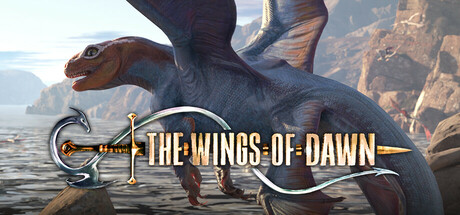
The Wings of Dawn vs Hogwarts Legacy

close close
info General Information
Release Date
Nov 19, 2026 Feb 10, 2023
Developer
Purple Hive Studios LTD Avalanche Software
Publisher
indie.io Warner Bros. Games (under Portkey Games label)
Genre(s)
Open World Survival / Creature & Human Simulation / Action RPG Action RPG, Open World, Fantasy, Third-Person
Engine
Unreal Engine 5 Unreal Engine 4
stars Ratings & Price
Content Rating
Teen Teen
Avg. User Rating
4.6 / 5.0 4.3 / 5.0
Current Price (USD)
$29.99 $59.99
tune Key Specs
Quick Highlights
  • Core Asymmetric Concept: Playable Dragons (Aerial Flight) vs. Playable Medieval Humans (Base Building)
  • Engine & Visuals: Unreal Engine 5 with Lumen Global Illumination & Nanite Geometry
  • Map Scope: Seamless 64 sq km Island Continent of Areleri
  • Server Capacity: Up to 100 Players per Dedicated Server with Persistent Saving
  • Survival Elements: Hunger, Thirst, Stamina, Body Temperature & Draconic Growth Stages
  • Perspective: Third-Person
  • Multiplayer: None (Single-Player Only)
  • Setting: Wizarding World (Hogwarts, Hogsmeade, Scottish Highlands), Late 1800s
  • Platforms: PC, PlayStation 4, PlayStation 5, Xbox One, Xbox Series X|S, Nintendo Switch
  • Unique Feature: Immersive Hogwarts Experience, Ancient Magic System, Extensive Spell List, Broom Flight, Magical Beast Taming & Care, Room of Requirement Customization.
sports_esports Gameplay & Mechanics
Companions/Followers
  • Camp Mastiff: Guards human camps, warns against prowling nocturnal predators, and tracks wounded game.
    Canis lupus familiaris
  • Domesticated Falcon: Scouts high-altitude terrain for human archers, marking nearby resource nodes and hostile dragon silhouettes.
    Falco peregrinus
  • Natsai 'Natty' Onai (Temporary AI): A Gryffindor student. Accompanies the player on her specific relationship questline missions. Fights alongside the player using her own set of spells and courage. Can transform into an Animagus (gazelle).
    Human (Witch)
  • Poppy Sweeting (Temporary AI): A Hufflepuff student. Joins the player during her relationship questline missions, which focus on magical beasts. She uses spells to help pacify or protect creatures and assists in combat against poachers.
    Human (Witch)
  • Sebastian Sallow (Temporary AI): A Slytherin student. Accompanies the player throughout his extensive relationship questline, which delves into Dark Arts. He is a skilled duelist and uses a variety of spells, including potentially Unforgivable Curses depending on player choices and story progression.
    Human (Wizard)
  • Professor Eleazar Fig (Temporary AI): The player's primary mentor. Accompanies the player on several key main story missions, providing combat support with his proficient spellcasting and offering guidance.
    Human (Wizard)
  • Other Temporary Quest-Specific Allies: During various main and side quests, other characters like Lodgok (goblin), Sirona Ryan, or even specific professors might temporarily fight alongside the player or assist with specific tasks. Their abilities are scripted for those encounters.
    Human (Witches/Wizards), Goblin, House-Elf
Key Collectibles
  • Ancient Dragon Egg Clutches: Hidden high atop inaccessible mountain crags, guarded by nesting adult dragons.
  • Forgotten Runestone Tablets: Scattered across ancient stone ruins throughout Areleri, revealing lore of the lost civilization.
  • Field Guide Pages: Found throughout Hogwarts, Hogsmeade, and the Highlands. Revealed by casting Revelio near specific objects, landmarks, or by catching flying pages with Accio. Provide lore, XP, and contribute to leveling up the Field Guide challenge.
  • Demiguise Statues / Moons: Small statues of Demiguises holding moons. These can only be collected at night. Turning the moons in to Gladwin Moon (the Hogwarts caretaker) is part of a side quest to upgrade the Alohomora spell, allowing the player to unlock higher-level locks (Level I, II, III).
  • Merlin Trials: 95 ancient puzzles created by Merlin, scattered throughout the Highlands. Activated by Mallowsweet Leaves. Solving each puzzle (which involves using various spells like Lumos, Accio, Depulso, Confringo, Flipendo to manipulate objects) rewards XP and contributes to increasing the player's maximum gear inventory capacity.
  • Ancient Magic Hotspots: Locations where traces of powerful Ancient Magic linger. Interacting with them often involves a small environmental puzzle or collecting motes of magic, and permanently increases the player's Ancient Magic meter capacity.
  • Collection Chests: Chests containing collectible items for the Room of Requirement (Conjuration spellcrafts for decoration/utility, Trait recipes for gear enchanting) or Wand Handles (cosmetic). Found in Hogwarts, Hogsmeade, hamlets, and dungeons.
  • Astronomy Tables: Specific locations with stone tables where the player, at night, can use a telescope to align stars and reveal a constellation. Rewards XP and cosmetic items.
  • Landing Platforms: Raised platforms found throughout the Highlands. Successfully landing a broom on each one contributes to a challenge and rewards XP.
  • Infamous Foes: Marked on the map, these are unique, named enemies (dark wizards, powerful beasts, etc.) that are tougher than their regular counterparts. Defeating all of them is a tracked challenge and rewards XP/gear.
  • Balloons (Over Highlands): Sets of five balloons floating in the air in various parts of the Highlands. Popping all five in a set with broom flight rewards XP.
Key Themes
  • Dragon Simulation
  • Medieval Survival
  • Open World Exploration
  • Faction Warfare
  • Crafting & Base Building
  • Aerodynamic Flight
  • Wizarding World (1800s)
  • Ancient Magic
  • Good vs. Evil
  • Discovery & Exploration
  • Student Life at Hogwarts
  • Goblin Rebellion
  • Dark Arts
  • Magical Creatures
  • Choice & Consequence (Minor)
  • Legacy & Heritage
colorize Combat & Gear
Weapons Overview
  • Draconic Incendiary Breath: Innate Biological Weapon
    A devastating torrent of liquid fire channeled from internal flame sacs, igniting wooden fortifications and burning ground prey.
  • Heavy Garrison Ballista: Medieval Siege Weapon
    Mounted torsion artillery firing barbed steel bolts designed to penetrate heavy dragon scales and tether airborne targets.
  • Forged Halberd: Polearm
    A long-reaching medieval polearm combining an axe blade and spear point, utilized by human infantry to keep predatory wyverns at bay.
  • Wand (Customizable Core, Wood, Length, Flexibility): Primary Magic Catalyst
    The player's primary tool for casting spells. While cosmetic aspects like wand handles can be changed, the core, wood, length, and flexibility chosen at Ollivanders (or found/awarded) are fixed but generally do not significantly impact gameplay stats beyond flavor. Spell effectiveness comes from learned spells and talents.
  • Combat Spells (Damage, Control, Force): Offensive Magic
    Spells used directly in combat. Damage spells (Confringo, Incendio, Diffindo), Control spells (Levioso, Glacius, Arresto Momentum), Force spells (Accio, Depulso, Flipendo). Can be chained into combos and upgraded via Talents.
  • Essential Spells (Utility, Transfiguration, Charms): Non-Combat / Puzzle Solving Magic
    Spells required for exploration, puzzle-solving, and interacting with the world. Includes Revelio, Lumos, Alohomora, Reparo, Wingardium Leviosa, Disillusionment Charm, and various Transfiguration spells for the Room of Requirement.
  • Dark Arts Spells (Unforgivable Curses - Optional): Forbidden Offensive Magic
    Players can choose to learn and use the three Unforgivable Curses: Avada Kedavra (killing curse), Crucio (torture curse), and Imperio (control curse). These are very powerful but their use may have narrative or character implications (though direct game system punishment is minimal).
  • Ancient Magic (Throws & Finishers): Special Powerful Magic
    The player's unique ability. Ancient Magic meter fills during combat, allowing for powerful environmental throws (using objects highlighted in blue) or devastating finisher moves on weakened enemies.
  • Potions (Edurus, Maxima, Focus, Invisibility, Thunderbrew, etc.): Craftable Consumables (Buffs/Effects)
    Brewed in the Room of Requirement or Potions class. Provide temporary buffs like increased defense (Edurus), increased spell damage (Maxima), reduced spell cooldowns (Focus), invisibility, or offensive AoE effects (Thunderbrew).
  • Combat Plants (Venomous Tentacula, Mandrake, Chinese Chomping Cabbage): Deployable Magical Flora
    Grown in the Room of Requirement or Herbology class. Can be deployed in combat to attack, stun, or distract enemies automatically.
Armor / Gear Sets
  • Dragon-Scale Reinforced Cuirass: Heavy human chestplate lined with molted dragon scales, offering exceptional slash protection and 80% fire resistance.
  • Ancient Hardened Dragon Carapace: Natural biological armor developed as dragons mature into adulthood, deflecting standard wooden arrows and small-caliber strikes.
  • Robes & Cloaks: The primary chest and outer layer clothing. Provide Offensive and Defensive stats. Various styles reflecting Hogwarts houses, wizarding fashion of the era, or specialized gear (e.g., Quidditch robes - though Quidditch isn't playable). Can have Trait slots.
  • Outfits (Full Sets): Some gear pieces form a named set (e.g., Dark Arts Set, Legendary Set). While there isn't a direct 'set bonus' for wearing all pieces, they often have a cohesive visual style and strong individual stats/traits.
  • Headwear (Hats, Helmets, Spectacles): Various types of headgear, from traditional wizarding hats and school beanies to more protective helmets or simple spectacles. Provide Offensive and Defensive stats and can have Trait slots.
  • Handwear (Gloves): Gloves that offer minor Offensive and Defensive stats and can have Trait slots.
  • Neckwear (Scarves, Necklaces): Scarves representing Hogwarts houses or other decorative neckwear. Provide Offensive and Defensive stats and can have Trait slots.
  • Facewear (Masks): Various masks, from simple to ornate. Provide Offensive and Defensive stats and can have Trait slots.
  • Traits (Gear Enchantments): Passive bonuses that can be applied to gear pieces with Trait slots at an Enchanted Loom in the Room of Requirement. Traits can increase damage of specific spell types, enhance defense against certain enemies, boost Ancient Magic generation, or provide other utility effects. Traits are learned by completing challenges or rescuing beasts.
  • Gear Quality (Well-Appointed, Superb, Extraordinary, Legendary): Gear items have different quality tiers, indicated by color (Green, Blue, Purple, Gold). Higher quality gear has better base stats (Offense/Defense) and more/higher-level Trait slots. Gear can be upgraded at the Enchanted Loom using materials from magical beasts.
Outfits/Customization
  • Weathered Woolen Tunic: Basic medieval colonist garment providing modest thermal insulation against mountain chills.
  • Fur-Lined Leather Cowl: Sturdy leather headwear lined with deer hide to prevent frostbite during alpine foraging.
  • School Robes (Hogwarts House Specific): Players wear Hogwarts school robes, the appearance of which is determined by the House they are sorted into (Gryffindor, Hufflepuff, Ravenclaw, Slytherin). Various styles of robes can be acquired, from standard issue to more ornate versions.
  • Cloaks & Capes: A wide variety of cloaks and capes can be equipped over robes or other attire, offering different visual styles and contributing to Offense/Defense stats. Some are plain, others are intricately designed or faction-themed.
  • Outfits (Full Sets & Individual Pieces): Beyond school uniforms, players can equip various outfits suitable for different occasions or reflecting different wizarding fashions of the 1890s (e.g., formal wear, adventuring gear, Dark Arts attire). These are often found as sets (Headwear, Facewear, Handwear, Neckwear, Cloak/Robe, Outfit) but pieces can sometimes be mixed, though the game primarily uses full outfit slots for the body.
  • Headwear (Wizard Hats, Beanies, Helmets, Spectacles): A wide range of hats (pointed wizard hats, top hats, school beanies), helmets (for more protective looks), and spectacles. Provide Offense/Defense stats and Trait slots.
  • Facewear (Masks, Half-Masks): Various masks that can be equipped, from simple cloth masks to more elaborate ceremonial or protective ones. Provide Offense/Defense stats and Trait slots.
  • Handwear (Gloves): Different styles of gloves, from simple leather to more ornate or armored variants. Provide Offense/Defense stats and Trait slots.
  • Neckwear (Scarves, Amulets - cosmetic): Scarves (often house-themed) and other decorative neckwear. Provide Offense/Defense stats and Trait slots.
  • Transmogrification (Change Appearance): Players can change the visual appearance of any equipped gear piece to look like any other gear piece of the same type they have collected, while retaining the stats of the originally equipped item. This allows for fashion flexibility without sacrificing stats.
trending_up Progression & Upgrades
Skills & Progression

Progression differs fundamentally by species: 1) Human Progression: Focuses on survival crafting, masonry, archery, metallurgy, beast taming, and ballista siege engineering. 2) Dragon Progression: Follows a life-cycle growth system (Hatchling, Juvenile, Sub-Adult, Adult, and Ancient Elder), where dragons grow in size, wing span, flight stamina, dive speed, claw damage, and elemental breath capacity.

N/A
public World & Exploration
World & Level Design

The continent of Areleri features a vast, seamless open-world island landmass spanning approximately 64 square kilometers with diverse microclimates: 1) The Coastal Reach: Shingle beaches, rocky coves, and shipwrecks where human colonists establish initial beachheads. 2) The Whispering Pines: Dense boreal forests teeming with herbivorous quarry and predatory stalkers. 3) The Cragged Peaks: Soaring alpine spires featuring updrafts, thermal air currents, and inaccessible cliffside dragon eyries. 4) The Sunken Mire: Bioluminescent wetlands plagued by murky waters and toxic amphibians.

Hogwarts Legacy features a large open world encompassing Hogwarts castle itself (with its many iconic locations like the Great Hall, common rooms, classrooms, secret passages), Hogsmeade village, and the expansive surrounding Scottish Highlands. Key explorable regions in the Highlands include the Forbidden Forest, various hamlets (like Upper Hogsfield, Feldcroft, Irondale), vast lochs, coastal areas, and numerous ancient ruins, caves, and Merlin Trials. While not a 1:1 scale, the world is substantial and filled with detail. Travel between distinct major areas (like Hogwarts and Hogsmeade interiors vs. the open Highlands) often involves short loading transitions. The map size is estimated to be significant, offering many hours of exploration (e.g., comparisons place it around 7-10 sq km for the main Highlands overworld, plus the dense interiors of Hogwarts and Hogsmeade).

Playable Vehicles
  • Medieval Horse-Drawn Wagon: Land Transport Vehicle
    A sturdy wooden wagon used by human settlers to haul heavy quarried stone, timber, and grain between frontier outposts.
  • Coastal Longboat: Watercraft
    A wooden oared longboat used by colonists to navigate coastal waters and explore offshore barrier islands.
  • Broomsticks (Various Models): Primary Aerial Mount / Traversal
    The player's primary means of fast aerial travel across the open world of the Highlands and around Hogwarts. Various broom models can be purchased from merchants in Hogsmeade, offering different visual styles (stats are generally uniform but can be upgraded for speed/acceleration via quests). Required for broom races and accessing some high locations.
  • Flying Mounts (Magical Beasts: Hippogriff, Thestral, Graphorn - Limited): Alternate Aerial & Ground Mounts
    Players can acquire and ride certain magical beasts as mounts. Hippogriffs (e.g., Highwing) and Thestrals (often from Deluxe/Pre-order editions) offer flight capabilities similar to brooms but with a different feel and appearance. The Graphorn is a powerful, armored ground mount acquired through a specific quest, capable of charging through obstacles. These mounts are summoned via the gear wheel.
  • Floo Flames (Fast Travel Network): Map Traversal Mechanic
    A network of magical fireplaces (Floo Network) located throughout Hogwarts, Hogsmeade, and the Highlands. Once a Floo Flame location is discovered and activated, the player can use it (or any other activated Floo Flame) to instantly travel to any other known Floo Flame point on the map.
  • Traversal on Foot (Walking, Running, Sprinting, Climbing, Swimming): Player Locomotion
    Standard on-foot movement for exploring interiors, navigating tight spaces, and engaging in combat. Includes basic climbing on ledges and swimming in bodies of water.
Notable Fauna/Mounts
  • Areleri Elk: Cervus areleris
    Large herbivore that travels in herds through pine valleys, serving as primary food for both dragons and human hunters.
  • Marsh Wyrm: Pseudodraco palustris
    Aggressive subterranean swamp carnivore that ambushes travelers from beneath shallow bogs.
N/A
book Story & Characters
Main Characters
  • Human Colonist: Survivalist & Builder
    Resilient medieval settlers working collectively to construct towns, forge tools, and tame an alien continent.
  • Sky-Drake: Aerial Apex Predator
    A majestic winged dragon built for high-speed thermal flight, swooping dive attacks, and territorial defense.
  • Captain Ronald: Expedition Leader
    The veteran commander guiding new colonists through initial beachhead fortifications.
  • Player Character (Customizable): Protagonist / New Fifth-Year Hogwarts Student
    A highly customizable character (appearance, voice, Hogwarts House - Gryffindor, Hufflepuff, Ravenclaw, Slytherin). Possesses a rare connection to Ancient Magic, making them a key figure in a brewing conflict involving goblins and dark wizards.
  • Professor Eleazar Fig: Ally / Mentor / Hogwarts Professor (Magical Theory)
    A kind, knowledgeable, and adventurous Hogwarts professor who recognizes the player's unique abilities and acts as their primary mentor in investigating Ancient Magic and the looming threats. His wife, Miriam, was also researching Ancient Magic before her death.
  • Ranrok: Main Antagonist / Goblin Rebellion Leader
    The ruthless and powerful leader of a goblin rebellion. He harbors a deep hatred for wizards and seeks to harness the power of Ancient Magic to overthrow wizardkind and claim what he believes is rightfully goblin property.
  • Victor Rookwood: Main Antagonist / Dark Wizard / Ashwinder Leader
    A descendant of a notorious dark wizard family and leader of the Ashwinders, a gang of dark wizards and witches. He allies with Ranrok to exploit Ancient Magic for his own nefarious purposes.
  • Sebastian Sallow: Companion / Slytherin Student
    A charismatic and ambitious Slytherin student who befriends the player. He is desperate to find a cure for his twin sister Anne, who is afflicted by a dark curse. His quest leads him to explore forbidden magic, presenting moral dilemmas for the player. His relationship questline is extensive.
  • Natsai 'Natty' Onai: Companion / Gryffindor Student
    A brave and principled Gryffindor student who transferred to Hogwarts from Uagadou, the largest wizarding school in Africa. She is skilled in Transfiguration and seeks to fight injustice. Her relationship questline involves dealing with poachers and dark wizards.
  • Poppy Sweeting: Companion / Hufflepuff Student
    A kind-hearted and empathetic Hufflepuff student with a deep love and understanding of magical beasts. She is concerned about their mistreatment by poachers. Her relationship questline focuses on rescuing and protecting various magical creatures.
  • Professor Matilda Weasley: Ally / Deputy Headmistress / Transfiguration Professor
    A stern but fair Gryffindor and the Deputy Headmistress of Hogwarts. She guides the player through their initial catch-up studies and introduces them to the Room of Requirement.
  • Professor Dinah Hecat: Ally / Defense Against the Dark Arts Professor
    An experienced and no-nonsense DADA professor who provides the player with crucial combat spells and assignments.
  • Professor Abraham Ronen: Ally / Charms Professor
    A jovial and enthusiastic Charms professor.
  • Professor Mirabel Garlick: Ally / Herbology Professor
    A cheerful and passionate Herbology professor.
  • Professor Aesop Sharp: Ally / Potions Master
    A stern and exacting former Auror who now teaches Potions.
  • Headmaster Phineas Nigellus Black: Neutral Figure / Headmaster of Hogwarts
    The unpopular and largely disinterested Headmaster of Hogwarts, an ancestor of Sirius Black. Often more concerned with his status than the students' well-being.
  • Lodgok: Ally / Goblin Dissident
    A goblin who once worked with Miriam Fig and disagrees with Ranrok's violent methods. He provides crucial information to the player.
  • Sirona Ryan: Ally / Owner of the Three Broomsticks
    The welcoming transgender witch owner of the Three Broomsticks pub in Hogsmeade. A source of information and quests.
  • Deek: Ally / House-Elf
    A helpful house-elf who assists the player in the Room of Requirement, guiding them in its use and customization, and in caring for magical beasts.
Example Missions
  • Establishing the Beachhead: Human Survival Tutorial
    Harvest timber, craft rudimentary stone axes, and construct a sheltered communal hall on the Coastal Reach before nightfall.
  • First Flight of the Fledgling: Dragon Flight Mastery
    Leap from the cliffside eyrie as a juvenile dragon, catch the rising thermal draft, and glide 500 meters across the pine valley.
  • The Great Calamity Defense: Server World Event
    Man the fortified ballista towers alongside fellow colonists to defend the town gate from a marauding adult flame-drake.
  • Main Questline (Ancient Magic & Ranrok's Rebellion)
    A series of core narrative quests following the player's journey as a new fifth-year student at Hogwarts, their discovery of a unique connection to Ancient Magic, and their efforts to uncover a dangerous conspiracy involving the goblin Ranrok, dark wizard Victor Rookwood, and the hidden repositories of this powerful magic. Involves attending classes, exploring ancient trials, and major confrontations.
  • Relationship Questlines (Natsai Onai, Poppy Sweeting, Sebastian Sallow)
    Three extensive, multi-part optional storylines focusing on the player's friendship with one of three key Hogwarts classmates. Each questline delves into the companion's personal story, motivations, and challenges, often involving unique adventures, moral choices, and special rewards related to that companion (e.g., Natsai's involves fighting poachers and injustice, Poppy's focuses on magical beasts, Sebastian's explores Dark Arts and a family curse).
  • Assignments (Professor's Tasks)
    Short tasks given by Hogwarts professors to teach the player new spells. These typically involve completing a prerequisite activity (e.g., using a specific potion, collecting ingredients) and then attending a brief lesson to learn the spell (e.g., Incendio, Disillusionment, Diffindo, Bombarda).
  • Side Quests (Found in Hogwarts, Hogsmeade, and Highlands)
    Numerous optional quests given by various students, professors, residents of Hogsmeade, or inhabitants of the Highlands. These range from simple fetch quests and puzzle-solving to more involved local stories, investigations, or helping someone in need. Rewards typically include XP, Galleons, gear, or cosmetic items.
  • Merlin Trials (Mysteries)
    Solve 95 environmental puzzles scattered throughout the Highlands, activated by Mallowsweet Leaves. Each trial requires using specific spells to manipulate objects (e.g., lighting braziers, moving spheres, destroying stone pillars, guiding moths). Completing sets of Merlin Trials increases the player's maximum gear inventory capacity.
  • Beast Rescuing & Care (Room of Requirement)
    Find and rescue various magical beasts from poacher camps or the wild using the Nab-Sack. Rescued beasts can be brought to customizable Vivariums in the Room of Requirement, where they can be fed, brushed, and played with to gather valuable crafting materials (e.g., Puffskein Fur, Mooncalf Fur) for gear upgrades and traits.
  • Dungeon Exploration (Caves, Tombs, Ruins)
    Explore optional underground areas or ancient ruins often containing enemies, puzzles, Collection Chests (with conjurations or wand handles), gear, and lore items.
  • Challenges (Field Guide Sections: Combat, Quests, Exploration, Room of Requirement, Collections)
    A comprehensive list of in-game challenges tracked in the Field Guide. Completing these (e.g., defeat X enemies of a certain type, complete X side quests, collect X Field Guide Pages, brew X potions) rewards XP and unlocks cosmetic gear appearances.
people Multiplayer
Multiplayer Details

Dedicated online multiplayer supporting up to 100 players per server. Servers offer customizable rulesets across PvPvE (humans vs. dragons vs. nature), Hardcore Survival (permadeath with territory claiming), and Relaxed Roleplay / Co-op modes where humans and dragons can form cooperative pacts.

Hogwarts Legacy is a purely single-player experience. There are no multiplayer modes.

extension Editions & DLC
Available Editions

Purple Hive Studios and indie.io are launching two primary tiers: The Standard Early Access Edition ($29.99 / ₹2,499) grants full access to the open-world survival game and all future alpha/beta updates. The Draconic Founder's Edition ($49.99 / ₹3,999) includes the base game, exclusive cosmetic dragon skin patterns (such as Obsidian Shimmer and Albino Frost), backer in-game titles, digital soundtrack, and high-resolution concept art book.

Available in Standard Edition, Deluxe Edition (Dark Arts Pack with cosmetic set, Threstral mount, Dark Arts battle arena, 72 hours early access for digital), and Collector's Edition (Deluxe content + life-size floating ancient magic wand with book base, SteelBook case, Kelpie robe cosmetic).

Post-Launch Content / DLC

The development roadmap outlines continuous seasonal content expansions adding new playable dragon breeds (including aquatic leviathans and subterranean burrowers), expanded medieval human craftable technology (stone castles, windmills, siege catapults), and seasonal weather events.

No major story expansions have been released or announced as of mid-2024. Post-launch support has primarily consisted of patches, quality-of-life updates (like Arachnophobia mode), and making previously platform-exclusive content available to all players. Some cosmetic DLC items were available via pre-orders or deluxe editions.

help_outline FAQ
Frequently Asked Questions
  • Q: What is The Wings of Dawn?
    A: The Wings of Dawn is an open-world multiplayer survival game set in an alternative medieval timeline on the continent of Areleri, where players choose to survive either as powerful airborne dragons or as cooperative medieval human colonists.
  • Q: Who is developing and publishing The Wings of Dawn?
    A: The game is developed by Purple Hive Studios LTD and published by indie.io.
  • Q: What are the core gameplay mechanics for dragons versus humans?
    A: Humans focus on resource gathering, survival vitals, tool crafting, base building, farming, and siege weaponry. Dragons focus on aerodynamic 3D flight physics, thermal gliding, hunting wildlife, life-cycle growth stages (from hatchling to elder), and breath-weapon combat.
  • Q: What engine powers The Wings of Dawn?
    A: The game is built in Unreal Engine 5, taking full advantage of Nanite geometry for realistic terrain and Lumen global illumination for dynamic lighting.
  • Q: Does The Wings of Dawn support dedicated multiplayer servers?
    A: Yes. The game supports dedicated multiplayer servers with up to 100 players per server, supporting PvPvE, faction warfare, and relaxed community co-op rulesets.
  • Q: Is Hogwarts Legacy set in the same timeline as Harry Potter?
    A: No, Hogwarts Legacy is set in the late 1800s (specifically starting in 1890), over a century before the events of the Harry Potter books and films. While it shares the same wizarding world, it features a new story and original characters, though some familiar names (like Weasley, Black) appear as ancestors.
  • Q: Can I choose my Hogwarts House?
    A: Yes, early in the game, the player character is sorted into one of the four Hogwarts Houses: Gryffindor, Hufflepuff, Ravenclaw, or Slytherin. The player can influence the Sorting Hat's decision or directly choose their preferred house. House choice affects common room access, some dialogue, and a house-specific questline.
  • Q: Is Quidditch playable in Hogwarts Legacy?
    A: No, Quidditch is not a playable mini-game in Hogwarts Legacy. Headmaster Black cancels the Quidditch season at the start of the school year in the game's narrative, though broom flight for exploration is a key feature.
  • Q: Can I learn and use Dark Arts / Unforgivable Curses?
    A: Yes, players have the option to learn and use Dark Arts, including the three Unforgivable Curses (Avada Kedavra, Crucio, Imperio), primarily through Sebastian Sallow's companion questline. Using them does not result in direct game system punishment (like a morality system), but characters may react to their use, and choosing to learn them is a player decision.
  • Q: What is the Room of Requirement used for?
    A: The Room of Requirement is a customizable personal hub space for the player within Hogwarts. Here, players can identify and upgrade gear at an Enchanted Loom, brew potions at Potion Stations, grow magical plants at Potting Tables, and set up Vivariums to care for and breed magical beasts rescued from the wild. The room's appearance can be heavily customized with various decorative and functional Conjuration spellcrafts.
  • Q: Are there romantic relationships in Hogwarts Legacy?
    A: While players can form strong friendships and complete extensive relationship questlines with companions like Natsai, Poppy, and Sebastian, there are no explicit romantic relationship mechanics or options in the game.
build Technical Details
Graphics & Visual Fidelity

Powered by Unreal Engine 5, featuring Nanite micro-geometry on craggy mountain ridges, Lumen dynamic global illumination that illuminates misty forest floors, and intricate skeletal and muscle physics that realistically ripple beneath dragon scales during high-speed wing-flaps.

Developed on Unreal Engine 4, Hogwarts Legacy boasts highly detailed and atmospheric environments, particularly the intricate recreation of Hogwarts castle and Hogsmeade. It features impressive lighting, particle effects for spells, detailed character models, and diverse landscapes in the Scottish Highlands. Ray tracing options (Reflections, Shadows, Ambient Occlusion) are available on PC and current-gen consoles, enhancing visual fidelity.

Audio & Soundtrack

Atmospheric, naturalistic sound design featuring authentic wind dynamics that whoosh realistically over dragon wings, reverberating guttural dragon roars, distant thunder, and a stirring medieval orchestral score composed with lutes, bodhráns, and soaring strings.

Original score composed primarily by Peter Murray, J Scott Rakozy, and Chuck E. Myers, featuring enchanting orchestral themes that evoke the magical atmosphere of the wizarding world and Hogwarts, with distinct motifs for different locations and story beats. Sound design includes intricate magical spell effects, ambient sounds of Hogwarts and its surroundings, and creature vocalizations.

User Interface (UI/UX)

Minimalist, immersive survival HUD featuring organic gauges for Health, Stamina, Hunger, Thirst, and Ambient Body Temperature. Flying as a dragon introduces an aerodynamic flight HUD displaying pitch angle, air speed, lift velocity, and breath energy reserves.

Features a clean HUD displaying health, Ancient Magic meter, equipped spells (spell diamonds), and a mini-map. Menus for gear, inventory, talents, map, quests, collections, and owl post are accessible. The Field Guide is a central codex tracking progress, collectibles, and lore. Spell casting uses a customizable diamond system for quick access.

Accessibility Options

Includes comprehensive accessibility options such as full key rebinding, simplified flight control toggles (auto-leveling and toggle-to-glide), motion sickness reduction options (customizable flight FOV, disable camera roll), and high-contrast nametags for group play.

Offers a range of accessibility options, including customizable controls (PC), extensive subtitle and text customization, colorblind modes, options for aim assist/lock-on, options to change QTEs to holds, Arachnophobia mode (changes spider appearances), audio visualizer for important sound cues, and various gameplay settings for difficulty and visual comfort.

Gameplay Video
launchWatch launchWatch
Walkthrough/Guide
launchView launchView
settings_applications System Requirements
720p (HD) - Minimum (720p ~30 FPS, Low Preset, Upscaling Performance) (Low Preset, Upscaling Performance Mode)
CPU: Minimum desktop CPU for lower settings.
CPU (Laptop): Estimated laptop CPU equivalent. Newer i5/Ryzen 5 H-series recommended.
GPU: Minimum desktop GPU for lower settings.
GPU (Laptop): Estimated laptop GPUs. 4GB VRAM is absolute minimum.
RAM: Minimum RAM requirement (game is RAM intensive).
Storage: SSD is officially required; HDD only for bare minimum target.
memoryCPU: Intel Core i5-6600 (3.3GHz) or AMD Ryzen 5 1400 (3.2GHz)
developer_boardGPU: NVIDIA GeForce GTX 960 (4GB) or AMD Radeon RX 470 (4GB)
laptop_macCPU (L): Intel Core i5-8300H / AMD Ryzen 5 2500U equivalent or better
laptop_windowsGPU (L): NVIDIA GeForce GTX 1050 Mobile (4GB) / GTX 1650 Mobile (4GB). **An RTX 3050 Mobile would be a significant step up.**
layersRAM: 16 GB
saveStorage (Tier): 85 GB HDD (SSD Required by spec, but HDD listed for absolute minimum)
1080p (Full HD) - Recommended (1080p ~60 FPS, High Preset, Upscaling Quality/Balanced possibly) (High Preset (Upscaling may be needed for consistent 60 FPS))
CPU: Recommended desktop CPU for 1080p/60FPS High settings.
CPU (Laptop): Estimated mid-range to high-end laptop CPUs.
GPU: Recommended desktop GPU for 1080p/60FPS High.
GPU (Laptop): Estimated performance-focused laptop GPUs. 6-8GB VRAM crucial.
RAM: 16GB RAM strongly recommended.
Storage: SSD strongly recommended, NVMe preferred.
memoryCPU: Intel Core i7-8700 (3.2GHz) or AMD Ryzen 5 3600 (3.6 GHz)
developer_boardGPU: NVIDIA GeForce GTX 1080 Ti (11GB) / RTX 2070 (8GB) or AMD Radeon RX 5700 XT (8GB) / RX 6700 XT (12GB)
laptop_macCPU (L): Intel Core i7-9750H / AMD Ryzen 7 4800H equivalent or better
laptop_windowsGPU (L): NVIDIA GeForce RTX 2070 Mobile (8GB) / RTX 3060 Mobile (6GB, High TGP). **An RTX 3070 Mobile or RTX 4060 Mobile (High TGP) is a good target for 1080p High 60FPS.**
layersRAM: 16 GB
saveStorage (Tier): 85 GB SSD
1080p (Full HD) - Minimum (Medium Settings, 1080p at locked 60fps)
CPU: Quad-core/hexa-core processor capable of handling multiplayer netcode and basic environmental simulation.
CPU (Laptop): Mobile 4-core / 6-core processor delivering consistent baseline performance.
GPU: Provides necessary VRAM for 1080p high-resolution terrain textures and dragon scales.
GPU (Laptop): Maintains 60fps at 1080p with FSR / DLSS Quality enabled.
RAM: Crucial for preventing memory paging when loading into dense multiplayer server hubs.
Storage: Prevents micro-stutters during rapid biome transitions.
memoryCPU: Intel Core i5-6600K or AMD Ryzen 5 2600
developer_boardGPU: NVIDIA GeForce GTX 1060 6GB / AMD Radeon RX 580 8GB
laptop_macCPU (L): Intel Core i5-10300H or AMD Ryzen 5 4600H
laptop_windowsGPU (L): NVIDIA GeForce GTX 1650 Ti Mobile / RTX 3050 Mobile (60W TGP)
layersRAM: 16 GB
saveStorage (Tier): 35 GB SSD
1440p (QHD/2K) - Ultra (1440p ~60 FPS, Ultra Preset, No Ray Tracing, Upscaling Quality/Balanced) (Ultra Preset, Ray Tracing OFF, Upscaling Quality or Balanced)
CPU: CPU for 1440p/60FPS Ultra.
CPU (Laptop): High-end laptop CPU.
GPU: Desktop GPU for 1440p/60FPS Ultra.
GPU (Laptop): High-end laptop GPUs. 8GB+ VRAM critical, 10GB+ ideal.
RAM: 16GB RAM essential, 32GB beneficial for smoother experience.
Storage: NVMe SSD required.
memoryCPU: Intel Core i7-10700K (3.8GHz) or AMD Ryzen 7 5800X (3.8GHz)
developer_boardGPU: NVIDIA GeForce RTX 2080 Ti (11GB) / RTX 3080 (10GB) or AMD Radeon RX 6800 XT (16GB)
laptop_macCPU (L): Intel Core i7-11800H / AMD Ryzen 7 5800H or better. **Modern i7/Ryzen 7 H/HX series.**
laptop_windowsGPU (L): NVIDIA GeForce RTX 3070 Ti Mobile (8GB, Max TGP) / RTX 4070 Mobile (8GB, Max TGP). **An RTX 3080 Mobile or RTX 4080 Mobile would provide a more consistent 1440p Ultra experience.**
layersRAM: 16 GB
saveStorage (Tier): 85 GB NVMe SSD
1440p (QHD/2K) - Recommended (High Settings, 1440p at locked 60fps - 100fps)
CPU: 8-core processor ensuring smooth frame pacing during dense multi-dragon territorial skirmishes.
CPU (Laptop): High-performance octa-core mobile CPU delivering robust compute overhead.
GPU: Easily renders 1440p with high foliage draw distance, dynamic shadows, and volumetric mist.
GPU (Laptop): Delivers smooth 1440p gameplay with balanced thermals.
RAM: Recommended for stutter-free open-world streaming and voice chat integration.
Storage: Instant server connection and world geometry loading.
memoryCPU: Intel Core i7-10700K or AMD Ryzen 7 3700X
developer_boardGPU: NVIDIA GeForce RTX 3060 12GB / AMD Radeon RX 6700 XT 12GB
laptop_macCPU (L): Intel Core i7-11800H or AMD Ryzen 7 5800H
laptop_windowsGPU (L): NVIDIA GeForce RTX 3060 Mobile (115W TGP) / RTX 4060 Mobile
layersRAM: 16 GB
saveStorage (Tier): 35 GB NVMe SSD
2160p (UHD/4K) - Ultra RT (2160p/4K ~60 FPS, Ultra Preset, RT On, Upscaling Performance/Ultra Performance + Frame Gen) (Ultra Preset, Ray Tracing ON (All options), Upscaling Performance/Ultra Performance + Frame Generation)
CPU: Flagship CPU for attempting 4K/60FPS Ultra RT.
CPU (Laptop): Absolute top-tier laptop CPUs.
GPU: Flagship desktop GPU for 4K Ultra RT, heavily reliant on DLSS/FSR with Frame Generation.
GPU (Laptop): The absolute best laptop GPU, will be pushed to its limits with 4K Ultra RT. Upscaling + Frame Gen mandatory.
RAM: 32GB RAM highly recommended for 4K Ultra RT.
Storage: NVMe SSD required.
memoryCPU: Intel Core i9-12900K or AMD Ryzen 9 5900X/7900X
developer_boardGPU: NVIDIA GeForce RTX 4080 (16GB) or AMD Radeon RX 7900 XTX (24GB)
laptop_macCPU (L): Intel Core i9-12900HX / AMD Ryzen 9 6900HX or better. **Modern flagship Intel/AMD HX series (e.g., 13980HX, 7945HX3D).**
laptop_windowsGPU (L): NVIDIA GeForce RTX 4090 Mobile (16GB, Max TGP). **Even this will require aggressive DLSS/FSR settings including Frame Generation for playable 4K Ultra RT. A hypothetical next-gen flagship (e.g., RTX 5090 Mobile or AMD equivalent) would be targeted for a more robust experience. (Highly Speculative)**
layersRAM: 32 GB
saveStorage (Tier): 85 GB NVMe SSD
2160p (UHD/4K) - Ultra/Enthusiast (Estimated) (Epic/Cinematic Settings, Native 4K at 60fps+)
CPU: Top-tier gaming processor delivering maximum framerate stability across high-population servers.
CPU (Laptop): Enthusiast mobile processor designed for extreme compute throughput.
GPU: Effortlessly drives 4K resolution with full volumetric cloud systems, water reflections, and particle effects.
GPU (Laptop): Powers 4K gaming on external displays with uncompromised visual clarity.
RAM: Immense memory headroom for hosting local dedicated servers and streaming high-bitrate clips.
Storage: Near-zero load times across all Areleri continent zones.
memoryCPU: Intel Core i7-13700K or AMD Ryzen 7 7800X3D
developer_boardGPU: NVIDIA GeForce RTX 4070 Ti 12GB / AMD Radeon RX 7900 XT 20GB
laptop_macCPU (L): Intel Core i9-13900HX or AMD Ryzen 9 7945HX
laptop_windowsGPU (L): NVIDIA GeForce RTX 4080 Mobile
layersRAM: 32 GB
saveStorage (Tier): 35 GB PCIe 4.0 NVMe SSD
save Overall Storage
Spec: 35 GB available space (SSD strongly recommended)
Note: Ensures seamless streaming of vast open-world wilderness tiles during supersonic dragon flight dives.
Type: SSD
Spec: 85 GB available space (SSD Required).
Note: An NVMe SSD is highly recommended for the best experience, minimizing load times and improving texture streaming in the detailed world.
Type: SSD
desktop_windows Operating System
Spec: Windows 10 / Windows 11 (64-bit, 21H2 or later)
Explanation: Required for DirectX 12 API execution and modern multi-threaded graphics drivers.
Spec: Windows 10 64-bit (Version 21H1 or newer)
Explanation: 64-bit Windows 10 (specified version or newer) or Windows 11 is required.
gamepad DirectX Version
Spec: DirectX 12
Explanation: Powers Unreal Engine 5 Lumen lighting, volumetric clouds, and high-density terrain rendering.
Spec: DirectX 12
Explanation: DirectX 12 API is required.
info_outline Other Game Notes
  • Built natively in Unreal Engine 5 utilizing Nanite micro-polygon geometry for expansive mountainous terrain and Lumen global illumination for realistic dynamic day-night cycles and weather systems. Operates on dedicated multiplayer servers.
  • Laptop Performance Note: The aerial flight mechanics and broad view distances across Areleri require stable GPU memory bandwidth. Keeping thermal headroom on mobile processors prevents frame drops during high-speed thermal gliding over dense pine forests.
  • Laptop Consideration: G P U T G P: A mobile GPU TGP of 75W to 95W easily delivers stable 60fps at 1080p and 1440p using modern upscalers.
  • Laptop Consideration: Cooling Thermals: Adequate laptop elevation is recommended during extended online multiplayer sessions to prevent thermal downclocking during aerial dogfights.
  • Laptop Consideration: C P U Power Limits: Efficient multi-threaded execution handles client-side ecosystem simulation, entity netcode, and particle breath-weapon effects.
  • Laptop Consideration: M U X Switch Optimus: Enabling dedicated dGPU mode via MUX switch eliminates latency buffering during precision flight maneuvers and melee strikes.
  • Optimization Detail: Upscaling Tech: AMD FSR 3.1, NVIDIA DLSS 3.7, Intel XeSS
  • Optimization Detail: Key Settings Impact: Lowering View Distance and Foliage Density can boost framerates by 20-25% on entry-level mobile GPUs without noticeably sacrificing aerial visibility.
  • Game Name: The Wings of Dawn
  • Official PC system requirements from Avalanche Software/WB Games. Performance can vary significantly depending on specific hardware, settings, areas in-game (especially Hogwarts castle interiors and Hogsmeade), and background applications. An SSD is MANDATORY. Ray tracing features are very demanding.
  • Laptop Performance Note: Laptop models of listed desktop GPUs will require comparable performance, high TGP (Total Graphics Power), and excellent cooling. **Hogwarts Legacy is a demanding title on PC, particularly with ray tracing enabled or at higher resolutions. High-end laptop hardware is necessary for an optimal experience.**
  • Laptop Consideration: G P U T G P: Maximum TGP is crucial for performance, especially with RT.
  • Laptop Consideration: Cooling Thermals: Robust cooling is essential to prevent thermal throttling in detailed environments.
  • Laptop Consideration: C P U Power Limits: A strong CPU is needed for the detailed world, NPC simulation, and physics.
  • Laptop Consideration: R A M Speed Dual Channel: Fast dual-channel RAM benefits performance significantly.
  • Laptop Consideration: M U X Switch Optimus: Using a MUX switch or NVIDIA Advanced Optimus is highly recommended.
  • Optimization Detail: Upscaling Tech: Supports NVIDIA DLSS (Super Resolution & Frame Generation - DLSS 3), AMD FSR (1.0, 2.0), and Intel XeSS. Also supports NVIDIA Reflex.
  • Optimization Detail: Key Settings Impact: Ray Tracing Quality (Reflections, Shadows, Ambient Occlusion), View Distance Quality, Shadow Quality, Texture Quality, Effects Quality, Foliage Quality, Population Density, and Post Processing Quality heavily impact performance. Using upscaling is highly recommended for higher resolutions/settings, especially with ray tracing.
  • Game Name: Hogwarts Legacy
build Optimization Details
  • Upscaling Tech: AMD FSR 3.1, NVIDIA DLSS 3.7, Intel XeSS
  • Key Settings Impact: Lowering View Distance and Foliage Density can boost framerates by 20-25% on entry-level mobile GPUs without noticeably sacrificing aerial visibility.
  • Upscaling Tech: Supports NVIDIA DLSS (Super Resolution & Frame Generation - DLSS 3), AMD FSR (1.0, 2.0), and Intel XeSS. Also supports NVIDIA Reflex.
  • Key Settings Impact: Ray Tracing Quality (Reflections, Shadows, Ambient Occlusion), View Distance Quality, Shadow Quality, Texture Quality, Effects Quality, Foliage Quality, Population Density, and Post Processing Quality heavily impact performance. Using upscaling is highly recommended for higher resolutions/settings, especially with ray tracing.
laptop Laptop Considerations
  • G P U T G P: A mobile GPU TGP of 75W to 95W easily delivers stable 60fps at 1080p and 1440p using modern upscalers.
  • Cooling Thermals: Adequate laptop elevation is recommended during extended online multiplayer sessions to prevent thermal downclocking during aerial dogfights.
  • C P U Power Limits: Efficient multi-threaded execution handles client-side ecosystem simulation, entity netcode, and particle breath-weapon effects.
  • M U X Switch Optimus: Enabling dedicated dGPU mode via MUX switch eliminates latency buffering during precision flight maneuvers and melee strikes.
  • G P U T G P: Maximum TGP is crucial for performance, especially with RT.
  • Cooling Thermals: Robust cooling is essential to prevent thermal throttling in detailed environments.
  • C P U Power Limits: A strong CPU is needed for the detailed world, NPC simulation, and physics.
  • R A M Speed Dual Channel: Fast dual-channel RAM benefits performance significantly.
  • M U X Switch Optimus: Using a MUX switch or NVIDIA Advanced Optimus is highly recommended.

info_outline Feature details based on available data. System requirements and performance estimates may vary.

laptop_chromebook Laptop Recommendations

Common Recommendations (Handles All Compared Games)

check_circle_outline Recommended based on listed requirements for HD (720p).
MSI Pulse GL66 with RTX 3070 and i7 12th Gen
  • memory Intel Core i7-12700H
  • developer_board NVIDIA GeForce RTX 3070
  • layers 32GB DDR4-3200MHz
  • track_changes Target GPU: NVIDIA GeForce GTX 1050 Mobile (4GB) / GTX 1650 Mobile (4GB). **An RTX 3050 Mobile would be a significant step up.**

Acer Nitro V with RTX 4060 and i9 13th Gen
  • memory Intel Core i9-13900H
  • developer_board NVIDIA GeForce RTX 4060
  • layers 16GB DDR5-5200MHz
  • track_changes Target GPU: NVIDIA GeForce GTX 1050 Mobile (4GB) / GTX 1650 Mobile (4GB). **An RTX 3050 Mobile would be a significant step up.**
Lenovo Legion Pro 5i (i9-14900HX, RTX 4060)
  • memory Intel Core i9-14900HX
  • developer_board NVIDIA GeForce RTX 4060
  • layers 32GB DDR5-5600MHz
  • track_changes Target GPU: NVIDIA GeForce GTX 1050 Mobile (4GB) / GTX 1650 Mobile (4GB). **An RTX 3050 Mobile would be a significant step up.**
check_circle_outline Recommended based on listed requirements for Full HD (1080p).
MSI Pulse GL66 with RTX 3070 and i7 12th Gen
  • memory Intel Core i7-12700H
  • developer_board NVIDIA GeForce RTX 3070
  • layers 32GB DDR4-3200MHz
  • track_changes Target GPU: NVIDIA GeForce GTX 1650 Ti Mobile / RTX 3050 Mobile (60W TGP)
Acer Nitro V with RTX 4060 and i9 13th Gen
  • memory Intel Core i9-13900H
  • developer_board NVIDIA GeForce RTX 4060
  • layers 16GB DDR5-5200MHz
  • track_changes Target GPU: NVIDIA GeForce GTX 1650 Ti Mobile / RTX 3050 Mobile (60W TGP)
Lenovo Legion Pro 5i (i9-14900HX, RTX 4060)
  • memory Intel Core i9-14900HX
  • developer_board NVIDIA GeForce RTX 4060
  • layers 32GB DDR5-5600MHz
  • track_changes Target GPU: NVIDIA GeForce GTX 1650 Ti Mobile / RTX 3050 Mobile (60W TGP)
ASUS TUF A15 with RTX 3050 and Ryzen 7
  • memory AMD Ryzen 7 7435HS
  • developer_board NVIDIA GeForce RTX 3050
  • layers 32GB DDR5-4800MHz
  • track_changes Target GPU: NVIDIA GeForce RTX 2070 Mobile (8GB) / RTX 3060 Mobile (6GB, High TGP). **An RTX 3070 Mobile or RTX 4060 Mobile (High TGP) is a good target for 1080p High 60FPS.**
HP Omen 16 (RTX 5060 & Ryzen 9 8940HX)
  • memory AMD Ryzen 9 8940HX Processor
  • developer_board NVIDIA GeForce RTX 5060 Laptop GPU
  • layers 32GB DDR5-5200MHz
  • track_changes Target GPU: NVIDIA GeForce RTX 2070 Mobile (8GB) / RTX 3060 Mobile (6GB, High TGP). **An RTX 3070 Mobile or RTX 4060 Mobile (High TGP) is a good target for 1080p High 60FPS.**

HP Victus 15 (RTX 4050 & Ryzen 7)
  • memory AMD Ryzen 7 7445HS
  • developer_board NVIDIA GeForce RTX 4050
  • layers 16GB (2x8GB) DDR5 5600MHz SO-DIMM
  • track_changes Target GPU: NVIDIA GeForce RTX 2070 Mobile (8GB) / RTX 3060 Mobile (6GB, High TGP). **An RTX 3070 Mobile or RTX 4060 Mobile (High TGP) is a good target for 1080p High 60FPS.**
check_circle_outline Recommended based on listed requirements for QHD (1440p).
MSI Pulse GL66 with RTX 3070 and i7 12th Gen
  • memory Intel Core i7-12700H
  • developer_board NVIDIA GeForce RTX 3070
  • layers 32GB DDR4-3200MHz
  • track_changes Target GPU: NVIDIA GeForce RTX 3060 Mobile (115W TGP) / RTX 4060 Mobile
Acer Nitro V with RTX 4060 and i9 13th Gen
  • memory Intel Core i9-13900H
  • developer_board NVIDIA GeForce RTX 4060
  • layers 16GB DDR5-5200MHz
  • track_changes Target GPU: NVIDIA GeForce RTX 3060 Mobile (115W TGP) / RTX 4060 Mobile
Lenovo Legion Pro 5i (i9-14900HX, RTX 4060)
  • memory Intel Core i9-14900HX
  • developer_board NVIDIA GeForce RTX 4060
  • layers 32GB DDR5-5600MHz
  • track_changes Target GPU: NVIDIA GeForce RTX 3060 Mobile (115W TGP) / RTX 4060 Mobile
check_circle_outline Recommended based on listed requirements for UHD (4K).
HP OMEN 16 with RTX 4080 and intel i9 14th Gen
  • memory Intel Core i9-14900HX
  • developer_board NVIDIA GeForce RTX 4080 Laptop GPU
  • layers 64 GB DDR5-5600MHz
  • track_changes Target GPU: NVIDIA GeForce RTX 4080 Mobile
GIGABYTE AORUS Elite 16 (RTX 5070 & Intel Core Ultra 9 275HX)
  • memory Intel Core Ultra 9 Processor 275HX (Series 2)
  • developer_board NVIDIA GeForce RTX 5070 Laptop GPU
  • layers 32GB DDR5-5600MHz
  • track_changes Target GPU: NVIDIA GeForce RTX 4080 Mobile
MSI Katana 15 HX (RTX 5070 & Intel i7 14th Gen)
  • memory Intel Core i9-14900HX Processor
  • developer_board NVIDIA GeForce RTX 5070 Laptop GPU
  • layers 32GB DDR5-5600MHz
  • track_changes Target GPU: NVIDIA GeForce RTX 4080 Mobile

For The Wings of Dawn Specifically

check_circle_outline Recommended based on listed requirements for Full HD (1080p).
MSI Pulse GL66 with RTX 3070 and i7 12th Gen
  • memory Intel Core i7-12700H
  • developer_board NVIDIA GeForce RTX 3070
  • layers 32GB DDR4-3200MHz
  • track_changes Target GPU: NVIDIA GeForce GTX 1060 6GB / AMD Radeon RX 580 8GB
Acer Nitro V with RTX 4060 and i9 13th Gen
  • memory Intel Core i9-13900H
  • developer_board NVIDIA GeForce RTX 4060
  • layers 16GB DDR5-5200MHz
  • track_changes Target GPU: NVIDIA GeForce GTX 1060 6GB / AMD Radeon RX 580 8GB
Lenovo Legion Pro 5i (i9-14900HX, RTX 4060)
  • memory Intel Core i9-14900HX
  • developer_board NVIDIA GeForce RTX 4060
  • layers 32GB DDR5-5600MHz
  • track_changes Target GPU: NVIDIA GeForce GTX 1060 6GB / AMD Radeon RX 580 8GB

Asus Rog Strix Scar 15 with RTX 3070 Ti and i9 12th Gen
  • memory Intel Core i9-12900H
  • developer_board NVIDIA GeForce RTX 3070 Ti
  • layers 16GB DDR5-4800MHz
  • track_changes Target GPU: NVIDIA GeForce GTX 1060 6GB / AMD Radeon RX 580 8GB
ASUS TUF A15 with RTX 3050 and Ryzen 7
  • memory AMD Ryzen 7 7435HS
  • developer_board NVIDIA GeForce RTX 3050
  • layers 32GB DDR5-4800MHz
  • track_changes Target GPU: NVIDIA GeForce GTX 1060 6GB / AMD Radeon RX 580 8GB
ASUS ROG Strix G15 with RTX 3060 and Ryzen 7
  • memory AMD Ryzen 7 6800H
  • developer_board NVIDIA GeForce RTX 3060
  • layers 16GB DDR5-4800MHz
  • track_changes Target GPU: NVIDIA GeForce GTX 1060 6GB / AMD Radeon RX 580 8GB
ASUS ROG Zephyrus G15 Ultra with RTX 3080 and Ryzen 9
  • memory AMD Ryzen 9 5900HS
  • developer_board NVIDIA GeForce RTX 3080
  • layers 16GB DDR4-3200MHz
  • track_changes Target GPU: NVIDIA GeForce GTX 1060 6GB / AMD Radeon RX 580 8GB
MSI Katana 15 with RTX 4070
  • memory Intel Core i7-13620H
  • developer_board NVIDIA GeForce RTX 4070
  • layers 16GB DDR5-4800MHz
  • track_changes Target GPU: NVIDIA GeForce GTX 1060 6GB / AMD Radeon RX 580 8GB
Alienware M18 with RTX 4070
  • memory Intel Core i7-14700HX
  • developer_board NVIDIA GeForce RTX 4070
  • layers 16GB DDR5-5600MHz
  • track_changes Target GPU: NVIDIA GeForce GTX 1060 6GB / AMD Radeon RX 580 8GB
MSI Creator M16 HX with RTX 4070
  • memory Intel Core i9-14900HX
  • developer_board NVIDIA GeForce RTX 4070
  • layers 32GB DDR5-5600MHz
  • track_changes Target GPU: NVIDIA GeForce GTX 1060 6GB / AMD Radeon RX 580 8GB
check_circle_outline Recommended based on listed requirements for QHD (1440p).
MSI Pulse GL66 with RTX 3070 and i7 12th Gen
  • memory Intel Core i7-12700H
  • developer_board NVIDIA GeForce RTX 3070
  • layers 32GB DDR4-3200MHz
  • track_changes Target GPU: NVIDIA GeForce RTX 3060 12GB / AMD Radeon RX 6700 XT 12GB
Acer Nitro V with RTX 4060 and i9 13th Gen
  • memory Intel Core i9-13900H
  • developer_board NVIDIA GeForce RTX 4060
  • layers 16GB DDR5-5200MHz
  • track_changes Target GPU: NVIDIA GeForce RTX 3060 12GB / AMD Radeon RX 6700 XT 12GB
Lenovo Legion Pro 5i (i9-14900HX, RTX 4060)
  • memory Intel Core i9-14900HX
  • developer_board NVIDIA GeForce RTX 4060
  • layers 32GB DDR5-5600MHz
  • track_changes Target GPU: NVIDIA GeForce RTX 3060 12GB / AMD Radeon RX 6700 XT 12GB
Asus Rog Strix Scar 15 with RTX 3070 Ti and i9 12th Gen
  • memory Intel Core i9-12900H
  • developer_board NVIDIA GeForce RTX 3070 Ti
  • layers 16GB DDR5-4800MHz
  • track_changes Target GPU: NVIDIA GeForce RTX 3060 12GB / AMD Radeon RX 6700 XT 12GB
ASUS TUF A15 with RTX 3050 and Ryzen 7
  • memory AMD Ryzen 7 7435HS
  • developer_board NVIDIA GeForce RTX 3050
  • layers 32GB DDR5-4800MHz
  • track_changes Target GPU: NVIDIA GeForce RTX 3060 12GB / AMD Radeon RX 6700 XT 12GB
ASUS ROG Strix G15 with RTX 3060 and Ryzen 7
  • memory AMD Ryzen 7 6800H
  • developer_board NVIDIA GeForce RTX 3060
  • layers 16GB DDR5-4800MHz
  • track_changes Target GPU: NVIDIA GeForce RTX 3060 12GB / AMD Radeon RX 6700 XT 12GB
ASUS ROG Zephyrus G15 Ultra with RTX 3080 and Ryzen 9
  • memory AMD Ryzen 9 5900HS
  • developer_board NVIDIA GeForce RTX 3080
  • layers 16GB DDR4-3200MHz
  • track_changes Target GPU: NVIDIA GeForce RTX 3060 12GB / AMD Radeon RX 6700 XT 12GB
MSI Katana 15 with RTX 4070
  • memory Intel Core i7-13620H
  • developer_board NVIDIA GeForce RTX 4070
  • layers 16GB DDR5-4800MHz
  • track_changes Target GPU: NVIDIA GeForce RTX 3060 12GB / AMD Radeon RX 6700 XT 12GB
Alienware M18 with RTX 4070
  • memory Intel Core i7-14700HX
  • developer_board NVIDIA GeForce RTX 4070
  • layers 16GB DDR5-5600MHz
  • track_changes Target GPU: NVIDIA GeForce RTX 3060 12GB / AMD Radeon RX 6700 XT 12GB
MSI Creator M16 HX with RTX 4070
  • memory Intel Core i9-14900HX
  • developer_board NVIDIA GeForce RTX 4070
  • layers 32GB DDR5-5600MHz
  • track_changes Target GPU: NVIDIA GeForce RTX 3060 12GB / AMD Radeon RX 6700 XT 12GB
check_circle_outline Recommended based on listed requirements for UHD (4K).
HP OMEN 16 with RTX 4080 and intel i9 14th Gen
  • memory Intel Core i9-14900HX
  • developer_board NVIDIA GeForce RTX 4080 Laptop GPU
  • layers 64 GB DDR5-5600MHz
  • track_changes Target GPU: NVIDIA GeForce RTX 4070 Ti 12GB / AMD Radeon RX 7900 XT 20GB
GIGABYTE AORUS Elite 16 (RTX 5070 & Intel Core Ultra 9 275HX)
  • memory Intel Core Ultra 9 Processor 275HX (Series 2)
  • developer_board NVIDIA GeForce RTX 5070 Laptop GPU
  • layers 32GB DDR5-5600MHz
  • track_changes Target GPU: NVIDIA GeForce RTX 4070 Ti 12GB / AMD Radeon RX 7900 XT 20GB
MSI Katana 15 HX (RTX 5070 & Intel i7 14th Gen)
  • memory Intel Core i9-14900HX Processor
  • developer_board NVIDIA GeForce RTX 5070 Laptop GPU
  • layers 32GB DDR5-5600MHz
  • track_changes Target GPU: NVIDIA GeForce RTX 4070 Ti 12GB / AMD Radeon RX 7900 XT 20GB
Dell Alienware 16X Aurora (RTX 5070 & Intel Core Ultra 9 275HX)
  • memory Intel Core i9-14900HX Processor
  • developer_board NVIDIA GeForce RTX 5070 Laptop GPU
  • layers 32GB DDR5-5600MHz
  • track_changes Target GPU: NVIDIA GeForce RTX 4070 Ti 12GB / AMD Radeon RX 7900 XT 20GB
Lenovo Thinkpad T1G Gen 8 (RTX 5070 & Ultra 9)
  • memory Intel Core Ultra 9 285H (Arrow Lake-H)
  • developer_board NVIDIA GeForce RTX 5070 Laptop GPU
  • layers 64GB LPDDR5x-8533MT/s (LPCAMM2)
  • track_changes Target GPU: NVIDIA GeForce RTX 4070 Ti 12GB / AMD Radeon RX 7900 XT 20GB
Acer Predator Helios Neo 18 2024 With Rtx 4080
  • memory Intel Core i9-14900HX
  • developer_board NVIDIA GeForce RTX 4080
  • layers 64GB DDR5-5600MHz
  • track_changes Target GPU: NVIDIA GeForce RTX 4070 Ti 12GB / AMD Radeon RX 7900 XT 20GB
ASUS ROG Strix G18 with RTX 4080 and intel i9 14th Gen
  • memory Intel Core i9-14900HX
  • developer_board NVIDIA GeForce RTX 4080
  • layers 32GB DDR5-5600MHz
  • track_changes Target GPU: NVIDIA GeForce RTX 4070 Ti 12GB / AMD Radeon RX 7900 XT 20GB
MSI Vector 17 HX with RTX 4080 in 2025
  • memory Intel Core i9-14900HX
  • developer_board NVIDIA GeForce RTX 4080
  • layers 32GB DDR5-5600MHz
  • track_changes Target GPU: NVIDIA GeForce RTX 4070 Ti 12GB / AMD Radeon RX 7900 XT 20GB
ASUS ROG Strix Scar 18 Gaming Laptop with RTX 4080
  • memory Intel Core i9-14900HX
  • developer_board NVIDIA GeForce RTX 4080
  • layers 32GB DDR5-5600MHz
  • track_changes Target GPU: NVIDIA GeForce RTX 4070 Ti 12GB / AMD Radeon RX 7900 XT 20GB
Dell Alienware M16 Gaming Laptop with RTX 4080
  • memory AMD Ryzen 9 7845HX
  • developer_board NVIDIA GeForce RTX 4080
  • layers Up to 64GB DDR5
  • track_changes Target GPU: NVIDIA GeForce RTX 4070 Ti 12GB / AMD Radeon RX 7900 XT 20GB

For Hogwarts Legacy Specifically

check_circle_outline Recommended based on listed requirements for HD (720p).
MSI Pulse GL66 with RTX 3070 and i7 12th Gen
  • memory Intel Core i7-12700H
  • developer_board NVIDIA GeForce RTX 3070
  • layers 32GB DDR4-3200MHz
  • track_changes Target GPU: NVIDIA GeForce GTX 960 (4GB) or AMD Radeon RX 470 (4GB)
Acer Nitro V with RTX 4060 and i9 13th Gen
  • memory Intel Core i9-13900H
  • developer_board NVIDIA GeForce RTX 4060
  • layers 16GB DDR5-5200MHz
  • track_changes Target GPU: NVIDIA GeForce GTX 960 (4GB) or AMD Radeon RX 470 (4GB)

Lenovo Legion Pro 5i (i9-14900HX, RTX 4060)
  • memory Intel Core i9-14900HX
  • developer_board NVIDIA GeForce RTX 4060
  • layers 32GB DDR5-5600MHz
  • track_changes Target GPU: NVIDIA GeForce GTX 960 (4GB) or AMD Radeon RX 470 (4GB)
Asus Rog Strix Scar 15 with RTX 3070 Ti and i9 12th Gen
  • memory Intel Core i9-12900H
  • developer_board NVIDIA GeForce RTX 3070 Ti
  • layers 16GB DDR5-4800MHz
  • track_changes Target GPU: NVIDIA GeForce GTX 960 (4GB) or AMD Radeon RX 470 (4GB)
HP Victus 15 with RTX 3050 and i5 12th Gen
  • memory Intel Core i5-12450H
  • developer_board NVIDIA GeForce RTX 3050
  • layers 16GB DDR4-3200MHz
  • track_changes Target GPU: NVIDIA GeForce GTX 960 (4GB) or AMD Radeon RX 470 (4GB)
Acer Nitro 5 with RTX 3050 Ti and i5 12th Gen
  • memory Intel Core i5-12500H
  • developer_board NVIDIA GeForce RTX 3050 Ti
  • layers 16GB DDR4-3200MHz
  • track_changes Target GPU: NVIDIA GeForce GTX 960 (4GB) or AMD Radeon RX 470 (4GB)
ASUS TUF A15 with RTX 3050 and Ryzen 7
  • memory AMD Ryzen 7 7435HS
  • developer_board NVIDIA GeForce RTX 3050
  • layers 32GB DDR5-4800MHz
  • track_changes Target GPU: NVIDIA GeForce GTX 960 (4GB) or AMD Radeon RX 470 (4GB)
ASUS ROG Strix G15 with RTX 3060 and Ryzen 7
  • memory AMD Ryzen 7 6800H
  • developer_board NVIDIA GeForce RTX 3060
  • layers 16GB DDR5-4800MHz
  • track_changes Target GPU: NVIDIA GeForce GTX 960 (4GB) or AMD Radeon RX 470 (4GB)
ASUS ROG Zephyrus G15 Ultra with RTX 3080 and Ryzen 9
  • memory AMD Ryzen 9 5900HS
  • developer_board NVIDIA GeForce RTX 3080
  • layers 16GB DDR4-3200MHz
  • track_changes Target GPU: NVIDIA GeForce GTX 960 (4GB) or AMD Radeon RX 470 (4GB)
MSI Katana 15 with RTX 4070
  • memory Intel Core i7-13620H
  • developer_board NVIDIA GeForce RTX 4070
  • layers 16GB DDR5-4800MHz
  • track_changes Target GPU: NVIDIA GeForce GTX 960 (4GB) or AMD Radeon RX 470 (4GB)
check_circle_outline Recommended based on listed requirements for Full HD (1080p).
ASUS TUF A15 with RTX 3050 and Ryzen 7
  • memory AMD Ryzen 7 7435HS
  • developer_board NVIDIA GeForce RTX 3050
  • layers 32GB DDR5-4800MHz
  • track_changes Target GPU: NVIDIA GeForce GTX 1080 Ti (11GB) / RTX 2070 (8GB) or AMD Radeon RX 5700 XT (8GB) / RX 6700 XT (12GB)
HP Omen 16 (RTX 5060 & Ryzen 9 8940HX)
  • memory AMD Ryzen 9 8940HX Processor
  • developer_board NVIDIA GeForce RTX 5060 Laptop GPU
  • layers 32GB DDR5-5200MHz
  • track_changes Target GPU: NVIDIA GeForce GTX 1080 Ti (11GB) / RTX 2070 (8GB) or AMD Radeon RX 5700 XT (8GB) / RX 6700 XT (12GB)
HP Victus 15 (RTX 4050 & Ryzen 7)
  • memory AMD Ryzen 7 7445HS
  • developer_board NVIDIA GeForce RTX 4050
  • layers 16GB (2x8GB) DDR5 5600MHz SO-DIMM
  • track_changes Target GPU: NVIDIA GeForce GTX 1080 Ti (11GB) / RTX 2070 (8GB) or AMD Radeon RX 5700 XT (8GB) / RX 6700 XT (12GB)
ASUS TUF Gaming  A16 with RTX 4050
ASUS TUF Gaming A16 with RTX 4050
  • memory AMD Ryzen 7 7445HS
  • developer_board NVIDIA GeForce RTX 4050
  • layers 16GB DDR5 5600MHz SO-DIMM
  • track_changes Target GPU: NVIDIA GeForce GTX 1080 Ti (11GB) / RTX 2070 (8GB) or AMD Radeon RX 5700 XT (8GB) / RX 6700 XT (12GB)
Dell Alienware M16 Gaming Laptop with RTX 4080
  • memory AMD Ryzen 9 7845HX
  • developer_board NVIDIA GeForce RTX 4080
  • layers Up to 64GB DDR5
  • track_changes Target GPU: NVIDIA GeForce GTX 1080 Ti (11GB) / RTX 2070 (8GB) or AMD Radeon RX 5700 XT (8GB) / RX 6700 XT (12GB)
XMG Apex 16 Max (RTX 5070 Ti & Ryzen 9)
  • memory AMD Ryzen 9 9955HX
  • developer_board NVIDIA GeForce RTX 5070 Ti Laptop GPU
  • layers 64GB DDR5-5600MHz (Dual-Channel)
  • track_changes Target GPU: NVIDIA GeForce GTX 1080 Ti (11GB) / RTX 2070 (8GB) or AMD Radeon RX 5700 XT (8GB) / RX 6700 XT (12GB)

info_outline Laptop recommendations are estimates based on available component benchmarks and game requirements. Actual performance may vary depending on settings, drivers, cooling, power limits, etc. Prices and availability subject to change. As an Amazon Associate, we earn from qualifying purchases.

Processing...