Select Games to Compare
Benchmark your exact mobile GPU wattage (TGP), battery throttling drops, and cooling pad requirements for these games.
The Talos Principle 2 vs The Outer Worlds 2
| close | close |
|---|---|
| shopping_cart Where to Buy | |
| info General Information | |
| Release Date | |
| Nov 2, 2023 | Oct 29, 2025 |
| Developer | |
| Croteam | Obsidian Entertainment |
| Publisher | |
| Devolver Digital | Xbox Game Studios |
| Genre(s) | |
| Puzzle, First-Person, Adventure, Sci-Fi, Philosophical | Action RPG, First-Person, RPG, Sci-Fi, Shooter |
| Engine | |
| Unreal Engine 5 | Unreal Engine 5 |
| stars Ratings & Price | |
| Content Rating | |
| Teen | M (Mature 17+) |
| Avg. User Rating | |
| 4.8 / 5.0 | 4.3 / 5.0 |
| Current Price (USD) | |
| $29.99 | $69.99 |
| tune Key Specs | |
| Quick Highlights | |
|
|
| sports_esports Gameplay & Mechanics | |
| Companions/Followers | |
|
|
| Key Collectibles | |
|
|
| Key Themes | |
|
|
| colorize Combat & Gear | |
| Weapons Overview | |
|
|
| Armor / Gear Sets | |
|
|
| Outfits/Customization | |
|
|
| trending_up Progression & Upgrades | |
| Skills & Progression | |
|
As a pure puzzle-adventure game, there are no traditional RPG skill trees or vertical power upgrades. Progression is dictated by the player's understanding of increasingly complex logic mechanics. Each of the 12 regions introduces and focuses on a new 'tool' or mechanic. Players learn to manipulate these tools—such as RGB Converters, Teleporters, Jammers, and Drillers—in isolation before the game slowly begins combining them in brutally complex, multi-layered puzzle rooms. The only 'currency' collected is Prometheus Sparks, which can be spent to completely bypass a puzzle if the player is hopelessly stuck, though they can be reclaimed later if the player returns and solves it. |
Features a deep, complex, and irreversible progression system. Players invest in 12 skills (like Speech, Sneak, Hacking) and over 90 perks (like Serial Killer, Charlatan). The unique 'Flaw' system returns, offering players a powerful benefit tied to a gameplay-altering detriment based on their actions (e.g., 'Bad Knees' Flaw for frequent crouching). |
| public World & Exploration | |
| World & Level Design | |
|
The game represents a massive leap in scale from its predecessor. It features a fully explorable, densely populated hub city in New Jerusalem, filled with NPCs, a museum, and political debates. The core gameplay takes place on the mysterious island, which is divided into 12 massive, visually distinct regions (such as the Flooded Valley, the Wooded Plateau, the Desolate Island, and the Circular Oasis). Each region contains 8 main puzzles, two hidden 'lost' puzzles, a master 'Gold' puzzle, hidden stars, and mysterious lore terminals. The regions are connected by a sprawling, highly scenic monorail system that weaves through the colossal megastructure dominating the sky. |
The game features a 'semi-open world' or 'open-zone' structure, not a single seamless map. Players travel between at least four large, distinct planets (like the tropical Eden and the snowy Cloyster) and orbital installations, each with a unique visual identity and controlling faction. Enemies do not respawn, allowing zones to be cleared permanently. |
| Playable Vehicles | |
|
|
| Notable Fauna/Mounts | |
|
N/A |
| book Story & Characters | |
| Main Characters | |
|
|
| Example Missions | |
|
|
| people Multiplayer | |
| Multiplayer Details | |
|
The game does not feature any multiplayer modes. It is entirely focused on delivering a deep, introspective single-player journey characterized by methodical puzzle-solving, profound philosophical dialogue, and isolated exploration of ancient mysteries. |
The game is a strictly single-player experience and does not have any multiplayer or co-operative modes. |
| extension Editions & DLC | |
| Available Editions | |
|
The game launched with a Standard Edition and a Deluxe Edition bundle. The Deluxe Edition includes the base game, an expansive Digital Artbook featuring hand-curated screenshots and pre-production concepts, the stunning 44-track original soundtrack composed by Damjan Mravunac, and the major 'Road to Elysium' DLC expansion. The game is highly accessible and steam deck verified, ensuring a premium puzzle experience across all PC and console platforms. |
The game is available as a Standard Edition ($69.99) and a Premium Edition, which includes 5-day early access. It is also available day one on Xbox Game Pass. |
| Post-Launch Content / DLC | |
|
In June 2024, Croteam released a massive expansion titled 'The Talos Principle 2 - Road to Elysium'. This DLC is a three-part coda that dives deeper into the world and reunites players with beloved characters. It features three distinct campaigns: 'Orpheus Ascending' (focusing on the laser mechanics of the original game in an Egyptian setting), 'Isle of the Blessed' (a Caribbean-themed expansion featuring Yaqut and Miranda), and 'Into the Abyss' (a brutally difficult, surreal sequence of puzzles designed for hardcore players looking for the ultimate logic challenge). |
The game features an 'Expansion Pass' available with the Premium Edition, which includes two post-launch story packs. 'Loose Cannon' (Q2 2026) and 'The Flower & the Flame' (Q3 2026) will allow players to experience new stories through the perspective of other characters. |
| help_outline FAQ | |
| Frequently Asked Questions | |
|
|
| build Technical Details | |
| Graphics & Visual Fidelity | |
|
Built from the ground up in Unreal Engine 5, The Talos Principle 2 is a visual powerhouse. It masterfully contrasts the lush, overgrown beauty of untamed nature with the stark, imposing geometry of brutalist, monolithic sci-fi structures. The implementation of Lumen provides incredibly realistic, bounce-lit global illumination, while Nanite allows for impossibly detailed rock formations and architecture with zero pop-in. The sheer scale of the Megastructure looming over every region creates a constant sense of awe. |
N/A |
| Audio & Soundtrack | |
|
The soundscape is a masterpiece of atmospheric design. Composer Damjan Mravunac returns with a sweeping, majestic soundtrack that blends solemn orchestral melodies, choral arrangements, and deep synth tones, perfectly reflecting the game's mix of organic nature and advanced technology. The voice acting is phenomenal, bringing incredible warmth, humor, and depth to the android characters, transforming them from mere robots into deeply empathetic individuals debating the fate of their species. |
N/A |
| User Interface (UI/UX) | |
|
The UI is brilliantly minimalistic and heavily diegetic to keep players immersed in the stunning environments. There is a clean, top-of-screen compass that tracks the locations of unsolved puzzles, completed puzzles, and points of interest like lost labs or spark locations. When interacting with terminals or dialogue choices, the interface is sleek and non-intrusive, utilizing a futuristic, text-based aesthetic. Puzzle elements clearly highlight when they can be interacted with or connected, ensuring that the difficulty stems from the logic, not from wrestling with the controls. |
N/A |
| Accessibility Options | |
|
The game is highly accessible, recognizing that puzzle games should challenge the mind, not physical dexterity. There are no strict timing requirements or death penalties during puzzles. It features robust colorblind modes (essential for the laser color-mixing puzzles), fully remappable controls, toggleable sprint, and adjustable subtitle sizes. Additionally, the 'Prometheus Spark' system serves as an organic, in-game hint/bypass mechanic, ensuring players who are genuinely stuck do not have to abandon the narrative. |
N/A |
| video_library Media Links | |
| Gameplay Video | |
| launchWatch | launchWatch |
| Walkthrough/Guide | |
| launchView | launchView |
| settings_applications System Requirements | |
| 1080p (Full HD) - Recommended (High Preset with Upscaling, 1080p (60 FPS Target)) CPU: Official recommended processors, providing enough multi-threaded overhead to eliminate stuttering when exploring the massive megastructure. CPU (Laptop): Ensures perfectly fluid frame pacing, critical for maintaining immersion in the gorgeous environments. GPU: Official recommended GPUs. The 8GB+ VRAM buffer is necessary to run the game with high-quality Lumen lighting and Nanite textures without page-filing. GPU (Laptop): Guarantees a locked 60 FPS at 1080p on high settings when using DLSS or FSR. RAM: The specific official recommendation to ensure zero hitches when rendering massive open areas. Storage: SSD explicitly required for the recommended tier. | |
memoryCPU: 6 or 8 core CPU @ 3.0 GHz (AMD Ryzen 7, Intel core i5/i7) developer_boardGPU: 8+ GB VRAM; Radeon RX 6800, GeForce RTX 3070 laptop_macCPU (L): Intel Core i7-11800H / AMD Ryzen 7 5800H laptop_windowsGPU (L): NVIDIA GeForce RTX 3070 Ti Mobile / RTX 4060 Mobile layersRAM: 16 GB saveStorage (Tier): 75 GB available space | — |
| 1080p (Full HD) - Minimum (Low Preset with Upscaling, 1080p (30-60 FPS Target)) CPU: The official minimum processors required to handle the baseline Unreal Engine 5 physics and logic. CPU (Laptop): Older quad-core mobile CPUs will struggle slightly but can run the game at minimum settings if thermal limits are managed. GPU: The official minimum GPUs. A 4GB VRAM buffer is strictly required, though players will need to rely heavily on TSR or FSR upscaling to maintain smooth frames. GPU (Laptop): Capable of providing a playable 1080p experience on low settings using upscaling. RAM: Official minimum required system memory. Storage: SSD drive strongly recommended by the developers for the minimum tier. | |
memoryCPU: 4 core CPU @ 2.5 GHz (AMD Ryzen 5, Intel core i3/i5) developer_boardGPU: 4 GB VRAM; Radeon RX 470, GeForce GTX 970 laptop_macCPU (L): Intel Core i5-9300H / AMD Ryzen 5 3550H laptop_windowsGPU (L): NVIDIA GeForce GTX 1650 Mobile / RTX 3050 Mobile layersRAM: 8 GB saveStorage (Tier): 75 GB available space | memoryCPU: Intel Core i5-8400 or AMD Ryzen 5 2600 developer_boardGPU: NVIDIA GeForce GTX 1070 (8GB) or AMD Radeon RX 5700 (8GB) laptop_macCPU (L): Intel Core i7-9750H / AMD Ryzen 5 3600H or better. laptop_windowsGPU (L): NVIDIA GeForce RTX 2070 Mobile (8GB) or RTX 3060 Laptop (6GB). layersRAM: 16 GB saveStorage (Tier): 110 GB SSD |
| 1440p (QHD/2K) - Enthusiast (High/Epic Preset with Upscaling, 1440p (60+ FPS Target)) CPU: Modern mid-to-high end CPUs provide massive overhead, ensuring puzzle physics and level streaming don't halt the render thread. CPU (Laptop): Easily powers the game's logic while driving higher resolution laptop displays. GPU: Handles the increased pixel count cleanly, ensuring sharp visuals on the intricate brutalist architecture and volumetric clouds. GPU (Laptop): Provides the necessary compute overhead for 1440p rendering on portable panels. RAM: Optimal configuration for modern systems. Storage: NVMe SSD. | |
memoryCPU: Intel Core i5-12600K / AMD Ryzen 5 5600X developer_boardGPU: NVIDIA GeForce RTX 3080 / AMD Radeon RX 6800 XT laptop_macCPU (L): Intel Core i7-12700H / AMD Ryzen 7 6800H laptop_windowsGPU (L): NVIDIA GeForce RTX 4070 Mobile / RTX 3080 Ti Mobile layersRAM: 16 GB saveStorage (Tier): 75 GB available space | — |
| 1440p (QHD/2K) - Recommended (High Preset, 1440p resolution.) CPU: The official recommended desktop CPU for a smooth experience. CPU (Laptop): A strong mid-range laptop CPU is recommended for consistent performance. GPU: Official recommended desktop GPU for 1440p gameplay. GPU (Laptop): A high-end laptop GPU is needed for a high-quality 1440p experience. RAM: 16GB RAM is officially recommended for optimal performance. Storage: An SSD is required for this tier. | |
| — | memoryCPU: Intel Core i7-10700K or AMD Ryzen 5 5600X developer_boardGPU: NVIDIA GeForce RTX 3080 or AMD Radeon RX 6800 XT laptop_macCPU (L): Intel Core i7-11800H / AMD Ryzen 7 5800H or better. laptop_windowsGPU (L): NVIDIA GeForce RTX 3080 Laptop (8GB, High TGP) or RTX 4070 Laptop (8GB). layersRAM: 16 GB saveStorage (Tier): 110 GB SSD |
| 2160p (UHD/4K) - Ultra (Epic Preset, 4K (60 FPS with DLSS/FSR Quality)) CPU: Ensures absolutely no bottlenecks at the highest visual fidelity. CPU (Laptop): Desktop-grade performance in a mobile chassis. GPU: Powers the grueling 4K resolution, rendering the breathtaking clashes of nature and monolithic sci-fi structures flawlessly. GPU (Laptop): Required to maintain a stable 4K frame rate on an external display. RAM: Optimizes system stability and ensures zero background application interference. Storage: Gen4 NVMe SSD. | |
memoryCPU: Intel Core i7-13700K / AMD Ryzen 7 7800X3D developer_boardGPU: NVIDIA GeForce RTX 4080 / AMD Radeon RX 7900 XTX laptop_macCPU (L): Intel Core i9-13900HX laptop_windowsGPU (L): NVIDIA GeForce RTX 4080 Mobile layersRAM: 32 GB saveStorage (Tier): 75 GB available space | — |
| save Overall Storage | |
Spec: 75 GB available space Note: An SSD is explicitly required by the recommended specifications to ensure fast loading times and eliminate texture streaming hitches during monorail travel. Type: Unknown | Spec: 110 GB available space (SSD Required) Note: An SSD is a mandatory requirement for the game to handle the streaming of its large, high-fidelity open zones. Type: SSD |
| desktop_windows Operating System | |
Spec: 64-bit Windows 10 (version 2004 or newer) Explanation: A 64-bit operating system is strictly required by the Unreal Engine 5 runtime to efficiently manage memory allocation across the massive, seamless puzzle regions. | Spec: Windows 10 / 11 64-bit Explanation: A modern 64-bit OS is a firm requirement. |
| gamepad DirectX Version | |
| Spec: Version 12 Explanation: DirectX 12 is officially mandated to enable advanced Unreal Engine 5 rendering techniques, including Lumen lighting and Nanite virtualized geometry. | Spec: Version 12 Explanation: DirectX 12 is required for ray tracing and other advanced features. |
| info_outline Other Game Notes | |
|
|
| build Optimization Details | |
| N/A |
| laptop Laptop Considerations | |
|
|

info_outline Feature details based on available data. System requirements and performance estimates may vary.
laptop_chromebook Laptop Recommendations
Common Recommendations (Handles All Compared Games)

- memory Intel Core i7-12700H
- developer_board NVIDIA GeForce RTX 3070
- layers 32GB DDR4-3200MHz
- track_changes Target GPU: NVIDIA GeForce GTX 1650 Mobile / RTX 3050 Mobile / NVIDIA GeForce RTX 2070 Mobile (8GB) or RTX 3060 Laptop (6GB).

- memory Intel Core i9-13900H
- developer_board NVIDIA GeForce RTX 4060
- layers 16GB DDR5-5200MHz
- track_changes Target GPU: NVIDIA GeForce GTX 1650 Mobile / RTX 3050 Mobile / NVIDIA GeForce RTX 2070 Mobile (8GB) or RTX 3060 Laptop (6GB).

- memory Intel Core i9-14900HX
- developer_board NVIDIA GeForce RTX 4060
- layers 32GB DDR5-5600MHz
- track_changes Target GPU: NVIDIA GeForce GTX 1650 Mobile / RTX 3050 Mobile / NVIDIA GeForce RTX 2070 Mobile (8GB) or RTX 3060 Laptop (6GB).

- memory Intel Core i9-12900H
- developer_board NVIDIA GeForce RTX 3070 Ti
- layers 16GB DDR5-4800MHz
- track_changes Target GPU: NVIDIA GeForce RTX 3070 Ti Mobile / RTX 4060 Mobile

- memory AMD Ryzen 7 7435HS
- developer_board NVIDIA GeForce RTX 3050
- layers 32GB DDR5-4800MHz
- track_changes Target GPU: NVIDIA GeForce RTX 3070 Ti Mobile / RTX 4060 Mobile

- memory AMD Ryzen 7 6800H
- developer_board NVIDIA GeForce RTX 3060
- layers 16GB DDR5-4800MHz
- track_changes Target GPU: NVIDIA GeForce RTX 3070 Ti Mobile / RTX 4060 Mobile

- memory Intel Core i9-14900HX
- developer_board NVIDIA GeForce RTX 4070
- layers 32GB DDR5-5600MHz
- track_changes Target GPU: NVIDIA GeForce RTX 4070 Mobile / RTX 3080 Ti Mobile

- memory Intel Core i9-14900HX
- developer_board NVIDIA GeForce RTX 4070
- layers 16GB DDR5-5600MHz
- track_changes Target GPU: NVIDIA GeForce RTX 4070 Mobile / RTX 3080 Ti Mobile
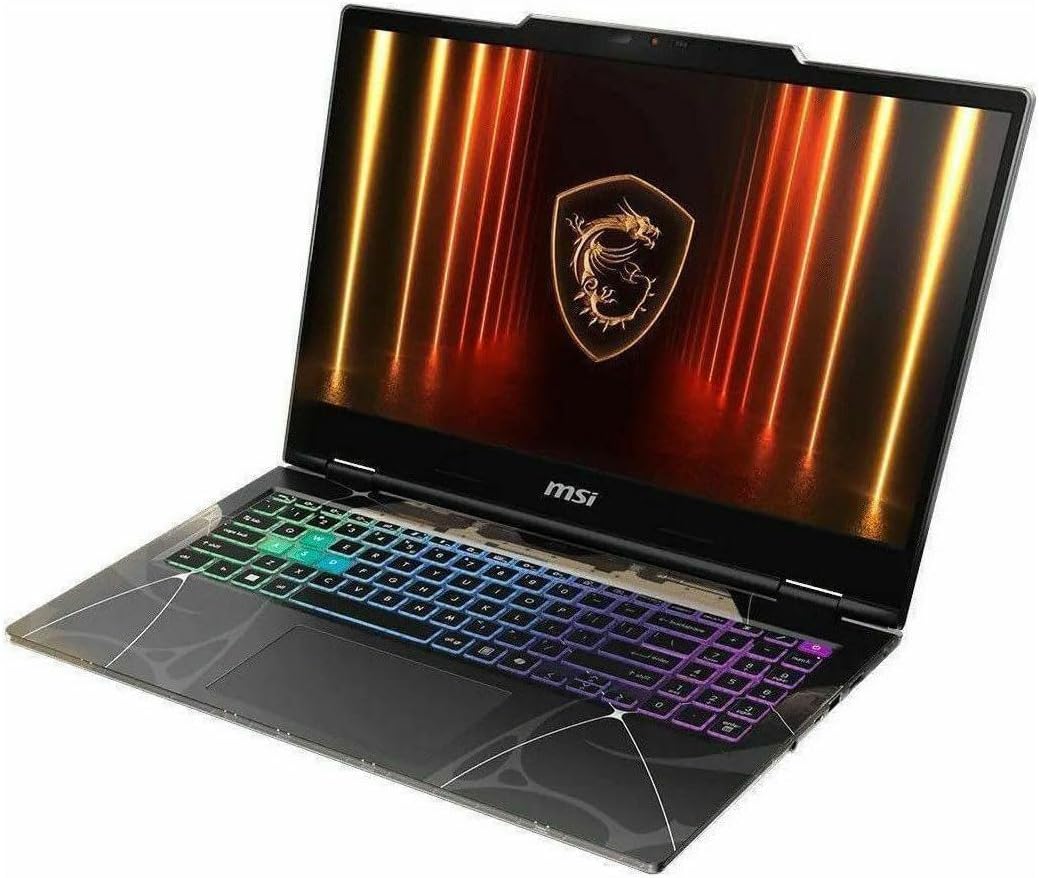
- memory Intel Core Ultra 7 255H
- developer_board NVIDIA GeForce RTX 5060 Laptop GPU
- layers 16GB DDR5-5600MHz (Dual-Channel)
- track_changes Target GPU: NVIDIA GeForce RTX 4070 Mobile / RTX 3080 Ti Mobile
- memory AMD Ryzen 7 7435HS
- developer_board NVIDIA GeForce RTX 3050
- layers 32GB DDR5-4800MHz
- track_changes Target GPU: NVIDIA GeForce RTX 3080 Laptop (8GB, High TGP) or RTX 4070 Laptop (8GB).
- memory AMD Ryzen 7 6800H
- developer_board NVIDIA GeForce RTX 3060
- layers 16GB DDR5-4800MHz
- track_changes Target GPU: NVIDIA GeForce RTX 3080 Laptop (8GB, High TGP) or RTX 4070 Laptop (8GB).

- memory AMD Ryzen 9 5900HS
- developer_board NVIDIA GeForce RTX 3080
- layers 16GB DDR4-3200MHz
- track_changes Target GPU: NVIDIA GeForce RTX 3080 Laptop (8GB, High TGP) or RTX 4070 Laptop (8GB).

- memory Intel Core i9-14900HX
- developer_board NVIDIA GeForce RTX 4080 Laptop GPU
- layers 64 GB DDR5-5600MHz
- track_changes Target GPU: NVIDIA GeForce RTX 4080 Mobile

- memory Intel Core Ultra 9 Processor 275HX (Series 2)
- developer_board NVIDIA GeForce RTX 5070 Laptop GPU
- layers 32GB DDR5-5600MHz
- track_changes Target GPU: NVIDIA GeForce RTX 4080 Mobile

- memory Intel Core i9-14900HX Processor
- developer_board NVIDIA GeForce RTX 5070 Laptop GPU
- layers 32GB DDR5-5600MHz
- track_changes Target GPU: NVIDIA GeForce RTX 4080 Mobile
For The Talos Principle 2 Specifically
- memory Intel Core i7-12700H
- developer_board NVIDIA GeForce RTX 3070
- layers 32GB DDR4-3200MHz
- track_changes Target GPU: 4 GB VRAM; Radeon RX 470, GeForce GTX 970
- memory Intel Core i9-13900H
- developer_board NVIDIA GeForce RTX 4060
- layers 16GB DDR5-5200MHz
- track_changes Target GPU: 4 GB VRAM; Radeon RX 470, GeForce GTX 970
- memory Intel Core i9-14900HX
- developer_board NVIDIA GeForce RTX 4060
- layers 32GB DDR5-5600MHz
- track_changes Target GPU: 4 GB VRAM; Radeon RX 470, GeForce GTX 970
- memory Intel Core i9-12900H
- developer_board NVIDIA GeForce RTX 3070 Ti
- layers 16GB DDR5-4800MHz
- track_changes Target GPU: 4 GB VRAM; Radeon RX 470, GeForce GTX 970

- memory Intel Core i5-12450H
- developer_board NVIDIA GeForce RTX 3050
- layers 16GB DDR4-3200MHz
- track_changes Target GPU: 4 GB VRAM; Radeon RX 470, GeForce GTX 970
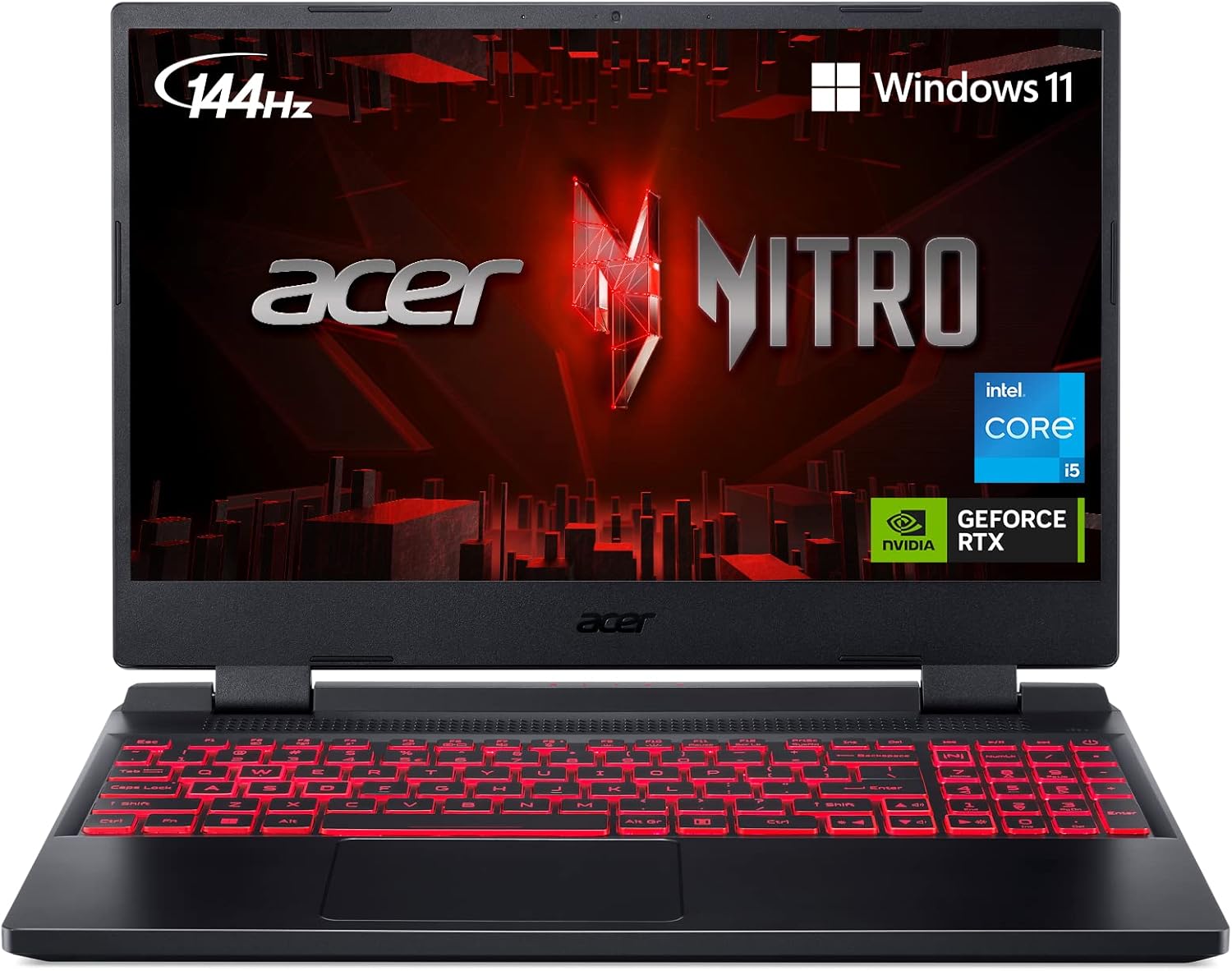
- memory Intel Core i5-12500H
- developer_board NVIDIA GeForce RTX 3050 Ti
- layers 16GB DDR4-3200MHz
- track_changes Target GPU: 4 GB VRAM; Radeon RX 470, GeForce GTX 970
- memory AMD Ryzen 7 7435HS
- developer_board NVIDIA GeForce RTX 3050
- layers 32GB DDR5-4800MHz
- track_changes Target GPU: 4 GB VRAM; Radeon RX 470, GeForce GTX 970
- memory AMD Ryzen 7 6800H
- developer_board NVIDIA GeForce RTX 3060
- layers 16GB DDR5-4800MHz
- track_changes Target GPU: 4 GB VRAM; Radeon RX 470, GeForce GTX 970
- memory AMD Ryzen 9 5900HS
- developer_board NVIDIA GeForce RTX 3080
- layers 16GB DDR4-3200MHz
- track_changes Target GPU: 4 GB VRAM; Radeon RX 470, GeForce GTX 970

- memory Intel Core i7-13620H
- developer_board NVIDIA GeForce RTX 4070
- layers 16GB DDR5-4800MHz
- track_changes Target GPU: 4 GB VRAM; Radeon RX 470, GeForce GTX 970

- memory Intel Core i7-14700HX
- developer_board NVIDIA GeForce RTX 4070
- layers 16GB DDR5-5600MHz
- track_changes Target GPU: 8+ GB VRAM; Radeon RX 6800, GeForce RTX 3070
- memory Intel Core i9-14900HX
- developer_board NVIDIA GeForce RTX 4070
- layers 32GB DDR5-5600MHz
- track_changes Target GPU: 8+ GB VRAM; Radeon RX 6800, GeForce RTX 3070
- memory Intel Core i9-14900HX
- developer_board NVIDIA GeForce RTX 4070
- layers 16GB DDR5-5600MHz
- track_changes Target GPU: 8+ GB VRAM; Radeon RX 6800, GeForce RTX 3070
- memory Intel Core Ultra 7 255H
- developer_board NVIDIA GeForce RTX 5060 Laptop GPU
- layers 16GB DDR5-5600MHz (Dual-Channel)
- track_changes Target GPU: 8+ GB VRAM; Radeon RX 6800, GeForce RTX 3070

- memory AMD Ryzen 9 8940HX Processor
- developer_board NVIDIA GeForce RTX 5060 Laptop GPU
- layers 32GB DDR5-5200MHz
- track_changes Target GPU: 8+ GB VRAM; Radeon RX 6800, GeForce RTX 3070
- memory Intel Core i9-14900HX
- developer_board NVIDIA GeForce RTX 4070
- layers 32GB DDR5-5600MHz
- track_changes Target GPU: NVIDIA GeForce RTX 3080 / AMD Radeon RX 6800 XT
- memory Intel Core i9-14900HX
- developer_board NVIDIA GeForce RTX 4070
- layers 16GB DDR5-5600MHz
- track_changes Target GPU: NVIDIA GeForce RTX 3080 / AMD Radeon RX 6800 XT
- memory Intel Core Ultra 7 255H
- developer_board NVIDIA GeForce RTX 5060 Laptop GPU
- layers 16GB DDR5-5600MHz (Dual-Channel)
- track_changes Target GPU: NVIDIA GeForce RTX 3080 / AMD Radeon RX 6800 XT
- memory AMD Ryzen 9 8940HX Processor
- developer_board NVIDIA GeForce RTX 5060 Laptop GPU
- layers 32GB DDR5-5200MHz
- track_changes Target GPU: NVIDIA GeForce RTX 3080 / AMD Radeon RX 6800 XT

- memory Intel Core i9-12950HX
- developer_board NVIDIA GeForce RTX 3080 Ti
- layers 32GB DDR5-4800MHz
- track_changes Target GPU: NVIDIA GeForce RTX 3080 / AMD Radeon RX 6800 XT
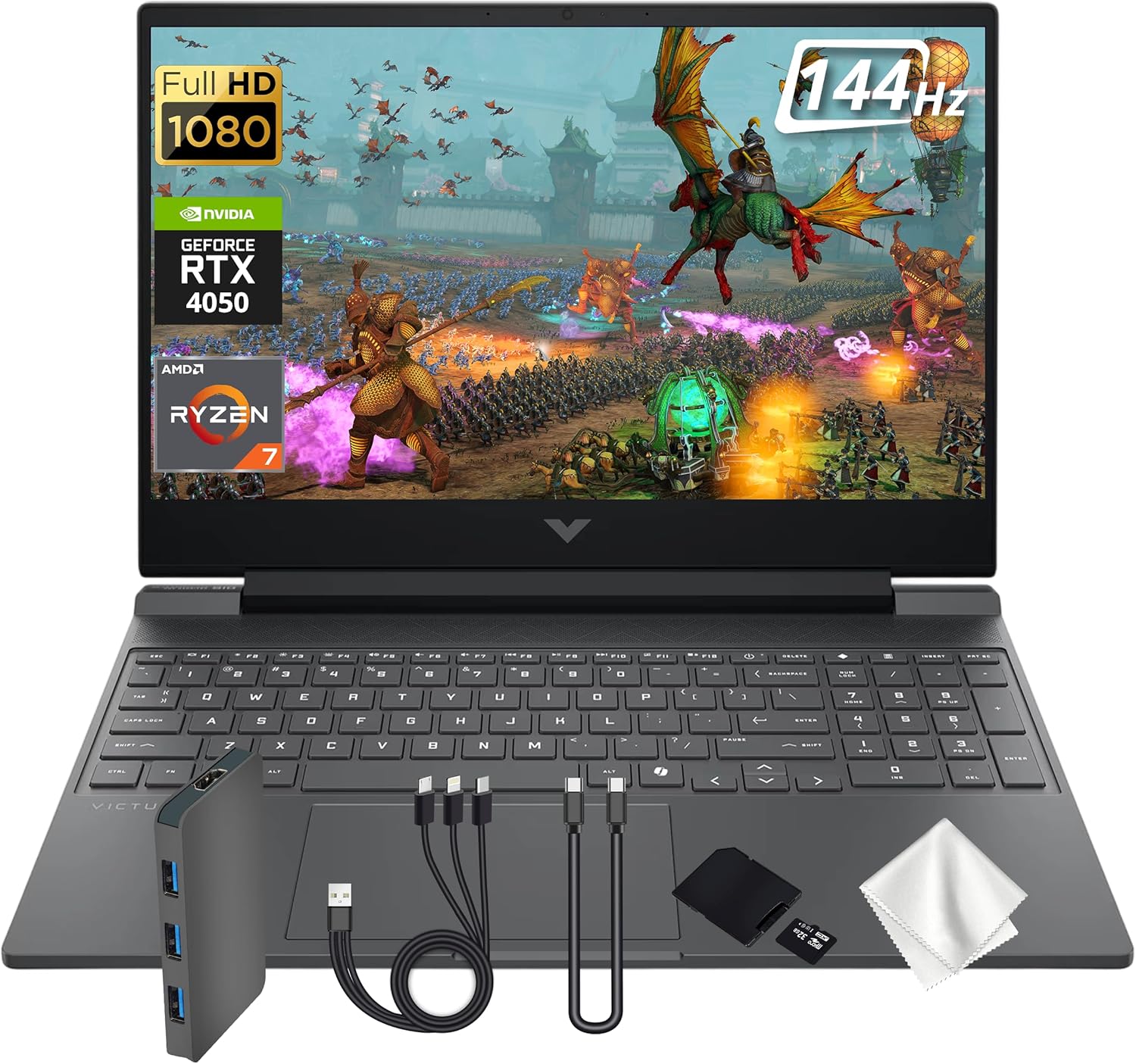
- memory AMD Ryzen 7 7445HS
- developer_board NVIDIA GeForce RTX 4050
- layers 16GB (2x8GB) DDR5 5600MHz SO-DIMM
- track_changes Target GPU: NVIDIA GeForce RTX 3080 / AMD Radeon RX 6800 XT

- memory AMD Ryzen 7 7445HS
- developer_board NVIDIA GeForce RTX 4050
- layers 16GB DDR5 5600MHz SO-DIMM
- track_changes Target GPU: NVIDIA GeForce RTX 3080 / AMD Radeon RX 6800 XT
- memory Intel Core i9-14900HX
- developer_board NVIDIA GeForce RTX 4080 Laptop GPU
- layers 64 GB DDR5-5600MHz
- track_changes Target GPU: NVIDIA GeForce RTX 3080 / AMD Radeon RX 6800 XT
- memory Intel Core Ultra 9 Processor 275HX (Series 2)
- developer_board NVIDIA GeForce RTX 5070 Laptop GPU
- layers 32GB DDR5-5600MHz
- track_changes Target GPU: NVIDIA GeForce RTX 3080 / AMD Radeon RX 6800 XT
- memory Intel Core i9-14900HX Processor
- developer_board NVIDIA GeForce RTX 5070 Laptop GPU
- layers 32GB DDR5-5600MHz
- track_changes Target GPU: NVIDIA GeForce RTX 3080 / AMD Radeon RX 6800 XT
- memory Intel Core i9-14900HX
- developer_board NVIDIA GeForce RTX 4080 Laptop GPU
- layers 64 GB DDR5-5600MHz
- track_changes Target GPU: NVIDIA GeForce RTX 4080 / AMD Radeon RX 7900 XTX
- memory Intel Core Ultra 9 Processor 275HX (Series 2)
- developer_board NVIDIA GeForce RTX 5070 Laptop GPU
- layers 32GB DDR5-5600MHz
- track_changes Target GPU: NVIDIA GeForce RTX 4080 / AMD Radeon RX 7900 XTX
- memory Intel Core i9-14900HX Processor
- developer_board NVIDIA GeForce RTX 5070 Laptop GPU
- layers 32GB DDR5-5600MHz
- track_changes Target GPU: NVIDIA GeForce RTX 4080 / AMD Radeon RX 7900 XTX

- memory Intel Core i9-14900HX Processor
- developer_board NVIDIA GeForce RTX 5070 Laptop GPU
- layers 32GB DDR5-5600MHz
- track_changes Target GPU: NVIDIA GeForce RTX 4080 / AMD Radeon RX 7900 XTX

- memory Intel Core Ultra 9 285H (Arrow Lake-H)
- developer_board NVIDIA GeForce RTX 5070 Laptop GPU
- layers 64GB LPDDR5x-8533MT/s (LPCAMM2)
- track_changes Target GPU: NVIDIA GeForce RTX 4080 / AMD Radeon RX 7900 XTX

- memory AMD Ryzen 9 7945HX
- developer_board NVIDIA GeForce RTX 4080
- layers 32GB DDR5
- track_changes Target GPU: NVIDIA GeForce RTX 4080 / AMD Radeon RX 7900 XTX

- memory Intel Core i9-14900HX
- developer_board NVIDIA GeForce RTX 4080
- layers 64GB DDR5-5600MHz
- track_changes Target GPU: NVIDIA GeForce RTX 4080 / AMD Radeon RX 7900 XTX

- memory Intel Core i9-14900HX
- developer_board NVIDIA GeForce RTX 4080
- layers 32GB DDR5-5600MHz
- track_changes Target GPU: NVIDIA GeForce RTX 4080 / AMD Radeon RX 7900 XTX

- memory Intel Core i9-14900HX
- developer_board NVIDIA GeForce RTX 4080
- layers 32GB DDR5-5600MHz
- track_changes Target GPU: NVIDIA GeForce RTX 4080 / AMD Radeon RX 7900 XTX

- memory Intel Core i9-14900HX
- developer_board NVIDIA GeForce RTX 4080
- layers 32GB DDR5-5600MHz
- track_changes Target GPU: NVIDIA GeForce RTX 4080 / AMD Radeon RX 7900 XTX
For The Outer Worlds 2 Specifically
- memory AMD Ryzen 7 7435HS
- developer_board NVIDIA GeForce RTX 3050
- layers 32GB DDR5-4800MHz
- track_changes Target GPU: NVIDIA GeForce GTX 1070 (8GB) or AMD Radeon RX 5700 (8GB)
- memory AMD Ryzen 9 8940HX Processor
- developer_board NVIDIA GeForce RTX 5060 Laptop GPU
- layers 32GB DDR5-5200MHz
- track_changes Target GPU: NVIDIA GeForce GTX 1070 (8GB) or AMD Radeon RX 5700 (8GB)
- memory AMD Ryzen 7 7445HS
- developer_board NVIDIA GeForce RTX 4050
- layers 16GB (2x8GB) DDR5 5600MHz SO-DIMM
- track_changes Target GPU: NVIDIA GeForce GTX 1070 (8GB) or AMD Radeon RX 5700 (8GB)
- memory AMD Ryzen 7 7445HS
- developer_board NVIDIA GeForce RTX 4050
- layers 16GB DDR5 5600MHz SO-DIMM
- track_changes Target GPU: NVIDIA GeForce GTX 1070 (8GB) or AMD Radeon RX 5700 (8GB)

- memory AMD Ryzen 9 7845HX
- developer_board NVIDIA GeForce RTX 4080
- layers Up to 64GB DDR5
- track_changes Target GPU: NVIDIA GeForce GTX 1070 (8GB) or AMD Radeon RX 5700 (8GB)
- memory AMD Ryzen 9 9955HX
- developer_board NVIDIA GeForce RTX 5070 Ti Laptop GPU
- layers 64GB DDR5-5600MHz (Dual-Channel)
- track_changes Target GPU: NVIDIA GeForce GTX 1070 (8GB) or AMD Radeon RX 5700 (8GB)
- memory AMD Ryzen 7 7435HS
- developer_board NVIDIA GeForce RTX 3050
- layers 32GB DDR5-4800MHz
- track_changes Target GPU: NVIDIA GeForce RTX 3080 or AMD Radeon RX 6800 XT
- memory AMD Ryzen 7 6800H
- developer_board NVIDIA GeForce RTX 3060
- layers 16GB DDR5-4800MHz
- track_changes Target GPU: NVIDIA GeForce RTX 3080 or AMD Radeon RX 6800 XT
- memory AMD Ryzen 9 5900HS
- developer_board NVIDIA GeForce RTX 3080
- layers 16GB DDR4-3200MHz
- track_changes Target GPU: NVIDIA GeForce RTX 3080 or AMD Radeon RX 6800 XT
- memory Intel Core i7-13620H
- developer_board NVIDIA GeForce RTX 4070
- layers 16GB DDR5-4800MHz
- track_changes Target GPU: NVIDIA GeForce RTX 3080 or AMD Radeon RX 6800 XT
- memory Intel Core i7-14700HX
- developer_board NVIDIA GeForce RTX 4070
- layers 16GB DDR5-5600MHz
- track_changes Target GPU: NVIDIA GeForce RTX 3080 or AMD Radeon RX 6800 XT
- memory Intel Core i9-14900HX
- developer_board NVIDIA GeForce RTX 4070
- layers 32GB DDR5-5600MHz
- track_changes Target GPU: NVIDIA GeForce RTX 3080 or AMD Radeon RX 6800 XT
- memory Intel Core i9-14900HX
- developer_board NVIDIA GeForce RTX 4070
- layers 16GB DDR5-5600MHz
- track_changes Target GPU: NVIDIA GeForce RTX 3080 or AMD Radeon RX 6800 XT
- memory Intel Core Ultra 7 255H
- developer_board NVIDIA GeForce RTX 5060 Laptop GPU
- layers 16GB DDR5-5600MHz (Dual-Channel)
- track_changes Target GPU: NVIDIA GeForce RTX 3080 or AMD Radeon RX 6800 XT
- memory AMD Ryzen 9 8940HX Processor
- developer_board NVIDIA GeForce RTX 5060 Laptop GPU
- layers 32GB DDR5-5200MHz
- track_changes Target GPU: NVIDIA GeForce RTX 3080 or AMD Radeon RX 6800 XT
- memory Intel Core i9-12950HX
- developer_board NVIDIA GeForce RTX 3080 Ti
- layers 32GB DDR5-4800MHz
- track_changes Target GPU: NVIDIA GeForce RTX 3080 or AMD Radeon RX 6800 XT
info_outline Laptop recommendations are estimates based on available component benchmarks and game requirements. Actual performance may vary depending on settings, drivers, cooling, power limits, etc. Prices and availability subject to change. As an Amazon Associate, we earn from qualifying purchases.