Select Games to Compare
Benchmark your exact mobile GPU wattage (TGP), battery throttling drops, and cooling pad requirements for these games.
The Lost Wild vs Ferocious
| close | close |
|---|---|
| shopping_cart Where to Buy | |
| info General Information | |
| Release Date | |
| Oct 26, 2027 | Mar 12, 2026 |
| Developer | |
| Great Ape Games | OMYOG |
| Publisher | |
| Annapurna Interactive | tinyBuild |
| Genre(s) | |
| First-Person Survival Horror | First-Person Shooter, Survival, Action-Adventure, Open World |
| Engine | |
| Unreal Engine 5 | Unity |
| stars Ratings & Price | |
| Content Rating | |
| Mature 17+ | Rating Pending (Expected M - Mature 17+) |
| Avg. User Rating | |
| 4.6 / 5.0 | 0.0 / 5.0 |
| Current Price (USD) | |
| $49.99 | $49.99 |
| tune Key Specs | |
| Quick Highlights | |
|
|
| sports_esports Gameplay & Mechanics | |
| Companions/Followers | |
|
|
| Key Collectibles | |
|
|
| Key Themes | |
|
|
| colorize Combat & Gear | |
| Weapons Overview | |
|
|
| Armor / Gear Sets | |
|
|
| Outfits/Customization | |
|
|
| trending_up Progression & Upgrades | |
| Skills & Progression | |
|
In keeping with its grounded, anti-power-fantasy survival design, The Lost Wild features no gamified skill trees, magical perk progression, or arbitrary character stat increases. Saskia remains as physically vulnerable and human in the final moments of the journey as she is at the beginning. Player progression is driven entirely through environmental mastery, tactical intuition, and physical tool augmentation. By scavenging modular engineering components, replacement wiring, high-grade lenses, and discarded industrial hardware from abandoned workshops, players can modify their utility gear. Upgrades include extending the beam focus and battery resilience of handheld torches, enhancing the acoustic dampening sleeves on navigation equipment, rigging multi-frequency noise generators, and fabricating chemical compound mixtures to lengthen flare combustion times. Mastery is measured by the player's personal ability to decipher behavioral audio cues, recognize predator warning postures, gauge wind direction for scent dispersal, and manipulate the environment rather than unlocking artificial combat buffs. |
Progression is tied to survival and crafting. Players scavenge resources to upgrade weapons with custom parts like suppressors and scopes, and craft a variety of traps and gadgets. There are no traditional skill trees; instead, progression is based on acquiring better gear and unlocking new tools that open up new areas and tactical options. |
| public World & Exploration | |
| World & Level Design | |
|
Rejecting the conventional, dilute checklist format of bloated open-world designs, The Lost Wild implements an intricately interconnected hub-and-spoke spatial layout. The game map encompasses several square kilometers of dense wilderness meticulously partitioned into distinct ecological and industrial sectors. At the center of each sector lie reinforced, partially operational safe facilities—such as the Subterranean Hydroelectric Dam, the Central Administrative Complex, and the Overgrown Vivarium Bunkers. Branching out from these temporary safe havens are claustrophobic wilderness spokes including mist-drenched redwood valleys, treacherous mangrove estuaries, jagged volcanic ridgelines, and crumbling transit tunnels. The environment deliberately restricts panoramic visibility; dense micro-foliage, towering ferns, dynamic weather, and industrial decay form claustrophobic barriers that obstruct sightlines and enforce auditory navigation. Traversing between sectors demands planning high-risk excursions into unmapped spokes to reactivate automated gates, scavenge fuel cells, and repair electrical transformers before retreating to the relative sanctuary of fortified hubs. |
The game features large, interconnected zones with a 'Metroidvania' design philosophy rather than a single seamless open world. The island is comprised of diverse biomes, including lush jungles, sprawling beaches, treacherous cliffs, deep swamps, and ancient ruins. |
| Playable Vehicles | |
|
|
| Notable Fauna/Mounts | |
|
N/A |
| book Story & Characters | |
| Main Characters | |
|
|
| Example Missions | |
|
|
| people Multiplayer | |
| Multiplayer Details | |
|
There are zero multiplayer modes present in The Lost Wild. The design philosophy of Great Ape Games is anchored in unyielding isolation, psychological tension, and personal vulnerability—artistic pillars that would be fundamentally compromised by cooperative companions or competitive multiplayer dynamics. The systemic AI routines powering the predators are tuned specifically to stalk, test, and confront a lone human target. Introducing multiple players would disrupt the delicate balance of acoustic triangulation, sightline management, and scarce resource economy. By omitting multiplayer netcode and synchronized physics overhead, the engineering team has dedicated 100% of CPU and GPU processing cycles toward complex unscripted animal behaviors, dynamic spatial sound occlusion, and high-fidelity environmental rendering, guaranteeing a pure and uncompromising single-player survival horror experience. |
The game is a strictly single-player experience and does not have any multiplayer or co-operative modes at launch. |
| extension Editions & DLC | |
| Available Editions | |
|
The Lost Wild is slated to launch across two primary retail configurations: the Standard Edition and the Expedition Deluxe Edition. The Standard Edition ($49.99) includes the full baseline survival horror experience alongside access to digital pre-order bonuses featuring an interactive digital survival handbook with biological field sketches and early survival tips. The Expedition Deluxe Edition ($69.99) is tailored for enthusiasts and collectors, bundling the base game with the Complete Spatial Soundtrack composed using bespoke binaural audio recordings, a high-resolution 120-page digital artbook detailing the anatomical and behavioral research behind the paleo-accurate dinosaurs, and the 'Field Researcher Supply Pack.' This in-game cosmetic package provides vintage field outerwear variations for Saskia, weathered visual skins for her scavenged compass and two-way radio, and exclusive pre-production developer commentary audio tracks accessible within completed compound hubs. |
Details on different game editions are yet to be announced. A playable demo has been available on Steam since June 2025. |
| Post-Launch Content / DLC | |
|
In alignment with the traditional publishing ethos of Annapurna Interactive, The Lost Wild is planned as a complete, fully contained narrative horror campaign at launch, deliberately eschewing live-service season passes, predatory microtransactions, or segmented paid story cuts. Post-launch developer roadmaps focus primarily on technical optimization, driver-level stability updates, and community-requested quality-of-life enhancements. Anticipated post-launch content includes a dedicated 'Survival Simulation Mode' (Permadeath Ironman Mode), which reshuffles item scavenge placements, drastically decreases battery and flare availability, and heightens dinosaur sensory perception algorithms for extreme replayability. A free future update is also slated to introduce a virtual museum 'Paleontological Diorama Viewer,' allowing players to inspect the photogrammetric dinosaur models, observe their full procedural animation rigs, and listen to developer commentaries detailing the behavioral science that guided their creation. |
N/A |
| help_outline FAQ | |
| Frequently Asked Questions | |
|
|
| build Technical Details | |
| Graphics & Visual Fidelity | |
|
Visually, The Lost Wild represents an extraordinary showcase of Unreal Engine 5’s graphical suite, achieving photorealistic prehistoric environments. Nanite virtualized geometry enables hyper-detailed geological formations, crumbling concrete architecture, and dense prehistoric foliage without noticeable polygon pop-in or level-of-detail degradation. Lumen dynamic global illumination generates real-time bounce lighting that dramatically impacts stealth: as the player walks beneath towering ferns, sunlight dynamically filters through the canopy, while igniting a flare casts moving volumetric shadows that alter light and shadow hiding spots. The dinosaurs are modeled with meticulous paleo-biological accuracy, featuring photogrammetric epidermal texturing, dynamic muscle deformation, moisture mapping along reptilian snouts, and procedural eye tracking that realistically scans environments. Advanced volumetric fog, dynamic wetness shaders during tropical downpours, and physical wind simulations across tree lines combine to produce a living, breathing, and deeply menacing primeval world. |
N/A |
| Audio & Soundtrack | |
|
Sound design in The Lost Wild is not merely an aesthetic enhancement; it is the fundamental core of the gameplay mechanics. Built using Audiokinetic's Wwise audio engine integrated with custom acoustic propagation plugins, the soundscape operates as a living, two-way tactical system. Real-time binaural spatialization simulates the physical diffraction, environmental absorption, and reverberation of sound waves across concrete, mud, metal, and dense foliage. Players must actively listen for the heavy footfalls, territorial throat rumbles, snapping twigs, and distant vocalizations of approaching predators to determine their range and vector. Concurrently, every player action generates a calculated acoustic footprint: sprinting across metal catwalks or splashing through shallow water produces sharp sound waves that immediately attract stalking carnivores. The musical score, composed of discordant strings, subterranean bass drones, and primal organic percussion, emerges only during psychological breaking points, allowing natural environmental silence to carry the terror. |
N/A |
| User Interface (UI/UX) | |
|
The user interface in The Lost Wild embraces a radical diegetic and minimalist approach designed to maximize atmospheric immersion and eliminate screen-clutter distractions. Traditional floating heads-up display (HUD) elements—such as artificial health bars, digital mini-maps, objective markers, and on-screen crosshairs—are completely absent from the display. Saskia’s physical status is communicated organically through subtle audio-visual cues: ragged respiration indicates stamina depletion, blurred peripheral vision highlights panic, and crimson garment staining denotes severe physical trauma. Navigating the world requires opening a physical paper topographical map and consulting a real-time analog compass held in Saskia's hands. Battery levels, flare combustion, and radio frequencies are monitored directly via physical gauges, illuminated LEDs, and dials built onto the scavenged tools themselves, ensuring the player remains thoroughly grounded within the world. |
N/A |
| Accessibility Options | |
|
Great Ape Games has integrated an extensive suite of accessibility features to ensure that the intense survival horror experience can be customized to suit varied player needs. Visual accommodations include full high-contrast visual filters that distinguish predatory fauna from dense background foliage, customizable colorblind profiles (Deuteranopia, Protanopia, Tritanopia), scalable font sizes for all discovered research logs, and adjustable field-of-view (FOV) sliders to combat motion sickness. For deaf and hard-of-hearing players, the game includes a directional closed-captioning system that provides visual spatial indicators for critical environmental sounds, such as raptor vocalizations, breaking branches, and distant apex predator roars. Motor accessibility settings offer full gamepad button remapping, toggles for running and crouching instead of sustained button holds, adjustable camera sensitivity curves, and options to disable rapid button-mashing during physical struggle deterrent sequences. |
N/A |
| video_library Media Links | |
| Gameplay Video | |
| launchWatch | launchWatch |
| Walkthrough/Guide | |
| launchView | launchView |
| settings_applications System Requirements | |
| 1080p (Full HD) - Minimum (1080p / 30 FPS / Low-Medium Settings) (Low Preset, TSR Balanced Upscaling, Dynamic Shadows Low) CPU: Provides baseline 6-core processing to handle systemic AI territorial routines and baseline physics. CPU (Laptop): Maintains adequate IPC across mobile form factors without dropping processing threads for background AI logic. GPU: Baseline VRAM threshold required to hold Nanite meshes and lower-tier texture mipmaps without out-of-memory crashes. GPU (Laptop): Sufficient to run 1080p low settings when utilizing DLSS Performance mode to ease the rendering pipeline. RAM: Crucial to prevent severe memory paging pauses when entering unbuffered research facility sectors. Storage: Minimum baseline to avoid asset pop-in during sprint-and-evasion player movements. | |
memoryCPU: Intel Core i5-8400 or AMD Ryzen 5 2600X developer_boardGPU: NVIDIA GeForce GTX 1660 Super (6GB) or AMD Radeon RX 5600 XT (6GB) laptop_macCPU (L): Intel Core i5-11400H or AMD Ryzen 5 5600H laptop_windowsGPU (L): NVIDIA GeForce RTX 3050 Laptop GPU (6GB, 75W TGP) layersRAM: 16 GB saveStorage (Tier): 85 GB SATA SSD | — |
| 1080p (Full HD) - Recommended (1080p / 60 FPS / High Settings) (High Preset, DLSS/FSR Quality Mode, Lumen Software GI) CPU: 8 physical cores comfortably process multi-layered Wwise spatial acoustics alongside unscripted dinosaur behaviors. CPU (Laptop): High single-thread performance ensures stable 60 FPS pacing through thick jungle canopies. GPU: Generous 12GB frame buffer easily accommodates high-resolution textures and real-time screen-space reflections. GPU (Laptop): Leverages Ada Lovelace architecture with DLSS 3 Frame Generation to sustain smooth 60 FPS benchmarks. RAM: Standard configuration enabling optimal memory throughput for simultaneous sound diffraction calculations. Storage: Drastically reduces loading screens and ensures zero texture streaming latency in high-speed encounters. | |
memoryCPU: Intel Core i7-10700K or AMD Ryzen 7 3700X developer_boardGPU: NVIDIA GeForce RTX 3060 (12GB) or AMD Radeon RX 6700 XT (12GB) laptop_macCPU (L): Intel Core i7-12700H or AMD Ryzen 7 6800H laptop_windowsGPU (L): NVIDIA GeForce RTX 4060 Laptop GPU (8GB, 105W TGP) layersRAM: 16 GB saveStorage (Tier): 85 GB NVMe PCIe 3.0 SSD | — |
| 1080p (Full HD) - Recommended (Targets 1080p, High settings, ~60+ FPS) (High Preset, 1080p resolution, aiming for a consistent 60 FPS or higher.) CPU: Official recommended desktop CPU for a solid 60 FPS experience. CPU (Laptop): A strong mobile CPU is needed to maintain a stable framerate during intense firefights. GPU: Official recommended desktop GPUs for a high-quality 1080p experience. GPU (Laptop): Good laptop GPUs for a solid 1080p high-refresh-rate experience. RAM: 16GB RAM is officially recommended. Storage: An SSD is recommended for this tier to ensure fast loading. | |
| — | memoryCPU: Intel Core i7 or AMD Ryzen 5 3600 and up developer_boardGPU: NVIDIA GeForce RTX 2060 or AMD Radeon RX 5600 laptop_macCPU (L): Intel Core i7-10750H / AMD Ryzen 7 4800H or better. laptop_windowsGPU (L): NVIDIA GeForce RTX 3060 Laptop (6GB), RTX 4060 Laptop (8GB). (Future-proof: RTX 5060 Laptop) layersRAM: 16 GB saveStorage (Tier): 25 GB SSD |
| 1080p (Full HD) - Minimum (Targets 1080p, Low/Medium settings, ~30-60 FPS) (Low to Medium Preset, 1080p resolution. This tier aims for a baseline playable framerate.) CPU: Official minimum desktop CPU requirement. This is an older processor, making the game accessible. CPU (Laptop): Estimated entry-level laptop CPUs for minimum playability. GPU: Official minimum desktop GPUs. GPU (Laptop): Estimated laptop GPUs for minimum settings. An RTX 3050 or better is strongly recommended for a much smoother experience. RAM: 12GB RAM is the official minimum requirement, an unusual amount suggesting 8GB may struggle. Storage: An HDD is technically sufficient for the minimum spec, but an SSD is recommended. | |
| — | memoryCPU: Intel Core i5 (4th Gen) or AMD equivalent developer_boardGPU: NVIDIA GeForce GTX 1060 or AMD Radeon RX 580 laptop_macCPU (L): Intel Core i7-7700HQ / AMD Ryzen 5 2500U or better. laptop_windowsGPU (L): NVIDIA GeForce GTX 1650 Ti Mobile (4GB), RTX 3050 Laptop (4GB), RTX 4050 Laptop (6GB). (Future-proof: RTX 5050 Laptop) layersRAM: 12 GB saveStorage (Tier): 25 GB HDD |
| 1440p (QHD/2K) - High Performance (1440p / 60 FPS / Ultra Settings) (Ultra Preset, Hardware Lumen Enabled, DLSS Quality) CPU: Robust modern architectural IPC ensures zero CPU-bound frame time spikes in complex indoor-outdoor transition corridors. CPU (Laptop): Desktop-replacement class silicon supporting sustained boost clocks under simultaneous physics and audio compute loads. GPU: Delivers the necessary compute muscle to calculate real-time hardware ray-traced reflections and bounce lighting. GPU (Laptop): Provides uncompromised desktop-grade 1440p performance with DLSS 3 enabled across all dense forest biomes. RAM: Eliminates overhead constraints when running resource-intensive audio middleware and dynamic lighting routines. Storage: Ensures near-instantaneous streaming of dense Nanite micropolygon clusters without frame stutters. | |
memoryCPU: Intel Core i5-13600K or AMD Ryzen 7 7700X developer_boardGPU: NVIDIA GeForce RTX 4070 (12GB) or AMD Radeon RX 7800 XT (16GB) laptop_macCPU (L): Intel Core i7-13700HX or AMD Ryzen 9 7845HX laptop_windowsGPU (L): NVIDIA GeForce RTX 4080 Laptop GPU (12GB, 140W TGP) layersRAM: 32 GB saveStorage (Tier): 85 GB NVMe PCIe 4.0 SSD | — |
| 1440p (QHD/2K) - High (Targets 1440p, High settings, ~60+ FPS) (High Preset, 1440p resolution, aiming for high refresh rate gameplay.) CPU: A powerful modern CPU is crucial to avoid bottlenecks and maintain high framerates at 1440p. CPU (Laptop): High-performance laptop CPUs are essential for a consistent high-refresh-rate 1440p experience. GPU: Desktop GPUs capable of a strong 1440p/60FPS experience. A modern card like the RTX 4060 Ti would be ideal. GPU (Laptop): A high-TGP RTX 4060 or RTX 3070 Laptop is the ideal target for 1440p. A future RTX 5060 Laptop would offer an even better experience. RAM: 16GB RAM is recommended for smooth 1440p gaming; 32GB can help reduce stutters in demanding situations. Storage: A fast NVMe SSD is recommended for the best loading times and performance at 1440p. | |
| — | memoryCPU: Intel Core i5-12600K or AMD Ryzen 5 5600X developer_boardGPU: NVIDIA GeForce RTX 3060 Ti (8GB) or AMD Radeon RX 6700 XT (12GB). (Future-proof: RTX 4060 Ti) laptop_macCPU (L): Intel Core i7-12700H / AMD Ryzen 7 6800H or newer. laptop_windowsGPU (L): NVIDIA GeForce RTX 3070 Laptop (8GB), RTX 4060 Laptop (8GB). (Future-proof: RTX 5060 Laptop) layersRAM: 16 GB saveStorage (Tier): 25 GB NVMe SSD |
| 2160p (UHD/4K) - Enthusiast / Cinematic (4K / 60+ FPS / Max Settings) (Epic/Cinematic Preset, Native 4K with DLSS Balanced / Frame Gen, Full Lumen Hardware Ray Tracing) CPU: The large L3 3D V-Cache of the 7800X3D maximizes 1% low frame rates, mitigating stuttering during chaotic multi-predator encounters. CPU (Laptop): Flagship mobile computing power required to synchronize spatial audio threads and top-tier geometry rendering. GPU: Extreme rasterization and tensor hardware capable of processing massive 4K foliage layers and dynamic volumetric lighting grids. GPU (Laptop): The apex mobile GPU configured at peak wattage to achieve authentic 4K resolution using DLSS Frame Generation. RAM: Provides maximum operational headroom for high-resolution 4K asset caches, background operating system processes, and telemetry. Storage: Guarantees instantaneous asset delivery for high-fidelity photogrammetric foliage and macro-detail surface textures. | |
memoryCPU: Intel Core i7-14700K or AMD Ryzen 7 7800X3D developer_boardGPU: NVIDIA GeForce RTX 4080 Super (16GB) or RTX 4090 (24GB) laptop_macCPU (L): Intel Core i9-14900HX or AMD Ryzen 9 7945HX3D laptop_windowsGPU (L): NVIDIA GeForce RTX 4090 Laptop GPU (16GB, 175W Max TGP) layersRAM: 32 GB saveStorage (Tier): 85 GB NVMe PCIe 4.0 / 5.0 SSD (Read speeds 5000+ MB/s) | — |
| 2160p (UHD/4K) - 4K Ultra Settings (Targets 2160p/4K, High settings, ~60+ FPS) (High Preset, 2160p (4K) resolution, aiming for 60 FPS or higher.) CPU: A top-tier desktop CPU with the best possible gaming performance is recommended to minimize CPU bottlenecks at 4K. CPU (Laptop): The highest-end laptop CPUs are needed to pair with flagship GPUs for the most stable 4K experience possible. GPU: High-end 40-series desktop GPUs are needed for a chance at a stable 4K/60FPS experience. A future RTX 5070 would be a much better target. GPU (Laptop): Flagship laptop GPUs are required for a playable 4K experience, but users should still expect to rely on upscaling for a consistent 60 FPS. RAM: 32GB of fast RAM is highly recommended to provide sufficient headroom and minimize stuttering at 4K. Storage: A fast NVMe SSD is essential for the best possible experience at 4K. | |
| — | memoryCPU: Intel Core i7-13700K or AMD Ryzen 7 7800X3D developer_boardGPU: NVIDIA GeForce RTX 4070 Ti (12GB) or AMD Radeon RX 7900 XT (20GB). (Future-proof: RTX 5070) laptop_macCPU (L): Intel Core i9-13900HX / AMD Ryzen 9 7945HX or newer. laptop_windowsGPU (L): NVIDIA GeForce RTX 3080 Ti Laptop (16GB), RTX 4080 Laptop (12GB), RTX 4090 Laptop (16GB). (Future-proof: RTX 5080 Laptop) layersRAM: 32 GB saveStorage (Tier): 25 GB NVMe SSD |
| save Overall Storage | |
Spec: 85 GB available space (NVMe PCIe 3.0 or 4.0 SSD strongly recommended) Note: Mechanical HDDs are unsupported due to asset thrashing during rapid predator pursuit sequences and seamless map sector transitions. Type: NVMe | Spec: 25 GB available space (SSD Recommended) Note: The game requires a modest 25 GB of storage space. An SSD is recommended for faster loading times and to prevent asset streaming stutter while exploring the island. Type: SSD |
| desktop_windows Operating System | |
Spec: Windows 11 (64-bit, Version 22H2 or newer) / Windows 10 64-bit Explanation: Requires modern DirectStorage APIs and WDDM 3.0 graphics scheduling to maintain stable streaming over high-density forest biomes. | Spec: Windows 10 / Windows 11 (64-bit Required) Explanation: A 64-bit version of Windows 10 is the minimum requirement. Windows 11 is fully supported. |
| gamepad DirectX Version | |
| Spec: DirectX 12 Ultimate (Feature Level 12_2) Explanation: Demanded by Unreal Engine 5 hardware Lumen global illumination and virtualized shadow maps. | Spec: DirectX 11 Explanation: The official requirement is DirectX 11. The game is built on the Unity Engine, which primarily utilizes this API for the title. |
| info_outline Other Game Notes | |
|
|
| build Optimization Details | |
|
|
| laptop Laptop Considerations | |
|
|


info_outline Feature details based on available data. System requirements and performance estimates may vary.
laptop_chromebook Laptop Recommendations
Common Recommendations (Handles All Compared Games)

- memory AMD Ryzen 7 7435HS
- developer_board NVIDIA GeForce RTX 3050
- layers 32GB DDR5-4800MHz
- track_changes Target GPU: NVIDIA GeForce RTX 3050 Laptop GPU (6GB, 75W TGP)

- memory AMD Ryzen 7 6800H
- developer_board NVIDIA GeForce RTX 3060
- layers 16GB DDR5-4800MHz
- track_changes Target GPU: NVIDIA GeForce RTX 3050 Laptop GPU (6GB, 75W TGP)

- memory AMD Ryzen 9 5900HS
- developer_board NVIDIA GeForce RTX 3080
- layers 16GB DDR4-3200MHz
- track_changes Target GPU: NVIDIA GeForce RTX 3050 Laptop GPU (6GB, 75W TGP)

- memory Intel Core i7-12700H
- developer_board NVIDIA GeForce RTX 3070
- layers 32GB DDR4-3200MHz
- track_changes Target GPU: NVIDIA GeForce RTX 4060 Laptop GPU (8GB, 105W TGP)

- memory Intel Core i9-13900H
- developer_board NVIDIA GeForce RTX 4060
- layers 16GB DDR5-5200MHz
- track_changes Target GPU: NVIDIA GeForce RTX 4060 Laptop GPU (8GB, 105W TGP)

- memory Intel Core i9-14900HX
- developer_board NVIDIA GeForce RTX 4060
- layers 32GB DDR5-5600MHz
- track_changes Target GPU: NVIDIA GeForce RTX 4060 Laptop GPU (8GB, 105W TGP)

- memory Intel Core i9-14900HX
- developer_board NVIDIA GeForce RTX 4080 Laptop GPU
- layers 64 GB DDR5-5600MHz
- track_changes Target GPU: NVIDIA GeForce RTX 4080 Laptop GPU (12GB, 140W TGP)

- memory Intel Core Ultra 9 Processor 275HX (Series 2)
- developer_board NVIDIA GeForce RTX 5070 Laptop GPU
- layers 32GB DDR5-5600MHz
- track_changes Target GPU: NVIDIA GeForce RTX 4080 Laptop GPU (12GB, 140W TGP)

- memory Intel Core i9-14900HX Processor
- developer_board NVIDIA GeForce RTX 5070 Laptop GPU
- layers 32GB DDR5-5600MHz
- track_changes Target GPU: NVIDIA GeForce RTX 4080 Laptop GPU (12GB, 140W TGP)
- memory Intel Core i7-12700H
- developer_board NVIDIA GeForce RTX 3070
- layers 32GB DDR4-3200MHz
- track_changes Target GPU: NVIDIA GeForce RTX 3070 Laptop (8GB), RTX 4060 Laptop (8GB). (Future-proof: RTX 5060 Laptop)
- memory Intel Core i9-13900H
- developer_board NVIDIA GeForce RTX 4060
- layers 16GB DDR5-5200MHz
- track_changes Target GPU: NVIDIA GeForce RTX 3070 Laptop (8GB), RTX 4060 Laptop (8GB). (Future-proof: RTX 5060 Laptop)
- memory Intel Core i9-14900HX
- developer_board NVIDIA GeForce RTX 4060
- layers 32GB DDR5-5600MHz
- track_changes Target GPU: NVIDIA GeForce RTX 3070 Laptop (8GB), RTX 4060 Laptop (8GB). (Future-proof: RTX 5060 Laptop)

- memory Intel Core i9-14900HX
- developer_board NVIDIA GeForce RTX 4070
- layers 32GB DDR5-5600MHz
- track_changes Target GPU: NVIDIA GeForce RTX 3080 Ti Laptop (16GB), RTX 4080 Laptop (12GB), RTX 4090 Laptop (16GB). (Future-proof: RTX 5080 Laptop)

- memory AMD Ryzen 9 8940HX Processor
- developer_board NVIDIA GeForce RTX 5060 Laptop GPU
- layers 32GB DDR5-5200MHz
- track_changes Target GPU: NVIDIA GeForce RTX 3080 Ti Laptop (16GB), RTX 4080 Laptop (12GB), RTX 4090 Laptop (16GB). (Future-proof: RTX 5080 Laptop)
- memory Intel Core i9-14900HX
- developer_board NVIDIA GeForce RTX 4080 Laptop GPU
- layers 64 GB DDR5-5600MHz
- track_changes Target GPU: NVIDIA GeForce RTX 3080 Ti Laptop (16GB), RTX 4080 Laptop (12GB), RTX 4090 Laptop (16GB). (Future-proof: RTX 5080 Laptop)
For The Lost Wild Specifically
- memory AMD Ryzen 7 7435HS
- developer_board NVIDIA GeForce RTX 3050
- layers 32GB DDR5-4800MHz
- track_changes Target GPU: NVIDIA GeForce GTX 1660 Super (6GB) or AMD Radeon RX 5600 XT (6GB)
- memory AMD Ryzen 7 6800H
- developer_board NVIDIA GeForce RTX 3060
- layers 16GB DDR5-4800MHz
- track_changes Target GPU: NVIDIA GeForce GTX 1660 Super (6GB) or AMD Radeon RX 5600 XT (6GB)
- memory AMD Ryzen 9 5900HS
- developer_board NVIDIA GeForce RTX 3080
- layers 16GB DDR4-3200MHz
- track_changes Target GPU: NVIDIA GeForce GTX 1660 Super (6GB) or AMD Radeon RX 5600 XT (6GB)

- memory Intel Core i7-13620H
- developer_board NVIDIA GeForce RTX 4070
- layers 16GB DDR5-4800MHz
- track_changes Target GPU: NVIDIA GeForce GTX 1660 Super (6GB) or AMD Radeon RX 5600 XT (6GB)

- memory Intel Core i7-14700HX
- developer_board NVIDIA GeForce RTX 4070
- layers 16GB DDR5-5600MHz
- track_changes Target GPU: NVIDIA GeForce GTX 1660 Super (6GB) or AMD Radeon RX 5600 XT (6GB)
- memory Intel Core i9-14900HX
- developer_board NVIDIA GeForce RTX 4070
- layers 32GB DDR5-5600MHz
- track_changes Target GPU: NVIDIA GeForce GTX 1660 Super (6GB) or AMD Radeon RX 5600 XT (6GB)

- memory Intel Core i9-14900HX
- developer_board NVIDIA GeForce RTX 4070
- layers 16GB DDR5-5600MHz
- track_changes Target GPU: NVIDIA GeForce GTX 1660 Super (6GB) or AMD Radeon RX 5600 XT (6GB)

- memory Intel Core Ultra 7 255H
- developer_board NVIDIA GeForce RTX 5060 Laptop GPU
- layers 16GB DDR5-5600MHz (Dual-Channel)
- track_changes Target GPU: NVIDIA GeForce GTX 1660 Super (6GB) or AMD Radeon RX 5600 XT (6GB)
- memory AMD Ryzen 9 8940HX Processor
- developer_board NVIDIA GeForce RTX 5060 Laptop GPU
- layers 32GB DDR5-5200MHz
- track_changes Target GPU: NVIDIA GeForce GTX 1660 Super (6GB) or AMD Radeon RX 5600 XT (6GB)

- memory Intel Core i9-12950HX
- developer_board NVIDIA GeForce RTX 3080 Ti
- layers 32GB DDR5-4800MHz
- track_changes Target GPU: NVIDIA GeForce GTX 1660 Super (6GB) or AMD Radeon RX 5600 XT (6GB)
- memory Intel Core i7-12700H
- developer_board NVIDIA GeForce RTX 3070
- layers 32GB DDR4-3200MHz
- track_changes Target GPU: NVIDIA GeForce RTX 3060 (12GB) or AMD Radeon RX 6700 XT (12GB)
- memory Intel Core i9-13900H
- developer_board NVIDIA GeForce RTX 4060
- layers 16GB DDR5-5200MHz
- track_changes Target GPU: NVIDIA GeForce RTX 3060 (12GB) or AMD Radeon RX 6700 XT (12GB)
- memory Intel Core i9-14900HX
- developer_board NVIDIA GeForce RTX 4060
- layers 32GB DDR5-5600MHz
- track_changes Target GPU: NVIDIA GeForce RTX 3060 (12GB) or AMD Radeon RX 6700 XT (12GB)

- memory Intel Core i9-12900H
- developer_board NVIDIA GeForce RTX 3070 Ti
- layers 16GB DDR5-4800MHz
- track_changes Target GPU: NVIDIA GeForce RTX 3060 (12GB) or AMD Radeon RX 6700 XT (12GB)
- memory Intel Core i9-14900HX
- developer_board NVIDIA GeForce RTX 4080 Laptop GPU
- layers 64 GB DDR5-5600MHz
- track_changes Target GPU: NVIDIA GeForce RTX 4070 (12GB) or AMD Radeon RX 7800 XT (16GB)
- memory Intel Core Ultra 9 Processor 275HX (Series 2)
- developer_board NVIDIA GeForce RTX 5070 Laptop GPU
- layers 32GB DDR5-5600MHz
- track_changes Target GPU: NVIDIA GeForce RTX 4070 (12GB) or AMD Radeon RX 7800 XT (16GB)
- memory Intel Core i9-14900HX Processor
- developer_board NVIDIA GeForce RTX 5070 Laptop GPU
- layers 32GB DDR5-5600MHz
- track_changes Target GPU: NVIDIA GeForce RTX 4070 (12GB) or AMD Radeon RX 7800 XT (16GB)

- memory Intel Core i9-14900HX Processor
- developer_board NVIDIA GeForce RTX 5070 Laptop GPU
- layers 32GB DDR5-5600MHz
- track_changes Target GPU: NVIDIA GeForce RTX 4070 (12GB) or AMD Radeon RX 7800 XT (16GB)

- memory Intel Core Ultra 9 285H (Arrow Lake-H)
- developer_board NVIDIA GeForce RTX 5070 Laptop GPU
- layers 64GB LPDDR5x-8533MT/s (LPCAMM2)
- track_changes Target GPU: NVIDIA GeForce RTX 4070 (12GB) or AMD Radeon RX 7800 XT (16GB)

- memory Intel Core i9-14900HX
- developer_board NVIDIA GeForce RTX 4080
- layers 64GB DDR5-5600MHz
- track_changes Target GPU: NVIDIA GeForce RTX 4070 (12GB) or AMD Radeon RX 7800 XT (16GB)

- memory Intel Core i9-14900HX
- developer_board NVIDIA GeForce RTX 4080
- layers 32GB DDR5-5600MHz
- track_changes Target GPU: NVIDIA GeForce RTX 4070 (12GB) or AMD Radeon RX 7800 XT (16GB)

- memory Intel Core i9-14900HX
- developer_board NVIDIA GeForce RTX 4080
- layers 32GB DDR5-5600MHz
- track_changes Target GPU: NVIDIA GeForce RTX 4070 (12GB) or AMD Radeon RX 7800 XT (16GB)

- memory Intel Core i9-14900HX
- developer_board NVIDIA GeForce RTX 4080
- layers 32GB DDR5-5600MHz
- track_changes Target GPU: NVIDIA GeForce RTX 4070 (12GB) or AMD Radeon RX 7800 XT (16GB)

- memory AMD Ryzen 9 7845HX
- developer_board NVIDIA GeForce RTX 4080
- layers Up to 64GB DDR5
- track_changes Target GPU: NVIDIA GeForce RTX 4070 (12GB) or AMD Radeon RX 7800 XT (16GB)
For Ferocious Specifically
- memory Intel Core i7-12700H
- developer_board NVIDIA GeForce RTX 3070
- layers 32GB DDR4-3200MHz
- track_changes Target GPU: NVIDIA GeForce GTX 1060 or AMD Radeon RX 580
- memory Intel Core i9-13900H
- developer_board NVIDIA GeForce RTX 4060
- layers 16GB DDR5-5200MHz
- track_changes Target GPU: NVIDIA GeForce GTX 1060 or AMD Radeon RX 580
- memory Intel Core i9-14900HX
- developer_board NVIDIA GeForce RTX 4060
- layers 32GB DDR5-5600MHz
- track_changes Target GPU: NVIDIA GeForce GTX 1060 or AMD Radeon RX 580
- memory Intel Core i9-12900H
- developer_board NVIDIA GeForce RTX 3070 Ti
- layers 16GB DDR5-4800MHz
- track_changes Target GPU: NVIDIA GeForce GTX 1060 or AMD Radeon RX 580

- memory Intel Core i5-12450H
- developer_board NVIDIA GeForce RTX 3050
- layers 16GB DDR4-3200MHz
- track_changes Target GPU: NVIDIA GeForce GTX 1060 or AMD Radeon RX 580
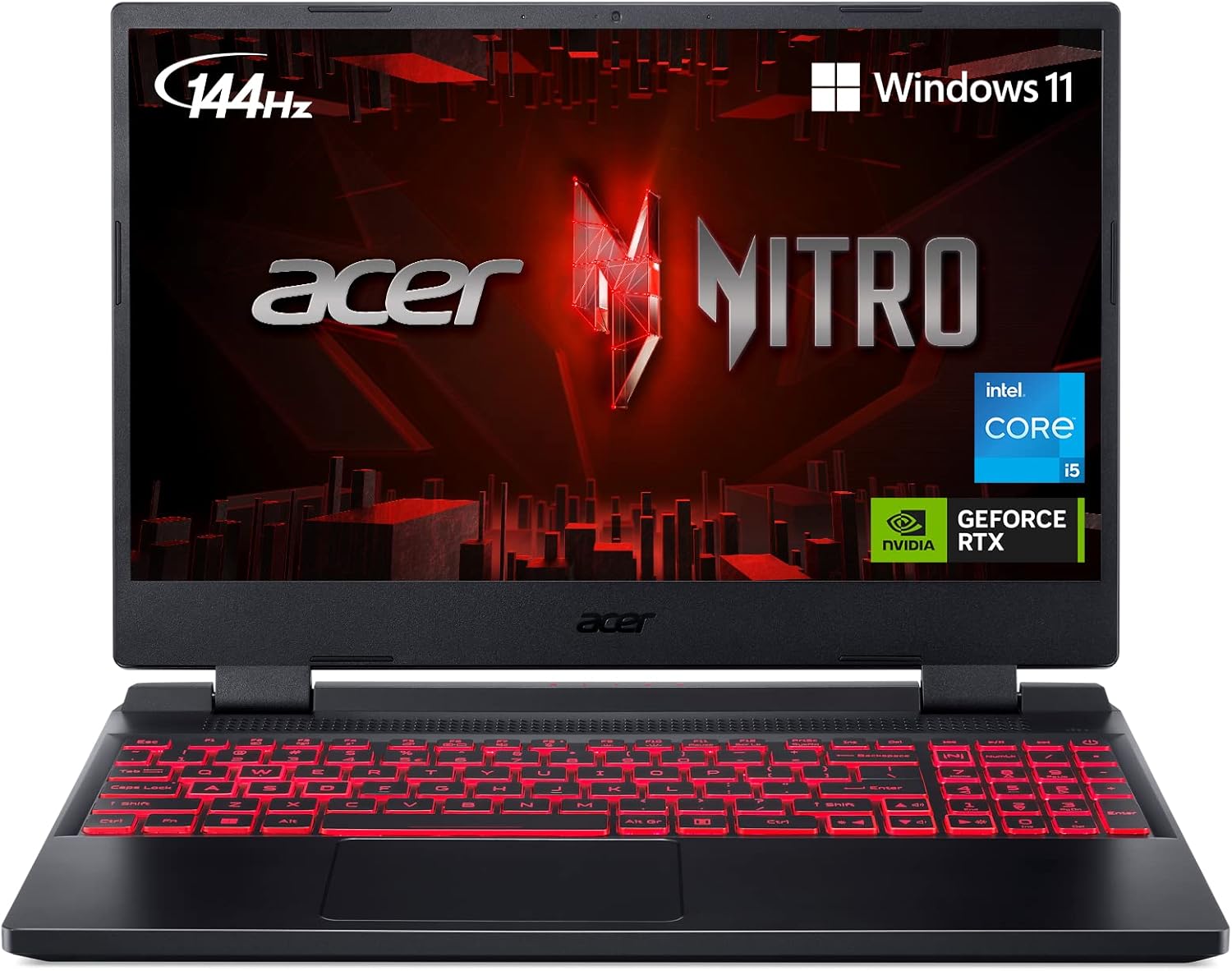
- memory Intel Core i5-12500H
- developer_board NVIDIA GeForce RTX 3050 Ti
- layers 16GB DDR4-3200MHz
- track_changes Target GPU: NVIDIA GeForce GTX 1060 or AMD Radeon RX 580
- memory AMD Ryzen 7 7435HS
- developer_board NVIDIA GeForce RTX 3050
- layers 32GB DDR5-4800MHz
- track_changes Target GPU: NVIDIA GeForce GTX 1060 or AMD Radeon RX 580
- memory AMD Ryzen 7 6800H
- developer_board NVIDIA GeForce RTX 3060
- layers 16GB DDR5-4800MHz
- track_changes Target GPU: NVIDIA GeForce GTX 1060 or AMD Radeon RX 580
- memory AMD Ryzen 9 5900HS
- developer_board NVIDIA GeForce RTX 3080
- layers 16GB DDR4-3200MHz
- track_changes Target GPU: NVIDIA GeForce GTX 1060 or AMD Radeon RX 580
- memory Intel Core i7-13620H
- developer_board NVIDIA GeForce RTX 4070
- layers 16GB DDR5-4800MHz
- track_changes Target GPU: NVIDIA GeForce GTX 1060 or AMD Radeon RX 580
- memory Intel Core i7-14700HX
- developer_board NVIDIA GeForce RTX 4070
- layers 16GB DDR5-5600MHz
- track_changes Target GPU: NVIDIA GeForce RTX 2060 or AMD Radeon RX 5600
- memory Intel Core i9-14900HX
- developer_board NVIDIA GeForce RTX 4070
- layers 32GB DDR5-5600MHz
- track_changes Target GPU: NVIDIA GeForce RTX 2060 or AMD Radeon RX 5600
- memory Intel Core i7-12700H
- developer_board NVIDIA GeForce RTX 3070
- layers 32GB DDR4-3200MHz
- track_changes Target GPU: NVIDIA GeForce RTX 3060 Ti (8GB) or AMD Radeon RX 6700 XT (12GB). (Future-proof: RTX 4060 Ti)
- memory Intel Core i9-13900H
- developer_board NVIDIA GeForce RTX 4060
- layers 16GB DDR5-5200MHz
- track_changes Target GPU: NVIDIA GeForce RTX 3060 Ti (8GB) or AMD Radeon RX 6700 XT (12GB). (Future-proof: RTX 4060 Ti)
- memory Intel Core i9-14900HX
- developer_board NVIDIA GeForce RTX 4060
- layers 32GB DDR5-5600MHz
- track_changes Target GPU: NVIDIA GeForce RTX 3060 Ti (8GB) or AMD Radeon RX 6700 XT (12GB). (Future-proof: RTX 4060 Ti)
- memory Intel Core i9-12900H
- developer_board NVIDIA GeForce RTX 3070 Ti
- layers 16GB DDR5-4800MHz
- track_changes Target GPU: NVIDIA GeForce RTX 3060 Ti (8GB) or AMD Radeon RX 6700 XT (12GB). (Future-proof: RTX 4060 Ti)
- memory AMD Ryzen 7 7435HS
- developer_board NVIDIA GeForce RTX 3050
- layers 32GB DDR5-4800MHz
- track_changes Target GPU: NVIDIA GeForce RTX 3060 Ti (8GB) or AMD Radeon RX 6700 XT (12GB). (Future-proof: RTX 4060 Ti)
- memory Intel Core i9-14900HX
- developer_board NVIDIA GeForce RTX 4070
- layers 32GB DDR5-5600MHz
- track_changes Target GPU: NVIDIA GeForce RTX 3060 Ti (8GB) or AMD Radeon RX 6700 XT (12GB). (Future-proof: RTX 4060 Ti)
- memory Intel Core i9-14900HX
- developer_board NVIDIA GeForce RTX 4070
- layers 16GB DDR5-5600MHz
- track_changes Target GPU: NVIDIA GeForce RTX 3060 Ti (8GB) or AMD Radeon RX 6700 XT (12GB). (Future-proof: RTX 4060 Ti)
- memory Intel Core Ultra 7 255H
- developer_board NVIDIA GeForce RTX 5060 Laptop GPU
- layers 16GB DDR5-5600MHz (Dual-Channel)
- track_changes Target GPU: NVIDIA GeForce RTX 3060 Ti (8GB) or AMD Radeon RX 6700 XT (12GB). (Future-proof: RTX 4060 Ti)
- memory AMD Ryzen 9 8940HX Processor
- developer_board NVIDIA GeForce RTX 5060 Laptop GPU
- layers 32GB DDR5-5200MHz
- track_changes Target GPU: NVIDIA GeForce RTX 3060 Ti (8GB) or AMD Radeon RX 6700 XT (12GB). (Future-proof: RTX 4060 Ti)
- memory Intel Core i9-12950HX
- developer_board NVIDIA GeForce RTX 3080 Ti
- layers 32GB DDR5-4800MHz
- track_changes Target GPU: NVIDIA GeForce RTX 3060 Ti (8GB) or AMD Radeon RX 6700 XT (12GB). (Future-proof: RTX 4060 Ti)
- memory Intel Core i9-14900HX
- developer_board NVIDIA GeForce RTX 4070
- layers 32GB DDR5-5600MHz
- track_changes Target GPU: NVIDIA GeForce RTX 4070 Ti (12GB) or AMD Radeon RX 7900 XT (20GB). (Future-proof: RTX 5070)
- memory AMD Ryzen 9 8940HX Processor
- developer_board NVIDIA GeForce RTX 5060 Laptop GPU
- layers 32GB DDR5-5200MHz
- track_changes Target GPU: NVIDIA GeForce RTX 4070 Ti (12GB) or AMD Radeon RX 7900 XT (20GB). (Future-proof: RTX 5070)
- memory Intel Core i9-14900HX
- developer_board NVIDIA GeForce RTX 4080 Laptop GPU
- layers 64 GB DDR5-5600MHz
- track_changes Target GPU: NVIDIA GeForce RTX 4070 Ti (12GB) or AMD Radeon RX 7900 XT (20GB). (Future-proof: RTX 5070)
- memory Intel Core Ultra 9 Processor 275HX (Series 2)
- developer_board NVIDIA GeForce RTX 5070 Laptop GPU
- layers 32GB DDR5-5600MHz
- track_changes Target GPU: NVIDIA GeForce RTX 4070 Ti (12GB) or AMD Radeon RX 7900 XT (20GB). (Future-proof: RTX 5070)
- memory Intel Core i9-14900HX Processor
- developer_board NVIDIA GeForce RTX 5070 Laptop GPU
- layers 32GB DDR5-5600MHz
- track_changes Target GPU: NVIDIA GeForce RTX 4070 Ti (12GB) or AMD Radeon RX 7900 XT (20GB). (Future-proof: RTX 5070)
- memory Intel Core i9-14900HX Processor
- developer_board NVIDIA GeForce RTX 5070 Laptop GPU
- layers 32GB DDR5-5600MHz
- track_changes Target GPU: NVIDIA GeForce RTX 4070 Ti (12GB) or AMD Radeon RX 7900 XT (20GB). (Future-proof: RTX 5070)
- memory Intel Core Ultra 9 285H (Arrow Lake-H)
- developer_board NVIDIA GeForce RTX 5070 Laptop GPU
- layers 64GB LPDDR5x-8533MT/s (LPCAMM2)
- track_changes Target GPU: NVIDIA GeForce RTX 4070 Ti (12GB) or AMD Radeon RX 7900 XT (20GB). (Future-proof: RTX 5070)
- memory Intel Core i9-14900HX
- developer_board NVIDIA GeForce RTX 4080
- layers 64GB DDR5-5600MHz
- track_changes Target GPU: NVIDIA GeForce RTX 4070 Ti (12GB) or AMD Radeon RX 7900 XT (20GB). (Future-proof: RTX 5070)
- memory Intel Core i9-14900HX
- developer_board NVIDIA GeForce RTX 4080
- layers 32GB DDR5-5600MHz
- track_changes Target GPU: NVIDIA GeForce RTX 4070 Ti (12GB) or AMD Radeon RX 7900 XT (20GB). (Future-proof: RTX 5070)
- memory Intel Core i9-14900HX
- developer_board NVIDIA GeForce RTX 4080
- layers 32GB DDR5-5600MHz
- track_changes Target GPU: NVIDIA GeForce RTX 4070 Ti (12GB) or AMD Radeon RX 7900 XT (20GB). (Future-proof: RTX 5070)
info_outline Laptop recommendations are estimates based on available component benchmarks and game requirements. Actual performance may vary depending on settings, drivers, cooling, power limits, etc. Prices and availability subject to change. As an Amazon Associate, we earn from qualifying purchases.