Select Games to Compare

search close
search close

Select up to 2 games to compare side-by-side.

💻
Mobile Hardware & Thermal Intelligence (2026)
Gaming on a Laptop? Check Real-World Compatibility

Benchmark your exact mobile GPU wattage (TGP), battery throttling drops, and cooling pad requirements for these games.

Test Laptop Specs → ⚖️ Compare Laptops

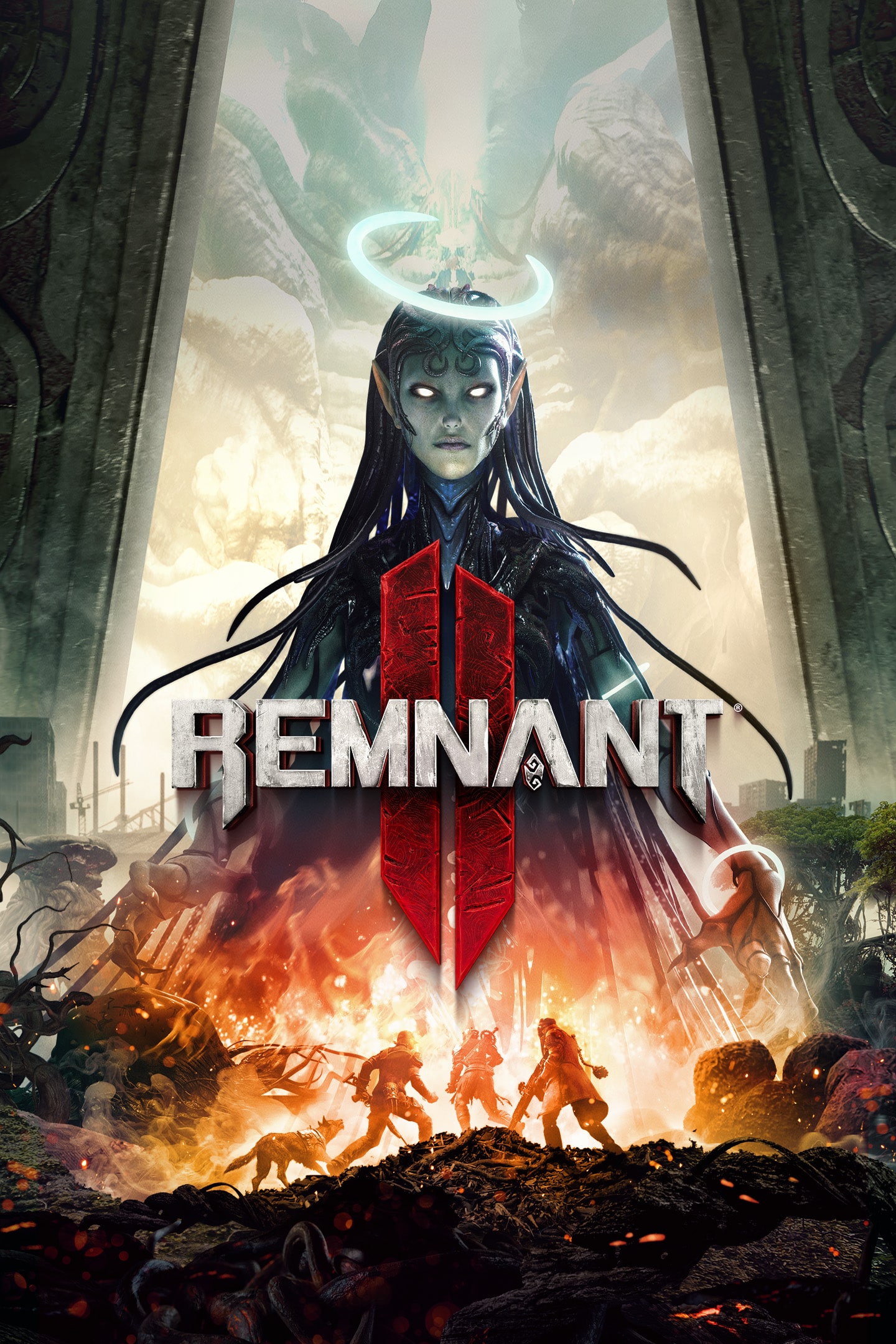
The Lord of the Rings: War in the North - Legacy Edition vs REMNANT II

close close
info General Information
Release Date
Aug 11, 2026 Jul 25, 2023
Developer
Aspyr Media, Snowblind Studios Gunfire Games
Publisher
Aspyr Media, Warner Bros. Games Arc Games (formerly Gearbox Publishing)
Genre(s)
Action RPG, Hack-and-Slash, Co-Op Adventure Action RPG, Third-Person Shooter, Soulslike, Co-op Looter Shooter
Engine
Dark Alliance Engine (Remastered DX11/DX12) Unreal Engine 4
stars Ratings & Price
Content Rating
Mature M (Mature 17+) - ESRB Descriptors: Blood and Gore,
Avg. User Rating
4.2 / 5.0 4.1 / 5.0
Current Price (USD)
$19.99 $49.99
tune Key Specs
Quick Highlights
  • Perspective: Third-Person Action RPG
  • Modes: Single-Player, 3-Player Co-Op (Online & Split-Screen)
  • Storage Required: 25 GB Available Space
  • Perspective: Third-Person
  • Multiplayer: Up to 3-Player Online Co-op (Crossplay supported)
  • Setting: Post-Apocalyptic Earth & Multiple Interdimensional Worlds
  • Platforms: PC (Windows - Steam, Epic Games Store), PlayStation 5, Xbox Series X/S
  • Unique Feature: Procedurally generated worlds and dungeons for high replayability, deep Archetype system with dual-classing, challenging Soulslike combat, extensive weapon crafting with mods and mutators, 3-player co-op.
sports_esports Gameplay & Mechanics
Companions/Followers
  • Beleram: Calls down devastating talon dive-bombs that instantly dismantle heavy siege engines and destroy armored trolls.
    Great Eagle
  • AI Fellowship Members: Provides automated combat assistance, revives downed players, and coordinates skill synergies.
    Dwarf / Elf / Human
  • Handler's Dog Companion: The Handler Archetype's Prime Perk grants them a loyal dog companion. The dog actively participates in combat by attacking enemies, drawing aggro, and can provide various team buffs (e.g., damage increase, damage reduction) based on the Handler's chosen skills. The dog can also revive the Handler or allies under certain conditions.
    Canine (Specific breed varies by Handler's choice/default)
  • Summoner's Minions (Root Creatures): The Summoner Archetype can conjure various Root minions to fight alongside them. These minions have different roles (melee, ranged, tank) and their effectiveness can be enhanced through the Summoner's skills and traits. Minions are temporary and often require sacrificing health to summon.
    Root Entities (Various types like Hollows, Flyers, Reavers)
  • Engineer's Turrets (Heavy Weapons): The Engineer Archetype can deploy heavy weapon platforms that act as automated turrets or can be carried and wielded by the Engineer or their allies. These provide significant firepower and area denial capabilities.
    Automated Turrets (Vulcan, Flamethrower, Impact Cannon)
  • Co-op Players (Other Travelers): In online co-op mode, up to two other players can join as their own Traveler characters, each with their unique Archetype builds, weapons, and skills. They act as active combat companions, capable of reviving each other, synergizing abilities, and tackling challenges together.
    Human (Player Characters with chosen Archetypes)
Key Collectibles
  • Ancient Elfstones: Discovered in hidden Elven caches; socketable into gear to grant frost, shock, and health bonuses.
  • Dwarven Gold Caches: Located behind cracked masonry revealed by Farin's structural intuition in subterranean ruins.
  • Beleram's Feathers: Retrieved from mountain eyries; consumed to summon the Great Eagle during tactical combat.
  • Tomes of Knowledge: Consumable items found randomly throughout all worlds. When picked up, they are instantly consumed and grant The Traveler +1 Trait Point. If at the Trait Point cap, they grant Archetype XP and Scrap instead.
  • Rings: Equippable accessories (up to 4 can be worn) that provide a wide variety of passive bonuses, such as increased damage, survivability, resource generation, or unique gameplay effects. Found as loot, in chests, from bosses, or purchased.
  • Amulets: Equippable accessories (1 can be worn) that offer more significant passive bonuses or unique perks compared to rings, often defining a core aspect of a character's build. Found similarly to rings.
  • Relics (e.g., Dragon Heart): Primary healing items with a limited number of charges. Different Relics can be found or crafted, each offering unique healing effects or additional temporary buffs when used. Charges are replenished at World Stones (checkpoints).
  • Relic Fragments: Socketable items that can be slotted into Relics to provide minor passive stat boosts (e.g., increased health, damage reduction, skill cooldown). Come in different qualities and can be upgraded.
  • Traits: Passive character upgrades that provide permanent stat increases or bonuses (e.g., Vigor for health, Endurance for stamina, Spirit for mod power generation). Acquired by leveling up, defeating bosses, completing quests, or finding Tomes of Knowledge. Trait points are spent to increase their effectiveness up to a cap.
  • Weapon Mods & Mutators: Weapon Mods are crafted from boss materials and grant active abilities to weapons. Mutators are found as loot or from specific encounters and provide passive bonuses to weapons. Collecting these expands combat options.
  • Quest Items & Lore Items: Various items specific to main or side quests that progress storylines. Lore items like books, notes, and audio logs are found throughout the worlds, providing backstory and world-building details.
Key Themes
  • Brotherhood & Fellowship
  • Brutal Dark Fantasy
  • Tolkien Lore Expansion
  • Tactical Co-Op Combat
  • Post-Apocalyptic
  • Dimensional Travel
  • Cosmic Horror
  • Survival
  • Teamwork & Co-op
  • Procedural Generation
  • Soulslike Challenge
  • Eldritch Beings (The Root)
  • Ancient Mysteries
  • High Fantasy with Firearms
colorize Combat & Gear
Weapons Overview
  • Dúnedain Ranger Greatsword: Two-Handed Slashing Blade
    Steel greatsword balanced for sweeping crowd control and high-damage decapitations.
  • Erebor Heavy War Mattock: Two-Handed Piercing Pick
    Formidable dwarven pick engineered to punch through heavy plate armor and stagger Mountain Trolls.
  • Staff of the White Council: Arcane Magic Conduit / Quarterstaff
    Enchanted staff wielded by Andriel to channel radiant light blasts and defensive bubble shields.
  • Westernesse Composite Longbow: Precision Ranged Weapon
    Accurate recurve bow granting bonus critical headshot damage against distant archers.
  • Morgul Shadow Blade: Cursed Dagger / Sidearm
    Dark sorcery-imbued blade acquired from fallen officers, inflicting continuous shadow decay.
  • Long Guns (Rifles, Shotguns, Bows, etc.): Primary Ranged Weapon
    Main damage-dealing firearms. Includes a wide variety like assault rifles (e.g., Blackmaw AR-47, Chicago Typewriter), shotguns (e.g., AS-10 Bulldog), sniper rifles/bows (e.g., Huntmaster M1, Crescent Moon), and unique boss weapons (e.g., Nightfall, Alpha-Omega). Each can be upgraded and equipped with a Weapon Mod and a Mutator.
  • Handguns (Pistols, Revolvers, SMG-like sidearms): Secondary Ranged Weapon
    Sidearms used for backup or specific situations. Examples include revolvers (e.g., Western Classic), pistols (e.g., Rune Pistol), and special handguns like the Cube Gun or Meridian. Can also be upgraded and equipped with a Weapon Mod and a Mutator.
  • Melee Weapons (Swords, Axes, Hammers, Gauntlets, etc.): Close Quarters Combat Weapon
    Used for close-range combat, dealing damage and often staggering enemies. Includes a variety of types like swords (e.g., Blade of Gul), axes (e.g., Krell Axe), hammers (e.g., Atom Smasher), and special melee weapons crafted from boss materials (e.g., Assassin's Dagger). Can be upgraded and some can be equipped with Mutators.
  • Weapon Mods: Equippable Weapon Ability
    Attachable components that grant weapons unique active abilities, often with cooldowns or charges built up by dealing damage. Examples include Hot Shot (imbues bullets with fire), Healing Shot (heals allies), Space Crabs (summons explosive crabs), or boss-specific mods like Moonlight Barrage (Crescent Moon bow). Most weapons have one Mod slot.
  • Mutators: Passive Weapon Augment
    Passive augments that can be socketed into Long Guns, Handguns, and some Melee Weapons. They provide various passive bonuses like increased critical chance, lifesteal, faster reload speed, or unique conditional effects. Can be upgraded.
  • Corrupted Weapons: Special Weapon Variants
    Special alternate versions of existing weapons, often with unique visual effects and altered firing modes or properties. Obtained by exchanging Corrupted Shards and the original weapon with Dwell in Ward 13. Examples: Corrupted Aphelion, Corrupted Merciless.
Armor / Gear Sets
  • Gilded Lothlórien Mail: Lightweight metallic weave providing superior resistance to elemental magic and shadow corruption.
  • Erebor Iron-Breaker Plate: Thick dwarven steel offering maximum physical damage reduction and knockdown immunity.
  • Ranger Camouflage Leather Jerkin: Stealth-enhancing armor that reduces enemy detection radius and increases critical strike chance.
  • Armor Sets (Head, Body, Legs, Gloves): Players can equip a full armor set consisting of four pieces: Head Armor, Body Armor, Leg Armor, and Gloves. Each piece contributes to the overall Armor value (damage reduction), Weight (affecting stamina regeneration and dodge roll speed - Light, Medium, Heavy, Ultra Heavy rolls), and elemental resistances (e.g., Fire, Shock, Blight, Corrode). Many sets also provide unique passive set bonuses when multiple pieces are equipped.
  • Leto Mark I & II Armor Sets: Known for being extremely heavy armor sets, providing very high damage reduction at the cost of a slow 'flop' dodge roll (Leto Mark I) or a slightly better heavy roll (Leto Mark II). Popular for tank builds.
  • Radiant Armor Set: An example of a set that might provide bonuses related to critical hits or sustained fire, often with a distinct visual appearance.
  • Void Armor Set: A heavy armor set that often provides a perk related to taking damage, such as a temporary damage buff after being hit.
  • Elder Armor Set: A set often associated with support or healing capabilities, potentially boosting Relic use or ally buffs.
  • Cultist Armor Set (Example from Remnant 1, archetype starting gear in R2 may vary): Typically associated with Mod Power generation or skill cooldown reduction. Starting Archetypes in Remnant II come with their own unique-looking armor sets.
  • Armor Skins / Cosmetic Transmog (Limited): While full transmog is not a primary feature, some armor sets are visually distinct, and certain pre-order/Deluxe edition bonuses provided unique armor appearances. The focus is primarily on stats and set bonuses rather than extensive cosmetic layering of armor pieces.
Outfits/Customization
  • Grey Company Cloak: Durable travelling cloak woven in the North, granting cosmetic elegance and weather protection.
  • Rivendell Ceremonial Circlet: Delicate silver headpiece providing subtle arcane glints and stat customization.
  • Archetype Starting Armor: Each starting Archetype (e.g., Challenger, Handler, Hunter, Gunslinger, Medic) comes with a visually distinct set of armor (Head, Body, Legs, Gloves) that reflects their theme and role. These are actual gear pieces with stats.
  • World-Dropped & Crafted Armor Sets: Numerous armor sets can be found as loot in the various worlds, crafted from materials, or purchased from merchants. Each set has a unique appearance and provides different defensive stats, elemental resistances, and often set bonuses that synergize with specific playstyles or Archetypes.
  • Deluxe & Ultimate Edition Armor Sets (Cosmetic/Early Unlocks): The Deluxe Edition included three armor sets: Elder Armor Set, Radiant Armor Set, and Void Armor Set. These provide unique aesthetics and starting gear options.
  • DLC Armor Sets: Each DLC ('The Awakened King,' 'The Forgotten Kingdom,' 'The Dark Horizon') introduces new armor sets with unique designs and perks thematic to the new content and worlds.
  • Helmet Visibility Toggle: Players usually have the option to toggle the visibility of their equipped helmet, allowing them to see their character's face while still receiving the stats from the head armor.
trending_up Progression & Upgrades
Skills & Progression

Each character possesses a distinct three-tier skill tree. Eradan can specialize in dual-wield melee strikes, stealth camouflage, and longbow marksmanship. Farin masters two-handed warhammer sweeps, explosive heavy crossbow bolts, warcries that buff party armor, and structural mining instincts to unearth hidden ore veins. Andriel wields offensive elemental spellcraft (lightning, fiery tornadoes), defensive wards that heal the fellowship and deflect ranged missiles, and alchemy crafting to brew potent battle elixirs.

N/A
public World & Exploration
World & Level Design

The campaign is segmented into expansive, story-driven hub zones and dangerous linear combat dungeons across Northern Middle-earth. Hubs like Rivendell and the Bree-land outskirts allow for deep dialogue with iconic Tolkien figures (including Gandalf, Aragorn, Elrond, and Legolas), merchant trading, and quest preparation. Wilderness maps feature multi-tier arenas designed for three-player tactical positioning, chokepoint defense against Troll shock units, and environmental puzzle solving.

N/A
Playable Vehicles
  • Orcish Catapult: Siege Engine
    Massive counterweight artillery deployed by northern Orc battalions to shatter fortress ramparts.
  • Bree Supply Wagon: Terrestrial Transport
    Wooden merchant cart utilized by refugees and traders traveling the East Road.
  • None (Traversal by Foot & World Stones)
    REMNANT II primarily features on-foot exploration within its worlds and dungeons. Fast travel is facilitated by interacting with World Stones (checkpoints) to teleport to other discovered World Stones within the same world or to different worlds via The Labyrinth.
  • Glider Traversal System (The Dark Horizon DLC - N'Erud Only): Personal Traversal Gear
    The 'The Dark Horizon' DLC, set in N'Erud, introduces a new Glider Traversal System, allowing players to navigate specific areas of that world with enhanced mobility. This is specific to certain sections of the DLC content.
Notable Fauna/Mounts
  • Beleram the Great Eagle: Great Eagle of Manwë
    Mighty aerial companion capable of swooping down to smash siege towers and decapitate enemy commanders.
  • Mountain Troll: Olog-hai / Cave Troll
    Massive armored brutes wielding tree trunks and boulders, requiring coordinated party attacks.
  • Mirkwood Giant Spider: Ungoliant Spawn
    Venomous arachnids that entrap fellowship members in webbing and ambush from the canopy.
  • Barrow-wight: Undead Spirit
    Malevolent wraiths haunting burial mounds that drain party stamina and cast immobilizing curses.
N/A
book Story & Characters
Main Characters
  • Eradan: Dúnedain Ranger
    A seasoned tracker of the North, skilled in dual-blade swordplay and deadly long-range archery.
  • Farin: Dwarven Champion
    A fierce warrior of Erebor whose heavy weapons and defensive warcries protect his comrades.
  • Andriel: Elven Lore-master
    A wise scholar and spellcaster of Rivendell who supports the fellowship with radiant wards and alchemy.
  • Agandaûr: Black Númenórean Warlord
    Sauron's lethal lieutenant in the North who commands dark legions to conquer Eriador.
  • Aragorn: Chieftain of the Dúnedain
    Future King of Gondor who tasks the trio with holding the northern front to safeguard the Fellowship.
  • The Traveler: Protagonist (Player Character)
    The customizable player character, a survivor in a post-apocalyptic world. They are thrust into a conflict spanning multiple dimensions to combat The Root and uncover ancient mysteries. Their abilities are defined by chosen Archetypes, weapons, and gear.
  • Clementine: Key NPC / Powerful Figure
    A returning character from the lore of Remnant: From the Ashes (implicated in the Dreamer Project). In REMNANT II, she is a powerful individual with unique abilities related to the World Stones and interdimensional travel. She plays a crucial role in guiding The Traveler and fighting The Root.
  • The Keeper of the Labyrinth (Andrew Ford - Implied/Theorized): Enigmatic Guide / Guardian
    A mysterious and ancient entity responsible for maintaining the Labyrinth, the unchanging hub world that connects to other dimensions. Provides guidance and exposition to The Traveler. Potentially connected to Founder Ford from the first game.
  • Commander Ford (Mentioned/Lore): Founder of Ward 13 / Explorer
    The founder of Ward 13 and a key figure from Remnant: From the Ashes who disappeared into the World Stone network. His legacy and research are often referenced.
  • Wallace: NPC / Mystic & Archetype Crafter
    An NPC in Ward 13 who helps The Traveler unlock their initial Archetype and can craft Engrams for unlocking new Archetypes using special materials.
  • McCabe: NPC / Weapon Mod & Boss Weapon Crafter
    A gruff but skilled weaponsmith in Ward 13. She crafts unique Weapon Mods and powerful Boss Weapons for The Traveler using materials obtained from defeated world bosses.
  • Reginald 'Reggie' Malone: NPC / Consumables Vendor
    An NPC in Ward 13 who sells various consumables like ammo boxes, healing items, and concoctions.
  • Mudtooth: NPC / Storyteller & Elixir Vendor
    An elderly character in Ward 13 who tells stories (granting XP boosts) and sells various concoctions (temporary buffs).
  • The Root: Primary Antagonistic Force / Hive Mind Entity
    The overarching enemy faction in the Remnant universe. A sentient, plant-like hive mind entity that corrupts and invades worlds, assimilating lifeforms and creating monstrous creatures. The ultimate goal is to stop its spread and defeat its core, Annihilation.
  • World Bosses (e.g., The Nightweaver, Sha'Hala, The Corruptor, Annihilation): Major Antagonists / Challenges
    Each world features unique and powerful bosses that The Traveler must defeat to progress or obtain valuable rewards. Annihilation serves as the final boss of the main campaign.
Example Missions
  • The Siege of Fornost: Main Campaign Chapter
    Assault the fallen fortress of Fornost to rescue the Great Eagle Beleram and defeat Agandaûr's warlords.
  • The Defense of Nordinbad: Fortress Siege Defense
    Hold the mountain gates of the dwarven stronghold against waves of Olog-hai trolls and sapper demolition squads.
  • Assault on Carn Dûm: Climactic Boss Confrontation
    Infiltrate the capital citadel of Angmar and confront Lord Agandaûr in a final battle atop the tower.
  • Main Campaign (Stop The Root)
    A series of narrative quests spanning multiple procedurally generated worlds (Yaesha, Losomn, N'Erud) connected by The Labyrinth, culminating in a journey to Root Earth to confront and defeat Annihilation, the source of The Root's corruption. Involves finding Clementine and working with The Keeper.
  • World-Specific Storylines & Bosses
    Each major world (Yaesha, Losomn, N'Erud) has its own main questline, often involving unique NPCs, moral choices, and culminating in a world boss fight. The specific storyline and boss encountered can vary due to procedural generation (e.g., The Nightweaver or Faelin/Faerin in Losomn; The Corruptor or The Ravager in Yaesha; Sha'Hala or Tal'Ratha in N'Erud).
  • Side Dungeons & Events
    Exploring optional dungeons and encountering dynamic events within each world. These often reward unique loot, traits, weapon mods, mutators, rings, or amulets. Many side dungeons have their own mini-bosses or puzzles.
  • Archetype Unlocking Quests/Puzzles
    Many Archetypes beyond the starting choices are unlocked by finding specific items (Engrams) hidden in the worlds or obtained by completing secret objectives, puzzles, or interacting with specific NPCs under certain conditions.
  • Adventure Mode
    A separate game mode that allows players to re-roll individual worlds (Yaesha, Losomn, N'Erud) with new procedural generation, independent of their main campaign progress. Used for farming specific items, encountering different storylines/bosses, or leveling up.
  • DLC Campaigns (The Awakened King, The Forgotten Kingdom, The Dark Horizon)
    Each DLC adds a new self-contained storyline within one of the existing game worlds (Losomn, Yaesha, N'Erud respectively), introducing new areas, dungeons, bosses, enemies, items, and a new playable Archetype.
people Multiplayer
Multiplayer Details

Features the acclaimed 3-player co-operative campaign mode, playable online or locally. The game was specifically designed from the ground up for trio coordination, where characters revive fallen allies, trigger synchronized execution finishing blows, and combine magic shields with dwarven tanking and ranger sniper fire to conquer challenging boss gauntlets.

The core gameplay is designed for up to 3-player online co-operative PvE. Players can join friends or use matchmaking to tackle the campaign, explore worlds, and fight bosses together. The game's difficulty scales with the number of players. Loot is instanced per player.

extension Editions & DLC
Available Editions

The Lord of the Rings: War in the North™ - Legacy Edition released on August 11, 2026, priced at $19.99 USD across Steam, PlayStation 5, and Xbox Series X/S. The Legacy Edition integrates all original pre-order DLC bonus equipment sets (such as the Lothlórien Elven gear, Human Ranger pack, and Dwarven Champion pack) directly into the campaign loot tables, while establishing permanent digital storefront preservation.

Released in several editions: Standard Edition (base game). Deluxe Edition (included three armor sets: Elder, Radiant, Void). Ultimate Edition (included Deluxe Edition content, Survival Pack with consumables, and early access to 'The Awakened King,' 'The Forgotten Kingdom,' and 'The Dark Horizon' DLCs, which form the DLC Bundle).

Post-Launch Content / DLC

The Legacy Edition acts as an all-inclusive complete release, containing the base campaign alongside all previously exclusive challenge maps: Osgiliath and the Lothlórien Challenge Arena. Aspyr has committed to post-launch technical patches ensuring ongoing compatibility, controller customization, and Steam Deck optimization.

REMNANT II has a DLC Bundle featuring three major expansions:

1. 'The Awakened King' (released November 2023): New storyline in Losomn focusing on the One True King, new Archetype (The Ritualist), new dungeons, bosses, items, and weapons.

2. 'The Forgotten Kingdom' (released April 2024): New storyline in Yaesha exploring a lost tribe and a vengeful stone spirit Lydusa, new Archetype (The Invoker), new dungeons, bosses, items, and weapons.

3. 'The Dark Horizon' (released September 2024): New storyline in N'Erud, new Archetype (The Warden), new dungeons, bosses, items, weapons, and a new Glider Traversal System for N'Erud.

help_outline FAQ
Frequently Asked Questions
  • Q: What is the Legacy Edition of War in the North?
    A: The Legacy Edition is the modernized, remastered release of the 2011 action RPG, featuring 4K 60+ FPS support, restored online multiplayer lobbies, all DLC included, and full Steam Deck verification.
  • Q: When did The Lord of the Rings: War in the North™ - Legacy Edition release?
    A: It released on August 11, 2026, published by Aspyr Media in partnership with Warner Bros. Games.
  • Q: Does War in the North: Legacy Edition feature co-op multiplayer?
    A: Yes. The game features full 3-player co-op campaign support, playable online or via split-screen on consoles.
  • Q: Are all three characters required in single player?
    A: Yes. If playing solo, the other two members of the trio are controlled by capable AI companions who can be freely swapped between at checkpoint hubs.
  • Q: Is the game canon to J.R.R. Tolkien's lore?
    A: The game is officially licensed and set parallel to the War of the Ring, drawing inspiration from Tolkien's Appendices detailing the simultaneous battles fought across Northern Middle-earth.
  • Q: When was REMNANT II released?
    A: REMNANT II was released on July 25, 2023, for PC (Windows), PlayStation 5, and Xbox Series X/S.
  • Q: What kind of game is REMNANT II?
    A: REMNANT II is a third-person action RPG shooter with Soulslike elements, focusing on challenging combat, deep character customization through the Archetype system, and procedurally generated worlds. It can be played solo or in up to 3-player co-op.
  • Q: Is REMNANT II a direct sequel to Remnant: From the Ashes?
    A: Yes, it is a direct sequel set some years after the events of the first game and its DLCs, continuing the story of humanity's fight against The Root.
  • Q: What are Archetypes in REMNANT II?
    A: Archetypes are character classes that provide unique skills, perks, and traits. Players choose a starting Archetype and can later unlock and equip a secondary Archetype to create hybrid builds. Examples include Handler (dog companion), Challenger (tank/melee), Hunter (ranged DPS), Medic (healing), and many more unlockable ones.
  • Q: How does procedural generation work in REMNANT II?
    A: The game dynamically generates world layouts, dungeons, enemy placements, questlines, events, and even some boss encounters. This ensures that each playthrough and Adventure Mode roll offers a different experience, enhancing replayability.
  • Q: Does REMNANT II have multiplayer and crossplay?
    A: Yes, REMNANT II supports up to 3-player online co-op. Crossplay between PC, PlayStation 5, and Xbox Series X/S was added via a post-launch update (requires linking an Epic Games account for console players).
  • Q: What kind of DLC is available for REMNANT II?
    A: REMNANT II has a DLC bundle featuring three major expansions: 'The Awakened King,' 'The Forgotten Kingdom,' and 'The Dark Horizon.' Each DLC adds new storylines, worlds/areas, Archetypes, enemies, bosses, weapons, and items.
  • Q: Is REMNANT II a Soulslike game?
    A: Yes, it incorporates many Soulslike elements, including challenging combat, formidable boss battles that require learning attack patterns, a healing/checkpoint system (World Stones), and a penalty upon death (though typically less severe than some traditional Souls games).
build Technical Details
Graphics & Visual Fidelity

Remastered in high-definition resolution, War in the North features upgraded dynamic lighting, enhanced blood splatter and limb dismemberment physics, improved shadow resolution, and sharpened environmental textures across brooding gothic ruins and frozen mountain strongholds.

Developed using Unreal Engine 4 (despite some early UE5 speculation), REMNANT II features detailed environments with distinct visual themes for each world, impressive enemy and boss designs, and a dark, gritty art style consistent with its post-apocalyptic and cosmic horror themes.

Audio & Soundtrack

Features an epic, cinematic orchestral soundtrack composed by Inon Zur and recorded with the London Philharmonia Orchestra at Abbey Road Studios. Dynamic combat scores swell during Troll and boss confrontations, complemented by authentic Middle-earth audio effects, crunchy bone-snapping impact sounds, and voice performances featuring John Rhys-Davies reprising his role as Gimli.

Atmospheric sound design enhances the distinct feel of each world and the impact of combat. The musical score adapts to gameplay, building intensity during boss fights and creating an eerie ambience during exploration.

User Interface (UI/UX)

Retains the classic diegetic third-person HUD updated with crisp 4K vector UI elements. Displays character health and power pools, active combo execution prompts, Great Eagle summon counters, mini-map objective waypoints, and a streamlined grid inventory for swapping socketed gemstones and enchanted armor sets.

Features a clear UI displaying health, stamina, mod power, skill cooldowns, ammo, and equipped items. Inventory management involves weapons, armor, mods, mutators, rings, amulets, and consumables. A minimap aids navigation through the procedurally generated environments.

Accessibility Options

Includes full controller remapping, adjustable field-of-view (FOV) sliders, camera shake toggles, colorblind filter modes for UI targeting reticles, scalable subtitles with speaker tags, and adjustable combat difficulty tiers (Easy, Normal, Heroic, and Legendary).

Includes options such as subtitles (though initially not highly customizable, patches may have improved), separate volume controls for voice, SFX, and music, remappable keybindings, gamepad support with auto-snap to enemies, adjustable video effects, and sensitivity customization for aiming, mouse, and camera (including X/Y inversion). An option to auto-equip picked-up items is also available.

Gameplay Video
launchWatch launchWatch
Walkthrough/Guide
launchView launchView
settings_applications System Requirements
1080p (Full HD) - Recommended (High/Ultra Preset, 1080p (120+ FPS))
CPU: Higher clock speeds ensure maximum draw-call throughput during massive fortress defense sieges.
CPU (Laptop): High-efficiency mobile chips providing uncompromised performance.
GPU: Effortlessly powers maximum graphical fidelity with high-refresh-rate output.
GPU (Laptop): Flawless mobile performance with quiet acoustics.
RAM: Standard optimal memory configuration for modern multi-tasking.
Storage: Eliminates loading pauses when transitioning between tactical arenas.
memoryCPU: Intel Core i7-8700K / AMD Ryzen 7 3700X
developer_boardGPU: NVIDIA GeForce GTX 1070 (8GB) / AMD Radeon RX Vega 56 (8GB)
laptop_macCPU (L): Intel Core i7-10750H / AMD Ryzen 7 4800H
laptop_windowsGPU (L): NVIDIA GeForce RTX 2060 Mobile (6GB) / RTX 3050 Ti Mobile
layersRAM: 16 GB
saveStorage (Tier): 25 GB NVMe SSD
1080p (Full HD) - Recommended (Targets 1080p, Medium/High settings, ~60 FPS with Upscaling Quality/Balanced) (Medium/High Preset, 1080p resolution with DLSS/FSR/XeSS Quality or Balanced.)
CPU: Official recommended desktop CPU for a better 1080p experience.
CPU (Laptop): Stronger laptop CPUs for more consistent 1080p/60fps.
GPU: Official recommended desktop GPU for 1080p. 6GB VRAM minimum, 8GB ideal.
GPU (Laptop): Capable laptop GPUs. High TGP and effective use of DLSS/FSR are very important. (A hypothetical future RTX 5050/5060 Laptop GPU).
RAM: 16GB RAM officially recommended.
Storage: NVMe SSD recommended for better overall experience.
memoryCPU: Intel Core i5-10600K or AMD Ryzen 5 3600
developer_boardGPU: NVIDIA GeForce RTX 2060 (6GB) or AMD Radeon RX 5700 (8GB)
laptop_macCPU (L): Intel Core i7-10750H / AMD Ryzen 7 4800H or newer high-performance 6-core or 8-core CPUs.
laptop_windowsGPU (L): NVIDIA GeForce RTX 2060 Mobile (6GB, High TGP), RTX 3060 Laptop GPU (6GB, High TGP), RTX 4050 Laptop GPU (6GB, High TGP), RTX 4060 Laptop GPU (8GB).
layersRAM: 16 GB
saveStorage (Tier): 80 GB NVMe SSD
1080p (Full HD) - Minimum (Targets 1080p, Low/Medium settings, ~30-60 FPS with Upscaling) (Low/Medium Preset, 1080p resolution with DLSS/FSR/XeSS Performance/Balanced.)
CPU: Official minimum desktop CPU. Game can be CPU intensive.
CPU (Laptop): Estimated laptop CPU. A modern 6-core CPU is advisable for a smoother experience.
GPU: Official minimum desktop GPU. 4GB VRAM is the absolute floor; 8GB (like RX 590) is better.
GPU (Laptop): Estimated laptop GPUs. Performance heavily depends on TGP and upscaling. (Hypothetical future entry-level RTX 50 series laptop GPUs would exceed this).
RAM: 16GB RAM is the official minimum.
Storage: SSD is highly recommended as per official notes.
memoryCPU: Intel Core i5-7600 or AMD Ryzen 5 2600
developer_boardGPU: NVIDIA GeForce GTX 1650 (4GB) or AMD Radeon RX 590 (8GB)
laptop_macCPU (L): Intel Core i7-8750H / AMD Ryzen 5 3600H equivalent or better.
laptop_windowsGPU (L): NVIDIA GeForce GTX 1650 Ti Mobile (4GB), RTX 3050 Laptop GPU (4GB/6GB, ensure good TGP). RTX 4050 Laptop GPU (6GB) would be a more comfortable modern minimum, relying on upscaling.
layersRAM: 16 GB
saveStorage (Tier): 80 GB SSD
1080p (Full HD) - Minimum (Medium Preset, 1080p (60 FPS))
CPU: Quad-core desktop CPU capable of managing AI companion routines and particle physics.
CPU (Laptop): Quad-core mobile processors easily drive stable 1080p gameplay.
GPU: Baseline 4GB VRAM delivers locked 60 FPS with original assets and medium post-processing.
GPU (Laptop): Maintains fluid combat frame rates across all dungeon corridors.
RAM: Sufficient for seamless asset allocation and multi-character co-op.
Storage: Fast loading times across all game chapters.
memoryCPU: Intel Core i5-6400 / AMD Ryzen 5 3600
developer_boardGPU: NVIDIA GeForce GTX 970 (4GB) / AMD Radeon R9 290X (4GB)
laptop_macCPU (L): Intel Core i5-8250U / AMD Ryzen 5 3500U
laptop_windowsGPU (L): NVIDIA GeForce GTX 1050 Ti Mobile (4GB) / GTX 1650 Mobile
layersRAM: 8 GB
saveStorage (Tier): 25 GB HDD / SATA SSD
1440p (QHD/2K) - High (Targets 1440p, High settings, ~60 FPS with DLSS/FSR Quality + potentially Frame Gen) (High Preset, 1440p resolution with DLSS/FSR Quality. Frame Generation (DLSS 3/FSR 3) highly recommended if available/supported by GPU.)
CPU: Powerful desktop CPU to handle 1440p and reduce CPU bottlenecks, especially if using Frame Generation.
CPU (Laptop): High-performance laptop CPUs essential for smooth 1440p, particularly with Frame Generation.
GPU: Strong GPUs for 1440p/60fps. DLSS/FSR Quality is essential. For consistent 60FPS+ with high settings, Frame Generation is a significant help.
GPU (Laptop): High-end laptop GPUs with max TGP. DLSS/FSR (Quality/Balanced) + Frame Generation are key. (A hypothetical future RTX 5060 Ti/5070 Laptop GPU).
RAM: 32GB RAM is strongly recommended for 1440p high settings to ensure smooth performance.
Storage: NVMe SSD mandatory for optimal performance.
memoryCPU: Intel Core i7-11700K / AMD Ryzen 7 5800X or newer (e.g., Intel Core i5-13600K / AMD Ryzen 5 7600X)
developer_boardGPU: NVIDIA GeForce RTX 3070 (8GB) / RTX 4060 Ti (8GB/16GB) / RTX 4070 (12GB) or AMD Radeon RX 6700 XT (12GB) / RX 6800 (16GB) / RX 7700 XT (12GB)
laptop_macCPU (L): Intel Core i7-12700H / AMD Ryzen 7 6800H or Intel Core i9-12900H / AMD Ryzen 9 6900HS and above.
laptop_windowsGPU (L): NVIDIA GeForce RTX 3070 Ti Laptop GPU (8GB), RTX 3080 Laptop GPU (8GB/16GB), RTX 4070 Laptop GPU (8GB, High TGP), RTX 4080 Laptop GPU (12GB).
layersRAM: 16 GB
saveStorage (Tier): 80 GB NVMe SSD
1440p (QHD/2K) - Enthusiast (Ultra Preset, 1440p (120+ FPS))
CPU: Strong single-threaded IPC maximizes frame rates during intense multi-enemy encounters.
CPU (Laptop): Modern multi-core laptop processing ensuring smooth frame pacing at 1440p.
GPU: Abundant VRAM bandwidth for supersampled anti-aliasing and crystal-clear geometry.
GPU (Laptop): Drives native 1440p displays with high refresh rates.
RAM: Provides optimal headroom for co-op network buffering.
Storage: Fast storage ensuring instantaneous checkpoint restarts.
memoryCPU: Intel Core i5-12400 / AMD Ryzen 5 5600X
developer_boardGPU: NVIDIA GeForce RTX 3060 (12GB) / AMD Radeon RX 6700 XT (12GB)
laptop_macCPU (L): Intel Core i7-12700H / AMD Ryzen 7 6800H
laptop_windowsGPU (L): NVIDIA GeForce RTX 3070 Mobile (115W+)
layersRAM: 16 GB
saveStorage (Tier): 25 GB NVMe SSD
2160p (UHD/4K) - Ultra (Ultra Preset, 4K (120+ FPS))
CPU: Enthusiast CPU performance guaranteeing zero bottlenecks at 4K resolution.
CPU (Laptop): Flagship mobile computing providing desktop-grade frame delivery.
GPU: Brute-force graphical power delivering native 4K rendering at high refresh rates.
GPU (Laptop): Powers native 4K external displays with maximum visual settings.
RAM: Ensures fluid system responsiveness during 4K gameplay.
Storage: Peak sequential transfer speeds for rapid game launches.
memoryCPU: Intel Core i7-13700K / AMD Ryzen 7 7800X3D
developer_boardGPU: NVIDIA GeForce RTX 4070 (12GB) / AMD Radeon RX 7800 XT (16GB)
laptop_macCPU (L): Intel Core i9-13900HX / AMD Ryzen 9 7945HX
laptop_windowsGPU (L): NVIDIA GeForce RTX 4080 Mobile (150W)
layersRAM: 16 GB
saveStorage (Tier): 25 GB High-Speed Gen4 NVMe SSD
2160p (UHD/4K) - Ultra (Targets 2160p/4K, Medium/High settings, ~60 FPS with DLSS/FSR Performance + Frame Gen) (Medium/High Preset, 2160p (4K) resolution using DLSS/FSR Performance + Frame Generation.)
CPU: Top-tier desktop CPU to support 4K gaming and minimize CPU bottlenecks, especially with Frame Generation.
CPU (Laptop): Absolute flagship laptop CPUs required.
GPU: Flagship desktop GPUs required for 4K. Heavily reliant on DLSS/FSR Performance and Frame Generation (for NVIDIA RTX 40 series / AMD FSR 3 compatible cards) to achieve ~60 FPS.
GPU (Laptop): The most powerful current (RTX 40 series) laptop GPUs. DLSS/FSR (Performance/Ultra Performance) with Frame Generation is essential. Hypothetical RTX 50 series laptop GPUs are speculative.
RAM: 32GB of high-speed RAM is strongly recommended for optimal 4K gaming.
Storage: A very fast NVMe SSD (PCIe Gen4 or better) is highly recommended for 4K textures and loading.
memoryCPU: Intel Core i9-12900K / AMD Ryzen 9 5900X or newer (e.g., Intel Core i7-13700K / AMD Ryzen 7 7800X3D)
developer_boardGPU: NVIDIA GeForce RTX 3080 (10GB/12GB) / RTX 4070 Ti (12GB) / RTX 4080 (16GB) or AMD Radeon RX 6800 XT (16GB) / RX 7900 XT (20GB) / RX 7900 XTX (24GB)
laptop_macCPU (L): Intel Core i9-13900HX / Core i9-14900HX or AMD Ryzen 9 7945HX / 7945HX3D.
laptop_windowsGPU (L): NVIDIA GeForce RTX 4080 Laptop GPU (12GB, Max TGP), RTX 4090 Laptop GPU (16GB, Max TGP). **(A hypothetical future flagship NVIDIA GeForce RTX 5080/5090 Laptop GPU would aim to improve this experience further.)**
layersRAM: 32 GB
saveStorage (Tier): 80 GB NVMe SSD (High-speed Gen4 or Gen5 recommended)
save Overall Storage
Spec: 25 GB available space
Note: Accommodates uncompressed high-resolution textures, cinematics, and multi-language audio packs.
Type: Unknown
Spec: 80 GB available space (SSD Highly Recommended, NVMe for best experience)
Note: An SSD (preferably NVMe) with at least 80 GB of free space is strongly recommended for optimal performance, significantly faster loading times, and smoother asset streaming. Requirement may increase with DLCs/updates.
Type: NVMe
desktop_windows Operating System
Spec: Windows 10 / Windows 11 (64-bit)
Explanation: Requires a 64-bit operating system for modern executable memory addressing.
Spec: Windows 10 (64-bit, latest update) or Windows 11 (64-bit, latest update)
Explanation: A 64-bit version of Windows 10 (latest updates) or Windows 11 (latest update) is required. Windows 11 is generally recommended for newer UE5 titles for features like DirectStorage and optimal CPU scheduling.
gamepad DirectX Version
Spec: DirectX 11 / DirectX 12
Explanation: Updated graphics backend supporting modern driver feature levels and high-DPI scaling.
Spec: DirectX 12
Explanation: DirectX 12 is required. Remnant II is an Unreal Engine 5 title, which leverages DX12 features. Ray tracing is not a primary feature of the game; performance is demanding even without it.
info_outline Other Game Notes
  • The Legacy Edition upgrades the original 2011 PC release with modern 64-bit operating system compatibility, restored P2P and dedicated multiplayer netcode, unlocked frame rates, ultrawide monitor support, and high-resolution texture filtering.
  • Laptop Performance Note: The remastered engine runs exceptionally well on mobile platforms and modern integrated or low-wattage laptop GPUs. Sustained 60 FPS is achievable on entry-level hardware with low thermal and acoustic footprints.
  • Laptop Consideration: G P U T G P: 40W-60W TGP is more than sufficient for full 1080p 60 FPS rendering.
  • Laptop Consideration: Cooling Thermals: Minimal thermal output; standard laptop cooling fan profiles prevent any thermal throttling.
  • Laptop Consideration: C P U Power Limits: Runs smoothly even on conservative battery or balanced power profiles.
  • Laptop Consideration: M U X Switch Optimus: Hybrid integrated GPU mode operates with zero perceptible latency.
  • Optimization Detail: Upscaling Tech: Native resolution rendering with MSAA and anisotropic texture filtering up to 16x.
  • Optimization Detail: Key Settings Impact: Texture Quality and Dynamic Shadow Cascades provide crisp fidelity with negligible performance penalties on modern GPUs.
  • Game Name: The Lord of the Rings: War in the North - Legacy Edition
  • OFFICIAL AND EXTRAPOLATED SYSTEM REQUIREMENTS for REMNANT II (Released July 2023). This information is based on official PC specifications from Gunfire Games/Arc Games and includes extrapolated tiers for higher performance targets, adapted to the requested JSON structure for a May 2025 context. REMNANT II is a demanding Unreal Engine 5 title, and using upscaling technologies (DLSS, FSR, XeSS) is highly recommended for optimal performance across all tiers. Laptop GPU mentions for RTX 50 series are speculative.
  • Laptop Performance Note: Laptop models of listed desktop GPUs require comparable performance, which is heavily dependent on TGP (Total Graphics Power), VRAM, and robust cooling. REMNANT II is very demanding; high-performance laptop hardware with effective thermal management is crucial, especially for higher settings or resolutions.
  • Laptop Consideration: G P U T G P: Maximum TGP for the laptop GPU is critical for achieving playable framerates in REMNANT II.
  • Laptop Consideration: Cooling Thermals: Excellent and sustained cooling is essential to prevent severe thermal throttling, as the game can heavily stress both CPU and GPU.
  • Laptop Consideration: C P U Power Limits: High sustained CPU power limits are beneficial, as Unreal Engine 5 games can be CPU-intensive, particularly with complex world states and enemy encounters.
  • Laptop Consideration: M U X Switch Optimus: A MUX switch or NVIDIA Advanced Optimus is highly recommended for optimal performance and reduced latency.
  • Optimization Detail: Upscaling Tech: Supports NVIDIA DLSS (Super Resolution, Frame Generation - DLSS 3.7 as of April 2024), AMD FidelityFX Super Resolution (FSR 2.2 at launch, FSR 3.0 with Frame Generation supported as of April 2024), and Intel XeSS (1.1 at launch, 1.3 as of April 2024). The game was designed with upscaling in mind; using these technologies is essential for achieving target framerates, especially at resolutions above 1080p or with higher graphics settings.
  • Optimization Detail: Key Settings Impact: Overall Graphics Quality (Low, Medium, High, Ultra), Shadow Quality, Post Processing, Foliage Quality, View Distance, and Effects Quality significantly impact performance. Native resolution rendering is extremely demanding; upscaling is key.
  • Game Name: REMNANT II
build Optimization Details
  • Upscaling Tech: Native resolution rendering with MSAA and anisotropic texture filtering up to 16x.
  • Key Settings Impact: Texture Quality and Dynamic Shadow Cascades provide crisp fidelity with negligible performance penalties on modern GPUs.
  • Upscaling Tech: Supports NVIDIA DLSS (Super Resolution, Frame Generation - DLSS 3.7 as of April 2024), AMD FidelityFX Super Resolution (FSR 2.2 at launch, FSR 3.0 with Frame Generation supported as of April 2024), and Intel XeSS (1.1 at launch, 1.3 as of April 2024). The game was designed with upscaling in mind; using these technologies is essential for achieving target framerates, especially at resolutions above 1080p or with higher graphics settings.
  • Key Settings Impact: Overall Graphics Quality (Low, Medium, High, Ultra), Shadow Quality, Post Processing, Foliage Quality, View Distance, and Effects Quality significantly impact performance. Native resolution rendering is extremely demanding; upscaling is key.
laptop Laptop Considerations
  • G P U T G P: 40W-60W TGP is more than sufficient for full 1080p 60 FPS rendering.
  • Cooling Thermals: Minimal thermal output; standard laptop cooling fan profiles prevent any thermal throttling.
  • C P U Power Limits: Runs smoothly even on conservative battery or balanced power profiles.
  • M U X Switch Optimus: Hybrid integrated GPU mode operates with zero perceptible latency.
  • G P U T G P: Maximum TGP for the laptop GPU is critical for achieving playable framerates in REMNANT II.
  • Cooling Thermals: Excellent and sustained cooling is essential to prevent severe thermal throttling, as the game can heavily stress both CPU and GPU.
  • C P U Power Limits: High sustained CPU power limits are beneficial, as Unreal Engine 5 games can be CPU-intensive, particularly with complex world states and enemy encounters.
  • M U X Switch Optimus: A MUX switch or NVIDIA Advanced Optimus is highly recommended for optimal performance and reduced latency.

info_outline Feature details based on available data. System requirements and performance estimates may vary.

laptop_chromebook Laptop Recommendations

Common Recommendations (Handles All Compared Games)

check_circle_outline Recommended based on listed requirements for Full HD (1080p).
Acer Nitro V with RTX 4060 and i9 13th Gen
  • memory Intel Core i9-13900H
  • developer_board NVIDIA GeForce RTX 4060
  • layers 16GB DDR5-5200MHz
  • track_changes Target GPU: NVIDIA GeForce GTX 1050 Ti Mobile (4GB) / GTX 1650 Mobile
Lenovo Legion Pro 5i (i9-14900HX, RTX 4060)
  • memory Intel Core i9-14900HX
  • developer_board NVIDIA GeForce RTX 4060
  • layers 32GB DDR5-5600MHz
  • track_changes Target GPU: NVIDIA GeForce GTX 1050 Ti Mobile (4GB) / GTX 1650 Mobile
Asus Rog Strix Scar 15 with RTX 3070 Ti and i9 12th Gen
  • memory Intel Core i9-12900H
  • developer_board NVIDIA GeForce RTX 3070 Ti
  • layers 16GB DDR5-4800MHz
  • track_changes Target GPU: NVIDIA GeForce GTX 1050 Ti Mobile (4GB) / GTX 1650 Mobile
MSI Pulse GL66 with RTX 3070 and i7 12th Gen
  • memory Intel Core i7-12700H
  • developer_board NVIDIA GeForce RTX 3070
  • layers 32GB DDR4-3200MHz
  • track_changes Target GPU: NVIDIA GeForce RTX 2060 Mobile (6GB) / RTX 3050 Ti Mobile
ASUS TUF A15 with RTX 3050 and Ryzen 7
  • memory AMD Ryzen 7 7435HS
  • developer_board NVIDIA GeForce RTX 3050
  • layers 32GB DDR5-4800MHz
  • track_changes Target GPU: NVIDIA GeForce GTX 1650 Ti Mobile (4GB), RTX 3050 Laptop GPU (4GB/6GB, ensure good TGP). RTX 4050 Laptop GPU (6GB) would be a more comfortable modern minimum, relying on upscaling.
HP Omen 16 (RTX 5060 & Ryzen 9 8940HX)
  • memory AMD Ryzen 9 8940HX Processor
  • developer_board NVIDIA GeForce RTX 5060 Laptop GPU
  • layers 32GB DDR5-5200MHz
  • track_changes Target GPU: NVIDIA GeForce GTX 1650 Ti Mobile (4GB), RTX 3050 Laptop GPU (4GB/6GB, ensure good TGP). RTX 4050 Laptop GPU (6GB) would be a more comfortable modern minimum, relying on upscaling.

HP Victus 15 (RTX 4050 & Ryzen 7)
  • memory AMD Ryzen 7 7445HS
  • developer_board NVIDIA GeForce RTX 4050
  • layers 16GB (2x8GB) DDR5 5600MHz SO-DIMM
  • track_changes Target GPU: NVIDIA GeForce GTX 1650 Ti Mobile (4GB), RTX 3050 Laptop GPU (4GB/6GB, ensure good TGP). RTX 4050 Laptop GPU (6GB) would be a more comfortable modern minimum, relying on upscaling.
check_circle_outline Recommended based on listed requirements for QHD (1440p).
MSI Pulse GL66 with RTX 3070 and i7 12th Gen
  • memory Intel Core i7-12700H
  • developer_board NVIDIA GeForce RTX 3070
  • layers 32GB DDR4-3200MHz
  • track_changes Target GPU: NVIDIA GeForce RTX 3070 Mobile (115W+)
Acer Nitro V with RTX 4060 and i9 13th Gen
  • memory Intel Core i9-13900H
  • developer_board NVIDIA GeForce RTX 4060
  • layers 16GB DDR5-5200MHz
  • track_changes Target GPU: NVIDIA GeForce RTX 3070 Mobile (115W+)
Lenovo Legion Pro 5i (i9-14900HX, RTX 4060)
  • memory Intel Core i9-14900HX
  • developer_board NVIDIA GeForce RTX 4060
  • layers 32GB DDR5-5600MHz
  • track_changes Target GPU: NVIDIA GeForce RTX 3070 Mobile (115W+)
check_circle_outline Recommended based on listed requirements for UHD (4K).
HP OMEN 16 with RTX 4080 and intel i9 14th Gen
  • memory Intel Core i9-14900HX
  • developer_board NVIDIA GeForce RTX 4080 Laptop GPU
  • layers 64 GB DDR5-5600MHz
  • track_changes Target GPU: NVIDIA GeForce RTX 4080 Mobile (150W)
GIGABYTE AORUS Elite 16 (RTX 5070 & Intel Core Ultra 9 275HX)
  • memory Intel Core Ultra 9 Processor 275HX (Series 2)
  • developer_board NVIDIA GeForce RTX 5070 Laptop GPU
  • layers 32GB DDR5-5600MHz
  • track_changes Target GPU: NVIDIA GeForce RTX 4080 Mobile (150W)
MSI Katana 15 HX (RTX 5070 & Intel i7 14th Gen)
  • memory Intel Core i9-14900HX Processor
  • developer_board NVIDIA GeForce RTX 5070 Laptop GPU
  • layers 32GB DDR5-5600MHz
  • track_changes Target GPU: NVIDIA GeForce RTX 4080 Mobile (150W)

For The Lord of the Rings: War in the North - Legacy Edition Specifically

check_circle_outline Recommended based on listed requirements for Full HD (1080p).
Acer Nitro V with RTX 4060 and i9 13th Gen
  • memory Intel Core i9-13900H
  • developer_board NVIDIA GeForce RTX 4060
  • layers 16GB DDR5-5200MHz
  • track_changes Target GPU: NVIDIA GeForce GTX 970 (4GB) / AMD Radeon R9 290X (4GB)
Lenovo Legion Pro 5i (i9-14900HX, RTX 4060)
  • memory Intel Core i9-14900HX
  • developer_board NVIDIA GeForce RTX 4060
  • layers 32GB DDR5-5600MHz
  • track_changes Target GPU: NVIDIA GeForce GTX 970 (4GB) / AMD Radeon R9 290X (4GB)
Asus Rog Strix Scar 15 with RTX 3070 Ti and i9 12th Gen
  • memory Intel Core i9-12900H
  • developer_board NVIDIA GeForce RTX 3070 Ti
  • layers 16GB DDR5-4800MHz
  • track_changes Target GPU: NVIDIA GeForce GTX 970 (4GB) / AMD Radeon R9 290X (4GB)

ASUS TUF A15 with RTX 3050 and Ryzen 7
  • memory AMD Ryzen 7 7435HS
  • developer_board NVIDIA GeForce RTX 3050
  • layers 32GB DDR5-4800MHz
  • track_changes Target GPU: NVIDIA GeForce GTX 970 (4GB) / AMD Radeon R9 290X (4GB)
MSI Creator M16 HX with RTX 4070
  • memory Intel Core i9-14900HX
  • developer_board NVIDIA GeForce RTX 4070
  • layers 32GB DDR5-5600MHz
  • track_changes Target GPU: NVIDIA GeForce GTX 970 (4GB) / AMD Radeon R9 290X (4GB)
ASUS ROG Strix G16 with RTX 4070
  • memory Intel Core i9-14900HX
  • developer_board NVIDIA GeForce RTX 4070
  • layers 16GB DDR5-5600MHz
  • track_changes Target GPU: NVIDIA GeForce GTX 970 (4GB) / AMD Radeon R9 290X (4GB)
MSI Cyborg 15 (RTX 5050 & Intel 7)
  • memory Intel Core Ultra 7 255H
  • developer_board NVIDIA GeForce RTX 5060 Laptop GPU
  • layers 16GB DDR5-5600MHz (Dual-Channel)
  • track_changes Target GPU: NVIDIA GeForce GTX 970 (4GB) / AMD Radeon R9 290X (4GB)
HP Omen 16 (RTX 5060 & Ryzen 9 8940HX)
  • memory AMD Ryzen 9 8940HX Processor
  • developer_board NVIDIA GeForce RTX 5060 Laptop GPU
  • layers 32GB DDR5-5200MHz
  • track_changes Target GPU: NVIDIA GeForce GTX 970 (4GB) / AMD Radeon R9 290X (4GB)
ASUS ROG Strix Scar 17 Se with RTX 3080 Ti  and i9
ASUS ROG Strix Scar 17 Se with RTX 3080 Ti and i9
  • memory Intel Core i9-12950HX
  • developer_board NVIDIA GeForce RTX 3080 Ti
  • layers 32GB DDR5-4800MHz
  • track_changes Target GPU: NVIDIA GeForce GTX 970 (4GB) / AMD Radeon R9 290X (4GB)
HP Victus 15 (RTX 4050 & Ryzen 7)
  • memory AMD Ryzen 7 7445HS
  • developer_board NVIDIA GeForce RTX 4050
  • layers 16GB (2x8GB) DDR5 5600MHz SO-DIMM
  • track_changes Target GPU: NVIDIA GeForce GTX 970 (4GB) / AMD Radeon R9 290X (4GB)
MSI Pulse GL66 with RTX 3070 and i7 12th Gen
  • memory Intel Core i7-12700H
  • developer_board NVIDIA GeForce RTX 3070
  • layers 32GB DDR4-3200MHz
  • track_changes Target GPU: NVIDIA GeForce GTX 1070 (8GB) / AMD Radeon RX Vega 56 (8GB)
ASUS ROG Strix G15 with RTX 3060 and Ryzen 7
  • memory AMD Ryzen 7 6800H
  • developer_board NVIDIA GeForce RTX 3060
  • layers 16GB DDR5-4800MHz
  • track_changes Target GPU: NVIDIA GeForce GTX 1070 (8GB) / AMD Radeon RX Vega 56 (8GB)

ASUS ROG Zephyrus G15 Ultra with RTX 3080 and Ryzen 9
  • memory AMD Ryzen 9 5900HS
  • developer_board NVIDIA GeForce RTX 3080
  • layers 16GB DDR4-3200MHz
  • track_changes Target GPU: NVIDIA GeForce GTX 1070 (8GB) / AMD Radeon RX Vega 56 (8GB)
MSI Katana 15 with RTX 4070
  • memory Intel Core i7-13620H
  • developer_board NVIDIA GeForce RTX 4070
  • layers 16GB DDR5-4800MHz
  • track_changes Target GPU: NVIDIA GeForce GTX 1070 (8GB) / AMD Radeon RX Vega 56 (8GB)
Alienware M18 with RTX 4070
  • memory Intel Core i7-14700HX
  • developer_board NVIDIA GeForce RTX 4070
  • layers 16GB DDR5-5600MHz
  • track_changes Target GPU: NVIDIA GeForce GTX 1070 (8GB) / AMD Radeon RX Vega 56 (8GB)
check_circle_outline Recommended based on listed requirements for QHD (1440p).
MSI Pulse GL66 with RTX 3070 and i7 12th Gen
  • memory Intel Core i7-12700H
  • developer_board NVIDIA GeForce RTX 3070
  • layers 32GB DDR4-3200MHz
  • track_changes Target GPU: NVIDIA GeForce RTX 3060 (12GB) / AMD Radeon RX 6700 XT (12GB)
Acer Nitro V with RTX 4060 and i9 13th Gen
  • memory Intel Core i9-13900H
  • developer_board NVIDIA GeForce RTX 4060
  • layers 16GB DDR5-5200MHz
  • track_changes Target GPU: NVIDIA GeForce RTX 3060 (12GB) / AMD Radeon RX 6700 XT (12GB)
Lenovo Legion Pro 5i (i9-14900HX, RTX 4060)
  • memory Intel Core i9-14900HX
  • developer_board NVIDIA GeForce RTX 4060
  • layers 32GB DDR5-5600MHz
  • track_changes Target GPU: NVIDIA GeForce RTX 3060 (12GB) / AMD Radeon RX 6700 XT (12GB)
Asus Rog Strix Scar 15 with RTX 3070 Ti and i9 12th Gen
  • memory Intel Core i9-12900H
  • developer_board NVIDIA GeForce RTX 3070 Ti
  • layers 16GB DDR5-4800MHz
  • track_changes Target GPU: NVIDIA GeForce RTX 3060 (12GB) / AMD Radeon RX 6700 XT (12GB)
ASUS TUF A15 with RTX 3050 and Ryzen 7
  • memory AMD Ryzen 7 7435HS
  • developer_board NVIDIA GeForce RTX 3050
  • layers 32GB DDR5-4800MHz
  • track_changes Target GPU: NVIDIA GeForce RTX 3060 (12GB) / AMD Radeon RX 6700 XT (12GB)
MSI Creator M16 HX with RTX 4070
  • memory Intel Core i9-14900HX
  • developer_board NVIDIA GeForce RTX 4070
  • layers 32GB DDR5-5600MHz
  • track_changes Target GPU: NVIDIA GeForce RTX 3060 (12GB) / AMD Radeon RX 6700 XT (12GB)
ASUS ROG Strix G16 with RTX 4070
  • memory Intel Core i9-14900HX
  • developer_board NVIDIA GeForce RTX 4070
  • layers 16GB DDR5-5600MHz
  • track_changes Target GPU: NVIDIA GeForce RTX 3060 (12GB) / AMD Radeon RX 6700 XT (12GB)
MSI Cyborg 15 (RTX 5050 & Intel 7)
  • memory Intel Core Ultra 7 255H
  • developer_board NVIDIA GeForce RTX 5060 Laptop GPU
  • layers 16GB DDR5-5600MHz (Dual-Channel)
  • track_changes Target GPU: NVIDIA GeForce RTX 3060 (12GB) / AMD Radeon RX 6700 XT (12GB)
HP Omen 16 (RTX 5060 & Ryzen 9 8940HX)
  • memory AMD Ryzen 9 8940HX Processor
  • developer_board NVIDIA GeForce RTX 5060 Laptop GPU
  • layers 32GB DDR5-5200MHz
  • track_changes Target GPU: NVIDIA GeForce RTX 3060 (12GB) / AMD Radeon RX 6700 XT (12GB)
ASUS ROG Strix Scar 17 Se with RTX 3080 Ti  and i9
ASUS ROG Strix Scar 17 Se with RTX 3080 Ti and i9
  • memory Intel Core i9-12950HX
  • developer_board NVIDIA GeForce RTX 3080 Ti
  • layers 32GB DDR5-4800MHz
  • track_changes Target GPU: NVIDIA GeForce RTX 3060 (12GB) / AMD Radeon RX 6700 XT (12GB)
check_circle_outline Recommended based on listed requirements for UHD (4K).
HP OMEN 16 with RTX 4080 and intel i9 14th Gen
  • memory Intel Core i9-14900HX
  • developer_board NVIDIA GeForce RTX 4080 Laptop GPU
  • layers 64 GB DDR5-5600MHz
  • track_changes Target GPU: NVIDIA GeForce RTX 4070 (12GB) / AMD Radeon RX 7800 XT (16GB)
GIGABYTE AORUS Elite 16 (RTX 5070 & Intel Core Ultra 9 275HX)
  • memory Intel Core Ultra 9 Processor 275HX (Series 2)
  • developer_board NVIDIA GeForce RTX 5070 Laptop GPU
  • layers 32GB DDR5-5600MHz
  • track_changes Target GPU: NVIDIA GeForce RTX 4070 (12GB) / AMD Radeon RX 7800 XT (16GB)
MSI Katana 15 HX (RTX 5070 & Intel i7 14th Gen)
  • memory Intel Core i9-14900HX Processor
  • developer_board NVIDIA GeForce RTX 5070 Laptop GPU
  • layers 32GB DDR5-5600MHz
  • track_changes Target GPU: NVIDIA GeForce RTX 4070 (12GB) / AMD Radeon RX 7800 XT (16GB)
Dell Alienware 16X Aurora (RTX 5070 & Intel Core Ultra 9 275HX)
  • memory Intel Core i9-14900HX Processor
  • developer_board NVIDIA GeForce RTX 5070 Laptop GPU
  • layers 32GB DDR5-5600MHz
  • track_changes Target GPU: NVIDIA GeForce RTX 4070 (12GB) / AMD Radeon RX 7800 XT (16GB)
HP Omen 16 (RTX 5070 & Intel Core Ultra 9 285HX)
  • memory Intel Core Ultra 9 Processor 285H
  • developer_board NVIDIA GeForce RTX 5070 Laptop GPU
  • layers 16GB DDR5-5600MHz
  • track_changes Target GPU: NVIDIA GeForce RTX 4070 (12GB) / AMD Radeon RX 7800 XT (16GB)
Lenovo Thinkpad T1G Gen 8 (RTX 5070 & Ultra 9)
  • memory Intel Core Ultra 9 285H (Arrow Lake-H)
  • developer_board NVIDIA GeForce RTX 5070 Laptop GPU
  • layers 64GB LPDDR5x-8533MT/s (LPCAMM2)
  • track_changes Target GPU: NVIDIA GeForce RTX 4070 (12GB) / AMD Radeon RX 7800 XT (16GB)
Acer Predator Helios Neo 18 2024 With Rtx 4080
  • memory Intel Core i9-14900HX
  • developer_board NVIDIA GeForce RTX 4080
  • layers 64GB DDR5-5600MHz
  • track_changes Target GPU: NVIDIA GeForce RTX 4070 (12GB) / AMD Radeon RX 7800 XT (16GB)
ASUS ROG Strix G18 with RTX 4080 and intel i9 14th Gen
  • memory Intel Core i9-14900HX
  • developer_board NVIDIA GeForce RTX 4080
  • layers 32GB DDR5-5600MHz
  • track_changes Target GPU: NVIDIA GeForce RTX 4070 (12GB) / AMD Radeon RX 7800 XT (16GB)
MSI Vector 17 HX with RTX 4080 in 2025
  • memory Intel Core i9-14900HX
  • developer_board NVIDIA GeForce RTX 4080
  • layers 32GB DDR5-5600MHz
  • track_changes Target GPU: NVIDIA GeForce RTX 4070 (12GB) / AMD Radeon RX 7800 XT (16GB)
ASUS ROG Strix Scar 18 Gaming Laptop with RTX 4080
  • memory Intel Core i9-14900HX
  • developer_board NVIDIA GeForce RTX 4080
  • layers 32GB DDR5-5600MHz
  • track_changes Target GPU: NVIDIA GeForce RTX 4070 (12GB) / AMD Radeon RX 7800 XT (16GB)

For REMNANT II Specifically

check_circle_outline Recommended based on listed requirements for Full HD (1080p).
ASUS TUF A15 with RTX 3050 and Ryzen 7
  • memory AMD Ryzen 7 7435HS
  • developer_board NVIDIA GeForce RTX 3050
  • layers 32GB DDR5-4800MHz
  • track_changes Target GPU: NVIDIA GeForce GTX 1650 (4GB) or AMD Radeon RX 590 (8GB)
HP Omen 16 (RTX 5060 & Ryzen 9 8940HX)
  • memory AMD Ryzen 9 8940HX Processor
  • developer_board NVIDIA GeForce RTX 5060 Laptop GPU
  • layers 32GB DDR5-5200MHz
  • track_changes Target GPU: NVIDIA GeForce GTX 1650 (4GB) or AMD Radeon RX 590 (8GB)
HP Victus 15 (RTX 4050 & Ryzen 7)
  • memory AMD Ryzen 7 7445HS
  • developer_board NVIDIA GeForce RTX 4050
  • layers 16GB (2x8GB) DDR5 5600MHz SO-DIMM
  • track_changes Target GPU: NVIDIA GeForce GTX 1650 (4GB) or AMD Radeon RX 590 (8GB)
ASUS TUF Gaming  A16 with RTX 4050
ASUS TUF Gaming A16 with RTX 4050
  • memory AMD Ryzen 7 7445HS
  • developer_board NVIDIA GeForce RTX 4050
  • layers 16GB DDR5 5600MHz SO-DIMM
  • track_changes Target GPU: NVIDIA GeForce GTX 1650 (4GB) or AMD Radeon RX 590 (8GB)
Lenovo Thinkpad T1G Gen 8 (RTX 5070 & Ultra 9)
  • memory Intel Core Ultra 9 285H (Arrow Lake-H)
  • developer_board NVIDIA GeForce RTX 5070 Laptop GPU
  • layers 64GB LPDDR5x-8533MT/s (LPCAMM2)
  • track_changes Target GPU: NVIDIA GeForce GTX 1650 (4GB) or AMD Radeon RX 590 (8GB)
Dell Alienware M16 Gaming Laptop with RTX 4080
  • memory AMD Ryzen 9 7845HX
  • developer_board NVIDIA GeForce RTX 4080
  • layers Up to 64GB DDR5
  • track_changes Target GPU: NVIDIA GeForce GTX 1650 (4GB) or AMD Radeon RX 590 (8GB)
LG Gram Pro 17 with RTX 5050
  • memory Intel Core Ultra 9 285H (Series 2) , 14 cores (6 Performance cores + 8 Efficient cores), 20 threads
  • developer_board NVIDIA GeForce RTX 5050 Laptop GPU
  • layers 32GB (2x16GB) DDR5 8400MHz SO-DIMM
  • track_changes Target GPU: NVIDIA GeForce GTX 1650 (4GB) or AMD Radeon RX 590 (8GB)
HP OMEN Ultra Slim 16 (RTX 5070 & Intel i9)
  • memory Intel Core Ultra 9 285H
  • developer_board NVIDIA GeForce RTX 5070
  • layers 32GB (2x16GB) DDR5 4800MHz SO-DIMM
  • track_changes Target GPU: NVIDIA GeForce GTX 1650 (4GB) or AMD Radeon RX 590 (8GB)
XMG Fusion 16 (RTX 5070 & Ultra 9)
  • memory Intel Core Ultra 9 275HX
  • developer_board GeForce RTX 5070 Laptop Laptop GPU
  • layers 64GB DDR5-6400MHz (Single-Channel)
  • track_changes Target GPU: NVIDIA GeForce GTX 1650 (4GB) or AMD Radeon RX 590 (8GB)
Lenovo Legion Pro 5i Gen 10 (RTX 5070 Ti & Intel Core Ultra 9 275HX)
  • memory Intel Core Ultra 9 275HX
  • developer_board NVIDIA GeForce RTX 5070 Ti
  • layers 32GB
  • track_changes Target GPU: NVIDIA GeForce GTX 1650 (4GB) or AMD Radeon RX 590 (8GB)
MSI Pulse GL66 with RTX 3070 and i7 12th Gen
  • memory Intel Core i7-12700H
  • developer_board NVIDIA GeForce RTX 3070
  • layers 32GB DDR4-3200MHz
  • track_changes Target GPU: NVIDIA GeForce RTX 2060 (6GB) or AMD Radeon RX 5700 (8GB)
Acer Nitro V with RTX 4060 and i9 13th Gen
  • memory Intel Core i9-13900H
  • developer_board NVIDIA GeForce RTX 4060
  • layers 16GB DDR5-5200MHz
  • track_changes Target GPU: NVIDIA GeForce RTX 2060 (6GB) or AMD Radeon RX 5700 (8GB)
Lenovo Legion Pro 5i (i9-14900HX, RTX 4060)
  • memory Intel Core i9-14900HX
  • developer_board NVIDIA GeForce RTX 4060
  • layers 32GB DDR5-5600MHz
  • track_changes Target GPU: NVIDIA GeForce RTX 2060 (6GB) or AMD Radeon RX 5700 (8GB)
Asus Rog Strix Scar 15 with RTX 3070 Ti and i9 12th Gen
  • memory Intel Core i9-12900H
  • developer_board NVIDIA GeForce RTX 3070 Ti
  • layers 16GB DDR5-4800MHz
  • track_changes Target GPU: NVIDIA GeForce RTX 2060 (6GB) or AMD Radeon RX 5700 (8GB)
ASUS ROG Strix G15 with RTX 3060 and Ryzen 7
  • memory AMD Ryzen 7 6800H
  • developer_board NVIDIA GeForce RTX 3060
  • layers 16GB DDR5-4800MHz
  • track_changes Target GPU: NVIDIA GeForce RTX 2060 (6GB) or AMD Radeon RX 5700 (8GB)
ASUS ROG Zephyrus G15 Ultra with RTX 3080 and Ryzen 9
  • memory AMD Ryzen 9 5900HS
  • developer_board NVIDIA GeForce RTX 3080
  • layers 16GB DDR4-3200MHz
  • track_changes Target GPU: NVIDIA GeForce RTX 2060 (6GB) or AMD Radeon RX 5700 (8GB)
MSI Katana 15 with RTX 4070
  • memory Intel Core i7-13620H
  • developer_board NVIDIA GeForce RTX 4070
  • layers 16GB DDR5-4800MHz
  • track_changes Target GPU: NVIDIA GeForce RTX 2060 (6GB) or AMD Radeon RX 5700 (8GB)
Alienware M18 with RTX 4070
  • memory Intel Core i7-14700HX
  • developer_board NVIDIA GeForce RTX 4070
  • layers 16GB DDR5-5600MHz
  • track_changes Target GPU: NVIDIA GeForce RTX 2060 (6GB) or AMD Radeon RX 5700 (8GB)
MSI Creator M16 HX with RTX 4070
  • memory Intel Core i9-14900HX
  • developer_board NVIDIA GeForce RTX 4070
  • layers 32GB DDR5-5600MHz
  • track_changes Target GPU: NVIDIA GeForce RTX 2060 (6GB) or AMD Radeon RX 5700 (8GB)
check_circle_outline Recommended based on listed requirements for UHD (4K).
HP OMEN 16 with RTX 4080 and intel i9 14th Gen
  • memory Intel Core i9-14900HX
  • developer_board NVIDIA GeForce RTX 4080 Laptop GPU
  • layers 64 GB DDR5-5600MHz
  • track_changes Target GPU: NVIDIA GeForce RTX 3080 (10GB/12GB) / RTX 4070 Ti (12GB) / RTX 4080 (16GB) or AMD Radeon RX 6800 XT (16GB) / RX 7900 XT (20GB) / RX 7900 XTX (24GB)
GIGABYTE AORUS Elite 16 (RTX 5070 & Intel Core Ultra 9 275HX)
  • memory Intel Core Ultra 9 Processor 275HX (Series 2)
  • developer_board NVIDIA GeForce RTX 5070 Laptop GPU
  • layers 32GB DDR5-5600MHz
  • track_changes Target GPU: NVIDIA GeForce RTX 3080 (10GB/12GB) / RTX 4070 Ti (12GB) / RTX 4080 (16GB) or AMD Radeon RX 6800 XT (16GB) / RX 7900 XT (20GB) / RX 7900 XTX (24GB)
MSI Katana 15 HX (RTX 5070 & Intel i7 14th Gen)
  • memory Intel Core i9-14900HX Processor
  • developer_board NVIDIA GeForce RTX 5070 Laptop GPU
  • layers 32GB DDR5-5600MHz
  • track_changes Target GPU: NVIDIA GeForce RTX 3080 (10GB/12GB) / RTX 4070 Ti (12GB) / RTX 4080 (16GB) or AMD Radeon RX 6800 XT (16GB) / RX 7900 XT (20GB) / RX 7900 XTX (24GB)
Dell Alienware 16X Aurora (RTX 5070 & Intel Core Ultra 9 275HX)
  • memory Intel Core i9-14900HX Processor
  • developer_board NVIDIA GeForce RTX 5070 Laptop GPU
  • layers 32GB DDR5-5600MHz
  • track_changes Target GPU: NVIDIA GeForce RTX 3080 (10GB/12GB) / RTX 4070 Ti (12GB) / RTX 4080 (16GB) or AMD Radeon RX 6800 XT (16GB) / RX 7900 XT (20GB) / RX 7900 XTX (24GB)
Lenovo Thinkpad T1G Gen 8 (RTX 5070 & Ultra 9)
  • memory Intel Core Ultra 9 285H (Arrow Lake-H)
  • developer_board NVIDIA GeForce RTX 5070 Laptop GPU
  • layers 64GB LPDDR5x-8533MT/s (LPCAMM2)
  • track_changes Target GPU: NVIDIA GeForce RTX 3080 (10GB/12GB) / RTX 4070 Ti (12GB) / RTX 4080 (16GB) or AMD Radeon RX 6800 XT (16GB) / RX 7900 XT (20GB) / RX 7900 XTX (24GB)
Acer Predator Helios Neo 18 2024 With Rtx 4080
  • memory Intel Core i9-14900HX
  • developer_board NVIDIA GeForce RTX 4080
  • layers 64GB DDR5-5600MHz
  • track_changes Target GPU: NVIDIA GeForce RTX 3080 (10GB/12GB) / RTX 4070 Ti (12GB) / RTX 4080 (16GB) or AMD Radeon RX 6800 XT (16GB) / RX 7900 XT (20GB) / RX 7900 XTX (24GB)
ASUS ROG Strix G18 with RTX 4080 and intel i9 14th Gen
  • memory Intel Core i9-14900HX
  • developer_board NVIDIA GeForce RTX 4080
  • layers 32GB DDR5-5600MHz
  • track_changes Target GPU: NVIDIA GeForce RTX 3080 (10GB/12GB) / RTX 4070 Ti (12GB) / RTX 4080 (16GB) or AMD Radeon RX 6800 XT (16GB) / RX 7900 XT (20GB) / RX 7900 XTX (24GB)
MSI Vector 17 HX with RTX 4080 in 2025
  • memory Intel Core i9-14900HX
  • developer_board NVIDIA GeForce RTX 4080
  • layers 32GB DDR5-5600MHz
  • track_changes Target GPU: NVIDIA GeForce RTX 3080 (10GB/12GB) / RTX 4070 Ti (12GB) / RTX 4080 (16GB) or AMD Radeon RX 6800 XT (16GB) / RX 7900 XT (20GB) / RX 7900 XTX (24GB)
ASUS ROG Strix Scar 18 Gaming Laptop with RTX 4080
  • memory Intel Core i9-14900HX
  • developer_board NVIDIA GeForce RTX 4080
  • layers 32GB DDR5-5600MHz
  • track_changes Target GPU: NVIDIA GeForce RTX 3080 (10GB/12GB) / RTX 4070 Ti (12GB) / RTX 4080 (16GB) or AMD Radeon RX 6800 XT (16GB) / RX 7900 XT (20GB) / RX 7900 XTX (24GB)
Dell Alienware M16 Gaming Laptop with RTX 4080
  • memory AMD Ryzen 9 7845HX
  • developer_board NVIDIA GeForce RTX 4080
  • layers Up to 64GB DDR5
  • track_changes Target GPU: NVIDIA GeForce RTX 3080 (10GB/12GB) / RTX 4070 Ti (12GB) / RTX 4080 (16GB) or AMD Radeon RX 6800 XT (16GB) / RX 7900 XT (20GB) / RX 7900 XTX (24GB)

info_outline Laptop recommendations are estimates based on available component benchmarks and game requirements. Actual performance may vary depending on settings, drivers, cooling, power limits, etc. Prices and availability subject to change. As an Amazon Associate, we earn from qualifying purchases.

Processing...