Select Games to Compare

search close
search close

Select up to 2 games to compare side-by-side.

💻
Mobile Hardware & Thermal Intelligence (2026)
Gaming on a Laptop? Check Real-World Compatibility

Benchmark your exact mobile GPU wattage (TGP), battery throttling drops, and cooling pad requirements for these games.

Test Laptop Specs → ⚖️ Compare Laptops

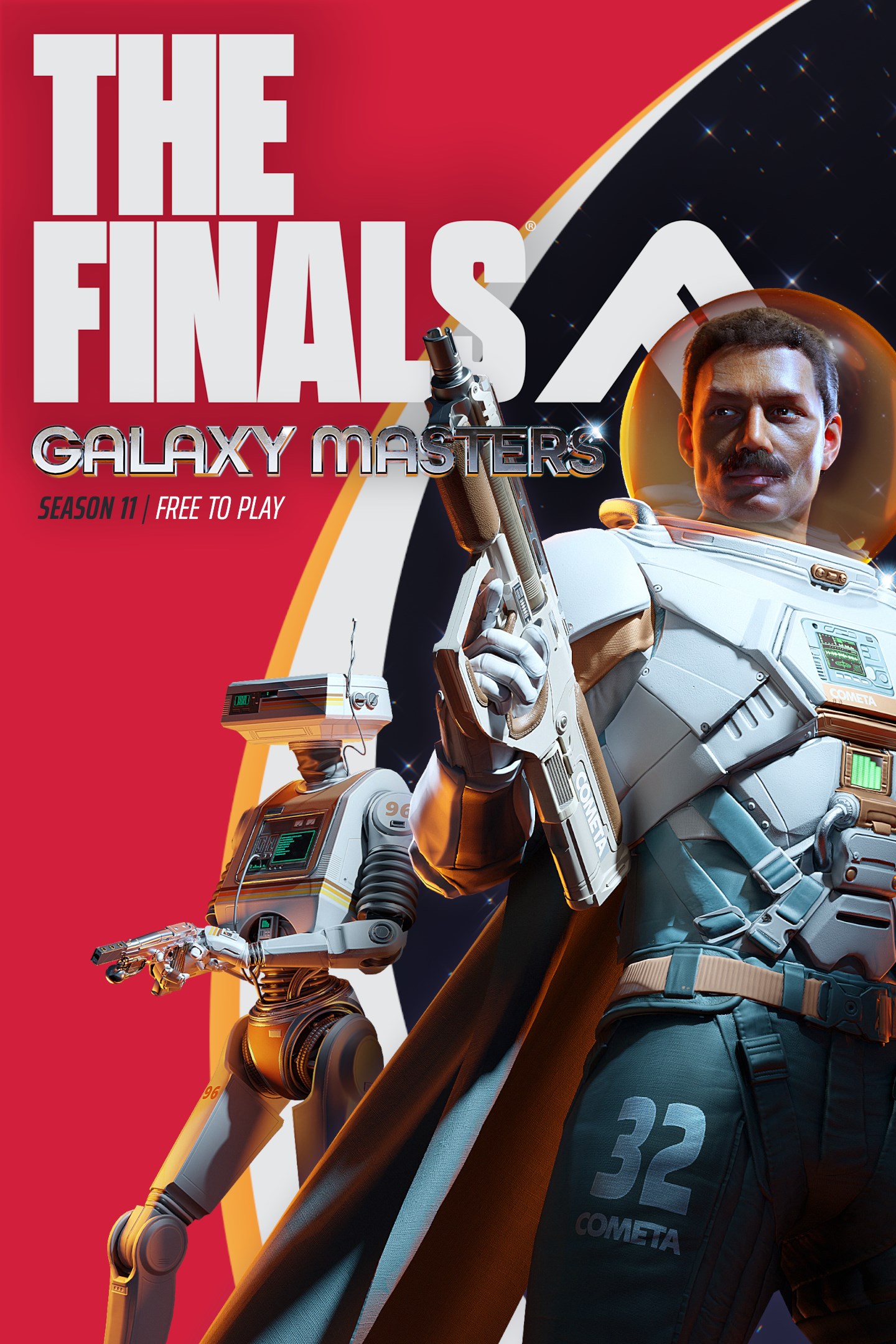
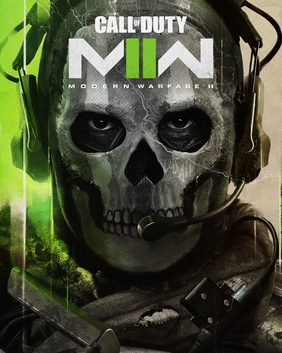
THE FINALS vs Call of Duty: Modern Warfare II (2022)

close close
info General Information
Release Date
Dec 7, 2023 Oct 28, 2022
Developer
Embark Studios Infinity Ward (Lead), Treyarch, Raven Software, Sledgehammer Games, Beenox, High Moon Studios, Toys for Bob, Demonware, Digital Legends Entertainment, Solid State Studios, Activision Shanghai, Activision Central Tech
Publisher
Nexon Activision
Genre(s)
Competitive First-Person Shooter First-Person Shooter, Action, Military
Engine
Unreal Engine 5 IW 9.0 (Evolved from previous Call of Duty engines)
stars Ratings & Price
Content Rating
T for Teen Mature 17+
Avg. User Rating
4.5 / 5.0 4.1 / 5.0
Current Price (USD)
Free $69.99
tune Key Specs
Quick Highlights
  • Anti-Cheat Systems: Denuvo (Kernel), Anybrain (AI/ML), Elytra (In-house physics validation)
  • Destruction Physics: Server-side Chaos Physics simulation
  • Server Network Code: Predictive Interpolation replication mode
  • Perspective: First-Person (Third-Person mode available in select MP playlists)
  • Multiplayer: Extensive (Core 6v6, Ground War, Invasion, Special Ops, Raids, Warzone 2.0, DMZ)
  • Setting: Modern Day Global Locations (Urzikstan, Mexico, Amsterdam, USA, etc.)
  • Platforms: PC (Windows), PlayStation 4, PlayStation 5, Xbox One, Xbox Series X|S
  • Unique Feature: Return of Task Force 141, Advanced Gunsmith, New Movement Mechanics, Integration with Warzone 2.0 & DMZ, Episodic Raids.
sports_esports Gameplay & Mechanics
Companions/Followers
  • Guardian Turret: Acts as an automated point-defense sentry that independently tracks and fires upon enemy contestants within its line of sight.
    Autonomous Sentry (Machine)
  • APS Turret: Automatically intercepts and destroys incoming explosive projectiles within a 3-meter radius, sacrificing its own health to protect the squad.
    Interceptor Node (Machine)
  • Task Force 141 & Los Vaqueros (Campaign AI Squadmates): Throughout the campaign, the player character (Price, Soap, Gaz, or Alejandro, depending on the mission) is almost always accompanied by other AI-controlled members of Task Force 141 or Los Vaqueros. These squadmates provide combat support, covering fire, breach doors, participate in scripted sequences, and deliver crucial dialogue. Their presence and actions are heavily scripted for each mission.
    Human (Special Forces)
  • Co-op Partners (Special Ops & Raids): In Special Ops missions (2 players) and Raids (3 players), players team up with other human-controlled Operators. Teamwork, communication, and utilizing different loadouts and skills are essential for completing objectives, reviving downed teammates, and overcoming challenging enemy waves or puzzles.
    Human (Player Characters / Operators)
  • Warzone / DMZ Squadmates (Online Players): In Warzone (Battle Royale) and DMZ (Extraction Shooter), players can team up in squads (duos, trios, quads). Squadmates can share resources, provide covering fire, revive each other, coordinate tactics, and complete contracts/objectives together against other player teams and AI combatants.
    Human (Player Characters / Operators)
Key Collectibles
  • Cash Box: Spawns procedurally inside heavily fortified Vaults across all map regions during the Cashout mode.
  • Revive Statue: Drops precisely at the location of an eliminated teammate, required for Defibrillator use.
  • CNS Data Fragments (ARG): Cryptic Easter eggs hidden as graffiti or numerical sequences on cosmetic items and specific arena walls like Monaco.
  • Intel (Campaign - Limited/Contextual): While not a major collectible system like in some RPGs, campaign levels may contain laptops, documents, or environmental details that provide minor pieces of lore, backstory, or context for the current mission or characters. These are not usually tracked as formal 'collectibles' for progression.
  • Weapon Unlocks & Attachments (Multiplayer/Warzone Progression): A core progression loop involves leveling up individual weapons by using them in matches. This unlocks a wide array of attachments (scopes, muzzles, barrels, stocks, grips, magazines, ammo types, lasers) through the Gunsmith system, allowing for deep customization. New base weapons are often unlocked via the Battle Pass, in-game challenges, or as part of seasonal updates.
  • Operator Unlocks & Skins (Multiplayer/Warzone Progression): New playable Operators and cosmetic skins for them are unlocked by completing specific challenges (e.g., campaign missions, Special Ops objectives), through the Battle Pass, or by purchasing store bundles.
  • Calling Cards & Emblems (Multiplayer/Warzone Progression): Cosmetic items for player profiles, unlocked by completing various in-game challenges, through the Battle Pass, or via store bundles.
  • DMZ Mode - Faction Missions & Keys: In DMZ, players complete missions for different factions to earn rewards and unlock new mission tiers. Keys are found that unlock specific locked locations on the map, often containing valuable loot or mission items. Weapon Contraband and Blueprints can also be extracted and collected.
Key Themes
  • Virtual Reality
  • Game Show
  • Cyberpunk
  • Destructible Environments
  • Esports
  • Tactical Combat
  • Modern Warfare
  • Special Operations
  • Counter-Terrorism
  • Global Conflict
  • Betrayal & Trust
  • Covert Ops
  • Geopolitics (Fictionalized)
  • Cartel Warfare
  • Military Technology
colorize Combat & Gear
Weapons Overview
  • Sledgehammer: Heavy Melee
    Devastating melee tool. The alternate overhead attack deals over 2,000 environmental damage, instantly leveling structural walls.
  • M11: Light SMG
    A blistering 1000 RPM submachine gun ideal for hit-and-run evasion tactics.
  • Model 1887: Medium Lever Shotgun
    Features a unique segmented reload mechanic and devastating burst damage up to 20 meters.
  • M134 Minigun: Heavy HMG
    Fires 1500 RPM. Boasts the highest theoretical DPS in the game at the cost of a severe movement penalty during barrel spin-up.
  • XP-54: Light SMG
    A highly accurate 880 RPM suppressed SMG with an ideal TTK of 0.68 seconds against 250 HP targets.
  • AKM: Medium Assault Rifle
    A reliable staple for mid-range sustained fire, outputting 600 RPM with manageable recoil.
  • Assault Rifles (e.g., M4, TAQ-56, Kastov 762, Lachmann-556, ISO Hemlock): Automatic/Semi-Auto Rifle
    Versatile primary weapons effective at most ranges. Highly customizable through Gunsmith with various attachments impacting stats like damage, range, recoil, handling.
  • Submachine Guns (SMGs) (e.g., Lachmann Sub, Vaznev-9K, FSS Hurricane, PDSW 528): Automatic (Close Quarters)
    High rate-of-fire weapons excelling in close-quarters combat. Prioritize mobility and fast ADS times. Customizable.
  • Shotguns (e.g., Lockwood 300, Expedite 12, Bryson 800): Close Quarters (High Damage)
    Devastating at very close range. Include pump-action, semi-auto, and double-barrel variants. Various ammo types (e.g., slugs, dragon's breath).
  • Light Machine Guns (LMGs) (e.g., Sakin MG38, RPK, RAAL MG): Automatic (Suppressive Fire)
    Large magazine capacity for sustained suppressive fire. Higher damage but slower handling than assault rifles.
  • Marksman Rifles (e.g., SP-R 208, Lockwood Mk2, SA-B 50, EBR-14): Semi-Auto/Bolt-Action (Precision Mid-Long Range)
    Offer a balance between assault rifle versatility and sniper rifle precision. Often capable of one or two-shot kills with good aim.
  • Sniper Rifles (e.g., MCPR-300, Signal 50, Victus XMR, FJX Imperium): Bolt-Action/Semi-Auto (Extreme Long Range)
    High-powered rifles for engaging targets at very long distances. Various scopes and attachments for stability and damage.
  • Battle Rifles (e.g., Lachmann-762, FTAC Recon, SO-14): Semi-Auto/Full-Auto Selectable (High Damage)
    Hard-hitting rifles that often feature select-fire modes, bridging the gap between assault rifles and marksman rifles.
  • Handguns (Pistols) (e.g., P890, .50 GS, X12, Basilisk): Sidearm
    Secondary weapons for backup or when primary ammo is depleted. Includes semi-autos, revolvers, and machine pistols. Can be dual-wielded with specific perks/attachments.
  • Launchers (e.g., Pila, JOKR, RPG-7, Strela-P): Anti-Vehicle/Anti-Personnel Explosive
    Used for destroying enemy vehicles, killstreaks, or clearing groups of enemies. Some are free-fire, others lock-on.
  • Melee (Combat Knife, Riot Shield, Dual Kodachis, Tonfa, etc.): Close Quarters (Silent/Lethal)
    Primary melee weapons like the Combat Knife for fast silent kills, or the Riot Shield for mobile defense. Other unique melee weapons added seasonally.
  • Lethal Equipment (Frag Grenade, Semtex, Claymore, C4, Throwing Knife, Molotov, Drill Charge): Throwable/Deployable Explosive/Utility
    Player-chosen explosives or traps used to damage or eliminate enemies.
  • Tactical Equipment (Flash Grenade, Stun Grenade, Smoke Grenade, Stim, Heartbeat Sensor, Snapshot Grenade, Decoy Grenade): Throwable/Deployable Utility/Disruption
    Non-lethal items used to disorient enemies, provide cover, heal, or gain tactical information.
Armor / Gear Sets
  • Mesh Shield: Projected frontal energy barrier operated by Heavy builds to absorb incoming damage while allowing teammates to fire from cover.
  • Dome Shield: Deployable 360-degree protective bubble with 250 HP, capable of bouncing projectiles and blocking Winch Claw tethers.
  • Barricades: Deployable segmented steel walls featuring 800 HP, used for hard objective entrenchment.
  • Armor Plates (Warzone / DMZ): In Warzone and DMZ modes, players can find and equip up to three armor plates, providing additional health segments that absorb damage before affecting base health. Different plate carriers (1-plate, 2-plate, 3-plate vests) determine the maximum number of plates that can be equipped. Plates are consumed when damaged and must be replenished.
  • Perks (Multiplayer - Base, Bonus, Ultimate): In multiplayer loadouts, players select a Perk Package consisting of two Base Perks, one Bonus Perk (earned mid-match), and one Ultimate Perk (earned later in a match). While not direct 'armor,' many perks offer defensive or survival benefits, e.g., 'Bomb Squad' (reduced explosive damage), 'Battle Hardened' (reduced tactical grenade effects), 'Quick Fix' (health regeneration on kills), 'Ghost' (undetectable by UAVs).
  • Field Upgrades (Multiplayer - e.g., Deployable Cover, Trophy System): Player-chosen tactical equipment with a cooldown. Some provide defensive capabilities, like Deployable Cover for instant protection or a Trophy System to intercept incoming explosives.
  • Campaign (No Equipable Armor System): In the single-player campaign, player characters do not have an equipable armor system where they can swap pieces for stat changes. Health regenerates automatically over time when not taking damage. Some missions might feature heavier scripted armor (like a bomb suit) for specific segments, but this is not customizable.
  • Operator Skins (Cosmetic): Players can unlock or purchase numerous cosmetic skins for their chosen Operators in Multiplayer, Warzone, and DMZ. These are purely visual and do not provide any gameplay advantages or armor value.
Outfits/Customization
  • OSPUZE Sponsorship Track: Bright yellow, high-energy drink branded jackets, pants, and weapon skins earned through the 'Fan' progression system.
  • HOLTOW Insurance Attire: Sleek, corporate-themed suits and tactical gear provided by the in-universe risk assessment firm.
  • Silent Cypher Set: A premium VAIIYA-themed DLC bundle featuring heavily militarized, brutalist tactical gear.
  • Campaign Character Outfits: In the single-player campaign, the main characters (Price, Soap, Gaz, Ghost, Alejandro) wear specific tactical gear and outfits appropriate to each mission's environment and context (e.g., desert camo, urban assault gear, ghillie suits, formal attire for covert ops). These are generally fixed for story purposes and not customizable by the player during the campaign.
  • Multiplayer Operator Skins: Extensive cosmetic customization for playable Operators in Multiplayer, Warzone, and DMZ. Players can unlock or purchase numerous skins for each Operator, ranging from realistic military attire and faction-specific gear to more outlandish or themed costumes (e.g., through Battle Passes, store bundles, or completing challenges). Skins often have multiple tiers or variants.
  • Weapon Blueprints & Camos (Multiplayer): Weapon Blueprints are pre-configured weapon variants with specific attachments and unique cosmetic designs. Players can also unlock a vast array of weapon camos (patterns and colors) by completing weapon-specific challenges (e.g., getting a certain number of kills, headshots, etc.). Charms, stickers, and reticles can also be customized.
  • Vehicle Skins (Multiplayer & Warzone): Cosmetic skins can be applied to various vehicles in multiplayer modes like Ground War and in Warzone, allowing for personalization.
  • Player Profile Customization (Calling Cards, Emblems): Players can customize their online profile with various unlockable Calling Cards (player banners) and Emblems.
trending_up Progression & Upgrades
Skills & Progression

Player capabilities in THE FINALS are strictly divided into three distinct class archetypes: Light, Medium, and Heavy, each defined by proprietary health pools, movement speeds, and unique specialization skills. The Light build excels in high-speed evasion and electronic warfare, utilizing the Cloaking Device for invisibility, the Evasive Dash for rapid horizontal flanking, and the Grappling Hook for unparalleled vertical macro-mobility. The Medium build serves as the crucial support and structural spine of the squad, deploying the Healing Beam for continuous medical support, the Dematerializer to temporarily phase through solid walls, and the Guardian Turret for automated area denial. The Heavy build commands absolute geographic control and structural devastation, leveraging the Mesh Shield to protect teammates, the Charge 'N' Slam to violently breach fortified concrete fortifications, and the Winch Claw to forcibly reposition enemies and objective items across the arena.

N/A
public World & Exploration
World & Level Design

The arenas in THE FINALS are highly dynamic, procedurally shifting environments rather than static backdrops. Spanning across multiple global and virtual regions, the topography includes massive primary arenas like the neon-lit Fangwai City, the 16th-century traditional bamboo forests of Kyoto 1568, and the dense cobblestone streets of Monaco. Season 11 introduced Galaxy Estates, a high-tech spaceport situated in the COMETA space habitat featuring anti-gravity traversal. These regions are subject to extreme environmental modifiers, including varying times of day, weather conditions like sandstorms, and mid-match "Game Show Events" such as meteor showers, alien invasions with UFO tractor beams, or the devastating Scorch Protocol dragon attacks. Compact arenas like Starlight Hollow and the P.E.A.C.E. Center offer hyper-condensed layouts specifically optimized for intense, close-quarters modes like Team Deathmatch and Point Break, ensuring variety in geographical scale.

N/A
Playable Vehicles
  • Power Shift Platform: Floating Barge
    A massive, physics-enabled airborne platform that serves as the central objective in the Power Shift mode, actively crushing buildings as it moves along its track.
  • Hover Pad: Utility Deployable
    A deployable floating platform generated by Medium builds with 425 HP, used to create instant aerial high ground or to block vertical assault routes.
  • Alien UFOs: Environmental Hazard
    Part of the Alien Invasion Game Show event; UFOs fly above the arena using powerful tractor beams to physically tear buildings from their foundations.
  • Light Tactical Vehicles (e.g., ATV, UTV, Dirt Bike): Fast Ground Transport
    Agile vehicles for quick traversal across maps in Campaign, Ground War, Warzone, and DMZ. Offer little protection but high speed. Some UTVs may have a passenger-operated turret.
  • Armored Personnel Carriers (APCs) & Infantry Fighting Vehicles (IFVs) (e.g., LAV, TAC-V): Armored Ground Combat/Transport
    Heavily armored vehicles capable of transporting multiple soldiers and equipped with powerful cannons or machine guns. Slower but offer significant protection and firepower. Prominent in Ground War, Warzone, DMZ, and some campaign missions.
  • Civilian Cars & Trucks: Ground Transport
    Various non-militarized vehicles found in campaign levels and Warzone/DMZ maps. Offer basic transport and cover but are easily destroyed.
  • Helicopters (Light Helo, Heavy Chopper): Air Transport/Attack
    Used for rapid deployment, transport, and air support in Warzone, DMZ, and Ground War. Light Helos are faster and more agile; Heavy Choppers offer more passenger capacity and sometimes door guns. Some campaign missions feature helicopter sequences.
  • Boats (RHIB, Armored Patrol Boat): Watercraft
    Used for navigating waterways in campaign missions, Warzone, and DMZ. RHIBs are fast and light; Armored Patrol Boats offer more protection and sometimes mounted weapons.
  • Cargo Truck: Heavy Ground Transport
    Large trucks used for transporting cargo or a large number of troops. Slow but can provide mobile cover.
  • Contextual/Scripted Vehicles (Campaign): Various (e.g., AC-130, specific mission vehicles)
    During specific campaign missions, players might operate unique vehicles or weapon systems in highly scripted sequences, such as providing air support from an AC-130 or driving unique mission-specific vehicles.
Notable Fauna/Mounts
  • Scorch Protocol Dragon: Digital Holographic Dragon
    An in-game environmental hazard event that circles the arena, raining concentrated fire down onto Cashout stations and destroying rooftops.
N/A
book Story & Characters
Main Characters
  • Scotty: Announcer
    The enthusiastic and corporate-loyal commentator of THE FINALS, constantly hyping up the action and dismissing CNS hacks as planned events.
  • June: Announcer
    The more observant and analytical co-commentator who often displays subtle suspicion regarding the glitches and the true nature of the MultiCo simulation.
  • Sofia Petronelle: CEO of OSPUZE
    The enigmatic executive targeted by CNS hackers, whose supposed corruption drives a large portion of the game's ARG lore.
  • Captain John Price: Protagonist / Task Force 141 Leader (SAS)
    The iconic SAS Captain and leader of Task Force 141. A seasoned veteran known for his tactical brilliance, determination, and distinctive boonie hat. Playable in some campaign missions.
  • Sergeant John 'Soap' MacTavish: Protagonist / Task Force 141 Operator (SAS)
    A skilled Scottish SAS operative and a key member of Task Force 141. Known for his mohawk and resilience. Playable in several campaign missions.
  • Sergeant Kyle 'Gaz' Garrick: Protagonist / Task Force 141 Operator (SAS)
    A capable SAS operative and member of Task Force 141, often working closely with Price. Known for his professionalism. Playable in some campaign missions.
  • Lieutenant Simon 'Ghost' Riley: Protagonist (Implied) / Task Force 141 Operator (SAS)
    The enigmatic and lethal Task Force 141 operative, recognizable by his skull-patterned balaclava. Known for his stealth and combat prowess. While often a key AI companion, direct playable segments are limited or contextual.
  • Colonel Alejandro Vargas: Ally / Mexican Special Forces (Los Vaqueros)
    A principled and highly skilled Colonel in the Mexican Special Forces, leader of the Los Vaqueros unit. He becomes a crucial ally to Task Force 141 in their fight against the Las Almas Cartel and Hassan Zyani.
  • Farah Karim (Mentioned/Cameo - Multiplayer Operator): Ally / Urzikstan Liberation Force Leader
    Leader of the ULF from Modern Warfare (2019). While her campaign role in MWII is minimal, she is a prominent playable Operator in multiplayer and Warzone.
  • General Shepherd: Antagonist Figure / US General
    A high-ranking US General overseeing operations involving Task Force 141 and Shadow Company. His motives and allegiances become questionable, echoing his infamous role in the original Modern Warfare 2.
  • Commander Phillip Graves: Antagonist / CEO of Shadow Company (PMC)
    The charismatic but ruthless CEO of the private military company, Shadow Company, initially hired by General Shepherd. He becomes a significant antagonist.
  • Hassan Zyani: Main Antagonist / Al-Qatala Leader
    A Quds Force Major allied with Al-Qatala, seeking to acquire stolen American ballistic missiles for a devastating attack. The primary target for much of the campaign.
  • Valeria Garza ('El Sin Nombre'): Antagonist / Las Almas Cartel Leader
    The enigmatic and ruthless leader of the Las Almas Cartel, involved in trafficking and connected to Hassan Zyani.
  • Kate Laswell: Ally / CIA Station Chief
    A CIA Station Chief who provides intelligence and coordinates operations for Task Force 141. A recurring character from Modern Warfare (2019).
  • Multiplayer Operators (Various Factions: SpecGru, KorTac): Playable Characters (Multiplayer)
    A diverse roster of playable characters for multiplayer modes, belonging to two main private military factions, SpecGru and KorTac. Each Operator has unique skins, voice lines, and finishing moves, unlocked through progression or store bundles.
Example Missions
  • Cashout: Extraction / Defense (3v3v3v3)
    Locate Vaults, extract the Cash Box, and defend the Cashout Station from rival squads until the extraction timer completes.
  • Terminal Attack: Tactical Attack/Defend (5v5)
    Attackers must decrypt data terminals by breaching fortifications while defenders hold the line. Health regeneration is completely disabled.
  • Power Shift: Payload Tug-of-War (5v5)
    Teams fight to control a physics-enabled floating platform that slowly navigates a track through the map, destroying any buildings in its path.
  • Campaign Story Missions (Globetrotting Operations)
    A linear series of cinematic, action-packed missions that follow Task Force 141 and Colonel Alejandro Vargas as they track stolen missiles, combat Al-Qatala terrorists led by Hassan Zyani, and uncover a conspiracy involving General Shepherd and Shadow Company. Missions span diverse global locations like Al Mazrah, Amsterdam, Mexico, Chicago, and the Atlantic Ocean, featuring varied gameplay including stealth infiltrations, large-scale firefights, vehicle sequences, and puzzle-like survival scenarios.
  • Special Ops Missions (Co-op)
    Two-player cooperative missions that provide asymmetrical gameplay experiences or continue narrative threads. Examples include 'Low Profile' (stealth infiltration), 'Denied Area' (destroying SAM sites), and 'Defender: Mt Zaya' (wave defense). These missions often have unique objectives and require teamwork.
  • Raid Episodes (Co-op)
    Episodic, three-player cooperative missions that serve as direct story continuations of the main campaign, featuring Task Force 141. Raids involve a mix of combat, puzzle-solving, and teamwork to overcome challenging encounters and uncover more of the narrative. (e.g., Atomgrad Raid Episodes 1-4).
  • Multiplayer Matches (Various Modes & Maps)
    Compete against other players in a wide variety of game modes (Team Deathmatch, Domination, Search & Destroy, Hardpoint, Kill Confirmed, Prisoner Rescue, Knock Out, Ground War, Invasion, etc.) across numerous maps. Objectives vary by mode, from achieving a kill count to capturing points or planting/defusing bombs.
  • Warzone 2.0 Battle Royale Matches
    Deploy onto a massive map (e.g., Al Mazrah, Ashika Island, Vondel) solo or in a squad, scavenge for weapons and gear, complete contracts, fight other player teams, and survive the shrinking circle of deadly gas to be the last player or squad standing.
  • DMZ Extractions
    Infiltrate a Warzone map, complete faction missions, loot valuable items, weapons, and intel, engage AI combatants and other player squads, and successfully extract with your loot via helicopter. Dying before extraction results in losing most non-insured items.
people Multiplayer
Multiplayer Details

THE FINALS offers a diverse suite of objective-based and elimination-focused multiplayer modes. The flagship mode is "Cashout" (and its highly competitive "Ranked Cashout" variant), a chaotic 3v3v3v3 format where squads must locate Vaults, extract Cash Boxes, and defend Cashout Stations while utilizing the "Double Jeopardy" mechanic to multiply rewards at great risk. "Terminal Attack" shifts the paradigm to a tactical 5v5, single-life attack-and-defend format where health regeneration is entirely disabled, demanding methodical breaching and fortification. "Power Shift" is a 5v5 tug-of-war mode centered on controlling a massive, physics-enabled floating platform that violently tears through the arena's architecture as it moves. "Point Break" scales the conflict to an 8v8 asymmetrical siege across massive maps, tasking attackers with destroying Grand Vaults while defenders deplete their respawn tickets. Season 11 also integrated a dedicated 8-team PvE "Cashout (Bots)" mode for practice.

N/A
extension Editions & DLC
Available Editions

As a free-to-play live-service title, THE FINALS eschews traditional retail box editions in favor of a continuously evolving seasonal model supported by premium cosmetic bundles and Battle Passes. The base game is entirely free and accessible to all players, providing immediate access to the core gameplay modes, all three class archetypes, and the complete arsenal of weapons and gadgets. Monetization is handled entirely through the in-game virtual economy, where players can purchase premium currency to acquire corporate-sponsored cosmetic items. Throughout the seasons, various Event Passes—such as the Season 11 "Right to Strike" pass sponsored by the IVADA union conglomerate—offer specialized progression tracks. Additionally, players can purchase Downloadable Content (DLC) bundles, like the VAIIYA-themed "Silent Cypher Set" or the "Zolgabar Command Set," which provide exclusive character outfits, weapon skins, and unique animations without providing any competitive gameplay advantages.

Available in Standard Edition (Cross-Gen Bundle for consoles) and Vault Edition. Vault Edition included the Red Team 141 Operator Pack (Ghost, Soap, Farah, Price skins), FJX Cinder Weapon Vault (custom weapon blueprint system), Season 1 Battle Pass + 50 Tier Skips, and Ghost Legacy Pack (12 Ghost skins for MW2019/Warzone 1, 10 AR blueprints).

Post-Launch Content / DLC

Since its launch, Embark Studios has maintained an aggressive and highly consistent post-launch content cadence, delivering massive seasonal updates that fundamentally alter the gameplay paradigm. Each season introduces new weapons, specialized gadgets, procedurally generated arenas, and evolving modes. For example, Season 11: Galaxy Masters overhauled the entire melee combat loop by introducing dual-axis Stamina and Precision systems, fundamentally changing close-quarters engagements. It also introduced the "Cashout (Bots)" PvE mode to help onboard new players in a controlled environment. The continuous narrative is advanced through community-driven Alternate Reality Games (ARGs) and cryptic map updates tied to hacker factions like CNS. Looking ahead, the massive Season 12 overhaul slated for October 2026 promises to decommission the legacy progression system in favor of an entirely new network, alongside evolved Chaos Destruction physics parameters that make environmental collapsing even more realistic.

The game followed a seasonal content model, with new multiplayer maps, modes, weapons, operators, and battle passes released each season. Warzone 2.0 and DMZ mode were significant free additions integrated with MWII. Paid content primarily consists of cosmetic bundles in the store and battle pass purchases. No traditional map pack DLCs; new maps are free. Raids (3-player co-op missions) were added as episodic content.

help_outline FAQ
Frequently Asked Questions
  • Q: How does the destruction system work in THE FINALS?
    A: Unlike traditional games that use pre-baked animations, THE FINALS uses Unreal Engine 5's Chaos Physics calculated on the server-side. Structures collapse dynamically based on real-time shifting weight distribution and explosive damage, synchronized across all clients using Predictive Interpolation.
  • Q: What changed in the Season 11 melee overhaul?
    A: Season 11 introduced a Stamina and Precision system. Lunges now consume stamina, while the Precision system requires strikes to land within an 8-to-12-degree cone to deal critical damage. The standard 'Quick Melee' was also reworked; if used with full stamina, it executes a high-knockback 'Kick'.
  • Q: Is there a PvE mode in THE FINALS?
    A: Yes, Season 11 introduced 'Cashout (Bots)'. It is an 8-team PvE bracket where squads face off against advanced AI that is capable of navigating dynamic geometry, breaching structures, and using utility gadgets, designed to help new players practice.
  • Q: What is the Double Jeopardy mechanic?
    A: During a Cashout match, teams can insert a second Cash Box into an already active Cashout Station. This multiplies the total monetary reward for successful extraction but imposes a massive 50% cash penalty on the team if an enemy successfully steals the station.
  • Q: What is changing in Season 12?
    A: Slated for October 2026, Season 12 is a massive structural overhaul. It will decommission the legacy 'Fan' progression system, introduce evolved Chaos Destruction physics for more realistic material straining, and upgrade graphical fidelity, among other unannounced gameplay expansions.
  • Q: Is Call of Duty: Modern Warfare II (2022) a remake or a sequel?
    A: It is a direct sequel to Call of Duty: Modern Warfare (2019), which itself was a reboot of the original Modern Warfare sub-series. It continues the story of Task Force 141 with characters like Captain Price, Ghost, Soap, and Gaz.
  • Q: What is Task Force 141?
    A: Task Force 141 is an elite multinational special operations unit composed of members from various armed forces (primarily British SAS, US Marines, etc.), led by Captain John Price. They specialize in covert operations and counter-terrorism.
  • Q: Does Modern Warfare II have a Zombies mode?
    A: No, Call of Duty: Modern Warfare II (2022) does not feature a traditional round-based Zombies mode. The third mode alongside Campaign and Multiplayer is Special Ops (co-op missions) and its episodic Raids. A Zombies mode was later introduced in Call of Duty: Modern Warfare III (2023).
  • Q: What is DMZ mode?
    A: DMZ is a free-to-play, sandbox-style extraction shooter mode integrated with Warzone 2.0 and Modern Warfare II. Players deploy into Al Mazrah (or other Warzone maps), complete faction missions, loot items and weapons, fight AI combatants and other players, and must successfully extract to keep their acquired loot.
  • Q: How does weapon progression work with Warzone 2.0?
    A: Weapons and player progression (rank, unlocks) are generally shared between Modern Warfare II multiplayer and Warzone 2.0. Leveling up a weapon in one mode will unlock attachments for it in the other, promoting a unified progression system across these experiences.
  • Q: Are there new movement mechanics in Modern Warfare II?
    A: Yes, Modern Warfare II introduced or refined several movement mechanics, including ledge hanging (allowing players to peek and shoot from cover), dolphin diving (a quick prone maneuver), swimming, and changes to sliding and tactical sprint compared to previous titles.
build Technical Details
Graphics & Visual Fidelity

Powered by heavily modified Unreal Engine 5 technology, the graphical fidelity of THE FINALS is engineered to support unprecedented real-time, server-side destruction without compromising visual splendor. The game utilizes RTXGI (Ray Traced Global Illumination) combined with Dynamic Diffuse Global Illumination (DDGI) probes to handle rapid lighting calculations. When a wall or ceiling is breached by explosives, ambient daylight instantly and accurately floods the newly exposed interior, dynamically bouncing off surviving geometry. The art direction masterfully juxtaposes hyper-realistic materials and brutalist architecture against vibrant, saturated neon elements, corporate branding, and stylized character models. Screen-space reflections and Niagara particle systems enhance the chaotic beauty of the destruction, ensuring that collapsing structures generate realistic localized dust and debris fields. The upcoming Season 12 overhaul promises even deeper visual upgrades, including comprehensive overhauls to environmental textures and more advanced material straining effects.

Utilizes an updated version of the IW engine (IW 9.0), delivering impressive visual fidelity with detailed character models, realistic weapon animations, advanced lighting and particle effects, and diverse global environments. Photogrammetry is used for many assets. The game supports high refresh rates and various aspect ratios on PC.

Audio & Soundtrack

The auditory soundscape of THE FINALS is an integral component of both its tactical gameplay and its immersive game show presentation. The dynamic original soundtrack blends high-energy electronic synthwave with pulsing cyberpunk beats, dynamically scaling in intensity as matches reach their chaotic final seconds or during intense Cashout steals. In-universe commentators Scotty and June provide real-time, context-aware dialogue, reacting organically to massive structural collapses, team wipes, and sponsor events, blurring the line between gameplay and broadcast. On a tactical level, the game utilizes advanced spatial audio to communicate critical information. Players can accurately track enemy footsteps, identify specific weapon fire, and hear the distinct hum of utility gadgets like Guardian Turrets or C4 charges through walls. The sonic impact of destruction is deafening and realistic, with crumbling concrete, snapping wood, and localized debris collisions rendering the Chaos Physics system sonically tangible.

Original score by Sarah Schachner, featuring tense, militaristic, and atmospheric themes. Sound design is crucial for gameplay, with detailed and impactful weapon sounds, distinct footstep audio based on surface and enemy type, and realistic environmental effects. Voice acting features returning and new talent for iconic characters.

User Interface (UI/UX)

The user interface (UI) and user experience (UX) design of THE FINALS are deeply integrated into the game's virtual reality game show aesthetic. Menus are presented as high-contrast, neon-drenched digital overlays that mimic the broadcast feeds of the mega-conglomerate MultiCo. In-match, the Heads-Up Display (HUD) provides critical, at-a-glance telemetry without cluttering the screen, displaying health, stamina, ammunition, and dynamic objective markers that scale dynamically based on distance. The UI heavily features physicalized transitions and glitch effects, especially when the hacker collective CNS executes a narrative takeover. Post-launch iterations, particularly those championed by Embark CEO Patrick Söderlund, have continuously refined the UX to improve player retention, making loadout customization, sponsor contract tracking, and competitive rank progression highly intuitive. Critical combat feedback, such as the hit-marker precision zones introduced in the Season 11 melee overhaul, are seamlessly communicated through clean, distinct visual iconography.

Standard modern FPS HUD displaying ammo, health (regenerating), mini-map/compass, killstreaks, and objective markers. Menus for loadouts, operators, challenges, store, and social features. The UI underwent several revisions post-launch to improve navigation.

Accessibility Options

Recognizing the inherently chaotic and visually intense nature of its gameplay, Embark Studios has integrated a comprehensive suite of accessibility features into THE FINALS to ensure a broad spectrum of players can compete effectively. The game includes robust colorblind modes that adjust the high-contrast neon UI elements, objective markers, and enemy outlines to accommodate various types of color vision deficiencies. Customizable subtitles are available for the dynamic announcer commentary and in-game lore drops, featuring adjustable sizing and background opacity. The control scheme offers complete input remapping across both mouse/keyboard and gamepads, alongside granular sensitivity sliders, deadzone adjustments, and toggle options for sprinting, crouching, and aiming down sights. Furthermore, the game features distinct audio cues for critical objective interactions—such as the pitch-shifting alarm of an ongoing Cashout steal—ensuring that visually impaired players or those in sensory-overloaded engagements can track objective status through sound alone.

Offers a wide range of accessibility options, including extensive controller and keyboard/mouse remapping, detailed subtitle and caption customization, colorblind modes, options to reduce motion sickness (motion blur, weapon blur toggles), aim assist customization, audio mixing options, and visual cues for important gameplay elements.

Gameplay Video
launchWatch launchWatch
Walkthrough/Guide
launchView launchView
settings_applications System Requirements
1080p (Full HD) - Recommended (High Settings, 60-90 FPS)
CPU: Provides stable 1% lows during intensive chaos physics calculations.
CPU (Laptop): Excellent multi-threading capability for sustained physics workloads.
GPU: Handles dynamic global illumination and Niagara particles efficiently.
GPU (Laptop): Strong performance for 1080p high refresh rate when DLSS is enabled.
RAM: Standard optimal capacity for zero micro-stuttering.
Storage: Strict SSD requirement for asset streaming.
memoryCPU: Intel Core i5-9600K / AMD Ryzen 5 3600
developer_boardGPU: NVIDIA GeForce RTX 2070 / AMD Radeon RX 5700 XT
laptop_macCPU (L): Intel Core i7-11800H / AMD Ryzen 7 5800H
laptop_windowsGPU (L): NVIDIA GeForce RTX 3060 Mobile (115W)
layersRAM: 16 GB
saveStorage (Tier): 15 GB SSD
1080p (Full HD) - Recommended (Targets 1080p, High settings, ~60 FPS) (High Preset, 1080p resolution, Ray Tracing OFF or Low)
CPU: Official recommended desktop CPU for a good 1080p/High experience.
CPU (Laptop): Estimated mid-range laptop CPUs for solid 1080p/High performance.
GPU: Official recommended desktop GPU for 1080p High settings. 4GB VRAM minimum, 6-8GB recommended.
GPU (Laptop): Solid laptop GPUs for 1080p High. Ensure adequate TGP. (Hypothetical future RTX 5050 Laptop would likely fit here).
RAM: 12GB RAM is officially recommended for a smoother experience at high settings.
Storage: SSD is strongly recommended for this tier. Optional Hi-Rez assets increase storage.
memoryCPU: Intel Core i5-6600K / Core i7-4770 or AMD Ryzen 5 1400
developer_boardGPU: NVIDIA GeForce GTX 1060 (6GB) or AMD Radeon RX 580 (4GB/8GB)
laptop_macCPU (L): Intel Core i7-8750H / AMD Ryzen 5 4600H equivalent or better.
laptop_windowsGPU (L): NVIDIA GeForce GTX 1660 Ti Mobile (6GB), RTX 2060 Mobile (6GB), RTX 3050 Ti Laptop GPU (4GB, High TGP), RTX 3060 Laptop GPU (6GB, Med-High TGP), RTX 4050 Laptop GPU (6GB, High TGP), RTX 4060 Laptop GPU (8GB).
layersRAM: 12 GB
saveStorage (Tier): 125 GB SSD + Hi-Rez Assets Cache (Optional, up to 32GB)
1080p (Full HD) - Minimum (Low Settings, 60 FPS)
CPU: Bare minimum required for handling basic mesh physics; expects frame drops during heavy destruction.
CPU (Laptop): Sufficient for 60 FPS cap on low settings with dynamic resolution.
GPU: Entry-level requirement; relies heavily on upscaling for stable 60 FPS.
GPU (Laptop): Capable of minimum playable framerates.
RAM: Required to buffer pre-fractured geometry data and multiplayer netcode.
Storage: Strict SSD requirement for asset streaming.
memoryCPU: Intel Core i5-6600K / AMD Ryzen 5 1600
developer_boardGPU: NVIDIA GeForce GTX 1050 Ti / AMD Radeon RX 580
laptop_macCPU (L): Intel Core i5-10300H / AMD Ryzen 5 4600H
laptop_windowsGPU (L): NVIDIA GeForce GTX 1650 Mobile (50W+)
layersRAM: 12 GB
saveStorage (Tier): 15 GB SSD
1080p (Full HD) - Minimum (Targets 1080p, Low settings, playable framerate) (Low Preset, 1080p resolution, Ray Tracing OFF)
CPU: Official minimum desktop CPU for CoD:MWII.
CPU (Laptop): Estimated laptop CPU for minimum playability. Newer 4-core CPUs would be preferable.
GPU: Official minimum desktop GPU. Requires DX12 Level 12.0 support. 2GB VRAM absolute minimum, 4GB recommended.
GPU (Laptop): Estimated laptop GPUs for minimum settings. Ensure sufficient VRAM (4GB+ ideally). Performance varies greatly with TGP.
RAM: 8GB RAM is the official minimum. Dual-channel configuration is beneficial.
Storage: HDD is absolute minimum; expect long load times. SSD strongly recommended. Optional Hi-Rez assets increase storage.
memoryCPU: Intel Core i3-6100 / Core i5-2500K or AMD Ryzen 3 1200
developer_boardGPU: NVIDIA GeForce GTX 960 (2GB/4GB) or AMD Radeon RX 470 (4GB)
laptop_macCPU (L): Intel Core i5-8250U / AMD Ryzen 3 3200U (for very lowest end) or Intel Core i5-9300H / AMD Ryzen 5 3550H for a better minimum experience.
laptop_windowsGPU (L): NVIDIA GeForce MX450 (2GB, would struggle) / GTX 1650 Mobile (4GB), RTX 3050 Laptop GPU (4GB, low TGP). RTX 4050 Laptop GPU (6GB) would be a more capable modern minimum.
layersRAM: 8 GB
saveStorage (Tier): 125 GB HDD (SSD Recommended) + Hi-Rez Assets Cache (Optional, up to 32GB)
1440p (QHD/2K) - Competitive High Refresh (Medium/High Settings, 144+ FPS)
CPU: Massive L3 cache on X3D heavily boosts 1% low frame rates during massive explosions.
CPU (Laptop): Desktop-class silicon required to prevent CPU bottlenecking at high frame rates.
GPU: Pushes high framerates at 1440p to support 144Hz/240Hz monitors.
GPU (Laptop): Delivers highly responsive competitive framerates with DLSS 3 enabled.
RAM: Ideal for overhead and background VOIP/streaming applications.
Storage: Fastest load times and minimal texture streaming lag.
memoryCPU: Intel Core i5-13600K / AMD Ryzen 7 5800X3D
developer_boardGPU: NVIDIA GeForce RTX 3080 / AMD Radeon RX 6800 XT
laptop_macCPU (L): Intel Core i9-13900HX / AMD Ryzen 9 7945HX
laptop_windowsGPU (L): NVIDIA GeForce RTX 4070 Mobile (140W)
layersRAM: 32 GB
saveStorage (Tier): 15 GB NVMe Gen4 SSD
1440p (QHD/2K) - Competitive / High FPS (Targets 1080p/1440p, Optimized settings, High Refresh Rate) (Optimized Medium/High Preset, 1080p or 1440p resolution, Ray Tracing OFF, targeting high FPS (120+).)
CPU: Official CPU for competitive high FPS gameplay.
CPU (Laptop): High-performance laptop CPUs needed to drive high refresh rates.
GPU: Official GPU for competitive high FPS. 8GB VRAM recommended.
GPU (Laptop): Strong laptop GPUs capable of high refresh rates at 1080p/1440p with optimized settings. Max TGP versions are crucial. RTX 50 series mention is speculative.
RAM: 16GB RAM is officially recommended for competitive play.
Storage: SSD (preferably NVMe) required for optimal performance in competitive scenarios. Optional Hi-Rez assets for clarity.
memoryCPU: Intel Core i7-8700K or AMD Ryzen 7 1800X
developer_boardGPU: NVIDIA GeForce RTX 3060 Ti (8GB) or AMD Radeon RX 5700 XT (8GB)
laptop_macCPU (L): Intel Core i7-10875H / AMD Ryzen 7 5800H equivalent or better.
laptop_windowsGPU (L): NVIDIA GeForce RTX 3070 Laptop GPU (8GB), RTX 3070 Ti Laptop GPU (8GB), RTX 4060 Laptop GPU (8GB, High TGP), RTX 4070 Laptop GPU (8GB). (A hypothetical future RTX 5060/5060 Ti Laptop GPU would target this.)
layersRAM: 16 GB
saveStorage (Tier): 125 GB SSD + Hi-Rez Assets Cache (Optional, up to 64GB)
2160p (UHD/4K) - Ultra RTX (Epic Settings, RTX On, 60+ FPS)
CPU: At 4K, the GPU becomes the primary bottleneck; older high-core CPUs remain sufficient.
CPU (Laptop): Handles the necessary physics data while the GPU renders 4K resolution.
GPU: Powers maxed out RTXGI and screen-space reflections at native or DLSS Quality 4K.
GPU (Laptop): The ultimate mobile GPU capable of driving this game in 4K with ray tracing.
RAM: Standard optimal capacity.
Storage: Fastest asset loading.
memoryCPU: Intel Core i7-9700K / AMD Ryzen 7 2700X
developer_boardGPU: NVIDIA GeForce RTX 4070 Ti
laptop_macCPU (L): Intel Core i7-12700H / AMD Ryzen 7 6800H
laptop_windowsGPU (L): NVIDIA GeForce RTX 4090 Mobile (175W)
layersRAM: 16 GB
saveStorage (Tier): 15 GB NVMe Gen4 SSD
2160p (UHD/4K) - Ultra 4K (Targets 2160p/4K, High/Ultra settings, ~60 FPS) (High/Ultra Preset, 2160p (4K) resolution (Upscaling like DLSS/FSR likely needed for stable 60FPS+), Ray Tracing optional.)
CPU: Official high-end desktop CPU for 4K gaming.
CPU (Laptop): Flagship or high-end laptop CPUs required to support 4K gaming demands.
GPU: Official GPU for 4K Ultra settings. 10GB+ VRAM highly recommended.
GPU (Laptop): The most powerful current (RTX 30/40 series) laptop GPUs are needed for 4K; even then, upscaling will likely be essential for smooth 60FPS+ at high settings. Hypothetical RTX 50 series laptop GPUs are speculative.
RAM: 16GB is official, but 32GB RAM is often beneficial for a very smooth 4K experience, especially with high textures and Warzone.
Storage: A fast NVMe SSD is crucial for 4K. Installing the Hi-Rez Assets Cache is recommended for the best visuals and can consume significant additional space.
memoryCPU: Intel Core i9-9900K or AMD Ryzen 9 3900X
developer_boardGPU: NVIDIA GeForce RTX 3080 (10GB) or AMD Radeon RX 6800 XT (16GB)
laptop_macCPU (L): Intel Core i9-11980HK / AMD Ryzen 9 5900HX or Intel Core i7-12700H / AMD Ryzen 7 6800H and above.
laptop_windowsGPU (L): NVIDIA GeForce RTX 3080 Laptop GPU (16GB), RTX 3080 Ti Laptop GPU (16GB), RTX 4080 Laptop GPU (12GB), RTX 4090 Laptop GPU (16GB, Max TGP). **(A hypothetical future flagship NVIDIA GeForce RTX 5080/5090 Laptop GPU would be targeted for an enhanced 4K experience on laptops.)**
layersRAM: 16 GB
saveStorage (Tier): 125 GB NVMe SSD + Hi-Rez Assets Cache (Recommended, up to 64GB)
save Overall Storage
Spec: 15 GB Available Space (NVMe SSD Required)
Note: High-speed SSD required for streaming rapid procedural geometry and mitigating texture pop-in during structural collapse.
Type: NVMe
Spec: 125 GB available space at launch (SSD Highly Recommended). Actual space required can be significantly larger with updates, Warzone, and optional Hi-Rez Assets Cache.
Note: An SSD is strongly recommended for all tiers for faster loading and better texture streaming. The game's footprint is substantial and can grow; ensure ample free space. An optional Hi-Rez Assets Cache (up to 32-64GB) can be downloaded for improved visuals but requires additional storage.
Type: SSD
desktop_windows Operating System
Spec: Windows 10 64-bit (Latest Update)
Explanation: Required for DirectX 12 Ultimate API and kernel-level anti-cheat compatibility.
Spec: Windows 10 64-Bit (latest update) or Windows 11 64-Bit (latest update)
Explanation: A 64-bit version of Windows 10 (with the latest update) or Windows 11 (with the latest update) is required.
gamepad DirectX Version
Spec: DirectX 12 Ultimate
Explanation: Necessary for RTXGI, DDGI probes, and advanced Niagara particle effects.
Spec: DirectX 12 (Feature Level 12.0 compatible card)
Explanation: DirectX 12 is required. A GPU compatible with DX12 Feature Level 12.0 is necessary. Support for DX12 Ultimate features (like ray tracing) enhances visuals on compatible hardware.
info_outline Other Game Notes
  • System requirements prioritize strong multi-threaded CPU performance to handle networked physics and Chaos Destruction simulation alongside GPU demands.
  • Laptop Performance Note: Laptops must have robust cooling and high-TGP GPUs. Thermal throttling will severely impact server-client physics synchronization, causing rubber-banding.
  • Laptop Consideration: G P U T G P: Recommend at least 85W TGP for RTX 3060/4060 laptop variants to maintain stable frame pacing during heavy destruction events.
  • Laptop Consideration: Cooling Thermals: Adequate vapor chamber cooling is highly recommended due to sustained heavy CPU utilization from networked physics.
  • Laptop Consideration: C P U Power Limits: Ensure PL1 (sustained power limit) is above 45W to prevent physics calculation bottlenecks.
  • Laptop Consideration: M U X Switch Optimus: A MUX switch is practically mandatory to reduce input latency and bypass the integrated GPU overhead.
  • Optimization Detail: Upscaling Tech: Supports DLSS 3.5, FSR 3.0, and XeSS. Frame Generation is heavily utilized to hit 144+ FPS on modern hardware.
  • Optimization Detail: Key Settings Impact: Global Illumination and Effects quality significantly impact GPU frame times; Destruction Physics stress the CPU.
  • Game Name: THE FINALS
  • OFFICIAL AND ADAPTED SYSTEM REQUIREMENTS for Call of Duty: Modern Warfare II (2022). This information is based on official PC specifications (Minimum, Recommended, Competitive, Ultra 4K) provided by Activision/Infinity Ward, adapted to the requested JSON structure. Laptop GPU mentions for RTX 50 series are speculative as of May 2025.
  • Laptop Performance Note: Laptop models of listed desktop GPUs require comparable performance, heavily dependent on TGP (Total Graphics Power), VRAM, and effective cooling. Call of Duty: Modern Warfare II can be demanding, especially at higher settings, resolutions, and with ray tracing enabled.
  • Laptop Consideration: G P U T G P: Maximum TGP for the laptop GPU is crucial for achieving target framerates in CoD:MWII.
  • Laptop Consideration: Cooling Thermals: Robust cooling is essential for sustained performance during intense multiplayer matches or campaign gameplay.
  • Laptop Consideration: C P U Power Limits: High sustained CPU power limits are beneficial, particularly for maintaining high framerates in CPU-bound scenarios (e.g., large player counts, Warzone).
  • Laptop Consideration: M U X Switch Optimus: A MUX switch or NVIDIA Advanced Optimus is highly recommended for optimal performance and reduced latency, critical for competitive play.
  • Optimization Detail: Upscaling Tech: Supports NVIDIA DLSS, AMD FidelityFX Super Resolution (FSR), Intel XeSS, and an in-game dynamic resolution scaler. These are highly recommended for balancing performance and visual quality.
  • Optimization Detail: Key Settings Impact: Texture Resolution, Shadow Quality (including Ray-Traced Shadows), Particle Quality, Anti-Aliasing, Ambient Occlusion, SSR, and View Distance significantly impact performance. Using upscaling technologies is crucial for higher resolutions and ray tracing.
  • Game Name: Call of Duty: Modern Warfare II (2022)
build Optimization Details
  • Upscaling Tech: Supports DLSS 3.5, FSR 3.0, and XeSS. Frame Generation is heavily utilized to hit 144+ FPS on modern hardware.
  • Key Settings Impact: Global Illumination and Effects quality significantly impact GPU frame times; Destruction Physics stress the CPU.
  • Upscaling Tech: Supports NVIDIA DLSS, AMD FidelityFX Super Resolution (FSR), Intel XeSS, and an in-game dynamic resolution scaler. These are highly recommended for balancing performance and visual quality.
  • Key Settings Impact: Texture Resolution, Shadow Quality (including Ray-Traced Shadows), Particle Quality, Anti-Aliasing, Ambient Occlusion, SSR, and View Distance significantly impact performance. Using upscaling technologies is crucial for higher resolutions and ray tracing.
laptop Laptop Considerations
  • G P U T G P: Recommend at least 85W TGP for RTX 3060/4060 laptop variants to maintain stable frame pacing during heavy destruction events.
  • Cooling Thermals: Adequate vapor chamber cooling is highly recommended due to sustained heavy CPU utilization from networked physics.
  • C P U Power Limits: Ensure PL1 (sustained power limit) is above 45W to prevent physics calculation bottlenecks.
  • M U X Switch Optimus: A MUX switch is practically mandatory to reduce input latency and bypass the integrated GPU overhead.
  • G P U T G P: Maximum TGP for the laptop GPU is crucial for achieving target framerates in CoD:MWII.
  • Cooling Thermals: Robust cooling is essential for sustained performance during intense multiplayer matches or campaign gameplay.
  • C P U Power Limits: High sustained CPU power limits are beneficial, particularly for maintaining high framerates in CPU-bound scenarios (e.g., large player counts, Warzone).
  • M U X Switch Optimus: A MUX switch or NVIDIA Advanced Optimus is highly recommended for optimal performance and reduced latency, critical for competitive play.

info_outline Feature details based on available data. System requirements and performance estimates may vary.

laptop_chromebook Laptop Recommendations

Common Recommendations (Handles All Compared Games)

check_circle_outline Recommended based on listed requirements for Full HD (1080p).
MSI Pulse GL66 with RTX 3070 and i7 12th Gen
  • memory Intel Core i7-12700H
  • developer_board NVIDIA GeForce RTX 3070
  • layers 32GB DDR4-3200MHz
  • track_changes Target GPU: NVIDIA GeForce GTX 1650 Mobile (50W+)

Acer Nitro V with RTX 4060 and i9 13th Gen
  • memory Intel Core i9-13900H
  • developer_board NVIDIA GeForce RTX 4060
  • layers 16GB DDR5-5200MHz
  • track_changes Target GPU: NVIDIA GeForce GTX 1650 Mobile (50W+)
Lenovo Legion Pro 5i (i9-14900HX, RTX 4060)
  • memory Intel Core i9-14900HX
  • developer_board NVIDIA GeForce RTX 4060
  • layers 32GB DDR5-5600MHz
  • track_changes Target GPU: NVIDIA GeForce GTX 1650 Mobile (50W+)
check_circle_outline Recommended based on listed requirements for QHD (1440p).
MSI Creator M16 HX with RTX 4070
  • memory Intel Core i9-14900HX
  • developer_board NVIDIA GeForce RTX 4070
  • layers 32GB DDR5-5600MHz
  • track_changes Target GPU: NVIDIA GeForce RTX 4070 Mobile (140W)
HP Omen 16 (RTX 5060 & Ryzen 9 8940HX)
  • memory AMD Ryzen 9 8940HX Processor
  • developer_board NVIDIA GeForce RTX 5060 Laptop GPU
  • layers 32GB DDR5-5200MHz
  • track_changes Target GPU: NVIDIA GeForce RTX 4070 Mobile (140W)
HP OMEN 16 with RTX 4080 and intel i9 14th Gen
  • memory Intel Core i9-14900HX
  • developer_board NVIDIA GeForce RTX 4080 Laptop GPU
  • layers 64 GB DDR5-5600MHz
  • track_changes Target GPU: NVIDIA GeForce RTX 4070 Mobile (140W)

For THE FINALS Specifically

check_circle_outline Recommended based on listed requirements for Full HD (1080p).
MSI Pulse GL66 with RTX 3070 and i7 12th Gen
  • memory Intel Core i7-12700H
  • developer_board NVIDIA GeForce RTX 3070
  • layers 32GB DDR4-3200MHz
  • track_changes Target GPU: NVIDIA GeForce GTX 1050 Ti / AMD Radeon RX 580
Acer Nitro V with RTX 4060 and i9 13th Gen
  • memory Intel Core i9-13900H
  • developer_board NVIDIA GeForce RTX 4060
  • layers 16GB DDR5-5200MHz
  • track_changes Target GPU: NVIDIA GeForce GTX 1050 Ti / AMD Radeon RX 580
Lenovo Legion Pro 5i (i9-14900HX, RTX 4060)
  • memory Intel Core i9-14900HX
  • developer_board NVIDIA GeForce RTX 4060
  • layers 32GB DDR5-5600MHz
  • track_changes Target GPU: NVIDIA GeForce GTX 1050 Ti / AMD Radeon RX 580
Asus Rog Strix Scar 15 with RTX 3070 Ti and i9 12th Gen
  • memory Intel Core i9-12900H
  • developer_board NVIDIA GeForce RTX 3070 Ti
  • layers 16GB DDR5-4800MHz
  • track_changes Target GPU: NVIDIA GeForce GTX 1050 Ti / AMD Radeon RX 580
HP Victus 15 with RTX 3050 and i5 12th Gen
  • memory Intel Core i5-12450H
  • developer_board NVIDIA GeForce RTX 3050
  • layers 16GB DDR4-3200MHz
  • track_changes Target GPU: NVIDIA GeForce GTX 1050 Ti / AMD Radeon RX 580
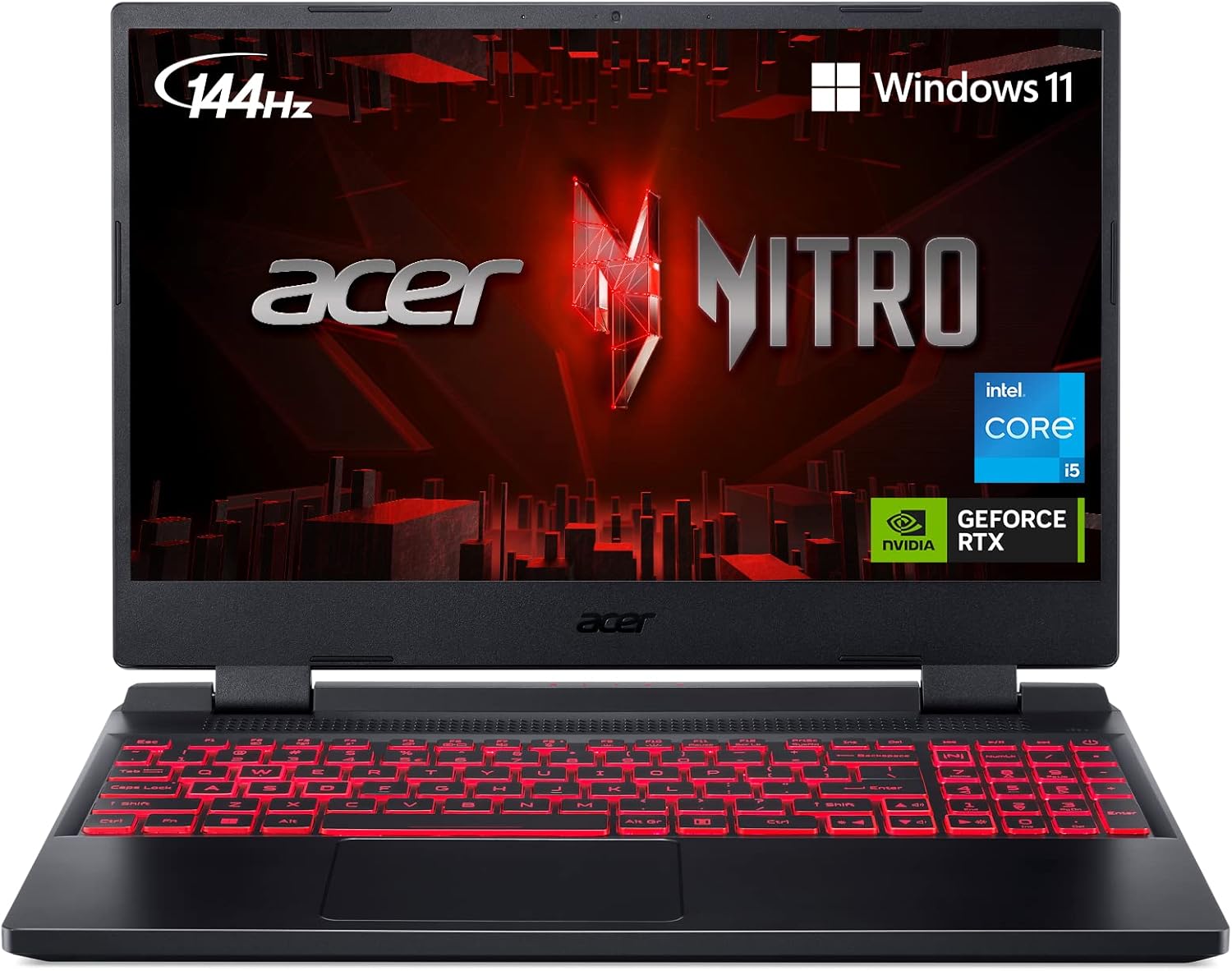
Acer Nitro 5 with RTX 3050 Ti and i5 12th Gen
  • memory Intel Core i5-12500H
  • developer_board NVIDIA GeForce RTX 3050 Ti
  • layers 16GB DDR4-3200MHz
  • track_changes Target GPU: NVIDIA GeForce GTX 1050 Ti / AMD Radeon RX 580

ASUS TUF A15 with RTX 3050 and Ryzen 7
  • memory AMD Ryzen 7 7435HS
  • developer_board NVIDIA GeForce RTX 3050
  • layers 32GB DDR5-4800MHz
  • track_changes Target GPU: NVIDIA GeForce GTX 1050 Ti / AMD Radeon RX 580
ASUS ROG Strix G15 with RTX 3060 and Ryzen 7
  • memory AMD Ryzen 7 6800H
  • developer_board NVIDIA GeForce RTX 3060
  • layers 16GB DDR5-4800MHz
  • track_changes Target GPU: NVIDIA GeForce GTX 1050 Ti / AMD Radeon RX 580
ASUS ROG Zephyrus G15 Ultra with RTX 3080 and Ryzen 9
  • memory AMD Ryzen 9 5900HS
  • developer_board NVIDIA GeForce RTX 3080
  • layers 16GB DDR4-3200MHz
  • track_changes Target GPU: NVIDIA GeForce GTX 1050 Ti / AMD Radeon RX 580
MSI Katana 15 with RTX 4070
  • memory Intel Core i7-13620H
  • developer_board NVIDIA GeForce RTX 4070
  • layers 16GB DDR5-4800MHz
  • track_changes Target GPU: NVIDIA GeForce GTX 1050 Ti / AMD Radeon RX 580
Alienware M18 with RTX 4070
  • memory Intel Core i7-14700HX
  • developer_board NVIDIA GeForce RTX 4070
  • layers 16GB DDR5-5600MHz
  • track_changes Target GPU: NVIDIA GeForce RTX 2070 / AMD Radeon RX 5700 XT
MSI Creator M16 HX with RTX 4070
  • memory Intel Core i9-14900HX
  • developer_board NVIDIA GeForce RTX 4070
  • layers 32GB DDR5-5600MHz
  • track_changes Target GPU: NVIDIA GeForce RTX 2070 / AMD Radeon RX 5700 XT
check_circle_outline Recommended based on listed requirements for QHD (1440p).
MSI Creator M16 HX with RTX 4070
  • memory Intel Core i9-14900HX
  • developer_board NVIDIA GeForce RTX 4070
  • layers 32GB DDR5-5600MHz
  • track_changes Target GPU: NVIDIA GeForce RTX 3080 / AMD Radeon RX 6800 XT
HP Omen 16 (RTX 5060 & Ryzen 9 8940HX)
  • memory AMD Ryzen 9 8940HX Processor
  • developer_board NVIDIA GeForce RTX 5060 Laptop GPU
  • layers 32GB DDR5-5200MHz
  • track_changes Target GPU: NVIDIA GeForce RTX 3080 / AMD Radeon RX 6800 XT
HP OMEN 16 with RTX 4080 and intel i9 14th Gen
  • memory Intel Core i9-14900HX
  • developer_board NVIDIA GeForce RTX 4080 Laptop GPU
  • layers 64 GB DDR5-5600MHz
  • track_changes Target GPU: NVIDIA GeForce RTX 3080 / AMD Radeon RX 6800 XT
GIGABYTE AORUS Elite 16 (RTX 5070 & Intel Core Ultra 9 275HX)
  • memory Intel Core Ultra 9 Processor 275HX (Series 2)
  • developer_board NVIDIA GeForce RTX 5070 Laptop GPU
  • layers 32GB DDR5-5600MHz
  • track_changes Target GPU: NVIDIA GeForce RTX 3080 / AMD Radeon RX 6800 XT
MSI Katana 15 HX (RTX 5070 & Intel i7 14th Gen)
  • memory Intel Core i9-14900HX Processor
  • developer_board NVIDIA GeForce RTX 5070 Laptop GPU
  • layers 32GB DDR5-5600MHz
  • track_changes Target GPU: NVIDIA GeForce RTX 3080 / AMD Radeon RX 6800 XT
Dell Alienware 16X Aurora (RTX 5070 & Intel Core Ultra 9 275HX)
  • memory Intel Core i9-14900HX Processor
  • developer_board NVIDIA GeForce RTX 5070 Laptop GPU
  • layers 32GB DDR5-5600MHz
  • track_changes Target GPU: NVIDIA GeForce RTX 3080 / AMD Radeon RX 6800 XT
Lenovo Thinkpad T1G Gen 8 (RTX 5070 & Ultra 9)
  • memory Intel Core Ultra 9 285H (Arrow Lake-H)
  • developer_board NVIDIA GeForce RTX 5070 Laptop GPU
  • layers 64GB LPDDR5x-8533MT/s (LPCAMM2)
  • track_changes Target GPU: NVIDIA GeForce RTX 3080 / AMD Radeon RX 6800 XT
Acer Predator Helios Neo 18 2024 With Rtx 4080
  • memory Intel Core i9-14900HX
  • developer_board NVIDIA GeForce RTX 4080
  • layers 64GB DDR5-5600MHz
  • track_changes Target GPU: NVIDIA GeForce RTX 3080 / AMD Radeon RX 6800 XT
ASUS ROG Strix G18 with RTX 4080 and intel i9 14th Gen
  • memory Intel Core i9-14900HX
  • developer_board NVIDIA GeForce RTX 4080
  • layers 32GB DDR5-5600MHz
  • track_changes Target GPU: NVIDIA GeForce RTX 3080 / AMD Radeon RX 6800 XT
MSI Vector 17 HX with RTX 4080 in 2025
  • memory Intel Core i9-14900HX
  • developer_board NVIDIA GeForce RTX 4080
  • layers 32GB DDR5-5600MHz
  • track_changes Target GPU: NVIDIA GeForce RTX 3080 / AMD Radeon RX 6800 XT

info_outline Laptop recommendations are estimates based on available component benchmarks and game requirements. Actual performance may vary depending on settings, drivers, cooling, power limits, etc. Prices and availability subject to change. As an Amazon Associate, we earn from qualifying purchases.

Processing...