Select Games to Compare
Benchmark your exact mobile GPU wattage (TGP), battery throttling drops, and cooling pad requirements for these games.
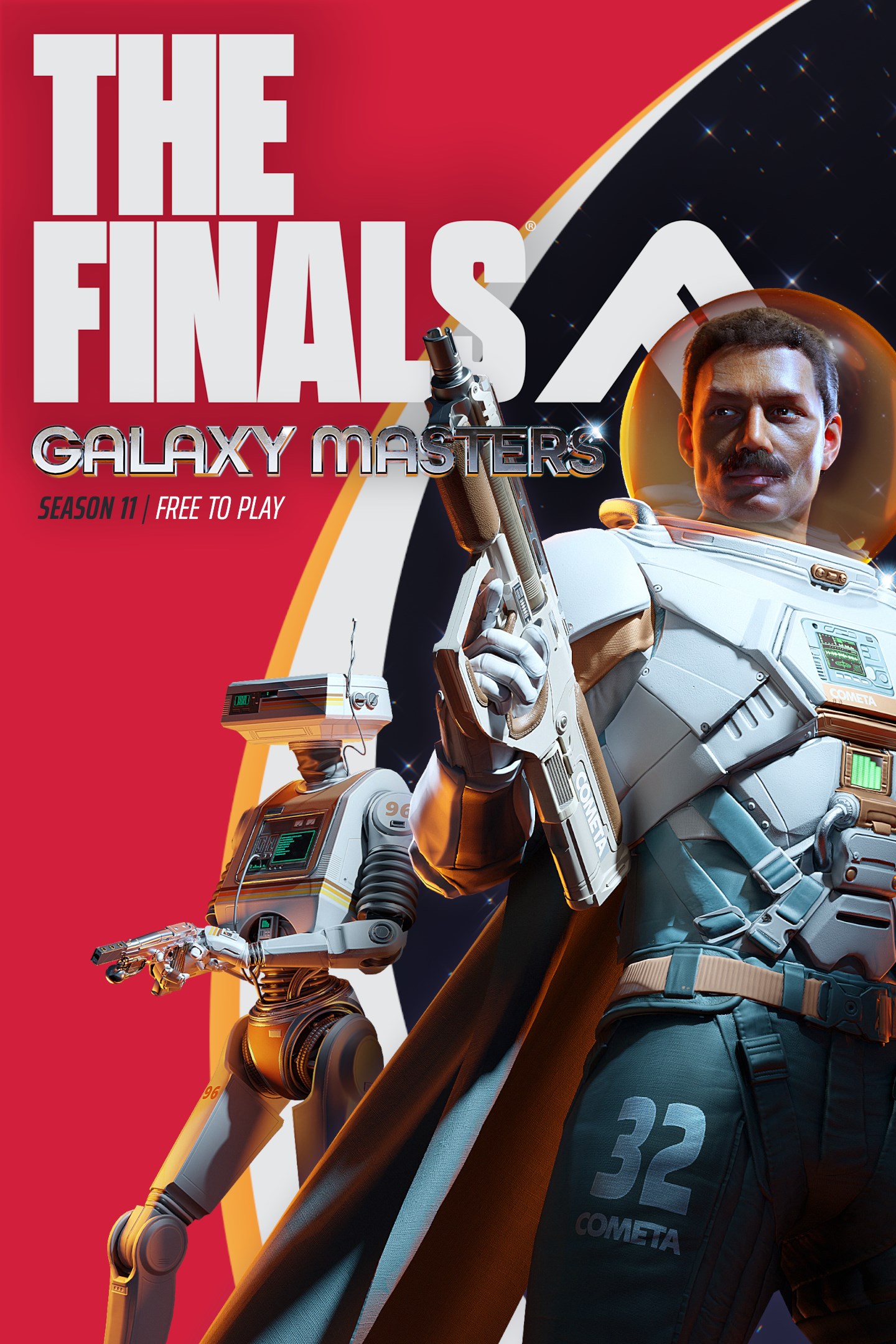
THE FINALS vs Atomic Heart
| close | close |
|---|---|
| shopping_cart Where to Buy | |
| info General Information | |
| Release Date | |
| Dec 7, 2023 | Feb 21, 2023 |
| Developer | |
| Embark Studios | Mundfish |
| Publisher | |
| Nexon | Focus Entertainment, 4Divinity |
| Genre(s) | |
| Competitive First-Person Shooter | First-Person Shooter, Action RPG, Adventure, Immersive Sim |
| Engine | |
| Unreal Engine 5 | Unreal Engine 4 |
| stars Ratings & Price | |
| Content Rating | |
| T for Teen | M (Mature 17+) |
| Avg. User Rating | |
| 4.5 / 5.0 | 3.9 / 5.0 |
| Current Price (USD) | |
| Free | $59.99 |
| tune Key Specs | |
| Quick Highlights | |
|
|
| sports_esports Gameplay & Mechanics | |
| Companions/Followers | |
|
|
| Key Collectibles | |
|
|
| Key Themes | |
|
|
| colorize Combat & Gear | |
| Weapons Overview | |
|
|
| Armor / Gear Sets | |
|
|
| Outfits/Customization | |
|
|
| trending_up Progression & Upgrades | |
| Skills & Progression | |
|
Player capabilities in THE FINALS are strictly divided into three distinct class archetypes: Light, Medium, and Heavy, each defined by proprietary health pools, movement speeds, and unique specialization skills. The Light build excels in high-speed evasion and electronic warfare, utilizing the Cloaking Device for invisibility, the Evasive Dash for rapid horizontal flanking, and the Grappling Hook for unparalleled vertical macro-mobility. The Medium build serves as the crucial support and structural spine of the squad, deploying the Healing Beam for continuous medical support, the Dematerializer to temporarily phase through solid walls, and the Guardian Turret for automated area denial. The Heavy build commands absolute geographic control and structural devastation, leveraging the Mesh Shield to protect teammates, the Charge 'N' Slam to violently breach fortified concrete fortifications, and the Winch Claw to forcibly reposition enemies and objective items across the arena. |
Progression is split between weapon crafting and personal abilities. Using 'NORA' a sentient, flirtatious vending machine, players can craft and upgrade a wide array of melee and ranged weapons. The Polymer Glove provides P-3 with special abilities, including 'Shok' (electricity), 'Frostbite' (cryokinesis), Telekinesis, and a Polymer Jet shield. These skills can be upgraded through several skill trees. |
| public World & Exploration | |
| World & Level Design | |
|
The arenas in THE FINALS are highly dynamic, procedurally shifting environments rather than static backdrops. Spanning across multiple global and virtual regions, the topography includes massive primary arenas like the neon-lit Fangwai City, the 16th-century traditional bamboo forests of Kyoto 1568, and the dense cobblestone streets of Monaco. Season 11 introduced Galaxy Estates, a high-tech spaceport situated in the COMETA space habitat featuring anti-gravity traversal. These regions are subject to extreme environmental modifiers, including varying times of day, weather conditions like sandstorms, and mid-match "Game Show Events" such as meteor showers, alien invasions with UFO tractor beams, or the devastating Scorch Protocol dragon attacks. Compact arenas like Starlight Hollow and the P.E.A.C.E. Center offer hyper-condensed layouts specifically optimized for intense, close-quarters modes like Team Deathmatch and Point Break, ensuring variety in geographical scale. |
Atomic Heart features a semi-open world structure. The main overworld connects several vast, self-contained complexes or dungeons, such as the Vavilov Complex, the VDNKh exhibition center, and a Theatre. The overworld itself is populated with smaller points of interest, puzzles, and roaming enemies, and can be traversed on foot or by car. |
| Playable Vehicles | |
|
|
| Notable Fauna/Mounts | |
|
N/A |
| book Story & Characters | |
| Main Characters | |
|
|
| Example Missions | |
|
|
| people Multiplayer | |
| Multiplayer Details | |
|
THE FINALS offers a diverse suite of objective-based and elimination-focused multiplayer modes. The flagship mode is "Cashout" (and its highly competitive "Ranked Cashout" variant), a chaotic 3v3v3v3 format where squads must locate Vaults, extract Cash Boxes, and defend Cashout Stations while utilizing the "Double Jeopardy" mechanic to multiply rewards at great risk. "Terminal Attack" shifts the paradigm to a tactical 5v5, single-life attack-and-defend format where health regeneration is entirely disabled, demanding methodical breaching and fortification. "Power Shift" is a 5v5 tug-of-war mode centered on controlling a massive, physics-enabled floating platform that violently tears through the arena's architecture as it moves. "Point Break" scales the conflict to an 8v8 asymmetrical siege across massive maps, tasking attackers with destroying Grand Vaults while defenders deplete their respawn tickets. Season 11 also integrated a dedicated 8-team PvE "Cashout (Bots)" mode for practice. |
Atomic Heart is a strictly single-player experience. The developers have stated they have no plans to add multiplayer modes to the game. |
| extension Editions & DLC | |
| Available Editions | |
|
As a free-to-play live-service title, THE FINALS eschews traditional retail box editions in favor of a continuously evolving seasonal model supported by premium cosmetic bundles and Battle Passes. The base game is entirely free and accessible to all players, providing immediate access to the core gameplay modes, all three class archetypes, and the complete arsenal of weapons and gadgets. Monetization is handled entirely through the in-game virtual economy, where players can purchase premium currency to acquire corporate-sponsored cosmetic items. Throughout the seasons, various Event Passes—such as the Season 11 "Right to Strike" pass sponsored by the IVADA union conglomerate—offer specialized progression tracks. Additionally, players can purchase Downloadable Content (DLC) bundles, like the VAIIYA-themed "Silent Cypher Set" or the "Zolgabar Command Set," which provide exclusive character outfits, weapon skins, and unique animations without providing any competitive gameplay advantages. |
The game was released with a Standard Edition, a Gold Edition (includes base game and the Atomic Pass for all four planned DLCs), and a Premium Edition (includes Gold Edition content plus a digital artbook and exclusive cosmetic weapon skins). |
| Post-Launch Content / DLC | |
|
Since its launch, Embark Studios has maintained an aggressive and highly consistent post-launch content cadence, delivering massive seasonal updates that fundamentally alter the gameplay paradigm. Each season introduces new weapons, specialized gadgets, procedurally generated arenas, and evolving modes. For example, Season 11: Galaxy Masters overhauled the entire melee combat loop by introducing dual-axis Stamina and Precision systems, fundamentally changing close-quarters engagements. It also introduced the "Cashout (Bots)" PvE mode to help onboard new players in a controlled environment. The continuous narrative is advanced through community-driven Alternate Reality Games (ARGs) and cryptic map updates tied to hacker factions like CNS. Looking ahead, the massive Season 12 overhaul slated for October 2026 promises to decommission the legacy progression system in favor of an entirely new network, alongside evolved Chaos Destruction physics parameters that make environmental collapsing even more realistic. |
The 'Atomic Pass' includes four planned DLC expansions. The first, 'Annihilation Instinct,' released in August 2023, continues the story and adds new enemies, a new area, and a new glove ability. The second, 'Trapped in Limbo,' released in February 2024, explores the bizarre Limbo world and features unconventional, platformer-style gameplay. Two more DLCs are planned to complete the pass. |
| help_outline FAQ | |
| Frequently Asked Questions | |
|
|
| build Technical Details | |
| Graphics & Visual Fidelity | |
|
Powered by heavily modified Unreal Engine 5 technology, the graphical fidelity of THE FINALS is engineered to support unprecedented real-time, server-side destruction without compromising visual splendor. The game utilizes RTXGI (Ray Traced Global Illumination) combined with Dynamic Diffuse Global Illumination (DDGI) probes to handle rapid lighting calculations. When a wall or ceiling is breached by explosives, ambient daylight instantly and accurately floods the newly exposed interior, dynamically bouncing off surviving geometry. The art direction masterfully juxtaposes hyper-realistic materials and brutalist architecture against vibrant, saturated neon elements, corporate branding, and stylized character models. Screen-space reflections and Niagara particle systems enhance the chaotic beauty of the destruction, ensuring that collapsing structures generate realistic localized dust and debris fields. The upcoming Season 12 overhaul promises even deeper visual upgrades, including comprehensive overhauls to environmental textures and more advanced material straining effects. |
Powered by Unreal Engine 4, Atomic Heart is renowned for its striking 'Atompunk' or 'Soviet-Futurism' art style. The game features highly detailed environments, from pristine scientific complexes to overgrown landscapes, and unique, often disturbing enemy designs. On PC, it supports advanced features like ray-traced reflections, shadows, and ambient occlusion, as well as NVIDIA DLSS. |
| Audio & Soundtrack | |
|
The auditory soundscape of THE FINALS is an integral component of both its tactical gameplay and its immersive game show presentation. The dynamic original soundtrack blends high-energy electronic synthwave with pulsing cyberpunk beats, dynamically scaling in intensity as matches reach their chaotic final seconds or during intense Cashout steals. In-universe commentators Scotty and June provide real-time, context-aware dialogue, reacting organically to massive structural collapses, team wipes, and sponsor events, blurring the line between gameplay and broadcast. On a tactical level, the game utilizes advanced spatial audio to communicate critical information. Players can accurately track enemy footsteps, identify specific weapon fire, and hear the distinct hum of utility gadgets like Guardian Turrets or C4 charges through walls. The sonic impact of destruction is deafening and realistic, with crumbling concrete, snapping wood, and localized debris collisions rendering the Chaos Physics system sonically tangible. |
The soundtrack is a unique highlight, featuring an intense, industrial score composed by Mick Gordon, known for his work on 'Doom'. This is contrasted with licensed Soviet-era pop songs, remixed for a modern audience by artists like Geoffrey Day, which often play during combat, creating a distinct and memorable atmosphere. |
| User Interface (UI/UX) | |
|
The user interface (UI) and user experience (UX) design of THE FINALS are deeply integrated into the game's virtual reality game show aesthetic. Menus are presented as high-contrast, neon-drenched digital overlays that mimic the broadcast feeds of the mega-conglomerate MultiCo. In-match, the Heads-Up Display (HUD) provides critical, at-a-glance telemetry without cluttering the screen, displaying health, stamina, ammunition, and dynamic objective markers that scale dynamically based on distance. The UI heavily features physicalized transitions and glitch effects, especially when the hacker collective CNS executes a narrative takeover. Post-launch iterations, particularly those championed by Embark CEO Patrick Söderlund, have continuously refined the UX to improve player retention, making loadout customization, sponsor contract tracking, and competitive rank progression highly intuitive. Critical combat feedback, such as the hit-marker precision zones introduced in the Season 11 melee overhaul, are seamlessly communicated through clean, distinct visual iconography. |
Features a minimalist and diegetic UI to enhance immersion. Key information like health and energy is displayed on P-3's glove. The weapon wheel allows for quick selection of weapons and abilities. The scanner highlights loot, enemies, and interactive objects in the environment. All crafting and upgrades are handled through the vivid, full-screen interface of the NORA machines. |
| Accessibility Options | |
|
Recognizing the inherently chaotic and visually intense nature of its gameplay, Embark Studios has integrated a comprehensive suite of accessibility features into THE FINALS to ensure a broad spectrum of players can compete effectively. The game includes robust colorblind modes that adjust the high-contrast neon UI elements, objective markers, and enemy outlines to accommodate various types of color vision deficiencies. Customizable subtitles are available for the dynamic announcer commentary and in-game lore drops, featuring adjustable sizing and background opacity. The control scheme offers complete input remapping across both mouse/keyboard and gamepads, alongside granular sensitivity sliders, deadzone adjustments, and toggle options for sprinting, crouching, and aiming down sights. Furthermore, the game features distinct audio cues for critical objective interactions—such as the pitch-shifting alarm of an ongoing Cashout steal—ensuring that visually impaired players or those in sensory-overloaded engagements can track objective status through sound alone. |
The game includes a range of accessibility options, such as customizable subtitles (size, background), various colorblind modes (Deuteranopia, Protanopia, Tritanopia), and separate volume controls for music, effects, and dialogue. Controller layouts can be chosen from presets, but full button remapping is limited on some platforms. |
| video_library Media Links | |
| Gameplay Video | |
| launchWatch | launchWatch |
| Walkthrough/Guide | |
| launchView | launchView |
| settings_applications System Requirements | |
| 1080p (Full HD) - Recommended (High Settings, 60-90 FPS) CPU: Provides stable 1% lows during intensive chaos physics calculations. CPU (Laptop): Excellent multi-threading capability for sustained physics workloads. GPU: Handles dynamic global illumination and Niagara particles efficiently. GPU (Laptop): Strong performance for 1080p high refresh rate when DLSS is enabled. RAM: Standard optimal capacity for zero micro-stuttering. Storage: Strict SSD requirement for asset streaming. | |
memoryCPU: Intel Core i5-9600K / AMD Ryzen 5 3600 developer_boardGPU: NVIDIA GeForce RTX 2070 / AMD Radeon RX 5700 XT laptop_macCPU (L): Intel Core i7-11800H / AMD Ryzen 7 5800H laptop_windowsGPU (L): NVIDIA GeForce RTX 3060 Mobile (115W) layersRAM: 16 GB saveStorage (Tier): 15 GB SSD | — |
| 1080p (Full HD) - Recommended (Official - Target: 1080p, 60 FPS, Ultra Preset) (Ultra Preset.) CPU: Official recommended desktop CPU for a solid 1080p/60FPS experience at max settings. CPU (Laptop): A strong mid-range laptop CPU for high framerate 1080p gameplay. GPU: Official recommended desktop GPU for 1080p Ultra settings at 60 FPS. GPU (Laptop): A powerful laptop GPU is needed for a high-quality 1080p experience. RAM: 16GB RAM is officially recommended for optimal performance. | |
| — | memoryCPU: Intel Core i7-7700K or AMD Ryzen 5 2600X developer_boardGPU: NVIDIA GeForce RTX 2070 Super (8GB) or AMD Radeon RX 6700 XT (12GB) laptop_macCPU (L): Intel Core i7-10750H / AMD Ryzen 7 4800H equivalent or better. laptop_windowsGPU (L): NVIDIA GeForce RTX 3060 Laptop GPU (6GB, High TGP) or RTX 2070 Mobile (8GB). layersRAM: 16 GB saveStorage (Tier): 90 GB available space (SSD Recommended) |
| 1080p (Full HD) - Minimum (Low Settings, 60 FPS) CPU: Bare minimum required for handling basic mesh physics; expects frame drops during heavy destruction. CPU (Laptop): Sufficient for 60 FPS cap on low settings with dynamic resolution. GPU: Entry-level requirement; relies heavily on upscaling for stable 60 FPS. GPU (Laptop): Capable of minimum playable framerates. RAM: Required to buffer pre-fractured geometry data and multiplayer netcode. Storage: Strict SSD requirement for asset streaming. | |
memoryCPU: Intel Core i5-6600K / AMD Ryzen 5 1600 developer_boardGPU: NVIDIA GeForce GTX 1050 Ti / AMD Radeon RX 580 laptop_macCPU (L): Intel Core i5-10300H / AMD Ryzen 5 4600H laptop_windowsGPU (L): NVIDIA GeForce GTX 1650 Mobile (50W+) layersRAM: 12 GB saveStorage (Tier): 15 GB SSD | — |
| 1080p (Full HD) - Minimum (Official - Target: 1080p, 30 FPS, Low Preset) (Low Preset.) CPU: The official minimum CPU required to run the game. CPU (Laptop): Estimated laptop CPUs for minimum playability. GPU: Official minimum desktop GPU. GPU (Laptop): An entry-level gaming laptop GPU is needed for minimum settings. RAM: 8GB RAM is the official minimum requirement. | |
| — | memoryCPU: Intel Core i5-2500K or AMD Ryzen 3 1200 developer_boardGPU: NVIDIA GeForce GTX 960 (4GB) or AMD Radeon R9 380 (4GB) laptop_macCPU (L): Intel Core i5-8300H / AMD Ryzen 5 3550H equivalent or better. laptop_windowsGPU (L): NVIDIA GeForce GTX 1050 Ti Mobile (4GB) or equivalent. layersRAM: 8 GB saveStorage (Tier): 90 GB available space (SSD Recommended) |
| 1440p (QHD/2K) - Competitive High Refresh (Medium/High Settings, 144+ FPS) CPU: Massive L3 cache on X3D heavily boosts 1% low frame rates during massive explosions. CPU (Laptop): Desktop-class silicon required to prevent CPU bottlenecking at high frame rates. GPU: Pushes high framerates at 1440p to support 144Hz/240Hz monitors. GPU (Laptop): Delivers highly responsive competitive framerates with DLSS 3 enabled. RAM: Ideal for overhead and background VOIP/streaming applications. Storage: Fastest load times and minimal texture streaming lag. | |
memoryCPU: Intel Core i5-13600K / AMD Ryzen 7 5800X3D developer_boardGPU: NVIDIA GeForce RTX 3080 / AMD Radeon RX 6800 XT laptop_macCPU (L): Intel Core i9-13900HX / AMD Ryzen 9 7945HX laptop_windowsGPU (L): NVIDIA GeForce RTX 4070 Mobile (140W) layersRAM: 32 GB saveStorage (Tier): 15 GB NVMe Gen4 SSD | — |
| 1440p (QHD/2K) - High (Target: 1440p, 60 FPS, High Preset) (High Preset, Upscaling (DLSS/FSR 'Quality') may be needed.) CPU: A strong CPU is recommended to avoid bottlenecks at 1440p. CPU (Laptop): High-performance laptop CPUs for consistent 1440p gameplay. GPU: A powerful modern GPU for a smooth 1440p experience. GPU (Laptop): An upper mid-range laptop GPU with high TGP is recommended for 1440p. RAM: 16GB RAM is sufficient, but 32GB can provide more headroom. | |
| — | memoryCPU: Intel Core i7-8700K or AMD Ryzen 7 3700X developer_boardGPU: NVIDIA GeForce RTX 3070 (8GB) or AMD Radeon RX 6800 (16GB) laptop_macCPU (L): Intel Core i7-11800H / AMD Ryzen 7 5800H or better. laptop_windowsGPU (L): NVIDIA GeForce RTX 3070 Ti Laptop GPU (8GB, High TGP) or RTX 4060 Laptop GPU (8GB). layersRAM: 16 GB saveStorage (Tier): 90 GB available space (SSD Recommended) |
| 2160p (UHD/4K) - Ultra RTX (Epic Settings, RTX On, 60+ FPS) CPU: At 4K, the GPU becomes the primary bottleneck; older high-core CPUs remain sufficient. CPU (Laptop): Handles the necessary physics data while the GPU renders 4K resolution. GPU: Powers maxed out RTXGI and screen-space reflections at native or DLSS Quality 4K. GPU (Laptop): The ultimate mobile GPU capable of driving this game in 4K with ray tracing. RAM: Standard optimal capacity. Storage: Fastest asset loading. | |
memoryCPU: Intel Core i7-9700K / AMD Ryzen 7 2700X developer_boardGPU: NVIDIA GeForce RTX 4070 Ti laptop_macCPU (L): Intel Core i7-12700H / AMD Ryzen 7 6800H laptop_windowsGPU (L): NVIDIA GeForce RTX 4090 Mobile (175W) layersRAM: 16 GB saveStorage (Tier): 15 GB NVMe Gen4 SSD | — |
| 2160p (UHD/4K) - Very High (Target: 4K, 60 FPS, Ultra Preset) (Ultra Preset, Upscaling (DLSS 'Performance' / FSR 'Performance') essential.) CPU: A high-end CPU is recommended to support high framerates at 4K. CPU (Laptop): A top-tier laptop CPU is necessary to pair with a flagship mobile GPU for 4K. GPU: A high-end desktop GPU is essential for a playable 4K experience, leveraging DLSS/FSR for a stable 60 FPS. GPU (Laptop): Only the highest-end laptop GPUs are capable of running the game at 4K with acceptable framerates. RAM: 32GB RAM is strongly recommended for a smooth 4K experience. | |
| — | memoryCPU: Intel Core i9-9900K or AMD Ryzen 9 3900X developer_boardGPU: NVIDIA GeForce RTX 4070 Ti (12GB) or AMD Radeon RX 7900 XT (20GB) laptop_macCPU (L): Intel Core i9-12900H / AMD Ryzen 9 6900HX or newer. laptop_windowsGPU (L): NVIDIA GeForce RTX 4080 Laptop GPU (12GB) or higher. layersRAM: 32 GB saveStorage (Tier): 90 GB available space (SSD Recommended) |
| save Overall Storage | |
| Spec: 15 GB Available Space (NVMe SSD Required) Note: High-speed SSD required for streaming rapid procedural geometry and mitigating texture pop-in during structural collapse. Type: NVMe | Spec: 90 GB available space (SSD Recommended) Note: An SSD is strongly recommended for faster loading times between the game's large and detailed areas. 90 GB of free space is required for the base game and its updates. Type: SSD |
| desktop_windows Operating System | |
| Spec: Windows 10 64-bit (Latest Update) Explanation: Required for DirectX 12 Ultimate API and kernel-level anti-cheat compatibility. | Spec: Windows 10 (20H1 version or newer, 64-bit) Explanation: A 64-bit version of Windows 10 or Windows 11 is required. |
| gamepad DirectX Version | |
| Spec: DirectX 12 Ultimate Explanation: Necessary for RTXGI, DDGI probes, and advanced Niagara particle effects. | N/A |
| info_outline Other Game Notes | |
|
|
| build Optimization Details | |
|
|
| laptop Laptop Considerations | |
|
|

info_outline Feature details based on available data. System requirements and performance estimates may vary.
laptop_chromebook Laptop Recommendations
Common Recommendations (Handles All Compared Games)

- memory Intel Core i7-12700H
- developer_board NVIDIA GeForce RTX 3070
- layers 32GB DDR4-3200MHz
- track_changes Target GPU: NVIDIA GeForce GTX 1650 Mobile (50W+)

- memory Intel Core i9-13900H
- developer_board NVIDIA GeForce RTX 4060
- layers 16GB DDR5-5200MHz
- track_changes Target GPU: NVIDIA GeForce GTX 1650 Mobile (50W+)

- memory Intel Core i9-14900HX
- developer_board NVIDIA GeForce RTX 4060
- layers 32GB DDR5-5600MHz
- track_changes Target GPU: NVIDIA GeForce GTX 1650 Mobile (50W+)

- memory Intel Core i9-14900HX
- developer_board NVIDIA GeForce RTX 4070
- layers 32GB DDR5-5600MHz
- track_changes Target GPU: NVIDIA GeForce RTX 4070 Mobile (140W)

- memory AMD Ryzen 9 8940HX Processor
- developer_board NVIDIA GeForce RTX 5060 Laptop GPU
- layers 32GB DDR5-5200MHz
- track_changes Target GPU: NVIDIA GeForce RTX 4070 Mobile (140W)

- memory Intel Core i9-14900HX
- developer_board NVIDIA GeForce RTX 4080 Laptop GPU
- layers 64 GB DDR5-5600MHz
- track_changes Target GPU: NVIDIA GeForce RTX 4070 Mobile (140W)

- memory Intel Core i9-12900H
- developer_board NVIDIA GeForce RTX 3070 Ti
- layers 16GB DDR5-4800MHz
- track_changes Target GPU: NVIDIA GeForce RTX 3070 Ti Laptop GPU (8GB, High TGP) or RTX 4060 Laptop GPU (8GB).

- memory AMD Ryzen 7 7435HS
- developer_board NVIDIA GeForce RTX 3050
- layers 32GB DDR5-4800MHz
- track_changes Target GPU: NVIDIA GeForce RTX 3070 Ti Laptop GPU (8GB, High TGP) or RTX 4060 Laptop GPU (8GB).

- memory AMD Ryzen 7 6800H
- developer_board NVIDIA GeForce RTX 3060
- layers 16GB DDR5-4800MHz
- track_changes Target GPU: NVIDIA GeForce RTX 3070 Ti Laptop GPU (8GB, High TGP) or RTX 4060 Laptop GPU (8GB).
- memory Intel Core i9-14900HX
- developer_board NVIDIA GeForce RTX 4080 Laptop GPU
- layers 64 GB DDR5-5600MHz
- track_changes Target GPU: NVIDIA GeForce RTX 4080 Laptop GPU (12GB) or higher.

- memory Intel Core Ultra 9 Processor 275HX (Series 2)
- developer_board NVIDIA GeForce RTX 5070 Laptop GPU
- layers 32GB DDR5-5600MHz
- track_changes Target GPU: NVIDIA GeForce RTX 4080 Laptop GPU (12GB) or higher.

- memory Intel Core i9-14900HX Processor
- developer_board NVIDIA GeForce RTX 5070 Laptop GPU
- layers 32GB DDR5-5600MHz
- track_changes Target GPU: NVIDIA GeForce RTX 4080 Laptop GPU (12GB) or higher.
For THE FINALS Specifically
- memory Intel Core i7-12700H
- developer_board NVIDIA GeForce RTX 3070
- layers 32GB DDR4-3200MHz
- track_changes Target GPU: NVIDIA GeForce GTX 1050 Ti / AMD Radeon RX 580
- memory Intel Core i9-13900H
- developer_board NVIDIA GeForce RTX 4060
- layers 16GB DDR5-5200MHz
- track_changes Target GPU: NVIDIA GeForce GTX 1050 Ti / AMD Radeon RX 580
- memory Intel Core i9-14900HX
- developer_board NVIDIA GeForce RTX 4060
- layers 32GB DDR5-5600MHz
- track_changes Target GPU: NVIDIA GeForce GTX 1050 Ti / AMD Radeon RX 580
- memory Intel Core i9-12900H
- developer_board NVIDIA GeForce RTX 3070 Ti
- layers 16GB DDR5-4800MHz
- track_changes Target GPU: NVIDIA GeForce GTX 1050 Ti / AMD Radeon RX 580

- memory Intel Core i5-12450H
- developer_board NVIDIA GeForce RTX 3050
- layers 16GB DDR4-3200MHz
- track_changes Target GPU: NVIDIA GeForce GTX 1050 Ti / AMD Radeon RX 580

- memory Intel Core i5-12500H
- developer_board NVIDIA GeForce RTX 3050 Ti
- layers 16GB DDR4-3200MHz
- track_changes Target GPU: NVIDIA GeForce GTX 1050 Ti / AMD Radeon RX 580
- memory AMD Ryzen 7 7435HS
- developer_board NVIDIA GeForce RTX 3050
- layers 32GB DDR5-4800MHz
- track_changes Target GPU: NVIDIA GeForce GTX 1050 Ti / AMD Radeon RX 580
- memory AMD Ryzen 7 6800H
- developer_board NVIDIA GeForce RTX 3060
- layers 16GB DDR5-4800MHz
- track_changes Target GPU: NVIDIA GeForce GTX 1050 Ti / AMD Radeon RX 580

- memory AMD Ryzen 9 5900HS
- developer_board NVIDIA GeForce RTX 3080
- layers 16GB DDR4-3200MHz
- track_changes Target GPU: NVIDIA GeForce GTX 1050 Ti / AMD Radeon RX 580

- memory Intel Core i7-13620H
- developer_board NVIDIA GeForce RTX 4070
- layers 16GB DDR5-4800MHz
- track_changes Target GPU: NVIDIA GeForce GTX 1050 Ti / AMD Radeon RX 580

- memory Intel Core i7-14700HX
- developer_board NVIDIA GeForce RTX 4070
- layers 16GB DDR5-5600MHz
- track_changes Target GPU: NVIDIA GeForce RTX 2070 / AMD Radeon RX 5700 XT
- memory Intel Core i9-14900HX
- developer_board NVIDIA GeForce RTX 4070
- layers 32GB DDR5-5600MHz
- track_changes Target GPU: NVIDIA GeForce RTX 2070 / AMD Radeon RX 5700 XT
- memory Intel Core i9-14900HX
- developer_board NVIDIA GeForce RTX 4070
- layers 32GB DDR5-5600MHz
- track_changes Target GPU: NVIDIA GeForce RTX 3080 / AMD Radeon RX 6800 XT
- memory AMD Ryzen 9 8940HX Processor
- developer_board NVIDIA GeForce RTX 5060 Laptop GPU
- layers 32GB DDR5-5200MHz
- track_changes Target GPU: NVIDIA GeForce RTX 3080 / AMD Radeon RX 6800 XT
- memory Intel Core i9-14900HX
- developer_board NVIDIA GeForce RTX 4080 Laptop GPU
- layers 64 GB DDR5-5600MHz
- track_changes Target GPU: NVIDIA GeForce RTX 3080 / AMD Radeon RX 6800 XT
- memory Intel Core Ultra 9 Processor 275HX (Series 2)
- developer_board NVIDIA GeForce RTX 5070 Laptop GPU
- layers 32GB DDR5-5600MHz
- track_changes Target GPU: NVIDIA GeForce RTX 3080 / AMD Radeon RX 6800 XT
- memory Intel Core i9-14900HX Processor
- developer_board NVIDIA GeForce RTX 5070 Laptop GPU
- layers 32GB DDR5-5600MHz
- track_changes Target GPU: NVIDIA GeForce RTX 3080 / AMD Radeon RX 6800 XT

- memory Intel Core i9-14900HX Processor
- developer_board NVIDIA GeForce RTX 5070 Laptop GPU
- layers 32GB DDR5-5600MHz
- track_changes Target GPU: NVIDIA GeForce RTX 3080 / AMD Radeon RX 6800 XT

- memory Intel Core Ultra 9 285H (Arrow Lake-H)
- developer_board NVIDIA GeForce RTX 5070 Laptop GPU
- layers 64GB LPDDR5x-8533MT/s (LPCAMM2)
- track_changes Target GPU: NVIDIA GeForce RTX 3080 / AMD Radeon RX 6800 XT

- memory Intel Core i9-14900HX
- developer_board NVIDIA GeForce RTX 4080
- layers 64GB DDR5-5600MHz
- track_changes Target GPU: NVIDIA GeForce RTX 3080 / AMD Radeon RX 6800 XT

- memory Intel Core i9-14900HX
- developer_board NVIDIA GeForce RTX 4080
- layers 32GB DDR5-5600MHz
- track_changes Target GPU: NVIDIA GeForce RTX 3080 / AMD Radeon RX 6800 XT

- memory Intel Core i9-14900HX
- developer_board NVIDIA GeForce RTX 4080
- layers 32GB DDR5-5600MHz
- track_changes Target GPU: NVIDIA GeForce RTX 3080 / AMD Radeon RX 6800 XT
For Atomic Heart Specifically
- memory Intel Core i7-12700H
- developer_board NVIDIA GeForce RTX 3070
- layers 32GB DDR4-3200MHz
- track_changes Target GPU: NVIDIA GeForce GTX 960 (4GB) or AMD Radeon R9 380 (4GB)
- memory Intel Core i9-13900H
- developer_board NVIDIA GeForce RTX 4060
- layers 16GB DDR5-5200MHz
- track_changes Target GPU: NVIDIA GeForce GTX 960 (4GB) or AMD Radeon R9 380 (4GB)
- memory Intel Core i9-14900HX
- developer_board NVIDIA GeForce RTX 4060
- layers 32GB DDR5-5600MHz
- track_changes Target GPU: NVIDIA GeForce GTX 960 (4GB) or AMD Radeon R9 380 (4GB)
- memory Intel Core i9-12900H
- developer_board NVIDIA GeForce RTX 3070 Ti
- layers 16GB DDR5-4800MHz
- track_changes Target GPU: NVIDIA GeForce GTX 960 (4GB) or AMD Radeon R9 380 (4GB)
- memory Intel Core i5-12450H
- developer_board NVIDIA GeForce RTX 3050
- layers 16GB DDR4-3200MHz
- track_changes Target GPU: NVIDIA GeForce GTX 960 (4GB) or AMD Radeon R9 380 (4GB)
- memory Intel Core i5-12500H
- developer_board NVIDIA GeForce RTX 3050 Ti
- layers 16GB DDR4-3200MHz
- track_changes Target GPU: NVIDIA GeForce GTX 960 (4GB) or AMD Radeon R9 380 (4GB)
- memory AMD Ryzen 7 7435HS
- developer_board NVIDIA GeForce RTX 3050
- layers 32GB DDR5-4800MHz
- track_changes Target GPU: NVIDIA GeForce GTX 960 (4GB) or AMD Radeon R9 380 (4GB)
- memory AMD Ryzen 7 6800H
- developer_board NVIDIA GeForce RTX 3060
- layers 16GB DDR5-4800MHz
- track_changes Target GPU: NVIDIA GeForce GTX 960 (4GB) or AMD Radeon R9 380 (4GB)
- memory AMD Ryzen 9 5900HS
- developer_board NVIDIA GeForce RTX 3080
- layers 16GB DDR4-3200MHz
- track_changes Target GPU: NVIDIA GeForce GTX 960 (4GB) or AMD Radeon R9 380 (4GB)
- memory Intel Core i7-13620H
- developer_board NVIDIA GeForce RTX 4070
- layers 16GB DDR5-4800MHz
- track_changes Target GPU: NVIDIA GeForce GTX 960 (4GB) or AMD Radeon R9 380 (4GB)
- memory Intel Core i7-14700HX
- developer_board NVIDIA GeForce RTX 4070
- layers 16GB DDR5-5600MHz
- track_changes Target GPU: NVIDIA GeForce RTX 2070 Super (8GB) or AMD Radeon RX 6700 XT (12GB)
- memory Intel Core i9-14900HX
- developer_board NVIDIA GeForce RTX 4070
- layers 32GB DDR5-5600MHz
- track_changes Target GPU: NVIDIA GeForce RTX 2070 Super (8GB) or AMD Radeon RX 6700 XT (12GB)
- memory Intel Core i9-12900H
- developer_board NVIDIA GeForce RTX 3070 Ti
- layers 16GB DDR5-4800MHz
- track_changes Target GPU: NVIDIA GeForce RTX 3070 (8GB) or AMD Radeon RX 6800 (16GB)
- memory AMD Ryzen 7 7435HS
- developer_board NVIDIA GeForce RTX 3050
- layers 32GB DDR5-4800MHz
- track_changes Target GPU: NVIDIA GeForce RTX 3070 (8GB) or AMD Radeon RX 6800 (16GB)
- memory AMD Ryzen 7 6800H
- developer_board NVIDIA GeForce RTX 3060
- layers 16GB DDR5-4800MHz
- track_changes Target GPU: NVIDIA GeForce RTX 3070 (8GB) or AMD Radeon RX 6800 (16GB)
- memory AMD Ryzen 9 5900HS
- developer_board NVIDIA GeForce RTX 3080
- layers 16GB DDR4-3200MHz
- track_changes Target GPU: NVIDIA GeForce RTX 3070 (8GB) or AMD Radeon RX 6800 (16GB)
- memory Intel Core i7-13620H
- developer_board NVIDIA GeForce RTX 4070
- layers 16GB DDR5-4800MHz
- track_changes Target GPU: NVIDIA GeForce RTX 3070 (8GB) or AMD Radeon RX 6800 (16GB)
- memory Intel Core i7-14700HX
- developer_board NVIDIA GeForce RTX 4070
- layers 16GB DDR5-5600MHz
- track_changes Target GPU: NVIDIA GeForce RTX 3070 (8GB) or AMD Radeon RX 6800 (16GB)
- memory Intel Core i9-14900HX
- developer_board NVIDIA GeForce RTX 4070
- layers 32GB DDR5-5600MHz
- track_changes Target GPU: NVIDIA GeForce RTX 3070 (8GB) or AMD Radeon RX 6800 (16GB)

- memory Intel Core i9-14900HX
- developer_board NVIDIA GeForce RTX 4070
- layers 16GB DDR5-5600MHz
- track_changes Target GPU: NVIDIA GeForce RTX 3070 (8GB) or AMD Radeon RX 6800 (16GB)

- memory Intel Core Ultra 7 255H
- developer_board NVIDIA GeForce RTX 5060 Laptop GPU
- layers 16GB DDR5-5600MHz (Dual-Channel)
- track_changes Target GPU: NVIDIA GeForce RTX 3070 (8GB) or AMD Radeon RX 6800 (16GB)
- memory AMD Ryzen 9 8940HX Processor
- developer_board NVIDIA GeForce RTX 5060 Laptop GPU
- layers 32GB DDR5-5200MHz
- track_changes Target GPU: NVIDIA GeForce RTX 3070 (8GB) or AMD Radeon RX 6800 (16GB)
- memory Intel Core i9-14900HX
- developer_board NVIDIA GeForce RTX 4080 Laptop GPU
- layers 64 GB DDR5-5600MHz
- track_changes Target GPU: NVIDIA GeForce RTX 4070 Ti (12GB) or AMD Radeon RX 7900 XT (20GB)
- memory Intel Core Ultra 9 Processor 275HX (Series 2)
- developer_board NVIDIA GeForce RTX 5070 Laptop GPU
- layers 32GB DDR5-5600MHz
- track_changes Target GPU: NVIDIA GeForce RTX 4070 Ti (12GB) or AMD Radeon RX 7900 XT (20GB)
- memory Intel Core i9-14900HX Processor
- developer_board NVIDIA GeForce RTX 5070 Laptop GPU
- layers 32GB DDR5-5600MHz
- track_changes Target GPU: NVIDIA GeForce RTX 4070 Ti (12GB) or AMD Radeon RX 7900 XT (20GB)
- memory Intel Core i9-14900HX Processor
- developer_board NVIDIA GeForce RTX 5070 Laptop GPU
- layers 32GB DDR5-5600MHz
- track_changes Target GPU: NVIDIA GeForce RTX 4070 Ti (12GB) or AMD Radeon RX 7900 XT (20GB)
- memory Intel Core Ultra 9 285H (Arrow Lake-H)
- developer_board NVIDIA GeForce RTX 5070 Laptop GPU
- layers 64GB LPDDR5x-8533MT/s (LPCAMM2)
- track_changes Target GPU: NVIDIA GeForce RTX 4070 Ti (12GB) or AMD Radeon RX 7900 XT (20GB)

- memory AMD Ryzen 9 7945HX
- developer_board NVIDIA GeForce RTX 4080
- layers 32GB DDR5
- track_changes Target GPU: NVIDIA GeForce RTX 4070 Ti (12GB) or AMD Radeon RX 7900 XT (20GB)
- memory Intel Core i9-14900HX
- developer_board NVIDIA GeForce RTX 4080
- layers 64GB DDR5-5600MHz
- track_changes Target GPU: NVIDIA GeForce RTX 4070 Ti (12GB) or AMD Radeon RX 7900 XT (20GB)
- memory Intel Core i9-14900HX
- developer_board NVIDIA GeForce RTX 4080
- layers 32GB DDR5-5600MHz
- track_changes Target GPU: NVIDIA GeForce RTX 4070 Ti (12GB) or AMD Radeon RX 7900 XT (20GB)
- memory Intel Core i9-14900HX
- developer_board NVIDIA GeForce RTX 4080
- layers 32GB DDR5-5600MHz
- track_changes Target GPU: NVIDIA GeForce RTX 4070 Ti (12GB) or AMD Radeon RX 7900 XT (20GB)

- memory Intel Core i9-14900HX
- developer_board NVIDIA GeForce RTX 4080
- layers 32GB DDR5-5600MHz
- track_changes Target GPU: NVIDIA GeForce RTX 4070 Ti (12GB) or AMD Radeon RX 7900 XT (20GB)
info_outline Laptop recommendations are estimates based on available component benchmarks and game requirements. Actual performance may vary depending on settings, drivers, cooling, power limits, etc. Prices and availability subject to change. As an Amazon Associate, we earn from qualifying purchases.