Select Games to Compare
Benchmark your exact mobile GPU wattage (TGP), battery throttling drops, and cooling pad requirements for these games.
The Elder Scrolls IV: Oblivion Remastered vs Kingdom Come: Deliverance 2
| close | close |
|---|---|
| shopping_cart Where to Buy | |
| info General Information | |
| Release Date | |
| Apr 22, 2025 | Feb 4, 2025 |
| Developer | |
| Bethesda Game Studios / Virtuos | Warhorse Studios |
| Publisher | |
| Bethesda Softworks | Deep Silver, Warhorse Studios |
| Genre(s) | |
| Open-World Role-Playing Game | Action Role-Playing (Action RPG), Open World, Historical, Immersive Sim |
| Engine | |
| Dual-Engine (Unreal Engine 5 / Gamebryo) | CryEngine |
| stars Ratings & Price | |
| Content Rating | |
| M | M (Mature 17+) |
| Avg. User Rating | |
| 4.0 / 5.0 | 4.6 / 5.0 |
| Current Price (USD) | |
| $49.99 | $69.99 |
| tune Key Specs | |
| Quick Highlights | |
|
|
| sports_esports Gameplay & Mechanics | |
| Companions/Followers | |
|
|
| Key Collectibles | |
|
|
| Key Themes | |
|
|
| colorize Combat & Gear | |
| Weapons Overview | |
|
|
| Armor / Gear Sets | |
|
|
| Outfits/Customization | |
|
|
| trending_up Progression & Upgrades | |
| Skills & Progression | |
|
One of the most universally praised mechanical adjustments in the Remaster is the complete overhaul of the character leveling system, which abandons the punishing spreadsheet micromanagement of the 2006 original. The game introduces the 'Virtue System.' Now, engaging in actions that increase either Major or Minor Skills contributes seamless progress toward the next character level, meaning players are no longer penalized for using secondary abilities. Upon resting to trigger a level-up, the player is presented with a fixed pool of 12 Virtue Points. These can be freely distributed across up to three chosen Attributes (like Strength or Intelligence), with a hard cap of 5 points per Attribute per level, while the universal Luck attribute costs 4 Virtue Points to increase by one. Furthermore, any excess experience gained before sleeping is no longer lost; it automatically stacks, allowing for multiple level-ups in a single rest cycle. |
The game retains the classless 'you are what you do' progression system. Skills like Swords, Archery, Alchemy, and Reading improve with use. The sequel deepens this with an expanded perk system. Dialogue skills have been expanded from three to six attributes (Oratory, Charisma, Intimidation, Appearance, Coercion, Dominate). New weapon skills for Crossbows and Firearms have been added. The crime and reputation system is more dynamic and has lasting consequences. |
| public World & Exploration | |
| World & Level Design | |
|
Because the Unreal Engine 5 graphics layer is mapped directly atop the original Gamebryo geometry, the topographical map of Cyrodiil remains geographically identical to the 2006 release. This remaster represents an uncompromising 1:1 geographical preservation; every tree, rock, ruin, and city wall is positioned exactly where veteran players remember them. However, the environmental fidelity has experienced a generational leap. The central White-Gold Tower, the fire-scorched, demonic wastes inside the Daedric Oblivion Gates, and the coastal Ayleid ruins now feature photorealistic textures, dense volumetric fog, and complex dynamic weather systems. Furthermore, the inclusion of the Shivering Isles expansion in the Standard Edition allows players to explore the Realm of Madness, which is dramatically split into the vividly colorful region of Mania and the oppressively gloomy swamps of Dementia, both rendered flawlessly in UE5. |
The game world is approximately twice the size of its predecessor and is composed of two large, distinct maps. The first is the Bohemian Paradise, a scenic area known for its forests and the iconic Trosky Castle. The second, and larger, map is centered around the massive, realistically recreated medieval city of Kuttenberg (Kutná Hora), one of the richest cities in Europe at the time due to its silver mines. |
| Playable Vehicles | |
|
|
| Notable Fauna/Mounts | |
|
N/A |
| book Story & Characters | |
| Main Characters | |
|
|
| Example Missions | |
|
|
| people Multiplayer | |
| Multiplayer Details | |
|
In direct keeping with Bethesda Game Studios' foundational design philosophy for the mainline Elder Scrolls franchise, Oblivion Remastered is a purely solitary, single-player adventure. There are no multiplayer modes, cooperative dungeon-diving mechanics, or asynchronous online features present within the game. The sheer technical complexity of translating the Radiant AI schedules, Havok physics, and systemic world interactions from the 2006 Gamebryo engine into the modern Unreal Engine 5 rendering pipeline left absolutely no developmental bandwidth to implement networking code. The solitary nature of the game reinforces the singular 'Hero's Journey' narrative, ensuring the player alone is the prophesied Champion of Cyrodiil destined to close the Oblivion Gates. Those seeking a multiplayer experience within this universe must look toward the separate MMO, The Elder Scrolls Online, as this remaster strictly preserves the isolated 2006 RPG format. |
The game is a strictly single-player experience and does not have any multiplayer or co-operative modes. |
| extension Editions & DLC | |
| Available Editions | |
|
The remaster consolidates the entirety of the game's historical downloadable content (DLC) into a two-tiered retail strategy. The Standard Edition is priced as a premium release at $49.99 USD and functions as the definitive 'Game of the Year' package. It contains the base digital game alongside every piece of original DLC released between 2006 and 2007, including the massive Shivering Isles expansion, Knights of the Nine, all player housing (Fighter's Stronghold, Wizard's Tower, Vile Lair, Thieves Den), the Orrery, and the infamous Horse Armor Pack. The Deluxe Edition, priced at $59.99 USD, offers a digital artbook, a standalone soundtrack application, and two newly developed micro-quests exclusive to the remaster. These quests reward players with the highly detailed Avatar of Akatosh and Mehrunes Dagon weapon and armor sets, representing divine order and cataclysm, respectively. |
N/A |
| Post-Launch Content / DLC | |
|
Rather than utilizing a modern live-service seasonal model, Bethesda opted to package all historical DLC into the base purchase of the Standard Edition, offering massive retrospective value. Players have immediate access to major expansions like the Shivering Isles—which adds an entirely new realm ruled by Sheogorath—and the faction-driven Knights of the Nine questline to defeat Umaril the Unfeathered. It also includes every minor add-on: Frostcrag Spire, Battlehorn Castle, Dunbarrow Cove, Deepscorn Hollow, The Orrery, Spell Tomes, and Mehrunes' Razor. Beyond official content, the PC platform thrives on community-driven post-launch additions. Despite no official modding tools being provided, the community rapidly reverse-engineered the engine to create OBSE64 and ASI Plugins. Using tools like MagicLoader 2 and TESSyncMapInjector, dedicated authors continue to inject massive custom quests, new interiors, and quality-of-life adjustments directly into the UE5 hybrid engine. |
The game launched with a 'Brushes With Death' DLC in May 2025. Two more major expansions, 'Legacy of the Forge' and 'Mysteria Ecclesia', are planned for release later in the year, continuing the story and adding new content. |
| help_outline FAQ | |
| Frequently Asked Questions | |
|
|
| build Technical Details | |
| Graphics & Visual Fidelity | |
|
The visual identity of Oblivion Remastered is defined by its ambitious, though computationally expensive, dual-engine architecture. By utilizing Unreal Engine 5 as a real-time graphical wrapper over the 2006 Gamebryo logic, the developers achieved photorealistic visual fidelity without having to rewrite decades-old quest scripts or physics mathematics. The implementation of UE5's Lumen technology provides breathtaking global illumination, causing light to bounce naturally off polished Imperial armor and ancient dungeon walls. Environments feature incredibly dense foliage, dynamic shadowing, and advanced Screen Space Reflections (SSR). However, this graphical leap comes at a severe performance cost; the translation between the two engines generates massive CPU overhead. Consequently, players often experience severe traversal stuttering during open-world cell loading. To assist with GPU loads, the remaster fully supports modern upscaling technologies including DLSS 4, AMD FSR 4, and Intel XeSS. |
N/A |
| Audio & Soundtrack | |
|
The auditory experience in Oblivion Remastered has received a magnificent technical upgrade while fiercely protecting its nostalgic core. The developers implemented a comprehensive audio overhaul, utilizing modern spatial sound technologies to completely re-record and re-integrate ambient environmental noise. Traversing the rain-slicked Great Forest or the echoing subterranean Ayleid ruins now provides deeply immersive, directional audio cues. The iconic, universally beloved orchestral soundtrack composed by Jeremy Soule has been meticulously remastered in high-fidelity, lossless audio, ensuring tracks like 'Reign of the Septims' and 'Auriel's Ascension' sound grander than ever. Crucially, the original 2006 voice acting recordings—including performances by Patrick Stewart as Emperor Uriel Septim and Sean Bean as Martin Septim—remain entirely untouched, preserving the exact dramatic deliveries and famously quirky NPC conversation transitions that defined the original release. |
N/A |
| User Interface (UI/UX) | |
|
The user interface of Oblivion Remastered sits at a fascinating intersection between modernized convenience and legacy design. The overall aesthetic of the menus, compass, and dialogue windows has been upscaled to pristine 4K resolution, removing the blurriness of the original 2006 assets while maintaining the iconic parchment-and-ink visual style. The most significant UI overhaul involves the new 'Virtue System' screen, which gracefully tracks accumulated experience from both Major and Minor skills, presenting players with a clean, intuitive point-allocation menu upon resting. However, because the core Gamebryo logic remains untouched beneath the UE5 wrapper, the inventory management screens can still feel somewhat archaic and cumbersome to navigate when hoarding massive amounts of loot, a quirk that PC players frequently bypass utilizing reverse-engineered, community-made UI overhaul modifications loaded via ASI plugins. |
The UI maintains the immersive, diegetic-focused design of the original. Key information is presented with period-appropriate aesthetics. The map is a hand-drawn representation of the world, and the codex is presented as an illuminated manuscript. A 'Hardcore Mode' was added post-launch for players wanting a more challenging, UI-minimal experience. |
| Accessibility Options | |
|
While modern AAA releases heavily emphasize built-in accessibility suites, Oblivion Remastered is somewhat constrained by its mandate to preserve the 2006 Gamebryo engine logic. The game supports basic modern conveniences such as fully remappable control schemes, adjustable subtitle sizing, and toggles for crosshair visibility. The new Virtue leveling system inherently serves as a massive accessibility feature by removing the punishing, opaque mathematics required to successfully build a character in the original release. However, the developer's rigid retention of the game's controversial real-time level scaling system enforces a rigid difficulty curve that many find frustrating. To overcome these hardcoded limitations, the PC player base relies extensively on the modding community; using OBSE64 and ASI loaders, players have created vital accessibility mods such as 'No Carry Weight,' configurable item degradation, and simplified lockpicking mini-games. |
N/A |
| video_library Media Links | |
| Gameplay Video | |
| launchWatch | launchWatch |
| Walkthrough/Guide | |
| launchView | launchView |
| settings_applications System Requirements | |
| 1080p (Full HD) - Minimum (Low-Medium Preset, Software Lumen, 30-60 FPS) CPU: Bare minimum required to parse the original Gamebryo physics and Radiant AI without crashing the UE5 wrapper. CPU (Laptop): May struggle heavily with 230ms traversal stutters when grids load. GPU: Minimum VRAM buffer needed to handle the updated photorealistic textures. GPU (Laptop): Provides baseline acceptable performance when utilizing DLSS. RAM: Required for maintaining the dual-engine overhead in memory. Storage: Ensures assets stream fast enough to prevent clipping through unloaded terrain. | |
memoryCPU: AMD Ryzen 5 2600X / Intel Core i7-6800K developer_boardGPU: AMD Radeon RX 5700 / NVIDIA GTX 1070 Ti laptop_macCPU (L): Intel Core i7-9750H / AMD Ryzen 5 4600H laptop_windowsGPU (L): NVIDIA RTX 3060 (130W) layersRAM: 16 GB saveStorage (Tier): 125 GB Gen 3 NVMe SSD | — |
| 1080p (Full HD) - Recommended (High Preset, Hardware Lumen, 60 FPS) CPU: Offers better single-core performance necessary for mitigating Gamebryo engine bottlenecks. CPU (Laptop): Adequate to brute-force through the legacy cell-loading scripts. GPU: Capable of handling UE5 volumetric fog and dynamic weather systems efficiently. GPU (Laptop): Leverages DLSS Frame Generation to smooth out severe 1% low frame drops. RAM: Highly recommended to prevent page-file swapping during long play sessions. Storage: Faster loading times between the Cyrodiil overworld and interior dungeon cells. | |
memoryCPU: AMD Ryzen 5 3600X / Intel Core i5-10600K developer_boardGPU: AMD Radeon RX 6800 XT / NVIDIA RTX 2080 laptop_macCPU (L): Intel Core i7-12700H / AMD Ryzen 7 6800H laptop_windowsGPU (L): NVIDIA RTX 4070 (140W) layersRAM: 32 GB saveStorage (Tier): 125 GB Gen 4 NVMe SSD | — |
| 1080p (Full HD) - Recommended (Targets 1080p, High settings, ~60 FPS) (High Preset, 1080p resolution, targeting 60 FPS. Some sources suggest this tier may target Medium settings.) CPU: Official recommended desktop CPU for a solid 1080p/60FPS experience. This is a very modern CPU recommendation. CPU (Laptop): High-performance laptop CPUs are recommended for a stable 60 FPS experience. GPU: Official recommended desktop GPUs for 1080p High/Medium settings. GPU (Laptop): Strong laptop GPUs for 1080p at 60 FPS. The RTX 4050 Laptop with DLSS would be a good modern choice. RAM: 24GB RAM is the official recommended amount, a notable increase from the 16GB standard. Storage: An SSD is officially required for the recommended experience. | |
| — | memoryCPU: Intel Core i5-13600K or AMD Ryzen 5 7600X developer_boardGPU: NVIDIA GeForce RTX 3060 or AMD Radeon RX 6600 XT laptop_macCPU (L): Intel Core i7-12700H / AMD Ryzen 7 6800H or better. laptop_windowsGPU (L): NVIDIA GeForce RTX 3060 Laptop (6GB, High TGP), RTX 4050 Laptop (6GB). layersRAM: 24 GB saveStorage (Tier): 100 GB SSD |
| 1080p (Full HD) - Minimum (Targets 1080p, Low settings, ~30 FPS) (Low Preset, 1080p resolution, targeting 30 FPS as per official notes.) CPU: Official minimum desktop CPU from the game's Steam page. CPU (Laptop): Estimated entry-level laptop CPUs for minimum playability. GPU: Official minimum desktop GPU from the game's Steam page. A 6GB-8GB VRAM card is the baseline. GPU (Laptop): Estimated laptop GPUs for minimum settings. Performance will vary with TGP. RAM: 16GB RAM is the official minimum requirement. Storage: An SSD is officially required for minimum playability. | |
| — | memoryCPU: Intel Core i5-8400 or AMD Ryzen 5 2600 developer_boardGPU: NVIDIA GeForce GTX 1060 (6GB) or AMD Radeon RX 580 (8GB) laptop_macCPU (L): Intel Core i5-9300H / AMD Ryzen 5 3550H or better. laptop_windowsGPU (L): NVIDIA GeForce GTX 1650 Ti Mobile (4GB) / GTX 1060 Mobile (6GB). layersRAM: 16 GB saveStorage (Tier): 100 GB SSD |
| 1440p (QHD/2K) - Enthusiast (Ultra Preset, Hardware Lumen, 60+ FPS) CPU: Large L3 cache designs significantly alleviate the ancient physics engine's CPU strain. CPU (Laptop): Top-tier mobile processing power required for stable 1440p frame pacing. GPU: Pushes high-resolution global illumination and max foliage density without breaking a sweat. GPU (Laptop): Handles maximum graphical fidelity with upscaling support. RAM: Ensures fluid memory transitions for high-resolution asset packs. Storage: Mandatory for seamless open-world exploration at high speeds. | |
memoryCPU: AMD Ryzen 7 5800X3D / Intel Core i7-13700K developer_boardGPU: NVIDIA RTX 4080 / AMD Radeon RX 7900 XT laptop_macCPU (L): Intel Core i9-13900HX laptop_windowsGPU (L): NVIDIA RTX 4080 Mobile layersRAM: 32 GB saveStorage (Tier): 125 GB Gen 4 NVMe SSD | — |
| 1440p (QHD/2K) - High (Targets 1440p, High settings, ~60 FPS) (High Preset, 1440p resolution, aiming for 60 FPS. Upscaling (DLSS/FSR Quality/Balanced) is recommended.) CPU: A powerful modern CPU is recommended to prevent bottlenecks and ensure smooth performance at 1440p. CPU (Laptop): High-performance laptop CPUs are essential for a consistent 1440p experience. GPU: Official GPU recommendation for 1440p High at 60 FPS. A future RTX 5060 Ti would likely be very well-suited for this tier. GPU (Laptop): A high-TGP RTX 4070 Laptop is the ideal target for 1440p. A future RTX 5060 Laptop would likely offer excellent performance here. RAM: 32GB RAM is officially recommended for this tier. Storage: A fast NVMe SSD is recommended for the best loading times at 1440p. | |
| — | memoryCPU: Intel Core i7-13700K or AMD Ryzen 7 7800X3D developer_boardGPU: NVIDIA GeForce RTX 4070 or AMD Radeon RX 7800 XT. (Future-proof: RTX 5060 Ti) laptop_macCPU (L): Intel Core i7-13650HX / AMD Ryzen 7 7745HX or newer. laptop_windowsGPU (L): NVIDIA GeForce RTX 4070 Laptop (8GB). (Future-proof: RTX 5060 Laptop) layersRAM: 32 GB saveStorage (Tier): 100 GB NVMe SSD |
| 2160p (UHD/4K) - Max Ultra (4K) (Max Settings, Full Hardware Ray Tracing, 60+ FPS) CPU: The absolute maximum processing power required to overcome the dual-engine translation layer. CPU (Laptop): Even with this CPU, players may still experience engine-level traversal stuttering. GPU: The only class of GPUs that can natively power the 4K UE5 wrapper over the archaic backend logic without drops. GPU (Laptop): Requires maximum wattage to sustain playable framerates at native 4K resolutions. RAM: Overkill, but provides massive headroom for memory-hooking mods like OBSE64. Storage: Top of the line storage speed to eliminate texture pop-in. | |
memoryCPU: Intel Core i9-14900K / AMD Ryzen 9 7950X3D developer_boardGPU: NVIDIA RTX 4090 / NVIDIA RTX 5090 (Target) laptop_macCPU (L): Intel Core i9-14900HX laptop_windowsGPU (L): NVIDIA RTX 4090 Mobile (175W) layersRAM: 64 GB saveStorage (Tier): 125 GB Gen 5 NVMe SSD | — |
| 2160p (UHD/4K) - Ultra (Targets 2160p/4K, Ultra settings, ~30-60 FPS) (Ultra Preset, 2160p (4K) resolution. Official specs target 30 FPS at native, with 60 FPS likely requiring upscaling.) CPU: A top-tier desktop CPU is recommended to support 4K gaming and minimize any potential stutters. CPU (Laptop): The highest-end laptop CPUs are needed to pair with flagship GPUs for a smooth 4K experience. GPU: Official GPU recommendation for 4K Ultra at 30 FPS. Achieving 60 FPS will require DLSS/FSR Performance mode. A future RTX 5080 would be a better target for high-framerate 4K. GPU (Laptop): Flagship laptop GPUs are required for a playable 4K experience, which will be heavily dependent on DLSS. A future RTX 5070 Ti Laptop would be a prime target for 4K mobile gaming. RAM: 32GB of fast RAM is highly recommended to provide sufficient headroom for 4K assets and system processes. Storage: A fast NVMe SSD is highly recommended for the best 4K gaming experience. | |
| — | memoryCPU: Intel Core i7-13700K or AMD Ryzen 7 7800X3D developer_boardGPU: NVIDIA GeForce RTX 4080 or AMD Radeon RX 7900 XT. (Future-proof: RTX 5080) laptop_macCPU (L): Intel Core i9-13900HX / AMD Ryzen 9 7945HX or newer. laptop_windowsGPU (L): NVIDIA GeForce RTX 4080 Laptop (12GB) / RTX 4090 Laptop (16GB). (Future-proof: RTX 5070 Ti Laptop) layersRAM: 32 GB saveStorage (Tier): 100 GB NVMe SSD |
| save Overall Storage | |
Spec: 125 GB Solid State Drive (SSD) Note: Hard Disk Drives (HDDs) are entirely unsupported. An SSD is strictly required to manage rapid data streaming and minimize shader compilation stutters. Type: SSD | Spec: 100 GB available space (SSD Required) Note: An SSD is listed as a mandatory requirement for both minimum and recommended tiers. This is critical for loading the large, detailed open world and minimizing asset streaming stutter. Type: SSD |
| desktop_windows Operating System | |
| Spec: Windows 10 64-bit (Version 21H1) / Windows 11 Explanation: Required to support DirectX 12 Agility SDK and advanced UE5 memory management. | Spec: Windows 10/11 (64-bit) Explanation: A 64-bit version of Windows 10 is the minimum requirement. Windows 11 is recommended for optimal performance with the latest hardware. |
| gamepad DirectX Version | |
| Spec: Version 12 Explanation: Mandatory for Unreal Engine 5's Lumen global illumination and hardware ray tracing features. | Spec: DirectX 12 Explanation: The game utilizes an updated version of the CryEngine with a DirectX 12 renderer. This is a mandatory requirement. |
| info_outline Other Game Notes | |
|
|
| build Optimization Details | |
|
|
| laptop Laptop Considerations | |
|
|


info_outline Feature details based on available data. System requirements and performance estimates may vary.
laptop_chromebook Laptop Recommendations
Common Recommendations (Handles All Compared Games)

- memory AMD Ryzen 7 7445HS
- developer_board NVIDIA GeForce RTX 4050
- layers 16GB (2x8GB) DDR5 5600MHz SO-DIMM
- track_changes Target GPU: NVIDIA RTX 3060 (130W)

- memory AMD Ryzen 7 7445HS
- developer_board NVIDIA GeForce RTX 4050
- layers 16GB DDR5 5600MHz SO-DIMM
- track_changes Target GPU: NVIDIA RTX 3060 (130W)

- memory AMD Ryzen 9 7845HX
- developer_board NVIDIA GeForce RTX 4080
- layers Up to 64GB DDR5
- track_changes Target GPU: NVIDIA RTX 3060 (130W)

- memory Intel Core i9-14900HX
- developer_board NVIDIA GeForce RTX 4070
- layers 32GB DDR5-5600MHz
- track_changes Target GPU: NVIDIA RTX 4070 (140W)

- memory AMD Ryzen 9 8940HX Processor
- developer_board NVIDIA GeForce RTX 5060 Laptop GPU
- layers 32GB DDR5-5200MHz
- track_changes Target GPU: NVIDIA RTX 4070 (140W)

- memory Intel Core i9-12950HX
- developer_board NVIDIA GeForce RTX 3080 Ti
- layers 32GB DDR5-4800MHz
- track_changes Target GPU: NVIDIA RTX 4070 (140W)

- memory Intel Core i7-12700H
- developer_board NVIDIA GeForce RTX 3070
- layers 32GB DDR4-3200MHz
- track_changes Target GPU: NVIDIA GeForce GTX 1650 Ti Mobile (4GB) / GTX 1060 Mobile (6GB).

- memory Intel Core i9-13900H
- developer_board NVIDIA GeForce RTX 4060
- layers 16GB DDR5-5200MHz
- track_changes Target GPU: NVIDIA GeForce GTX 1650 Ti Mobile (4GB) / GTX 1060 Mobile (6GB).

- memory Intel Core i9-14900HX
- developer_board NVIDIA GeForce RTX 4060
- layers 32GB DDR5-5600MHz
- track_changes Target GPU: NVIDIA GeForce GTX 1650 Ti Mobile (4GB) / GTX 1060 Mobile (6GB).

- memory AMD Ryzen 7 7435HS
- developer_board NVIDIA GeForce RTX 3050
- layers 32GB DDR5-4800MHz
- track_changes Target GPU: NVIDIA GeForce RTX 3060 Laptop (6GB, High TGP), RTX 4050 Laptop (6GB).

- memory Intel Core i9-14900HX
- developer_board NVIDIA GeForce RTX 4080 Laptop GPU
- layers 64 GB DDR5-5600MHz
- track_changes Target GPU: NVIDIA RTX 4080 Mobile

- memory Intel Core Ultra 9 Processor 275HX (Series 2)
- developer_board NVIDIA GeForce RTX 5070 Laptop GPU
- layers 32GB DDR5-5600MHz
- track_changes Target GPU: NVIDIA RTX 4080 Mobile

- memory Intel Core i9-14900HX Processor
- developer_board NVIDIA GeForce RTX 5070 Laptop GPU
- layers 32GB DDR5-5600MHz
- track_changes Target GPU: NVIDIA RTX 4080 Mobile
- memory Intel Core i9-14900HX
- developer_board NVIDIA GeForce RTX 4070
- layers 32GB DDR5-5600MHz
- track_changes Target GPU: NVIDIA GeForce RTX 4070 Laptop (8GB). (Future-proof: RTX 5060 Laptop)
- memory AMD Ryzen 9 8940HX Processor
- developer_board NVIDIA GeForce RTX 5060 Laptop GPU
- layers 32GB DDR5-5200MHz
- track_changes Target GPU: NVIDIA GeForce RTX 4070 Laptop (8GB). (Future-proof: RTX 5060 Laptop)
- memory Intel Core i9-12950HX
- developer_board NVIDIA GeForce RTX 3080 Ti
- layers 32GB DDR5-4800MHz
- track_changes Target GPU: NVIDIA GeForce RTX 4070 Laptop (8GB). (Future-proof: RTX 5060 Laptop)
- memory Intel Core i9-14900HX
- developer_board NVIDIA GeForce RTX 4080 Laptop GPU
- layers 64 GB DDR5-5600MHz
- track_changes Target GPU: NVIDIA GeForce RTX 4080 Laptop (12GB) / RTX 4090 Laptop (16GB). (Future-proof: RTX 5070 Ti Laptop)
- memory Intel Core Ultra 9 Processor 275HX (Series 2)
- developer_board NVIDIA GeForce RTX 5070 Laptop GPU
- layers 32GB DDR5-5600MHz
- track_changes Target GPU: NVIDIA GeForce RTX 4080 Laptop (12GB) / RTX 4090 Laptop (16GB). (Future-proof: RTX 5070 Ti Laptop)
- memory Intel Core i9-14900HX Processor
- developer_board NVIDIA GeForce RTX 5070 Laptop GPU
- layers 32GB DDR5-5600MHz
- track_changes Target GPU: NVIDIA GeForce RTX 4080 Laptop (12GB) / RTX 4090 Laptop (16GB). (Future-proof: RTX 5070 Ti Laptop)
For The Elder Scrolls IV: Oblivion Remastered Specifically
- memory AMD Ryzen 7 7445HS
- developer_board NVIDIA GeForce RTX 4050
- layers 16GB (2x8GB) DDR5 5600MHz SO-DIMM
- track_changes Target GPU: AMD Radeon RX 5700 / NVIDIA GTX 1070 Ti
- memory AMD Ryzen 7 7445HS
- developer_board NVIDIA GeForce RTX 4050
- layers 16GB DDR5 5600MHz SO-DIMM
- track_changes Target GPU: AMD Radeon RX 5700 / NVIDIA GTX 1070 Ti
- memory AMD Ryzen 9 7845HX
- developer_board NVIDIA GeForce RTX 4080
- layers Up to 64GB DDR5
- track_changes Target GPU: AMD Radeon RX 5700 / NVIDIA GTX 1070 Ti
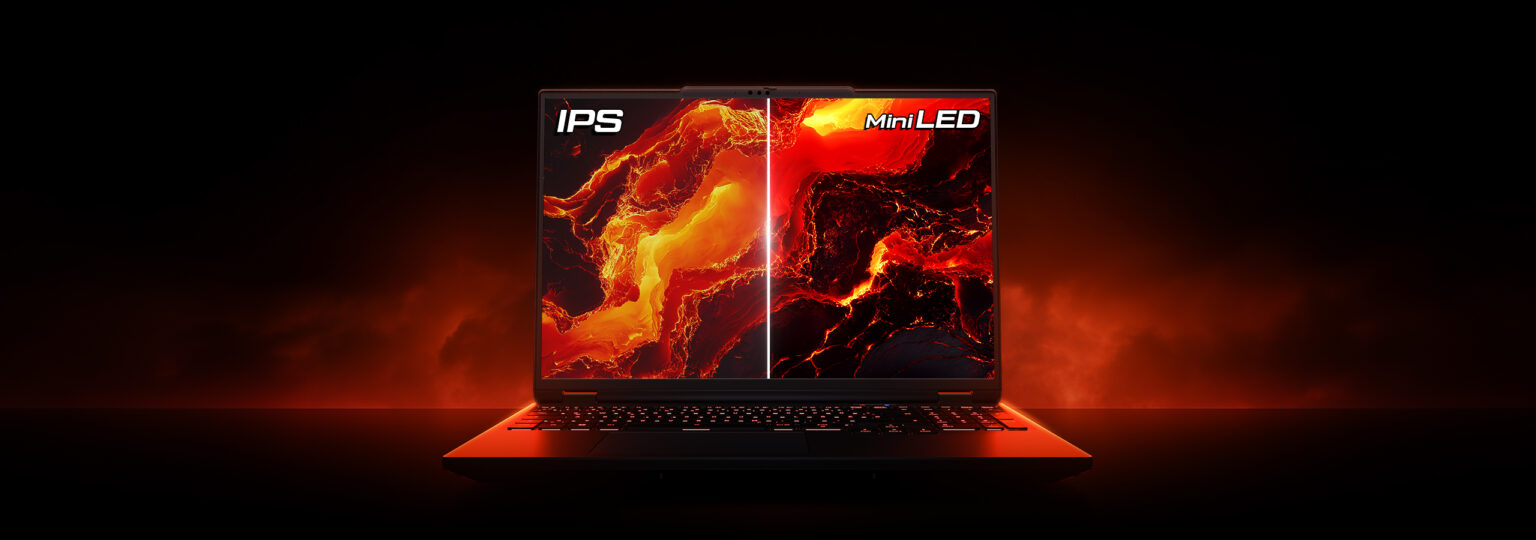
- memory AMD Ryzen 9 9955HX
- developer_board NVIDIA GeForce RTX 5070 Ti Laptop GPU
- layers 64GB DDR5-5600MHz (Dual-Channel)
- track_changes Target GPU: AMD Radeon RX 5700 / NVIDIA GTX 1070 Ti
- memory Intel Core i9-14900HX
- developer_board NVIDIA GeForce RTX 4070
- layers 32GB DDR5-5600MHz
- track_changes Target GPU: AMD Radeon RX 6800 XT / NVIDIA RTX 2080
- memory AMD Ryzen 9 8940HX Processor
- developer_board NVIDIA GeForce RTX 5060 Laptop GPU
- layers 32GB DDR5-5200MHz
- track_changes Target GPU: AMD Radeon RX 6800 XT / NVIDIA RTX 2080
- memory Intel Core i9-12950HX
- developer_board NVIDIA GeForce RTX 3080 Ti
- layers 32GB DDR5-4800MHz
- track_changes Target GPU: AMD Radeon RX 6800 XT / NVIDIA RTX 2080
- memory Intel Core i9-14900HX
- developer_board NVIDIA GeForce RTX 4080 Laptop GPU
- layers 64 GB DDR5-5600MHz
- track_changes Target GPU: AMD Radeon RX 6800 XT / NVIDIA RTX 2080
- memory Intel Core Ultra 9 Processor 275HX (Series 2)
- developer_board NVIDIA GeForce RTX 5070 Laptop GPU
- layers 32GB DDR5-5600MHz
- track_changes Target GPU: AMD Radeon RX 6800 XT / NVIDIA RTX 2080
- memory Intel Core i9-14900HX Processor
- developer_board NVIDIA GeForce RTX 5070 Laptop GPU
- layers 32GB DDR5-5600MHz
- track_changes Target GPU: AMD Radeon RX 6800 XT / NVIDIA RTX 2080

- memory Intel Core i9-14900HX Processor
- developer_board NVIDIA GeForce RTX 5070 Laptop GPU
- layers 32GB DDR5-5600MHz
- track_changes Target GPU: AMD Radeon RX 6800 XT / NVIDIA RTX 2080

- memory Intel Core Ultra 9 285H (Arrow Lake-H)
- developer_board NVIDIA GeForce RTX 5070 Laptop GPU
- layers 64GB LPDDR5x-8533MT/s (LPCAMM2)
- track_changes Target GPU: AMD Radeon RX 6800 XT / NVIDIA RTX 2080

- memory Intel Core i9-14900HX
- developer_board NVIDIA GeForce RTX 4080
- layers 64GB DDR5-5600MHz
- track_changes Target GPU: AMD Radeon RX 6800 XT / NVIDIA RTX 2080

- memory Intel Core i9-14900HX
- developer_board NVIDIA GeForce RTX 4080
- layers 32GB DDR5-5600MHz
- track_changes Target GPU: AMD Radeon RX 6800 XT / NVIDIA RTX 2080
- memory Intel Core i9-14900HX
- developer_board NVIDIA GeForce RTX 4080 Laptop GPU
- layers 64 GB DDR5-5600MHz
- track_changes Target GPU: NVIDIA RTX 4080 / AMD Radeon RX 7900 XT
- memory Intel Core Ultra 9 Processor 275HX (Series 2)
- developer_board NVIDIA GeForce RTX 5070 Laptop GPU
- layers 32GB DDR5-5600MHz
- track_changes Target GPU: NVIDIA RTX 4080 / AMD Radeon RX 7900 XT
- memory Intel Core i9-14900HX Processor
- developer_board NVIDIA GeForce RTX 5070 Laptop GPU
- layers 32GB DDR5-5600MHz
- track_changes Target GPU: NVIDIA RTX 4080 / AMD Radeon RX 7900 XT
- memory Intel Core i9-14900HX Processor
- developer_board NVIDIA GeForce RTX 5070 Laptop GPU
- layers 32GB DDR5-5600MHz
- track_changes Target GPU: NVIDIA RTX 4080 / AMD Radeon RX 7900 XT
- memory Intel Core Ultra 9 285H (Arrow Lake-H)
- developer_board NVIDIA GeForce RTX 5070 Laptop GPU
- layers 64GB LPDDR5x-8533MT/s (LPCAMM2)
- track_changes Target GPU: NVIDIA RTX 4080 / AMD Radeon RX 7900 XT
- memory Intel Core i9-14900HX
- developer_board NVIDIA GeForce RTX 4080
- layers 64GB DDR5-5600MHz
- track_changes Target GPU: NVIDIA RTX 4080 / AMD Radeon RX 7900 XT
- memory Intel Core i9-14900HX
- developer_board NVIDIA GeForce RTX 4080
- layers 32GB DDR5-5600MHz
- track_changes Target GPU: NVIDIA RTX 4080 / AMD Radeon RX 7900 XT

- memory Intel Core i9-14900HX
- developer_board NVIDIA GeForce RTX 4080
- layers 32GB DDR5-5600MHz
- track_changes Target GPU: NVIDIA RTX 4080 / AMD Radeon RX 7900 XT

- memory Intel Core i9-14900HX
- developer_board NVIDIA GeForce RTX 4080
- layers 32GB DDR5-5600MHz
- track_changes Target GPU: NVIDIA RTX 4080 / AMD Radeon RX 7900 XT
- memory AMD Ryzen 9 7845HX
- developer_board NVIDIA GeForce RTX 4080
- layers Up to 64GB DDR5
- track_changes Target GPU: NVIDIA RTX 4080 / AMD Radeon RX 7900 XT
For Kingdom Come: Deliverance 2 Specifically
- memory Intel Core i7-12700H
- developer_board NVIDIA GeForce RTX 3070
- layers 32GB DDR4-3200MHz
- track_changes Target GPU: NVIDIA GeForce GTX 1060 (6GB) or AMD Radeon RX 580 (8GB)
- memory Intel Core i9-13900H
- developer_board NVIDIA GeForce RTX 4060
- layers 16GB DDR5-5200MHz
- track_changes Target GPU: NVIDIA GeForce GTX 1060 (6GB) or AMD Radeon RX 580 (8GB)
- memory Intel Core i9-14900HX
- developer_board NVIDIA GeForce RTX 4060
- layers 32GB DDR5-5600MHz
- track_changes Target GPU: NVIDIA GeForce GTX 1060 (6GB) or AMD Radeon RX 580 (8GB)

- memory Intel Core i9-12900H
- developer_board NVIDIA GeForce RTX 3070 Ti
- layers 16GB DDR5-4800MHz
- track_changes Target GPU: NVIDIA GeForce GTX 1060 (6GB) or AMD Radeon RX 580 (8GB)

- memory Intel Core i5-12450H
- developer_board NVIDIA GeForce RTX 3050
- layers 16GB DDR4-3200MHz
- track_changes Target GPU: NVIDIA GeForce GTX 1060 (6GB) or AMD Radeon RX 580 (8GB)
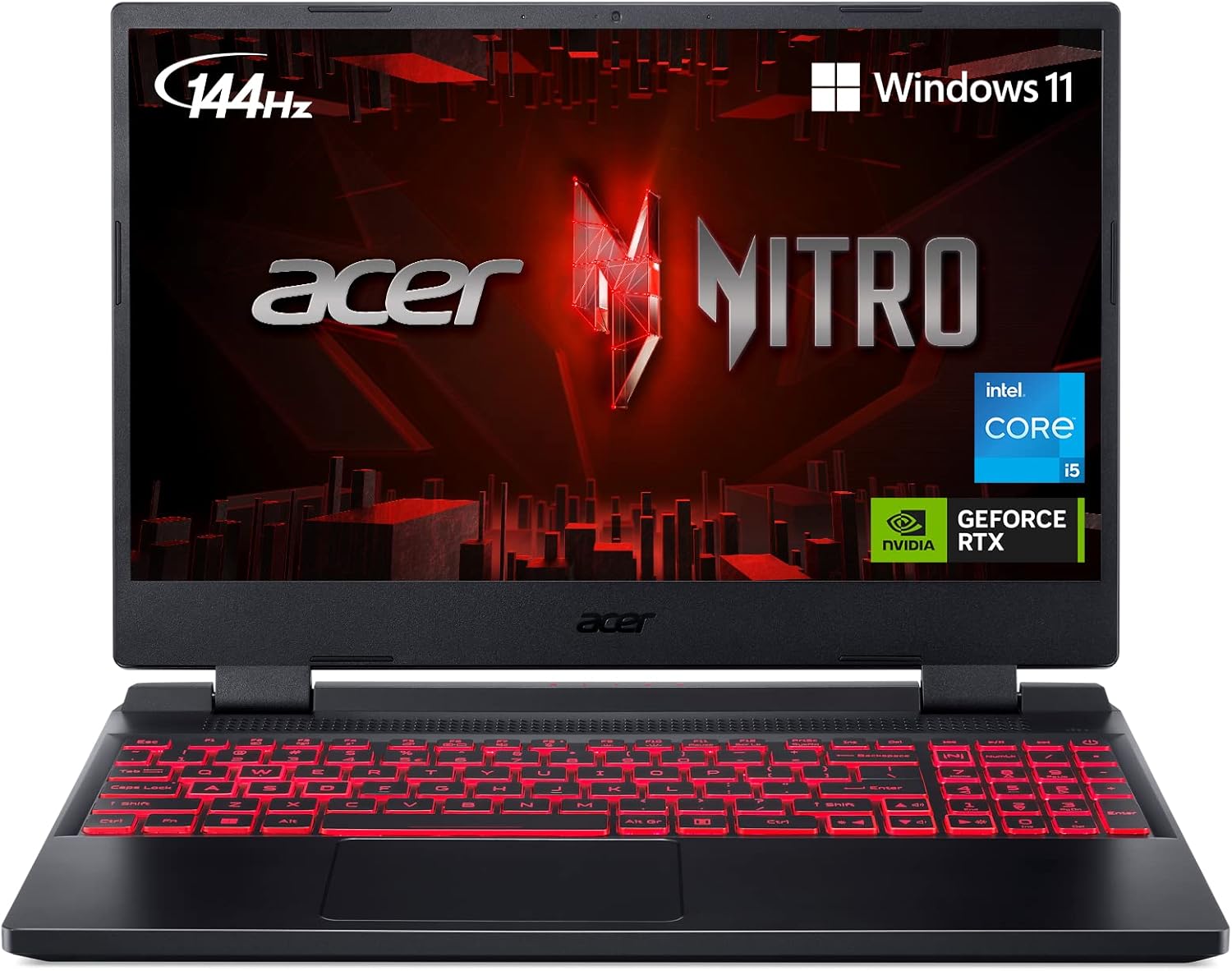
- memory Intel Core i5-12500H
- developer_board NVIDIA GeForce RTX 3050 Ti
- layers 16GB DDR4-3200MHz
- track_changes Target GPU: NVIDIA GeForce GTX 1060 (6GB) or AMD Radeon RX 580 (8GB)
- memory AMD Ryzen 7 7435HS
- developer_board NVIDIA GeForce RTX 3050
- layers 32GB DDR5-4800MHz
- track_changes Target GPU: NVIDIA GeForce GTX 1060 (6GB) or AMD Radeon RX 580 (8GB)

- memory AMD Ryzen 7 6800H
- developer_board NVIDIA GeForce RTX 3060
- layers 16GB DDR5-4800MHz
- track_changes Target GPU: NVIDIA GeForce GTX 1060 (6GB) or AMD Radeon RX 580 (8GB)

- memory AMD Ryzen 9 5900HS
- developer_board NVIDIA GeForce RTX 3080
- layers 16GB DDR4-3200MHz
- track_changes Target GPU: NVIDIA GeForce GTX 1060 (6GB) or AMD Radeon RX 580 (8GB)

- memory Intel Core i7-13620H
- developer_board NVIDIA GeForce RTX 4070
- layers 16GB DDR5-4800MHz
- track_changes Target GPU: NVIDIA GeForce GTX 1060 (6GB) or AMD Radeon RX 580 (8GB)
- memory Intel Core i9-14900HX
- developer_board NVIDIA GeForce RTX 4070
- layers 32GB DDR5-5600MHz
- track_changes Target GPU: NVIDIA GeForce RTX 3060 or AMD Radeon RX 6600 XT
- memory AMD Ryzen 9 8940HX Processor
- developer_board NVIDIA GeForce RTX 5060 Laptop GPU
- layers 32GB DDR5-5200MHz
- track_changes Target GPU: NVIDIA GeForce RTX 3060 or AMD Radeon RX 6600 XT
- memory Intel Core i9-12950HX
- developer_board NVIDIA GeForce RTX 3080 Ti
- layers 32GB DDR5-4800MHz
- track_changes Target GPU: NVIDIA GeForce RTX 3060 or AMD Radeon RX 6600 XT
- memory Intel Core i9-14900HX
- developer_board NVIDIA GeForce RTX 4080 Laptop GPU
- layers 64 GB DDR5-5600MHz
- track_changes Target GPU: NVIDIA GeForce RTX 3060 or AMD Radeon RX 6600 XT
- memory Intel Core Ultra 9 Processor 275HX (Series 2)
- developer_board NVIDIA GeForce RTX 5070 Laptop GPU
- layers 32GB DDR5-5600MHz
- track_changes Target GPU: NVIDIA GeForce RTX 3060 or AMD Radeon RX 6600 XT
- memory Intel Core i9-14900HX Processor
- developer_board NVIDIA GeForce RTX 5070 Laptop GPU
- layers 32GB DDR5-5600MHz
- track_changes Target GPU: NVIDIA GeForce RTX 3060 or AMD Radeon RX 6600 XT
- memory Intel Core i9-14900HX Processor
- developer_board NVIDIA GeForce RTX 5070 Laptop GPU
- layers 32GB DDR5-5600MHz
- track_changes Target GPU: NVIDIA GeForce RTX 3060 or AMD Radeon RX 6600 XT
- memory Intel Core i9-14900HX
- developer_board NVIDIA GeForce RTX 4070
- layers 32GB DDR5-5600MHz
- track_changes Target GPU: NVIDIA GeForce RTX 4070 or AMD Radeon RX 7800 XT. (Future-proof: RTX 5060 Ti)
- memory AMD Ryzen 9 8940HX Processor
- developer_board NVIDIA GeForce RTX 5060 Laptop GPU
- layers 32GB DDR5-5200MHz
- track_changes Target GPU: NVIDIA GeForce RTX 4070 or AMD Radeon RX 7800 XT. (Future-proof: RTX 5060 Ti)
- memory Intel Core i9-12950HX
- developer_board NVIDIA GeForce RTX 3080 Ti
- layers 32GB DDR5-4800MHz
- track_changes Target GPU: NVIDIA GeForce RTX 4070 or AMD Radeon RX 7800 XT. (Future-proof: RTX 5060 Ti)
- memory Intel Core i9-14900HX
- developer_board NVIDIA GeForce RTX 4080 Laptop GPU
- layers 64 GB DDR5-5600MHz
- track_changes Target GPU: NVIDIA GeForce RTX 4070 or AMD Radeon RX 7800 XT. (Future-proof: RTX 5060 Ti)
- memory Intel Core Ultra 9 Processor 275HX (Series 2)
- developer_board NVIDIA GeForce RTX 5070 Laptop GPU
- layers 32GB DDR5-5600MHz
- track_changes Target GPU: NVIDIA GeForce RTX 4070 or AMD Radeon RX 7800 XT. (Future-proof: RTX 5060 Ti)
- memory Intel Core i9-14900HX Processor
- developer_board NVIDIA GeForce RTX 5070 Laptop GPU
- layers 32GB DDR5-5600MHz
- track_changes Target GPU: NVIDIA GeForce RTX 4070 or AMD Radeon RX 7800 XT. (Future-proof: RTX 5060 Ti)
- memory Intel Core i9-14900HX Processor
- developer_board NVIDIA GeForce RTX 5070 Laptop GPU
- layers 32GB DDR5-5600MHz
- track_changes Target GPU: NVIDIA GeForce RTX 4070 or AMD Radeon RX 7800 XT. (Future-proof: RTX 5060 Ti)
- memory Intel Core Ultra 9 285H (Arrow Lake-H)
- developer_board NVIDIA GeForce RTX 5070 Laptop GPU
- layers 64GB LPDDR5x-8533MT/s (LPCAMM2)
- track_changes Target GPU: NVIDIA GeForce RTX 4070 or AMD Radeon RX 7800 XT. (Future-proof: RTX 5060 Ti)
- memory Intel Core i9-14900HX
- developer_board NVIDIA GeForce RTX 4080
- layers 64GB DDR5-5600MHz
- track_changes Target GPU: NVIDIA GeForce RTX 4070 or AMD Radeon RX 7800 XT. (Future-proof: RTX 5060 Ti)
- memory Intel Core i9-14900HX
- developer_board NVIDIA GeForce RTX 4080
- layers 32GB DDR5-5600MHz
- track_changes Target GPU: NVIDIA GeForce RTX 4070 or AMD Radeon RX 7800 XT. (Future-proof: RTX 5060 Ti)
- memory Intel Core i9-14900HX
- developer_board NVIDIA GeForce RTX 4080 Laptop GPU
- layers 64 GB DDR5-5600MHz
- track_changes Target GPU: NVIDIA GeForce RTX 4080 or AMD Radeon RX 7900 XT. (Future-proof: RTX 5080)
- memory Intel Core Ultra 9 Processor 275HX (Series 2)
- developer_board NVIDIA GeForce RTX 5070 Laptop GPU
- layers 32GB DDR5-5600MHz
- track_changes Target GPU: NVIDIA GeForce RTX 4080 or AMD Radeon RX 7900 XT. (Future-proof: RTX 5080)
- memory Intel Core i9-14900HX Processor
- developer_board NVIDIA GeForce RTX 5070 Laptop GPU
- layers 32GB DDR5-5600MHz
- track_changes Target GPU: NVIDIA GeForce RTX 4080 or AMD Radeon RX 7900 XT. (Future-proof: RTX 5080)
- memory Intel Core i9-14900HX Processor
- developer_board NVIDIA GeForce RTX 5070 Laptop GPU
- layers 32GB DDR5-5600MHz
- track_changes Target GPU: NVIDIA GeForce RTX 4080 or AMD Radeon RX 7900 XT. (Future-proof: RTX 5080)
- memory Intel Core Ultra 9 285H (Arrow Lake-H)
- developer_board NVIDIA GeForce RTX 5070 Laptop GPU
- layers 64GB LPDDR5x-8533MT/s (LPCAMM2)
- track_changes Target GPU: NVIDIA GeForce RTX 4080 or AMD Radeon RX 7900 XT. (Future-proof: RTX 5080)
- memory Intel Core i9-14900HX
- developer_board NVIDIA GeForce RTX 4080
- layers 64GB DDR5-5600MHz
- track_changes Target GPU: NVIDIA GeForce RTX 4080 or AMD Radeon RX 7900 XT. (Future-proof: RTX 5080)
- memory Intel Core i9-14900HX
- developer_board NVIDIA GeForce RTX 4080
- layers 32GB DDR5-5600MHz
- track_changes Target GPU: NVIDIA GeForce RTX 4080 or AMD Radeon RX 7900 XT. (Future-proof: RTX 5080)
- memory Intel Core i9-14900HX
- developer_board NVIDIA GeForce RTX 4080
- layers 32GB DDR5-5600MHz
- track_changes Target GPU: NVIDIA GeForce RTX 4080 or AMD Radeon RX 7900 XT. (Future-proof: RTX 5080)
- memory Intel Core i9-14900HX
- developer_board NVIDIA GeForce RTX 4080
- layers 32GB DDR5-5600MHz
- track_changes Target GPU: NVIDIA GeForce RTX 4080 or AMD Radeon RX 7900 XT. (Future-proof: RTX 5080)
- memory AMD Ryzen 9 7845HX
- developer_board NVIDIA GeForce RTX 4080
- layers Up to 64GB DDR5
- track_changes Target GPU: NVIDIA GeForce RTX 4080 or AMD Radeon RX 7900 XT. (Future-proof: RTX 5080)
info_outline Laptop recommendations are estimates based on available component benchmarks and game requirements. Actual performance may vary depending on settings, drivers, cooling, power limits, etc. Prices and availability subject to change. As an Amazon Associate, we earn from qualifying purchases.