Select Games to Compare
Benchmark your exact mobile GPU wattage (TGP), battery throttling drops, and cooling pad requirements for these games.
The Ascent vs Borderlands 2
| close | close |
|---|---|
| shopping_cart Where to Buy | |
| info General Information | |
| Release Date | |
| Jul 29, 2021 | Sep 18, 2012 |
| Developer | |
| Neon Giant | Gearbox Software |
| Publisher | |
| Curve Digital | 2K Games |
| Genre(s) | |
| Action RPG, Twin-Stick Shooter, Cyberpunk, Co-Op, Indie | Action RPG, First-Person Shooter, Looter-Shooter, Co-op |
| Engine | |
| Unreal Engine 4 | Unreal Engine 3 |
| stars Ratings & Price | |
| Content Rating | |
| Mature | M (Mature 17+) |
| Avg. User Rating | |
| 4.1 / 5.0 | 4.8 / 5.0 |
| Current Price (USD) | |
| $29.99 | $19.99 |
| tune Key Specs | |
| Quick Highlights | |
|
|
| sports_esports Gameplay & Mechanics | |
| Companions/Followers | |
|
|
| Key Collectibles | |
|
|
| Key Themes | |
|
|
| colorize Combat & Gear | |
| Weapons Overview | |
|
|
| Armor / Gear Sets | |
|
|
| Outfits/Customization | |
|
|
| trending_up Progression & Upgrades | |
| Skills & Progression | |
|
The Ascent features a deep ARPG progression system. Players level up to earn Skill Points, which are invested into attributes like Tactical Sense, Weapon Handling, Aiming, and Evasion. The game's defining feature is its 'Cyberware' system. Players can install active augmentations (such as launching a barrage of homing missiles or summoning an explosive spider mech) and passive modules (like increasing maximum health or adding dodge-roll evasion). Additionally, the 'Cyberdeck' acts as a hacking tool that players must continually upgrade to slice open high-level corporate doors, ATMs, and hostile automated turrets. |
Each of the four (later six) playable Vault Hunters has three unique skill trees that cater to different playstyles. Players earn skill points by leveling up to unlock powerful new abilities, including a signature 'Action Skill'. After completing the main story, players unlock 'Badass Rank,' a persistent, account-wide progression system that allows for small, incremental stat boosts. |
| public World & Exploration | |
| World & Level Design | |
|
Veles is designed vertically, separated into distinct 'Tiers' that represent the socio-economic status of its inhabitants. 'The Warrens' and 'Deepstink' are the lowest tiers, characterized by claustrophobic slums, raw sewage, and heavy industrial machinery. The mid-tiers feature bustling commercial hubs, neon-soaked nightclubs, and dense residential blocks. The absolute pinnacle, 'The Pinnacle', is where the corporate elite reside in clean, opulent, sunlit luxury. Exploring the map involves seamlessly riding massive elevators and traversing open urban battlegrounds filled with countless interactive NPCs, alien races, and destructible cover. |
The game features a large, semi-open world divided into multiple distinct zones. Players explore diverse biomes on Pandora, including the arctic tundra of the Southern Shelf, the acidic Caustic Caverns, the urban metropolis of Opportunity, and the desolate dust bowl known as The Dust. Travel between major regions is done via a Fast Travel network. |
| Playable Vehicles | |
|
|
| Notable Fauna/Mounts | |
|
N/A |
| book Story & Characters | |
| Main Characters | |
|
|
| Example Missions | |
|
|
| people Multiplayer | |
| Multiplayer Details | |
|
The Ascent features both single-player and up to 4-player cooperative multiplayer. Uniquely for a modern game, it fully supports 'couch co-op' (local multiplayer on a shared screen) as well as online co-op. Playing with a squad fundamentally changes the combat dynamic, allowing players to synergize their cyberware—such as one player acting as a heavy tank with energy shields while others use sniper rifles and hacking abilities to control the battlefield. Enemy health and spawns scale dynamically based on the player count. |
The entire game, including all campaign and DLC content, is designed for seamless drop-in/drop-out four-player online co-op. The game's difficulty and loot drops scale based on the number of players in the session. |
| extension Editions & DLC | |
| Available Editions | |
|
The Ascent launched on PC, Xbox One, and Xbox Series X/S (including Day One on Xbox Game Pass) on July 29, 2021, and later expanded to PS4 and PS5. The base game is sold standalone, but Curve Games also released the 'Cyber Edition' bundle, which packages the base game with the 'Cyber Heist' story DLC and several cosmetic/weapon packs, including the 'Cyber Warrior Pack' and the 'CyberSec Pack'. These premium packs offer unique Samurai-inspired armor sets, animated weapon skins, and tactical grenades. |
The game was originally released with Standard and Deluxe editions. The most common version today is the 'Game of the Year Edition' or 'The Handsome Collection' (which also includes Borderlands: The Pre-Sequel), both of which bundle the base game with its major Season Pass DLCs. |
| Post-Launch Content / DLC | |
|
Neon Giant provided excellent post-launch support. The major expansion, 'Cyber Heist' (released August 2022), takes place immediately after the main campaign. It introduces new overworld locations, new main and side missions, and highly requested melee weapons like the Rock Crusher and Guillotine. Additionally, several cosmetic DLCs ('CyberSec Pack', 'Cyber Warrior Pack') were added, alongside free game updates that introduced a highly requested Transmogrification system (allowing players to change their armor's appearance without losing stats) and a New Game+ mode. |
Borderlands 2 is famous for its extensive post-launch support. This includes four major campaign DLCs (Captain Scarlett and Her Pirate's Booty, Mr. Torgue's Campaign of Carnage, Sir Hammerlock's Big Game Hunt, and the acclaimed Tiny Tina's Assault on Dragon Keep), two additional playable Vault Hunter classes (Gaige the Mechromancer and Krieg the Psycho), and numerous smaller content packs and headhunter missions. |
| help_outline FAQ | |
| Frequently Asked Questions | |
|
|
| build Technical Details | |
| Graphics & Visual Fidelity | |
|
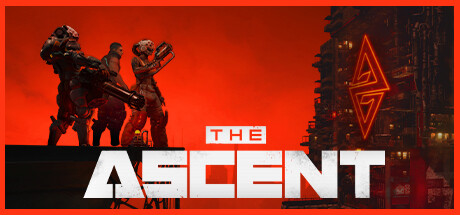
Despite being developed by an incredibly small indie team of 11 people at Neon Giant, The Ascent boasts 'AAA' visual fidelity. The game is played from a classic isometric perspective, but the camera seamlessly shifts and pans to showcase the breathtaking scale of the arcology. The environmental detail is staggering, with hundreds of physics objects, volumetric smoke, and neon signs reflecting in rain-slicked puddles. The implementation of Ray Traced reflections and shadows on PC is considered some of the best in the industry, making the grimy, futuristic city look hyper-realistic. |
Borderlands 2 solidified the series' iconic 'concept art' visual style, which uses cel-shading to create a vibrant, comic-book-like look. This unique art direction helps the game's graphics hold up well over time. An optional Ultra HD Texture Pack is available for PC players. |
| Audio & Soundtrack | |
|
The auditory experience is a standout feature, headlined by a pulsating, heavy synthwave soundtrack composed by Paweł Błaszczak (known for his work on Dying Light and The Witcher). The music dynamically shifts from brooding, atmospheric synthesizer hums during exploration to aggressive, high-tempo club beats during massive firefights. The weapon sound design is incredibly punchy, and the diverse alien languages spoken by the ambient crowds make the arcology feel like a true melting pot. |
The game features a memorable soundtrack that blends industrial, electronic, and western-style music. The voice acting is a major highlight, particularly the performance of Dameon Clarke as the charismatic and psychopathic villain, Handsome Jack. |
| User Interface (UI/UX) | |
|
The UI embraces the cyberpunk aesthetic with sleek, red-and-cyan holographic menus. In combat, the HUD displays a health bar, energy meter (for augmentations), and a tactical charge meter. One of the best UI features is the 'Waypoint' system; pressing a button projects a glowing digital line on the ground guiding the player to their next objective, seamlessly integrating navigation into the world without cluttering the screen with permanent mini-maps. |
Features a classic FPS UI with a health and shield bar, a mini-map, an ammo count, and an experience bar. The inventory and skill tree menus are stylized with the game's signature grunge, cel-shaded aesthetic. |
| Accessibility Options | |
|
The game offers standard accessibility settings including text scaling, subtitle backgrounds, and UI color adjustments. It also includes highly customizable aim-assist settings, which is incredibly helpful for players using gamepads in a fast-paced twin-stick shooter. Difficulty can be adjusted at any time, allowing players to scale back enemy damage if a particular boss fight proves too punishing. |
N/A |
| video_library Media Links | |
| Gameplay Video | |
| launchWatch | launchWatch |
| Walkthrough/Guide | |
| launchView | launchView |
| settings_applications System Requirements | |
| 1080p (Full HD) - Recommended (High Preset, 1080p (60 FPS Target)) CPU: Official recommended processors, providing enough multi-threaded overhead to eliminate stuttering during massive explosive encounters. CPU (Laptop): Ensures perfectly fluid frame pacing, critical for twin-stick shooter responsiveness. GPU: Official recommended GPUs. The 8GB VRAM buffer is necessary to run the game with high-quality textures and dense volumetric lighting. GPU (Laptop): Guarantees a locked 60 FPS at 1080p on high settings, with enough overhead for mild Ray Tracing. RAM: The official recommendation to ensure seamless asset streaming when running through the open world. Storage: NVMe SSD. | |
memoryCPU: Intel Core i7-6700K (4 * 4000) or equivalent / AMD Ryzen 5 2600 (6 * 3400) or equivalent developer_boardGPU: Geforce GTX 1070 (8192 MB) / Radeon RX 5700 (8192 MB) laptop_macCPU (L): Intel Core i7-9750H / AMD Ryzen 7 4800H laptop_windowsGPU (L): NVIDIA GeForce RTX 3060 Mobile / RTX 4050 Mobile layersRAM: 16 GB saveStorage (Tier): 35 GB available space | — |
| 1080p (Full HD) - Minimum (Targets 1080p, Low settings, ~30-60 FPS) (Low Preset, 1080p resolution. This tier aims for a basic playable framerate.) CPU: Official minimum desktop CPU requirement. This is a very low-end requirement by modern standards. CPU (Laptop): Any modern entry-level laptop CPU will easily meet this requirement. GPU: Official minimum desktop GPUs. These cards are extremely old, making the game highly accessible. GPU (Laptop): Any modern entry-level laptop GPU, including integrated graphics on recent CPUs, will easily meet this requirement. RAM: 2GB RAM is the official minimum requirement. Storage: An HDD is sufficient for the minimum spec. | |
| — | memoryCPU: 2.4 GHz Dual Core Processor developer_boardGPU: NVIDIA GeForce 8500 GT or ATI Radeon HD 2600 laptop_macCPU (L): Intel Core i3-7100U / AMD Ryzen 3 2200U or better. laptop_windowsGPU (L): NVIDIA GeForce MX250, RTX 3050 Laptop (4GB), RTX 4050 Laptop (6GB). (Future-proof: RTX 5050 Laptop) layersRAM: 2 GB saveStorage (Tier): 20 GB HDD |
| 1080p (Full HD) - Minimum (Low Preset, 1080p (30 FPS Target)) CPU: The official minimum processors required to handle the baseline game logic, AI crowds, and destructible physics. CPU (Laptop): Older quad-core mobile CPUs will struggle slightly in crowded hubs but can run the game at minimum settings targeting 30-45 FPS. GPU: The official minimum GPUs. Players will need to keep visual settings low to accommodate older hardware while rendering the busy cityscapes. GPU (Laptop): Capable of providing a playable 1080p experience on low/medium settings without Ray Tracing. RAM: Official minimum required system memory. Storage: SSD drive strongly recommended. | |
memoryCPU: Intel Core i5-3470 (4 * 3200) or equivalent / AMD FX-8350 (4 * 4000) or equivalent developer_boardGPU: GeForce GTX 660 (2048 MB) / Radeon R9 390X (8192 MB) laptop_macCPU (L): Intel Core i5-8300H / AMD Ryzen 5 3550H laptop_windowsGPU (L): NVIDIA GeForce GTX 1650 Mobile layersRAM: 8 GB saveStorage (Tier): 35 GB available space | — |
| 1080p (Full HD) - Recommended (Targets 1080p, High settings, ~60+ FPS) (High Preset, 1080p resolution, aiming for a consistent 60 FPS or higher.) CPU: Official recommended desktop CPU for a solid 60 FPS experience. CPU (Laptop): A modest mobile CPU is more than enough to maintain a stable framerate. GPU: Official recommended desktop GPUs for a high-quality 1080p experience. GPU (Laptop): Entry-level gaming laptop GPUs will comfortably run the game at max settings and high framerates. RAM: 2GB RAM is the official recommended amount, though 8GB is advised for modern operating systems. Storage: An HDD is sufficient for this tier, but an SSD is recommended for faster loading. | |
| — | memoryCPU: 2.3 GHz Quad Core Processor developer_boardGPU: NVIDIA GeForce GTX 560 (1GB) or ATI Radeon HD 5850 (1GB) laptop_macCPU (L): Intel Core i5-8250U / AMD Ryzen 5 2500U or better. laptop_windowsGPU (L): NVIDIA GeForce GTX 1050 Mobile (2GB), RTX 3050 Laptop (4GB), RTX 4050 Laptop (6GB). (Future-proof: RTX 5050 Laptop) layersRAM: 2 GB saveStorage (Tier): 20 GB HDD |
| 1440p (QHD/2K) - Enthusiast (Ultra Preset, 1440p (60+ FPS Target)) CPU: Modern mid-to-high end CPUs provide massive overhead, ensuring AI pathfinding doesn't halt the render thread. CPU (Laptop): Easily powers the game's logic while driving higher resolution laptop displays. GPU: Handles the increased pixel count cleanly, ensuring razor-sharp visuals on neon signs and metallic cybernetics. GPU (Laptop): Provides the necessary compute overhead for 1440p rendering on portable panels. RAM: Optimal configuration for modern systems. Storage: NVMe SSD. | |
memoryCPU: Intel Core i5-10400 / AMD Ryzen 5 3600 developer_boardGPU: NVIDIA GeForce RTX 2070 Super / AMD Radeon RX 6700 XT laptop_macCPU (L): Intel Core i7-11800H / AMD Ryzen 7 5800H laptop_windowsGPU (L): NVIDIA GeForce RTX 3070 Mobile / RTX 4060 Mobile layersRAM: 16 GB saveStorage (Tier): 35 GB available space | — |
| 1440p (QHD/2K) - High (Targets 1440p, High settings, ~60+ FPS) (High Preset, 1440p resolution, aiming for a high and stable framerate.) CPU: A modern entry-level CPU is more than enough to prevent bottlenecks at 1440p. CPU (Laptop): Any modern gaming laptop CPU will handle 1440p with ease. GPU: Desktop GPUs capable of a strong 1440p/60FPS experience. A modern card like the RTX 3050 would be overkill. GPU (Laptop): An entry-level RTX laptop GPU is excellent for 1440p. A future RTX 5050 Laptop would offer an extremely smooth experience. RAM: 8GB RAM is sufficient, but 16GB is recommended for smooth 1440p gaming with modern operating systems. Storage: An SSD is recommended for the best loading times at 1440p. | |
| — | memoryCPU: Intel Core i3-10100 or AMD Ryzen 3 3100 developer_boardGPU: NVIDIA GeForce GTX 1060 (6GB) or AMD Radeon RX 580 (8GB). (Future-proof: RTX 3050) laptop_macCPU (L): Intel Core i5-10300H / AMD Ryzen 5 4600H or newer. laptop_windowsGPU (L): NVIDIA GeForce GTX 1660 Ti Mobile (6GB), RTX 3050 Ti Laptop (4GB), RTX 4050 Laptop (6GB). (Future-proof: RTX 5050 Laptop) layersRAM: 8 GB saveStorage (Tier): 20 GB SSD |
| 2160p (UHD/4K) - Ultra (Max Preset + Ray Tracing, 4K (60 FPS with DLSS/FSR)) CPU: Ensures absolutely no bottlenecks at the highest visual fidelity. CPU (Laptop): Desktop-grade performance in a mobile chassis. GPU: Powers the grueling 4K resolution, rendering the breathtaking ray-traced puddles and neon reflections flawlessly. GPU (Laptop): Required to maintain a stable 4K frame rate on an external display. RAM: Optimizes system stability and ensures zero background application interference. Storage: Gen4 NVMe SSD. | |
memoryCPU: Intel Core i7-10700K / AMD Ryzen 7 5800X developer_boardGPU: NVIDIA GeForce RTX 3080 / AMD Radeon RX 6800 XT laptop_macCPU (L): Intel Core i9-12900H laptop_windowsGPU (L): NVIDIA GeForce RTX 3080 Ti Mobile / RTX 4080 Mobile layersRAM: 32 GB saveStorage (Tier): 35 GB available space | — |
| 2160p (UHD/4K) - 4K Ultra Settings (Targets 2160p/4K, High settings, ~60+ FPS) (High Preset, 2160p (4K) resolution, aiming for 60 FPS or higher.) CPU: A solid mid-range CPU is recommended to support 4K gaming and minimize any potential stutters. CPU (Laptop): Mid-range laptop CPUs are more than sufficient to pair with capable GPUs for a smooth 4K experience. GPU: Mid-range GPUs are recommended for a stable 4K/60FPS experience. A future RTX 5060 would likely handle this with ease. GPU (Laptop): Mid-range and high-end laptop GPUs are recommended for a playable 4K experience. A future RTX 5060 Ti Laptop would be a prime target for high-refresh-rate 4K mobile gaming. RAM: 16GB RAM is sufficient for 4K in this title. Storage: A fast NVMe SSD is highly recommended for the best 4K gaming experience. | |
| — | memoryCPU: Intel Core i5-10400F or AMD Ryzen 5 3600 developer_boardGPU: NVIDIA GeForce RTX 3060 (12GB) or AMD Radeon RX 6600 XT (8GB). (Future-proof: RTX 4060 / RTX 5060) laptop_macCPU (L): Intel Core i7-10750H / AMD Ryzen 7 4800H or newer. laptop_windowsGPU (L): NVIDIA GeForce RTX 3060 Laptop (6GB), RTX 4060 Laptop (8GB), RTX 4070 Laptop (8GB). (Future-proof: RTX 5060 Ti Laptop) layersRAM: 16 GB saveStorage (Tier): 20 GB NVMe SSD |
| save Overall Storage | |
| Spec: 35 GB available space Note: An SSD is highly recommended to eliminate loading hitches when taking the elevator or transit trains between the massive vertical tiers of Veles. Type: Unknown | Spec: 20 GB available space Note: The game requires 20 GB of storage space. An SSD is recommended for faster loading times, but not required. Type: Unknown |
| desktop_windows Operating System | |
| Spec: Windows 10 x64 Explanation: A 64-bit operating system is strictly required by the engine to efficiently manage memory allocation across the massive, seamless cyberpunk metropolis. | Spec: Windows XP SP3 / Vista / 7 / 8 / 10 / 11 Explanation: The game is compatible with a very wide range of Windows operating systems, starting from Windows XP SP3. A 64-bit OS is recommended. |
| gamepad DirectX Version | |
Spec: Version 11 (Minimum) / Version 12 (Recommended) Explanation: DirectX 11 provides baseline compatibility, but DirectX 12 is officially required to enable the game's advanced Ray Tracing features and DLSS support. | Spec: DirectX 9.0c Explanation: The official requirement is DirectX 9.0c. The game runs on a modified version of Unreal Engine 3, which primarily utilizes this API. |
| info_outline Other Game Notes | |
|
|
| build Optimization Details | |
|
|
| laptop Laptop Considerations | |
|
|
info_outline Feature details based on available data. System requirements and performance estimates may vary.
laptop_chromebook Laptop Recommendations
Common Recommendations (Handles All Compared Games)

- memory Intel Core i7-12700H
- developer_board NVIDIA GeForce RTX 3070
- layers 32GB DDR4-3200MHz
- track_changes Target GPU: NVIDIA GeForce GTX 1650 Mobile

- memory Intel Core i9-13900H
- developer_board NVIDIA GeForce RTX 4060
- layers 16GB DDR5-5200MHz
- track_changes Target GPU: NVIDIA GeForce GTX 1650 Mobile

- memory Intel Core i9-14900HX
- developer_board NVIDIA GeForce RTX 4060
- layers 32GB DDR5-5600MHz
- track_changes Target GPU: NVIDIA GeForce GTX 1650 Mobile

- memory AMD Ryzen 7 7435HS
- developer_board NVIDIA GeForce RTX 3050
- layers 32GB DDR5-4800MHz
- track_changes Target GPU: NVIDIA GeForce RTX 3060 Mobile / RTX 4050 Mobile

- memory AMD Ryzen 9 8940HX Processor
- developer_board NVIDIA GeForce RTX 5060 Laptop GPU
- layers 32GB DDR5-5200MHz
- track_changes Target GPU: NVIDIA GeForce RTX 3060 Mobile / RTX 4050 Mobile

- memory AMD Ryzen 7 7445HS
- developer_board NVIDIA GeForce RTX 4050
- layers 16GB (2x8GB) DDR5 5600MHz SO-DIMM
- track_changes Target GPU: NVIDIA GeForce RTX 3060 Mobile / RTX 4050 Mobile

- memory Intel Core i9-12900H
- developer_board NVIDIA GeForce RTX 3070 Ti
- layers 16GB DDR5-4800MHz
- track_changes Target GPU: NVIDIA GeForce GTX 1050 Mobile (2GB), RTX 3050 Laptop (4GB), RTX 4050 Laptop (6GB). (Future-proof: RTX 5050 Laptop)
- memory Intel Core i7-12700H
- developer_board NVIDIA GeForce RTX 3070
- layers 32GB DDR4-3200MHz
- track_changes Target GPU: NVIDIA GeForce RTX 3070 Mobile / RTX 4060 Mobile
- memory Intel Core i9-13900H
- developer_board NVIDIA GeForce RTX 4060
- layers 16GB DDR5-5200MHz
- track_changes Target GPU: NVIDIA GeForce RTX 3070 Mobile / RTX 4060 Mobile
- memory Intel Core i9-14900HX
- developer_board NVIDIA GeForce RTX 4060
- layers 32GB DDR5-5600MHz
- track_changes Target GPU: NVIDIA GeForce RTX 3070 Mobile / RTX 4060 Mobile

- memory Intel Core i5-11400H
- developer_board NVIDIA GeForce RTX 2050
- layers 8GB DDR4-3200MHz
- track_changes Target GPU: NVIDIA GeForce GTX 1660 Ti Mobile (6GB), RTX 3050 Ti Laptop (4GB), RTX 4050 Laptop (6GB). (Future-proof: RTX 5050 Laptop)
- memory Intel Core i7-12700H
- developer_board NVIDIA GeForce RTX 3070
- layers 32GB DDR4-3200MHz
- track_changes Target GPU: NVIDIA GeForce RTX 3060 Laptop (6GB), RTX 4060 Laptop (8GB), RTX 4070 Laptop (8GB). (Future-proof: RTX 5060 Ti Laptop)
- memory Intel Core i9-13900H
- developer_board NVIDIA GeForce RTX 4060
- layers 16GB DDR5-5200MHz
- track_changes Target GPU: NVIDIA GeForce RTX 3060 Laptop (6GB), RTX 4060 Laptop (8GB), RTX 4070 Laptop (8GB). (Future-proof: RTX 5060 Ti Laptop)
- memory Intel Core i9-14900HX
- developer_board NVIDIA GeForce RTX 4060
- layers 32GB DDR5-5600MHz
- track_changes Target GPU: NVIDIA GeForce RTX 3060 Laptop (6GB), RTX 4060 Laptop (8GB), RTX 4070 Laptop (8GB). (Future-proof: RTX 5060 Ti Laptop)
For The Ascent Specifically
- memory Intel Core i7-12700H
- developer_board NVIDIA GeForce RTX 3070
- layers 32GB DDR4-3200MHz
- track_changes Target GPU: GeForce GTX 660 (2048 MB) / Radeon R9 390X (8192 MB)
- memory Intel Core i9-13900H
- developer_board NVIDIA GeForce RTX 4060
- layers 16GB DDR5-5200MHz
- track_changes Target GPU: GeForce GTX 660 (2048 MB) / Radeon R9 390X (8192 MB)
- memory Intel Core i9-14900HX
- developer_board NVIDIA GeForce RTX 4060
- layers 32GB DDR5-5600MHz
- track_changes Target GPU: GeForce GTX 660 (2048 MB) / Radeon R9 390X (8192 MB)
- memory Intel Core i9-12900H
- developer_board NVIDIA GeForce RTX 3070 Ti
- layers 16GB DDR5-4800MHz
- track_changes Target GPU: GeForce GTX 660 (2048 MB) / Radeon R9 390X (8192 MB)

- memory Intel Core i5-12450H
- developer_board NVIDIA GeForce RTX 3050
- layers 16GB DDR4-3200MHz
- track_changes Target GPU: GeForce GTX 660 (2048 MB) / Radeon R9 390X (8192 MB)

- memory Intel Core i5-12500H
- developer_board NVIDIA GeForce RTX 3050 Ti
- layers 16GB DDR4-3200MHz
- track_changes Target GPU: GeForce GTX 660 (2048 MB) / Radeon R9 390X (8192 MB)
- memory AMD Ryzen 7 7435HS
- developer_board NVIDIA GeForce RTX 3050
- layers 32GB DDR5-4800MHz
- track_changes Target GPU: GeForce GTX 660 (2048 MB) / Radeon R9 390X (8192 MB)

- memory AMD Ryzen 7 6800H
- developer_board NVIDIA GeForce RTX 3060
- layers 16GB DDR5-4800MHz
- track_changes Target GPU: GeForce GTX 660 (2048 MB) / Radeon R9 390X (8192 MB)

- memory AMD Ryzen 9 5900HS
- developer_board NVIDIA GeForce RTX 3080
- layers 16GB DDR4-3200MHz
- track_changes Target GPU: GeForce GTX 660 (2048 MB) / Radeon R9 390X (8192 MB)

- memory Intel Core i7-13620H
- developer_board NVIDIA GeForce RTX 4070
- layers 16GB DDR5-4800MHz
- track_changes Target GPU: GeForce GTX 660 (2048 MB) / Radeon R9 390X (8192 MB)
- memory AMD Ryzen 9 8940HX Processor
- developer_board NVIDIA GeForce RTX 5060 Laptop GPU
- layers 32GB DDR5-5200MHz
- track_changes Target GPU: Geforce GTX 1070 (8192 MB) / Radeon RX 5700 (8192 MB)
- memory AMD Ryzen 7 7445HS
- developer_board NVIDIA GeForce RTX 4050
- layers 16GB (2x8GB) DDR5 5600MHz SO-DIMM
- track_changes Target GPU: Geforce GTX 1070 (8192 MB) / Radeon RX 5700 (8192 MB)

- memory AMD Ryzen 7 7445HS
- developer_board NVIDIA GeForce RTX 4050
- layers 16GB DDR5 5600MHz SO-DIMM
- track_changes Target GPU: Geforce GTX 1070 (8192 MB) / Radeon RX 5700 (8192 MB)

- memory AMD Ryzen 9 7845HX
- developer_board NVIDIA GeForce RTX 4080
- layers Up to 64GB DDR5
- track_changes Target GPU: Geforce GTX 1070 (8192 MB) / Radeon RX 5700 (8192 MB)
- memory AMD Ryzen 9 9955HX
- developer_board NVIDIA GeForce RTX 5070 Ti Laptop GPU
- layers 64GB DDR5-5600MHz (Dual-Channel)
- track_changes Target GPU: Geforce GTX 1070 (8192 MB) / Radeon RX 5700 (8192 MB)
- memory Intel Core i7-12700H
- developer_board NVIDIA GeForce RTX 3070
- layers 32GB DDR4-3200MHz
- track_changes Target GPU: NVIDIA GeForce RTX 2070 Super / AMD Radeon RX 6700 XT
- memory Intel Core i9-13900H
- developer_board NVIDIA GeForce RTX 4060
- layers 16GB DDR5-5200MHz
- track_changes Target GPU: NVIDIA GeForce RTX 2070 Super / AMD Radeon RX 6700 XT
- memory Intel Core i9-14900HX
- developer_board NVIDIA GeForce RTX 4060
- layers 32GB DDR5-5600MHz
- track_changes Target GPU: NVIDIA GeForce RTX 2070 Super / AMD Radeon RX 6700 XT
- memory Intel Core i9-12900H
- developer_board NVIDIA GeForce RTX 3070 Ti
- layers 16GB DDR5-4800MHz
- track_changes Target GPU: NVIDIA GeForce RTX 2070 Super / AMD Radeon RX 6700 XT
- memory AMD Ryzen 7 7435HS
- developer_board NVIDIA GeForce RTX 3050
- layers 32GB DDR5-4800MHz
- track_changes Target GPU: NVIDIA GeForce RTX 2070 Super / AMD Radeon RX 6700 XT
- memory AMD Ryzen 7 6800H
- developer_board NVIDIA GeForce RTX 3060
- layers 16GB DDR5-4800MHz
- track_changes Target GPU: NVIDIA GeForce RTX 2070 Super / AMD Radeon RX 6700 XT
- memory AMD Ryzen 9 5900HS
- developer_board NVIDIA GeForce RTX 3080
- layers 16GB DDR4-3200MHz
- track_changes Target GPU: NVIDIA GeForce RTX 2070 Super / AMD Radeon RX 6700 XT
- memory Intel Core i7-13620H
- developer_board NVIDIA GeForce RTX 4070
- layers 16GB DDR5-4800MHz
- track_changes Target GPU: NVIDIA GeForce RTX 2070 Super / AMD Radeon RX 6700 XT

- memory Intel Core i7-14700HX
- developer_board NVIDIA GeForce RTX 4070
- layers 16GB DDR5-5600MHz
- track_changes Target GPU: NVIDIA GeForce RTX 2070 Super / AMD Radeon RX 6700 XT

- memory Intel Core i9-14900HX
- developer_board NVIDIA GeForce RTX 4070
- layers 32GB DDR5-5600MHz
- track_changes Target GPU: NVIDIA GeForce RTX 2070 Super / AMD Radeon RX 6700 XT
For Borderlands 2 Specifically
- memory Intel Core i7-12700H
- developer_board NVIDIA GeForce RTX 3070
- layers 32GB DDR4-3200MHz
- track_changes Target GPU: NVIDIA GeForce 8500 GT or ATI Radeon HD 2600
- memory Intel Core i9-13900H
- developer_board NVIDIA GeForce RTX 4060
- layers 16GB DDR5-5200MHz
- track_changes Target GPU: NVIDIA GeForce 8500 GT or ATI Radeon HD 2600
- memory Intel Core i9-14900HX
- developer_board NVIDIA GeForce RTX 4060
- layers 32GB DDR5-5600MHz
- track_changes Target GPU: NVIDIA GeForce 8500 GT or ATI Radeon HD 2600
- memory Intel Core i9-12900H
- developer_board NVIDIA GeForce RTX 3070 Ti
- layers 16GB DDR5-4800MHz
- track_changes Target GPU: NVIDIA GeForce 8500 GT or ATI Radeon HD 2600
- memory AMD Ryzen 7 7435HS
- developer_board NVIDIA GeForce RTX 3050
- layers 32GB DDR5-4800MHz
- track_changes Target GPU: NVIDIA GeForce 8500 GT or ATI Radeon HD 2600
- memory AMD Ryzen 7 6800H
- developer_board NVIDIA GeForce RTX 3060
- layers 16GB DDR5-4800MHz
- track_changes Target GPU: NVIDIA GeForce 8500 GT or ATI Radeon HD 2600
- memory AMD Ryzen 9 5900HS
- developer_board NVIDIA GeForce RTX 3080
- layers 16GB DDR4-3200MHz
- track_changes Target GPU: NVIDIA GeForce 8500 GT or ATI Radeon HD 2600
- memory Intel Core i7-13620H
- developer_board NVIDIA GeForce RTX 4070
- layers 16GB DDR5-4800MHz
- track_changes Target GPU: NVIDIA GeForce 8500 GT or ATI Radeon HD 2600
- memory Intel Core i7-14700HX
- developer_board NVIDIA GeForce RTX 4070
- layers 16GB DDR5-5600MHz
- track_changes Target GPU: NVIDIA GeForce 8500 GT or ATI Radeon HD 2600
- memory Intel Core i9-14900HX
- developer_board NVIDIA GeForce RTX 4070
- layers 32GB DDR5-5600MHz
- track_changes Target GPU: NVIDIA GeForce 8500 GT or ATI Radeon HD 2600

- memory Intel Core i9-14900HX
- developer_board NVIDIA GeForce RTX 4070
- layers 16GB DDR5-5600MHz
- track_changes Target GPU: NVIDIA GeForce GTX 560 (1GB) or ATI Radeon HD 5850 (1GB)

- memory Intel Core Ultra 7 255H
- developer_board NVIDIA GeForce RTX 5060 Laptop GPU
- layers 16GB DDR5-5600MHz (Dual-Channel)
- track_changes Target GPU: NVIDIA GeForce GTX 560 (1GB) or ATI Radeon HD 5850 (1GB)
- memory AMD Ryzen 9 8940HX Processor
- developer_board NVIDIA GeForce RTX 5060 Laptop GPU
- layers 32GB DDR5-5200MHz
- track_changes Target GPU: NVIDIA GeForce GTX 560 (1GB) or ATI Radeon HD 5850 (1GB)

- memory Intel Core i9-12950HX
- developer_board NVIDIA GeForce RTX 3080 Ti
- layers 32GB DDR5-4800MHz
- track_changes Target GPU: NVIDIA GeForce GTX 560 (1GB) or ATI Radeon HD 5850 (1GB)
- memory AMD Ryzen 7 7445HS
- developer_board NVIDIA GeForce RTX 4050
- layers 16GB (2x8GB) DDR5 5600MHz SO-DIMM
- track_changes Target GPU: NVIDIA GeForce GTX 560 (1GB) or ATI Radeon HD 5850 (1GB)
- memory Intel Core i5-11400H
- developer_board NVIDIA GeForce RTX 2050
- layers 8GB DDR4-3200MHz
- track_changes Target GPU: NVIDIA GeForce GTX 1060 (6GB) or AMD Radeon RX 580 (8GB). (Future-proof: RTX 3050)
- memory Intel Core i7-12700H
- developer_board NVIDIA GeForce RTX 3070
- layers 32GB DDR4-3200MHz
- track_changes Target GPU: NVIDIA GeForce GTX 1060 (6GB) or AMD Radeon RX 580 (8GB). (Future-proof: RTX 3050)
- memory Intel Core i9-13900H
- developer_board NVIDIA GeForce RTX 4060
- layers 16GB DDR5-5200MHz
- track_changes Target GPU: NVIDIA GeForce GTX 1060 (6GB) or AMD Radeon RX 580 (8GB). (Future-proof: RTX 3050)
- memory Intel Core i9-14900HX
- developer_board NVIDIA GeForce RTX 4060
- layers 32GB DDR5-5600MHz
- track_changes Target GPU: NVIDIA GeForce GTX 1060 (6GB) or AMD Radeon RX 580 (8GB). (Future-proof: RTX 3050)
- memory Intel Core i9-12900H
- developer_board NVIDIA GeForce RTX 3070 Ti
- layers 16GB DDR5-4800MHz
- track_changes Target GPU: NVIDIA GeForce GTX 1060 (6GB) or AMD Radeon RX 580 (8GB). (Future-proof: RTX 3050)
- memory Intel Core i5-12450H
- developer_board NVIDIA GeForce RTX 3050
- layers 16GB DDR4-3200MHz
- track_changes Target GPU: NVIDIA GeForce GTX 1060 (6GB) or AMD Radeon RX 580 (8GB). (Future-proof: RTX 3050)
- memory Intel Core i5-12500H
- developer_board NVIDIA GeForce RTX 3050 Ti
- layers 16GB DDR4-3200MHz
- track_changes Target GPU: NVIDIA GeForce GTX 1060 (6GB) or AMD Radeon RX 580 (8GB). (Future-proof: RTX 3050)
- memory AMD Ryzen 7 7435HS
- developer_board NVIDIA GeForce RTX 3050
- layers 32GB DDR5-4800MHz
- track_changes Target GPU: NVIDIA GeForce GTX 1060 (6GB) or AMD Radeon RX 580 (8GB). (Future-proof: RTX 3050)
- memory AMD Ryzen 7 6800H
- developer_board NVIDIA GeForce RTX 3060
- layers 16GB DDR5-4800MHz
- track_changes Target GPU: NVIDIA GeForce GTX 1060 (6GB) or AMD Radeon RX 580 (8GB). (Future-proof: RTX 3050)
- memory AMD Ryzen 9 5900HS
- developer_board NVIDIA GeForce RTX 3080
- layers 16GB DDR4-3200MHz
- track_changes Target GPU: NVIDIA GeForce GTX 1060 (6GB) or AMD Radeon RX 580 (8GB). (Future-proof: RTX 3050)
- memory Intel Core i7-12700H
- developer_board NVIDIA GeForce RTX 3070
- layers 32GB DDR4-3200MHz
- track_changes Target GPU: NVIDIA GeForce RTX 3060 (12GB) or AMD Radeon RX 6600 XT (8GB). (Future-proof: RTX 4060 / RTX 5060)
- memory Intel Core i9-13900H
- developer_board NVIDIA GeForce RTX 4060
- layers 16GB DDR5-5200MHz
- track_changes Target GPU: NVIDIA GeForce RTX 3060 (12GB) or AMD Radeon RX 6600 XT (8GB). (Future-proof: RTX 4060 / RTX 5060)
- memory Intel Core i9-14900HX
- developer_board NVIDIA GeForce RTX 4060
- layers 32GB DDR5-5600MHz
- track_changes Target GPU: NVIDIA GeForce RTX 3060 (12GB) or AMD Radeon RX 6600 XT (8GB). (Future-proof: RTX 4060 / RTX 5060)
- memory Intel Core i9-12900H
- developer_board NVIDIA GeForce RTX 3070 Ti
- layers 16GB DDR5-4800MHz
- track_changes Target GPU: NVIDIA GeForce RTX 3060 (12GB) or AMD Radeon RX 6600 XT (8GB). (Future-proof: RTX 4060 / RTX 5060)
- memory AMD Ryzen 7 7435HS
- developer_board NVIDIA GeForce RTX 3050
- layers 32GB DDR5-4800MHz
- track_changes Target GPU: NVIDIA GeForce RTX 3060 (12GB) or AMD Radeon RX 6600 XT (8GB). (Future-proof: RTX 4060 / RTX 5060)
- memory AMD Ryzen 7 6800H
- developer_board NVIDIA GeForce RTX 3060
- layers 16GB DDR5-4800MHz
- track_changes Target GPU: NVIDIA GeForce RTX 3060 (12GB) or AMD Radeon RX 6600 XT (8GB). (Future-proof: RTX 4060 / RTX 5060)
- memory AMD Ryzen 9 5900HS
- developer_board NVIDIA GeForce RTX 3080
- layers 16GB DDR4-3200MHz
- track_changes Target GPU: NVIDIA GeForce RTX 3060 (12GB) or AMD Radeon RX 6600 XT (8GB). (Future-proof: RTX 4060 / RTX 5060)
- memory Intel Core i7-13620H
- developer_board NVIDIA GeForce RTX 4070
- layers 16GB DDR5-4800MHz
- track_changes Target GPU: NVIDIA GeForce RTX 3060 (12GB) or AMD Radeon RX 6600 XT (8GB). (Future-proof: RTX 4060 / RTX 5060)
- memory Intel Core i7-14700HX
- developer_board NVIDIA GeForce RTX 4070
- layers 16GB DDR5-5600MHz
- track_changes Target GPU: NVIDIA GeForce RTX 3060 (12GB) or AMD Radeon RX 6600 XT (8GB). (Future-proof: RTX 4060 / RTX 5060)
- memory Intel Core i9-14900HX
- developer_board NVIDIA GeForce RTX 4070
- layers 32GB DDR5-5600MHz
- track_changes Target GPU: NVIDIA GeForce RTX 3060 (12GB) or AMD Radeon RX 6600 XT (8GB). (Future-proof: RTX 4060 / RTX 5060)
info_outline Laptop recommendations are estimates based on available component benchmarks and game requirements. Actual performance may vary depending on settings, drivers, cooling, power limits, etc. Prices and availability subject to change. As an Amazon Associate, we earn from qualifying purchases.