Select Games to Compare
Benchmark your exact mobile GPU wattage (TGP), battery throttling drops, and cooling pad requirements for these games.
Street Fighter 6 vs Rainbow Six Siege X
| close | close |
|---|---|
| shopping_cart Where to Buy | |
| info General Information | |
| Release Date | |
| Jun 2, 2023 | Jun 10, 2025 |
| Developer | |
| Capcom | Ubisoft Montreal |
| Publisher | |
| Capcom | Ubisoft |
| Genre(s) | |
| Fighting, Action, Arcade, 2D Fighter, Competitive Multiplayer | Tactical Shooter, First-Person Shooter, Multiplayer, Competitive |
| Engine | |
| RE Engine | AnvilNext 2.0 |
| stars Ratings & Price | |
| Content Rating | |
| Teen | M (Mature 17+) |
| Avg. User Rating | |
| 4.5 / 5.0 | 3.9 / 5.0 |
| Current Price (USD) | |
| $59.99 | Free |
| tune Key Specs | |
| Quick Highlights | |
|
|
| sports_esports Gameplay & Mechanics | |
| Companions/Followers | |
|
|
| Key Collectibles | |
|
|
| Key Themes | |
|
|
| colorize Combat & Gear | |
| Weapons Overview | |
|
|
| Armor / Gear Sets | |
|
|
| Outfits/Customization | |
|
|
| trending_up Progression & Upgrades | |
| Skills & Progression | |
|
In World Tour, players utilize a deep RPG progression system. You level up your custom avatar, allocating skill points into health, punch damage, or unique perks. The true depth comes from enrolling under classic Street Fighter characters as 'Masters.' By maxing out your bond with a Master, you learn their iconic special moves—meaning you can equip Guile's Sonic Boom and Zangief's Spinning Piledriver on the same custom character. Furthermore, clothing and gear act as armor stats, providing unique combat buffs. |
Progression is based on unlocking and mastering the game's 75+ unique operators. Each operator has a signature gadget and a specific loadout of weapons. There are no skill trees; progression is about expanding your tactical options by unlocking more operators with in-game currency ('Renown') and improving your personal skill and map knowledge. |
| public World & Exploration | |
| World & Level Design | |
|
World Tour mode introduces semi-open world exploration to the franchise. Players freely roam through multiple dense regions, starting in the urban sprawl of Metro City, complete with subway systems, bustling Chinatown streets, and rooftop arenas. As the RPG campaign progresses, players unlock international hubs to visit the home turfs of legendary fighters, such as a traditional temple in Japan, a vibrant festival in Jamaica, and a remote Colosseo in Italy. These areas are filled with secrets, hidden chests, and NPCs ready to brawl at a moment's notice. |
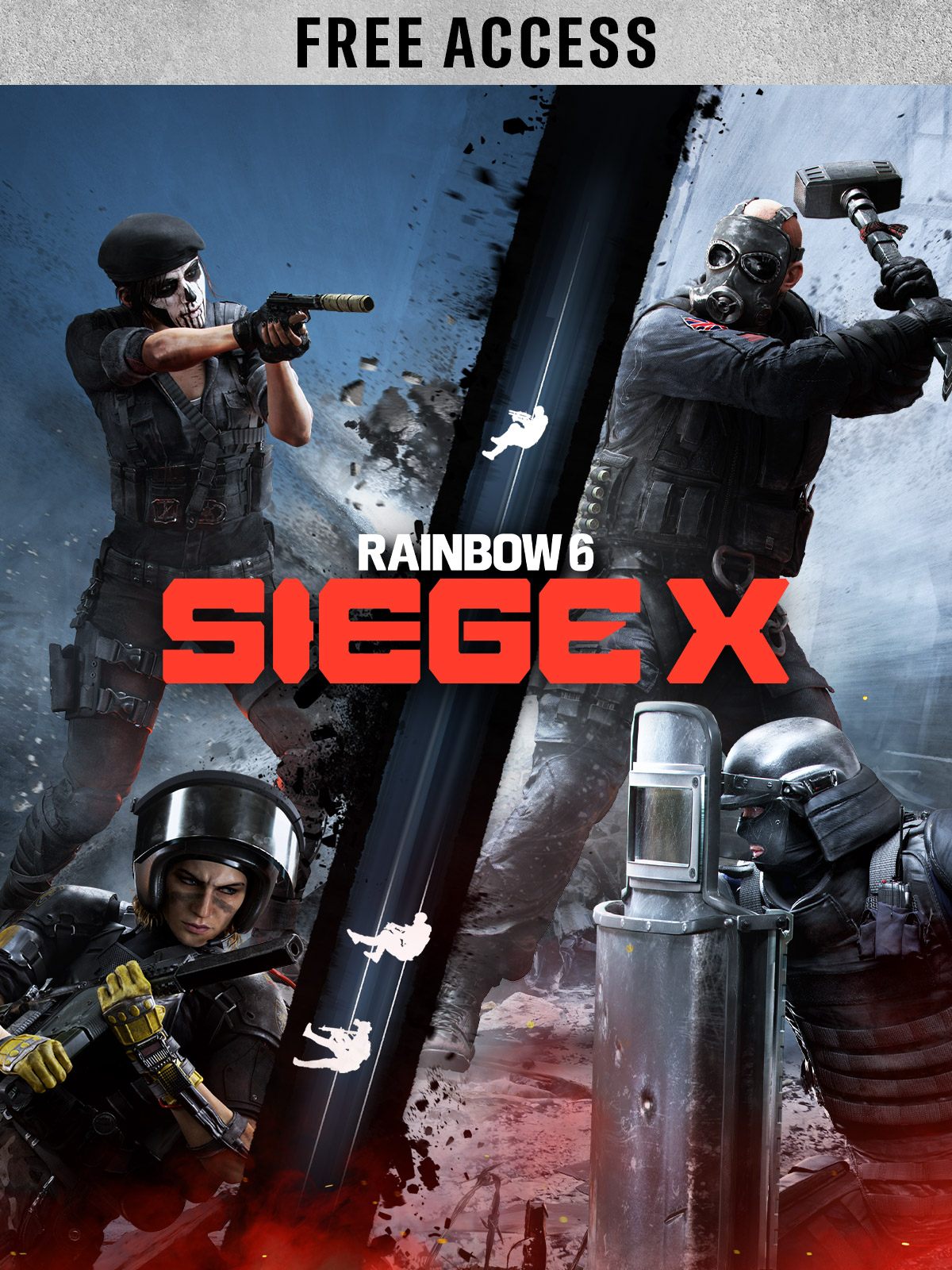
The game features a large pool of compact, intricate maps designed for close-quarters tactical combat. With the Siege X update, five classic maps (Bank, Clubhouse, Border, Chalet, Kafe) have received a full visual and fidelity overhaul, with more planned for future seasons. A new, much larger map called 'District' was introduced exclusively for the 'Dual Front' game mode. |
| Playable Vehicles | |
|
|
| Notable Fauna/Mounts | |
|
N/A |
| book Story & Characters | |
| Main Characters | |
|
|
| Example Missions | |
|
|
| people Multiplayer | |
| Multiplayer Details | |
|
The multiplayer suite is segmented into two main pillars. 'Fighting Ground' hosts traditional ranked matches, casual matchmaking, and extreme battles with party-game modifiers. 'Battle Hub' is the crown jewel—a massive, interactive virtual arcade where 100 players can run around as their custom avatars. In the Hub, you can sit at cabinets to challenge others, spectate ongoing matches in real-time, play emulated retro Capcom classics, or engage in chaotic Avatar Battles using your custom RPG builds. |
The primary mode is the 5v5 single-elimination 'Bomb' mode. Other classic modes like Hostage and Secure Area are available. The major new addition is 'Dual Front,' a permanent 6v6 mode with respawns and simultaneous attack/defense objectives on the game's largest map. |
| extension Editions & DLC | |
| Available Editions | |
|
Street Fighter 6 launched with several editions. The Standard Edition includes the base 18-character roster and all three game modes. The Deluxe Edition bundles the Year 1 Character Pass (adding Rashid, A.K.I., Ed, and Akuma). The Ultimate Edition adds premium costumes, alternative colors, and additional stages. Post-launch, Capcom released a 'Years 1-2 Fighters Edition' incorporating characters from the Year 2 pass, including the unprecedented crossover fighters Terry Bogard and Mai Shiranui from Fatal Fury. |
The core game is free-to-play with access to most modes and a rotating roster of 26 operators. The Elite Edition ($19.99) unlocks Ranked mode and 16 additional operators. The Ultimate Edition ($39.99) provides instant access to all 52 additional operators and exclusive cosmetic items. All progress from previous versions of Siege carries over. |
| Post-Launch Content / DLC | |
|
Capcom maintains a highly aggressive seasonal DLC roadmap. The Year 1 pass introduced fan-favorites like Akuma and newcomers like A.K.I. Year 2 broke tradition by introducing the first-ever guest characters to the franchise: Terry Bogard and Mai Shiranui from SNK's Fatal Fury, alongside M. Bison and Elena. The game also frequently updates the Battle Hub with cosmetic crossovers, such as Teenage Mutant Ninja Turtles and Spy x Family avatar gear. |
Siege X follows a seasonal live-service model. Every season introduces a new Battle Pass with branching paths, new operators, map reworks, and major balance changes. The first season, 'Operation Daybreak,' included a rework for the operator Clash. |
| help_outline FAQ | |
| Frequently Asked Questions | |
|
|
| build Technical Details | |
| Graphics & Visual Fidelity | |
|
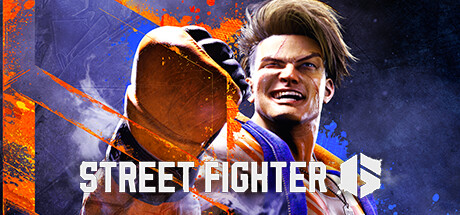
Running on the RE Engine, the game strikes a perfect balance between photorealism and stylized comic-book exaggeration. Characters display astonishing muscle deformation, sweat accumulation, and detailed facial animations. The defining visual flair is the 'Drive System' effects, which erupt in vibrant, splashing graffiti paint corresponding to the character's signature colors, making every heavy impact feel incredibly weighty and cinematic. |
N/A |
| Audio & Soundtrack | |
|
The auditory experience is phenomenal, returning to the hip-hop roots of Street Fighter III: Third Strike. The soundtrack features heavy bass, scratching, and dynamic beats that shift based on the round's intensity. Sound design in combat is critically informative; Drive Impacts produce a distinct, metallic shattering sound, and the announcer actively reacts to the match. The game even features an innovative 'Real-Time Commentary' system, where famous FGC casters like Tasty Steve and James Chen provide dynamic esports-style hype. |
N/A |
| User Interface (UI/UX) | |
|
The UI is aggressively stylized, dripping with a modern hip-hop, street-art aesthetic. In combat, the vital UI element is the Drive Gauge, a 6-bar green meter situated below the health bar that dictates your offensive and defensive economy. Burnout—when the Drive Gauge depletes—turns the UI a stressful gray and severely penalizes block stun. The menus are highly accessible, providing frame data displays in training mode and clear, color-coded indicators for Punish Counters and Reversals. |
N/A |
| Accessibility Options | |
|
SF6 is widely praised as the most accessible fighting game ever made. It introduces the 'Modern' control scheme, which simplifies special moves to a single button press and direction (similar to Smash Bros), allowing newcomers to execute complex combos instantly. Furthermore, it offers an extensive 'Blind Accessibility' sound toggle suite, providing distinct auditory pings for distances, high/low attacks, and cross-ups, allowing visually impaired players to compete at high levels. |
N/A |
| video_library Media Links | |
| Gameplay Video | |
| launchWatch | launchWatch |
| Walkthrough/Guide | |
| launchView | launchView |
| settings_applications System Requirements | |
| 1080p (Full HD) - Recommended (High Refresh Rate @ 1080p) (High Preset, 1080p resolution, aiming for a stable 144+ FPS.) CPU: A powerful CPU to consistently drive high framerates for competitive play. CPU (Laptop): A strong mobile CPU to maintain high FPS during intense firefights and destruction. GPU: Excellent desktop GPUs for a high-refresh-rate experience at 1080p with high settings. GPU (Laptop): A high-TGP RTX 3060 or any RTX 4060 laptop will provide a great 1080p competitive experience, especially with DLSS and Frame Generation. RAM: 16GB RAM is the official recommended amount. Storage: An SSD is required for this tier. | |
| — | memoryCPU: Intel Core i7-11700K or AMD Ryzen 7 5700X developer_boardGPU: NVIDIA GeForce RTX 3060 (12GB) or AMD Radeon RX 6700 XT (12GB) laptop_macCPU (L): Intel Core i7-12700H / AMD Ryzen 7 6800H or better. laptop_windowsGPU (L): NVIDIA GeForce RTX 3060 Laptop (6GB), RTX 4060 Laptop (8GB). (Future-proof: RTX 5060 Laptop) layersRAM: 16 GB saveStorage (Tier): 90 GB SSD |
| 1080p (Full HD) - Recommended (High Preset, 1080p (Locked 60 FPS Target)) CPU: 6-core processors that guarantee perfect frame pacing across all modes, including the CPU-heavy World Tour. CPU (Laptop): Ensures absolutely flawless tournament-ready performance. GPU: Delivers the horsepower needed for maxed-out settings, rendering the stylized paint effects beautifully. GPU (Laptop): Provides a perfect 1080p competitive experience on a portable display. RAM: Recommended to ensure stability when lingering in 100-player Battle Hub lobbies. Storage: NVMe recommended. | |
memoryCPU: Intel Core i7-8700 / AMD Ryzen 5 3600 developer_boardGPU: NVIDIA GeForce RTX 2070 / AMD Radeon RX 5700 XT laptop_macCPU (L): Intel Core i7-10750H / AMD Ryzen 7 4800H laptop_windowsGPU (L): NVIDIA GeForce RTX 3060 Mobile / RTX 4050 Mobile layersRAM: 16 GB saveStorage (Tier): 60 GB SSD | — |
| 1080p (Full HD) - Minimum (Competitive Entry @ 1080p) (Low Preset, 1080p resolution, aiming for a stable 120+ FPS.) CPU: A solid 6-core processor to handle the game's logic and physics at high framerates. CPU (Laptop): A capable mobile CPU is needed to avoid bottlenecks in a competitive FPS. GPU: Capable GPUs for achieving high refresh rates at 1080p on competitive (low) settings. GPU (Laptop): An RTX-series laptop GPU is highly recommended to leverage DLSS for a more stable high-framerate experience. RAM: 16GB RAM is the expected minimum for modern AAA multiplayer titles. Storage: An SSD is officially required for minimum playability. | |
| — | memoryCPU: Intel Core i5-9600K or AMD Ryzen 5 3600 developer_boardGPU: NVIDIA GeForce GTX 1660 Super (6GB) or AMD Radeon RX 5600 XT (6GB) laptop_macCPU (L): Intel Core i7-10750H / AMD Ryzen 7 4800H or better. laptop_windowsGPU (L): NVIDIA GeForce RTX 3050 Ti Laptop (4GB), RTX 4050 Laptop (6GB). (Future-proof: RTX 5050 Laptop) layersRAM: 16 GB saveStorage (Tier): 90 GB SSD |
| 1080p (Full HD) - Minimum (Low/Medium Preset, 1080p (Locked 60 FPS Target)) CPU: Solid quad-core processors capable of maintaining the required 60 FPS logic in 1v1 Fighting Ground matches. CPU (Laptop): Adequate for 1v1 fights, but expect frame drops in the densely populated World Tour mode. GPU: Provides the essential VRAM to load high-resolution character textures and maintain fluid combat animations. GPU (Laptop): Easily locks 60 FPS in standard matches if settings are tweaked to medium. RAM: The bare minimum to prevent hitching during Super Art cinematic transitions. Storage: Crucial for fast matchmaking. | |
memoryCPU: Intel Core i5-7500 / AMD Ryzen 3 1200 developer_boardGPU: NVIDIA GeForce GTX 1060 (6GB) / AMD Radeon RX 580 (4GB) laptop_macCPU (L): Intel Core i5-9300H / AMD Ryzen 5 3550H laptop_windowsGPU (L): NVIDIA GeForce GTX 1650 Mobile / RTX 3050 Mobile layersRAM: 8 GB saveStorage (Tier): 60 GB SSD | — |
| 1440p (QHD/2K) - Competitive (High Refresh Rate @ 1440p) (Medium/High Preset, 1440p resolution, aiming for 144+ FPS. Upscaling (DLSS/FSR Quality) is recommended.) CPU: A top-tier gaming CPU to prevent bottlenecks and ensure the highest possible framerates at 1440p. CPU (Laptop): High-performance laptop CPUs are essential for a consistent and smooth 1440p high-refresh-rate experience. GPU: Strong desktop GPUs for the 1440p competitive sweet spot, providing high framerates with great visual clarity. GPU (Laptop): A high-TGP RTX 4070 or RTX 3080 Laptop is the target for 1440p competitive play. A future RTX 5070 Laptop would excel here. RAM: While 16GB is sufficient, 32GB is recommended for the smoothest experience with background applications. Storage: A fast NVMe SSD is recommended for the best loading times and performance at 1440p. | |
| — | memoryCPU: Intel Core i5-13600K or AMD Ryzen 7 7700X developer_boardGPU: NVIDIA GeForce RTX 4070 (12GB) or AMD Radeon RX 7800 XT (16GB) laptop_macCPU (L): Intel Core i7-13650HX / AMD Ryzen 7 7745HX or newer. laptop_windowsGPU (L): NVIDIA GeForce RTX 3080 Laptop (8GB), RTX 4070 Laptop (8GB). (Future-proof: RTX 5070 Laptop) layersRAM: 16 GB saveStorage (Tier): 90 GB NVMe SSD |
| 1440p (QHD/2K) - Enthusiast (Max Preset, 1440p (Locked 60 FPS Target)) CPU: Modern CPUs that easily handle the game's logic, leaving maximum overhead for the GPU. CPU (Laptop): Easily supports background tasks like recording or streaming while maintaining 60 FPS. GPU: Pushes 1440p resolution cleanly, ensuring sharp visuals without sacrificing the mandatory frame rate. GPU (Laptop): Delivers a flawless QHD fighting game experience. RAM: Perfect capacity for gaming and streaming simultaneously. Storage: Near-instant stage loading. | |
memoryCPU: Intel Core i5-12600K / AMD Ryzen 5 5600X developer_boardGPU: NVIDIA GeForce RTX 3060 Ti / AMD Radeon RX 6700 XT laptop_macCPU (L): Intel Core i7-12700H / AMD Ryzen 7 6800H laptop_windowsGPU (L): NVIDIA GeForce RTX 4060 Mobile / RTX 3070 Mobile layersRAM: 16 GB saveStorage (Tier): 60 GB NVMe SSD | — |
| 2160p (UHD/4K) - 4K Ultra (Enthusiast @ 4K) (High/Ultra Preset, 2160p (4K) resolution, aiming for 120+ FPS. Upscaling (DLSS/FSR Performance) is essential.) CPU: A flagship desktop CPU is recommended to push the highest framerates possible at 4K. CPU (Laptop): The absolute best mobile CPUs are required to keep up with flagship GPUs for a 4K high-refresh-rate experience. GPU: High-end desktop GPUs are necessary for a 4K high-refresh-rate experience, relying heavily on upscaling. GPU (Laptop): Flagship laptop GPUs are required for a playable 4K high-framerate experience, which will be heavily dependent on upscaling and Frame Generation. RAM: 32GB of fast RAM is highly recommended to provide sufficient headroom and minimize stuttering at 4K. Storage: A fast NVMe SSD is essential for the best possible experience at 4K. | |
| — | memoryCPU: Intel Core i7-14700K or AMD Ryzen 7 7800X3D developer_boardGPU: NVIDIA GeForce RTX 4080 (16GB) or AMD Radeon RX 7900 XTX (24GB) laptop_macCPU (L): Intel Core i9-13980HX / AMD Ryzen 9 7945HX or newer. laptop_windowsGPU (L): NVIDIA GeForce RTX 4080 Laptop (12GB), RTX 4090 Laptop (16GB). (Future-proof: RTX 5080 Laptop) layersRAM: 32 GB saveStorage (Tier): 90 GB NVMe SSD |
| 2160p (UHD/4K) - Ultra (Max Preset, 4K (Locked 60 FPS)) CPU: Overkill for fighting games, but ensures absolute 1% low frame stability. CPU (Laptop): Top-tier mobile processing. GPU: Necessary to render the RE Engine's detailed textures, shadows, and particle physics natively at 4K. GPU (Laptop): Powers 4K external monitors effortlessly for tournament play. RAM: Maximum stability. Storage: The fastest possible load times. | |
memoryCPU: Intel Core i7-13700K / AMD Ryzen 7 7800X3D developer_boardGPU: NVIDIA GeForce RTX 4070 Ti / AMD Radeon RX 7900 XT laptop_macCPU (L): Intel Core i9-13900HX laptop_windowsGPU (L): NVIDIA GeForce RTX 4080 Mobile layersRAM: 32 GB saveStorage (Tier): 60 GB PCIe Gen4 NVMe SSD | — |
| save Overall Storage | |
Spec: 60 GB available space (SSD Required) Note: While it can theoretically run on an HDD, an SSD is practically mandatory to ensure instant match loading times and eliminate stutters before rounds. Type: SSD | Spec: 90 GB available space (SSD Required) Note: An SSD is listed as a mandatory requirement for all tiers. This is crucial for fast loading between rounds and streaming high-quality textures without causing in-game stutter. Type: SSD |
| desktop_windows Operating System | |
| Spec: Windows 10 / Windows 11 (64-bit) Explanation: A 64-bit operating system is strictly required to address the memory overhead of the RE Engine's high-fidelity character models. | Spec: Windows 10 / Windows 11 (64-bit Required) Explanation: A 64-bit version of Windows 10 is the minimum requirement. Windows 11 is recommended for optimal performance and to best utilize features like DirectStorage for faster map loading. |
| gamepad DirectX Version | |
| Spec: DirectX 12 Explanation: Required to handle the intense graphical rendering and particle effects tied to the game's dynamic Drive System. | Spec: DirectX 12 Explanation: A next-generation engine would require DirectX 12 for its advanced rendering pipeline, enabling more complex environmental destruction and visual effects. |
| info_outline Other Game Notes | |
|
|
| build Optimization Details | |
|
|
| laptop Laptop Considerations | |
|
|
info_outline Feature details based on available data. System requirements and performance estimates may vary.
laptop_chromebook Laptop Recommendations
Common Recommendations (Handles All Compared Games)

- memory Intel Core i7-12700H
- developer_board NVIDIA GeForce RTX 3070
- layers 32GB DDR4-3200MHz
- track_changes Target GPU: NVIDIA GeForce GTX 1650 Mobile / RTX 3050 Mobile

- memory Intel Core i9-13900H
- developer_board NVIDIA GeForce RTX 4060
- layers 16GB DDR5-5200MHz
- track_changes Target GPU: NVIDIA GeForce GTX 1650 Mobile / RTX 3050 Mobile

- memory Intel Core i9-14900HX
- developer_board NVIDIA GeForce RTX 4060
- layers 32GB DDR5-5600MHz
- track_changes Target GPU: NVIDIA GeForce GTX 1650 Mobile / RTX 3050 Mobile
- memory Intel Core i7-12700H
- developer_board NVIDIA GeForce RTX 3070
- layers 32GB DDR4-3200MHz
- track_changes Target GPU: NVIDIA GeForce RTX 4060 Mobile / RTX 3070 Mobile
- memory Intel Core i9-13900H
- developer_board NVIDIA GeForce RTX 4060
- layers 16GB DDR5-5200MHz
- track_changes Target GPU: NVIDIA GeForce RTX 4060 Mobile / RTX 3070 Mobile
- memory Intel Core i9-14900HX
- developer_board NVIDIA GeForce RTX 4060
- layers 32GB DDR5-5600MHz
- track_changes Target GPU: NVIDIA GeForce RTX 4060 Mobile / RTX 3070 Mobile

- memory AMD Ryzen 7 7435HS
- developer_board NVIDIA GeForce RTX 3050
- layers 32GB DDR5-4800MHz
- track_changes Target GPU: NVIDIA GeForce RTX 3080 Laptop (8GB), RTX 4070 Laptop (8GB). (Future-proof: RTX 5070 Laptop)

- memory AMD Ryzen 7 6800H
- developer_board NVIDIA GeForce RTX 3060
- layers 16GB DDR5-4800MHz
- track_changes Target GPU: NVIDIA GeForce RTX 3080 Laptop (8GB), RTX 4070 Laptop (8GB). (Future-proof: RTX 5070 Laptop)

- memory Intel Core i7-14700HX
- developer_board NVIDIA GeForce RTX 4070
- layers 16GB DDR5-5600MHz
- track_changes Target GPU: NVIDIA GeForce RTX 3080 Laptop (8GB), RTX 4070 Laptop (8GB). (Future-proof: RTX 5070 Laptop)

- memory Intel Core i9-14900HX
- developer_board NVIDIA GeForce RTX 4080 Laptop GPU
- layers 64 GB DDR5-5600MHz
- track_changes Target GPU: NVIDIA GeForce RTX 4080 Mobile

- memory Intel Core Ultra 9 Processor 275HX (Series 2)
- developer_board NVIDIA GeForce RTX 5070 Laptop GPU
- layers 32GB DDR5-5600MHz
- track_changes Target GPU: NVIDIA GeForce RTX 4080 Mobile

- memory Intel Core i9-14900HX Processor
- developer_board NVIDIA GeForce RTX 5070 Laptop GPU
- layers 32GB DDR5-5600MHz
- track_changes Target GPU: NVIDIA GeForce RTX 4080 Mobile
For Street Fighter 6 Specifically
- memory Intel Core i7-12700H
- developer_board NVIDIA GeForce RTX 3070
- layers 32GB DDR4-3200MHz
- track_changes Target GPU: NVIDIA GeForce GTX 1060 (6GB) / AMD Radeon RX 580 (4GB)
- memory Intel Core i9-13900H
- developer_board NVIDIA GeForce RTX 4060
- layers 16GB DDR5-5200MHz
- track_changes Target GPU: NVIDIA GeForce GTX 1060 (6GB) / AMD Radeon RX 580 (4GB)
- memory Intel Core i9-14900HX
- developer_board NVIDIA GeForce RTX 4060
- layers 32GB DDR5-5600MHz
- track_changes Target GPU: NVIDIA GeForce GTX 1060 (6GB) / AMD Radeon RX 580 (4GB)

- memory Intel Core i9-12900H
- developer_board NVIDIA GeForce RTX 3070 Ti
- layers 16GB DDR5-4800MHz
- track_changes Target GPU: NVIDIA GeForce GTX 1060 (6GB) / AMD Radeon RX 580 (4GB)

- memory Intel Core i5-12450H
- developer_board NVIDIA GeForce RTX 3050
- layers 16GB DDR4-3200MHz
- track_changes Target GPU: NVIDIA GeForce GTX 1060 (6GB) / AMD Radeon RX 580 (4GB)

- memory Intel Core i5-12500H
- developer_board NVIDIA GeForce RTX 3050 Ti
- layers 16GB DDR4-3200MHz
- track_changes Target GPU: NVIDIA GeForce GTX 1060 (6GB) / AMD Radeon RX 580 (4GB)
- memory AMD Ryzen 7 7435HS
- developer_board NVIDIA GeForce RTX 3050
- layers 32GB DDR5-4800MHz
- track_changes Target GPU: NVIDIA GeForce GTX 1060 (6GB) / AMD Radeon RX 580 (4GB)
- memory AMD Ryzen 7 6800H
- developer_board NVIDIA GeForce RTX 3060
- layers 16GB DDR5-4800MHz
- track_changes Target GPU: NVIDIA GeForce GTX 1060 (6GB) / AMD Radeon RX 580 (4GB)

- memory AMD Ryzen 9 5900HS
- developer_board NVIDIA GeForce RTX 3080
- layers 16GB DDR4-3200MHz
- track_changes Target GPU: NVIDIA GeForce GTX 1060 (6GB) / AMD Radeon RX 580 (4GB)

- memory Intel Core i7-13620H
- developer_board NVIDIA GeForce RTX 4070
- layers 16GB DDR5-4800MHz
- track_changes Target GPU: NVIDIA GeForce GTX 1060 (6GB) / AMD Radeon RX 580 (4GB)
- memory Intel Core i7-14700HX
- developer_board NVIDIA GeForce RTX 4070
- layers 16GB DDR5-5600MHz
- track_changes Target GPU: NVIDIA GeForce RTX 2070 / AMD Radeon RX 5700 XT

- memory Intel Core i9-14900HX
- developer_board NVIDIA GeForce RTX 4070
- layers 32GB DDR5-5600MHz
- track_changes Target GPU: NVIDIA GeForce RTX 2070 / AMD Radeon RX 5700 XT
- memory Intel Core i7-12700H
- developer_board NVIDIA GeForce RTX 3070
- layers 32GB DDR4-3200MHz
- track_changes Target GPU: NVIDIA GeForce RTX 3060 Ti / AMD Radeon RX 6700 XT
- memory Intel Core i9-13900H
- developer_board NVIDIA GeForce RTX 4060
- layers 16GB DDR5-5200MHz
- track_changes Target GPU: NVIDIA GeForce RTX 3060 Ti / AMD Radeon RX 6700 XT
- memory Intel Core i9-14900HX
- developer_board NVIDIA GeForce RTX 4060
- layers 32GB DDR5-5600MHz
- track_changes Target GPU: NVIDIA GeForce RTX 3060 Ti / AMD Radeon RX 6700 XT
- memory Intel Core i9-12900H
- developer_board NVIDIA GeForce RTX 3070 Ti
- layers 16GB DDR5-4800MHz
- track_changes Target GPU: NVIDIA GeForce RTX 3060 Ti / AMD Radeon RX 6700 XT
- memory AMD Ryzen 7 7435HS
- developer_board NVIDIA GeForce RTX 3050
- layers 32GB DDR5-4800MHz
- track_changes Target GPU: NVIDIA GeForce RTX 3060 Ti / AMD Radeon RX 6700 XT
- memory Intel Core i9-14900HX
- developer_board NVIDIA GeForce RTX 4070
- layers 32GB DDR5-5600MHz
- track_changes Target GPU: NVIDIA GeForce RTX 3060 Ti / AMD Radeon RX 6700 XT

- memory Intel Core i9-14900HX
- developer_board NVIDIA GeForce RTX 4070
- layers 16GB DDR5-5600MHz
- track_changes Target GPU: NVIDIA GeForce RTX 3060 Ti / AMD Radeon RX 6700 XT

- memory Intel Core Ultra 7 255H
- developer_board NVIDIA GeForce RTX 5060 Laptop GPU
- layers 16GB DDR5-5600MHz (Dual-Channel)
- track_changes Target GPU: NVIDIA GeForce RTX 3060 Ti / AMD Radeon RX 6700 XT

- memory AMD Ryzen 9 8940HX Processor
- developer_board NVIDIA GeForce RTX 5060 Laptop GPU
- layers 32GB DDR5-5200MHz
- track_changes Target GPU: NVIDIA GeForce RTX 3060 Ti / AMD Radeon RX 6700 XT

- memory Intel Core i9-12950HX
- developer_board NVIDIA GeForce RTX 3080 Ti
- layers 32GB DDR5-4800MHz
- track_changes Target GPU: NVIDIA GeForce RTX 3060 Ti / AMD Radeon RX 6700 XT
- memory Intel Core i9-14900HX
- developer_board NVIDIA GeForce RTX 4080 Laptop GPU
- layers 64 GB DDR5-5600MHz
- track_changes Target GPU: NVIDIA GeForce RTX 4070 Ti / AMD Radeon RX 7900 XT
- memory Intel Core Ultra 9 Processor 275HX (Series 2)
- developer_board NVIDIA GeForce RTX 5070 Laptop GPU
- layers 32GB DDR5-5600MHz
- track_changes Target GPU: NVIDIA GeForce RTX 4070 Ti / AMD Radeon RX 7900 XT
- memory Intel Core i9-14900HX Processor
- developer_board NVIDIA GeForce RTX 5070 Laptop GPU
- layers 32GB DDR5-5600MHz
- track_changes Target GPU: NVIDIA GeForce RTX 4070 Ti / AMD Radeon RX 7900 XT

- memory Intel Core i9-14900HX Processor
- developer_board NVIDIA GeForce RTX 5070 Laptop GPU
- layers 32GB DDR5-5600MHz
- track_changes Target GPU: NVIDIA GeForce RTX 4070 Ti / AMD Radeon RX 7900 XT

- memory Intel Core Ultra 9 285H (Arrow Lake-H)
- developer_board NVIDIA GeForce RTX 5070 Laptop GPU
- layers 64GB LPDDR5x-8533MT/s (LPCAMM2)
- track_changes Target GPU: NVIDIA GeForce RTX 4070 Ti / AMD Radeon RX 7900 XT

- memory Intel Core i9-14900HX
- developer_board NVIDIA GeForce RTX 4080
- layers 64GB DDR5-5600MHz
- track_changes Target GPU: NVIDIA GeForce RTX 4070 Ti / AMD Radeon RX 7900 XT

- memory Intel Core i9-14900HX
- developer_board NVIDIA GeForce RTX 4080
- layers 32GB DDR5-5600MHz
- track_changes Target GPU: NVIDIA GeForce RTX 4070 Ti / AMD Radeon RX 7900 XT

- memory Intel Core i9-14900HX
- developer_board NVIDIA GeForce RTX 4080
- layers 32GB DDR5-5600MHz
- track_changes Target GPU: NVIDIA GeForce RTX 4070 Ti / AMD Radeon RX 7900 XT

- memory Intel Core i9-14900HX
- developer_board NVIDIA GeForce RTX 4080
- layers 32GB DDR5-5600MHz
- track_changes Target GPU: NVIDIA GeForce RTX 4070 Ti / AMD Radeon RX 7900 XT

- memory AMD Ryzen 9 7845HX
- developer_board NVIDIA GeForce RTX 4080
- layers Up to 64GB DDR5
- track_changes Target GPU: NVIDIA GeForce RTX 4070 Ti / AMD Radeon RX 7900 XT
For Rainbow Six Siege X Specifically
- memory Intel Core i7-12700H
- developer_board NVIDIA GeForce RTX 3070
- layers 32GB DDR4-3200MHz
- track_changes Target GPU: NVIDIA GeForce GTX 1660 Super (6GB) or AMD Radeon RX 5600 XT (6GB)
- memory Intel Core i9-13900H
- developer_board NVIDIA GeForce RTX 4060
- layers 16GB DDR5-5200MHz
- track_changes Target GPU: NVIDIA GeForce GTX 1660 Super (6GB) or AMD Radeon RX 5600 XT (6GB)
- memory Intel Core i9-14900HX
- developer_board NVIDIA GeForce RTX 4060
- layers 32GB DDR5-5600MHz
- track_changes Target GPU: NVIDIA GeForce GTX 1660 Super (6GB) or AMD Radeon RX 5600 XT (6GB)
- memory Intel Core i9-12900H
- developer_board NVIDIA GeForce RTX 3070 Ti
- layers 16GB DDR5-4800MHz
- track_changes Target GPU: NVIDIA GeForce GTX 1660 Super (6GB) or AMD Radeon RX 5600 XT (6GB)
- memory AMD Ryzen 7 7435HS
- developer_board NVIDIA GeForce RTX 3050
- layers 32GB DDR5-4800MHz
- track_changes Target GPU: NVIDIA GeForce GTX 1660 Super (6GB) or AMD Radeon RX 5600 XT (6GB)
- memory AMD Ryzen 7 6800H
- developer_board NVIDIA GeForce RTX 3060
- layers 16GB DDR5-4800MHz
- track_changes Target GPU: NVIDIA GeForce GTX 1660 Super (6GB) or AMD Radeon RX 5600 XT (6GB)
- memory AMD Ryzen 9 5900HS
- developer_board NVIDIA GeForce RTX 3080
- layers 16GB DDR4-3200MHz
- track_changes Target GPU: NVIDIA GeForce GTX 1660 Super (6GB) or AMD Radeon RX 5600 XT (6GB)
- memory Intel Core i7-13620H
- developer_board NVIDIA GeForce RTX 4070
- layers 16GB DDR5-4800MHz
- track_changes Target GPU: NVIDIA GeForce GTX 1660 Super (6GB) or AMD Radeon RX 5600 XT (6GB)
- memory Intel Core i7-14700HX
- developer_board NVIDIA GeForce RTX 4070
- layers 16GB DDR5-5600MHz
- track_changes Target GPU: NVIDIA GeForce GTX 1660 Super (6GB) or AMD Radeon RX 5600 XT (6GB)
- memory Intel Core i9-14900HX
- developer_board NVIDIA GeForce RTX 4070
- layers 32GB DDR5-5600MHz
- track_changes Target GPU: NVIDIA GeForce GTX 1660 Super (6GB) or AMD Radeon RX 5600 XT (6GB)
- memory Intel Core i9-14900HX
- developer_board NVIDIA GeForce RTX 4070
- layers 16GB DDR5-5600MHz
- track_changes Target GPU: NVIDIA GeForce RTX 3060 (12GB) or AMD Radeon RX 6700 XT (12GB)
- memory Intel Core Ultra 7 255H
- developer_board NVIDIA GeForce RTX 5060 Laptop GPU
- layers 16GB DDR5-5600MHz (Dual-Channel)
- track_changes Target GPU: NVIDIA GeForce RTX 3060 (12GB) or AMD Radeon RX 6700 XT (12GB)
- memory AMD Ryzen 9 8940HX Processor
- developer_board NVIDIA GeForce RTX 5060 Laptop GPU
- layers 32GB DDR5-5200MHz
- track_changes Target GPU: NVIDIA GeForce RTX 3060 (12GB) or AMD Radeon RX 6700 XT (12GB)
- memory Intel Core i9-12950HX
- developer_board NVIDIA GeForce RTX 3080 Ti
- layers 32GB DDR5-4800MHz
- track_changes Target GPU: NVIDIA GeForce RTX 3060 (12GB) or AMD Radeon RX 6700 XT (12GB)
- memory AMD Ryzen 7 7435HS
- developer_board NVIDIA GeForce RTX 3050
- layers 32GB DDR5-4800MHz
- track_changes Target GPU: NVIDIA GeForce RTX 4070 (12GB) or AMD Radeon RX 7800 XT (16GB)
- memory AMD Ryzen 7 6800H
- developer_board NVIDIA GeForce RTX 3060
- layers 16GB DDR5-4800MHz
- track_changes Target GPU: NVIDIA GeForce RTX 4070 (12GB) or AMD Radeon RX 7800 XT (16GB)
- memory Intel Core i7-14700HX
- developer_board NVIDIA GeForce RTX 4070
- layers 16GB DDR5-5600MHz
- track_changes Target GPU: NVIDIA GeForce RTX 4070 (12GB) or AMD Radeon RX 7800 XT (16GB)
- memory Intel Core i9-14900HX
- developer_board NVIDIA GeForce RTX 4070
- layers 32GB DDR5-5600MHz
- track_changes Target GPU: NVIDIA GeForce RTX 4070 (12GB) or AMD Radeon RX 7800 XT (16GB)
- memory Intel Core i9-14900HX
- developer_board NVIDIA GeForce RTX 4070
- layers 16GB DDR5-5600MHz
- track_changes Target GPU: NVIDIA GeForce RTX 4070 (12GB) or AMD Radeon RX 7800 XT (16GB)
- memory Intel Core Ultra 7 255H
- developer_board NVIDIA GeForce RTX 5060 Laptop GPU
- layers 16GB DDR5-5600MHz (Dual-Channel)
- track_changes Target GPU: NVIDIA GeForce RTX 4070 (12GB) or AMD Radeon RX 7800 XT (16GB)
- memory AMD Ryzen 9 8940HX Processor
- developer_board NVIDIA GeForce RTX 5060 Laptop GPU
- layers 32GB DDR5-5200MHz
- track_changes Target GPU: NVIDIA GeForce RTX 4070 (12GB) or AMD Radeon RX 7800 XT (16GB)
- memory Intel Core i9-12950HX
- developer_board NVIDIA GeForce RTX 3080 Ti
- layers 32GB DDR5-4800MHz
- track_changes Target GPU: NVIDIA GeForce RTX 4070 (12GB) or AMD Radeon RX 7800 XT (16GB)

- memory AMD Ryzen 7 7445HS
- developer_board NVIDIA GeForce RTX 4050
- layers 16GB (2x8GB) DDR5 5600MHz SO-DIMM
- track_changes Target GPU: NVIDIA GeForce RTX 4070 (12GB) or AMD Radeon RX 7800 XT (16GB)

- memory AMD Ryzen 7 7445HS
- developer_board NVIDIA GeForce RTX 4050
- layers 16GB DDR5 5600MHz SO-DIMM
- track_changes Target GPU: NVIDIA GeForce RTX 4070 (12GB) or AMD Radeon RX 7800 XT (16GB)
- memory Intel Core i9-14900HX
- developer_board NVIDIA GeForce RTX 4080 Laptop GPU
- layers 64 GB DDR5-5600MHz
- track_changes Target GPU: NVIDIA GeForce RTX 4080 (16GB) or AMD Radeon RX 7900 XTX (24GB)
- memory Intel Core Ultra 9 Processor 275HX (Series 2)
- developer_board NVIDIA GeForce RTX 5070 Laptop GPU
- layers 32GB DDR5-5600MHz
- track_changes Target GPU: NVIDIA GeForce RTX 4080 (16GB) or AMD Radeon RX 7900 XTX (24GB)
- memory Intel Core i9-14900HX Processor
- developer_board NVIDIA GeForce RTX 5070 Laptop GPU
- layers 32GB DDR5-5600MHz
- track_changes Target GPU: NVIDIA GeForce RTX 4080 (16GB) or AMD Radeon RX 7900 XTX (24GB)
- memory Intel Core i9-14900HX Processor
- developer_board NVIDIA GeForce RTX 5070 Laptop GPU
- layers 32GB DDR5-5600MHz
- track_changes Target GPU: NVIDIA GeForce RTX 4080 (16GB) or AMD Radeon RX 7900 XTX (24GB)
- memory Intel Core Ultra 9 285H (Arrow Lake-H)
- developer_board NVIDIA GeForce RTX 5070 Laptop GPU
- layers 64GB LPDDR5x-8533MT/s (LPCAMM2)
- track_changes Target GPU: NVIDIA GeForce RTX 4080 (16GB) or AMD Radeon RX 7900 XTX (24GB)
- memory Intel Core i9-14900HX
- developer_board NVIDIA GeForce RTX 4080
- layers 64GB DDR5-5600MHz
- track_changes Target GPU: NVIDIA GeForce RTX 4080 (16GB) or AMD Radeon RX 7900 XTX (24GB)
- memory Intel Core i9-14900HX
- developer_board NVIDIA GeForce RTX 4080
- layers 32GB DDR5-5600MHz
- track_changes Target GPU: NVIDIA GeForce RTX 4080 (16GB) or AMD Radeon RX 7900 XTX (24GB)
- memory Intel Core i9-14900HX
- developer_board NVIDIA GeForce RTX 4080
- layers 32GB DDR5-5600MHz
- track_changes Target GPU: NVIDIA GeForce RTX 4080 (16GB) or AMD Radeon RX 7900 XTX (24GB)
- memory Intel Core i9-14900HX
- developer_board NVIDIA GeForce RTX 4080
- layers 32GB DDR5-5600MHz
- track_changes Target GPU: NVIDIA GeForce RTX 4080 (16GB) or AMD Radeon RX 7900 XTX (24GB)
- memory AMD Ryzen 9 7845HX
- developer_board NVIDIA GeForce RTX 4080
- layers Up to 64GB DDR5
- track_changes Target GPU: NVIDIA GeForce RTX 4080 (16GB) or AMD Radeon RX 7900 XTX (24GB)
info_outline Laptop recommendations are estimates based on available component benchmarks and game requirements. Actual performance may vary depending on settings, drivers, cooling, power limits, etc. Prices and availability subject to change. As an Amazon Associate, we earn from qualifying purchases.