Select Games to Compare
Benchmark your exact mobile GPU wattage (TGP), battery throttling drops, and cooling pad requirements for these games.
Pathologic 3 vs Bleak Faith: Forsaken
| close | close |
|---|---|
| shopping_cart Where to Buy | |
| info General Information | |
| Release Date | |
| Jan 9, 2026 | Mar 10, 2023 |
| Developer | |
| Ice-Pick Lodge | Archangel Studios |
| Publisher | |
| HypeTrain Digital | Archangel Studios, Perp Games (Console) |
| Genre(s) | |
| Horror RPG, Immersive Sim, Survival | Action RPG, Survival Horror, Souls-like |
| Engine | |
| Unity | Unreal Engine 4 |
| stars Ratings & Price | |
| Content Rating | |
| Mature 17+ | M |
| Avg. User Rating | |
| 0.0 / 5.0 | 4.1 / 5.0 |
| Current Price (USD) | |
| $39.99 | $29.99 |
| tune Key Specs | |
| Quick Highlights | |
|
|
| sports_esports Gameplay & Mechanics | |
| Companions/Followers | |
|
N/A |
| Key Collectibles | |
|
|
| Key Themes | |
|
|
| colorize Combat & Gear | |
| Weapons Overview | |
|
|
| Armor / Gear Sets | |
|
|
| Outfits/Customization | |
|
|
| trending_up Progression & Upgrades | |
| Skills & Progression | |
|
Traditional leveling is replaced by 'Mind Map' progression and 'Amalgam' resource management. Players collect Amalgam by shattering mirrors or completing quests to fuel time jumps. Dictatorial powers are earned by completing tasks, allowing the player to issue town-wide ordinances that change the social and physical landscape. |
The game uses a class-based system (Vanguard, Jaeger, etc.) that determines starting stats and perks. Progression involves gathering 'Essence' to level up stats (Constitution, Strength, Agility, Intellect). 'Perks' and 'Abilities' are unlocked via items found in the world rather than a traditional skill tree. Equipment can be upgraded using crafting materials, and 'Crystals' can be socketed into gear to provide passive buffs. |
| public World & Exploration | |
| World & Level Design | |
|
The game features the Town-on-Gorkhon, a 'Town on the Edge' consisting of several isolated districts. Navigation is hindered by plague clouds ('black whirlwinds') and civil unrest. The game features a new fast travel system between districts, though it is blocked if a district is heavily infected. |
The map is a singular, interconnected open world with no loading screens between zones (aside from fast travel). It features extreme verticality, with regions ranging from the flooded 'Rain District' and the industrial 'Machinarium' to the gothic 'Monastery' and the surreal 'Desert'. The design focuses on vertical exploration, utilizing ladders, elevators, and parkour. |
| Playable Vehicles | |
|
N/A |
| Notable Fauna/Mounts | |
|
|
| book Story & Characters | |
| Main Characters | |
|
|
| Example Missions | |
|
|
| people Multiplayer | |
| Multiplayer Details | |
|
Strictly single-player. The game's metanarrative often directly addresses the individual player to create a sense of isolation and moral responsibility. |
None. Bleak Faith: Forsaken is a strictly single-player offline adventure. It does not feature co-op or PvP invasions. |
| extension Editions & DLC | |
| Available Editions | |
| N/A |
Standard Edition is the primary release. No Deluxe or Gold editions with season passes exist, as the developers have released content updates for free to the base game. A soundtrack is available separately. |
| Post-Launch Content / DLC | |
|
Release plans for additional routes (Haruspex or Changeling) as potential DLC have been discussed but not confirmed. Kickstarter backers receive the game and all initial sequel content for free. |
Since its 2023 launch, the game has received massive free updates improving stability, adding controller support, refining combat animations (adding blocking/parrying fluidity), and introducing new bosses and areas. No paid DLC expansions have been released; all content has been patched into the base game. |
| help_outline FAQ | |
| Frequently Asked Questions | |
|
|
| build Technical Details | |
| Graphics & Visual Fidelity | |
| N/A |
Built on Unreal Engine 4, the game is praised for its art direction which blends 'BLAME!' manga aesthetics with Dark Souls architecture. It features large-scale brutalist structures, volumetric fog, and dramatic lighting. However, it is an indie title, so some assets and animations may lack AAA polish. |
| Audio & Soundtrack | |
| N/A |
Features a haunting, atmospheric orchestral soundtrack mixed with industrial ambient noise. The sound design emphasizes the vastness of the Omnistructure, with echoing footsteps and distant mechanical groans. Combat music is dynamic and intense. |
| User Interface (UI/UX) | |
| N/A |
Minimalist UI that fades when not in combat. It features a health/stamina/mana bar in the corner, a quick-item slot display, and a compass. The inventory system is grid-based, reminiscent of classic RPGs. |
| Accessibility Options | |
| N/A |
Includes rebindable controls (keyboard and controller), subtitle size options, and audio volume sliders. It does not feature difficulty sliders, adhering to the 'Souls-like' philosophy of fixed difficulty. |
| video_library Media Links | |
| Gameplay Video | |
| launchWatch | launchWatch |
| Walkthrough/Guide | |
| launchView | launchView |
| settings_applications System Requirements | |
| 1080p (Full HD) - Recommended (High Preset, 1080p ~60 FPS) CPU: Ensures stability when rewriting narrative history and jumping timelines. CPU (Laptop): High-performance mobile processors. GPU: Recommended for full fidelity of the 'Town on the Edge' atmosphere. GPU (Laptop): Strong mid-range mobile performance. RAM: Mandatory for stable time-travel state management. Storage: Mandatory for seamless district travel. | |
memoryCPU: Intel Core i7 / AMD Ryzen 7 developer_boardGPU: NVIDIA GeForce RTX 3060 or GTX 2070 laptop_macCPU (L): Intel Core i7-12700H / AMD Ryzen 7 6800H laptop_windowsGPU (L): NVIDIA GeForce RTX 3070 Mobile / RTX 4060 Mobile (High TGP). layersRAM: 16 GB saveStorage (Tier): 30 GB NVMe SSD | — |
| 1080p (Full HD) - Recommended (1080p ~60 FPS, High Settings) (High Preset) CPU: Mid-range CPUs with good multi-threading. CPU (Laptop): Standard gaming laptop CPUs from 2020+. GPU: Solid 1080p performance cards. GPU (Laptop): Modern mid-range mobile GPUs. RAM: Strongly recommended for smooth traversal. Storage: NVMe reduces load times. | |
| — | memoryCPU: Intel Core i7-4770K or AMD Ryzen 5 1600 developer_boardGPU: NVIDIA GeForce GTX 1070 (8GB) or AMD Radeon RX Vega 56 (8GB) laptop_macCPU (L): Intel Core i7-10750H / AMD Ryzen 7 4800H laptop_windowsGPU (L): NVIDIA GeForce RTX 3060 Mobile (6GB) / RTX 4050 Mobile (6GB). **Ensure the laptop is plugged in and set to Performance mode.** layersRAM: 16 GB saveStorage (Tier): 20 GB NVMe SSD |
| 1080p (Full HD) - Minimum (Medium Preset, 1080p ~30 FPS) CPU: Minimum required to handle the persistent world simulation. CPU (Laptop): Standard entry-level mobile H-series CPUs. GPU: Baseline for managing particle-heavy plague clouds. GPU (Laptop): Modern entry-level mobile GPUs. RAM: 12GB is the recommended floor for a smooth experience. Storage: Standard storage space. | |
memoryCPU: Intel Core i3 / AMD Ryzen 5 developer_boardGPU: NVIDIA GeForce GTX 960 (6GB VRAM) laptop_macCPU (L): Intel Core i5-10300H / AMD Ryzen 5 4600H laptop_windowsGPU (L): NVIDIA GeForce GTX 1650 Mobile / RTX 3050 Mobile (Low TGP). layersRAM: 8 GB saveStorage (Tier): 30 GB HDD/SSD | — |
| 1080p (Full HD) - Minimum (1080p ~30 FPS, Low Settings) (Low Preset) CPU: Entry-level dual-core/quad-core CPUs. CPU (Laptop): Older gaming laptop CPUs may struggle with sector loading stutters. GPU: Absolute minimum legacy GPUs. GPU (Laptop): Entry-level mobile GPUs. RAM: Minimum required memory. Storage: HDD will cause freezing. | |
| — | memoryCPU: Intel Core i3-6100 or AMD FX-6300 developer_boardGPU: NVIDIA GeForce GTX 750 Ti (2GB) or AMD Radeon R7 265 (2GB) laptop_macCPU (L): Intel Core i5-8300H / AMD Ryzen 5 3550H laptop_windowsGPU (L): NVIDIA GeForce GTX 1050 Mobile (4GB) / GTX 960M. **VRAM limitations (2GB) will cause severe texture pop-in; 4GB models are the practical minimum.** layersRAM: 8 GB saveStorage (Tier): 20 GB SSD |
| 1440p (QHD/2K) - Enthusiast (1440p ~60 FPS, Epic Settings) (Epic Preset) CPU: High clock speeds needed for draw distance. CPU (Laptop): High-end mobile CPUs. GPU: Capable 1440p cards. GPU (Laptop): High-TGP mobile GPUs. RAM: Standard requirement. Storage: Required. | |
| — | memoryCPU: Intel Core i7-10700K or AMD Ryzen 7 3700X developer_boardGPU: NVIDIA GeForce RTX 2070 Super or AMD Radeon RX 6700 XT laptop_macCPU (L): Intel Core i7-12700H / AMD Ryzen 9 6900HX laptop_windowsGPU (L): NVIDIA GeForce RTX 3070 Ti Mobile (8GB) / RTX 4070 Mobile (8GB). **DLSS/FSR Quality mode recommended to maintain locked 60 FPS.** layersRAM: 16 GB saveStorage (Tier): 20 GB NVMe SSD |
| 2160p (UHD/4K) - Ultra (4K ~60 FPS, Epic Settings, DLSS/FSR) (Epic Preset, DLSS/FSR Balanced) CPU: Top-tier CPU to prevent bottlenecks. CPU (Laptop): Desktop-replacement class laptop CPUs. GPU: 4K capable GPUs. GPU (Laptop): Enthusiast class mobile GPUs. RAM: Recommended for 4K textures and caching. Storage: Required. | |
| — | memoryCPU: Intel Core i9-12900K or AMD Ryzen 9 5900X developer_boardGPU: NVIDIA GeForce RTX 3080 Ti (12GB) or AMD Radeon RX 6900 XT laptop_macCPU (L): Intel Core i9-13980HX / AMD Ryzen 9 7945HX laptop_windowsGPU (L): NVIDIA GeForce RTX 4080 Mobile / RTX 4090 Mobile. **Native 4K is extremely demanding on mobile; Frame Generation is highly recommended.** layersRAM: 32 GB saveStorage (Tier): 20 GB NVMe SSD |
| save Overall Storage | |
| Spec: 30 GB available space (SSD Highly Recommended) Note: SSD is critical to eliminate loading stutters during non-linear narrative jumps. Type: SSD | Spec: 20 GB available space (SSD Required) Note: Fast storage is critical for streaming the seamless open world. Type: SSD |
| desktop_windows Operating System | |
| Spec: Windows 10/11 (64-bit) Explanation: 64-bit operating system required for modern memory management. | Spec: Windows 10, Windows 11 (64-bit) Explanation: Windows 7 was originally listed but is no longer supported by Steam clients. |
| gamepad DirectX Version | |
| Spec: Version 11 Explanation: Standard DX11 support for advanced Unity shader features. | Spec: DirectX 11 / DirectX 12 Explanation: DX12 recommended for modern hardware; DX11 available for compatibility. |
| info_outline Other Game Notes | |
|
|
| build Optimization Details | |
| N/A |
|
| laptop Laptop Considerations | |
|
|


info_outline Feature details based on available data. System requirements and performance estimates may vary.
laptop_chromebook Laptop Recommendations
Common Recommendations (Handles All Compared Games)

- memory Intel Core i5-11400H
- developer_board NVIDIA GeForce RTX 2050
- layers 8GB DDR4-3200MHz
- track_changes Target GPU: NVIDIA GeForce GTX 1650 Mobile / RTX 3050 Mobile (Low TGP).

- memory Intel Core i7-12700H
- developer_board NVIDIA GeForce RTX 3070
- layers 32GB DDR4-3200MHz
- track_changes Target GPU: NVIDIA GeForce GTX 1650 Mobile / RTX 3050 Mobile (Low TGP).

- memory Intel Core i9-13900H
- developer_board NVIDIA GeForce RTX 4060
- layers 16GB DDR5-5200MHz
- track_changes Target GPU: NVIDIA GeForce GTX 1650 Mobile / RTX 3050 Mobile (Low TGP).

- memory Intel Core i9-14900HX
- developer_board NVIDIA GeForce RTX 4060
- layers 32GB DDR5-5600MHz
- track_changes Target GPU: NVIDIA GeForce RTX 3070 Mobile / RTX 4060 Mobile (High TGP).

- memory Intel Core i9-12900H
- developer_board NVIDIA GeForce RTX 3070 Ti
- layers 16GB DDR5-4800MHz
- track_changes Target GPU: NVIDIA GeForce RTX 3070 Ti Mobile (8GB) / RTX 4070 Mobile (8GB). **DLSS/FSR Quality mode recommended to maintain locked 60 FPS.**

- memory AMD Ryzen 7 7435HS
- developer_board NVIDIA GeForce RTX 3050
- layers 32GB DDR5-4800MHz
- track_changes Target GPU: NVIDIA GeForce RTX 3070 Ti Mobile (8GB) / RTX 4070 Mobile (8GB). **DLSS/FSR Quality mode recommended to maintain locked 60 FPS.**

- memory Intel Core i9-14900HX
- developer_board NVIDIA GeForce RTX 4070
- layers 32GB DDR5-5600MHz
- track_changes Target GPU: NVIDIA GeForce RTX 3070 Ti Mobile (8GB) / RTX 4070 Mobile (8GB). **DLSS/FSR Quality mode recommended to maintain locked 60 FPS.**

- memory Intel Core i9-14900HX
- developer_board NVIDIA GeForce RTX 4080 Laptop GPU
- layers 64 GB DDR5-5600MHz
- track_changes Target GPU: NVIDIA GeForce RTX 4080 Mobile / RTX 4090 Mobile. **Native 4K is extremely demanding on mobile; Frame Generation is highly recommended.**

- memory Intel Core Ultra 9 Processor 275HX (Series 2)
- developer_board NVIDIA GeForce RTX 5070 Laptop GPU
- layers 32GB DDR5-5600MHz
- track_changes Target GPU: NVIDIA GeForce RTX 4080 Mobile / RTX 4090 Mobile. **Native 4K is extremely demanding on mobile; Frame Generation is highly recommended.**

- memory Intel Core i9-14900HX Processor
- developer_board NVIDIA GeForce RTX 5070 Laptop GPU
- layers 32GB DDR5-5600MHz
- track_changes Target GPU: NVIDIA GeForce RTX 4080 Mobile / RTX 4090 Mobile. **Native 4K is extremely demanding on mobile; Frame Generation is highly recommended.**
For Pathologic 3 Specifically
- memory Intel Core i5-11400H
- developer_board NVIDIA GeForce RTX 2050
- layers 8GB DDR4-3200MHz
- track_changes Target GPU: NVIDIA GeForce GTX 960 (6GB VRAM)
- memory Intel Core i7-12700H
- developer_board NVIDIA GeForce RTX 3070
- layers 32GB DDR4-3200MHz
- track_changes Target GPU: NVIDIA GeForce GTX 960 (6GB VRAM)
- memory Intel Core i9-13900H
- developer_board NVIDIA GeForce RTX 4060
- layers 16GB DDR5-5200MHz
- track_changes Target GPU: NVIDIA GeForce GTX 960 (6GB VRAM)
- memory Intel Core i9-14900HX
- developer_board NVIDIA GeForce RTX 4060
- layers 32GB DDR5-5600MHz
- track_changes Target GPU: NVIDIA GeForce GTX 960 (6GB VRAM)
- memory Intel Core i9-12900H
- developer_board NVIDIA GeForce RTX 3070 Ti
- layers 16GB DDR5-4800MHz
- track_changes Target GPU: NVIDIA GeForce GTX 960 (6GB VRAM)

- memory Intel Core i5-12450H
- developer_board NVIDIA GeForce RTX 3050
- layers 16GB DDR4-3200MHz
- track_changes Target GPU: NVIDIA GeForce GTX 960 (6GB VRAM)
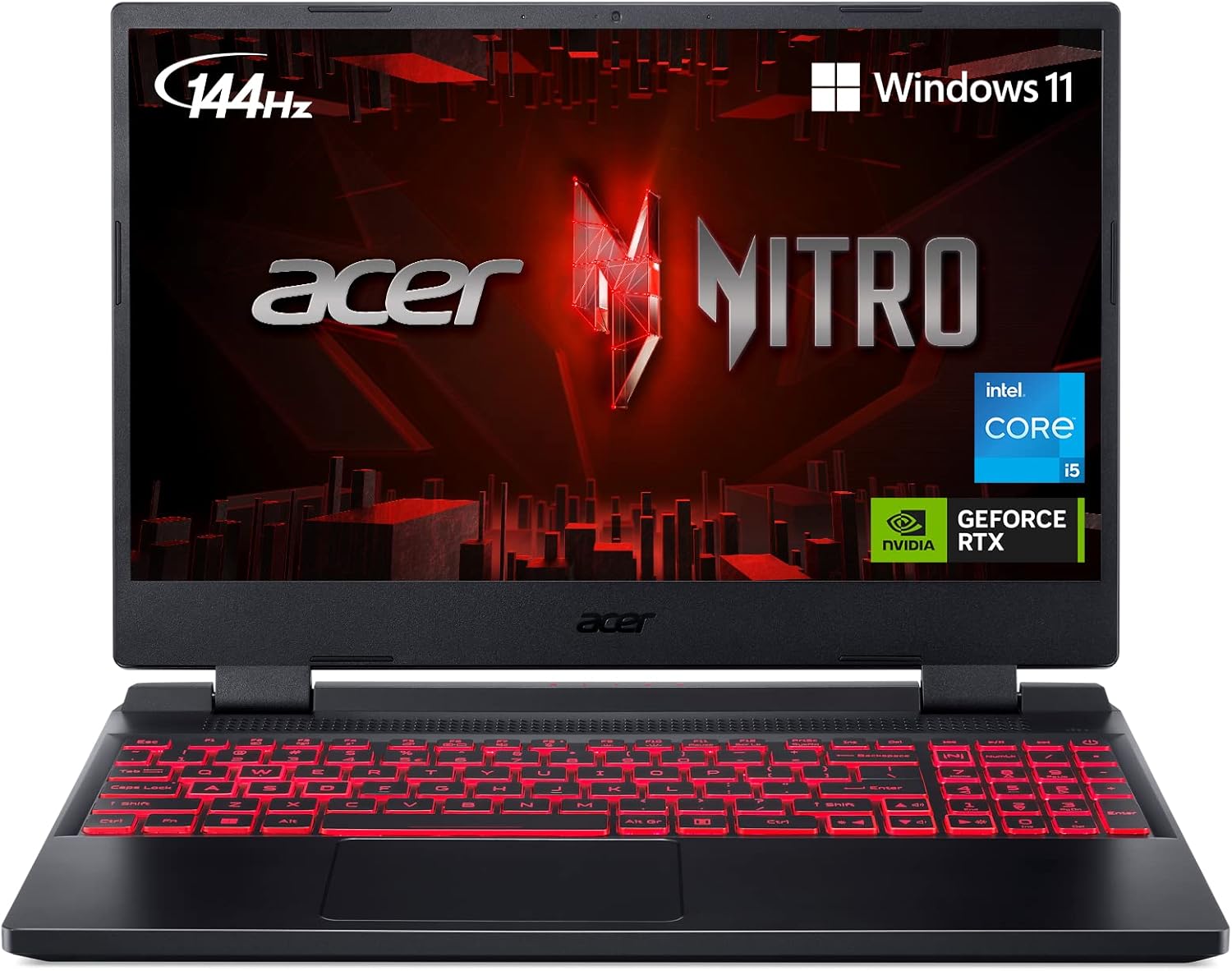
- memory Intel Core i5-12500H
- developer_board NVIDIA GeForce RTX 3050 Ti
- layers 16GB DDR4-3200MHz
- track_changes Target GPU: NVIDIA GeForce GTX 960 (6GB VRAM)
- memory AMD Ryzen 7 7435HS
- developer_board NVIDIA GeForce RTX 3050
- layers 32GB DDR5-4800MHz
- track_changes Target GPU: NVIDIA GeForce GTX 960 (6GB VRAM)

- memory AMD Ryzen 7 6800H
- developer_board NVIDIA GeForce RTX 3060
- layers 16GB DDR5-4800MHz
- track_changes Target GPU: NVIDIA GeForce GTX 960 (6GB VRAM)

- memory AMD Ryzen 9 5900HS
- developer_board NVIDIA GeForce RTX 3080
- layers 16GB DDR4-3200MHz
- track_changes Target GPU: NVIDIA GeForce GTX 960 (6GB VRAM)
- memory Intel Core i9-14900HX
- developer_board NVIDIA GeForce RTX 4070
- layers 32GB DDR5-5600MHz
- track_changes Target GPU: NVIDIA GeForce RTX 3060 or GTX 2070

- memory Intel Core i9-14900HX
- developer_board NVIDIA GeForce RTX 4070
- layers 16GB DDR5-5600MHz
- track_changes Target GPU: NVIDIA GeForce RTX 3060 or GTX 2070
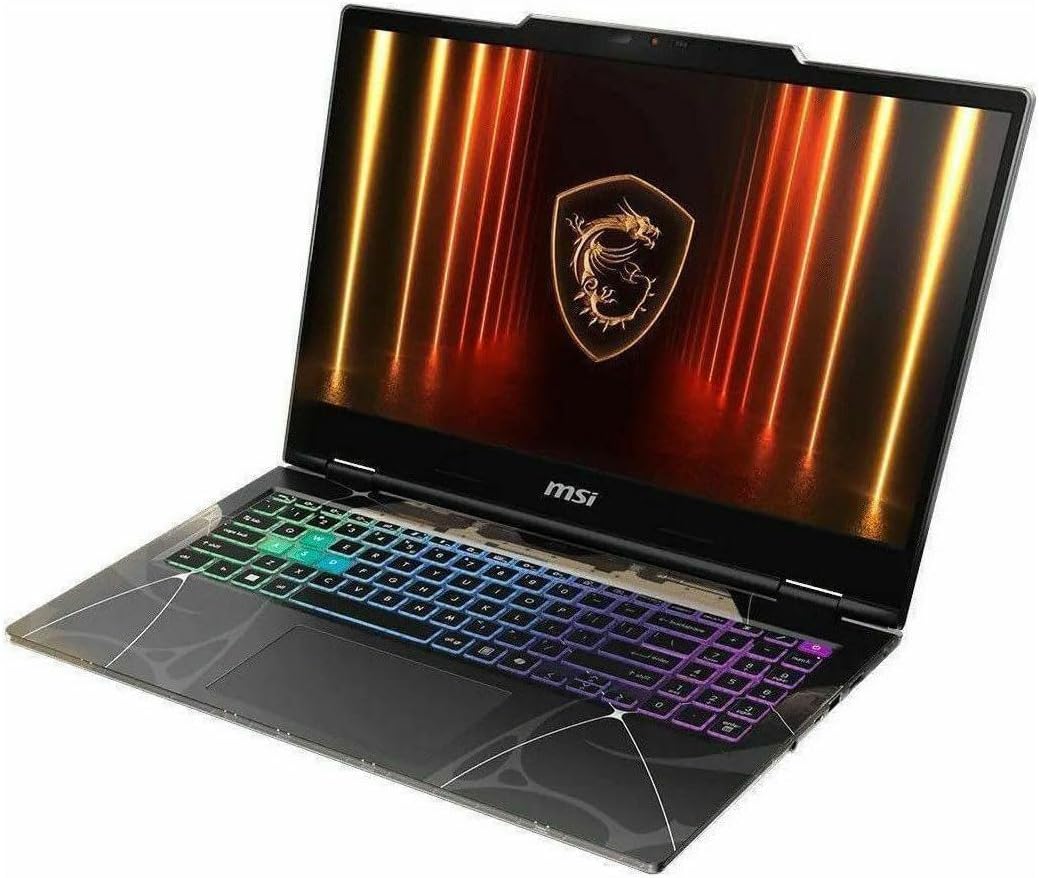
- memory Intel Core Ultra 7 255H
- developer_board NVIDIA GeForce RTX 5060 Laptop GPU
- layers 16GB DDR5-5600MHz (Dual-Channel)
- track_changes Target GPU: NVIDIA GeForce RTX 3060 or GTX 2070

- memory AMD Ryzen 9 8940HX Processor
- developer_board NVIDIA GeForce RTX 5060 Laptop GPU
- layers 32GB DDR5-5200MHz
- track_changes Target GPU: NVIDIA GeForce RTX 3060 or GTX 2070

- memory Intel Core i9-12950HX
- developer_board NVIDIA GeForce RTX 3080 Ti
- layers 32GB DDR5-4800MHz
- track_changes Target GPU: NVIDIA GeForce RTX 3060 or GTX 2070
For Bleak Faith: Forsaken Specifically
- memory Intel Core i7-12700H
- developer_board NVIDIA GeForce RTX 3070
- layers 32GB DDR4-3200MHz
- track_changes Target GPU: NVIDIA GeForce GTX 750 Ti (2GB) or AMD Radeon R7 265 (2GB)
- memory Intel Core i9-13900H
- developer_board NVIDIA GeForce RTX 4060
- layers 16GB DDR5-5200MHz
- track_changes Target GPU: NVIDIA GeForce GTX 750 Ti (2GB) or AMD Radeon R7 265 (2GB)
- memory Intel Core i9-14900HX
- developer_board NVIDIA GeForce RTX 4060
- layers 32GB DDR5-5600MHz
- track_changes Target GPU: NVIDIA GeForce GTX 750 Ti (2GB) or AMD Radeon R7 265 (2GB)
- memory Intel Core i9-12900H
- developer_board NVIDIA GeForce RTX 3070 Ti
- layers 16GB DDR5-4800MHz
- track_changes Target GPU: NVIDIA GeForce GTX 750 Ti (2GB) or AMD Radeon R7 265 (2GB)
- memory Intel Core i5-12450H
- developer_board NVIDIA GeForce RTX 3050
- layers 16GB DDR4-3200MHz
- track_changes Target GPU: NVIDIA GeForce GTX 750 Ti (2GB) or AMD Radeon R7 265 (2GB)
- memory Intel Core i5-12500H
- developer_board NVIDIA GeForce RTX 3050 Ti
- layers 16GB DDR4-3200MHz
- track_changes Target GPU: NVIDIA GeForce GTX 750 Ti (2GB) or AMD Radeon R7 265 (2GB)
- memory AMD Ryzen 7 7435HS
- developer_board NVIDIA GeForce RTX 3050
- layers 32GB DDR5-4800MHz
- track_changes Target GPU: NVIDIA GeForce GTX 750 Ti (2GB) or AMD Radeon R7 265 (2GB)
- memory AMD Ryzen 7 6800H
- developer_board NVIDIA GeForce RTX 3060
- layers 16GB DDR5-4800MHz
- track_changes Target GPU: NVIDIA GeForce GTX 750 Ti (2GB) or AMD Radeon R7 265 (2GB)
- memory AMD Ryzen 9 5900HS
- developer_board NVIDIA GeForce RTX 3080
- layers 16GB DDR4-3200MHz
- track_changes Target GPU: NVIDIA GeForce GTX 750 Ti (2GB) or AMD Radeon R7 265 (2GB)

- memory Intel Core i7-13620H
- developer_board NVIDIA GeForce RTX 4070
- layers 16GB DDR5-4800MHz
- track_changes Target GPU: NVIDIA GeForce GTX 750 Ti (2GB) or AMD Radeon R7 265 (2GB)

- memory Intel Core i7-14700HX
- developer_board NVIDIA GeForce RTX 4070
- layers 16GB DDR5-5600MHz
- track_changes Target GPU: NVIDIA GeForce GTX 1070 (8GB) or AMD Radeon RX Vega 56 (8GB)
- memory Intel Core i9-14900HX
- developer_board NVIDIA GeForce RTX 4070
- layers 32GB DDR5-5600MHz
- track_changes Target GPU: NVIDIA GeForce GTX 1070 (8GB) or AMD Radeon RX Vega 56 (8GB)
- memory Intel Core i9-12900H
- developer_board NVIDIA GeForce RTX 3070 Ti
- layers 16GB DDR5-4800MHz
- track_changes Target GPU: NVIDIA GeForce RTX 2070 Super or AMD Radeon RX 6700 XT
- memory AMD Ryzen 7 7435HS
- developer_board NVIDIA GeForce RTX 3050
- layers 32GB DDR5-4800MHz
- track_changes Target GPU: NVIDIA GeForce RTX 2070 Super or AMD Radeon RX 6700 XT
- memory Intel Core i9-14900HX
- developer_board NVIDIA GeForce RTX 4070
- layers 32GB DDR5-5600MHz
- track_changes Target GPU: NVIDIA GeForce RTX 2070 Super or AMD Radeon RX 6700 XT
- memory Intel Core i9-14900HX
- developer_board NVIDIA GeForce RTX 4070
- layers 16GB DDR5-5600MHz
- track_changes Target GPU: NVIDIA GeForce RTX 2070 Super or AMD Radeon RX 6700 XT
- memory Intel Core Ultra 7 255H
- developer_board NVIDIA GeForce RTX 5060 Laptop GPU
- layers 16GB DDR5-5600MHz (Dual-Channel)
- track_changes Target GPU: NVIDIA GeForce RTX 2070 Super or AMD Radeon RX 6700 XT
- memory AMD Ryzen 9 8940HX Processor
- developer_board NVIDIA GeForce RTX 5060 Laptop GPU
- layers 32GB DDR5-5200MHz
- track_changes Target GPU: NVIDIA GeForce RTX 2070 Super or AMD Radeon RX 6700 XT
- memory Intel Core i9-12950HX
- developer_board NVIDIA GeForce RTX 3080 Ti
- layers 32GB DDR5-4800MHz
- track_changes Target GPU: NVIDIA GeForce RTX 2070 Super or AMD Radeon RX 6700 XT
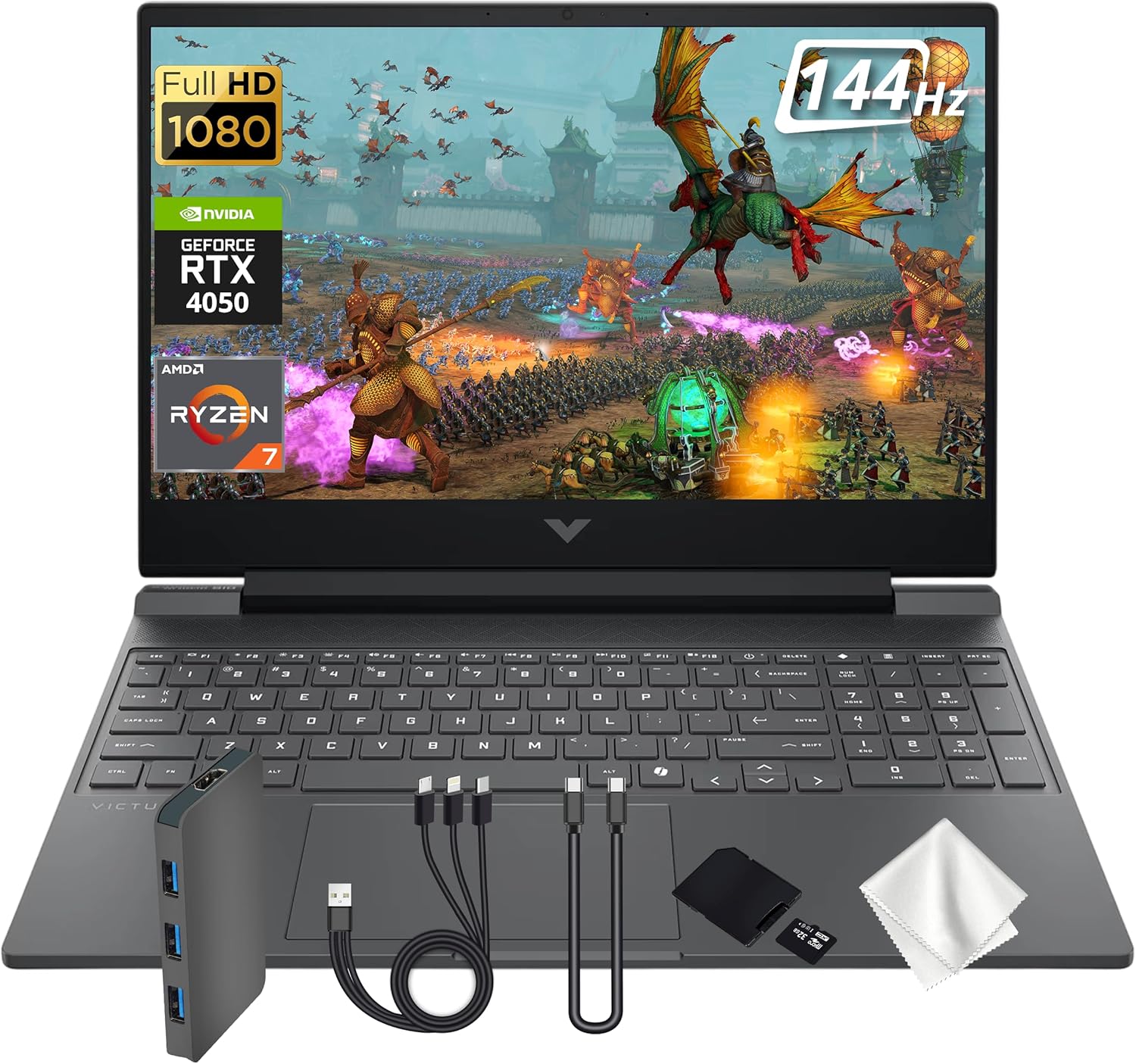
- memory AMD Ryzen 7 7445HS
- developer_board NVIDIA GeForce RTX 4050
- layers 16GB (2x8GB) DDR5 5600MHz SO-DIMM
- track_changes Target GPU: NVIDIA GeForce RTX 2070 Super or AMD Radeon RX 6700 XT

- memory AMD Ryzen 7 7445HS
- developer_board NVIDIA GeForce RTX 4050
- layers 16GB DDR5 5600MHz SO-DIMM
- track_changes Target GPU: NVIDIA GeForce RTX 2070 Super or AMD Radeon RX 6700 XT
- memory Intel Core i9-14900HX
- developer_board NVIDIA GeForce RTX 4080 Laptop GPU
- layers 64 GB DDR5-5600MHz
- track_changes Target GPU: NVIDIA GeForce RTX 2070 Super or AMD Radeon RX 6700 XT
- memory Intel Core i9-14900HX
- developer_board NVIDIA GeForce RTX 4080 Laptop GPU
- layers 64 GB DDR5-5600MHz
- track_changes Target GPU: NVIDIA GeForce RTX 3080 Ti (12GB) or AMD Radeon RX 6900 XT
- memory Intel Core Ultra 9 Processor 275HX (Series 2)
- developer_board NVIDIA GeForce RTX 5070 Laptop GPU
- layers 32GB DDR5-5600MHz
- track_changes Target GPU: NVIDIA GeForce RTX 3080 Ti (12GB) or AMD Radeon RX 6900 XT
- memory Intel Core i9-14900HX Processor
- developer_board NVIDIA GeForce RTX 5070 Laptop GPU
- layers 32GB DDR5-5600MHz
- track_changes Target GPU: NVIDIA GeForce RTX 3080 Ti (12GB) or AMD Radeon RX 6900 XT

- memory Intel Core i9-14900HX Processor
- developer_board NVIDIA GeForce RTX 5070 Laptop GPU
- layers 32GB DDR5-5600MHz
- track_changes Target GPU: NVIDIA GeForce RTX 3080 Ti (12GB) or AMD Radeon RX 6900 XT

- memory Intel Core Ultra 9 285H (Arrow Lake-H)
- developer_board NVIDIA GeForce RTX 5070 Laptop GPU
- layers 64GB LPDDR5x-8533MT/s (LPCAMM2)
- track_changes Target GPU: NVIDIA GeForce RTX 3080 Ti (12GB) or AMD Radeon RX 6900 XT

- memory Intel Core i9-14900HX
- developer_board NVIDIA GeForce RTX 4080
- layers 64GB DDR5-5600MHz
- track_changes Target GPU: NVIDIA GeForce RTX 3080 Ti (12GB) or AMD Radeon RX 6900 XT

- memory Intel Core i9-14900HX
- developer_board NVIDIA GeForce RTX 4080
- layers 32GB DDR5-5600MHz
- track_changes Target GPU: NVIDIA GeForce RTX 3080 Ti (12GB) or AMD Radeon RX 6900 XT

- memory Intel Core i9-14900HX
- developer_board NVIDIA GeForce RTX 4080
- layers 32GB DDR5-5600MHz
- track_changes Target GPU: NVIDIA GeForce RTX 3080 Ti (12GB) or AMD Radeon RX 6900 XT

- memory Intel Core i9-14900HX
- developer_board NVIDIA GeForce RTX 4080
- layers 32GB DDR5-5600MHz
- track_changes Target GPU: NVIDIA GeForce RTX 3080 Ti (12GB) or AMD Radeon RX 6900 XT

- memory AMD Ryzen 9 7845HX
- developer_board NVIDIA GeForce RTX 4080
- layers Up to 64GB DDR5
- track_changes Target GPU: NVIDIA GeForce RTX 3080 Ti (12GB) or AMD Radeon RX 6900 XT
info_outline Laptop recommendations are estimates based on available component benchmarks and game requirements. Actual performance may vary depending on settings, drivers, cooling, power limits, etc. Prices and availability subject to change. As an Amazon Associate, we earn from qualifying purchases.