Select Games to Compare

search close
search close

Select up to 2 games to compare side-by-side.

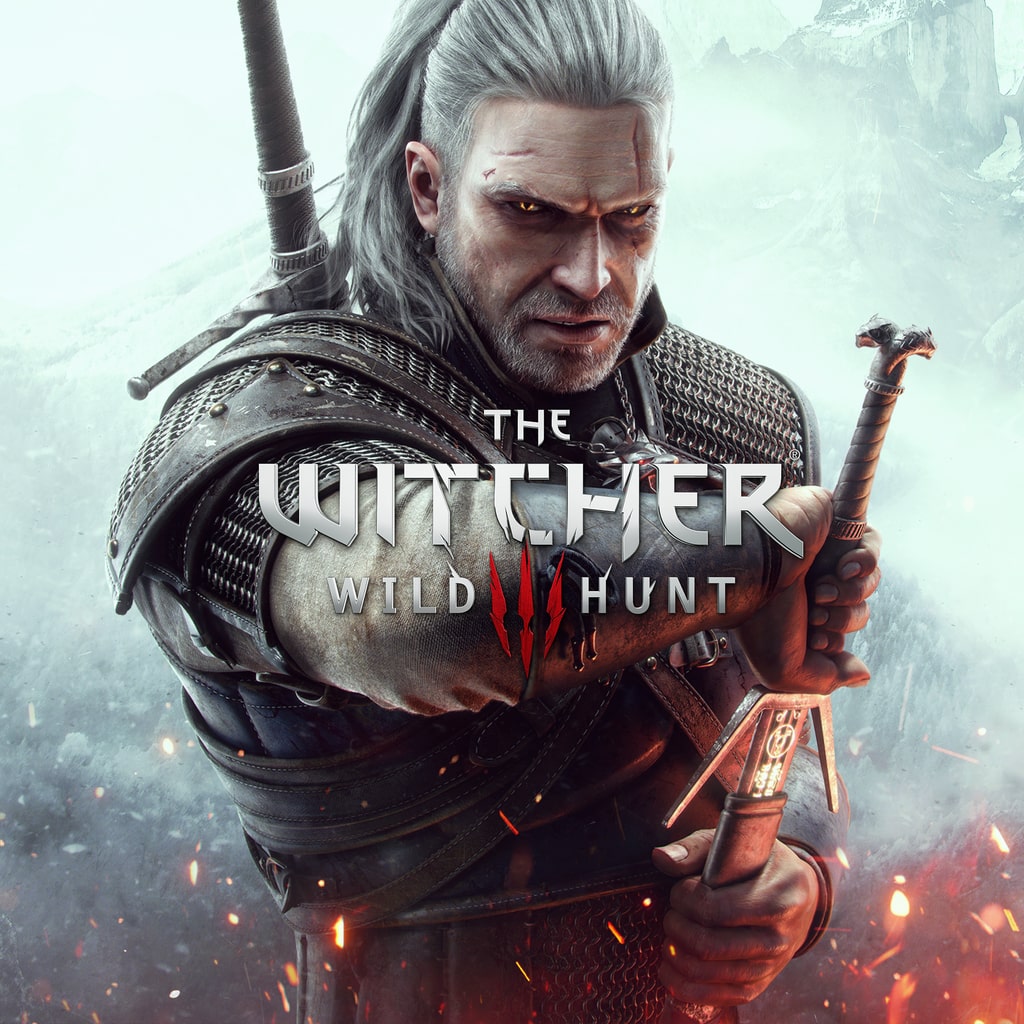
Mortal Shell II vs The Witcher 3: Wild Hunt

close close
info General Information
Release Date
Dec 31, 2026 May 19, 2015
Developer
Cold Symmetry CD Projekt Red
Publisher
Playstack CD Projekt (Poland), Warner Bros. Interactive Entertainment (NA), Bandai Namco Entertainment (Europe & other regions)
Genre(s)
Action RPG, Soulslike Action RPG, Open World, Fantasy, Third-Person
Engine
Unreal Engine 5 REDengine 3 (with SpeedTree, Umbra 3, PhysX, etc.)
stars Ratings & Price
Content Rating
Mature Mature 17+
Avg. User Rating
4.8 / 5.0 4.9 / 5.0
Current Price (USD)
$49.99 $39.99
tune Key Specs
Quick Highlights
  • Combat System: Stamina-Free / Posture-Based
  • Primary Platform Focus: PC, PS5, Xbox Series X/S
  • Storage Type: SSD Required
  • Total Dungeons: 60+
  • Perspective: Third-Person
  • Multiplayer: None (Single-Player Only)
  • Setting: The Continent (Velen, Novigrad, Skellige Isles, Kaer Morhen, Toussaint - DLC)
  • Platforms: PC, PlayStation 4, PlayStation 5, Xbox One, Xbox Series X|S, Nintendo Switch
  • Unique Feature: Deep Branching Narrative with Meaningful Choices, Mature Storytelling, Gwent Card Game, Witcher Signs Combat, Extensive Alchemy & Crafting, Monster Contracts.
sports_esports Gameplay & Mechanics
Companions/Followers
  • Spirit Harbinger: Mirrors physical attacks and aids in combat flow.
    Spectral Entity
  • Ciri (Cirilla Fiona Elen Riannon - Temporary Playable & AI): During specific story segments, the player takes control of Ciri. She has a unique combat style focused on teleportation (Blink), fast sword attacks, and powerful Elder Blood abilities. When not playable, she sometimes fights alongside Geralt as an AI companion in key narrative moments.
    Human (Elder Blood User)
  • Story-Specific AI Companions (Yennefer, Triss, Eskel, Lambert, Zoltan, Vesemir, Roche, Letho, etc.): During various main story quests and major side quests, key characters will temporarily join Geralt as AI-controlled companions. They provide combat support according to their abilities (e.g., Yennefer uses powerful magic, Lambert fights with Witcher skills, Zoltan uses his axe). Their presence is scripted for those missions and they are not persistently commandable.
    Human, Witcher, Dwarf, Sorceress
  • Roach (Geralt's Horse): Geralt's loyal steed and primary means of long-distance travel. Can be called almost anywhere in the open world. Allows for mounted combat (swinging swords, using Signs/crossbow from horseback). Can be equipped with saddles (stamina), saddlebags (inventory capacity), and blinders (reduce panic). Trophies can be attached for passive buffs.
    Equus caballus (Various Breeds/Colors)
Key Collectibles
  • Tarstones: Scattered across dungeons and chests
  • Serpent Stone: Found in chests, used for Poison infusion
  • Ova: Reward for defeating major bosses
  • Witcher Gear Diagrams (Scavenger Hunts): Hidden diagrams required to craft and upgrade Witcher School armor and swords. Found by following Scavenger Hunt quests, often in dangerous ruins, caves, or monster lairs across all regions.
  • Places of Power: Glowing standing stones found throughout the world. Interacting with one for the first time grants Geralt one Ability Point and a temporary significant buff to a specific Witcher Sign. Marked on the map once discovered nearby.
  • Gwent Cards: Collectible cards for the in-universe card game, Gwent. Acquired by winning matches against NPCs, purchasing from merchants, or as quest rewards. There are hundreds of cards across different factions (Northern Realms, Nilfgaard, Scoia'tael, Monsters, Skellige - DLC). A major side activity with its own questline ('Collect 'Em All').
  • Hidden Treasures & Smuggler's Caches: Marked on the map as '?' points of interest, often guarded by enemies or monsters. Contain loot chests with gear, crafting materials, money, or diagrams. Smuggler's Caches are typically found underwater in Skellige.
  • Monster Nests & Bandit Camps: Locations overrun by monsters or bandits. Geralt must defeat all enemies and destroy the nest (for monsters) or loot the main chest (for bandits) to clear the area, earning XP and rewards.
  • Guarded Treasures: Specific locations marked on the map, usually guarded by a powerful monster or group of enemies, protecting a valuable loot chest.
  • Persons in Distress (Rescues): NPCs captured by bandits or monsters. Rescuing them often unlocks new merchants, Gwent players, or provides other minor rewards. Marked as '?' until approached.
  • Spoils of War (Underwater Treasures): Sunken ships or chests in bodies of water, particularly around the Skellige Isles, containing valuable loot. Often requires use of the crossbow against Drowners.
  • Books, Letters, Notes (Lore Items): Found extensively throughout the world in houses, ruins, on corpses, etc. Provide rich lore, backstory, hints for quests, or initiate new quests. Contributes to the in-game glossary.
Key Themes
  • Dark Fantasy
  • Cosmic Horror
  • Redemption
  • Metamorphosis
  • Monster Hunting
  • War & Politics
  • Moral Ambiguity & Choice
  • Destiny & Prophecy
  • Found Family
  • Love & Loss
  • Prejudice & Xenophobia
  • Folklore & Slavic Mythology
  • The Lesser Evil
  • Nature vs. Civilization
colorize Combat & Gear
Weapons Overview
  • Gatling Gun: Firearm
    High-capacity ranged weapon for sustained pressure.
  • Flaming Greatsword: Melee
    Heavy blade that ignites enemies upon impact.
  • Hand Cannon: Firearm
    Powerful sidearm capable of severing limbs.
  • Scythe: Melee
    Agile weapon with a wide reach for crowd control.
  • Machine-gun Crossbow: Firearm
    Rapid-fire projectile weapon for mobile encounters.
  • Steel Swords: Melee (Primary vs. Humans & Non-Monsters)
    Geralt's primary weapon against human opponents and common animals. Various types exist (e.g., Longclaw, Vitis, various relic swords) with different stats, rune slots, and appearances. Can be crafted or found.
  • Silver Swords: Melee (Primary vs. Monsters)
    Geralt's specialized weapon for fighting monsters, as silver is effective against most supernatural creatures. Similar variety and upgrade paths as steel swords (e.g., Aerondight, various Witcher school silver swords).
  • Crossbows: Ranged (Utility/Underwater)
    A secondary ranged weapon. Primarily used for grounding flying enemies, underwater combat against Drowners, or triggering environmental interactions. Various bolt types can be crafted (standard, broadhead, explosive, tracking).
  • Bombs (Grapeshot, Samum, Dancing Star, Northern Wind, Dimeritium, Moon Dust, Devil's Puffball): Throwable (Area of Effect, Debuff, Utility)
    Craftable alchemical explosives with diverse effects: Grapeshot (shrapnel damage), Samum (stuns), Dancing Star (fire), Northern Wind (freezes), Dimeritium (blocks magic/mutations), Moon Dust (reveals invisible foes), Devil's Puffball (poison cloud).
  • Fists (Brawling): Melee (Unarmed)
    Geralt can engage in unarmed combat, particularly during fist fighting side quests and tournaments.
  • Witcher Gear Swords (Feline, Griffin, Ursine, Wolven, Viper, Manticore): Craftable/Upgradable (Steel & Silver)
    Specialized sets of swords belonging to different Witcher schools. Each set offers unique stat bonuses and visual styles, often complementing the armor sets of the same school (e.g., Feline swords for fast attacks and bleed, Ursine for strong attacks and adrenaline).
  • Relic & Magic Weapons (Unique Named Items): Varied (Steel & Silver)
    Unique named swords found as quest rewards, loot from powerful enemies, or in hidden locations. Often have special properties, higher base damage, or unique visual designs (e.g., Aerondight, Iris, Winter's Blade).
Armor / Gear Sets
  • Eredrim's Plate: High Health / High Posture / Low Agility
  • Tiel's Acolyte Garb: Low Health / High Agility / Poison Resistance
  • Proxima's Horned Helm: Lightning Damage Bonus / Grappling Hook Utility
  • Witcher School Gear Sets (Feline, Griffin, Ursine, Wolven, Viper, Manticore): Sets of matching Chest Armor, Gauntlets, Trousers, and Boots belonging to different Witcher schools. Each set offers specific stat bonuses tailored to a playstyle (e.g., Feline for light armor/fast attacks/crit, Ursine for heavy armor/strong attacks/adrenaline, Griffin for medium armor/Sign intensity). These sets can be crafted using diagrams found via Scavenger Hunt quests and upgraded through multiple tiers (Basic, Enhanced, Superior, Mastercrafted, Grandmaster - with DLC).
  • Common, Magic, Master, Relic Armor Pieces: Non-Witcher gear armor pieces found as loot, purchased from merchants, or crafted. Categorized by rarity (Common - grey, Magic - blue, Master - yellow/orange, Relic - gold/brown) which influences their base stats, number of rune slots, and potential for unique perks. Can be mixed and matched.
  • Armor Runestones & Glyphs: Enhancements that can be socketed into armor pieces with available slots. Runestones (typically for swords) and Glyphs (for armor) provide passive bonuses like increased Sign intensity, elemental resistance, health regeneration, or reduced damage from specific enemy types.
  • Heavy, Medium, Light Armor Types: Armor pieces are generally classified as Light, Medium, or Heavy, affecting Geralt's stamina regeneration rate (Light armor regenerates stamina fastest, Heavy slowest). Certain character skills in the General tree can mitigate these penalties or provide bonuses based on armor type.
Outfits/Customization
  • Obsidian Skin: Exclusive Pre-order digital cosmetic for the Harbinger.
  • Skeletal Skin: Exclusive Pre-order digital cosmetic for the Harbinger.
  • Witcher School Gear (Armor Sets: Feline, Griffin, Ursine, Wolven, Viper, Manticore, Grandmaster variants): Geralt can craft and upgrade full sets of armor (Chest, Gauntlets, Trousers, Boots) belonging to different Witcher schools. Each set provides unique stat bonuses tailored to specific playstyles (e.g., Feline for light armor/fast attacks, Ursine for heavy armor/strong attacks, Griffin for Sign intensity). Visuals change with each upgrade tier (Basic, Enhanced, Superior, Mastercrafted, Grandmaster).
  • Common, Magic, Master, Relic Armor Pieces: A vast array of non-Witcher gear armor pieces found as loot, purchased, or crafted. These include gambesons, leather jackets, plate armor pieces, trousers, boots, and gauntlets. Categorized by rarity, influencing stats and rune slots. Can be mixed and matched.
  • Formal Attire (Doublets, Pourpoints - e.g., for Novigrad/Toussaint noblesse): Specific outfits required for certain quests or to fit in with high society, particularly in Novigrad and Toussaint. Often more ornate and less combat-focused.
  • Dyes (Blood and Wine DLC): The Blood and Wine expansion introduced armor dyes, allowing players to change the color of most Witcher gear and some other armor pieces using specific dye formulas and ingredients.
  • Hairstyles & Beards: Geralt can visit barbers in towns and cities to change his hairstyle and beard style. His beard also grows dynamically over time if not shaved.
  • Trophies (Monster Trophies for Roach): Defeating certain powerful monsters or winning horse races can reward Geralt with trophies that can be equipped to his horse, Roach, providing small passive bonuses (e.g., +% gold, +% dismemberment chance). These are also visually displayed on Roach.
trending_up Progression & Upgrades
Skills & Progression

The core progression revolves around possessing Shells—the remains of fallen warriors—and unlocking their unique memory-based abilities. A major paradigm shift is the removal of the stamina bar, allowing for unrestricted combat flow. Players now focus on 'Resolve' to trigger powerful weapon abilities and 'Posture' management to break enemy defenses. Upgrades extend to both the Harbinger’s innate traits and the Shells' individual skill trees. Additionally, a deep weapon customization system allows players to slot 'Tarstones' (similar to Grease/Infusions) to add elemental effects like poison or fire to their gear.

N/A
public World & Exploration
World & Level Design

Mortal Shell II features an interconnected open world that is described as 'expansive yet deliberately compact.' This design philosophy prioritizes density over distance, ensuring that winding footpaths lead directly to meaningful encounters or upgrades rather than empty space. Key regions include the central Marrow Keep hub, the haunting Citadels of Bone, the treacherous Forbidden Forests, and the desolate Icy Graves. The map serves as a gateway to over 60 distinct dungeons, offering a level of verticality and secret-finding reminiscent of classic Metroidvanias.

The game features several large, distinct open-world regions rather than one single contiguous map. These include: White Orchard (prologue area), Velen & Novigrad (a massive combined region of swamps, forests, battlefields, and the large city of Novigrad), Skellige Isles (an archipelago of mountainous, Viking-inspired islands), Kaer Morhen (a smaller mountainous region with the Witcher keep), and later through DLCs, Toussaint (a vibrant, fairy-tale duchy). The total landmass is estimated to be very large (e.g., Velen/Novigrad alone is often cited as over 100 sq km, with Skellige adding another significant portion). Each region is densely packed with quests, points of interest, monster nests, and hidden treasures.

Playable Vehicles
  • Broken-down Cart: Static Prop
    The location where players first encounter the NPC Vlas.
  • Roach (Geralt's Horse): Primary Mount / Living Vehicle
    Geralt's loyal and ever-present horse (regardless of how many times a 'Roach' might perish, the next one is also named Roach). Essential for traversing the vast open world. Can be called with a whistle. Allows for mounted combat, and can be equipped with saddles (for stamina), saddlebags (for increased inventory weight), blinders (to reduce panic), and trophies (for passive buffs).
  • Boats (Skiffs, Sailboats): Watercraft
    Used for navigating rivers, lakes, and the seas around the Skellige Isles. Includes small rowboats/skiffs and larger sailboats. Some boats are equipped with a fast travel point. Vulnerable to Sirens and other aquatic threats.
  • Fast Travel (Signposts): Map Traversal Mechanic
    Once Geralt discovers a Signpost in the world, he can use it (or any other discovered Signpost) to instantly travel to any other known Signpost location, greatly reducing travel time across large distances.
Notable Fauna/Mounts
  • The Sheep: Ovis aries
    Combat Transformation / Hidden Ability
  • Wormfish: Eldritch Hybrid
    Familiar Enemy
  • Death Bird: Avian
    Mysterious NPC Guide
N/A
book Story & Characters
Main Characters
  • The Harbinger: Protagonist
    A prophesied being capable of possessing fallen warriors.
  • The Undermether: Patron
    A divine figure seeking to reclaim her stolen unborn children.
  • Solnir Stillblade: Boss
    A formidable warrior guarding the first Beacon.
  • Vlas: Merchant
    A recurring merchant found injured in the open world.
  • Geralt of Rivia: Protagonist / Witcher (School of the Wolf)
    The main playable character. A renowned professional monster slayer, mutated and trained from a young age. He is searching for his adoptive daughter, Ciri, while navigating complex political conflicts and personal relationships. Known for his dry wit, pragmatism, and combat prowess.
  • Ciri (Cirilla Fiona Elen Riannon): Deuteragonist / Child of Prophecy / Witcher Trainee
    The ashen-haired princess of Cintra and possessor of the Elder Blood, granting her immense magical power, including the ability to travel through space and time. Geralt's adoptive daughter, pursued by the Wild Hunt. Playable in specific story segments, showcasing her unique teleportation-based combat style.
  • Yennefer of Vengerberg: Ally / Sorceress / Geralt's True Love
    A powerful and ambitious sorceress from the Lodge of Sorceresses, Geralt's on-again, off-again lover, and a mother figure to Ciri. Known for her striking beauty (violets and gooseberries scent), sharp intellect, and complex morality.
  • Triss Merigold: Ally / Sorceress / Geralt's Friend & Potential Love Interest
    A skilled Temerian sorceress, close friend to Geralt and Yennefer, and another important figure in Ciri's life. Known for her kindness, loyalty, and powerful fire magic. A potential romantic interest for Geralt.
  • Vesemir: Ally / Witcher Mentor (School of the Wolf)
    The oldest and most experienced Witcher at Kaer Morhen, serving as a father figure and mentor to Geralt and other Witchers. Wise, grizzled, and highly skilled.
  • Dandelion (Julian Alfred Pankratz, Viscount de Lettenhove): Ally / Bard / Geralt's Best Friend
    A flamboyant and renowned poet, minstrel, and Geralt's loyal (if sometimes troublesome) best friend. Often provides comic relief and narrates parts of the story through his ballads.
  • Zoltan Chivay: Ally / Dwarf Warrior / Geralt's Friend
    A boisterous and fiercely loyal dwarven warrior and friend of Geralt and Dandelion. Always ready for a fight or a game of Gwent.
  • Emperor Emhyr var Emreis (The White Flame Dancing on the Barrows of his Foes): Antagonist / Ruler of Nilfgaard / Ciri's Biological Father
    The powerful and ruthless Emperor of Nilfgaard, waging war against the Northern Kingdoms. He is Ciri's biological father and seeks to find her for political and personal reasons.
  • Eredin Bréacc Glas (King of the Wild Hunt): Main Antagonist / Leader of the Wild Hunt
    The fearsome king of the Aen Elle elves from another dimension, leader of the spectral Wild Hunt. He relentlessly pursues Ciri to harness her Elder Blood power for his own purposes.
  • Imlerith & Caranthir Ar-Feiniel: Antagonists / Generals of the Wild Hunt
    Two of Eredin's most powerful generals. Imlerith is a brutal warrior, while Caranthir is a skilled mage specializing in ice and teleportation.
  • Phillip Strenger (The Bloody Baron): Key NPC / Warlord of Velen
    A complex and tragic figure, a former Temerian soldier who has become the self-proclaimed ruler of Velen. His questline to find his missing wife and daughter is a major, dark storyline.
  • Keira Metz: Ally / Sorceress / Former Advisor to King Foltest
    A sorceress hiding in Velen after the witch hunts. She assists Geralt with information and magic, and has her own ambitions.
  • Sigismund Dijkstra: Key NPC / Former Head of Redanian Intelligence / Novigrad Underworld Figure
    A cunning spymaster and influential figure in Novigrad's criminal underworld. Often an information broker for Geralt, with his own political agenda.
  • Crach an Craite: Ally / Jarl of Clan an Craite (Skellige)
    A powerful and honorable Skellige Jarl, uncle to Ciri through his sister Calanthe, and a friend to Geralt and Yennefer. Father of Hjalmar and Cerys.
  • Avallac'h (Crevan Espane aep Caomhan Macha): Key NPC / Aen Saevherne (Elven Sage)
    An ancient and knowledgeable elven sage with a deep connection to Ciri and the Elder Blood. His motives are often enigmatic, acting as both a guide and a manipulator.
Example Missions
  • Reclaim the Ova: Main Quest
    Defeat the guardians and return the unborn to the Undermether.
  • The Missing Cat: Side Quest
    Help the merchant Vlas find his lost feline companion.
  • Cleanse the Beacons: World Objective
    Locate and activate the four major Beacons to unlock fast travel to Marrow Keep.
  • Main Questline (The Wild Hunt & Ciri's Fate)
    A sprawling narrative following Geralt's search for Ciri across Velen, Novigrad, and Skellige, while evading and eventually confronting the otherworldly Wild Hunt. Involves major plot points, character reunions, political intrigue, difficult choices, and epic battles. Culminates in one of several possible endings based on player actions.
  • Witcher Contracts
    Monster hunting assignments taken from notice boards or directly from NPCs. Geralt must investigate the monster sighting, track the beast using his Witcher Senses, learn its weaknesses from the Bestiary, prepare accordingly (oils, potions, bombs, Signs), and then slay or deal with the monster. Rewards include coin, XP, and sometimes unique items or diagrams.
  • Secondary Quests (Major Side Storylines)
    Often lengthy and narratively rich optional questlines that delve into the stories of key supporting characters (e.g., Yennefer, Triss, Keira Metz, The Bloody Baron, Crach an Craite's children Hjalmar & Cerys, Vernon Roche, Sigismund Dijkstra) or explore significant political or social issues within a region. Many feature impactful choices.
  • Treasure Hunts & Scavenger Hunts (Witcher Gear)
    Quests initiated by finding maps or notes that lead to hidden stashes of valuable loot (Treasure Hunts) or diagrams for crafting powerful Witcher School gear (Scavenger Hunts). Often involve exploring ruins, caves, or solving light environmental puzzles.
  • Gwent Quests (Card Collection & Tournaments)
    A series of quests related to playing and collecting Gwent cards. Includes challenging unique NPCs to matches to win their rare cards, participating in major Gwent tournaments (like the one at the Passiflora in Novigrad), and ultimately aiming to 'Collect 'Em All'.
  • Fistfighting Championships
    A series of unarmed brawling tournaments across Velen, Novigrad, and Skellige, where Geralt fights progressively tougher opponents to become champion of each region.
  • Horse Races
    Participate in horse races against NPCs in various regions. Winning races rewards unique horse equipment (saddles, saddlebags, blinders) and money.
  • Points of Interest Clearing (Bandit Camps, Monster Nests, Guarded Treasures, etc.)
    Numerous '?' markers on the map that represent small combat encounters or explorable locations. Clearing these provides XP, loot, and contributes to regional completion.
  • Hearts of Stone DLC Main Questline
    A dark and compelling new main story involving Geralt making a pact with the enigmatic Gaunter O'Dimm (Master Mirror) to fulfill three impossible tasks for Olgierd von Everec, an immortal nobleman. Set primarily in the northeastern Velen/Novigrad region.
  • Blood and Wine DLC Main Questline
    Geralt travels to the vibrant, idyllic duchy of Toussaint to investigate a series of brutal murders. This expansion features a new massive region, a complex storyline involving vampires, knights, and courtly intrigue, and introduces new game mechanics like vineyard management (Corvo Bianco) and Mutations.
people Multiplayer
Multiplayer Details

The title remains a dedicated single-player Dark Fantasy Action RPG. There are no current plans for competitive PvP or cooperative modes, as the design focuses on the individual's mastery of the shell-swapping and parry mechanics within the open-world environment.

The Witcher 3: Wild Hunt is a purely single-player experience. There are no multiplayer modes.

extension Editions & DLC
Available Editions

Three primary tiers are available. The Standard Edition ($49.99) includes the base game. The Revered Edition ($69.99) is a physical collector's package featuring a bespoke collector’s box, a SteelBook case, an art book, and fine art prints. Pre-order bonuses for all editions include exclusive digital Harbinger skins: the Obsidian and Skeletal variants. A PC-exclusive Open Beta is scheduled for Summer 2026 for those who register via the official website or are enrolled in the developer newsletter.

Available in Standard Edition. A Collector's Edition included a Geralt vs. Griffin statue, SteelBook, artbook, medallion, map. Later, a Game of the Year Edition (or Complete Edition) was released, bundling the base game with both major expansions ('Hearts of Stone' and 'Blood and Wine') and all free DLCs. The Next-Gen Update (Patch 4.0) was a free upgrade for existing owners on PC, PS5, and Xbox Series X|S.

Post-Launch Content / DLC

While no specific DLC has been detailed yet, the 'standalone' branding of the sequel suggests a complete initial experience. However, based on the previous game's 'Virtuous Cycle' DLC, fans expect post-launch support featuring new Shells, roguelike modes, or expanded weapon rosters. The presence of 'Shell' slots in the UI hints at potential future expansions.

CD Projekt Red released 16 free DLCs (cosmetic items, small quests, New Game+). Two major paid expansions were released: 'Hearts of Stone' (a lengthy, dark, and story-focused adventure with new characters and a compelling narrative) and 'Blood and Wine' (a massive expansion set in the new region of Toussaint, with a new main storyline, numerous side quests, new monsters, gear, and a player home vineyard). Both expansions are critically acclaimed.

help_outline FAQ
Frequently Asked Questions
  • Q: Does Mortal Shell II have stamina management?
    A: No, the stamina system has been completely removed in favor of unrestricted, adrenaline-charged combat.
  • Q: Can I play Mortal Shell II on PlayStation 4 or Xbox One?
    A: No, the game is exclusive to current-gen hardware (PS5, Xbox Series X/S, and PC) to utilize Unreal Engine 5 features.
  • Q: What is the release date?
    A: The game is currently slated for a worldwide release in 2026.
  • Q: Is there a beta I can join?
    A: Yes, an Open PC Beta is planned for Summer 2026 on Steam. Sign-ups are available on the official website.
  • Q: Are firearms a major part of the game?
    A: Yes, Mortal Shell II introduces a variety of medieval firearms, including hand cannons, shotguns, and gatling guns, which are integrated into the melee combat loop.
  • Q: Is The Witcher 3: Wild Hunt the end of Geralt's story?
    A: The Witcher 3: Wild Hunt and its 'Blood and Wine' expansion are considered the definitive end of Geralt of Rivia's saga as told by CD Projekt Red. While the Witcher universe continues in other media, the developers have stated this game concludes Geralt's main storyline.
  • Q: Do I need to play The Witcher 1 and 2 before The Witcher 3?
    A: While The Witcher 3 is designed to be accessible to newcomers, playing the previous games (or at least being familiar with their stories) significantly enhances the understanding of the characters, world politics, and recurring plot threads. The game does allow importing saves from The Witcher 2 on PC to reflect some past choices.
  • Q: What is Gwent?
    A: Gwent is an in-universe collectible card game that Geralt can play with numerous NPCs. It involves building decks for different factions (Northern Realms, Nilfgaard, Scoia'tael, Monsters, Skellige) and strategically playing unit and spell cards across three rows to win two out of three rounds. It became so popular it spawned a standalone Gwent game.
  • Q: How important are choices in The Witcher 3?
    A: Player choices are extremely important and have far-reaching consequences. Decisions made in main quests, side quests, and even dialogues can affect character relationships, the fate of individuals and communities, regional politics, and ultimately lead to one of several distinct endings for Geralt, Ciri, and the world.
  • Q: What are Witcher Contracts?
    A: Witcher Contracts are side quests where Geralt undertakes his professional duty: hunting down and slaying dangerous monsters for a negotiated fee. These typically involve investigation (tracking, examining clues with Witcher Senses), preparation (learning about the monster's weaknesses, brewing appropriate potions/oils), and a challenging boss fight.
  • Q: What did the Next-Gen Update (Patch 4.0) change?
    A: The Next-Gen Update, released in December 2022, brought significant visual enhancements like ray-traced global illumination and ambient occlusion, improved textures and foliage, faster loading times (on supported hardware), new camera options, integrated community-made mods, quality-of-life improvements, and new content inspired by The Witcher Netflix series. It also increased system requirements, particularly for PC.
build Technical Details
Graphics & Visual Fidelity

Powered by Unreal Engine 5, the game utilizes Nanite for high-fidelity geometry and Lumen for real-time global illumination. Visual highlights include improved volumetric lighting, a striking red-leaf arena, and a significantly improved draw distance. The camera perspective is tighter and more 'over-the-shoulder,' focusing on the impact of finishers and parries.

Powered by REDengine 3, The Witcher 3 was renowned for its stunning visuals at launch, showcasing vast, detailed landscapes, realistic weather systems, and expressive character models. The Next-Gen Update (Patch 4.0) significantly enhanced visuals on PC and current-gen consoles, adding ray-traced global illumination and ambient occlusion, improved screen space reflections, higher resolution textures, and denser environments, making it visually competitive with modern titles.

Audio & Soundtrack

The soundtrack maintains the series' heavy-metal and dark atmospheric roots. Combat encounters are punctuated by visceral sound effects—bone-crunching impacts and high-velocity firearm reports. The ambient audio design emphasizes the 'haunting and eerie' nature of the world, with unique soundscapes for each of the four main environmental regions.

Original score composed by Marcin Przybyłowicz and Mikołaj Stroiński, featuring a blend of orchestral arrangements, Slavic folk music influences, and haunting ambient tracks. The soundtrack, particularly tracks like 'The Wolven Storm (Priscilla's Song)' and various battle themes, is highly praised. Sound design is immersive, with distinct monster sounds, environmental ambiances reflecting different regions, and impactful combat effects.

User Interface (UI/UX)

The HUD has been streamlined to maximize immersion during open-world battles. It features clear tabs for Shells, Weapons, and Sidearms. Inventory management allows for four quick-access slots for consumables like Moonshine. Critical UI elements include counters for Tar (souls) and Glimpses in the top-right, and a 'Golden Flash' visual indicator for successful parries.

Features a customizable HUD displaying health, stamina, toxicity, equipped Signs, and a mini-map. A radial menu allows quick selection of Signs, potions, bombs, and pocket items. Inventory, character (skills, gear), alchemy, crafting, journal, and world map are accessed through a comprehensive menu system. The Bestiary provides information on monsters and their weaknesses.

Accessibility Options

The removal of stamina serves as a soft accessibility feature, lowering the mechanical barrier of entry for resource management while retaining difficulty through timing. The game includes customizable controls, subtitle scaling, and visual cues for the parry system (Golden Flash) to assist players with different needs.

The original release had limited accessibility options. The Next-Gen Update and subsequent patches improved this, adding features like customizable subtitles (size, background), options for font size, HUD scaling, control remapping (PC), options to reduce camera motion/head bob, and gameplay settings like auto-looting and alternative QTE inputs.

Gameplay Video
launchWatch launchWatch
Walkthrough/Guide
launchView launchView
settings_applications System Requirements
1080p (Full HD) - Minimum (Low-Medium)
CPU: 8 cores recommended for background asset decompression.
CPU (Laptop): High-clock mobile chips needed for parity.
GPU: 8GB VRAM is the hard floor for texture streaming.
GPU (Laptop): Ensures stable framerates in boss arenas.
RAM: Standard for modern UE5 titles.
Storage: Mandatory SSD requirement.
memoryCPU: Intel Core i7-10700K / AMD Ryzen 5 3600
developer_boardGPU: NVIDIA GeForce RTX 2060 SUPER 8GB / AMD Radeon RX 6600 8GB
laptop_macCPU (L): Intel Core i7-11800H / Ryzen 7 5800H
laptop_windowsGPU (L): RTX 3060 Laptop (95W+)
layersRAM: 16 GB
saveStorage (Tier): 30 GB SSD
1080p (Full HD) - Minimum (Original - 1080p ~30 FPS, Low/Medium Preset) (Low to Medium Preset (Original Game))
CPU: Minimum desktop CPU for original release.
CPU (Laptop): Estimated laptop CPU. Modern i3/Ryzen 3 sufficient for original.
GPU: Minimum desktop GPU for original release.
GPU (Laptop): Estimated laptop GPUs for original release.
RAM: Minimum RAM for original release.
Storage: HDD minimum for original.
memoryCPU: Intel CPU Core i5-2500K 3.3GHz or AMD CPU Phenom II X4 940
developer_boardGPU: NVIDIA GeForce GTX 660 or AMD Radeon HD 7870
laptop_macCPU (L): Intel Core i5-4200M / AMD A10-5750M equivalent or better
laptop_windowsGPU (L): NVIDIA GeForce GTX 765M / AMD Radeon R9 M270X or better. **Modern integrated graphics could handle original low settings. An RTX 3050 Mobile or RTX 4050 Mobile would easily max out original settings and run Next-Gen medium/high.**
layersRAM: 6 GB
saveStorage (Tier): 50 GB HDD
1080p (Full HD) - Recommended (Original - 1080p ~60 FPS, High Preset) (High Preset (Original Game))
CPU: Recommended desktop CPU for original release 1080p High.
CPU (Laptop): Estimated mid-range laptop CPUs for original.
GPU: Recommended desktop GPU for original 1080p High.
GPU (Laptop): Estimated performance laptop GPUs for original.
RAM: Recommended RAM for original release.
Storage: SSD recommended for original.
memoryCPU: Intel CPU Core i7-3770 3.4GHz or AMD CPU FX-8350 4GHz
developer_boardGPU: NVIDIA GeForce GTX 770 or AMD Radeon R9 290
laptop_macCPU (L): Intel Core i7-4700HQ / AMD Ryzen 5 1600 (Laptop equivalent) or better
laptop_windowsGPU (L): NVIDIA GeForce GTX 970M / GTX 1050 Ti Mobile or AMD Radeon RX 470 Mobile. **An RTX 3060 Mobile or RTX 4060 Mobile will run original maxed out at high FPS and handle Next-Gen High settings well.**
layersRAM: 8 GB
saveStorage (Tier): 50 GB SSD
1440p (QHD/2K) - Recommended (High/Ultra)
CPU: High IPC required for complex enemy AI in open areas.
CPU (Laptop): Top-tier mobile performance.
GPU: Enables Lumen global illumination.
GPU (Laptop): Frame generation helps maintain 60fps at high resolutions.
RAM: Provides headroom for 4K texture streaming.
Storage: PCIe Gen 4 recommended.
memoryCPU: Intel Core i9-12900K / AMD Ryzen 7 7700X
developer_boardGPU: NVIDIA RTX 3080 / AMD RX 6800 XT
laptop_macCPU (L): Intel Core i9-13900H / Ryzen 9 7945HX
laptop_windowsGPU (L): RTX 4080 Laptop
layersRAM: 32 GB
saveStorage (Tier): 30 GB NVMe SSD
2160p (UHD/4K) - Ultra/Epic (Epic with Ray Tracing)
CPU: 3D V-Cache significantly improves 1% lows.
CPU (Laptop): Desktop-class mobile CPU.
GPU: Required for native 4K with full Lumen effects.
GPU (Laptop): The only mobile solution for 4K Epic settings.
RAM: Dual-channel high-speed memory recommended.
Storage: DirectStorage utilized for faster loading.
memoryCPU: Intel Core i9-14900K / AMD Ryzen 9 7950X3D
developer_boardGPU: NVIDIA RTX 4090 / AMD RX 7900 XTX
laptop_macCPU (L): Intel Core i9-14980HX
laptop_windowsGPU (L): RTX 4090 Laptop (175W)
layersRAM: 32 GB
saveStorage (Tier): 30 GB NVMe SSD
save Overall Storage
Spec: 30 GB SSD Space
Note: Mechanical HDDs will cause severe stuttering during open-world traversal.
Type: SSD
Spec: Approx. 50 GB available space (SSD Recommended). Size may increase with DLCs and HD Texture mods.
Note: An SSD is highly recommended for faster loading times and smoother world traversal.
Type: SSD
desktop_windows Operating System
Spec: Windows 10/11 64-bit
Explanation: DirectX 12 Agility SDK support is mandatory for engine features.
Spec: Windows 7, Windows 8/8.1, Windows 10 (64-bit)
Explanation: 64-bit OS required. Windows 10/11 64-bit recommended for Next-Gen Update features like ray tracing (DX12).
gamepad DirectX Version
Spec: Version 12
Explanation: Required for Nanite and Lumen lighting pipelines.
Spec: DirectX 11 (Original), DirectX 12 (for Ray Tracing in Next-Gen Update)
Explanation: DX11 for base game, DX12 required for ray tracing features.
info_outline Other Game Notes
  • Mortal Shell II utilizes Unreal Engine 5 and requires an SSD for its seamless interconnected world streaming.
  • Laptop Performance Note: Mobile GPUs should target high TGP variants to maintain stable framerates in dense volumetric lighting areas.
  • Laptop Consideration: G P U T G P: Minimum 85W-100W for stable 1080p performance.
  • Laptop Consideration: Cooling Thermals: Dual-fan setup with liquid metal recommended for extended sessions.
  • Laptop Consideration: C P U Power Limits: PL1 of 45W required to avoid stuttering during asset streaming.
  • Laptop Consideration: M U X Switch Optimus: MUX Switch strongly recommended to bypass integrated graphics bottleneck.
  • Optimization Detail: Upscaling Tech: DLSS 3.5, FSR 3.1, and XeSS support included.
  • Optimization Detail: Key Settings Impact: Volumetric Fog and Shadows have the highest performance cost.
  • Game Name: Mortal Shell II
  • Official PC system requirements from CD Projekt Red. The game received a 'Next-Gen Update' (Patch 4.0) in December 2022 which significantly upgraded visuals (including ray tracing) and increased system demands. The requirements below reflect both original and updated recommendations where appropriate.
  • Laptop Performance Note: Laptop models of listed desktop GPUs may work if their performance is comparable, but TGP (Total Graphics Power) and cooling are critical. **The Next-Gen Update makes the game very demanding at higher settings, especially with ray tracing.**
  • Laptop Consideration: G P U T G P: Good TGP is important for consistent performance, especially with RT.
  • Laptop Consideration: Cooling Thermals: Robust cooling is essential for sustained performance.
  • Laptop Consideration: C P U Power Limits: A good CPU is needed for the dense world and NPC interactions.
  • Laptop Consideration: R A M Speed Dual Channel: Fast dual-channel RAM benefits performance.
  • Laptop Consideration: M U X Switch Optimus: Using a MUX switch or NVIDIA Advanced Optimus is recommended.
  • Optimization Detail: Upscaling Tech: Next-Gen Update added support for NVIDIA DLSS (Super Resolution & Frame Generation), AMD FSR 2, and Intel XeSS.
  • Optimization Detail: Key Settings Impact: NVIDIA HairWorks (very demanding), Shadow Quality, Foliage Visibility Range, Grass Density, Texture Quality, Ambient Occlusion, Water Quality, and Ray Tracing (Global Illumination, Reflections, Shadows, AO - Next-Gen Update) heavily impact performance.
  • Game Name: The Witcher 3: Wild Hunt
build Optimization Details
  • Upscaling Tech: DLSS 3.5, FSR 3.1, and XeSS support included.
  • Key Settings Impact: Volumetric Fog and Shadows have the highest performance cost.
  • Upscaling Tech: Next-Gen Update added support for NVIDIA DLSS (Super Resolution & Frame Generation), AMD FSR 2, and Intel XeSS.
  • Key Settings Impact: NVIDIA HairWorks (very demanding), Shadow Quality, Foliage Visibility Range, Grass Density, Texture Quality, Ambient Occlusion, Water Quality, and Ray Tracing (Global Illumination, Reflections, Shadows, AO - Next-Gen Update) heavily impact performance.
laptop Laptop Considerations
  • G P U T G P: Minimum 85W-100W for stable 1080p performance.
  • Cooling Thermals: Dual-fan setup with liquid metal recommended for extended sessions.
  • C P U Power Limits: PL1 of 45W required to avoid stuttering during asset streaming.
  • M U X Switch Optimus: MUX Switch strongly recommended to bypass integrated graphics bottleneck.
  • G P U T G P: Good TGP is important for consistent performance, especially with RT.
  • Cooling Thermals: Robust cooling is essential for sustained performance.
  • C P U Power Limits: A good CPU is needed for the dense world and NPC interactions.
  • R A M Speed Dual Channel: Fast dual-channel RAM benefits performance.
  • M U X Switch Optimus: Using a MUX switch or NVIDIA Advanced Optimus is recommended.

info_outline Feature details based on available data. System requirements and performance estimates may vary.

laptop_chromebook Laptop Recommendations

Common Recommendations (Handles All Compared Games)

check_circle_outline Recommended based on listed requirements for Full HD (1080p).
MSI Pulse GL66 with RTX 3070 and i7 12th Gen
  • memory Intel Core i7-12700H
  • developer_board NVIDIA GeForce RTX 3070
  • layers 32GB DDR4-3200MHz
  • track_changes Target GPU: RTX 3060 Laptop (95W+)

Acer Nitro V with RTX 4060 and i9 13th Gen
  • memory Intel Core i9-13900H
  • developer_board NVIDIA GeForce RTX 4060
  • layers 16GB DDR5-5200MHz
  • track_changes Target GPU: RTX 3060 Laptop (95W+)
Lenovo Legion Pro 5i (i9-14900HX, RTX 4060)
  • memory Intel Core i9-14900HX
  • developer_board NVIDIA GeForce RTX 4060
  • layers 32GB DDR5-5600MHz
  • track_changes Target GPU: RTX 3060 Laptop (95W+)
Asus Rog Strix Scar 15 with RTX 3070 Ti and i9 12th Gen
  • memory Intel Core i9-12900H
  • developer_board NVIDIA GeForce RTX 3070 Ti
  • layers 16GB DDR5-4800MHz
  • track_changes Target GPU: NVIDIA GeForce GTX 765M / AMD Radeon R9 M270X or better. **Modern integrated graphics could handle original low settings. An RTX 3050 Mobile or RTX 4050 Mobile would easily max out original settings and run Next-Gen medium/high.**
ASUS TUF A15 with RTX 3050 and Ryzen 7
  • memory AMD Ryzen 7 7435HS
  • developer_board NVIDIA GeForce RTX 3050
  • layers 32GB DDR5-4800MHz
  • track_changes Target GPU: NVIDIA GeForce GTX 970M / GTX 1050 Ti Mobile or AMD Radeon RX 470 Mobile. **An RTX 3060 Mobile or RTX 4060 Mobile will run original maxed out at high FPS and handle Next-Gen High settings well.**
MSI Creator M16 HX with RTX 4070
  • memory Intel Core i9-14900HX
  • developer_board NVIDIA GeForce RTX 4070
  • layers 32GB DDR5-5600MHz
  • track_changes Target GPU: NVIDIA GeForce GTX 970M / GTX 1050 Ti Mobile or AMD Radeon RX 470 Mobile. **An RTX 3060 Mobile or RTX 4060 Mobile will run original maxed out at high FPS and handle Next-Gen High settings well.**
check_circle_outline Recommended based on listed requirements for QHD (1440p).
HP OMEN 16 with RTX 4080 and intel i9 14th Gen
  • memory Intel Core i9-14900HX
  • developer_board NVIDIA GeForce RTX 4080 Laptop GPU
  • layers 64 GB DDR5-5600MHz
  • track_changes Target GPU: RTX 4080 Laptop
GIGABYTE AORUS Elite 16 (RTX 5070 & Intel Core Ultra 9 275HX)
  • memory Intel Core Ultra 9 Processor 275HX (Series 2)
  • developer_board NVIDIA GeForce RTX 5070 Laptop GPU
  • layers 32GB DDR5-5600MHz
  • track_changes Target GPU: RTX 4080 Laptop
MSI Katana 15 HX (RTX 5070 & Intel i7 14th Gen)
  • memory Intel Core i9-14900HX Processor
  • developer_board NVIDIA GeForce RTX 5070 Laptop GPU
  • layers 32GB DDR5-5600MHz
  • track_changes Target GPU: RTX 4080 Laptop

For Mortal Shell II Specifically

check_circle_outline Recommended based on listed requirements for Full HD (1080p).
MSI Pulse GL66 with RTX 3070 and i7 12th Gen
  • memory Intel Core i7-12700H
  • developer_board NVIDIA GeForce RTX 3070
  • layers 32GB DDR4-3200MHz
  • track_changes Target GPU: NVIDIA GeForce RTX 2060 SUPER 8GB / AMD Radeon RX 6600 8GB
Acer Nitro V with RTX 4060 and i9 13th Gen
  • memory Intel Core i9-13900H
  • developer_board NVIDIA GeForce RTX 4060
  • layers 16GB DDR5-5200MHz
  • track_changes Target GPU: NVIDIA GeForce RTX 2060 SUPER 8GB / AMD Radeon RX 6600 8GB

Lenovo Legion Pro 5i (i9-14900HX, RTX 4060)
  • memory Intel Core i9-14900HX
  • developer_board NVIDIA GeForce RTX 4060
  • layers 32GB DDR5-5600MHz
  • track_changes Target GPU: NVIDIA GeForce RTX 2060 SUPER 8GB / AMD Radeon RX 6600 8GB
Asus Rog Strix Scar 15 with RTX 3070 Ti and i9 12th Gen
  • memory Intel Core i9-12900H
  • developer_board NVIDIA GeForce RTX 3070 Ti
  • layers 16GB DDR5-4800MHz
  • track_changes Target GPU: NVIDIA GeForce RTX 2060 SUPER 8GB / AMD Radeon RX 6600 8GB
ASUS TUF A15 with RTX 3050 and Ryzen 7
  • memory AMD Ryzen 7 7435HS
  • developer_board NVIDIA GeForce RTX 3050
  • layers 32GB DDR5-4800MHz
  • track_changes Target GPU: NVIDIA GeForce RTX 2060 SUPER 8GB / AMD Radeon RX 6600 8GB
ASUS ROG Strix G15 with RTX 3060 and Ryzen 7
  • memory AMD Ryzen 7 6800H
  • developer_board NVIDIA GeForce RTX 3060
  • layers 16GB DDR5-4800MHz
  • track_changes Target GPU: NVIDIA GeForce RTX 2060 SUPER 8GB / AMD Radeon RX 6600 8GB
ASUS ROG Zephyrus G15 Ultra with RTX 3080 and Ryzen 9
  • memory AMD Ryzen 9 5900HS
  • developer_board NVIDIA GeForce RTX 3080
  • layers 16GB DDR4-3200MHz
  • track_changes Target GPU: NVIDIA GeForce RTX 2060 SUPER 8GB / AMD Radeon RX 6600 8GB
MSI Katana 15 with RTX 4070
  • memory Intel Core i7-13620H
  • developer_board NVIDIA GeForce RTX 4070
  • layers 16GB DDR5-4800MHz
  • track_changes Target GPU: NVIDIA GeForce RTX 2060 SUPER 8GB / AMD Radeon RX 6600 8GB
Alienware M18 with RTX 4070
  • memory Intel Core i7-14700HX
  • developer_board NVIDIA GeForce RTX 4070
  • layers 16GB DDR5-5600MHz
  • track_changes Target GPU: NVIDIA GeForce RTX 2060 SUPER 8GB / AMD Radeon RX 6600 8GB
MSI Creator M16 HX with RTX 4070
  • memory Intel Core i9-14900HX
  • developer_board NVIDIA GeForce RTX 4070
  • layers 32GB DDR5-5600MHz
  • track_changes Target GPU: NVIDIA GeForce RTX 2060 SUPER 8GB / AMD Radeon RX 6600 8GB
check_circle_outline Recommended based on listed requirements for QHD (1440p).
HP OMEN 16 with RTX 4080 and intel i9 14th Gen
  • memory Intel Core i9-14900HX
  • developer_board NVIDIA GeForce RTX 4080 Laptop GPU
  • layers 64 GB DDR5-5600MHz
  • track_changes Target GPU: NVIDIA RTX 3080 / AMD RX 6800 XT
GIGABYTE AORUS Elite 16 (RTX 5070 & Intel Core Ultra 9 275HX)
  • memory Intel Core Ultra 9 Processor 275HX (Series 2)
  • developer_board NVIDIA GeForce RTX 5070 Laptop GPU
  • layers 32GB DDR5-5600MHz
  • track_changes Target GPU: NVIDIA RTX 3080 / AMD RX 6800 XT
MSI Katana 15 HX (RTX 5070 & Intel i7 14th Gen)
  • memory Intel Core i9-14900HX Processor
  • developer_board NVIDIA GeForce RTX 5070 Laptop GPU
  • layers 32GB DDR5-5600MHz
  • track_changes Target GPU: NVIDIA RTX 3080 / AMD RX 6800 XT
Dell Alienware 16X Aurora (RTX 5070 & Intel Core Ultra 9 275HX)
  • memory Intel Core i9-14900HX Processor
  • developer_board NVIDIA GeForce RTX 5070 Laptop GPU
  • layers 32GB DDR5-5600MHz
  • track_changes Target GPU: NVIDIA RTX 3080 / AMD RX 6800 XT
Lenovo Thinkpad T1G Gen 8 (RTX 5070 & Ultra 9)
  • memory Intel Core Ultra 9 285H (Arrow Lake-H)
  • developer_board NVIDIA GeForce RTX 5070 Laptop GPU
  • layers 64GB LPDDR5x-8533MT/s (LPCAMM2)
  • track_changes Target GPU: NVIDIA RTX 3080 / AMD RX 6800 XT
Acer Predator Helios Neo 18 2024 With Rtx 4080
  • memory Intel Core i9-14900HX
  • developer_board NVIDIA GeForce RTX 4080
  • layers 64GB DDR5-5600MHz
  • track_changes Target GPU: NVIDIA RTX 3080 / AMD RX 6800 XT
ASUS ROG Strix G18 with RTX 4080 and intel i9 14th Gen
  • memory Intel Core i9-14900HX
  • developer_board NVIDIA GeForce RTX 4080
  • layers 32GB DDR5-5600MHz
  • track_changes Target GPU: NVIDIA RTX 3080 / AMD RX 6800 XT
MSI Vector 17 HX with RTX 4080 in 2025
  • memory Intel Core i9-14900HX
  • developer_board NVIDIA GeForce RTX 4080
  • layers 32GB DDR5-5600MHz
  • track_changes Target GPU: NVIDIA RTX 3080 / AMD RX 6800 XT
ASUS ROG Strix Scar 18 Gaming Laptop with RTX 4080
  • memory Intel Core i9-14900HX
  • developer_board NVIDIA GeForce RTX 4080
  • layers 32GB DDR5-5600MHz
  • track_changes Target GPU: NVIDIA RTX 3080 / AMD RX 6800 XT
Dell Alienware M16 Gaming Laptop with RTX 4080
  • memory AMD Ryzen 9 7845HX
  • developer_board NVIDIA GeForce RTX 4080
  • layers Up to 64GB DDR5
  • track_changes Target GPU: NVIDIA RTX 3080 / AMD RX 6800 XT

For The Witcher 3: Wild Hunt Specifically

check_circle_outline Recommended based on listed requirements for Full HD (1080p).
Acer Nitro V with RTX 4060 and i9 13th Gen
  • memory Intel Core i9-13900H
  • developer_board NVIDIA GeForce RTX 4060
  • layers 16GB DDR5-5200MHz
  • track_changes Target GPU: NVIDIA GeForce GTX 660 or AMD Radeon HD 7870
Lenovo Legion Pro 5i (i9-14900HX, RTX 4060)
  • memory Intel Core i9-14900HX
  • developer_board NVIDIA GeForce RTX 4060
  • layers 32GB DDR5-5600MHz
  • track_changes Target GPU: NVIDIA GeForce GTX 660 or AMD Radeon HD 7870

Asus Rog Strix Scar 15 with RTX 3070 Ti and i9 12th Gen
  • memory Intel Core i9-12900H
  • developer_board NVIDIA GeForce RTX 3070 Ti
  • layers 16GB DDR5-4800MHz
  • track_changes Target GPU: NVIDIA GeForce GTX 660 or AMD Radeon HD 7870
ASUS TUF A15 with RTX 3050 and Ryzen 7
  • memory AMD Ryzen 7 7435HS
  • developer_board NVIDIA GeForce RTX 3050
  • layers 32GB DDR5-4800MHz
  • track_changes Target GPU: NVIDIA GeForce GTX 660 or AMD Radeon HD 7870
MSI Creator M16 HX with RTX 4070
  • memory Intel Core i9-14900HX
  • developer_board NVIDIA GeForce RTX 4070
  • layers 32GB DDR5-5600MHz
  • track_changes Target GPU: NVIDIA GeForce GTX 660 or AMD Radeon HD 7870

ASUS ROG Strix G16 with RTX 4070
  • memory Intel Core i9-14900HX
  • developer_board NVIDIA GeForce RTX 4070
  • layers 16GB DDR5-5600MHz
  • track_changes Target GPU: NVIDIA GeForce GTX 660 or AMD Radeon HD 7870
MSI Cyborg 15 (RTX 5050 & Intel 7)
  • memory Intel Core Ultra 7 255H
  • developer_board NVIDIA GeForce RTX 5060 Laptop GPU
  • layers 16GB DDR5-5600MHz (Dual-Channel)
  • track_changes Target GPU: NVIDIA GeForce GTX 660 or AMD Radeon HD 7870
HP Omen 16 (RTX 5060 & Ryzen 9 8940HX)
  • memory AMD Ryzen 9 8940HX Processor
  • developer_board NVIDIA GeForce RTX 5060 Laptop GPU
  • layers 32GB DDR5-5200MHz
  • track_changes Target GPU: NVIDIA GeForce GTX 660 or AMD Radeon HD 7870
ASUS ROG Strix Scar 17 Se with RTX 3080 Ti  and i9
ASUS ROG Strix Scar 17 Se with RTX 3080 Ti and i9
  • memory Intel Core i9-12950HX
  • developer_board NVIDIA GeForce RTX 3080 Ti
  • layers 32GB DDR5-4800MHz
  • track_changes Target GPU: NVIDIA GeForce GTX 660 or AMD Radeon HD 7870
HP Victus 15 (RTX 4050 & Ryzen 7)
  • memory AMD Ryzen 7 7445HS
  • developer_board NVIDIA GeForce RTX 4050
  • layers 16GB (2x8GB) DDR5 5600MHz SO-DIMM
  • track_changes Target GPU: NVIDIA GeForce GTX 660 or AMD Radeon HD 7870
ASUS TUF Gaming  A16 with RTX 4050
ASUS TUF Gaming A16 with RTX 4050
  • memory AMD Ryzen 7 7445HS
  • developer_board NVIDIA GeForce RTX 4050
  • layers 16GB DDR5 5600MHz SO-DIMM
  • track_changes Target GPU: NVIDIA GeForce GTX 770 or AMD Radeon R9 290
HP OMEN 16 with RTX 4080 and intel i9 14th Gen
  • memory Intel Core i9-14900HX
  • developer_board NVIDIA GeForce RTX 4080 Laptop GPU
  • layers 64 GB DDR5-5600MHz
  • track_changes Target GPU: NVIDIA GeForce GTX 770 or AMD Radeon R9 290
GIGABYTE AORUS Elite 16 (RTX 5070 & Intel Core Ultra 9 275HX)
  • memory Intel Core Ultra 9 Processor 275HX (Series 2)
  • developer_board NVIDIA GeForce RTX 5070 Laptop GPU
  • layers 32GB DDR5-5600MHz
  • track_changes Target GPU: NVIDIA GeForce GTX 770 or AMD Radeon R9 290

info_outline Laptop recommendations are estimates based on available component benchmarks and game requirements. Actual performance may vary depending on settings, drivers, cooling, power limits, etc. Prices and availability subject to change. As an Amazon Associate, we earn from qualifying purchases.

Processing...