Select Games to Compare
Benchmark your exact mobile GPU wattage (TGP), battery throttling drops, and cooling pad requirements for these games.
MONSTER HUNTER RISE vs Borderlands 4
| close | close |
|---|---|
| shopping_cart Where to Buy | |
| info General Information | |
| Release Date | |
| Jan 12, 2022 | Sep 12, 2025 |
| Developer | |
| CAPCOM Co., Ltd. | Gearbox Software |
| Publisher | |
| CAPCOM Co., Ltd. | 2K Games |
| Genre(s) | |
| Action, RPG, Action-Adventure, Hunting, Co-Op Multiplayer | Action RPG, First-Person Shooter, Looter-Shooter, Co-op |
| Engine | |
| RE Engine | Unreal Engine 5 |
| stars Ratings & Price | |
| Content Rating | |
| Teen | M (Mature 17+) |
| Avg. User Rating | |
| 4.5 / 5.0 | 4.9 / 5.0 |
| Current Price (USD) | |
| $39.99 | $69.99 |
| tune Key Specs | |
| Quick Highlights | |
|
|
| sports_esports Gameplay & Mechanics | |
| Companions/Followers | |
|
|
| Key Collectibles | |
|
|
| Key Themes | |
|
|
| colorize Combat & Gear | |
| Weapons Overview | |
|
|
| Armor / Gear Sets | |
|
|
| Outfits/Customization | |
|
|
| trending_up Progression & Upgrades | |
| Skills & Progression | |
|
Progression is deeply tied to the iconic Monster Hunter crafting loop: hunt monsters, carve their parts, and craft stronger weapons and armor. Armor sets provide specific passive skills (like Attack Boost, Evade Extender, or elemental resistances). Rise introduces 'Switch Skills', allowing players to swap out specific moves within their weapon's moveset, fundamentally changing how a weapon plays (e.g., swapping a defensive block for a highly mobile aerial dive). The 'Petalace' is a new gear piece that provides permanent stat buffs for the duration of a hunt when players collect glowing insects called Spiribirds scattered across the map. |
Character progression is deeper than ever. Each of the four new Vault Hunters has three massive skill trees with over 50 levels of progression. A new endgame system called 'Specializations' replaces Badass Ranks, offering meaningful gameplay perks instead of small stat increases. SDU upgrades for inventory and ammo are also available. |
| public World & Exploration | |
| World & Level Design | |
|
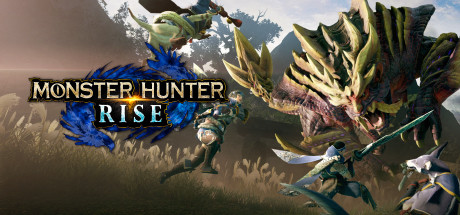
Monster Hunter Rise features five primary hunting biomes: the Shrine Ruins, Flooded Forest, Frost Islands, Sandy Plains, and Lava Caverns. Each map is a massive, seamless open environment designed with extreme verticality in mind. Unlike previous titles, there are no loading screens between zones. The introduction of the Wirebug allows players to scale cliffs, swing over chasms, and explore hidden mountain peaks, making map traversal fluid and incredibly dynamic. The game also features specialized arena maps designed specifically for the tower-defense style 'Rampage' quests and massive elder dragon boss encounters. |
The game features a single, massive, seamless open-world planet called Kairos. This is a significant evolution from the zone-based maps of previous titles, eliminating loading screens between regions and allowing for greater freedom of exploration with a completely overhauled movement system. |
| Playable Vehicles | |
|
|
| Notable Fauna/Mounts | |
|
N/A |
| book Story & Characters | |
| Main Characters | |
|
|
| Example Missions | |
|
|
| people Multiplayer | |
| Multiplayer Details | |
|
The game is built around 4-player online cooperative multiplayer. Players can join online lobbies or use the 'Join Request' system to seamlessly drop into a hunt already in progress. In multiplayer, monster health scales dynamically based on the number of players present. Co-op is heavily encouraged for tackling high-rank Hub Quests, difficult Event Quests, and the chaotic Rampage mode, where teams must coordinate ballistae, cannons, and physical attacks to repel waves of monsters attacking the village gates. |
The game is built around a seamless 4-player co-op experience, including 2-player split-screen. A new feature allows players to instantly teleport to one another in the open world to facilitate group play across the massive map. |
| extension Editions & DLC | |
| Available Editions | |
|
The game launched originally on the Nintendo Switch in 2021 before being ported to PC via Steam in 2022, and eventually to PlayStation and Xbox consoles in 2023. It is available in a Standard Edition and a Deluxe Edition, which includes exclusive cosmetic layered armor sets, gestures, and hairstyles. The massive paid expansion, 'Monster Hunter Rise: Sunbreak', was released later, introducing Master Rank difficulty, a new hub area (Elgado Outpost), entirely new biomes, and a massive roster of new and returning classic monsters. |
Details on different game editions (Standard, Deluxe, Collector's) are expected to be announced closer to the release date, likely including a Season Pass for post-launch DLC. |
| Post-Launch Content / DLC | |
|
Capcom provided a highly robust post-launch roadmap. The base game received several free Title Updates adding the true narrative ending, new monsters (like Crimson Glow Valstrax), and crossover event quests with other Capcom franchises (Sonic the Hedgehog, Okami, Street Fighter). The massive paid expansion, 'Sunbreak', completely revitalized the endgame, introducing the 'Anomaly Investigations' grind, the new wirebug 'Switch Skill Swap' mechanic, and Western horror-inspired monsters like Malzeno, Lunagaron, and Garangolm. |
The game is designed with post-launch content in mind. The skill tree and level cap (50) are intentionally designed to be expanded with future campaign DLCs that will increase the level cap and allow for even greater build diversity. |
| help_outline FAQ | |
| Frequently Asked Questions | |
|
|
| build Technical Details | |
| Graphics & Visual Fidelity | |
|
Utilizing the RE Engine, Monster Hunter Rise runs flawlessly. While it lacks the sheer environmental density of Monster Hunter: World due to its Switch origins, its stylized art direction is vibrant and exceptionally clean. The monster designs are heavily inspired by 'Yokai' (Japanese demons and spirits); for instance, Goss Harag resembles a Namahage, and Aknosom resembles a Kasa-obake. The silkbind attacks erupt in bright, vivid flashes of blue light, making combat visually spectacular and highly legible even in 4-player multiplayer. |
N/A |
| Audio & Soundtrack | |
|
The auditory experience heavily reinforces the Japanese folklore aesthetic. The soundtrack is phenomenal, utilizing traditional Japanese instruments like the shamisen and shakuhachi flute, accompanied by powerful vocal chanting. Each major monster has a distinct, memorable battle theme, and Fugen's village theme is incredibly relaxing. Notably, Rise introduced fully voiced player characters who actively shout warnings when a monster is preparing a devastating ultimate attack, adding a new layer of tactical audio feedback. |
N/A |
| User Interface (UI/UX) | |
|
The UI is highly customizable and packed with information. The HUD displays a health/stamina bar, a weapon sharpness meter, active buffs, and a mini-map tracking monster locations. Rise streamlines several classic UI annoyances; gathering resources is now instantaneous, and tracking monsters is automatic via a Cohoot (an owl companion), eliminating the need for paintballs or footprint tracking. The radial menu allows for quick, seamless access to potions, traps, and crafting on the fly during intense combat. |
N/A |
| Accessibility Options | |
|
Rise is widely considered the most accessible entry in the historically complex franchise. The inclusion of the Wirebug provides unprecedented evasion capabilities, forgiving positional mistakes. The game features extensive control remapping, scalable UI text, and the ability to toggle specific HUD elements (like damage numbers or player silhouettes through monsters) to reduce visual clutter. The single-player 'Village Quests' serve as an extended, easier tutorial to ease newcomers into the mechanics before transitioning into the harder 'Hub Quests'. |
N/A |
| video_library Media Links | |
| Gameplay Video | |
| launchWatch | launchWatch |
| Walkthrough/Guide | |
| launchView | launchView |
| settings_applications System Requirements | |
| 1080p (Full HD) - Minimum (Speculative - Target: 1080p, 60 FPS, Low/Medium Preset) (Low/Medium Preset, Upscaling (DLSS/FSR 'Performance') likely required.) CPU: Hypothetical minimum CPU for a next-gen, CPU-heavy title. CPU (Laptop): A modern performance-tier laptop CPU would be the minimum. GPU: A GPU with a large VRAM buffer would be necessary even at minimum settings. GPU (Laptop): A solid mid-range laptop GPU from the current generation. RAM: 16GB would be the absolute minimum RAM requirement. Storage: A fast NVMe SSD would be required. | |
| — | memoryCPU: Intel Core i5-12600K or AMD Ryzen 5 7600 developer_boardGPU: NVIDIA GeForce RTX 3070 (8GB) or AMD Radeon RX 6700 XT (12GB) laptop_macCPU (L): Intel Core i7-12700H / AMD Ryzen 7 6800H or better. laptop_windowsGPU (L): NVIDIA GeForce RTX 4060 Laptop (8GB, High TGP). layersRAM: 16 GB saveStorage (Tier): 175 GB NVMe SSD |
| 1080p (Full HD) - Recommended (Average/High Preset, 1080p (60 FPS Target)) CPU: The official recommended processors provide enough overhead to eliminate stuttering during massive multi-monster turf wars. CPU (Laptop): Ensures perfectly fluid frame pacing, critical for maintaining long weapon combo strings. GPU: The official recommended GPUs provide the necessary VRAM and rasterization power to run the game with high-quality textures at a stable framerate. GPU (Laptop): Guarantees a flawless, locked 60+ FPS at 1080p on high settings. RAM: The RE Engine is exceptionally memory-efficient, officially recommending only 8GB for optimal play. Storage: NVMe SSD recommended for instant quest loading. | |
memoryCPU: Intel® Core™ i5-4460 or AMD FX™-8300 developer_boardGPU: NVIDIA® GeForce® GTX 1060 (VRAM 3GB) or AMD Radeon™ RX 570 (VRAM 4GB) laptop_macCPU (L): Intel Core i7-9750H / AMD Ryzen 7 4800H laptop_windowsGPU (L): NVIDIA GeForce RTX 3050 Ti Mobile / RTX 3060 Mobile layersRAM: 8 GB saveStorage (Tier): 36 GB available space | — |
| 1080p (Full HD) - Minimum (Low Preset, 1080p (30 FPS Target)) CPU: The official minimum processors required to handle the baseline game logic, Palico/Palamute AI, and monster physics. CPU (Laptop): Older quad-core mobile CPUs comfortably exceed the official minimums and will run the game smoothly. GPU: The official minimum GPUs. Due to the Switch origins, incredibly low-end dedicated graphics can play the game at 1080p/30FPS on 'Low'. GPU (Laptop): Easily provides a 1080p 60 FPS experience on Medium settings, vastly outperforming the minimum requirement. RAM: Official minimum required system memory. Storage: Standard SATA SSD or HDD. | |
memoryCPU: Intel® Core™ i3-4130 or Core™ i5-3470 or AMD FX™-6100 developer_boardGPU: NVIDIA® GeForce® GT 1030 (DDR4) or AMD Radeon™ RX 550 laptop_macCPU (L): Intel Core i5-8300H / AMD Ryzen 5 3550H laptop_windowsGPU (L): NVIDIA GeForce GTX 1650 Mobile layersRAM: 8 GB saveStorage (Tier): 36 GB available space | — |
| 1440p (QHD/2K) - Recommended (Speculative - Target: 1440p, 60 FPS, High Preset) (High Preset, Upscaling (DLSS/FSR 'Quality' or 'Balanced') recommended.) CPU: A powerful modern CPU would be recommended for a stable high-framerate experience. CPU (Laptop): A high-end enthusiast laptop CPU would be needed for this tier. GPU: A high-end current-gen GPU would be the likely recommendation. GPU (Laptop): A high-end laptop GPU would be necessary for a quality 1440p experience. RAM: 32GB RAM is expected to be the recommendation for future AAA titles. Storage: A fast NVMe SSD is recommended for this tier. | |
| — | memoryCPU: Intel Core i7-13700K or AMD Ryzen 7 7800X3D developer_boardGPU: NVIDIA GeForce RTX 4070 Ti (12GB) or AMD Radeon RX 7900 XT (20GB) laptop_macCPU (L): Intel Core i9-13900HX / AMD Ryzen 9 7945HX or better. laptop_windowsGPU (L): NVIDIA GeForce RTX 4080 Laptop (12GB, High TGP). layersRAM: 32 GB saveStorage (Tier): 175 GB NVMe SSD |
| 1440p (QHD/2K) - Enthusiast (High/Max Preset, 1440p (60+ FPS Target)) CPU: Modern mid-tier CPUs easily handle the game's background logic, letting the GPU push high resolutions without bottlenecking. CPU (Laptop): Powers the game logic flawlessly while driving 1440p laptop displays. GPU: Handles the increased pixel count cleanly, ensuring sharp visuals on monster scales and weapon details. GPU (Laptop): Provides the necessary compute overhead for high refresh rate 1440p rendering on portable panels. RAM: Standard for high-end gaming, ensuring background tasks do not interfere. Storage: NVMe SSD. | |
memoryCPU: Intel Core i5-10400 / AMD Ryzen 5 3600 developer_boardGPU: NVIDIA GeForce RTX 2060 Super / AMD Radeon RX 5700 XT laptop_macCPU (L): Intel Core i7-11800H / AMD Ryzen 7 5800H laptop_windowsGPU (L): NVIDIA GeForce RTX 3070 Mobile / RTX 4060 Mobile layersRAM: 16 GB saveStorage (Tier): 36 GB available space | — |
| 2160p (UHD/4K) - Ultra (Max Preset, 4K (60 FPS Target)) CPU: Ensures absolutely no bottlenecks at the highest visual fidelity. CPU (Laptop): Desktop-grade performance in a mobile chassis. GPU: Easily powers the 4K resolution, rendering the beautiful, stylized Japanese folklore-inspired environments perfectly. GPU (Laptop): Required to maintain a stable 4K frame rate on an external display without relying heavily on DLSS. RAM: Optimal configuration. Storage: Gen4 NVMe SSD. | |
memoryCPU: Intel Core i7-12700K / AMD Ryzen 7 5800X3D developer_boardGPU: NVIDIA GeForce RTX 3080 / AMD Radeon RX 6800 XT laptop_macCPU (L): Intel Core i9-12900HX laptop_windowsGPU (L): NVIDIA GeForce RTX 3080 Ti Mobile / RTX 4080 Mobile layersRAM: 16 GB saveStorage (Tier): 36 GB available space | — |
| save Overall Storage | |
| Spec: 36 GB available space Note: While an SSD is not officially mandated over an HDD, it is highly recommended to ensure rapid load times between village hubs and hunting grounds. Type: Unknown | Spec: 175 GB available space (NVMe SSD Required) Note: A fast NVMe SSD would be mandatory to handle the increased asset quality and the streaming of a large, seamless open world built in UE5. Type: NVMe |
| desktop_windows Operating System | |
| Spec: Windows 10 (64-bit) Explanation: A 64-bit operating system is officially required to handle memory allocation across the seamless maps without loading screens. | Spec: Windows 11 64-bit Explanation: A modern 64-bit OS would be a firm requirement, with Windows 11 likely being the recommended platform. |
| gamepad DirectX Version | |
| Spec: Version 12 Explanation: DirectX 12 is officially required, enabling the game to utilize modern rendering techniques and maintain high framerates during chaotic 4-player fights. | Spec: DirectX 12 Ultimate Explanation: DirectX 12 Ultimate would be required for next-gen features like mesh shaders and advanced ray tracing. |
| info_outline Other Game Notes | |
|
|
| build Optimization Details | |
| N/A |
| laptop Laptop Considerations | |
|
|

info_outline Feature details based on available data. System requirements and performance estimates may vary.
laptop_chromebook Laptop Recommendations
Common Recommendations (Handles All Compared Games)

- memory Intel Core i7-12700H
- developer_board NVIDIA GeForce RTX 3070
- layers 32GB DDR4-3200MHz
- track_changes Target GPU: NVIDIA GeForce GTX 1650 Mobile

- memory Intel Core i9-13900H
- developer_board NVIDIA GeForce RTX 4060
- layers 16GB DDR5-5200MHz
- track_changes Target GPU: NVIDIA GeForce GTX 1650 Mobile

- memory Intel Core i9-14900HX
- developer_board NVIDIA GeForce RTX 4060
- layers 32GB DDR5-5600MHz
- track_changes Target GPU: NVIDIA GeForce GTX 1650 Mobile

- memory AMD Ryzen 7 7435HS
- developer_board NVIDIA GeForce RTX 3050
- layers 32GB DDR5-4800MHz
- track_changes Target GPU: NVIDIA GeForce RTX 3050 Ti Mobile / RTX 3060 Mobile

- memory AMD Ryzen 9 8940HX Processor
- developer_board NVIDIA GeForce RTX 5060 Laptop GPU
- layers 32GB DDR5-5200MHz
- track_changes Target GPU: NVIDIA GeForce RTX 3050 Ti Mobile / RTX 3060 Mobile

- memory AMD Ryzen 7 7445HS
- developer_board NVIDIA GeForce RTX 4050
- layers 16GB (2x8GB) DDR5 5600MHz SO-DIMM
- track_changes Target GPU: NVIDIA GeForce RTX 3050 Ti Mobile / RTX 3060 Mobile
- memory Intel Core i7-12700H
- developer_board NVIDIA GeForce RTX 3070
- layers 32GB DDR4-3200MHz
- track_changes Target GPU: NVIDIA GeForce RTX 3070 Mobile / RTX 4060 Mobile
- memory Intel Core i9-13900H
- developer_board NVIDIA GeForce RTX 4060
- layers 16GB DDR5-5200MHz
- track_changes Target GPU: NVIDIA GeForce RTX 3070 Mobile / RTX 4060 Mobile
- memory Intel Core i9-14900HX
- developer_board NVIDIA GeForce RTX 4060
- layers 32GB DDR5-5600MHz
- track_changes Target GPU: NVIDIA GeForce RTX 3070 Mobile / RTX 4060 Mobile

- memory Intel Core i9-14900HX
- developer_board NVIDIA GeForce RTX 4080 Laptop GPU
- layers 64 GB DDR5-5600MHz
- track_changes Target GPU: NVIDIA GeForce RTX 4080 Laptop (12GB, High TGP).

- memory Intel Core Ultra 9 Processor 275HX (Series 2)
- developer_board NVIDIA GeForce RTX 5070 Laptop GPU
- layers 32GB DDR5-5600MHz
- track_changes Target GPU: NVIDIA GeForce RTX 4080 Laptop (12GB, High TGP).

- memory Intel Core i9-14900HX Processor
- developer_board NVIDIA GeForce RTX 5070 Laptop GPU
- layers 32GB DDR5-5600MHz
- track_changes Target GPU: NVIDIA GeForce RTX 4080 Laptop (12GB, High TGP).

- memory Intel Core i9-14900HX
- developer_board NVIDIA GeForce RTX 4070
- layers 32GB DDR5-5600MHz
- track_changes Target GPU: NVIDIA GeForce RTX 3080 Ti Mobile / RTX 4080 Mobile

- memory Intel Core i9-14900HX
- developer_board NVIDIA GeForce RTX 4070
- layers 16GB DDR5-5600MHz
- track_changes Target GPU: NVIDIA GeForce RTX 3080 Ti Mobile / RTX 4080 Mobile

- memory Intel Core Ultra 7 255H
- developer_board NVIDIA GeForce RTX 5060 Laptop GPU
- layers 16GB DDR5-5600MHz (Dual-Channel)
- track_changes Target GPU: NVIDIA GeForce RTX 3080 Ti Mobile / RTX 4080 Mobile
For MONSTER HUNTER RISE Specifically
- memory Intel Core i7-12700H
- developer_board NVIDIA GeForce RTX 3070
- layers 32GB DDR4-3200MHz
- track_changes Target GPU: NVIDIA® GeForce® GT 1030 (DDR4) or AMD Radeon™ RX 550
- memory Intel Core i9-13900H
- developer_board NVIDIA GeForce RTX 4060
- layers 16GB DDR5-5200MHz
- track_changes Target GPU: NVIDIA® GeForce® GT 1030 (DDR4) or AMD Radeon™ RX 550
- memory Intel Core i9-14900HX
- developer_board NVIDIA GeForce RTX 4060
- layers 32GB DDR5-5600MHz
- track_changes Target GPU: NVIDIA® GeForce® GT 1030 (DDR4) or AMD Radeon™ RX 550

- memory Intel Core i9-12900H
- developer_board NVIDIA GeForce RTX 3070 Ti
- layers 16GB DDR5-4800MHz
- track_changes Target GPU: NVIDIA® GeForce® GT 1030 (DDR4) or AMD Radeon™ RX 550

- memory Intel Core i5-12450H
- developer_board NVIDIA GeForce RTX 3050
- layers 16GB DDR4-3200MHz
- track_changes Target GPU: NVIDIA® GeForce® GT 1030 (DDR4) or AMD Radeon™ RX 550

- memory Intel Core i5-12500H
- developer_board NVIDIA GeForce RTX 3050 Ti
- layers 16GB DDR4-3200MHz
- track_changes Target GPU: NVIDIA® GeForce® GT 1030 (DDR4) or AMD Radeon™ RX 550
- memory AMD Ryzen 7 7435HS
- developer_board NVIDIA GeForce RTX 3050
- layers 32GB DDR5-4800MHz
- track_changes Target GPU: NVIDIA® GeForce® GT 1030 (DDR4) or AMD Radeon™ RX 550

- memory AMD Ryzen 7 6800H
- developer_board NVIDIA GeForce RTX 3060
- layers 16GB DDR5-4800MHz
- track_changes Target GPU: NVIDIA® GeForce® GT 1030 (DDR4) or AMD Radeon™ RX 550

- memory AMD Ryzen 9 5900HS
- developer_board NVIDIA GeForce RTX 3080
- layers 16GB DDR4-3200MHz
- track_changes Target GPU: NVIDIA® GeForce® GT 1030 (DDR4) or AMD Radeon™ RX 550

- memory Intel Core i7-13620H
- developer_board NVIDIA GeForce RTX 4070
- layers 16GB DDR5-4800MHz
- track_changes Target GPU: NVIDIA® GeForce® GT 1030 (DDR4) or AMD Radeon™ RX 550
- memory AMD Ryzen 9 8940HX Processor
- developer_board NVIDIA GeForce RTX 5060 Laptop GPU
- layers 32GB DDR5-5200MHz
- track_changes Target GPU: NVIDIA® GeForce® GTX 1060 (VRAM 3GB) or AMD Radeon™ RX 570 (VRAM 4GB)
- memory AMD Ryzen 7 7445HS
- developer_board NVIDIA GeForce RTX 4050
- layers 16GB (2x8GB) DDR5 5600MHz SO-DIMM
- track_changes Target GPU: NVIDIA® GeForce® GTX 1060 (VRAM 3GB) or AMD Radeon™ RX 570 (VRAM 4GB)

- memory AMD Ryzen 7 7445HS
- developer_board NVIDIA GeForce RTX 4050
- layers 16GB DDR5 5600MHz SO-DIMM
- track_changes Target GPU: NVIDIA® GeForce® GTX 1060 (VRAM 3GB) or AMD Radeon™ RX 570 (VRAM 4GB)

- memory AMD Ryzen 9 7845HX
- developer_board NVIDIA GeForce RTX 4080
- layers Up to 64GB DDR5
- track_changes Target GPU: NVIDIA® GeForce® GTX 1060 (VRAM 3GB) or AMD Radeon™ RX 570 (VRAM 4GB)
- memory AMD Ryzen 9 9955HX
- developer_board NVIDIA GeForce RTX 5070 Ti Laptop GPU
- layers 64GB DDR5-5600MHz (Dual-Channel)
- track_changes Target GPU: NVIDIA® GeForce® GTX 1060 (VRAM 3GB) or AMD Radeon™ RX 570 (VRAM 4GB)
- memory Intel Core i7-12700H
- developer_board NVIDIA GeForce RTX 3070
- layers 32GB DDR4-3200MHz
- track_changes Target GPU: NVIDIA GeForce RTX 2060 Super / AMD Radeon RX 5700 XT
- memory Intel Core i9-13900H
- developer_board NVIDIA GeForce RTX 4060
- layers 16GB DDR5-5200MHz
- track_changes Target GPU: NVIDIA GeForce RTX 2060 Super / AMD Radeon RX 5700 XT
- memory Intel Core i9-14900HX
- developer_board NVIDIA GeForce RTX 4060
- layers 32GB DDR5-5600MHz
- track_changes Target GPU: NVIDIA GeForce RTX 2060 Super / AMD Radeon RX 5700 XT
- memory Intel Core i9-12900H
- developer_board NVIDIA GeForce RTX 3070 Ti
- layers 16GB DDR5-4800MHz
- track_changes Target GPU: NVIDIA GeForce RTX 2060 Super / AMD Radeon RX 5700 XT
- memory AMD Ryzen 7 7435HS
- developer_board NVIDIA GeForce RTX 3050
- layers 32GB DDR5-4800MHz
- track_changes Target GPU: NVIDIA GeForce RTX 2060 Super / AMD Radeon RX 5700 XT
- memory AMD Ryzen 7 6800H
- developer_board NVIDIA GeForce RTX 3060
- layers 16GB DDR5-4800MHz
- track_changes Target GPU: NVIDIA GeForce RTX 2060 Super / AMD Radeon RX 5700 XT
- memory AMD Ryzen 9 5900HS
- developer_board NVIDIA GeForce RTX 3080
- layers 16GB DDR4-3200MHz
- track_changes Target GPU: NVIDIA GeForce RTX 2060 Super / AMD Radeon RX 5700 XT
- memory Intel Core i7-13620H
- developer_board NVIDIA GeForce RTX 4070
- layers 16GB DDR5-4800MHz
- track_changes Target GPU: NVIDIA GeForce RTX 2060 Super / AMD Radeon RX 5700 XT

- memory Intel Core i7-14700HX
- developer_board NVIDIA GeForce RTX 4070
- layers 16GB DDR5-5600MHz
- track_changes Target GPU: NVIDIA GeForce RTX 2060 Super / AMD Radeon RX 5700 XT
- memory Intel Core i9-14900HX
- developer_board NVIDIA GeForce RTX 4070
- layers 32GB DDR5-5600MHz
- track_changes Target GPU: NVIDIA GeForce RTX 2060 Super / AMD Radeon RX 5700 XT
- memory Intel Core i9-14900HX
- developer_board NVIDIA GeForce RTX 4070
- layers 32GB DDR5-5600MHz
- track_changes Target GPU: NVIDIA GeForce RTX 3080 / AMD Radeon RX 6800 XT
- memory Intel Core i9-14900HX
- developer_board NVIDIA GeForce RTX 4070
- layers 16GB DDR5-5600MHz
- track_changes Target GPU: NVIDIA GeForce RTX 3080 / AMD Radeon RX 6800 XT
- memory Intel Core Ultra 7 255H
- developer_board NVIDIA GeForce RTX 5060 Laptop GPU
- layers 16GB DDR5-5600MHz (Dual-Channel)
- track_changes Target GPU: NVIDIA GeForce RTX 3080 / AMD Radeon RX 6800 XT
- memory AMD Ryzen 9 8940HX Processor
- developer_board NVIDIA GeForce RTX 5060 Laptop GPU
- layers 32GB DDR5-5200MHz
- track_changes Target GPU: NVIDIA GeForce RTX 3080 / AMD Radeon RX 6800 XT

- memory Intel Core i9-12950HX
- developer_board NVIDIA GeForce RTX 3080 Ti
- layers 32GB DDR5-4800MHz
- track_changes Target GPU: NVIDIA GeForce RTX 3080 / AMD Radeon RX 6800 XT
- memory AMD Ryzen 7 7445HS
- developer_board NVIDIA GeForce RTX 4050
- layers 16GB (2x8GB) DDR5 5600MHz SO-DIMM
- track_changes Target GPU: NVIDIA GeForce RTX 3080 / AMD Radeon RX 6800 XT
- memory AMD Ryzen 7 7445HS
- developer_board NVIDIA GeForce RTX 4050
- layers 16GB DDR5 5600MHz SO-DIMM
- track_changes Target GPU: NVIDIA GeForce RTX 3080 / AMD Radeon RX 6800 XT
- memory Intel Core i9-14900HX
- developer_board NVIDIA GeForce RTX 4080 Laptop GPU
- layers 64 GB DDR5-5600MHz
- track_changes Target GPU: NVIDIA GeForce RTX 3080 / AMD Radeon RX 6800 XT
- memory Intel Core Ultra 9 Processor 275HX (Series 2)
- developer_board NVIDIA GeForce RTX 5070 Laptop GPU
- layers 32GB DDR5-5600MHz
- track_changes Target GPU: NVIDIA GeForce RTX 3080 / AMD Radeon RX 6800 XT
- memory Intel Core i9-14900HX Processor
- developer_board NVIDIA GeForce RTX 5070 Laptop GPU
- layers 32GB DDR5-5600MHz
- track_changes Target GPU: NVIDIA GeForce RTX 3080 / AMD Radeon RX 6800 XT
For Borderlands 4 Specifically
- memory Intel Core i7-12700H
- developer_board NVIDIA GeForce RTX 3070
- layers 32GB DDR4-3200MHz
- track_changes Target GPU: NVIDIA GeForce RTX 3070 (8GB) or AMD Radeon RX 6700 XT (12GB)
- memory Intel Core i9-13900H
- developer_board NVIDIA GeForce RTX 4060
- layers 16GB DDR5-5200MHz
- track_changes Target GPU: NVIDIA GeForce RTX 3070 (8GB) or AMD Radeon RX 6700 XT (12GB)
- memory Intel Core i9-14900HX
- developer_board NVIDIA GeForce RTX 4060
- layers 32GB DDR5-5600MHz
- track_changes Target GPU: NVIDIA GeForce RTX 3070 (8GB) or AMD Radeon RX 6700 XT (12GB)
- memory Intel Core i9-12900H
- developer_board NVIDIA GeForce RTX 3070 Ti
- layers 16GB DDR5-4800MHz
- track_changes Target GPU: NVIDIA GeForce RTX 3070 (8GB) or AMD Radeon RX 6700 XT (12GB)
- memory AMD Ryzen 7 7435HS
- developer_board NVIDIA GeForce RTX 3050
- layers 32GB DDR5-4800MHz
- track_changes Target GPU: NVIDIA GeForce RTX 3070 (8GB) or AMD Radeon RX 6700 XT (12GB)
- memory Intel Core i9-14900HX
- developer_board NVIDIA GeForce RTX 4070
- layers 32GB DDR5-5600MHz
- track_changes Target GPU: NVIDIA GeForce RTX 3070 (8GB) or AMD Radeon RX 6700 XT (12GB)
- memory Intel Core i9-14900HX
- developer_board NVIDIA GeForce RTX 4070
- layers 16GB DDR5-5600MHz
- track_changes Target GPU: NVIDIA GeForce RTX 3070 (8GB) or AMD Radeon RX 6700 XT (12GB)
- memory Intel Core Ultra 7 255H
- developer_board NVIDIA GeForce RTX 5060 Laptop GPU
- layers 16GB DDR5-5600MHz (Dual-Channel)
- track_changes Target GPU: NVIDIA GeForce RTX 3070 (8GB) or AMD Radeon RX 6700 XT (12GB)
- memory AMD Ryzen 9 8940HX Processor
- developer_board NVIDIA GeForce RTX 5060 Laptop GPU
- layers 32GB DDR5-5200MHz
- track_changes Target GPU: NVIDIA GeForce RTX 3070 (8GB) or AMD Radeon RX 6700 XT (12GB)
- memory Intel Core i9-12950HX
- developer_board NVIDIA GeForce RTX 3080 Ti
- layers 32GB DDR5-4800MHz
- track_changes Target GPU: NVIDIA GeForce RTX 3070 (8GB) or AMD Radeon RX 6700 XT (12GB)
- memory Intel Core i9-14900HX
- developer_board NVIDIA GeForce RTX 4080 Laptop GPU
- layers 64 GB DDR5-5600MHz
- track_changes Target GPU: NVIDIA GeForce RTX 4070 Ti (12GB) or AMD Radeon RX 7900 XT (20GB)
- memory Intel Core Ultra 9 Processor 275HX (Series 2)
- developer_board NVIDIA GeForce RTX 5070 Laptop GPU
- layers 32GB DDR5-5600MHz
- track_changes Target GPU: NVIDIA GeForce RTX 4070 Ti (12GB) or AMD Radeon RX 7900 XT (20GB)
- memory Intel Core i9-14900HX Processor
- developer_board NVIDIA GeForce RTX 5070 Laptop GPU
- layers 32GB DDR5-5600MHz
- track_changes Target GPU: NVIDIA GeForce RTX 4070 Ti (12GB) or AMD Radeon RX 7900 XT (20GB)

- memory Intel Core i9-14900HX Processor
- developer_board NVIDIA GeForce RTX 5070 Laptop GPU
- layers 32GB DDR5-5600MHz
- track_changes Target GPU: NVIDIA GeForce RTX 4070 Ti (12GB) or AMD Radeon RX 7900 XT (20GB)

- memory Intel Core Ultra 9 285H (Arrow Lake-H)
- developer_board NVIDIA GeForce RTX 5070 Laptop GPU
- layers 64GB LPDDR5x-8533MT/s (LPCAMM2)
- track_changes Target GPU: NVIDIA GeForce RTX 4070 Ti (12GB) or AMD Radeon RX 7900 XT (20GB)

- memory Intel Core i9-14900HX
- developer_board NVIDIA GeForce RTX 4080
- layers 64GB DDR5-5600MHz
- track_changes Target GPU: NVIDIA GeForce RTX 4070 Ti (12GB) or AMD Radeon RX 7900 XT (20GB)

- memory Intel Core i9-14900HX
- developer_board NVIDIA GeForce RTX 4080
- layers 32GB DDR5-5600MHz
- track_changes Target GPU: NVIDIA GeForce RTX 4070 Ti (12GB) or AMD Radeon RX 7900 XT (20GB)

- memory Intel Core i9-14900HX
- developer_board NVIDIA GeForce RTX 4080
- layers 32GB DDR5-5600MHz
- track_changes Target GPU: NVIDIA GeForce RTX 4070 Ti (12GB) or AMD Radeon RX 7900 XT (20GB)

- memory Intel Core i9-14900HX
- developer_board NVIDIA GeForce RTX 4080
- layers 32GB DDR5-5600MHz
- track_changes Target GPU: NVIDIA GeForce RTX 4070 Ti (12GB) or AMD Radeon RX 7900 XT (20GB)
- memory AMD Ryzen 9 7845HX
- developer_board NVIDIA GeForce RTX 4080
- layers Up to 64GB DDR5
- track_changes Target GPU: NVIDIA GeForce RTX 4070 Ti (12GB) or AMD Radeon RX 7900 XT (20GB)
info_outline Laptop recommendations are estimates based on available component benchmarks and game requirements. Actual performance may vary depending on settings, drivers, cooling, power limits, etc. Prices and availability subject to change. As an Amazon Associate, we earn from qualifying purchases.