Select Games to Compare

search close
search close

Select up to 2 games to compare side-by-side.

💻
Mobile Hardware & Thermal Intelligence (2026)
Gaming on a Laptop? Check Real-World Compatibility

Benchmark your exact mobile GPU wattage (TGP), battery throttling drops, and cooling pad requirements for these games.

Test Laptop Specs → ⚖️ Compare Laptops

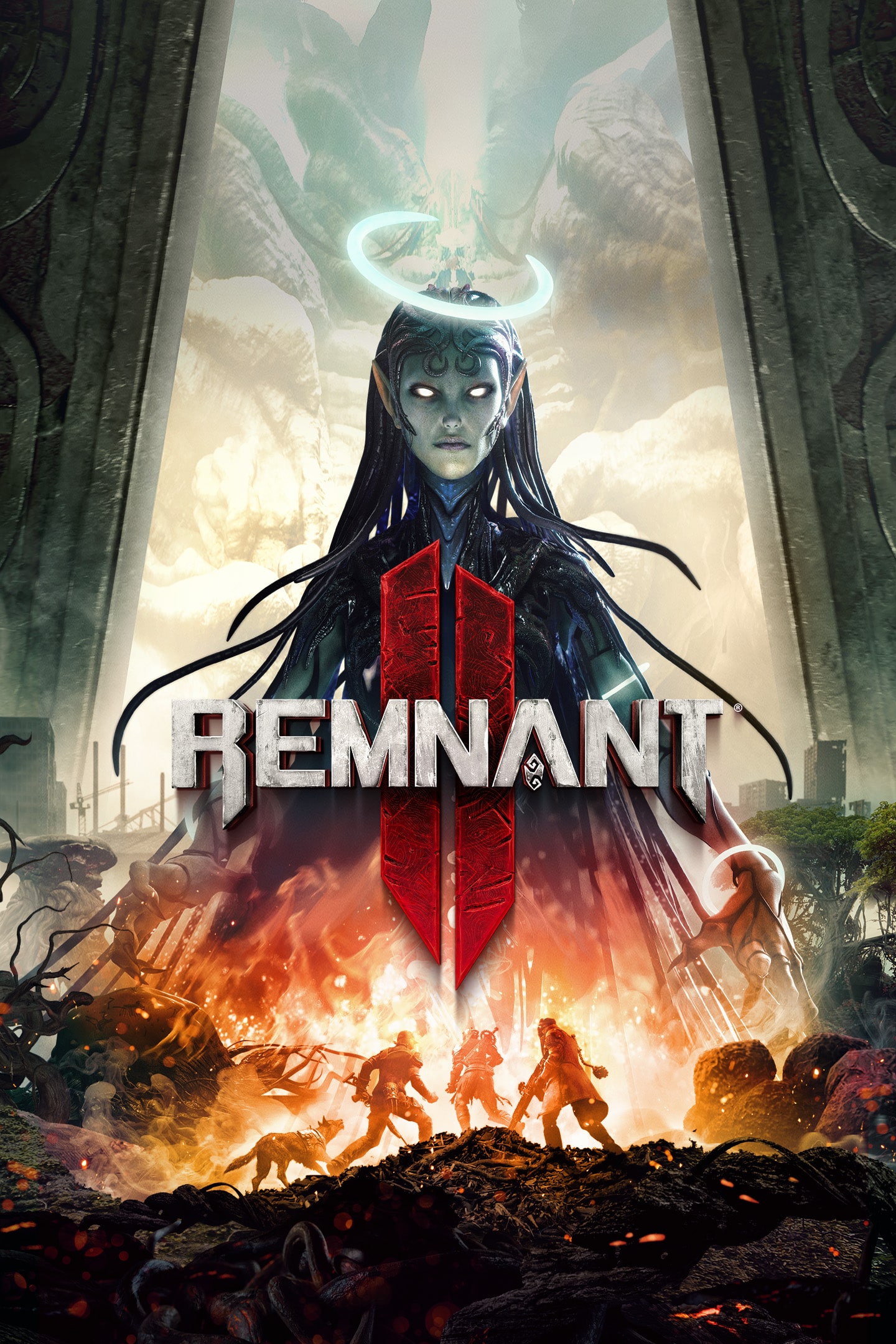
Kingmakers vs REMNANT II

close close
info General Information
Release Date
Mar 1, 2027 Jul 25, 2023
Developer
Redemption Road Games Gunfire Games
Publisher
tinyBuild Arc Games (formerly Gearbox Publishing)
Genre(s)
Action-Strategy Hybrid / Third-Person Shooter / RTS Action RPG, Third-Person Shooter, Soulslike, Co-op Looter Shooter
Engine
Unreal Engine 4 (with Custom C++ ECS) Unreal Engine 4
stars Ratings & Price
Content Rating
M for Mature M (Mature 17+) - ESRB Descriptors: Blood and Gore,
Avg. User Rating
4.5 / 5.0 4.1 / 5.0
Current Price (USD)
$39.99 $49.99
tune Key Specs
Quick Highlights
  • Camera Perspective: Third-Person / Isometric Overhead
  • Max Players: 4 (Cooperative)
  • Microtransactions: None Confirmed
  • Perspective: Third-Person
  • Multiplayer: Up to 3-Player Online Co-op (Crossplay supported)
  • Setting: Post-Apocalyptic Earth & Multiple Interdimensional Worlds
  • Platforms: PC (Windows - Steam, Epic Games Store), PlayStation 5, Xbox Series X/S
  • Unique Feature: Procedurally generated worlds and dungeons for high replayability, deep Archetype system with dual-classing, challenging Soulslike combat, extensive weapon crafting with mods and mutators, 3-player co-op.
sports_esports Gameplay & Mechanics
Companions/Followers
  • Automated Petty Officer: Dynamically manages delegated tactical macro-strategy tasks and army movements while the player engages in combat.
    AI Construct
  • Welsh Militia Captains: Provides localized buffs to archer and spearmen morale during intense stronghold defense.
    Human
  • Future-Tech Supply Drone: Drops crucial ammunition replenishment and tactical assets during extended Horde Mode waves.
    Mechanical
  • Handler's Dog Companion: The Handler Archetype's Prime Perk grants them a loyal dog companion. The dog actively participates in combat by attacking enemies, drawing aggro, and can provide various team buffs (e.g., damage increase, damage reduction) based on the Handler's chosen skills. The dog can also revive the Handler or allies under certain conditions.
    Canine (Specific breed varies by Handler's choice/default)
  • Summoner's Minions (Root Creatures): The Summoner Archetype can conjure various Root minions to fight alongside them. These minions have different roles (melee, ranged, tank) and their effectiveness can be enhanced through the Summoner's skills and traits. Minions are temporary and often require sacrificing health to summon.
    Root Entities (Various types like Hollows, Flyers, Reavers)
  • Engineer's Turrets (Heavy Weapons): The Engineer Archetype can deploy heavy weapon platforms that act as automated turrets or can be carried and wielded by the Engineer or their allies. These provide significant firepower and area denial capabilities.
    Automated Turrets (Vulcan, Flamethrower, Impact Cannon)
  • Co-op Players (Other Travelers): In online co-op mode, up to two other players can join as their own Traveler characters, each with their unique Archetype builds, weapons, and skills. They act as active combat companions, capable of reviving each other, synergizing abilities, and tackling challenges together.
    Human (Player Characters with chosen Archetypes)
Key Collectibles
  • Temporal Intel Caches: Hidden within heavily guarded enemy encampments.
  • Glyndŵr's Missives: Found inside captured allied strongholds.
  • 15th Century Crown Relics: Looted from the destructible interiors of major English castles during sieges.
  • Tomes of Knowledge: Consumable items found randomly throughout all worlds. When picked up, they are instantly consumed and grant The Traveler +1 Trait Point. If at the Trait Point cap, they grant Archetype XP and Scrap instead.
  • Rings: Equippable accessories (up to 4 can be worn) that provide a wide variety of passive bonuses, such as increased damage, survivability, resource generation, or unique gameplay effects. Found as loot, in chests, from bosses, or purchased.
  • Amulets: Equippable accessories (1 can be worn) that offer more significant passive bonuses or unique perks compared to rings, often defining a core aspect of a character's build. Found similarly to rings.
  • Relics (e.g., Dragon Heart): Primary healing items with a limited number of charges. Different Relics can be found or crafted, each offering unique healing effects or additional temporary buffs when used. Charges are replenished at World Stones (checkpoints).
  • Relic Fragments: Socketable items that can be slotted into Relics to provide minor passive stat boosts (e.g., increased health, damage reduction, skill cooldown). Come in different qualities and can be upgraded.
  • Traits: Passive character upgrades that provide permanent stat increases or bonuses (e.g., Vigor for health, Endurance for stamina, Spirit for mod power generation). Acquired by leveling up, defeating bosses, completing quests, or finding Tomes of Knowledge. Trait points are spent to increase their effectiveness up to a cap.
  • Weapon Mods & Mutators: Weapon Mods are crafted from boss materials and grant active abilities to weapons. Mutators are found as loot or from specific encounters and provide passive bonuses to weapons. Collecting these expands combat options.
  • Quest Items & Lore Items: Various items specific to main or side quests that progress storylines. Lore items like books, notes, and audio logs are found throughout the worlds, providing backstory and world-building details.
Key Themes
  • The thematic core of Kingmakers revolves around the extreme
  • asymmetrical juxtaposition of advanced futuristic warfare against gritty
  • historical medieval reality. The game explores deep alternate history hypotheses
  • specifically examining how the geopolitical landscape of 15th-century Great Britain—and the Welsh war of independence led by Owain Glyndŵr—would radically shift if augmented by mechanized infantry
  • assault rifles
  • and close air support. Underpinning this explosive power fantasy is a desperate science-fiction narrative of preventing a future temporal apocalypse
  • forcing the protagonist into morally complex interventions. Furthermore
  • the game delves into themes of technological supremacy
  • the sheer brutality of historical sieges
  • and the chaos of macro-scale tactical command
  • all while challenging players to manage the psychological and strategic dissonance of utilizing devastating modern armaments against armies armed with traditional longbows
  • pikes
  • and broadswords.
  • Post-Apocalyptic
  • Dimensional Travel
  • Cosmic Horror
  • Survival
  • Teamwork & Co-op
  • Procedural Generation
  • Soulslike Challenge
  • Eldritch Beings (The Root)
  • Ancient Mysteries
  • High Fantasy with Firearms
colorize Combat & Gear
Weapons Overview
  • AK-47 Assault Rifle: Small Arms
    Standard issue fully automatic rifle. Highly effective at mid-range engagement against unarmored and lightly armored medieval infantry.
  • Combat Shotgun: Small Arms
    Devastating close-quarters weapon. Can be modified with tactical chokes to tighten projectile spread for mid-range engagements.
  • RPG (Rocket-Propelled Grenade): Heavy Weaponry
    Fires massive explosive projectiles. Designed specifically to break dense infantry phalanxes and shatter castle barricades.
  • Chain Gun: Heavy Weaponry
    High-capacity sustained fire weapon capable of suppressing and annihilating entire charging legions.
  • Railgun: Future Tech
    Advanced futuristic armament utilized for high-value target elimination and piercing heavy armor plates.
  • Long Guns (Rifles, Shotguns, Bows, etc.): Primary Ranged Weapon
    Main damage-dealing firearms. Includes a wide variety like assault rifles (e.g., Blackmaw AR-47, Chicago Typewriter), shotguns (e.g., AS-10 Bulldog), sniper rifles/bows (e.g., Huntmaster M1, Crescent Moon), and unique boss weapons (e.g., Nightfall, Alpha-Omega). Each can be upgraded and equipped with a Weapon Mod and a Mutator.
  • Handguns (Pistols, Revolvers, SMG-like sidearms): Secondary Ranged Weapon
    Sidearms used for backup or specific situations. Examples include revolvers (e.g., Western Classic), pistols (e.g., Rune Pistol), and special handguns like the Cube Gun or Meridian. Can also be upgraded and equipped with a Weapon Mod and a Mutator.
  • Melee Weapons (Swords, Axes, Hammers, Gauntlets, etc.): Close Quarters Combat Weapon
    Used for close-range combat, dealing damage and often staggering enemies. Includes a variety of types like swords (e.g., Blade of Gul), axes (e.g., Krell Axe), hammers (e.g., Atom Smasher), and special melee weapons crafted from boss materials (e.g., Assassin's Dagger). Can be upgraded and some can be equipped with Mutators.
  • Weapon Mods: Equippable Weapon Ability
    Attachable components that grant weapons unique active abilities, often with cooldowns or charges built up by dealing damage. Examples include Hot Shot (imbues bullets with fire), Healing Shot (heals allies), Space Crabs (summons explosive crabs), or boss-specific mods like Moonlight Barrage (Crescent Moon bow). Most weapons have one Mod slot.
  • Mutators: Passive Weapon Augment
    Passive augments that can be socketed into Long Guns, Handguns, and some Melee Weapons. They provide various passive bonuses like increased critical chance, lifesteal, faster reload speed, or unique conditional effects. Can be upgraded.
  • Corrupted Weapons: Special Weapon Variants
    Special alternate versions of existing weapons, often with unique visual effects and altered firing modes or properties. Obtained by exchanging Corrupted Shards and the original weapon with Dwell in Ward 13. Examples: Corrupted Aphelion, Corrupted Merciless.
Armor / Gear Sets
  • Modern Tactical Kevlar: High resistance to arrows and bladed weapons; lightweight for increased mobility.
  • 15th Century Plate Armor: Heavy protection utilized by English Knights; vulnerable to armor-piercing modern rounds.
  • Chainmail Hauberk: Standard infantry protection; highly susceptible to submachine gun fire and shrapnel.
  • Armor Sets (Head, Body, Legs, Gloves): Players can equip a full armor set consisting of four pieces: Head Armor, Body Armor, Leg Armor, and Gloves. Each piece contributes to the overall Armor value (damage reduction), Weight (affecting stamina regeneration and dodge roll speed - Light, Medium, Heavy, Ultra Heavy rolls), and elemental resistances (e.g., Fire, Shock, Blight, Corrode). Many sets also provide unique passive set bonuses when multiple pieces are equipped.
  • Leto Mark I & II Armor Sets: Known for being extremely heavy armor sets, providing very high damage reduction at the cost of a slow 'flop' dodge roll (Leto Mark I) or a slightly better heavy roll (Leto Mark II). Popular for tank builds.
  • Radiant Armor Set: An example of a set that might provide bonuses related to critical hits or sustained fire, often with a distinct visual appearance.
  • Void Armor Set: A heavy armor set that often provides a perk related to taking damage, such as a temporary damage buff after being hit.
  • Elder Armor Set: A set often associated with support or healing capabilities, potentially boosting Relic use or ally buffs.
  • Cultist Armor Set (Example from Remnant 1, archetype starting gear in R2 may vary): Typically associated with Mod Power generation or skill cooldown reduction. Starting Archetypes in Remnant II come with their own unique-looking armor sets.
  • Armor Skins / Cosmetic Transmog (Limited): While full transmog is not a primary feature, some armor sets are visually distinct, and certain pre-order/Deluxe edition bonuses provided unique armor appearances. The focus is primarily on stats and set bonuses rather than extensive cosmetic layering of armor pieces.
Outfits/Customization
  • Modern Tactical Fatigues: Can be swapped with various camo patterns suited for woodland or urban siege environments.
  • 15th Century Peasant Tunic: Standard garb worn by the local Welsh militia and lower-tier allied infantry.
  • Royal English Tabards: Vibrantly colored heraldry worn over armor to identify high-value enemy commanders on the battlefield.
  • Archetype Starting Armor: Each starting Archetype (e.g., Challenger, Handler, Hunter, Gunslinger, Medic) comes with a visually distinct set of armor (Head, Body, Legs, Gloves) that reflects their theme and role. These are actual gear pieces with stats.
  • World-Dropped & Crafted Armor Sets: Numerous armor sets can be found as loot in the various worlds, crafted from materials, or purchased from merchants. Each set has a unique appearance and provides different defensive stats, elemental resistances, and often set bonuses that synergize with specific playstyles or Archetypes.
  • Deluxe & Ultimate Edition Armor Sets (Cosmetic/Early Unlocks): The Deluxe Edition included three armor sets: Elder Armor Set, Radiant Armor Set, and Void Armor Set. These provide unique aesthetics and starting gear options.
  • DLC Armor Sets: Each DLC ('The Awakened King,' 'The Forgotten Kingdom,' 'The Dark Horizon') introduces new armor sets with unique designs and perks thematic to the new content and worlds.
  • Helmet Visibility Toggle: Players usually have the option to toggle the visibility of their equipped helmet, allowing them to see their character's face while still receiving the stats from the head armor.
trending_up Progression & Upgrades
Skills & Progression

Progression is handled via an intricate in-game tech tree tab interface. Earning resources from eliminating enemies and capturing territory allows players to requisition high-tier technological upgrades. This ranges from unlocking specific ballistic attachments (like drum magazines and shotgun chokes) to calling in heavy armored vehicles and orbital airstrikes. All upgrades are strictly tied to gameplay progression with zero microtransactions.

N/A
public World & Exploration
World & Level Design

The game features expansive topographic biomes representing the varied terrain of 15th-century Wales and England. Players will navigate through dense historical woodlands, wide-open rural plains suited for cavalry and tank engagements, and massive, multi-tiered stone fortresses meticulously designed for complex destructible siege scenarios.

N/A
Playable Vehicles
  • Armored SUV: Ground Transport
    High-mobility armored vehicle capable of safely traversing expansive biomes and crushing infantry lines.
  • Combat Motorcycle: Light Transport
    Extremely fast and agile vehicle perfect for rapid flanking maneuvers, though offering zero armor protection.
  • Leopard 2 Tank: Heavy Armor
    A devastating modern battle tank that acts as a virtually indestructible offensive platform against 15th-century weaponry.
  • Attack Helicopter: Air Support
    Called in dynamically from off-map to deliver overwhelming airborne devastation and chain-gun fire.
  • None (Traversal by Foot & World Stones)
    REMNANT II primarily features on-foot exploration within its worlds and dungeons. Fast travel is facilitated by interacting with World Stones (checkpoints) to teleport to other discovered World Stones within the same world or to different worlds via The Labyrinth.
  • Glider Traversal System (The Dark Horizon DLC - N'Erud Only): Personal Traversal Gear
    The 'The Dark Horizon' DLC, set in N'Erud, introduces a new Glider Traversal System, allowing players to navigate specific areas of that world with enhanced mobility. This is specific to certain sections of the DLC content.
Notable Fauna/Mounts
  • Warhorse: Equine
    Primary mount for 15th-century knights; utilized in devastating cavalry charges against the player's front lines.
  • British Deer: Cervidae
    Ambient wildlife populating the expansive topographical biomes of 1403 Great Britain.
  • Attack Dogs: Canine
    Estimated historical hunting and guard animals utilized by nobility in medieval warfare.
N/A
book Story & Characters
Main Characters
  • The Operative: Protagonist
    An elite military task force operative originating from 500 years in the future, sent back to alter history.
  • Owain Glyndŵr: Ally Commander
    The historical Welsh nobleman who declared himself Prince of Wales in 1400, leading the rebellion against the English Crown.
  • King Henry IV: Primary Antagonist
    The reigning King of England seeking to brutally suppress the Welsh uprising with overwhelming numbers.
  • Henry Percy (Hotspur): Secondary Antagonist / Wildcard
    A rebellious English noble known for his involvement in the historic Battle of Shrewsbury in 1403.
  • The Traveler: Protagonist (Player Character)
    The customizable player character, a survivor in a post-apocalyptic world. They are thrust into a conflict spanning multiple dimensions to combat The Root and uncover ancient mysteries. Their abilities are defined by chosen Archetypes, weapons, and gear.
  • Clementine: Key NPC / Powerful Figure
    A returning character from the lore of Remnant: From the Ashes (implicated in the Dreamer Project). In REMNANT II, she is a powerful individual with unique abilities related to the World Stones and interdimensional travel. She plays a crucial role in guiding The Traveler and fighting The Root.
  • The Keeper of the Labyrinth (Andrew Ford - Implied/Theorized): Enigmatic Guide / Guardian
    A mysterious and ancient entity responsible for maintaining the Labyrinth, the unchanging hub world that connects to other dimensions. Provides guidance and exposition to The Traveler. Potentially connected to Founder Ford from the first game.
  • Commander Ford (Mentioned/Lore): Founder of Ward 13 / Explorer
    The founder of Ward 13 and a key figure from Remnant: From the Ashes who disappeared into the World Stone network. His legacy and research are often referenced.
  • Wallace: NPC / Mystic & Archetype Crafter
    An NPC in Ward 13 who helps The Traveler unlock their initial Archetype and can craft Engrams for unlocking new Archetypes using special materials.
  • McCabe: NPC / Weapon Mod & Boss Weapon Crafter
    A gruff but skilled weaponsmith in Ward 13. She crafts unique Weapon Mods and powerful Boss Weapons for The Traveler using materials obtained from defeated world bosses.
  • Reginald 'Reggie' Malone: NPC / Consumables Vendor
    An NPC in Ward 13 who sells various consumables like ammo boxes, healing items, and concoctions.
  • Mudtooth: NPC / Storyteller & Elixir Vendor
    An elderly character in Ward 13 who tells stories (granting XP boosts) and sells various concoctions (temporary buffs).
  • The Root: Primary Antagonistic Force / Hive Mind Entity
    The overarching enemy faction in the Remnant universe. A sentient, plant-like hive mind entity that corrupts and invades worlds, assimilating lifeforms and creating monstrous creatures. The ultimate goal is to stop its spread and defeat its core, Annihilation.
  • World Bosses (e.g., The Nightweaver, Sha'Hala, The Corruptor, Annihilation): Major Antagonists / Challenges
    Each world features unique and powerful bosses that The Traveler must defeat to progress or obtain valuable rewards. Annihilation serves as the final boss of the main campaign.
Example Missions
  • Destructible Sieges: Offensive/Defensive Campaign
    Utilize modern explosives and heavy artillery to breach fortified castle walls and clear interiors.
  • Caravan Escorts: Tactical Defense
    Protect vulnerable supply lines moving across expansive biomes from massive enemy ambushes.
  • Horde Mode: Survival Sandbox
    Defend a static village against infinitely escalating waves of enemies, unlocking tech upgrades between rounds.
  • Main Campaign (Stop The Root)
    A series of narrative quests spanning multiple procedurally generated worlds (Yaesha, Losomn, N'Erud) connected by The Labyrinth, culminating in a journey to Root Earth to confront and defeat Annihilation, the source of The Root's corruption. Involves finding Clementine and working with The Keeper.
  • World-Specific Storylines & Bosses
    Each major world (Yaesha, Losomn, N'Erud) has its own main questline, often involving unique NPCs, moral choices, and culminating in a world boss fight. The specific storyline and boss encountered can vary due to procedural generation (e.g., The Nightweaver or Faelin/Faerin in Losomn; The Corruptor or The Ravager in Yaesha; Sha'Hala or Tal'Ratha in N'Erud).
  • Side Dungeons & Events
    Exploring optional dungeons and encountering dynamic events within each world. These often reward unique loot, traits, weapon mods, mutators, rings, or amulets. Many side dungeons have their own mini-bosses or puzzles.
  • Archetype Unlocking Quests/Puzzles
    Many Archetypes beyond the starting choices are unlocked by finding specific items (Engrams) hidden in the worlds or obtained by completing secret objectives, puzzles, or interacting with specific NPCs under certain conditions.
  • Adventure Mode
    A separate game mode that allows players to re-roll individual worlds (Yaesha, Losomn, N'Erud) with new procedural generation, independent of their main campaign progress. Used for farming specific items, encountering different storylines/bosses, or leveling up.
  • DLC Campaigns (The Awakened King, The Forgotten Kingdom, The Dark Horizon)
    Each DLC adds a new self-contained storyline within one of the existing game worlds (Losomn, Yaesha, N'Erud respectively), introducing new areas, dungeons, bosses, enemies, items, and a new playable Archetype.
people Multiplayer
Multiplayer Details

Kingmakers features an incredibly robust online cooperative suite supporting up to four simultaneous players. Uniquely, guest players do not just serve as extra guns; each player acts as a distinct tactical commander with full control over their own individualized army legion, allowing for brilliantly complex, synchronized pincer attacks and overlapping artillery barrages on a massive scale.

The core gameplay is designed for up to 3-player online co-operative PvE. Players can join friends or use matchmaking to tackle the campaign, explore worlds, and fight bosses together. The game's difficulty scales with the number of players. Loot is instanced per player.

extension Editions & DLC
Available Editions

The game employs a premium box-price model, estimated around $39.99 USD or ₹1,897 - ₹2,500 INR in regional markets. A Standard Edition grants full access to the 10-15 hour campaign, Horde Mode, and 4-player cooperative suite. Currently, no digital deluxe or microtransaction-heavy editions are planned, aligning with the studio's commitment to core gameplay purity.

Released in several editions: Standard Edition (base game). Deluxe Edition (included three armor sets: Elder, Radiant, Void). Ultimate Edition (included Deluxe Edition content, Survival Pack with consumables, and early access to 'The Awakened King,' 'The Forgotten Kingdom,' and 'The Dark Horizon' DLCs, which form the DLC Bundle).

Post-Launch Content / DLC

While the immediate focus is a stable Early Access and 1.0 launch, the modular nature of the custom ECS engine allows for massive post-launch expansions, including new historical eras, deeper tech tree branches, and expanded Horde Mode maps. The transmedia Netflix cinematic adaptation may also synergize with future DLC.

REMNANT II has a DLC Bundle featuring three major expansions:

1. 'The Awakened King' (released November 2023): New storyline in Losomn focusing on the One True King, new Archetype (The Ritualist), new dungeons, bosses, items, and weapons.

2. 'The Forgotten Kingdom' (released April 2024): New storyline in Yaesha exploring a lost tribe and a vengeful stone spirit Lydusa, new Archetype (The Invoker), new dungeons, bosses, items, and weapons.

3. 'The Dark Horizon' (released September 2024): New storyline in N'Erud, new Archetype (The Warden), new dungeons, bosses, items, weapons, and a new Glider Traversal System for N'Erud.

help_outline FAQ
Frequently Asked Questions
  • Q: Is Kingmakers using generative AI to create its art or textures?
    A: No. The developers transparently clarified that they do not use generative visual AI like Midjourney. They created a sophisticated 'AI bot' strictly for automated quality assurance testing to run simulations and optimize engine performance overnight.
  • Q: Will Kingmakers have microtransactions?
    A: The studio has explicitly confirmed that the game relies entirely on an in-game progression economy for unlocking tech tree items and weapons, categorically excluding microtransactions (MTX).
  • Q: Can I play Kingmakers with my friends?
    A: Yes, Kingmakers features robust online cooperative multiplayer for up to four players. Uniquely, each player gets to command their own distinct legion of medieval soldiers alongside their personal modern weaponry.
  • Q: Is there a movie adaptation of Kingmakers in development?
    A: Yes. Story Kitchen negotiated the rights, and Netflix is partnering with producer/director Shawn Levy (Stranger Things, Deadpool & Wolverine) to adapt the video game into a live-action cinematic feature.
  • Q: Will Kingmakers be available on PS5 or Xbox?
    A: Currently, it is officially slated for PC via Steam and Epic Games Store. However, the developers possess dev kits for PS5 and Xbox Series X|S, strongly suggesting a console port after the PC Early Access launch.
  • Q: How does the game handle so many units on screen without lagging?
    A: Redemption Road Games engineered a highly specialized, multi-threaded C++ Entity Component System (ECS) layered over Unreal Engine 4. This separates AI logic from the rendering thread, allowing thousands of troops to function without bottlenecking the CPU.
  • Q: When was REMNANT II released?
    A: REMNANT II was released on July 25, 2023, for PC (Windows), PlayStation 5, and Xbox Series X/S.
  • Q: What kind of game is REMNANT II?
    A: REMNANT II is a third-person action RPG shooter with Soulslike elements, focusing on challenging combat, deep character customization through the Archetype system, and procedurally generated worlds. It can be played solo or in up to 3-player co-op.
  • Q: Is REMNANT II a direct sequel to Remnant: From the Ashes?
    A: Yes, it is a direct sequel set some years after the events of the first game and its DLCs, continuing the story of humanity's fight against The Root.
  • Q: What are Archetypes in REMNANT II?
    A: Archetypes are character classes that provide unique skills, perks, and traits. Players choose a starting Archetype and can later unlock and equip a secondary Archetype to create hybrid builds. Examples include Handler (dog companion), Challenger (tank/melee), Hunter (ranged DPS), Medic (healing), and many more unlockable ones.
  • Q: How does procedural generation work in REMNANT II?
    A: The game dynamically generates world layouts, dungeons, enemy placements, questlines, events, and even some boss encounters. This ensures that each playthrough and Adventure Mode roll offers a different experience, enhancing replayability.
  • Q: Does REMNANT II have multiplayer and crossplay?
    A: Yes, REMNANT II supports up to 3-player online co-op. Crossplay between PC, PlayStation 5, and Xbox Series X/S was added via a post-launch update (requires linking an Epic Games account for console players).
  • Q: What kind of DLC is available for REMNANT II?
    A: REMNANT II has a DLC bundle featuring three major expansions: 'The Awakened King,' 'The Forgotten Kingdom,' and 'The Dark Horizon.' Each DLC adds new storylines, worlds/areas, Archetypes, enemies, bosses, weapons, and items.
  • Q: Is REMNANT II a Soulslike game?
    A: Yes, it incorporates many Soulslike elements, including challenging combat, formidable boss battles that require learning attack patterns, a healing/checkpoint system (World Stones), and a penalty upon death (though typically less severe than some traditional Souls games).
build Technical Details
Graphics & Visual Fidelity

Built on a heavily modified Unreal Engine 4 architecture, Kingmakers achieves an unprecedented scale of visual fidelity and combat simulation. The core graphical achievement lies in its proprietary multi-threaded Entity Component System (ECS), which allows the engine to render thousands of fully autonomous soldiers on-screen simultaneously without catastrophic CPU bottlenecks or frame-rate drops. The visuals are dynamically enhanced by a bespoke procedural animation system that calculates impacts based on mass and momentum, ensuring every explosion, cavalry charge, and high-caliber gunshot feels viscerally authentic. Despite the immense on-screen unit count, the game features high-quality textures, robust destructible environments during intense castle sieges, and accurately modeled modern ballistics juxtaposed against intricate 15th-century armor designs.

Developed using Unreal Engine 4 (despite some early UE5 speculation), REMNANT II features detailed environments with distinct visual themes for each world, impressive enemy and boss designs, and a dark, gritty art style consistent with its post-apocalyptic and cosmic horror themes.

Audio & Soundtrack

The game features a sweeping, cinematic score orchestrated by a high-profile consortium including Inon Zur (Fallout, Dragon Age), Sergey Eybog, and Dmitry V. Silantiev. This majestic soundtrack is sharply contrasted by intense, visceral combat audio featuring distinct ballistic profiles for firearms and intricate, multi-layered tactical audio feedback for RTS command alerts.

Atmospheric sound design enhances the distinct feel of each world and the impact of combat. The musical score adapts to gameplay, building intensity during boss fights and creating an eerie ambience during exploration.

User Interface (UI/UX)

The user interface in Kingmakers has undergone a massive evolution during closed testing, transitioning from an overwhelming StarCraft II-style micro-management system to a highly fluid, tab-based navigation layout heavily inspired by Command & Conquer: Red Alert 2. This crucial redesign allows players to instantaneously swap between direct third-person combat and an overhead, isometric macro-strategy view. In the heat of battle, players can swiftly requisition modern firearms, deploy orbital strikes, and command entire legions of medieval infantry using intuitive spatial markers without breaking the visceral momentum of the firefight. The UI also seamlessly incorporates a specialized tech tree tab for base building and settlement management, ensuring that both the RTS economy and the TPS action remain highly accessible and cleanly presented.

Features a clear UI displaying health, stamina, mod power, skill cooldowns, ammo, and equipped items. Inventory management involves weapons, armor, mods, mutators, rings, amulets, and consumables. A minimap aids navigation through the procedurally generated environments.

Accessibility Options

Includes full controller support optimized for Steam Deck, UI scaling options, subtitle toggles, and difficulty scaling to assist players who may find the high-intensity micro-management of the RTS mechanics overwhelming alongside the active third-person shooting.

Includes options such as subtitles (though initially not highly customizable, patches may have improved), separate volume controls for voice, SFX, and music, remappable keybindings, gamepad support with auto-snap to enemies, adjustable video effects, and sensitivity customization for aiming, mouse, and camera (including X/Y inversion). An option to auto-equip picked-up items is also available.

Gameplay Video
launchWatch launchWatch
Walkthrough/Guide
launchView launchView
settings_applications System Requirements
1080p (Full HD) - Recommended (High (60 FPS))
CPU: Provides the necessary core count to smoothly calculate collision physics and individual AI decision loops at high frame rates.
CPU (Laptop): Ensures the ECS can process contiguous memory arrays without stalling the main render thread.
GPU: Provides the necessary rasterization overhead for massive chaotic battles involving modern tracer fire and physics debris.
GPU (Laptop): High wattage is required to maintain GPU clocks during sustained heavy action.
RAM: Highly recommended to prevent memory bottlenecks during extended 10-to-15 hour campaign sessions.
Storage: Faster data streaming for seamless transitions between TPS and RTS views.
memoryCPU: Intel Core i7 (10th Generation) or AMD Ryzen 7 5800X
developer_boardGPU: Nvidia GeForce RTX 3070 or AMD Radeon RX 6700 XT
laptop_macCPU (L): Intel Core i7-11800H or Ryzen 7 5800H
laptop_windowsGPU (L): Nvidia RTX 3070 Mobile (115W+ TGP)
layersRAM: 16 GB
saveStorage (Tier): 50 GB NVMe SSD
1080p (Full HD) - Recommended (Targets 1080p, Medium/High settings, ~60 FPS with Upscaling Quality/Balanced) (Medium/High Preset, 1080p resolution with DLSS/FSR/XeSS Quality or Balanced.)
CPU: Official recommended desktop CPU for a better 1080p experience.
CPU (Laptop): Stronger laptop CPUs for more consistent 1080p/60fps.
GPU: Official recommended desktop GPU for 1080p. 6GB VRAM minimum, 8GB ideal.
GPU (Laptop): Capable laptop GPUs. High TGP and effective use of DLSS/FSR are very important. (A hypothetical future RTX 5050/5060 Laptop GPU).
RAM: 16GB RAM officially recommended.
Storage: NVMe SSD recommended for better overall experience.
memoryCPU: Intel Core i5-10600K or AMD Ryzen 5 3600
developer_boardGPU: NVIDIA GeForce RTX 2060 (6GB) or AMD Radeon RX 5700 (8GB)
laptop_macCPU (L): Intel Core i7-10750H / AMD Ryzen 7 4800H or newer high-performance 6-core or 8-core CPUs.
laptop_windowsGPU (L): NVIDIA GeForce RTX 2060 Mobile (6GB, High TGP), RTX 3060 Laptop GPU (6GB, High TGP), RTX 4050 Laptop GPU (6GB, High TGP), RTX 4060 Laptop GPU (8GB).
layersRAM: 16 GB
saveStorage (Tier): 80 GB NVMe SSD
1080p (Full HD) - Minimum (Low-Medium (30 FPS))
CPU: Required baseline for handling the multi-threaded pathfinding and dynamic morale system algorithms.
CPU (Laptop): Minimum required mobile processors; expect reduced maximum unit counts.
GPU: Baseline for supporting Pixel/Vertex Shader 6.0 and managing the dense procedural animations.
GPU (Laptop): 6GB VRAM is essential to prevent texture popping during explosive aerial bombardments.
RAM: Bare minimum to load the game, but will heavily utilize page filing during grand sieges.
Storage: Essential for load times between standard gameplay and the Horde Mode resets.
memoryCPU: Intel Core i5 (10th Generation) or Ryzen 5 equivalent
developer_boardGPU: Nvidia GeForce RTX 2060 (6 GB VRAM)
laptop_macCPU (L): Intel Core i5-10300H or AMD Ryzen 5 4600H
laptop_windowsGPU (L): Nvidia RTX 2060 Mobile (Max-P)
layersRAM: 8 GB
saveStorage (Tier): 50 GB SSD
1080p (Full HD) - Minimum (Targets 1080p, Low/Medium settings, ~30-60 FPS with Upscaling) (Low/Medium Preset, 1080p resolution with DLSS/FSR/XeSS Performance/Balanced.)
CPU: Official minimum desktop CPU. Game can be CPU intensive.
CPU (Laptop): Estimated laptop CPU. A modern 6-core CPU is advisable for a smoother experience.
GPU: Official minimum desktop GPU. 4GB VRAM is the absolute floor; 8GB (like RX 590) is better.
GPU (Laptop): Estimated laptop GPUs. Performance heavily depends on TGP and upscaling. (Hypothetical future entry-level RTX 50 series laptop GPUs would exceed this).
RAM: 16GB RAM is the official minimum.
Storage: SSD is highly recommended as per official notes.
memoryCPU: Intel Core i5-7600 or AMD Ryzen 5 2600
developer_boardGPU: NVIDIA GeForce GTX 1650 (4GB) or AMD Radeon RX 590 (8GB)
laptop_macCPU (L): Intel Core i7-8750H / AMD Ryzen 5 3600H equivalent or better.
laptop_windowsGPU (L): NVIDIA GeForce GTX 1650 Ti Mobile (4GB), RTX 3050 Laptop GPU (4GB/6GB, ensure good TGP). RTX 4050 Laptop GPU (6GB) would be a more comfortable modern minimum, relying on upscaling.
layersRAM: 16 GB
saveStorage (Tier): 80 GB SSD
1440p (QHD/2K) - Recommended (High (60 FPS))
CPU: The massive L3 cache on X3D processors is specifically advantageous for the game's heavy memory access patterns.
CPU (Laptop): Robust multi-core performance for complex physics rendering at higher resolutions.
GPU: Delivers the raw pixel fill rate needed for dense 1440p visuals while rendering thousands of units.
GPU (Laptop): Essential for driving high-resolution textures across expansive maps.
RAM: Required for fast memory bandwidth to feed the demanding CPU algorithms.
Storage: Rapid asset loading.
memoryCPU: Intel Core i7-12700K or AMD Ryzen 7 5800X3D
developer_boardGPU: Nvidia GeForce RTX 3080 or AMD Radeon RX 6800 XT
laptop_macCPU (L): Intel Core i7-12700H
laptop_windowsGPU (L): Nvidia RTX 3080 Mobile (150W TGP)
layersRAM: 16 GB
saveStorage (Tier): 50 GB NVMe SSD
1440p (QHD/2K) - High (Targets 1440p, High settings, ~60 FPS with DLSS/FSR Quality + potentially Frame Gen) (High Preset, 1440p resolution with DLSS/FSR Quality. Frame Generation (DLSS 3/FSR 3) highly recommended if available/supported by GPU.)
CPU: Powerful desktop CPU to handle 1440p and reduce CPU bottlenecks, especially if using Frame Generation.
CPU (Laptop): High-performance laptop CPUs essential for smooth 1440p, particularly with Frame Generation.
GPU: Strong GPUs for 1440p/60fps. DLSS/FSR Quality is essential. For consistent 60FPS+ with high settings, Frame Generation is a significant help.
GPU (Laptop): High-end laptop GPUs with max TGP. DLSS/FSR (Quality/Balanced) + Frame Generation are key. (A hypothetical future RTX 5060 Ti/5070 Laptop GPU).
RAM: 32GB RAM is strongly recommended for 1440p high settings to ensure smooth performance.
Storage: NVMe SSD mandatory for optimal performance.
memoryCPU: Intel Core i7-11700K / AMD Ryzen 7 5800X or newer (e.g., Intel Core i5-13600K / AMD Ryzen 5 7600X)
developer_boardGPU: NVIDIA GeForce RTX 3070 (8GB) / RTX 4060 Ti (8GB/16GB) / RTX 4070 (12GB) or AMD Radeon RX 6700 XT (12GB) / RX 6800 (16GB) / RX 7700 XT (12GB)
laptop_macCPU (L): Intel Core i7-12700H / AMD Ryzen 7 6800H or Intel Core i9-12900H / AMD Ryzen 9 6900HS and above.
laptop_windowsGPU (L): NVIDIA GeForce RTX 3070 Ti Laptop GPU (8GB), RTX 3080 Laptop GPU (8GB/16GB), RTX 4070 Laptop GPU (8GB, High TGP), RTX 4080 Laptop GPU (12GB).
layersRAM: 16 GB
saveStorage (Tier): 80 GB NVMe SSD
2160p (UHD/4K) - Enthusiast (Ultra (60 FPS))
CPU: Top-tier processing to ensure no bottleneck occurs when pushing maximum army sizes at 4K.
CPU (Laptop): Desktop-class mobile processor required to sustain high-end AI calculations.
GPU: Required to handle the immense VRAM and rasterization demands of 4K rendering with thousands of moving entities.
GPU (Laptop): Maximum mobile graphics power necessary for 4K resolutions.
RAM: Provides immense bandwidth and capacity for flawless execution of the macro-strategy sandbox.
Storage: Maximum streaming performance.
memoryCPU: Intel Core i9-13900K or AMD Ryzen 7 7800X3D
developer_boardGPU: Nvidia GeForce RTX 4080 or AMD Radeon RX 7900 XTX
laptop_macCPU (L): Intel Core i9-13900HX
laptop_windowsGPU (L): Nvidia RTX 4080 Mobile (175W TGP)
layersRAM: 32 GB
saveStorage (Tier): 50 GB Gen4 NVMe SSD
2160p (UHD/4K) - Ultra (Targets 2160p/4K, Medium/High settings, ~60 FPS with DLSS/FSR Performance + Frame Gen) (Medium/High Preset, 2160p (4K) resolution using DLSS/FSR Performance + Frame Generation.)
CPU: Top-tier desktop CPU to support 4K gaming and minimize CPU bottlenecks, especially with Frame Generation.
CPU (Laptop): Absolute flagship laptop CPUs required.
GPU: Flagship desktop GPUs required for 4K. Heavily reliant on DLSS/FSR Performance and Frame Generation (for NVIDIA RTX 40 series / AMD FSR 3 compatible cards) to achieve ~60 FPS.
GPU (Laptop): The most powerful current (RTX 40 series) laptop GPUs. DLSS/FSR (Performance/Ultra Performance) with Frame Generation is essential. Hypothetical RTX 50 series laptop GPUs are speculative.
RAM: 32GB of high-speed RAM is strongly recommended for optimal 4K gaming.
Storage: A very fast NVMe SSD (PCIe Gen4 or better) is highly recommended for 4K textures and loading.
memoryCPU: Intel Core i9-12900K / AMD Ryzen 9 5900X or newer (e.g., Intel Core i7-13700K / AMD Ryzen 7 7800X3D)
developer_boardGPU: NVIDIA GeForce RTX 3080 (10GB/12GB) / RTX 4070 Ti (12GB) / RTX 4080 (16GB) or AMD Radeon RX 6800 XT (16GB) / RX 7900 XT (20GB) / RX 7900 XTX (24GB)
laptop_macCPU (L): Intel Core i9-13900HX / Core i9-14900HX or AMD Ryzen 9 7945HX / 7945HX3D.
laptop_windowsGPU (L): NVIDIA GeForce RTX 4080 Laptop GPU (12GB, Max TGP), RTX 4090 Laptop GPU (16GB, Max TGP). **(A hypothetical future flagship NVIDIA GeForce RTX 5080/5090 Laptop GPU would aim to improve this experience further.)**
layersRAM: 32 GB
saveStorage (Tier): 80 GB NVMe SSD (High-speed Gen4 or Gen5 recommended)
save Overall Storage
Spec: 50 GB NVMe SSD
Note: High-speed SSD is crucial for streaming in high-fidelity textures and procedural animation sets instantly during camera perspective shifts.
Type: NVMe
Spec: 80 GB available space (SSD Highly Recommended, NVMe for best experience)
Note: An SSD (preferably NVMe) with at least 80 GB of free space is strongly recommended for optimal performance, significantly faster loading times, and smoother asset streaming. Requirement may increase with DLCs/updates.
Type: NVMe
desktop_windows Operating System
Spec: Windows 10 (64-bit)
Explanation: Mandatory for 64-bit memory addressing to handle massive contiguous memory blocks required by the custom Entity Component System.
Spec: Windows 10 (64-bit, latest update) or Windows 11 (64-bit, latest update)
Explanation: A 64-bit version of Windows 10 (latest updates) or Windows 11 (latest update) is required. Windows 11 is generally recommended for newer UE5 titles for features like DirectStorage and optimal CPU scheduling.
gamepad DirectX Version
Spec: DirectX 12
Explanation: Required for optimal multi-threading and draw-call distribution in Unreal Engine 4 when rendering thousands of simultaneous actors.
Spec: DirectX 12
Explanation: DirectX 12 is required. Remnant II is an Unreal Engine 5 title, which leverages DX12 features. Ray tracing is not a primary feature of the game; performance is demanding even without it.
info_outline Other Game Notes
  • Kingmakers exhibits unique hardware requirements heavily skewed toward multi-core CPU performance to handle thousands of AI entities, procedural animations, and real-time rigid-body physics calculations via the custom ECS architecture.
  • Laptop Performance Note: Laptops must prioritize sustained CPU cooling. Thermal throttling will immediately cause severe frame-rate degradation during massive 10,000-unit siege battles.
  • Laptop Consideration: G P U T G P: Requires a high-TGP variant (85W+) to maintain frame rates when utilizing modern explosives amidst dense medieval crowds.
  • Laptop Consideration: Cooling Thermals: Aggressive fan profiles are mandatory. The multi-threaded CPU calculations for individual soldier pathfinding generate immense thermal load.
  • Laptop Consideration: C P U Power Limits: Avoid battery play. CPU package power needs to exceed 45W consistently to prevent the game's simulation logic from stalling.
  • Laptop Consideration: M U X Switch Optimus: A direct MUX switch is highly recommended to reduce latency during fast-paced third-person combat transitions.
  • Optimization Detail: Upscaling Tech: AMD FSR natively supported and highly recommended (specifically for portable APUs like the Steam Deck).
  • Optimization Detail: Key Settings Impact: Unit Count and AI Update Frequency have the highest impact on performance. Lowering these alleviates CPU bottlenecks.
  • Game Name: Kingmakers
  • OFFICIAL AND EXTRAPOLATED SYSTEM REQUIREMENTS for REMNANT II (Released July 2023). This information is based on official PC specifications from Gunfire Games/Arc Games and includes extrapolated tiers for higher performance targets, adapted to the requested JSON structure for a May 2025 context. REMNANT II is a demanding Unreal Engine 5 title, and using upscaling technologies (DLSS, FSR, XeSS) is highly recommended for optimal performance across all tiers. Laptop GPU mentions for RTX 50 series are speculative.
  • Laptop Performance Note: Laptop models of listed desktop GPUs require comparable performance, which is heavily dependent on TGP (Total Graphics Power), VRAM, and robust cooling. REMNANT II is very demanding; high-performance laptop hardware with effective thermal management is crucial, especially for higher settings or resolutions.
  • Laptop Consideration: G P U T G P: Maximum TGP for the laptop GPU is critical for achieving playable framerates in REMNANT II.
  • Laptop Consideration: Cooling Thermals: Excellent and sustained cooling is essential to prevent severe thermal throttling, as the game can heavily stress both CPU and GPU.
  • Laptop Consideration: C P U Power Limits: High sustained CPU power limits are beneficial, as Unreal Engine 5 games can be CPU-intensive, particularly with complex world states and enemy encounters.
  • Laptop Consideration: M U X Switch Optimus: A MUX switch or NVIDIA Advanced Optimus is highly recommended for optimal performance and reduced latency.
  • Optimization Detail: Upscaling Tech: Supports NVIDIA DLSS (Super Resolution, Frame Generation - DLSS 3.7 as of April 2024), AMD FidelityFX Super Resolution (FSR 2.2 at launch, FSR 3.0 with Frame Generation supported as of April 2024), and Intel XeSS (1.1 at launch, 1.3 as of April 2024). The game was designed with upscaling in mind; using these technologies is essential for achieving target framerates, especially at resolutions above 1080p or with higher graphics settings.
  • Optimization Detail: Key Settings Impact: Overall Graphics Quality (Low, Medium, High, Ultra), Shadow Quality, Post Processing, Foliage Quality, View Distance, and Effects Quality significantly impact performance. Native resolution rendering is extremely demanding; upscaling is key.
  • Game Name: REMNANT II
build Optimization Details
  • Upscaling Tech: AMD FSR natively supported and highly recommended (specifically for portable APUs like the Steam Deck).
  • Key Settings Impact: Unit Count and AI Update Frequency have the highest impact on performance. Lowering these alleviates CPU bottlenecks.
  • Upscaling Tech: Supports NVIDIA DLSS (Super Resolution, Frame Generation - DLSS 3.7 as of April 2024), AMD FidelityFX Super Resolution (FSR 2.2 at launch, FSR 3.0 with Frame Generation supported as of April 2024), and Intel XeSS (1.1 at launch, 1.3 as of April 2024). The game was designed with upscaling in mind; using these technologies is essential for achieving target framerates, especially at resolutions above 1080p or with higher graphics settings.
  • Key Settings Impact: Overall Graphics Quality (Low, Medium, High, Ultra), Shadow Quality, Post Processing, Foliage Quality, View Distance, and Effects Quality significantly impact performance. Native resolution rendering is extremely demanding; upscaling is key.
laptop Laptop Considerations
  • G P U T G P: Requires a high-TGP variant (85W+) to maintain frame rates when utilizing modern explosives amidst dense medieval crowds.
  • Cooling Thermals: Aggressive fan profiles are mandatory. The multi-threaded CPU calculations for individual soldier pathfinding generate immense thermal load.
  • C P U Power Limits: Avoid battery play. CPU package power needs to exceed 45W consistently to prevent the game's simulation logic from stalling.
  • M U X Switch Optimus: A direct MUX switch is highly recommended to reduce latency during fast-paced third-person combat transitions.
  • G P U T G P: Maximum TGP for the laptop GPU is critical for achieving playable framerates in REMNANT II.
  • Cooling Thermals: Excellent and sustained cooling is essential to prevent severe thermal throttling, as the game can heavily stress both CPU and GPU.
  • C P U Power Limits: High sustained CPU power limits are beneficial, as Unreal Engine 5 games can be CPU-intensive, particularly with complex world states and enemy encounters.
  • M U X Switch Optimus: A MUX switch or NVIDIA Advanced Optimus is highly recommended for optimal performance and reduced latency.

info_outline Feature details based on available data. System requirements and performance estimates may vary.

laptop_chromebook Laptop Recommendations

Common Recommendations (Handles All Compared Games)

check_circle_outline Recommended based on listed requirements for Full HD (1080p).
MSI Pulse GL66 with RTX 3070 and i7 12th Gen
  • memory Intel Core i7-12700H
  • developer_board NVIDIA GeForce RTX 3070
  • layers 32GB DDR4-3200MHz
  • track_changes Target GPU: Nvidia RTX 2060 Mobile (Max-P)

Acer Nitro V with RTX 4060 and i9 13th Gen
  • memory Intel Core i9-13900H
  • developer_board NVIDIA GeForce RTX 4060
  • layers 16GB DDR5-5200MHz
  • track_changes Target GPU: Nvidia RTX 2060 Mobile (Max-P)
Lenovo Legion Pro 5i (i9-14900HX, RTX 4060)
  • memory Intel Core i9-14900HX
  • developer_board NVIDIA GeForce RTX 4060
  • layers 32GB DDR5-5600MHz
  • track_changes Target GPU: Nvidia RTX 2060 Mobile (Max-P)
ASUS TUF A15 with RTX 3050 and Ryzen 7
  • memory AMD Ryzen 7 7435HS
  • developer_board NVIDIA GeForce RTX 3050
  • layers 32GB DDR5-4800MHz
  • track_changes Target GPU: NVIDIA GeForce GTX 1650 Ti Mobile (4GB), RTX 3050 Laptop GPU (4GB/6GB, ensure good TGP). RTX 4050 Laptop GPU (6GB) would be a more comfortable modern minimum, relying on upscaling.
HP Omen 16 (RTX 5060 & Ryzen 9 8940HX)
  • memory AMD Ryzen 9 8940HX Processor
  • developer_board NVIDIA GeForce RTX 5060 Laptop GPU
  • layers 32GB DDR5-5200MHz
  • track_changes Target GPU: NVIDIA GeForce GTX 1650 Ti Mobile (4GB), RTX 3050 Laptop GPU (4GB/6GB, ensure good TGP). RTX 4050 Laptop GPU (6GB) would be a more comfortable modern minimum, relying on upscaling.

HP Victus 15 (RTX 4050 & Ryzen 7)
  • memory AMD Ryzen 7 7445HS
  • developer_board NVIDIA GeForce RTX 4050
  • layers 16GB (2x8GB) DDR5 5600MHz SO-DIMM
  • track_changes Target GPU: NVIDIA GeForce GTX 1650 Ti Mobile (4GB), RTX 3050 Laptop GPU (4GB/6GB, ensure good TGP). RTX 4050 Laptop GPU (6GB) would be a more comfortable modern minimum, relying on upscaling.
check_circle_outline Recommended based on listed requirements for QHD (1440p).
MSI Creator M16 HX with RTX 4070
  • memory Intel Core i9-14900HX
  • developer_board NVIDIA GeForce RTX 4070
  • layers 32GB DDR5-5600MHz
  • track_changes Target GPU: Nvidia RTX 3080 Mobile (150W TGP)
ASUS ROG Strix G16 with RTX 4070
  • memory Intel Core i9-14900HX
  • developer_board NVIDIA GeForce RTX 4070
  • layers 16GB DDR5-5600MHz
  • track_changes Target GPU: Nvidia RTX 3080 Mobile (150W TGP)

MSI Cyborg 15 (RTX 5050 & Intel 7)
  • memory Intel Core Ultra 7 255H
  • developer_board NVIDIA GeForce RTX 5060 Laptop GPU
  • layers 16GB DDR5-5600MHz (Dual-Channel)
  • track_changes Target GPU: Nvidia RTX 3080 Mobile (150W TGP)
check_circle_outline Recommended based on listed requirements for UHD (4K).
HP OMEN 16 with RTX 4080 and intel i9 14th Gen
  • memory Intel Core i9-14900HX
  • developer_board NVIDIA GeForce RTX 4080 Laptop GPU
  • layers 64 GB DDR5-5600MHz
  • track_changes Target GPU: Nvidia RTX 4080 Mobile (175W TGP)
GIGABYTE AORUS Elite 16 (RTX 5070 & Intel Core Ultra 9 275HX)
  • memory Intel Core Ultra 9 Processor 275HX (Series 2)
  • developer_board NVIDIA GeForce RTX 5070 Laptop GPU
  • layers 32GB DDR5-5600MHz
  • track_changes Target GPU: Nvidia RTX 4080 Mobile (175W TGP)
MSI Katana 15 HX (RTX 5070 & Intel i7 14th Gen)
  • memory Intel Core i9-14900HX Processor
  • developer_board NVIDIA GeForce RTX 5070 Laptop GPU
  • layers 32GB DDR5-5600MHz
  • track_changes Target GPU: Nvidia RTX 4080 Mobile (175W TGP)

For Kingmakers Specifically

check_circle_outline Recommended based on listed requirements for Full HD (1080p).
MSI Pulse GL66 with RTX 3070 and i7 12th Gen
  • memory Intel Core i7-12700H
  • developer_board NVIDIA GeForce RTX 3070
  • layers 32GB DDR4-3200MHz
  • track_changes Target GPU: Nvidia GeForce RTX 2060 (6 GB VRAM)
Acer Nitro V with RTX 4060 and i9 13th Gen
  • memory Intel Core i9-13900H
  • developer_board NVIDIA GeForce RTX 4060
  • layers 16GB DDR5-5200MHz
  • track_changes Target GPU: Nvidia GeForce RTX 2060 (6 GB VRAM)
Lenovo Legion Pro 5i (i9-14900HX, RTX 4060)
  • memory Intel Core i9-14900HX
  • developer_board NVIDIA GeForce RTX 4060
  • layers 32GB DDR5-5600MHz
  • track_changes Target GPU: Nvidia GeForce RTX 2060 (6 GB VRAM)

Asus Rog Strix Scar 15 with RTX 3070 Ti and i9 12th Gen
  • memory Intel Core i9-12900H
  • developer_board NVIDIA GeForce RTX 3070 Ti
  • layers 16GB DDR5-4800MHz
  • track_changes Target GPU: Nvidia GeForce RTX 2060 (6 GB VRAM)
ASUS TUF A15 with RTX 3050 and Ryzen 7
  • memory AMD Ryzen 7 7435HS
  • developer_board NVIDIA GeForce RTX 3050
  • layers 32GB DDR5-4800MHz
  • track_changes Target GPU: Nvidia GeForce RTX 2060 (6 GB VRAM)
ASUS ROG Strix G15 with RTX 3060 and Ryzen 7
  • memory AMD Ryzen 7 6800H
  • developer_board NVIDIA GeForce RTX 3060
  • layers 16GB DDR5-4800MHz
  • track_changes Target GPU: Nvidia GeForce RTX 2060 (6 GB VRAM)
ASUS ROG Zephyrus G15 Ultra with RTX 3080 and Ryzen 9
  • memory AMD Ryzen 9 5900HS
  • developer_board NVIDIA GeForce RTX 3080
  • layers 16GB DDR4-3200MHz
  • track_changes Target GPU: Nvidia GeForce RTX 2060 (6 GB VRAM)
MSI Katana 15 with RTX 4070
  • memory Intel Core i7-13620H
  • developer_board NVIDIA GeForce RTX 4070
  • layers 16GB DDR5-4800MHz
  • track_changes Target GPU: Nvidia GeForce RTX 2060 (6 GB VRAM)
Alienware M18 with RTX 4070
  • memory Intel Core i7-14700HX
  • developer_board NVIDIA GeForce RTX 4070
  • layers 16GB DDR5-5600MHz
  • track_changes Target GPU: Nvidia GeForce RTX 2060 (6 GB VRAM)
MSI Creator M16 HX with RTX 4070
  • memory Intel Core i9-14900HX
  • developer_board NVIDIA GeForce RTX 4070
  • layers 32GB DDR5-5600MHz
  • track_changes Target GPU: Nvidia GeForce RTX 2060 (6 GB VRAM)
check_circle_outline Recommended based on listed requirements for QHD (1440p).
MSI Creator M16 HX with RTX 4070
  • memory Intel Core i9-14900HX
  • developer_board NVIDIA GeForce RTX 4070
  • layers 32GB DDR5-5600MHz
  • track_changes Target GPU: Nvidia GeForce RTX 3080 or AMD Radeon RX 6800 XT
ASUS ROG Strix G16 with RTX 4070
  • memory Intel Core i9-14900HX
  • developer_board NVIDIA GeForce RTX 4070
  • layers 16GB DDR5-5600MHz
  • track_changes Target GPU: Nvidia GeForce RTX 3080 or AMD Radeon RX 6800 XT
MSI Cyborg 15 (RTX 5050 & Intel 7)
  • memory Intel Core Ultra 7 255H
  • developer_board NVIDIA GeForce RTX 5060 Laptop GPU
  • layers 16GB DDR5-5600MHz (Dual-Channel)
  • track_changes Target GPU: Nvidia GeForce RTX 3080 or AMD Radeon RX 6800 XT
HP Omen 16 (RTX 5060 & Ryzen 9 8940HX)
  • memory AMD Ryzen 9 8940HX Processor
  • developer_board NVIDIA GeForce RTX 5060 Laptop GPU
  • layers 32GB DDR5-5200MHz
  • track_changes Target GPU: Nvidia GeForce RTX 3080 or AMD Radeon RX 6800 XT
ASUS ROG Strix Scar 17 Se with RTX 3080 Ti  and i9
ASUS ROG Strix Scar 17 Se with RTX 3080 Ti and i9
  • memory Intel Core i9-12950HX
  • developer_board NVIDIA GeForce RTX 3080 Ti
  • layers 32GB DDR5-4800MHz
  • track_changes Target GPU: Nvidia GeForce RTX 3080 or AMD Radeon RX 6800 XT
HP Victus 15 (RTX 4050 & Ryzen 7)
  • memory AMD Ryzen 7 7445HS
  • developer_board NVIDIA GeForce RTX 4050
  • layers 16GB (2x8GB) DDR5 5600MHz SO-DIMM
  • track_changes Target GPU: Nvidia GeForce RTX 3080 or AMD Radeon RX 6800 XT
ASUS TUF Gaming  A16 with RTX 4050
ASUS TUF Gaming A16 with RTX 4050
  • memory AMD Ryzen 7 7445HS
  • developer_board NVIDIA GeForce RTX 4050
  • layers 16GB DDR5 5600MHz SO-DIMM
  • track_changes Target GPU: Nvidia GeForce RTX 3080 or AMD Radeon RX 6800 XT
HP OMEN 16 with RTX 4080 and intel i9 14th Gen
  • memory Intel Core i9-14900HX
  • developer_board NVIDIA GeForce RTX 4080 Laptop GPU
  • layers 64 GB DDR5-5600MHz
  • track_changes Target GPU: Nvidia GeForce RTX 3080 or AMD Radeon RX 6800 XT
GIGABYTE AORUS Elite 16 (RTX 5070 & Intel Core Ultra 9 275HX)
  • memory Intel Core Ultra 9 Processor 275HX (Series 2)
  • developer_board NVIDIA GeForce RTX 5070 Laptop GPU
  • layers 32GB DDR5-5600MHz
  • track_changes Target GPU: Nvidia GeForce RTX 3080 or AMD Radeon RX 6800 XT
MSI Katana 15 HX (RTX 5070 & Intel i7 14th Gen)
  • memory Intel Core i9-14900HX Processor
  • developer_board NVIDIA GeForce RTX 5070 Laptop GPU
  • layers 32GB DDR5-5600MHz
  • track_changes Target GPU: Nvidia GeForce RTX 3080 or AMD Radeon RX 6800 XT
check_circle_outline Recommended based on listed requirements for UHD (4K).
HP OMEN 16 with RTX 4080 and intel i9 14th Gen
  • memory Intel Core i9-14900HX
  • developer_board NVIDIA GeForce RTX 4080 Laptop GPU
  • layers 64 GB DDR5-5600MHz
  • track_changes Target GPU: Nvidia GeForce RTX 4080 or AMD Radeon RX 7900 XTX
GIGABYTE AORUS Elite 16 (RTX 5070 & Intel Core Ultra 9 275HX)
  • memory Intel Core Ultra 9 Processor 275HX (Series 2)
  • developer_board NVIDIA GeForce RTX 5070 Laptop GPU
  • layers 32GB DDR5-5600MHz
  • track_changes Target GPU: Nvidia GeForce RTX 4080 or AMD Radeon RX 7900 XTX
MSI Katana 15 HX (RTX 5070 & Intel i7 14th Gen)
  • memory Intel Core i9-14900HX Processor
  • developer_board NVIDIA GeForce RTX 5070 Laptop GPU
  • layers 32GB DDR5-5600MHz
  • track_changes Target GPU: Nvidia GeForce RTX 4080 or AMD Radeon RX 7900 XTX
Dell Alienware 16X Aurora (RTX 5070 & Intel Core Ultra 9 275HX)
  • memory Intel Core i9-14900HX Processor
  • developer_board NVIDIA GeForce RTX 5070 Laptop GPU
  • layers 32GB DDR5-5600MHz
  • track_changes Target GPU: Nvidia GeForce RTX 4080 or AMD Radeon RX 7900 XTX
Lenovo Thinkpad T1G Gen 8 (RTX 5070 & Ultra 9)
  • memory Intel Core Ultra 9 285H (Arrow Lake-H)
  • developer_board NVIDIA GeForce RTX 5070 Laptop GPU
  • layers 64GB LPDDR5x-8533MT/s (LPCAMM2)
  • track_changes Target GPU: Nvidia GeForce RTX 4080 or AMD Radeon RX 7900 XTX
Acer Predator Helios Neo 18 2024 With Rtx 4080
  • memory Intel Core i9-14900HX
  • developer_board NVIDIA GeForce RTX 4080
  • layers 64GB DDR5-5600MHz
  • track_changes Target GPU: Nvidia GeForce RTX 4080 or AMD Radeon RX 7900 XTX
ASUS ROG Strix G18 with RTX 4080 and intel i9 14th Gen
  • memory Intel Core i9-14900HX
  • developer_board NVIDIA GeForce RTX 4080
  • layers 32GB DDR5-5600MHz
  • track_changes Target GPU: Nvidia GeForce RTX 4080 or AMD Radeon RX 7900 XTX
MSI Vector 17 HX with RTX 4080 in 2025
  • memory Intel Core i9-14900HX
  • developer_board NVIDIA GeForce RTX 4080
  • layers 32GB DDR5-5600MHz
  • track_changes Target GPU: Nvidia GeForce RTX 4080 or AMD Radeon RX 7900 XTX
ASUS ROG Strix Scar 18 Gaming Laptop with RTX 4080
  • memory Intel Core i9-14900HX
  • developer_board NVIDIA GeForce RTX 4080
  • layers 32GB DDR5-5600MHz
  • track_changes Target GPU: Nvidia GeForce RTX 4080 or AMD Radeon RX 7900 XTX
Dell Alienware M16 Gaming Laptop with RTX 4080
  • memory AMD Ryzen 9 7845HX
  • developer_board NVIDIA GeForce RTX 4080
  • layers Up to 64GB DDR5
  • track_changes Target GPU: Nvidia GeForce RTX 4080 or AMD Radeon RX 7900 XTX

For REMNANT II Specifically

check_circle_outline Recommended based on listed requirements for Full HD (1080p).
ASUS TUF A15 with RTX 3050 and Ryzen 7
  • memory AMD Ryzen 7 7435HS
  • developer_board NVIDIA GeForce RTX 3050
  • layers 32GB DDR5-4800MHz
  • track_changes Target GPU: NVIDIA GeForce GTX 1650 (4GB) or AMD Radeon RX 590 (8GB)
HP Omen 16 (RTX 5060 & Ryzen 9 8940HX)
  • memory AMD Ryzen 9 8940HX Processor
  • developer_board NVIDIA GeForce RTX 5060 Laptop GPU
  • layers 32GB DDR5-5200MHz
  • track_changes Target GPU: NVIDIA GeForce GTX 1650 (4GB) or AMD Radeon RX 590 (8GB)
HP Victus 15 (RTX 4050 & Ryzen 7)
  • memory AMD Ryzen 7 7445HS
  • developer_board NVIDIA GeForce RTX 4050
  • layers 16GB (2x8GB) DDR5 5600MHz SO-DIMM
  • track_changes Target GPU: NVIDIA GeForce GTX 1650 (4GB) or AMD Radeon RX 590 (8GB)
ASUS TUF Gaming  A16 with RTX 4050
ASUS TUF Gaming A16 with RTX 4050
  • memory AMD Ryzen 7 7445HS
  • developer_board NVIDIA GeForce RTX 4050
  • layers 16GB DDR5 5600MHz SO-DIMM
  • track_changes Target GPU: NVIDIA GeForce GTX 1650 (4GB) or AMD Radeon RX 590 (8GB)
Lenovo Thinkpad T1G Gen 8 (RTX 5070 & Ultra 9)
  • memory Intel Core Ultra 9 285H (Arrow Lake-H)
  • developer_board NVIDIA GeForce RTX 5070 Laptop GPU
  • layers 64GB LPDDR5x-8533MT/s (LPCAMM2)
  • track_changes Target GPU: NVIDIA GeForce GTX 1650 (4GB) or AMD Radeon RX 590 (8GB)
Dell Alienware M16 Gaming Laptop with RTX 4080
  • memory AMD Ryzen 9 7845HX
  • developer_board NVIDIA GeForce RTX 4080
  • layers Up to 64GB DDR5
  • track_changes Target GPU: NVIDIA GeForce GTX 1650 (4GB) or AMD Radeon RX 590 (8GB)
LG Gram Pro 17 with RTX 5050
  • memory Intel Core Ultra 9 285H (Series 2) , 14 cores (6 Performance cores + 8 Efficient cores), 20 threads
  • developer_board NVIDIA GeForce RTX 5050 Laptop GPU
  • layers 32GB (2x16GB) DDR5 8400MHz SO-DIMM
  • track_changes Target GPU: NVIDIA GeForce GTX 1650 (4GB) or AMD Radeon RX 590 (8GB)
HP OMEN Ultra Slim 16 (RTX 5070 & Intel i9)
  • memory Intel Core Ultra 9 285H
  • developer_board NVIDIA GeForce RTX 5070
  • layers 32GB (2x16GB) DDR5 4800MHz SO-DIMM
  • track_changes Target GPU: NVIDIA GeForce GTX 1650 (4GB) or AMD Radeon RX 590 (8GB)
XMG Fusion 16 (RTX 5070 & Ultra 9)
  • memory Intel Core Ultra 9 275HX
  • developer_board GeForce RTX 5070 Laptop Laptop GPU
  • layers 64GB DDR5-6400MHz (Single-Channel)
  • track_changes Target GPU: NVIDIA GeForce GTX 1650 (4GB) or AMD Radeon RX 590 (8GB)
Lenovo Legion Pro 5i Gen 10 (RTX 5070 Ti & Intel Core Ultra 9 275HX)
  • memory Intel Core Ultra 9 275HX
  • developer_board NVIDIA GeForce RTX 5070 Ti
  • layers 32GB
  • track_changes Target GPU: NVIDIA GeForce GTX 1650 (4GB) or AMD Radeon RX 590 (8GB)
MSI Pulse GL66 with RTX 3070 and i7 12th Gen
  • memory Intel Core i7-12700H
  • developer_board NVIDIA GeForce RTX 3070
  • layers 32GB DDR4-3200MHz
  • track_changes Target GPU: NVIDIA GeForce RTX 2060 (6GB) or AMD Radeon RX 5700 (8GB)
Acer Nitro V with RTX 4060 and i9 13th Gen
  • memory Intel Core i9-13900H
  • developer_board NVIDIA GeForce RTX 4060
  • layers 16GB DDR5-5200MHz
  • track_changes Target GPU: NVIDIA GeForce RTX 2060 (6GB) or AMD Radeon RX 5700 (8GB)
Lenovo Legion Pro 5i (i9-14900HX, RTX 4060)
  • memory Intel Core i9-14900HX
  • developer_board NVIDIA GeForce RTX 4060
  • layers 32GB DDR5-5600MHz
  • track_changes Target GPU: NVIDIA GeForce RTX 2060 (6GB) or AMD Radeon RX 5700 (8GB)
Asus Rog Strix Scar 15 with RTX 3070 Ti and i9 12th Gen
  • memory Intel Core i9-12900H
  • developer_board NVIDIA GeForce RTX 3070 Ti
  • layers 16GB DDR5-4800MHz
  • track_changes Target GPU: NVIDIA GeForce RTX 2060 (6GB) or AMD Radeon RX 5700 (8GB)
ASUS ROG Strix G15 with RTX 3060 and Ryzen 7
  • memory AMD Ryzen 7 6800H
  • developer_board NVIDIA GeForce RTX 3060
  • layers 16GB DDR5-4800MHz
  • track_changes Target GPU: NVIDIA GeForce RTX 2060 (6GB) or AMD Radeon RX 5700 (8GB)
ASUS ROG Zephyrus G15 Ultra with RTX 3080 and Ryzen 9
  • memory AMD Ryzen 9 5900HS
  • developer_board NVIDIA GeForce RTX 3080
  • layers 16GB DDR4-3200MHz
  • track_changes Target GPU: NVIDIA GeForce RTX 2060 (6GB) or AMD Radeon RX 5700 (8GB)
MSI Katana 15 with RTX 4070
  • memory Intel Core i7-13620H
  • developer_board NVIDIA GeForce RTX 4070
  • layers 16GB DDR5-4800MHz
  • track_changes Target GPU: NVIDIA GeForce RTX 2060 (6GB) or AMD Radeon RX 5700 (8GB)
Alienware M18 with RTX 4070
  • memory Intel Core i7-14700HX
  • developer_board NVIDIA GeForce RTX 4070
  • layers 16GB DDR5-5600MHz
  • track_changes Target GPU: NVIDIA GeForce RTX 2060 (6GB) or AMD Radeon RX 5700 (8GB)
MSI Creator M16 HX with RTX 4070
  • memory Intel Core i9-14900HX
  • developer_board NVIDIA GeForce RTX 4070
  • layers 32GB DDR5-5600MHz
  • track_changes Target GPU: NVIDIA GeForce RTX 2060 (6GB) or AMD Radeon RX 5700 (8GB)
check_circle_outline Recommended based on listed requirements for UHD (4K).
HP OMEN 16 with RTX 4080 and intel i9 14th Gen
  • memory Intel Core i9-14900HX
  • developer_board NVIDIA GeForce RTX 4080 Laptop GPU
  • layers 64 GB DDR5-5600MHz
  • track_changes Target GPU: NVIDIA GeForce RTX 3080 (10GB/12GB) / RTX 4070 Ti (12GB) / RTX 4080 (16GB) or AMD Radeon RX 6800 XT (16GB) / RX 7900 XT (20GB) / RX 7900 XTX (24GB)
GIGABYTE AORUS Elite 16 (RTX 5070 & Intel Core Ultra 9 275HX)
  • memory Intel Core Ultra 9 Processor 275HX (Series 2)
  • developer_board NVIDIA GeForce RTX 5070 Laptop GPU
  • layers 32GB DDR5-5600MHz
  • track_changes Target GPU: NVIDIA GeForce RTX 3080 (10GB/12GB) / RTX 4070 Ti (12GB) / RTX 4080 (16GB) or AMD Radeon RX 6800 XT (16GB) / RX 7900 XT (20GB) / RX 7900 XTX (24GB)
MSI Katana 15 HX (RTX 5070 & Intel i7 14th Gen)
  • memory Intel Core i9-14900HX Processor
  • developer_board NVIDIA GeForce RTX 5070 Laptop GPU
  • layers 32GB DDR5-5600MHz
  • track_changes Target GPU: NVIDIA GeForce RTX 3080 (10GB/12GB) / RTX 4070 Ti (12GB) / RTX 4080 (16GB) or AMD Radeon RX 6800 XT (16GB) / RX 7900 XT (20GB) / RX 7900 XTX (24GB)
Dell Alienware 16X Aurora (RTX 5070 & Intel Core Ultra 9 275HX)
  • memory Intel Core i9-14900HX Processor
  • developer_board NVIDIA GeForce RTX 5070 Laptop GPU
  • layers 32GB DDR5-5600MHz
  • track_changes Target GPU: NVIDIA GeForce RTX 3080 (10GB/12GB) / RTX 4070 Ti (12GB) / RTX 4080 (16GB) or AMD Radeon RX 6800 XT (16GB) / RX 7900 XT (20GB) / RX 7900 XTX (24GB)
Lenovo Thinkpad T1G Gen 8 (RTX 5070 & Ultra 9)
  • memory Intel Core Ultra 9 285H (Arrow Lake-H)
  • developer_board NVIDIA GeForce RTX 5070 Laptop GPU
  • layers 64GB LPDDR5x-8533MT/s (LPCAMM2)
  • track_changes Target GPU: NVIDIA GeForce RTX 3080 (10GB/12GB) / RTX 4070 Ti (12GB) / RTX 4080 (16GB) or AMD Radeon RX 6800 XT (16GB) / RX 7900 XT (20GB) / RX 7900 XTX (24GB)
Acer Predator Helios Neo 18 2024 With Rtx 4080
  • memory Intel Core i9-14900HX
  • developer_board NVIDIA GeForce RTX 4080
  • layers 64GB DDR5-5600MHz
  • track_changes Target GPU: NVIDIA GeForce RTX 3080 (10GB/12GB) / RTX 4070 Ti (12GB) / RTX 4080 (16GB) or AMD Radeon RX 6800 XT (16GB) / RX 7900 XT (20GB) / RX 7900 XTX (24GB)
ASUS ROG Strix G18 with RTX 4080 and intel i9 14th Gen
  • memory Intel Core i9-14900HX
  • developer_board NVIDIA GeForce RTX 4080
  • layers 32GB DDR5-5600MHz
  • track_changes Target GPU: NVIDIA GeForce RTX 3080 (10GB/12GB) / RTX 4070 Ti (12GB) / RTX 4080 (16GB) or AMD Radeon RX 6800 XT (16GB) / RX 7900 XT (20GB) / RX 7900 XTX (24GB)
MSI Vector 17 HX with RTX 4080 in 2025
  • memory Intel Core i9-14900HX
  • developer_board NVIDIA GeForce RTX 4080
  • layers 32GB DDR5-5600MHz
  • track_changes Target GPU: NVIDIA GeForce RTX 3080 (10GB/12GB) / RTX 4070 Ti (12GB) / RTX 4080 (16GB) or AMD Radeon RX 6800 XT (16GB) / RX 7900 XT (20GB) / RX 7900 XTX (24GB)
ASUS ROG Strix Scar 18 Gaming Laptop with RTX 4080
  • memory Intel Core i9-14900HX
  • developer_board NVIDIA GeForce RTX 4080
  • layers 32GB DDR5-5600MHz
  • track_changes Target GPU: NVIDIA GeForce RTX 3080 (10GB/12GB) / RTX 4070 Ti (12GB) / RTX 4080 (16GB) or AMD Radeon RX 6800 XT (16GB) / RX 7900 XT (20GB) / RX 7900 XTX (24GB)
Dell Alienware M16 Gaming Laptop with RTX 4080
  • memory AMD Ryzen 9 7845HX
  • developer_board NVIDIA GeForce RTX 4080
  • layers Up to 64GB DDR5
  • track_changes Target GPU: NVIDIA GeForce RTX 3080 (10GB/12GB) / RTX 4070 Ti (12GB) / RTX 4080 (16GB) or AMD Radeon RX 6800 XT (16GB) / RX 7900 XT (20GB) / RX 7900 XTX (24GB)

info_outline Laptop recommendations are estimates based on available component benchmarks and game requirements. Actual performance may vary depending on settings, drivers, cooling, power limits, etc. Prices and availability subject to change. As an Amazon Associate, we earn from qualifying purchases.

Processing...