Select Games to Compare
Benchmark your exact mobile GPU wattage (TGP), battery throttling drops, and cooling pad requirements for these games.
Hell Let Loose: Vietnam vs Gallipoli
| close | close |
|---|---|
| shopping_cart Where to Buy | |
| info General Information | |
| Release Date | |
| Aug 13, 2026 | Aug 20, 2026 |
| Developer | |
| Expression Games / Cover 6 Studios | BlackMill Games |
| Publisher | |
| Team17 | BlackMill Games |
| Genre(s) | |
| Tactical Multiplayer First-Person Shooter / Military Simulation | Tactical First-Person Shooter |
| Engine | |
| Unreal Engine 5 (Nanite, Lumen) | Unity |
| stars Ratings & Price | |
| Content Rating | |
| M for Mature | Mature (M) |
| Avg. User Rating | |
| 4.1 / 5.0 | 4.2 / 5.0 |
| Current Price (USD) | |
| $39.99 | $29.99 |
| tune Key Specs | |
| Quick Highlights | |
|
|
| sports_esports Gameplay & Mechanics | |
| Companions/Followers | |
|
|
| Key Collectibles | |
|
|
| Key Themes | |
|
|
| colorize Combat & Gear | |
| Weapons Overview | |
|
|
| Armor / Gear Sets | |
|
|
| Outfits/Customization | |
|
|
| trending_up Progression & Upgrades | |
| Skills & Progression | |
|
Progression in Hell Let Loose: Vietnam is tied to mastering the 17 distinct battle roles across 6 unit types (Command, Infantry, Recon, Armour, Helicopter, Mortar). There are no individual 'hero skills' or passive stat boosts that make veteran players harder to kill. Instead, leveling up specific classes unlocks new loadout options and utility tools that benefit the entire squad. For example, an upgraded Engineer gains access to better defensive emplacements like barbed wire and tank traps, while leveling the Specialist unlocks devastating area-denial weapons like the M2A1-7 Flamethrower or Satchel Charges. Success relies entirely on strict adherence to the chain of command, communicating via proximity and squad voice chat, and effectively deploying class-specific tools like the Medic's Revive Syringe or the Spotter's AN-M8 Flares rather than relying on lone-wolf marksmanship. |
The game features a highly robust 20-level progression system for each of its 10 historically grounded classes. Players do not operate as lone wolves but within five-player squads. Progressing a class unlocks specific perks, equipment, and two distinct 'Kits' (subclasses) that allow for deep role specialization. Upon reaching level 20, players can engage in a Prestige system featuring Bronze, Silver, and Gold tiers. Crucially, weapons feature independent progression tracks; leveling up a specific rifle unlocks handling perks like increased reload speeds or reduced stamina drain. Sighted variants are tracked separately from iron-sight variants, ensuring that players who dedicate time to mastering the distinct handling quirks of each early 20th-century firearm are tangibly rewarded through mechanical battlefield advantages. |
| public World & Exploration | |
| World & Level Design | |
|
At launch, the game features six massive, historically inspired maps engineered to capture the defining characteristics of decisive moments in the war, such as Operation Starlite. These aren't just arenas; they are 1:1 scale environments spanning kilometers. 'Thanh Hóa Bridge' forces intense, linear engagements across critical infrastructure. 'Huế Outskirts' blends dense jungle periphery with brutal urban clearing. 'Vạn Tường' requires navigating coastal beachheads into exposed rice paddies. 'Quảng Ngãi' is a sprawling gorge with exceptionally thick jungle canopies favoring NVA ambush tactics. 'Đắk Tô Airfield' provides long sightlines for armor across open runways. Finally, 'Cam Ranh Port' serves as a massive logistical hub that maximizes the utility of the newly introduced riverine combat systems, encouraging heavy reliance on patrol boats for sector control. |
At launch, Gallipoli features five meticulously researched maps based on real-world locations that strictly dictate the combat flow. 'Anzac Cove' is a grueling vertical assault up Plugge's Plateau, offering defenders massive geographical advantages. 'V Beach / Cape Helles' features a cinematic amphibious assault where attackers deploy from the infamous grounded SS River Clyde. 'Ctesiphon' is a multi-stage desert map marked by ancient ruins and ending in wetlands perfect for snipers. 'Kut Al Amara' provides dense urban and riverine warfare, descending into brutal room-to-room clearing that forces tight infantry combat. Finally, the 'Sinai and Palestine Campaign' map is a vast, arid desert environment recreating historical crossings where sparse cover necessitates the use of lingering dust clouds from explosives to conceal troop movements. Each region is uniquely designed to challenge players' tactical adaptability. |
| Playable Vehicles | |
|
|
| Notable Fauna/Mounts | |
|
|
| book Story & Characters | |
| Main Characters | |
|
|
| Example Missions | |
|
|
| people Multiplayer | |
| Multiplayer Details | |
|
The game operates exclusively as a massive 50-versus-50 multiplayer experience, featuring distinct operational modes that dictate the rules of engagement. 'Warfare' is the traditional, symmetrical tug-of-war mode where both teams start on equal footing and fight to capture and hold the majority of five distinct sectors across the massive maps. 'Offensive' is a highly asymmetrical mode where one force is designated as the attacker and the other as the defender; the defending side begins with control of the entire map and fortified positions, while the attacking force must sequentially capture sectors against a ticking clock. Alternative modes like 'Conquest' and 'Domination' are also included, offering varied objective placements and spawn dynamics to maximize replayability. |
The defining structural change in Gallipoli is the introduction of 'Expedition Mode,' a 50-player (25v25) mode that completely replaces the rigid, linear frontline mechanics of previous titles. Expedition Mode is built around a progressive sector-capture system, driven by a dynamic 'Momentum' mechanic. Attackers must secure objectives rapidly to maintain their offensive drive; stalling drains momentum, forcing defenders to act as a friction force rather than purely seeking kills. This tempo-driven design encourages attackers to pursue secondary tactical opportunities—such as destroying embedded mortars or neutralizing forward spawn points—to regain lost momentum. The battles organically fluctuate between periods of careful, methodical positioning and sudden, chaotic close-quarters trench sweeps, elevating the psychological pacing and strategic depth of the multiplayer experience. |
| extension Editions & DLC | |
| Available Editions | |
|
Team17 adopted an aggressive mid-tier pricing model for the game, deliberately undercutting the $70 standard for modern AAA releases. The Standard Edition is available digitally across Steam, Epic Games Store, Xbox, and PlayStation for $39.99 (₹1,893 on Steam India, though grey market keys drop as low as ₹844). The Deluxe Edition, priced at $59.99, includes the base game and '2026 Field Supplies' content, featuring specialized cosmetic uniforms for NVA and US Army Boat Crews. In the Indian console retail market, Standard physical editions sit around ₹2,499, while specialized premium imported physical editions, such as the PlayStation 5 Steelbook Edition, retail for a premium ₹5,990 via retailers like Zozila. This localized pricing strategy positions the game as an accessible, high-value alternative for tactical shooter enthusiasts globally. |
BlackMill Games utilizes a highly consumer-friendly monetization model. The base game is priced at a competitive $29.99, which includes all gameplay-affecting items, maps, and weapons. Players can opt for the British Empire or Ottoman Empire Editions ($39.99 and $44.99 respectively), which bundle the base game with faction-specific cosmetic DLCs. The post-launch revenue is driven entirely by historically authentic cosmetic bundles. Players can purchase standalone passes like the First Expedition Bundle ($19.99), which includes the Sunburnt, Conscript, Light Horse, and Ordered to Die packs, or the upcoming Second Expedition Bundle ($24.99). These packs focus on modular customization slots, allowing players to mix and match historically accurate uniforms, headgear, and accessories, reflecting the reality of unreliable supply lines in the Middle Eastern theater. |
| Post-Launch Content / DLC | |
|
Expression Games has outlined an aggressive 2026 roadmap spanning three major thematic updates. Update 1.5 (September 2026) added requested weapons like the M14 and officially licensed the Bell UH-1 Huey helicopter, complete with period-accurate radio broadcasting. Update 2.0 completely revamps the US faction into 'US & Allies', integrating the Australian and New Zealand Army Corps (ANZAC) alongside the brutal Khe Sanh map emphasizing trench warfare. Finally, Update 3.0, slated for late 2026, will fundamentally alter the vehicular meta by introducing Armored Personnel Carriers (APCs) for both factions, alongside the waterlogged Rung Sat map. A dedicated in-game clan architecture known as 'Battalions' is also scheduled to support the hardcore milsim community. |
BlackMill Games has committed to an aggressive, multi-year roadmap spanning several thematic 'Expeditions.' The first major free content update, Ali Al Muntar, arrives on October 1, 2026, introducing mobile armor (tanks) to the series for the first time. This map features claustrophobic combat in dense cactus farmlands during the Second Battle of Gaza. Additionally, this update delivers four new free weapons, proximity voice chat, and dynamic time-of-day/weather presets. Future roadmap entries tease expansions covering the Battle of Chunuk-Bair, the New Zealand involvement, the Caucasus front against Russia, and the eventual inclusion of French forces. Paid post-launch content consists exclusively of cosmetic subfaction packs, ensuring that the community is never fractured by paywalls for gameplay-critical maps or weaponry. |
| help_outline FAQ | |
| Frequently Asked Questions | |
|
|
| build Technical Details | |
| Graphics & Visual Fidelity | |
|
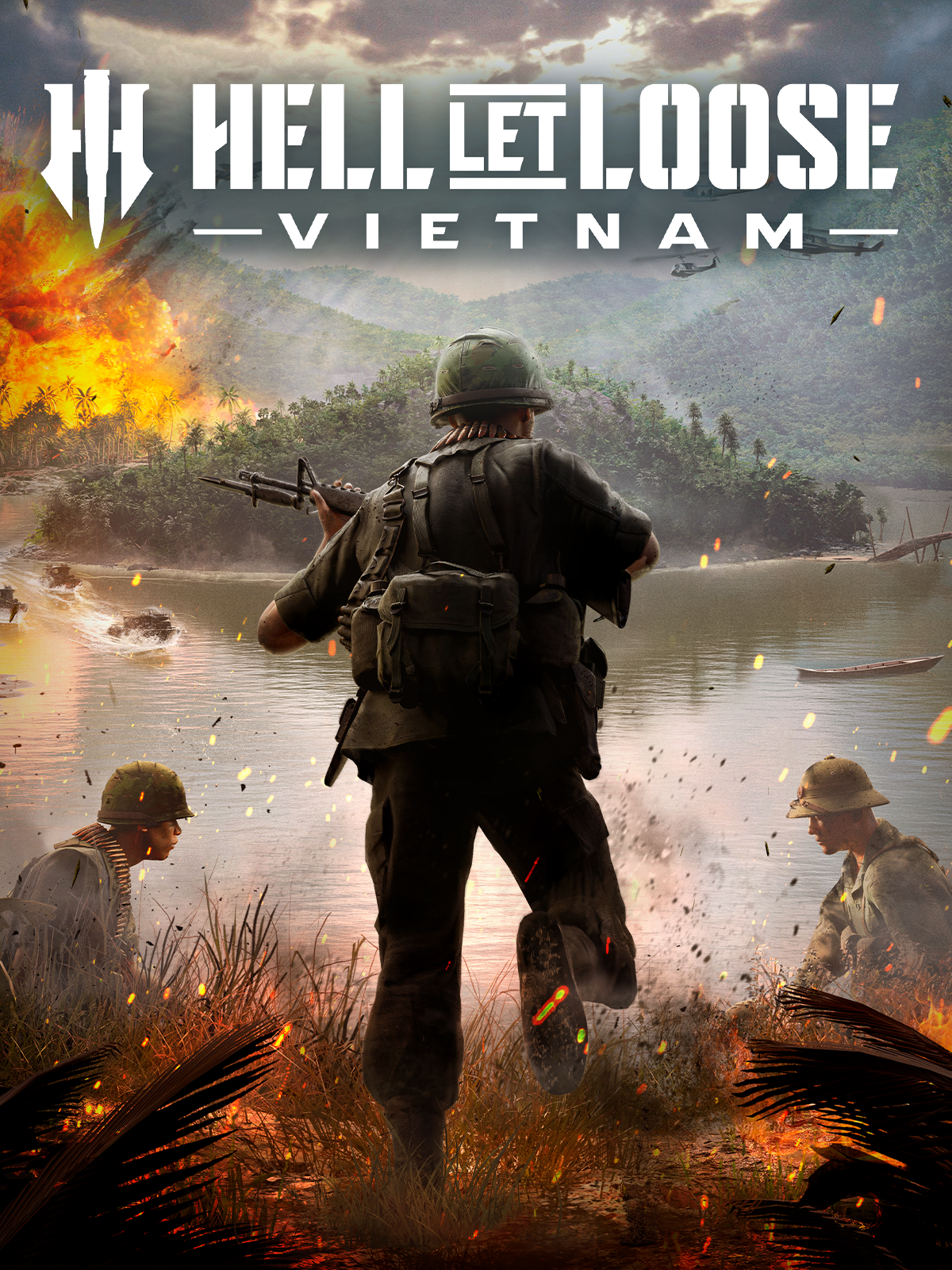
Built natively on Unreal Engine 5, the graphics architecture utilizes Nanite virtualized geometry and Lumen global illumination to create unparalleled, photorealistic combat environments. The rendering of dense, multi-tiered jungle canopies, physically accurate water reflections, and dynamic weather systems represents a massive leap over the previous title. The application of Hardware Lumen allows real-time ray-traced lighting to accurately filter through thick foliage, creating oppressive, claustrophobic atmospheres in maps like Quảng Ngãi. However, this extreme visual fidelity comes with severe performance overheads, necessitating the use of upscaling technologies like DLSS 4.5 and TSR even on high-end hardware. The environmental destruction, from napalm strikes scorching the earth to artillery cratering rice paddies, permanently alters the visual landscape over the course of a 90-minute match. |
Operating on the Unity engine, Gallipoli delivers a visually punishing and authentic depiction of the Middle Eastern front. The graphical fidelity heavily emphasizes environmental physics and dynamic lighting. Artillery and mortar strikes generate voluminous, lingering clouds of dust and sand that not only look spectacular but physically alter the battlefield by providing temporary visual concealment. The game accurately renders the harsh, blinding light of the Sinai desert and the claustrophobic shadows of Kut Al Amara's urban ruins. Character models feature highly detailed, modular uniforms that reflect the scavenged, sun-bleached reality of the theater. To ensure players can experience this fidelity at high frame rates, the developers integrated NVIDIA DLSS 4, AMD FSR 3/4, and Intel XeSS 3 upscaling technologies. |
| Audio & Soundtrack | |
|
Sound design is a critical gameplay mechanic in Hell Let Loose: Vietnam, acting as a lifeline for survival. Every weapon features historically accurate, distinct audio profiles, allowing veteran players to differentiate between the distant thud of an American M60 and the rapid chatter of an NVA RPD. Spatial audio is paramount for locating incoming artillery, identifying the direction of enemy movement through the brush, or hearing the distinct rotor wash of an incoming Huey helicopter. Following Patch 1.2, spatial audio fixes clarified the distance of gunfire and vehicle engines. Notably, helicopters now feature functional radios, allowing co-pilots to dynamically broadcast period-accurate music over the battlefield, adding incredible cinematic immersion to aerial insertions (with a toggle available for content creators to avoid copyright strikes). |
Audio design is a critical gameplay pillar in Gallipoli, functioning as both an immersive tool and a vital survival mechanism. The game features a harrowing, dynamic soundscape where the crack of supersonic bullets and the concussive blasts of incoming artillery actively inform player positioning. Suppression is deeply tied to audio; close calls muffle the environment, replicating auditory exclusion under extreme panic. The weaponry has been meticulously recorded to reflect authentic historical acoustics, allowing veteran players to identify the distinct mechanical cycle of an enemy Mauser 1903 versus a friendly SMLE Mk.III. The musical score is solemn and period-appropriate, utilizing regional instrumentation to reflect the Middle Eastern theater, evoking the tragic scale of the conflict rather than glorifying the combat. |
| User Interface (UI/UX) | |
|
The User Interface in Hell Let Loose: Vietnam is intentionally minimalist, prioritizing immersion and forcing players to rely on their senses and communication rather than a cluttered HUD. There are no hit markers, no kill feeds, and no constant mini-map radar revealing enemy positions. Players must utilize their compass, listen to the distinct audio cracks of enemy weaponry, and coordinate with their Squad Leader to mark targets. The most critical UI element is the Commander's Field Pad and the tactical map, which is heavily utilized by Officers to place spawn points (Garrisons and Outposts), request supply drops, and coordinate artillery strikes. The UI actively punishes lone wolves and rewards those who integrate into the chain of command. |
The User Interface in Gallipoli is designed to be highly immersive and unobtrusive, catering to the hardcore simulation nature of the game while retaining necessary accessibility. The HUD is heavily minimalist, removing arcade-style hit markers and health bars in favor of subtle visual and audio cues. Suppression is communicated through severe screen shake, weapon sway, and blurred peripheral vision rather than UI overlays. The squad command wheel allows Officers to intuitively call in artillery strikes or issue orders without breaking combat flow. Furthermore, the UI includes robust accessibility options, allowing players to adjust text size, customize volume controls, and balance stereo/surround sound. It strictly avoids clutter, ensuring the player's focus remains entirely on the physical environment and the lethal sightlines of the battlefield. |
| Accessibility Options | |
|
While Hell Let Loose: Vietnam is an unforgiving military simulation, developers implemented several features to improve the new player onboarding experience. The Vivox VoIP system features distinct, color-coded channels (Proximity, Squad, Command) to ensure clear communication. Patch 1.2 introduced persistent medic markers, capture point UI fixes, and duplicate keybind warnings to streamline the interface. For players with motor or visual difficulties, the game allows for full control customization, including the un-hardcoding of exit vehicle keys and the ability to assign actions to mouse buttons. The game also features a critical drag mechanic, allowing players to pull wounded teammates to safety, making the Medic role more robust and forgiving. |
Despite its status as a hardcore military simulation, BlackMill Games has made significant strides in accessibility. Gallipoli features a comprehensive suite of options designed to assist players without compromising the game's lethal mechanics. These include highly adjustable text sizing for menus and subtitles, custom volume controls to dampen the game's intensely loud artillery without losing tactical audio cues, and precise stereo and surround sound balancing. A highly requested 'keyboard-only' option ensures the title remains playable for those with mobility impairments by removing the reliance on quick-time events during melee or specialized interactions. The development team is also actively engaging with the community to refine Field of View (FOV) sliders and colorblind filters, ensuring the game is as inclusive as possible. |
| video_library Media Links | |
| Gameplay Video | |
| launchWatch | launchWatch |
| Walkthrough/Guide | |
| launchView | launchView |
| settings_applications System Requirements | |
| 1080p (Full HD) - Recommended (High Preset, 60 FPS (via TSR 100% High or DLSS Balanced)) CPU: Provides the necessary overhead to smoothly run 100-player logic and complex ballistics across massive maps. CPU (Laptop): Desktop-class mobile CPUs ensure the GPU isn't bottlenecked during intense urban clearing in Huế Outskirts. GPU: Capable of pushing high-fidelity Nanite meshes and high-resolution shadow mapping at a stable 60 FPS using balanced upscaling. GPU (Laptop): Ensures fluid combat and visual fidelity while utilizing DLSS Frame Generation. RAM: Sufficient for maintaining texture pools, though 32GB is recommended for entirely seamless gameplay. Storage: Maximizes asset streaming speeds for completely seamless open-world exploration. | |
memoryCPU: Intel Core i5-12600K / AMD Ryzen 5 7600X developer_boardGPU: Nvidia Geforce RTX 3060 Ti / AMD Radeon RX 6900 XT laptop_macCPU (L): Intel Core i7-12700H / AMD Ryzen 7 6800H laptop_windowsGPU (L): Nvidia RTX 4060 (115W+) / Radeon RX 7600M XT layersRAM: 16 GB saveStorage (Tier): 30 GB NVMe SSD | memoryCPU: Intel Core i5-11600K / AMD Ryzen 5 5600X developer_boardGPU: NVIDIA GeForce RTX 2070 / RX 6600 XT (8GB VRAM) laptop_macCPU (L): Intel Core i7-11800H / AMD Ryzen 7 5800H laptop_windowsGPU (L): NVIDIA RTX 3060 Mobile (115W+) layersRAM: 16 GB saveStorage (Tier): 30 GB NVMe SSD |
| 1080p (Full HD) - Minimum (Low Preset, 60 FPS (via TSR 71% or DLSS Ultra Performance)) CPU: The absolute baseline required to run the foundational physics, vehicle mechanics, and 100-player network state without game-breaking stutter. CPU (Laptop): Adequate for maintaining the network simulation, provided thermal limits are not reached during intense artillery barrages. GPU: Required to process base-level Lumen lighting and geometry. Note that achieving 60 FPS at this tier relies heavily on aggressive upscaling technologies. GPU (Laptop): Must utilize DLSS or TSR on high performance settings to maintain playable framerates during dynamic weather events. RAM: Minimum necessary memory to prevent hitching while moving rapidly across major map sectors via helicopter. Storage: SSD is mandatory; HDD installations will suffer from infinite loads and severe visual artifacting. | |
memoryCPU: Intel Core i5-10600K / AMD Ryzen 5 3600X developer_boardGPU: Nvidia RTX 2060 Super / AMD Radeon RX 6600 XT laptop_macCPU (L): Intel Core i5-11400H / AMD Ryzen 5 5600H laptop_windowsGPU (L): Nvidia RTX 3050 Ti (6GB) / Radeon RX 6600M layersRAM: 16 GB saveStorage (Tier): 30 GB SSD | memoryCPU: Intel Core i5-7400 / AMD Ryzen 5 1600 developer_boardGPU: NVIDIA GTX 1660 Super / RX 5600 XT (6GB VRAM) laptop_macCPU (L): Intel Core i5-10300H / AMD Ryzen 5 4600H laptop_windowsGPU (L): NVIDIA GTX 1660 Ti Mobile layersRAM: 16 GB saveStorage (Tier): 30 GB SSD |
| 1440p (QHD/2K) - Enthusiast (High/Ultra Preset, 60+ FPS (via DLSS Quality)) CPU: Top-tier processors required to guarantee absolute frame stability under maximum graphical and network loads. CPU (Laptop): Only the highest end mobile processors will avoid severe bottlenecks at 1440p High. GPU: Massive rasterization power needed to render flawless volumetric fog and full-res Lumen global illumination natively. GPU (Laptop): Required to drive 1440p resolutions effectively in dense jungle environments. RAM: Essential for handling higher resolution texture packages alongside underlying game logic. Storage: Critical to prevent engine stalls while loading massive high-res environmental blocks during rapid aerial traversal. | |
memoryCPU: Intel Core i7-13700K / AMD Ryzen 7 7800X3D developer_boardGPU: Nvidia RTX 4070 Ti / AMD Radeon RX 7900 XT laptop_macCPU (L): Intel Core i9-13900HX / AMD Ryzen 9 7945HX laptop_windowsGPU (L): Nvidia RTX 4080 Mobile (150W+) layersRAM: 32 GB saveStorage (Tier): 30 GB PCIe Gen 4 NVMe SSD | — |
| 1440p (QHD/2K) - Recommended (High Settings, 60+ FPS (with Upscaling)) CPU: Advanced processing power required to manage increased draw calls at higher resolutions. CPU (Laptop): Top-tier mobile processors for sustained frame delivery. GPU: Necessary VRAM and rasterization power for 1440p; highly recommended to use DLSS/FSR. GPU (Laptop): Provides the required pixel pushing power for 1440p displays. RAM: Recommended for power users to ensure absolute stability and overhead for background tasks. Storage: Fast storage is non-negotiable at this tier. | |
| — | memoryCPU: Intel Core i5-12600K / AMD Ryzen 7 5800X3D developer_boardGPU: NVIDIA GeForce RTX 3070 / AMD Radeon RX 6700 XT laptop_macCPU (L): Intel Core i7-12700H / AMD Ryzen 9 6900HX laptop_windowsGPU (L): NVIDIA RTX 3070 Ti Mobile / RTX 4060 Mobile layersRAM: 32 GB saveStorage (Tier): 30 GB NVMe SSD |
| 2160p (UHD/4K) - Ultra (Ultra Settings, 60 FPS (DLSS/FSR Quality Required)) CPU: The highest tier of processing to ensure zero bottlenecks at 4K. CPU (Laptop): Enthusiast-class laptop processors. GPU: Uncompromised 4K performance, allowing all graphical bells and whistles while maintaining high frames. GPU (Laptop): The only mobile GPUs capable of sustaining 4K resolution in complex unity environments. RAM: Essential for 4K texture caching and multitasking. Storage: Maximizes asset streaming efficiency. | |
| — | memoryCPU: Intel Core i7-13700K / AMD Ryzen 7 7800X3D developer_boardGPU: NVIDIA GeForce RTX 4080 / AMD Radeon RX 7900 XTX laptop_macCPU (L): Intel Core i9-13900HX / AMD Ryzen 9 7945HX laptop_windowsGPU (L): NVIDIA RTX 4080 Mobile / RTX 4090 Mobile layersRAM: 32 GB saveStorage (Tier): 30 GB Gen 4 NVMe SSD |
| save Overall Storage | |
Spec: 30 GB SSD Note: A Solid State Drive is strictly mandatory to eliminate geometry pop-in, handle massive data streaming across massive maps, and ensure you load in before the match begins. Type: SSD | Spec: 30 GB available space (SSD highly recommended) Note: An SSD is virtually mandatory to handle the game's heavy texture streaming for modular uniforms and vast environments without stuttering. Type: SSD |
| desktop_windows Operating System | |
Spec: Windows 10 / 11 (64-Bit) Explanation: Mandatory for DirectX 12 Ultimate API support, which is strictly required for Unreal Engine 5 rendering features and Kernel-Level Easy Anti-Cheat integration. | Spec: Windows 10/11 64-Bit Explanation: Required to support the game's memory addressing and DirectX 11 API efficiently. |
| gamepad DirectX Version | |
| Spec: DirectX 12 Explanation: Required to execute advanced volumetric rendering and real-time ray-traced lighting (Lumen) filtering through dense jungle foliage. | Spec: Version 11 Explanation: The Unity engine utilizes DX11 for advanced rendering, particle effects, and lighting. |
| info_outline Other Game Notes | |
|
|
| build Optimization Details | |
|
|
| laptop Laptop Considerations | |
|
|

info_outline Feature details based on available data. System requirements and performance estimates may vary.
laptop_chromebook Laptop Recommendations
Common Recommendations (Handles All Compared Games)

- memory Intel Core i5-12450H
- developer_board NVIDIA GeForce RTX 3050
- layers 16GB DDR4-3200MHz
- track_changes Target GPU: Nvidia RTX 3050 Ti (6GB) / Radeon RX 6600M / NVIDIA GTX 1660 Ti Mobile

- memory Intel Core i5-12500H
- developer_board NVIDIA GeForce RTX 3050 Ti
- layers 16GB DDR4-3200MHz
- track_changes Target GPU: Nvidia RTX 3050 Ti (6GB) / Radeon RX 6600M / NVIDIA GTX 1660 Ti Mobile

- memory AMD Ryzen 7 7435HS
- developer_board NVIDIA GeForce RTX 3050
- layers 32GB DDR5-4800MHz
- track_changes Target GPU: Nvidia RTX 3050 Ti (6GB) / Radeon RX 6600M / NVIDIA GTX 1660 Ti Mobile

- memory Intel Core i9-13900H
- developer_board NVIDIA GeForce RTX 4060
- layers 16GB DDR5-5200MHz
- track_changes Target GPU: Nvidia RTX 4060 (115W+) / Radeon RX 7600M XT / NVIDIA RTX 3060 Mobile (115W+)

- memory Intel Core i9-14900HX
- developer_board NVIDIA GeForce RTX 4060
- layers 32GB DDR5-5600MHz
- track_changes Target GPU: Nvidia RTX 4060 (115W+) / Radeon RX 7600M XT / NVIDIA RTX 3060 Mobile (115W+)

- memory Intel Core i9-12900H
- developer_board NVIDIA GeForce RTX 3070 Ti
- layers 16GB DDR5-4800MHz
- track_changes Target GPU: Nvidia RTX 4060 (115W+) / Radeon RX 7600M XT / NVIDIA RTX 3060 Mobile (115W+)

- memory Intel Core i9-14900HX
- developer_board NVIDIA GeForce RTX 4080 Laptop GPU
- layers 64 GB DDR5-5600MHz
- track_changes Target GPU: Nvidia RTX 4080 Mobile (150W+)

- memory Intel Core Ultra 9 Processor 275HX (Series 2)
- developer_board NVIDIA GeForce RTX 5070 Laptop GPU
- layers 32GB DDR5-5600MHz
- track_changes Target GPU: Nvidia RTX 4080 Mobile (150W+)

- memory Intel Core i9-14900HX Processor
- developer_board NVIDIA GeForce RTX 5070 Laptop GPU
- layers 32GB DDR5-5600MHz
- track_changes Target GPU: Nvidia RTX 4080 Mobile (150W+)
- memory AMD Ryzen 7 7435HS
- developer_board NVIDIA GeForce RTX 3050
- layers 32GB DDR5-4800MHz
- track_changes Target GPU: NVIDIA RTX 3070 Ti Mobile / RTX 4060 Mobile

- memory Intel Core i9-14900HX
- developer_board NVIDIA GeForce RTX 4070
- layers 32GB DDR5-5600MHz
- track_changes Target GPU: NVIDIA RTX 3070 Ti Mobile / RTX 4060 Mobile

- memory AMD Ryzen 9 8940HX Processor
- developer_board NVIDIA GeForce RTX 5060 Laptop GPU
- layers 32GB DDR5-5200MHz
- track_changes Target GPU: NVIDIA RTX 3070 Ti Mobile / RTX 4060 Mobile
- memory Intel Core i9-14900HX
- developer_board NVIDIA GeForce RTX 4080 Laptop GPU
- layers 64 GB DDR5-5600MHz
- track_changes Target GPU: NVIDIA RTX 4080 Mobile / RTX 4090 Mobile
- memory Intel Core Ultra 9 Processor 275HX (Series 2)
- developer_board NVIDIA GeForce RTX 5070 Laptop GPU
- layers 32GB DDR5-5600MHz
- track_changes Target GPU: NVIDIA RTX 4080 Mobile / RTX 4090 Mobile
- memory Intel Core i9-14900HX Processor
- developer_board NVIDIA GeForce RTX 5070 Laptop GPU
- layers 32GB DDR5-5600MHz
- track_changes Target GPU: NVIDIA RTX 4080 Mobile / RTX 4090 Mobile
For Hell Let Loose: Vietnam Specifically
- memory Intel Core i5-12450H
- developer_board NVIDIA GeForce RTX 3050
- layers 16GB DDR4-3200MHz
- track_changes Target GPU: Nvidia RTX 2060 Super / AMD Radeon RX 6600 XT
- memory Intel Core i5-12500H
- developer_board NVIDIA GeForce RTX 3050 Ti
- layers 16GB DDR4-3200MHz
- track_changes Target GPU: Nvidia RTX 2060 Super / AMD Radeon RX 6600 XT
- memory AMD Ryzen 7 7435HS
- developer_board NVIDIA GeForce RTX 3050
- layers 32GB DDR5-4800MHz
- track_changes Target GPU: Nvidia RTX 2060 Super / AMD Radeon RX 6600 XT

- memory AMD Ryzen 7 6800H
- developer_board NVIDIA GeForce RTX 3060
- layers 16GB DDR5-4800MHz
- track_changes Target GPU: Nvidia RTX 2060 Super / AMD Radeon RX 6600 XT

- memory AMD Ryzen 9 5900HS
- developer_board NVIDIA GeForce RTX 3080
- layers 16GB DDR4-3200MHz
- track_changes Target GPU: Nvidia RTX 2060 Super / AMD Radeon RX 6600 XT

- memory Intel Core i7-13620H
- developer_board NVIDIA GeForce RTX 4070
- layers 16GB DDR5-4800MHz
- track_changes Target GPU: Nvidia RTX 2060 Super / AMD Radeon RX 6600 XT

- memory Intel Core i7-14700HX
- developer_board NVIDIA GeForce RTX 4070
- layers 16GB DDR5-5600MHz
- track_changes Target GPU: Nvidia RTX 2060 Super / AMD Radeon RX 6600 XT
- memory Intel Core i9-14900HX
- developer_board NVIDIA GeForce RTX 4070
- layers 32GB DDR5-5600MHz
- track_changes Target GPU: Nvidia RTX 2060 Super / AMD Radeon RX 6600 XT

- memory Intel Core i9-14900HX
- developer_board NVIDIA GeForce RTX 4070
- layers 16GB DDR5-5600MHz
- track_changes Target GPU: Nvidia RTX 2060 Super / AMD Radeon RX 6600 XT

- memory Intel Core i7 Processor 14650HX
- developer_board NVIDIA GeForce RTX 5060 Laptop GPU
- layers 16GB DDR5-5600MHz
- track_changes Target GPU: Nvidia RTX 2060 Super / AMD Radeon RX 6600 XT
- memory Intel Core i9-13900H
- developer_board NVIDIA GeForce RTX 4060
- layers 16GB DDR5-5200MHz
- track_changes Target GPU: Nvidia Geforce RTX 3060 Ti / AMD Radeon RX 6900 XT
- memory Intel Core i9-14900HX
- developer_board NVIDIA GeForce RTX 4060
- layers 32GB DDR5-5600MHz
- track_changes Target GPU: Nvidia Geforce RTX 3060 Ti / AMD Radeon RX 6900 XT
- memory Intel Core i9-12900H
- developer_board NVIDIA GeForce RTX 3070 Ti
- layers 16GB DDR5-4800MHz
- track_changes Target GPU: Nvidia Geforce RTX 3060 Ti / AMD Radeon RX 6900 XT

- memory Intel Core Ultra 7 255H
- developer_board NVIDIA GeForce RTX 5060 Laptop GPU
- layers 16GB DDR5-5600MHz (Dual-Channel)
- track_changes Target GPU: Nvidia Geforce RTX 3060 Ti / AMD Radeon RX 6900 XT
- memory AMD Ryzen 9 8940HX Processor
- developer_board NVIDIA GeForce RTX 5060 Laptop GPU
- layers 32GB DDR5-5200MHz
- track_changes Target GPU: Nvidia Geforce RTX 3060 Ti / AMD Radeon RX 6900 XT

- memory Intel Core i9-12950HX
- developer_board NVIDIA GeForce RTX 3080 Ti
- layers 32GB DDR5-4800MHz
- track_changes Target GPU: Nvidia Geforce RTX 3060 Ti / AMD Radeon RX 6900 XT

- memory AMD Ryzen 7 7445HS
- developer_board NVIDIA GeForce RTX 4050
- layers 16GB (2x8GB) DDR5 5600MHz SO-DIMM
- track_changes Target GPU: Nvidia Geforce RTX 3060 Ti / AMD Radeon RX 6900 XT
- memory Intel Core i9-14900HX
- developer_board NVIDIA GeForce RTX 4080 Laptop GPU
- layers 64 GB DDR5-5600MHz
- track_changes Target GPU: Nvidia RTX 4070 Ti / AMD Radeon RX 7900 XT
- memory Intel Core Ultra 9 Processor 275HX (Series 2)
- developer_board NVIDIA GeForce RTX 5070 Laptop GPU
- layers 32GB DDR5-5600MHz
- track_changes Target GPU: Nvidia RTX 4070 Ti / AMD Radeon RX 7900 XT
- memory Intel Core i9-14900HX Processor
- developer_board NVIDIA GeForce RTX 5070 Laptop GPU
- layers 32GB DDR5-5600MHz
- track_changes Target GPU: Nvidia RTX 4070 Ti / AMD Radeon RX 7900 XT

- memory Intel Core i9-14900HX Processor
- developer_board NVIDIA GeForce RTX 5070 Laptop GPU
- layers 32GB DDR5-5600MHz
- track_changes Target GPU: Nvidia RTX 4070 Ti / AMD Radeon RX 7900 XT

- memory Intel Core Ultra 9 285H (Arrow Lake-H)
- developer_board NVIDIA GeForce RTX 5070 Laptop GPU
- layers 64GB LPDDR5x-8533MT/s (LPCAMM2)
- track_changes Target GPU: Nvidia RTX 4070 Ti / AMD Radeon RX 7900 XT

- memory Intel Core i9-14900HX
- developer_board NVIDIA GeForce RTX 4080
- layers 64GB DDR5-5600MHz
- track_changes Target GPU: Nvidia RTX 4070 Ti / AMD Radeon RX 7900 XT

- memory Intel Core i9-14900HX
- developer_board NVIDIA GeForce RTX 4080
- layers 32GB DDR5-5600MHz
- track_changes Target GPU: Nvidia RTX 4070 Ti / AMD Radeon RX 7900 XT

- memory Intel Core i9-14900HX
- developer_board NVIDIA GeForce RTX 4080
- layers 32GB DDR5-5600MHz
- track_changes Target GPU: Nvidia RTX 4070 Ti / AMD Radeon RX 7900 XT

- memory Intel Core i9-14900HX
- developer_board NVIDIA GeForce RTX 4080
- layers 32GB DDR5-5600MHz
- track_changes Target GPU: Nvidia RTX 4070 Ti / AMD Radeon RX 7900 XT

- memory AMD Ryzen 9 7845HX
- developer_board NVIDIA GeForce RTX 4080
- layers Up to 64GB DDR5
- track_changes Target GPU: Nvidia RTX 4070 Ti / AMD Radeon RX 7900 XT

- memory Intel Core i7-12700H
- developer_board NVIDIA GeForce RTX 3070
- layers 32GB DDR4-3200MHz
- track_changes Target GPU: Nvidia RTX 4090 / AMD Radeon RX 7900 XTX
- memory Intel Core i9-14900HX
- developer_board NVIDIA GeForce RTX 4060
- layers 32GB DDR5-5600MHz
- track_changes Target GPU: Nvidia RTX 4090 / AMD Radeon RX 7900 XTX
- memory AMD Ryzen 7 7435HS
- developer_board NVIDIA GeForce RTX 3050
- layers 32GB DDR5-4800MHz
- track_changes Target GPU: Nvidia RTX 4090 / AMD Radeon RX 7900 XTX
- memory Intel Core i9-14900HX
- developer_board NVIDIA GeForce RTX 4070
- layers 32GB DDR5-5600MHz
- track_changes Target GPU: Nvidia RTX 4090 / AMD Radeon RX 7900 XTX

- memory AMD Ryzen 7 260
- developer_board NVIDIA GeForce RTX 5060 Laptop GPU
- layers 32GB DDR5-5600MHz
- track_changes Target GPU: Nvidia RTX 4090 / AMD Radeon RX 7900 XTX
- memory AMD Ryzen 9 8940HX Processor
- developer_board NVIDIA GeForce RTX 5060 Laptop GPU
- layers 32GB DDR5-5200MHz
- track_changes Target GPU: Nvidia RTX 4090 / AMD Radeon RX 7900 XTX
- memory Intel Core i9-12950HX
- developer_board NVIDIA GeForce RTX 3080 Ti
- layers 32GB DDR5-4800MHz
- track_changes Target GPU: Nvidia RTX 4090 / AMD Radeon RX 7900 XTX
- memory Intel Core i9-14900HX
- developer_board NVIDIA GeForce RTX 4080 Laptop GPU
- layers 64 GB DDR5-5600MHz
- track_changes Target GPU: Nvidia RTX 4090 / AMD Radeon RX 7900 XTX

- memory AMD Ryzen AI 9 HX 375 Processor
- developer_board NVIDIA GeForce RTX 5070 Laptop GPU
- layers 64GB DDR5-5600MHz
- track_changes Target GPU: Nvidia RTX 4090 / AMD Radeon RX 7900 XTX
- memory Intel Core i9 Processor 14900HX
- developer_board NVIDIA GeForce RTX 5070 Laptop GPU
- layers 32GB DDR5-5600MHz
- track_changes Target GPU: Nvidia RTX 4090 / AMD Radeon RX 7900 XTX
For Gallipoli Specifically
- memory Intel Core i7-12700H
- developer_board NVIDIA GeForce RTX 3070
- layers 32GB DDR4-3200MHz
- track_changes Target GPU: NVIDIA GTX 1660 Super / RX 5600 XT (6GB VRAM)
- memory Intel Core i9-13900H
- developer_board NVIDIA GeForce RTX 4060
- layers 16GB DDR5-5200MHz
- track_changes Target GPU: NVIDIA GTX 1660 Super / RX 5600 XT (6GB VRAM)
- memory Intel Core i9-14900HX
- developer_board NVIDIA GeForce RTX 4060
- layers 32GB DDR5-5600MHz
- track_changes Target GPU: NVIDIA GTX 1660 Super / RX 5600 XT (6GB VRAM)
- memory Intel Core i9-12900H
- developer_board NVIDIA GeForce RTX 3070 Ti
- layers 16GB DDR5-4800MHz
- track_changes Target GPU: NVIDIA GTX 1660 Super / RX 5600 XT (6GB VRAM)
- memory Intel Core i5-12450H
- developer_board NVIDIA GeForce RTX 3050
- layers 16GB DDR4-3200MHz
- track_changes Target GPU: NVIDIA GTX 1660 Super / RX 5600 XT (6GB VRAM)
- memory Intel Core i5-12500H
- developer_board NVIDIA GeForce RTX 3050 Ti
- layers 16GB DDR4-3200MHz
- track_changes Target GPU: NVIDIA GTX 1660 Super / RX 5600 XT (6GB VRAM)
- memory AMD Ryzen 7 7435HS
- developer_board NVIDIA GeForce RTX 3050
- layers 32GB DDR5-4800MHz
- track_changes Target GPU: NVIDIA GTX 1660 Super / RX 5600 XT (6GB VRAM)
- memory AMD Ryzen 7 6800H
- developer_board NVIDIA GeForce RTX 3060
- layers 16GB DDR5-4800MHz
- track_changes Target GPU: NVIDIA GTX 1660 Super / RX 5600 XT (6GB VRAM)
- memory AMD Ryzen 9 5900HS
- developer_board NVIDIA GeForce RTX 3080
- layers 16GB DDR4-3200MHz
- track_changes Target GPU: NVIDIA GTX 1660 Super / RX 5600 XT (6GB VRAM)
- memory Intel Core i7-13620H
- developer_board NVIDIA GeForce RTX 4070
- layers 16GB DDR5-4800MHz
- track_changes Target GPU: NVIDIA GTX 1660 Super / RX 5600 XT (6GB VRAM)
- memory Intel Core i7-14700HX
- developer_board NVIDIA GeForce RTX 4070
- layers 16GB DDR5-5600MHz
- track_changes Target GPU: NVIDIA GeForce RTX 2070 / RX 6600 XT (8GB VRAM)
- memory Intel Core i9-14900HX
- developer_board NVIDIA GeForce RTX 4070
- layers 32GB DDR5-5600MHz
- track_changes Target GPU: NVIDIA GeForce RTX 2070 / RX 6600 XT (8GB VRAM)
- memory AMD Ryzen 7 7435HS
- developer_board NVIDIA GeForce RTX 3050
- layers 32GB DDR5-4800MHz
- track_changes Target GPU: NVIDIA GeForce RTX 3070 / AMD Radeon RX 6700 XT
- memory Intel Core i9-14900HX
- developer_board NVIDIA GeForce RTX 4070
- layers 32GB DDR5-5600MHz
- track_changes Target GPU: NVIDIA GeForce RTX 3070 / AMD Radeon RX 6700 XT
- memory AMD Ryzen 9 8940HX Processor
- developer_board NVIDIA GeForce RTX 5060 Laptop GPU
- layers 32GB DDR5-5200MHz
- track_changes Target GPU: NVIDIA GeForce RTX 3070 / AMD Radeon RX 6700 XT
- memory Intel Core i9-12950HX
- developer_board NVIDIA GeForce RTX 3080 Ti
- layers 32GB DDR5-4800MHz
- track_changes Target GPU: NVIDIA GeForce RTX 3070 / AMD Radeon RX 6700 XT
- memory Intel Core i9-14900HX
- developer_board NVIDIA GeForce RTX 4080 Laptop GPU
- layers 64 GB DDR5-5600MHz
- track_changes Target GPU: NVIDIA GeForce RTX 3070 / AMD Radeon RX 6700 XT
- memory Intel Core Ultra 9 Processor 275HX (Series 2)
- developer_board NVIDIA GeForce RTX 5070 Laptop GPU
- layers 32GB DDR5-5600MHz
- track_changes Target GPU: NVIDIA GeForce RTX 3070 / AMD Radeon RX 6700 XT
- memory Intel Core i9-14900HX Processor
- developer_board NVIDIA GeForce RTX 5070 Laptop GPU
- layers 32GB DDR5-5600MHz
- track_changes Target GPU: NVIDIA GeForce RTX 3070 / AMD Radeon RX 6700 XT
- memory Intel Core i9-14900HX Processor
- developer_board NVIDIA GeForce RTX 5070 Laptop GPU
- layers 32GB DDR5-5600MHz
- track_changes Target GPU: NVIDIA GeForce RTX 3070 / AMD Radeon RX 6700 XT
- memory Intel Core Ultra 9 285H (Arrow Lake-H)
- developer_board NVIDIA GeForce RTX 5070 Laptop GPU
- layers 64GB LPDDR5x-8533MT/s (LPCAMM2)
- track_changes Target GPU: NVIDIA GeForce RTX 3070 / AMD Radeon RX 6700 XT
- memory Intel Core i9-14900HX
- developer_board NVIDIA GeForce RTX 4080
- layers 64GB DDR5-5600MHz
- track_changes Target GPU: NVIDIA GeForce RTX 3070 / AMD Radeon RX 6700 XT
- memory Intel Core i9-14900HX
- developer_board NVIDIA GeForce RTX 4080 Laptop GPU
- layers 64 GB DDR5-5600MHz
- track_changes Target GPU: NVIDIA GeForce RTX 4080 / AMD Radeon RX 7900 XTX
- memory Intel Core Ultra 9 Processor 275HX (Series 2)
- developer_board NVIDIA GeForce RTX 5070 Laptop GPU
- layers 32GB DDR5-5600MHz
- track_changes Target GPU: NVIDIA GeForce RTX 4080 / AMD Radeon RX 7900 XTX
- memory Intel Core i9-14900HX Processor
- developer_board NVIDIA GeForce RTX 5070 Laptop GPU
- layers 32GB DDR5-5600MHz
- track_changes Target GPU: NVIDIA GeForce RTX 4080 / AMD Radeon RX 7900 XTX
- memory Intel Core i9-14900HX Processor
- developer_board NVIDIA GeForce RTX 5070 Laptop GPU
- layers 32GB DDR5-5600MHz
- track_changes Target GPU: NVIDIA GeForce RTX 4080 / AMD Radeon RX 7900 XTX
- memory Intel Core Ultra 9 285H (Arrow Lake-H)
- developer_board NVIDIA GeForce RTX 5070 Laptop GPU
- layers 64GB LPDDR5x-8533MT/s (LPCAMM2)
- track_changes Target GPU: NVIDIA GeForce RTX 4080 / AMD Radeon RX 7900 XTX
- memory Intel Core i9-14900HX
- developer_board NVIDIA GeForce RTX 4080
- layers 64GB DDR5-5600MHz
- track_changes Target GPU: NVIDIA GeForce RTX 4080 / AMD Radeon RX 7900 XTX
- memory Intel Core i9-14900HX
- developer_board NVIDIA GeForce RTX 4080
- layers 32GB DDR5-5600MHz
- track_changes Target GPU: NVIDIA GeForce RTX 4080 / AMD Radeon RX 7900 XTX
- memory Intel Core i9-14900HX
- developer_board NVIDIA GeForce RTX 4080
- layers 32GB DDR5-5600MHz
- track_changes Target GPU: NVIDIA GeForce RTX 4080 / AMD Radeon RX 7900 XTX
- memory Intel Core i9-14900HX
- developer_board NVIDIA GeForce RTX 4080
- layers 32GB DDR5-5600MHz
- track_changes Target GPU: NVIDIA GeForce RTX 4080 / AMD Radeon RX 7900 XTX
- memory AMD Ryzen 9 7845HX
- developer_board NVIDIA GeForce RTX 4080
- layers Up to 64GB DDR5
- track_changes Target GPU: NVIDIA GeForce RTX 4080 / AMD Radeon RX 7900 XTX
info_outline Laptop recommendations are estimates based on available component benchmarks and game requirements. Actual performance may vary depending on settings, drivers, cooling, power limits, etc. Prices and availability subject to change. As an Amazon Associate, we earn from qualifying purchases.