Select Games to Compare

search close
search close

Select up to 2 games to compare side-by-side.

💻
Mobile Hardware & Thermal Intelligence (2026)
Gaming on a Laptop? Check Real-World Compatibility

Benchmark your exact mobile GPU wattage (TGP), battery throttling drops, and cooling pad requirements for these games.

Test Laptop Specs → ⚖️ Compare Laptops

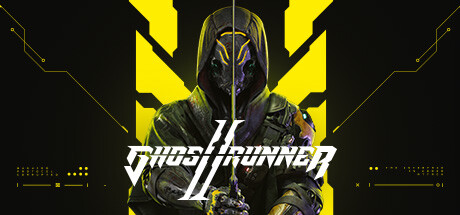
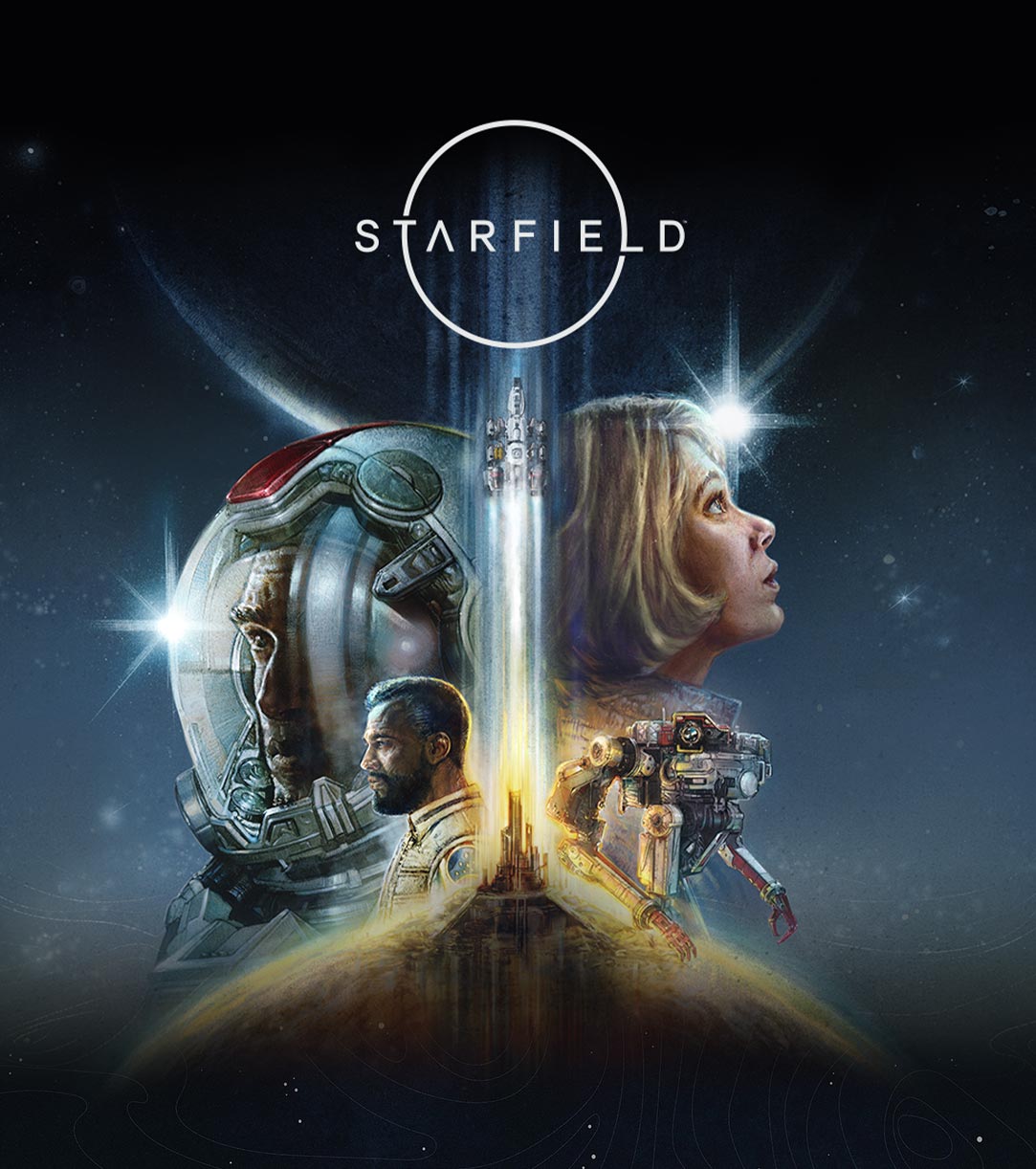
Ghostrunner 2 vs Starfield

close close
info General Information
Release Date
Oct 26, 2023 Sep 6, 2023
Developer
One More Level Bethesda Game Studios
Publisher
505 Games Bethesda Softworks
Genre(s)
Action, Cyberpunk, Fast-Paced Slasher, Parkour, Single-player Action RPG, Open World, Sci-Fi, Space Exploration
Engine
Unreal Engine Creation Engine 2
stars Ratings & Price
Content Rating
Mature Mature 17+
Avg. User Rating
4.1 / 5.0 3.7 / 5.0
Current Price (USD)
$39.99 $69.99
tune Key Specs
Quick Highlights
  • Platforms: PC (Steam, Epic, GOG), PlayStation 5, Xbox Series X/S
  • Release Date: October 26, 2023
  • Perspective: First-Person (Default), Third-Person (Optional)
  • Multiplayer: None (Single-Player Only)
  • Setting: The Settled Systems (Approx. 50 light-years around Sol), Year 2330
  • Platforms: PC, Xbox Series X|S
  • Unique Feature: Extensive Spaceship Customization & Combat, Over 1000 Explorable Planets, Deep Character Creation & Skill System, Outpost Building, 'NASA-Punk' Aesthetic.
sports_esports Gameplay & Mechanics
Companions/Followers
  • The Cybervoid: An abstract, simulated space Jack must periodically enter. It challenges him with surreal puzzles that reward him with devastating new ultimate abilities.
    Digital Realm
  • Climber Headquarters: The physical location where Jack can briefly rest between missions, converse with allies to gain lore insights, and reconfigure his loadout in safety.
    Safe Hub
  • Constellation Members (Sarah, Sam, Andreja, Barrett): Core companions who can follow the player, participate in combat, carry gear, and have unique dialogue and personal quests. Each has a set of skills that provide bonuses to the player or their ship when assigned as active companion or crew. Romance options are available with these four.
    Human
  • Vasco: A loyal robot companion available early. Provides combat support and significant ship-based skill bonuses (Aneutronic Fusion, Shield Systems, EM Weapon Systems). Cannot be romanced.
    Robot (Constellation Expeditionary Model)
  • Hirable Crew Members: Numerous NPCs can be hired from bars and spaceports across the Settled Systems to serve as crew on the player's ship or at outposts. Each has a unique set of skills (e.g., Piloting, Weapon Systems, Outpost Engineering, Gastronomy) that provide passive bonuses when assigned to relevant posts. Some named recruitable characters have more personality than generic hires.
    Human (Various Backgrounds)
  • Adoring Fan (Trait-based): If the 'Hero Worshipped' trait is chosen during character creation, this overzealous NPC will randomly appear and offer to join the player's crew. He is enthusiastic, provides gifts, and has combat skills, but his constant adoration can be a humorous annoyance.
    Human
Key Collectibles
  • Memory Shards: Crucial items scattered throughout the platforming challenges that directly increase the capacity of Jack's motherboard, allowing more chips to be installed.
  • Hidden Sword Skins: Cosmetic unlocks placed in highly dangerous, off-the-beaten-path parkour sections, rewarding daring players with new visual flair.
  • Lore Artifacts: Items left behind by the citizens of Dharma Tower and the old world, providing narrative context to the post-apocalyptic ruin humanity finds itself in.
  • Snow Globes (Earth Landmarks): Unique snow globes depicting famous landmarks from Old Earth (e.g., Empire State Building, Pyramids, London Shard). Finding them often requires reading specific books or notes that provide clues to their location across various planets.
  • Skill Magazines (Constellation Guides, Grunt Issue, Kryx's Journal, etc.): Magazines found throughout the Settled Systems. Each one picked up for the first time provides a permanent small buff to a specific skill or character stat (e.g., +5% pistol damage, better prices, increased carry capacity).
  • Antique Earth Relics: Various trinkets and items from Old Earth (e.g., antique guns, baseballs, vinyl records) that can be found and sold for credits or kept as mementos. Some are tied to specific points of interest or minor quests.
  • Unique Weapons & Armor Pieces: Named legendary items with unique appearances, stats, and powerful pre-set enchantments. Found as rewards for completing difficult quests, defeating powerful enemies, or hidden in high-level areas or locked containers.
  • Slates (Audio Logs & Notes): Data slates containing text logs, audio recordings, or notes that provide lore, backstory, environmental storytelling, or clues to quests and hidden items. Found extensively throughout all locations.
Key Themes
  • Cyberpunk
  • Post-Apocalyptic
  • Cyber Ninja
  • Speedrunning
  • Artificial Intelligence
  • Dystopia
  • Synthwave
  • Space Exploration
  • Discovery
  • Sci-Fi
  • The Future of Humanity
  • Mystery
  • Faction Politics
  • Colonization
  • Adventure
  • Hope
  • Existential Questions
  • Artifacts
colorize Combat & Gear
Weapons Overview
  • High-Frequency Katana: Primary Melee
    Jack's signature weapon. A mono-molecular blade capable of slicing through heavily armored enemies in a single strike and deflecting incoming high-velocity projectiles.
  • Shuriken: Energy Projectile
    A throwable energy weapon used to stun shielded enemies, electrocute robotic foes, and trigger distant environmental switches during high-speed parkour.
  • Motorcycle Cannons: Vehicular Weapons
    Heavy, forward-facing machine guns mounted on Jack's motorcycle, used to clear barricades and destroy pursuing vehicles in the Wasteland.
  • Ballistic Weapons (Pistols, Rifles, Shotguns, SMGs, Heavy): Firearm (Projectile-based)
    Wide variety of conventional firearms using physical ammunition. Includes pistols (Eon, Sidestar), rifles (Grendel, Beowulf, Lawgiver), shotguns (Coachman, Pacifier), and heavy weapons. Can be modified extensively for different ammo types, barrels, stocks, sights, etc.
  • Energy Weapons (Laser Pistols, Laser Rifles): Firearm (Directed Energy)
    Weapons firing laser beams, effective against robots and some enemy types. Includes pistols (Equinox, Solstice) and rifles. Use energy cells as ammunition. Modifiable.
  • Electromagnetic (EM) Weapons (EM Pistols, EM Rifles): Non-Lethal Firearm (Stunning/Disabling)
    Weapons designed to incapacitate targets by dealing EM damage, draining their 'stun' meter rather than health. Useful for non-lethal takedowns or capturing ships. Includes Novalight pistol, Novablast Disruptor rifle.
  • Particle Beam Weapons (Particle Pistols, Particle Rifles, Particle Shotguns, Heavy): Advanced Firearm (Energy/Ballistic Hybrid Damage)
    High-tech weapons that deal both energy and physical damage simultaneously. Very effective against a wide range of targets. Includes Va'ruun Inflictor, Big Bang, Magshear, MagSniper. Uses specialized particle ammunition.
  • Melee Weapons (Knives, Axes, Cutlasses, Rescue Axe, Tanto, Va'ruun Painblade): Close Quarters Combat
    Various bladed and blunt weapons for close-quarters combat. Damage and speed vary by type. Some unique melee weapons have special properties.
  • Explosives (Grenades, Mines): Throwable/Deployable (Area of Effect)
    Includes Frag Grenades, Incendiary Grenades, Impact Grenades, various types of Mines. Used for area denial, crowd control, or dealing heavy damage.
  • Unique & Legendary Weapons: Varied (Named Special Versions)
    Special named versions of standard weapons with unique appearances and pre-set powerful enchantments (e.g., increased damage, elemental effects, special properties). Found as quest rewards, loot from powerful enemies, or in specific locations.
Armor / Gear Sets
  • Sensory Boost: Jack relies purely on speed rather than physical armor. The Sensory Boost mechanic allows him to slow down time mid-air, effectively acting as his primary defensive maneuver to strafe around bullets.
  • Smart Deflect Chip: A powerful motherboard modifier that actively bounces deflected projectiles directly back at the enemy who fired them, turning offense into defense.
  • Ghostrunner Chassis: The advanced cybernetic body of Jack. Despite its technological marvel, it cannot withstand sustained damage, adhering strictly to the game's brutal one-hit-one-kill philosophy.
  • Spacesuits: The primary protective gear. Provides physical, energy, and EM damage resistance, as well as protection against environmental hazards (thermal, corrosive, airborne, radiation). Spacesuits have various stats, mod slots, mass, and value. Tiered from common to legendary with special perks.
  • Packs (Boost Packs): Equipped alongside spacesuits. Provide additional damage resistances and environmental protection. Crucially, they enable boosted jumps and short bursts of flight (jetpack functionality), essential for traversal. Can be modded for different boost types and stats. Tiered.
  • Helmets: Complete the spacesuit ensemble. Offer damage resistances and environmental protection, particularly for airborne hazards. Can be modded. Tiered.
  • Apparel (Underneath Spacesuit): Clothing items worn under the spacesuit when in hazardous environments, or as standalone outfits in safe, breathable locations (cities, ships, outposts). Apparel items can offer minor stat boosts (e.g., +persuasion chance, +O2 capacity) or perks. Huge variety of styles.
  • Armor Tiers & Quality (Common, Calibrated, Refined, Advanced, Superior / Legendary Perks): Spacesuits, Packs, and Helmets come in different quality tiers (e.g., Common, Calibrated, Refined, Advanced, Superior for base stats) and can also have up to three legendary perks (e.g., Chameleon, Incendiary, Sentinel) that provide powerful passive effects.
Outfits/Customization
  • Animated Sword & Hand Skins: Extensive cosmetic options for Jack's katana and cybernetic hands, ranging from glowing neon blades (Aqua, Molten) to traditional, dark steel finishes.
  • Motorcycle Liveries: Various paint jobs and decals applied to Jack's bike, such as the Design 24A skin, allowing players to cruise the Wastelands in style.
  • Traditional Cyber-Ninja Plating: The sleek, metallic aesthetic of Jack's base chassis, designed for maximum aerodynamic efficiency and lethal stealth.
  • Apparel Sets (Outfits): Various complete outfits that can be worn in breathable environments (cities, ships, outposts). These range from casual wear (street clothes, corpo attire) to faction uniforms (UC SysDef, Freestar Ranger, Ryujin) and specialized clothing (miner gear, scientist outfits). Some provide minor perks or stat boosts.
  • Individual Apparel Pieces: While not as granular as some games, players can often find individual pieces like hats, glasses, or specific clothing items that can be mixed, though the primary 'armor' system revolves around the Spacesuit/Pack/Helmet combination.
  • Spacesuit Visuals: Different spacesuits, helmets, and packs have unique visual designs, reflecting their origin (e.g., UC Marine, Freestar Militia, Constellation, Pirate, Ecliptic Mercenary) or manufacturer. Players often choose these for their stats and perks, but aesthetics also play a role.
trending_up Progression & Upgrades
Skills & Progression

Progression relies on a redesigned motherboard system. As Jack collects Memory Shards throughout the levels, he expands his motherboard's capacity, allowing him to install specific modifier chips. These upgrades can drastically alter playstyles, such as reducing the stamina cost of the Sensory Boost, outlining enemies through walls, or reflecting projectiles directly back at attackers. Jack also commands a suite of active abilities, including Shurikens to stun enemies or hit distant switches, Shadow to leave a decoy and turn invisible, and Tempest to blast multiple foes backward with a kinetic shockwave.

Player progression uses a skill system divided into five trees: Physical, Social, Combat, Science, and Tech. Each skill has multiple ranks that are unlocked by spending skill points (earned by leveling up) and then completing in-game challenges related to that skill. Research projects at workbenches unlock new crafting recipes for weapon mods, suit/pack/helmet mods, outpost components, and chems/food. Powers, akin to space magic, are unlocked by finding and interacting with alien temples.

public World & Exploration
World & Level Design

The game features massive, linearly structured levels that seamlessly combine intricate platforming with wide combat arenas. The environments are split between the suffocating, cyberpunk-industrial confines of Dharma Tower and the sprawling, ruined Wastelands outside. The introduction of the motorcycle drastically increases the scale of certain levels, featuring wide-open highways, massive desert canyons, and decaying mega-structures that require players to drive at breakneck speeds while dodging environmental hazards.

N/A
Playable Vehicles
  • Ghostrunner Motorcycle: High-Speed Combat Bike
    A stunning, heavily armed cybernetic motorcycle. It allows Jack to traverse massive wastelands, ride on vertical walls, and utilize mounted cannons to destroy obstacles and enemies at breakneck speeds.
  • Player Starships (Various Manufacturers & Classes): Customizable Spacecraft (Primary Vehicle)
    The player's primary means of interstellar travel, combat, and mobile base. Ships come in various classes (A, B, C - determining module compatibility and reactor power) from manufacturers like Stroud-Eklund, Deimos, Nova Galactic, Taiyo Astroneering, HopeTech. Can be heavily customized with different weapons (lasers, ballistics, missiles, particle beams, EM), shields, engines, grav drives, reactors, cargo holds, hab modules, and cosmetic parts. Can be stolen, bought, or awarded.
  • Boost Pack (Jetpack): Personal Traversal Gear
    Equipped as part of the 'Pack' armor slot. Allows for boosted jumps, short bursts of flight, and maneuvering in low-gravity environments. Different types of boost packs offer varying thrust, duration, and control.
  • Ground Traversal (On Foot): Player Locomotion
    Primary means of exploring planetary surfaces. Player movement includes walking, running, sprinting (uses O2), jumping, and using the boost pack. There are no player-controlled ground vehicles like rovers or bikes in the base game for planetary exploration.
  • Enemy/NPC Starships: AI Controlled Spacecraft
    Various starships piloted by factions (UC, Freestar, Crimson Fleet, Spacers, Ecliptic, Va'ruun), traders, and civilians. Encountered in space for combat, piracy, or peaceful interactions.
Notable Fauna/Mounts
  • Wasteland Worms: Mutated Fauna
    Massive, terrifying mutated creatures encountered in the desolate wastelands outside Dharma Tower, serving as highly lethal environmental hazards.
  • Ashta (Akila): Canid-like Predator
    Hostile Apex Predator on Akila, resembles a wolf/hyena hybrid.
  • Terrormorph: Apex Xenomorph
    Extremely Hostile, Powerful, and Feared Alien Creature, central to a major faction questline.
  • Hunting Grazer / Flocking Filterer / Herding Herbivore (Generic Procedural Types): Various Procedurally Generated Fauna
    Common herbivores found on many planets, varying in appearance and behavior. Primary source for organic resources and XP via scanning/hunting.
  • Hunting Swarmer / Flocking Scarab / Herding Beetle (Generic Procedural Types): Various Procedurally Generated Insectoid/Small Fauna
    Smaller creatures, often in groups, some may be passive or mildly hostile. Source for specific organic resources.
  • Apex / Scavenger / Hunter (Generic Procedural Predator Types): Various Procedurally Generated Carnivores
    Predatory creatures found on many planets, ranging from pack hunters to solitary apex threats. Their aggression and abilities vary widely.
  • Floating Gas Bags / Filter Critters (Generic Procedural Aerial/Aquatic Fauna): Various Procedurally Generated Aerial/Aquatic Life
    Creatures found flying in atmospheres or swimming in bodies of water on different planets. Some may be passive, others defensive.
  • Unique Handcrafted Creatures (Planet Specific): Various Named Species
    Specific, named alien creatures found on handcrafted planets or involved in quests, with unique designs and behaviors (e.g., Kreet Stalker, Sirens of Titan).
book Story & Characters
Main Characters
  • Jack: Protagonist
    The ultimate cyber ninja. After saving Dharma Tower, he now acts as its lethal protector, struggling to forge his own identity beyond his violent programming.
  • Kira: Support Tech
    A key member of the Climbers resistance. She rebuilds Jack's systems, monitors his vitals, and provides crucial intelligence during his missions.
  • Mitra: Antagonist
    One of the highly advanced rogue Ghostrunners who formed a violent AI cult, serving as a primary, incredibly dangerous foil to Jack in combat.
  • Player Character ('The Captain' / 'Dusty'): Protagonist / Member of Constellation
    A customizable character (appearance, background, traits) who starts as a miner for Argos Extractors. After touching a mysterious alien artifact, they experience visions and are recruited into Constellation, an organization of explorers seeking to unravel the universe's greatest mysteries.
  • Sarah Morgan: Ally / Companion / Chair of Constellation
    The dedicated and composed leader of Constellation. A former UC Navy officer and navigator, she is driven by exploration and the pursuit of knowledge. One of the first main companions available.
  • Sam Coe: Ally / Companion / Constellation Member
    A former Freestar Ranger and descendant of Solomon Coe, the founder of Akila City. He's an adventurous space cowboy type, accompanied by his young daughter, Cora Coe. Offers piloting and rifle certification skills.
  • Andreja: Ally / Companion / Constellation Member
    A mysterious Constellation operative with a shadowy past and connections to House Va'ruun. She is pragmatic, skilled in stealth, particle beams, and has a guarded personality. Offers stealth and particle weapons skills.
  • Barrett: Ally / Companion / Constellation Member
    An adventurous and eccentric Constellation scientist and explorer who first encounters the player at Argos Extractors. Known for his witty banter and engineering skills. Offers starship engineering and particle beam weapon skills.
  • Vasco: Ally / Companion / Constellation Robot
    A modified expeditionary robot belonging to Constellation, one of the earliest companions. Loyal and capable, providing combat support and ship system bonuses. Offers Aneutronic Fusion, Shield Systems, and EM Weapon Systems skills for the ship.
  • The Hunter: Antagonist / Starborn
    A powerful and relentless Starborn who believes in a 'survival of the fittest' approach to acquiring artifacts and reaching the Unity. Serves as a recurring, formidable antagonist.
  • The Emissary: Antagonist/Neutral Figure / Starborn
    Another powerful Starborn who represents a more ordered or controlled approach to the Unity and the artifacts, often clashing with The Hunter and the player. Their identity is a key reveal.
  • Walter Stroud: Ally / Financier of Constellation
    The co-owner of Stroud-Eklund, one of the major starship manufacturers, and the primary financial backer of Constellation. A pragmatic businessman with a keen interest in their discoveries.
  • Vladimir Sall: Ally / Constellation Member / Former Crimson Fleet Pirate
    Resides on 'The Eye,' Constellation's space station. He helps locate temples and artifacts and has a colorful past as a pirate.
  • Commander Ikande (UC SysDef): Faction Leader / Potential Ally or Antagonist
    Leader of UC SysDef, dedicated to eradicating the Crimson Fleet. The player can choose to work with him or against him during the Crimson Fleet questline.
  • Delgado (Crimson Fleet): Faction Leader / Potential Ally or Antagonist
    Leader of the Crimson Fleet pirates. The player can choose to infiltrate or genuinely join his faction.
Example Missions
  • Dharma Tower Ascend: Linear Combat / Platforming
    Slice through the neon-lit industrial sectors of the tower, utilizing new parkour mechanics to dismantle the rising AI cult's initial strongholds.
  • Wasteland Expedition: Vehicular Combat
    Mount the Ghostrunner motorcycle and escape the tower, dodging apocalyptic hazards and engaging in high-speed combat across the sun-scorched desert.
  • RogueRunner.exe: Endgame / Roguelite
    An intensely challenging, roguelite-inspired endgame mode where Jack must clear randomized arenas to test the player's pure mechanical mastery.
  • Main Questline (Constellation & The Artifacts)
    A series of core story missions following the player's journey with Constellation to find and understand mysterious alien artifacts, leading to encounters with the Starborn and revelations about the universe and the Unity. This questline culminates in a major decision impacting the player's progression into New Game Plus.
  • Faction Questlines (UC Vanguard, Freestar Rangers, Ryujin Industries, Crimson Fleet)
    Extensive, multi-part storylines associated with the major factions in the Settled Systems. Players can choose to join one or more of these factions (though some choices may have consequences for others). Each offers unique missions, characters, rewards, and moral dilemmas (e.g., UC Vanguard involves fighting Terrormorphs; Freestar Rangers act as space western lawmen; Ryujin Industries focuses on corporate espionage; Crimson Fleet involves piracy and a choice to betray or fully join them).
  • Companion Quests
    Personal quests related to the four main Constellation companions (Sarah, Sam, Andreja, Barrett). Completing these deepens the relationship with the companion, reveals their backstory, and can lead to romance or commitment.
  • Side Missions (Activities & Miscellaneous Quests)
    A vast number of smaller, optional quests found by exploring cities, settlements, space stations, or by overhearing conversations and reading slates. These range from simple fetch quests to more involved local stories, bounty hunting, or resolving minor conflicts.
  • Outpost Establishment & Resource Management
    Missions or self-directed objectives related to building and managing outposts for resource extraction (mining minerals, harvesting flora/fauna, generating power) and crafting. This includes setting up cargo links between outposts.
  • Ship Combat & Bounty Hunting (Mission Board)
    Engaging in space combat against pirates, spacers, or faction enemies. Players can take on bounty hunting missions from mission boards to track down and eliminate or capture wanted ships and individuals.
  • Planetary Survey & Exploration
    Fully surveying planets by scanning all their unique flora, fauna, resources, and discovering all planetary traits. Survey data can be sold for credits. Exploration can also lead to finding hidden points of interest, caves, abandoned facilities, and unique encounters.
people Multiplayer
Multiplayer Details

The game does not feature any multiplayer modes. It is a dedicated, hyper-focused single-player action-platformer designed around trial-and-error mastery, quick-reloading checkpoints, and flawless execution.

Starfield is a single-player only experience. It does not feature any cooperative or competitive multiplayer modes.

extension Editions & DLC
Available Editions

Ghostrunner 2 launched on October 26, 2023, across PC, PlayStation 5, and Xbox Series X/S. The game was available in three distinct tiers: The Standard Edition ($39.99), the Deluxe Edition ($49.99) which included exclusive cosmetic sword and hand skins (like the Molten Blade and Ahriman's Katana), and the Brutal Edition ($69.99). The Brutal Edition included all Deluxe content, advanced 48-hour early access, an animated Aqua sword skin, and the game's Season Pass, which promised additional game modes and cosmetic packs.

Available in Standard Edition, Premium Edition (included 'Shattered Space' story expansion upon release, Constellation Skin Pack, digital artbook & soundtrack, and 5 days early access), and the Constellation Edition (physical collector's edition with a SteelBook display case, Constellation patch, Chronomark watch & case, credit stick with game code, and all Premium Edition digital content).

Post-Launch Content / DLC

Developer One More Level supported the game post-launch with a Season Pass and several DLC packs. Notable drops included the Ice Pack, Heat Pack, and Dragon Pack, which introduced highly stylized cosmetic sword skins, motorcycle liveries, and hand wraps. The game also received substantial free updates, most notably the 'RogueRunner.exe' mode, introducing roguelite elements to the gameplay, and a punishing 'Hardcore Mode' designed for the most dedicated speedrunners.

The first major story expansion, 'Shattered Space,' is confirmed and included in the Premium/Constellation Editions, expected in Fall 2024. Bethesda has also stated plans for ongoing support with new content, features, and official mod support (Creations).

help_outline FAQ
Frequently Asked Questions
  • Q: Is Ghostrunner 2 harder than the first game?
    A: Ghostrunner 2 maintains the brutal one-hit-kill philosophy but introduces more forgiving checkpoints, block/parry mechanics, and customizable abilities, making it slightly more accessible without losing its hardcore edge.
  • Q: Do I need to play the first game?
    A: While Ghostrunner 2 includes a story recap, playing the first game provides excellent context for the fall of the Keymaster and the mechanics of Dharma Tower.
  • Q: Does it support Ray Tracing?
    A: Yes, on PC, PS5, and Xbox Series X, the game supports advanced Ray Traced reflections and lighting, heavily enhancing the neon cyberpunk aesthetic.
  • Q: Are there vehicles?
    A: Yes! A major new addition is Jack's motorcycle, introducing high-speed vehicular combat and massive, non-linear levels in the Wasteland.
  • Q: How many planets are in Starfield?
    A: Starfield features over 1,000 planets and moons across approximately 100 star systems that players can explore.
  • Q: Is Starfield a direct sequel to Fallout or Elder Scrolls?
    A: No, Starfield is a completely new intellectual property (IP) from Bethesda Game Studios, set in its own unique universe, distinct from their Fallout and The Elder Scrolls series.
  • Q: Can I fly my spaceship seamlessly from space to planet surfaces?
    A: While you can fly in space and select landing spots on planets from orbit, the transition from space to being on the planet surface (and vice-versa) involves a short loading screen/cutscene. You cannot manually pilot your ship through a planet's atmosphere down to the ground in a seamless manner like in some other space games.
  • Q: Is there base building in Starfield?
    A: Yes, players can establish and build Outposts on many planets and moons. These outposts can be used for resource extraction, crafting, storage, and as player homes. They can be customized with various modules, defenses, and crew assignments.
  • Q: How does spaceship customization work?
    A: Starfield features an extensive ship builder. Players can buy pre-built ships or heavily customize existing ones by adding, removing, and modifying various modules like cockpits, engines, weapons, shields, cargo holds, habs (living quarters), and structural components. Ships can also be painted and decorated.
  • Q: Are there aliens to interact with besides hostile creatures?
    A: The game focuses on human factions and the mystery of alien artifacts. While there is abundant alien flora and fauna, and enigmatic precursor alien technology, there are no sentient, spacefaring alien civilizations to interact with in the traditional sense (like in Mass Effect) within the base game, aside from the Starborn.
build Technical Details
Graphics & Visual Fidelity

Built on Unreal Engine, the game is a visual spectacle of gritty cyberpunk design. Dharma Tower is filled with reflective puddles, blinding neon advertisements, and complex industrial architecture, while the Wasteland introduces vast, sun-baked, apocalyptic ruins. The game heavily utilizes motion blur, high-speed particle effects, and visceral blood sprays to emphasize Jack's incredible momentum. Ray Tracing adds significant depth to the lighting and reflections, making the dystopian world feel grounded and incredibly sleek.

Developed on Creation Engine 2, Starfield showcases Bethesda's 'NASA-Punk' art style, blending realistic near-future technology with rugged, functional designs. It features detailed planetary surfaces, diverse biomes, impressive lighting (especially in space and during sunrises/sets on planets), and detailed character/ship models. The scale of the universe and seamless transitions from space to planet (with a loading screen) are key visual aspects.

Audio & Soundtrack

The soundscape is a fundamental pillar of the game's intense pacing. The soundtrack features heavy, adrenaline-pumping synthwave, darksynth, and electronic tracks composed by heavyweights like Daniel Deluxe, We Are Magonia, Gost, Dan Terminus, and Arek Reikowski. The sound effects match the brutality of the combat, with the metallic clash of katanas deflecting bullets and the roaring engine of the motorcycle providing constant auditory feedback that keeps players in a state of 'flow'.

Original score composed by Inon Zur, featuring sweeping orchestral themes that evoke a sense of wonder, exploration, and epic adventure. Music is dynamic and adapts to gameplay situations. Sound design focuses on realistic weapon effects, spaceship sounds (engines, grav jumps, combat), and diverse alien creature vocalizations and environmental ambiances.

User Interface (UI/UX)

The UI is deeply immersive and stylized with cyberpunk minimalism. Key elements include the stamina bar (crucial for executing Sensory Boosts and parries), ability cooldown indicators, and a combo multiplier. When the game slows down during a mid-air dash or perfect parry, the UI reacts with sleek, neon-hued distortion effects. The Headquarters hub features a clean, diegetic interface for swapping motherboard chips and engaging in dialogue trees with the Climber NPCs.

Features a clean, sci-fi 'NASA-Punk' aesthetic HUD displaying health, oxygen, ammo, and a compass. Menus for inventory (grid-based), skills, ship management, starmap, and missions are navigated through a wrist-mounted device interface. Scanning mode highlights resources, flora, fauna, and points of interest.

Accessibility Options

Recognizing the punishing difficulty of its one-hit-kill design, the developers included features to mitigate frustration. The most vital accessibility tool is the near-instantaneous respawn system, which eliminates loading screens between deaths. Players can also extensively remap controls, adjust UI elements, and utilize a slightly forgiving 'Sensory Boost' slowdown mechanic that assists players in tracking fast-moving projectiles before making a split-second decision.

Includes options for subtitle customization (size, background, speaker names), control remapping (PC), adjustable text size, aim assist toggle, options to change hold-to-activate to a toggle, large menu fonts, and various gameplay settings to tweak difficulty and visual effects like motion blur and film grain.

Gameplay Video
launchWatch launchWatch
Walkthrough/Guide
launchView launchView
settings_applications System Requirements
1080p (Full HD) - Recommended (1080p ~60 FPS, High Preset, likely with FSR/DLSS Quality) (High Preset (FSR/DLSS Quality often needed for 60 FPS))
CPU: Recommended desktop CPU for 1080p at 60 FPS.
CPU (Laptop): Estimated mid-range to high-end laptop CPUs due to CPU intensity.
GPU: Recommended desktop GPU for 1080p at 60 FPS on High, often with upscaling.
GPU (Laptop): Estimated performance-focused laptop GPUs. 8GB VRAM is crucial.
RAM: 16GB RAM strongly recommended.
Storage: NVMe SSD strongly recommended.
—
memoryCPU: AMD Ryzen 5 3600X or Intel Core i5-10600K
developer_boardGPU: AMD Radeon RX 6800 XT (16GB) or NVIDIA GeForce RTX 2080 (8GB) / RTX 3060 Ti (8GB)
laptop_macCPU (L): AMD Ryzen 7 5800H / Intel Core i7-11800H equivalent or better. **Modern Ryzen 7/9 HS/HX series or Intel Core i7/i9 H/HX series are ideal.**
laptop_windowsGPU (L): NVIDIA GeForce RTX 3070 Mobile (8GB, High TGP) / RTX 4060 Mobile (8GB, High TGP) or AMD Radeon RX 6700M/6800S. **An RTX 3070 Ti Mobile or RTX 4070 Mobile would offer a more consistent 60 FPS+ at 1080p High.**
layersRAM: 16 GB
saveStorage (Tier): 125 GB NVMe SSD
1080p (Full HD) - Recommended (High/Epic Preset, 1080p (60+ FPS Target))
CPU: The official recommended processors provide massive multi-threaded overhead, ensuring perfectly fluid frame pacing during complex boss fights.
CPU (Laptop): Ensures completely fluid gameplay, critical for nailing frame-perfect slashes.
GPU: The official recommended GPUs have the rasterization power and VRAM to max out the game's visual settings and handle intensive particle effects.
GPU (Laptop): Provides an excellent, locked 60+ FPS experience on a portable display with high visual fidelity.
RAM: Highly recommended to prevent micro-stutters when rendering massive cyberpunk architecture and neon lighting.
Storage: NVMe SSD highly recommended.
memoryCPU: Intel Core i9-9900k (8 * 3600) or AMD Ryzen 5 5600X (6 * 3700) or equivalent
developer_boardGPU: GeForce RTX 2070 Super (8192 MB) or Radeon RX 6800 XT (16384 MB) or Intel Arc A770 (16384 MB)
laptop_macCPU (L): Intel Core i7-10750H / AMD Ryzen 7 4800H
laptop_windowsGPU (L): NVIDIA GeForce RTX 3060 Mobile / RTX 4050 Mobile
layersRAM: 16 GB
saveStorage (Tier): 65 GB available space
—
1080p (Full HD) - Minimum (1080p ~30 FPS, Low Preset) (Low Preset)
CPU: Minimum desktop CPU for 1080p at lower settings.
CPU (Laptop): Estimated laptop CPU equivalent. Game is very CPU heavy.
GPU: Minimum desktop GPU for 1080p at lower settings.
GPU (Laptop): Estimated laptop GPUs. 6GB+ VRAM highly recommended even at 1080p.
RAM: Minimum RAM requirement.
Storage: SSD is mandatory.
—
memoryCPU: AMD Ryzen 5 2600X or Intel Core i7-6800K
developer_boardGPU: AMD Radeon RX 5700 (8GB) or NVIDIA GeForce GTX 1070 Ti (8GB)
laptop_macCPU (L): AMD Ryzen 5 4600H / Intel Core i5-10500H equivalent or better. **A Ryzen 5 5600H / i5-11400H would be a more realistic minimum due to CPU demands.**
laptop_windowsGPU (L): NVIDIA GeForce RTX 2060 Mobile (6GB) / RTX 3050 Ti Mobile (4GB, High TGP) or AMD Radeon RX 6600M. **An RTX 3060 Mobile or RTX 4050 Mobile (High TGP) is strongly advised for a more stable 1080p Low/Medium experience.**
layersRAM: 16 GB
saveStorage (Tier): 125 GB SSD
1080p (Full HD) - Minimum (Low/Medium Preset, 1080p (60 FPS Target))
CPU: The official minimum quad-core processors required to handle the game's physics and enemy AI without causing logic delays.
CPU (Laptop): Entry-level mobile processors will run the game, but frame drops may occur in heavily populated outdoor environments.
GPU: The official minimum GPUs, requiring visual settings to be lowered to fit within the VRAM limits while targeting 60 FPS.
GPU (Laptop): Capable of providing a fast, playable 1080p experience on low/medium settings without Ray Tracing.
RAM: Official minimum required memory to prevent out-of-memory crashes during level transitions.
Storage: SATA SSD or better is officially required.
memoryCPU: Intel Core i5-4590 (4 * 3300) or AMD FX-8350 (4 * 4000) or equivalent
developer_boardGPU: GeForce GTX 960 (4096 MB) or Radeon RX 480 (8192 MB) or Intel Arc A380 (8192 MB)
laptop_macCPU (L): Intel Core i5-8300H / AMD Ryzen 5 3550H
laptop_windowsGPU (L): NVIDIA GeForce GTX 1650 Mobile / RTX 3050 Mobile
layersRAM: 8 GB
saveStorage (Tier): 65 GB available space
—
1440p (QHD/2K) - Enthusiast (Ultra Preset, 1440p (60+ FPS Target))
CPU: Modern mid-to-high end CPUs that comfortably process maximum enemy density and logic.
CPU (Laptop): Powers complex dynamic lighting while maintaining consistent frametimes.
GPU: Handles the increased pixel count cleanly, ensuring sharp visuals on neon-lit signs and metallic surfaces.
GPU (Laptop): Provides necessary VRAM and compute overhead for 1440p rendering on modern laptop panels.
RAM: Optimal memory configuration.
Storage: Fast NVMe SSD.
memoryCPU: Intel Core i5-12600K / AMD Ryzen 5 5600X
developer_boardGPU: NVIDIA GeForce RTX 3070 Ti / AMD Radeon RX 6800
laptop_macCPU (L): Intel Core i7-12700H / AMD Ryzen 7 6800H
laptop_windowsGPU (L): NVIDIA GeForce RTX 4070 Mobile
layersRAM: 16 GB
saveStorage (Tier): 65 GB available space
—
1440p (QHD/2K) - High (1440p ~60 FPS, High/Ultra Preset with FSR/DLSS Quality/Balanced) (High/Ultra Preset (FSR/DLSS Quality or Balanced recommended))
CPU: Desktop CPU for 1440p at 60 FPS.
CPU (Laptop): Estimated high-end laptop CPUs.
GPU: Desktop GPU for 1440p at 60 FPS, upscaling is key.
GPU (Laptop): Estimated high-performance laptop GPUs. 10GB+ VRAM strongly recommended, 8GB is absolute minimum with aggressive upscaling.
RAM: 16GB RAM required, 32GB strongly recommended for smoother 1440p.
Storage: NVMe SSD strongly recommended.
—
memoryCPU: AMD Ryzen 7 5800X or Intel Core i7-12700K
developer_boardGPU: AMD Radeon RX 6800 XT (16GB) / RX 7800 XT (16GB) or NVIDIA GeForce RTX 3080 (10GB) / RTX 4070 (12GB)
laptop_macCPU (L): AMD Ryzen 7 6800HS/HX / Intel Core i7-12700H or better. **Modern Ryzen 9 HS/HX series or Intel Core i9 H/HX series are optimal.**
laptop_windowsGPU (L): NVIDIA GeForce RTX 3080 Mobile (10GB/16GB, High TGP) / RTX 4070 Mobile (8GB, High TGP) or AMD Radeon RX 6800M/6850M XT. **An RTX 3080 Ti Mobile or RTX 4080 Mobile (12GB+) would provide a much smoother 1440p High/Ultra experience.**
layersRAM: 16 GB
saveStorage (Tier): 125 GB NVMe SSD
2160p (UHD/4K) - Ultra (Max Preset + RT, 4K (60 FPS with DLSS/FSR))
CPU: Ensures absolutely no bottlenecks, allowing the game's engine to run flawlessly behind the scenes.
CPU (Laptop): Desktop-grade performance in a mobile chassis.
GPU: Powers the grueling 4K resolution with Ray Tracing enabled, ensuring crisp details on the cybernetic enemies and fluid motion.
GPU (Laptop): Flagship laptop graphics are required to maintain a stable 60 FPS at 4K during heavy action sequences.
RAM: Overkill, but provides maximum stability.
Storage: Gen4 NVMe SSD.
memoryCPU: Intel Core i7-13700K / AMD Ryzen 7 7800X3D
developer_boardGPU: NVIDIA GeForce RTX 4080 / AMD Radeon RX 7900 XTX
laptop_macCPU (L): Intel Core i9-13900HX / AMD Ryzen 9 7945HX
laptop_windowsGPU (L): NVIDIA GeForce RTX 4080 Mobile / RTX 4090 Mobile
layersRAM: 32 GB
saveStorage (Tier): 65 GB available space
—
2160p (UHD/4K) - Ultra (2160p/4K ~30-60 FPS, Medium/High Preset with FSR/DLSS Performance/Balanced) (Medium/High Preset, FSR/DLSS Performance/Balanced (Native 4K Ultra 60FPS is exceptionally demanding))
CPU: Desktop CPU recommendation for 4K.
CPU (Laptop): Top-tier laptop CPUs essential.
GPU: Desktop GPU recommendation for a playable 4K experience, heavily reliant on upscaling.
GPU (Laptop): Flagship laptop GPUs essential. 12GB+ VRAM absolutely critical, 16GB ideal.
RAM: 32GB RAM very strongly recommended for 4K.
Storage: NVMe SSD required.
—
memoryCPU: AMD Ryzen 7 7800X3D or Intel Core i9-12900K/13700K
developer_boardGPU: AMD Radeon RX 7900 XT (20GB) or NVIDIA GeForce RTX 4070 Ti SUPER (16GB) / RTX 4080 (16GB)
laptop_macCPU (L): AMD Ryzen 9 7940HS/HX / Intel Core i9-13900HX or better. **Flagship Intel Core i9 HX / AMD Ryzen 9 HX series (e.g., 14900HX, 7945HX3D) required.**
laptop_windowsGPU (L): NVIDIA GeForce RTX 4080 Mobile (12GB, Max TGP) / RTX 4090 Mobile (16GB, Max TGP). **Even the RTX 4090 Mobile will rely heavily on DLSS (Performance/Ultra Performance) for 4K High settings at ~60FPS. A hypothetical next-gen flagship (e.g., RTX 5080/5090 Mobile or AMD equivalent) would be targeted for a more comfortable native 4K experience or higher framerates with advanced features. (Highly Speculative)**
layersRAM: 16 GB
saveStorage (Tier): 125 GB NVMe SSD
save Overall Storage
Spec: 65 GB available space
Note: An SSD is strictly required by the developers to eliminate loading hitches and texture pop-in when riding the motorcycle at high speeds.
Type: Unknown
Spec: 125 GB available space (SSD Required).
Note: An NVMe SSD is strongly recommended for the best experience due to asset streaming and load times.
Type: SSD
desktop_windows Operating System
Spec: Windows 10 x64
Explanation: A 64-bit operating system is officially required for addressing the high memory overhead of the game's fast-streaming assets.
Spec: Windows 10 version 21H1 (10.0.19043) or Windows 11
Explanation: 64-bit Windows 10 (specified version or newer) or Windows 11 required.
gamepad DirectX Version
Spec: Version 11 (Minimum) / Version 12 (Recommended)
Explanation: DirectX 11 provides baseline compatibility, but DirectX 12 is officially recommended to enable advanced rendering features, efficient draw calls, and Ray Tracing.
Spec: DirectX 12
Explanation: DirectX 12 API is required.
info_outline Other Game Notes
  • System requirements are verified against the official Steam storefront. Ghostrunner 2 utilizes Unreal Engine, leveraging intense particle effects, rapid rendering sequences, and detailed neon-lit environments, requiring high frame rates for its one-hit-kill gameplay.
  • Laptop Performance Note: Because Ghostrunner 2 is fundamentally built around split-second reflexes and twitch-based gameplay, maintaining a rock-solid 60+ FPS on a laptop is paramount. Thermal throttling that leads to micro-stutters will directly result in immediate player death during intense platforming or combat sections.
  • Laptop Consideration: G P U T G P: A minimum GPU TGP of 60W is required for 1080p rendering (e.g., RTX 3050 Mobile). For high settings and Ray Tracing features, a TGP of 115W+ (RTX 4060 Mobile or higher) is heavily recommended.
  • Laptop Consideration: Cooling Thermals: The rapid asset streaming required when traversing environments at breakneck speeds stresses the CPU. A cooling pad is recommended to sustain high turbo boost clocks.
  • Laptop Consideration: C P U Power Limits: Set Windows power profiles to 'Performance' to prevent the CPU from bottlenecking the GPU, ensuring inputs register perfectly during fast-paced dashes and deflections.
  • Laptop Consideration: M U X Switch Optimus: A MUX switch is practically mandatory to reduce display latency to the absolute minimum, guaranteeing that parries and evasions connect exactly when you press the button.
  • Optimization Detail: Upscaling Tech: Supports DLSS, FSR, and XeSS. Using upscaling is highly recommended when playing with Ray Tracing enabled to maintain the critical 60+ FPS threshold.
  • Optimization Detail: Key Settings Impact: Ray Traced Reflections and Shadows drastically increase GPU overhead. Disabling them provides massive frame rate boosts on struggling hardware.
  • Game Name: Ghostrunner 2
  • Official system requirements from Bethesda. Performance can vary significantly depending on specific hardware, settings, areas in-game, and background applications. An SSD is MANDATORY. The game is known to be CPU intensive.
  • Laptop Performance Note: Laptop models of listed desktop GPUs may work if their performance is comparable, but TGP (Total Graphics Power) and cooling are extremely critical for this demanding title. **Starfield is a very graphically and CPU intensive game; high-end laptop hardware is required for enjoyable experiences, especially at higher resolutions/settings. Upscaling is highly recommended.**
  • Laptop Consideration: G P U T G P: Maximum TGP is crucial for performance.
  • Laptop Consideration: Cooling Thermals: Excellent cooling is essential to prevent severe thermal throttling.
  • Laptop Consideration: C P U Power Limits: Laptops with sustained high CPU power limits will perform better, as Starfield is CPU-bound in many scenarios.
  • Laptop Consideration: R A M Speed Dual Channel: Fast dual-channel RAM (DDR5 preferred) significantly benefits performance.
  • Laptop Consideration: M U X Switch Optimus: Using a MUX switch or NVIDIA Advanced Optimus is highly recommended for optimal framerates.
  • Optimization Detail: Upscaling Tech: Supports AMD FidelityFX Super Resolution 2 (FSR 2). NVIDIA DLSS support was added via official patch; DLSS 3 Frame Generation is also supported if your GPU allows. Intel XeSS may be available via mod or future update.
  • Optimization Detail: Key Settings Impact: Shadow Quality, Volumetric Lighting, Crowd Density, GTAO Quality, Grass Quality, Motion Blur, and Dynamic Resolution (if not using fixed FSR/DLSS percentages) heavily impact performance. Render Resolution Scale is the primary tool for performance tuning.
  • Game Name: Starfield
build Optimization Details
  • Upscaling Tech: Supports DLSS, FSR, and XeSS. Using upscaling is highly recommended when playing with Ray Tracing enabled to maintain the critical 60+ FPS threshold.
  • Key Settings Impact: Ray Traced Reflections and Shadows drastically increase GPU overhead. Disabling them provides massive frame rate boosts on struggling hardware.
  • Upscaling Tech: Supports AMD FidelityFX Super Resolution 2 (FSR 2). NVIDIA DLSS support was added via official patch; DLSS 3 Frame Generation is also supported if your GPU allows. Intel XeSS may be available via mod or future update.
  • Key Settings Impact: Shadow Quality, Volumetric Lighting, Crowd Density, GTAO Quality, Grass Quality, Motion Blur, and Dynamic Resolution (if not using fixed FSR/DLSS percentages) heavily impact performance. Render Resolution Scale is the primary tool for performance tuning.
laptop Laptop Considerations
  • G P U T G P: A minimum GPU TGP of 60W is required for 1080p rendering (e.g., RTX 3050 Mobile). For high settings and Ray Tracing features, a TGP of 115W+ (RTX 4060 Mobile or higher) is heavily recommended.
  • Cooling Thermals: The rapid asset streaming required when traversing environments at breakneck speeds stresses the CPU. A cooling pad is recommended to sustain high turbo boost clocks.
  • C P U Power Limits: Set Windows power profiles to 'Performance' to prevent the CPU from bottlenecking the GPU, ensuring inputs register perfectly during fast-paced dashes and deflections.
  • M U X Switch Optimus: A MUX switch is practically mandatory to reduce display latency to the absolute minimum, guaranteeing that parries and evasions connect exactly when you press the button.
  • G P U T G P: Maximum TGP is crucial for performance.
  • Cooling Thermals: Excellent cooling is essential to prevent severe thermal throttling.
  • C P U Power Limits: Laptops with sustained high CPU power limits will perform better, as Starfield is CPU-bound in many scenarios.
  • R A M Speed Dual Channel: Fast dual-channel RAM (DDR5 preferred) significantly benefits performance.
  • M U X Switch Optimus: Using a MUX switch or NVIDIA Advanced Optimus is highly recommended for optimal framerates.

info_outline Feature details based on available data. System requirements and performance estimates may vary.

laptop_chromebook Laptop Recommendations

Common Recommendations (Handles All Compared Games)

check_circle_outline Recommended based on listed requirements for Full HD (1080p).
MSI Pulse GL66 with RTX 3070 and i7 12th Gen
  • memory Intel Core i7-12700H
  • developer_board NVIDIA GeForce RTX 3070
  • layers 32GB DDR4-3200MHz
  • track_changes Target GPU: NVIDIA GeForce GTX 1650 Mobile / RTX 3050 Mobile

Acer Nitro V with RTX 4060 and i9 13th Gen
  • memory Intel Core i9-13900H
  • developer_board NVIDIA GeForce RTX 4060
  • layers 16GB DDR5-5200MHz
  • track_changes Target GPU: NVIDIA GeForce GTX 1650 Mobile / RTX 3050 Mobile
Lenovo Legion Pro 5i (i9-14900HX, RTX 4060)
  • memory Intel Core i9-14900HX
  • developer_board NVIDIA GeForce RTX 4060
  • layers 32GB DDR5-5600MHz
  • track_changes Target GPU: NVIDIA GeForce GTX 1650 Mobile / RTX 3050 Mobile
check_circle_outline Recommended based on listed requirements for QHD (1440p).
MSI Creator M16 HX with RTX 4070
  • memory Intel Core i9-14900HX
  • developer_board NVIDIA GeForce RTX 4070
  • layers 32GB DDR5-5600MHz
  • track_changes Target GPU: NVIDIA GeForce RTX 4070 Mobile
ASUS ROG Strix G16 with RTX 4070
  • memory Intel Core i9-14900HX
  • developer_board NVIDIA GeForce RTX 4070
  • layers 16GB DDR5-5600MHz
  • track_changes Target GPU: NVIDIA GeForce RTX 4070 Mobile

MSI Cyborg 15 (RTX 5050 & Intel 7)
  • memory Intel Core Ultra 7 255H
  • developer_board NVIDIA GeForce RTX 5060 Laptop GPU
  • layers 16GB DDR5-5600MHz (Dual-Channel)
  • track_changes Target GPU: NVIDIA GeForce RTX 4070 Mobile
ASUS TUF A15 with RTX 3050 and Ryzen 7
  • memory AMD Ryzen 7 7435HS
  • developer_board NVIDIA GeForce RTX 3050
  • layers 32GB DDR5-4800MHz
  • track_changes Target GPU: NVIDIA GeForce RTX 3080 Mobile (10GB/16GB, High TGP) / RTX 4070 Mobile (8GB, High TGP) or AMD Radeon RX 6800M/6850M XT. **An RTX 3080 Ti Mobile or RTX 4080 Mobile (12GB+) would provide a much smoother 1440p High/Ultra experience.**
ASUS ROG Strix G15 with RTX 3060 and Ryzen 7
  • memory AMD Ryzen 7 6800H
  • developer_board NVIDIA GeForce RTX 3060
  • layers 16GB DDR5-4800MHz
  • track_changes Target GPU: NVIDIA GeForce RTX 3080 Mobile (10GB/16GB, High TGP) / RTX 4070 Mobile (8GB, High TGP) or AMD Radeon RX 6800M/6850M XT. **An RTX 3080 Ti Mobile or RTX 4080 Mobile (12GB+) would provide a much smoother 1440p High/Ultra experience.**
check_circle_outline Recommended based on listed requirements for UHD (4K).
HP OMEN 16 with RTX 4080 and intel i9 14th Gen
  • memory Intel Core i9-14900HX
  • developer_board NVIDIA GeForce RTX 4080 Laptop GPU
  • layers 64 GB DDR5-5600MHz
  • track_changes Target GPU: NVIDIA GeForce RTX 4080 Mobile (12GB, Max TGP) / RTX 4090 Mobile (16GB, Max TGP). **Even the RTX 4090 Mobile will rely heavily on DLSS (Performance/Ultra Performance) for 4K High settings at ~60FPS. A hypothetical next-gen flagship (e.g., RTX 5080/5090 Mobile or AMD equivalent) would be targeted for a more comfortable native 4K experience or higher framerates with advanced features. (Highly Speculative)**
GIGABYTE AORUS Elite 16 (RTX 5070 & Intel Core Ultra 9 275HX)
  • memory Intel Core Ultra 9 Processor 275HX (Series 2)
  • developer_board NVIDIA GeForce RTX 5070 Laptop GPU
  • layers 32GB DDR5-5600MHz
  • track_changes Target GPU: NVIDIA GeForce RTX 4080 Mobile (12GB, Max TGP) / RTX 4090 Mobile (16GB, Max TGP). **Even the RTX 4090 Mobile will rely heavily on DLSS (Performance/Ultra Performance) for 4K High settings at ~60FPS. A hypothetical next-gen flagship (e.g., RTX 5080/5090 Mobile or AMD equivalent) would be targeted for a more comfortable native 4K experience or higher framerates with advanced features. (Highly Speculative)**
MSI Katana 15 HX (RTX 5070 & Intel i7 14th Gen)
  • memory Intel Core i9-14900HX Processor
  • developer_board NVIDIA GeForce RTX 5070 Laptop GPU
  • layers 32GB DDR5-5600MHz
  • track_changes Target GPU: NVIDIA GeForce RTX 4080 Mobile (12GB, Max TGP) / RTX 4090 Mobile (16GB, Max TGP). **Even the RTX 4090 Mobile will rely heavily on DLSS (Performance/Ultra Performance) for 4K High settings at ~60FPS. A hypothetical next-gen flagship (e.g., RTX 5080/5090 Mobile or AMD equivalent) would be targeted for a more comfortable native 4K experience or higher framerates with advanced features. (Highly Speculative)**

For Ghostrunner 2 Specifically

check_circle_outline Recommended based on listed requirements for Full HD (1080p).
MSI Pulse GL66 with RTX 3070 and i7 12th Gen
  • memory Intel Core i7-12700H
  • developer_board NVIDIA GeForce RTX 3070
  • layers 32GB DDR4-3200MHz
  • track_changes Target GPU: GeForce GTX 960 (4096 MB) or Radeon RX 480 (8192 MB) or Intel Arc A380 (8192 MB)
Acer Nitro V with RTX 4060 and i9 13th Gen
  • memory Intel Core i9-13900H
  • developer_board NVIDIA GeForce RTX 4060
  • layers 16GB DDR5-5200MHz
  • track_changes Target GPU: GeForce GTX 960 (4096 MB) or Radeon RX 480 (8192 MB) or Intel Arc A380 (8192 MB)
Lenovo Legion Pro 5i (i9-14900HX, RTX 4060)
  • memory Intel Core i9-14900HX
  • developer_board NVIDIA GeForce RTX 4060
  • layers 32GB DDR5-5600MHz
  • track_changes Target GPU: GeForce GTX 960 (4096 MB) or Radeon RX 480 (8192 MB) or Intel Arc A380 (8192 MB)

Asus Rog Strix Scar 15 with RTX 3070 Ti and i9 12th Gen
  • memory Intel Core i9-12900H
  • developer_board NVIDIA GeForce RTX 3070 Ti
  • layers 16GB DDR5-4800MHz
  • track_changes Target GPU: GeForce GTX 960 (4096 MB) or Radeon RX 480 (8192 MB) or Intel Arc A380 (8192 MB)

HP Victus 15 with RTX 3050 and i5 12th Gen
  • memory Intel Core i5-12450H
  • developer_board NVIDIA GeForce RTX 3050
  • layers 16GB DDR4-3200MHz
  • track_changes Target GPU: GeForce GTX 960 (4096 MB) or Radeon RX 480 (8192 MB) or Intel Arc A380 (8192 MB)
Acer Nitro 5 with RTX 3050 Ti and i5 12th Gen
  • memory Intel Core i5-12500H
  • developer_board NVIDIA GeForce RTX 3050 Ti
  • layers 16GB DDR4-3200MHz
  • track_changes Target GPU: GeForce GTX 960 (4096 MB) or Radeon RX 480 (8192 MB) or Intel Arc A380 (8192 MB)
ASUS TUF A15 with RTX 3050 and Ryzen 7
  • memory AMD Ryzen 7 7435HS
  • developer_board NVIDIA GeForce RTX 3050
  • layers 32GB DDR5-4800MHz
  • track_changes Target GPU: GeForce GTX 960 (4096 MB) or Radeon RX 480 (8192 MB) or Intel Arc A380 (8192 MB)
ASUS ROG Strix G15 with RTX 3060 and Ryzen 7
  • memory AMD Ryzen 7 6800H
  • developer_board NVIDIA GeForce RTX 3060
  • layers 16GB DDR5-4800MHz
  • track_changes Target GPU: GeForce GTX 960 (4096 MB) or Radeon RX 480 (8192 MB) or Intel Arc A380 (8192 MB)
ASUS ROG Zephyrus G15 Ultra with RTX 3080 and Ryzen 9
  • memory AMD Ryzen 9 5900HS
  • developer_board NVIDIA GeForce RTX 3080
  • layers 16GB DDR4-3200MHz
  • track_changes Target GPU: GeForce GTX 960 (4096 MB) or Radeon RX 480 (8192 MB) or Intel Arc A380 (8192 MB)
MSI Katana 15 with RTX 4070
  • memory Intel Core i7-13620H
  • developer_board NVIDIA GeForce RTX 4070
  • layers 16GB DDR5-4800MHz
  • track_changes Target GPU: GeForce GTX 960 (4096 MB) or Radeon RX 480 (8192 MB) or Intel Arc A380 (8192 MB)
Alienware M18 with RTX 4070
  • memory Intel Core i7-14700HX
  • developer_board NVIDIA GeForce RTX 4070
  • layers 16GB DDR5-5600MHz
  • track_changes Target GPU: GeForce RTX 2070 Super (8192 MB) or Radeon RX 6800 XT (16384 MB) or Intel Arc A770 (16384 MB)
MSI Creator M16 HX with RTX 4070
  • memory Intel Core i9-14900HX
  • developer_board NVIDIA GeForce RTX 4070
  • layers 32GB DDR5-5600MHz
  • track_changes Target GPU: GeForce RTX 2070 Super (8192 MB) or Radeon RX 6800 XT (16384 MB) or Intel Arc A770 (16384 MB)
check_circle_outline Recommended based on listed requirements for QHD (1440p).
MSI Creator M16 HX with RTX 4070
  • memory Intel Core i9-14900HX
  • developer_board NVIDIA GeForce RTX 4070
  • layers 32GB DDR5-5600MHz
  • track_changes Target GPU: NVIDIA GeForce RTX 3070 Ti / AMD Radeon RX 6800
ASUS ROG Strix G16 with RTX 4070
  • memory Intel Core i9-14900HX
  • developer_board NVIDIA GeForce RTX 4070
  • layers 16GB DDR5-5600MHz
  • track_changes Target GPU: NVIDIA GeForce RTX 3070 Ti / AMD Radeon RX 6800
MSI Cyborg 15 (RTX 5050 & Intel 7)
  • memory Intel Core Ultra 7 255H
  • developer_board NVIDIA GeForce RTX 5060 Laptop GPU
  • layers 16GB DDR5-5600MHz (Dual-Channel)
  • track_changes Target GPU: NVIDIA GeForce RTX 3070 Ti / AMD Radeon RX 6800

HP Omen 16 (RTX 5060 & Ryzen 9 8940HX)
  • memory AMD Ryzen 9 8940HX Processor
  • developer_board NVIDIA GeForce RTX 5060 Laptop GPU
  • layers 32GB DDR5-5200MHz
  • track_changes Target GPU: NVIDIA GeForce RTX 3070 Ti / AMD Radeon RX 6800
ASUS ROG Strix Scar 17 Se with RTX 3080 Ti  and i9
ASUS ROG Strix Scar 17 Se with RTX 3080 Ti and i9
  • memory Intel Core i9-12950HX
  • developer_board NVIDIA GeForce RTX 3080 Ti
  • layers 32GB DDR5-4800MHz
  • track_changes Target GPU: NVIDIA GeForce RTX 3070 Ti / AMD Radeon RX 6800
HP Victus 15 (RTX 4050 & Ryzen 7)
  • memory AMD Ryzen 7 7445HS
  • developer_board NVIDIA GeForce RTX 4050
  • layers 16GB (2x8GB) DDR5 5600MHz SO-DIMM
  • track_changes Target GPU: NVIDIA GeForce RTX 3070 Ti / AMD Radeon RX 6800
ASUS TUF Gaming  A16 with RTX 4050
ASUS TUF Gaming A16 with RTX 4050
  • memory AMD Ryzen 7 7445HS
  • developer_board NVIDIA GeForce RTX 4050
  • layers 16GB DDR5 5600MHz SO-DIMM
  • track_changes Target GPU: NVIDIA GeForce RTX 3070 Ti / AMD Radeon RX 6800
HP OMEN 16 with RTX 4080 and intel i9 14th Gen
  • memory Intel Core i9-14900HX
  • developer_board NVIDIA GeForce RTX 4080 Laptop GPU
  • layers 64 GB DDR5-5600MHz
  • track_changes Target GPU: NVIDIA GeForce RTX 3070 Ti / AMD Radeon RX 6800
GIGABYTE AORUS Elite 16 (RTX 5070 & Intel Core Ultra 9 275HX)
  • memory Intel Core Ultra 9 Processor 275HX (Series 2)
  • developer_board NVIDIA GeForce RTX 5070 Laptop GPU
  • layers 32GB DDR5-5600MHz
  • track_changes Target GPU: NVIDIA GeForce RTX 3070 Ti / AMD Radeon RX 6800
MSI Katana 15 HX (RTX 5070 & Intel i7 14th Gen)
  • memory Intel Core i9-14900HX Processor
  • developer_board NVIDIA GeForce RTX 5070 Laptop GPU
  • layers 32GB DDR5-5600MHz
  • track_changes Target GPU: NVIDIA GeForce RTX 3070 Ti / AMD Radeon RX 6800

For Starfield Specifically

check_circle_outline Recommended based on listed requirements for Full HD (1080p).
MSI Pulse GL66 with RTX 3070 and i7 12th Gen
  • memory Intel Core i7-12700H
  • developer_board NVIDIA GeForce RTX 3070
  • layers 32GB DDR4-3200MHz
  • track_changes Target GPU: AMD Radeon RX 5700 (8GB) or NVIDIA GeForce GTX 1070 Ti (8GB)
Acer Nitro V with RTX 4060 and i9 13th Gen
  • memory Intel Core i9-13900H
  • developer_board NVIDIA GeForce RTX 4060
  • layers 16GB DDR5-5200MHz
  • track_changes Target GPU: AMD Radeon RX 5700 (8GB) or NVIDIA GeForce GTX 1070 Ti (8GB)
Lenovo Legion Pro 5i (i9-14900HX, RTX 4060)
  • memory Intel Core i9-14900HX
  • developer_board NVIDIA GeForce RTX 4060
  • layers 32GB DDR5-5600MHz
  • track_changes Target GPU: AMD Radeon RX 5700 (8GB) or NVIDIA GeForce GTX 1070 Ti (8GB)
Asus Rog Strix Scar 15 with RTX 3070 Ti and i9 12th Gen
  • memory Intel Core i9-12900H
  • developer_board NVIDIA GeForce RTX 3070 Ti
  • layers 16GB DDR5-4800MHz
  • track_changes Target GPU: AMD Radeon RX 5700 (8GB) or NVIDIA GeForce GTX 1070 Ti (8GB)
ASUS TUF A15 with RTX 3050 and Ryzen 7
  • memory AMD Ryzen 7 7435HS
  • developer_board NVIDIA GeForce RTX 3050
  • layers 32GB DDR5-4800MHz
  • track_changes Target GPU: AMD Radeon RX 5700 (8GB) or NVIDIA GeForce GTX 1070 Ti (8GB)
ASUS ROG Strix G15 with RTX 3060 and Ryzen 7
  • memory AMD Ryzen 7 6800H
  • developer_board NVIDIA GeForce RTX 3060
  • layers 16GB DDR5-4800MHz
  • track_changes Target GPU: AMD Radeon RX 5700 (8GB) or NVIDIA GeForce GTX 1070 Ti (8GB)
ASUS ROG Zephyrus G15 Ultra with RTX 3080 and Ryzen 9
  • memory AMD Ryzen 9 5900HS
  • developer_board NVIDIA GeForce RTX 3080
  • layers 16GB DDR4-3200MHz
  • track_changes Target GPU: AMD Radeon RX 5700 (8GB) or NVIDIA GeForce GTX 1070 Ti (8GB)
MSI Katana 15 with RTX 4070
  • memory Intel Core i7-13620H
  • developer_board NVIDIA GeForce RTX 4070
  • layers 16GB DDR5-4800MHz
  • track_changes Target GPU: AMD Radeon RX 5700 (8GB) or NVIDIA GeForce GTX 1070 Ti (8GB)
Alienware M18 with RTX 4070
  • memory Intel Core i7-14700HX
  • developer_board NVIDIA GeForce RTX 4070
  • layers 16GB DDR5-5600MHz
  • track_changes Target GPU: AMD Radeon RX 5700 (8GB) or NVIDIA GeForce GTX 1070 Ti (8GB)
MSI Creator M16 HX with RTX 4070
  • memory Intel Core i9-14900HX
  • developer_board NVIDIA GeForce RTX 4070
  • layers 32GB DDR5-5600MHz
  • track_changes Target GPU: AMD Radeon RX 5700 (8GB) or NVIDIA GeForce GTX 1070 Ti (8GB)
check_circle_outline Recommended based on listed requirements for QHD (1440p).
ASUS TUF A15 with RTX 3050 and Ryzen 7
  • memory AMD Ryzen 7 7435HS
  • developer_board NVIDIA GeForce RTX 3050
  • layers 32GB DDR5-4800MHz
  • track_changes Target GPU: AMD Radeon RX 6800 XT (16GB) / RX 7800 XT (16GB) or NVIDIA GeForce RTX 3080 (10GB) / RTX 4070 (12GB)
ASUS ROG Strix G15 with RTX 3060 and Ryzen 7
  • memory AMD Ryzen 7 6800H
  • developer_board NVIDIA GeForce RTX 3060
  • layers 16GB DDR5-4800MHz
  • track_changes Target GPU: AMD Radeon RX 6800 XT (16GB) / RX 7800 XT (16GB) or NVIDIA GeForce RTX 3080 (10GB) / RTX 4070 (12GB)
MSI Creator M16 HX with RTX 4070
  • memory Intel Core i9-14900HX
  • developer_board NVIDIA GeForce RTX 4070
  • layers 32GB DDR5-5600MHz
  • track_changes Target GPU: AMD Radeon RX 6800 XT (16GB) / RX 7800 XT (16GB) or NVIDIA GeForce RTX 3080 (10GB) / RTX 4070 (12GB)
ASUS ROG Strix G16 with RTX 4070
  • memory Intel Core i9-14900HX
  • developer_board NVIDIA GeForce RTX 4070
  • layers 16GB DDR5-5600MHz
  • track_changes Target GPU: AMD Radeon RX 6800 XT (16GB) / RX 7800 XT (16GB) or NVIDIA GeForce RTX 3080 (10GB) / RTX 4070 (12GB)
MSI Cyborg 15 (RTX 5050 & Intel 7)
  • memory Intel Core Ultra 7 255H
  • developer_board NVIDIA GeForce RTX 5060 Laptop GPU
  • layers 16GB DDR5-5600MHz (Dual-Channel)
  • track_changes Target GPU: AMD Radeon RX 6800 XT (16GB) / RX 7800 XT (16GB) or NVIDIA GeForce RTX 3080 (10GB) / RTX 4070 (12GB)
HP Omen 16 (RTX 5060 & Ryzen 9 8940HX)
  • memory AMD Ryzen 9 8940HX Processor
  • developer_board NVIDIA GeForce RTX 5060 Laptop GPU
  • layers 32GB DDR5-5200MHz
  • track_changes Target GPU: AMD Radeon RX 6800 XT (16GB) / RX 7800 XT (16GB) or NVIDIA GeForce RTX 3080 (10GB) / RTX 4070 (12GB)
ASUS ROG Strix Scar 17 Se with RTX 3080 Ti  and i9
ASUS ROG Strix Scar 17 Se with RTX 3080 Ti and i9
  • memory Intel Core i9-12950HX
  • developer_board NVIDIA GeForce RTX 3080 Ti
  • layers 32GB DDR5-4800MHz
  • track_changes Target GPU: AMD Radeon RX 6800 XT (16GB) / RX 7800 XT (16GB) or NVIDIA GeForce RTX 3080 (10GB) / RTX 4070 (12GB)
HP Victus 15 (RTX 4050 & Ryzen 7)
  • memory AMD Ryzen 7 7445HS
  • developer_board NVIDIA GeForce RTX 4050
  • layers 16GB (2x8GB) DDR5 5600MHz SO-DIMM
  • track_changes Target GPU: AMD Radeon RX 6800 XT (16GB) / RX 7800 XT (16GB) or NVIDIA GeForce RTX 3080 (10GB) / RTX 4070 (12GB)
ASUS TUF Gaming  A16 with RTX 4050
ASUS TUF Gaming A16 with RTX 4050
  • memory AMD Ryzen 7 7445HS
  • developer_board NVIDIA GeForce RTX 4050
  • layers 16GB DDR5 5600MHz SO-DIMM
  • track_changes Target GPU: AMD Radeon RX 6800 XT (16GB) / RX 7800 XT (16GB) or NVIDIA GeForce RTX 3080 (10GB) / RTX 4070 (12GB)
HP OMEN 16 with RTX 4080 and intel i9 14th Gen
  • memory Intel Core i9-14900HX
  • developer_board NVIDIA GeForce RTX 4080 Laptop GPU
  • layers 64 GB DDR5-5600MHz
  • track_changes Target GPU: AMD Radeon RX 6800 XT (16GB) / RX 7800 XT (16GB) or NVIDIA GeForce RTX 3080 (10GB) / RTX 4070 (12GB)
check_circle_outline Recommended based on listed requirements for UHD (4K).
HP OMEN 16 with RTX 4080 and intel i9 14th Gen
  • memory Intel Core i9-14900HX
  • developer_board NVIDIA GeForce RTX 4080 Laptop GPU
  • layers 64 GB DDR5-5600MHz
  • track_changes Target GPU: AMD Radeon RX 7900 XT (20GB) or NVIDIA GeForce RTX 4070 Ti SUPER (16GB) / RTX 4080 (16GB)
GIGABYTE AORUS Elite 16 (RTX 5070 & Intel Core Ultra 9 275HX)
  • memory Intel Core Ultra 9 Processor 275HX (Series 2)
  • developer_board NVIDIA GeForce RTX 5070 Laptop GPU
  • layers 32GB DDR5-5600MHz
  • track_changes Target GPU: AMD Radeon RX 7900 XT (20GB) or NVIDIA GeForce RTX 4070 Ti SUPER (16GB) / RTX 4080 (16GB)
MSI Katana 15 HX (RTX 5070 & Intel i7 14th Gen)
  • memory Intel Core i9-14900HX Processor
  • developer_board NVIDIA GeForce RTX 5070 Laptop GPU
  • layers 32GB DDR5-5600MHz
  • track_changes Target GPU: AMD Radeon RX 7900 XT (20GB) or NVIDIA GeForce RTX 4070 Ti SUPER (16GB) / RTX 4080 (16GB)
Dell Alienware 16X Aurora (RTX 5070 & Intel Core Ultra 9 275HX)
  • memory Intel Core i9-14900HX Processor
  • developer_board NVIDIA GeForce RTX 5070 Laptop GPU
  • layers 32GB DDR5-5600MHz
  • track_changes Target GPU: AMD Radeon RX 7900 XT (20GB) or NVIDIA GeForce RTX 4070 Ti SUPER (16GB) / RTX 4080 (16GB)
HP Omen 16 (RTX 5070 & Intel Core Ultra 9 285HX)
  • memory Intel Core Ultra 9 Processor 285H
  • developer_board NVIDIA GeForce RTX 5070 Laptop GPU
  • layers 16GB DDR5-5600MHz
  • track_changes Target GPU: AMD Radeon RX 7900 XT (20GB) or NVIDIA GeForce RTX 4070 Ti SUPER (16GB) / RTX 4080 (16GB)
Lenovo Thinkpad T1G Gen 8 (RTX 5070 & Ultra 9)
  • memory Intel Core Ultra 9 285H (Arrow Lake-H)
  • developer_board NVIDIA GeForce RTX 5070 Laptop GPU
  • layers 64GB LPDDR5x-8533MT/s (LPCAMM2)
  • track_changes Target GPU: AMD Radeon RX 7900 XT (20GB) or NVIDIA GeForce RTX 4070 Ti SUPER (16GB) / RTX 4080 (16GB)
Acer Predator Helios Neo 18 2024 With Rtx 4080
  • memory Intel Core i9-14900HX
  • developer_board NVIDIA GeForce RTX 4080
  • layers 64GB DDR5-5600MHz
  • track_changes Target GPU: AMD Radeon RX 7900 XT (20GB) or NVIDIA GeForce RTX 4070 Ti SUPER (16GB) / RTX 4080 (16GB)
ASUS ROG Strix G18 with RTX 4080 and intel i9 14th Gen
  • memory Intel Core i9-14900HX
  • developer_board NVIDIA GeForce RTX 4080
  • layers 32GB DDR5-5600MHz
  • track_changes Target GPU: AMD Radeon RX 7900 XT (20GB) or NVIDIA GeForce RTX 4070 Ti SUPER (16GB) / RTX 4080 (16GB)
MSI Vector 17 HX with RTX 4080 in 2025
  • memory Intel Core i9-14900HX
  • developer_board NVIDIA GeForce RTX 4080
  • layers 32GB DDR5-5600MHz
  • track_changes Target GPU: AMD Radeon RX 7900 XT (20GB) or NVIDIA GeForce RTX 4070 Ti SUPER (16GB) / RTX 4080 (16GB)
ASUS ROG Strix Scar 18 Gaming Laptop with RTX 4080
  • memory Intel Core i9-14900HX
  • developer_board NVIDIA GeForce RTX 4080
  • layers 32GB DDR5-5600MHz
  • track_changes Target GPU: AMD Radeon RX 7900 XT (20GB) or NVIDIA GeForce RTX 4070 Ti SUPER (16GB) / RTX 4080 (16GB)

info_outline Laptop recommendations are estimates based on available component benchmarks and game requirements. Actual performance may vary depending on settings, drivers, cooling, power limits, etc. Prices and availability subject to change. As an Amazon Associate, we earn from qualifying purchases.

Processing...