Select Games to Compare

search close
search close

Select up to 2 games to compare side-by-side.

Gears of War: Reloaded vs The Witcher IV

close close
info General Information
Release Date
Aug 26, 2025 Oct 27, 2026
Developer
The Coalition CD PROJEKT RED
Publisher
Xbox Game Studios CD PROJEKT
Genre(s)
Third-Person Shooter, Action, Cover-Based Shooter Action Role-Playing (Action RPG), Open World, Narrative-Driven
Engine
Unreal Engine 5 Unreal Engine 5
stars Ratings & Price
Content Rating
Rating Pending (Expected M - Mature 17+) Rating Pending (Expected M - Mature 17+ by ESRB /
Avg. User Rating
0.0 / 5.0 0.0 / 5.0
Current Price (USD)
$69.99 Free
tune Key Specs
Quick Highlights
  • Perspective: Third-Person
  • Multiplayer: Expected to include 4-Player Co-op and a full competitive suite
  • Content: Remastered collection of Gears of War 1, 2, and 3
  • Engine (Speculative): Unreal Engine 5
  • Expected Platforms: PC, Xbox Series X|S, Game Pass
  • Status: Fictional Concept / Unannounced
  • Perspective: Third-Person
  • Multiplayer: Single-player Only
  • Setting: The Continent (Post-Witcher 3)
  • Platforms: PC (Windows), PlayStation 5, Xbox Series X/S
  • Expected Release: 2026-10-27 (Speculative)
  • Unique Feature: Start of a new Witcher saga, built on Unreal Engine 5; focus on a new generation of Witcher; signature mature storytelling with meaningful choices.
sports_esports Gameplay & Mechanics
Companions/Followers
  • Delta Squad: The campaign is built around a four-person squad. In single-player, the other three members are controlled by AI. The campaign supports up to four players in online co-op, with each player taking control of a member of Delta Squad.
    Human (AI/Player)
  • Roach (Horse): The Witcher's trusty steed, essential for traversing the vast open world. Can be called at any time. Will likely feature customizable equipment like saddles and saddlebags that can increase inventory space or provide other minor benefits.
    Equine
  • Quest-Specific Companions: During various main and side quests, key characters (like Dandelion, Zoltan, or new allies) will join the protagonist, fighting alongside them and participating in the narrative for the duration of that specific mission or questline. They are not permanent controllable companions.
    Varies (Human, Dwarf, Elf, etc.)
Key Collectibles
  • COG Tags: Found on the bodies of fallen COG soldiers throughout the campaigns. Collecting them provides insight into the lives of other soldiers and is a primary collectible objective.
  • War Journals & Documents: Various documents and journals found in the world that provide lore and backstory on the Pendulum Wars, the Locust, and the state of Sera.
  • Witcher Gear Schematics: Diagrams hidden across the world in monster lairs, ancient ruins, or as quest rewards. Required to craft powerful, upgradeable Witcher School gear (armor and swords).
  • Gwent Cards: A new collection of cards for an evolved version of the Gwent card game. Cards can be won from NPCs, purchased from merchants, or found as loot. Collecting a powerful deck is a major side activity.
  • Lore Books & Documents: Collectible books, scrolls, and letters that expand on the world's rich history, bestiary, character backstories, and the political state of the Continent after the Third Nilfgaardian War.
  • Places of Power: Ancient magical stones that, when activated, grant the player a temporary buff to a specific Witcher Sign and provide one Ability Point for character development. A recurring and important collectible for progression.
  • Monster Trophies: Obtained by defeating powerful, often unique, monsters from Witcher Contracts. These can sometimes be equipped to provide small passive bonuses or simply serve as proof of a successful hunt.
  • Hidden Treasure: Marked by clues on maps or notes found on corpses. These lead to guarded chests containing valuable loot, crafting materials, or unique items.
Key Themes
  • Sci-Fi
  • Post-Apocalyptic
  • Action
  • Cover-Based Shooter
  • Military Sci-Fi
  • Brotherhood
  • Survival
  • Horror
  • Moral Ambiguity
  • Monster Hunting
  • Political Intrigue
  • Consequences of Choice
  • Folklore & Mythology
  • War's Aftermath
  • Legacy
  • Found Family
  • A New Generation
colorize Combat & Gear
Weapons Overview
  • Mark 2 Lancer Assault Rifle: Assault Rifle
    The iconic weapon of the series. A fully automatic assault rifle fitted with a devastating chainsaw bayonet for up-close executions.
  • Gnasher Shotgun: Shotgun
    A powerful pump-action shotgun that is the undisputed king of close-quarters combat in Gears multiplayer.
  • Longshot Sniper Rifle: Sniper Rifle
    A high-caliber sniper rifle capable of killing most enemies with a single headshot. Requires precision and a steady hand.
  • Torque Bow: Special Weapon
    A unique Locust weapon that fires an explosive-tipped bolt. The bolt needs to be charged before firing and will embed in a surface or enemy before detonating.
  • Boomshot Grenade Launcher: Heavy Weapon
    A powerful Locust weapon that fires explosive projectiles in an arc, perfect for clearing out enemies behind cover.
  • Witcher's Steel Sword: Primary Melee (vs. Humans/Non-Monsters)
    A masterfully crafted sword designed for fighting humanoids. Will feature various styles (e.g., from different Witcher schools or regions), stats, and rune slots for customization and upgrades.
  • Witcher's Silver Sword: Primary Melee (vs. Monsters)
    A silver-bladed sword essential for harming monsters and supernatural creatures. Like the steel sword, it will be craftable, upgradable, and come in many unique forms with slots for powerful enhancements.
  • Witcher Signs: Tactical Magic
    Simple but effective magical signs used in combat and for utility: Aard (telekinesis), Igni (fire), Quen (shield), Yrden (trap/magic field), and Axii (mind influence). The new engine may allow for more dynamic and powerful applications and combinations.
  • Crossbow: Ranged Weapon / Utility
    A ranged weapon used for bringing down flying creatures, fighting underwater, or applying special bolt effects like bleeding or poison.
  • Alchemical Bombs: Throwable Consumable (Craftable)
    Craftable bombs with various effects, such as Grapeshot (shrapnel), Samum (stunning), Dancing Star (incendiary), and Dimeritium Bomb (suppresses magic).
  • Potions & Decoctions: Buff Consumable (Craftable)
    Consumables that provide powerful temporary buffs to the Witcher's abilities, senses, or combat prowess. Decoctions, made from powerful monster mutagens, offer unique, long-lasting effects but have high toxicity.
  • Oils: Weapon Buff (Craftable)
    Blade coatings applied to steel or silver swords to deal significantly increased damage against specific classes of enemies (e.g., Necrophage Oil, Cursed Oil, Beast Oil).
Armor / Gear Sets
  • COG Armor: The iconic, bulky armor worn by COG soldiers like Marcus and Dom. In gameplay, there is no armor system; player durability is determined by their base health, which regenerates when out of combat.
  • Witcher School Gear Sets (e.g., School of the Lynx): Craftable and upgradable sets of themed armor (Chest, Gauntlets, Trousers, Boots) belonging to different Witcher schools. Each set provides protection and passive bonuses that synergize with specific playstyles (e.g., combat, signs, alchemy). The new School of the Lynx is expected to be a primary set.
  • Heavy Armor: Armor sets providing high levels of protection and resistance to damage, at the cost of slower stamina regeneration. Suited for combat-focused, tank-like builds.
  • Medium Armor: Balanced armor providing moderate protection and stamina regeneration. The most versatile type, often enhancing both combat and Sign intensity.
  • Light Armor: Armor providing minimal protection but allowing for rapid stamina regeneration, ideal for Sign-intensive or agile, hit-and-run combat styles.
  • Relic & Magical Items: Unique pieces of armor or accessories found as loot or quest rewards, offering powerful and unique perks not found on standard gear.
  • Rune Slots: Swords and armor pieces will feature slots for Runestones and Glyphs, which provide smaller passive stat bonuses (e.g., increased attack power, Sign intensity, resistance to specific damage types).
Outfits/Customization
  • Character & Weapon Skins: A unified multiplayer system would allow players to unlock and equip a wide variety of character skins (e.g., different armor variants for Marcus, civilian outfits, Locust skins for multiplayer) and weapon skins across all three games.
  • Witcher Gear Sets: Players will be able to craft and wear multiple pieces of Witcher armor, categorized as Chest, Trousers, Gauntlets, and Boots. These sets, belonging to various Witcher Schools (including the new School of the Lynx), will have distinct appearances and can be upgraded through several tiers (e.g., Basic, Enhanced, Superior, Mastercrafted, Grandmaster).
  • Common Armor & Clothing: A wide variety of non-Witcher armor and clothing pieces can be found or purchased, offering different visual styles and stats, reflecting the fashion of the various regions of the Continent.
  • Armor Dyes: A feature from The Witcher 3's 'Blood and Wine' expansion that is expected to return, allowing players to change the color of their equipped armor pieces for greater personalization.
  • Hairstyles & Beards (If custom character): If the protagonist is a custom character, players can expect options for customizing hairstyles and beards at barbershops found throughout the world, a popular feature from The Witcher 3.
trending_up Progression & Upgrades
Skills & Progression
N/A

Players will develop their Witcher through deep skill trees focusing on Sword Combat (fast and strong attacks, parrying, new techniques), Signs (evolved versions of Aard, Igni, Quen, Yrden, Axii), and Alchemy (potions, decoctions, oils, bombs with a potentially more interactive crafting system). A new central progression system, possibly tied to the School of the Lynx, will offer unique abilities and character development paths. Gear (swords, armor) will be craftable, upgradable, and customizable with runes.

public World & Exploration
World & Level Design
N/A

Expected to feature a massive, next-generation open world that is even more dynamic and reactive than The Witcher 3's. The world will likely be comprised of several large regions, potentially including parts of northern kingdoms like Temeria or Redania, as well as new, unexplored territories. A key focus will be on creating dense, living environments, from bustling cities to monster-infested wilderness, with dynamic weather and ecosystems.

Playable Vehicles
  • Armadillo APC: Armored Personnel Carrier
    The iconic, rugged transport vehicle used by the COG. Featured in several on-rails and controllable driving sequences throughout the trilogy.
  • Centaur Tank: Light Tank
    A COG tank featured prominently in Gears of War 2, used in large-scale battle sequences.
  • Roach (Horse): Primary Mount / Land Traversal
    The Witcher's trusty steed, essential for traversing the vast open world. Can be called at any time. Will likely feature customizable equipment like saddles and saddlebags that can increase inventory space or provide other minor benefits.
  • Boats & Skiffs: Water Traversal
    Small boats, skiffs, or sailboats for navigating rivers, lakes, and coastal waters between landmasses or islands.
book Story & Characters
Main Characters
  • Marcus Fenix: Protagonist
    A legendary war hero who leads Delta Squad. The central character of the original trilogy.
  • Dominic 'Dom' Santiago: Deuteragonist
    Marcus's loyal best friend and fellow soldier in Delta Squad.
  • Augustus 'Cole Train' Cole: Squad Member
    A charismatic and larger-than-life former Thrashball star who brings boundless energy and heavy firepower to the team.
  • Damon Baird: Squad Member
    A cynical but brilliant engineer and mechanic, responsible for fixing any tech the squad needs.
  • Anya Stroud: Support / Soldier
    Initially the tactical support and voice in the squad's ear, she later becomes a frontline soldier in Gears 3.
  • The Protagonist (e.g., a School of the Lynx Witcher or Ciri): Protagonist / Witcher
    The main playable character. This will be a new character to the saga, potentially a custom character from the new School of the Lynx, or a returning Ciri, now a full-fledged Witcheress navigating a changed world.
  • Ciri (Cirilla Fiona Elen Riannon): Major Supporting Character / Potential Protagonist
    The Lady of Space and Time and Geralt's adopted daughter. Depending on the narrative path, she could be the main protagonist or a major NPC and mentor figure, dealing with the legacy of her powers and her role in the world's future.
  • Geralt of Rivia (Likely Appearance): Mentor / Supporting Character / Legendary Witcher
    The legendary protagonist of the original saga. While his story is concluded, he is expected to appear in a supporting or mentor role, offering guidance to the new generation. His presence would connect the new saga to the old.
  • A New Antagonist: Main Antagonist
    A new, complex villain driving the central conflict. Could be a powerful mage from a clandestine organization, a ruthless monarch with expansionist ambitions, or a supernatural entity unlike any seen before.
  • Returning Friends & Allies (e.g., Dandelion, Zoltan Chivay, Triss Merigold, Yennefer of Vengerberg): Supporting Characters / Quest Givers
    Familiar faces from the original trilogy are likely to make appearances, providing side quests, story context, and connecting the new protagonist to the established world and its history.
  • New Faction Leaders: Major NPCs / Political Figures
    Leaders of various kingdoms, factions, or organizations (e.g., Nilfgaard, Redania, sorcerer lodges, non-human groups) who will play a role in the political intrigue of the post-war Continent.
Example Missions
  • Campaigns (Gears 1, 2, 3)
    Three full, linear, story-driven campaigns following Delta Squad's fight against the Locust Horde and the Lambent pandemic. Playable in single-player or up to four-player co-op.
  • Multiplayer (Unified)
    A full suite of competitive multiplayer modes, including classics like Warzone, Execution, and King of the Hill, featuring remastered maps from all three original games.
  • Horde Mode
    The classic 4-player co-op mode where players must survive 50 waves of increasingly powerful Locust and Lambent enemies, building fortifications between waves.
  • Beast Mode
    A unique mode from Gears of War 3 where players take control of various Locust creatures and must eliminate waves of human COG soldiers and fortifications.
  • Main Story Quests
    A series of interconnected narrative quests forming the central storyline. This will involve investigating the game's primary conflict, making major decisions with far-reaching consequences, interacting with key political figures and factions, and confronting the main antagonist.
  • Secondary Questlines
    Multi-part, story-rich side quests that are not essential to the main plot but offer deep narratives, complex characters, and significant rewards. These are a hallmark of the series, often as compelling as the main story (e.g., the Bloody Baron questline in The Witcher 3).
  • Witcher Contracts
    Core Witcher gameplay. These missions involve taking a contract from a notice board or NPC to hunt down a specific, often powerful, monster. This requires investigation (examining the scene, talking to witnesses, tracking the beast) and preparation (alchemy, oils) before confronting and slaying the monster for a reward.
  • Treasure Hunts (Witcher Gear)
    Quests that involve following a series of clues from maps and notes to locate hidden schematics for powerful, upgradeable Witcher School gear (armor and swords).
  • Gwent Tournaments
    An expected side activity where players can participate in Gwent tournaments in major cities, challenging skilled players to win unique cards, money, and renown in the in-game card game.
  • Points of Interest (?)
    Exploring the open world to clear out Monster Nests, Bandit Camps, find Hidden Treasure, discover Abandoned Sites that can be repopulated, and activate Places of Power for ability points.
  • Companion & Character Quests
    Optional quests related to the personal stories of key supporting characters and allies, allowing the player to deepen their relationships and influence their fates.
people Multiplayer
Multiplayer Details
N/A

The Witcher IV is confirmed to be a single-player, story-driven open-world RPG. A separate, standalone Witcher multiplayer game codenamed 'Project Sirius' is in development by a different studio (The Molasses Flood), but 'Project Polaris' will not feature multiplayer.

extension Editions & DLC
Post-Launch Content / DLC
N/A

CD PROJEKT RED has a reputation for substantial post-launch support. The new saga is planned as a trilogy. It is expected that this first game will receive at least two large, story-driven expansions similar in scale to 'Hearts of Stone' and 'Blood and Wine,' introducing new regions, quests, characters, and monsters. Regular free DLCs with smaller content like armor sets and side quests are also likely.

help_outline FAQ
Frequently Asked Questions
  • Q: Is Gears of War: Reloaded a real game?
    A: No, as of August 2025, 'Gears of War: Reloaded' is not an officially announced game. This entry is a fictional concept based on strong community desire for a modern remaster of the original trilogy, similar to Halo's Master Chief Collection.
  • Q: What would be included in this collection?
    A: This concept envisions a collection of the fully remastered campaigns and multiplayer suites for Gears of War, Gears of War 2, and Gears of War 3, including all their original DLC, rebuilt in Unreal Engine 5.
  • Q: What is Horde Mode?
    A: Horde Mode, introduced in Gears of War 2 and refined in Gears of War 3, is a landmark co-op mode where a team of players must survive against 50 increasingly difficult waves of Locust enemies. This mode would be a central feature of the collection's multiplayer.
  • Q: Would this collection come to Game Pass?
    A: As a first-party title from Xbox Game Studios, a real collection of this nature would certainly be available on day one for Xbox Game Pass and PC Game Pass.
  • Q: Is this game a direct sequel to The Witcher 3?
    A: It is the start of a new saga set in the same universe after the events of The Witcher 3, but it will not be a direct continuation of Geralt of Rivia's main story. It will feature a new protagonist, though familiar characters may return.
  • Q: Who is the main playable character in The Witcher 4?
    A: CD PROJEKT RED has not officially confirmed the protagonist. Speculation points towards either Ciri or a new, potentially customizable Witcher from the new School of the Lynx, which was teased.
  • Q: What engine is The Witcher 4 being built on?
    A: The game is being developed using Unreal Engine 5, a shift from CD PROJEKT RED's in-house REDengine used for previous titles. This is expected to bring significant visual and technological advancements.
  • Q: When is The Witcher 4 expected to be released?
    A: There is no official release date. Given the scale of development and that the game is the first in a new trilogy, a release date is not expected before 2026 at the earliest. The date listed in this data is purely speculative.
  • Q: Will The Witcher 4 have multiplayer?
    A: No, CD PROJEKT RED has confirmed that the next mainline Witcher game ('Project Polaris') will be a single-player, story-driven open-world RPG, following the tradition of the series. A separate Witcher game ('Project Sirius') is being developed with multiplayer elements.
  • Q: Will Gwent be in The Witcher 4?
    A: While not officially confirmed, the immense popularity of the Gwent card game in The Witcher 3 makes its return in some form highly likely, possibly with new decks, factions, and updated rules.
  • Q: Will my choices from The Witcher 3 carry over?
    A: It's unknown if a save-import feature will be implemented. If the story is set many years later with a new protagonist, the world state might be based on a default 'canon' outcome of The Witcher 3, or players may be able to set their previous choices via a narrative summary at the start of the game, similar to what was done for The Witcher 3.
build Technical Details
Graphics & Visual Fidelity
N/A

Being developed on Unreal Engine 5, the game is expected to set a new benchmark for visual fidelity in open-world RPGs. It will utilize UE5's Nanite technology for highly detailed environments and Lumen for dynamic global illumination and reflections, resulting in incredibly realistic lighting, shadows, and world detail.

Audio & Soundtrack
N/A

The score will likely be composed by Marcin Przybyłowicz or composers in a similar style, featuring a blend of epic orchestral arrangements, Slavic folk music, and atmospheric soundscapes to create an immersive audio experience. Sound design will be crucial for monster encounters and environmental storytelling.

User Interface (UI/UX)
N/A

Expected to feature a modern, clean UI with customizable elements. Key features will include a 3D world map, a detailed journal for quests and characters, an intuitive inventory and crafting screen, and a streamlined radial menu for selecting signs and items in combat.

Accessibility Options
N/A

Following industry trends and CDPR's recent efforts, the game is expected to have comprehensive accessibility options, including extensive subtitle customization, colorblind modes, remappable controls, audio cues for gameplay, and potentially adjustable difficulty and gameplay modifiers to cater to a wide range of players.

Gameplay Video
launchWatch launchWatch
Walkthrough/Guide
N/A launchView
settings_applications System Requirements
1080p (Full HD) - Recommended (Target: 1080p, 60 FPS, High Settings) (High Preset, Ray Tracing Low/Medium, Upscaling 'Quality')
CPU: Recommended desktop CPU for a smooth 1080p/60FPS experience with high fidelity.
CPU (Laptop): A strong, modern laptop CPU is needed to maintain 60 FPS in dense city areas.
GPU: Recommended desktop GPU for high-fidelity 1080p gaming with some ray tracing.
GPU (Laptop): A high-end laptop GPU with at least 8GB VRAM and high TGP will be needed for a quality 1080p experience.
RAM: 16GB RAM is recommended, 32GB would offer more headroom.
Storage: NVMe SSD is recommended for this tier.
memoryCPU: Intel Core i7-12700K or AMD Ryzen 7 5800X3D
developer_boardGPU: NVIDIA GeForce RTX 3080 (10GB) or AMD Radeon RX 6800 XT (16GB)
laptop_macCPU (L): Intel Core i7-12700H / AMD Ryzen 7 6800H or newer high-performance CPUs.
laptop_windowsGPU (L): NVIDIA GeForce RTX 3080 Ti Laptop GPU (16GB), NVIDIA GeForce RTX 4070 Laptop GPU (8GB, Max TGP).
layersRAM: 16 GB
saveStorage (Tier): 150 GB NVMe SSD
1080p (Full HD) - Minimum (Target: 1080p, 30 FPS, Low/Medium Settings) (Low/Medium Preset, Upscaling 'Performance' or 'Balanced')
CPU: Speculative minimum desktop CPU, representing a solid 8-core baseline from previous years.
CPU (Laptop): A modern 8-core performance laptop CPU will likely be the minimum entry point.
GPU: Speculative minimum desktop GPU, requiring at least 8GB VRAM and decent rasterization performance.
GPU (Laptop): A strong mid-to-high range laptop GPU from the previous generation will be necessary for a playable experience, likely relying on upscaling.
RAM: 16GB will likely be the absolute minimum RAM requirement.
Storage: SSD is mandatory, though a SATA SSD might suffice for minimum settings.
memoryCPU: Intel Core i7-9700K or AMD Ryzen 7 3700X
developer_boardGPU: NVIDIA GeForce RTX 2080 SUPER (8GB) or AMD Radeon RX 6700 XT (12GB)
laptop_macCPU (L): Intel Core i7-11800H / AMD Ryzen 7 5800H or better.
laptop_windowsGPU (L): NVIDIA GeForce RTX 3070 Laptop GPU (8GB, High TGP), NVIDIA GeForce RTX 4060 Laptop GPU (8GB, High TGP).
layersRAM: 16 GB
saveStorage (Tier): 150 GB SSD
1080p (Full HD) - Recommended (Targets 1080p, High settings, ~60 FPS) (High Preset, 1080p resolution, aiming for a consistent 60 FPS.)
CPU: Official recommended desktop CPU (e.g., Intel Core i5-8400).
CPU (Laptop): A strong mobile CPU is needed to maintain a stable framerate.
GPU: Official recommended desktop GPUs. The wide range suggests the RTX 2070 is for higher-end features like ray tracing.
GPU (Laptop): Good laptop GPUs for a solid 1080p experience. The RTX 4060 Laptop with DLSS 3 would be an excellent choice for high refresh rates.
RAM: 16GB RAM is officially recommended for this tier.
Storage: An SSD is strongly recommended for this tier to ensure fast loading.
memoryCPU: Intel Core i5 (Coffee Lake) or AMD Ryzen 5 (Hexa-Core)
developer_boardGPU: NVIDIA GeForce GTX 1070 / GTX 1660 Ti / RTX 2070 or AMD Radeon RX 5600
laptop_macCPU (L): Intel Core i7-9750H / AMD Ryzen 5 4600H or better.
laptop_windowsGPU (L): NVIDIA GeForce RTX 3060 Laptop (6GB), RTX 4060 Laptop (8GB). (Future-proof: RTX 5060 Laptop)
layersRAM: 16 GB
saveStorage (Tier): 70 GB SSD
1080p (Full HD) - Minimum (Targets 1080p, Low settings, ~30-60 FPS) (Low Preset, 1080p resolution. This tier aims for a baseline playable framerate.)
CPU: Official minimum desktop CPU requirement (e.g., Intel Core i5-6400).
CPU (Laptop): Estimated entry-level laptop CPUs for minimum playability.
GPU: Official minimum desktop GPUs. A card with at least 4GB of VRAM is required.
GPU (Laptop): Estimated laptop GPUs for minimum settings. An RTX 3050 or better is recommended for a much better experience and access to DLSS.
RAM: 8GB RAM is the official minimum requirement.
Storage: Minimum storage requirement. An SSD is highly recommended.
memoryCPU: Intel Core i5 (Skylake) or AMD Ryzen 3 (Quad-Core)
developer_boardGPU: NVIDIA GeForce GTX 1050 Ti / GTX 1650 or AMD Radeon RX 480
laptop_macCPU (L): Intel Core i7-7700HQ / AMD Ryzen 5 2500U or better.
laptop_windowsGPU (L): NVIDIA GeForce RTX 3050 Laptop (4GB), RTX 4050 Laptop (6GB). (Future-proof: RTX 5050 Laptop)
layersRAM: 8 GB
saveStorage (Tier): 70 GB
1440p (QHD/2K) - High (Target: 1440p, 60 FPS, High/Ultra Settings) (High/Ultra Preset, Ray Tracing Medium/High, Upscaling 'Quality' or 'Balanced')
CPU: Strong modern desktop CPU for a high-refresh 1440p experience.
CPU (Laptop): A top-tier laptop CPU is necessary to prevent bottlenecks at 1440p.
GPU: High-end desktop GPU for an excellent 1440p experience with ray tracing.
GPU (Laptop): A flagship-class laptop GPU with high VRAM and maximum TGP will be required. Heavy reliance on DLSS/FSR Quality.
RAM: 32GB RAM is recommended for smooth 1440p gaming at high settings.
Storage: A fast NVMe SSD is mandatory.
memoryCPU: Intel Core i5-13600K or AMD Ryzen 7 7700X
developer_boardGPU: NVIDIA GeForce RTX 4070 Ti (12GB) or AMD Radeon RX 7900 XT (20GB)
laptop_macCPU (L): Intel Core i9-13900HX / AMD Ryzen 9 7845HX or newer flagship CPUs.
laptop_windowsGPU (L): NVIDIA GeForce RTX 4080 Laptop (12GB, Max TGP). (A future RTX 5070 Laptop GPU would likely be the target for this tier).
layersRAM: 32 GB
saveStorage (Tier): 150 GB NVMe SSD
1440p (QHD/2K) - High (Targets 1440p, High settings, ~60 FPS) (High Preset, 1440p resolution, aiming for 60 FPS. Upscaling (DLSS/FSR Quality) is recommended.)
CPU: A powerful modern CPU is crucial to avoid bottlenecks and maintain high framerates at 1440p.
CPU (Laptop): High-performance laptop CPUs are essential for a consistent 1440p experience in a demanding UE5 title.
GPU: Desktop GPUs capable of a strong 1440p/60FPS experience, especially with upscaling. A future RTX 5060 Ti would likely be very well-suited for this tier.
GPU (Laptop): A high-TGP RTX 4070 or RTX 3070 Ti Laptop is the ideal target for 1440p. A future RTX 5070 Laptop would offer an even better experience.
RAM: 16GB RAM is the minimum for smooth 1440p gaming; 32GB can help reduce stutters in demanding situations.
Storage: A fast NVMe SSD is recommended for the best loading times and performance at 1440p.
memoryCPU: Intel Core i5-12600K or AMD Ryzen 5 7600X
developer_boardGPU: NVIDIA GeForce RTX 3070 (8GB) or AMD Radeon RX 6800 (16GB). (Future-proof: RTX 4070 / RTX 5060 Ti)
laptop_macCPU (L): Intel Core i7-12700H / AMD Ryzen 7 6800H or newer.
laptop_windowsGPU (L): NVIDIA GeForce RTX 3070 Ti Laptop (8GB), RTX 4070 Laptop (8GB). (Future-proof: RTX 5070 Laptop)
layersRAM: 16 GB
saveStorage (Tier): 70 GB NVMe SSD
2160p (UHD/4K) - Ultra (Target: 4K, 60 FPS, High/Ultra Settings) (High/Ultra Preset, Ray Tracing enabled, Upscaling 'Performance')
CPU: Top-tier desktop CPU for a no-compromise 4K experience.
CPU (Laptop): Only the absolute best flagship laptop CPUs will handle this target.
GPU: Flagship desktop GPU for 4K gaming. Future generation flagships (e.g., RTX 5080/5090) would be ideal.
GPU (Laptop): The absolute best laptop GPU available at the time of release, heavily reliant on DLSS/FSR Performance mode to achieve 60 FPS at 4K with high settings.
RAM: 32GB of fast RAM is essential for 4K gaming.
Storage: A fast NVMe SSD is mandatory.
memoryCPU: Intel Core i9-13900K or AMD Ryzen 9 7950X3D
developer_boardGPU: NVIDIA GeForce RTX 4090 (24GB) or AMD Radeon RX 7900 XTX (24GB)
laptop_macCPU (L): Intel Core i9-14900HX / AMD Ryzen 9 (Future flagship model).
laptop_windowsGPU (L): NVIDIA GeForce RTX 4090 Laptop (16GB, Max TGP). (A future flagship RTX 5080/5090 Laptop GPU would be required for a native-like experience).
layersRAM: 32 GB
saveStorage (Tier): 150 GB NVMe SSD
2160p (UHD/4K) - 4K Ultra Settings (Targets 2160p/4K, High/Ultra settings, ~60 FPS) (High/Ultra Preset, 2160p (4K) resolution, aiming for 60 FPS. Upscaling (DLSS/FSR Performance) is highly recommended.)
CPU: A top-tier desktop CPU with the best possible gaming performance is recommended to minimize CPU bottlenecks at 4K.
CPU (Laptop): The highest-end laptop CPUs are needed to pair with flagship GPUs for the most stable 4K experience possible.
GPU: High-end 40-series desktop GPUs are needed for a chance at a stable 4K/60FPS experience, especially when using DLSS. A future RTX 5080 would be a much better target.
GPU (Laptop): Flagship laptop GPUs are required for a playable 4K experience, but users should still expect to rely on upscaling for a consistent 60 FPS.
RAM: 32GB of fast RAM is highly recommended to provide sufficient headroom and minimize stuttering at 4K.
Storage: A fast NVMe SSD is essential for the best possible experience at 4K.
memoryCPU: Intel Core i7-13700K or AMD Ryzen 7 7800X3D
developer_boardGPU: NVIDIA GeForce RTX 4070 Ti SUPER (16GB) or AMD Radeon RX 7900 XT (20GB). (Future-proof: RTX 5080)
laptop_macCPU (L): Intel Core i9-13900HX / AMD Ryzen 9 7945HX or newer.
laptop_windowsGPU (L): NVIDIA GeForce RTX 3080 Ti Laptop (16GB), RTX 4080 Laptop (12GB), RTX 4090 Laptop (16GB). (Future-proof: RTX 5080 Laptop)
layersRAM: 32 GB
saveStorage (Tier): 70 GB NVMe SSD
save Overall Storage
Spec: 70 GB available space (SSD Recommended)
Note: The game requires 70 GB of storage space. While an HDD may work, an SSD is strongly recommended to ensure fast loading times and to prevent asset streaming stutter.
Type: SSD
Spec: 150 GB available space (NVMe SSD Mandatory)
Note: A fast NVMe SSD will be mandatory for the seamless world streaming and detailed textures expected from an Unreal Engine 5 title of this scale.
Type: NVMe
desktop_windows Operating System
Spec: Windows 10 / Windows 11 (64-bit Required)
Explanation: A 64-bit version of Windows 10 is the minimum requirement. Windows 11 is fully supported and recommended for newer hardware.
Spec: Windows 11 64-bit
Explanation: A 64-bit version of Windows 11 will likely be the recommended OS for a 2026 release to best utilize modern hardware and features like DirectStorage.
gamepad DirectX Version
Spec: DirectX 12
Explanation: The official requirement is DirectX 12. As an Unreal Engine 5 title, it relies on DX12 for its advanced rendering features like Lumen and Nanite.
Spec: DirectX 12 Ultimate
Explanation: DirectX 12 Ultimate will be required for advanced graphical features such as mesh shading, sampler feedback, and full ray tracing support (lumen and nanite).
info_outline Other Game Notes
  • OFFICIAL AND EXTRAPOLATED SYSTEM REQUIREMENTS for Gears of War: Reloaded. This information is based on the official PC specifications, adapted to the requested JSON structure. As a remaster built on Unreal Engine 5, the requirements are a significant step up from previous entries. Laptop and future-generation GPU listings are extrapolated based on performance benchmarks.
  • Laptop Performance Note: Laptop versions of the listed desktop GPUs require comparable performance, which is highly dependent on the laptop's TGP (Total Graphics Power) and thermal design. For a visually intensive, cover-based shooter like Gears of War: Reloaded, a laptop with a strong CPU and a well-cooled, high-TGP GPU is crucial for a stable and immersive experience.
  • Laptop Consideration: G P U T G P: A high TGP is essential to prevent GPU throttling and maintain a consistent framerate while rendering the detailed environments and intense firefights.
  • Laptop Consideration: Cooling Thermals: Unreal Engine 5 can heavily tax both the CPU and GPU. A robust cooling system is necessary to prevent thermal throttling during long gameplay sessions and graphically demanding set-pieces.
  • Laptop Consideration: C P U Power Limits: A strong CPU with good power delivery is important for handling the game's world, physics, and AI without creating a bottleneck for the GPU, especially in a next-gen title.
  • Laptop Consideration: M U X Switch Optimus: A MUX switch or NVIDIA Advanced Optimus is highly recommended to minimize system latency and ensure the smoothest possible gameplay experience.
  • Optimization Detail: Upscaling Tech: As a modern Unreal Engine 5 title, the game is expected to support the latest versions of NVIDIA DLSS, AMD FSR, and Intel XeSS to help achieve higher framerates, especially at 1440p and 4K resolutions.
  • Optimization Detail: Key Settings Impact: Performance will be heavily impacted by settings related to Unreal Engine 5's features, such as Lumen (Global Illumination and Reflections), Nanite (virtualized geometry), and Virtual Shadow Maps.
  • Game Name: Gears of War: Reloaded
  • SPECULATIVE SYSTEM REQUIREMENTS for The Witcher IV (Project Polaris), a future AAA open-world RPG built on Unreal Engine 5, targeting a late 2026 release. These are estimations based on technology trends as of mid-2025 and are subject to change upon official announcement.
  • Laptop Performance Note: Laptop models of listed desktop GPUs will require comparable performance, which is heavily dependent on TGP (Total Graphics Power) and a robust cooling solution. **A high-end gaming laptop from 2025-2026 will be necessary for an optimal experience.**
  • Laptop Consideration: G P U T G P Impact: Maximum TGP for the laptop's GPU will be critical to achieve stable framerates at higher settings.
  • Laptop Consideration: Advanced Cooling Thermals: A high-performance cooling system (vapor chamber, multiple heat pipes, liquid metal) will be essential to prevent thermal throttling during demanding gameplay in the dense open world.
  • Laptop Consideration: C P U Performance Sustain: A flagship mobile CPU (e.g., future Intel Core i9 HX / AMD Ryzen 9 HX series) will be needed to handle the complex systems, AI, and world streaming of a next-gen Witcher game.
  • Laptop Consideration: R A M Configuration Speed: 32GB of fast DDR5/DDR6 RAM in a dual-channel configuration will likely be the recommended standard for a smooth experience.
  • Laptop Consideration: Display Panel G P U Pairing: A high-resolution (1440p+) and high-refresh-rate (120Hz+) display will require a top-tier mobile GPU and reliance on upscaling technologies to be fully utilized.
  • Laptop Consideration: M U X Switch Optimus: A MUX Switch or NVIDIA Advanced Optimus will be crucial for maximizing performance.
  • Laptop Consideration: Driver Updates O S Optimization: Game Ready drivers specifically optimized for this title upon release will be essential.
  • Optimization Detail: Upscaling Tech: Will feature support for the latest versions of NVIDIA DLSS, AMD FSR, and Intel XeSS with Frame Generation, which will be essential for achieving target framerates at high resolutions and with ray tracing enabled.
  • Optimization Detail: Key Settings Impact: Resolution, Ray Tracing Quality (Lumen/Shadows/Reflections), Nanite Geometry Detail, Virtual Shadow Map Quality, Global Illumination, and Texture Quality will be the most performance-intensive settings.
  • Game Name: The Witcher IV
build Optimization Details
  • Upscaling Tech: As a modern Unreal Engine 5 title, the game is expected to support the latest versions of NVIDIA DLSS, AMD FSR, and Intel XeSS to help achieve higher framerates, especially at 1440p and 4K resolutions.
  • Key Settings Impact: Performance will be heavily impacted by settings related to Unreal Engine 5's features, such as Lumen (Global Illumination and Reflections), Nanite (virtualized geometry), and Virtual Shadow Maps.
  • Upscaling Tech: Will feature support for the latest versions of NVIDIA DLSS, AMD FSR, and Intel XeSS with Frame Generation, which will be essential for achieving target framerates at high resolutions and with ray tracing enabled.
  • Key Settings Impact: Resolution, Ray Tracing Quality (Lumen/Shadows/Reflections), Nanite Geometry Detail, Virtual Shadow Map Quality, Global Illumination, and Texture Quality will be the most performance-intensive settings.
laptop Laptop Considerations
  • G P U T G P: A high TGP is essential to prevent GPU throttling and maintain a consistent framerate while rendering the detailed environments and intense firefights.
  • Cooling Thermals: Unreal Engine 5 can heavily tax both the CPU and GPU. A robust cooling system is necessary to prevent thermal throttling during long gameplay sessions and graphically demanding set-pieces.
  • C P U Power Limits: A strong CPU with good power delivery is important for handling the game's world, physics, and AI without creating a bottleneck for the GPU, especially in a next-gen title.
  • M U X Switch Optimus: A MUX switch or NVIDIA Advanced Optimus is highly recommended to minimize system latency and ensure the smoothest possible gameplay experience.
  • G P U T G P Impact: Maximum TGP for the laptop's GPU will be critical to achieve stable framerates at higher settings.
  • Advanced Cooling Thermals: A high-performance cooling system (vapor chamber, multiple heat pipes, liquid metal) will be essential to prevent thermal throttling during demanding gameplay in the dense open world.
  • C P U Performance Sustain: A flagship mobile CPU (e.g., future Intel Core i9 HX / AMD Ryzen 9 HX series) will be needed to handle the complex systems, AI, and world streaming of a next-gen Witcher game.
  • R A M Configuration Speed: 32GB of fast DDR5/DDR6 RAM in a dual-channel configuration will likely be the recommended standard for a smooth experience.
  • Display Panel G P U Pairing: A high-resolution (1440p+) and high-refresh-rate (120Hz+) display will require a top-tier mobile GPU and reliance on upscaling technologies to be fully utilized.
  • M U X Switch Optimus: A MUX Switch or NVIDIA Advanced Optimus will be crucial for maximizing performance.
  • Driver Updates O S Optimization: Game Ready drivers specifically optimized for this title upon release will be essential.

info_outline Feature details based on available data. System requirements and performance estimates may vary.

laptop_chromebook Laptop Recommendations

Common Recommendations (Handles All Compared Games)

check_circle_outline Recommended based on listed requirements for Full HD (1080p).
MSI Pulse GL66 with RTX 3070 and i7 12th Gen
  • memory Intel Core i7-12700H
  • developer_board NVIDIA GeForce RTX 3070
  • layers 32GB DDR4-3200MHz
  • track_changes Target GPU: NVIDIA GeForce RTX 3050 Laptop (4GB), RTX 4050 Laptop (6GB). (Future-proof: RTX 5050 Laptop)

Acer Nitro V with RTX 4060 and i9 13th Gen
  • memory Intel Core i9-13900H
  • developer_board NVIDIA GeForce RTX 4060
  • layers 16GB DDR5-5200MHz
  • track_changes Target GPU: NVIDIA GeForce RTX 3050 Laptop (4GB), RTX 4050 Laptop (6GB). (Future-proof: RTX 5050 Laptop)
Lenovo Legion Pro 5i (i9-14900HX, RTX 4060)
  • memory Intel Core i9-14900HX
  • developer_board NVIDIA GeForce RTX 4060
  • layers 32GB DDR5-5600MHz
  • track_changes Target GPU: NVIDIA GeForce RTX 3050 Laptop (4GB), RTX 4050 Laptop (6GB). (Future-proof: RTX 5050 Laptop)
ASUS TUF A15 with RTX 3050 and Ryzen 7
  • memory AMD Ryzen 7 7435HS
  • developer_board NVIDIA GeForce RTX 3050
  • layers 32GB DDR5-4800MHz
  • track_changes Target GPU: NVIDIA GeForce RTX 3060 Laptop (6GB), RTX 4060 Laptop (8GB). (Future-proof: RTX 5060 Laptop)
HP Omen 16 (RTX 5060 & Ryzen 9 8940HX)
  • memory AMD Ryzen 9 8940HX Processor
  • developer_board NVIDIA GeForce RTX 5060 Laptop GPU
  • layers 32GB DDR5-5200MHz
  • track_changes Target GPU: NVIDIA GeForce RTX 3060 Laptop (6GB), RTX 4060 Laptop (8GB). (Future-proof: RTX 5060 Laptop)

HP Victus 15 (RTX 4050 & Ryzen 7)
  • memory AMD Ryzen 7 7445HS
  • developer_board NVIDIA GeForce RTX 4050
  • layers 16GB (2x8GB) DDR5 5600MHz SO-DIMM
  • track_changes Target GPU: NVIDIA GeForce RTX 3060 Laptop (6GB), RTX 4060 Laptop (8GB). (Future-proof: RTX 5060 Laptop)
check_circle_outline Recommended based on listed requirements for QHD (1440p).
Asus Rog Strix Scar 15 with RTX 3070 Ti and i9 12th Gen
  • memory Intel Core i9-12900H
  • developer_board NVIDIA GeForce RTX 3070 Ti
  • layers 16GB DDR5-4800MHz
  • track_changes Target GPU: NVIDIA GeForce RTX 3070 Ti Laptop (8GB), RTX 4070 Laptop (8GB). (Future-proof: RTX 5070 Laptop)
ASUS TUF A15 with RTX 3050 and Ryzen 7
  • memory AMD Ryzen 7 7435HS
  • developer_board NVIDIA GeForce RTX 3050
  • layers 32GB DDR5-4800MHz
  • track_changes Target GPU: NVIDIA GeForce RTX 3070 Ti Laptop (8GB), RTX 4070 Laptop (8GB). (Future-proof: RTX 5070 Laptop)
MSI Creator M16 HX with RTX 4070
  • memory Intel Core i9-14900HX
  • developer_board NVIDIA GeForce RTX 4070
  • layers 32GB DDR5-5600MHz
  • track_changes Target GPU: NVIDIA GeForce RTX 3070 Ti Laptop (8GB), RTX 4070 Laptop (8GB). (Future-proof: RTX 5070 Laptop)
check_circle_outline Recommended based on listed requirements for UHD (4K).
MSI Creator M16 HX with RTX 4070
  • memory Intel Core i9-14900HX
  • developer_board NVIDIA GeForce RTX 4070
  • layers 32GB DDR5-5600MHz
  • track_changes Target GPU: NVIDIA GeForce RTX 3080 Ti Laptop (16GB), RTX 4080 Laptop (12GB), RTX 4090 Laptop (16GB). (Future-proof: RTX 5080 Laptop)
HP Omen 16 (RTX 5060 & Ryzen 9 8940HX)
  • memory AMD Ryzen 9 8940HX Processor
  • developer_board NVIDIA GeForce RTX 5060 Laptop GPU
  • layers 32GB DDR5-5200MHz
  • track_changes Target GPU: NVIDIA GeForce RTX 3080 Ti Laptop (16GB), RTX 4080 Laptop (12GB), RTX 4090 Laptop (16GB). (Future-proof: RTX 5080 Laptop)
HP OMEN 16 with RTX 4080 and intel i9 14th Gen
  • memory Intel Core i9-14900HX
  • developer_board NVIDIA GeForce RTX 4080 Laptop GPU
  • layers 64 GB DDR5-5600MHz
  • track_changes Target GPU: NVIDIA GeForce RTX 3080 Ti Laptop (16GB), RTX 4080 Laptop (12GB), RTX 4090 Laptop (16GB). (Future-proof: RTX 5080 Laptop)

For Gears of War: Reloaded Specifically

check_circle_outline Recommended based on listed requirements for Full HD (1080p).
MSI Pulse GL66 with RTX 3070 and i7 12th Gen
  • memory Intel Core i7-12700H
  • developer_board NVIDIA GeForce RTX 3070
  • layers 32GB DDR4-3200MHz
  • track_changes Target GPU: NVIDIA GeForce GTX 1050 Ti / GTX 1650 or AMD Radeon RX 480
Acer Nitro V with RTX 4060 and i9 13th Gen
  • memory Intel Core i9-13900H
  • developer_board NVIDIA GeForce RTX 4060
  • layers 16GB DDR5-5200MHz
  • track_changes Target GPU: NVIDIA GeForce GTX 1050 Ti / GTX 1650 or AMD Radeon RX 480

Lenovo Legion Pro 5i (i9-14900HX, RTX 4060)
  • memory Intel Core i9-14900HX
  • developer_board NVIDIA GeForce RTX 4060
  • layers 32GB DDR5-5600MHz
  • track_changes Target GPU: NVIDIA GeForce GTX 1050 Ti / GTX 1650 or AMD Radeon RX 480
Asus Rog Strix Scar 15 with RTX 3070 Ti and i9 12th Gen
  • memory Intel Core i9-12900H
  • developer_board NVIDIA GeForce RTX 3070 Ti
  • layers 16GB DDR5-4800MHz
  • track_changes Target GPU: NVIDIA GeForce GTX 1050 Ti / GTX 1650 or AMD Radeon RX 480

HP Victus 15 with RTX 3050 and i5 12th Gen
  • memory Intel Core i5-12450H
  • developer_board NVIDIA GeForce RTX 3050
  • layers 16GB DDR4-3200MHz
  • track_changes Target GPU: NVIDIA GeForce GTX 1050 Ti / GTX 1650 or AMD Radeon RX 480
Acer Nitro 5 with RTX 3050 Ti and i5 12th Gen
  • memory Intel Core i5-12500H
  • developer_board NVIDIA GeForce RTX 3050 Ti
  • layers 16GB DDR4-3200MHz
  • track_changes Target GPU: NVIDIA GeForce GTX 1050 Ti / GTX 1650 or AMD Radeon RX 480
ASUS TUF A15 with RTX 3050 and Ryzen 7
  • memory AMD Ryzen 7 7435HS
  • developer_board NVIDIA GeForce RTX 3050
  • layers 32GB DDR5-4800MHz
  • track_changes Target GPU: NVIDIA GeForce GTX 1050 Ti / GTX 1650 or AMD Radeon RX 480
ASUS ROG Strix G15 with RTX 3060 and Ryzen 7
  • memory AMD Ryzen 7 6800H
  • developer_board NVIDIA GeForce RTX 3060
  • layers 16GB DDR5-4800MHz
  • track_changes Target GPU: NVIDIA GeForce GTX 1050 Ti / GTX 1650 or AMD Radeon RX 480
ASUS ROG Zephyrus G15 Ultra with RTX 3080 and Ryzen 9
  • memory AMD Ryzen 9 5900HS
  • developer_board NVIDIA GeForce RTX 3080
  • layers 16GB DDR4-3200MHz
  • track_changes Target GPU: NVIDIA GeForce GTX 1050 Ti / GTX 1650 or AMD Radeon RX 480
MSI Katana 15 with RTX 4070
  • memory Intel Core i7-13620H
  • developer_board NVIDIA GeForce RTX 4070
  • layers 16GB DDR5-4800MHz
  • track_changes Target GPU: NVIDIA GeForce GTX 1050 Ti / GTX 1650 or AMD Radeon RX 480
HP Omen 16 (RTX 5060 & Ryzen 9 8940HX)
  • memory AMD Ryzen 9 8940HX Processor
  • developer_board NVIDIA GeForce RTX 5060 Laptop GPU
  • layers 32GB DDR5-5200MHz
  • track_changes Target GPU: NVIDIA GeForce GTX 1070 / GTX 1660 Ti / RTX 2070 or AMD Radeon RX 5600
HP Victus 15 (RTX 4050 & Ryzen 7)
  • memory AMD Ryzen 7 7445HS
  • developer_board NVIDIA GeForce RTX 4050
  • layers 16GB (2x8GB) DDR5 5600MHz SO-DIMM
  • track_changes Target GPU: NVIDIA GeForce GTX 1070 / GTX 1660 Ti / RTX 2070 or AMD Radeon RX 5600
ASUS TUF Gaming  A16 with RTX 4050
ASUS TUF Gaming A16 with RTX 4050
  • memory AMD Ryzen 7 7445HS
  • developer_board NVIDIA GeForce RTX 4050
  • layers 16GB DDR5 5600MHz SO-DIMM
  • track_changes Target GPU: NVIDIA GeForce GTX 1070 / GTX 1660 Ti / RTX 2070 or AMD Radeon RX 5600
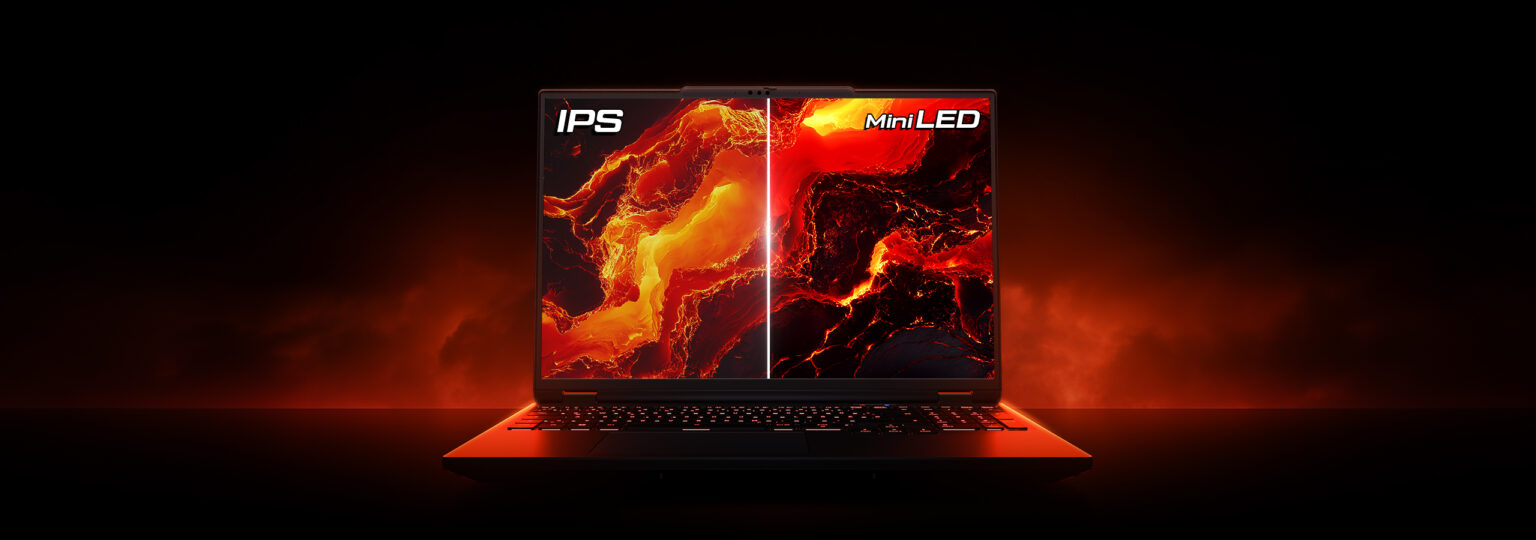
Dell Alienware M16 Gaming Laptop with RTX 4080
  • memory AMD Ryzen 9 7845HX
  • developer_board NVIDIA GeForce RTX 4080
  • layers Up to 64GB DDR5
  • track_changes Target GPU: NVIDIA GeForce GTX 1070 / GTX 1660 Ti / RTX 2070 or AMD Radeon RX 5600
XMG Apex 16 Max (RTX 5070 Ti & Ryzen 9)
  • memory AMD Ryzen 9 9955HX
  • developer_board NVIDIA GeForce RTX 5070 Ti Laptop GPU
  • layers 64GB DDR5-5600MHz (Dual-Channel)
  • track_changes Target GPU: NVIDIA GeForce GTX 1070 / GTX 1660 Ti / RTX 2070 or AMD Radeon RX 5600
check_circle_outline Recommended based on listed requirements for QHD (1440p).
Asus Rog Strix Scar 15 with RTX 3070 Ti and i9 12th Gen
  • memory Intel Core i9-12900H
  • developer_board NVIDIA GeForce RTX 3070 Ti
  • layers 16GB DDR5-4800MHz
  • track_changes Target GPU: NVIDIA GeForce RTX 3070 (8GB) or AMD Radeon RX 6800 (16GB). (Future-proof: RTX 4070 / RTX 5060 Ti)
ASUS TUF A15 with RTX 3050 and Ryzen 7
  • memory AMD Ryzen 7 7435HS
  • developer_board NVIDIA GeForce RTX 3050
  • layers 32GB DDR5-4800MHz
  • track_changes Target GPU: NVIDIA GeForce RTX 3070 (8GB) or AMD Radeon RX 6800 (16GB). (Future-proof: RTX 4070 / RTX 5060 Ti)

MSI Creator M16 HX with RTX 4070
  • memory Intel Core i9-14900HX
  • developer_board NVIDIA GeForce RTX 4070
  • layers 32GB DDR5-5600MHz
  • track_changes Target GPU: NVIDIA GeForce RTX 3070 (8GB) or AMD Radeon RX 6800 (16GB). (Future-proof: RTX 4070 / RTX 5060 Ti)
ASUS ROG Strix G16 with RTX 4070
  • memory Intel Core i9-14900HX
  • developer_board NVIDIA GeForce RTX 4070
  • layers 16GB DDR5-5600MHz
  • track_changes Target GPU: NVIDIA GeForce RTX 3070 (8GB) or AMD Radeon RX 6800 (16GB). (Future-proof: RTX 4070 / RTX 5060 Ti)
MSI Cyborg 15 (RTX 5050 & Intel 7)
  • memory Intel Core Ultra 7 255H
  • developer_board NVIDIA GeForce RTX 5060 Laptop GPU
  • layers 16GB DDR5-5600MHz (Dual-Channel)
  • track_changes Target GPU: NVIDIA GeForce RTX 3070 (8GB) or AMD Radeon RX 6800 (16GB). (Future-proof: RTX 4070 / RTX 5060 Ti)
HP Omen 16 (RTX 5060 & Ryzen 9 8940HX)
  • memory AMD Ryzen 9 8940HX Processor
  • developer_board NVIDIA GeForce RTX 5060 Laptop GPU
  • layers 32GB DDR5-5200MHz
  • track_changes Target GPU: NVIDIA GeForce RTX 3070 (8GB) or AMD Radeon RX 6800 (16GB). (Future-proof: RTX 4070 / RTX 5060 Ti)
ASUS ROG Strix Scar 17 Se with RTX 3080 Ti  and i9
ASUS ROG Strix Scar 17 Se with RTX 3080 Ti and i9
  • memory Intel Core i9-12950HX
  • developer_board NVIDIA GeForce RTX 3080 Ti
  • layers 32GB DDR5-4800MHz
  • track_changes Target GPU: NVIDIA GeForce RTX 3070 (8GB) or AMD Radeon RX 6800 (16GB). (Future-proof: RTX 4070 / RTX 5060 Ti)
HP Victus 15 (RTX 4050 & Ryzen 7)
  • memory AMD Ryzen 7 7445HS
  • developer_board NVIDIA GeForce RTX 4050
  • layers 16GB (2x8GB) DDR5 5600MHz SO-DIMM
  • track_changes Target GPU: NVIDIA GeForce RTX 3070 (8GB) or AMD Radeon RX 6800 (16GB). (Future-proof: RTX 4070 / RTX 5060 Ti)
ASUS TUF Gaming  A16 with RTX 4050
ASUS TUF Gaming A16 with RTX 4050
  • memory AMD Ryzen 7 7445HS
  • developer_board NVIDIA GeForce RTX 4050
  • layers 16GB DDR5 5600MHz SO-DIMM
  • track_changes Target GPU: NVIDIA GeForce RTX 3070 (8GB) or AMD Radeon RX 6800 (16GB). (Future-proof: RTX 4070 / RTX 5060 Ti)
HP OMEN 16 with RTX 4080 and intel i9 14th Gen
  • memory Intel Core i9-14900HX
  • developer_board NVIDIA GeForce RTX 4080 Laptop GPU
  • layers 64 GB DDR5-5600MHz
  • track_changes Target GPU: NVIDIA GeForce RTX 3070 (8GB) or AMD Radeon RX 6800 (16GB). (Future-proof: RTX 4070 / RTX 5060 Ti)
check_circle_outline Recommended based on listed requirements for UHD (4K).
MSI Creator M16 HX with RTX 4070
  • memory Intel Core i9-14900HX
  • developer_board NVIDIA GeForce RTX 4070
  • layers 32GB DDR5-5600MHz
  • track_changes Target GPU: NVIDIA GeForce RTX 4070 Ti SUPER (16GB) or AMD Radeon RX 7900 XT (20GB). (Future-proof: RTX 5080)
HP Omen 16 (RTX 5060 & Ryzen 9 8940HX)
  • memory AMD Ryzen 9 8940HX Processor
  • developer_board NVIDIA GeForce RTX 5060 Laptop GPU
  • layers 32GB DDR5-5200MHz
  • track_changes Target GPU: NVIDIA GeForce RTX 4070 Ti SUPER (16GB) or AMD Radeon RX 7900 XT (20GB). (Future-proof: RTX 5080)
HP OMEN 16 with RTX 4080 and intel i9 14th Gen
  • memory Intel Core i9-14900HX
  • developer_board NVIDIA GeForce RTX 4080 Laptop GPU
  • layers 64 GB DDR5-5600MHz
  • track_changes Target GPU: NVIDIA GeForce RTX 4070 Ti SUPER (16GB) or AMD Radeon RX 7900 XT (20GB). (Future-proof: RTX 5080)
GIGABYTE AORUS Elite 16 (RTX 5070 & Intel Core Ultra 9 275HX)
  • memory Intel Core Ultra 9 Processor 275HX (Series 2)
  • developer_board NVIDIA GeForce RTX 5070 Laptop GPU
  • layers 32GB DDR5-5600MHz
  • track_changes Target GPU: NVIDIA GeForce RTX 4070 Ti SUPER (16GB) or AMD Radeon RX 7900 XT (20GB). (Future-proof: RTX 5080)
MSI Katana 15 HX (RTX 5070 & Intel i7 14th Gen)
  • memory Intel Core i9-14900HX Processor
  • developer_board NVIDIA GeForce RTX 5070 Laptop GPU
  • layers 32GB DDR5-5600MHz
  • track_changes Target GPU: NVIDIA GeForce RTX 4070 Ti SUPER (16GB) or AMD Radeon RX 7900 XT (20GB). (Future-proof: RTX 5080)
Dell Alienware 16X Aurora (RTX 5070 & Intel Core Ultra 9 275HX)
  • memory Intel Core i9-14900HX Processor
  • developer_board NVIDIA GeForce RTX 5070 Laptop GPU
  • layers 32GB DDR5-5600MHz
  • track_changes Target GPU: NVIDIA GeForce RTX 4070 Ti SUPER (16GB) or AMD Radeon RX 7900 XT (20GB). (Future-proof: RTX 5080)
Lenovo Thinkpad T1G Gen 8 (RTX 5070 & Ultra 9)
  • memory Intel Core Ultra 9 285H (Arrow Lake-H)
  • developer_board NVIDIA GeForce RTX 5070 Laptop GPU
  • layers 64GB LPDDR5x-8533MT/s (LPCAMM2)
  • track_changes Target GPU: NVIDIA GeForce RTX 4070 Ti SUPER (16GB) or AMD Radeon RX 7900 XT (20GB). (Future-proof: RTX 5080)
Acer Predator Helios Neo 18 2024 With Rtx 4080
  • memory Intel Core i9-14900HX
  • developer_board NVIDIA GeForce RTX 4080
  • layers 64GB DDR5-5600MHz
  • track_changes Target GPU: NVIDIA GeForce RTX 4070 Ti SUPER (16GB) or AMD Radeon RX 7900 XT (20GB). (Future-proof: RTX 5080)
ASUS ROG Strix G18 with RTX 4080 and intel i9 14th Gen
  • memory Intel Core i9-14900HX
  • developer_board NVIDIA GeForce RTX 4080
  • layers 32GB DDR5-5600MHz
  • track_changes Target GPU: NVIDIA GeForce RTX 4070 Ti SUPER (16GB) or AMD Radeon RX 7900 XT (20GB). (Future-proof: RTX 5080)
MSI Vector 17 HX with RTX 4080 in 2025
  • memory Intel Core i9-14900HX
  • developer_board NVIDIA GeForce RTX 4080
  • layers 32GB DDR5-5600MHz
  • track_changes Target GPU: NVIDIA GeForce RTX 4070 Ti SUPER (16GB) or AMD Radeon RX 7900 XT (20GB). (Future-proof: RTX 5080)

For The Witcher IV Specifically

check_circle_outline Recommended based on listed requirements for Full HD (1080p).
MSI Pulse GL66 with RTX 3070 and i7 12th Gen
  • memory Intel Core i7-12700H
  • developer_board NVIDIA GeForce RTX 3070
  • layers 32GB DDR4-3200MHz
  • track_changes Target GPU: NVIDIA GeForce RTX 2080 SUPER (8GB) or AMD Radeon RX 6700 XT (12GB)
Acer Nitro V with RTX 4060 and i9 13th Gen
  • memory Intel Core i9-13900H
  • developer_board NVIDIA GeForce RTX 4060
  • layers 16GB DDR5-5200MHz
  • track_changes Target GPU: NVIDIA GeForce RTX 2080 SUPER (8GB) or AMD Radeon RX 6700 XT (12GB)
Lenovo Legion Pro 5i (i9-14900HX, RTX 4060)
  • memory Intel Core i9-14900HX
  • developer_board NVIDIA GeForce RTX 4060
  • layers 32GB DDR5-5600MHz
  • track_changes Target GPU: NVIDIA GeForce RTX 2080 SUPER (8GB) or AMD Radeon RX 6700 XT (12GB)
Asus Rog Strix Scar 15 with RTX 3070 Ti and i9 12th Gen
  • memory Intel Core i9-12900H
  • developer_board NVIDIA GeForce RTX 3070 Ti
  • layers 16GB DDR5-4800MHz
  • track_changes Target GPU: NVIDIA GeForce RTX 2080 SUPER (8GB) or AMD Radeon RX 6700 XT (12GB)
ASUS TUF A15 with RTX 3050 and Ryzen 7
  • memory AMD Ryzen 7 7435HS
  • developer_board NVIDIA GeForce RTX 3050
  • layers 32GB DDR5-4800MHz
  • track_changes Target GPU: NVIDIA GeForce RTX 2080 SUPER (8GB) or AMD Radeon RX 6700 XT (12GB)
ASUS ROG Strix G15 with RTX 3060 and Ryzen 7
  • memory AMD Ryzen 7 6800H
  • developer_board NVIDIA GeForce RTX 3060
  • layers 16GB DDR5-4800MHz
  • track_changes Target GPU: NVIDIA GeForce RTX 2080 SUPER (8GB) or AMD Radeon RX 6700 XT (12GB)
ASUS ROG Zephyrus G15 Ultra with RTX 3080 and Ryzen 9
  • memory AMD Ryzen 9 5900HS
  • developer_board NVIDIA GeForce RTX 3080
  • layers 16GB DDR4-3200MHz
  • track_changes Target GPU: NVIDIA GeForce RTX 2080 SUPER (8GB) or AMD Radeon RX 6700 XT (12GB)
MSI Katana 15 with RTX 4070
  • memory Intel Core i7-13620H
  • developer_board NVIDIA GeForce RTX 4070
  • layers 16GB DDR5-4800MHz
  • track_changes Target GPU: NVIDIA GeForce RTX 2080 SUPER (8GB) or AMD Radeon RX 6700 XT (12GB)
Alienware M18 with RTX 4070
  • memory Intel Core i7-14700HX
  • developer_board NVIDIA GeForce RTX 4070
  • layers 16GB DDR5-5600MHz
  • track_changes Target GPU: NVIDIA GeForce RTX 2080 SUPER (8GB) or AMD Radeon RX 6700 XT (12GB)
MSI Creator M16 HX with RTX 4070
  • memory Intel Core i9-14900HX
  • developer_board NVIDIA GeForce RTX 4070
  • layers 32GB DDR5-5600MHz
  • track_changes Target GPU: NVIDIA GeForce RTX 2080 SUPER (8GB) or AMD Radeon RX 6700 XT (12GB)

info_outline Laptop recommendations are estimates based on available component benchmarks and game requirements. Actual performance may vary depending on settings, drivers, cooling, power limits, etc. Prices and availability subject to change. As an Amazon Associate, we earn from qualifying purchases.

Processing...