Select Games to Compare
Benchmark your exact mobile GPU wattage (TGP), battery throttling drops, and cooling pad requirements for these games.
Dragon's Dogma 2: Dark Arisen vs Starfield
| close | close |
|---|---|
| shopping_cart Where to Buy | |
| info General Information | |
| Release Date | |
| Oct 9, 2026 | Sep 6, 2023 |
| Developer | |
| Capcom | Bethesda Game Studios |
| Publisher | |
| Capcom | Bethesda Softworks |
| Genre(s) | |
| Action-RPG | Action RPG, Open World, Sci-Fi, Space Exploration |
| Engine | |
| RE Engine | Creation Engine 2 |
| stars Ratings & Price | |
| Content Rating | |
| M (Mature) | Mature 17+ |
| Avg. User Rating | |
| 4.5 / 5.0 | 3.7 / 5.0 |
| Current Price (USD) | |
| $49.99 | $69.99 |
| tune Key Specs | |
| Quick Highlights | |
|
|
| sports_esports Gameplay & Mechanics | |
| Companions/Followers | |
|
|
| Key Collectibles | |
|
|
| Key Themes | |
|
|
| colorize Combat & Gear | |
| Weapons Overview | |
|
|
| Armor / Gear Sets | |
|
|
| Outfits/Customization | |
|
|
| trending_up Progression & Upgrades | |
| Skills & Progression | |
|
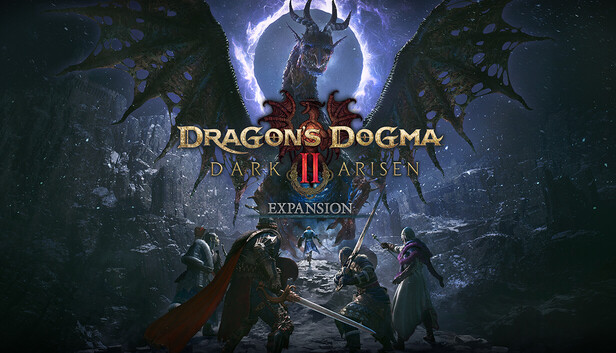
Title Update 3.2 introduced a paradigm shift in combat by expanding the active weapon skill slots from four to six, fundamentally altering the tactical flexibility of every vocation. Players no longer have to sacrifice utility for damage; Mages can carry multiple elemental boons alongside healing, while Warfarers can maintain their Rearmament skill while accessing five distinct offensive arts. The expansion further deepens this with the Relic Expedition Cycle. Slaying enemies in Norgan yields 'Unidentified Relics' that, when appraised by Jiera using Rift Crystals, can roll with 'Custom Skill EX' properties. These innate modifiers drastically alter vocation abilities, flashing dark-red in combat and encouraging an addictive, loot-driven grind as players seek mathematically superior gear to tackle the endgame. |
Player progression uses a skill system divided into five trees: Physical, Social, Combat, Science, and Tech. Each skill has multiple ranks that are unlocked by spending skill points (earned by leveling up) and then completing in-game challenges related to that skill. Research projects at workbenches unlock new crafting recipes for weapon mods, suit/pack/helmet mods, outpost components, and chems/food. Powers, akin to space magic, are unlocked by finding and interacting with alien temples. |
| public World & Exploration | |
| World & Level Design | |
|
The new region of Norgan is meticulously crafted, representing approximately one-quarter of the landmass of the base game's Vermund. However, this smaller footprint is deceptive, as the topography is incredibly dense, focusing heavily on vertical exploration, claustrophobic ice caverns, and bespoke dungeon instances. As players ascend the frozen peaks, the bright snowfields give way to darker, isolated environments fraught with undead horrors and sudden blizzards that disable the minimap. Furthermore, the expansion integrates 12 'Lost Rites' dungeons into Vermund and Battahl. These claustrophobic gauntlets challenge high-level players with glowing purple boss variants and legendary loot, ensuring that both the new Norgan region and the base game map provide dozens of hours of rich, highly replayable content. |
N/A |
| Playable Vehicles | |
|
|
| Notable Fauna/Mounts | |
|
|
| book Story & Characters | |
| Main Characters | |
|
|
| Example Missions | |
|
|
| people Multiplayer | |
| Multiplayer Details | |
|
Dragon's Dogma 2: Dark Arisen eschews traditional synchronous multiplayer in favor of its signature Pawn system, a highly advanced form of asynchronous cooperative play. Players create a main Pawn that exists simultaneously in their game and the global 'Rift'. Other Arisens can hire these Pawns, and the AI companions learn from these excursions—gaining quest knowledge, discovering weakness triggers for new enemies like the Fallen Dragon, and warning players of environmental hazards like destructible frozen lakes. TU 3.2 vastly improved Pawn AI, allowing them to catch falling players, prioritize ranged threats, and execute synergistic attacks. The Dragonsplague mechanic adds a layer of viral asynchronous risk and reward, creating a constantly evolving community ecosystem without the need for direct player-to-player matchmaking. |
Starfield is a single-player only experience. It does not feature any cooperative or competitive multiplayer modes. |
| extension Editions & DLC | |
| Available Editions | |
|
Capcom strategically restructured the commercial rollout of Dragon's Dogma 2 alongside the Dark Arisen expansion to foster community goodwill. The highly controversial Deluxe Edition, criticized for its perceived pay-for-convenience microtransactions (such as Rift Crystals and fast travel items), was permanently delisted from digital storefronts in June 2026. The base game received a permanent price reduction to $39.99 on PC. The standalone Dark Arisen expansion is priced at $29.99 across all platforms, while a comprehensive Full Bundle—including the base game, expansion, and nostalgic audio tracks—is available for $49.99. Physical retail copies, especially in regions like India, offer the 'Norgan Fashion Set - Northern Attire' as a pre-order bonus, ensuring accessible entry points for both new players and returning veterans. |
Available in Standard Edition, Premium Edition (included 'Shattered Space' story expansion upon release, Constellation Skin Pack, digital artbook & soundtrack, and 5 days early access), and the Constellation Edition (physical collector's edition with a SteelBook display case, Constellation patch, Chronomark watch & case, credit stick with game code, and all Premium Edition digital content). |
| Post-Launch Content / DLC | |
|
The roadmap leading to Dark Arisen was defined by sweeping quality-of-life improvements. Title Update 3.1 eradicated major friction points by introducing the Eternal Ferrystone for infinite fast travel. Title Update 3.2 modernized the save system, expanding to three slots per account and reforming the much-feared Dragonsplague into a high-risk, high-reward tactical buff where infected Pawns gain massive DPS boosts. The DLC itself introduces the Relic Expedition Cycle, a continuous extraction-style gameplay loop. Cosmetic add-ons remain available for $2.99, but all substantial mechanical features, including the 12 Lost Rites dungeons, the entirely new Norgan region, the six-slot skill expansion, and total AI rewrites, are bundled into the comprehensive Dark Arisen expansion, marking a massive evolution for the title. |
The first major story expansion, 'Shattered Space,' is confirmed and included in the Premium/Constellation Editions, expected in Fall 2024. Bethesda has also stated plans for ongoing support with new content, features, and official mod support (Creations). |
| help_outline FAQ | |
| Frequently Asked Questions | |
|
|
| build Technical Details | |
| Graphics & Visual Fidelity | |
|
Powered by the heavily optimized RE Engine, Dark Arisen pushes technical boundaries across all hardware. On PC, the integration of DLSS 4.5 Ray Reconstruction and DLSS 5 Neural Rendering vastly improves VRAM efficiency and Ray-Traced Global Illumination. The PlayStation 5 Pro patch leverages PSSR to upscale native 1440p or 1080p images to 4K, allowing for up to 105fps in Performance Mode on VRR displays, though some temporal instability and shimmering exist on intricate armor meshes. The dynamic weather system is visually staggering; blizzards accumulate snow dynamically, and destructible ice environments react realistically to heavy attacks. Remarkably, the Nintendo Switch 2 version maintains feature parity, utilizing DLSS Super Resolution to output a stable, visually rich 30fps handheld experience without compromising enemy density. |
Developed on Creation Engine 2, Starfield showcases Bethesda's 'NASA-Punk' art style, blending realistic near-future technology with rugged, functional designs. It features detailed planetary surfaces, diverse biomes, impressive lighting (especially in space and during sunrises/sets on planets), and detailed character/ship models. The scale of the universe and seamless transitions from space to planet (with a loading screen) are key visual aspects. |
| Audio & Soundtrack | |
|
Audio design in Dark Arisen is a masterclass in atmospheric tension and mechanical feedback. As players ascend Norgan, the sweeping orchestral scores of Vermund are replaced by desolate, haunting ambient tracks that invoke survival horror. Music dynamically shifts during blizzards, where visibility is zero and players must rely entirely on directional audio and Pawn voice lines to detect approaching Aethon harpies or Norgan Giants. The expansion also features returning nostalgic audio tracks from the original 2013 Dark Arisen. Combat sound effects have been tightened; the new hitstop adjustments on heavy Warrior swings sound incredibly visceral, and the ominous, pulsating audio cue of a Pawn entering the critical stages of the reworked Dragonsplague provides crucial auditory feedback for tactical management. |
Original score composed by Inon Zur, featuring sweeping orchestral themes that evoke a sense of wonder, exploration, and epic adventure. Music is dynamic and adapts to gameplay situations. Sound design focuses on realistic weapon effects, spaceship sounds (engines, grav jumps, combat), and diverse alien creature vocalizations and environmental ambiances. |
| User Interface (UI/UX) | |
|
The user interface in Dark Arisen has received crucial modernizations, directly addressing massive community feedback. The most significant overhaul arrived with the expanded save system, which now clearly displays the exact date and time of the last save across three distinct character slots, providing a vital safety net against irreversible progress loss. In combat, the UI seamlessly accommodates the new six-slot skill system without cluttering the screen. Environmentally, the UI interacts dynamically with the world; during Norgan's intense blizzards, the minimap is completely disabled, forcing players to rely on their HUD-less surroundings, landmarks, and auditory cues from their Pawns. Additionally, menus for appraising Relics at Jiera's shop are streamlined, quickly showing stat variances and Custom Skill EX modifiers. |
Features a clean, sci-fi 'NASA-Punk' aesthetic HUD displaying health, oxygen, ammo, and a compass. Menus for inventory (grid-based), skills, ship management, starmap, and missions are navigated through a wrist-mounted device interface. Scanning mode highlights resources, flora, fauna, and points of interest. |
| Accessibility Options | |
|
Kento Kinoshita’s direction fundamentally reorganized the game's accessibility, dismantling the intentional friction that alienated some players. The inclusion of the Eternal Ferrystone grants infinite fast travel, completely eliminating the exhausting backtracking of the base game. The expansion from one to three save slots ensures that catastrophic mistakes do not erase hundreds of hours of gameplay. Mechanically, the introduction of the 'Dragonsbaulk Draught' allows players to instantly cure the Dragonsplague, turning a punishing town-wiping mechanic into a manageable feature. Additionally, the 'Guardian' Pawn specialization automates camp defense and oxcart protection, and the widening of parry windows and reduction in hitstop animations make the complex, physics-driven combat significantly more approachable for players who struggle with punishing timing restrictions. |
Includes options for subtitle customization (size, background, speaker names), control remapping (PC), adjustable text size, aim assist toggle, options to change hold-to-activate to a toggle, large menu fonts, and various gameplay settings to tweak difficulty and visual effects like motion blur and film grain. |
| video_library Media Links | |
| Gameplay Video | |
| launchWatch | launchWatch |
| Walkthrough/Guide | |
| launchView | launchView |
| settings_applications System Requirements | |
| 1080p (Full HD) - Recommended (1080p ~60 FPS, High Preset, likely with FSR/DLSS Quality) (High Preset (FSR/DLSS Quality often needed for 60 FPS)) CPU: Recommended desktop CPU for 1080p at 60 FPS. CPU (Laptop): Estimated mid-range to high-end laptop CPUs due to CPU intensity. GPU: Recommended desktop GPU for 1080p at 60 FPS on High, often with upscaling. GPU (Laptop): Estimated performance-focused laptop GPUs. 8GB VRAM is crucial. RAM: 16GB RAM strongly recommended. Storage: NVMe SSD strongly recommended. | |
| — | memoryCPU: AMD Ryzen 5 3600X or Intel Core i5-10600K developer_boardGPU: AMD Radeon RX 6800 XT (16GB) or NVIDIA GeForce RTX 2080 (8GB) / RTX 3060 Ti (8GB) laptop_macCPU (L): AMD Ryzen 7 5800H / Intel Core i7-11800H equivalent or better. **Modern Ryzen 7/9 HS/HX series or Intel Core i7/i9 H/HX series are ideal.** laptop_windowsGPU (L): NVIDIA GeForce RTX 3070 Mobile (8GB, High TGP) / RTX 4060 Mobile (8GB, High TGP) or AMD Radeon RX 6700M/6800S. **An RTX 3070 Ti Mobile or RTX 4070 Mobile would offer a more consistent 60 FPS+ at 1080p High.** layersRAM: 16 GB saveStorage (Tier): 125 GB NVMe SSD |
| 1080p (Full HD) - Minimum (30 FPS) (Low / Medium Custom) CPU: Baseline required to handle basic enemy AI and open-world physics calculations. CPU (Laptop): High core count mobile CPUs needed to match desktop processing floor. GPU: Provides enough VRAM for low-resolution textures and baseline lighting. GPU (Laptop): Modern mobile architectures necessary to output equivalent rasterization. RAM: Mandatory minimum for background asset caching and OS operations. Storage: SATA SSD acceptable, but NVMe preferred for traversal. | |
memoryCPU: Intel Core i5-10600 / AMD Ryzen 5 3600 developer_boardGPU: NVIDIA GTX 1070 / AMD RX 5500 XT (8GB VRAM) laptop_macCPU (L): Intel Core i7-10750H / AMD Ryzen 7 4800H laptop_windowsGPU (L): NVIDIA RTX 3050 Ti (95W) / AMD RX 6600M layersRAM: 16 GB saveStorage (Tier): 60 GB SSD | — |
| 1080p (Full HD) - Minimum (1080p ~30 FPS, Low Preset) (Low Preset) CPU: Minimum desktop CPU for 1080p at lower settings. CPU (Laptop): Estimated laptop CPU equivalent. Game is very CPU heavy. GPU: Minimum desktop GPU for 1080p at lower settings. GPU (Laptop): Estimated laptop GPUs. 6GB+ VRAM highly recommended even at 1080p. RAM: Minimum RAM requirement. Storage: SSD is mandatory. | |
| — | memoryCPU: AMD Ryzen 5 2600X or Intel Core i7-6800K developer_boardGPU: AMD Radeon RX 5700 (8GB) or NVIDIA GeForce GTX 1070 Ti (8GB) laptop_macCPU (L): AMD Ryzen 5 4600H / Intel Core i5-10500H equivalent or better. **A Ryzen 5 5600H / i5-11400H would be a more realistic minimum due to CPU demands.** laptop_windowsGPU (L): NVIDIA GeForce RTX 2060 Mobile (6GB) / RTX 3050 Ti Mobile (4GB, High TGP) or AMD Radeon RX 6600M. **An RTX 3060 Mobile or RTX 4050 Mobile (High TGP) is strongly advised for a more stable 1080p Low/Medium experience.** layersRAM: 16 GB saveStorage (Tier): 125 GB SSD |
| 1440p (QHD/2K) - Recommended (60 FPS) (High) CPU: Required for smooth framerates in dense urban hubs like Vernworth. CPU (Laptop): Top-tier mobile processors required to prevent severe CPU bottlenecking. GPU: Handles the increased pixel count and advanced volumetric lighting. GPU (Laptop): High-wattage variants required for 1440p upscaling via DLSS/FSR. RAM: Adequate for high settings without memory paging issues. Storage: Required for high-resolution texture streaming. | |
memoryCPU: Intel Core i7-10700 / AMD Ryzen 5 3600X developer_boardGPU: NVIDIA RTX 3070 / AMD RX 6700 XT laptop_macCPU (L): Intel Core i7-12700H / AMD Ryzen 9 6900HX laptop_windowsGPU (L): NVIDIA RTX 3080 (130W) / RTX 4070 Laptop layersRAM: 16 GB saveStorage (Tier): 60 GB NVMe SSD | — |
| 1440p (QHD/2K) - High (1440p ~60 FPS, High/Ultra Preset with FSR/DLSS Quality/Balanced) (High/Ultra Preset (FSR/DLSS Quality or Balanced recommended)) CPU: Desktop CPU for 1440p at 60 FPS. CPU (Laptop): Estimated high-end laptop CPUs. GPU: Desktop GPU for 1440p at 60 FPS, upscaling is key. GPU (Laptop): Estimated high-performance laptop GPUs. 10GB+ VRAM strongly recommended, 8GB is absolute minimum with aggressive upscaling. RAM: 16GB RAM required, 32GB strongly recommended for smoother 1440p. Storage: NVMe SSD strongly recommended. | |
| — | memoryCPU: AMD Ryzen 7 5800X or Intel Core i7-12700K developer_boardGPU: AMD Radeon RX 6800 XT (16GB) / RX 7800 XT (16GB) or NVIDIA GeForce RTX 3080 (10GB) / RTX 4070 (12GB) laptop_macCPU (L): AMD Ryzen 7 6800HS/HX / Intel Core i7-12700H or better. **Modern Ryzen 9 HS/HX series or Intel Core i9 H/HX series are optimal.** laptop_windowsGPU (L): NVIDIA GeForce RTX 3080 Mobile (10GB/16GB, High TGP) / RTX 4070 Mobile (8GB, High TGP) or AMD Radeon RX 6800M/6850M XT. **An RTX 3080 Ti Mobile or RTX 4080 Mobile (12GB+) would provide a much smoother 1440p High/Ultra experience.** layersRAM: 16 GB saveStorage (Tier): 125 GB NVMe SSD |
| 2160p (UHD/4K) - Ultra / RT ON (30+ FPS) (Maximum with Ray Tracing) CPU: Overcoming the RE engine CPU limit requires brute force, especially 3D V-Cache. CPU (Laptop): Absolute top-end desktop-replacement CPUs required for 4K calculations. GPU: Massive VRAM and RT cores needed for global illumination and 4K output. GPU (Laptop): Only the highest-end mobile silicon can sustain 4K with Ray Tracing in this engine. RAM: Ensures zero micro-stuttering during intense magical combat and blizzards. Storage: Provides maximum throughput for seamless open-world streaming. | |
memoryCPU: Intel Core i9-13900K / AMD Ryzen 7 7800X3D developer_boardGPU: NVIDIA RTX 2080 Ti / AMD RX 6800 (RTX 4080 recommended for 60fps) laptop_macCPU (L): Intel Core i9-13980HX laptop_windowsGPU (L): NVIDIA RTX 4090 Laptop (175W) layersRAM: 32 GB saveStorage (Tier): 60 GB Gen 4 NVMe SSD | — |
| 2160p (UHD/4K) - Ultra (2160p/4K ~30-60 FPS, Medium/High Preset with FSR/DLSS Performance/Balanced) (Medium/High Preset, FSR/DLSS Performance/Balanced (Native 4K Ultra 60FPS is exceptionally demanding)) CPU: Desktop CPU recommendation for 4K. CPU (Laptop): Top-tier laptop CPUs essential. GPU: Desktop GPU recommendation for a playable 4K experience, heavily reliant on upscaling. GPU (Laptop): Flagship laptop GPUs essential. 12GB+ VRAM absolutely critical, 16GB ideal. RAM: 32GB RAM very strongly recommended for 4K. Storage: NVMe SSD required. | |
| — | memoryCPU: AMD Ryzen 7 7800X3D or Intel Core i9-12900K/13700K developer_boardGPU: AMD Radeon RX 7900 XT (20GB) or NVIDIA GeForce RTX 4070 Ti SUPER (16GB) / RTX 4080 (16GB) laptop_macCPU (L): AMD Ryzen 9 7940HS/HX / Intel Core i9-13900HX or better. **Flagship Intel Core i9 HX / AMD Ryzen 9 HX series (e.g., 14900HX, 7945HX3D) required.** laptop_windowsGPU (L): NVIDIA GeForce RTX 4080 Mobile (12GB, Max TGP) / RTX 4090 Mobile (16GB, Max TGP). **Even the RTX 4090 Mobile will rely heavily on DLSS (Performance/Ultra Performance) for 4K High settings at ~60FPS. A hypothetical next-gen flagship (e.g., RTX 5080/5090 Mobile or AMD equivalent) would be targeted for a more comfortable native 4K experience or higher framerates with advanced features. (Highly Speculative)** layersRAM: 16 GB saveStorage (Tier): 125 GB NVMe SSD |
| save Overall Storage | |
| Spec: 60+ GB NVMe SSD Note: Crucial for asset streaming, minimizing pop-in, and fast loading between regions and Lost Rites dungeons. Type: NVMe | Spec: 125 GB available space (SSD Required). Note: An NVMe SSD is strongly recommended for the best experience due to asset streaming and load times. Type: SSD |
| desktop_windows Operating System | |
| Spec: Windows 10 (64-bit) / Windows 11 Explanation: Required for DirectX 12 Ultimate compatibility and advanced memory management. | Spec: Windows 10 version 21H1 (10.0.19043) or Windows 11 Explanation: 64-bit Windows 10 (specified version or newer) or Windows 11 required. |
| gamepad DirectX Version | |
| Spec: DirectX 12 Explanation: Essential for RE Engine's advanced rendering features and Ray-Traced Global Illumination. | Spec: DirectX 12 Explanation: DirectX 12 API is required. |
| info_outline Other Game Notes | |
|
|
| build Optimization Details | |
|
|
| laptop Laptop Considerations | |
|
|

info_outline Feature details based on available data. System requirements and performance estimates may vary.
laptop_chromebook Laptop Recommendations
Common Recommendations (Handles All Compared Games)

- memory Intel Core Ultra 7 255H
- developer_board NVIDIA GeForce RTX 5060 Laptop GPU
- layers 16GB DDR5-5600MHz (Dual-Channel)
- track_changes Target GPU: NVIDIA RTX 3050 Ti (95W) / AMD RX 6600M

- memory AMD Ryzen 9 8940HX Processor
- developer_board NVIDIA GeForce RTX 5060 Laptop GPU
- layers 32GB DDR5-5200MHz
- track_changes Target GPU: NVIDIA RTX 3050 Ti (95W) / AMD RX 6600M

- memory Intel Core i9-12950HX
- developer_board NVIDIA GeForce RTX 3080 Ti
- layers 32GB DDR5-4800MHz
- track_changes Target GPU: NVIDIA RTX 3050 Ti (95W) / AMD RX 6600M

- memory Intel Core i7-12700H
- developer_board NVIDIA GeForce RTX 3070
- layers 32GB DDR4-3200MHz
- track_changes Target GPU: NVIDIA GeForce RTX 2060 Mobile (6GB) / RTX 3050 Ti Mobile (4GB, High TGP) or AMD Radeon RX 6600M. **An RTX 3060 Mobile or RTX 4050 Mobile (High TGP) is strongly advised for a more stable 1080p Low/Medium experience.**

- memory Intel Core i9-13900H
- developer_board NVIDIA GeForce RTX 4060
- layers 16GB DDR5-5200MHz
- track_changes Target GPU: NVIDIA GeForce RTX 2060 Mobile (6GB) / RTX 3050 Ti Mobile (4GB, High TGP) or AMD Radeon RX 6600M. **An RTX 3060 Mobile or RTX 4050 Mobile (High TGP) is strongly advised for a more stable 1080p Low/Medium experience.**

- memory Intel Core i9-14900HX
- developer_board NVIDIA GeForce RTX 4060
- layers 32GB DDR5-5600MHz
- track_changes Target GPU: NVIDIA GeForce RTX 2060 Mobile (6GB) / RTX 3050 Ti Mobile (4GB, High TGP) or AMD Radeon RX 6600M. **An RTX 3060 Mobile or RTX 4050 Mobile (High TGP) is strongly advised for a more stable 1080p Low/Medium experience.**

- memory Intel Core i9-14900HX
- developer_board NVIDIA GeForce RTX 4080 Laptop GPU
- layers 64 GB DDR5-5600MHz
- track_changes Target GPU: NVIDIA RTX 3080 (130W) / RTX 4070 Laptop

- memory Intel Core Ultra 9 Processor 275HX (Series 2)
- developer_board NVIDIA GeForce RTX 5070 Laptop GPU
- layers 32GB DDR5-5600MHz
- track_changes Target GPU: NVIDIA RTX 3080 (130W) / RTX 4070 Laptop

- memory Intel Core i9-14900HX Processor
- developer_board NVIDIA GeForce RTX 5070 Laptop GPU
- layers 32GB DDR5-5600MHz
- track_changes Target GPU: NVIDIA RTX 3080 (130W) / RTX 4070 Laptop

- memory AMD Ryzen 7 7435HS
- developer_board NVIDIA GeForce RTX 3050
- layers 32GB DDR5-4800MHz
- track_changes Target GPU: NVIDIA GeForce RTX 3080 Mobile (10GB/16GB, High TGP) / RTX 4070 Mobile (8GB, High TGP) or AMD Radeon RX 6800M/6850M XT. **An RTX 3080 Ti Mobile or RTX 4080 Mobile (12GB+) would provide a much smoother 1440p High/Ultra experience.**

- memory AMD Ryzen 7 6800H
- developer_board NVIDIA GeForce RTX 3060
- layers 16GB DDR5-4800MHz
- track_changes Target GPU: NVIDIA GeForce RTX 3080 Mobile (10GB/16GB, High TGP) / RTX 4070 Mobile (8GB, High TGP) or AMD Radeon RX 6800M/6850M XT. **An RTX 3080 Ti Mobile or RTX 4080 Mobile (12GB+) would provide a much smoother 1440p High/Ultra experience.**

- memory Intel Core i9-14900HX
- developer_board NVIDIA GeForce RTX 4070
- layers 32GB DDR5-5600MHz
- track_changes Target GPU: NVIDIA GeForce RTX 3080 Mobile (10GB/16GB, High TGP) / RTX 4070 Mobile (8GB, High TGP) or AMD Radeon RX 6800M/6850M XT. **An RTX 3080 Ti Mobile or RTX 4080 Mobile (12GB+) would provide a much smoother 1440p High/Ultra experience.**
- memory Intel Core i9-14900HX
- developer_board NVIDIA GeForce RTX 4080 Laptop GPU
- layers 64 GB DDR5-5600MHz
- track_changes Target GPU: NVIDIA GeForce RTX 4080 Mobile (12GB, Max TGP) / RTX 4090 Mobile (16GB, Max TGP). **Even the RTX 4090 Mobile will rely heavily on DLSS (Performance/Ultra Performance) for 4K High settings at ~60FPS. A hypothetical next-gen flagship (e.g., RTX 5080/5090 Mobile or AMD equivalent) would be targeted for a more comfortable native 4K experience or higher framerates with advanced features. (Highly Speculative)**
- memory Intel Core Ultra 9 Processor 275HX (Series 2)
- developer_board NVIDIA GeForce RTX 5070 Laptop GPU
- layers 32GB DDR5-5600MHz
- track_changes Target GPU: NVIDIA GeForce RTX 4080 Mobile (12GB, Max TGP) / RTX 4090 Mobile (16GB, Max TGP). **Even the RTX 4090 Mobile will rely heavily on DLSS (Performance/Ultra Performance) for 4K High settings at ~60FPS. A hypothetical next-gen flagship (e.g., RTX 5080/5090 Mobile or AMD equivalent) would be targeted for a more comfortable native 4K experience or higher framerates with advanced features. (Highly Speculative)**
- memory Intel Core i9-14900HX Processor
- developer_board NVIDIA GeForce RTX 5070 Laptop GPU
- layers 32GB DDR5-5600MHz
- track_changes Target GPU: NVIDIA GeForce RTX 4080 Mobile (12GB, Max TGP) / RTX 4090 Mobile (16GB, Max TGP). **Even the RTX 4090 Mobile will rely heavily on DLSS (Performance/Ultra Performance) for 4K High settings at ~60FPS. A hypothetical next-gen flagship (e.g., RTX 5080/5090 Mobile or AMD equivalent) would be targeted for a more comfortable native 4K experience or higher framerates with advanced features. (Highly Speculative)**
For Dragon's Dogma 2: Dark Arisen Specifically
- memory Intel Core Ultra 7 255H
- developer_board NVIDIA GeForce RTX 5060 Laptop GPU
- layers 16GB DDR5-5600MHz (Dual-Channel)
- track_changes Target GPU: NVIDIA GTX 1070 / AMD RX 5500 XT (8GB VRAM)
- memory AMD Ryzen 9 8940HX Processor
- developer_board NVIDIA GeForce RTX 5060 Laptop GPU
- layers 32GB DDR5-5200MHz
- track_changes Target GPU: NVIDIA GTX 1070 / AMD RX 5500 XT (8GB VRAM)
- memory Intel Core i9-12950HX
- developer_board NVIDIA GeForce RTX 3080 Ti
- layers 32GB DDR5-4800MHz
- track_changes Target GPU: NVIDIA GTX 1070 / AMD RX 5500 XT (8GB VRAM)

- memory AMD Ryzen 7 7445HS
- developer_board NVIDIA GeForce RTX 4050
- layers 16GB (2x8GB) DDR5 5600MHz SO-DIMM
- track_changes Target GPU: NVIDIA GTX 1070 / AMD RX 5500 XT (8GB VRAM)

- memory AMD Ryzen 7 7445HS
- developer_board NVIDIA GeForce RTX 4050
- layers 16GB DDR5 5600MHz SO-DIMM
- track_changes Target GPU: NVIDIA GTX 1070 / AMD RX 5500 XT (8GB VRAM)
- memory Intel Core i9-14900HX
- developer_board NVIDIA GeForce RTX 4080 Laptop GPU
- layers 64 GB DDR5-5600MHz
- track_changes Target GPU: NVIDIA GTX 1070 / AMD RX 5500 XT (8GB VRAM)

- memory Intel Core i7-13620H
- developer_board NVIDIA GeForce RTX 5070 Laptop GPU
- layers 64GB (2x32GB) DDR5 4800MHz SO-DIMM
- track_changes Target GPU: NVIDIA GTX 1070 / AMD RX 5500 XT (8GB VRAM)

- memory AMD Ryzen 7 6800HS
- developer_board NVIDIA GeForce RTX 5070 Laptop GPU
- layers 16GB (2x8GB) DDR4 4800MHz SO-DIMM
- track_changes Target GPU: NVIDIA GTX 1070 / AMD RX 5500 XT (8GB VRAM)
- memory Intel Core Ultra 9 Processor 275HX (Series 2)
- developer_board NVIDIA GeForce RTX 5070 Laptop GPU
- layers 32GB DDR5-5600MHz
- track_changes Target GPU: NVIDIA GTX 1070 / AMD RX 5500 XT (8GB VRAM)
- memory Intel Core i9-14900HX Processor
- developer_board NVIDIA GeForce RTX 5070 Laptop GPU
- layers 32GB DDR5-5600MHz
- track_changes Target GPU: NVIDIA GTX 1070 / AMD RX 5500 XT (8GB VRAM)
- memory Intel Core i9-14900HX
- developer_board NVIDIA GeForce RTX 4080 Laptop GPU
- layers 64 GB DDR5-5600MHz
- track_changes Target GPU: NVIDIA RTX 3070 / AMD RX 6700 XT
- memory Intel Core Ultra 9 Processor 275HX (Series 2)
- developer_board NVIDIA GeForce RTX 5070 Laptop GPU
- layers 32GB DDR5-5600MHz
- track_changes Target GPU: NVIDIA RTX 3070 / AMD RX 6700 XT
- memory Intel Core i9-14900HX Processor
- developer_board NVIDIA GeForce RTX 5070 Laptop GPU
- layers 32GB DDR5-5600MHz
- track_changes Target GPU: NVIDIA RTX 3070 / AMD RX 6700 XT

- memory Intel Core i9-14900HX Processor
- developer_board NVIDIA GeForce RTX 5070 Laptop GPU
- layers 32GB DDR5-5600MHz
- track_changes Target GPU: NVIDIA RTX 3070 / AMD RX 6700 XT

- memory Intel Core Ultra 9 Processor 285H
- developer_board NVIDIA GeForce RTX 5070 Laptop GPU
- layers 16GB DDR5-5600MHz
- track_changes Target GPU: NVIDIA RTX 3070 / AMD RX 6700 XT

- memory Intel Core Ultra 9 285H (Arrow Lake-H)
- developer_board NVIDIA GeForce RTX 5070 Laptop GPU
- layers 64GB LPDDR5x-8533MT/s (LPCAMM2)
- track_changes Target GPU: NVIDIA RTX 3070 / AMD RX 6700 XT

- memory Intel Core i9-14900HX
- developer_board NVIDIA GeForce RTX 4080
- layers 64GB DDR5-5600MHz
- track_changes Target GPU: NVIDIA RTX 3070 / AMD RX 6700 XT

- memory Intel Core i9-14900HX
- developer_board NVIDIA GeForce RTX 4080
- layers 32GB DDR5-5600MHz
- track_changes Target GPU: NVIDIA RTX 3070 / AMD RX 6700 XT

- memory Intel Core i9-14900HX
- developer_board NVIDIA GeForce RTX 4080
- layers 32GB DDR5-5600MHz
- track_changes Target GPU: NVIDIA RTX 3070 / AMD RX 6700 XT

- memory Intel Core i9-14900HX
- developer_board NVIDIA GeForce RTX 4080
- layers 32GB DDR5-5600MHz
- track_changes Target GPU: NVIDIA RTX 3070 / AMD RX 6700 XT
For Starfield Specifically
- memory Intel Core i7-12700H
- developer_board NVIDIA GeForce RTX 3070
- layers 32GB DDR4-3200MHz
- track_changes Target GPU: AMD Radeon RX 5700 (8GB) or NVIDIA GeForce GTX 1070 Ti (8GB)
- memory Intel Core i9-13900H
- developer_board NVIDIA GeForce RTX 4060
- layers 16GB DDR5-5200MHz
- track_changes Target GPU: AMD Radeon RX 5700 (8GB) or NVIDIA GeForce GTX 1070 Ti (8GB)
- memory Intel Core i9-14900HX
- developer_board NVIDIA GeForce RTX 4060
- layers 32GB DDR5-5600MHz
- track_changes Target GPU: AMD Radeon RX 5700 (8GB) or NVIDIA GeForce GTX 1070 Ti (8GB)

- memory Intel Core i9-12900H
- developer_board NVIDIA GeForce RTX 3070 Ti
- layers 16GB DDR5-4800MHz
- track_changes Target GPU: AMD Radeon RX 5700 (8GB) or NVIDIA GeForce GTX 1070 Ti (8GB)
- memory AMD Ryzen 7 7435HS
- developer_board NVIDIA GeForce RTX 3050
- layers 32GB DDR5-4800MHz
- track_changes Target GPU: AMD Radeon RX 5700 (8GB) or NVIDIA GeForce GTX 1070 Ti (8GB)
- memory AMD Ryzen 7 6800H
- developer_board NVIDIA GeForce RTX 3060
- layers 16GB DDR5-4800MHz
- track_changes Target GPU: AMD Radeon RX 5700 (8GB) or NVIDIA GeForce GTX 1070 Ti (8GB)

- memory AMD Ryzen 9 5900HS
- developer_board NVIDIA GeForce RTX 3080
- layers 16GB DDR4-3200MHz
- track_changes Target GPU: AMD Radeon RX 5700 (8GB) or NVIDIA GeForce GTX 1070 Ti (8GB)

- memory Intel Core i7-13620H
- developer_board NVIDIA GeForce RTX 4070
- layers 16GB DDR5-4800MHz
- track_changes Target GPU: AMD Radeon RX 5700 (8GB) or NVIDIA GeForce GTX 1070 Ti (8GB)

- memory Intel Core i7-14700HX
- developer_board NVIDIA GeForce RTX 4070
- layers 16GB DDR5-5600MHz
- track_changes Target GPU: AMD Radeon RX 5700 (8GB) or NVIDIA GeForce GTX 1070 Ti (8GB)
- memory Intel Core i9-14900HX
- developer_board NVIDIA GeForce RTX 4070
- layers 32GB DDR5-5600MHz
- track_changes Target GPU: AMD Radeon RX 5700 (8GB) or NVIDIA GeForce GTX 1070 Ti (8GB)
- memory AMD Ryzen 7 7435HS
- developer_board NVIDIA GeForce RTX 3050
- layers 32GB DDR5-4800MHz
- track_changes Target GPU: AMD Radeon RX 6800 XT (16GB) / RX 7800 XT (16GB) or NVIDIA GeForce RTX 3080 (10GB) / RTX 4070 (12GB)
- memory AMD Ryzen 7 6800H
- developer_board NVIDIA GeForce RTX 3060
- layers 16GB DDR5-4800MHz
- track_changes Target GPU: AMD Radeon RX 6800 XT (16GB) / RX 7800 XT (16GB) or NVIDIA GeForce RTX 3080 (10GB) / RTX 4070 (12GB)
- memory Intel Core i9-14900HX
- developer_board NVIDIA GeForce RTX 4070
- layers 32GB DDR5-5600MHz
- track_changes Target GPU: AMD Radeon RX 6800 XT (16GB) / RX 7800 XT (16GB) or NVIDIA GeForce RTX 3080 (10GB) / RTX 4070 (12GB)

- memory Intel Core i9-14900HX
- developer_board NVIDIA GeForce RTX 4070
- layers 16GB DDR5-5600MHz
- track_changes Target GPU: AMD Radeon RX 6800 XT (16GB) / RX 7800 XT (16GB) or NVIDIA GeForce RTX 3080 (10GB) / RTX 4070 (12GB)
- memory Intel Core Ultra 7 255H
- developer_board NVIDIA GeForce RTX 5060 Laptop GPU
- layers 16GB DDR5-5600MHz (Dual-Channel)
- track_changes Target GPU: AMD Radeon RX 6800 XT (16GB) / RX 7800 XT (16GB) or NVIDIA GeForce RTX 3080 (10GB) / RTX 4070 (12GB)
- memory AMD Ryzen 9 8940HX Processor
- developer_board NVIDIA GeForce RTX 5060 Laptop GPU
- layers 32GB DDR5-5200MHz
- track_changes Target GPU: AMD Radeon RX 6800 XT (16GB) / RX 7800 XT (16GB) or NVIDIA GeForce RTX 3080 (10GB) / RTX 4070 (12GB)
- memory Intel Core i9-12950HX
- developer_board NVIDIA GeForce RTX 3080 Ti
- layers 32GB DDR5-4800MHz
- track_changes Target GPU: AMD Radeon RX 6800 XT (16GB) / RX 7800 XT (16GB) or NVIDIA GeForce RTX 3080 (10GB) / RTX 4070 (12GB)
- memory AMD Ryzen 7 7445HS
- developer_board NVIDIA GeForce RTX 4050
- layers 16GB (2x8GB) DDR5 5600MHz SO-DIMM
- track_changes Target GPU: AMD Radeon RX 6800 XT (16GB) / RX 7800 XT (16GB) or NVIDIA GeForce RTX 3080 (10GB) / RTX 4070 (12GB)
- memory AMD Ryzen 7 7445HS
- developer_board NVIDIA GeForce RTX 4050
- layers 16GB DDR5 5600MHz SO-DIMM
- track_changes Target GPU: AMD Radeon RX 6800 XT (16GB) / RX 7800 XT (16GB) or NVIDIA GeForce RTX 3080 (10GB) / RTX 4070 (12GB)
- memory Intel Core i9-14900HX
- developer_board NVIDIA GeForce RTX 4080 Laptop GPU
- layers 64 GB DDR5-5600MHz
- track_changes Target GPU: AMD Radeon RX 6800 XT (16GB) / RX 7800 XT (16GB) or NVIDIA GeForce RTX 3080 (10GB) / RTX 4070 (12GB)
- memory Intel Core i9-14900HX
- developer_board NVIDIA GeForce RTX 4080 Laptop GPU
- layers 64 GB DDR5-5600MHz
- track_changes Target GPU: AMD Radeon RX 7900 XT (20GB) or NVIDIA GeForce RTX 4070 Ti SUPER (16GB) / RTX 4080 (16GB)
- memory Intel Core Ultra 9 Processor 275HX (Series 2)
- developer_board NVIDIA GeForce RTX 5070 Laptop GPU
- layers 32GB DDR5-5600MHz
- track_changes Target GPU: AMD Radeon RX 7900 XT (20GB) or NVIDIA GeForce RTX 4070 Ti SUPER (16GB) / RTX 4080 (16GB)
- memory Intel Core i9-14900HX Processor
- developer_board NVIDIA GeForce RTX 5070 Laptop GPU
- layers 32GB DDR5-5600MHz
- track_changes Target GPU: AMD Radeon RX 7900 XT (20GB) or NVIDIA GeForce RTX 4070 Ti SUPER (16GB) / RTX 4080 (16GB)
- memory Intel Core i9-14900HX Processor
- developer_board NVIDIA GeForce RTX 5070 Laptop GPU
- layers 32GB DDR5-5600MHz
- track_changes Target GPU: AMD Radeon RX 7900 XT (20GB) or NVIDIA GeForce RTX 4070 Ti SUPER (16GB) / RTX 4080 (16GB)
- memory Intel Core Ultra 9 Processor 285H
- developer_board NVIDIA GeForce RTX 5070 Laptop GPU
- layers 16GB DDR5-5600MHz
- track_changes Target GPU: AMD Radeon RX 7900 XT (20GB) or NVIDIA GeForce RTX 4070 Ti SUPER (16GB) / RTX 4080 (16GB)
- memory Intel Core Ultra 9 285H (Arrow Lake-H)
- developer_board NVIDIA GeForce RTX 5070 Laptop GPU
- layers 64GB LPDDR5x-8533MT/s (LPCAMM2)
- track_changes Target GPU: AMD Radeon RX 7900 XT (20GB) or NVIDIA GeForce RTX 4070 Ti SUPER (16GB) / RTX 4080 (16GB)
- memory Intel Core i9-14900HX
- developer_board NVIDIA GeForce RTX 4080
- layers 64GB DDR5-5600MHz
- track_changes Target GPU: AMD Radeon RX 7900 XT (20GB) or NVIDIA GeForce RTX 4070 Ti SUPER (16GB) / RTX 4080 (16GB)
- memory Intel Core i9-14900HX
- developer_board NVIDIA GeForce RTX 4080
- layers 32GB DDR5-5600MHz
- track_changes Target GPU: AMD Radeon RX 7900 XT (20GB) or NVIDIA GeForce RTX 4070 Ti SUPER (16GB) / RTX 4080 (16GB)
- memory Intel Core i9-14900HX
- developer_board NVIDIA GeForce RTX 4080
- layers 32GB DDR5-5600MHz
- track_changes Target GPU: AMD Radeon RX 7900 XT (20GB) or NVIDIA GeForce RTX 4070 Ti SUPER (16GB) / RTX 4080 (16GB)
- memory Intel Core i9-14900HX
- developer_board NVIDIA GeForce RTX 4080
- layers 32GB DDR5-5600MHz
- track_changes Target GPU: AMD Radeon RX 7900 XT (20GB) or NVIDIA GeForce RTX 4070 Ti SUPER (16GB) / RTX 4080 (16GB)
info_outline Laptop recommendations are estimates based on available component benchmarks and game requirements. Actual performance may vary depending on settings, drivers, cooling, power limits, etc. Prices and availability subject to change. As an Amazon Associate, we earn from qualifying purchases.