Select Games to Compare

search close
search close

Select up to 2 games to compare side-by-side.

💻
Mobile Hardware & Thermal Intelligence (2026)
Gaming on a Laptop? Check Real-World Compatibility

Benchmark your exact mobile GPU wattage (TGP), battery throttling drops, and cooling pad requirements for these games.

Test Laptop Specs → ⚖️ Compare Laptops

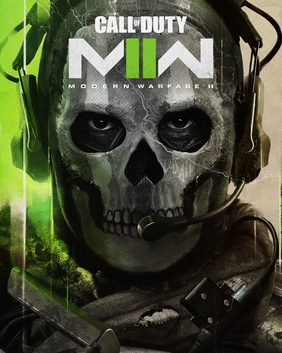
Cyberpunk 2077: Phantom Liberty vs Call of Duty: Modern Warfare II (2022)

close close
info General Information
Release Date
Sep 26, 2023 Oct 28, 2022
Developer
CD Projekt Red Infinity Ward (Lead), Treyarch, Raven Software, Sledgehammer Games, Beenox, High Moon Studios, Toys for Bob, Demonware, Digital Legends Entertainment, Solid State Studios, Activision Shanghai, Activision Central Tech
Publisher
CD Projekt Red Activision
Genre(s)
Action Role-Playing, First-Person Shooter First-Person Shooter, Action, Military
Engine
REDengine 4 IW 9.0 (Evolved from previous Call of Duty engines)
stars Ratings & Price
Content Rating
Mature 17+ Mature 17+
Avg. User Rating
4.8 / 5.0 4.1 / 5.0
Current Price (USD)
$29.99 $69.99
tune Key Specs
Quick Highlights
  • Engine Transition Architecture: REDengine 4 retired post-Patch 2.13; franchise entirely transitioning to Epic's Unreal Engine 5 for Project Orion.
  • Maximum Cyberware Capacity: Theoretically 430 points when combining maximum level scaling, the Edgerunner perk, and the Tier 5 Chrome Compressor OS.
  • Maximum Ray Tracing Target: 2160p (4K) at 60 FPS utilizing Overdrive Path Tracing, DLSS 3.5, and Frame Generation on RTX 4080 tier hardware.
  • Storage Requirement Paradigm: HDD explicitly deprecated; 105 GB NVMe SSD strictly required for Phantom Liberty asset streaming.
  • Perspective: First-Person (Third-Person mode available in select MP playlists)
  • Multiplayer: Extensive (Core 6v6, Ground War, Invasion, Special Ops, Raids, Warzone 2.0, DMZ)
  • Setting: Modern Day Global Locations (Urzikstan, Mexico, Amsterdam, USA, etc.)
  • Platforms: PC (Windows), PlayStation 4, PlayStation 5, Xbox One, Xbox Series X|S
  • Unique Feature: Return of Task Force 141, Advanced Gunsmith, New Movement Mechanics, Integration with Warzone 2.0 & DMZ, Episodic Raids.
sports_esports Gameplay & Mechanics
Companions/Followers
  • Songbird (Song So Mi): Can actively breach local subnets, manipulate complex environmental hazards, and instantly upload lethal Blackwall daemons to elite enemies during specific scripted narrative combat sequences.
    Human (Heavily Augmented Cyber-Construct)
  • Jackie Welles: Provides aggressive fire support and robust melee tanking capabilities during the foundational missions of the base game's prologue arc.
    Human
  • Task Force 141 & Los Vaqueros (Campaign AI Squadmates): Throughout the campaign, the player character (Price, Soap, Gaz, or Alejandro, depending on the mission) is almost always accompanied by other AI-controlled members of Task Force 141 or Los Vaqueros. These squadmates provide combat support, covering fire, breach doors, participate in scripted sequences, and deliver crucial dialogue. Their presence and actions are heavily scripted for each mission.
    Human (Special Forces)
  • Co-op Partners (Special Ops & Raids): In Special Ops missions (2 players) and Raids (3 players), players team up with other human-controlled Operators. Teamwork, communication, and utilizing different loadouts and skills are essential for completing objectives, reviving downed teammates, and overcoming challenging enemy waves or puzzles.
    Human (Player Characters / Operators)
  • Warzone / DMZ Squadmates (Online Players): In Warzone (Battle Royale) and DMZ (Extraction Shooter), players can team up in squads (duos, trios, quads). Squadmates can share resources, provide covering fire, revive each other, coordinate tactics, and complete contracts/objectives together against other player teams and AI combatants.
    Human (Player Characters / Operators)
Key Collectibles
  • Cyberware Capacity Shards: Randomly dropped from elite enemies, cyberpsychos, and airdrops throughout Night City and Dogtown.
  • Militech Data Terminals: Hidden exclusively in obscure, vertical, or highly guarded locations scattered specifically throughout the Dogtown district.
  • Tarot Cards: Glitched digital murals scattered across the entirety of Night City, cataloging narrative foreshadowing and culminating with exclusive cards in Dogtown.
  • Intel (Campaign - Limited/Contextual): While not a major collectible system like in some RPGs, campaign levels may contain laptops, documents, or environmental details that provide minor pieces of lore, backstory, or context for the current mission or characters. These are not usually tracked as formal 'collectibles' for progression.
  • Weapon Unlocks & Attachments (Multiplayer/Warzone Progression): A core progression loop involves leveling up individual weapons by using them in matches. This unlocks a wide array of attachments (scopes, muzzles, barrels, stocks, grips, magazines, ammo types, lasers) through the Gunsmith system, allowing for deep customization. New base weapons are often unlocked via the Battle Pass, in-game challenges, or as part of seasonal updates.
  • Operator Unlocks & Skins (Multiplayer/Warzone Progression): New playable Operators and cosmetic skins for them are unlocked by completing specific challenges (e.g., campaign missions, Special Ops objectives), through the Battle Pass, or by purchasing store bundles.
  • Calling Cards & Emblems (Multiplayer/Warzone Progression): Cosmetic items for player profiles, unlocked by completing various in-game challenges, through the Battle Pass, or via store bundles.
  • DMZ Mode - Faction Missions & Keys: In DMZ, players complete missions for different factions to earn rewards and unlock new mission tiers. Keys are found that unlock specific locked locations on the map, often containing valuable loot or mission items. Weapon Contraband and Blueprints can also be extracted and collected.
Key Themes
  • Cyberpunk
  • Dystopian
  • Transhumanism
  • Espionage
  • Artificial Intelligence
  • Corporate Warfare
  • Modern Warfare
  • Special Operations
  • Counter-Terrorism
  • Global Conflict
  • Betrayal & Trust
  • Covert Ops
  • Geopolitics (Fictionalized)
  • Cartel Warfare
  • Military Technology
colorize Combat & Gear
Weapons Overview
  • Erebus: Power Submachine Gun (Iconic/Sentient)
    Crafted from a decrypted Cerberus core from Project Cynosure. Fires rounds laced with rogue Blackwall AI energy, instantly executing targets pushed below a specific health threshold with localized digital corruption.
  • Militech Canto Mk.6: Cyberdeck / Operating System (Iconic/Sentient)
    A 33-capacity OS boasting the exclusive 'Blackwall Gateway' quickhack, allowing the rogue AI to instantaneously compromise and lethally spread across multiple hostile neural networks.
  • X-MOD2 Kyubi: Power Assault Rifle (Iconic)
    A highly coveted specialized variant of the standard Kyubi. It uniquely retains empty modification slots alongside iconic base statistics, allowing for unmatched customized tactical builds.
  • Gorilla Arms (Jailbreak Augmented): Cyberware Arm Weapon
    Blunt force kinetic arms fundamentally altered by the Relic skill tree. Generates kinetic charges through strikes that can be unleashed in devastating area-of-effect ground slams.
  • Monowire (Jailbreak Augmented): Cyberware Arm Weapon
    A lethal, glowing filament whip reconfigured by the Relic tree to serve as a physical conduit, allowing V to upload debilitating quickhacks directly into enemies via melee strikes.
  • Assault Rifles (e.g., M4, TAQ-56, Kastov 762, Lachmann-556, ISO Hemlock): Automatic/Semi-Auto Rifle
    Versatile primary weapons effective at most ranges. Highly customizable through Gunsmith with various attachments impacting stats like damage, range, recoil, handling.
  • Submachine Guns (SMGs) (e.g., Lachmann Sub, Vaznev-9K, FSS Hurricane, PDSW 528): Automatic (Close Quarters)
    High rate-of-fire weapons excelling in close-quarters combat. Prioritize mobility and fast ADS times. Customizable.
  • Shotguns (e.g., Lockwood 300, Expedite 12, Bryson 800): Close Quarters (High Damage)
    Devastating at very close range. Include pump-action, semi-auto, and double-barrel variants. Various ammo types (e.g., slugs, dragon's breath).
  • Light Machine Guns (LMGs) (e.g., Sakin MG38, RPK, RAAL MG): Automatic (Suppressive Fire)
    Large magazine capacity for sustained suppressive fire. Higher damage but slower handling than assault rifles.
  • Marksman Rifles (e.g., SP-R 208, Lockwood Mk2, SA-B 50, EBR-14): Semi-Auto/Bolt-Action (Precision Mid-Long Range)
    Offer a balance between assault rifle versatility and sniper rifle precision. Often capable of one or two-shot kills with good aim.
  • Sniper Rifles (e.g., MCPR-300, Signal 50, Victus XMR, FJX Imperium): Bolt-Action/Semi-Auto (Extreme Long Range)
    High-powered rifles for engaging targets at very long distances. Various scopes and attachments for stability and damage.
  • Battle Rifles (e.g., Lachmann-762, FTAC Recon, SO-14): Semi-Auto/Full-Auto Selectable (High Damage)
    Hard-hitting rifles that often feature select-fire modes, bridging the gap between assault rifles and marksman rifles.
  • Handguns (Pistols) (e.g., P890, .50 GS, X12, Basilisk): Sidearm
    Secondary weapons for backup or when primary ammo is depleted. Includes semi-autos, revolvers, and machine pistols. Can be dual-wielded with specific perks/attachments.
  • Launchers (e.g., Pila, JOKR, RPG-7, Strela-P): Anti-Vehicle/Anti-Personnel Explosive
    Used for destroying enemy vehicles, killstreaks, or clearing groups of enemies. Some are free-fire, others lock-on.
  • Melee (Combat Knife, Riot Shield, Dual Kodachis, Tonfa, etc.): Close Quarters (Silent/Lethal)
    Primary melee weapons like the Combat Knife for fast silent kills, or the Riot Shield for mobile defense. Other unique melee weapons added seasonally.
  • Lethal Equipment (Frag Grenade, Semtex, Claymore, C4, Throwing Knife, Molotov, Drill Charge): Throwable/Deployable Explosive/Utility
    Player-chosen explosives or traps used to damage or eliminate enemies.
  • Tactical Equipment (Flash Grenade, Stun Grenade, Smoke Grenade, Stim, Heartbeat Sensor, Snapshot Grenade, Decoy Grenade): Throwable/Deployable Utility/Disruption
    Non-lethal items used to disorient enemies, provide cover, heal, or gain tactical information.
Armor / Gear Sets
  • Chrome Compressor: Provides zero active hacking/time-dilation abilities; passively grants +40 to +70 Cyberware Capacity limit.
  • Epimorphic Skeleton: Massively increases maximum health and provides a proportional increase to base armor plating mitigation.
  • Chitin: Integumentary system upgrade offering immense flat armor rating boosts and massive health regeneration spikes when taking kinetic damage.
  • Rara Avis: A skeletal enhancement that provides a tremendous percentage-based boost to overall armor, requiring an incredibly high capacity cost to equip.
  • Armor Plates (Warzone / DMZ): In Warzone and DMZ modes, players can find and equip up to three armor plates, providing additional health segments that absorb damage before affecting base health. Different plate carriers (1-plate, 2-plate, 3-plate vests) determine the maximum number of plates that can be equipped. Plates are consumed when damaged and must be replenished.
  • Perks (Multiplayer - Base, Bonus, Ultimate): In multiplayer loadouts, players select a Perk Package consisting of two Base Perks, one Bonus Perk (earned mid-match), and one Ultimate Perk (earned later in a match). While not direct 'armor,' many perks offer defensive or survival benefits, e.g., 'Bomb Squad' (reduced explosive damage), 'Battle Hardened' (reduced tactical grenade effects), 'Quick Fix' (health regeneration on kills), 'Ghost' (undetectable by UAVs).
  • Field Upgrades (Multiplayer - e.g., Deployable Cover, Trophy System): Player-chosen tactical equipment with a cooldown. Some provide defensive capabilities, like Deployable Cover for instant protection or a Trophy System to intercept incoming explosives.
  • Campaign (No Equipable Armor System): In the single-player campaign, player characters do not have an equipable armor system where they can swap pieces for stat changes. Health regenerates automatically over time when not taking damage. Some missions might feature heavier scripted armor (like a bomb suit) for specific segments, but this is not customizable.
  • Operator Skins (Cosmetic): Players can unlock or purchase numerous cosmetic skins for their chosen Operators in Multiplayer, Warzone, and DMZ. These are purely visual and do not provide any gameplay advantages or armor value.
Outfits/Customization
  • NUSA Infiltration Suit: A sleek, tactical bodysuit provided by President Myers. Purely cosmetic under the 2.0 system, offering exceptional visual immersion for espionage-focused builds.
  • Barghest Tactical Gear: Heavy, brutalist combat webbing stripped from elite Dogtown militia units, favored by players pursuing heavy machine gun or explosive weapon aesthetics.
  • David Martinez's Jacket: A bright yellow EMT jacket belonging to the protagonist of the Edgerunners anime. An iconic cosmetic reward linking the transmedia properties.
  • Campaign Character Outfits: In the single-player campaign, the main characters (Price, Soap, Gaz, Ghost, Alejandro) wear specific tactical gear and outfits appropriate to each mission's environment and context (e.g., desert camo, urban assault gear, ghillie suits, formal attire for covert ops). These are generally fixed for story purposes and not customizable by the player during the campaign.
  • Multiplayer Operator Skins: Extensive cosmetic customization for playable Operators in Multiplayer, Warzone, and DMZ. Players can unlock or purchase numerous skins for each Operator, ranging from realistic military attire and faction-specific gear to more outlandish or themed costumes (e.g., through Battle Passes, store bundles, or completing challenges). Skins often have multiple tiers or variants.
  • Weapon Blueprints & Camos (Multiplayer): Weapon Blueprints are pre-configured weapon variants with specific attachments and unique cosmetic designs. Players can also unlock a vast array of weapon camos (patterns and colors) by completing weapon-specific challenges (e.g., getting a certain number of kills, headshots, etc.). Charms, stickers, and reticles can also be customized.
  • Vehicle Skins (Multiplayer & Warzone): Cosmetic skins can be applied to various vehicles in multiplayer modes like Ground War and in Warzone, allowing for personalization.
  • Player Profile Customization (Calling Cards, Emblems): Players can customize their online profile with various unlockable Calling Cards (player banners) and Emblems.
trending_up Progression & Upgrades
Skills & Progression

The transition to Update 2.0 utterly dismantled and reconstructed the game's core progression systems. The perk and skill trees were completely overhauled to permanently eliminate passive, percentage-based statistical bloat in favor of active, game-changing combat abilities. Netrunning was massively expanded with the 'Overclock' mode, permitting players to forcibly upload quickhacks by consuming physical health when RAM reserves are entirely depleted, enabling rapid queueing of lethal hacks. Armor was completely decoupled from clothing aesthetics and integrated directly into the biological Cyberware system. V's tolerance for enhancement is now rigidly governed by a 'Cyberware Capacity' metric, peaking at a baseline of 201 at level 60. This can be violently expanded via the Edgerunner perk, which allows players to exceed safe limits at the cost of maximum health, risking entry into a high-damage cyberpsychosis 'Fury' state. Phantom Liberty also introduced the auxiliary Relic Skill Tree. Funded by discovering hidden Militech Data Terminals, the Relic tree overrides standard cyberware functionality—granting Mantis Blades a long-range leap, Gorilla Arms devastating area-of-effect shockwaves, and allowing the Optical Camo to act as an emergency mid-combat cloaking device.

N/A
public World & Exploration
World & Level Design

Night City is widely regarded as one of the most densely packed, vertically integrated open worlds in gaming history. The base game encompasses six distinct districts—Watson, Westbrook, City Center, Heywood, Santo Domingo, and Pacifica—alongside the expansive, desolate surrounding Badlands. While the geographic footprint in square kilometers is smaller than sprawling fantasy RPGs, the incredible verticality, complex intertwining highway systems, and multi-layered mega-buildings provide immense exploration density. Phantom Liberty dramatically expands this ecosystem by introducing Dogtown, an autonomous walled enclave located in the southern sector of Pacifica. While Dogtown is geographically concentrated, it is vertically immense and architecturally chaotic, functioning as a brutalist ruin. To sustain player engagement beyond scripted missions, Dogtown utilizes two primary dynamic geographic systems. Orbiting craft periodically jettison high-value Airdrops, marked by towering plumes of red smoke, which instantly become flashpoints for multi-factional warfare. Simultaneously, Fixer Muamar Reyes issues dynamic Vehicle Courier Contracts, tasking V with hijacking vehicles across the entire map and delivering them to Dogtown under extreme duress, leveraging the overhauled vehicular combat systems.

N/A
Playable Vehicles
  • Barghest Hellhound: Armored Military Transport (6x6)
    A heavily customized, immensely durable six-wheeled transport utilized by Kurt Hansen's forces. Outfitted with dual front-facing heavy machine guns and a roof-mounted locking missile pod.
  • Porsche 911 II (930) Turbo: Classic Sports Car
    Johnny Silverhand's personally restored, iconic century-old sports car. Lacks built-in offensive weaponry but handles with unmatched precision and legacy aesthetic appeal.
  • Herrera Outlaw 'Weiler': Weaponized Hypercar
    A sleek, top-tier luxury vehicle acquired by completing all vehicle courier contracts for El Capitan. Integrates hidden front-facing machine guns without compromising its elegant aerodynamic profile.
  • Light Tactical Vehicles (e.g., ATV, UTV, Dirt Bike): Fast Ground Transport
    Agile vehicles for quick traversal across maps in Campaign, Ground War, Warzone, and DMZ. Offer little protection but high speed. Some UTVs may have a passenger-operated turret.
  • Armored Personnel Carriers (APCs) & Infantry Fighting Vehicles (IFVs) (e.g., LAV, TAC-V): Armored Ground Combat/Transport
    Heavily armored vehicles capable of transporting multiple soldiers and equipped with powerful cannons or machine guns. Slower but offer significant protection and firepower. Prominent in Ground War, Warzone, DMZ, and some campaign missions.
  • Civilian Cars & Trucks: Ground Transport
    Various non-militarized vehicles found in campaign levels and Warzone/DMZ maps. Offer basic transport and cover but are easily destroyed.
  • Helicopters (Light Helo, Heavy Chopper): Air Transport/Attack
    Used for rapid deployment, transport, and air support in Warzone, DMZ, and Ground War. Light Helos are faster and more agile; Heavy Choppers offer more passenger capacity and sometimes door guns. Some campaign missions feature helicopter sequences.
  • Boats (RHIB, Armored Patrol Boat): Watercraft
    Used for navigating waterways in campaign missions, Warzone, and DMZ. RHIBs are fast and light; Armored Patrol Boats offer more protection and sometimes mounted weapons.
  • Cargo Truck: Heavy Ground Transport
    Large trucks used for transporting cargo or a large number of troops. Slow but can provide mobile cover.
  • Contextual/Scripted Vehicles (Campaign): Various (e.g., AC-130, specific mission vehicles)
    During specific campaign missions, players might operate unique vehicles or weapon systems in highly scripted sequences, such as providing air support from an AC-130 or driving unique mission-specific vehicles.
Notable Fauna/Mounts
  • Nibbles
  • Iguana
N/A
book Story & Characters
Main Characters
  • Solomon Reed: FIA Sleeper Agent
    A weary, highly lethal NUSA operative operating out of Dogtown. Intensely loyal to a government that betrayed him, he serves as a grim tactical ally and potential tragic antagonist.
  • Song So Mi (Songbird): Master Netrunner / FIA Asset
    A brilliant netrunner compromised by rogue AIs from beyond the Blackwall. Her desperate pursuit of a cure drives the entire narrative structure of Phantom Liberty.
  • Kurt Hansen: Barghest Leader
    A former NUSA colonel who violently seized the Pacifica Combat Zone, reshaping it into the autonomous, heavily fortified district of Dogtown under his absolute military rule.
  • Rosalind Myers: NUSA President
    The ruthless, calculating President of the New United States of America. Her aggressive geopolitical machinations and exploitation of Songbird act as the catalyst for the expansion's conflict.
  • Mr. Hands: Pacifica / Dogtown Fixer
    A highly sophisticated, mysterious Fixer who commands the underground economy of Dogtown, assigning V ten intricate, morally complex gigs involving corporate espionage and assassinations.
  • Captain John Price: Protagonist / Task Force 141 Leader (SAS)
    The iconic SAS Captain and leader of Task Force 141. A seasoned veteran known for his tactical brilliance, determination, and distinctive boonie hat. Playable in some campaign missions.
  • Sergeant John 'Soap' MacTavish: Protagonist / Task Force 141 Operator (SAS)
    A skilled Scottish SAS operative and a key member of Task Force 141. Known for his mohawk and resilience. Playable in several campaign missions.
  • Sergeant Kyle 'Gaz' Garrick: Protagonist / Task Force 141 Operator (SAS)
    A capable SAS operative and member of Task Force 141, often working closely with Price. Known for his professionalism. Playable in some campaign missions.
  • Lieutenant Simon 'Ghost' Riley: Protagonist (Implied) / Task Force 141 Operator (SAS)
    The enigmatic and lethal Task Force 141 operative, recognizable by his skull-patterned balaclava. Known for his stealth and combat prowess. While often a key AI companion, direct playable segments are limited or contextual.
  • Colonel Alejandro Vargas: Ally / Mexican Special Forces (Los Vaqueros)
    A principled and highly skilled Colonel in the Mexican Special Forces, leader of the Los Vaqueros unit. He becomes a crucial ally to Task Force 141 in their fight against the Las Almas Cartel and Hassan Zyani.
  • Farah Karim (Mentioned/Cameo - Multiplayer Operator): Ally / Urzikstan Liberation Force Leader
    Leader of the ULF from Modern Warfare (2019). While her campaign role in MWII is minimal, she is a prominent playable Operator in multiplayer and Warzone.
  • General Shepherd: Antagonist Figure / US General
    A high-ranking US General overseeing operations involving Task Force 141 and Shadow Company. His motives and allegiances become questionable, echoing his infamous role in the original Modern Warfare 2.
  • Commander Phillip Graves: Antagonist / CEO of Shadow Company (PMC)
    The charismatic but ruthless CEO of the private military company, Shadow Company, initially hired by General Shepherd. He becomes a significant antagonist.
  • Hassan Zyani: Main Antagonist / Al-Qatala Leader
    A Quds Force Major allied with Al-Qatala, seeking to acquire stolen American ballistic missiles for a devastating attack. The primary target for much of the campaign.
  • Valeria Garza ('El Sin Nombre'): Antagonist / Las Almas Cartel Leader
    The enigmatic and ruthless leader of the Las Almas Cartel, involved in trafficking and connected to Hassan Zyani.
  • Kate Laswell: Ally / CIA Station Chief
    A CIA Station Chief who provides intelligence and coordinates operations for Task Force 141. A recurring character from Modern Warfare (2019).
  • Multiplayer Operators (Various Factions: SpecGru, KorTac): Playable Characters (Multiplayer)
    A diverse roster of playable characters for multiplayer modes, belonging to two main private military factions, SpecGru and KorTac. Each Operator has unique skins, voice lines, and finishing moves, unlocked through progression or store bundles.
Example Missions
  • Firestarter: Main Quest (Narrative Branch Point)
    Infiltrate Kurt Hansen's stadium compound with Songbird and make the ultimate, narrative-altering decision to either assist her escape to the moon or betray her to the FIA.
  • The Killing Moon: Main Quest (Lunar Route Climax)
    Escort a critically injured Songbird through a heavily besieged Tycho spaceport, culminating in a tense, irreversible standoff against Solomon Reed.
  • Somewhat Damaged: Main Quest (Cynosure Route Climax)
    Navigate the pitch-black ruins of the abandoned Project Cynosure facility while avoiding a lethal, invincible Cerberus maintenance drone in a pure survival horror sequence.
  • Prototype in the Scraper: Fixer Gig (Mr. Hands)
    Infiltrate a scavenger den in Dogtown to retrieve experimental Zetatech cyberware, negotiating the complex ethical fallout of the scavenging operation.
  • Run This Town: Fixer Gig (Mr. Hands)
    Assume the identity of a legendary Cuban assassin using a behavioral imprint mask to manipulate the power vacuum and install a puppet leader over the Barghest militia.
  • Campaign Story Missions (Globetrotting Operations)
    A linear series of cinematic, action-packed missions that follow Task Force 141 and Colonel Alejandro Vargas as they track stolen missiles, combat Al-Qatala terrorists led by Hassan Zyani, and uncover a conspiracy involving General Shepherd and Shadow Company. Missions span diverse global locations like Al Mazrah, Amsterdam, Mexico, Chicago, and the Atlantic Ocean, featuring varied gameplay including stealth infiltrations, large-scale firefights, vehicle sequences, and puzzle-like survival scenarios.
  • Special Ops Missions (Co-op)
    Two-player cooperative missions that provide asymmetrical gameplay experiences or continue narrative threads. Examples include 'Low Profile' (stealth infiltration), 'Denied Area' (destroying SAM sites), and 'Defender: Mt Zaya' (wave defense). These missions often have unique objectives and require teamwork.
  • Raid Episodes (Co-op)
    Episodic, three-player cooperative missions that serve as direct story continuations of the main campaign, featuring Task Force 141. Raids involve a mix of combat, puzzle-solving, and teamwork to overcome challenging encounters and uncover more of the narrative. (e.g., Atomgrad Raid Episodes 1-4).
  • Multiplayer Matches (Various Modes & Maps)
    Compete against other players in a wide variety of game modes (Team Deathmatch, Domination, Search & Destroy, Hardpoint, Kill Confirmed, Prisoner Rescue, Knock Out, Ground War, Invasion, etc.) across numerous maps. Objectives vary by mode, from achieving a kill count to capturing points or planting/defusing bombs.
  • Warzone 2.0 Battle Royale Matches
    Deploy onto a massive map (e.g., Al Mazrah, Ashika Island, Vondel) solo or in a squad, scavenge for weapons and gear, complete contracts, fight other player teams, and survive the shrinking circle of deadly gas to be the last player or squad standing.
  • DMZ Extractions
    Infiltrate a Warzone map, complete faction missions, loot valuable items, weapons, and intel, engage AI combatants and other player squads, and successfully extract with your loot via helicopter. Dying before extraction results in losing most non-insured items.
people Multiplayer
Multiplayer Details

Cyberpunk 2077 is strictly a single-player, narrative-driven Action RPG experience. During the game's initial conceptual and developmental phases, CD Projekt Red had publicly discussed and allocated resources toward an ambitious standalone multiplayer component set within the Night City universe. This proposed mode was intended to operate similarly to massive live-service titles, offering cooperative heists and competitive gang warfare. However, following the highly turbulent launch of the base game and the urgent necessity to reallocate all available engineering talent toward profound technical remediation, the multiplayer project was officially cancelled. Consequently, there are absolutely no cooperative, competitive, or synchronous online multiplayer modes within the final architecture of Cyberpunk 2077 or the Phantom Liberty expansion. The studio has deliberately chosen to maintain the franchise's identity as a premier, immersive solitary experience. While the upcoming sequel, Project Orion, is being developed natively on Unreal Engine 5, CDPR has remained tight-lipped regarding any potential multiplayer integration, leaving the current iteration of the dark future entirely focused on V's isolated journey.

N/A
extension Editions & DLC
Available Editions

Throughout its volatile commercial lifespan, Cyberpunk 2077 has been distributed across multiple strategic iterations to maximize market penetration. Initially launched as a standalone base game in 2020 for PC and previous-generation consoles, the title underwent continuous technical rehabilitation. In late 2023, the massive Phantom Liberty expansion was released alongside the systemic 2.0 update exclusively for current-generation hardware (PC, PlayStation 5, and Xbox Series X/S), effectively abandoning support for legacy consoles. This culminated in the physical and digital release of the Cyberpunk 2077: Ultimate Edition, bundling the base game, the expansion, and all post-launch digital rewards into a single definitive package. Furthermore, market expansion continued aggressively post-launch. By July 2025, CD Projekt Red officially rolled out native macOS support, rounding out desktop ubiquity. Perhaps most significantly, retail database leaks in late 2026 confirmed an imminent release of the Ultimate Edition for Nintendo's unannounced successor console (the Switch 2), scheduled for mid-2025. Featuring smooth performance profiles and integrated cross-save functionality, this iteration seeks to capture the massive high-end portable demographic alongside the game's highly optimized presence on the Steam Deck.

Available in Standard Edition (Cross-Gen Bundle for consoles) and Vault Edition. Vault Edition included the Red Team 141 Operator Pack (Ghost, Soap, Farah, Price skins), FJX Cinder Weapon Vault (custom weapon blueprint system), Season 1 Battle Pass + 50 Tier Skips, and Ghost Legacy Pack (12 Ghost skins for MW2019/Warzone 1, 10 AR blueprints).

Post-Launch Content / DLC

The post-launch trajectory of Cyberpunk 2077 is characterized by one of the most comprehensive redemption arcs in modern software development. Following initial stability hotfixes, the developers executed a multi-year sequence of profound iterative patches. This culminated in the Update 2.0 systemic rewrite, which fundamentally restructured AI pathfinding, law enforcement responses, and RPG skill mechanics. This foundational patch was immediately followed by Phantom Liberty, a massive premium expansion that added the Dogtown district, dozens of hours of cinematic quests starring Idris Elba, and extreme build variety via the Relic tree and Chrome Compressor economics. Subsequent updates, concluding with Patch 2.13 in late 2024, focused heavily on rendering technology integrations, officially implementing AMD FSR 3 Frame Generation, Intel XeSS 1.3, and concurrent DLAA with DLSS Ray Reconstruction. Beyond direct software updates, the franchise's post-launch momentum was incredibly sustained by a vast transmedia strategy, most notably the universally acclaimed Cyberpunk: Edgerunners anime produced by Studio Trigger. The anime's staggering success directly cross-pollinated the game, injecting Edgerunner-themed perks, weapons, and renewed player engagement into the ecosystem.

The game followed a seasonal content model, with new multiplayer maps, modes, weapons, operators, and battle passes released each season. Warzone 2.0 and DMZ mode were significant free additions integrated with MWII. Paid content primarily consists of cosmetic bundles in the store and battle pass purchases. No traditional map pack DLCs; new maps are free. Raids (3-player co-op missions) were added as episodic content.

help_outline FAQ
Frequently Asked Questions
  • Q: Is an HDD supported in Cyberpunk 2077 Update 2.0 and Phantom Liberty?
    A: No. Support for Hard Disk Drives (HDDs) was completely deprecated with the release of Update 2.0. A Solid State Drive (SSD)—preferably an NVMe Gen 3 or Gen 4—is now a strict minimum requirement. Attempting to run the game on an HDD will result in catastrophic texture streaming failures, falling through world geometry, and massive frame stuttering.
  • Q: What is the Chrome Compressor and why is it important?
    A: The Chrome Compressor is a Tier 5 Iconic Operating System introduced in Phantom Liberty. Unlike Cyberdecks or Sandevistans, it offers zero active combat abilities. Instead, its sole function is to passively expand the user's Cyberware Capacity by 40 to 70 points. When combined with the Edgerunner perk, this allows players to install an immense amount of heavy armor and skeletal cyberware without sacrificing their health to cyberpsychosis, creating near-invincible ballistic tank builds.
  • Q: How do you access the Erebus SMG or the Militech Canto Mk.6?
    A: These heavily classified Blackwall weapons are mutually exclusive and highly hidden. During the pivotal 'Firestarter' mission, you must choose to betray Songbird (the Cynosure route). During the subsequent survival horror mission 'Somewhat Damaged', you must acquire the Cerberus Decoded Behavioral System Component. This component can then be crafted into either the Erebus SMG or the Canto Cyberdeck, both of which contain a sentient, malevolent AI.
  • Q: How does the Relic Skill Tree differ from standard attributes?
    A: Unlike the standard attribute trees that are funded by leveling up, the Relic Skill Tree is funded exclusively by finding hidden Militech Data Terminals in Dogtown. Rather than offering passive percentage boosts, the Relic tree fundamentally overrides the mechanics of your existing cyberware. For instance, it allows Gorilla Arms to create shockwaves, gives Mantis Blades a leap attack, and lets you activate Optical Camo in the middle of a firefight to drop enemy aggro.
  • Q: Will Cyberpunk 2077 receive another expansion after Phantom Liberty?
    A: No. CD Projekt Red has definitively stated that Phantom Liberty is the only premium expansion for Cyberpunk 2077. Patch 2.13 (released in late 2024) marked the final major integration of rendering frameworks. The vast majority of the development team at CD PROJEKT RED North America (in Boston) has completely shifted focus and resources to Project Orion, the full sequel being developed natively on Unreal Engine 5.
  • Q: Is Call of Duty: Modern Warfare II (2022) a remake or a sequel?
    A: It is a direct sequel to Call of Duty: Modern Warfare (2019), which itself was a reboot of the original Modern Warfare sub-series. It continues the story of Task Force 141 with characters like Captain Price, Ghost, Soap, and Gaz.
  • Q: What is Task Force 141?
    A: Task Force 141 is an elite multinational special operations unit composed of members from various armed forces (primarily British SAS, US Marines, etc.), led by Captain John Price. They specialize in covert operations and counter-terrorism.
  • Q: Does Modern Warfare II have a Zombies mode?
    A: No, Call of Duty: Modern Warfare II (2022) does not feature a traditional round-based Zombies mode. The third mode alongside Campaign and Multiplayer is Special Ops (co-op missions) and its episodic Raids. A Zombies mode was later introduced in Call of Duty: Modern Warfare III (2023).
  • Q: What is DMZ mode?
    A: DMZ is a free-to-play, sandbox-style extraction shooter mode integrated with Warzone 2.0 and Modern Warfare II. Players deploy into Al Mazrah (or other Warzone maps), complete faction missions, loot items and weapons, fight AI combatants and other players, and must successfully extract to keep their acquired loot.
  • Q: How does weapon progression work with Warzone 2.0?
    A: Weapons and player progression (rank, unlocks) are generally shared between Modern Warfare II multiplayer and Warzone 2.0. Leveling up a weapon in one mode will unlock attachments for it in the other, promoting a unified progression system across these experiences.
  • Q: Are there new movement mechanics in Modern Warfare II?
    A: Yes, Modern Warfare II introduced or refined several movement mechanics, including ledge hanging (allowing players to peek and shoot from cover), dolphin diving (a quick prone maneuver), swimming, and changes to sliding and tactical sprint compared to previous titles.
build Technical Details
Graphics & Visual Fidelity

Cyberpunk 2077 serves as the definitive global benchmark for bleeding-edge rendering technology, pushing consumer hardware to its absolute theoretical limits. The absolute deprecation of HDD support allowed REDengine developers to utilize extreme asset streaming pipelines, drastically increasing draw distances, volumetric lighting quality, and geometric density across Night City. The game's crowning visual achievement is its integration of Path Tracing, branded as 'RT: Overdrive' mode. Unlike standard hybrid rendering, path tracing calculates the accurate physical trajectory of every light source in the scene, resulting in flawless, physically accurate shadows, infinite-bounce global illumination, and pixel-perfect micro-reflections on varied material surfaces like wet asphalt, metallic cyberware, and neon-lit glass. Because this process is immensely computationally expensive, the game fundamentally relies on advanced temporal upscaling and frame synthesis—specifically NVIDIA DLSS 3.5 with Ray Reconstruction and AMD FSR 3 Frame Generation—to maintain playable framerates. While minor engine quirks like overlapping meshes occasionally persist, the visual fidelity achieved in Phantom Liberty's dense, vertical Dogtown environments represents a paradigm shift in real-time graphical realism.

Utilizes an updated version of the IW engine (IW 9.0), delivering impressive visual fidelity with detailed character models, realistic weapon animations, advanced lighting and particle effects, and diverse global environments. Photogrammetry is used for many assets. The game supports high refresh rates and various aspect ratios on PC.

Audio & Soundtrack

The audioscape of Cyberpunk 2077 is a monumental achievement in interactive sound design, seamlessly blending pulsating industrial synth-wave with harrowing atmospheric horror. The base game features an incredibly diverse array of in-game radio stations, boasting original tracks from real-world artists performing under in-universe pseudonyms, perfectly capturing the aggressive, hyper-commercialized tone of Night City. Phantom Liberty dramatically elevates this auditory foundation. The musical score for Dogtown shifts toward darker, militaristic percussion and tense, espionage-themed orchestral strings, reflecting the constant threat of Barghest patrols. The sound design reaches its zenith in the integration of Blackwall technology. Weapons like the Erebus and the Militech Canto Mk.6 feature sentient, malevolent audio profiles; they actively communicate with V during combat, emitting chilling, distorted electronic screeching and localized reality-tearing sound effects when executing enemies. Furthermore, the voice acting remains exceptional, anchored by Cherami Leigh and Gavin Drea as V, and heavily bolstered by Idris Elba's phenomenal, gravelly performance as the weary, uncompromising FIA agent Solomon Reed, anchoring the narrative's emotional weight.

Original score by Sarah Schachner, featuring tense, militaristic, and atmospheric themes. Sound design is crucial for gameplay, with detailed and impactful weapon sounds, distinct footstep audio based on surface and enemy type, and realistic environmental effects. Voice acting features returning and new talent for iconic characters.

User Interface (UI/UX)

The User Interface (UI) and Heads-Up Display (HUD) underwent extensive refinement throughout the game's lifespan to accurately reflect the deep systemic changes introduced in the 2.0 era. The most critical UI overhaul involved the Cyberware management screen at Ripperdocs. It transitioned from a simple grid of icons into a highly detailed, biometric capacity management system. A prominent, color-coded capacity bar now borders the screen, aggressively warning players visually when they approach or exceed their maximum safe cybernetic threshold using the Edgerunner perk. The skill tree UI was completely redesigned from a convoluted web of passive percentage bumps into clean, easily readable branching paths that clearly denote active ability acquisitions. During combat, the HUD dynamically reacts to the player's build; netrunners utilizing the Overclock ability see their health bar visually destabilize and drain as they force quickhacks through their system. The Phantom Liberty expansion further augmented the UI by introducing the Relic Skill tree interface—a visually distinct, glitching menu accessed via Songbird's tampering—and dynamically tracking localized Airdrop trajectories and high-speed vehicle delivery parameters directly on the minimap.

Standard modern FPS HUD displaying ammo, health (regenerating), mini-map/compass, killstreaks, and objective markers. Menus for loadouts, operators, challenges, store, and social features. The UI underwent several revisions post-launch to improve navigation.

Accessibility Options

To ensure maximum navigability and player comfort within a highly complex mechanical ecosystem, CD Projekt Red implemented a remarkably comprehensive suite of accessibility toggles and adjustments. Update 2.0 and subsequent patches heavily prioritized UI and gameplay clarity. Players can utilize multiple colorblind modes (Protanopia, Deuteranopia, and Tritanopia) that fundamentally alter UI elements, enemy highlighting, and hacking minigame interfaces to ensure high contrast and readability. Cognitive and mechanical accessibility is supported through robust aim-assist parameters, allowing players to snap to targets or adjust the magnetism of their crosshairs during chaotic gunfights. Furthermore, subtitle customization is exceptionally granular, allowing for massive text scaling, high-contrast background shading, and speaker identification markers. The game also provides sliders to drastically reduce visual clutter, disabling chromatic aberration, film grain, and weapon sway to minimize motion sickness. The dynamic difficulty scaling ensures that enemies level appropriately, but players can manually adjust the overarching difficulty at any moment without penalty, allowing those primarily interested in the deep narrative to bypass the rigorous cyberware and combat economy altogether.

Offers a wide range of accessibility options, including extensive controller and keyboard/mouse remapping, detailed subtitle and caption customization, colorblind modes, options to reduce motion sickness (motion blur, weapon blur toggles), aim assist customization, audio mixing options, and visual cues for important gameplay elements.

Gameplay Video
launchWatch launchWatch
Walkthrough/Guide
launchView launchView
settings_applications System Requirements
1080p (Full HD) - Recommended (Rasterized) (High Preset, 60 FPS Target)
CPU: The massive L3 cache of the X3D architectures specifically obliterates the CPU bottlenecks inherent to the REDengine's crowd AI.
CPU (Laptop): Requires 8 high-performance cores to maintain 60 FPS during chaotic MaxTac vehicular pursuits.
GPU: The 8GB VRAM buffer comfortably handles high-resolution texture streaming without paging to system RAM.
GPU (Laptop): Provides sufficient rasterization power, though DLSS Quality mode is recommended for stable frame pacing.
RAM: Provides the overhead necessary for background OS operations while caching large portions of Night City's map geometry.
Storage: Ensures near-instantaneous load times upon death and seamless fast-travel execution.
memoryCPU: Intel Core i7-12700 / AMD Ryzen 7 7800X3D
developer_boardGPU: NVIDIA RTX 2060 Super / AMD RX 5700 XT / Intel Arc A770
laptop_macCPU (L): Intel Core i7-12700H / AMD Ryzen 7 6800H
laptop_windowsGPU (L): NVIDIA RTX 3060 Mobile (115W+)
layersRAM: 16 GB
saveStorage (Tier): 70 GB NVMe Gen 3 SSD
1080p (Full HD) - Recommended (Targets 1080p, High settings, ~60 FPS) (High Preset, 1080p resolution, Ray Tracing OFF or Low)
CPU: Official recommended desktop CPU for a good 1080p/High experience.
CPU (Laptop): Estimated mid-range laptop CPUs for solid 1080p/High performance.
GPU: Official recommended desktop GPU for 1080p High settings. 4GB VRAM minimum, 6-8GB recommended.
GPU (Laptop): Solid laptop GPUs for 1080p High. Ensure adequate TGP. (Hypothetical future RTX 5050 Laptop would likely fit here).
RAM: 12GB RAM is officially recommended for a smoother experience at high settings.
Storage: SSD is strongly recommended for this tier. Optional Hi-Rez assets increase storage.
memoryCPU: Intel Core i5-6600K / Core i7-4770 or AMD Ryzen 5 1400
developer_boardGPU: NVIDIA GeForce GTX 1060 (6GB) or AMD Radeon RX 580 (4GB/8GB)
laptop_macCPU (L): Intel Core i7-8750H / AMD Ryzen 5 4600H equivalent or better.
laptop_windowsGPU (L): NVIDIA GeForce GTX 1660 Ti Mobile (6GB), RTX 2060 Mobile (6GB), RTX 3050 Ti Laptop GPU (4GB, High TGP), RTX 3060 Laptop GPU (6GB, Med-High TGP), RTX 4050 Laptop GPU (6GB, High TGP), RTX 4060 Laptop GPU (8GB).
layersRAM: 12 GB
saveStorage (Tier): 125 GB SSD + Hi-Rez Assets Cache (Optional, up to 32GB)
1080p (Full HD) - Minimum (Rasterized) (Low Preset, 30 FPS Target)
CPU: Requires 4 cores and 8 threads to manage the absolute lowest tier of crowd density and physics calculations.
CPU (Laptop): Must maintain sustained boost clocks to avoid hitching during fast driving segments.
GPU: The 6GB VRAM buffer is mandatory; 4GB variants will experience catastrophic texture pop-in.
GPU (Laptop): Matches the desktop 1060 in raw rasterization but provides slightly more memory bandwidth for dense urban environments.
RAM: Operating on single-channel or 8GB of system memory will cause critical micro-stutters during area transitions.
Storage: The bare minimum required to ensure assets load before the player physically enters a geographic quadrant.
memoryCPU: Intel Core i7-6700 / AMD Ryzen 5 1600
developer_boardGPU: NVIDIA GTX 1060 (6GB) / AMD RX 580 / Intel Arc A380
laptop_macCPU (L): Intel Core i5-9300H / AMD Ryzen 5 3550H
laptop_windowsGPU (L): NVIDIA GTX 1660 Ti Mobile
layersRAM: 12 GB
saveStorage (Tier): 70 GB SATA SSD
1080p (Full HD) - Minimum (Targets 1080p, Low settings, playable framerate) (Low Preset, 1080p resolution, Ray Tracing OFF)
CPU: Official minimum desktop CPU for CoD:MWII.
CPU (Laptop): Estimated laptop CPU for minimum playability. Newer 4-core CPUs would be preferable.
GPU: Official minimum desktop GPU. Requires DX12 Level 12.0 support. 2GB VRAM absolute minimum, 4GB recommended.
GPU (Laptop): Estimated laptop GPUs for minimum settings. Ensure sufficient VRAM (4GB+ ideally). Performance varies greatly with TGP.
RAM: 8GB RAM is the official minimum. Dual-channel configuration is beneficial.
Storage: HDD is absolute minimum; expect long load times. SSD strongly recommended. Optional Hi-Rez assets increase storage.
memoryCPU: Intel Core i3-6100 / Core i5-2500K or AMD Ryzen 3 1200
developer_boardGPU: NVIDIA GeForce GTX 960 (2GB/4GB) or AMD Radeon RX 470 (4GB)
laptop_macCPU (L): Intel Core i5-8250U / AMD Ryzen 3 3200U (for very lowest end) or Intel Core i5-9300H / AMD Ryzen 5 3550H for a better minimum experience.
laptop_windowsGPU (L): NVIDIA GeForce MX450 (2GB, would struggle) / GTX 1650 Mobile (4GB), RTX 3050 Laptop GPU (4GB, low TGP). RTX 4050 Laptop GPU (6GB) would be a more capable modern minimum.
layersRAM: 8 GB
saveStorage (Tier): 125 GB HDD (SSD Recommended) + Hi-Rez Assets Cache (Optional, up to 32GB)
1440p (QHD/2K) - Competitive / High FPS (Targets 1080p/1440p, Optimized settings, High Refresh Rate) (Optimized Medium/High Preset, 1080p or 1440p resolution, Ray Tracing OFF, targeting high FPS (120+).)
CPU: Official CPU for competitive high FPS gameplay.
CPU (Laptop): High-performance laptop CPUs needed to drive high refresh rates.
GPU: Official GPU for competitive high FPS. 8GB VRAM recommended.
GPU (Laptop): Strong laptop GPUs capable of high refresh rates at 1080p/1440p with optimized settings. Max TGP versions are crucial. RTX 50 series mention is speculative.
RAM: 16GB RAM is officially recommended for competitive play.
Storage: SSD (preferably NVMe) required for optimal performance in competitive scenarios. Optional Hi-Rez assets for clarity.
memoryCPU: Intel Core i7-8700K or AMD Ryzen 7 1800X
developer_boardGPU: NVIDIA GeForce RTX 3060 Ti (8GB) or AMD Radeon RX 5700 XT (8GB)
laptop_macCPU (L): Intel Core i7-10875H / AMD Ryzen 7 5800H equivalent or better.
laptop_windowsGPU (L): NVIDIA GeForce RTX 3070 Laptop GPU (8GB), RTX 3070 Ti Laptop GPU (8GB), RTX 4060 Laptop GPU (8GB, High TGP), RTX 4070 Laptop GPU (8GB). (A hypothetical future RTX 5060/5060 Ti Laptop GPU would target this.)
layersRAM: 16 GB
saveStorage (Tier): 125 GB SSD + Hi-Rez Assets Cache (Optional, up to 64GB)
1440p (QHD/2K) - Ray Tracing Minimum (RT Low Preset, DLSS/FSR Balanced, 30 FPS Target)
CPU: Ray tracing operations drastically increase CPU overhead for BVH construction; 6 physical cores are the baseline.
CPU (Laptop): Sufficient for maintaining a locked 30 FPS console-like experience with entry-level ray traced lighting.
GPU: Entry-level RT cores struggle; reliance on temporal upscalers (DLSS/FSR) is absolutely mandatory at this tier.
GPU (Laptop): Offers adequate tensor core performance to run DLSS alongside hardware-accelerated ray tracing.
RAM: Standard configuration required to handle increased memory allocation from upscaling algorithms.
Storage: Required to rapidly stream varying lightmaps and reflection probes in complex environments.
memoryCPU: Intel Core i7-9700 / AMD Ryzen 5 5600
developer_boardGPU: NVIDIA RTX 2060 / AMD RX 6800 XT / Intel Arc A750
laptop_macCPU (L): Intel Core i7-10870H / AMD Ryzen 7 5800H
laptop_windowsGPU (L): NVIDIA RTX 3070 Mobile
layersRAM: 16 GB
saveStorage (Tier): 70 GB NVMe Gen 3 SSD
2160p (UHD/4K) - Ray Tracing Overdrive (Path Tracing, DLSS Performance + Frame Generation, 60 FPS Target)
CPU: Calculating full-scene path tracing adds unprecedented CPU load to calculate light bounces and coordinate frame pacing.
CPU (Laptop): The absolute pinnacle of mobile processing is required to avoid bottlenecking path-traced rendering pipelines.
GPU: Path tracing fundamentally changes rendering; only the Ada Lovelace architecture's Optical Flow Accelerators can synthesize frames well enough to maintain 60 FPS under this load.
GPU (Laptop): The mobile 4090 (essentially a down-clocked desktop 4080) is the only portable silicon capable of handling full-scene path tracing smoothly.
RAM: Frame generation and path tracing VRAM spillover require immense system memory to maintain operational stability over long play sessions.
Storage: Crucial for streaming massive environmental changes while minimizing the rendering latency introduced by frame synthesis.
memoryCPU: Intel Core i9-12900 / AMD Ryzen 9 7900X
developer_boardGPU: NVIDIA RTX 4080
laptop_macCPU (L): Intel Core i9-14900HX / AMD Ryzen 9 7945HX3D
laptop_windowsGPU (L): NVIDIA RTX 4090 Mobile (175W)
layersRAM: 24 GB
saveStorage (Tier): 70 GB NVMe Gen 4 SSD
2160p (UHD/4K) - Ultra (Rasterized) (Ultra Preset, 60 FPS Target)
CPU: High clock speeds and immense multi-threading capabilities prevent GPU stalling at extreme resolutions.
CPU (Laptop): Enthusiast-grade mobile processing power is necessary to keep the GPU fed with draw calls.
GPU: Requires immense raw computational power and memory bandwidth to push 8.3 million pixels per frame natively or lightly upscaled.
GPU (Laptop): A fully powered high-end mobile GPU is required to match desktop 3080-class rasterization.
RAM: To prevent page faults, an ultra-tier system requires massive unified memory overhead, ideally configuring at 32 GB practically.
Storage: Maximum bandwidth required for instantaneous high-resolution texture population across vast draw distances.
memoryCPU: Intel Core i9-12900 / AMD Ryzen 9 7900X
developer_boardGPU: NVIDIA RTX 3080 / AMD RX 7900 XTX
laptop_macCPU (L): Intel Core i9-13900HX
laptop_windowsGPU (L): NVIDIA RTX 4080 Mobile (175W)
layersRAM: 20 GB
saveStorage (Tier): 70 GB NVMe Gen 4 SSD
2160p (UHD/4K) - Ultra 4K (Targets 2160p/4K, High/Ultra settings, ~60 FPS) (High/Ultra Preset, 2160p (4K) resolution (Upscaling like DLSS/FSR likely needed for stable 60FPS+), Ray Tracing optional.)
CPU: Official high-end desktop CPU for 4K gaming.
CPU (Laptop): Flagship or high-end laptop CPUs required to support 4K gaming demands.
GPU: Official GPU for 4K Ultra settings. 10GB+ VRAM highly recommended.
GPU (Laptop): The most powerful current (RTX 30/40 series) laptop GPUs are needed for 4K; even then, upscaling will likely be essential for smooth 60FPS+ at high settings. Hypothetical RTX 50 series laptop GPUs are speculative.
RAM: 16GB is official, but 32GB RAM is often beneficial for a very smooth 4K experience, especially with high textures and Warzone.
Storage: A fast NVMe SSD is crucial for 4K. Installing the Hi-Rez Assets Cache is recommended for the best visuals and can consume significant additional space.
memoryCPU: Intel Core i9-9900K or AMD Ryzen 9 3900X
developer_boardGPU: NVIDIA GeForce RTX 3080 (10GB) or AMD Radeon RX 6800 XT (16GB)
laptop_macCPU (L): Intel Core i9-11980HK / AMD Ryzen 9 5900HX or Intel Core i7-12700H / AMD Ryzen 7 6800H and above.
laptop_windowsGPU (L): NVIDIA GeForce RTX 3080 Laptop GPU (16GB), RTX 3080 Ti Laptop GPU (16GB), RTX 4080 Laptop GPU (12GB), RTX 4090 Laptop GPU (16GB, Max TGP). **(A hypothetical future flagship NVIDIA GeForce RTX 5080/5090 Laptop GPU would be targeted for an enhanced 4K experience on laptops.)**
layersRAM: 16 GB
saveStorage (Tier): 125 GB NVMe SSD + Hi-Rez Assets Cache (Recommended, up to 64GB)
save Overall Storage
Spec: 70 GB SSD (Base) / 105 GB NVMe SSD (Phantom Liberty)
Note: Mechanical HDDs will fail to load physical world geometries quickly enough to prevent the player from falling through the map. NVMe Gen 4 is heavily recommended to accommodate asset streaming at vehicular top speeds.
Type: NVMe
Spec: 125 GB available space at launch (SSD Highly Recommended). Actual space required can be significantly larger with updates, Warzone, and optional Hi-Rez Assets Cache.
Note: An SSD is strongly recommended for all tiers for faster loading and better texture streaming. The game's footprint is substantial and can grow; ensure ample free space. An optional Hi-Rez Assets Cache (up to 32-64GB) can be downloaded for improved visuals but requires additional storage.
Type: SSD
desktop_windows Operating System
Spec: Windows 10 64-bit / Windows 11 64-bit
Explanation: Mandatory for DirectX 12 Agility SDK support, which provides the foundational API hooks for DirectStorage, advanced ray reconstruction, and the latest iteration of DLSS/FSR upscaling technologies.
Spec: Windows 10 64-Bit (latest update) or Windows 11 64-Bit (latest update)
Explanation: A 64-bit version of Windows 10 (with the latest update) or Windows 11 (with the latest update) is required.
gamepad DirectX Version
Spec: DirectX 12 Ultimate
Explanation: Required to leverage the full suite of DXR (DirectX Raytracing) features, including bounding volume hierarchy (BVH) optimization for Overdrive mode path tracing.
Spec: DirectX 12 (Feature Level 12.0 compatible card)
Explanation: DirectX 12 is required. A GPU compatible with DX12 Feature Level 12.0 is necessary. Support for DX12 Ultimate features (like ray tracing) enhances visuals on compatible hardware.
info_outline Other Game Notes
  • The REDengine's hardware utilization logic was fundamentally restructured with Update 2.0. Hard Disk Drive (HDD) support has been absolutely deprecated. Solid State Drives (SSDs) are now a strict baseline requirement to support the high-speed asset streaming pipelines necessary for dense crowds and vehicular combat.
  • Laptop Performance Note: Laptop hardware operates under strict thermal constraints. Because Cyberpunk 2077 heavily utilizes simultaneous CPU and GPU rendering (especially with path tracing enabled), thermal throttling can cause severe frame time spikes. Ensuring aggressive cooling profiles and unconstrained TDP limits is critical.
  • Laptop Consideration: G P U T G P: Maximum graphics wattage is essential. A 140W RTX 4060 laptop GPU will drastically outperform an artificially limited 85W RTX 4070 variant in ray-traced workloads.
  • Laptop Consideration: Cooling Thermals: Simultaneous 100% load on both the CPU and GPU during intense Dogtown firefights will saturate standard heat pipes. Liquid metal cooling or high-RPM external cooling pads are highly recommended.
  • Laptop Consideration: C P U Power Limits: The game's dynamic crowd density and law enforcement pathfinding are exceptionally CPU-bound. Laptops capping CPU package power below 45W will experience significant bottlenecks regardless of GPU capability.
  • Laptop Consideration: M U X Switch Optimus: Bypassing NVIDIA Advanced Optimus via a hardware MUX switch is required to minimize latency and ensure frame generation technologies function without visual tearing.
  • Optimization Detail: Upscaling Tech: NVIDIA DLSS 3.5 (Ray Reconstruction), AMD FSR 3 (Frame Generation), Intel XeSS 1.3
  • Optimization Detail: Key Settings Impact: Volumetric Fog and Screen Space Reflections Reflections dramatically impact standard rasterized performance. When utilizing Overdrive Ray Tracing, DLSS with Frame Generation becomes a strict necessity to maintain playable framerates above 30 FPS on high-end hardware.
  • Game Name: Cyberpunk 2077: Phantom Liberty
  • OFFICIAL AND ADAPTED SYSTEM REQUIREMENTS for Call of Duty: Modern Warfare II (2022). This information is based on official PC specifications (Minimum, Recommended, Competitive, Ultra 4K) provided by Activision/Infinity Ward, adapted to the requested JSON structure. Laptop GPU mentions for RTX 50 series are speculative as of May 2025.
  • Laptop Performance Note: Laptop models of listed desktop GPUs require comparable performance, heavily dependent on TGP (Total Graphics Power), VRAM, and effective cooling. Call of Duty: Modern Warfare II can be demanding, especially at higher settings, resolutions, and with ray tracing enabled.
  • Laptop Consideration: G P U T G P: Maximum TGP for the laptop GPU is crucial for achieving target framerates in CoD:MWII.
  • Laptop Consideration: Cooling Thermals: Robust cooling is essential for sustained performance during intense multiplayer matches or campaign gameplay.
  • Laptop Consideration: C P U Power Limits: High sustained CPU power limits are beneficial, particularly for maintaining high framerates in CPU-bound scenarios (e.g., large player counts, Warzone).
  • Laptop Consideration: M U X Switch Optimus: A MUX switch or NVIDIA Advanced Optimus is highly recommended for optimal performance and reduced latency, critical for competitive play.
  • Optimization Detail: Upscaling Tech: Supports NVIDIA DLSS, AMD FidelityFX Super Resolution (FSR), Intel XeSS, and an in-game dynamic resolution scaler. These are highly recommended for balancing performance and visual quality.
  • Optimization Detail: Key Settings Impact: Texture Resolution, Shadow Quality (including Ray-Traced Shadows), Particle Quality, Anti-Aliasing, Ambient Occlusion, SSR, and View Distance significantly impact performance. Using upscaling technologies is crucial for higher resolutions and ray tracing.
  • Game Name: Call of Duty: Modern Warfare II (2022)
build Optimization Details
  • Upscaling Tech: NVIDIA DLSS 3.5 (Ray Reconstruction), AMD FSR 3 (Frame Generation), Intel XeSS 1.3
  • Key Settings Impact: Volumetric Fog and Screen Space Reflections Reflections dramatically impact standard rasterized performance. When utilizing Overdrive Ray Tracing, DLSS with Frame Generation becomes a strict necessity to maintain playable framerates above 30 FPS on high-end hardware.
  • Upscaling Tech: Supports NVIDIA DLSS, AMD FidelityFX Super Resolution (FSR), Intel XeSS, and an in-game dynamic resolution scaler. These are highly recommended for balancing performance and visual quality.
  • Key Settings Impact: Texture Resolution, Shadow Quality (including Ray-Traced Shadows), Particle Quality, Anti-Aliasing, Ambient Occlusion, SSR, and View Distance significantly impact performance. Using upscaling technologies is crucial for higher resolutions and ray tracing.
laptop Laptop Considerations
  • G P U T G P: Maximum graphics wattage is essential. A 140W RTX 4060 laptop GPU will drastically outperform an artificially limited 85W RTX 4070 variant in ray-traced workloads.
  • Cooling Thermals: Simultaneous 100% load on both the CPU and GPU during intense Dogtown firefights will saturate standard heat pipes. Liquid metal cooling or high-RPM external cooling pads are highly recommended.
  • C P U Power Limits: The game's dynamic crowd density and law enforcement pathfinding are exceptionally CPU-bound. Laptops capping CPU package power below 45W will experience significant bottlenecks regardless of GPU capability.
  • M U X Switch Optimus: Bypassing NVIDIA Advanced Optimus via a hardware MUX switch is required to minimize latency and ensure frame generation technologies function without visual tearing.
  • G P U T G P: Maximum TGP for the laptop GPU is crucial for achieving target framerates in CoD:MWII.
  • Cooling Thermals: Robust cooling is essential for sustained performance during intense multiplayer matches or campaign gameplay.
  • C P U Power Limits: High sustained CPU power limits are beneficial, particularly for maintaining high framerates in CPU-bound scenarios (e.g., large player counts, Warzone).
  • M U X Switch Optimus: A MUX switch or NVIDIA Advanced Optimus is highly recommended for optimal performance and reduced latency, critical for competitive play.

info_outline Feature details based on available data. System requirements and performance estimates may vary.

laptop_chromebook Laptop Recommendations

Common Recommendations (Handles All Compared Games)

check_circle_outline Recommended based on listed requirements for Full HD (1080p).
MSI Pulse GL66 with RTX 3070 and i7 12th Gen
  • memory Intel Core i7-12700H
  • developer_board NVIDIA GeForce RTX 3070
  • layers 32GB DDR4-3200MHz
  • track_changes Target GPU: NVIDIA GTX 1660 Ti Mobile

Acer Nitro V with RTX 4060 and i9 13th Gen
  • memory Intel Core i9-13900H
  • developer_board NVIDIA GeForce RTX 4060
  • layers 16GB DDR5-5200MHz
  • track_changes Target GPU: NVIDIA GTX 1660 Ti Mobile
Lenovo Legion Pro 5i (i9-14900HX, RTX 4060)
  • memory Intel Core i9-14900HX
  • developer_board NVIDIA GeForce RTX 4060
  • layers 32GB DDR5-5600MHz
  • track_changes Target GPU: NVIDIA GTX 1660 Ti Mobile
check_circle_outline Recommended based on listed requirements for UHD (4K).
HP OMEN 16 with RTX 4080 and intel i9 14th Gen
  • memory Intel Core i9-14900HX
  • developer_board NVIDIA GeForce RTX 4080 Laptop GPU
  • layers 64 GB DDR5-5600MHz
  • track_changes Target GPU: NVIDIA RTX 4080 Mobile (175W)
GIGABYTE AORUS Elite 16 (RTX 5070 & Intel Core Ultra 9 275HX)
  • memory Intel Core Ultra 9 Processor 275HX (Series 2)
  • developer_board NVIDIA GeForce RTX 5070 Laptop GPU
  • layers 32GB DDR5-5600MHz
  • track_changes Target GPU: NVIDIA RTX 4080 Mobile (175W)
MSI Katana 15 HX (RTX 5070 & Intel i7 14th Gen)
  • memory Intel Core i9-14900HX Processor
  • developer_board NVIDIA GeForce RTX 5070 Laptop GPU
  • layers 32GB DDR5-5600MHz
  • track_changes Target GPU: NVIDIA RTX 4080 Mobile (175W)

For Cyberpunk 2077: Phantom Liberty Specifically

check_circle_outline Recommended based on listed requirements for Full HD (1080p).
MSI Pulse GL66 with RTX 3070 and i7 12th Gen
  • memory Intel Core i7-12700H
  • developer_board NVIDIA GeForce RTX 3070
  • layers 32GB DDR4-3200MHz
  • track_changes Target GPU: NVIDIA GTX 1060 (6GB) / AMD RX 580 / Intel Arc A380
Acer Nitro V with RTX 4060 and i9 13th Gen
  • memory Intel Core i9-13900H
  • developer_board NVIDIA GeForce RTX 4060
  • layers 16GB DDR5-5200MHz
  • track_changes Target GPU: NVIDIA GTX 1060 (6GB) / AMD RX 580 / Intel Arc A380
Lenovo Legion Pro 5i (i9-14900HX, RTX 4060)
  • memory Intel Core i9-14900HX
  • developer_board NVIDIA GeForce RTX 4060
  • layers 32GB DDR5-5600MHz
  • track_changes Target GPU: NVIDIA GTX 1060 (6GB) / AMD RX 580 / Intel Arc A380

Asus Rog Strix Scar 15 with RTX 3070 Ti and i9 12th Gen
  • memory Intel Core i9-12900H
  • developer_board NVIDIA GeForce RTX 3070 Ti
  • layers 16GB DDR5-4800MHz
  • track_changes Target GPU: NVIDIA GTX 1060 (6GB) / AMD RX 580 / Intel Arc A380
HP Victus 15 with RTX 3050 and i5 12th Gen
  • memory Intel Core i5-12450H
  • developer_board NVIDIA GeForce RTX 3050
  • layers 16GB DDR4-3200MHz
  • track_changes Target GPU: NVIDIA GTX 1060 (6GB) / AMD RX 580 / Intel Arc A380
Acer Nitro 5 with RTX 3050 Ti and i5 12th Gen
  • memory Intel Core i5-12500H
  • developer_board NVIDIA GeForce RTX 3050 Ti
  • layers 16GB DDR4-3200MHz
  • track_changes Target GPU: NVIDIA GTX 1060 (6GB) / AMD RX 580 / Intel Arc A380

ASUS TUF A15 with RTX 3050 and Ryzen 7
  • memory AMD Ryzen 7 7435HS
  • developer_board NVIDIA GeForce RTX 3050
  • layers 32GB DDR5-4800MHz
  • track_changes Target GPU: NVIDIA GTX 1060 (6GB) / AMD RX 580 / Intel Arc A380
ASUS ROG Strix G15 with RTX 3060 and Ryzen 7
  • memory AMD Ryzen 7 6800H
  • developer_board NVIDIA GeForce RTX 3060
  • layers 16GB DDR5-4800MHz
  • track_changes Target GPU: NVIDIA GTX 1060 (6GB) / AMD RX 580 / Intel Arc A380
ASUS ROG Zephyrus G15 Ultra with RTX 3080 and Ryzen 9
  • memory AMD Ryzen 9 5900HS
  • developer_board NVIDIA GeForce RTX 3080
  • layers 16GB DDR4-3200MHz
  • track_changes Target GPU: NVIDIA GTX 1060 (6GB) / AMD RX 580 / Intel Arc A380
MSI Katana 15 with RTX 4070
  • memory Intel Core i7-13620H
  • developer_board NVIDIA GeForce RTX 4070
  • layers 16GB DDR5-4800MHz
  • track_changes Target GPU: NVIDIA GTX 1060 (6GB) / AMD RX 580 / Intel Arc A380
MSI Creator M16 HX with RTX 4070
  • memory Intel Core i9-14900HX
  • developer_board NVIDIA GeForce RTX 4070
  • layers 32GB DDR5-5600MHz
  • track_changes Target GPU: NVIDIA RTX 2060 Super / AMD RX 5700 XT / Intel Arc A770
ASUS ROG Strix G16 with RTX 4070
  • memory Intel Core i9-14900HX
  • developer_board NVIDIA GeForce RTX 4070
  • layers 16GB DDR5-5600MHz
  • track_changes Target GPU: NVIDIA RTX 2060 Super / AMD RX 5700 XT / Intel Arc A770

MSI Cyborg 15 (RTX 5050 & Intel 7)
  • memory Intel Core Ultra 7 255H
  • developer_board NVIDIA GeForce RTX 5060 Laptop GPU
  • layers 16GB DDR5-5600MHz (Dual-Channel)
  • track_changes Target GPU: NVIDIA RTX 2060 Super / AMD RX 5700 XT / Intel Arc A770
HP Omen 16 (RTX 5060 & Ryzen 9 8940HX)
  • memory AMD Ryzen 9 8940HX Processor
  • developer_board NVIDIA GeForce RTX 5060 Laptop GPU
  • layers 32GB DDR5-5200MHz
  • track_changes Target GPU: NVIDIA RTX 2060 Super / AMD RX 5700 XT / Intel Arc A770
ASUS ROG Strix Scar 17 Se with RTX 3080 Ti  and i9
ASUS ROG Strix Scar 17 Se with RTX 3080 Ti and i9
  • memory Intel Core i9-12950HX
  • developer_board NVIDIA GeForce RTX 3080 Ti
  • layers 32GB DDR5-4800MHz
  • track_changes Target GPU: NVIDIA RTX 2060 Super / AMD RX 5700 XT / Intel Arc A770
check_circle_outline Recommended based on listed requirements for UHD (4K).
HP OMEN 16 with RTX 4080 and intel i9 14th Gen
  • memory Intel Core i9-14900HX
  • developer_board NVIDIA GeForce RTX 4080 Laptop GPU
  • layers 64 GB DDR5-5600MHz
  • track_changes Target GPU: NVIDIA RTX 3080 / AMD RX 7900 XTX
GIGABYTE AORUS Elite 16 (RTX 5070 & Intel Core Ultra 9 275HX)
  • memory Intel Core Ultra 9 Processor 275HX (Series 2)
  • developer_board NVIDIA GeForce RTX 5070 Laptop GPU
  • layers 32GB DDR5-5600MHz
  • track_changes Target GPU: NVIDIA RTX 3080 / AMD RX 7900 XTX
MSI Katana 15 HX (RTX 5070 & Intel i7 14th Gen)
  • memory Intel Core i9-14900HX Processor
  • developer_board NVIDIA GeForce RTX 5070 Laptop GPU
  • layers 32GB DDR5-5600MHz
  • track_changes Target GPU: NVIDIA RTX 3080 / AMD RX 7900 XTX
Dell Alienware 16X Aurora (RTX 5070 & Intel Core Ultra 9 275HX)
  • memory Intel Core i9-14900HX Processor
  • developer_board NVIDIA GeForce RTX 5070 Laptop GPU
  • layers 32GB DDR5-5600MHz
  • track_changes Target GPU: NVIDIA RTX 3080 / AMD RX 7900 XTX
Lenovo Thinkpad T1G Gen 8 (RTX 5070 & Ultra 9)
  • memory Intel Core Ultra 9 285H (Arrow Lake-H)
  • developer_board NVIDIA GeForce RTX 5070 Laptop GPU
  • layers 64GB LPDDR5x-8533MT/s (LPCAMM2)
  • track_changes Target GPU: NVIDIA RTX 3080 / AMD RX 7900 XTX
Acer Predator Helios Neo 18 2024 With Rtx 4080
  • memory Intel Core i9-14900HX
  • developer_board NVIDIA GeForce RTX 4080
  • layers 64GB DDR5-5600MHz
  • track_changes Target GPU: NVIDIA RTX 3080 / AMD RX 7900 XTX
ASUS ROG Strix G18 with RTX 4080 and intel i9 14th Gen
  • memory Intel Core i9-14900HX
  • developer_board NVIDIA GeForce RTX 4080
  • layers 32GB DDR5-5600MHz
  • track_changes Target GPU: NVIDIA RTX 3080 / AMD RX 7900 XTX
MSI Vector 17 HX with RTX 4080 in 2025
  • memory Intel Core i9-14900HX
  • developer_board NVIDIA GeForce RTX 4080
  • layers 32GB DDR5-5600MHz
  • track_changes Target GPU: NVIDIA RTX 3080 / AMD RX 7900 XTX
ASUS ROG Strix Scar 18 Gaming Laptop with RTX 4080
  • memory Intel Core i9-14900HX
  • developer_board NVIDIA GeForce RTX 4080
  • layers 32GB DDR5-5600MHz
  • track_changes Target GPU: NVIDIA RTX 3080 / AMD RX 7900 XTX
Dell Alienware M16 Gaming Laptop with RTX 4080
  • memory AMD Ryzen 9 7845HX
  • developer_board NVIDIA GeForce RTX 4080
  • layers Up to 64GB DDR5
  • track_changes Target GPU: NVIDIA RTX 3080 / AMD RX 7900 XTX

info_outline Laptop recommendations are estimates based on available component benchmarks and game requirements. Actual performance may vary depending on settings, drivers, cooling, power limits, etc. Prices and availability subject to change. As an Amazon Associate, we earn from qualifying purchases.

Processing...