Select Games to Compare
Benchmark your exact mobile GPU wattage (TGP), battery throttling drops, and cooling pad requirements for these games.
Cyberpunk 2077: Phantom Liberty vs Call of Duty: Black Ops 6
| close | close |
|---|---|
| shopping_cart Where to Buy | |
| info General Information | |
| Release Date | |
| Sep 26, 2023 | Oct 25, 2024 |
| Developer | |
| CD Projekt Red | Treyarch, Raven Software |
| Publisher | |
| CD Projekt Red | Activision |
| Genre(s) | |
| Action Role-Playing, First-Person Shooter | First-Person Shooter, Action, Multiplayer |
| Engine | |
| REDengine 4 | Unified IW Engine |
| stars Ratings & Price | |
| Content Rating | |
| Mature 17+ | M (Mature 17+) |
| Avg. User Rating | |
| 4.8 / 5.0 | 4.6 / 5.0 |
| Current Price (USD) | |
| $29.99 | $69.99 |
| tune Key Specs | |
| Quick Highlights | |
|
|
| sports_esports Gameplay & Mechanics | |
| Companions/Followers | |
|
|
| Key Collectibles | |
|
|
| Key Themes | |
|
|
| colorize Combat & Gear | |
| Weapons Overview | |
|
|
| Armor / Gear Sets | |
|
|
| Outfits/Customization | |
|
|
| trending_up Progression & Upgrades | |
| Skills & Progression | |
|
The transition to Update 2.0 utterly dismantled and reconstructed the game's core progression systems. The perk and skill trees were completely overhauled to permanently eliminate passive, percentage-based statistical bloat in favor of active, game-changing combat abilities. Netrunning was massively expanded with the 'Overclock' mode, permitting players to forcibly upload quickhacks by consuming physical health when RAM reserves are entirely depleted, enabling rapid queueing of lethal hacks. Armor was completely decoupled from clothing aesthetics and integrated directly into the biological Cyberware system. V's tolerance for enhancement is now rigidly governed by a 'Cyberware Capacity' metric, peaking at a baseline of 201 at level 60. This can be violently expanded via the Edgerunner perk, which allows players to exceed safe limits at the cost of maximum health, risking entry into a high-damage cyberpsychosis 'Fury' state. Phantom Liberty also introduced the auxiliary Relic Skill Tree. Funded by discovering hidden Militech Data Terminals, the Relic tree overrides standard cyberware functionality—granting Mantis Blades a long-range leap, Gorilla Arms devastating area-of-effect shockwaves, and allowing the Optical Camo to act as an emergency mid-combat cloaking device. |
The game features a refined Create-a-Class system. Progression unlocks weapons, equipment, perks, and Wildcards. The classic 'Prestige' system returns, allowing players to reset their rank after hitting the maximum level to earn unique rewards and continue their progression across 10 Prestige levels, with a final 'Prestige Master' rank. |
| public World & Exploration | |
| World & Level Design | |
|
Night City is widely regarded as one of the most densely packed, vertically integrated open worlds in gaming history. The base game encompasses six distinct districts—Watson, Westbrook, City Center, Heywood, Santo Domingo, and Pacifica—alongside the expansive, desolate surrounding Badlands. While the geographic footprint in square kilometers is smaller than sprawling fantasy RPGs, the incredible verticality, complex intertwining highway systems, and multi-layered mega-buildings provide immense exploration density. Phantom Liberty dramatically expands this ecosystem by introducing Dogtown, an autonomous walled enclave located in the southern sector of Pacifica. While Dogtown is geographically concentrated, it is vertically immense and architecturally chaotic, functioning as a brutalist ruin. To sustain player engagement beyond scripted missions, Dogtown utilizes two primary dynamic geographic systems. Orbiting craft periodically jettison high-value Airdrops, marked by towering plumes of red smoke, which instantly become flashpoints for multi-factional warfare. Simultaneously, Fixer Muamar Reyes issues dynamic Vehicle Courier Contracts, tasking V with hijacking vehicles across the entire map and delivering them to Dogtown under extreme duress, leveraging the overhauled vehicular combat systems. |
Multiplayer will launch with 16 brand-new maps at release, including 12 Core 6v6 maps and 4 smaller Strike maps that can be played 2v2 or 6v6. The maps are set in diverse global locations, fitting the international spy thriller theme. Campaign missions will take players to locations like Russia, the Middle East, and Southern Europe. |
| Playable Vehicles | |
|
|
| Notable Fauna/Mounts | |
|
N/A |
| book Story & Characters | |
| Main Characters | |
|
|
| Example Missions | |
|
|
| people Multiplayer | |
| Multiplayer Details | |
|
Cyberpunk 2077 is strictly a single-player, narrative-driven Action RPG experience. During the game's initial conceptual and developmental phases, CD Projekt Red had publicly discussed and allocated resources toward an ambitious standalone multiplayer component set within the Night City universe. This proposed mode was intended to operate similarly to massive live-service titles, offering cooperative heists and competitive gang warfare. However, following the highly turbulent launch of the base game and the urgent necessity to reallocate all available engineering talent toward profound technical remediation, the multiplayer project was officially cancelled. Consequently, there are absolutely no cooperative, competitive, or synchronous online multiplayer modes within the final architecture of Cyberpunk 2077 or the Phantom Liberty expansion. The studio has deliberately chosen to maintain the franchise's identity as a premier, immersive solitary experience. While the upcoming sequel, Project Orion, is being developed natively on Unreal Engine 5, CDPR has remained tight-lipped regarding any potential multiplayer integration, leaving the current iteration of the dark future entirely focused on V's isolated journey. |
N/A |
| extension Editions & DLC | |
| Available Editions | |
|
Throughout its volatile commercial lifespan, Cyberpunk 2077 has been distributed across multiple strategic iterations to maximize market penetration. Initially launched as a standalone base game in 2020 for PC and previous-generation consoles, the title underwent continuous technical rehabilitation. In late 2023, the massive Phantom Liberty expansion was released alongside the systemic 2.0 update exclusively for current-generation hardware (PC, PlayStation 5, and Xbox Series X/S), effectively abandoning support for legacy consoles. This culminated in the physical and digital release of the Cyberpunk 2077: Ultimate Edition, bundling the base game, the expansion, and all post-launch digital rewards into a single definitive package. Furthermore, market expansion continued aggressively post-launch. By July 2025, CD Projekt Red officially rolled out native macOS support, rounding out desktop ubiquity. Perhaps most significantly, retail database leaks in late 2026 confirmed an imminent release of the Ultimate Edition for Nintendo's unannounced successor console (the Switch 2), scheduled for mid-2025. Featuring smooth performance profiles and integrated cross-save functionality, this iteration seeks to capture the massive high-end portable demographic alongside the game's highly optimized presence on the Steam Deck. |
N/A |
| Post-Launch Content / DLC | |
|
The post-launch trajectory of Cyberpunk 2077 is characterized by one of the most comprehensive redemption arcs in modern software development. Following initial stability hotfixes, the developers executed a multi-year sequence of profound iterative patches. This culminated in the Update 2.0 systemic rewrite, which fundamentally restructured AI pathfinding, law enforcement responses, and RPG skill mechanics. This foundational patch was immediately followed by Phantom Liberty, a massive premium expansion that added the Dogtown district, dozens of hours of cinematic quests starring Idris Elba, and extreme build variety via the Relic tree and Chrome Compressor economics. Subsequent updates, concluding with Patch 2.13 in late 2024, focused heavily on rendering technology integrations, officially implementing AMD FSR 3 Frame Generation, Intel XeSS 1.3, and concurrent DLAA with DLSS Ray Reconstruction. Beyond direct software updates, the franchise's post-launch momentum was incredibly sustained by a vast transmedia strategy, most notably the universally acclaimed Cyberpunk: Edgerunners anime produced by Studio Trigger. The anime's staggering success directly cross-pollinated the game, injecting Edgerunner-themed perks, weapons, and renewed player engagement into the ecosystem. |
The game follows the established seasonal model, with free post-launch seasons delivering new multiplayer maps, modes, weapons, and Zombies content to all players. |
| help_outline FAQ | |
| Frequently Asked Questions | |
|
|
| build Technical Details | |
| Graphics & Visual Fidelity | |
|
Cyberpunk 2077 serves as the definitive global benchmark for bleeding-edge rendering technology, pushing consumer hardware to its absolute theoretical limits. The absolute deprecation of HDD support allowed REDengine developers to utilize extreme asset streaming pipelines, drastically increasing draw distances, volumetric lighting quality, and geometric density across Night City. The game's crowning visual achievement is its integration of Path Tracing, branded as 'RT: Overdrive' mode. Unlike standard hybrid rendering, path tracing calculates the accurate physical trajectory of every light source in the scene, resulting in flawless, physically accurate shadows, infinite-bounce global illumination, and pixel-perfect micro-reflections on varied material surfaces like wet asphalt, metallic cyberware, and neon-lit glass. Because this process is immensely computationally expensive, the game fundamentally relies on advanced temporal upscaling and frame synthesis—specifically NVIDIA DLSS 3.5 with Ray Reconstruction and AMD FSR 3 Frame Generation—to maintain playable framerates. While minor engine quirks like overlapping meshes occasionally persist, the visual fidelity achieved in Phantom Liberty's dense, vertical Dogtown environments represents a paradigm shift in real-time graphical realism. |
N/A |
| Audio & Soundtrack | |
|
The audioscape of Cyberpunk 2077 is a monumental achievement in interactive sound design, seamlessly blending pulsating industrial synth-wave with harrowing atmospheric horror. The base game features an incredibly diverse array of in-game radio stations, boasting original tracks from real-world artists performing under in-universe pseudonyms, perfectly capturing the aggressive, hyper-commercialized tone of Night City. Phantom Liberty dramatically elevates this auditory foundation. The musical score for Dogtown shifts toward darker, militaristic percussion and tense, espionage-themed orchestral strings, reflecting the constant threat of Barghest patrols. The sound design reaches its zenith in the integration of Blackwall technology. Weapons like the Erebus and the Militech Canto Mk.6 feature sentient, malevolent audio profiles; they actively communicate with V during combat, emitting chilling, distorted electronic screeching and localized reality-tearing sound effects when executing enemies. Furthermore, the voice acting remains exceptional, anchored by Cherami Leigh and Gavin Drea as V, and heavily bolstered by Idris Elba's phenomenal, gravelly performance as the weary, uncompromising FIA agent Solomon Reed, anchoring the narrative's emotional weight. |
N/A |
| User Interface (UI/UX) | |
|
The User Interface (UI) and Heads-Up Display (HUD) underwent extensive refinement throughout the game's lifespan to accurately reflect the deep systemic changes introduced in the 2.0 era. The most critical UI overhaul involved the Cyberware management screen at Ripperdocs. It transitioned from a simple grid of icons into a highly detailed, biometric capacity management system. A prominent, color-coded capacity bar now borders the screen, aggressively warning players visually when they approach or exceed their maximum safe cybernetic threshold using the Edgerunner perk. The skill tree UI was completely redesigned from a convoluted web of passive percentage bumps into clean, easily readable branching paths that clearly denote active ability acquisitions. During combat, the HUD dynamically reacts to the player's build; netrunners utilizing the Overclock ability see their health bar visually destabilize and drain as they force quickhacks through their system. The Phantom Liberty expansion further augmented the UI by introducing the Relic Skill tree interface—a visually distinct, glitching menu accessed via Songbird's tampering—and dynamically tracking localized Airdrop trajectories and high-speed vehicle delivery parameters directly on the minimap. |
N/A |
| Accessibility Options | |
|
To ensure maximum navigability and player comfort within a highly complex mechanical ecosystem, CD Projekt Red implemented a remarkably comprehensive suite of accessibility toggles and adjustments. Update 2.0 and subsequent patches heavily prioritized UI and gameplay clarity. Players can utilize multiple colorblind modes (Protanopia, Deuteranopia, and Tritanopia) that fundamentally alter UI elements, enemy highlighting, and hacking minigame interfaces to ensure high contrast and readability. Cognitive and mechanical accessibility is supported through robust aim-assist parameters, allowing players to snap to targets or adjust the magnetism of their crosshairs during chaotic gunfights. Furthermore, subtitle customization is exceptionally granular, allowing for massive text scaling, high-contrast background shading, and speaker identification markers. The game also provides sliders to drastically reduce visual clutter, disabling chromatic aberration, film grain, and weapon sway to minimize motion sickness. The dynamic difficulty scaling ensures that enemies level appropriately, but players can manually adjust the overarching difficulty at any moment without penalty, allowing those primarily interested in the deep narrative to bypass the rigorous cyberware and combat economy altogether. |
N/A |
| video_library Media Links | |
| Gameplay Video | |
| launchWatch | launchWatch |
| Walkthrough/Guide | |
| launchView | launchView |
| settings_applications System Requirements | |
| 1080p (Full HD) - Recommended (Targets 1080p, High settings, ~60+ FPS) (High Preset, 1080p resolution, aiming for a consistent 60 FPS or higher in multiplayer.) CPU: Official recommended desktop CPU for a solid high-framerate experience. CPU (Laptop): A strong mobile CPU is needed to maintain high framerates during intense multiplayer matches. GPU: Official recommended desktop GPUs for a high-quality 1080p experience. GPU (Laptop): Good laptop GPUs for a solid 1080p experience. The RTX 4060 Laptop with DLSS 3 would be an excellent choice for high refresh rates. RAM: 12GB RAM is officially recommended, a slight increase over previous titles. Storage: An SSD is officially required for this tier. | |
| — | memoryCPU: Intel Core i7-6700K or AMD Ryzen 5 1600X developer_boardGPU: NVIDIA GeForce GTX 1080 Ti / RTX 3060 or AMD Radeon RX 6600 XT laptop_macCPU (L): Intel Core i7-8750H / AMD Ryzen 7 2700U or better. laptop_windowsGPU (L): NVIDIA GeForce RTX 3060 Laptop (6GB, High TGP), RTX 4060 Laptop (8GB). (Future-proof: RTX 5060 Laptop) layersRAM: 12 GB saveStorage (Tier): 149 GB SSD |
| 1080p (Full HD) - Recommended (Rasterized) (High Preset, 60 FPS Target) CPU: The massive L3 cache of the X3D architectures specifically obliterates the CPU bottlenecks inherent to the REDengine's crowd AI. CPU (Laptop): Requires 8 high-performance cores to maintain 60 FPS during chaotic MaxTac vehicular pursuits. GPU: The 8GB VRAM buffer comfortably handles high-resolution texture streaming without paging to system RAM. GPU (Laptop): Provides sufficient rasterization power, though DLSS Quality mode is recommended for stable frame pacing. RAM: Provides the overhead necessary for background OS operations while caching large portions of Night City's map geometry. Storage: Ensures near-instantaneous load times upon death and seamless fast-travel execution. | |
memoryCPU: Intel Core i7-12700 / AMD Ryzen 7 7800X3D developer_boardGPU: NVIDIA RTX 2060 Super / AMD RX 5700 XT / Intel Arc A770 laptop_macCPU (L): Intel Core i7-12700H / AMD Ryzen 7 6800H laptop_windowsGPU (L): NVIDIA RTX 3060 Mobile (115W+) layersRAM: 16 GB saveStorage (Tier): 70 GB NVMe Gen 3 SSD | — |
| 1080p (Full HD) - Minimum (Rasterized) (Low Preset, 30 FPS Target) CPU: Requires 4 cores and 8 threads to manage the absolute lowest tier of crowd density and physics calculations. CPU (Laptop): Must maintain sustained boost clocks to avoid hitching during fast driving segments. GPU: The 6GB VRAM buffer is mandatory; 4GB variants will experience catastrophic texture pop-in. GPU (Laptop): Matches the desktop 1060 in raw rasterization but provides slightly more memory bandwidth for dense urban environments. RAM: Operating on single-channel or 8GB of system memory will cause critical micro-stutters during area transitions. Storage: The bare minimum required to ensure assets load before the player physically enters a geographic quadrant. | |
memoryCPU: Intel Core i7-6700 / AMD Ryzen 5 1600 developer_boardGPU: NVIDIA GTX 1060 (6GB) / AMD RX 580 / Intel Arc A380 laptop_macCPU (L): Intel Core i5-9300H / AMD Ryzen 5 3550H laptop_windowsGPU (L): NVIDIA GTX 1660 Ti Mobile layersRAM: 12 GB saveStorage (Tier): 70 GB SATA SSD | — |
| 1080p (Full HD) - Minimum (Targets 1080p, Low settings, ~60 FPS) (Low Preset, 1080p resolution. This tier aims for a baseline playable framerate for multiplayer.) CPU: Official minimum desktop CPU requirement. CPU (Laptop): Estimated entry-level laptop CPUs for minimum playability. GPU: Official minimum desktop GPUs. These cards represent an accessible entry point for the game. GPU (Laptop): Estimated laptop GPUs for minimum settings. An RTX 3050 or better is recommended for access to DLSS. RAM: 8GB RAM is the official minimum requirement. Storage: An SSD is officially required for minimum playability. | |
| — | memoryCPU: Intel Core i5-6600K or AMD Ryzen 5 1400 developer_boardGPU: NVIDIA GeForce GTX 960 / GTX 1650 or AMD Radeon RX 470 laptop_macCPU (L): Intel Core i7-7700HQ / AMD Ryzen 5 2500U or better. laptop_windowsGPU (L): NVIDIA GeForce GTX 1060 Mobile (6GB), RTX 3050 Laptop (4GB), RTX 4050 Laptop (6GB). (Future-proof: RTX 5050 Laptop) layersRAM: 8 GB saveStorage (Tier): 149 GB SSD |
| 1440p (QHD/2K) - High / Competitive (Targets 1440p, High settings, ~120+ FPS) (High Preset, 1440p resolution, aiming for high refresh rate gameplay. Upscaling (DLSS/FSR Quality) is recommended.) CPU: Official CPU recommendation for competitive/high-end play. CPU (Laptop): High-performance laptop CPUs are essential for a consistent high-refresh-rate 1440p experience. GPU: Official GPU recommendation for competitive/high-end play. GPU (Laptop): A high-TGP RTX 4070 or RTX 3080 Laptop is the ideal target for 1440p competitive play. A future RTX 5060 Ti Laptop would likely offer excellent performance here. RAM: 16GB RAM is officially recommended for this tier. Storage: A fast NVMe SSD is recommended for the best loading times and performance at 1440p. | |
| — | memoryCPU: Intel Core i7-8700K or AMD Ryzen 7 2700X developer_boardGPU: NVIDIA GeForce RTX 3080 / RTX 4070 or AMD Radeon RX 6800 XT laptop_macCPU (L): Intel Core i7-10875H / AMD Ryzen 7 5800H or newer. laptop_windowsGPU (L): NVIDIA GeForce RTX 3080 Laptop (8GB), RTX 4070 Laptop (8GB). (Future-proof: RTX 5060 Ti Laptop) layersRAM: 16 GB saveStorage (Tier): 149 GB NVMe SSD |
| 1440p (QHD/2K) - Ray Tracing Minimum (RT Low Preset, DLSS/FSR Balanced, 30 FPS Target) CPU: Ray tracing operations drastically increase CPU overhead for BVH construction; 6 physical cores are the baseline. CPU (Laptop): Sufficient for maintaining a locked 30 FPS console-like experience with entry-level ray traced lighting. GPU: Entry-level RT cores struggle; reliance on temporal upscalers (DLSS/FSR) is absolutely mandatory at this tier. GPU (Laptop): Offers adequate tensor core performance to run DLSS alongside hardware-accelerated ray tracing. RAM: Standard configuration required to handle increased memory allocation from upscaling algorithms. Storage: Required to rapidly stream varying lightmaps and reflection probes in complex environments. | |
memoryCPU: Intel Core i7-9700 / AMD Ryzen 5 5600 developer_boardGPU: NVIDIA RTX 2060 / AMD RX 6800 XT / Intel Arc A750 laptop_macCPU (L): Intel Core i7-10870H / AMD Ryzen 7 5800H laptop_windowsGPU (L): NVIDIA RTX 3070 Mobile layersRAM: 16 GB saveStorage (Tier): 70 GB NVMe Gen 3 SSD | — |
| 2160p (UHD/4K) - Ray Tracing Overdrive (Path Tracing, DLSS Performance + Frame Generation, 60 FPS Target) CPU: Calculating full-scene path tracing adds unprecedented CPU load to calculate light bounces and coordinate frame pacing. CPU (Laptop): The absolute pinnacle of mobile processing is required to avoid bottlenecking path-traced rendering pipelines. GPU: Path tracing fundamentally changes rendering; only the Ada Lovelace architecture's Optical Flow Accelerators can synthesize frames well enough to maintain 60 FPS under this load. GPU (Laptop): The mobile 4090 (essentially a down-clocked desktop 4080) is the only portable silicon capable of handling full-scene path tracing smoothly. RAM: Frame generation and path tracing VRAM spillover require immense system memory to maintain operational stability over long play sessions. Storage: Crucial for streaming massive environmental changes while minimizing the rendering latency introduced by frame synthesis. | |
memoryCPU: Intel Core i9-12900 / AMD Ryzen 9 7900X developer_boardGPU: NVIDIA RTX 4080 laptop_macCPU (L): Intel Core i9-14900HX / AMD Ryzen 9 7945HX3D laptop_windowsGPU (L): NVIDIA RTX 4090 Mobile (175W) layersRAM: 24 GB saveStorage (Tier): 70 GB NVMe Gen 4 SSD | — |
| 2160p (UHD/4K) - Ultra (Rasterized) (Ultra Preset, 60 FPS Target) CPU: High clock speeds and immense multi-threading capabilities prevent GPU stalling at extreme resolutions. CPU (Laptop): Enthusiast-grade mobile processing power is necessary to keep the GPU fed with draw calls. GPU: Requires immense raw computational power and memory bandwidth to push 8.3 million pixels per frame natively or lightly upscaled. GPU (Laptop): A fully powered high-end mobile GPU is required to match desktop 3080-class rasterization. RAM: To prevent page faults, an ultra-tier system requires massive unified memory overhead, ideally configuring at 32 GB practically. Storage: Maximum bandwidth required for instantaneous high-resolution texture population across vast draw distances. | |
memoryCPU: Intel Core i9-12900 / AMD Ryzen 9 7900X developer_boardGPU: NVIDIA RTX 3080 / AMD RX 7900 XTX laptop_macCPU (L): Intel Core i9-13900HX laptop_windowsGPU (L): NVIDIA RTX 4080 Mobile (175W) layersRAM: 20 GB saveStorage (Tier): 70 GB NVMe Gen 4 SSD | — |
| 2160p (UHD/4K) - 4K Ultra Settings (Targets 2160p/4K, Ultra settings, ~60+ FPS) (Ultra Preset, 2160p (4K) resolution, aiming for 60 FPS or higher. Upscaling (DLSS/FSR Performance) is highly recommended.) CPU: Extrapolated high-end CPU to support 4K gaming and minimize CPU bottlenecks. GPU: High-end 40-series desktop GPUs are needed for a chance at a stable 4K/60FPS experience, especially when using DLSS. A future RTX 5080 would be a much better target. GPU (Laptop): Flagship laptop GPUs are required for a playable 4K experience, but users should still expect to rely on upscaling for a consistent 60 FPS. RAM: While 16GB is the official recommendation for competitive play, 32GB is advised to provide sufficient headroom and minimize stuttering at 4K. Storage: A fast NVMe SSD is essential for the best possible experience at 4K. | |
| — | memoryCPU: Intel Core i9-9900K or AMD Ryzen 7 3700X developer_boardGPU: NVIDIA GeForce RTX 4070 Ti SUPER (16GB) or AMD Radeon RX 7900 XT (20GB). (Future-proof: RTX 5080) laptop_windowsGPU (L): NVIDIA GeForce RTX 3080 Ti Laptop (16GB), RTX 4080 Laptop (12GB), RTX 4090 Laptop (16GB). (Future-proof: RTX 5080 Laptop) layersRAM: 16 GB saveStorage (Tier): 149 GB NVMe SSD |
| save Overall Storage | |
Spec: 70 GB SSD (Base) / 105 GB NVMe SSD (Phantom Liberty) Note: Mechanical HDDs will fail to load physical world geometries quickly enough to prevent the player from falling through the map. NVMe Gen 4 is heavily recommended to accommodate asset streaming at vehicular top speeds. Type: NVMe | Spec: 149 GB available space (SSD Required) Note: An SSD is listed as a mandatory requirement for all tiers. A large install size of 149 GB is required, which may increase with post-launch content. Type: SSD |
| desktop_windows Operating System | |
Spec: Windows 10 64-bit / Windows 11 64-bit Explanation: Mandatory for DirectX 12 Agility SDK support, which provides the foundational API hooks for DirectStorage, advanced ray reconstruction, and the latest iteration of DLSS/FSR upscaling technologies. | Spec: Windows 10 / Windows 11 (64-bit Required) Explanation: A 64-bit version of Windows 10 is the minimum requirement. Windows 11 is fully supported and recommended for the higher spec tiers. |
| gamepad DirectX Version | |
Spec: DirectX 12 Ultimate Explanation: Required to leverage the full suite of DXR (DirectX Raytracing) features, including bounding volume hierarchy (BVH) optimization for Overdrive mode path tracing. | Spec: DirectX 12 Explanation: The official requirement is DirectX 12. The game's IW engine is built to leverage the DX12 API for its rendering features. |
| info_outline Other Game Notes | |
|
|
| build Optimization Details | |
|
|
| laptop Laptop Considerations | |
|
|


info_outline Feature details based on available data. System requirements and performance estimates may vary.
laptop_chromebook Laptop Recommendations
Common Recommendations (Handles All Compared Games)

- memory Intel Core i7-12700H
- developer_board NVIDIA GeForce RTX 3070
- layers 32GB DDR4-3200MHz
- track_changes Target GPU: NVIDIA GTX 1660 Ti Mobile

- memory Intel Core i9-13900H
- developer_board NVIDIA GeForce RTX 4060
- layers 16GB DDR5-5200MHz
- track_changes Target GPU: NVIDIA GTX 1660 Ti Mobile

- memory Intel Core i9-14900HX
- developer_board NVIDIA GeForce RTX 4060
- layers 32GB DDR5-5600MHz
- track_changes Target GPU: NVIDIA GTX 1660 Ti Mobile

- memory AMD Ryzen 7 7435HS
- developer_board NVIDIA GeForce RTX 3050
- layers 32GB DDR5-4800MHz
- track_changes Target GPU: NVIDIA GeForce RTX 3060 Laptop (6GB, High TGP), RTX 4060 Laptop (8GB). (Future-proof: RTX 5060 Laptop)

- memory AMD Ryzen 9 8940HX Processor
- developer_board NVIDIA GeForce RTX 5060 Laptop GPU
- layers 32GB DDR5-5200MHz
- track_changes Target GPU: NVIDIA GeForce RTX 3060 Laptop (6GB, High TGP), RTX 4060 Laptop (8GB). (Future-proof: RTX 5060 Laptop)

- memory AMD Ryzen 7 7445HS
- developer_board NVIDIA GeForce RTX 4050
- layers 16GB (2x8GB) DDR5 5600MHz SO-DIMM
- track_changes Target GPU: NVIDIA GeForce RTX 3060 Laptop (6GB, High TGP), RTX 4060 Laptop (8GB). (Future-proof: RTX 5060 Laptop)
- memory AMD Ryzen 7 7435HS
- developer_board NVIDIA GeForce RTX 3050
- layers 32GB DDR5-4800MHz
- track_changes Target GPU: NVIDIA GeForce RTX 3080 Laptop (8GB), RTX 4070 Laptop (8GB). (Future-proof: RTX 5060 Ti Laptop)

- memory AMD Ryzen 7 6800H
- developer_board NVIDIA GeForce RTX 3060
- layers 16GB DDR5-4800MHz
- track_changes Target GPU: NVIDIA GeForce RTX 3080 Laptop (8GB), RTX 4070 Laptop (8GB). (Future-proof: RTX 5060 Ti Laptop)

- memory AMD Ryzen 9 5900HS
- developer_board NVIDIA GeForce RTX 3080
- layers 16GB DDR4-3200MHz
- track_changes Target GPU: NVIDIA GeForce RTX 3080 Laptop (8GB), RTX 4070 Laptop (8GB). (Future-proof: RTX 5060 Ti Laptop)

- memory Intel Core i9-14900HX
- developer_board NVIDIA GeForce RTX 4080 Laptop GPU
- layers 64 GB DDR5-5600MHz
- track_changes Target GPU: NVIDIA RTX 4080 Mobile (175W)

- memory Intel Core Ultra 9 Processor 275HX (Series 2)
- developer_board NVIDIA GeForce RTX 5070 Laptop GPU
- layers 32GB DDR5-5600MHz
- track_changes Target GPU: NVIDIA RTX 4080 Mobile (175W)

- memory Intel Core i9-14900HX Processor
- developer_board NVIDIA GeForce RTX 5070 Laptop GPU
- layers 32GB DDR5-5600MHz
- track_changes Target GPU: NVIDIA RTX 4080 Mobile (175W)

- memory Intel Core i7-14700HX
- developer_board NVIDIA GeForce RTX 4070
- layers 16GB DDR5-5600MHz
- track_changes Target GPU: NVIDIA GeForce RTX 3080 Ti Laptop (16GB), RTX 4080 Laptop (12GB), RTX 4090 Laptop (16GB). (Future-proof: RTX 5080 Laptop)

- memory Intel Core i9-14900HX
- developer_board NVIDIA GeForce RTX 4070
- layers 32GB DDR5-5600MHz
- track_changes Target GPU: NVIDIA GeForce RTX 3080 Ti Laptop (16GB), RTX 4080 Laptop (12GB), RTX 4090 Laptop (16GB). (Future-proof: RTX 5080 Laptop)

- memory Intel Core i9-14900HX
- developer_board NVIDIA GeForce RTX 4070
- layers 16GB DDR5-5600MHz
- track_changes Target GPU: NVIDIA GeForce RTX 3080 Ti Laptop (16GB), RTX 4080 Laptop (12GB), RTX 4090 Laptop (16GB). (Future-proof: RTX 5080 Laptop)
For Cyberpunk 2077: Phantom Liberty Specifically
- memory Intel Core i7-12700H
- developer_board NVIDIA GeForce RTX 3070
- layers 32GB DDR4-3200MHz
- track_changes Target GPU: NVIDIA GTX 1060 (6GB) / AMD RX 580 / Intel Arc A380
- memory Intel Core i9-13900H
- developer_board NVIDIA GeForce RTX 4060
- layers 16GB DDR5-5200MHz
- track_changes Target GPU: NVIDIA GTX 1060 (6GB) / AMD RX 580 / Intel Arc A380
- memory Intel Core i9-14900HX
- developer_board NVIDIA GeForce RTX 4060
- layers 32GB DDR5-5600MHz
- track_changes Target GPU: NVIDIA GTX 1060 (6GB) / AMD RX 580 / Intel Arc A380

- memory Intel Core i9-12900H
- developer_board NVIDIA GeForce RTX 3070 Ti
- layers 16GB DDR5-4800MHz
- track_changes Target GPU: NVIDIA GTX 1060 (6GB) / AMD RX 580 / Intel Arc A380

- memory Intel Core i5-12450H
- developer_board NVIDIA GeForce RTX 3050
- layers 16GB DDR4-3200MHz
- track_changes Target GPU: NVIDIA GTX 1060 (6GB) / AMD RX 580 / Intel Arc A380
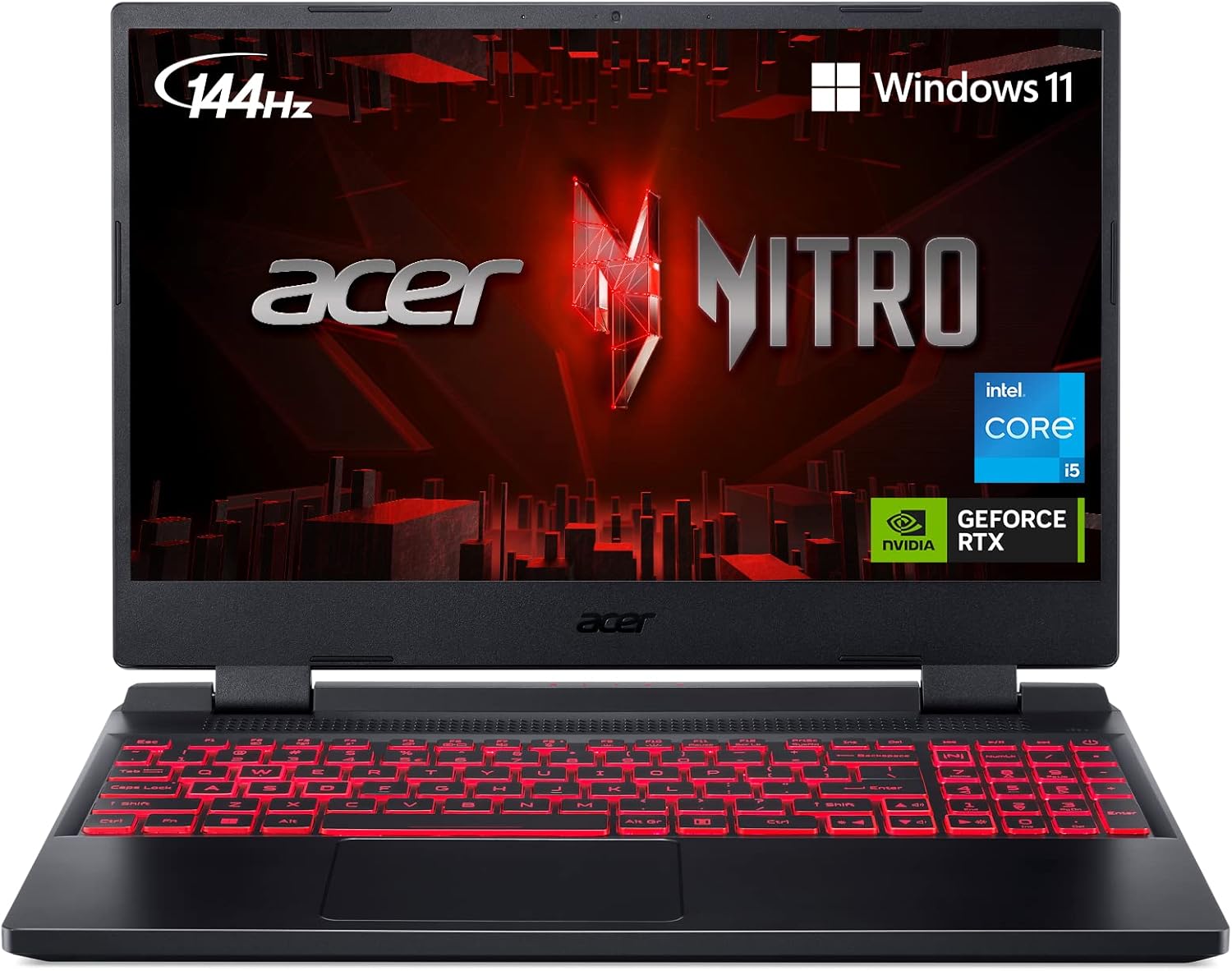
- memory Intel Core i5-12500H
- developer_board NVIDIA GeForce RTX 3050 Ti
- layers 16GB DDR4-3200MHz
- track_changes Target GPU: NVIDIA GTX 1060 (6GB) / AMD RX 580 / Intel Arc A380
- memory AMD Ryzen 7 7435HS
- developer_board NVIDIA GeForce RTX 3050
- layers 32GB DDR5-4800MHz
- track_changes Target GPU: NVIDIA GTX 1060 (6GB) / AMD RX 580 / Intel Arc A380
- memory AMD Ryzen 7 6800H
- developer_board NVIDIA GeForce RTX 3060
- layers 16GB DDR5-4800MHz
- track_changes Target GPU: NVIDIA GTX 1060 (6GB) / AMD RX 580 / Intel Arc A380
- memory AMD Ryzen 9 5900HS
- developer_board NVIDIA GeForce RTX 3080
- layers 16GB DDR4-3200MHz
- track_changes Target GPU: NVIDIA GTX 1060 (6GB) / AMD RX 580 / Intel Arc A380

- memory Intel Core i7-13620H
- developer_board NVIDIA GeForce RTX 4070
- layers 16GB DDR5-4800MHz
- track_changes Target GPU: NVIDIA GTX 1060 (6GB) / AMD RX 580 / Intel Arc A380
- memory Intel Core i9-14900HX
- developer_board NVIDIA GeForce RTX 4070
- layers 32GB DDR5-5600MHz
- track_changes Target GPU: NVIDIA RTX 2060 Super / AMD RX 5700 XT / Intel Arc A770
- memory Intel Core i9-14900HX
- developer_board NVIDIA GeForce RTX 4070
- layers 16GB DDR5-5600MHz
- track_changes Target GPU: NVIDIA RTX 2060 Super / AMD RX 5700 XT / Intel Arc A770

- memory Intel Core Ultra 7 255H
- developer_board NVIDIA GeForce RTX 5060 Laptop GPU
- layers 16GB DDR5-5600MHz (Dual-Channel)
- track_changes Target GPU: NVIDIA RTX 2060 Super / AMD RX 5700 XT / Intel Arc A770
- memory AMD Ryzen 9 8940HX Processor
- developer_board NVIDIA GeForce RTX 5060 Laptop GPU
- layers 32GB DDR5-5200MHz
- track_changes Target GPU: NVIDIA RTX 2060 Super / AMD RX 5700 XT / Intel Arc A770

- memory Intel Core i9-12950HX
- developer_board NVIDIA GeForce RTX 3080 Ti
- layers 32GB DDR5-4800MHz
- track_changes Target GPU: NVIDIA RTX 2060 Super / AMD RX 5700 XT / Intel Arc A770
- memory Intel Core i9-14900HX
- developer_board NVIDIA GeForce RTX 4080 Laptop GPU
- layers 64 GB DDR5-5600MHz
- track_changes Target GPU: NVIDIA RTX 3080 / AMD RX 7900 XTX
- memory Intel Core Ultra 9 Processor 275HX (Series 2)
- developer_board NVIDIA GeForce RTX 5070 Laptop GPU
- layers 32GB DDR5-5600MHz
- track_changes Target GPU: NVIDIA RTX 3080 / AMD RX 7900 XTX
- memory Intel Core i9-14900HX Processor
- developer_board NVIDIA GeForce RTX 5070 Laptop GPU
- layers 32GB DDR5-5600MHz
- track_changes Target GPU: NVIDIA RTX 3080 / AMD RX 7900 XTX

- memory Intel Core i9-14900HX Processor
- developer_board NVIDIA GeForce RTX 5070 Laptop GPU
- layers 32GB DDR5-5600MHz
- track_changes Target GPU: NVIDIA RTX 3080 / AMD RX 7900 XTX

- memory Intel Core Ultra 9 285H (Arrow Lake-H)
- developer_board NVIDIA GeForce RTX 5070 Laptop GPU
- layers 64GB LPDDR5x-8533MT/s (LPCAMM2)
- track_changes Target GPU: NVIDIA RTX 3080 / AMD RX 7900 XTX

- memory Intel Core i9-14900HX
- developer_board NVIDIA GeForce RTX 4080
- layers 64GB DDR5-5600MHz
- track_changes Target GPU: NVIDIA RTX 3080 / AMD RX 7900 XTX

- memory Intel Core i9-14900HX
- developer_board NVIDIA GeForce RTX 4080
- layers 32GB DDR5-5600MHz
- track_changes Target GPU: NVIDIA RTX 3080 / AMD RX 7900 XTX

- memory Intel Core i9-14900HX
- developer_board NVIDIA GeForce RTX 4080
- layers 32GB DDR5-5600MHz
- track_changes Target GPU: NVIDIA RTX 3080 / AMD RX 7900 XTX

- memory Intel Core i9-14900HX
- developer_board NVIDIA GeForce RTX 4080
- layers 32GB DDR5-5600MHz
- track_changes Target GPU: NVIDIA RTX 3080 / AMD RX 7900 XTX

- memory AMD Ryzen 9 7845HX
- developer_board NVIDIA GeForce RTX 4080
- layers Up to 64GB DDR5
- track_changes Target GPU: NVIDIA RTX 3080 / AMD RX 7900 XTX
For Call of Duty: Black Ops 6 Specifically
- memory Intel Core i7-12700H
- developer_board NVIDIA GeForce RTX 3070
- layers 32GB DDR4-3200MHz
- track_changes Target GPU: NVIDIA GeForce GTX 960 / GTX 1650 or AMD Radeon RX 470
- memory Intel Core i9-13900H
- developer_board NVIDIA GeForce RTX 4060
- layers 16GB DDR5-5200MHz
- track_changes Target GPU: NVIDIA GeForce GTX 960 / GTX 1650 or AMD Radeon RX 470
- memory Intel Core i9-14900HX
- developer_board NVIDIA GeForce RTX 4060
- layers 32GB DDR5-5600MHz
- track_changes Target GPU: NVIDIA GeForce GTX 960 / GTX 1650 or AMD Radeon RX 470
- memory Intel Core i9-12900H
- developer_board NVIDIA GeForce RTX 3070 Ti
- layers 16GB DDR5-4800MHz
- track_changes Target GPU: NVIDIA GeForce GTX 960 / GTX 1650 or AMD Radeon RX 470
- memory Intel Core i5-12450H
- developer_board NVIDIA GeForce RTX 3050
- layers 16GB DDR4-3200MHz
- track_changes Target GPU: NVIDIA GeForce GTX 960 / GTX 1650 or AMD Radeon RX 470
- memory Intel Core i5-12500H
- developer_board NVIDIA GeForce RTX 3050 Ti
- layers 16GB DDR4-3200MHz
- track_changes Target GPU: NVIDIA GeForce GTX 960 / GTX 1650 or AMD Radeon RX 470
- memory AMD Ryzen 7 7435HS
- developer_board NVIDIA GeForce RTX 3050
- layers 32GB DDR5-4800MHz
- track_changes Target GPU: NVIDIA GeForce GTX 960 / GTX 1650 or AMD Radeon RX 470
- memory AMD Ryzen 7 6800H
- developer_board NVIDIA GeForce RTX 3060
- layers 16GB DDR5-4800MHz
- track_changes Target GPU: NVIDIA GeForce GTX 960 / GTX 1650 or AMD Radeon RX 470
- memory AMD Ryzen 9 5900HS
- developer_board NVIDIA GeForce RTX 3080
- layers 16GB DDR4-3200MHz
- track_changes Target GPU: NVIDIA GeForce GTX 960 / GTX 1650 or AMD Radeon RX 470
- memory Intel Core i7-13620H
- developer_board NVIDIA GeForce RTX 4070
- layers 16GB DDR5-4800MHz
- track_changes Target GPU: NVIDIA GeForce GTX 960 / GTX 1650 or AMD Radeon RX 470
- memory AMD Ryzen 9 8940HX Processor
- developer_board NVIDIA GeForce RTX 5060 Laptop GPU
- layers 32GB DDR5-5200MHz
- track_changes Target GPU: NVIDIA GeForce GTX 1080 Ti / RTX 3060 or AMD Radeon RX 6600 XT
- memory AMD Ryzen 7 7445HS
- developer_board NVIDIA GeForce RTX 4050
- layers 16GB (2x8GB) DDR5 5600MHz SO-DIMM
- track_changes Target GPU: NVIDIA GeForce GTX 1080 Ti / RTX 3060 or AMD Radeon RX 6600 XT

- memory AMD Ryzen 7 7445HS
- developer_board NVIDIA GeForce RTX 4050
- layers 16GB DDR5 5600MHz SO-DIMM
- track_changes Target GPU: NVIDIA GeForce GTX 1080 Ti / RTX 3060 or AMD Radeon RX 6600 XT
- memory Intel Core Ultra 9 285H (Arrow Lake-H)
- developer_board NVIDIA GeForce RTX 5070 Laptop GPU
- layers 64GB LPDDR5x-8533MT/s (LPCAMM2)
- track_changes Target GPU: NVIDIA GeForce GTX 1080 Ti / RTX 3060 or AMD Radeon RX 6600 XT
- memory AMD Ryzen 9 7845HX
- developer_board NVIDIA GeForce RTX 4080
- layers Up to 64GB DDR5
- track_changes Target GPU: NVIDIA GeForce GTX 1080 Ti / RTX 3060 or AMD Radeon RX 6600 XT

- memory Intel Core Ultra 9 285H (Series 2) , 14 cores (6 Performance cores + 8 Efficient cores), 20 threads
- developer_board NVIDIA GeForce RTX 5050 Laptop GPU
- layers 32GB (2x16GB) DDR5 8400MHz SO-DIMM
- track_changes Target GPU: NVIDIA GeForce GTX 1080 Ti / RTX 3060 or AMD Radeon RX 6600 XT

- memory Intel Core Ultra 9 285H
- developer_board NVIDIA GeForce RTX 5070
- layers 32GB (2x16GB) DDR5 4800MHz SO-DIMM
- track_changes Target GPU: NVIDIA GeForce GTX 1080 Ti / RTX 3060 or AMD Radeon RX 6600 XT

- memory Intel Core Ultra 9 275HX
- developer_board GeForce RTX 5070 Laptop Laptop GPU
- layers 64GB DDR5-6400MHz (Single-Channel)
- track_changes Target GPU: NVIDIA GeForce GTX 1080 Ti / RTX 3060 or AMD Radeon RX 6600 XT

- memory Intel Core Ultra 9 275HX
- developer_board NVIDIA GeForce RTX 5070 Ti
- layers 32GB
- track_changes Target GPU: NVIDIA GeForce GTX 1080 Ti / RTX 3060 or AMD Radeon RX 6600 XT
- memory AMD Ryzen 7 7435HS
- developer_board NVIDIA GeForce RTX 3050
- layers 32GB DDR5-4800MHz
- track_changes Target GPU: NVIDIA GeForce RTX 3080 / RTX 4070 or AMD Radeon RX 6800 XT
- memory AMD Ryzen 7 6800H
- developer_board NVIDIA GeForce RTX 3060
- layers 16GB DDR5-4800MHz
- track_changes Target GPU: NVIDIA GeForce RTX 3080 / RTX 4070 or AMD Radeon RX 6800 XT
- memory AMD Ryzen 9 5900HS
- developer_board NVIDIA GeForce RTX 3080
- layers 16GB DDR4-3200MHz
- track_changes Target GPU: NVIDIA GeForce RTX 3080 / RTX 4070 or AMD Radeon RX 6800 XT
- memory Intel Core i7-13620H
- developer_board NVIDIA GeForce RTX 4070
- layers 16GB DDR5-4800MHz
- track_changes Target GPU: NVIDIA GeForce RTX 3080 / RTX 4070 or AMD Radeon RX 6800 XT
- memory Intel Core i7-14700HX
- developer_board NVIDIA GeForce RTX 4070
- layers 16GB DDR5-5600MHz
- track_changes Target GPU: NVIDIA GeForce RTX 3080 / RTX 4070 or AMD Radeon RX 6800 XT
- memory Intel Core i9-14900HX
- developer_board NVIDIA GeForce RTX 4070
- layers 32GB DDR5-5600MHz
- track_changes Target GPU: NVIDIA GeForce RTX 3080 / RTX 4070 or AMD Radeon RX 6800 XT
- memory Intel Core i9-14900HX
- developer_board NVIDIA GeForce RTX 4070
- layers 16GB DDR5-5600MHz
- track_changes Target GPU: NVIDIA GeForce RTX 3080 / RTX 4070 or AMD Radeon RX 6800 XT
- memory Intel Core Ultra 7 255H
- developer_board NVIDIA GeForce RTX 5060 Laptop GPU
- layers 16GB DDR5-5600MHz (Dual-Channel)
- track_changes Target GPU: NVIDIA GeForce RTX 3080 / RTX 4070 or AMD Radeon RX 6800 XT
- memory AMD Ryzen 9 8940HX Processor
- developer_board NVIDIA GeForce RTX 5060 Laptop GPU
- layers 32GB DDR5-5200MHz
- track_changes Target GPU: NVIDIA GeForce RTX 3080 / RTX 4070 or AMD Radeon RX 6800 XT
- memory Intel Core i9-12950HX
- developer_board NVIDIA GeForce RTX 3080 Ti
- layers 32GB DDR5-4800MHz
- track_changes Target GPU: NVIDIA GeForce RTX 3080 / RTX 4070 or AMD Radeon RX 6800 XT
- memory Intel Core i7-14700HX
- developer_board NVIDIA GeForce RTX 4070
- layers 16GB DDR5-5600MHz
- track_changes Target GPU: NVIDIA GeForce RTX 4070 Ti SUPER (16GB) or AMD Radeon RX 7900 XT (20GB). (Future-proof: RTX 5080)
- memory Intel Core i9-14900HX
- developer_board NVIDIA GeForce RTX 4070
- layers 32GB DDR5-5600MHz
- track_changes Target GPU: NVIDIA GeForce RTX 4070 Ti SUPER (16GB) or AMD Radeon RX 7900 XT (20GB). (Future-proof: RTX 5080)
- memory Intel Core i9-14900HX
- developer_board NVIDIA GeForce RTX 4070
- layers 16GB DDR5-5600MHz
- track_changes Target GPU: NVIDIA GeForce RTX 4070 Ti SUPER (16GB) or AMD Radeon RX 7900 XT (20GB). (Future-proof: RTX 5080)
- memory Intel Core Ultra 7 255H
- developer_board NVIDIA GeForce RTX 5060 Laptop GPU
- layers 16GB DDR5-5600MHz (Dual-Channel)
- track_changes Target GPU: NVIDIA GeForce RTX 4070 Ti SUPER (16GB) or AMD Radeon RX 7900 XT (20GB). (Future-proof: RTX 5080)
- memory AMD Ryzen 9 8940HX Processor
- developer_board NVIDIA GeForce RTX 5060 Laptop GPU
- layers 32GB DDR5-5200MHz
- track_changes Target GPU: NVIDIA GeForce RTX 4070 Ti SUPER (16GB) or AMD Radeon RX 7900 XT (20GB). (Future-proof: RTX 5080)
- memory Intel Core i9-12950HX
- developer_board NVIDIA GeForce RTX 3080 Ti
- layers 32GB DDR5-4800MHz
- track_changes Target GPU: NVIDIA GeForce RTX 4070 Ti SUPER (16GB) or AMD Radeon RX 7900 XT (20GB). (Future-proof: RTX 5080)
- memory AMD Ryzen 7 7445HS
- developer_board NVIDIA GeForce RTX 4050
- layers 16GB (2x8GB) DDR5 5600MHz SO-DIMM
- track_changes Target GPU: NVIDIA GeForce RTX 4070 Ti SUPER (16GB) or AMD Radeon RX 7900 XT (20GB). (Future-proof: RTX 5080)
- memory AMD Ryzen 7 7445HS
- developer_board NVIDIA GeForce RTX 4050
- layers 16GB DDR5 5600MHz SO-DIMM
- track_changes Target GPU: NVIDIA GeForce RTX 4070 Ti SUPER (16GB) or AMD Radeon RX 7900 XT (20GB). (Future-proof: RTX 5080)
- memory Intel Core i9-14900HX
- developer_board NVIDIA GeForce RTX 4080 Laptop GPU
- layers 64 GB DDR5-5600MHz
- track_changes Target GPU: NVIDIA GeForce RTX 4070 Ti SUPER (16GB) or AMD Radeon RX 7900 XT (20GB). (Future-proof: RTX 5080)

- memory AMD Ryzen 7 6800HS
- developer_board NVIDIA GeForce RTX 5070 Laptop GPU
- layers 16GB (2x8GB) DDR4 4800MHz SO-DIMM
- track_changes Target GPU: NVIDIA GeForce RTX 4070 Ti SUPER (16GB) or AMD Radeon RX 7900 XT (20GB). (Future-proof: RTX 5080)
info_outline Laptop recommendations are estimates based on available component benchmarks and game requirements. Actual performance may vary depending on settings, drivers, cooling, power limits, etc. Prices and availability subject to change. As an Amazon Associate, we earn from qualifying purchases.