Select Games to Compare
Benchmark your exact mobile GPU wattage (TGP), battery throttling drops, and cooling pad requirements for these games.
Beautiful Light vs Rainbow Six Siege X
| close | close |
|---|---|
| shopping_cart Where to Buy | |
| info General Information | |
| Release Date | |
| Dec 1, 2026 | Jun 10, 2025 |
| Developer | |
| Deep Worlds SA | Ubisoft Montreal |
| Publisher | |
| Deep Worlds SA | Ubisoft |
| Genre(s) | |
| PvPvPvE Tactical Extraction Shooter | Tactical Shooter, First-Person Shooter, Multiplayer, Competitive |
| Engine | |
| Unreal Engine 5 | AnvilNext 2.0 |
| stars Ratings & Price | |
| Content Rating | |
| Mature 17+ | M (Mature 17+) |
| Avg. User Rating | |
| 4.5 / 5.0 | 3.9 / 5.0 |
| Current Price (USD) | |
| $29.99 | Free |
| tune Key Specs | |
| Quick Highlights | |
|
|
| sports_esports Gameplay & Mechanics | |
| Companions/Followers | |
|
|
| Key Collectibles | |
|
|
| Key Themes | |
|
|
| colorize Combat & Gear | |
| Weapons Overview | |
|
|
| Armor / Gear Sets | |
|
|
| Outfits/Customization | |
|
|
| trending_up Progression & Upgrades | |
| Skills & Progression | |
|
Character progression heavily revolves around a sophisticated PMC Progression Skill Tree managed through a network of specialized Traders. By successfully extracting artifacts and completing binding contracts, operators earn resources to permanently improve their base statistics and tactical proficiencies. This RPG-like metagame allows players to heavily customize their loadouts, unlocking advanced weapon platforms, specialized anti-armor ammunition, and vital utility equipment necessary for surviving increasingly dangerous raids. Crucially, Beautiful Light features an asymmetrical progression economy. Players controlling anomalies earn continuous experience points that feed into a distinct anomaly-specific RPG tree, unlocking new predatory traversal abilities, enhanced sensory skills, and entirely new monstrous forms. Furthermore, an innovative cross-progression bridge allows players who excel in the anomaly role to convert a portion of their predatory earnings back into their human PMC characters, ensuring players are rewarded regardless of which side of the asymmetrical PvPvPvE conflict they choose to engage in. |
Progression is based on unlocking and mastering the game's 75+ unique operators. Each operator has a signature gadget and a specific loadout of weapons. There are no skill trees; progression is about expanding your tactical options by unlocking more operators with in-game currency ('Renown') and improving your personal skill and map knowledge. |
| public World & Exploration | |
| World & Level Design | |
|
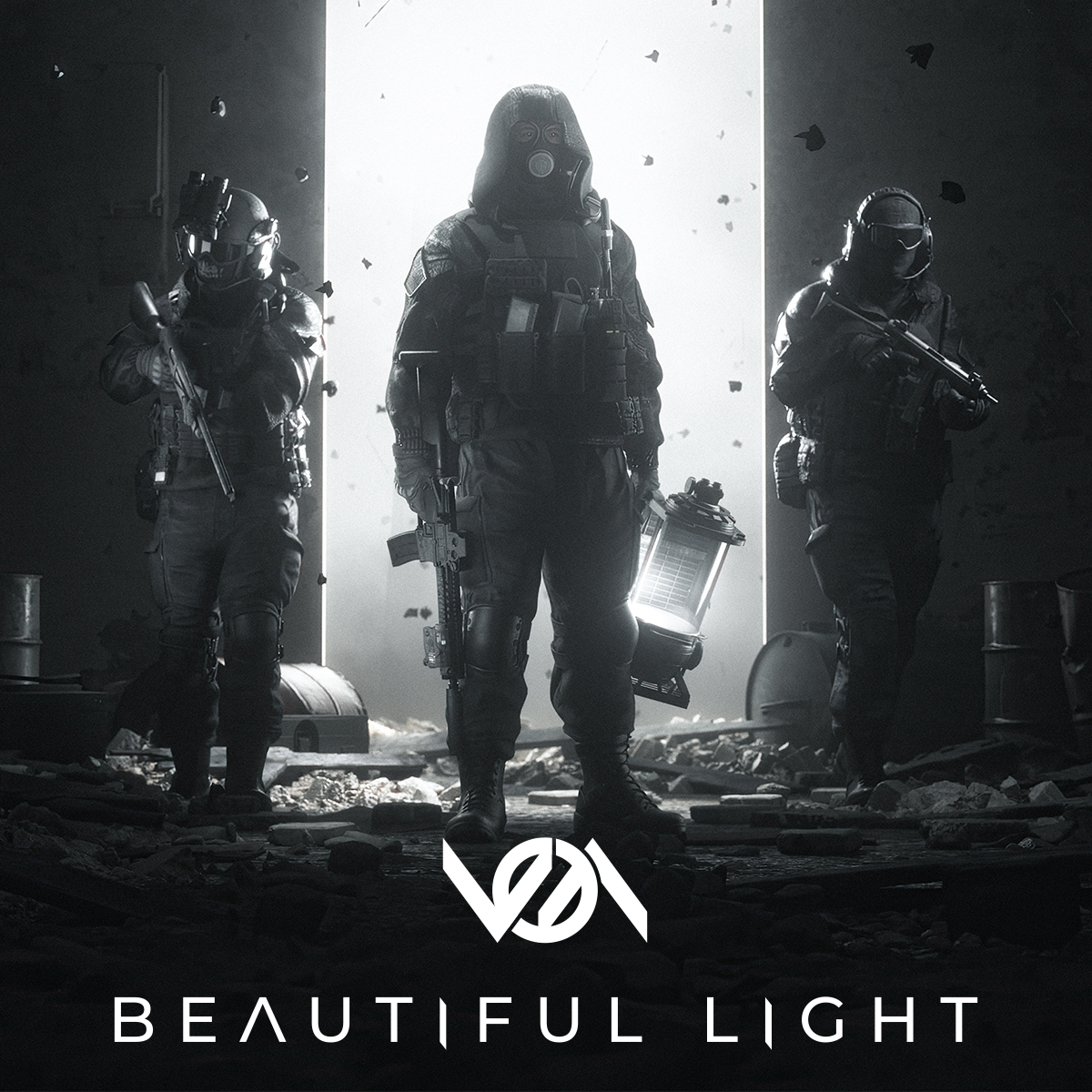
At the launch of Early Access, Beautiful Light introduces players to two distinct and meticulously detailed maps serving as initial post-apocalyptic intervention zones. The flagship map, designated 'Ground Zero', offers a brutal mix of extreme environmental hazards, crumbling architectural obstacles, and dense atmospheric lore. Map design philosophy deliberately heavily prioritizes intricate route generation, fatal choke points, and fallback planning over wide-open sandbox exploration. Environments are deeply hostile, visually oppressive, and weaponized against the player. Tight, claustrophobic indoor corridors negate long-barreled weapon advantages, while exposed exterior intervention zones leave squads highly vulnerable to sniper fire and sudden anomaly ambushes. This architectural complexity demands that players memorize ambient light sources, secondary extraction routes, and fatal funnels. Survival hinges completely on map knowledge, forcing operators to conduct low-risk perimeter sweeps to build a mental cartography of the maze-like structures before ever attempting a high-value artifact extraction deep within the facilities. |
The game features a large pool of compact, intricate maps designed for close-quarters tactical combat. With the Siege X update, five classic maps (Bank, Clubhouse, Border, Chalet, Kafe) have received a full visual and fidelity overhaul, with more planned for future seasons. A new, much larger map called 'District' was introduced exclusively for the 'Dual Front' game mode. |
| Playable Vehicles | |
|
|
| Notable Fauna/Mounts | |
|
N/A |
| book Story & Characters | |
| Main Characters | |
|
|
| Example Missions | |
|
|
| people Multiplayer | |
| Multiplayer Details | |
|
The core multiplayer architecture is strictly built around the 'Raid' mode, an innovative 24-player PvPvPvE asymmetrical tactical extraction experience. Each match dynamically pits eighteen human players—divided precisely into six independent, highly coordinated squads of three QRF operators—against a terrifying roster of six individual players assuming the roles of apex anomalies. This unique ratio creates a highly volatile ecosystem where human squads must compete against each other for high-value artifacts while simultaneously surviving the psychological horror of being hunted by intelligent, player-controlled monsters. Supplementing this 24-player chaos is a baseline population of AI-controlled anomalies that provide ambient PvE friction. Looking toward the future, the developers have teased a mysterious 'secret expedition game mode' for the 1.0 release, alongside the capability for players to utilize self-hosted dedicated servers to create purely cooperative PvE experiences, completely isolating the horror mechanics from competitive human-versus-human interference. |
The primary mode is the 5v5 single-elimination 'Bomb' mode. Other classic modes like Hostage and Secure Area are available. The major new addition is 'Dual Front,' a permanent 6v6 mode with respawns and simultaneous attack/defense objectives on the game's largest map. |
| extension Editions & DLC | |
| Available Editions | |
|
As Beautiful Light is slated for an Early Access launch on PC storefronts in December 2026, the specific retail editions remain largely standardized to ensure community accessibility. Currently, the primary offering will be the Standard Early Access Edition, which grants full access to the core 24-player Raid mode, the initial two maps, the complete launch armory of over 20 firearms, and the foundational PMC and Anomaly progression systems. While premium collector's or ultimate editions have not been fully detailed, industry standard practices for extraction shooters often suggest the future introduction of 'Supporter Editions' or 'Tactical Bundles'. These theoretical upgraded editions would likely provide players with expanded initial stash space, exclusive cosmetic tactical gear, or minor starting standing boosts with the three primary in-game Traders. Deep Worlds SA has emphasized community goodwill, officially confirming they have no plans to artificially inflate the base game's price upon full release. |
The core game is free-to-play with access to most modes and a rotating roster of 26 operators. The Elite Edition ($19.99) unlocks Ranked mode and 16 additional operators. The Ultimate Edition ($39.99) provides instant access to all 52 additional operators and exclusive cosmetic items. All progress from previous versions of Siege carries over. |
| Post-Launch Content / DLC | |
|
Deep Worlds SA has outlined an exceptionally ambitious multi-year post-launch roadmap for Beautiful Light, aiming to evolve the title from a match-based shooter into a comprehensive military management platform. The journey to Version 1.0 will see the systematic introduction of new intervention zone maps, dramatically expanding the post-apocalyptic theater. Players can expect consistent armory expansions featuring new weapon platforms, advanced tactical gadgets, and multiple new playable anomaly classes to shift the asymmetric meta. A highly anticipated 'secret expedition game mode' is also in development, hinting at continuous, multi-map deployment sequences or narrative-driven PvE campaigns. Crucially, the full release will integrate advanced social architectures, including granular clan management, global leaderboards, and a player-driven mercenary gig economy where users can publish custom contracts. To guarantee extreme longevity, the developers have confirmed full support for self-hosted dedicated servers, allowing the community to preserve and heavily customize the experience indefinitely. |
Siege X follows a seasonal live-service model. Every season introduces a new Battle Pass with branching paths, new operators, map reworks, and major balance changes. The first season, 'Operation Daybreak,' included a rework for the operator Clash. |
| help_outline FAQ | |
| Frequently Asked Questions | |
|
|
| build Technical Details | |
| Graphics & Visual Fidelity | |
|
Powered by Unreal Engine 5, Beautiful Light utilizes cutting-edge rendering techniques to construct a suffocating, oppressive visual atmosphere where lighting is a core gameplay mechanic. The game heavily leverages advanced volumetric fog, atmospheric light physics, and deep, impenetrable dynamic shadows to hide player-controlled anomalies and rival human squads. Pitch-black combat corridors demand the strategic use of night vision optics and tactical flashlights, which simultaneously illuminate paths and act as highly dangerous beacons to predators. Because visual obscurity is fundamental to the tactical reality, running the game on low visual presets is heavily discouraged. To maintain stable performance during intense, visually complex firefights, the game natively integrates upscaling technologies like NVIDIA DLSS and AMD FSR. High-end PC configurations can push texture details to Epic, ensuring operator silhouettes and anomaly appendages remain terrifyingly readable, resulting in one of the most visually striking and mechanically demanding tactical shooters available. |
N/A |
| Audio & Soundtrack | |
|
The acoustic environment in Beautiful Light is meticulously weaponized, serving as both a primary navigation tool and a lethal liability. The game's soundscape relies heavily on advanced spatial audio to induce constant paranoia; players must learn to precisely distinguish the heavy resonance of realistic operator footsteps from the erratic, terrifying pacing of lurking anomalies. Crucially, the audio design is deeply tied to physiological stress. Operators will actively hear their own character's panicked breathing, racing heartbeats during kinetic combat, and the claustrophobic, muffled acoustic restriction of wearing a functional tactical gas mask. Maintaining extreme audio discipline is the absolute foundation of survival. Utilizing integrally suppressed weapons, executing silent melee takedowns on AI enemies, and communicating via short, precise microphone callouts are mandatory strategies. A single unsuppressed gunshot or panicked sprint can instantly alert player-controlled anomalies across the intervention zone, triggering a deadly, multi-directional siege against the offending squad. |
N/A |
| User Interface (UI/UX) | |
|
Beautiful Light radically abandons traditional, screen-cluttering HUD elements in favor of a strictly diegetic, deeply immersive interface designed to induce profound psychological friction. The absolute centerpiece of this philosophy is the forearm-mounted PDA, which serves as the operator's primary hub for tactical information, map navigation, squad vitals, and objective surveying. To access this critical data, players must physically raise their character's arm, an action that completely lowers their primary weapon, obscures peripheral vision, and entirely breaks their focus on the immediate physical environment. In a game heavily populated by ceiling-crawling anomalies and lurking human predators, simply checking the map becomes a potentially fatal vulnerability. There are no magical crosshairs, floating objective markers, or artificial ammo counters. Players must physically check their magazines, rely on realistic weapon sights, and navigate by memory and compass, perfectly aligning the game's UI with its hardcore, suffocating military simulation ethos. |
N/A |
| Accessibility Options | |
|
Given its hardcore positioning as a realistic military simulation intertwined with high-stakes survival horror, Beautiful Light inherently features a steep learning curve and punishing mechanics. However, baseline accessibility features expected of modern PC titles are present. The game natively supports an impressive array of localized languages for its interface and subtitles, including English, French, Spanish, Italian, German, Simplified and Traditional Chinese, Korean, Japanese, Polish, Portuguese, Russian, and Turkish, ensuring massive global accessibility. While the diegetic UI strictly removes traditional HUD elements to maintain immersion, players have access to standard control remapping, extensive mouse sensitivity tuning, and vital FOV (Field of View) sliders to mitigate motion sickness during intense, close-quarters combat. Furthermore, the inclusion of temporal upscaling like DLSS and FSR acts as a hardware accessibility feature, allowing players on mid-range gaming rigs to achieve the critical 60 FPS threshold required to remain competitive in high-stakes PvP firefights. |
N/A |
| video_library Media Links | |
| Gameplay Video | |
| launchWatch | launchWatch |
| Walkthrough/Guide | |
| launchView | launchView |
| settings_applications System Requirements | |
| 1080p (Full HD) - Recommended (High (Quality Upscaling)) CPU: Provides stable frame pacing required for hardcore tactical aiming and recoil control. CPU (Laptop): High-performance mobile chips capable of sustained physics calculations without throttling. GPU: Recommended for maintaining 60+ FPS with high texture details and volumetric lighting. GPU (Laptop): High TGP required to handle dynamic shadows and spatial geometry under load. RAM: Strongly recommended to prevent severe memory-related stuttering during intense streaming. Storage: Fast NVMe ensures immediate loading of high-res textures. | |
memoryCPU: Intel Core i7-9700K developer_boardGPU: NVIDIA GeForce GTX 1080 Ti / RTX 3060 laptop_macCPU (L): Intel Core i7-11800H or Ryzen 7 5800H laptop_windowsGPU (L): NVIDIA RTX 3060 (130W) / RTX 4060 layersRAM: 16 GB saveStorage (Tier): 60 GB NVMe SSD | — |
| 1080p (Full HD) - Recommended (High Refresh Rate @ 1080p) (High Preset, 1080p resolution, aiming for a stable 144+ FPS.) CPU: A powerful CPU to consistently drive high framerates for competitive play. CPU (Laptop): A strong mobile CPU to maintain high FPS during intense firefights and destruction. GPU: Excellent desktop GPUs for a high-refresh-rate experience at 1080p with high settings. GPU (Laptop): A high-TGP RTX 3060 or any RTX 4060 laptop will provide a great 1080p competitive experience, especially with DLSS and Frame Generation. RAM: 16GB RAM is the official recommended amount. Storage: An SSD is required for this tier. | |
| — | memoryCPU: Intel Core i7-11700K or AMD Ryzen 7 5700X developer_boardGPU: NVIDIA GeForce RTX 3060 (12GB) or AMD Radeon RX 6700 XT (12GB) laptop_macCPU (L): Intel Core i7-12700H / AMD Ryzen 7 6800H or better. laptop_windowsGPU (L): NVIDIA GeForce RTX 3060 Laptop (6GB), RTX 4060 Laptop (8GB). (Future-proof: RTX 5060 Laptop) layersRAM: 16 GB saveStorage (Tier): 90 GB SSD |
| 1080p (Full HD) - Minimum (Competitive Entry @ 1080p) (Low Preset, 1080p resolution, aiming for a stable 120+ FPS.) CPU: A solid 6-core processor to handle the game's logic and physics at high framerates. CPU (Laptop): A capable mobile CPU is needed to avoid bottlenecks in a competitive FPS. GPU: Capable GPUs for achieving high refresh rates at 1080p on competitive (low) settings. GPU (Laptop): An RTX-series laptop GPU is highly recommended to leverage DLSS for a more stable high-framerate experience. RAM: 16GB RAM is the expected minimum for modern AAA multiplayer titles. Storage: An SSD is officially required for minimum playability. | |
| — | memoryCPU: Intel Core i5-9600K or AMD Ryzen 5 3600 developer_boardGPU: NVIDIA GeForce GTX 1660 Super (6GB) or AMD Radeon RX 5600 XT (6GB) laptop_macCPU (L): Intel Core i7-10750H / AMD Ryzen 7 4800H or better. laptop_windowsGPU (L): NVIDIA GeForce RTX 3050 Ti Laptop (4GB), RTX 4050 Laptop (6GB). (Future-proof: RTX 5050 Laptop) layersRAM: 16 GB saveStorage (Tier): 90 GB SSD |
| 1080p (Full HD) - Minimum (Low-Medium (Performance Upscaling)) CPU: Baseline multi-core processor needed to handle complex UE environments and 24-player match tracking. CPU (Laptop): Equivalent mobile processors with sufficient multi-threading for physics and spatial audio. GPU: Absolute minimum to render essential dynamic lighting and tactical flashlights. GPU (Laptop): Entry-level modern mobile GPUs needed for base frame rates. RAM: Absolute minimum; highly aggressive and may result in stuttering during dense firefights. Storage: SSD required to prevent texture pop-in and fatal loading freezes. | |
memoryCPU: AMD Ryzen 5 3600 developer_boardGPU: NVIDIA GeForce GTX 970 / GTX 1080 laptop_macCPU (L): AMD Ryzen 5 5600H or Intel Core i5-11400H laptop_windowsGPU (L): NVIDIA RTX 3050 Ti (95W) / RTX 2060 layersRAM: 6 GB saveStorage (Tier): 50 GB SSD | — |
| 1440p (QHD/2K) - Competitive (High Refresh Rate @ 1440p) (Medium/High Preset, 1440p resolution, aiming for 144+ FPS. Upscaling (DLSS/FSR Quality) is recommended.) CPU: A top-tier gaming CPU to prevent bottlenecks and ensure the highest possible framerates at 1440p. CPU (Laptop): High-performance laptop CPUs are essential for a consistent and smooth 1440p high-refresh-rate experience. GPU: Strong desktop GPUs for the 1440p competitive sweet spot, providing high framerates with great visual clarity. GPU (Laptop): A high-TGP RTX 4070 or RTX 3080 Laptop is the target for 1440p competitive play. A future RTX 5070 Laptop would excel here. RAM: While 16GB is sufficient, 32GB is recommended for the smoothest experience with background applications. Storage: A fast NVMe SSD is recommended for the best loading times and performance at 1440p. | |
| — | memoryCPU: Intel Core i5-13600K or AMD Ryzen 7 7700X developer_boardGPU: NVIDIA GeForce RTX 4070 (12GB) or AMD Radeon RX 7800 XT (16GB) laptop_macCPU (L): Intel Core i7-13650HX / AMD Ryzen 7 7745HX or newer. laptop_windowsGPU (L): NVIDIA GeForce RTX 3080 Laptop (8GB), RTX 4070 Laptop (8GB). (Future-proof: RTX 5070 Laptop) layersRAM: 16 GB saveStorage (Tier): 90 GB NVMe SSD |
| 1440p (QHD/2K) - Recommended (Estimated) (High (Balanced Upscaling)) CPU: Strong single and multi-core performance to feed higher resolution rendering without bottlenecks. CPU (Laptop): Robust mobile processors to avoid bottlenecking the GPU at 1440p. GPU: Necessary VRAM and compute to handle 1440p textures and complex dynamic lighting. GPU (Laptop): High wattage required to push 1440p pixels without severe frame drops. RAM: 32GB provides absolute stability for prolonged gaming sessions with heavy asset loading. Storage: Crucial for instantaneous map asset retrieval at high resolutions. | |
memoryCPU: Intel Core i5-12600K / Ryzen 5 7600X developer_boardGPU: NVIDIA GeForce RTX 3070 / RX 6700 XT laptop_macCPU (L): Intel Core i7-12700H / Ryzen 7 6800H laptop_windowsGPU (L): NVIDIA RTX 3070 Ti (150W) / RTX 4070 layersRAM: 16 GB saveStorage (Tier): 60 GB NVMe SSD | — |
| 2160p (UHD/4K) - Ultra (Estimated) (Epic (Performance Upscaling)) CPU: Top-tier gaming CPUs to manage extreme draw calls and intense game logic simultaneously. CPU (Laptop): Desktop-class mobile processors for uncompromising performance. GPU: Massive compute power needed for 4K dynamic lighting, shadows, and volumetric fog. GPU (Laptop): Flagship mobile GPUs required for playable 4K frame rates in a hardcore tactical setting. RAM: Ensures no paging file bottlenecks when rendering immense 4K textures. Storage: Maximum bandwidth for instant streaming of massive ultra-high-definition assets. | |
memoryCPU: Intel Core i7-13700K / Ryzen 7 7800X3D developer_boardGPU: NVIDIA GeForce RTX 4080 / RX 7900 XTX laptop_macCPU (L): Intel Core i9-13900HX / Ryzen 9 7945HX laptop_windowsGPU (L): NVIDIA RTX 4080 (175W) / RTX 4090 layersRAM: 32 GB saveStorage (Tier): 60 GB Gen 4 NVMe SSD | — |
| 2160p (UHD/4K) - 4K Ultra (Enthusiast @ 4K) (High/Ultra Preset, 2160p (4K) resolution, aiming for 120+ FPS. Upscaling (DLSS/FSR Performance) is essential.) CPU: A flagship desktop CPU is recommended to push the highest framerates possible at 4K. CPU (Laptop): The absolute best mobile CPUs are required to keep up with flagship GPUs for a 4K high-refresh-rate experience. GPU: High-end desktop GPUs are necessary for a 4K high-refresh-rate experience, relying heavily on upscaling. GPU (Laptop): Flagship laptop GPUs are required for a playable 4K high-framerate experience, which will be heavily dependent on upscaling and Frame Generation. RAM: 32GB of fast RAM is highly recommended to provide sufficient headroom and minimize stuttering at 4K. Storage: A fast NVMe SSD is essential for the best possible experience at 4K. | |
| — | memoryCPU: Intel Core i7-14700K or AMD Ryzen 7 7800X3D developer_boardGPU: NVIDIA GeForce RTX 4080 (16GB) or AMD Radeon RX 7900 XTX (24GB) laptop_macCPU (L): Intel Core i9-13980HX / AMD Ryzen 9 7945HX or newer. laptop_windowsGPU (L): NVIDIA GeForce RTX 4080 Laptop (12GB), RTX 4090 Laptop (16GB). (Future-proof: RTX 5080 Laptop) layersRAM: 32 GB saveStorage (Tier): 90 GB NVMe SSD |
| save Overall Storage | |
Spec: 50 GB - 60 GB Available Space (SSD Mandatory) Note: A Solid State Drive is practically mandatory to drastically reduce map loading times and eliminate fatal asset streaming hitches. Type: SSD | Spec: 90 GB available space (SSD Required) Note: An SSD is listed as a mandatory requirement for all tiers. This is crucial for fast loading between rounds and streaming high-quality textures without causing in-game stutter. Type: SSD |
| desktop_windows Operating System | |
| Spec: Windows 10 (64-bit) / Windows 11 (64-bit) Explanation: 64-bit architecture is strictly required to address the high RAM requirements for the Unreal Engine environment. | Spec: Windows 10 / Windows 11 (64-bit Required) Explanation: A 64-bit version of Windows 10 is the minimum requirement. Windows 11 is recommended for optimal performance and to best utilize features like DirectStorage for faster map loading. |
| gamepad DirectX Version | |
| Spec: DirectX 12 Explanation: Mandatory for advanced Lumen lighting, volumetric fog, and atmospheric light physics essential to gameplay. | Spec: DirectX 12 Explanation: A next-generation engine would require DirectX 12 for its advanced rendering pipeline, enabling more complex environmental destruction and visual effects. |
| info_outline Other Game Notes | |
|
|
| build Optimization Details | |
|
|
| laptop Laptop Considerations | |
|
|

info_outline Feature details based on available data. System requirements and performance estimates may vary.
laptop_chromebook Laptop Recommendations
Common Recommendations (Handles All Compared Games)

- memory Intel Core Ultra 7 255H
- developer_board NVIDIA GeForce RTX 5060 Laptop GPU
- layers 16GB DDR5-5600MHz (Dual-Channel)
- track_changes Target GPU: NVIDIA RTX 3050 Ti (95W) / RTX 2060

- memory AMD Ryzen 9 8940HX Processor
- developer_board NVIDIA GeForce RTX 5060 Laptop GPU
- layers 32GB DDR5-5200MHz
- track_changes Target GPU: NVIDIA RTX 3050 Ti (95W) / RTX 2060

- memory Intel Core i9-12950HX
- developer_board NVIDIA GeForce RTX 3080 Ti
- layers 32GB DDR5-4800MHz
- track_changes Target GPU: NVIDIA RTX 3050 Ti (95W) / RTX 2060

- memory AMD Ryzen 7 7445HS
- developer_board NVIDIA GeForce RTX 4050
- layers 16GB (2x8GB) DDR5 5600MHz SO-DIMM
- track_changes Target GPU: NVIDIA RTX 3060 (130W) / RTX 4060

- memory AMD Ryzen 7 7445HS
- developer_board NVIDIA GeForce RTX 4050
- layers 16GB DDR5 5600MHz SO-DIMM
- track_changes Target GPU: NVIDIA RTX 3060 (130W) / RTX 4060

- memory Intel Core i9-14900HX
- developer_board NVIDIA GeForce RTX 4080 Laptop GPU
- layers 64 GB DDR5-5600MHz
- track_changes Target GPU: NVIDIA RTX 3060 (130W) / RTX 4060

- memory Intel Core i7-12700H
- developer_board NVIDIA GeForce RTX 3070
- layers 32GB DDR4-3200MHz
- track_changes Target GPU: NVIDIA GeForce RTX 3050 Ti Laptop (4GB), RTX 4050 Laptop (6GB). (Future-proof: RTX 5050 Laptop)

- memory Intel Core i9-13900H
- developer_board NVIDIA GeForce RTX 4060
- layers 16GB DDR5-5200MHz
- track_changes Target GPU: NVIDIA GeForce RTX 3050 Ti Laptop (4GB), RTX 4050 Laptop (6GB). (Future-proof: RTX 5050 Laptop)

- memory Intel Core i9-14900HX
- developer_board NVIDIA GeForce RTX 4060
- layers 32GB DDR5-5600MHz
- track_changes Target GPU: NVIDIA GeForce RTX 3050 Ti Laptop (4GB), RTX 4050 Laptop (6GB). (Future-proof: RTX 5050 Laptop)

- memory Intel Core i9-12900H
- developer_board NVIDIA GeForce RTX 3070 Ti
- layers 16GB DDR5-4800MHz
- track_changes Target GPU: NVIDIA RTX 3070 Ti (150W) / RTX 4070

- memory AMD Ryzen 7 7435HS
- developer_board NVIDIA GeForce RTX 3050
- layers 32GB DDR5-4800MHz
- track_changes Target GPU: NVIDIA RTX 3070 Ti (150W) / RTX 4070

- memory Intel Core i9-14900HX
- developer_board NVIDIA GeForce RTX 4070
- layers 32GB DDR5-5600MHz
- track_changes Target GPU: NVIDIA RTX 3070 Ti (150W) / RTX 4070

- memory AMD Ryzen 7 6800H
- developer_board NVIDIA GeForce RTX 3060
- layers 16GB DDR5-4800MHz
- track_changes Target GPU: NVIDIA GeForce RTX 3080 Laptop (8GB), RTX 4070 Laptop (8GB). (Future-proof: RTX 5070 Laptop)

- memory Intel Core i7-14700HX
- developer_board NVIDIA GeForce RTX 4070
- layers 16GB DDR5-5600MHz
- track_changes Target GPU: NVIDIA GeForce RTX 3080 Laptop (8GB), RTX 4070 Laptop (8GB). (Future-proof: RTX 5070 Laptop)

- memory AMD Ryzen 9 7945HX
- developer_board NVIDIA GeForce RTX 4080
- layers 32GB DDR5
- track_changes Target GPU: NVIDIA RTX 4080 (175W) / RTX 4090

- memory Intel Core i9-14900HX
- developer_board NVIDIA GeForce RTX 4080
- layers 64GB DDR5-5600MHz
- track_changes Target GPU: NVIDIA RTX 4080 (175W) / RTX 4090

- memory Intel Core i9-14900HX
- developer_board NVIDIA GeForce RTX 4080
- layers 32GB DDR5-5600MHz
- track_changes Target GPU: NVIDIA RTX 4080 (175W) / RTX 4090
- memory Intel Core i9-14900HX
- developer_board NVIDIA GeForce RTX 4080 Laptop GPU
- layers 64 GB DDR5-5600MHz
- track_changes Target GPU: NVIDIA GeForce RTX 4080 Laptop (12GB), RTX 4090 Laptop (16GB). (Future-proof: RTX 5080 Laptop)

- memory Intel Core Ultra 9 Processor 275HX (Series 2)
- developer_board NVIDIA GeForce RTX 5070 Laptop GPU
- layers 32GB DDR5-5600MHz
- track_changes Target GPU: NVIDIA GeForce RTX 4080 Laptop (12GB), RTX 4090 Laptop (16GB). (Future-proof: RTX 5080 Laptop)

- memory Intel Core i9-14900HX Processor
- developer_board NVIDIA GeForce RTX 5070 Laptop GPU
- layers 32GB DDR5-5600MHz
- track_changes Target GPU: NVIDIA GeForce RTX 4080 Laptop (12GB), RTX 4090 Laptop (16GB). (Future-proof: RTX 5080 Laptop)
For Beautiful Light Specifically
- memory Intel Core Ultra 7 255H
- developer_board NVIDIA GeForce RTX 5060 Laptop GPU
- layers 16GB DDR5-5600MHz (Dual-Channel)
- track_changes Target GPU: NVIDIA GeForce GTX 970 / GTX 1080
- memory AMD Ryzen 9 8940HX Processor
- developer_board NVIDIA GeForce RTX 5060 Laptop GPU
- layers 32GB DDR5-5200MHz
- track_changes Target GPU: NVIDIA GeForce GTX 970 / GTX 1080
- memory Intel Core i9-12950HX
- developer_board NVIDIA GeForce RTX 3080 Ti
- layers 32GB DDR5-4800MHz
- track_changes Target GPU: NVIDIA GeForce GTX 970 / GTX 1080
- memory AMD Ryzen 7 7445HS
- developer_board NVIDIA GeForce RTX 4050
- layers 16GB (2x8GB) DDR5 5600MHz SO-DIMM
- track_changes Target GPU: NVIDIA GeForce GTX 970 / GTX 1080
- memory AMD Ryzen 7 7445HS
- developer_board NVIDIA GeForce RTX 4050
- layers 16GB DDR5 5600MHz SO-DIMM
- track_changes Target GPU: NVIDIA GeForce GTX 970 / GTX 1080
- memory Intel Core i9-14900HX
- developer_board NVIDIA GeForce RTX 4080 Laptop GPU
- layers 64 GB DDR5-5600MHz
- track_changes Target GPU: NVIDIA GeForce GTX 970 / GTX 1080

- memory Intel Core i9 Processor 14900HX
- developer_board NVIDIA GeForce RTX 5070 Laptop GPU
- layers 32GB DDR5-5600MHz
- track_changes Target GPU: NVIDIA GeForce GTX 970 / GTX 1080

- memory Intel Core i7-13620H
- developer_board NVIDIA GeForce RTX 5070 Laptop GPU
- layers 64GB (2x32GB) DDR5 4800MHz SO-DIMM
- track_changes Target GPU: NVIDIA GeForce GTX 970 / GTX 1080

- memory AMD Ryzen 7 6800HS
- developer_board NVIDIA GeForce RTX 5070 Laptop GPU
- layers 16GB (2x8GB) DDR4 4800MHz SO-DIMM
- track_changes Target GPU: NVIDIA GeForce GTX 970 / GTX 1080
- memory Intel Core Ultra 9 Processor 275HX (Series 2)
- developer_board NVIDIA GeForce RTX 5070 Laptop GPU
- layers 32GB DDR5-5600MHz
- track_changes Target GPU: NVIDIA GeForce GTX 970 / GTX 1080
- memory Intel Core i9-14900HX Processor
- developer_board NVIDIA GeForce RTX 5070 Laptop GPU
- layers 32GB DDR5-5600MHz
- track_changes Target GPU: NVIDIA GeForce GTX 1080 Ti / RTX 3060

- memory Intel Core i9-14900HX Processor
- developer_board NVIDIA GeForce RTX 5070 Laptop GPU
- layers 32GB DDR5-5600MHz
- track_changes Target GPU: NVIDIA GeForce GTX 1080 Ti / RTX 3060

- memory Intel Core Ultra 9 Processor 285H
- developer_board NVIDIA GeForce RTX 5070 Laptop GPU
- layers 16GB DDR5-5600MHz
- track_changes Target GPU: NVIDIA GeForce GTX 1080 Ti / RTX 3060

- memory Intel Core Ultra 9 285H (Arrow Lake-H)
- developer_board NVIDIA GeForce RTX 5070 Laptop GPU
- layers 64GB LPDDR5x-8533MT/s (LPCAMM2)
- track_changes Target GPU: NVIDIA GeForce GTX 1080 Ti / RTX 3060
- memory Intel Core i9-12900H
- developer_board NVIDIA GeForce RTX 3070 Ti
- layers 16GB DDR5-4800MHz
- track_changes Target GPU: NVIDIA GeForce RTX 3070 / RX 6700 XT
- memory AMD Ryzen 7 7435HS
- developer_board NVIDIA GeForce RTX 3050
- layers 32GB DDR5-4800MHz
- track_changes Target GPU: NVIDIA GeForce RTX 3070 / RX 6700 XT
- memory Intel Core i9-14900HX
- developer_board NVIDIA GeForce RTX 4070
- layers 32GB DDR5-5600MHz
- track_changes Target GPU: NVIDIA GeForce RTX 3070 / RX 6700 XT

- memory Intel Core i9-14900HX
- developer_board NVIDIA GeForce RTX 4070
- layers 16GB DDR5-5600MHz
- track_changes Target GPU: NVIDIA GeForce RTX 3070 / RX 6700 XT
- memory Intel Core Ultra 7 255H
- developer_board NVIDIA GeForce RTX 5060 Laptop GPU
- layers 16GB DDR5-5600MHz (Dual-Channel)
- track_changes Target GPU: NVIDIA GeForce RTX 3070 / RX 6700 XT
- memory AMD Ryzen 9 8940HX Processor
- developer_board NVIDIA GeForce RTX 5060 Laptop GPU
- layers 32GB DDR5-5200MHz
- track_changes Target GPU: NVIDIA GeForce RTX 3070 / RX 6700 XT
- memory Intel Core i9-12950HX
- developer_board NVIDIA GeForce RTX 3080 Ti
- layers 32GB DDR5-4800MHz
- track_changes Target GPU: NVIDIA GeForce RTX 3070 / RX 6700 XT
- memory AMD Ryzen 7 7445HS
- developer_board NVIDIA GeForce RTX 4050
- layers 16GB (2x8GB) DDR5 5600MHz SO-DIMM
- track_changes Target GPU: NVIDIA GeForce RTX 3070 / RX 6700 XT
- memory AMD Ryzen 7 7445HS
- developer_board NVIDIA GeForce RTX 4050
- layers 16GB DDR5 5600MHz SO-DIMM
- track_changes Target GPU: NVIDIA GeForce RTX 3070 / RX 6700 XT
- memory Intel Core i9-14900HX
- developer_board NVIDIA GeForce RTX 4080 Laptop GPU
- layers 64 GB DDR5-5600MHz
- track_changes Target GPU: NVIDIA GeForce RTX 3070 / RX 6700 XT
- memory Intel Core i9-14900HX
- developer_board NVIDIA GeForce RTX 4080
- layers 64GB DDR5-5600MHz
- track_changes Target GPU: NVIDIA GeForce RTX 4080 / RX 7900 XTX
- memory Intel Core i9-14900HX
- developer_board NVIDIA GeForce RTX 4080
- layers 32GB DDR5-5600MHz
- track_changes Target GPU: NVIDIA GeForce RTX 4080 / RX 7900 XTX

- memory Intel Core i9-14900HX
- developer_board NVIDIA GeForce RTX 4080
- layers 32GB DDR5-5600MHz
- track_changes Target GPU: NVIDIA GeForce RTX 4080 / RX 7900 XTX

- memory Intel Core i9-14900HX
- developer_board NVIDIA GeForce RTX 4080
- layers 32GB DDR5-5600MHz
- track_changes Target GPU: NVIDIA GeForce RTX 4080 / RX 7900 XTX

- memory AMD Ryzen 9 7845HX
- developer_board NVIDIA GeForce RTX 4080
- layers Up to 64GB DDR5
- track_changes Target GPU: NVIDIA GeForce RTX 4080 / RX 7900 XTX

- memory Intel Core Ultra 9 285H (Series 2) , 14 cores (6 Performance cores + 8 Efficient cores), 20 threads
- developer_board NVIDIA GeForce RTX 5050 Laptop GPU
- layers 32GB (2x16GB) DDR5 8400MHz SO-DIMM
- track_changes Target GPU: NVIDIA GeForce RTX 4080 / RX 7900 XTX

- memory Intel Core Ultra 9 285H
- developer_board NVIDIA GeForce RTX 5070
- layers 32GB (2x16GB) DDR5 4800MHz SO-DIMM
- track_changes Target GPU: NVIDIA GeForce RTX 4080 / RX 7900 XTX

- memory Intel Core i9-14900HX Processor
- developer_board NVIDIA GeForce RTX 5070 Ti Laptop GPU
- layers 64GB DDR5-5600MHz (commonly listed as 4800MHz by some retailers, but 5600MHz is common for 14th Gen HX with DDR5)
- track_changes Target GPU: NVIDIA GeForce RTX 4080 / RX 7900 XTX

- memory Intel Core Ultra 9 Processor 275HX
- developer_board NVIDIA GeForce RTX 5070 Ti Laptop GPU
- layers 64GB DDR5-6400MHz
- track_changes Target GPU: NVIDIA GeForce RTX 4080 / RX 7900 XTX

- memory Intel Core Ultra 9 Processor 275HX (Series 2)
- developer_board NVIDIA GeForce RTX 5070 Ti Laptop GPU
- layers 32GB DDR5-5600MHz
- track_changes Target GPU: NVIDIA GeForce RTX 4080 / RX 7900 XTX
For Rainbow Six Siege X Specifically
- memory Intel Core i7-12700H
- developer_board NVIDIA GeForce RTX 3070
- layers 32GB DDR4-3200MHz
- track_changes Target GPU: NVIDIA GeForce GTX 1660 Super (6GB) or AMD Radeon RX 5600 XT (6GB)
- memory Intel Core i9-13900H
- developer_board NVIDIA GeForce RTX 4060
- layers 16GB DDR5-5200MHz
- track_changes Target GPU: NVIDIA GeForce GTX 1660 Super (6GB) or AMD Radeon RX 5600 XT (6GB)
- memory Intel Core i9-14900HX
- developer_board NVIDIA GeForce RTX 4060
- layers 32GB DDR5-5600MHz
- track_changes Target GPU: NVIDIA GeForce GTX 1660 Super (6GB) or AMD Radeon RX 5600 XT (6GB)
- memory Intel Core i9-12900H
- developer_board NVIDIA GeForce RTX 3070 Ti
- layers 16GB DDR5-4800MHz
- track_changes Target GPU: NVIDIA GeForce GTX 1660 Super (6GB) or AMD Radeon RX 5600 XT (6GB)
- memory AMD Ryzen 7 7435HS
- developer_board NVIDIA GeForce RTX 3050
- layers 32GB DDR5-4800MHz
- track_changes Target GPU: NVIDIA GeForce GTX 1660 Super (6GB) or AMD Radeon RX 5600 XT (6GB)
- memory AMD Ryzen 7 6800H
- developer_board NVIDIA GeForce RTX 3060
- layers 16GB DDR5-4800MHz
- track_changes Target GPU: NVIDIA GeForce GTX 1660 Super (6GB) or AMD Radeon RX 5600 XT (6GB)

- memory AMD Ryzen 9 5900HS
- developer_board NVIDIA GeForce RTX 3080
- layers 16GB DDR4-3200MHz
- track_changes Target GPU: NVIDIA GeForce GTX 1660 Super (6GB) or AMD Radeon RX 5600 XT (6GB)

- memory Intel Core i7-13620H
- developer_board NVIDIA GeForce RTX 4070
- layers 16GB DDR5-4800MHz
- track_changes Target GPU: NVIDIA GeForce GTX 1660 Super (6GB) or AMD Radeon RX 5600 XT (6GB)
- memory Intel Core i7-14700HX
- developer_board NVIDIA GeForce RTX 4070
- layers 16GB DDR5-5600MHz
- track_changes Target GPU: NVIDIA GeForce GTX 1660 Super (6GB) or AMD Radeon RX 5600 XT (6GB)
- memory Intel Core i9-14900HX
- developer_board NVIDIA GeForce RTX 4070
- layers 32GB DDR5-5600MHz
- track_changes Target GPU: NVIDIA GeForce GTX 1660 Super (6GB) or AMD Radeon RX 5600 XT (6GB)
- memory Intel Core i9-14900HX
- developer_board NVIDIA GeForce RTX 4070
- layers 16GB DDR5-5600MHz
- track_changes Target GPU: NVIDIA GeForce RTX 3060 (12GB) or AMD Radeon RX 6700 XT (12GB)
- memory Intel Core Ultra 7 255H
- developer_board NVIDIA GeForce RTX 5060 Laptop GPU
- layers 16GB DDR5-5600MHz (Dual-Channel)
- track_changes Target GPU: NVIDIA GeForce RTX 3060 (12GB) or AMD Radeon RX 6700 XT (12GB)
- memory AMD Ryzen 9 8940HX Processor
- developer_board NVIDIA GeForce RTX 5060 Laptop GPU
- layers 32GB DDR5-5200MHz
- track_changes Target GPU: NVIDIA GeForce RTX 3060 (12GB) or AMD Radeon RX 6700 XT (12GB)
- memory Intel Core i9-12950HX
- developer_board NVIDIA GeForce RTX 3080 Ti
- layers 32GB DDR5-4800MHz
- track_changes Target GPU: NVIDIA GeForce RTX 3060 (12GB) or AMD Radeon RX 6700 XT (12GB)
- memory AMD Ryzen 7 7435HS
- developer_board NVIDIA GeForce RTX 3050
- layers 32GB DDR5-4800MHz
- track_changes Target GPU: NVIDIA GeForce RTX 4070 (12GB) or AMD Radeon RX 7800 XT (16GB)
- memory AMD Ryzen 7 6800H
- developer_board NVIDIA GeForce RTX 3060
- layers 16GB DDR5-4800MHz
- track_changes Target GPU: NVIDIA GeForce RTX 4070 (12GB) or AMD Radeon RX 7800 XT (16GB)
- memory Intel Core i7-14700HX
- developer_board NVIDIA GeForce RTX 4070
- layers 16GB DDR5-5600MHz
- track_changes Target GPU: NVIDIA GeForce RTX 4070 (12GB) or AMD Radeon RX 7800 XT (16GB)
- memory Intel Core i9-14900HX
- developer_board NVIDIA GeForce RTX 4070
- layers 32GB DDR5-5600MHz
- track_changes Target GPU: NVIDIA GeForce RTX 4070 (12GB) or AMD Radeon RX 7800 XT (16GB)
- memory Intel Core i9-14900HX
- developer_board NVIDIA GeForce RTX 4070
- layers 16GB DDR5-5600MHz
- track_changes Target GPU: NVIDIA GeForce RTX 4070 (12GB) or AMD Radeon RX 7800 XT (16GB)
- memory Intel Core Ultra 7 255H
- developer_board NVIDIA GeForce RTX 5060 Laptop GPU
- layers 16GB DDR5-5600MHz (Dual-Channel)
- track_changes Target GPU: NVIDIA GeForce RTX 4070 (12GB) or AMD Radeon RX 7800 XT (16GB)
- memory AMD Ryzen 9 8940HX Processor
- developer_board NVIDIA GeForce RTX 5060 Laptop GPU
- layers 32GB DDR5-5200MHz
- track_changes Target GPU: NVIDIA GeForce RTX 4070 (12GB) or AMD Radeon RX 7800 XT (16GB)
- memory Intel Core i9-12950HX
- developer_board NVIDIA GeForce RTX 3080 Ti
- layers 32GB DDR5-4800MHz
- track_changes Target GPU: NVIDIA GeForce RTX 4070 (12GB) or AMD Radeon RX 7800 XT (16GB)
- memory AMD Ryzen 7 7445HS
- developer_board NVIDIA GeForce RTX 4050
- layers 16GB (2x8GB) DDR5 5600MHz SO-DIMM
- track_changes Target GPU: NVIDIA GeForce RTX 4070 (12GB) or AMD Radeon RX 7800 XT (16GB)
- memory AMD Ryzen 7 7445HS
- developer_board NVIDIA GeForce RTX 4050
- layers 16GB DDR5 5600MHz SO-DIMM
- track_changes Target GPU: NVIDIA GeForce RTX 4070 (12GB) or AMD Radeon RX 7800 XT (16GB)
- memory Intel Core i9-14900HX
- developer_board NVIDIA GeForce RTX 4080 Laptop GPU
- layers 64 GB DDR5-5600MHz
- track_changes Target GPU: NVIDIA GeForce RTX 4080 (16GB) or AMD Radeon RX 7900 XTX (24GB)
- memory Intel Core Ultra 9 Processor 275HX (Series 2)
- developer_board NVIDIA GeForce RTX 5070 Laptop GPU
- layers 32GB DDR5-5600MHz
- track_changes Target GPU: NVIDIA GeForce RTX 4080 (16GB) or AMD Radeon RX 7900 XTX (24GB)
- memory Intel Core i9-14900HX Processor
- developer_board NVIDIA GeForce RTX 5070 Laptop GPU
- layers 32GB DDR5-5600MHz
- track_changes Target GPU: NVIDIA GeForce RTX 4080 (16GB) or AMD Radeon RX 7900 XTX (24GB)
- memory Intel Core i9-14900HX Processor
- developer_board NVIDIA GeForce RTX 5070 Laptop GPU
- layers 32GB DDR5-5600MHz
- track_changes Target GPU: NVIDIA GeForce RTX 4080 (16GB) or AMD Radeon RX 7900 XTX (24GB)
- memory Intel Core Ultra 9 285H (Arrow Lake-H)
- developer_board NVIDIA GeForce RTX 5070 Laptop GPU
- layers 64GB LPDDR5x-8533MT/s (LPCAMM2)
- track_changes Target GPU: NVIDIA GeForce RTX 4080 (16GB) or AMD Radeon RX 7900 XTX (24GB)
- memory Intel Core i9-14900HX
- developer_board NVIDIA GeForce RTX 4080
- layers 64GB DDR5-5600MHz
- track_changes Target GPU: NVIDIA GeForce RTX 4080 (16GB) or AMD Radeon RX 7900 XTX (24GB)
- memory Intel Core i9-14900HX
- developer_board NVIDIA GeForce RTX 4080
- layers 32GB DDR5-5600MHz
- track_changes Target GPU: NVIDIA GeForce RTX 4080 (16GB) or AMD Radeon RX 7900 XTX (24GB)
- memory Intel Core i9-14900HX
- developer_board NVIDIA GeForce RTX 4080
- layers 32GB DDR5-5600MHz
- track_changes Target GPU: NVIDIA GeForce RTX 4080 (16GB) or AMD Radeon RX 7900 XTX (24GB)
- memory Intel Core i9-14900HX
- developer_board NVIDIA GeForce RTX 4080
- layers 32GB DDR5-5600MHz
- track_changes Target GPU: NVIDIA GeForce RTX 4080 (16GB) or AMD Radeon RX 7900 XTX (24GB)
- memory AMD Ryzen 9 7845HX
- developer_board NVIDIA GeForce RTX 4080
- layers Up to 64GB DDR5
- track_changes Target GPU: NVIDIA GeForce RTX 4080 (16GB) or AMD Radeon RX 7900 XTX (24GB)
info_outline Laptop recommendations are estimates based on available component benchmarks and game requirements. Actual performance may vary depending on settings, drivers, cooling, power limits, etc. Prices and availability subject to change. As an Amazon Associate, we earn from qualifying purchases.